ionic compounds
 Call Kai
 Learn
Learn Practice Test
 Spaced Repetition
 Match
Match Flashcards
 Knowt Play
1/32

There's no tags or description
Looks like no tags are added yet.
Name | Mastery | Learn | Test | Matching | Spaced | Call with Kai | Chat |
|---|
No analytics yet
Send a link to your students to track their progress
33 Terms
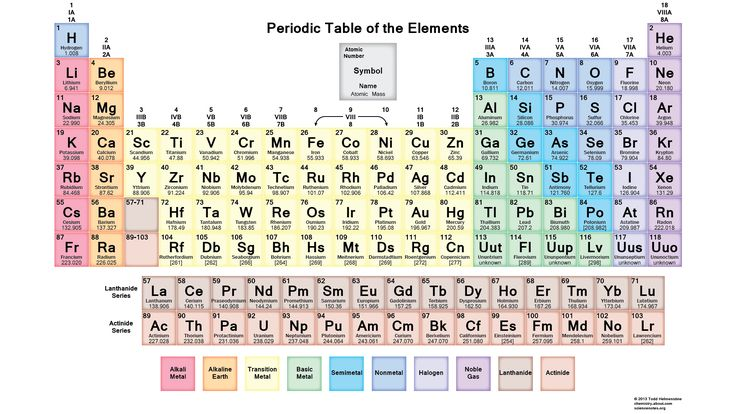
atoms
basic building block of all matter in the universe
elements
a pure substance (cannot be broken down) and is made of one type of atom
arrangement of elements
monoatomic
molecules
lattices
monoatomic
unbonded single atoms
noble gases
compounds
2 or more DIFFERENT elements chemically bonded together
e.g. molecules: non-metallic elements
H₂O, CO₂
lattices: metallic + non-metallic elements
ionic compounds: metal transfer electrons to non-metals
molecule
a cluster or group of atoms joined together
either element / compound
e.g. molecule when one element: Cl₂
molecule when compound: CO₂
lattice
an array of atoms (same or different) bonded together
e.g. metallic lattice: Na
metal + non-metal: NaCl
mixture
2 or more pure substances (element or compound) combined without reacting chemically
subatomic particles
protons → positive charge → weight: 1 atomic mass unit
neutrons → no charge → 1 atomic mass unit
electrons → negative charge → 1/1840 atomic mass unit
atomic number
number of protons

mass number
number of protons AND neutrons
therefore–
number of neutrons = mass number - atomic number

electron shells
where electrons orbit the nucleus
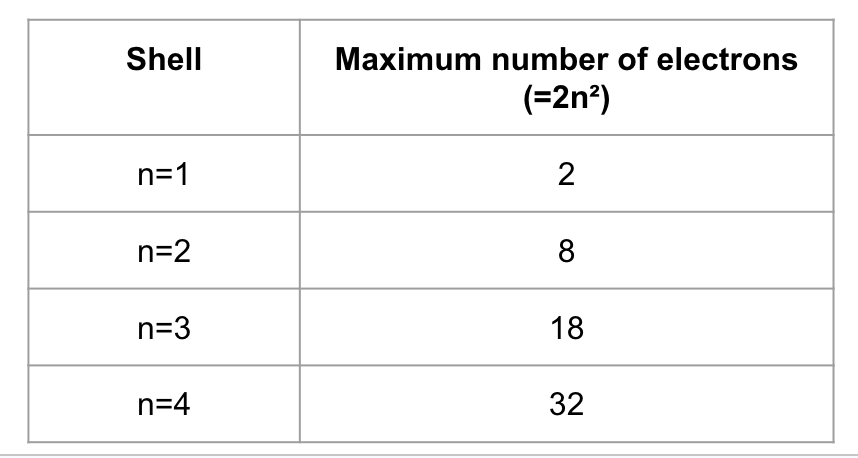
valence electron
electrons in the outermost energy shell
isotope
atoms of the same element with the same number of protons but different numbers of neutrons in the nuclei
same atomic number, different mass number
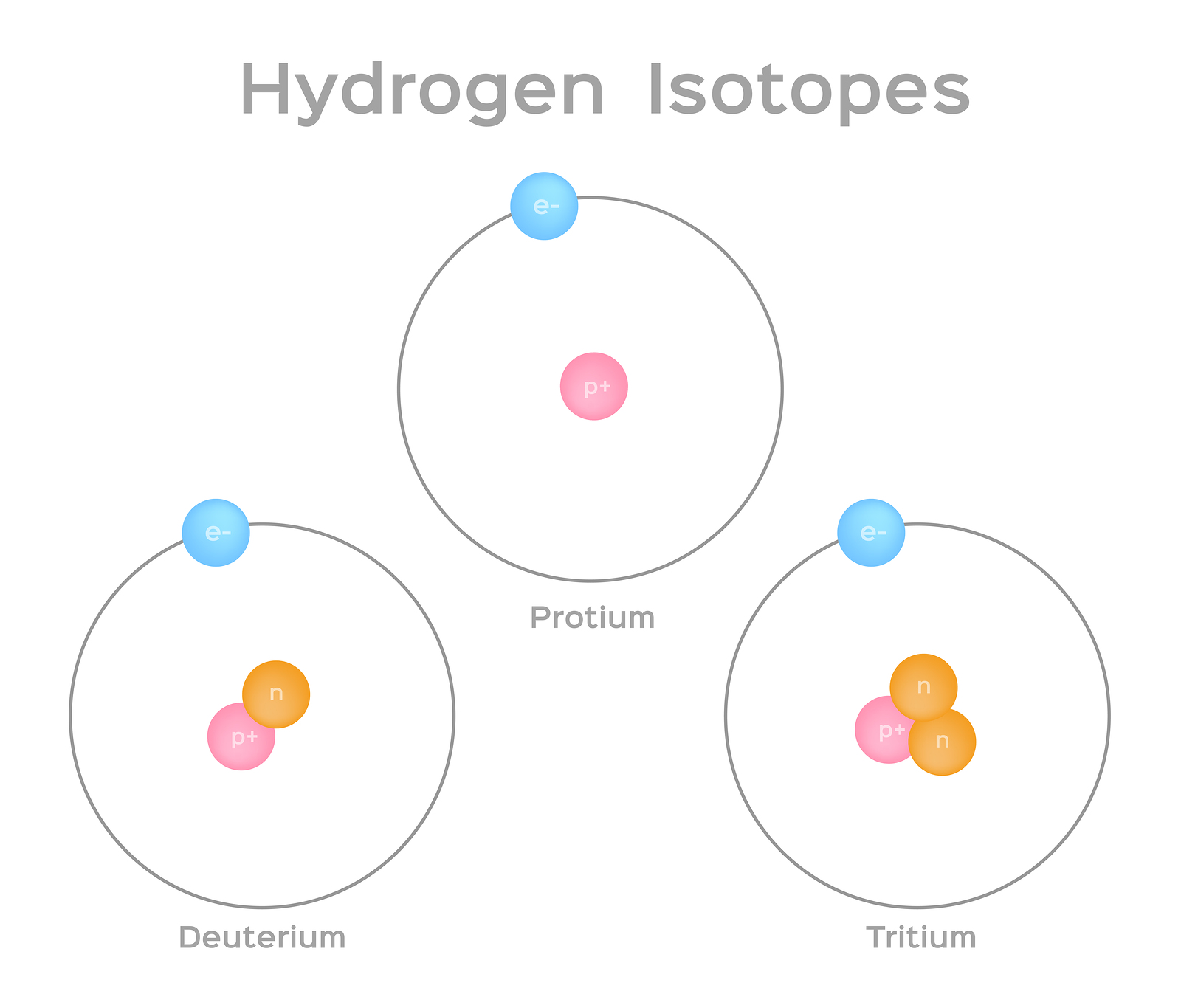
chemical property
isotopes have the same chemical property → chemical property is dependent on the number of electrons
ions
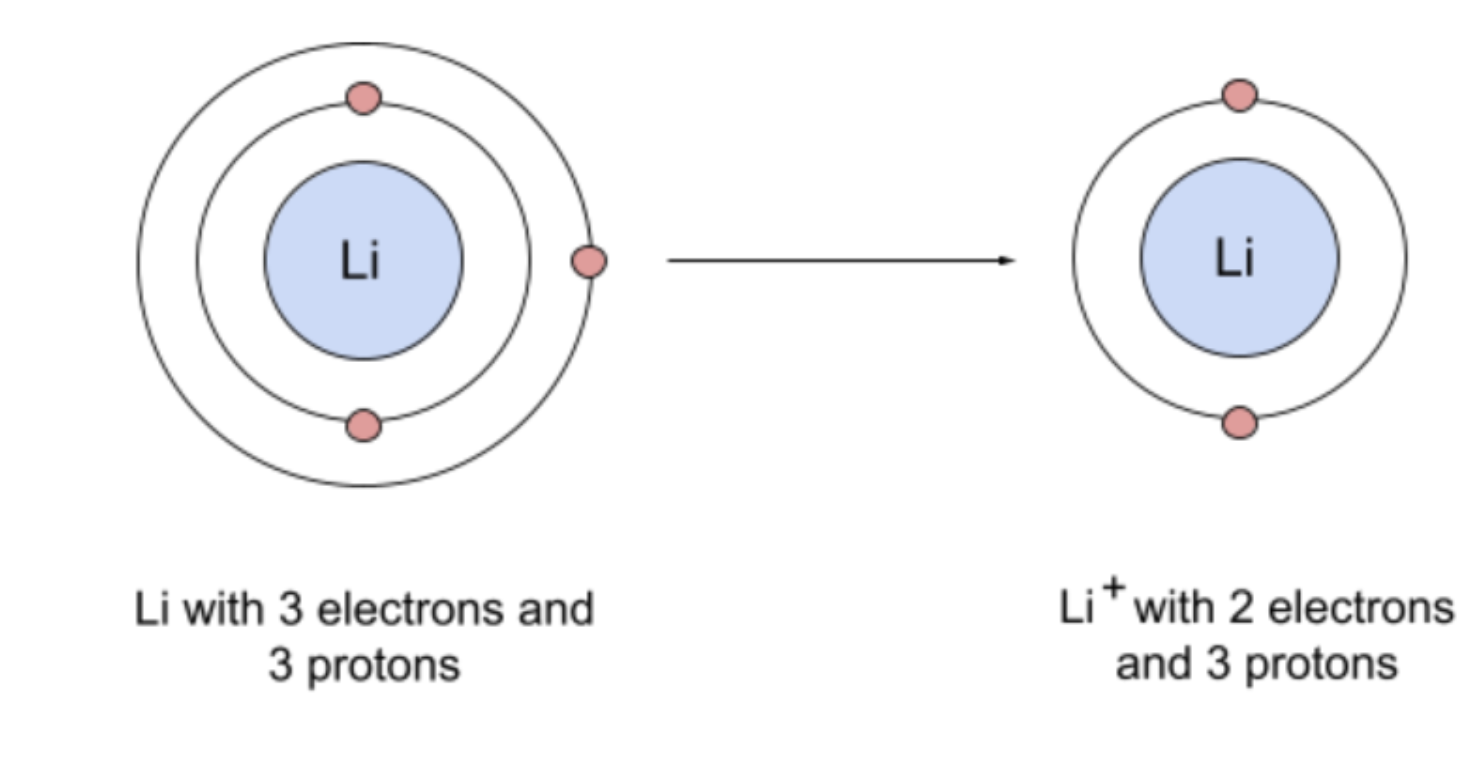
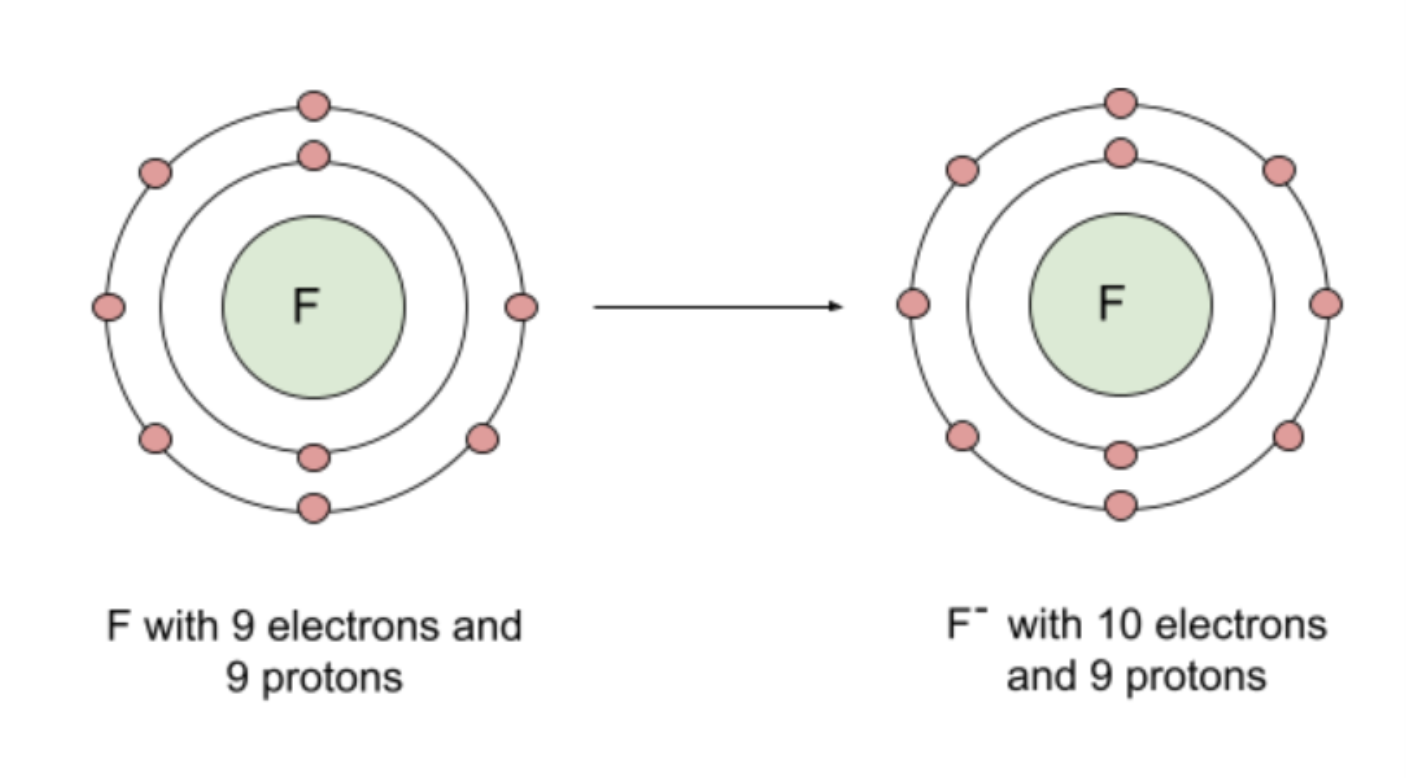
a charged atom that has either gained or lost an electron
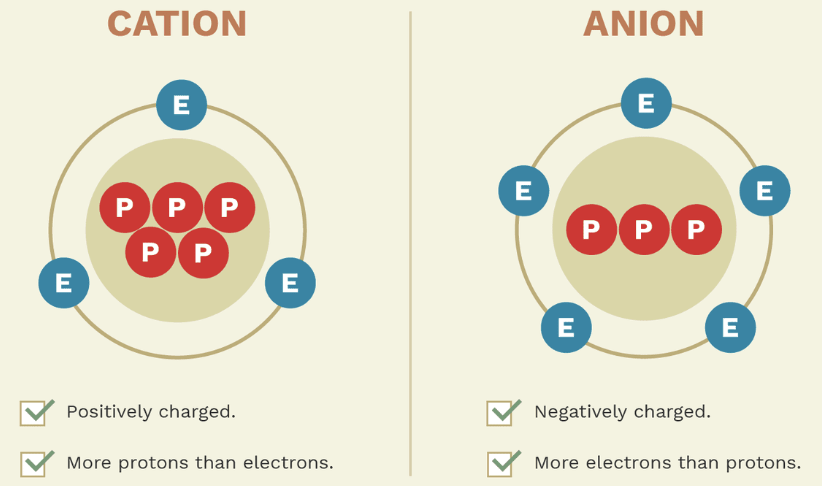
cation
lose electrons → positive charge
anion
gain electrons → negative charge
groups in periodic tables
direction: ↓
represents valence electrons
periods in periodic tables
direction: →
represents number of electron shells
polyatomic ion
group of two or more ions bound together by covalent bonds
multiple ions joined together that have an overall charge
ionic compounds
compounds bound together by ionic bonds
ionic bond = chemical link formed through electrostatic attraction
contain metal ion (cation) that is chemically combined with a non-metal
e.g. NaCl
characteristics of ionic compounds
brittle
conducting electricity
hard
high melting and boiling points
why are they attracted to each other?
wants a full outer shell
stable state, lowest energy
oppositely charged ions are attracted to teach other
involves electrostatic reaction
transfer of electrons
solubility
maximum amount of solute that can dissolve in a solvent
soluble
substance that can dissolve into a liquid
solute
substance that dissolves
solvent
substance that dissolves another substance
solution
uniform mixture of two substances
the mixture you get after the solute dissolves
equation
solute + solvent → solution
precipitation
solid produced in a reaction
two soluble (aq) ionic compounds mix to form an insoluble solid (precipitate)
atomic radius
distance between the nucleus and the valence electron shell
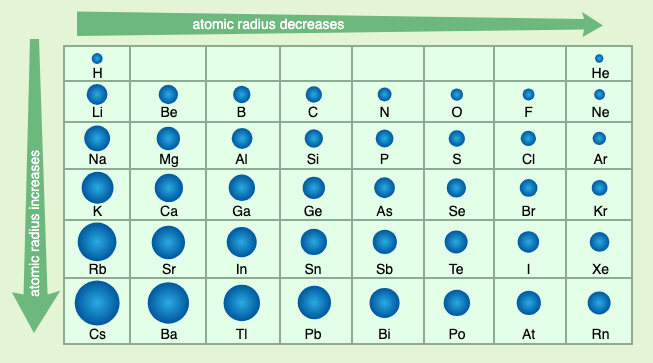
when atomic radius increases, reactivity…
increases
large atomic radius → easier to lose electrons