Business Value Chains
 Call Kai
 Learn
Learn Practice Test
 Spaced Repetition
 Match
Match Flashcards
 Knowt Play
1/41

There's no tags or description
Looks like no tags are added yet.
Name | Mastery | Learn | Test | Matching | Spaced | Call with Kai | Chat |
|---|
No analytics yet
Send a link to your students to track their progress
42 Terms
case based reasoning
identify a similar problem with a known effective soultion and apply the approach to this problem (association rules)
PeopleSoft
– Founded by David Duffield, a former IBM employee
– Today, PeopleSoft, under Oracle, is a popular software
choice for managing human resources and financial
activities at universities
• Oracle
– SAP’s biggest competitor - Began in 1977 as Software
Development Laboratories (SDL)
– Founders: Larry Ellison, Bob Miner, and Ed Oates
Strategic Analysis
the process of analyzing the organization, the environment, and the organization's competitive position and current strategies
1960s
MRP: Material Requirements Planning
Scope: Production management integration.
1970s
CL MRP: Closed Loop Material Requirements Planning
Scope: Production management integration.
1980s
MRP II: Manufacturing Resource Planning
Scope: Enterprise management integration.
1960s
MRP: Material Requirements Planning
Scope: Production management integration.
1970s
CL MRP: Closed Loop Material Requirements Planning
Scope: Production management integration.
1980s
MRP II: Manufacturing Resource Planning
Scope: Enterprise management integration.
Dependent Demand
Derived Demand: It comes directly from the demand for a finished product.
Production-Based: It relies strictly on the total number of final items being manufactured.
System Calculated: It is computed automatically using a Material Requirements Planning (MRP) system.
Independent Demand
Finished Products: Demand is forecasted for completed, end-item goods.
Autonomous: It does not depend on the production or demand of other items.
1990s
DRP: Distribution Requirements Planning
Scope: Production management integration.
ERP: Enterprise Resource Planning
Scope: Enterprise management integration.
2000s
LRP: Logistics Requirements Planning
Scope: Production management integration.
DRP II: Distribution Resource Planning
Scope: Enterprise management integration.
LIS: Logistics Information System
Scope: Supply chain management integration.
1990s
DRP: Distribution Requirements Planning
Scope: Production management integration.
ERP: Enterprise Resource Planning
Scope: Enterprise management integration.
2000s
LRP: Logistics Requirements Planning
Scope: Production management integration.
DRP II: Distribution Resource Planning
Scope: Enterprise management integration.
LIS: Logistics Information System
Scope: Supply chain management integration.
MRP uses backward scheduling to determine for each part in inventory?
what to order (shortages)
when to order (demand)
the BOM (bill of materials )
describes product structure for each item
Sentiment analysis
assessments that monitor social media to determine how customers view the firm
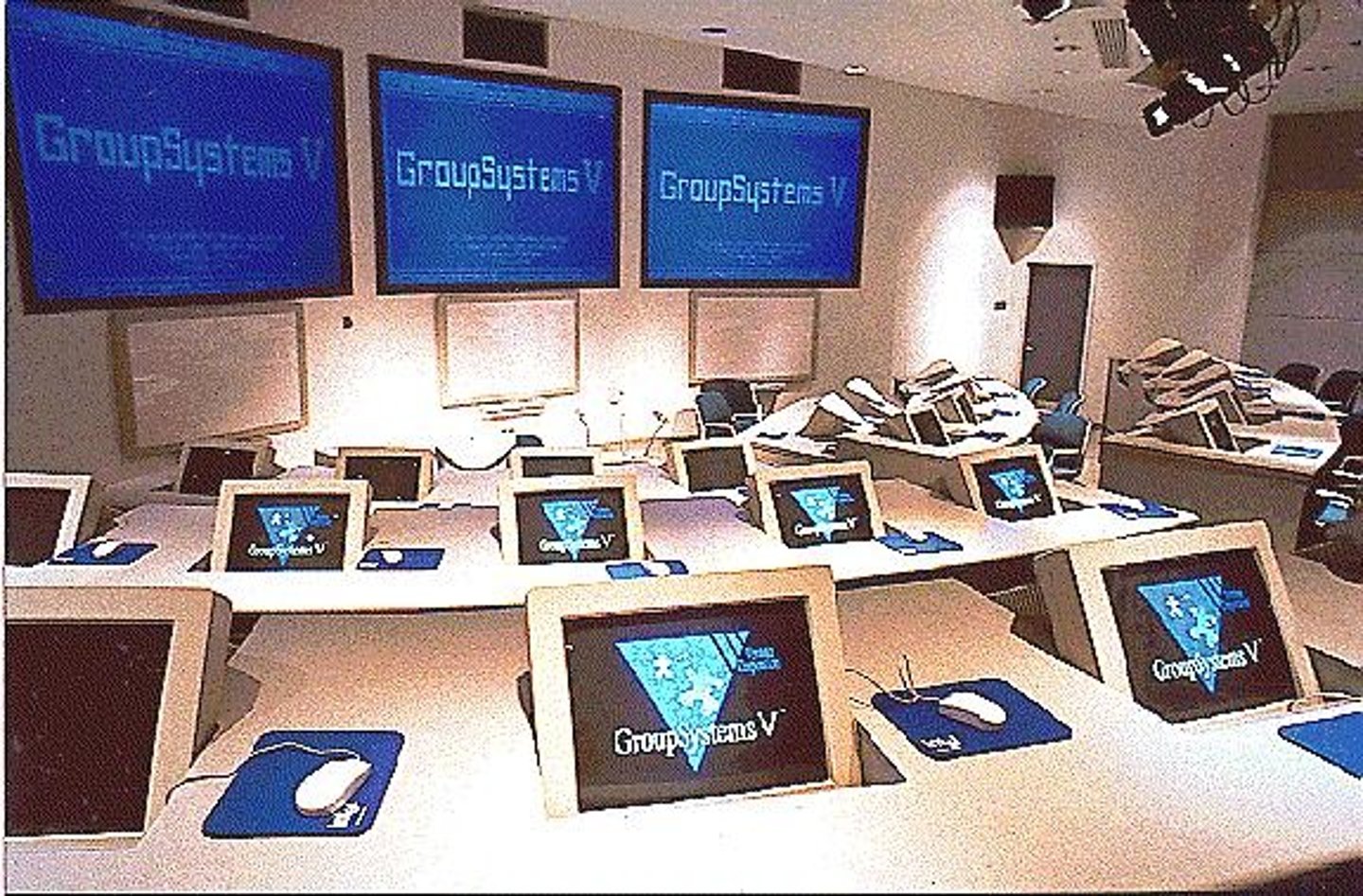
Who pioneered Group Decision Support Systems (GDSS)?
Dr. Jay F. Nunamaker.
Qualitative (Decision Matrices)
Often necessary when a decision is bas on Tacit knowledge or intangibles
What are the main topics covered in the lecture on Intelligent Systems?
Strategies for decision making, group decision support systems, and knowledge-based decision making.
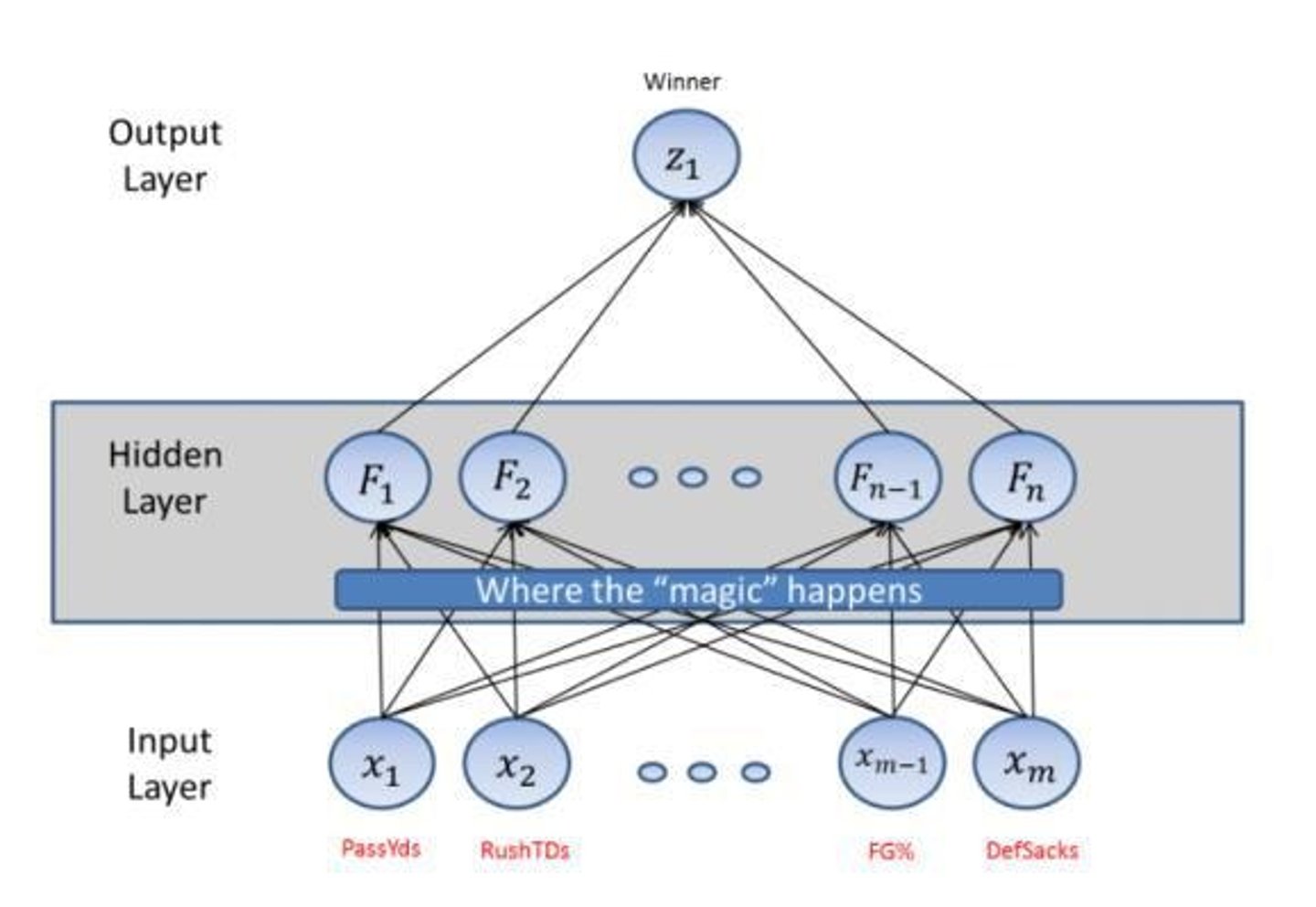
What does Neural Computing refer to?
A non-linear predictive model defined using training and observed behaviors.
What is the Nearest Neighbor technique?
A method that finds data with characteristics similar to a new record.
What is Rule Induction based on?
IF/THEN rules, statistical significance, and probability.
What is the purpose of GDSS?
To support collaborative group processes using electronic meeting software.
What are some common meeting difficulties in group decision making?
Lack of focus, hidden agendas, wrong people, free riding, premature closure, domination, fear of speaking, and misunderstandings.
What does Parallel Processing of Discussions in GDSS enable?
It allows for more ideas and information, full contribution, and rapid exchange.
E: EXPERIENCE, I:INSIGHT I:INFORMATION I:INSPIRATION
What are the two categories of knowledge-based decision making?
Quantitative (Decision Trees) and Qualitative (Decision Matrices).
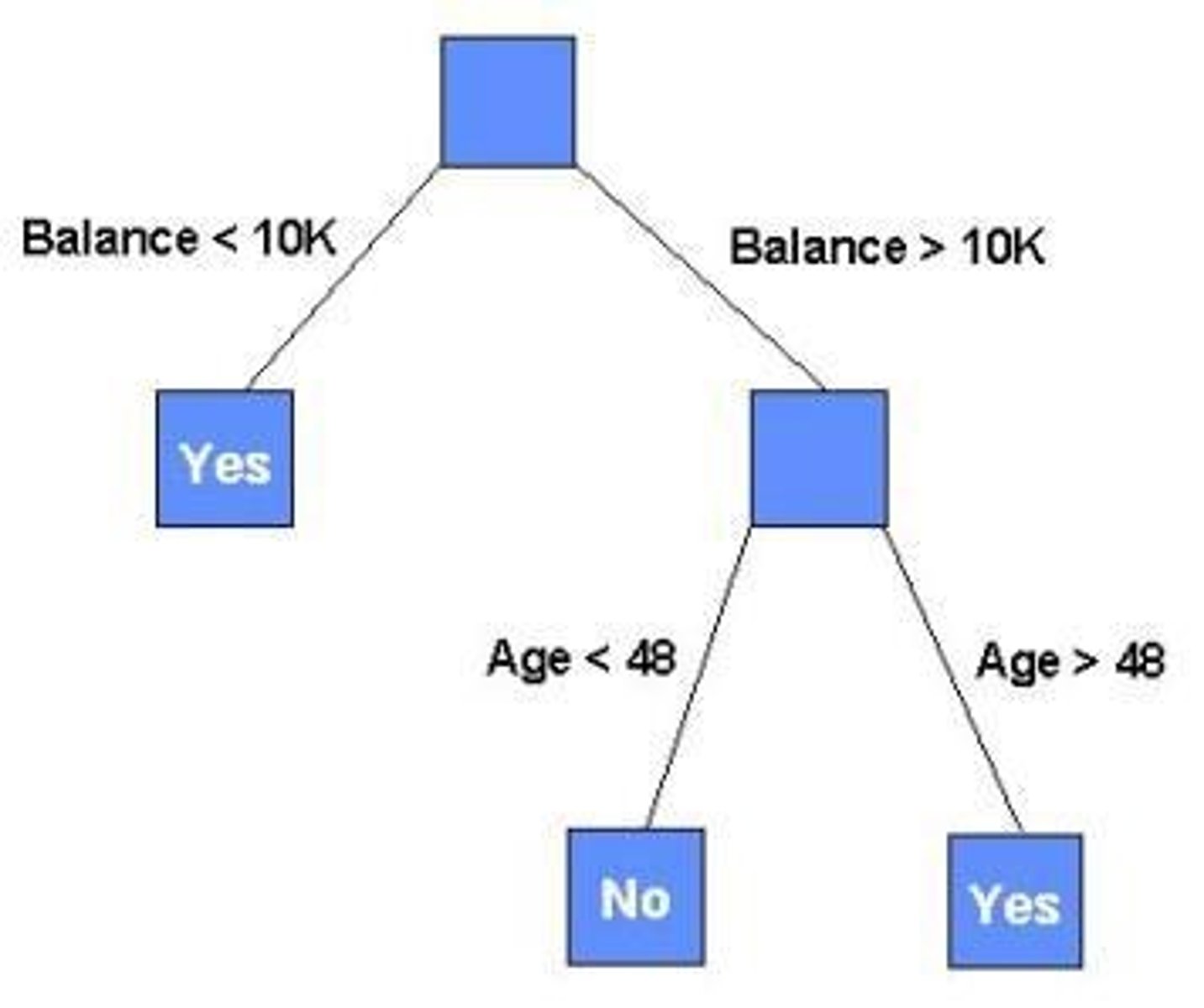
What is a Decision Tree?
Quantitative (FACTS ) IF THEN
- Often used when a decision is based on Explicit knowledge or objective facts
- Involves analysis using math in some form
What is the role of systems supporting group decisions?
To enhance collaboration and improve the decision-making process within groups.
How does GDSS improve group decision making?
By facilitating collaboration, reducing biases, and enhancing the quality of decisions made.
What is the significance of full contribution in GDSS?
It ensures that all group members can share their ideas and insights, leading to better decision outcomes.
What is the importance of weighing factors in a Decision Matrix?
It allows for a structured comparison of alternatives based on prioritized criteria.
Key Features of GDSS
Contributor Anonymity
- Focus on ideas, not authors
- Full disclosure
- Constructive Improvement
Key Features of GDSS Parallel Processing of Discussions
- More ideas and information
- Full Contribution
- Rapid Exchange
Transformative Analysis
a research and evaluation framework that prioritizes social justice, equity, and the empowerment of underrepresented communities
What type of analytics examines recent and historical data to detect patterns, and predict future outcomes and trends, and provide estimates about the likelihood of a future outcome?
Predictive Analytics
What decision support strategy uses a technique based on searching based on logical proximity by identifying other data with characteristics that are common to a new item being analyzed?
Nearest Neighbor Technique
Which of the following is NOT a type of analytics commonly performed by organizations?
Transformative Analytics
What term is used to describe the ongoing collection of related activities that create a product or service of value to the organization, its business partners, and its customers?
Business process
What type of date mining analysis specifically is focused on discovering the co-occurrence relationships among activities performed by specific individuals or groups, such as market basket analysis, which retailers seek to understand the purchase behavior of customers?
Affinity
MRP - materials requirements planning
TIME PHASE NET REQUIREMENTS FOR ASSEMBLIES AND PARTS
MRP-II - Manufacturing Resource Planning
-Plan and execute product inventory, people, and facilities.
ERP - Enterprise Resource Plannin
-Plan and control all business resources needed for orders
Which of the following functional modules would NOT be considered as an (optional) "Extended ERP" module?
Financial Management
With the ________ approach to on-premise ERP (Enterprise Resource Planning) implementation, a company implements a standard ERP package using the package's built-in configuration options.
vanilla
A(n)________ system connects existing systems by providing middleware software to allow multiple applications to connect and share data.
EAI (Enterprise Application Integration)
Typically involving supply chain management (SCM) and customer relationship management (CRM) business processes, systems that manage processes originating in one company and concluding in another company are called ________ systems.
interorganizational systems
Which of the following ERP vendors was originally named "Software Development Laboratories" (SDL) and founded in 1977 by Larry Ellison, Bob Miner, and Ed Oates?
oracle
________ is a cloud-based ERP (Enterprise Resource Planning) system that avoids an on-premise ERP implementation.
SaaS (Software as a Service)