Unit 1 National 5 Biology
 Call Kai
 Learn
Learn Practice Test
 Spaced Repetition
 Match
Match Flashcards
1/51

Earn XP
Description and Tags
Vocabulary flashcards covering DNA structure, bases, genes, chromosomes, DNA profiling, and protein synthesis based on the lecture notes.
Name | Mastery | Learn | Test | Matching | Spaced | Call with Kai | Chat |
|---|
No analytics yet
Send a link to your students to track their progress
52 Terms

Describe the structure of DNA
Double helix

Identify the structures of a nucleotide.
A - Sugar; B - Phosphate; C - Base
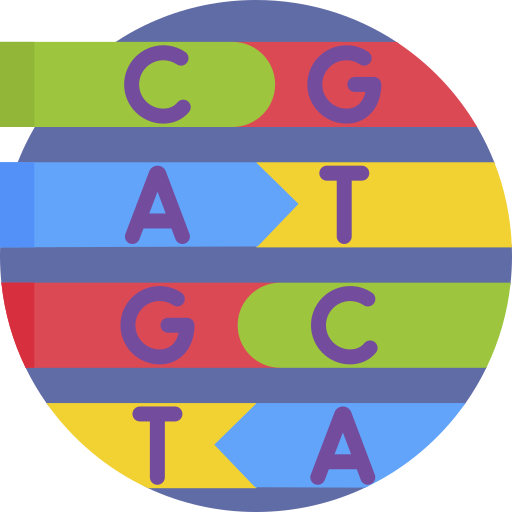
Name the four DNA bases.
Adenine (A); Cytosine (C); Guanine (G); Thymine (T)

State the base pair rule.
Adenine pairs with Thymine; Cytosine pairs with Guanine.
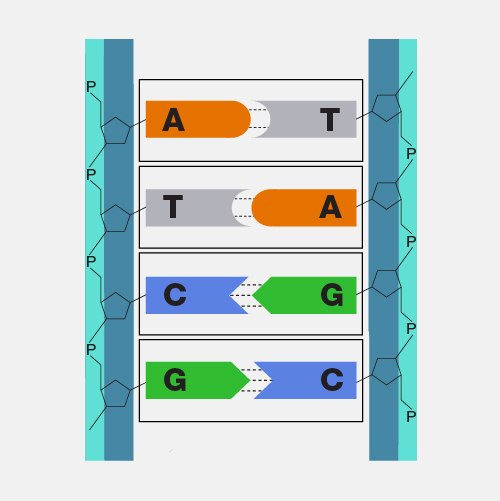
State how the two strands of DNA are joined together.
By complementary base pairing.

Where is DNA located in the cell?
Nucleus
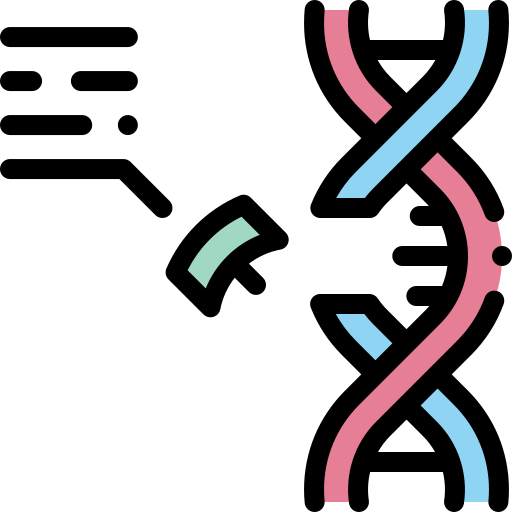
What is a gene?
A section of DNA.

How is DNA stored in the nucleus?
In chromosomes.

What do genes code for?
Proteins
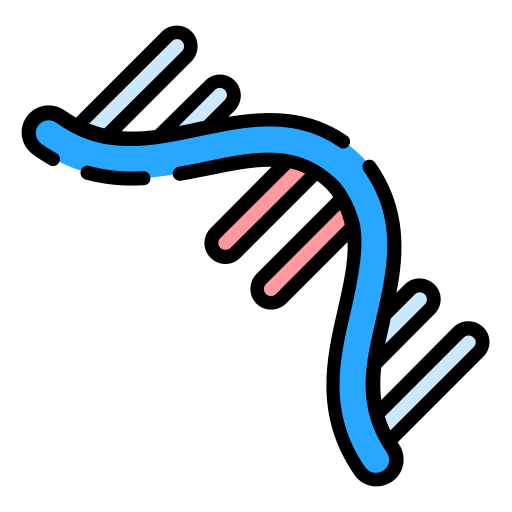
Where is messenger RNA (mRNA) produced?
Nucleus

State the function of mRNA.
Carries a Complementary Copy of the genetic Code from the nucleus to the ribosome (The 4 C’s).

Where does protein synthesis take place.
At the ribosome.

What determines the sequence of amino acids during protein synthesis?
The order of bases.

What determines the type of protein made at the ribosome?
The order of amino acids.

Each amino acid is made up of a triplet of DNA bases. How many bases are there in a triplet?
3

Describe the steps of protein synthesis.
The DNA double helix unwinds.
A mRNA molecule lines up with DNA bases according to the base pair rule.
The mRNA Carries a Complementary Copy of the genetic Code from the nucleus to the ribosome.
The ribosome reads the mRNA strand and uses the order of bases to produce a protein by joining amino acids together.
Name the five functions of proteins.
Structural, Hormones, Antibodies, Receptors, Enymes

Name a structural protein.
Keratin; collagen; elastin
State the function of a hormone and list names of some hormones.
Hormones are chemical messengers that act on target organs. Examples: Insulin; glucagon; testosterone; oestrogen

State the function of antibodies
They defend the body against pathogens (disease causing microorganisms)

State the function of enzymes.
Biological catalysts and speed up chemical reactions in all living cells that remain unchanged at the end of a reaction.

Describe an enzyme degradation reaction.
When a substrate molecule is broken down into smaller product(s).

Describe an enzyme synthesis reaction.
When substrate molecule(s) are built up into a larger product.

Describe the steps involved in an enzyme reaction.
The substrate binds to the enzyme at the active site.
The shape of the active site is complementary to its substrate.
An enzyme-substrate complex forms.
Product(s) are formed and are released from the enzyme.

Describe how catalase is specific to its substrate, hydrogen peroxide.
The shape of the active site of catalase is complementary to its substrate, hydrogen peroxide.

Describe how amylase is specific to its substrate, starch.
The shape of the active site of amylase is complementary to its substrate, starch.

Describe how lipase is specific to its substrate, fats.
The shape of the active site of lipase is complementary to its substrate, fats.

Describe how phosphorylase is specific to its substrate, glucose-1-phosphate.
The shape of the active site of phosphorylase is complementary to its substrate, glucose-1-phosphate.

Explain why catalase cannot break down starch.
The shape of the active site of catalase is not complementary to the shape of starch. Starch requires a different enzyme to be broken down.

What is meant by an enzyme’s optimum condition?
The condition at which an enzyme is most active at.

State two conditions that affect enzyme activity.
Temperature and pH.

When does an enzyme become denatured?
When the temperature increases past the optimum temperature of the enzyme or when the pH increases/decreases past the optimum pH of the enzyme.

Describe what happens to an enzyme when it is denatured and how it affects enzyme activity.
The active site of the enzyme changes shape and is no longer complementary to its substrate. Enzyme activity decreases.

Describe what happens to the enzyme pepsin when the pH increases above it's optimum pH.
The active site of pepsin changes shape and is no longer complementary to its substrate, proteins. Enzyme activity decreases.

What is genetic engineering?
When genes can be transferred from one cell to another.

List examples of genetic engineering in humans.
Bacteria can be used to genetically engineer human insulin and human growth hormone.
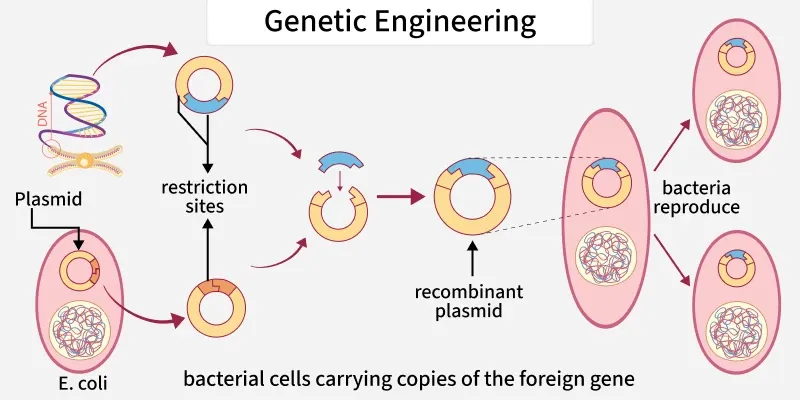
Describe the stages of producing a genetically engineered bacteria.
Identify the required gene from the source chromosome.
Cut out the required gene using enzymes.
Extract the plasmid from the bacterial cell and cut open the plasmid using enzymes.
Insert the required gene into the plasmid and seal using a different enzyme.
Insert the modified plasmid into a NEW HOST BACTERIAL CELL.
The new bacterial cell reproduces to produce the required protein.

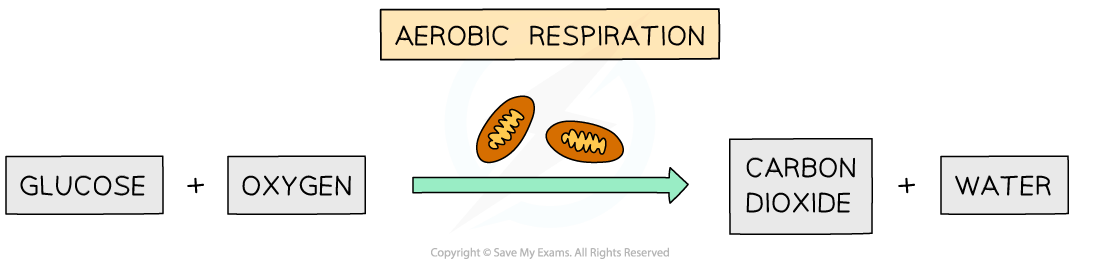
What is the word equation for aerobic respiration.
Glucose + Oxygen → Carbon Dioxide + Water + energy released (many molecules of ATP)

What is the word equation for fermentation in animals?
Glucose → Lactate + Energy (2 molecules of ATP)

Where in the cell does stage 1 of respiration take place?
Cytoplasm

Where does aerobic respiration take place?
Mitochondria.

What molecule must be present for aerobic respiration to take place?
Oxygen

Define aerobic respiration.
A series of enzyme-controlled reactions where the chemical energy stored in glucose is released.
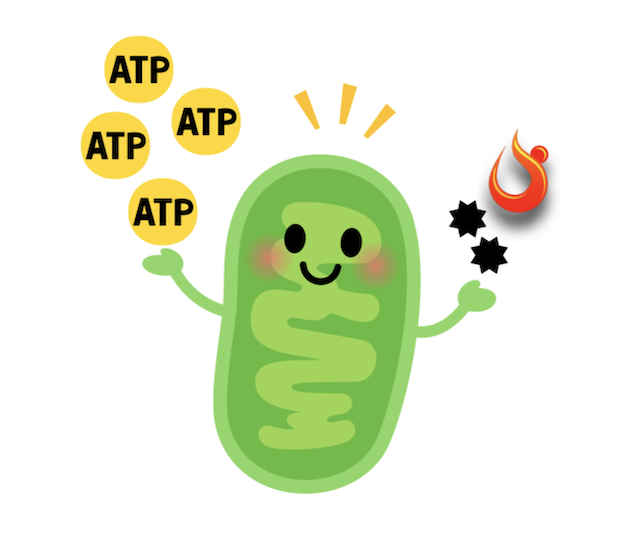
Name 5 cellular processes that require ATP.
Muscle Cell Contraction
Mitosis
Active Transport
Transmission of Nerve Impulses
Protein Synthesis

What is the word equation for fermentation in plants and yeast?
Glucose → Ethanol + Carbon dioxide + Energy (2 molecules of ATP)
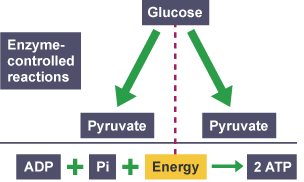
Describe the reaction that takes place in stage 1 of respiration.
Glucose is broken down into 2 molecules of pyruvate. This generates 2 molecules of ATP. This reaction is controlled by enzymes and takes place in the cytoplasm.
What happens in stage 2 of respiration in the mitochondria?
In the presence of oxygen, pyruvate is converted into carbon dioxide and water. This reaction releases many molecules of ATP.


How many molecules of ATP are generated in aerobic respiration?
Many per glucose molecule (approximately 36-38)

How many molecules of ATP are generated in stage 1 of respiration?
2

How many molecules of ATP are generated in fermentation?
2 (same as in stage 1 of respiration)

What happens in stage 2 of respiration in the absence of oxygen?
In animal cells, pyruvate is converted into lactate and two molecules of ATP are generated (the same two molecules from stage 1).
In plant and yeast cells, pyruvate is converted into ethanol and carbon dioxide and two molecules of ATP are generated (the same two molecules from stage 1).

State what industries use the products of fermentation in plant and yeast cells.
Ethanol is used in brewing to give alcoholic drinks flavour; carbon dioxide is used in baking to make dough rise.