Biological psych test 1 dr Mann
 Call Kai
 Learn
Learn Practice Test
 Spaced Repetition
 Match
Match Flashcards
 Knowt Play
1/61

There's no tags or description
Looks like no tags are added yet.
Name | Mastery | Learn | Test | Matching | Spaced | Call with Kai | Chat |
|---|
No analytics yet
Send a link to your students to track their progress
62 Terms
hypothalamus
A neural structure lying below the thalamus; it directs several maintenance activities (eating, drinking, body temperature), helps govern the endocrine system via the pituitary gland, and is linked to emotion and reward.

pons
a structure that links your brain to your spinal cord. It handles unconscious processes and jobs, such as your sleep-wake cycle and breathing.

medulla
the base of the brainstem; controls heartbeat and breathing. responsible for sneezing and coughing too
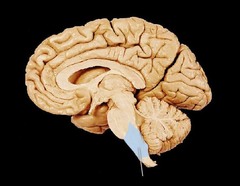
thalamus
where all of your senses are sent EXCEPT FOR SMELL. it decides whether or not to focus on the senses.

cerebellum
the "little brain" known for coordinated movements
how might the cerebellum affect you while driving?
it affects your motor functions; steering, turning your head, pressing the gas/breaks
how might the medulla affect you while driving?
it regulates your heart rate and breathing. Any sneeze or couch comes from here
how might the pons affect you while driving?
staying alert and aware. All your nerves flip from one side of the body within this part of your brain.
how might the thalamus affect you while driving?
keeping you awake, activating your senses. You might notice you're too close to another car because of this part of your brain
how might the hypothalamus affect you while driving?
regulating your body temperature, telling you when to stop for food or drink
how might the amygdala affect you while driving?
road rage, fear responses, someone slams on brakes in front of you and this part of your brain activates
how might the hippocampus affect you while driving?
memorizing routes
how might the frontal lobe affect you while driving?
it will help with problem-solving such as instantly finding another route before even thinking about it. Reading road signs, judging, making decisions, regulating emotions, and short-term memory. (all Working memory)
how might the parietal lobe affect you while driving?
sensory cortex: all sensory information comes here from touch, pressure, pain, etc. This part of your brain sends messages to voluntary muscle groups
how might the occipital lobe affect you while driving?
visual cortex: this part of your brain notices anything visually around you
how might the temporal lobe affect you while driving?
auditory cortex: this part of your brain helps with listening and understanding music and signs. Hearing sirens, making sense of language, etc. are all things this part of the brain does.
first step of neurotransmission
calcium flows in when neurotransmitter is stimulated
second step of neurotransmission
vesicles fuse to axon wall when calcium flows in
third step of neurotransmission
neurotransmitters are released after the vesicles fuse to the axon wall
fourth step of neurotransmission
the neurotransmitters either go out as waste or are taken back up
Neurons
Individual cells in the nervous system that receive, integrate and transmit information.
glial cells
cells in the nervous system that support, nourish, and protect neurons
Nucleus function and structure
control center, contains DNA

mitochondrion function
The site of cellular respiration produces chemical energy in the form of ATP by breaking down glucose.
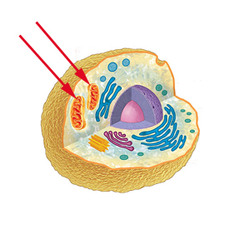
chromosome function
stored genetic information

ribosome function
Makes proteins

motor neuron
a neuron that sends an impulse to a muscle or gland, causing the muscle or gland to react
sensory neuron
neurons that carry incoming information from the sensory receptors to the brain and spinal cord
dendrite function
collect signals from other cells
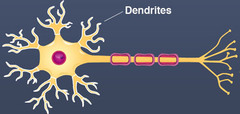
dendrite spine
Protrusion from a dendrite that greatly increases the dendrite's surface area and is the usual point of dendritic contact with the axons of other cells.

axon function
send signal from the neuron to the next cell
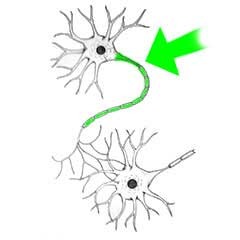
myelin sheath function
Protect and electrically insulate the axon
Increase speed of nerve impulse transmission
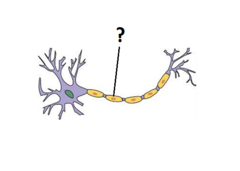
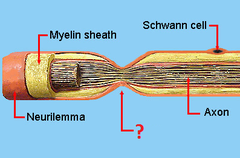
nodes of ranvier function
allow nutrients in, waste out
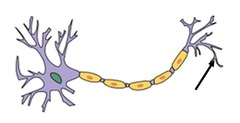
presynaptic terminal
(end bulb or bouton) point where an axon releases chemicals. the end of the axon
due to their varying functions
why do neurons vary in shape and size?
resting potential of a neuron
its stable, negative charge when the cell is inactive
acting potential in a neuron
the brief wave of positive electrical charge that sweeps down the axon
Sequence of chemical events at a synapse
synthesis, transport, release, reuptake
The major sequence of events allowing communication between neurons across the synapse
-The neuron synthesizes chemicals that serve as neurotransmitters
-Action potentials travel down the axon
-Released molecules diffuse across the cleft, attach to receptors, and alter the activity of the postsynaptic neuron
-The neurotransmitter molecules separate from their receptors
-The neurotransmitters may be taken back into the presynaptic neuron for recycling or diffuse away
-Some postsynaptic cells may send reverse messages to slow the release of further neurotransmitters by presynaptic cells
presynaptic terminal
(end bulb or bouton) point where an axon releases chemicals
postsynaptic terminal
membrane region of the receiving cell
vesicles
small membrane sacs that specialize in moving products into, out of, and within a cell
neurotransmitters
chemical messengers that cross the synaptic gaps between neurons
receptors
In neurons, specialized protein molecules on the postsynaptic membrane; neurotransmitters bind to these molecules after passing across the synaptic cleft.
serotonin
affects mood, hunger, sleep, and arousal
an undersupply linked to depression; some antidepressants raise levels of this neurotransmitter
dopamine
influences movement, learning, attention, and emotion
an oversupply of this is linked to schizophrenia; an undersupply is linked to tremors and decreased mobility in Parkinson's disease and ADHD
acetylcholine (ACh)
enables muscle action, learning, and memory
The neurons producing this neurotransmitter deteriorate as Alzheimer's disease progresses
Norepinephrine
helps control alertness and arousal
undersupply can depress mood and cause ADHD-like attention problems
GABA (gamma-aminobutyric acid)
a major inhibitory neurotransmitter
undersupply is linked to seizures, tremors, and insomnia
glutamate
A major excitatory neurotransmitter; involved in memory
oversupply can overstimulate the brain, producing migraines or seizures; this is why some people avoid MSG in food
antagonist neurotransmitter
a compound that blocks or inhibits the action of a neurotransmitter
agonist neurotransmitter
excites neurons & increases firing by mimicking a neurotransmitter or blocking reuptake
nucleus accumbent
the area of the brain where the release of dopamine happens. the reason for addiction
endorphins
"the morphine within"--natural, opiate-like neurotransmitters linked to pain control and to pleasure
central nervous system
consists of the brain and spinal cord
peripheral nervous system
the sensory and motor neurons that connect the central nervous system to the rest of the body
white matter
largely composed of axons, serves to transmit signals to other regions of the brain, spinal cord, and body.
Gray matter
largely functions to receive information and regulate outgoing information, as it contains the cell bodies of neurons.
What is grey matter composed of?
neuron cell bodies
What is white matter composed of?
myelinated axons
autonomic nervous system
A subdivision of the peripheral nervous system. Controls INVOLUNTARY, automatic activity of visceral muscles and internal organs and glands.
sympathetic nervous system
the division of the autonomic nervous system that arouses the body, mobilizing its energy in stressful situations (FIGHT/FLIGHT)
parasympathetic nervous system
the division of the autonomic nervous system that calms the body, conserving its energy (RELAXED)