Physiological Chemistry
 Call Kai
 Learn
Learn Practice Test
 Spaced Repetition
 Match
Match Flashcards
 Knowt Play
1/162

There's no tags or description
Looks like no tags are added yet.
Name | Mastery | Learn | Test | Matching | Spaced | Call with Kai | Chat |
|---|
No analytics yet
Send a link to your students to track their progress
163 Terms
Basic building blocks of all matter
atoms
Purest form of matter
elements
contain one or more atoms
molecules
Atomic Nucleus
Positively charged
Protons
Atomic Nucleus
neutral
neutrons

Atomic Nucleus
Negatively charged
electrons
Number of protons is the elements _________
atomic number
Elements are arranged by ________
atomic number
When one or more atoms come together & makes chemical bond with each other
Molecule
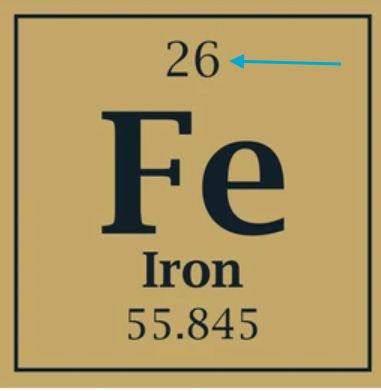
atomic number
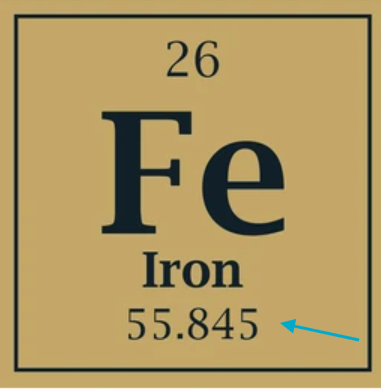
Atomic mass
same number of protons but different number of neutrons
isotopes
Isotopes with excessive _______ can be unstable but will break down in stable bi-products
neutrons
Different variantions means?
same number of protons but different number of neutrons in the nucleus
Lowest electron orbital is _____ electrons
2
_____ shells mean more energy electrons have up to 8 electrons
higher
The outer shell of an atomic structure is called
valence shell
The electrons in the outer shell of an atom are called
valence electrons
lose an electron →
positively charged
gain an electron →
negatively charged

Chemical bonds
one atom gives an electron to another atom which accepts it
two molecules become attracted to one another
1 molecule gives up 1 or more electrons & another gains
ionic bonds
Ionic Bonds
the _____ amount of electrons in the outer shell will give the electron to the other molecule
least
Electrostatic attractions between ions result in ____________
crystal formation
Negative ions are called
lose protons
more electrons > less protons
anions
positive ions are called
lose electrons
more protons > less electrons
cations
Common cations
NA +, K+, Ca2+, Mg 2+, H+
Common anions
Cl-, PO43-, HCO3-
Ions are important in physiology and need to be maintained in _____
balance
one or more electrons are shared between atoms but DO NOT give them
covalent bond
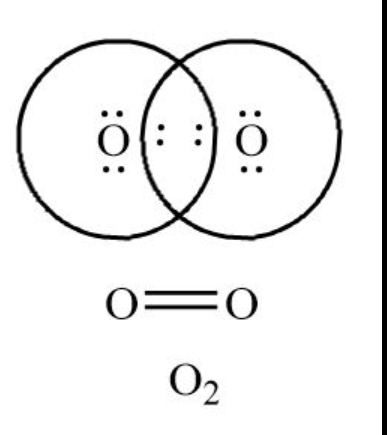
shares 2 electrons
Oxygen gas O2
double covalent bond
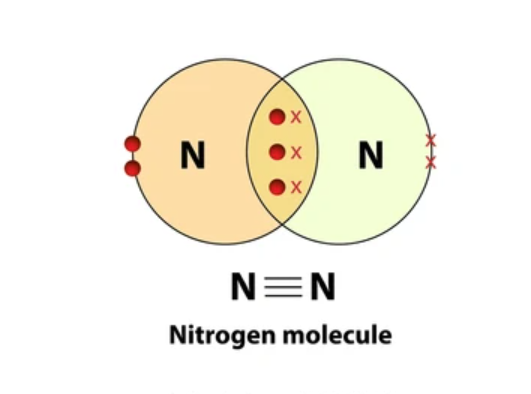
shares 3 electrons
nitrogen gas N2
triple covalent bond
means having 2 opposites “poles”
+ and - are 2 poles bc they are opposites
polar
The more an atom has protons the more it there is a _______
for covalent bonds
pull
when non-polar molecules mix with water (polar) it does
not dissolve
Polar molecules like _____ interact well with water (polar) bc it is also a polar molecule
salt
a weak attraction between a slightly positive hydrogen atom an a slightly negative atom in another molecule
hydrogen bond
an attraction or repulsive force that acts between neighboring molecules
intermolecular force
weak or temporary electrical attractions that occur between non polar molecules or individual atoms when they are close together
charges shift as electrons move/ rearrange electrons
just 1% bc polarity does not last
Van der Waals
non-polar molecules like oil, fat, or wax that cluster together when placed in water (polar)
water molecules (solvent) push the non polar molecules out of the way so water can stick itself
hydrophobic interactions
Strength of bond types
covalent, Ionics, hydrogen, van der waals forces
Describe chemical bonds that hold the atoms within a molecule together.
within a single water molecule there are polar covalent bonds
Water always bonds with other _____
water
a strong chemical bond formed when one atom completely transfers on or more electrons electrons to another atoms
transfer creates charged atoms called _____
Ionic bonds
how ionic compounds dissolve in water
dissolution
hydration
transport substances around
lubricates
cushions the force of body movements
used to dissolve waste of excretion
Water in human body
What is the universal solvent
water
substance used to hold dissolved substances like ions
solvents
water and stuff dissolved together
ex: salt and water
solution
things dissovled in water
solutes
decrease in temp - freezing
keeps molecules from getting close
stuff that dissolves in water and can conduct electrical currents
electrolytes
stuff that dissolves in water but does not dissociates
maintains fluid balance and in homeostasis
non-electrolyte
has both polar and non polar regions=
hydrophilic and hydrophobic regions in same molecule
part of molecule will dissolve w/ water and non polar areas won’t
amphipathic substances
settle out over time / in mixture or solutions
suspension
won’t settle out over time/ don’t dissolve with each other
gas and water
milk, whipped cream
has a milky appearance
has large organic things like proteins in the water (don’t dissolve)
colloid
homogenous, dissolves in water and invisible
water and salt
has many ions dissolved in water
solution
combination of water and non-polar liquid when forcibly mixed
emulsion
in cells: solution and colloid
cytosol/ fluid
mixture and solutions
is an example of suspension, colloid and solution
blood
mixture and solutions
within blood that settle over time
blood cells within plasma
In blood
is a colloid (has protein, and gets gel-like when sitting in cool temp)
also has dissolved non-proteins like salt and glucose = a solution
blood plasma
an amount of some stuff over other amount of stuff
concentration
moles of solutes per liter of solution
molarity
6.022 × 10²³ atoms ions molecules
mole
sum of atomic masses for each item in the molecule
Molecular mass
measure of how acidic/alkaline a solution is
pH
if solution is more acidic
0-14
more free protons
less than 7 pH
acidic
greater than 7 pH
basic
substances that help prevent pH changes
neutralize
accept/donate protons
bicarbonate (HCO3-) buffer in blood and prevent pH changes in blood
buffers
ability to maintain consistent stable state despite changes in environment
homeostasis
change in variable like air temp, water in blood, light in eye
stimulus
proteins that lives in a cell
receptors
most control centers are part of the ____________
sends output info/ commands
ex: hypothalamus
takes data from receptors → make a decision → makes an action
nervous system- central peripheral NS
structure/muscle/gland that bring change to restore homeostasis
effectors
Homeostasis
body temp
98.6 F or 37 C
Homeostasis
blood glucose
70-99mg/dL
Homeostasis
Blood pH
7.35-7.45
self correcting process your body uses to maintain stability around a set point
negative feedback scheme/loop
Set points of the human body are determined by the control center
usually the hypothalamus
control center
response to moving variable in opposite direction to bring normal range in body
ex: temp is too high → body lowers temp
BG too high → lowers BG
Negative feedback
systemic exploration of curiosity
scientific method
make an observation and ask a question
form a hypothesis
stated prediction/ outcome of a process
formed by using info already known
educated guess/ try to be right
hypothesis
statement about how something works developed by integrating info from multiple studies
usually a fact/backed up by evidence
scientific theory
is one that states some prediction is not
ex: marking the skin with a permanent marker does not cause permanent discoloration
null hypothesis
only one single variable is controlled/manipulated by investigator
determines the results
ex: time
independent variable
one more parameter are measure or observed in response to chaning the independent variable
ex: is the results from the controlled/manipulated variables
dependent varibale
a variable that is held constant
ex: having people in a room with cold temp
keeping the temp at 6 degrees Celsius
control variable
Test question: Which variable is manipulated/ controlled
independent variable
sometimes it is necessary to take a group of experimental subjects and not give them the experimental treatment and procedure
group is called control group or fake experimental group
Why is it important to have a control group?
helps determine if experimental procedure is having a real effect
designing an experiment, you MUST state this information
a clear precise statement that describes how a particular variable is to be measured
ex: rules of experiment:
how many?
how often
what equipment
units that will be used like Celsius or Fahrenheit
operational definitions
biased thinking
confirmation bias
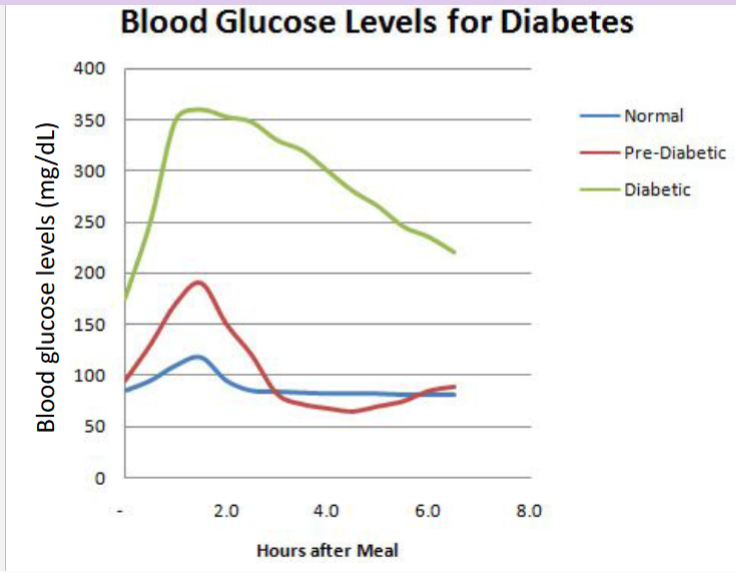
Looking for trends
pre-DM started at 95 mg/dL went up to 180 mg/dL at 1 hr 30 minutes and decreased after 2 hours
Dm started at 185 mg/dL was highest at 1 hr and 35 minutes and decreased after about 3 hours
Normal starts at 85mg/dL and stays constant after 2 hr and stays around 75mg/dL
pre-DM and normal reach a same level 2 different times. At 2 hours and 50 minutes with 75mg/dL and again at 6 hours with 72mg/dL
movement of water through selective permeable membrane
water is moving but other molecules are not
response to concentrations of water on either side
no ATP needed to move water
membrane is permeable only to WATET not to solutes
osmosis
all different molecules dissolved in water are
dissolve in water
solutes
Water cannot cross phospholipid bilayer but does cross through the?
AQUAPORINS
The “heads” of the phospholipid bilayer, facing the outer part of the bilayer
love water
hydrophilic heads
The “tails” of the phospholipid bilayer, facing each other found inside the bilayer
hate water
hydrophobic fatty acid tails