(W/STIMULUS) APUSH 19-21
 Call Kai
 Learn
Learn Practice Test
 Spaced Repetition
 Match
Match Flashcards
 Knowt Play
1/46

There's no tags or description
Looks like no tags are added yet.
Name | Mastery | Learn | Test | Matching | Spaced | Call with Kai | Chat |
|---|
No analytics yet
Send a link to your students to track their progress
47 Terms
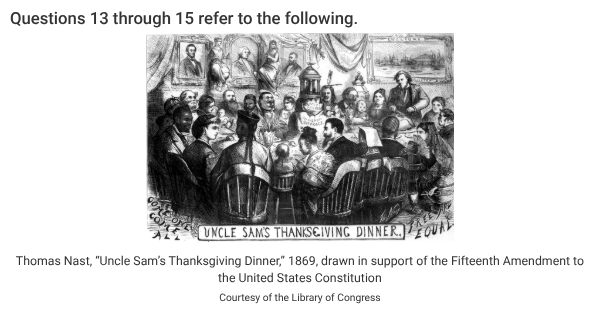
The change in society claimed by the artist in the image was most challenged by
the ending of Reconstruction.
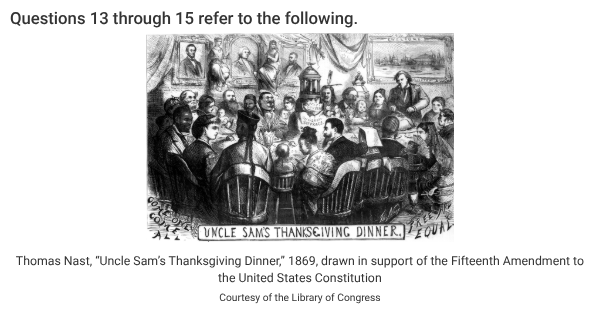
People who shared the views expressed in the image most likely supported which of the following?
The extension of political opportunities to formerly enslaved people
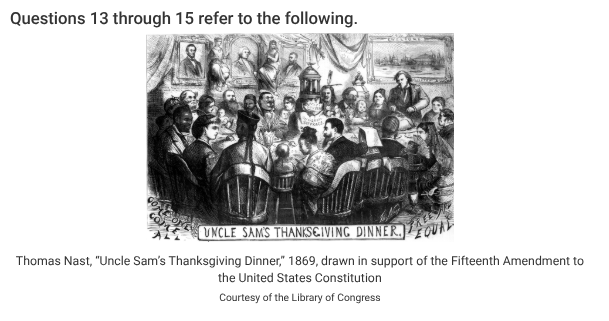
Which of the following developments could best refute the argument expressed in the image?
The conclusion of the Civil War stirred debates over citizenship.
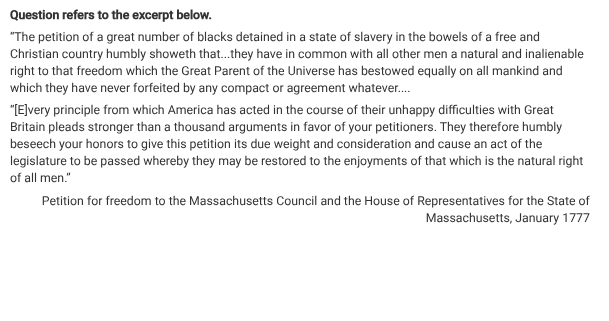
Which of the following developments from the 1800s emerged from ideas most similar to those expressed in the excerpt?
The ratification of the Fourteenth Amendment to the United States Constitution
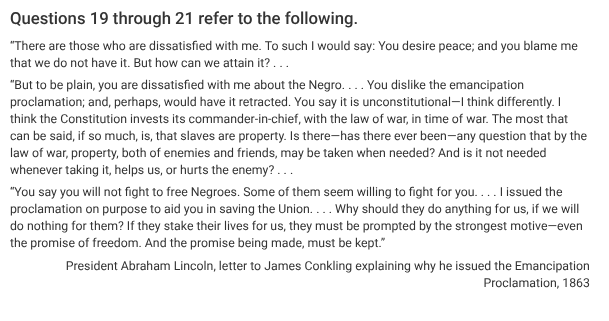
The phrase in the excerpt “Some of them seem willing to fight for you” could most likely be interpreted as having which of the following purposes?
Highlighting the enlistment of formerly enslaved people into the Union army
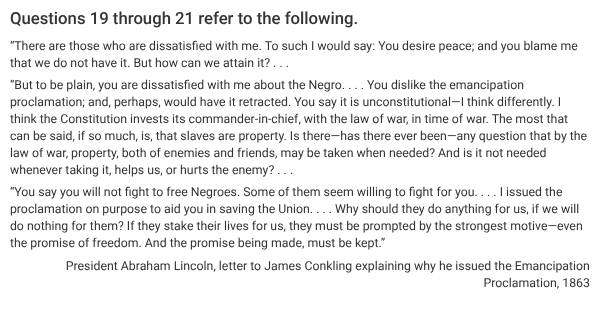
The excerpt could best be used by historians studying which of the following?
How Lincoln used executive powers to initiate wartime policy
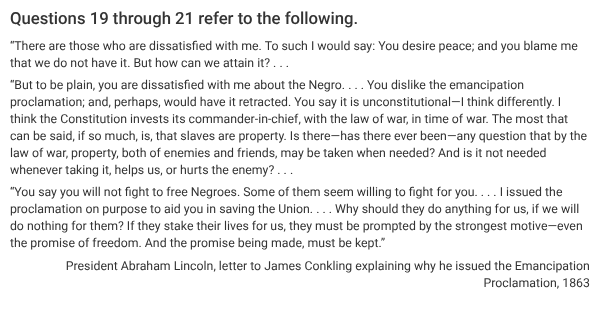
Lincoln’s rhetoric in the excerpt would most likely have been interpreted as promoting which of the following arguments?
Changing the purpose of the war would strengthen the Union cause.
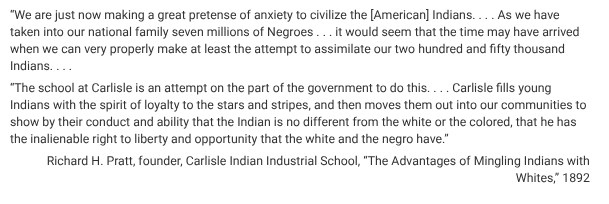
Which of the following developments would the author have been most likely to use to support his assertion that African Americans had joined the United States “national family”?
The ratification of constitutional amendments during Reconstruction
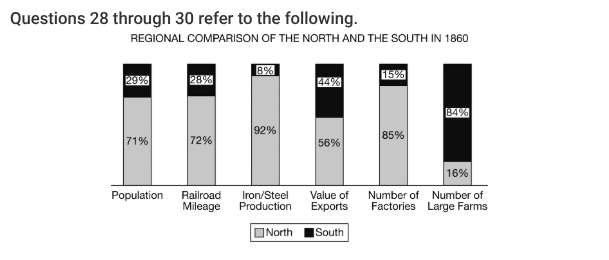
Which of the following differences between the North and the South during the Civil War is depicted in the graph?
The South relied more on plantation agriculture than the North.
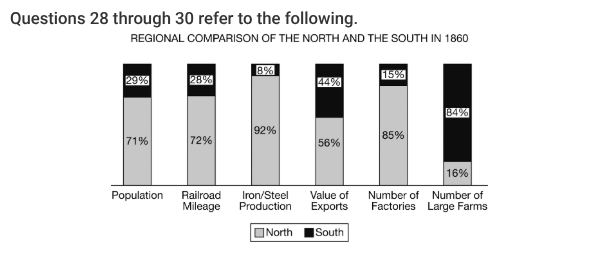
Which of the following developments in labor systems in the United States before the Civil War is reflected by the data in the graph?
An internal trade in enslaved people spread throughout the South.
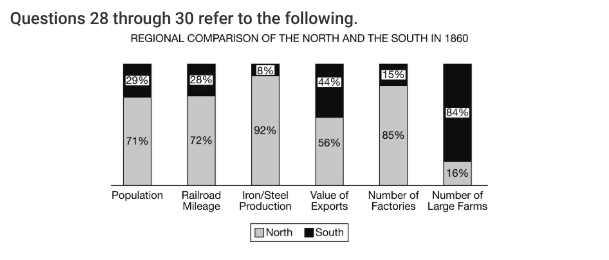
Which of the following describes a trend in sectional development by 1860 reflected in the data in the graph?
The North was becoming more diverse in its economic activities than the South.
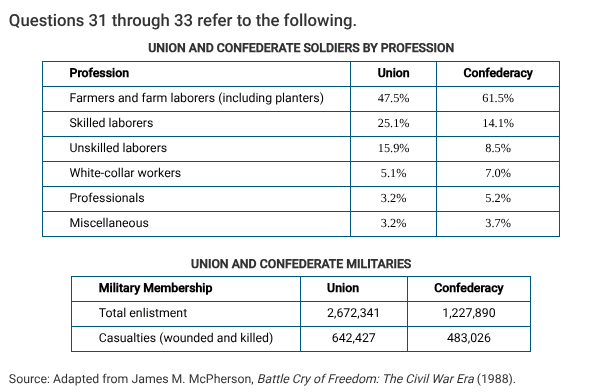
The data in the tables indicate which of the following?
Confederate armies lost a greater proportion of its soldiers than did the Union.
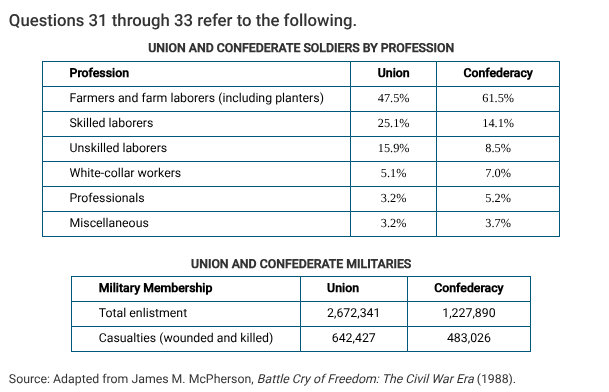
The data in the first table most directly indicate which of the following about the professions of soldiers in the Civil War?
The Confederacy relied more heavily on agricultural workers to fill its armies than did the Union.
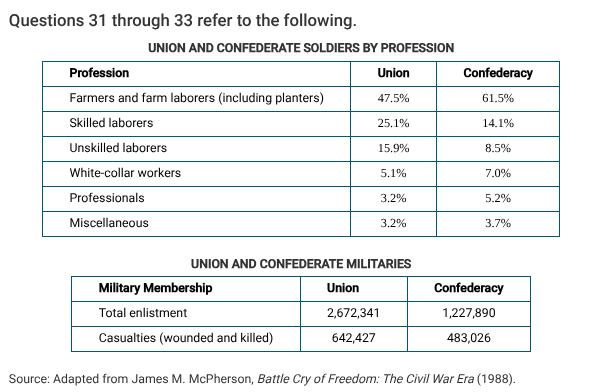
The data in the tables most likely indicate which of the following?
The Union had a larger and more diverse population of workers to enlist from than did the Confederacy.

The statement above refers to conscription during which conflict?
The Civil War
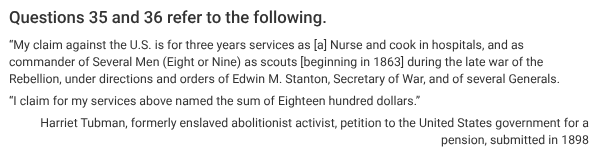
Which of the following developments most directly contributed to the service described in the excerpt?
Support in the African American community for participation in the Civil War
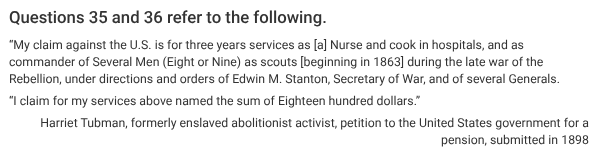
The development described in the excerpt best reflects which of the following?
The contribution of African American women to ending slavery
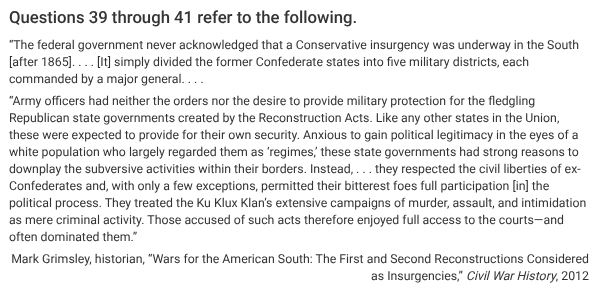
Which of the following pieces of evidence best supports the argument in the excerpt?
Some groups of White Southerners prevented African Americans from voting.
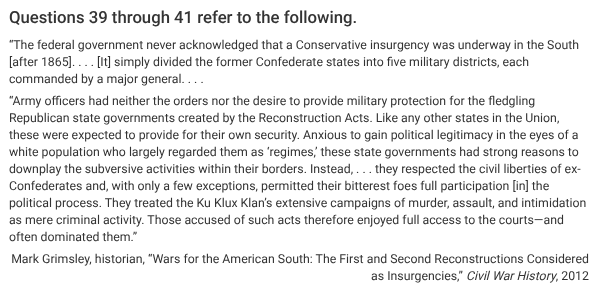
Which of the following arguments most directly contradicts Grimsley’s argument in the excerpt?
The racial system in the South remained largely unchanged after Reconstruction.
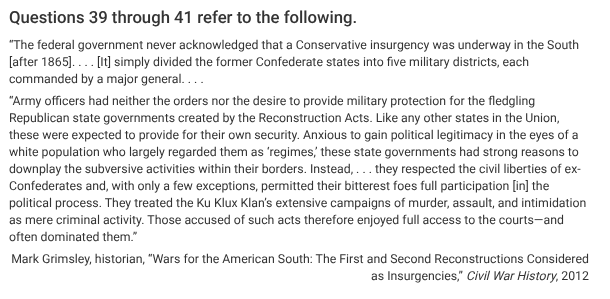
The events described in the excerpt best support which of the following arguments about Reconstruction?
Reconstruction created only temporary political opportunities for formerly enslaved people.
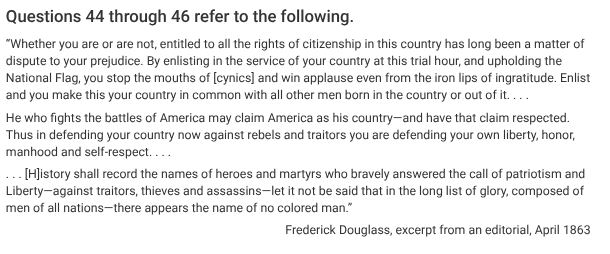
Ideas expressed by Douglass in the excerpt were most likely interpreted as supporting which of the following arguments?
The war was no longer just about preserving the union of the states.
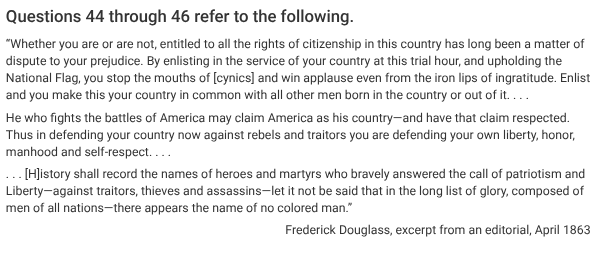
Which of the following best explains Douglass’ point of view in the excerpt?
Shared sacrifice would help advance African American men’s claims to United States citizenship.
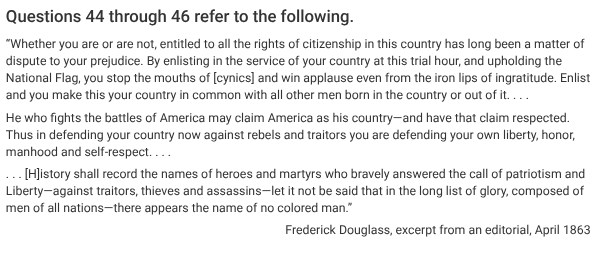
Douglass’ rhetoric in the excerpt was most likely interpreted as promoting which of the following?
His advocacy for African American equal rights

The policies advocated by Marshall had most in common with which of the following developments in other periods in United States history?
The attempts by the federal government to foster economic opportunities for former slaves after the Civil War
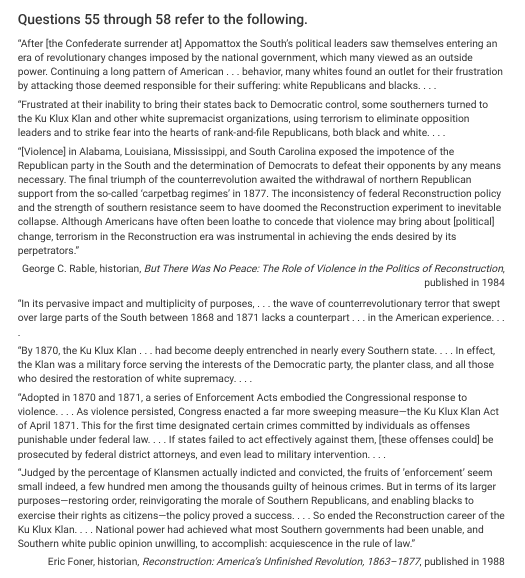
Which of the following pieces of evidence could best be used to modify Foner’s main argument in the second excerpt?
After 1877 Democrats in the South legislated restrictions on the ability of African Americans to vote.
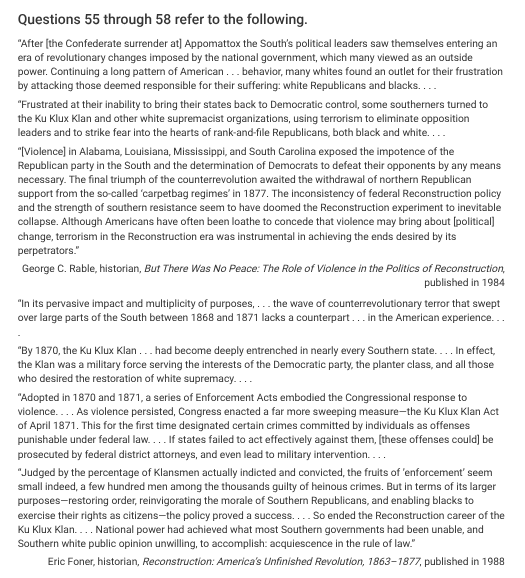
Based on their arguments in the excerpts, both Rable and Foner would most likely agree with which of the following claims?
Southern resistance hindered Reconstruction.
Which of the following describes a difference between Rable’s and Foner’s arguments in the excerpts?
Rable asserts that violence in the South achieved its political goals during Reconstruction, whereas Foner asserts that this violence was suppressed at the time.
Which of the following is a similarity between Rable’s and Foner’s arguments in the excerpts?
Both focus on many Southerners’ opposition to racial equality.
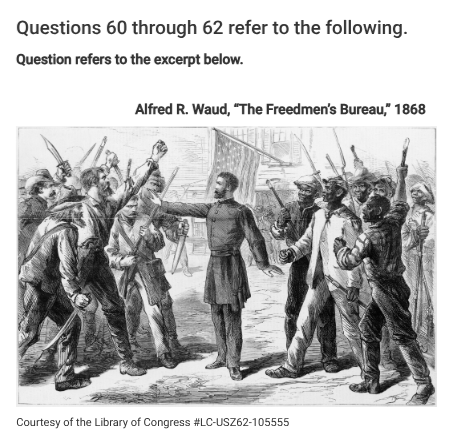
During Reconstruction, which of following was a change that took place in the South?
African Americans were able to exercise political rights.
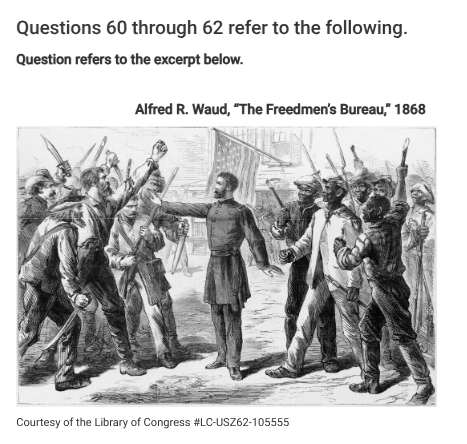
The situation depicted in the image best serves as evidence of the
expansion of federal power
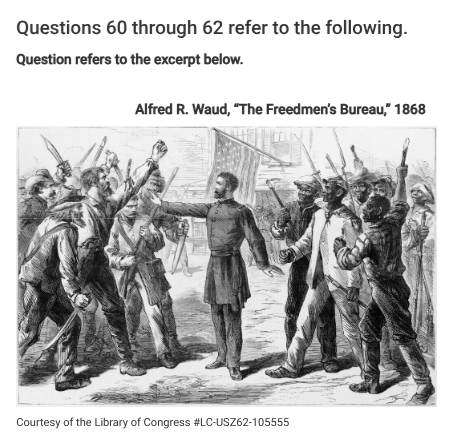
The image most strongly supports the argument that Reconstruction
temporarily altered race relations in the South
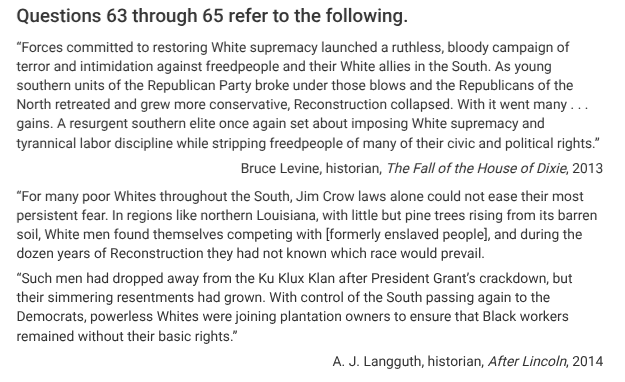
Which of the following claims is supported by the arguments made by both Levine and Langguth?
Local political tactics served to deny African Americans their rights.
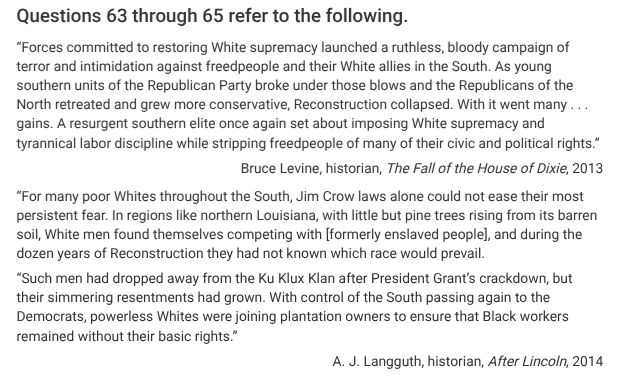
Which of the following arguments about Reconstruction policies would both authors most likely disagree with?
With Republicans in retreat, Southern Democrats grew more supportive of Reconstruction policies.
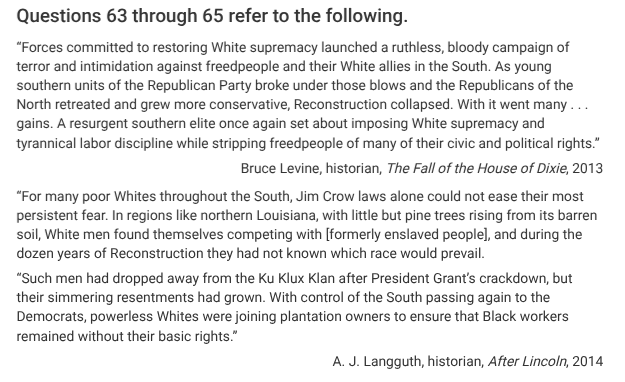
Levine’s argument about Reconstruction in the excerpt differs from that of Langguth in that Levine argues
Northern Republicans gradually withdrew their support for Reconstruction policies

The provision above overturned the
Supreme Court ruling in Dred Scott v. Sandford
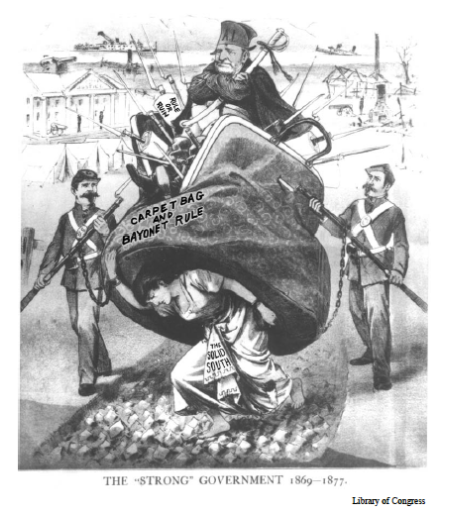
The cartoon above is intended to express
a critique of Reconstruction
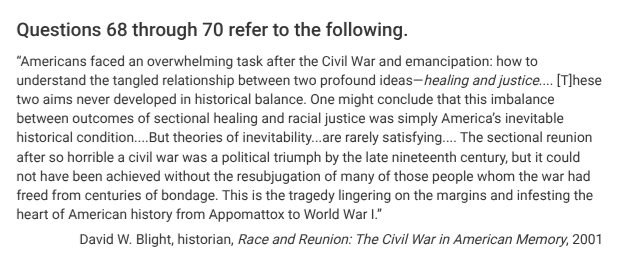
Which of the following best explains the reason for the reconciliation described by Blight?
Efforts to change southern racial attitudes and culture ultimately failed because of the South’s determined resistance and the North’s waning resolve.
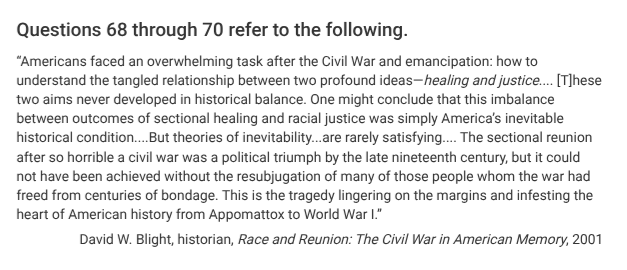
One key change immediately following the Civil War aimed at achieving the “racial justice” that Blight describes was the
establishment of a constitutional basis for citizenship and voting rights
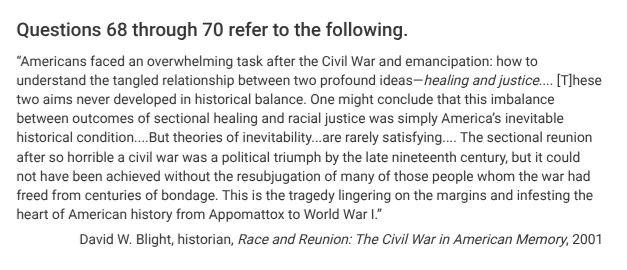
Which of the following best characterizes the “sectional reunion” Blight describes?
The federal government removed troops from the South and eliminated aid for former slaves.
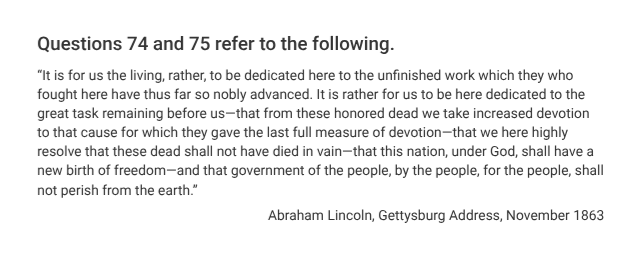
After 1863, which of the following most fulfilled the “new birth of freedom” that the excerpt refers to?
Ratification of the Thirteenth, Fourteenth, and Fifteenth Amendments
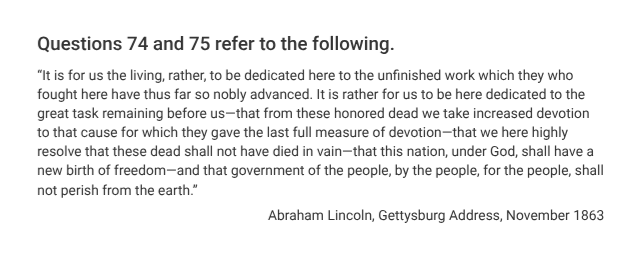
Lincoln’s main purpose in the excerpt was to
gain continued support for the war effort
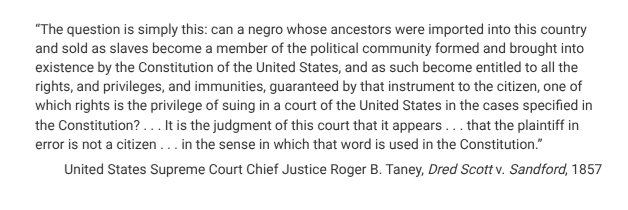
Which of the following invalidated the decision in the excerpt?
The Fourteenth Amendment
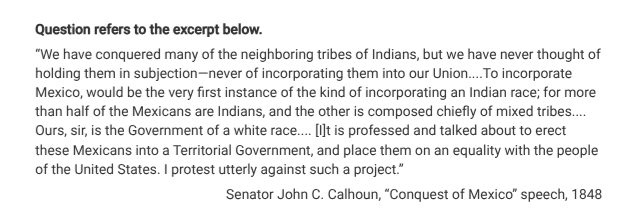
Which of the following events best represents a continuity of the sentiments expressed by Senator Calhoun in the speech?
The Supreme Court decision in Plessy v. Ferguson
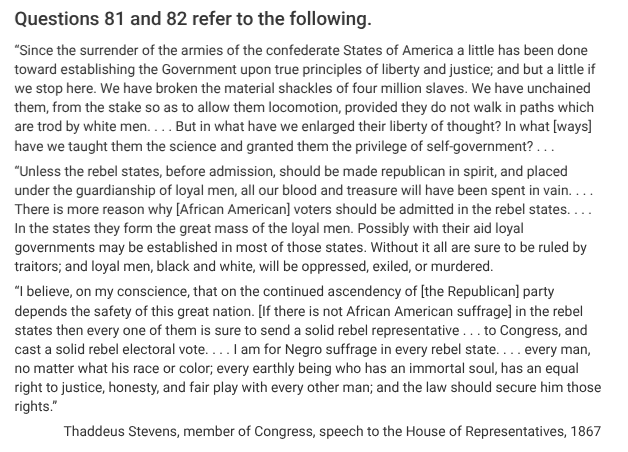
Which of the following pieces of evidence could best be used to refute Stevens’ claim in the excerpt that the Union had done little for formerly enslaved people by 1867?
The creation of schools by the Freedmen’s Bureau for formerly enslaved people
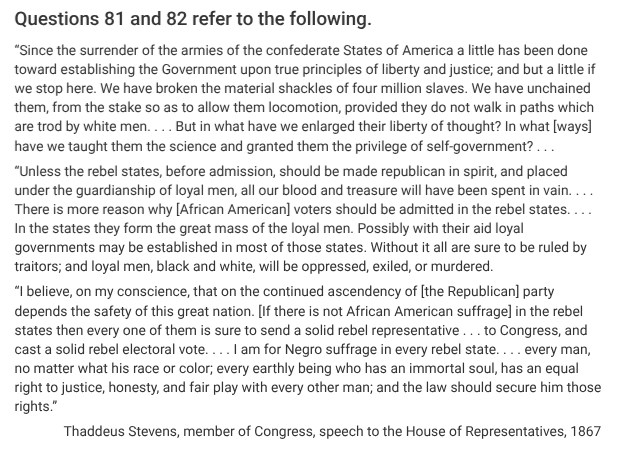
Which of the following developments could best be used as evidence to support Stevens’ claim about African American suffrage in the last paragraph of the excerpt?
Democrats dominated the Southern states after suppressing African American voting rights.
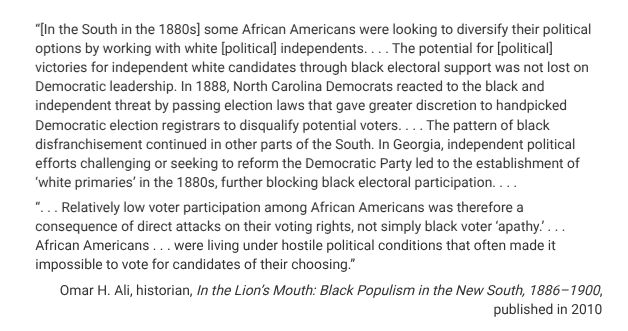
African American political activism during Reconstruction differed from the political activism described in the first paragraph of the excerpt because during Reconstruction African Americans
predominantly supported the Republican Party
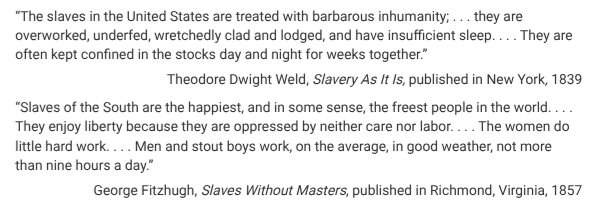
The issue being debated in the two excerpts was most directly resolved by the
ratification of the Thirteenth Amendment