Meaghan Piretti Patient Care Specs
 Call Kai
 Learn
Learn Practice Test
 Spaced Repetition
 Match
Match Flashcards
 Knowt Play
1/141

There's no tags or description
Looks like no tags are added yet.
Name | Mastery | Learn | Test | Matching | Spaced | Call with Kai | Chat |
|---|
No analytics yet
Send a link to your students to track their progress
142 Terms
Ethics are defined as
standards of right and wrong
ARRT Standards of Ethics are classified in 3 categories. Those categories are composed of:
code of ethics, rules of ethics, administrative procedures
Code of ethics's
Aspirational. This set of ethics shall serve as a guide by which certificate holders and candidates may evaluate their professional conduct as it relates to patients, healthcare consumers, employers, colleagues, and other members of the healthcare team.
Rules of Ethics
Enforceable. They are mandatory standards of minimally acceptable professional conduct for all certificate holders and candidates.
Administrative Procedures
An ethics committee that provides structure and operation, detailing procedures for the ARRT.
All candidates/ ARRT certification holders must meet ethical/ honor code requirements. The ARRT indicates that these rules of misconduct must be reported:
Felonies, Misdemeanors, and Various Criminal Procedures
Regardless of a patients background, they must be provided with:
provider's best efforts, dignity, and confidentiality privacy
ALL patients have the right to:
be informed, make informed consent, refuse treatment
Patient consent can be any of the following:
Verbal (oral), Written (informed), implied
Patient Bill of Rights was adopted by AHA in what year?
1973
Patient Bill details _____ specific areas of a patients rights
12
Patient Bill of rights was recently replaced by
The Patient Care Partnership- Understanding expectations, rights and responsibilities
The patient care partnership addresses _____ key areas that relate to what to expect during your hospital stay. High quality hospital care, a clean and safe environment, involvement in your care, protection of your privacy, help when leaving the hospital, help with billing
6
HIPAA (Health Insurance Portability and Accountability Act) was started in what year?
1996
ASRT (American Society of Radiologic Technologists) has published practice standards that radiographers must be familiar with. These standards are:
Tech is responsible for patient ID, ensuring order matches to clinical indication, contacting the ordering physician to change order- and DOCUMENT
The four primary sources of law are the:
1. Constitution of the United States
2. Statutory Law
3. Regulations and Judgements of the administrative Bureaus
4. Court Decisions
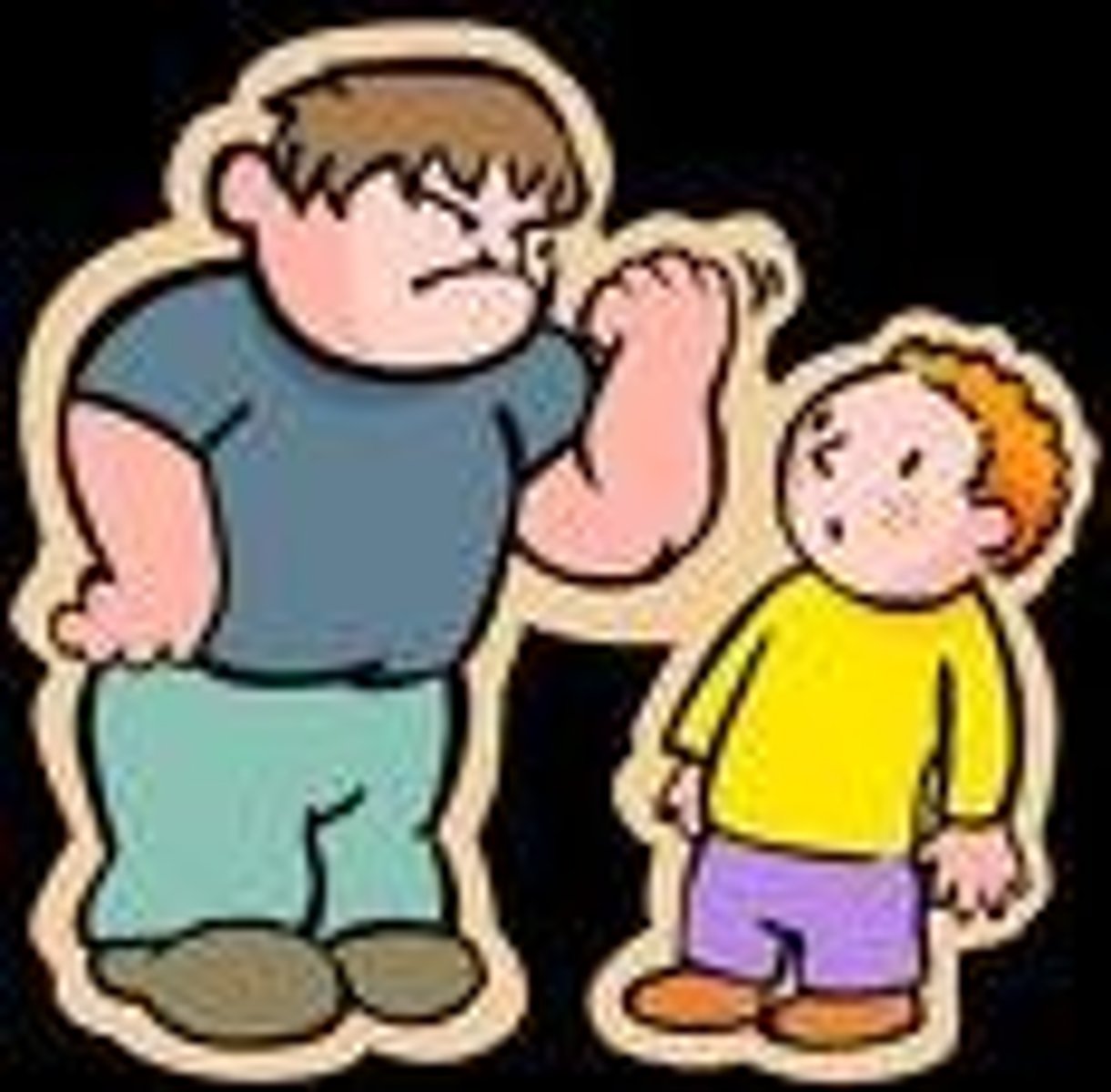
Assault
action that causes fear or apprehension in the patient
Battery
inappropriate touching or harm done to the patient
Negligence
unintentionally harming a person by acting in an improper way

Malpractice
Failure of professional duty which results in injury, loss, or damage
Beneficence
Doing what is best for the patient
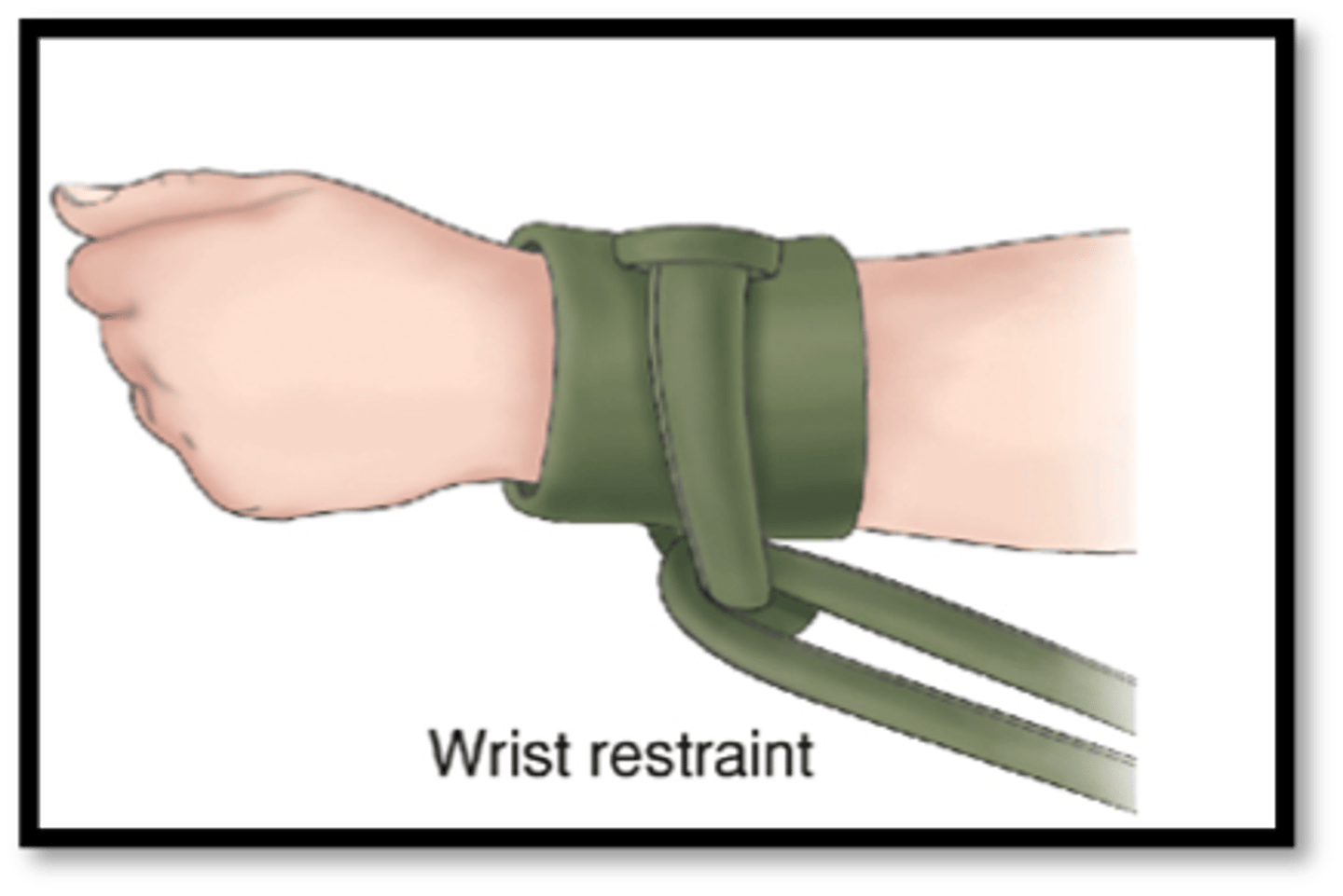
False Imprisonment
unjustified restraint
Libel
A written defamation of a person's character

Slander
spoken defamation of character

Responent superior
an employer is responsible for employee's actions
Res Ipsa Loquitur
The cause of negligence is obvious-- the thing speaks for itself
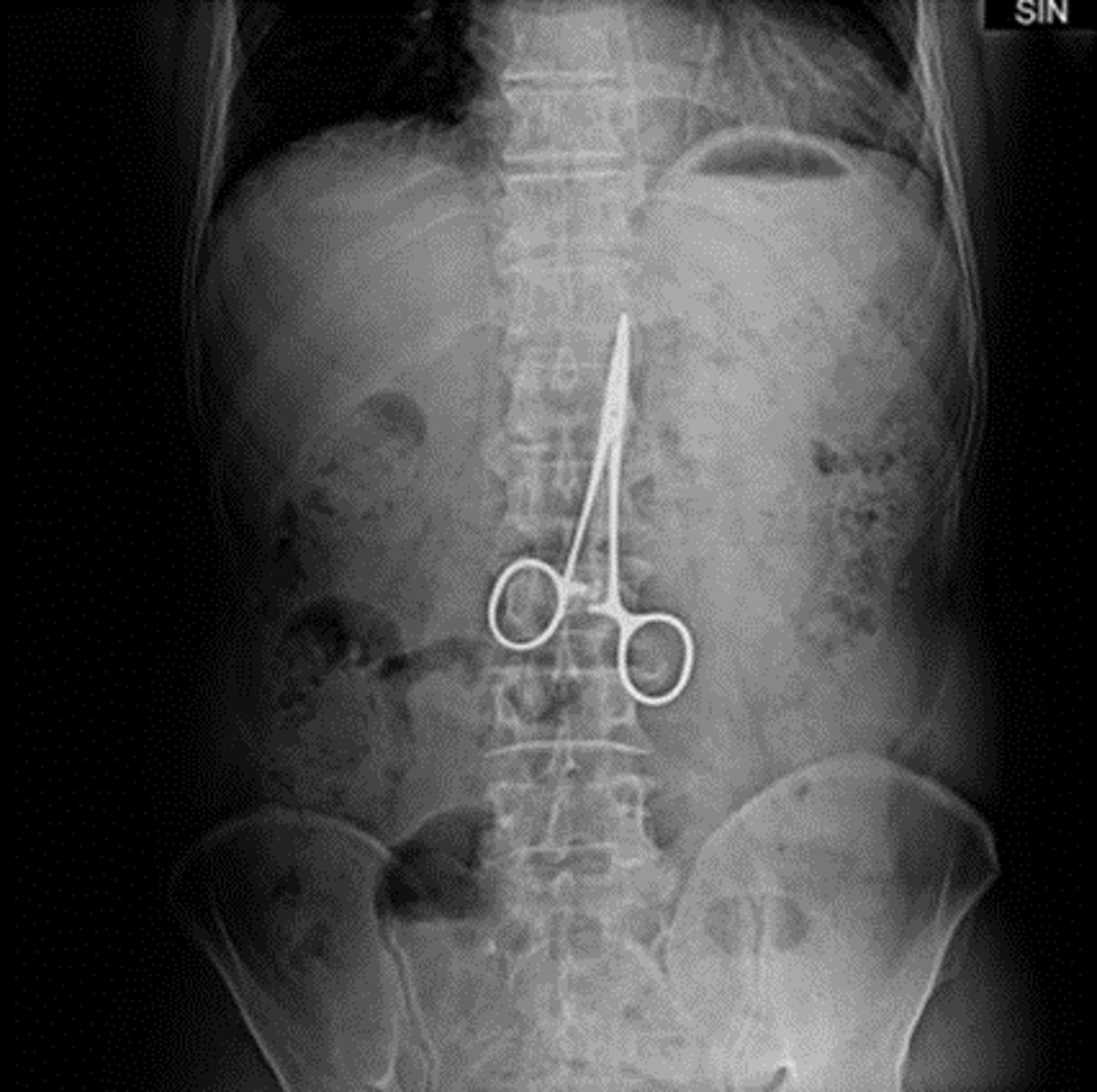
Tort
a wrongful act or an infringement of a right (other than under contract) leading to civil legal liability.
It is _________________ of practice for a rad tech to use post-exposure shuttering, cropping, electronic collimation, or electronic masking to duplicated and use an acquired image for more than 1 prescribed view.
outside the scope of practice
Nonverbal communication can be interpreted in 4 different ways, those are:
1. Facial expression
2. Eye contact
3. Touch
4. Your appearance
Good body mechanics include
- Broad base of support
- center of gravity
- hold heavy objects close to your body
- keep back straight
- bend the knees and use leg and abdominal muscles to lift
- push or roll heavy objects when possible
Ergonomics
The study of people's efficiency in their working environment.
Matching (fitting) the job to the workers
Normal body temperature
98.6 F (37 C)
pyrexia means
fever
Afebrile means
without fever
Normal pulse rate for adults
60-100 bpm
Irregular pulse rate is described as:
Inconsistent rhythm
Strong and weak throbs
Regular pulse rate is described as:
Consistant rhythm
Time between each beat
Thready pulse is described as:
Weak and difficult to count
Which finger do you never use to check a pulse?
Thumb
Respiration (Exchange of oxygen and carbon dioxide in the lungs)
12-20 times a minutes by an average adult
To determine the # of respirations a person has, you could count:
the # of inhalations (chest rises) per minute
Less than 12 respirations per minute
bradypnea
More than 20 respirations per minute
tachypnea
Systolic pressure (contracting)
120
Diastolic Pressure (resting)
80
To take a blood pressure you will need 3 things:
1. Stethoscope
2. Sphygmomanometer
3. watch with small hand
What are the main procedures for cardiac and/or respiratory arrest:
1. Crash cart
2. AED
3. Know how to initiate CPR
4. Call a code
Medical Asepsis
microorganisms have been eliminated as much as possible with soap, water, friction, and different chemicals
Surgical Asepsis
complete removal of all organisms and their spores
Equipment Disinfection
Involves the destruction of pathogens through the use of chemical materials
Equipment sterilization
treats items with heat, gas, or chemicals to make them germ free
Fomite
inanimate object that harbors and transmits pathogens
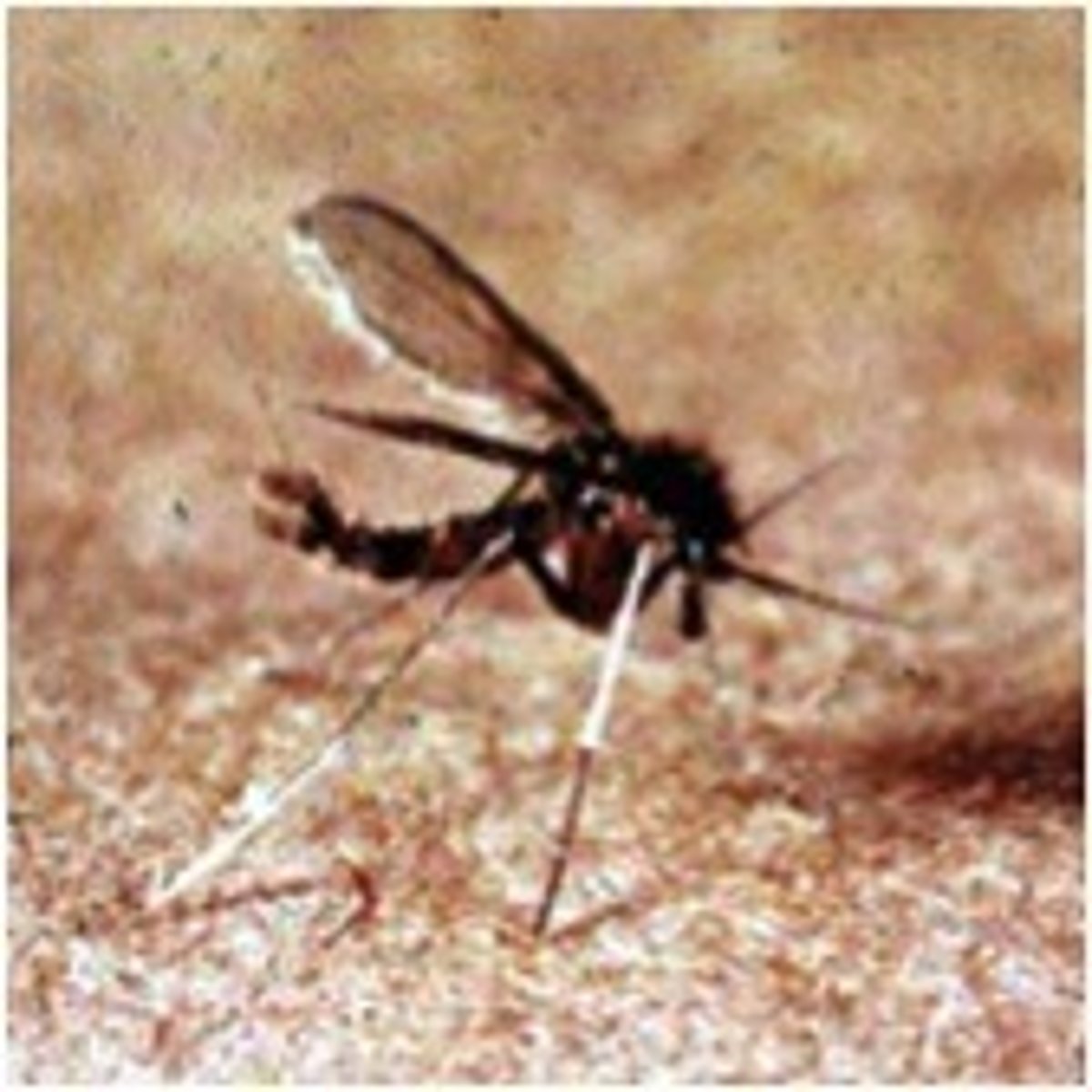
Vector
an animal that carries and transmits a disease
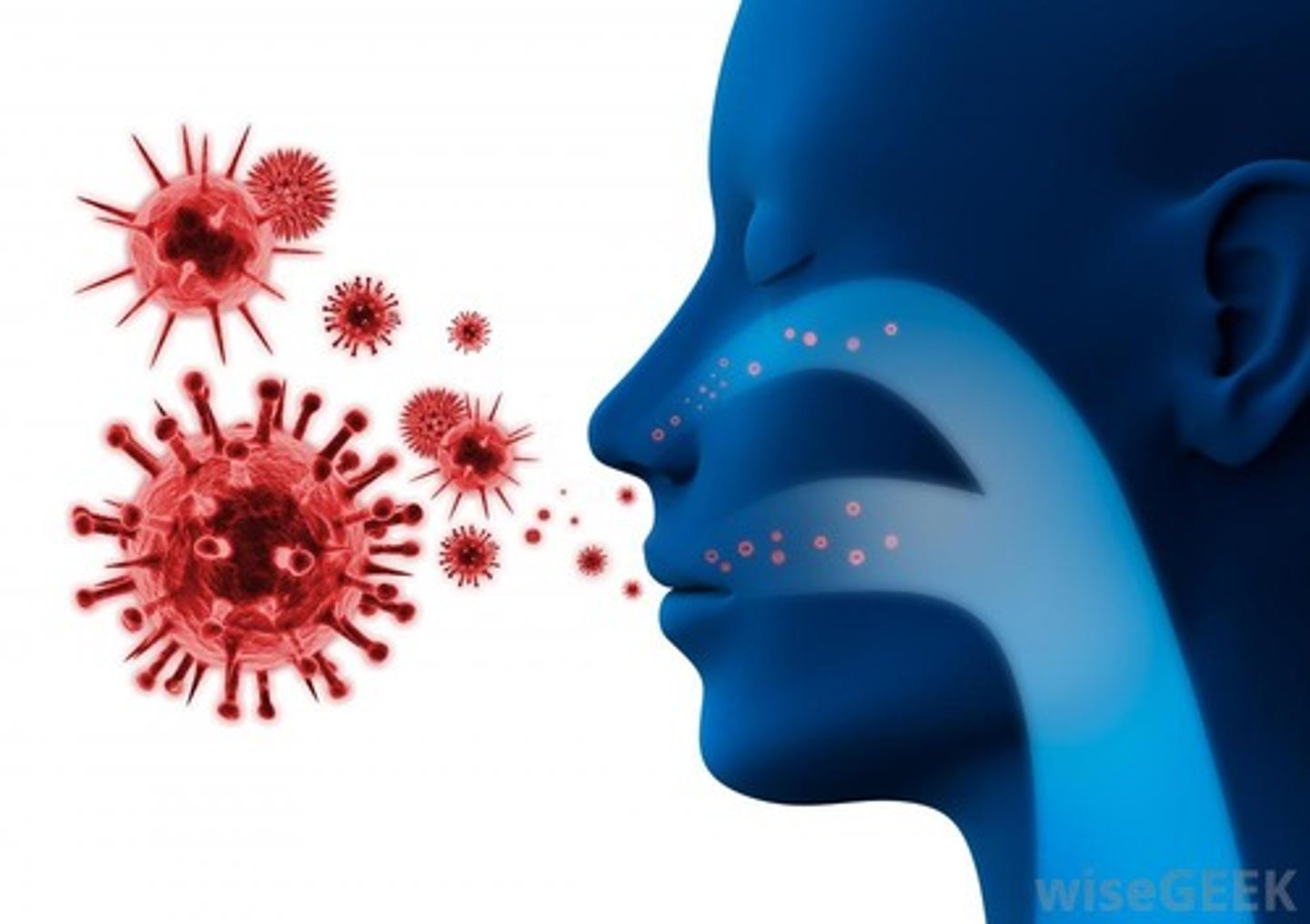
Airborne pathogens
pathogens that can be transmitted through the air
Infectious organisms enter the body through areas called a portal of entry such as:
- breaks in the skin
- the gastrointestinal tract
- mucous membranes of the eyes, nose, or mouth
- the respiratory tract
- the urinary tract
There are 3 main modes of transmission, those include:
- Droplet
- Airborne
- contact
Neutropenic precautions (low WBC) call for what kind of precautions?
Reverse isolation
- wash hands before entering
- wear a mask
nosocomial infection
hospital acquired infection
Best way to eliminate germs is to:
wash hands
MSDS stands for
Material Safety Data Sheet
BUN (blood urea nitrogen) normal range=
7-21 mg/dL
GFR (glomerular "kidney" filtration rate) normal range=
90-120 mL/min
If blood urea nitrogen levels get above 21, that is an indication of?
Kidneys are struggling to function
If blood urea is higher than 50, this indicates ?
renal failure
If GFR goes below 90, what does this mean?
lower than 90 indicates they are NOT filtering adequately
Normal Platelet range
150,000-400,000
intrathecal injection
Placement of water soluble iodine into the subarachnoid space for a myelogram.
intra-articular injection
injection of water soluble iodine into a joint space for a arthrogram
IV-IVP
Intravenous injection of water soluble contrast into the urinary tract for a Urogram
5 stages of grief
(DABDA)
1. Denial
2. Anger
3. Bargaining
4. Depression
5. Acceptance
7 C's of Malpractice Prevention
1. Competence
2. Compliance
3. Charting
4. Communication
5. Confidentiality
6. Courtesy
7. Caution
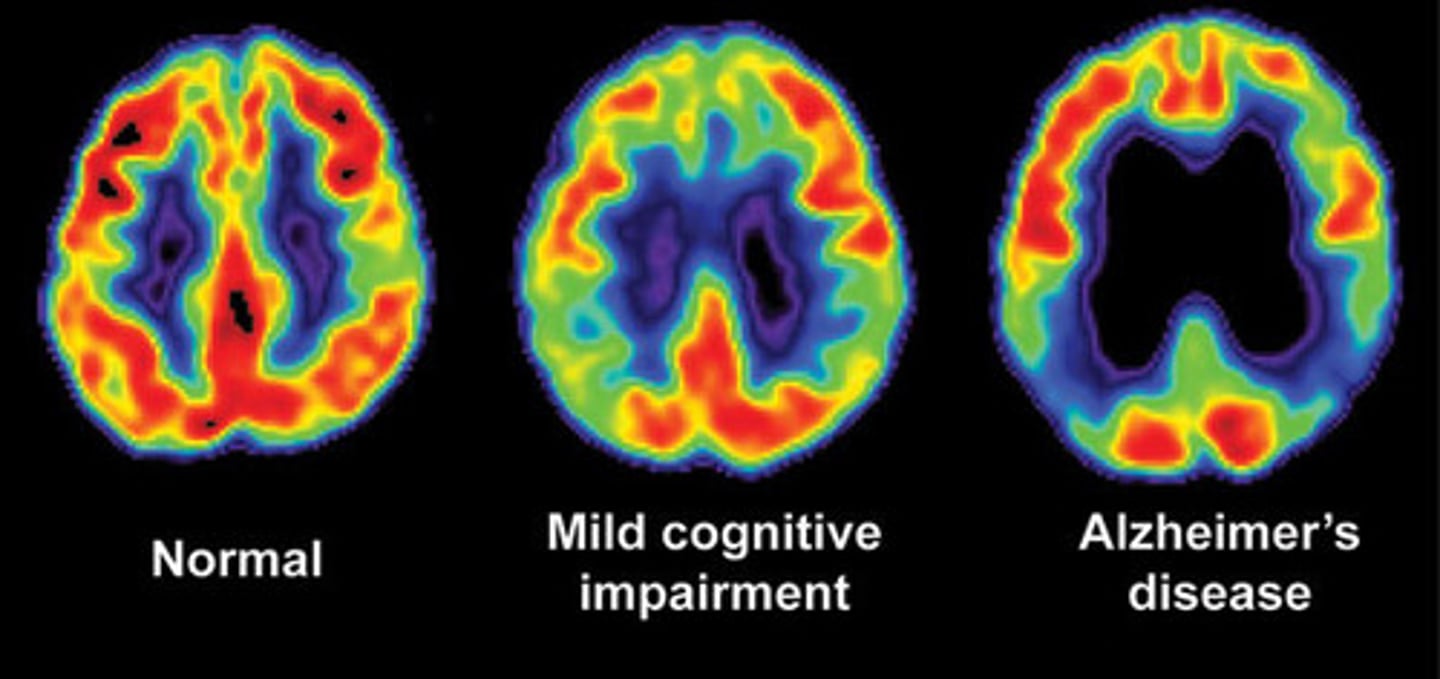
What kind of scan is this?
PET
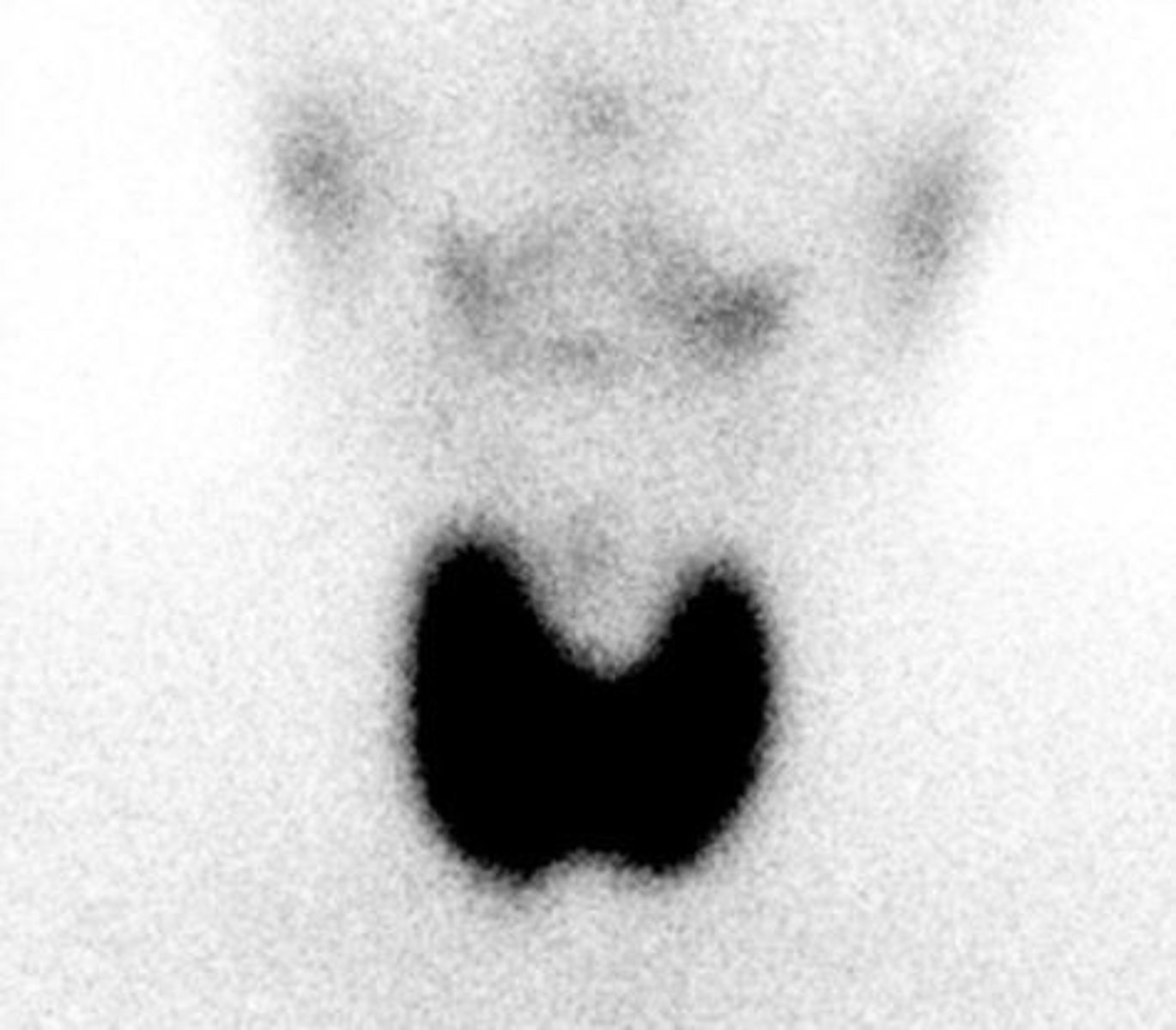
What kind of scan is this?
nuclear medicine
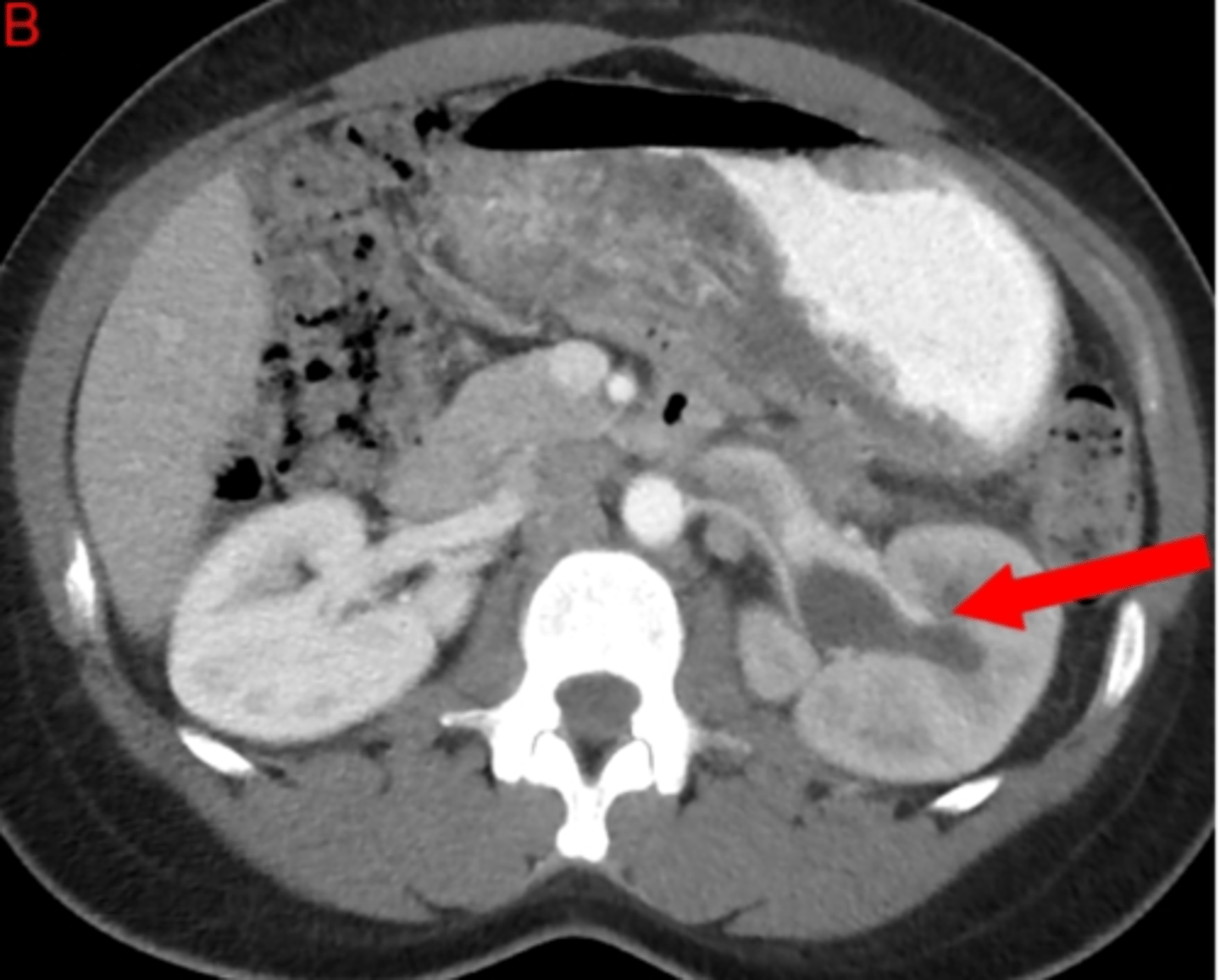
What is a CT scan?
Slices, high dose of radiation
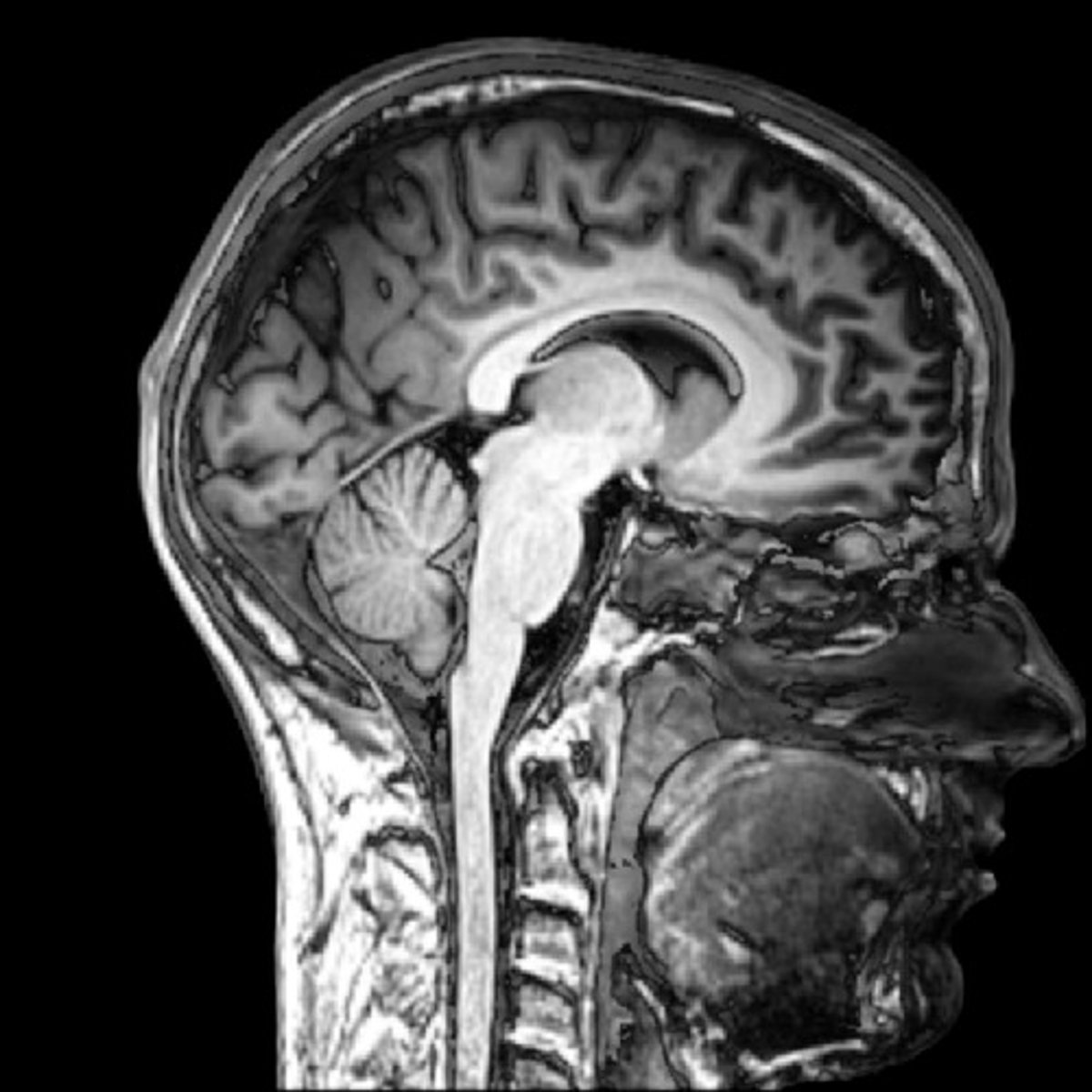
What is MRI scan?
no radiation, magnetic
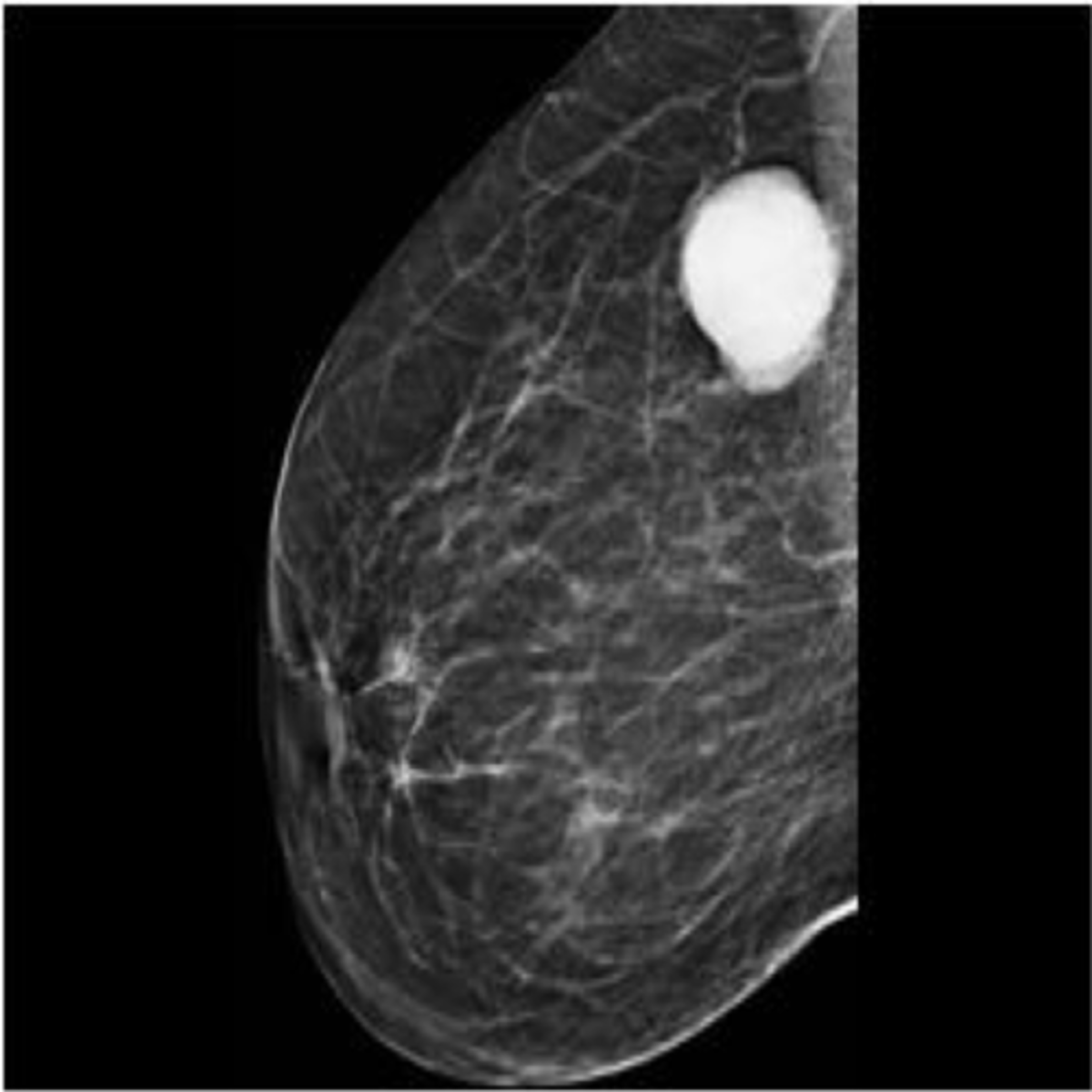
What is mammography scan?
breast imaging, small focal spot, low kVp
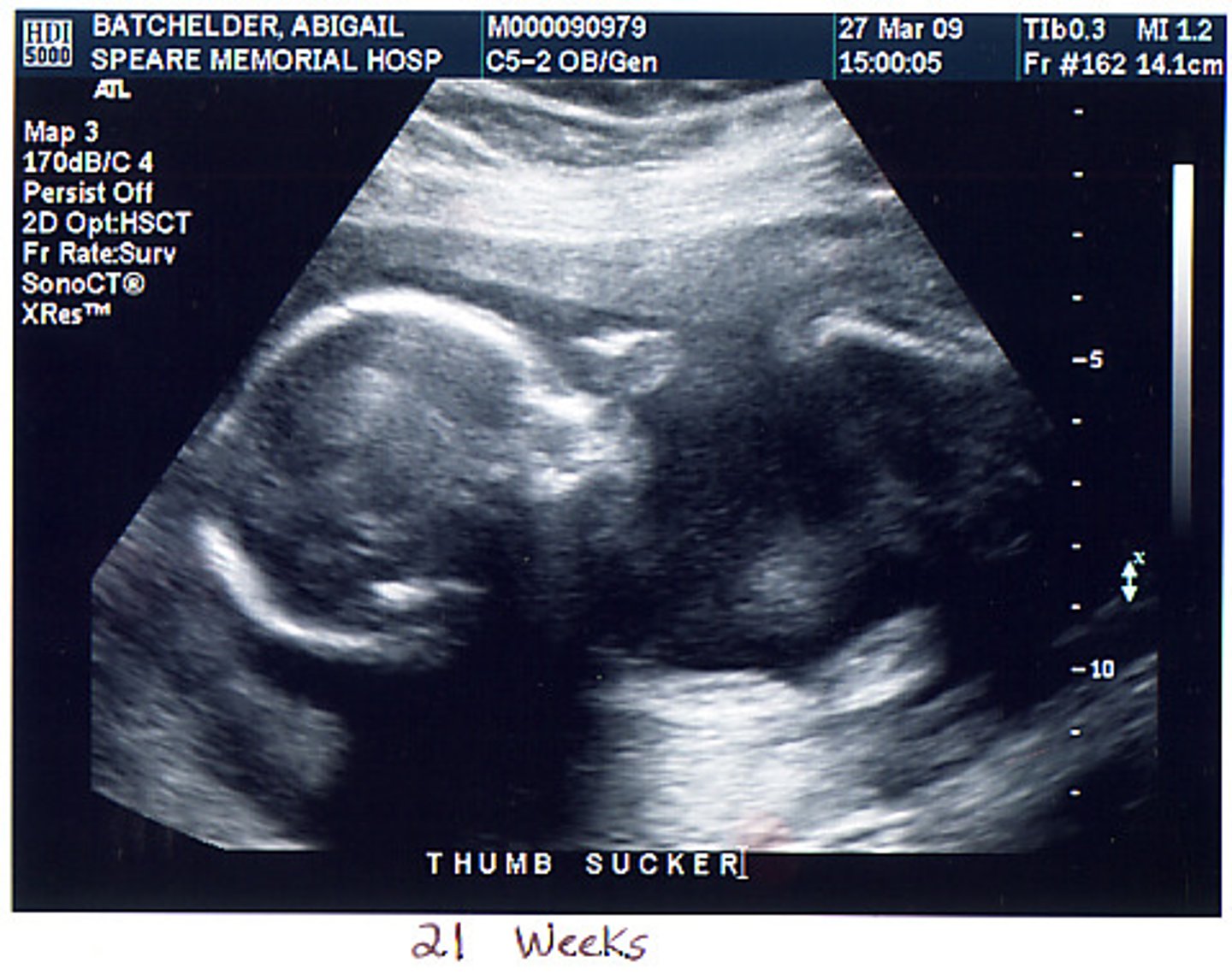
What is sonography scan?
no radiation, sound waves
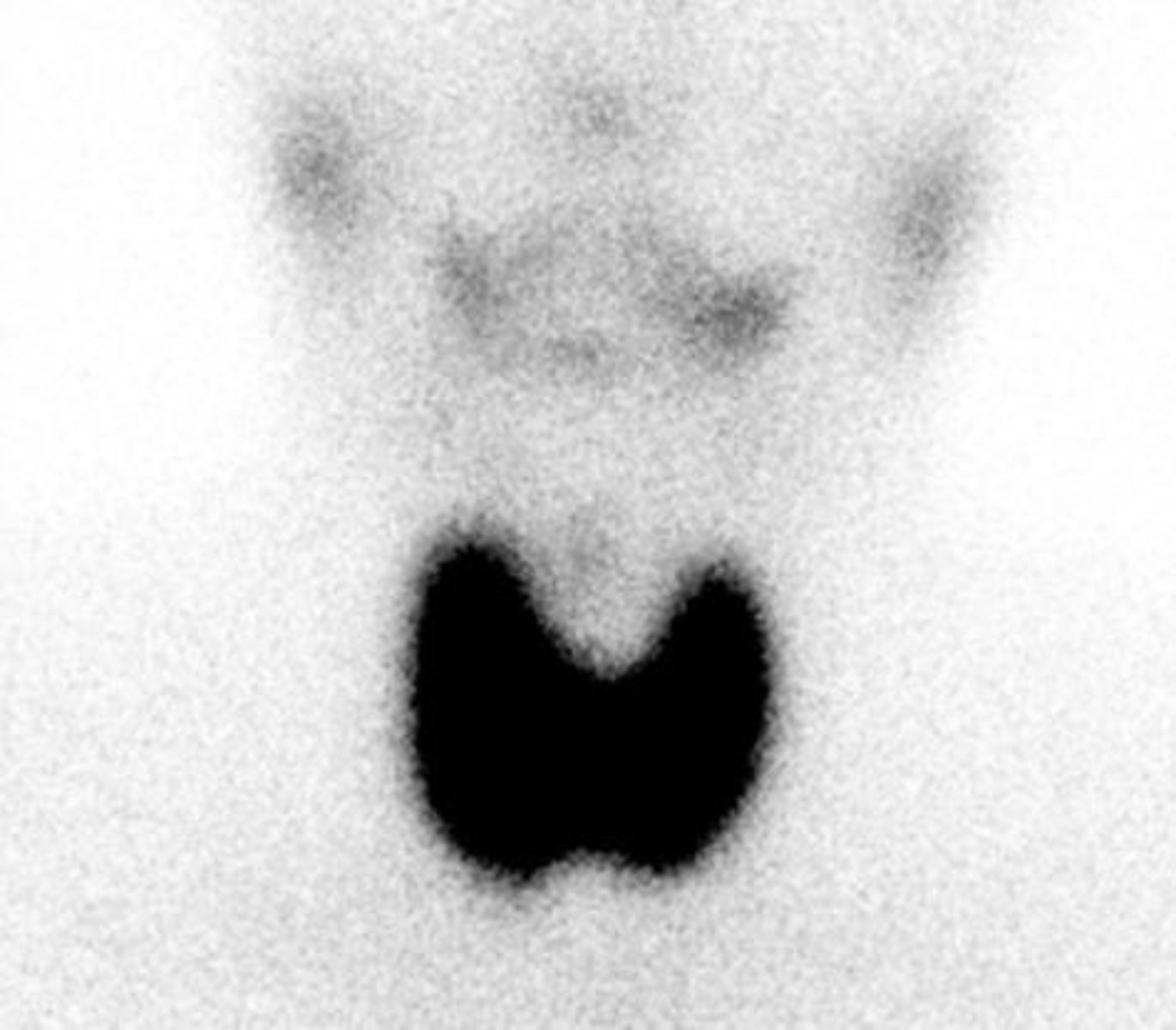
What is nuclear medicine?
radioactive isotope injected
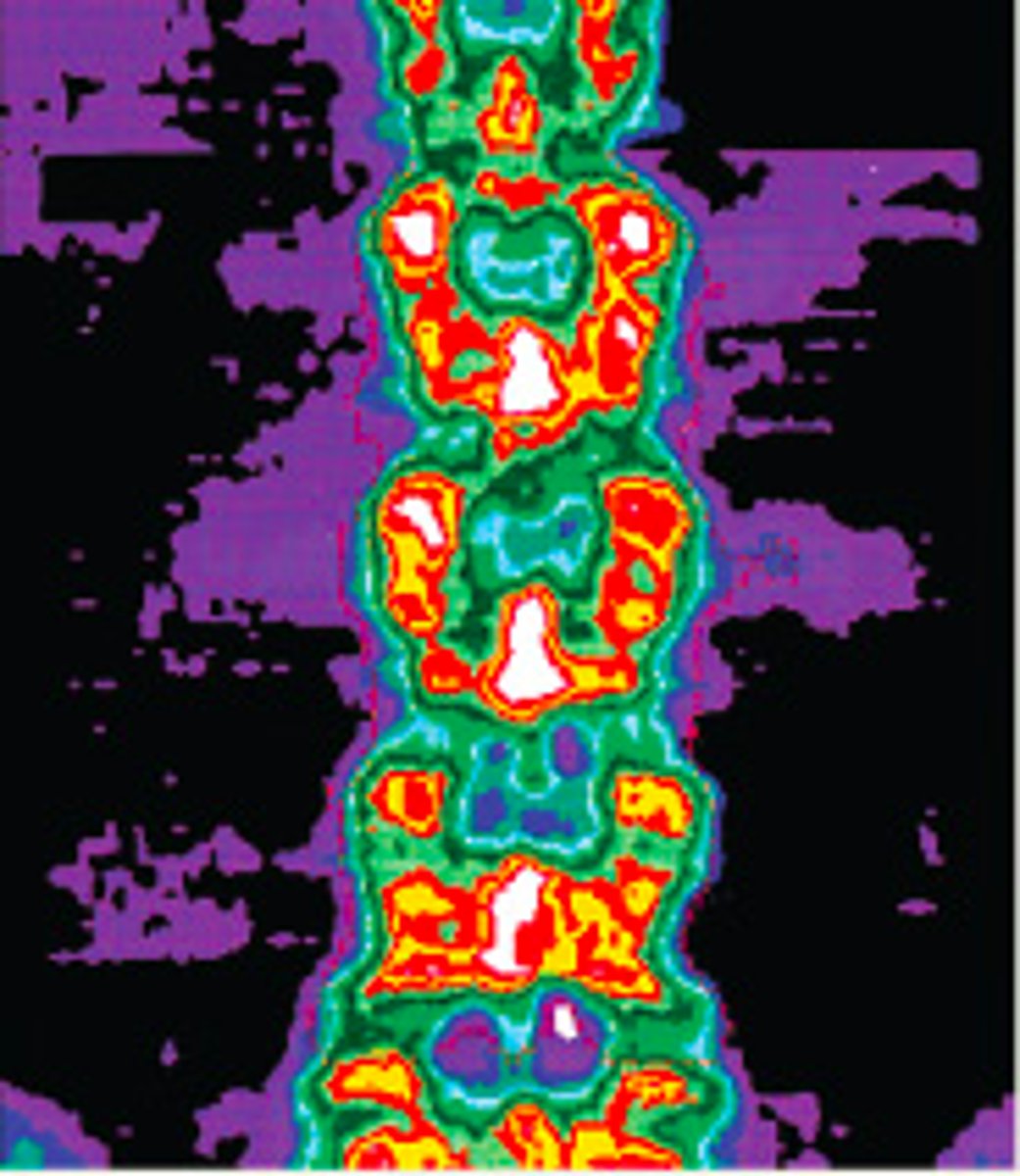
What is bone densitometry?
Fan beam, low dose radiation, looking at how dense bone is
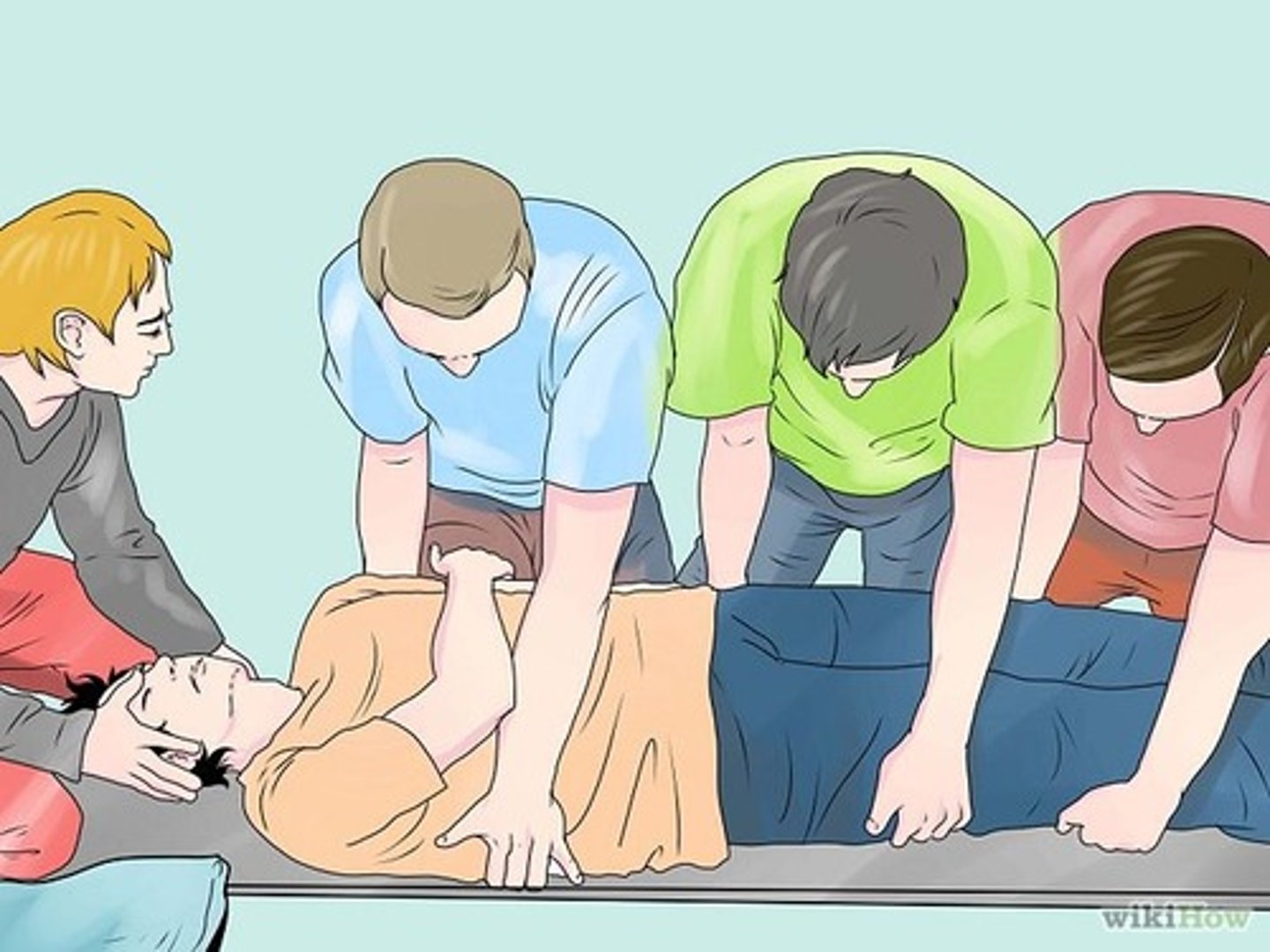
how many people does it take to log roll?
3-5 people
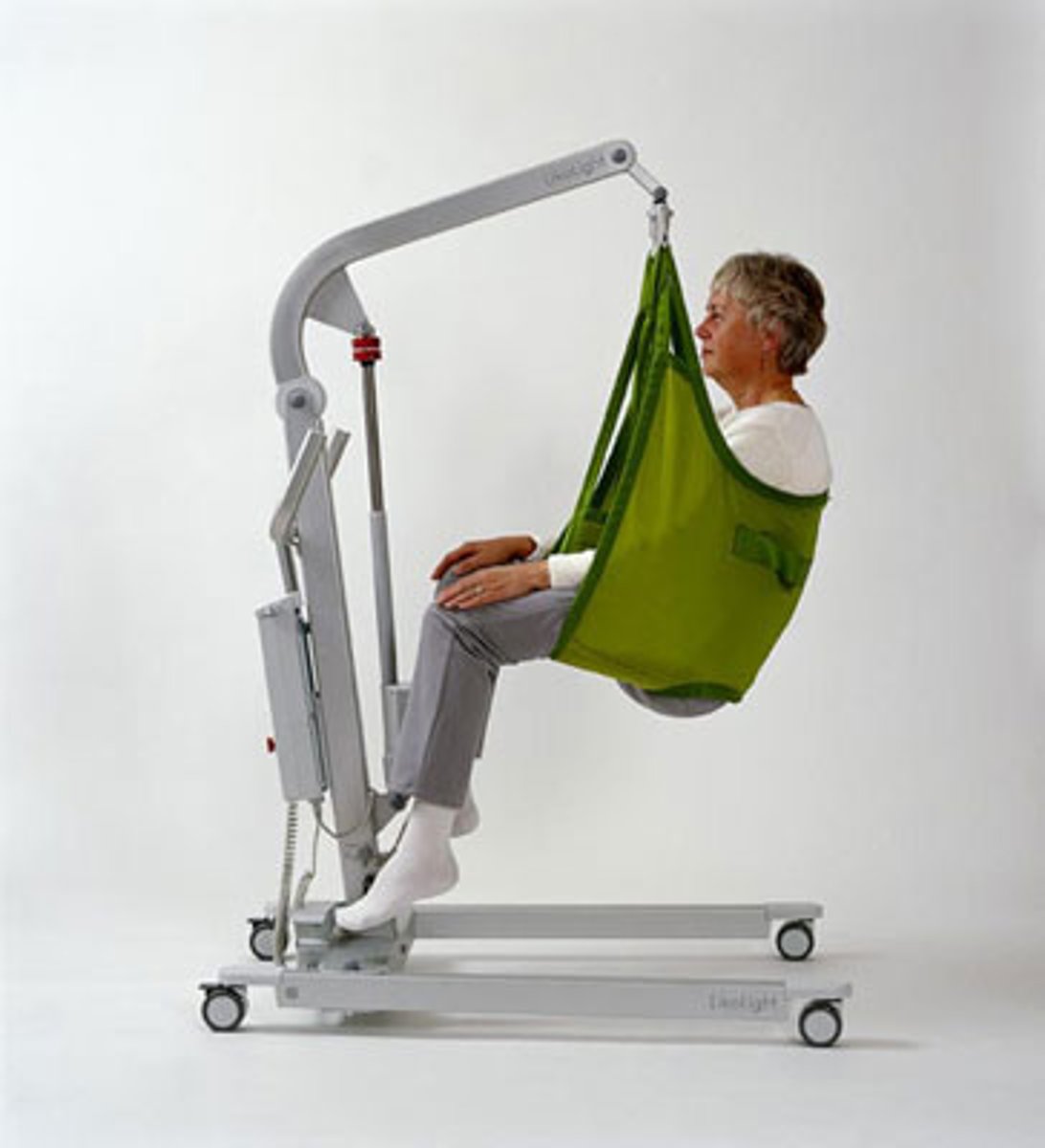
Hoyer lift assist patients who need it ____ to ____ percent assistance
90 to 100
when transferring a patient, there ___________ side should be facing or closest to the destination.
stronger
A wheel chair should be at a ______ angle to the bed or table
45°
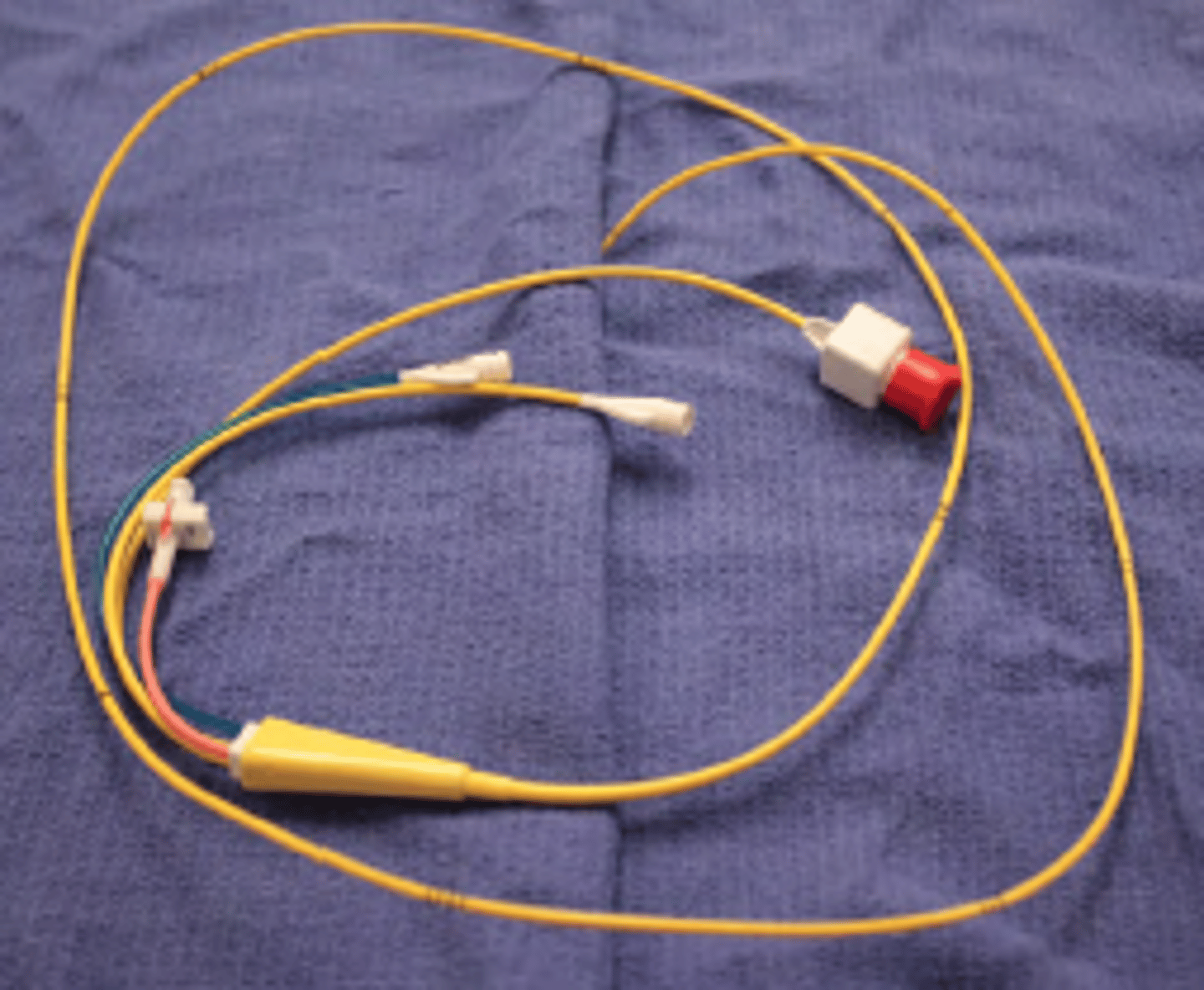
Swan-Ganz catheter enters into the _______ to monitor the heart function
pulmonary artery
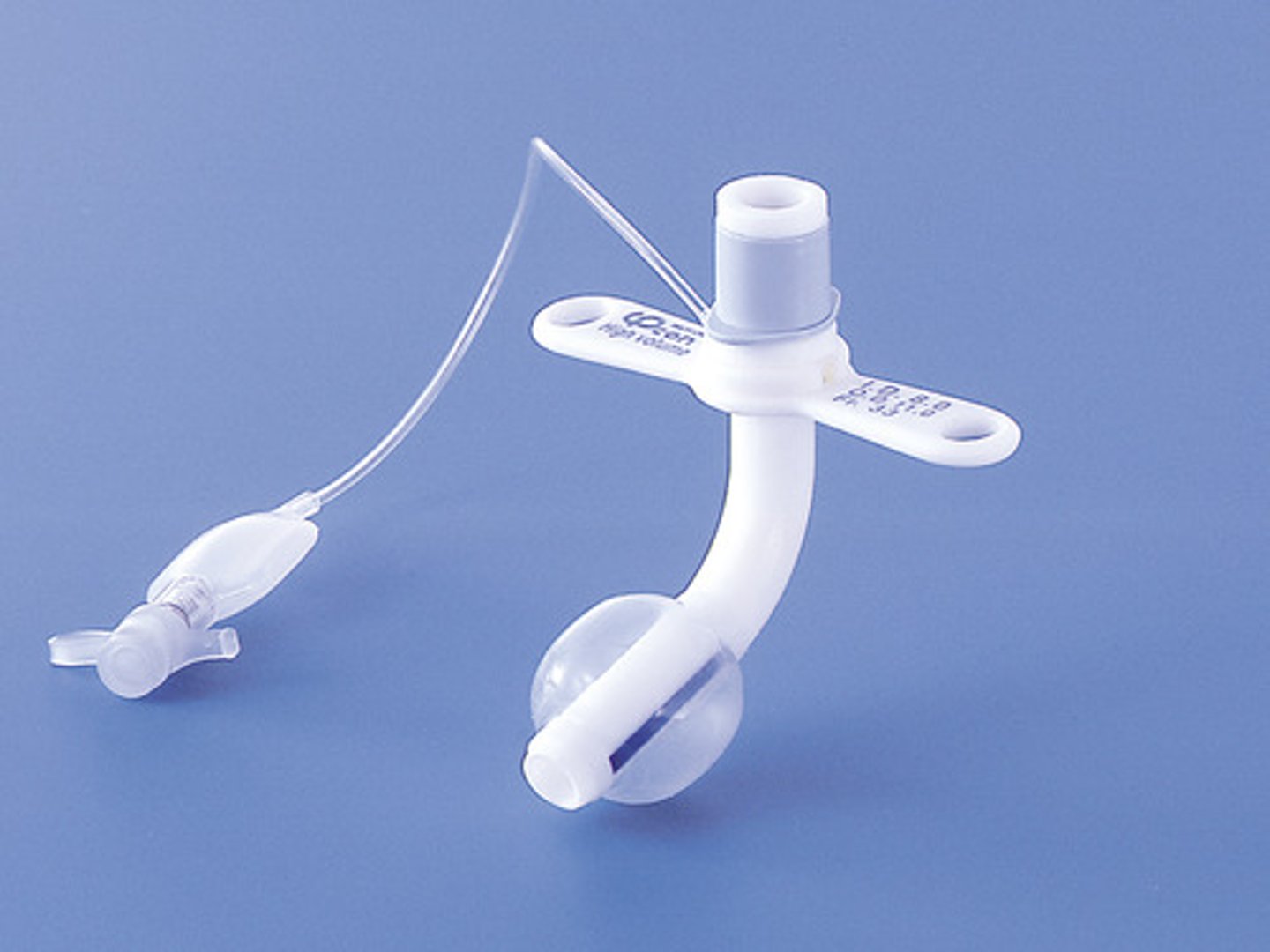
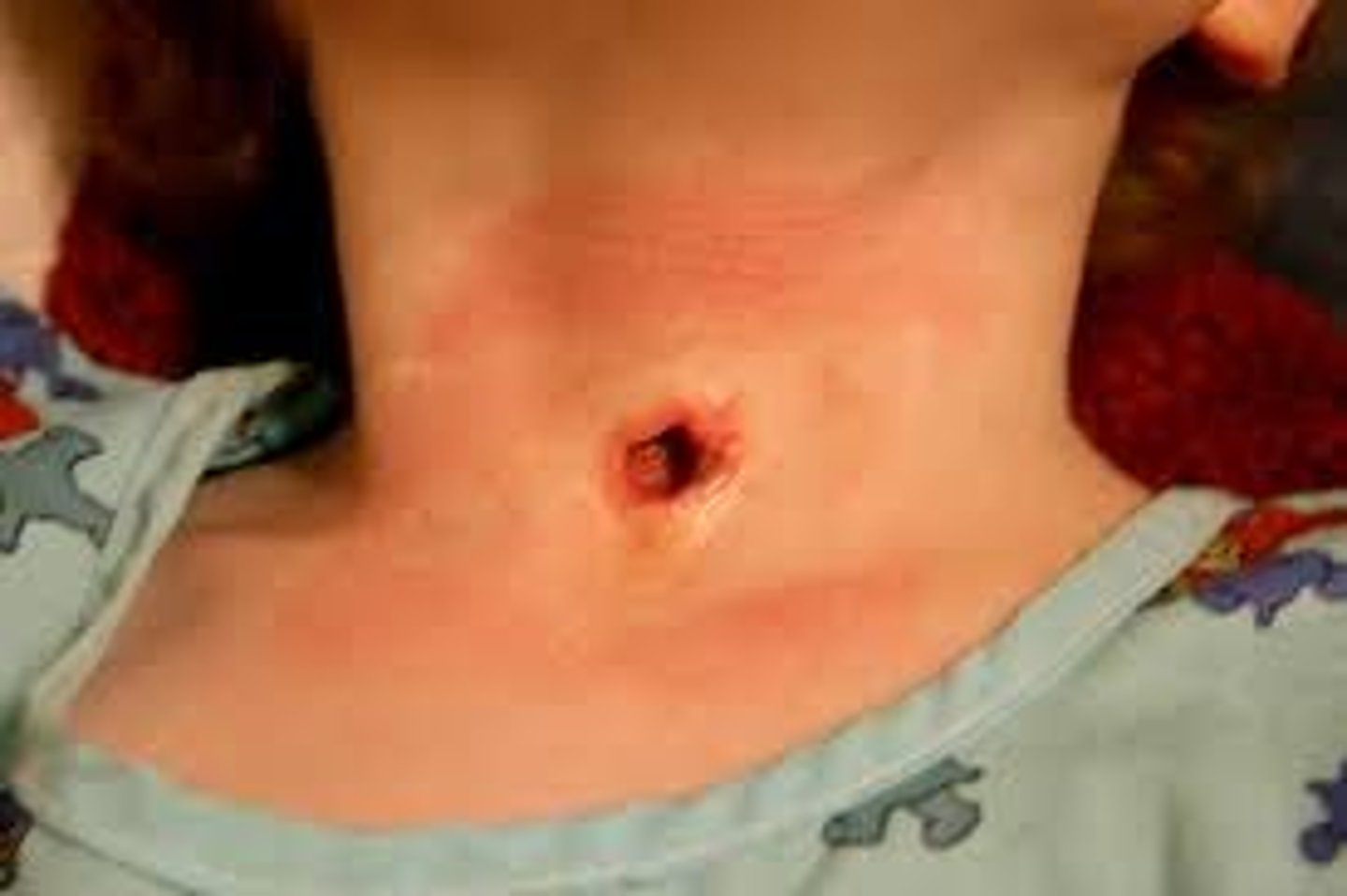
tracheotomy tube
a tube placed into the trachea, via an incision
tracheostomy
surgical opening into the trachea
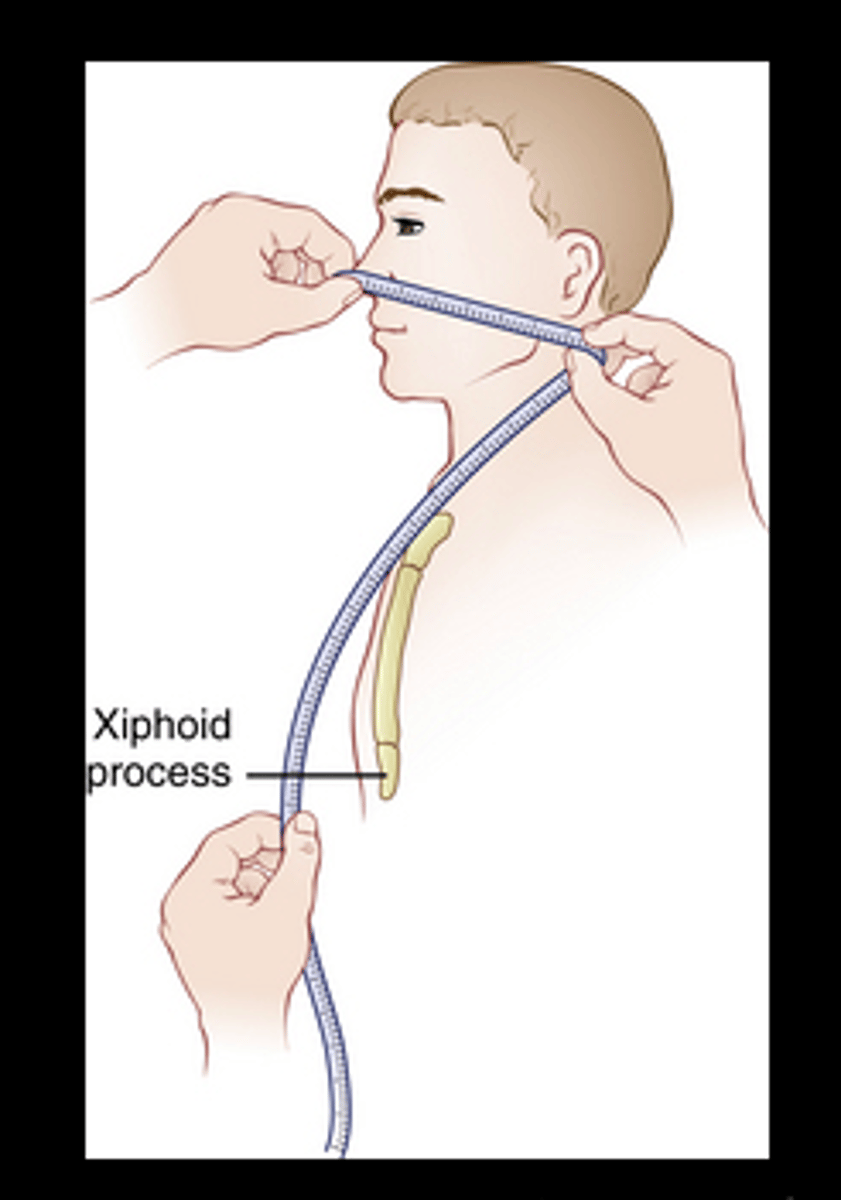
NG tube
nasogastric tube (nose)
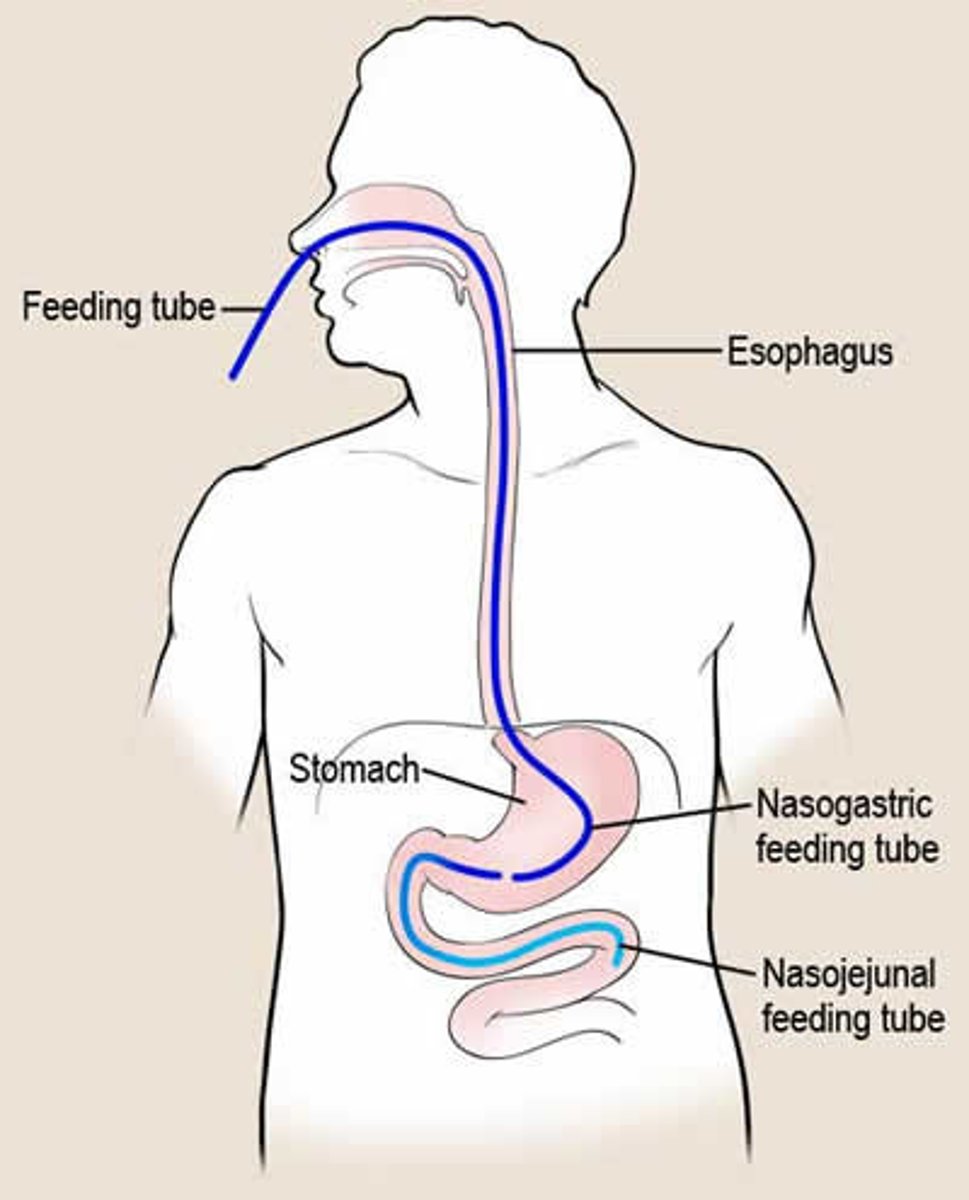
NJ tube
Nasojejunal tube (nose to jejunum)
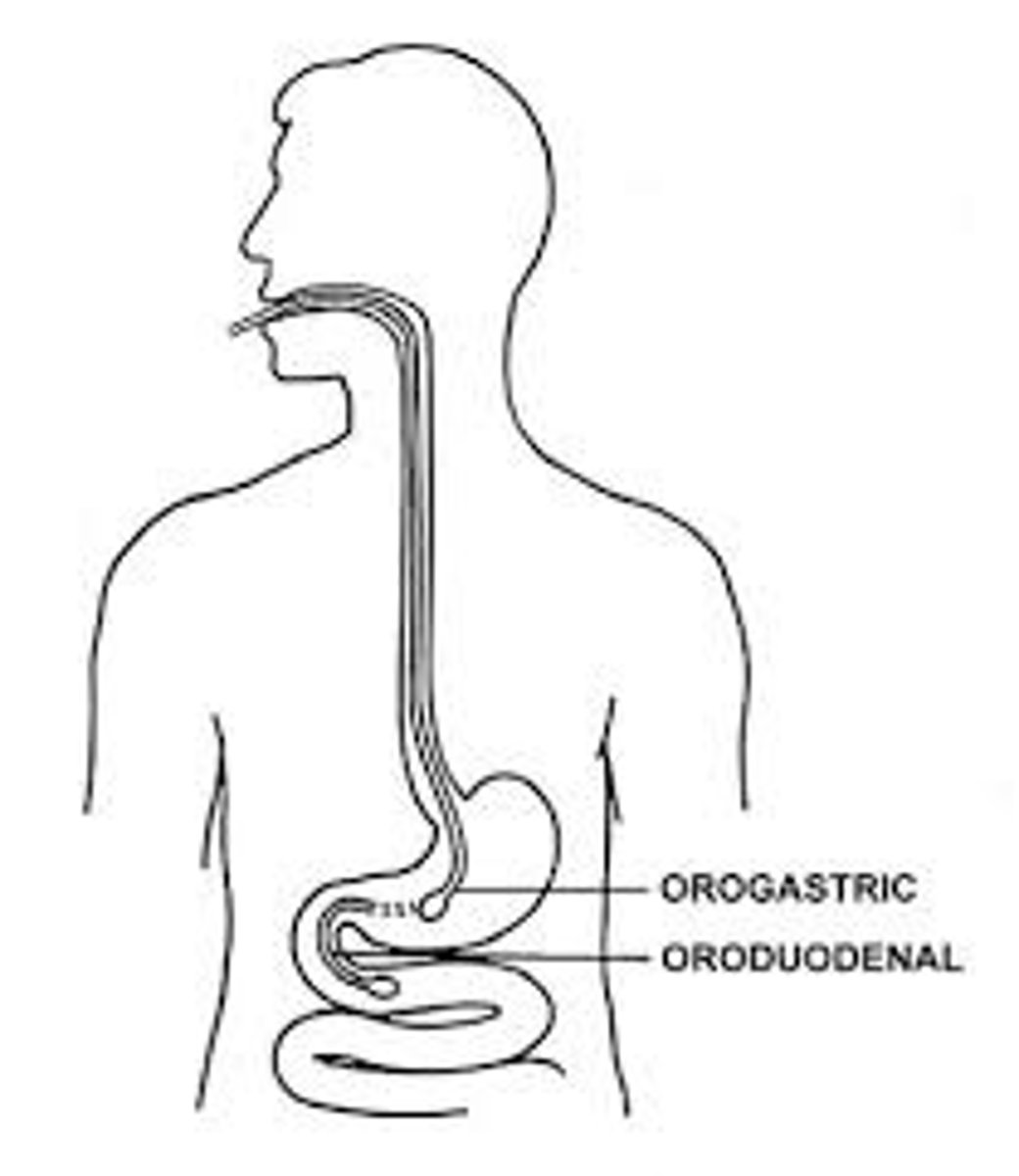
OG tube
orogastric tube (oral)
What patient pathology gets a chest tube?
pneumothorax and hemothorax
O2 therapy has a flow rate of
1-6 L/min
face mask flow rate
6-10 L/min
Apnea means
absence of breathing/ slow
Pulse of an CONSCIOUS adult can be felt on
radial artery (wrist)
Pulse of an UNCONSCIOUS adult can be felt on
carotid artery
Pulse of an infant can be felt on
brachial artery
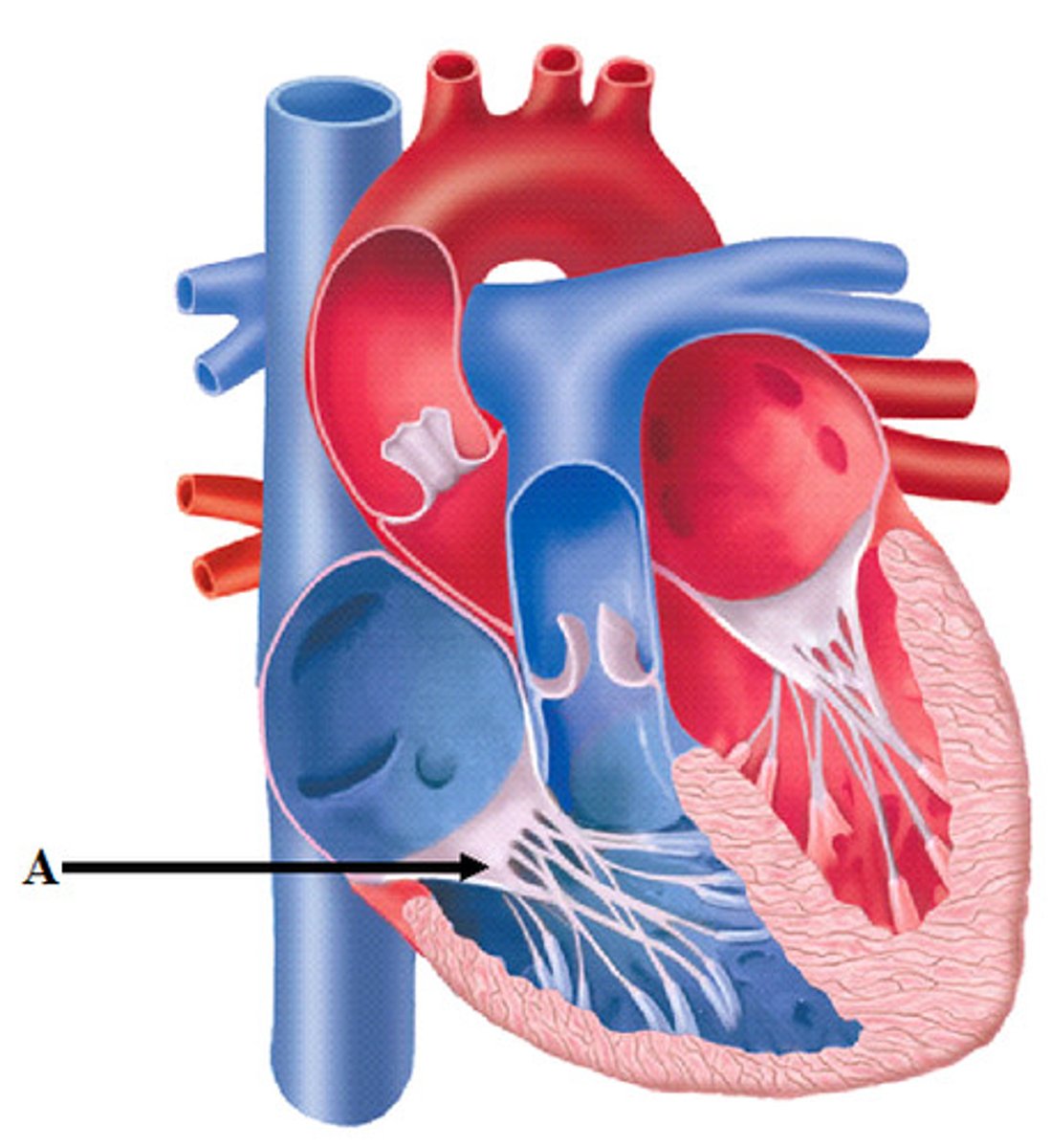
what does the phrase "First always try, before you buy" mean?
The tricuspid valve always comes before the bicuspid valve.
The tricuspid is on the RIGHT side and separates the _________ from the _________.
right atrium, right ventricle
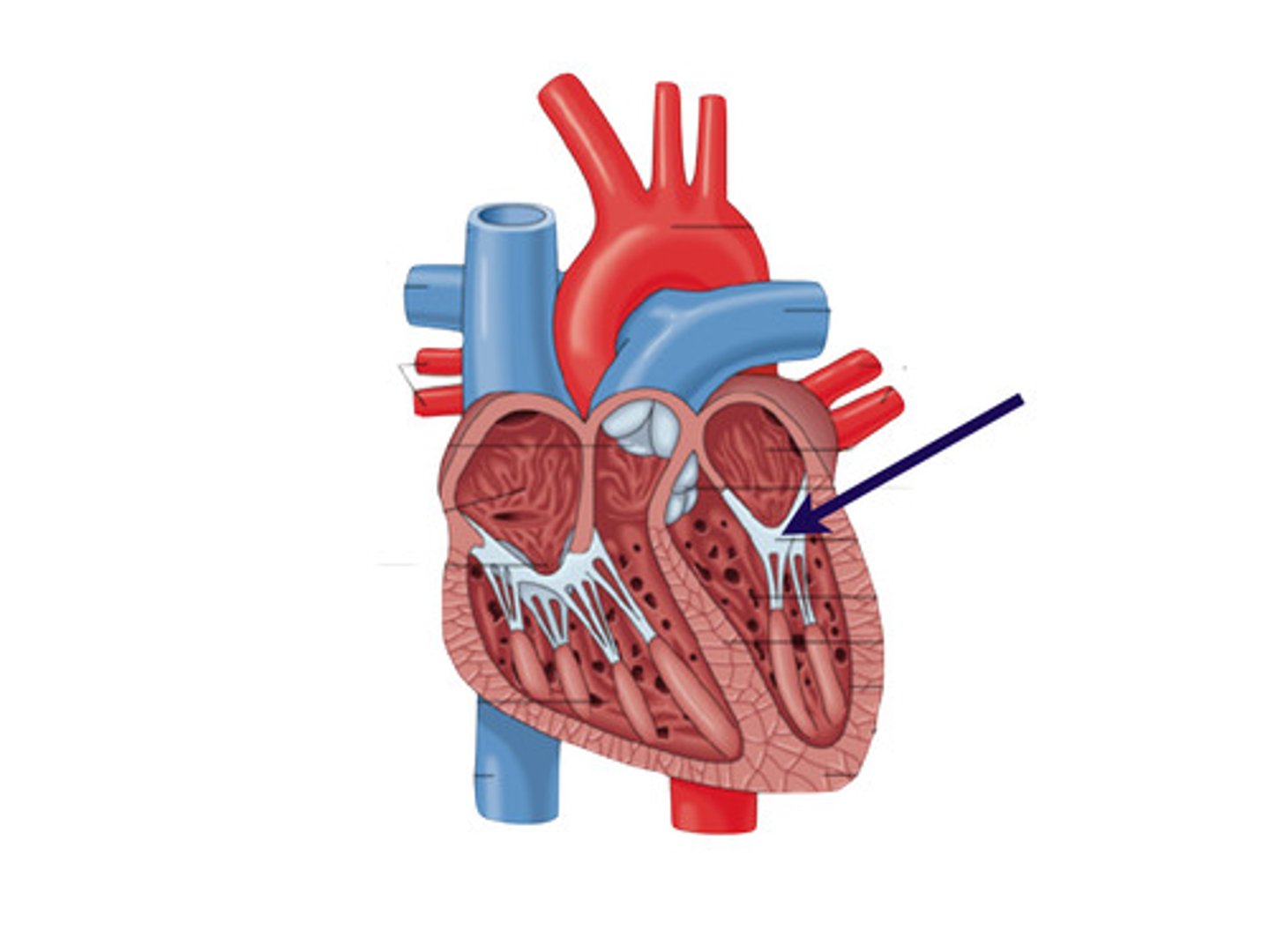
The bicuspid is on the LEFT side and separates the _________ from the _________.
Left atrium, left ventricle
CVA (stroke) stands for
Cerebrovascular accident