Vocabulary: Eukaryotic cells
 Call Kai
 Learn
Learn Practice Test
 Spaced Repetition
 Match
Match Flashcards
 Knowt Play
1/23

There's no tags or description
Looks like no tags are added yet.
Name | Mastery | Learn | Test | Matching | Spaced | Call with Kai | Chat |
|---|
No analytics yet
Send a link to your students to track their progress
24 Terms
organelle
(n) bào quan
endoplasmic reticulum
lưới nội chất
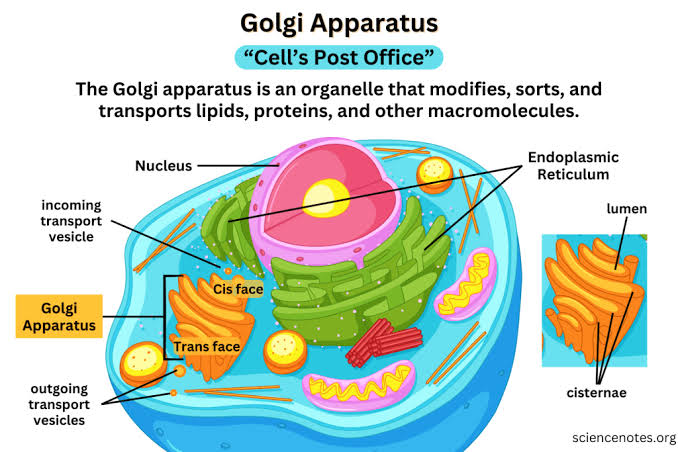
Golgi apparatus
bộ máy golgi
chloroplast
(n) diệp lúc
mitochondrion
(n) ti thể
What is a phospholipid?
a lipid molecule with two fatty acid chains and a phosphate-containing group
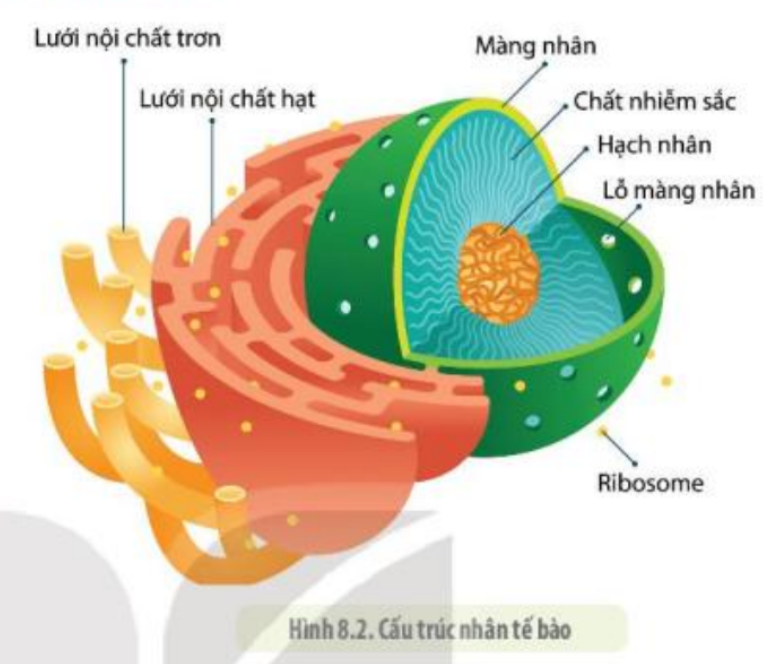
Function of nucleus
The most prominent organelle in a cell:
houses the cell’s DNA
directs the synthesis of ribosomes and proteins
constitute
(v) to be or be considered as something: cấu thành
Nuclear Envelope
a double-membrane structure that constitutes the nucleus’ outermost portion
hereditary
(a) di truyền
What is chromosomes?
The structures within the nucleus that are made up of DNA, the hereditary material
Chromosomes are only visible and distinguishable from one another when
the cell is getting ready to divide.
Every eukaryotic species has a specific number of ___ in the nucleus of each cell.
chromosomes
aggregate
(v) tập hợp
What kind of synthesis are ribosomes responsible for?
protein synthesis
cluster
(n) cụm
What is mitochondria?
“powerhouses” or “energy factories” of both plant and animal cells because they are responsible for making adenosine triphosphate (ATP), the cell’s main energy-carrying molecule.
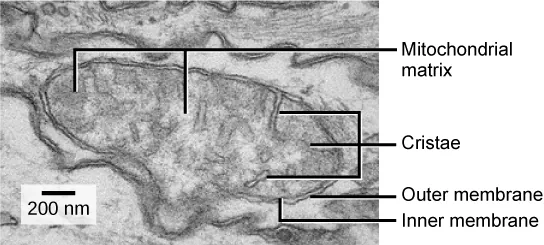
Structure of mitochondria
have their own ribosomes and DNA.
Each membrane is a phospholipid bilayer embedded with proteins.
The inner layer has folds called cristae.
We call the area surrounded by the folds the mitochondrial matrix.
Function of peroxisomes
carry out oxidation reactions that break down fatty acids and amino acids.
detoxify many poisons that may enter the body.
How can peroxisome detoxify poisons in the body?
Many of these oxidation reactions release hydrogen peroxide, H2O2, which would be damaging to cells; however, when these reactions are confined to peroxisomes, enzymes safely break down the H2O2 into oxygen and water
fuse
(v) to join together physically, or to join things together physically:
(of ideas, cultures, musical styles, etc.) to combine or be combined together
hòa quyện
Animal Cells versus Plant Cells
Animal cells each have a centrosome and lysosomes; whereas, most plant cells do not.
Plant cells have a cell wall, chloroplasts and other specialized plastids, and a large central vacuole; whereas, animal cells do not.
What is lysosomes?
the cell’s garbage disposal
Enzymes within the lysosomes aid in breaking down proteins, polysaccharides, lipids, nucleic acids, and even worn-out organelles.
These enzymes are active at a much lower pH than the cytoplasm's.
Therefore, the pH within lysosomes is more acidic than the cytoplasm's pH.
Many reactions that take place in the cytoplasm could not occur at a low pH, so again, the advantage of compartmentalizing the eukaryotic cell into organelles is apparent.
Like mitochondria, chloroplasts have
have their own DNA and ribosomes