Atmosphere
 Call Kai
 Learn
Learn Practice Test
 Spaced Repetition
 Match
Match Flashcards
1/24

There's no tags or description
Looks like no tags are added yet.
Name | Mastery | Learn | Test | Matching | Spaced | Call with Kai | Chat |
|---|

25 Terms
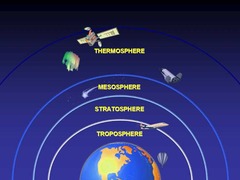
atmosphere
thin layer of gasses that surrounds Earth
relative humidity
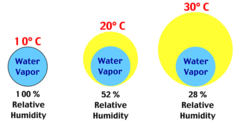
ratio of water vapor the air contains to the maximum amount it could have at that temperature
air pressure
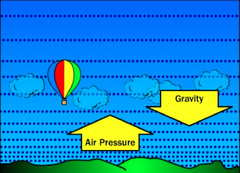
Force exerted by air onto the area below it
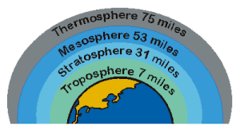
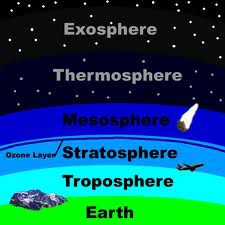
Troposphere
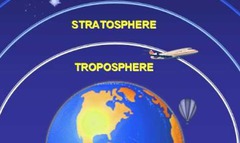
Lowest atmospheric layer; with most moisture and weather
Stratosphere
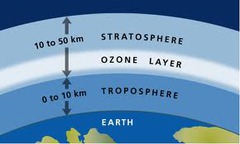
Layer above troposphere, cold & dry, ozone
ozone layer
Upper layer in stratosphere with O3, which helps absorb and scatter radiation
mesosphere
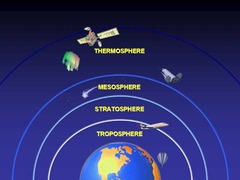
Above the stratosphere; low pressure and decreasing temperature
thermosphere
Above the mesosphere; increasingly thin until exosphere (outer limit); high temperature due to increased radiation exposure
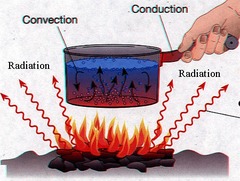
radiation, conduction, convection
Transfer of energy through space, between contacting objects, and through movement of currents in a fluid or gas
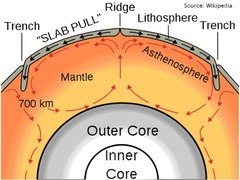
convection currents
Rising, expanding heat' and sinking, condensing cool gasses (air) or fluid (ocean, magma)
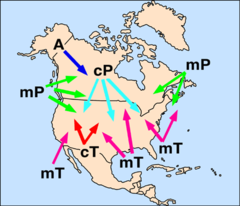
air mass
Mass of air sharing qualities like temp, pressure, humidity, composition, etc.
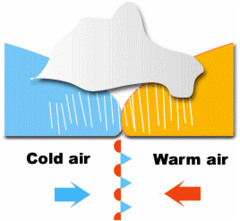
front
A boundary between two air masses
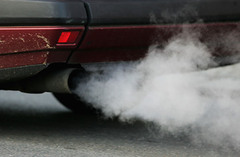
emissions
atmospheric pollutant substances released as gasses, vapor, or particulates
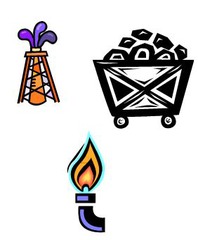
fossil fuels
Carbon-containing fuel formed from living things; usually millions of years ago; includes coal, natural gas, and petroleum
primary air pollutant
Pollutants that do harm directly; like coal soot and CO
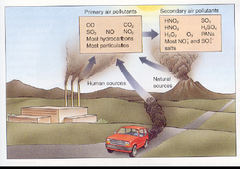
Secondary air pollutant
Harmful products produced when primary air pollutants react chemically with other substances; like tropospheric ozone and sulfuric acid
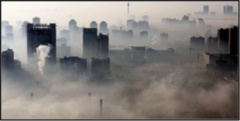
smog
Smoke + fog
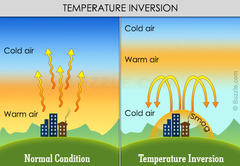
thermal inversion
a layer in the atmosphere in which air temperature increases with height
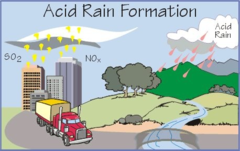
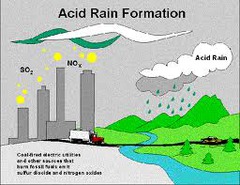
acid deposition
Some pollutants combine with water, oxygen, and other chemicals in the atmosphere to form acids, which precipitate and cause damage to surfaces
Clean Air Act
Law that protects and improves the quality of air in order to safeguard human health and the environment
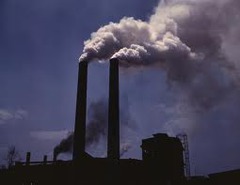
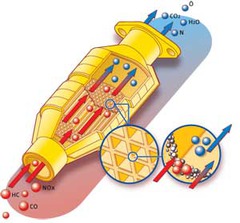
Catalytic converter
Device in a motor vehicle that reduces the amount of air pollutants in emissions
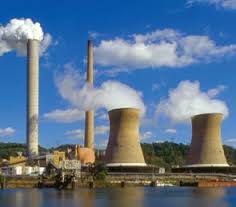
Scrubber
removes pollutants or changes them chemically before they leave factory smokestacks
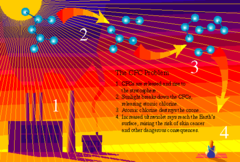
ozone hole
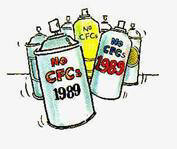
area of lowered ozone concentration over Antarctica that occurs every year from August until October; largely caused by CFCs
Chlorofluorocarbon (CFC)
family of chemical compounds containing chlorine, fluorine, and carbon; used in refrigerants & aerosol and banned due to air pollution
Montreal Protocol
International treaty to stop use of CFCs