Unit 1: Chapters 1 - 3(Scarcity, Intro to Economic Systems, and The American Free Enterprise System)
 Call Kai
 Learn
Learn Practice Test
 Spaced Repetition
 Match
Match Flashcards
 Knowt Play
1/66

Name | Mastery | Learn | Test | Matching | Spaced | Call with Kai | Chat |
|---|
No analytics yet
Send a link to your students to track their progress
67 Terms
Needs
Essential requirements for survival, such as food, water, and shelter.

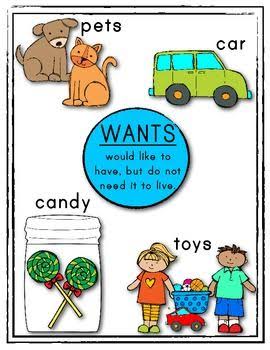
Wants
expressed as a need, not necessarily for survival(something we desire)
ex. entertainment, luxuries, and non-essential goods.
Scarcity
The basic economic problem that drives people to make choices (Limited resources to satisfy unlimited wants and needs).

Supply & Demand
The relationship between the quantity of a good or service that producers are willing to sell and the quantity that consumers are willing to buy at various prices.

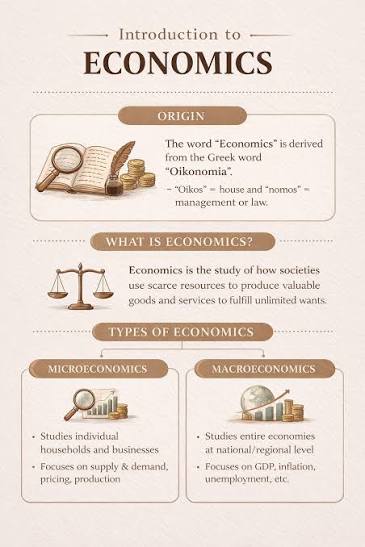
Economics
The study of how individuals and societies make choices about allocating scarce resources to satisfy their wants and needs.
Goods
Physical objects that can be purchased

Services
Something someone does for another person

Consumer
Buys goods or services for personal use

Producer
Makes goods or provides services
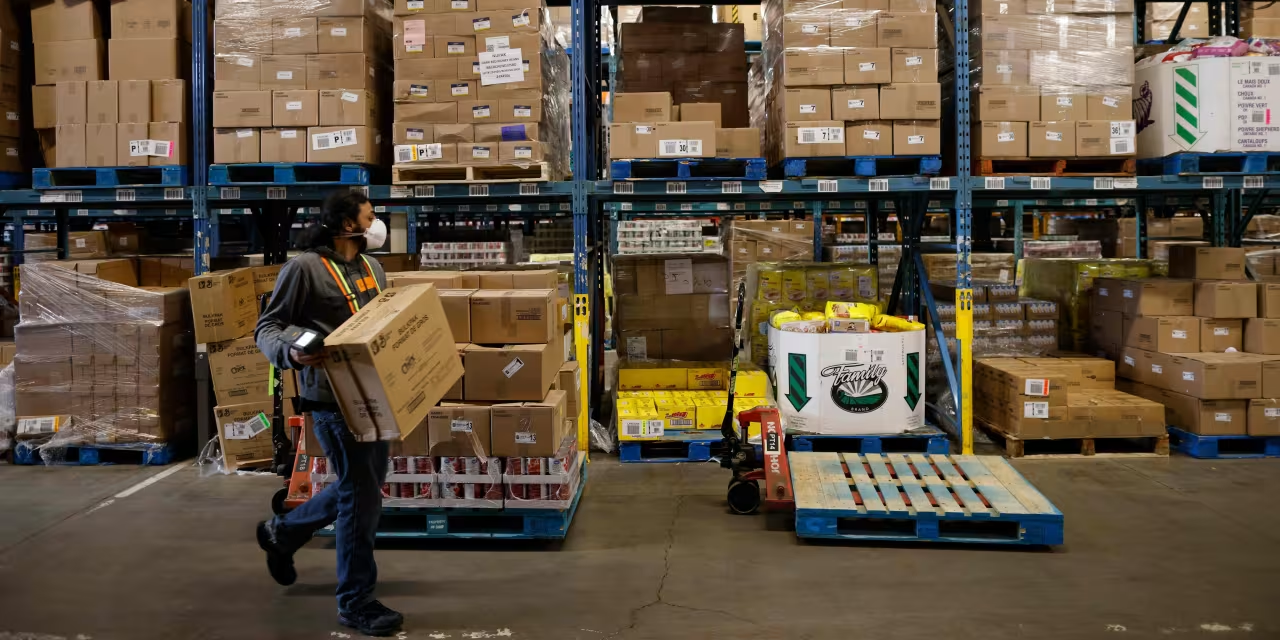
3 fundamental questions of Economics
What to produce? How will it be produced? For whom will it be produced?

Factors of Production
Land, Labor, Capital, Entrepreneurship

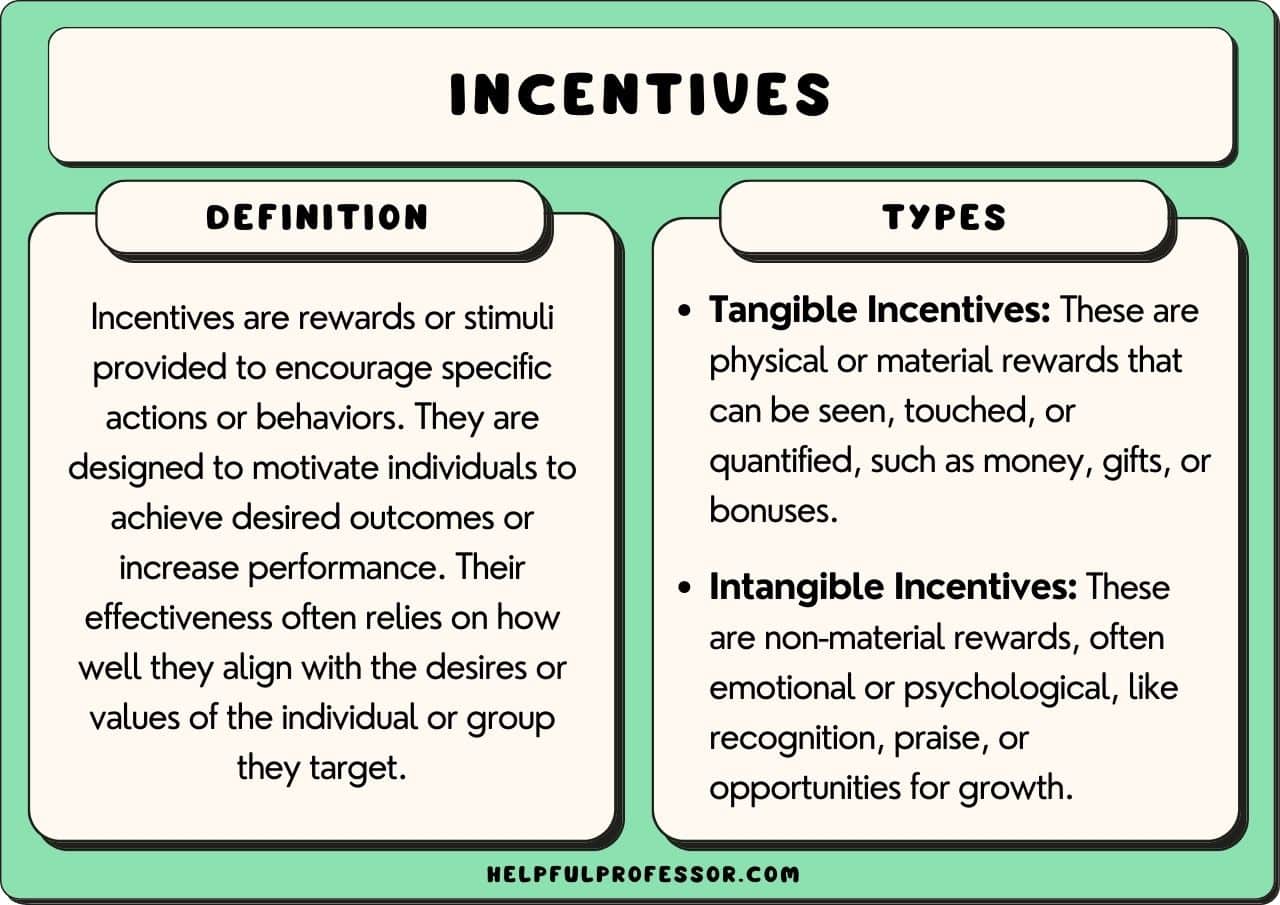
Incentives
Benefits offered to people(encourage them) to act in certain ways
Utility
Benefit or satisfaction gained from the use of goods or services

Economize
Make choices/decisions according to what you believe is the best combination of costs & benefits
Trade-off
Giving up something to gain more of another

Opportunity cost
Value off something that is given up to get something else that is wanted

Cost-Benefit Anaylsis
An appoarch that weighs the benefits of an action against its costs

Marginal Cost
Cost of using one more unit of a good or service

Marginal Benefit
benefit or satisfaction received from using one more unit of a good or service

Economic Models
Simplified representations of complex economic activities, systems, or problems

PPC
Production Possibilities Curve. A graph used to illustrate the impact of scarcity on an economy by showing the maximum number of goods and services that can be produced using limited resources.

Law of Increasing opportunity cost
production switches from 1 product to another, increasing amounts of resources are needed to increase the production of the 2nd product
Statistics
Information in numerical form

Microeconomics
Study of the behavior and decision-making of individual units, such consumers, households, and businesses.

Macroeconomics
Study of the behavior of the economy as a whole and involves topics like inflation, unemployment, aggregate demand, & aggregate supply.

Positive economics
Study of economics as it is
Normative economics
Describing & explaining what economic behavior ought to be, not what it actually is
Economic System
The way society uses resources to satisfy citizens’ wants & needs
Tradition Economy
Economy System where people produce & distribute goods according to customs handed down from generation to generation

Command Economy
Economy System where the government makes all economic choices

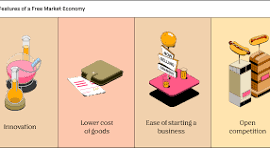
Market Economy(Capitalism/Free enterprise)
Economy System where it’s directed by individual choices
Centrally Planned Economy
System where central government officials make all economic decisions

Socialism
Economy System where the government owns some or all the factors of production

Communism
Economy System where government owns all the factors of production with little or no political freedom

Authoritarian
System that requires absolute obedience to authority
Private Property Rights
The rights of individuals & groups to own property

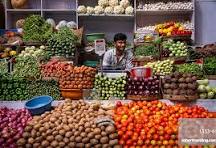
Market
Any place in which people buy and sell goods and services
Laissez Faire
French for ‘leave things alone‘

Capitalism
Economy System this is based on private ownership of the factors of production

Voluntary exchange
A trade in which both traders believe that what they are getting is worth more than what they are giving up

Profit
The money left over after production cost is substracted from the revenue gained by selling that good/service.

Consumer Sovereignty
The idea that consumers hold ultimate control over what is produced because their purchasing choices determine market supply

Specialization
People concentrate their efforts in the activities they do best

Circular Flow Model
Tool that economists use to understand how market economics operate
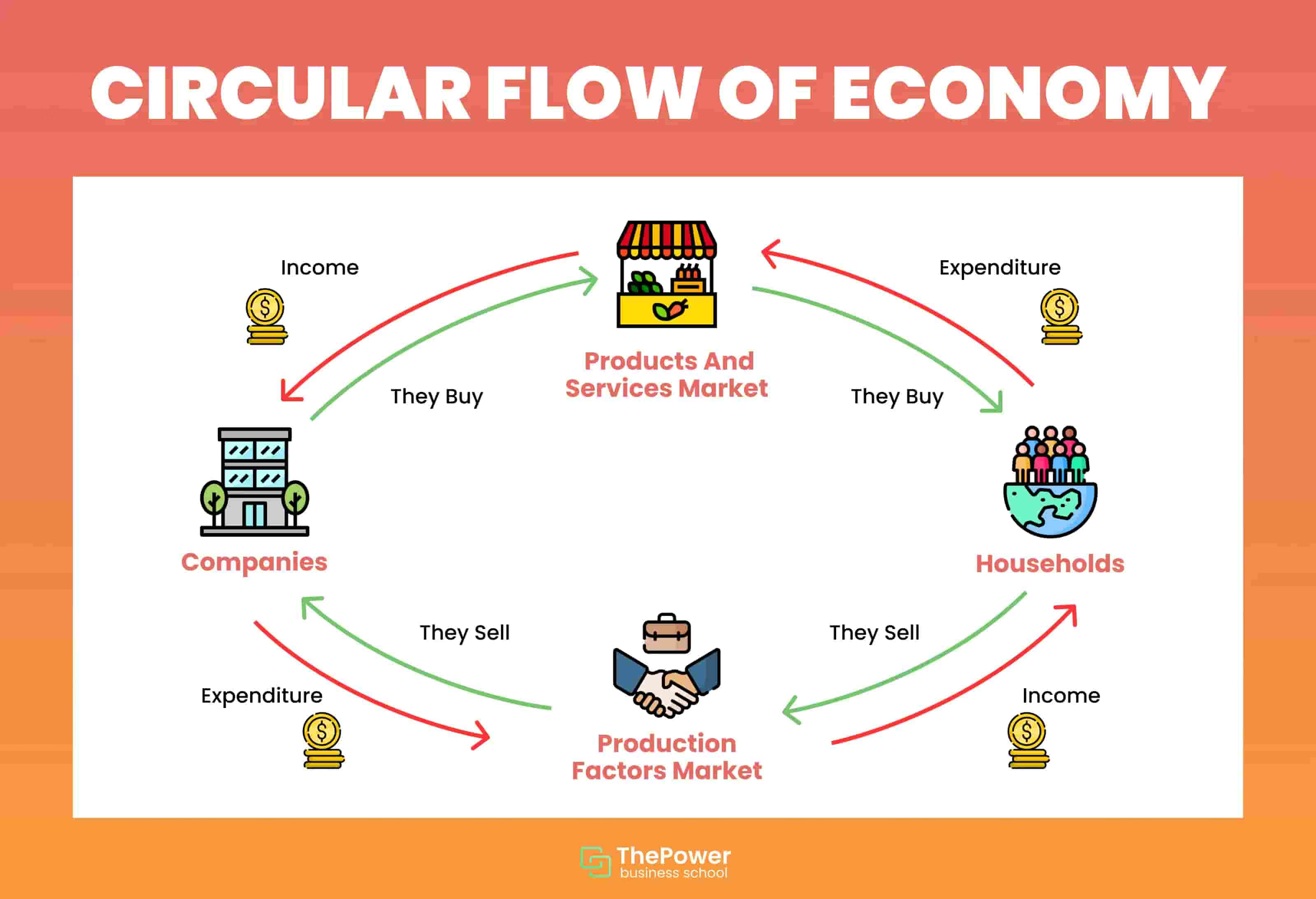
Product Market
A market where goods & services are sold (where households do their consumering)

Factor Market
A market for the 4 factor of production: lang, labor, capital, entrepreneurship

Mixed Economy
Economy that has elements of traditional, command, & market economics

Nationalize
To change from private ownership to government or public ownership
Privatize
To change from public ownership or government to private ownership
Global Economy
All the economic interactions that cross international boundaries

Free Enterprise System
Another name for Capitalism
Open Opportunity
Ability of everyone to take part in the market by free choice
Legal Equality
Situation where everyone has same economic rights under the law

Free Contract
Situation where people decide which legal agreements to enter into
Profit Motive
Force that encourages people & organizations to improve their material well being from economic activities.

Modified Free Enterprise Economy
Some government involvement in the free enterprise economy
Market Failure
Something the market doesn’t provide(inefficient or unprofitable)
Public Goods
Good and services provided for the general public funded by the government
Free Riders
People who chooses not to pay for a good/service but benefits when provided
Infrastructure
Consists of all goods & services that are necessary for the functioning of society
Externality
Side effect that affects somebody other than the producer or consumer
Positive externality
Creates benefits for people who were not involved in the original economic activity
Negative externality
Imposes cost on people who were not involved in the original economic activity
Subsidy
Financial aid or money given by a government to a person, company, or industry to help lower costs or support a public goal.
Safety Net
Assistance provided by government to avoid severe poverty or financial hardship
Transfer payment
Transfer of income/benefit without exchange in return
Public Transfer Payment
Transfer payment in which the government