OCR GCSE History- Living under Nazi Rule
 Studied by 0 people
 Call Kai
 Learn
Learn Practice Test
 Spaced Repetition
 Match
Match Flashcards
 Knowt Play
1/229

There's no tags or description
Looks like no tags are added yet.
Name | Mastery | Learn | Test | Matching | Spaced |
|---|
No study sessions yet.
230 Terms
Number of unemployed Germans in 1933
6 million
Date the Enabling Act was passed
24th March 1933
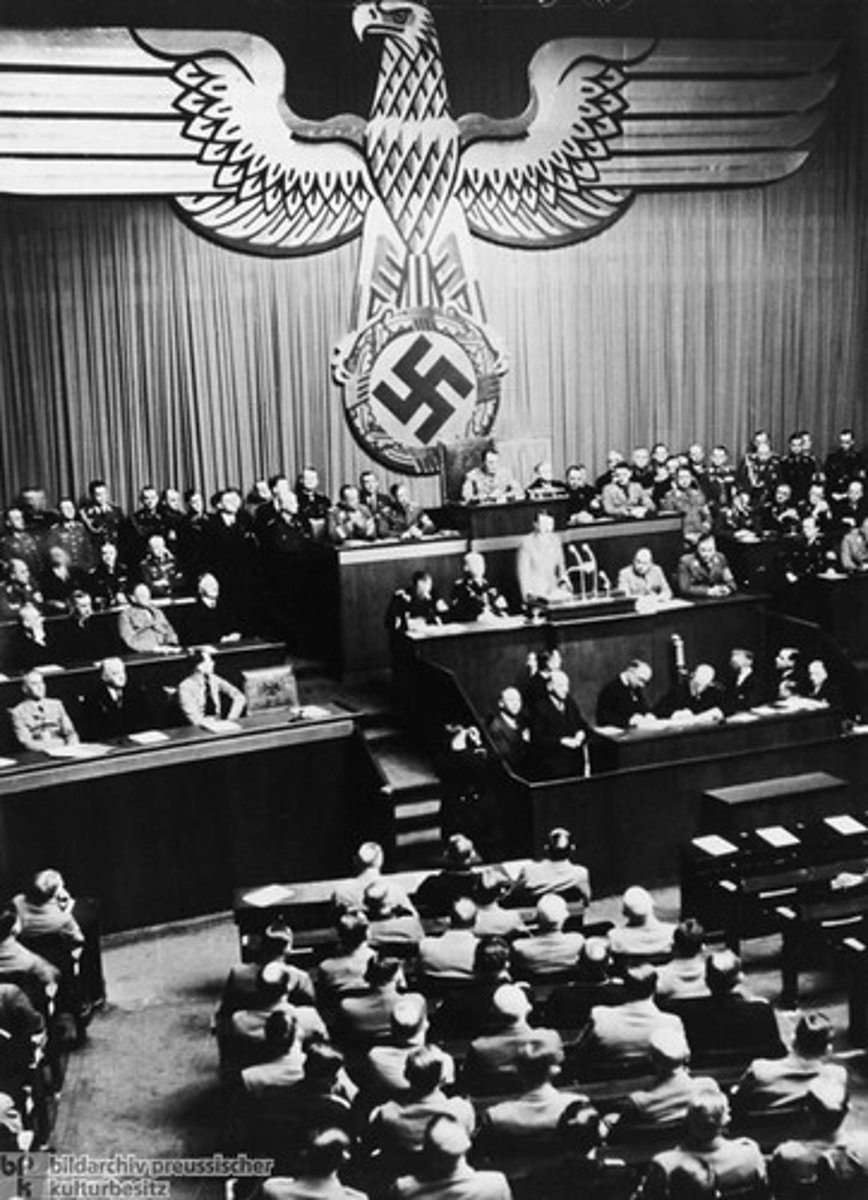
Date Hitler became Chancellor
30th January 1933

Date of the Reichstag fire
27th February 1933
Who was the original leader of the German Worker's Party?
Anton Drecksler
What did Hitler change the German Worker's Party to in 1920?
The National Socialist German Worker's Party
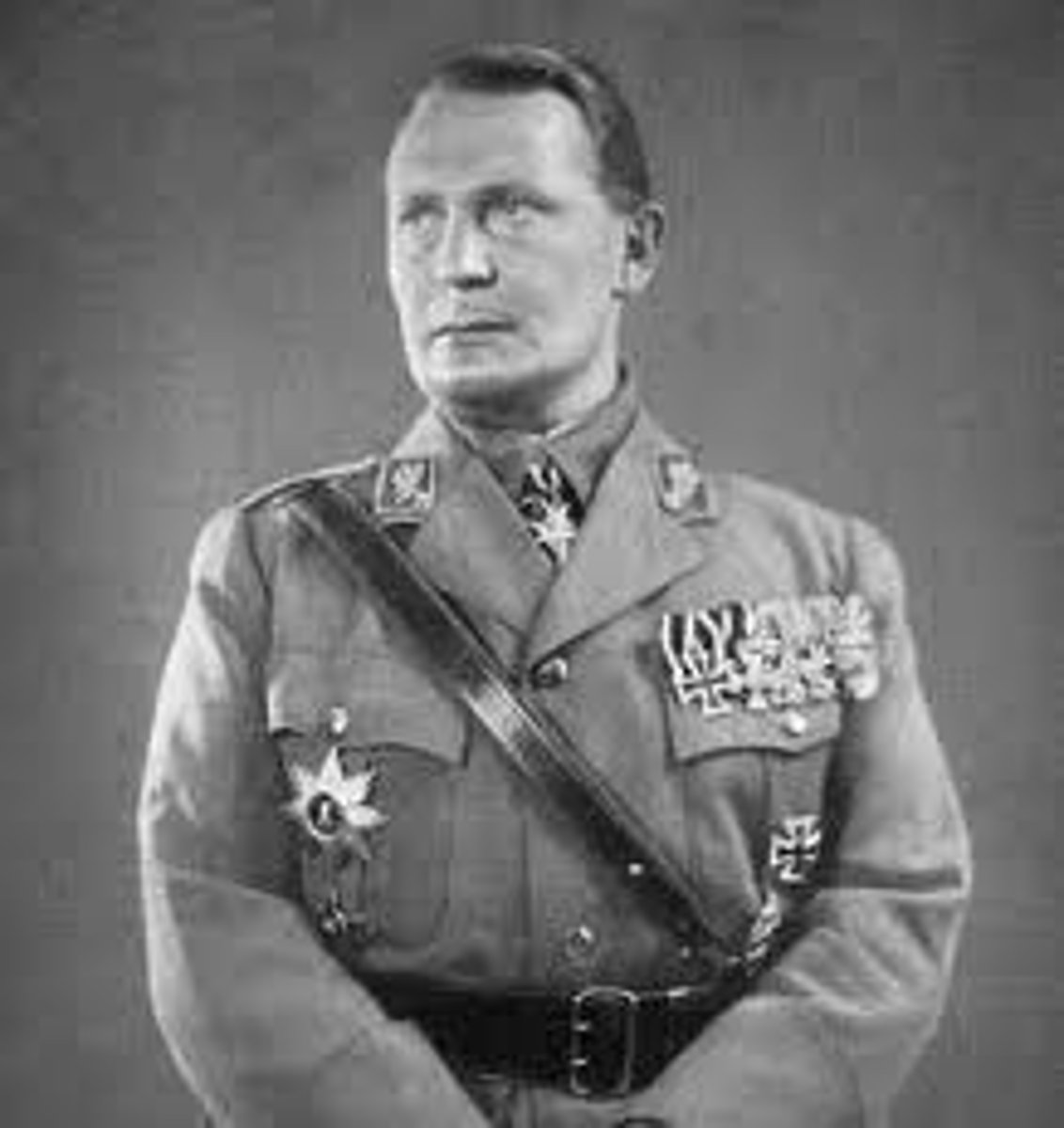
Role of Hermann Göring
Leader of SA, head of the luftwaffe and the gestapo
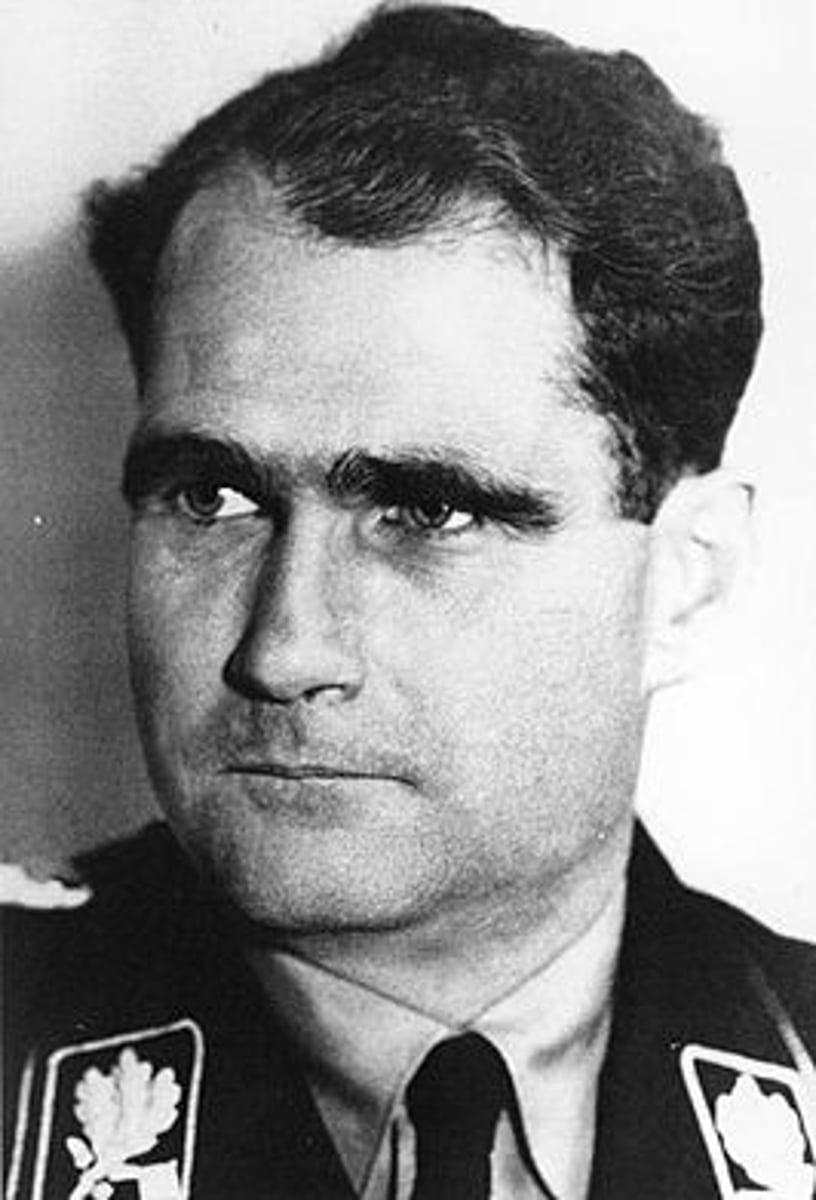
Role of Rudolf Hess
Signed off new legislation, making sure it fit Nazi ideology
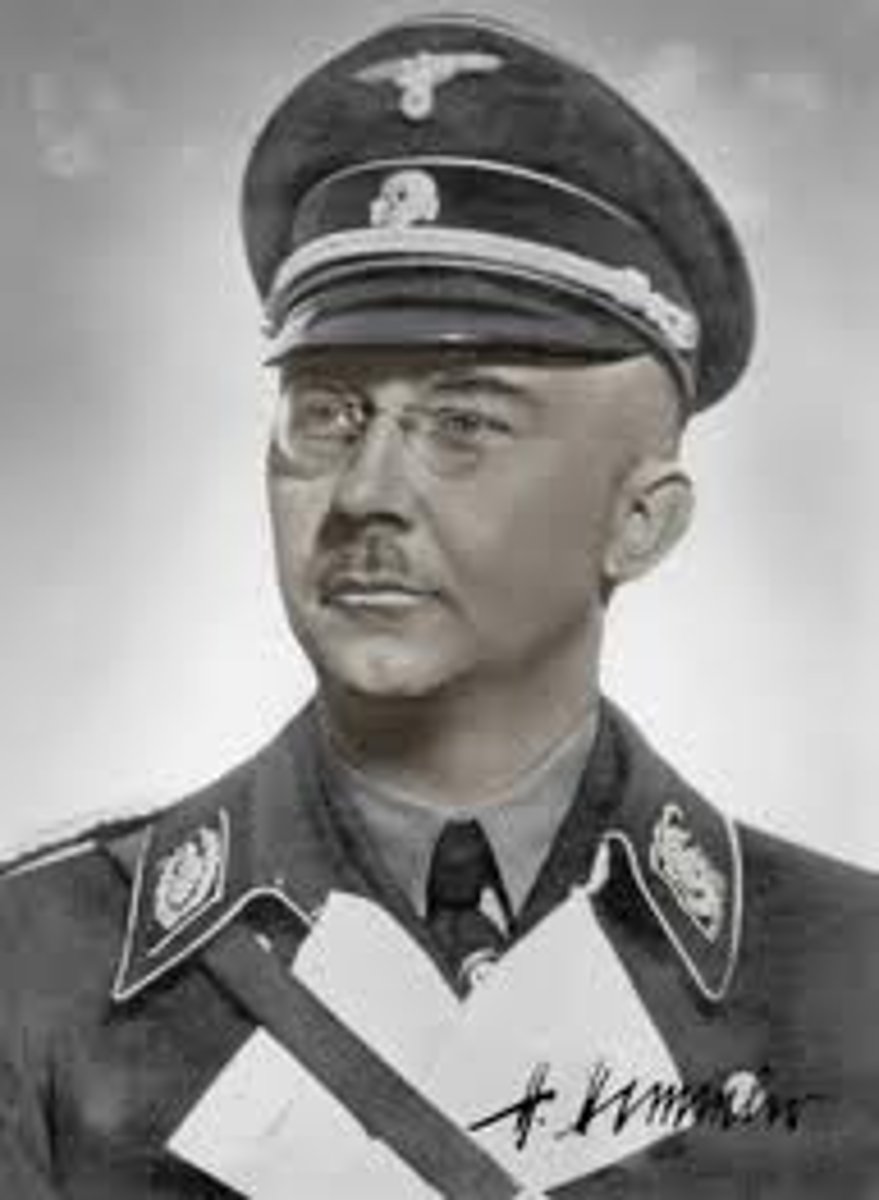
Role of Heinrich Himmler
Ran the SS and terror
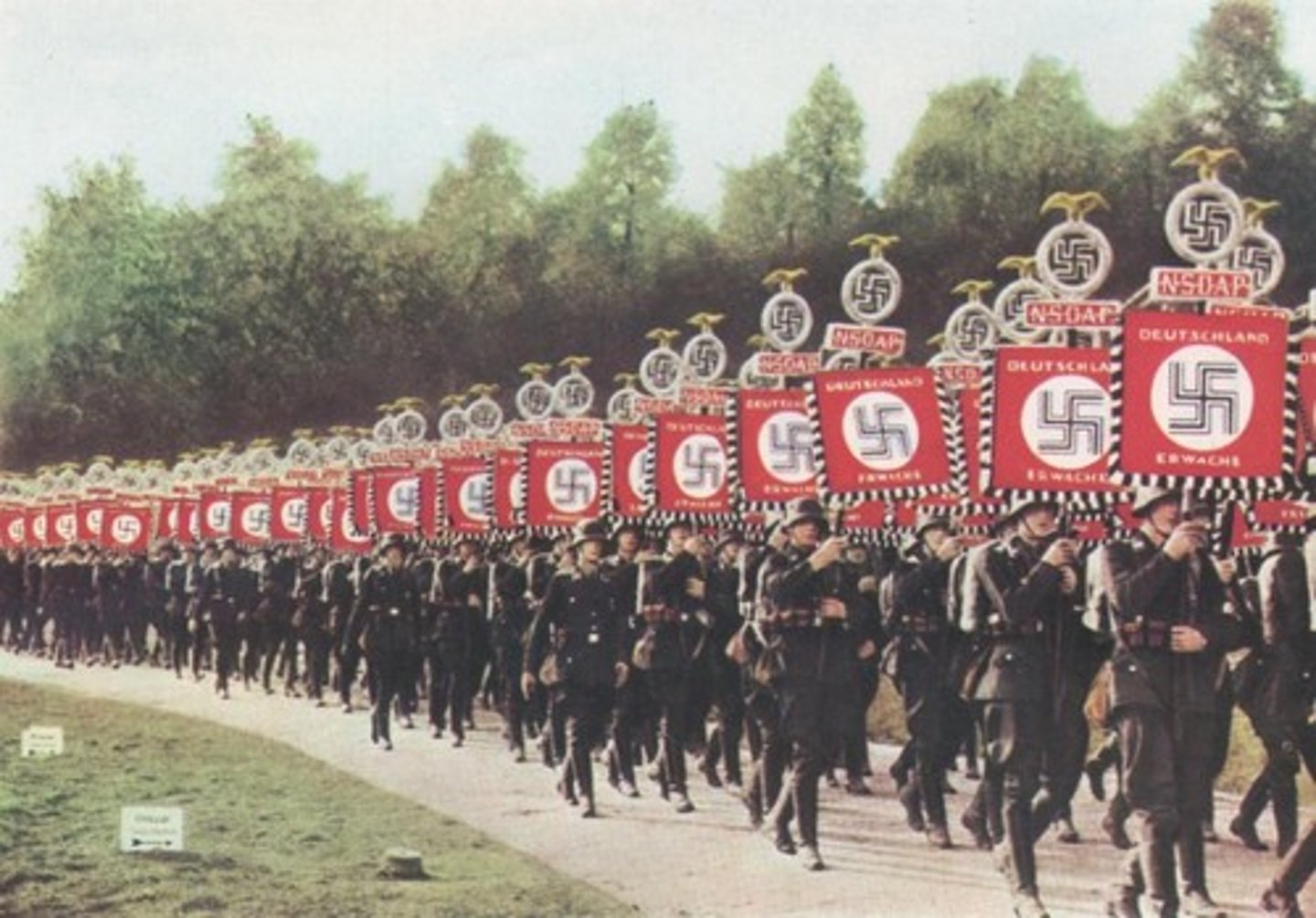
Role of the SS
To control the police and camps
How many soldiers were in the SS?
230,000
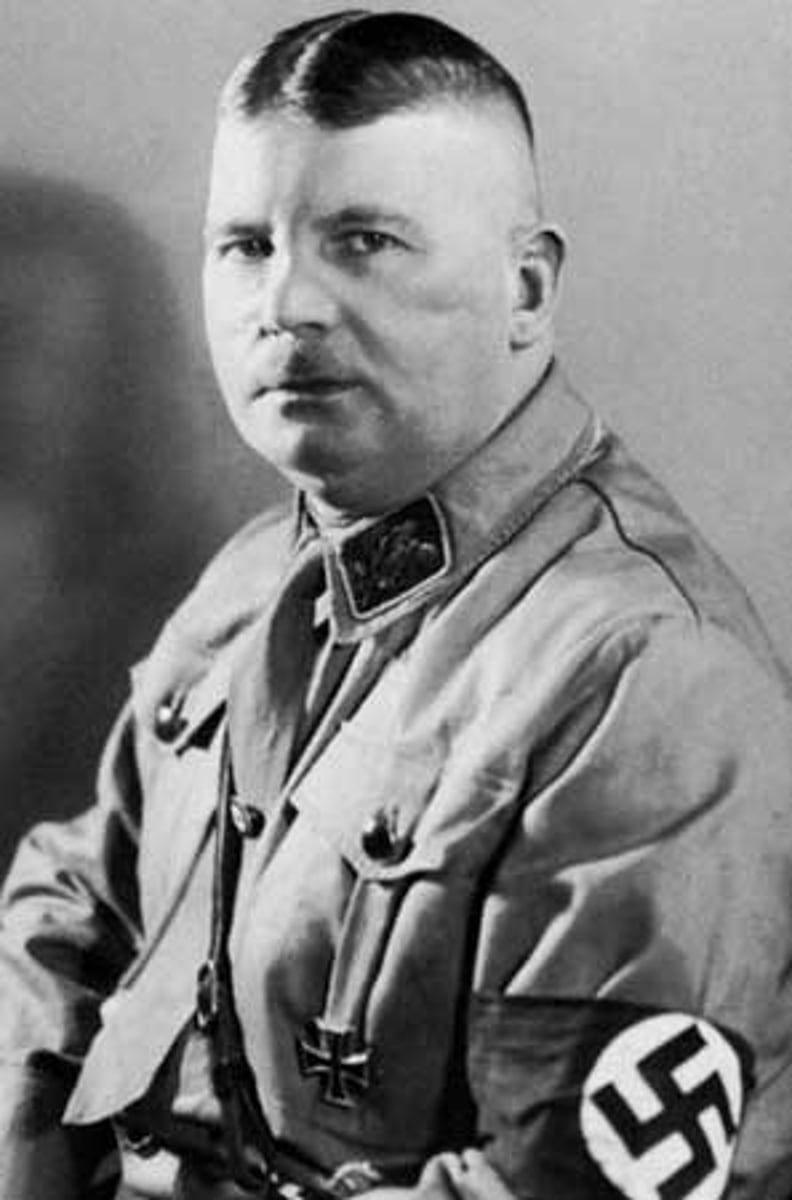
Role of Ernst Röhm
Helped set up and lead the SA
Role of the SA
To intimidate political opponents and protect the Nazis
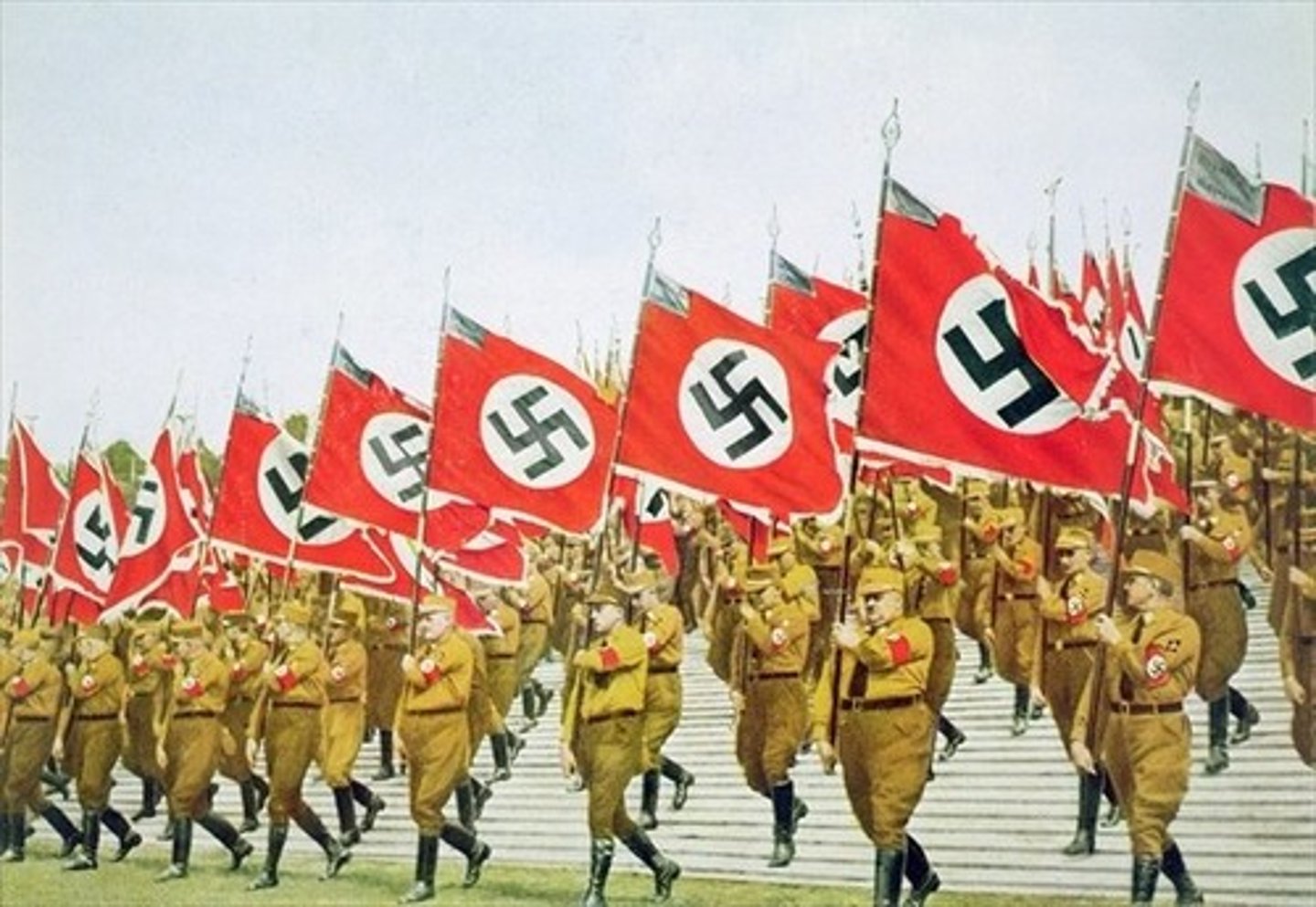
How many soldiers were in the SA?
400,000
What did the SS stand for?
Schutzstaffel (protection squad)
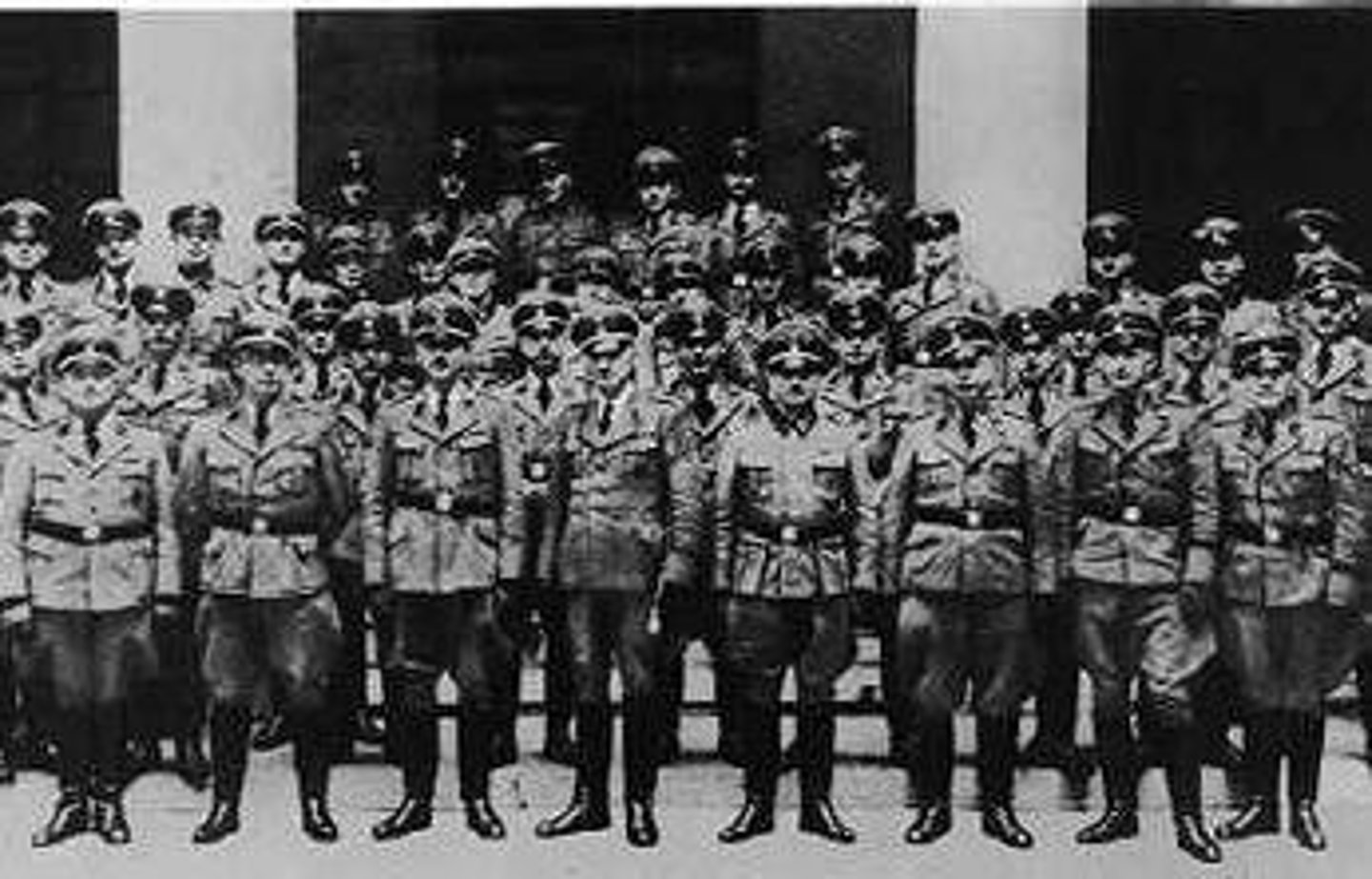
What did the Gestapo do?
Arrested people and sent them to concentration camps without trial
Role of Josef Goebbels
Ran media and propaganda
Übermenschen
Supreme Aryan race
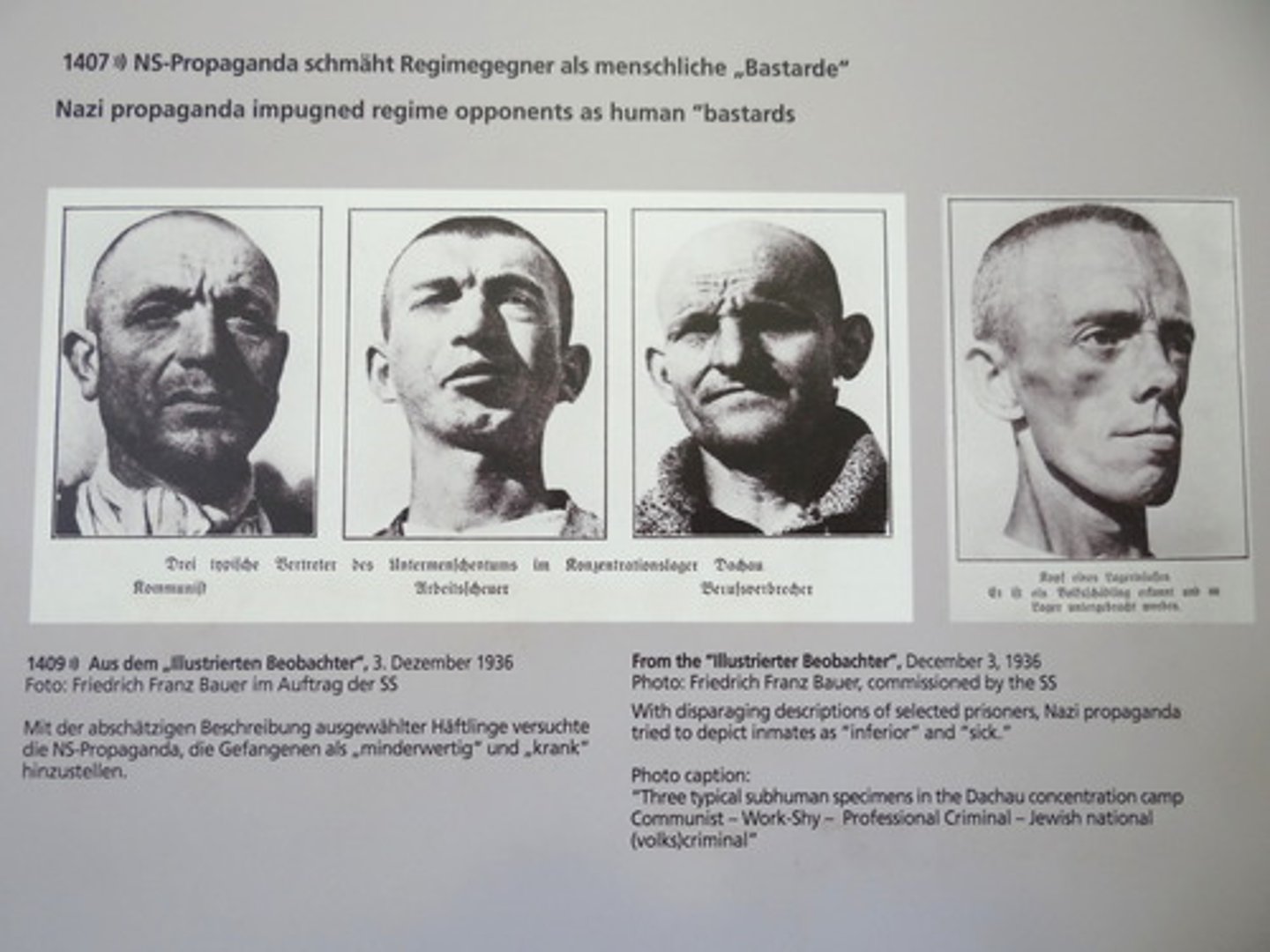
Untermenschen
an inferior person (often Jewish)
Nazi attitude to central government
Should be strengthened
Nazi attitude to communism
Should be stopped
Nazi attitude to the treaty of Versailles
Should be ignored
Who was found inside the Reichstag fire?
Marianus Van der Lubbe
What did the Enabling Act do?
Gave Hitler the power to change the constitution and pass laws without the approval of the Reichstag.
Gleichschaltung
Bringing Germany into line
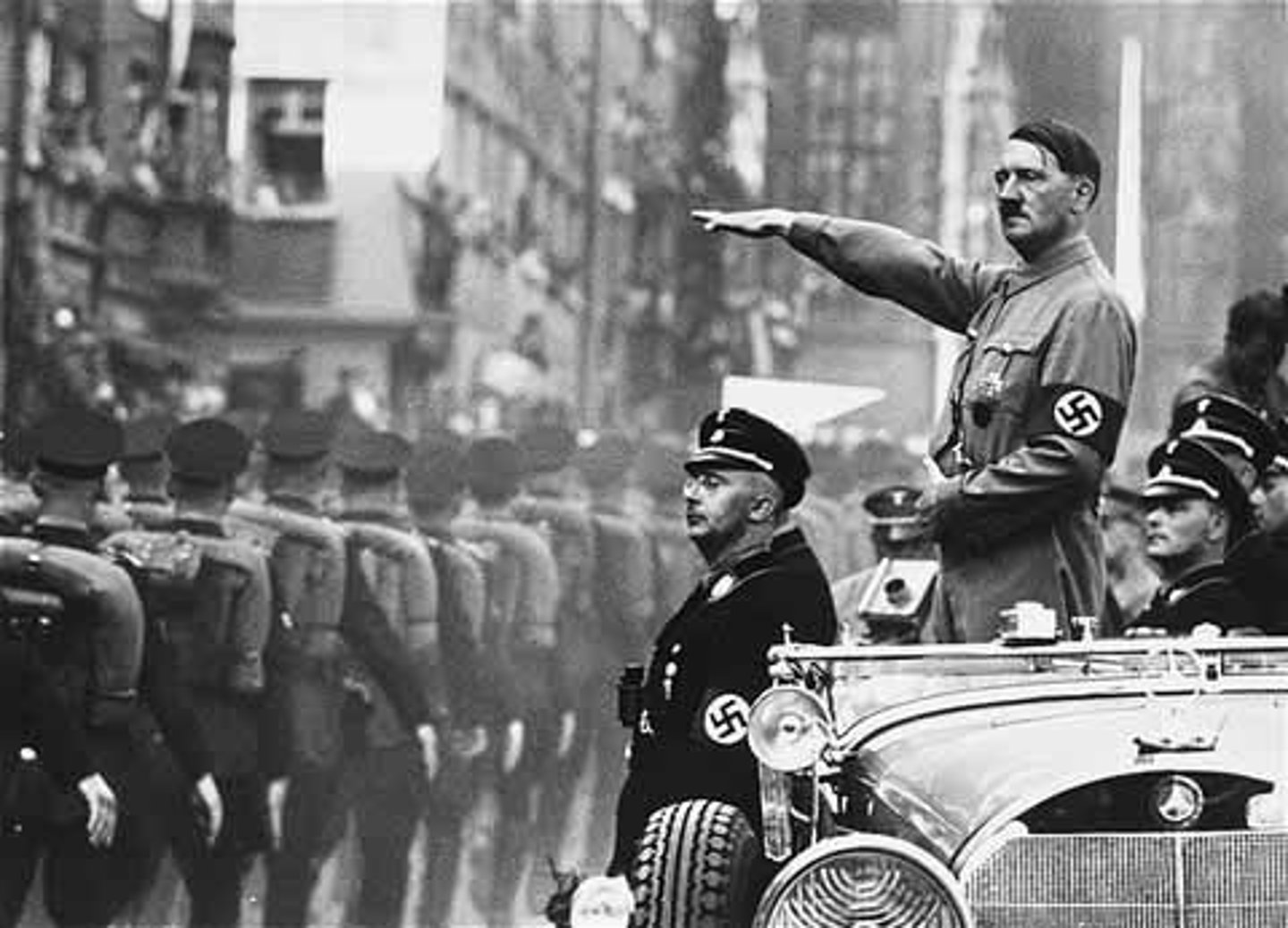
Why could van der Lubbe have been acting as part of a communist plot?
He had communist pamphets in his pockets / Nazi officials blamed the fire on Communists
How many 'un-german' books were burned on one day?
25,000
When were 25,000 'un-german' books burned?
10th May 1933
How many people had been arrested by October 1933?
100,000
What caused the Köpenick week of blood?
A social democrat shot 3 SA stormtroopers
What happened in the Köpenick week of blood?
The SA arrested 500 men and tortured them so badly that 91 died
What happened to Jewish businesses in 1933?
People were encouraged to boycott them
Where was the enabling Act passed?
The Kroll Opera house
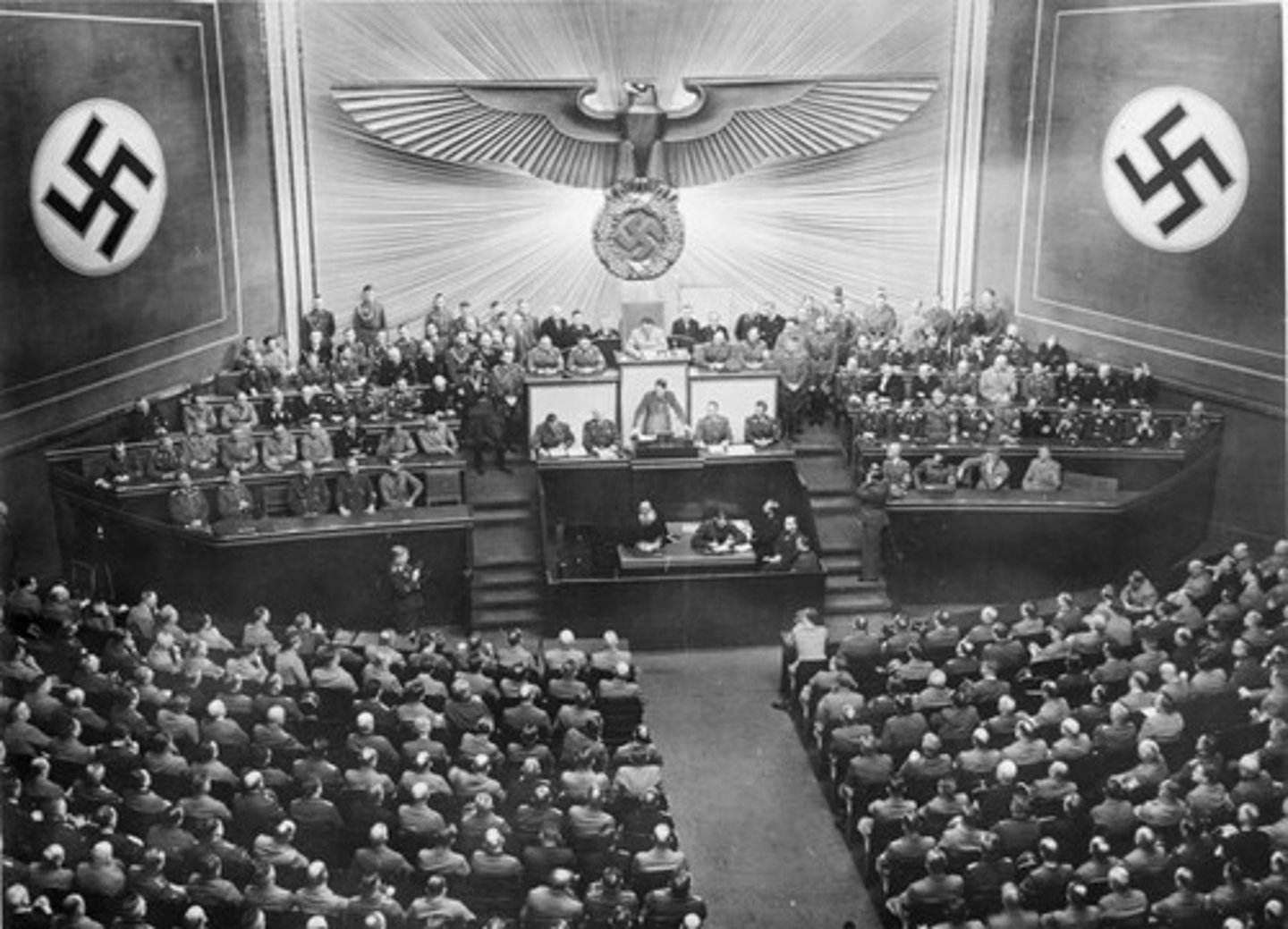
What freedoms did the Reichstag Fire Decree remove?
Association, speech, press and communication
Who led the Gestapo?
Reinhard Heydrich
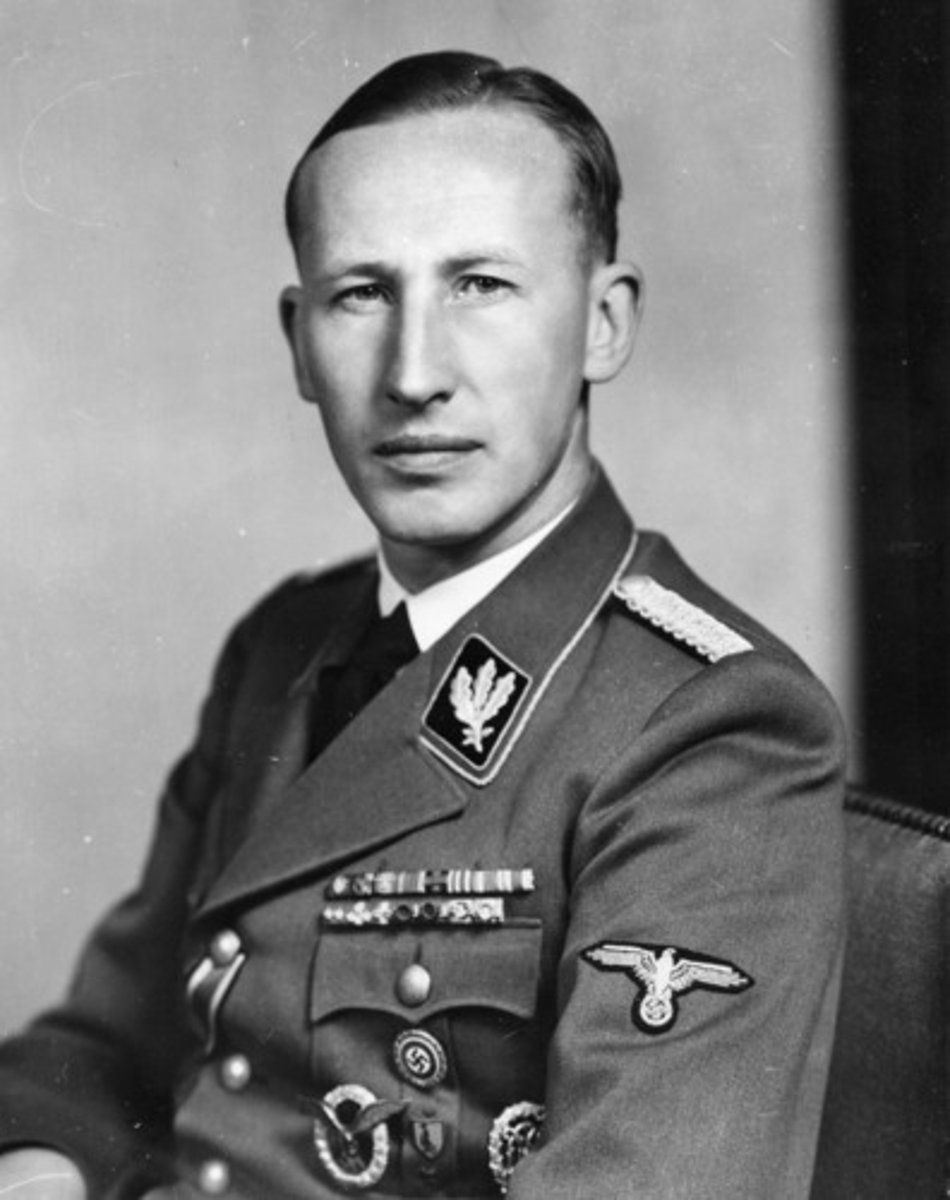
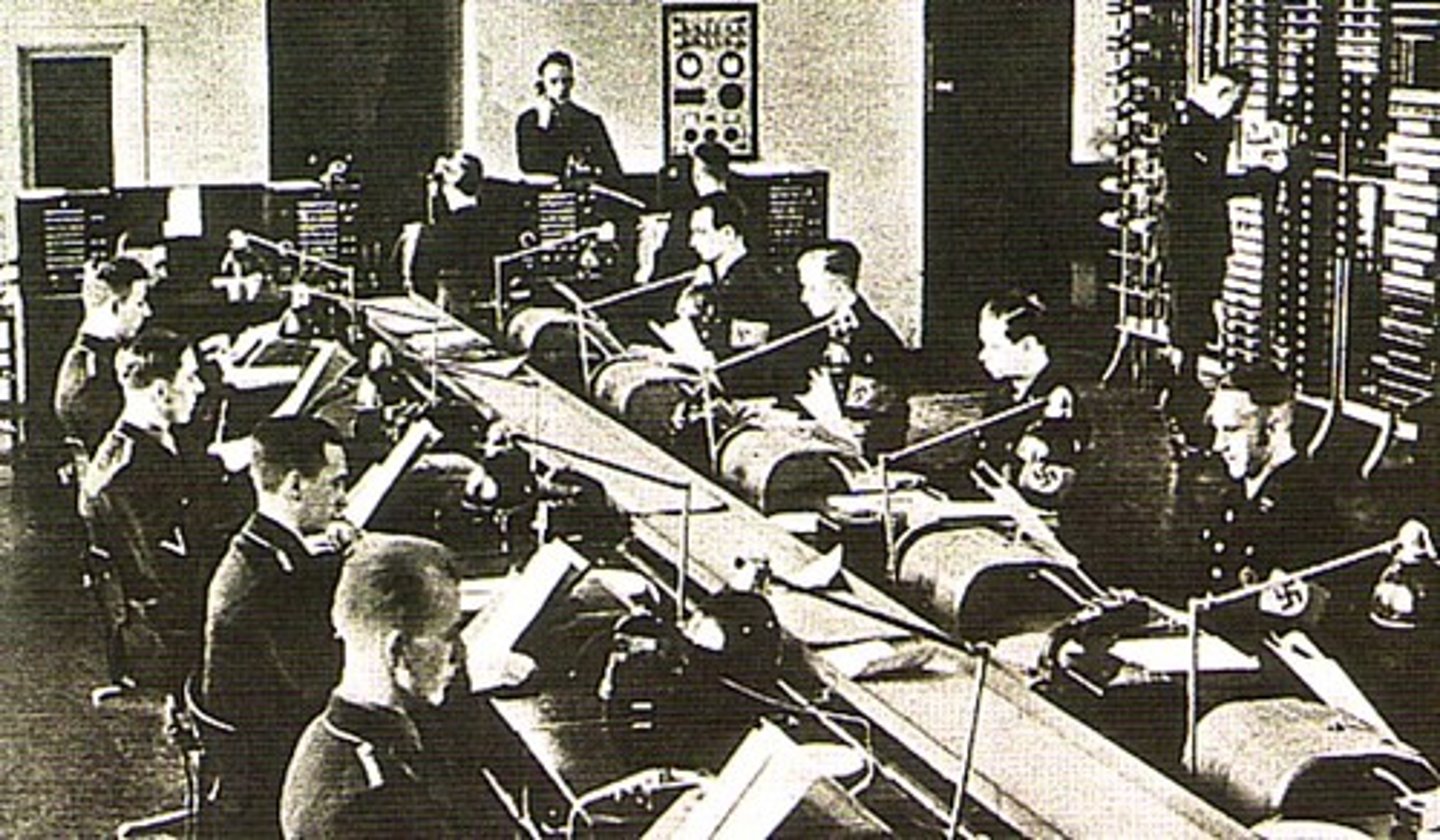
How was the Gestapo so powerful?
It had a network of informants
What proportion of German films were state-funded?
2/3
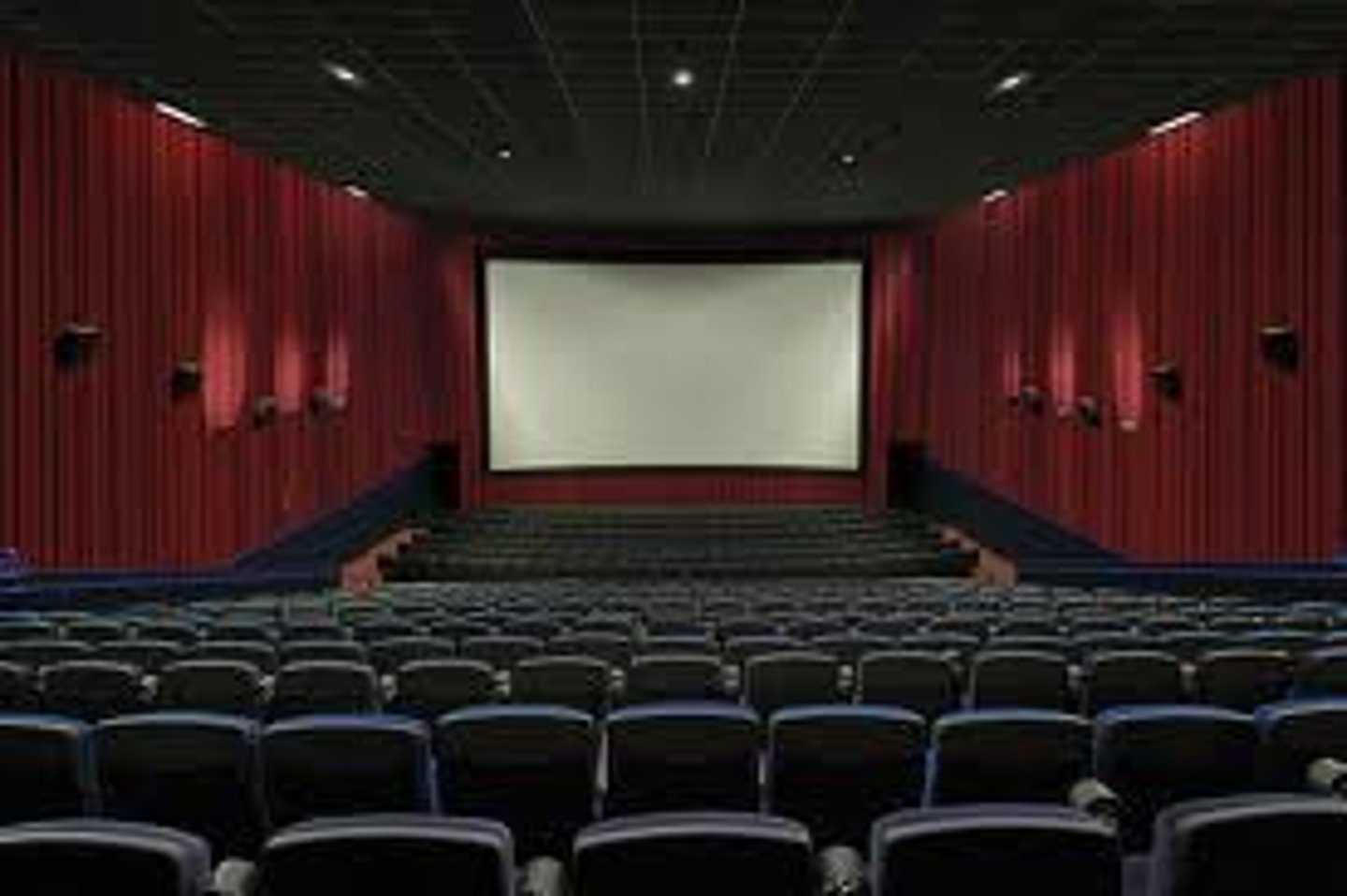
How many seats were in the 1936 Berlin Olympic stadium?
100,000
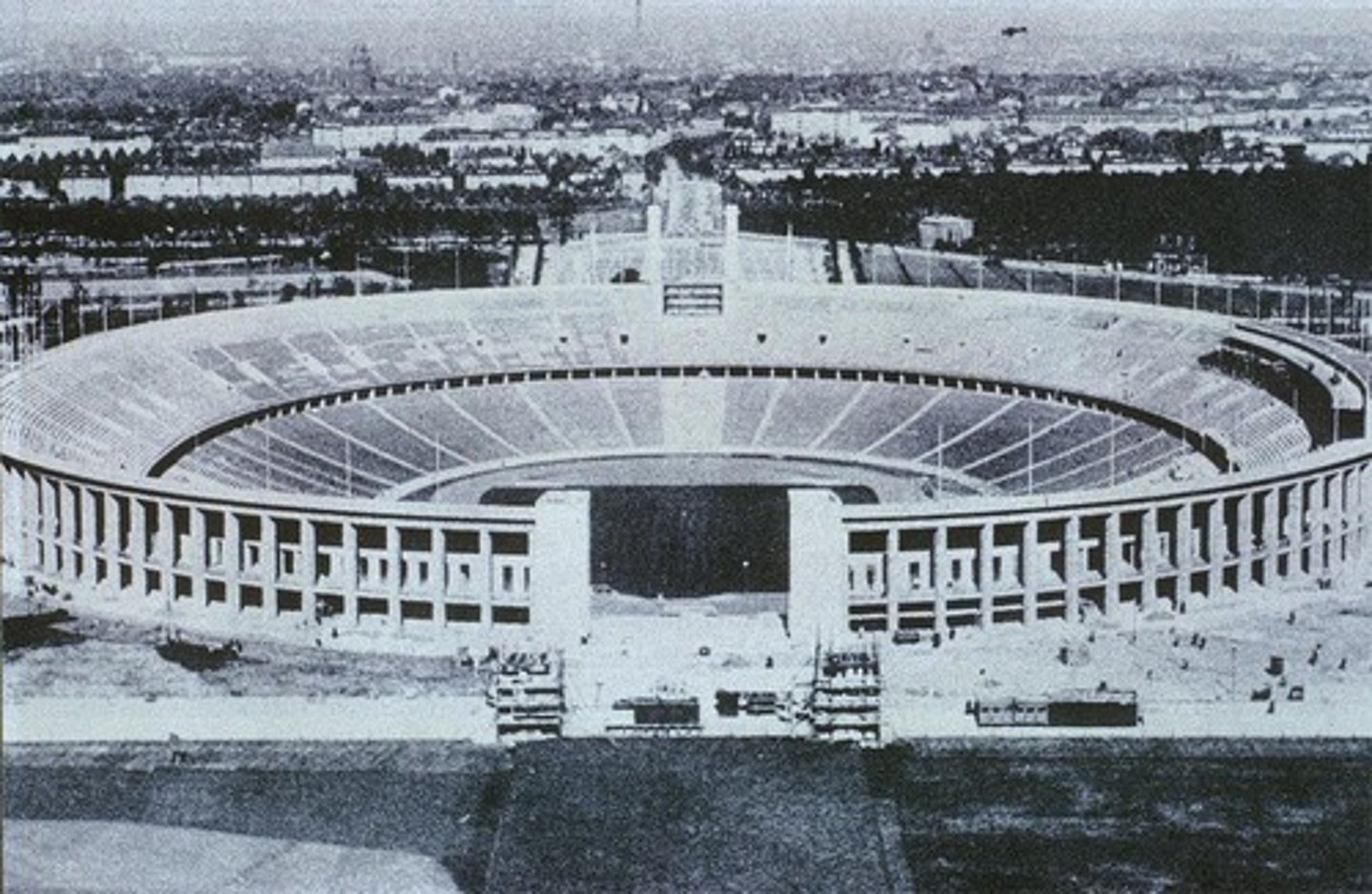
How many swastika flags were at the 1934 Nuremburg Rally?
30,000
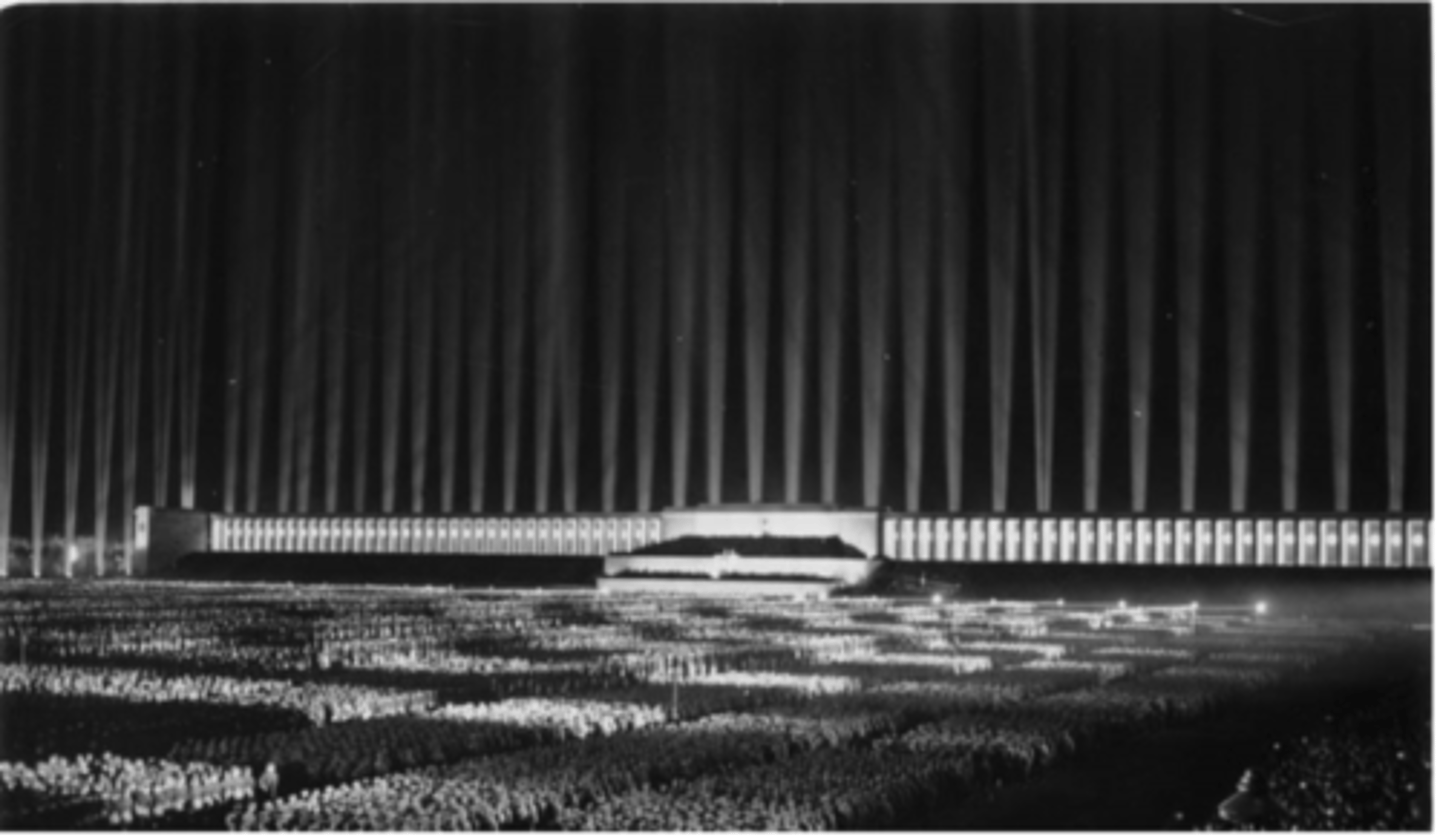
What percentage of Germans had a radio in 1939?
70%
What proportion of German newspapers were owned by the Nazis?
2/3
What was the Nazi Party's newspaper called?
der Stürmer
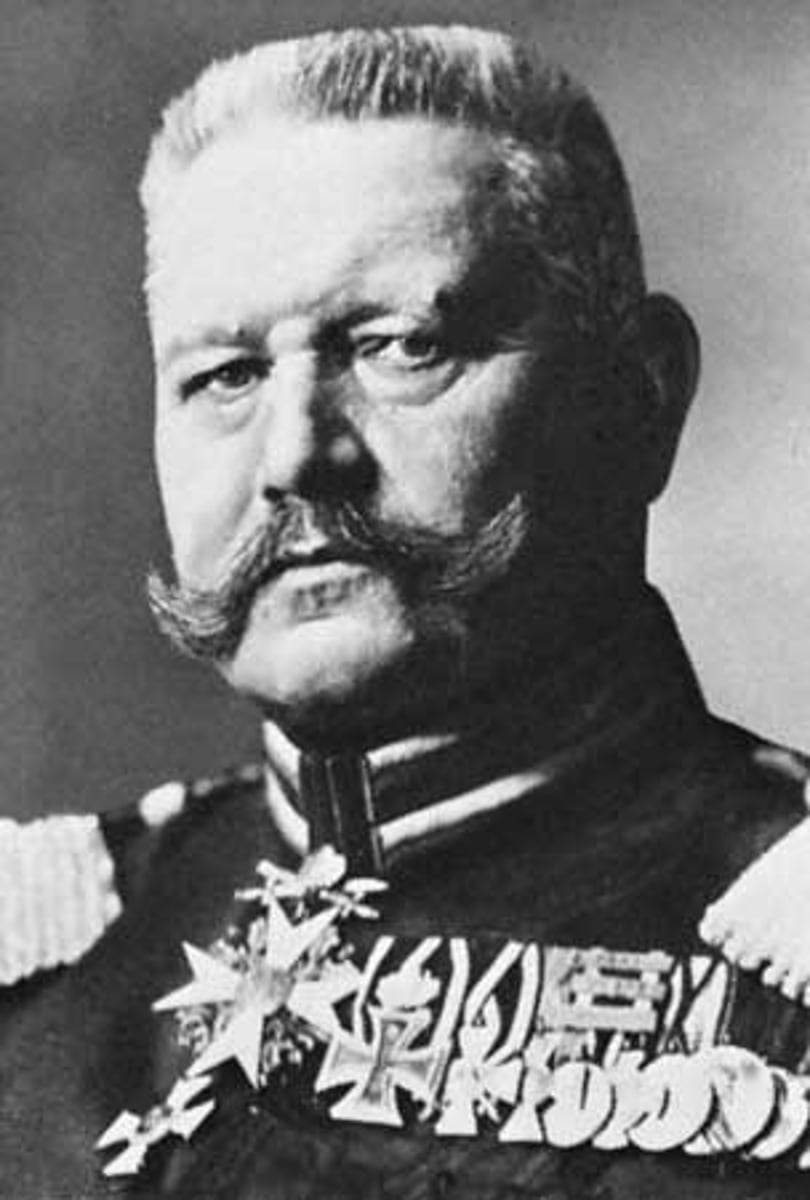
When did Hindenburg die?
2nd August 1934
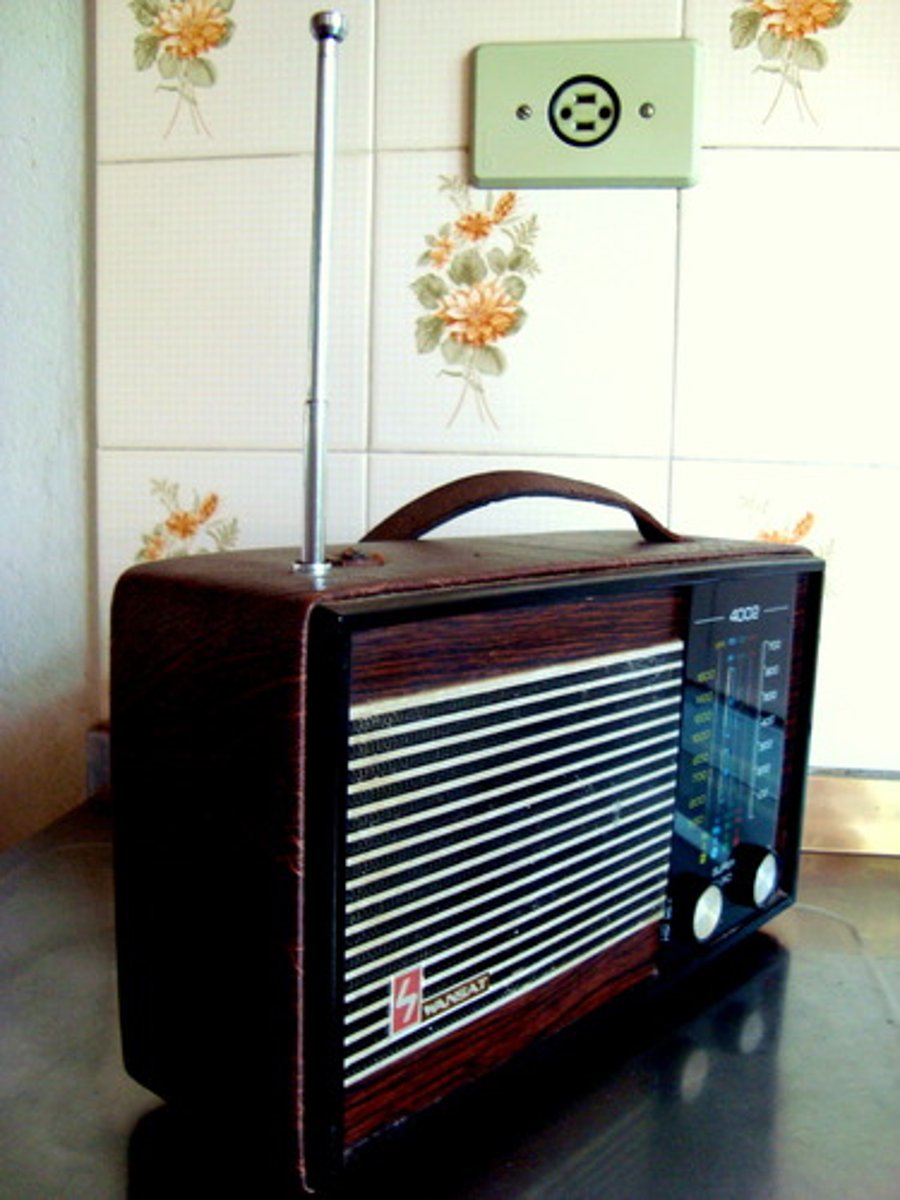
What was special about 'people's recievers'?
They were cheap and had limited ranges so they couldn't pick up foreign stations
What did Germany do in the 1936 olympics to appear more acceptable?
Removed some anti-semitic posters
What did Hugenberg's newspapers do?
Spread Nazi messages
Why was Hitler appealing?
He was a strong personality and public speaker
How many communists were arrested after the Reichstag fire?
4,000
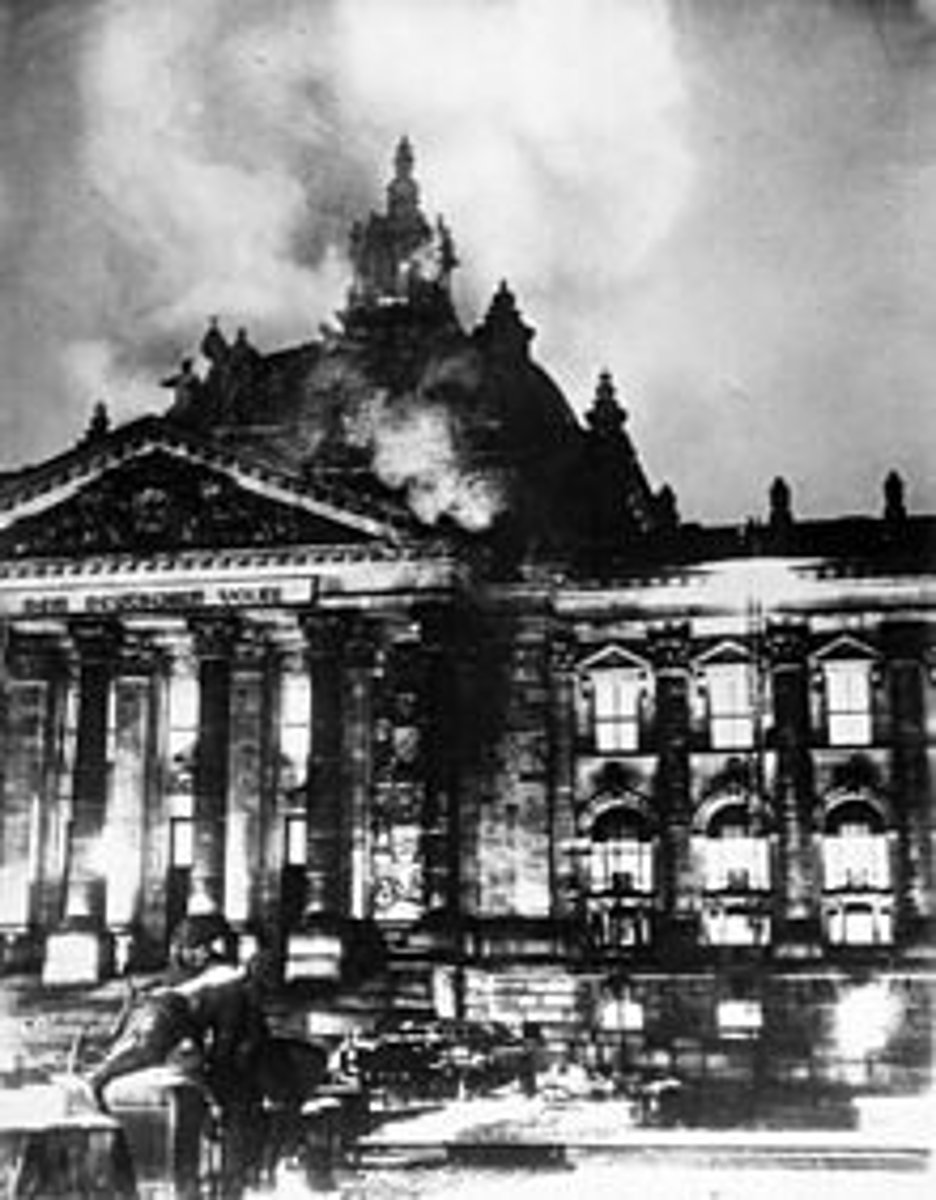
What did the emergency decree do?
Suspended the Weimar constitution
When were other political parties banned?
14th July 1933
What were workers forced to join?
The German Labour Front (DAF)
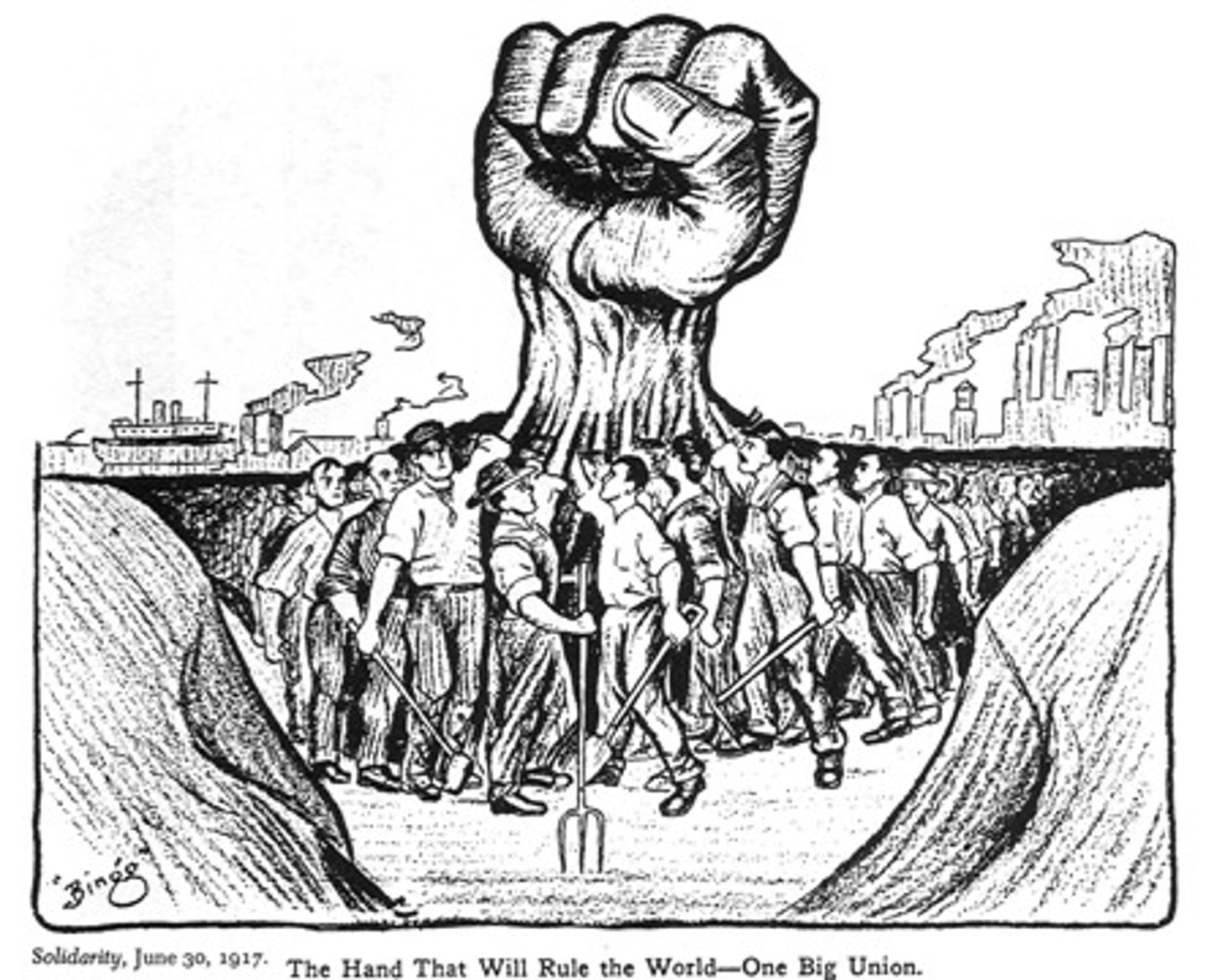
What happened to trade union leaders in May 1933?
They were arrested and sent to concentration camps
What percentage of the German population vote for the Nazis in March 1933?
44%
Deutsch Arbeitsfront
German labour front
Date of the Night of the Long Knives
30th June 1934
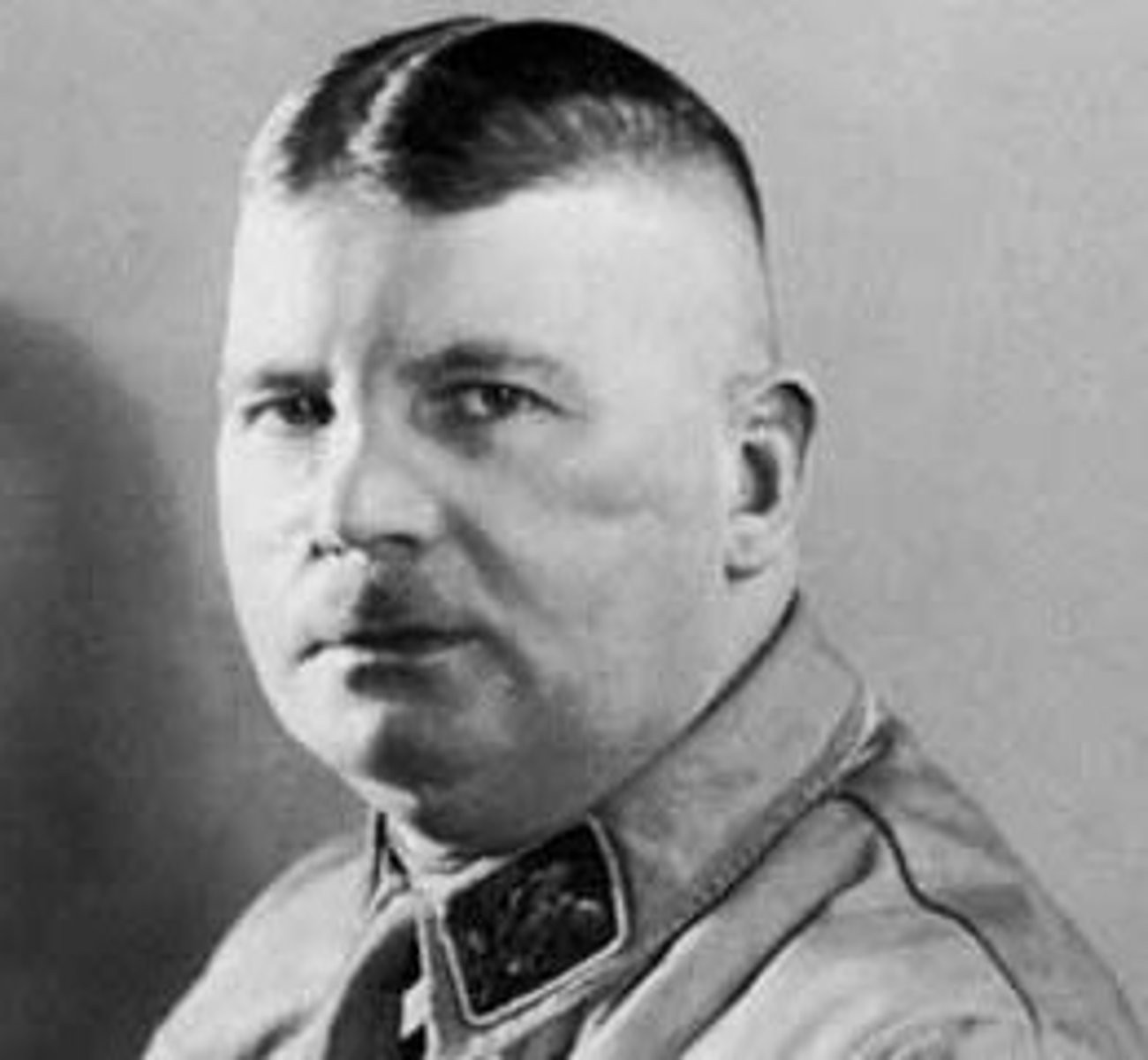
How many SA members were killed on the Night of the Long Knives?
400
Why did the SA threaten Hitler's power?
They wanted to take over the German Army
How big was the German army in 1933?
100,000
What did Hitler call his regime?
The Third Reich
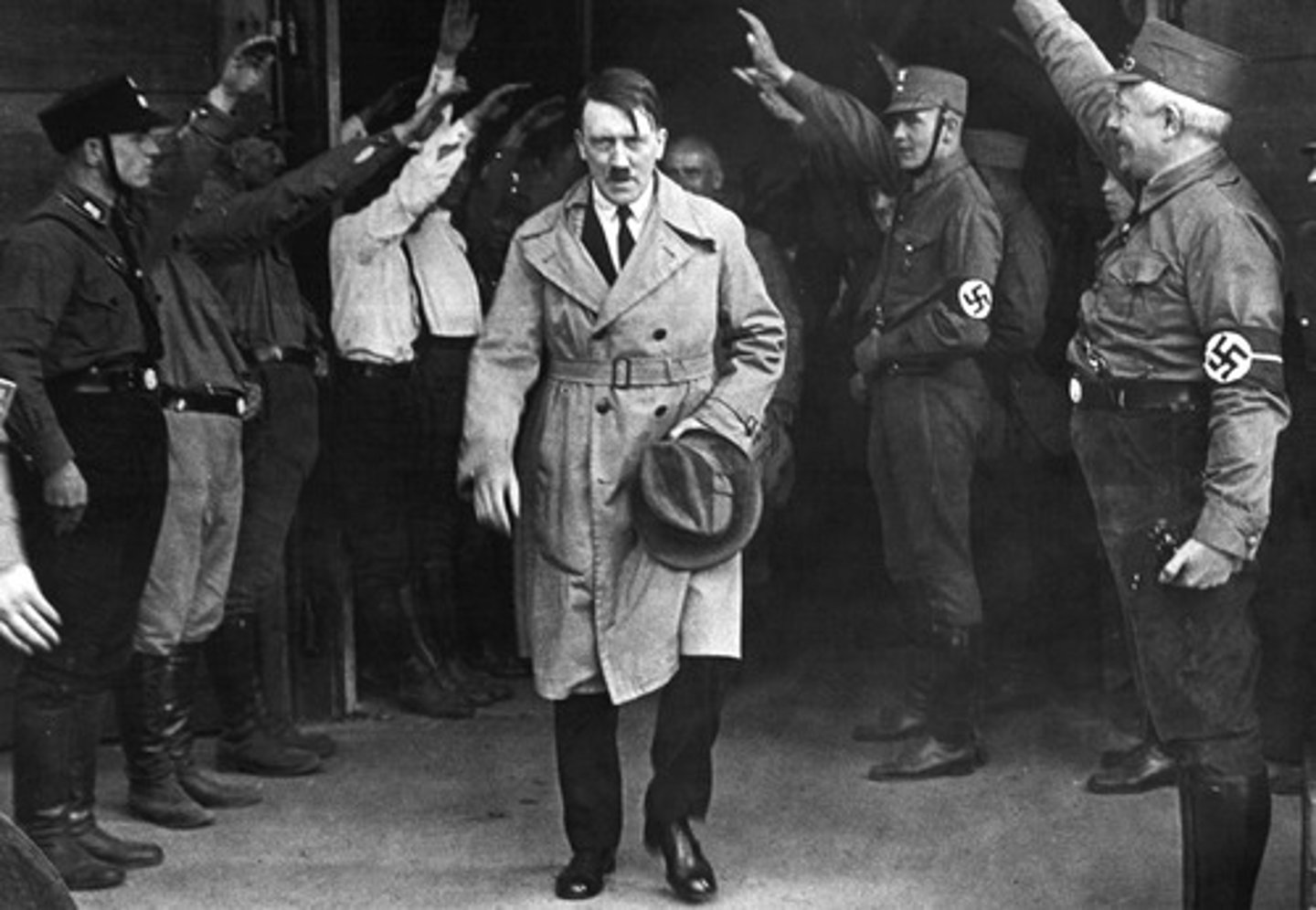
How long did Hitler believe the Third Reich would last?
1,000 years
What were provinces in Germany called?
Gaue
What did all judges have to do?
Rule in the Nazis favour
What did all judges have to join?
the National Socialist League for the Maintenance of the Law
What did the Nazis get rid of in the legal system?
Trials by jury
Who set up the Gestapo?
Goering
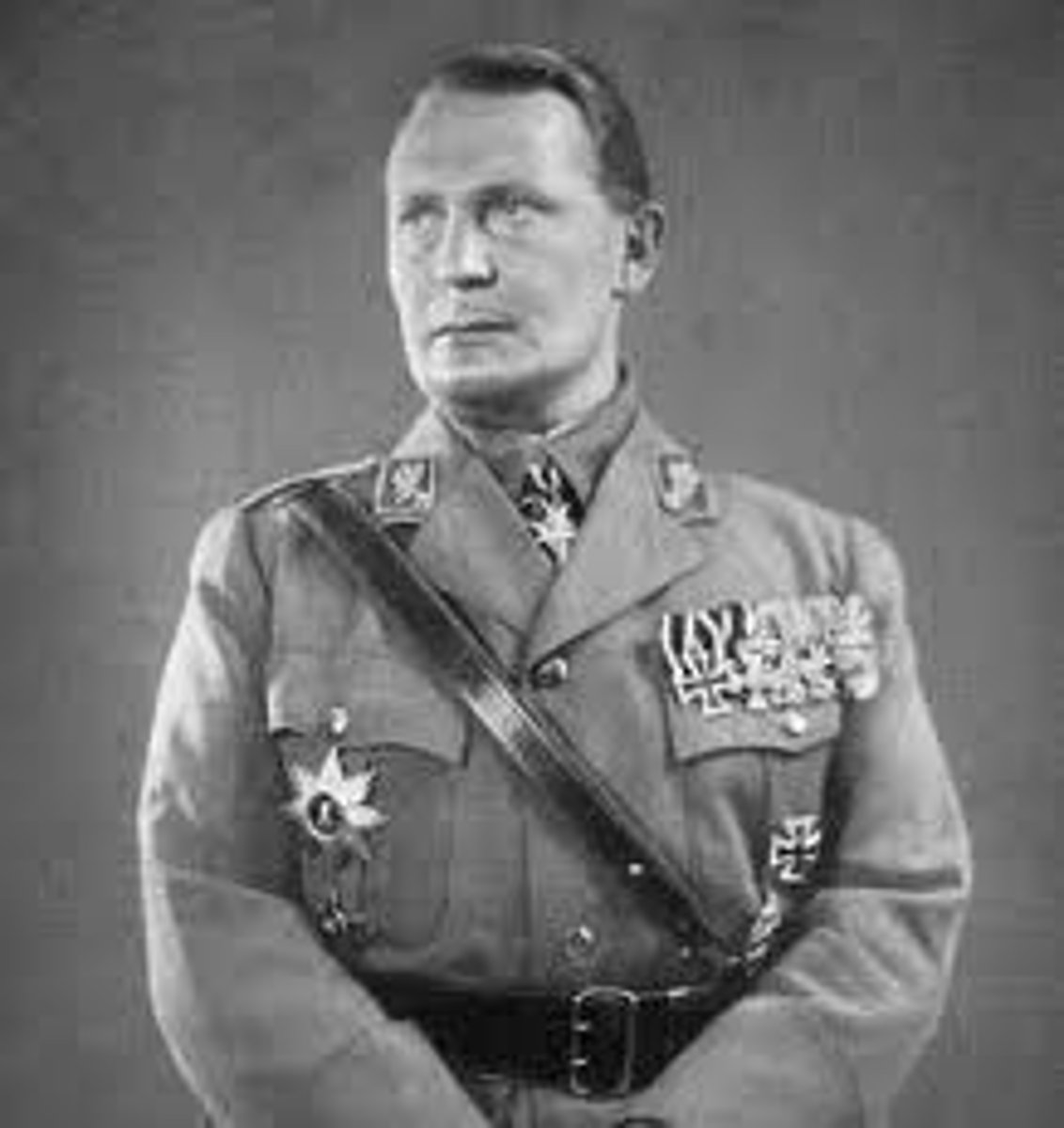
How many members did the Gestapo have?
50,000
Why did Hitler prefer the SS to the SA?
They were highly trained and very disciplined
Einsatzgruppen
SS killing units that sought out and killed Jews
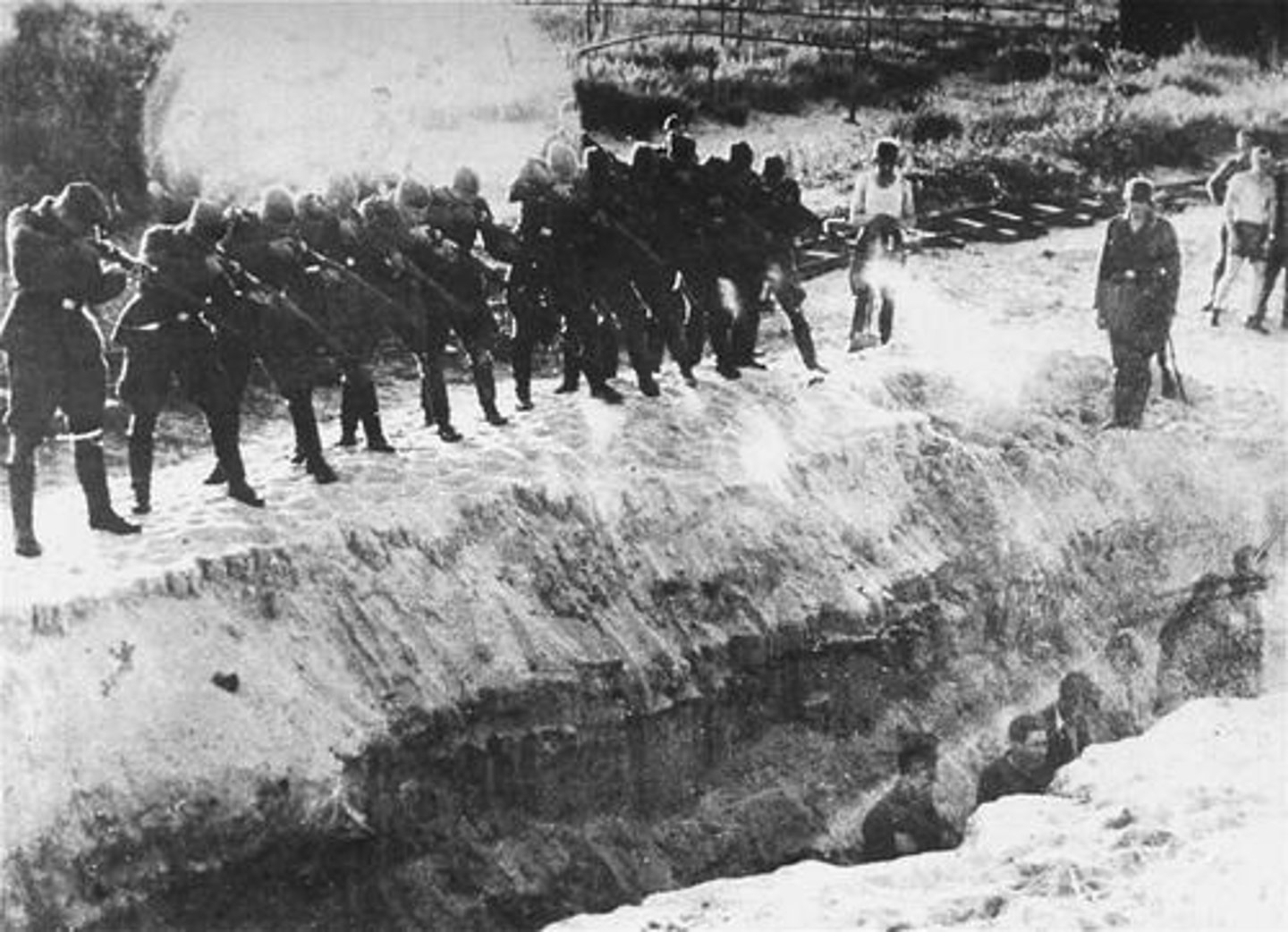
What happened in concentration camps?
Hard labour and ill-treatment
What did Nazis originally use concentration camps for?
To house Nazi opponents
Official title of Goebbels
Minister of Enlightenment and Propaganda
What did cinemas have to show before entertainment films?
Propaganda films
Why was opposition from the Left so weak?
There was little cooperation between political parties
How many Germans were protestant?
45 million
Who led the Reich Church?
Ludwig Müller
How many protestant churches were part of the Reich church?
2,000
What did the Reich church stop doing?
Preaching from the old testament (it was associated with Jews)
What saying from the Reich church shows unity between Nazis and the Church?
The Swastika on our chest and the Cross in our hearts
Who was Dietrich Bonhoeffer?
a pastor in the Confessional Church
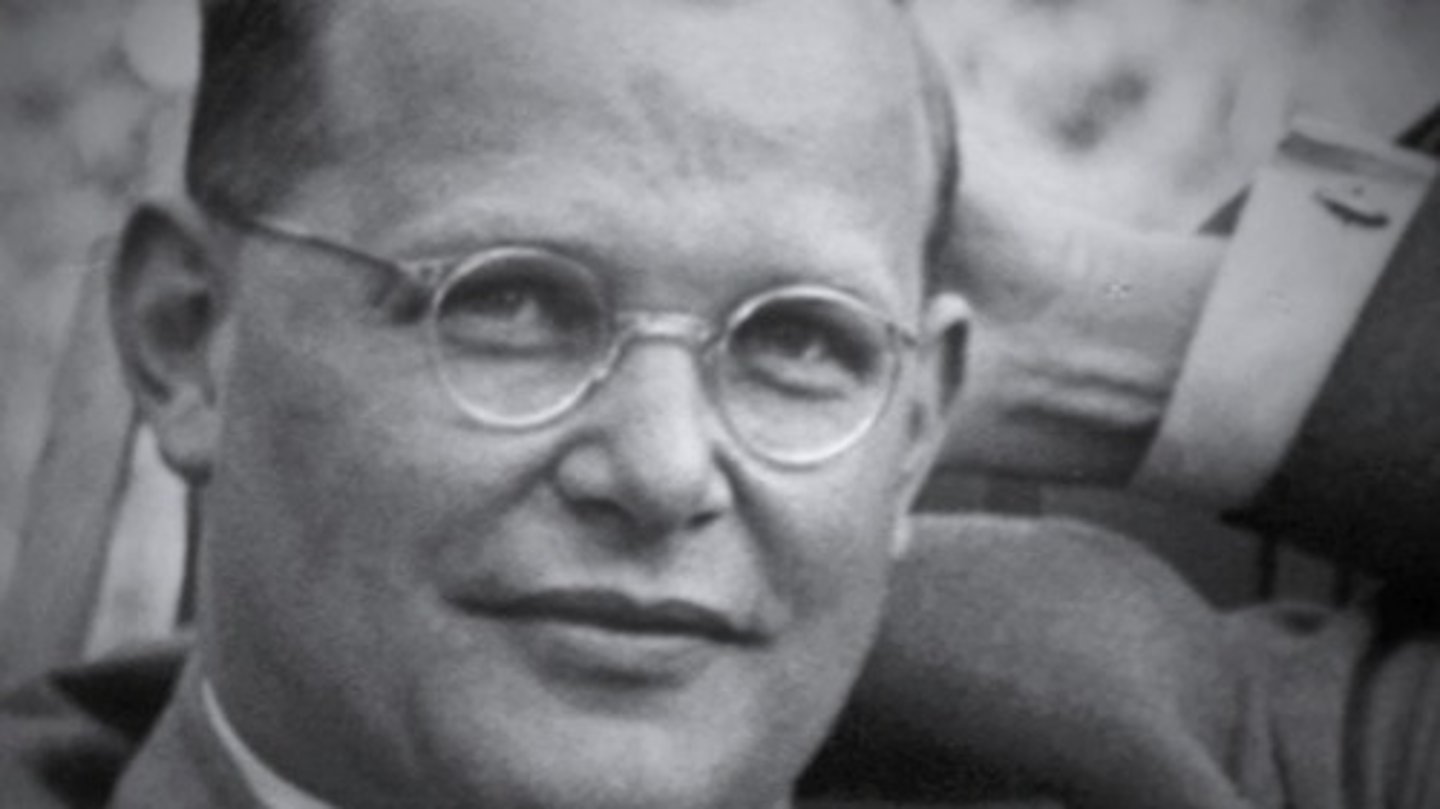
why was Dietrich Bonhoeffer executed?
He was linked to an attempted assassination of Hitler
What did Von Galen do?
He made Hitler stop the euthanasia of the mentally disabled in 1941
How many protestant pastors were sent to concentration camps?
800
How many Catholic priests were sent to Dachau?
400
Who led the Protestant pastors sent to concentration camps?
Martin Niemoller
What was different about youth opposition?
It was cultural, not political
How many Edelweiss Pirates were there in 1939?
2,000
Where were the Edelweiss Pirates from?
the Rhineland
What did the Edelweiss Pirates do?
Attacked the Hitler youth, wore American clothes, made graffiti
What class were the Edelweiss Pirates from?
Working class
What class were the Swing kids from?
Middle/ upper class
What did the Swing Kids do?
Organised dances and embraced 'degenerate' American culture
How many Edelweiss Pirates were hung in Cologne in 1944?
12
How many Edelweiss Pirates were arrested in 1942?
700
How many km of autobahns were built under the Nazis?
7,000
What did the national labour service do?
Created jobs for young men and reduced unemployment
What did Strength through Joy do?
gave hard workers rewards
What did the Beauty of Labour scheme plan to do?
Improve working conditions
What did Hitler claim unemployment had fallen to in 1939?
0.3 million
What didn't Hitler's unemployment figures account for?
Jews, women and conscripted men
How much of Germany's food was imported by world war two?
20%