causality L2 PQ
 Studied by 0 people
 Call Kai
 Learn
Learn Practice Test
 Spaced Repetition
 Match
Match Flashcards
 Knowt Play
1/27

There's no tags or description
Looks like no tags are added yet.
Name | Mastery | Learn | Test | Matching | Spaced |
|---|
No study sessions yet.
28 Terms
1. Early scientific work in the 19th century demonstrated that Earth’s atmosphere traps heat. Which scientists correctly match their contribution?
b) John ____ – experimentally identified ___ and ___ ____-absorbing gases
tyndall, CO2 H20 heat
2. What did Eunice Foote contribute to early climate science?
b) Demonstrated that water ___ and ___ absorb __
vapour CO2 heat
3. Svante Arrhenius is significant because he:
b) ____ temperature increases from ___ rises
quantitifed CO2
4. What is the relationship between CO₂ and temperature over the last 800,000 years?
***c) ____ changed first; ____ followed as a feedback
temperature, CO2
5. Why do scientists reject solar forcing as the cause of current warming?
b) Solar energy has remained constant or slightly ___ while Earth warmed
declined
6. The Keeling Curve is significant because it:
c) Records direct atmospheric CO₂ ___ since 1958
increases
7. Which natural processes have historically triggered glacial and interglacial cycles?
b) Milankovitch cycles: __ x3
eccentricity obliquity precession
8. Which statement about the Holocene is correct?
c) It provided ___ climate conditions that enabled __
stable agriculture
9. Which of the following are positive feedbacks that amplify warming?
b) Melting ice → lower albedo → more absorption
c) Permafrost thaw releasing ____
e) More water ___ in a warming atmosphere
methane, vapour
10. The chemical fingerprint of rising CO₂ shows that most new CO₂ in the atmosphere comes from:
fossil fuels
11. Evidence for human-driven warming:
a) Rising fossil-fuel CO₂ ____ signature
b) ____ Curve showing rapid CO₂ rise
c) Ice ____ records showing CO₂ and temperature move ___
e) Global scientific assessments (____)
isotopic, keeling, core, together, IPCC
12. Climate “tipping points” refer to:
c) ____ after which changes become ___
thresholds, irreversible
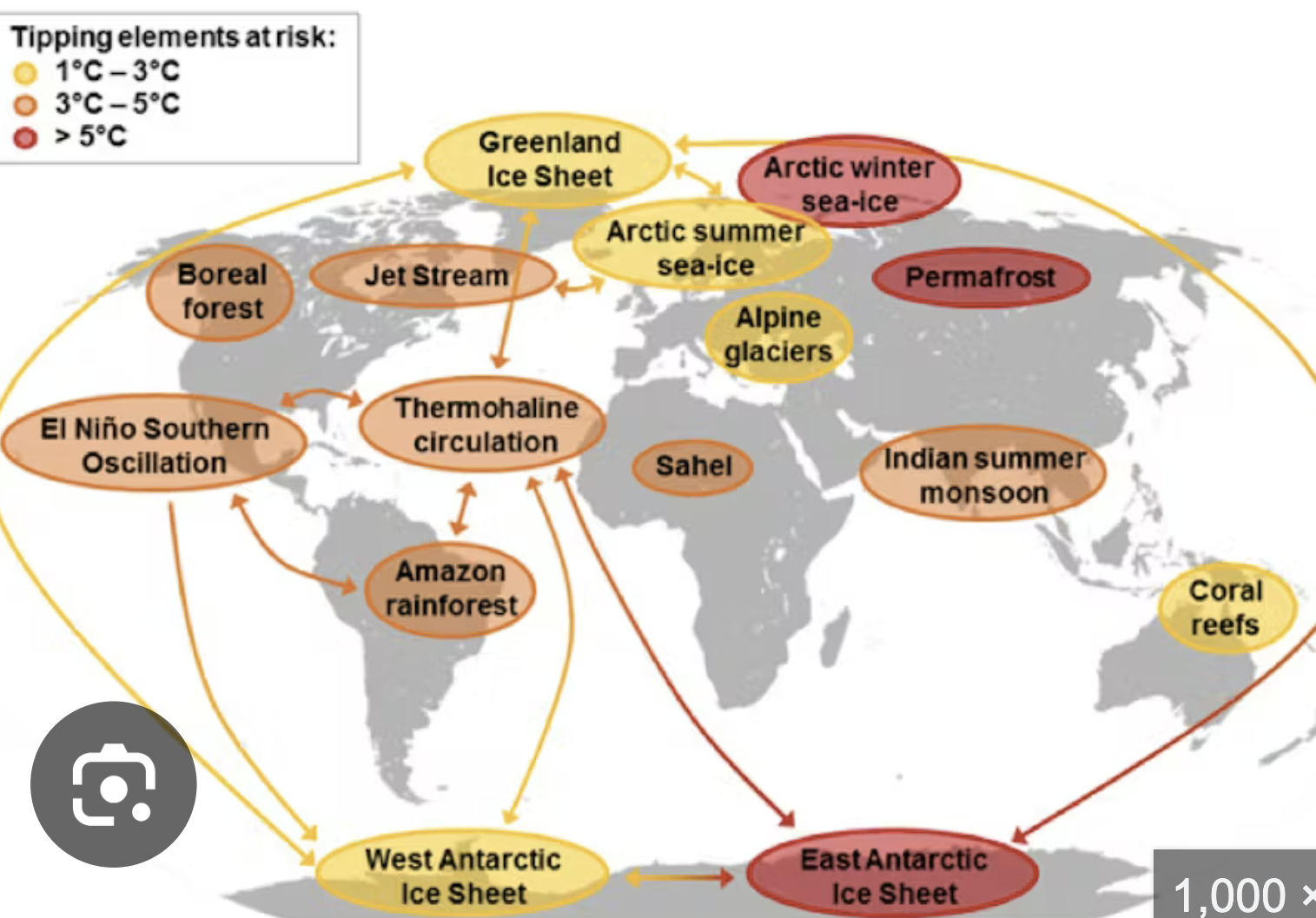
13. Hothouse Earth conditions refer to:
c) Global temperature rises ___°C above modern levels
3-4
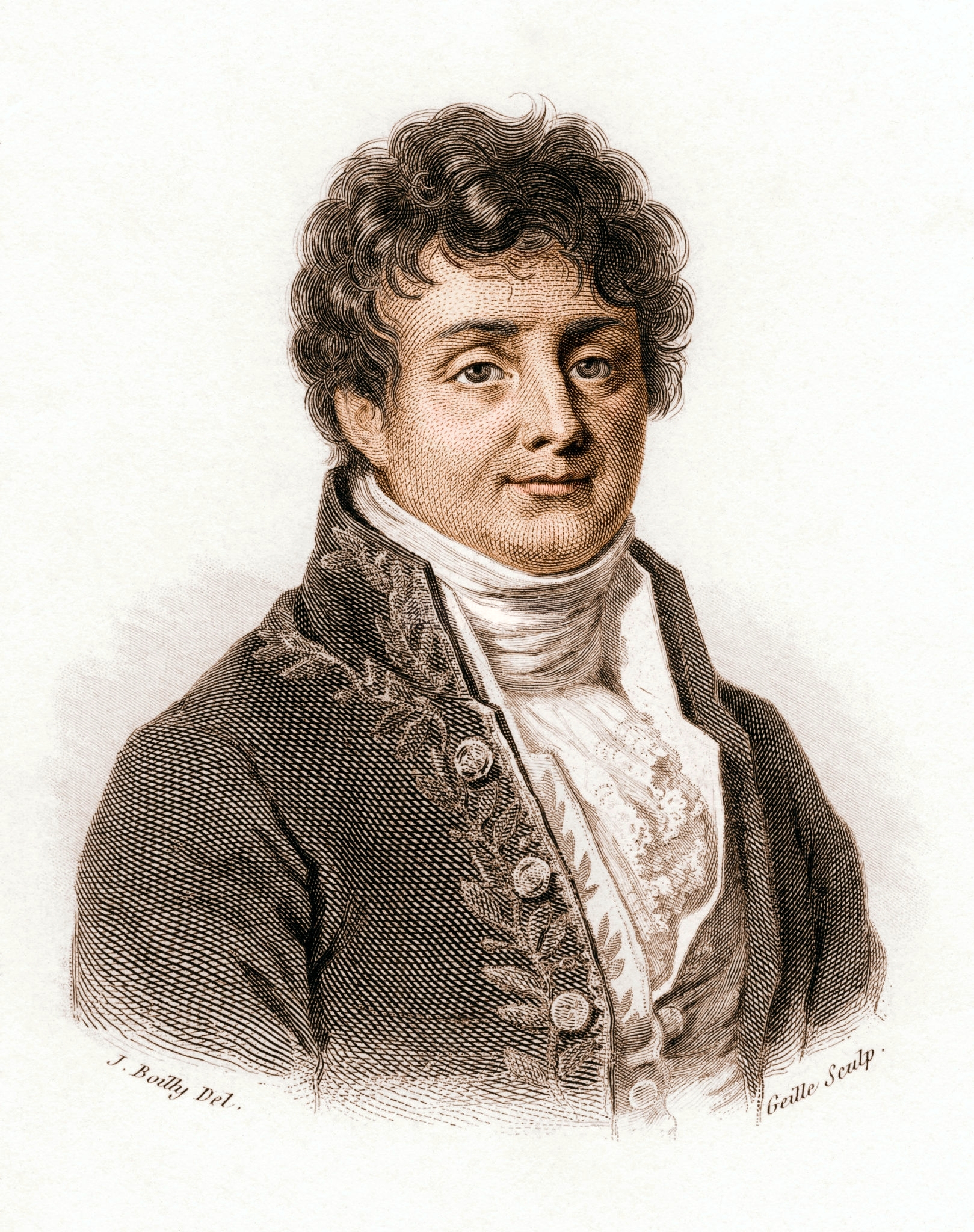
1. Briefly explain the major contributions of Fourier, Tyndall, Eunice Foote, and Arrhenius to early climate science.
____: Proposed that Earth’s ____ traps heat → early idea of ____ effect.
Tyndall: Experimentally identified CO₂ and H₂O as major heat-absorbing gases.
Foote: Demonstrated that CO₂ and water vapor warm when exposed to sunlight; early evidence of greenhouse gases.
Arrhenius: Quantified warming expected from increased CO₂ and linked fossil fuel combustion to rising global temperatures.
fourier, atmosphere, greenhouse
1. Briefly explain the major contributions of Fourier, Tyndall, Eunice Foote, and Arrhenius to early climate science.
Fourier: Proposed that Earth’s atmosphere traps heat → early idea of greenhouse effect.
___: Experimentally identified ___ and ____as major ___-absorbing ___
Foote: Demonstrated that CO₂ and water vapor warm when exposed to sunlight; early evidence of greenhouse gases.
Arrhenius: Quantified warming expected from increased CO₂ and linked fossil fuel combustion to rising global temperatures.
tyndall CO2 H20 heat gases
1. Briefly explain the major contributions of Fourier, Tyndall, Eunice Foote, and Arrhenius to early climate science.
Fourier: Proposed that Earth’s atmosphere traps heat → early idea of greenhouse effect.
Tyndall: Experimentally identified CO₂ and H₂O as major heat-absorbing gases.
___: Demonstrated that ____ and water ____ warm when exposed to ____; early evidence of ____
Arrhenius: Quantified warming expected from increased CO₂ and linked fossil fuel combustion to rising global temperatures.
foote, CO2, vapour, sunlight, greenhouse gases
1. Briefly explain the major contributions of Fourier, Tyndall, Eunice Foote, and Arrhenius to early climate science.
Fourier: Proposed that Earth’s atmosphere traps heat → early idea of greenhouse effect.
Tyndall: Experimentally identified CO₂ and H₂O as major heat-absorbing gases.
Foote: Demonstrated that CO₂ and water vapor warm when exposed to sunlight; early evidence of greenhouse gases.
_____: ____ warming expected from ____ CO₂ and linked fossil fuel ___ to rising global ___.
arrhenius, quantified, increased, combustion, temperatures
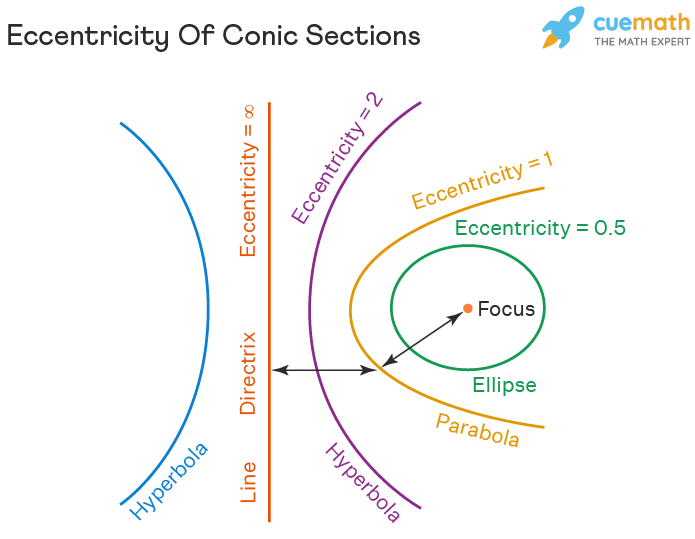
2. Identify and briefly explain the three Milankovitch orbital variations.
____: 100,000-year cycle; Earth’s orbit changes from ___ ↔ ____, altering solar ____.
Obliquity: 41,000-year cycle; tilt of Earth’s axis shifts between ~21.5° and 24.5°, changing seasonal contrast.
Precession: 26,000-year cycle; wobble of Earth’s axis changes timing of seasons relative to orbit.
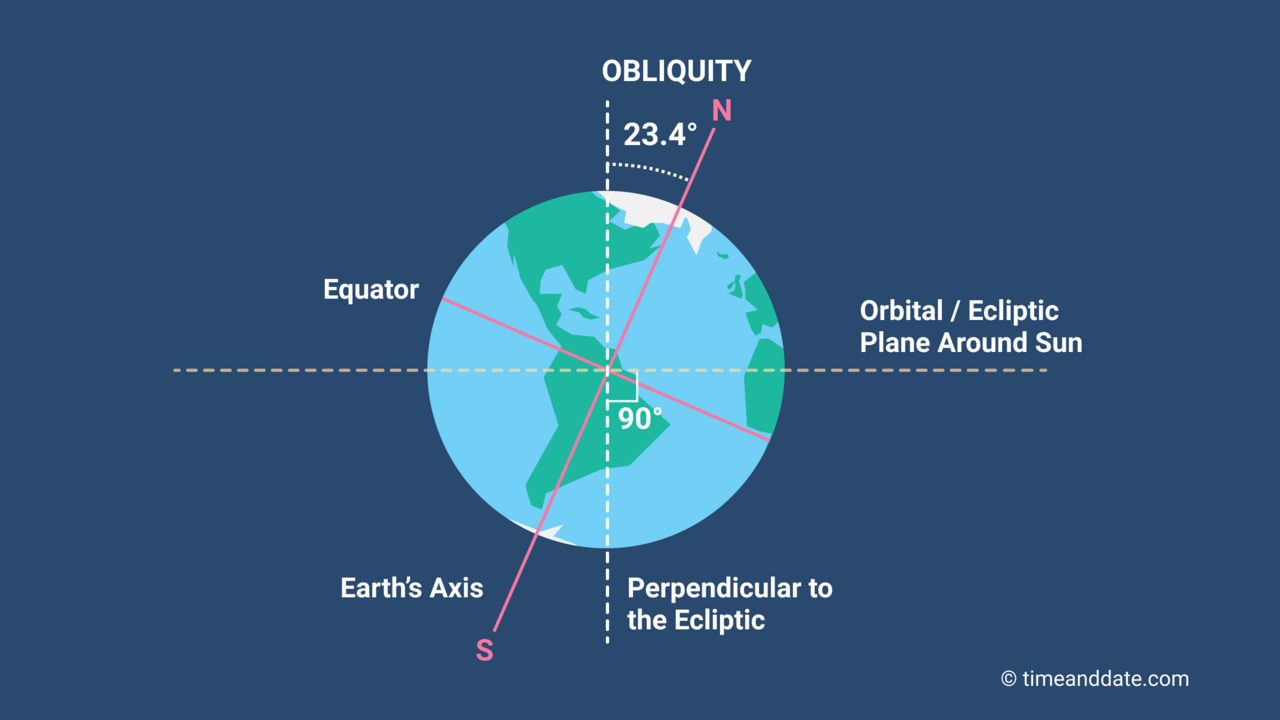
2. Identify and briefly explain the three Milankovitch orbital variations.
Eccentricity: 100,000-year cycle; Earth’s orbit changes from circular ↔ elliptical, altering solar distance.
____: 41,000-year cycle; ___ of Earth’s ____ shifts between ~____° and ____°, changing ____ contrast.
Precession: 26,000-year cycle; wobble of Earth’s axis changes timing of seasons relative to orbit.
obliquity, tilt, axis 21.4, 24.5 seasonal
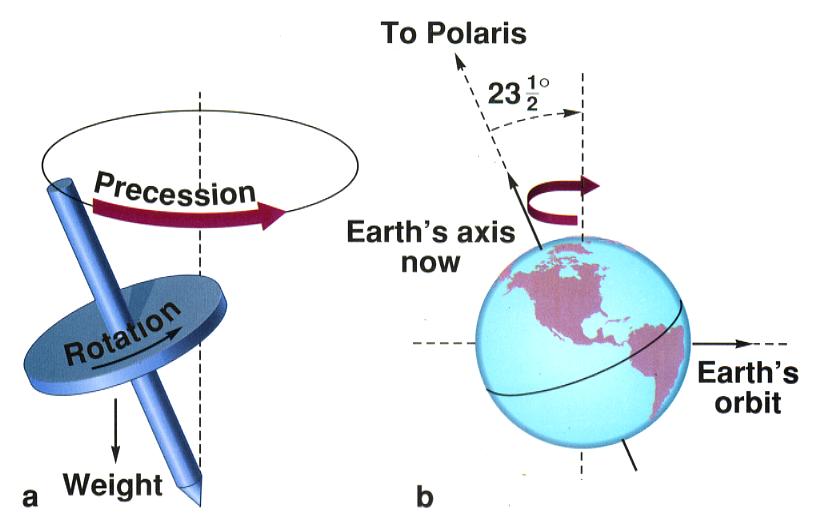
2. Identify and briefly explain the three Milankovitch orbital variations.
Eccentricity: 100,000-year cycle; Earth’s orbit changes from circular ↔ elliptical, altering solar distance.
Obliquity: 41,000-year cycle; tilt of Earth’s axis shifts between ~21.5° and 24.5°, changing seasonal contrast.
____: 26,000-year cycle; ____ of Earth’s ___ changes timing of ___ relative to ___.
precession, wobble, axis, seasons, orbit
3. What is the significance of the Keeling Curve in understanding modern climate change?
Provides direct, continuous ____ of atmospheric ____ since 1958.
Shows a steady ____ trend from ~315 ppm → 425+ ppm today.
Annual “____” reflects ___ __ ___ in the ___******
Demonstrates rapid ___-driven CO₂ increase.
measurements, CO2, upward, wiggle, seasonal plant growth northern hemisphere human
4. Explain why CO₂ is considered the “trigger” for modern climate change but a “feedback” in past ice age cycles.
Past: ___ changes ____ warming → oceans ____ CO₂ → amplified warming (feedback).
Today: Human fossil fuel combustion rapidly increases ____ directly → warming begins with ___rise (___).
orbital, triggered, released, CO2, CO2, trigger
5. Identify and briefly explain three major lines of evidence supporting human-driven warming.
Rising fossil-fuel CO₂ isotopic ____: Atmospheric carbon shows distinct ____ from ___/oil/gas.
Keeling Curve: Direct measurements of rapidly increasing atmospheric CO₂.
Ice ____***: CO₂ ___ far exceed ____ range of past 800,000 years; ___ ******now leads rather than follows CO₂.
signature, fingerprints, coal, cores, levels, natural, warming
6. Briefly describe three major positive climate feedbacks that amplify warming.
Ice–albedo feedback: ____ ice lowers reflectivity → more absorbed heat → more melting.
Water vapor feedback: ___ air holds more water ____, which is a ___ greenhouse gas.
___ carbon feedback: Thawing ___ release CO₂/____, increasing greenhouse warming.
melting, warmer, vapour, strong, permafrost, soils, methane
7. What distinguishes the Anthropocene from the Holocene?
Holocene: ____ climate after last Ice ____; enabled ___ and human ____.
Anthropocene: ___** epoch where ____ activities dominate climate and Earth systems; characterized by rapid CO₂ rise, ____, and ecological disruption.
stable, age, agriculture, civilization, proposed, human, warming
8. Briefly explain why solar forcing cannot account for modern global warming.
___ measurements show solar energy has remained _____ or slightly declined.
Despite this, global temperatures have risen ___, indicating another driver (GHGs).
satellite, constant, sharply
9. Identify and explain two ways human activities disrupt the natural carbon ___.
_____ fossil fuels: ____ long-stored carbon rapidly into the atmosphere, raising CO₂ levels.
___: Removes carbon ___, reducing CO₂ ___ by plants.
cycle, burning, releases, deforestation, sinks, absorption
10. Define “tipping point” and give one example related to climate change.
A ____ beyond which the climate system ___ into a new ___ that is irreversible on human timescales.
______ of major ice ____ → permanently higher sea ____.
threshold, goes, state, collapse, sheets, levels