PPT 2.1: Overview of Renal and Urologic Diseases
 Call Kai
 Learn
Learn Practice Test
 Spaced Repetition
 Match
Match Flashcards
 Knowt Play
1/170

There's no tags or description
Looks like no tags are added yet.
Name | Mastery | Learn | Test | Matching | Spaced | Call with Kai | Chat |
|---|
No analytics yet
Send a link to your students to track their progress
171 Terms
What does the upper urinary tract consist of?
1. Kidney
2. Ureter
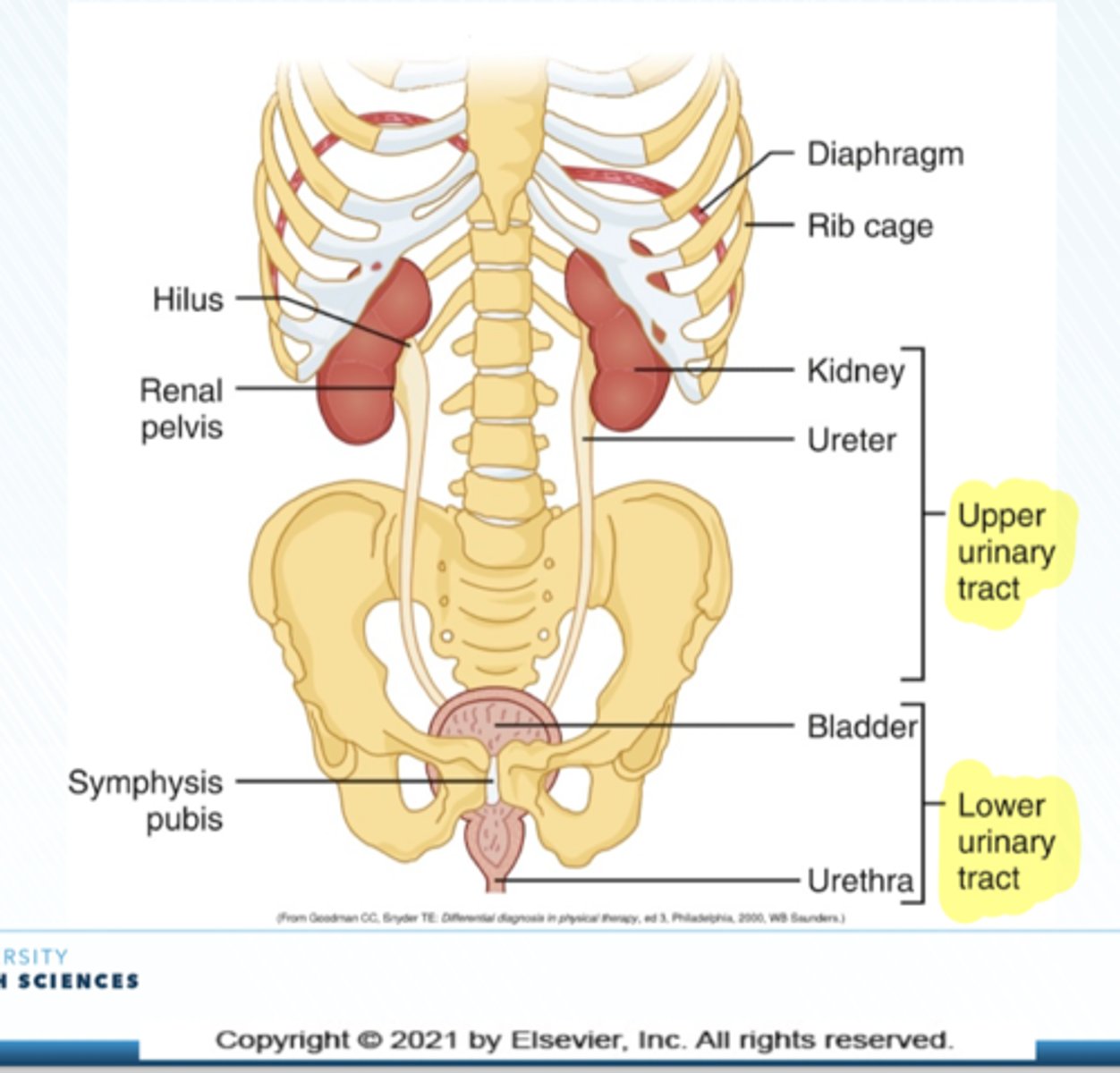
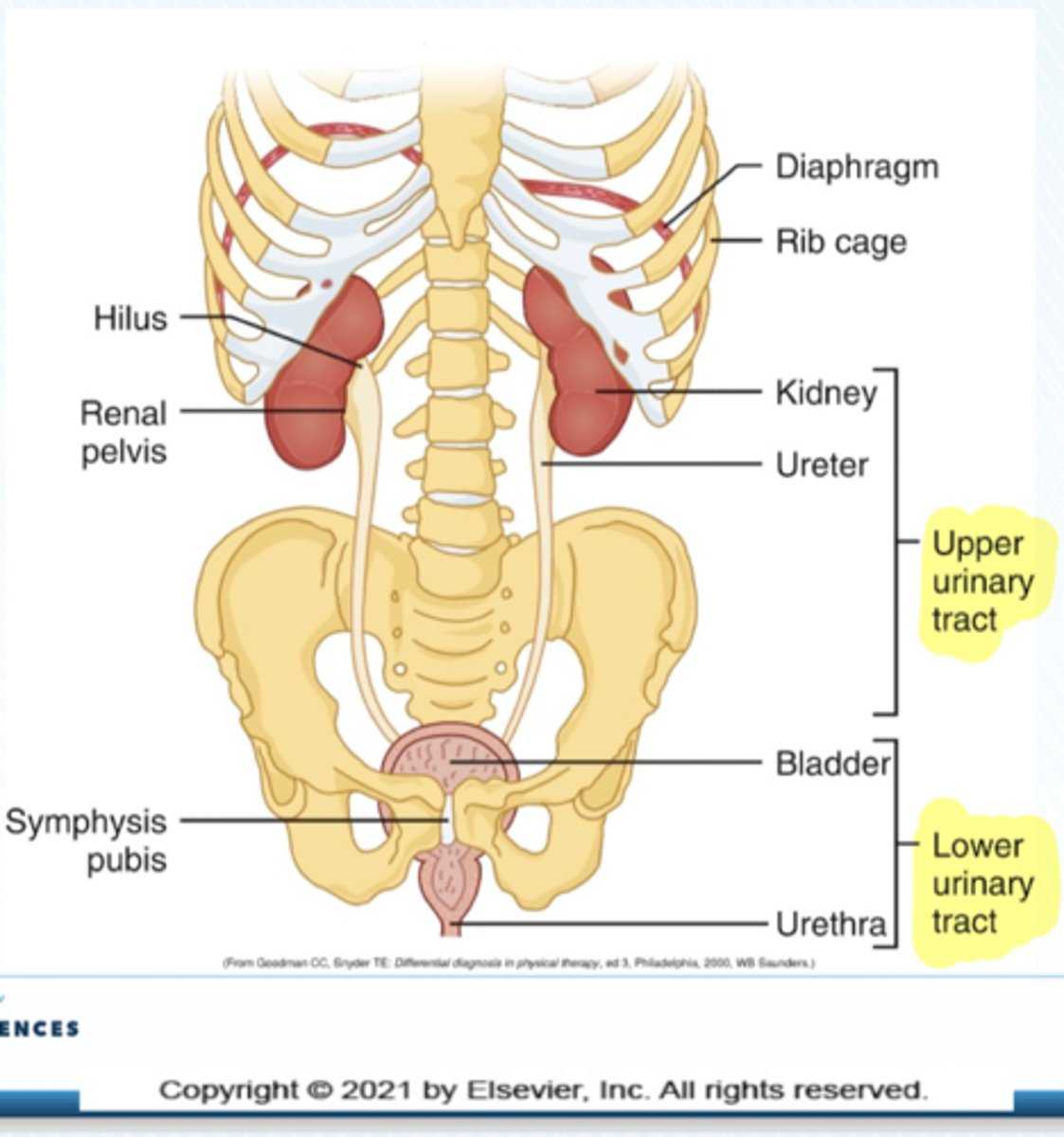
What does the lower urinary tract consist of?
1. Bladder
2. Urethra
What do kidneys serve as?
Both an endocrine organ and a target of endocrine action, with the aim of controlling mineral and water balance
What is the main function of kidneys?
To filter waste products and remove excess fluid from blood
How much fluid do kidneys filter per day?
200 quarts, with 2 quarts being excreted as urine
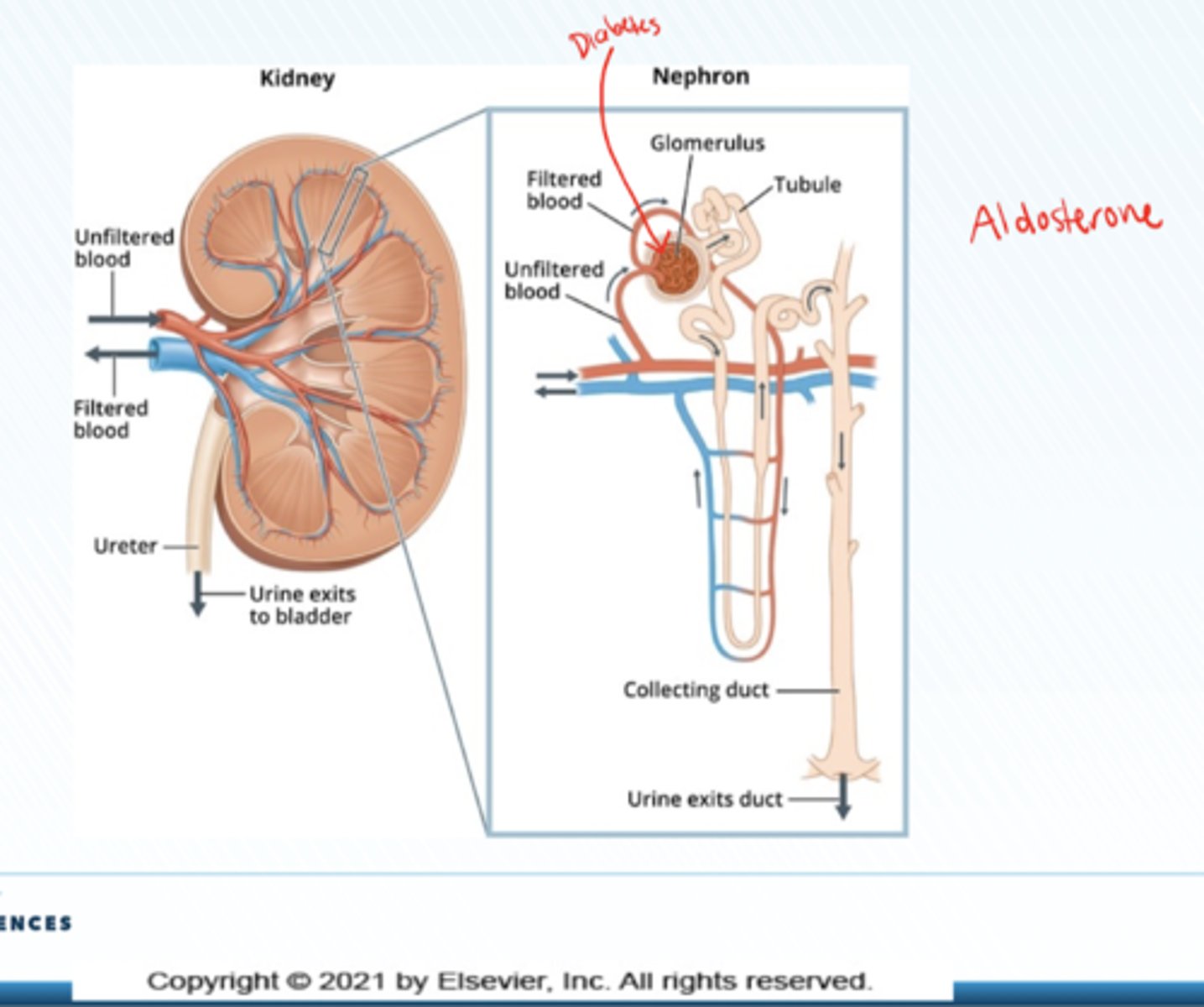
What is a nephron?
Structural and functional unit of the kidney
What are 6 more functions of the liver?
1. Acid-base balance
2. Electrolyte balance (salts)
3. Control of BP with renin
4. Release of erythropoietin for red blood cell formation
5. Activation of vitamin D and calcium balance
6. Excrete waste, formation of urine
What is the body's acid-base regulation managed by?
Three systems:
1. Chemical buffers
2. Respiratory (retention or elimination of CO2)
3. Kidneys
Which is the strongest maintainer of acid-base balance?
Kidneys; slowest but strongest
What is the kidney's role in acid-base balance?
1. Reabsorb HCO3 (bicarbonate)
2. Excrete H+
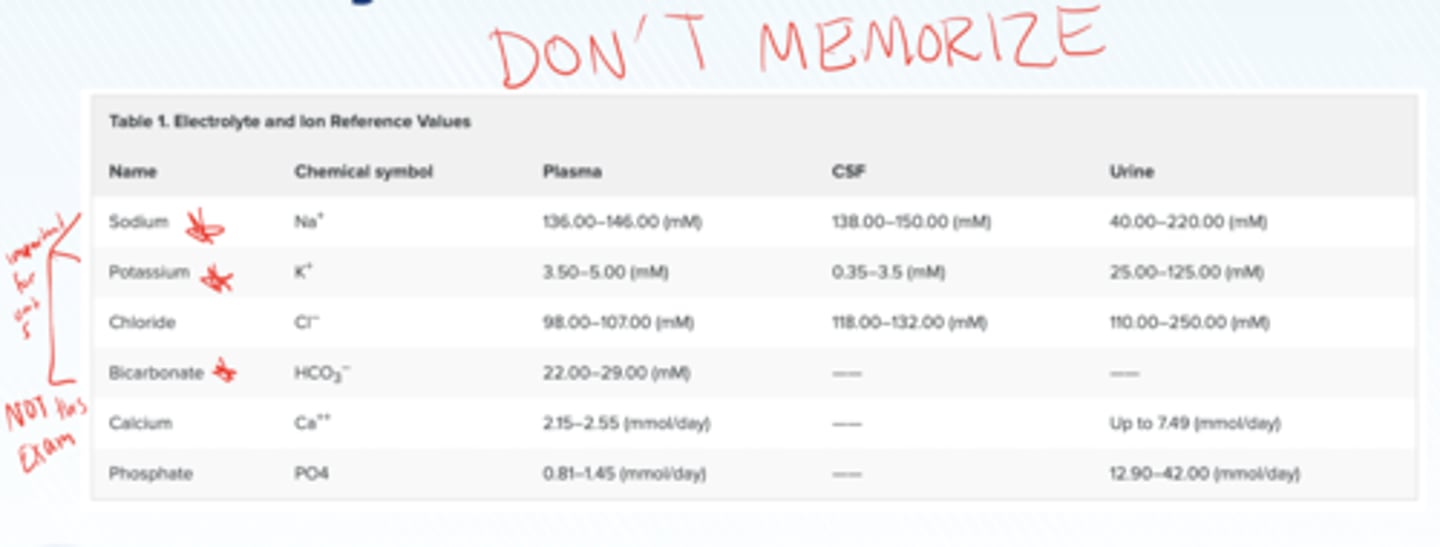
What are the most important electrolytes? (6)
1. Sodium
2. Potassium
3. Bicarbonate
4. Chloride
5. Calcium
6. Phosphate
How do the kidneys regulate blood pressure?
By secreting the enzyme renin
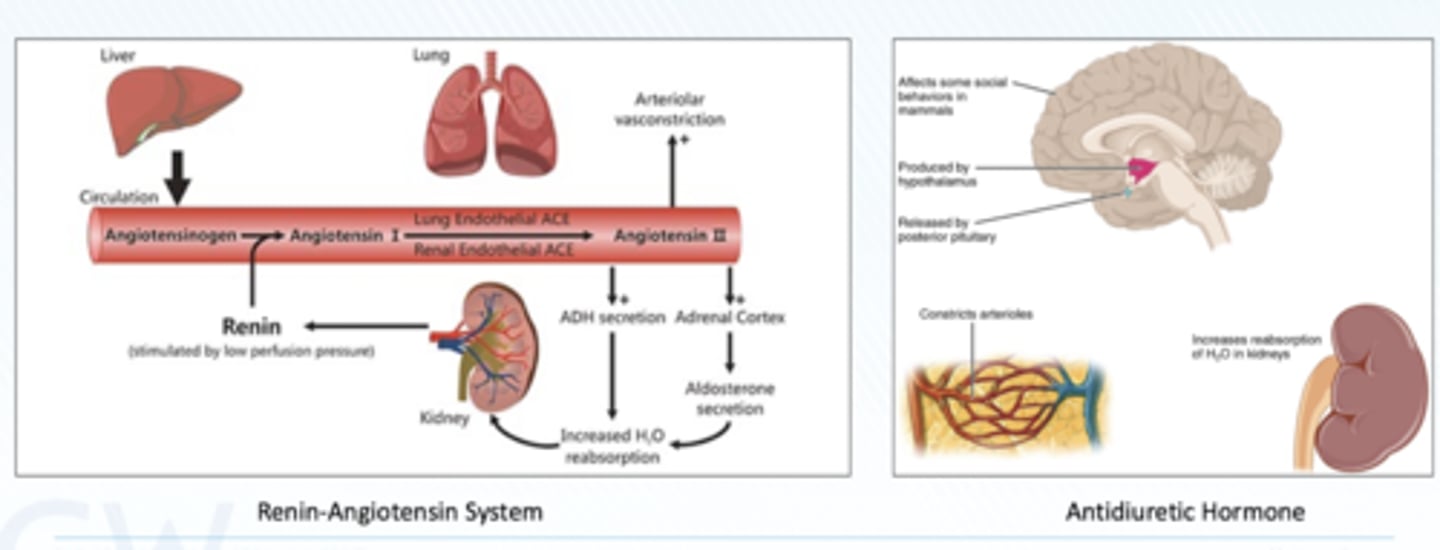
How do the kidneys produce red blood cells?
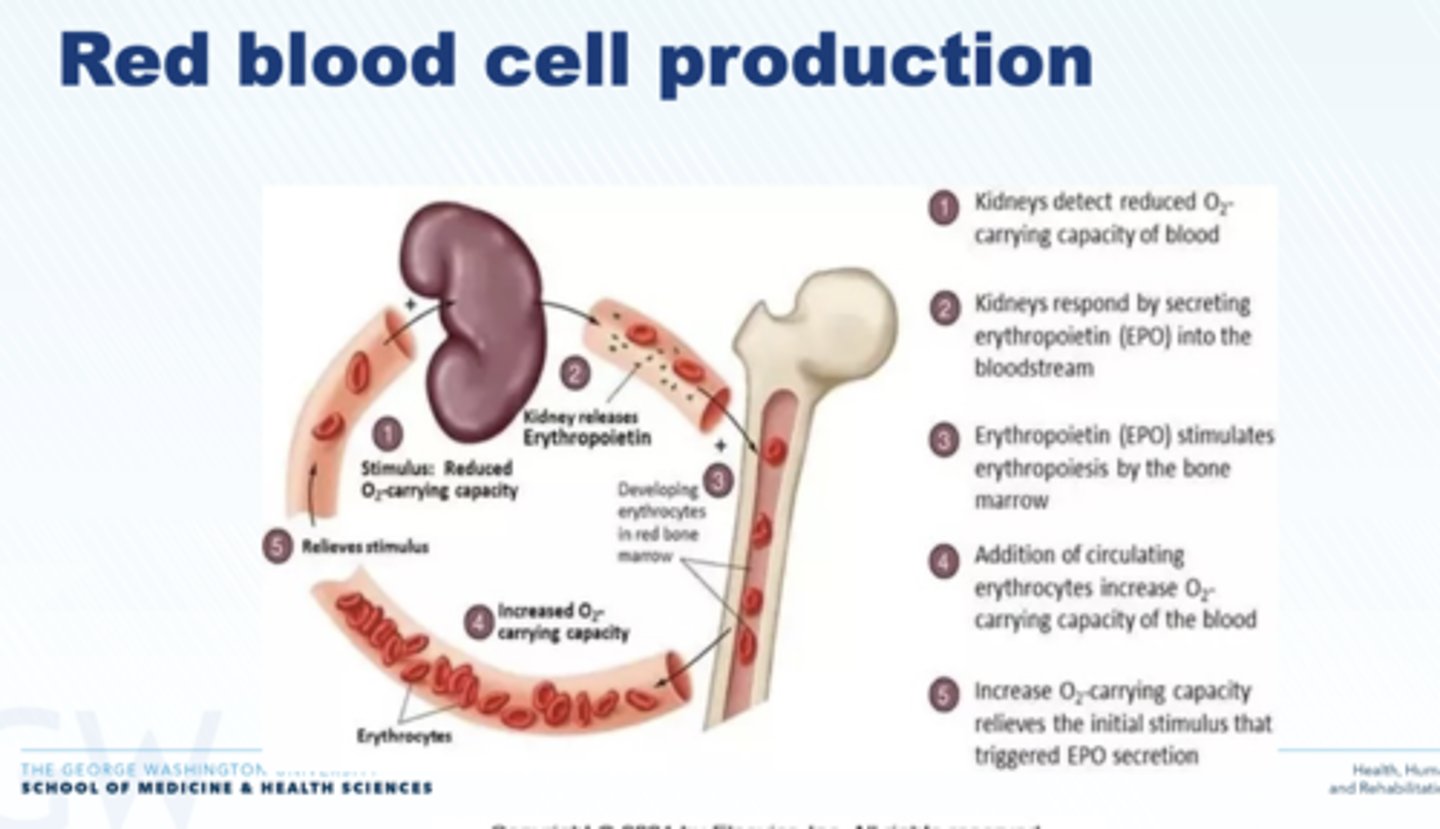
How do the kidneys activate Vitamin D?
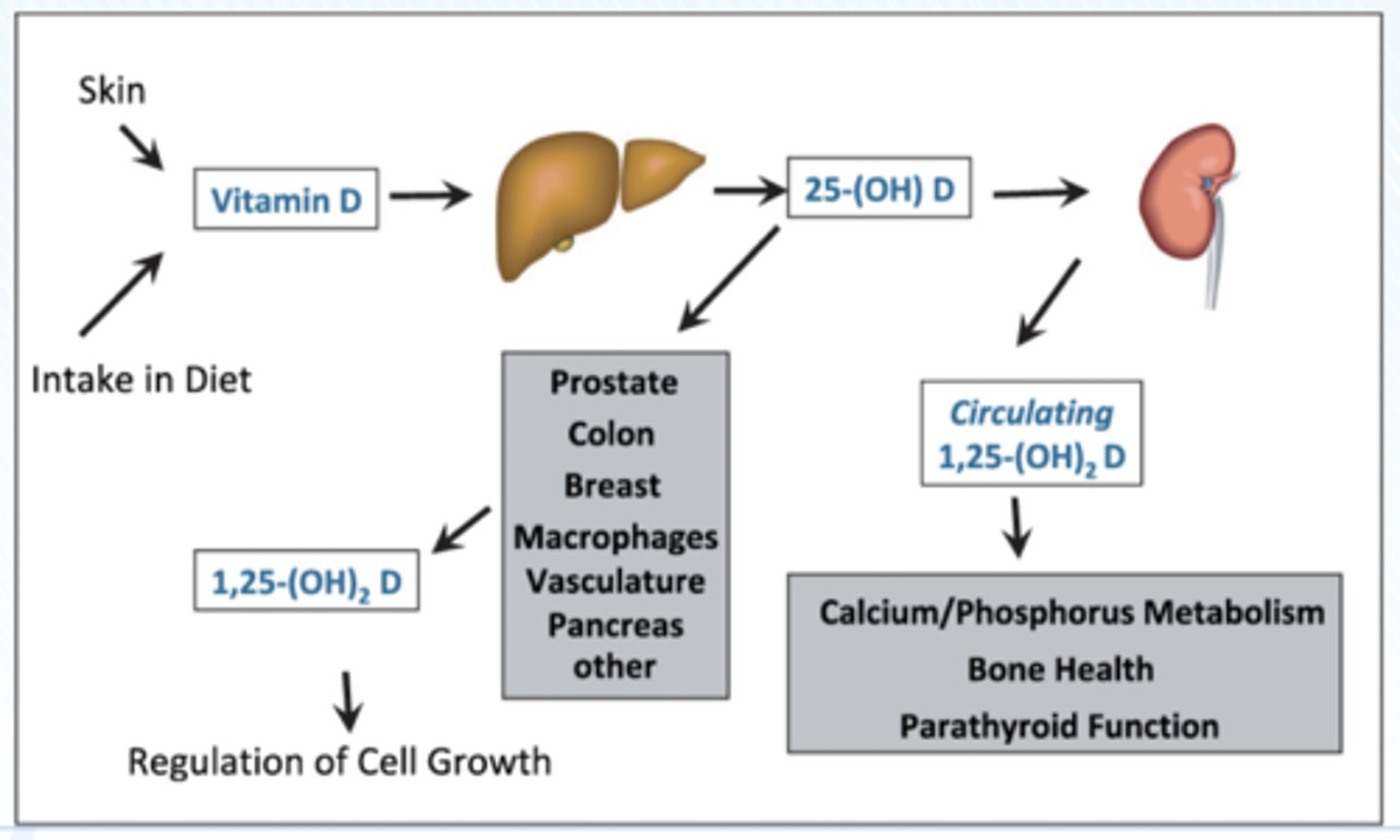
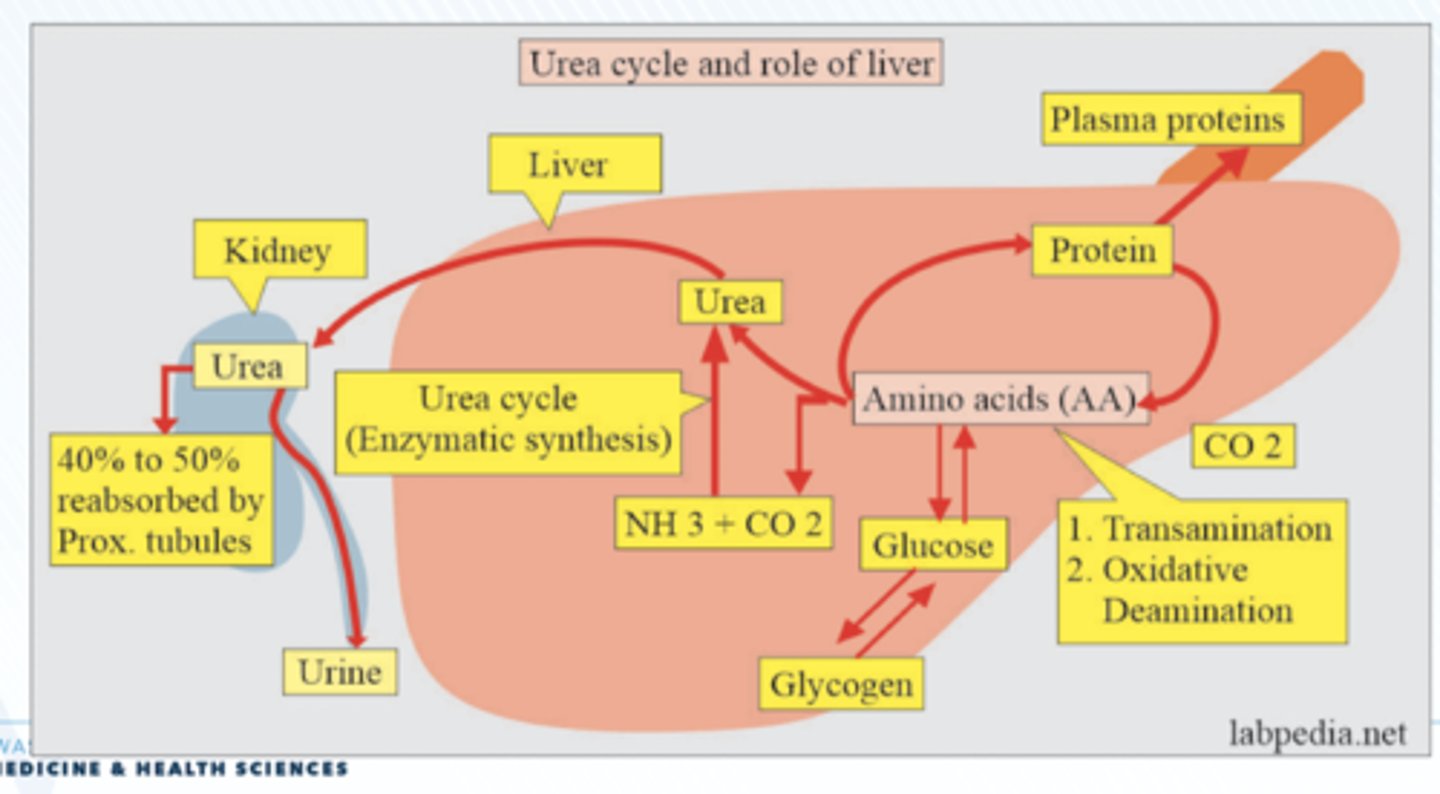
How do the kidneys produce urine?
The kidneys produce urine by filtration of the blood and selective reabsorption of useful substances such as glucose, some ions and water
What will occur to blood flow of kidneys with aging?
Gradual reduction of blood flow to the kidneys, coupled with a reduction in nephrons
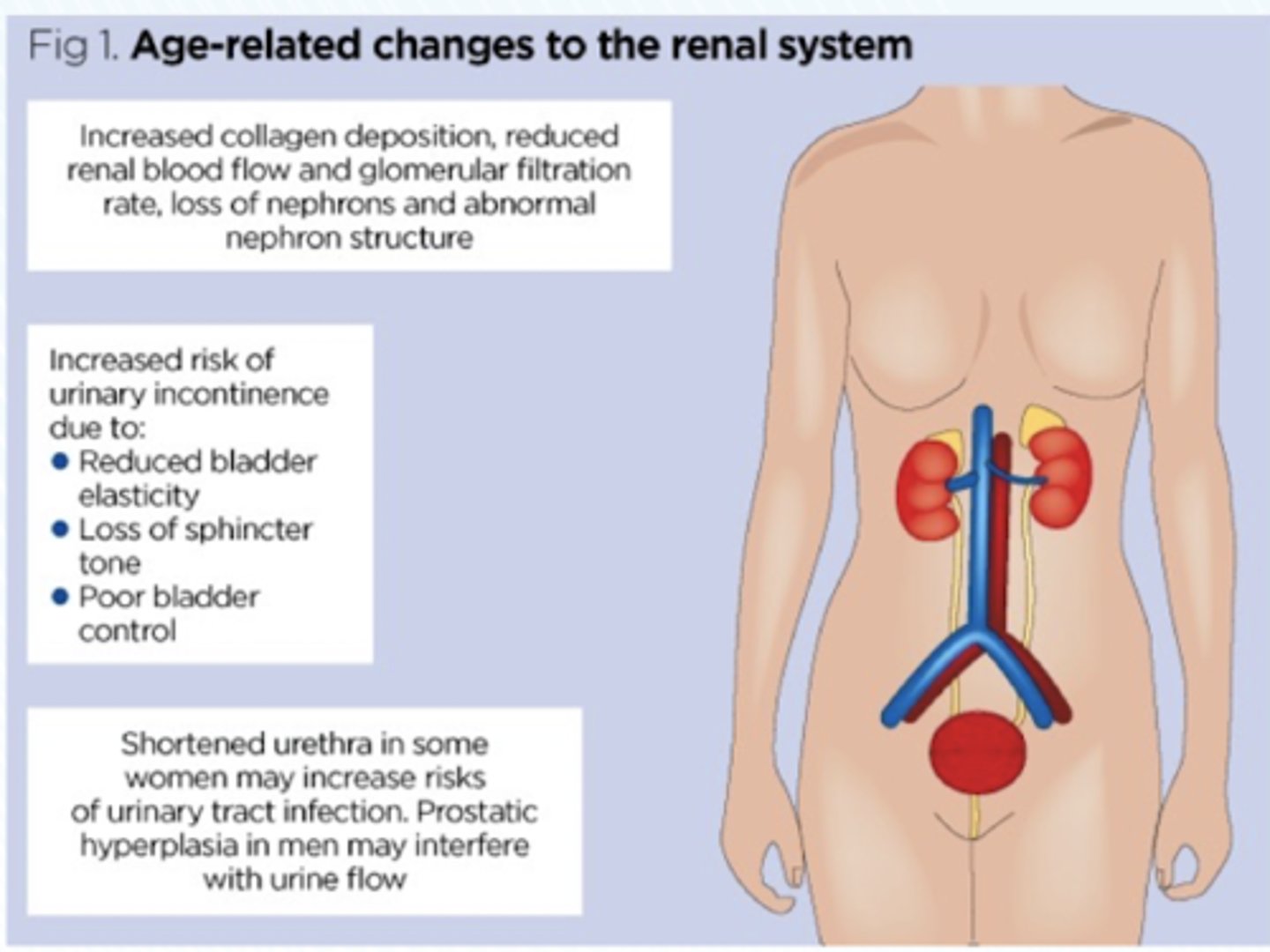
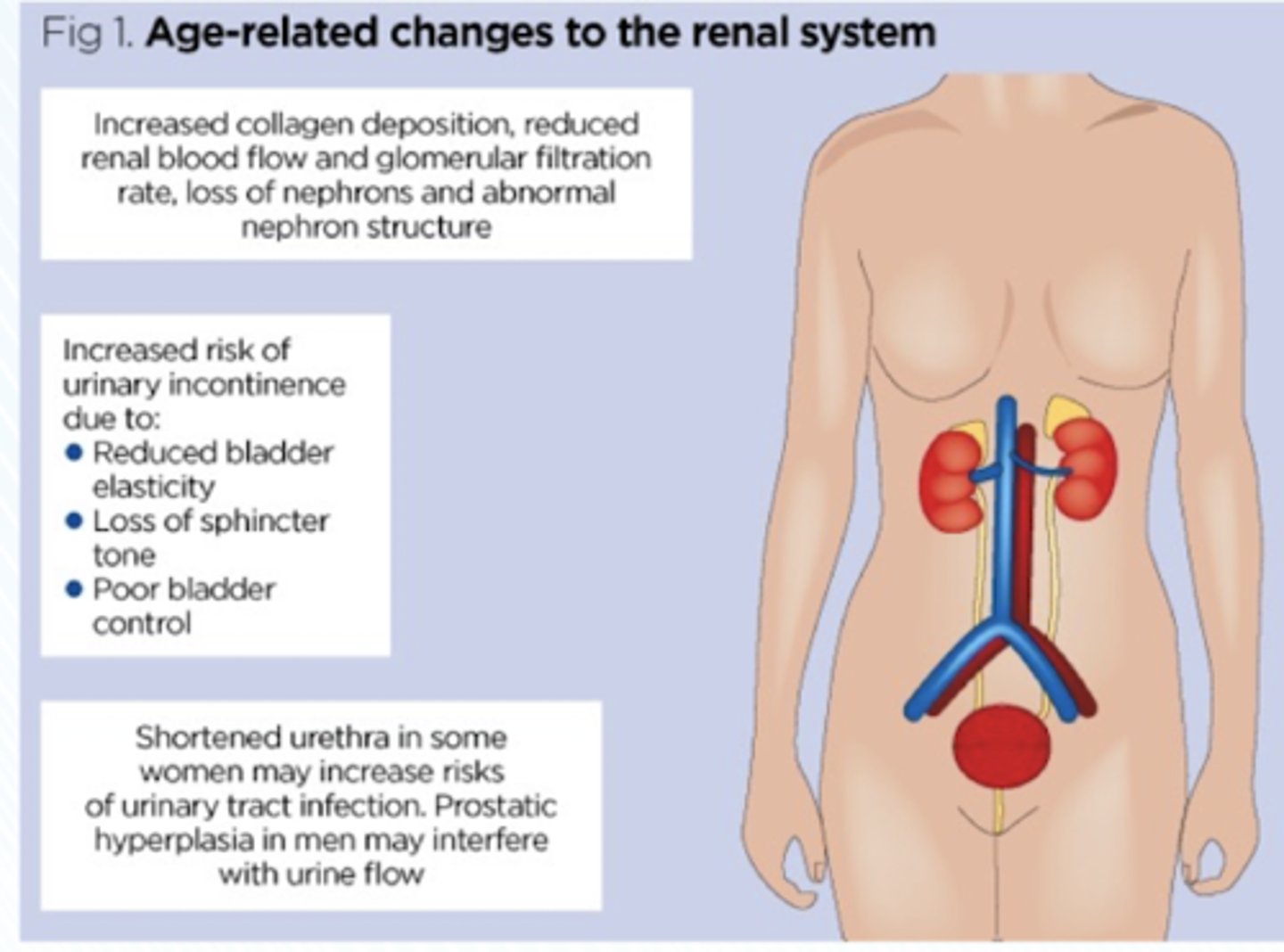
What else happens to kidneys during aging?
Kidneys become less efficient at removing waste from the blood, and the volume of urine increases somewhat with age
What is urea?
A waste product formed in the liver
What happens to the bladder with aging?
1. Bladder wall becomes less elastic
2. Bladder muscles weaken
3. Urethra can become blocked
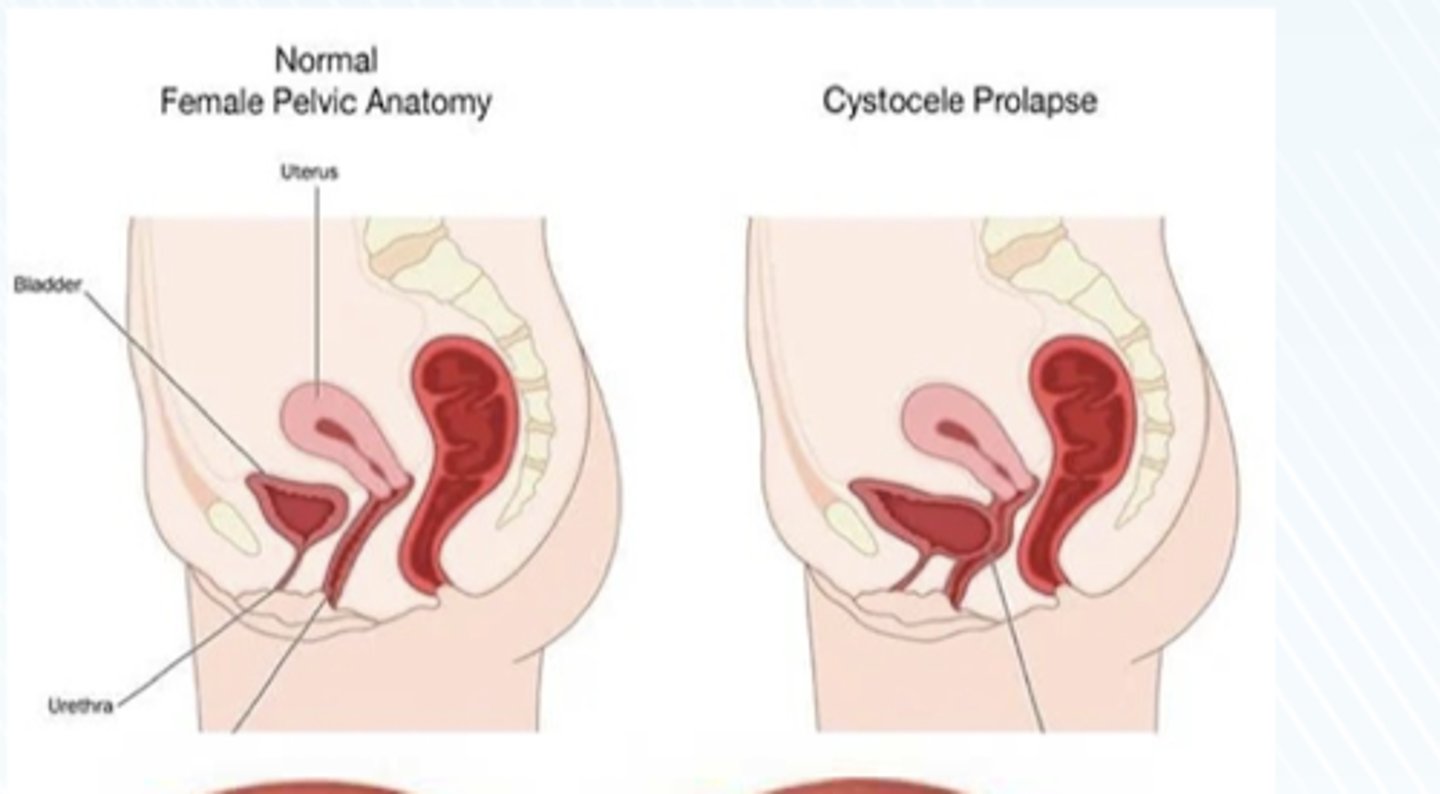
How can the urethra become blocked in women?
Bladder prolapse
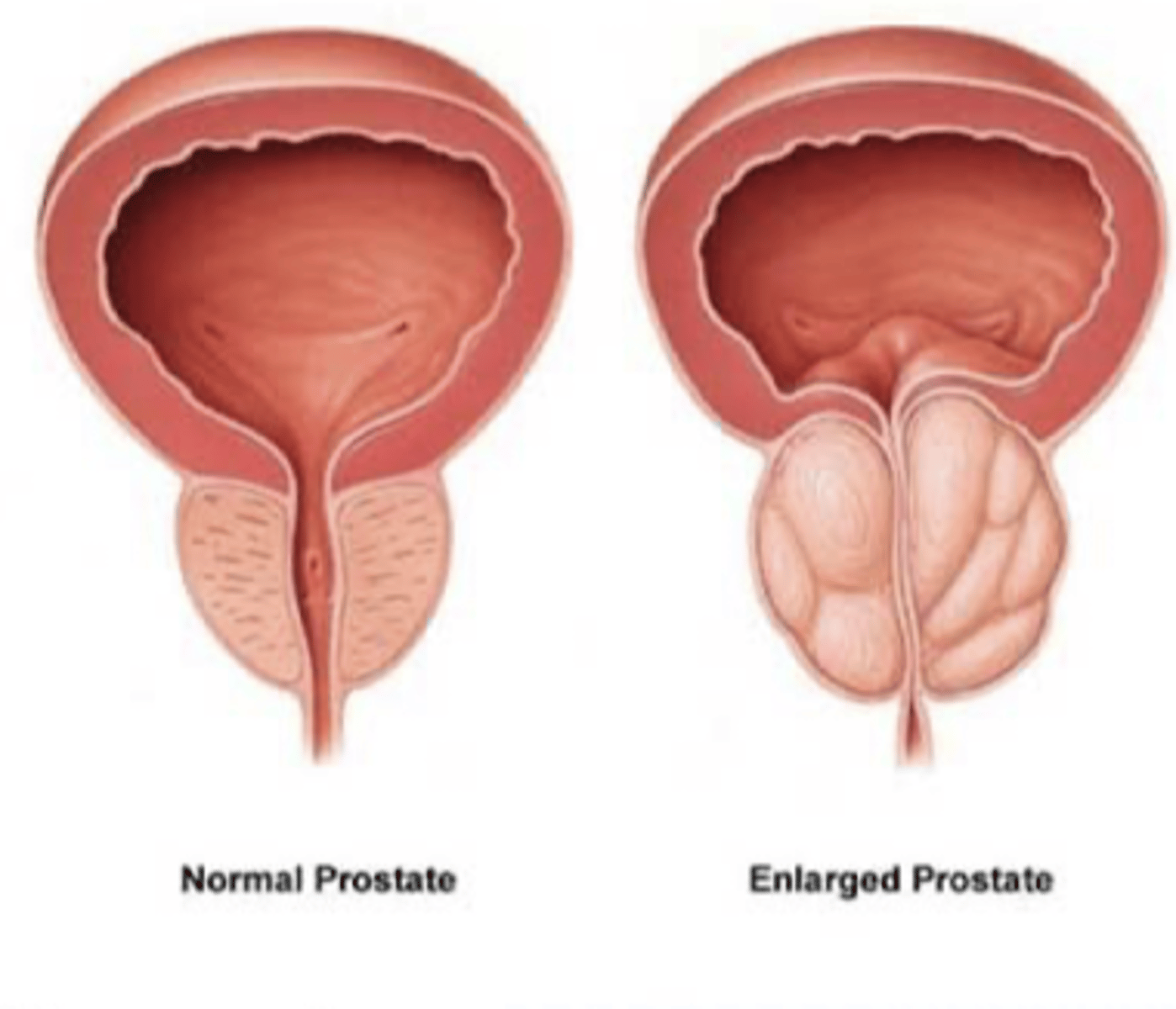
How can the urethra become blocked in men?
Enlarged prostate
What is urinary frequency?
Voiding at frequent intervals
What is urinary urgency?
Sudden, compelling urge to urinate
What is urinary incontinence?
Involuntary leakage of urine
What is nocturia?
Excessive urination at night
Where could you feel pain from urinary tract problems?
1. Shoulder
2. Back
3. Flank
4. Pelvis
5. Lower abdomen
What is costovertebral tenderness?
Pain when palpating posterior area around kidneys
What is hyperesthesia of dermatomes?
Increased sensitivity to touch following dermatomal map
What is dysuria?
Painful or burning urination
What is hematuria?
Blood in the urine
What is pyuria?
WBCs in urine
What is dyspareunia?
Painful sexual intercourse
What are the renal disorders we are concerned with? (7)
1. Urinary tract infections (UTIs)
2. Pyelonephritis
3. Renal cell carcinoma
4. Wilms tumor
5. Polycystic kidney disease
6. Renal calculi
7. Chronic kidney disease
What are urinary tract infections?
Infections of the lower urinary tract that are very common and usually affect the bladder (cystitis) and/or urethra (urethritis
Are UTIs self limiting?
Yes, but have a propensity to reoccur
are UTIs typically viral or bacterial?
Bacterial
How are most UTIs treated?
Antibiotics
Who are UTIs most common in?
Older adults and women
By age 24, how many women will have had at least one physician UTI requiring medication?
1/3
What accounts for 40% of healthcare-associated infections)
Urinary catheter UTIs
What are some risk factors for UTIs?
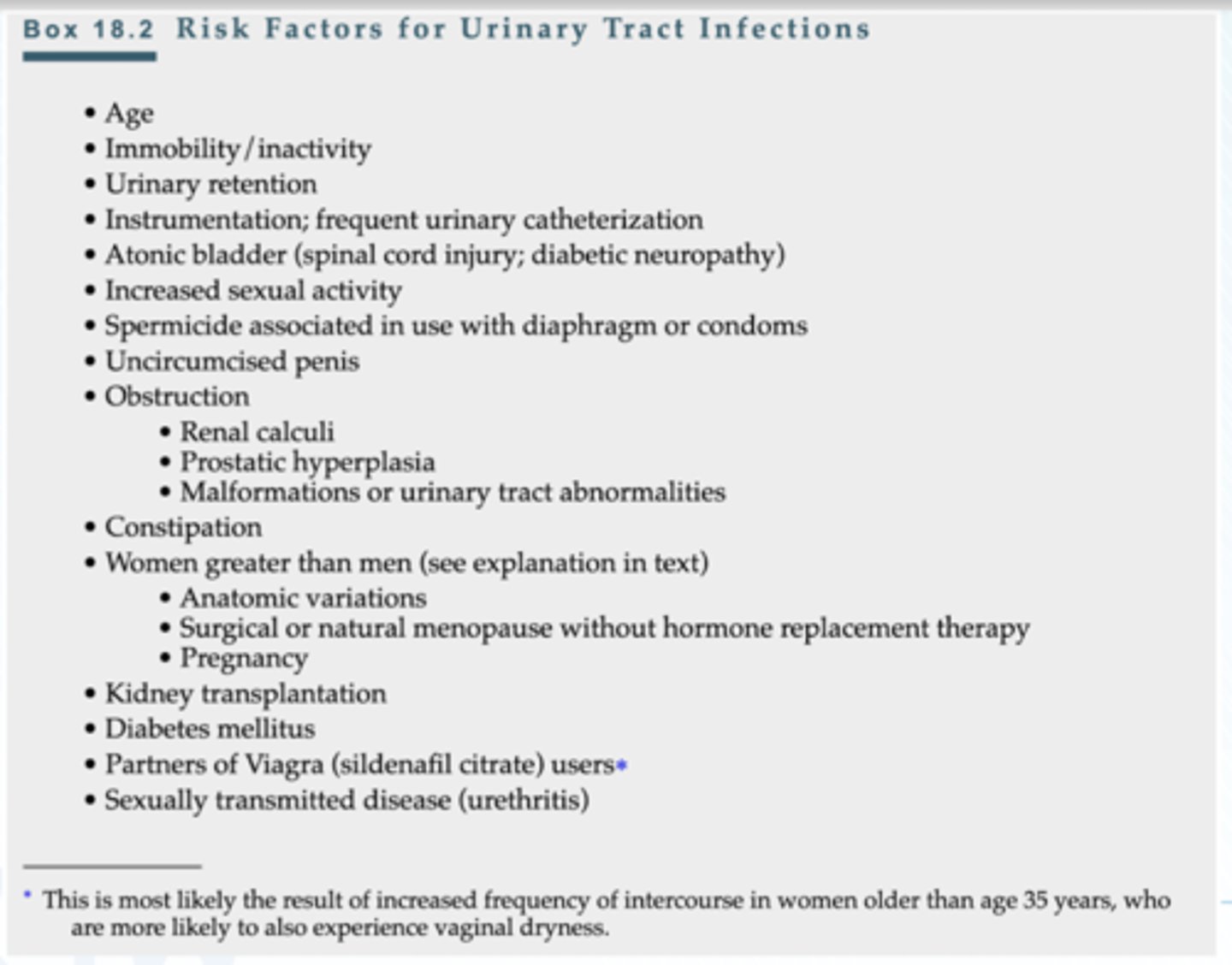
What are the clinical manifestations of UTIs? (7)
1. Urinary frequency/urgency
2. Dysuria
3. Nocturia
4. Fever, chills, malaise
5. Cloudy, foul-smelling urine
6. Suprapubic, lower ab, groin, or flank pain
7. Acute changes in mental status (frail older adults)
What is the prevention of UTIs? (5)
1. Hydration
2. Urination after sex
3. Perineal hygeine
4. Cranberry juice and probiotics?
5. Reduce unnecessary catheterization
What bacteria are most often responsible for UTI?
E coli (fecal-associated gram-negative oragnisms) for 80% of all UTIs
What are some other bacterial causes of UTIs?
1. Staphylococcus saprophyticus (5-15%)
2. Enterococcus, Klebsiella, and Proteus
What is pyelonephritis?
Infection of the upper urinary tract (kidney)
What is pyelonephritis most associated with?
Ascending UTIs (E coli most common 85%)
What can pyelonephritis be a result of?
Bloodborne pathogens
What bloodborne pathogens can cause pyelonephritis?
1. Bacterial endocarditis
2. Tuberculosis
Why are immunocompromised at risk for pyelonephritis?
Since they are at risk for bacterial or fungal infection of kidneys
What are the clinical manifestations of pyelonephritis?
1. Fever, chills, malaise
2. Pain at the costovertebral angle (unilateral)
3. Skin hypersensitivity
What would urinalysis reveal with pyelonephritis?
1. Pyuria
2. Bacteriuria
3. Hematuria
What would blood count reveal with pyelonephritis?
Leukocytosis
What could chronic infections of pyelonephritis lead to?
Kidney disease/failure
What is the incidence of renal neoplasms?
73820 new cases of neoplasms of the kidney and the renal pelvis
What are renal neoplasms more common in?
Males
What is the 5-year survival rate of renal neoplasms?
75%
What are the most common types of renal neoplasms?
1. Renal cell carcinoma
2. Urothelial carcinoma
3. Renal sarcoma
4. Wilms tumor
5. Renal lymphoma
What is the most common renal tumor?
Renal cell carcinoma (RCC) accounting for 90-95% of all renal tumors in adults
What is the most common location of renal cell carcinoma?
Proximal renal tubular epithelium
What are the symptoms of renal cell carcinoma?
Frequently asymptomatic
How is renal cell carcinoma diagnosed?
Incidental finding, confirmed with CT scan
What percent of early stage RCC are cured?
More than 50%
What is RCC resistant to?
Radiation and chemotherapy
What is the most common intervention for RCC?
Surgery
In how many cases is metastasis?
25%
Where do most RCCs metastasize?
1. Lungs (75%)
2. Lymph nodes (65%)
3. Bone (40%)
4. Liver (40%)
What are the risk factors for RCC?
1. Age
2. Gender
3. Race
4. Blood pressure
5. Smoking tobacco
6. Obesity
7. Overuse of certain medications
8. Occupational exposure
How does age affect RCC?
It increases with age
How does gender affect RCC?
Men are twice as likely to develop
How does race affect RCC?
African Americans have higher rates
What happens to BP with RCC?
Elevated
What is the effect of tobacco and RCC?
Smoking doubles risk
What is the effect of obesity and RCC?
Being overweight or obese increases the risk
What is the effect of overuse of certain medications?
Long-term use of diuretics and analgesic pain medications, such as aspirin, acetaminophen, and ibuprofen
What is the effect of occupational exposure?
Expoure to asbestos and/or cadmium (used in the production of batteries, plastics, and other industrial processes)
What is Wilms Tumor?
Most common malignant kidney neoplasm in children
What is the incidence of Wilms Tumor?
Relatively rare (~650 new cases per year in the US)
What is the primary risk factor of Wilms Tumor?
Age
What percent of diagnoses occur in the first 6 years of life?
75% (occur bilaterally in 5% of cases)
What is the etiology of Wilms Tumor?
Unknown (genetic?)
What are the clinical manifestations of Wilms Tumor?
1. Often asymptomatic (can grow to large size)
2. Abdominal mass
3. Abdominal pain, loss of appetite, nausea/vomitting
4. Malaise
5. Hematuria (30% of cases)
6. Hypertension (25% of cases)
7. Metastasis is rare
What is the treatment of Wilms Tumor?
1. Primarily surgical resection regardless of stage
2. Preoperative chemotherapy/radiation
What is the surgical treatment called of a Wilms Tumor?
Radical nephrectomy vs. nephron sparing procedure if bilateral
What do many children receive with Wilms tumors?
Vincristine, a drug known to cause peripheral neuropathy that adversely affects their gait patterns (can persist up to 6 months)
What is the 5-year survival rate of Wilms Tumor?
90%
What is renal cystic disease?
A group of conditions that cause cysts (fluid-filled sacs) to form in or around the kidneys
What are examples of renal cystic diseases? (5)
1. Polycystic kidney disease (PKD)
2. Single cysts
3. Acquired cystic disease
4. Cystic diseases of the renal medulla
5. Cystic renal dysplasia
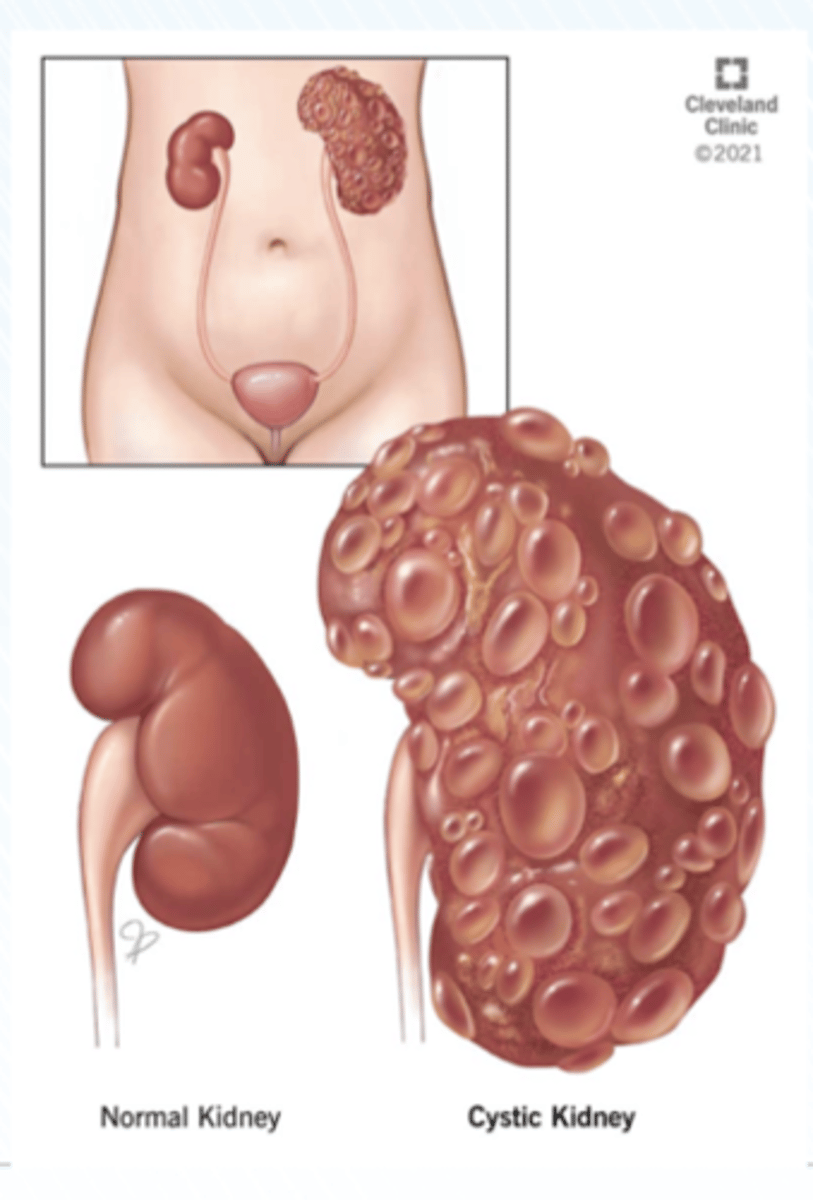
What are most cases of PKD considered?
Hereditary
How many people does autosomal dominant PKD affect?
More than 600,000 in the US
When do most symptoms of ADPKD manifest?
Until third or fourth decade
What is ADPKD the fourth leading cause of?
ESRD (50% progress to ESRD)
What is the prevalance of ARPKD?
Rare
When is ARPKD evident?
At birth and can cause death early in life
What are the clinical manifestations of PKD? (7)
1. Abdominal or flank pain
2. Hematuria
3. Fever
4. Hypertension
5. Development of stones, infection, and tumor (rare)
6. Palpably enlarged kidneys
7. Genetic abnormalities like thoracic and abdominal aneurysms, cerebral aneurysms, mitral and aortic valve prolapse, pancreatic cysts
What is used to diagnose PKD?
Ultrasonopgraphy
What is PKD diagnosed as?
At least two cysts in one kidney (ages 30-59)
What is a CT scan used to distinguish?
Solid vs. fluid-filled masses
What is often a better choice of imaging for PKD?
MRI, especially for children or persons with renal dysfunction
What could be done to confirm diagnosis of PKD?
Tissue biopsy or surgical exploration