Pyschology Unit 3/4 2026
 Call Kai
 Learn
Learn Practice Test
 Spaced Repetition
 Match
Match Flashcards
 Knowt Play
1/121

There's no tags or description
Looks like no tags are added yet.
Name | Mastery | Learn | Test | Matching | Spaced | Call with Kai | Chat |
|---|
No analytics yet
Send a link to your students to track their progress
122 Terms
An information processing system that actively receives, organises, stores and recovers information
Memory
converting sensory information into a useable form that can be processed by the brain
Encoding
retaining information over time
Storage
accessing information that has previously been stored
Retrieval
the function of a memory store
Role
the amount of information held within a memory store
Capacity
the length of time information is held within a memory store
Duration
memory store that receives and stores an unlimited amount of incoming sensory information for a brief time
Sensory memory
What memory store has limited capacity of short duration, unless the information is renewed?
Short-term memory (STM)
adding new single items to short-term memory by pushing out old items
Displacement
If information fades away in STM when not maintained by rehearsal, what is it called?
Decay
the conscious manipulation of information to keep it in short term memory for longer or to transfer it to long-term memory
Rehearsal
Name the memory store that is relatively permanent and holds huge amounts of information for a long time, possibly lifelong?
Long-term memory (LTM)
relating to meaning
Semantic
Name the type of memory where information that can be consciously retrieved and stated, such as ‘known facts’
Explicit memory
Name the subcategory of explicit long-term memory of specific facts and events, most of which can be stated or ‘declared’
Declarative memory
If you can declare memory of facts or knowledge about the world, then you are accessing…
Semantic memory
the declarative memory of personally experienced events; much like if your brain had a TV show playing
Episodic memory
memory not requiring conscious retrieval, such as ‘how to’ skills; key word implied, or suggested
Implicit memory
Name the subcategory of implicit memory of knowledge of skills, habits or actions
Procedural memory
a learned emotional reaction occurs in response to a stimulus or an event that you have formed an association with
Conditioned emotional response
a thin, outer layer of the brain; involved in complex mental abilities, sensory processing, voluntary movements and storage of explicit memories
Cerebral cortex
a structure in the temporal midbrain; involved in formation of long-term explicit memories and their transfer to the cerebral cortex for storage
Hippocampus
the process by which a temporary memory is transformed into a more stable, long-lasting form
Consolidation
a structure located deep in the temporal midbrain; involved in emotional reactions and formation of emotional memories particularly relating to fear
Amygdala
the top layer of the cerebral cortex that is involved in high order mental processes such as language, attention and memory
Neocortex
a group of structures deep within the cerebral hemispheres; involved in motor movement, procedural memory and learning
Basal ganglia
a cauliflower shaped structure at the base of the brain; coordinates timing and fluency of movements; encodes and temporarily stores implicit memories of simple conditioned reflexes
Cerebellum
a memory system consisting of episodes recollected from an individual's life, based on a combination of episodic and semantic memory; cue word Anne Frank
Autobiographical memory
the combining of stored information with other available information to form what is believed to be a more coherent, complete or accurate memory
Reconstruction
projecting yourself forwards in time to pre-experience an event that might happen in your personal future
Episodic future thinking (EF Time travelling)
the capacity to mentally reconstruct past personal events and imagine possible future scenarios
Mental time travel
a permanent or temporary, complete or partial loss of memory
Amnesia
a neurodegenerative disease characterised by the progressive deterioration of brain neurons, causing memory loss, decline in cognitive and social skills and personality changes
Alzheimer’s disease
a collection of symptoms that are caused by disorders affecting the brain
Dementia
an examination of the brain that shows brain activity and tissues that cannot be detected otherwise
Brain scan
a damaged or abnormal area of the brain that may appear like a scar or wound
Lesion
an abnormal build-up of beta-amyloid proteins between the synapses of neurons that interfere with communication
Amyloid plaque
an abnormal build-up of protein inside a neuron that is associated with cell death
Neurofibrillary tangle
the loss of neurons within the brain
Brain atrophy
the inability to form new explicit long-term memories after an amnesia-causing event
Anterograde amnesia
the inability to retrieve previously stored memories after an amnesia causing event
Retrograde amnesia
the inability to visualise imagery
Aphantasia
the primary cortical region of the brain that receives, integrates and processes visual information relayed from the retinas
Visual cortex
present from birth
Congenital
present after brain injury or significant psychological event
Acquired
the awareness of your own internal mental processes, including your thoughts, feelings, sensations and perceptions, and your awareness of the external world around you
consciousness
a concept that cannot be objectively observed or measured directly through the collection of data, but is widely understood to exist
psychological construct
a state associated with being aware of our internal and external environments
normal waking consciousness
any state that differs in awareness when compared to normal waking consciousness
altered state of consciousness
an altered state of consciousness that occurs without any external influence
naturally occurring altered state of consciousness
an altered state of consciousness that has been brought about on purpose
induced altered state of consciousness
a naturally occurring and reversible altered state of consciousness, characterised by a reduction in awareness and responsiveness to external surroundings
sleep
a type of sleep characterised by a progressive decline in physiological activity
non-rapid eye movement (NREM) sleep
a type of sleep characterised by quick darting of the eyes behind closed eyelids and an increase in physiological activity
rapid eye movement (REM) sleep
DOC a line graph that represents the stages of sleep plotted against time
hypnogram
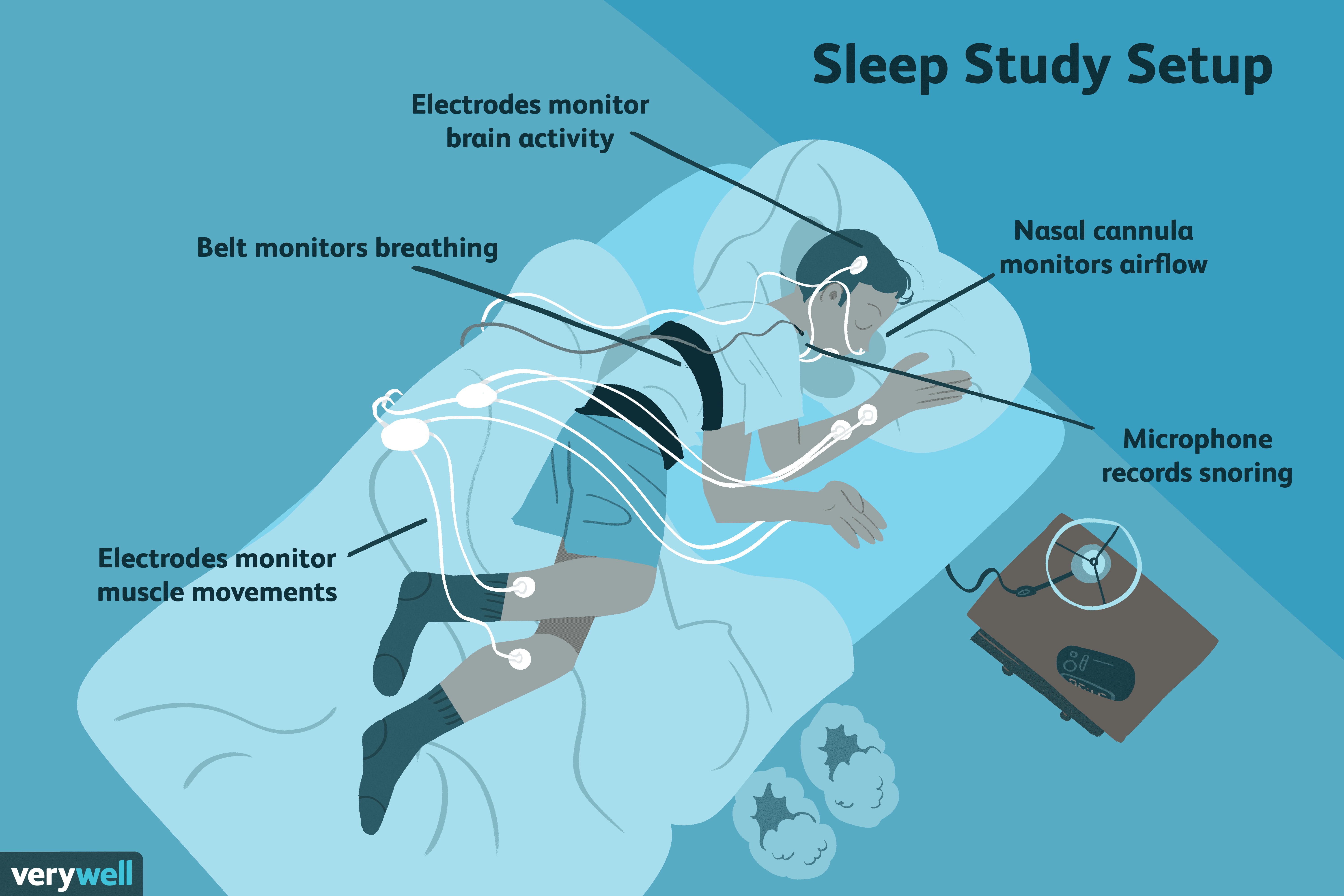
a multi-parameter sleep study used as a diagnostic tool in sleep medicine
polysomnography
a technique that detects, amplifies and records the electrical activity in the brain
electroencephalography (EEG)
a technique that detects, amplifies and records the electrical activity of the skeletal muscles
electromyography (EMG)
a technique that detects, amplifies and records the electrical activity of the muscles controlling the eyes
electrooculography (EOG)
the awareness of your own internal mental processes, including your thoughts, feelings, sensations and perceptions, and your awareness of the external world around you
consciousness
a subjective self-report tool used by a person to track their own sleep and wake patterns
sleep diary
a sleep study tool used to collect qualitative visual and audio information about a person’s sleep
video monitoring
biological processes that coordinate the timing of body activities over a 24-hour period
circadian rhythm
biological processes that coordinate the timing of body activities over a period of less than 24 hours
ultradian rhythm

a master body clock in the hypothalamus that regulates body activities to a daily schedule of sleep and wakefulness
suprachiasmatic nucleus
an environmental cue such as light, temperature and eating patterns that can synchronise and regulate the body’s circadian rhythm
zeitgeber
a hormone that induces drowsiness and decreases cell activity
melatonin
the experience of achieving inadequate sleep in terms of quantity or quality
partial sleep deprivation
a person’s experience of their emotions
affective functioning
a person’s observable actions
behavioural functioning
a person’s mental processing
cognitive functioning
a category of sleep disorders in which sleep is disrupted because the circadian rhythm and a person’s sleep-wake schedule are misaligned
circadian rhythm sleep disorders
a therapy to treat a sleep disorder in which the person is exposed to a bright light to reset the sleep-wake cycle
bright light therapy
a circadian rhythm sleep disorder characterised by a delay in the timing of sleep onset and awakening compared with the timing that is desired
Delayed Sleep Phase Syndrome (DSPS)
a circadian rhythm sleep disorder characterised by an advance in the timing of sleep onset and awakening compared to the timing that is desired
Advanced Sleep Phase Disorder (ASPD)
the sleep-related behaviours and environmental conditions that are beneficial for sleep
sleep hygiene
an environmental cue such as light, temperature and eating patterns that can synchronise and regulate the body’s circadian rhythm
zeitgeber
all direct and indirect sunlight during the daytime
daylight
a part of the visible light spectrum that is emitted from smartphone screens, computer monitors, televisions, LED and fluorescent light bulbs, as well as sunlight
blue light
the percentage of alcohol in the bloodstream
blood alcohol concentration (BAC)
work that regularly takes place outside of normal business hours, particularly at night and the very early morning; can cause a circadian rhythm disorder
shift work
the period of time a person is alive
life span
a beneficial emotional state in which a person realises their abilities, copes with the normal stresses of life, works productively and contributes to their community
mental health and wellbeing
the ability to recover from adversity
resilience
the state of not having difficulty with everyday activities and displaying resilience
mentally healthy
the ability to carry out a wide range of daily activities, attend to self-care, maintain interpersonal relationships and demonstrate resilience in the face of everyday challenges
high level of functioning
combination of a person’s physical, social, emotional, mental and spiritual health that is linked to happiness and life satisfaction
wellbeing
relates to the connections you make with other people and your ability to get along with people in a community
social wellbeing
relates to the ability to feel a range of emotions and express them in a positive way
emotional wellbeing
an everyday or conceivable event such as a relationship breakdown, work challenge or failing a test
life stressor
a relatively short-term disruption that impacts on a person’s everyday functioning
mental health problem
a condition that affects mood, thinking and behaviour and is typically long lasting
mental disorder
a factor that influences mental wellbeing and originates from outside a person, such as the physical and social environment
external factors
a factor that influences mental wellbeing and originates from within a person, such as genetics and hormones
internal factors
a factor that relates to the physiological functioning of the body
biological factor
a factor that relates to the functioning of the brain and the mind including cognitive and affective processes such as thought patterns and memory
psychological factors
a factor that relates to the social components of a person’s environment
social factors
a state of mental or emotional and physiological tension, resulting from factors that are perceived to challenge or threaten our ability to cope
stress
an emotion akin to worrying and uneasiness that something is wrong or something bad is going to happen usually accompanied by physiological signs
anxiety