AP Lang - Rhetorical Terms to Know
 Call Kai
 Learn
Learn Practice Test
 Spaced Repetition
 Match
Match Flashcards
 Knowt Play
1/28

There's no tags or description
Looks like no tags are added yet.
Name | Mastery | Learn | Test | Matching | Spaced | Call with Kai | Chat |
|---|
No analytics yet
Send a link to your students to track their progress
29 Terms
allusion
A reference to a well-known person, place, event, literary work, or work of art

anaphora
repetition of a word or phrase at the beginning of successive phrases, clauses, or lines

antecedent
the word, phrase, or clause to which a pronoun refers

aphorism
A brief, cleverly worded statement that makes a wise observation about life.

colloquialism
informal words or expressions not usually acceptable in formal writing

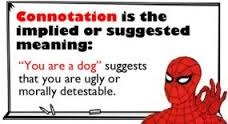
connotation
an idea or feeling that a word invokes in addition to its literal or primary meaning.
denotation
The dictionary definition of a word

diction
the choice and use of words and phrases in speech or writing.
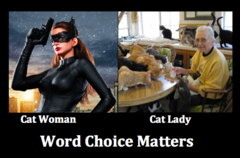
euphemism
An indirect, less offensive way of saying something that is considered unpleasant

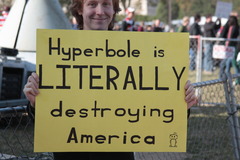
hyperbole
exaggerated statements or claims not meant to be taken literally.
imagery
Description that appeals to the senses (sight, sound, smell, touch, taste)

irony
the use of words to convey a meaning that is the opposite of its literal meaning

juxtaposition
placing two elements side by side to present a comparison or contrast

metaphor
comparison not using like or as

oxymoron
A figure of speech that combines opposite or contradictory terms in a brief phrase.

parallelism
similarity of structure in a pair or series of related words, phrases, or clauses

paradox
A statement or proposition that seems self-contradictory or absurd but in reality expresses a possible truth.

parody
A work that closely imitates the style or content of another with the specific aim of comic effect and/or ridicule.

periodic sentence
A sentence that presents its central meaning in a main clause at the end.
personification
A figure of speech in which an object or animal is given human feelings, thoughts, or attitudes

ethos
credibility

pathos
Appeal to emotion
logos
an appeal based on logic or reason or common sense

rhetorical question
A question asked merely for rhetorical effect and not requiring an answer

satire
A literary work that criticizes human misconduct and ridicules vices, stupidities, and follies.

symbol
A thing that represents or stands for something else, especially a material object representing something abstract.

syntax
The arrangement of words and phrases to create well-formed sentences in a language.

tone
Attitude a writer takes toward the audience, a subject, or a character

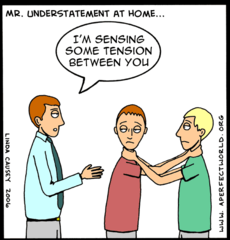
understatement
the presentation of something as being smaller, worse, or less important than it actually is.