civil war/reconstruction/western expansion
 Studied by 0 people
 Call with Kai
 Learn
Learn Practice Test
 Spaced Repetition
 Match
Match Flashcards
 Knowt Play
 Podcast
1/62

There's no tags or description
Looks like no tags are added yet.
Name | Mastery | Learn | Test | Matching | Spaced | Call with Kai |
|---|
No study sessions yet.
63 Terms
reconstruction Amendments
the 13th, 14th, and 15th Amendments to the US constitution, which aimed to establish citizenship and voting rights for African Americans
Civil War
A conflict between the Union(north) and the Confederate states(south) over issues of slavery and states rights
Andrew Johnson
The 17th president that took over for Lincoln after he was assassinated. He oversaw many of the early stages of reconstruction
Share Cropping System
An economic arrangement in which landowners rent land to workers in exchange for a portion of the crops grown, often created cycles of debt and dependency
Freedman’s Bureau
An organization established to provide assistance to former slaves with medical care, food and, education
Arapaho and the Cheyenne
Native American tribes that were in a large conflict with the US military. they were involved in the sand creek massacre
Radical Reconstruction
The plan to reconstruct the south with military presence and enforcement of laws to protect the rights of African Americans.(1 of 2 plans)
Scalawags
The southerns that sided with the republican party during reconstruction. often facing opposition and hostility from their communities
Silas Soule
A captain that was a witness during the sand creek massacre, which he later testified against his colonial John Chivington who lead the attack. His perspective was described as very violent to women and children even though the colonial said that few women and children were harmed. After testifying he suddenly died, He blamed the Americans for this incident
Crazy Horse
A native American leader that was known for his role in the battle of little bighorn. this battle was the last large victory for the natives Americans. after this victory this caused the US military to push more natives on to reservations and caused the Americans to be more harsh.
Foreign Policy
A policy that happens by the government to interact with other countries
Assimilation
The process of cultural and social integration of one group into another, often involving the loss of traditional practices and identities
George Bent
A mixed native that was present during the battle of sand creek massacre. He perspective showed the targeting of women and children by the Americans in his account of the event and the Americans to blame
Western Expansion
The movement of the US to move and expand the country westward involving the acquisition of new lands and the displacement of native Americans
KKK
A terrorist group created to purse the idea of white supremacy. They targeted African Americans and tried to limit the education and the newly given rights to African Americans
Ghost Dance
The spiritual practice among the native Americans that was seen as a threat by the Americans. they thought that they were preparing for war. This dance increased the suspicions of the Americans and led to more tensions.
Black Codes
Laws passed by southern states to restrict the rights and freedoms of African Americans during the reconstruction era. this was later denied by the US congress but a few years later the Jim Crow laws were passed that has similar ideas to restrict the African Americans
Reconstruction Era
A period following the civil war that marked the attempts to rebuild and reunite the nation
Abraham Lincoln
16th president that was for the abolition of slavery and led the country during the civil war and issued the Emancipation Proclamation
Reservation system
A system in which native American tribes were relocated to designated areas to make more space for new western Expansion. The harsh treatments were described by Rose Carver and John Armstrong where they said that they were moved like cattle to many different places from Kansas to Oklahoma to Indiana and John said that the Americans were advertising that they had too much land and needed people to expand even though they lived on that land
Indian Appropriations act 1851
A law that provided funding for the administration of the native American affairs, including the establishment of reservations
Compromise of 1877
A political agreement that led to the withdraw of the US military in the south ending the reconstruction era and caused to southern democratic party to rise and start again the idea of white supremacy
Manifest Destiny
The god given right and belief for the Americans to expand its territory across North America
Freedman
Newly freed African Americans that needed assistance after the civil war
Buffalo Soldiers
African american soldiers that served in the US military and had significant roles in guarding the frontier and controlling western expansion. they were the first park rangers, they were also respected by the natives Americans
Little bighorn 1876
The battle against the Native Americans led by crazy horse and sitting bull, defeated the US led by George Custer
Carpetbaggers
Northers that moved south during reconstruction that wanted to be a part of the politics and businesses
George Custer
The US military officer that was killed in the battle of Little Bighorn. His death caused the Americans to push for more action in putting the natives in reservations
Plessy vs. Ferguson
The landmark supreme court case that upheld the ‘separate but equal’ doctrine, allowing for racial segregation in public facilities
Lynchings
Act of extreme violence, often carried out by mobs, targeted African Americans and used as a reminder the intimidate and terrorize communities
Transcontinental Railroad
A railroad that connected the Pacific to the Atlantic that facilitated trade, travel and the new businesses of resources
Domestic Policy
A policy that addresses issues within the country
John Chivington
The colonial that led the attack on the Arapaho and Cheyenne tribes. this battle was later called the massacre of sand creek. He was later accused and one of his fellow captains testified against him
Jim Crow laws
Laws that limited the rights and freedom of the African Americans that enforced racial segregation and discrimination in the south
Homestead Act 1862
A law that encouraged and allowed settlers to claim land for free under the condition that they have to live and condition the land for a certain amount of years
13th Amendment
The amendment that abolished slavery with the loophole where it could be used if you were convicted of a crime. this caused crime rates to rise but it does not mean that crime was actually committed
14th amendment
This gave citizenship for anyone who was born in the US or if you undergo a legal process to become a citizen
15th Amendment
This gave the right for any male no matter his color or race to vote
Exodusters
African Americans who migrated from the south to the west to escape the harassment and unfair treatment of southerners. they wanted the new opportunities for equal rights and to claim land
Sand creek massacre
The battle where the US forces attacked and killed a large of Cheyenne and Arapaho native Americans
Sitting bull
A native Leader known for his role in the battle of Little Bighorn and his resistance to the US government policies
Rutherford B hays
the 19th president. the candidate that was chosen by the Republicans during the compromise 1877
Presidential Plan
The more lenient plan composed by Abraham Lincoln wanting a faster transition of the south back into the union. this plan was also Johnson’s favorite because he was a southerner.
Pacific Railway Act 1862
A law passed to provide federal support for the constitution of the transcontinental railroad
Amnesty
Forgiveness given by the government. part of the presidential Plan
Panic of 1873
The economic crisis that later made the US reconsider its budget which later effected the military stationed in the south
southern colonialism
The idea of Americans that were set to eliminate the Native Americans
Natives thought of the Civil War
they thought that the Civil war was over the control of their land
Targeting of buffalo
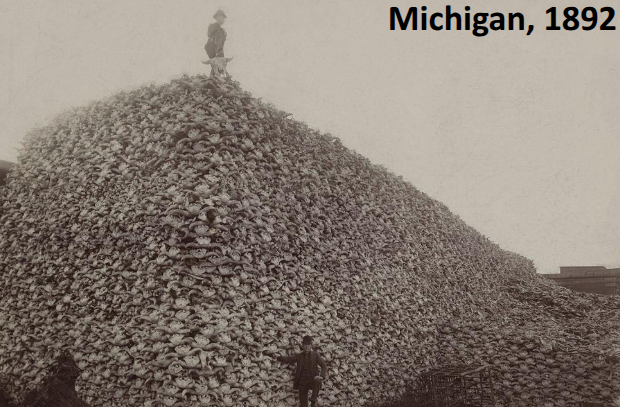
Americans targeted the killing of buffalo because of how useful they were for the natives. They were used as food and shelter and without them the natives were weakened(man made extinction)
Chief Joseph of the Nez Perce
leading the Nez Perce during the 1877 Nez Perce War in an epic 1,400-mile fighting retreat, displaying diplomatic skill as a negotiator, and becoming a prominent advocate for his people's rights after the war
wounded knee of 1890
the US army surrounded the camp of natives. It ended with a native American massacre, 150-300 Indians killed half women and children. similar to the sand creek massacre. The last large conflict between natives and the US
Dawes Act of 1887
authorized the President to break up tribal reservation land into smaller, individual plots for Native Americans to assimilate them into mainstream society. This policy ended communal land ownership and aimed to turn Native Americans into independent farmers, with any "surplus" land being sold to non-native settlers. The act resulted in a significant loss of Native American land and was detrimental to tribal social structures, cultural heritage, and political rights
treaty
A formal agreement between two or more states or countries, often concerning peace, trade, or international relations.
Allotment
piece
Oklahoma Land Act of 1889
a pivotal event where President Benjamin Harrison opened nearly two million acres of "Unassigned Lands" in what is now Oklahoma to public settlement
boomers
people who raced for the land
sooners
people who cheated in the race
Buffalo extinction effects
The natives really did not know how to farm and did not know the land that they had been relocated to so they really relied on the government giving them food and supplies
examples assimilation
people took the children of native Americans and put them in these schools to incorporate them into society. through language, clothes, religion, and food
End of western expansion
1890
Census
an official account of the people living in a country
Frontier
Undeveloped land
Nomad
a member of a people having no permanent abode, and who travel from place to place to find fresh pasture for their livestock.