Inventory, SOP, and Records
 Call Kai
 Learn
Learn Practice Test
 Spaced Repetition
 Match
Match Flashcards
 Knowt Play
1/68

There's no tags or description
Looks like no tags are added yet.
Name | Mastery | Learn | Test | Matching | Spaced | Call with Kai | Chat |
|---|
No analytics yet
Send a link to your students to track their progress
69 Terms
what does POMR stand for (Medical Records)
Problem Oriented Medical Record
how is POMR organized (Medical Records)
It organizes information in the record by problem
POMR includes (10) (Medical Records)
Date
Presenting complaint
Pertinent history
Patient evaluation, exam findings
Problem(s) listed
Assessment of the complaints, the history and the problems in order to come up with a tentative diagnosis or rule outs
Refine the problem list, develop a plan of action, implement the plan and re-evaluate
Diagnostic and therapeutic plans
Medications prescribed or administered with amount, dosage, frequency and duration as indicated on prescription label.
Prognosis in complex or serious cases
how is a Source Oriented Medical Record done (Medical Records)
This is a chronological narrative that is organized only by the source of the information.
what are specific requirements for paper records (5) (Medical Records)
Staff Initials are key when entering
needs confirmation of attending staff member who completed.
No blanks or scribbling or white-out
for errors, use single line to cross out and initial
if writing, has to be BLUE or BLACK pen only
what is always required on a medical record (9) (Medical Records)
Client Information
Signalment
recent weight
Written Information/Client communication
Dates & Times
Radiograph images
Ultrasound Images
Laboratory results
Medical files on treatment from another facility
If it isn’t in the medical file … (Medical Records)
It didn’t happen
how long are legal documents Required by law to be maintained for (Medical Records)
5 yrs
ABVMA requirements (7) (Medical Records)
Identify patient and client
Adequately maintained (especially hospitalized patients)
Entries in chronological order
EVERY entry must be initialed
Errors must be crossed out with a single line and initialed
System must allow for prompt retrieval and access
Maintained for 5 years
what verbal communication should be recorded (6) (Medical Records)
any conversation
Telephone calls
Clients stopping by clinic in person for updates or visits
Emails
Text messages
These entries must include who was in the conversation, as well as the content of the conversation.
When can you transfer medical records (Medical Records)
ONLY if paitent consents or wants them
what does SOAP stand for (Medical Records)
subjective
objective
assessment
Plan
define subjective (SOAP) (Medical Records)
is the Data obtained from the client or veterinary team member about the patient
define objective (SOAP) (Medical Records)
is Measurable data
define Assessment (SOAP) (Medical Records)
Diagnosis made after assessing ‘S’ and ‘O’
define plan (SOAP) (Medical Records)
is Based on ‘A’ and Decided by the veterinarian
define AI (Medical Records)
AI is technology that enables computers and machines to simulate human learning
Incomplete medical records can lead to (7) (Medical Records)
cause you to lose your license, the Vet’s license and the clinic
contribute to inaccurate quality and care information
cause lost revenue/reimbursement
result in poor patient care by other healthcare team members
result in inappropriate billing leading to charges of fraud
interfere with patient-client relationships
compromise safe patient care
what does REFLECT stand for (Medical Records)
R - recognize assumptions (patient cause),
E - explore alternatives,
F - fight bias,
L - look for patterns,
E - evaluate pros/ cons of current communication style,
C - consider worst case to patient,
T - turn to others to seek input
what does SOP stand for (SOP’s)
Standard Operating Procedures
define SOP (SOP’s)
a detailed, written set of instructions or guidelines that outlines the steps to complete a particular organizational task or process
Important steps of writing a SOP (6) (SOP’s)
Understand the purpose and scope
Gather information
Structure the SOPs
Writing the SOPs (template)
Review and approval
Implementation and training
define objectives (SOP’s)
Clarify the purpose of the SOPs. Are they for clinical procedures or administrative tasks?
define Scope definition (2) (SOP’s)
Determine which processes or tasks will be covered by the SOPs.
Identify the departments or individuals involved.
define Process identification (SOP’s) (2ish)
List all the processes that need SOPs.
This may include patient intake, billing procedures, scheduling appointments, and handling medical records.
define Interview the team (SOP’s)
Talk to the team members who perform these tasks to understand current practices, challenges, and potential improvements.
what under Understand the purpose and scope (SOP’s)
define objectives
scope definition
whats under gather information (2) (SOP’s)
process identification
interview the team
whats under Structure the SOPs (SOP’s)
header
Consistent outline
define header (includes 4) (SOP’s)
Include
the title
date written
the revision date
revision number if applicable
define Consistent outline (SOP’s)
Provide a clear outline of the document’s contents for easy navigation—and use the same template for every SOP to ensure consistency.
what in an SOP template (10) (SOP’s)
Start with a clear objective/purpose
Job levels
definitions
Health or safety warnings
Equipment/materials/tools
Step-by-step instructions:
Include visual aids:
Responsibilities
Quality control measure
References
define Job levels (SOP’s)
List the job titles of those who should be able to perform the task
define definitions (SOP’s)
Define any abbreviations used in the SOP, considering a new hire who may not be familiar with industry abbreviations.
whats under Review and approval (SOP’s)
Internal review
Revision
define Internal review (SOP’s)
Have the practice owner(s), medical director, and manager(s) review the SOPs for accuracy and completeness.
define revision (2) (SOP’s)
Incorporate feedback from the team
make necessary revisions.
whats under Implementation and training (3) (SOP’s)
Rollout plan
Training
Documentation
define Rollout plan (SOP’s)
determine how and when the SOPs will be implemented.
define training (SOP’s)
Conduct sessions to ensure the team understands and can follow the SOPs effectively.
define documentation (SOP’s)
Keep records of training sessions and ensure all team members acknowledge receipt of the SOPs
what SDS stand for (SOP’s)
Safety Data sheets
what on an SDS (6) (SOP’s)
product name (trade and generic)
Company name/identification
hazards - eye contact, skin exposure, ingestion, irritant
Main ingredients
first aid measures - VERY important
Accidental release measures

what is it (SOP’s)
flammable

what is it (SOP’s)
explosive

what is it (SOP’s)
flammable
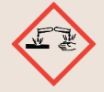
what is it (SOP’s)
corrosive
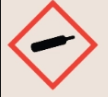
what is it (SOP’s)
compressed gas

what is it (SOP’s)
harmful/irritant
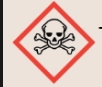
what is it (SOP’s)
toxic

what is it (SOP’s)
health hazard

what is it (SOP’s)
biohazardou infectious materials
what are the 2 most expensive parts of the clinic (Inventory Control)
inventory
payroll
important weekly inventroy control checklist (4) (Inventory Control)
check volume of product
check expiry dates
“when in doubt, ask the Vet / Owner”
write needs, etc. on the control sheets
main system of pharmacy organization (3) (Inventory Control)
Arranged by physical form
Alphabetical by trade name or by company name
Arranged by therapeutic use
Factors that can affect drug stability (4) (Inventory Control)
Time (expiry dates)
Moisture
Light
Temperature
what to do with meds part expiry date (Inventory Control)
place red sticker on it
remove
how long are meds stable for if no expiry date (Inventory Control)
3 yrs
what temp should refrigerated drugs be (Inventory Control)
Between 2 to 8 degrees Celsius
what temperature should room temp drugs be (range) (Inventory Control)
15 and 30 degrees Celsius
Signs of instability of drugs (4) (Inventory Control)
Precipitate formation
Colour change
Cloudiness
Broken emulsions, will not re-suspend when shaken
what are the 4 distribution centres (Inventory Control)
AVP
WDDC
CDMV
compound companies
how to order drugs/products (5) (Inventory Control)
Make a list
Place the order
Check your cart before submitting
If ordering drugs/ medications, check for the SU beside that product, this could indicate a case lot discount.
Check back orders
how to order controlled drugs (2) (Inventory Control)
It is the responsibility of the DVM to order the narcotics
Someone needs to sign for it.
what to do when recieving shipment (8)(Inventory Control)
Check for breakage
check for frozen product upon arrival
Count number of packages/crates
Must sign for shipment if all packages are present and in good order
Record any errors
File packing slip after everything checks out OK
Check invoice against packing slip
Final step, price, code and put stock away.
Inventory Control review of pills/tabs (Inventory Control)
count them
Inventory Control review of medicated liquids (2) (Inventory Control)
eyeball volume
measure
Inventory Control review of food and med supplies (Inventory Control)
count them
how to dispose of drugs (4) (Inventory Control)
Return to manufacturer for proper disposal, if possible
crush tablets and dispose of in waste
Biologicals should be incinerated
USE A BIO WASTE DISPOSAL COMPANY