Global Contemp Art Midterm
 Studied by 0 people
 Call Kai
 Learn
Learn Practice Test
 Spaced Repetition
 Match
Match Flashcards
 Knowt Play
1/18

There's no tags or description
Looks like no tags are added yet.
Name | Mastery | Learn | Test | Matching | Spaced | Call with Kai |
|---|
No analytics yet
Send a link to your students to track their progress
19 Terms
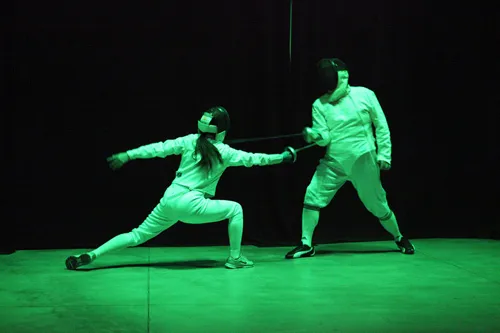
Two fencers, 1976
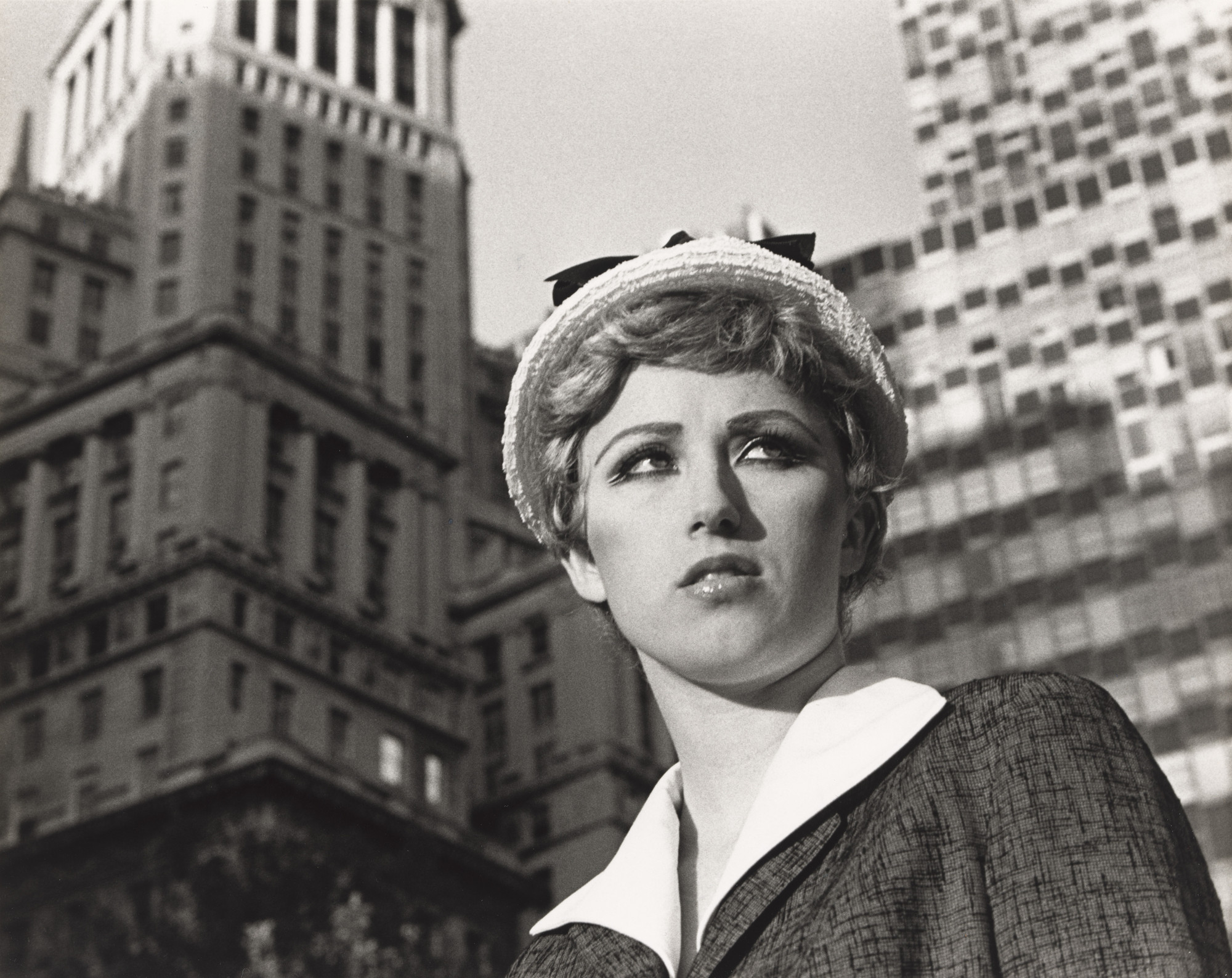
Untitled (film still), 1878
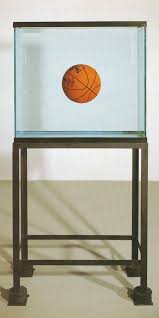
One Ball Total Equilibrium Tank, 1985
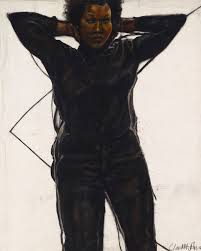
Trilogy Part II (Woman in black), 1986
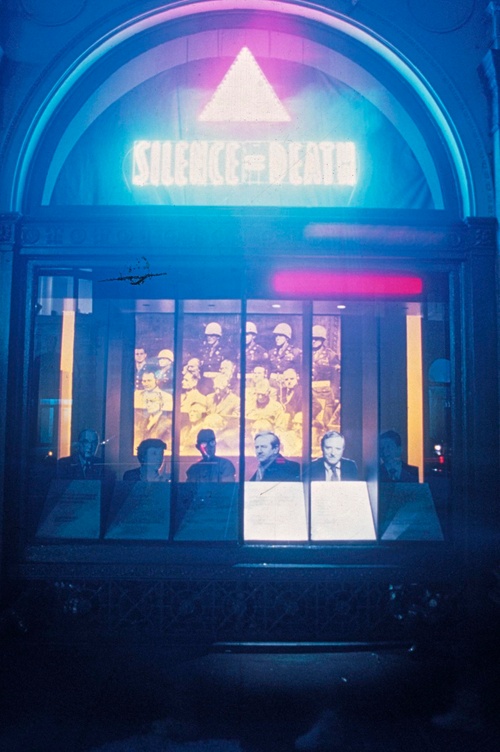
Let The Record Show, 1987
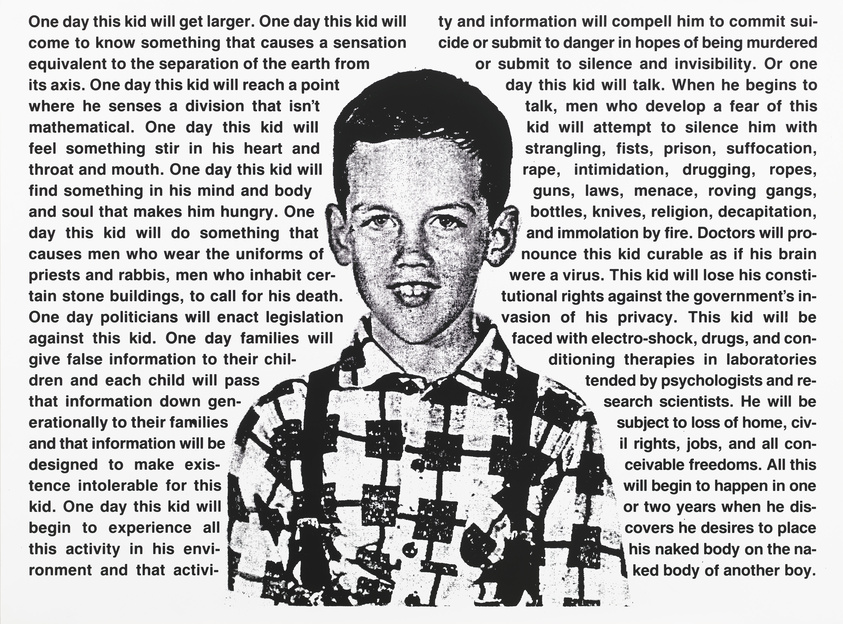
Untitled “One Day This Kid”, 1990
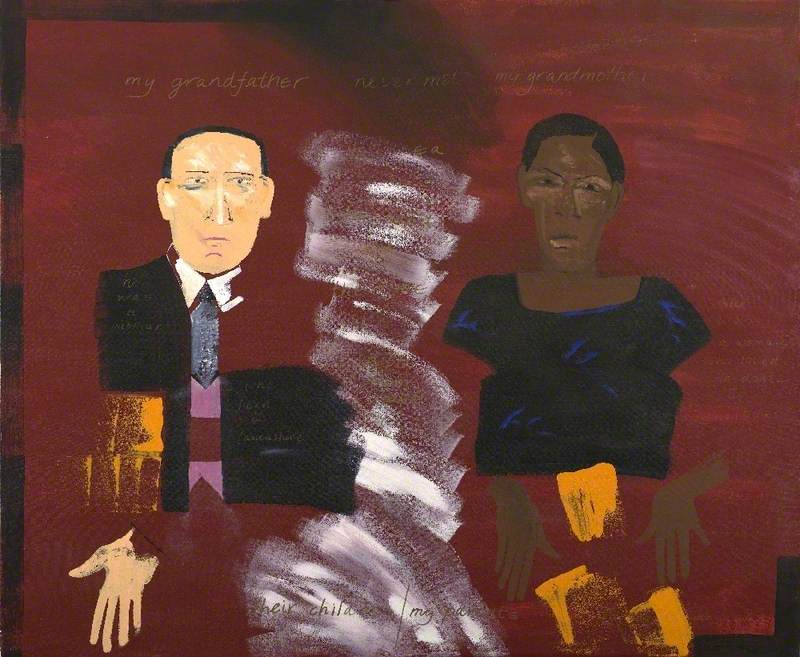
My Parents, Their Children, 1986
Two Fencers, 1976
Jack Goldstein
Untitled (film still), 1978
Cindy Sherman
One Ball Total Equilibrium Tank, 1985
Jeff Koons
Triology Part II (Women in Black), 1986
Claudette Johnson
My Parents, Their Children, 1986
Lubaina Himid
Let the Record Show, 1987
ACT UP
Untitled, “One Day This Kid”, 1990
David Wojnarovich
Douglas Crimp - Pictures
Emphasis on presentation, and changing your perceptions. Plays with your interpretations like anticipation, temporality, and obscurity. Lots of preexisting arts were being portrayed in new ways (especially as photography was increasing in popularity) Experimentation with different ways of portraying artwork, getting “normal” things to be distorted.
Douglas Crimp - AIDS: Cultural Analysis/ Cultural Activism
AIDS movement drastically changed art, art was almost strictly used to send messages. Art was a call to action, used for activism. “Art Against AIDS” More open to the public, was a lot more collage and text based
David Wojnarovich - One Day This Kid
writer, artist, photographer, performer, filmmaker, and activist. Discusses a conflict in desire and repression, it sends a message about the dangers of homophobia. It shows that harm an a gay boy does not come from him being gay, but from others hating and condemning him for it. Adds emotional logic to an argument.
The Whole Earth Show - Interview
Exploration of different countries contemporary art, looked at how religion was represented differently in art and how to acknowledge that without separating western art from other art. The discussed exhibition wanted to focus on visually astonishing works that were very different from traditional western art, they did not want to show art that had been seen before. They wanted to redefine quality and what was thought of as good art and show that it was relative to the culture.
Rasheed Araeen Success and Failure of the Black Arts Movement
Over time the movement became “anything that was nonwhite” the focus had to be on less eurocentrism, less, binary, and less racism so there was not room for freedom of expression. Expressed new anger and frustration, uniting “black art” under the idea that it expressed antiracism allowed other minorities like Asian and Caribbean to fall under this category as well. There is controversy about whether this is a good thing Lubina Humid had large role in organizing groups for issues about black women could be brought up without men
 Note
Note  Flashcards (142)