Atomic Theory & Chemical Composition
 Call Kai
 Learn
Learn Practice Test
 Spaced Repetition
 Match
Match Flashcards
 Knowt Play
1/76

There's no tags or description
Looks like no tags are added yet.
Name | Mastery | Learn | Test | Matching | Spaced | Call with Kai | Chat |
|---|
No analytics yet
Send a link to your students to track their progress
77 Terms
First ionization energy
energy required to remove the first, most loosely bound valence electron form a single neutral atom (X) in the gaseous state

Elements with _____ bound _____ electrons have _____ first ionization energies (easier to ionize) than elements with tightly bound valence electrons.
loosely
valence
lower
Trend of first ionization energy
FI energy tends to increase with increasing atomic numbers (moving across period), but decreases moving down a group (column), with some intermittent exceptions
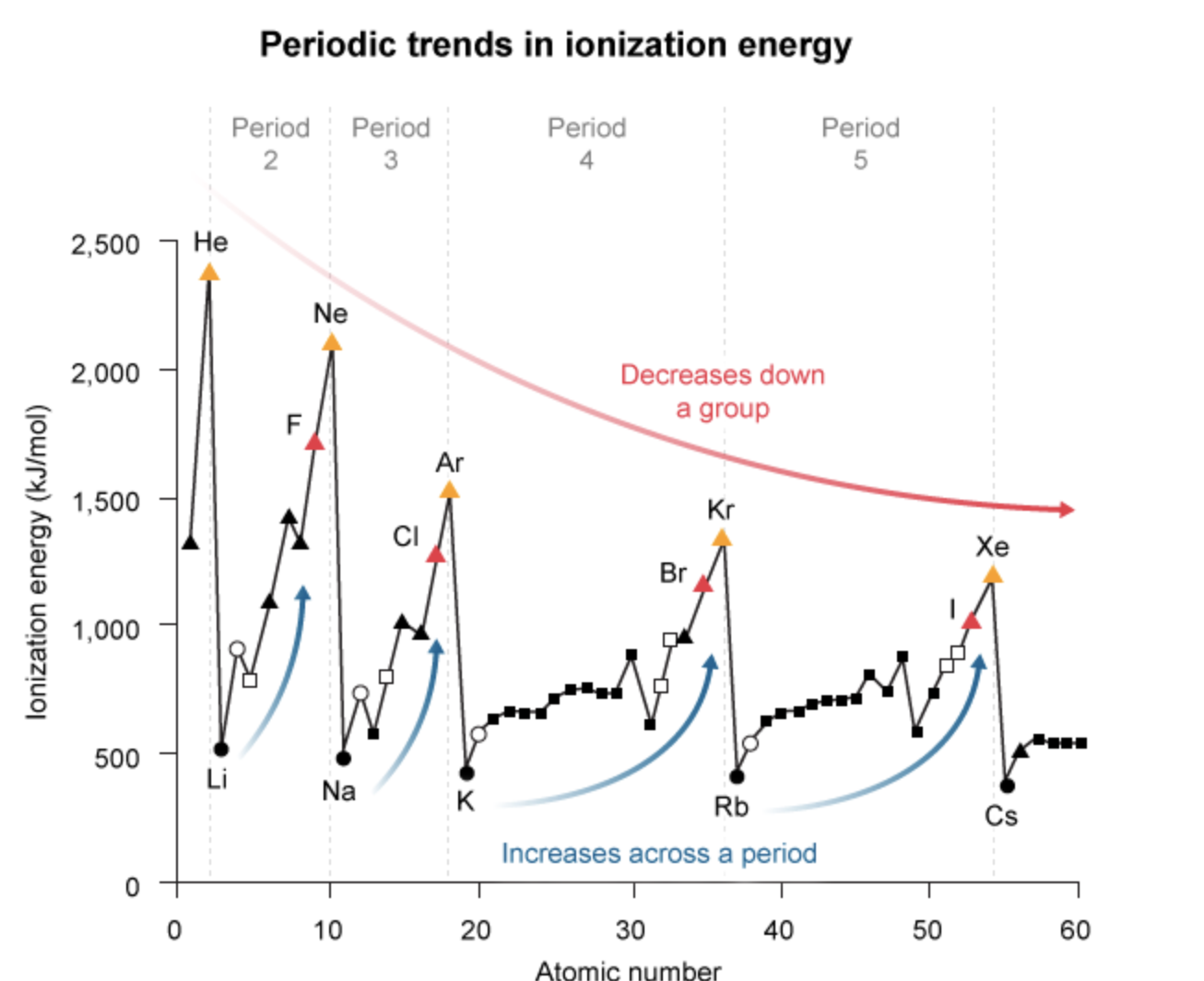
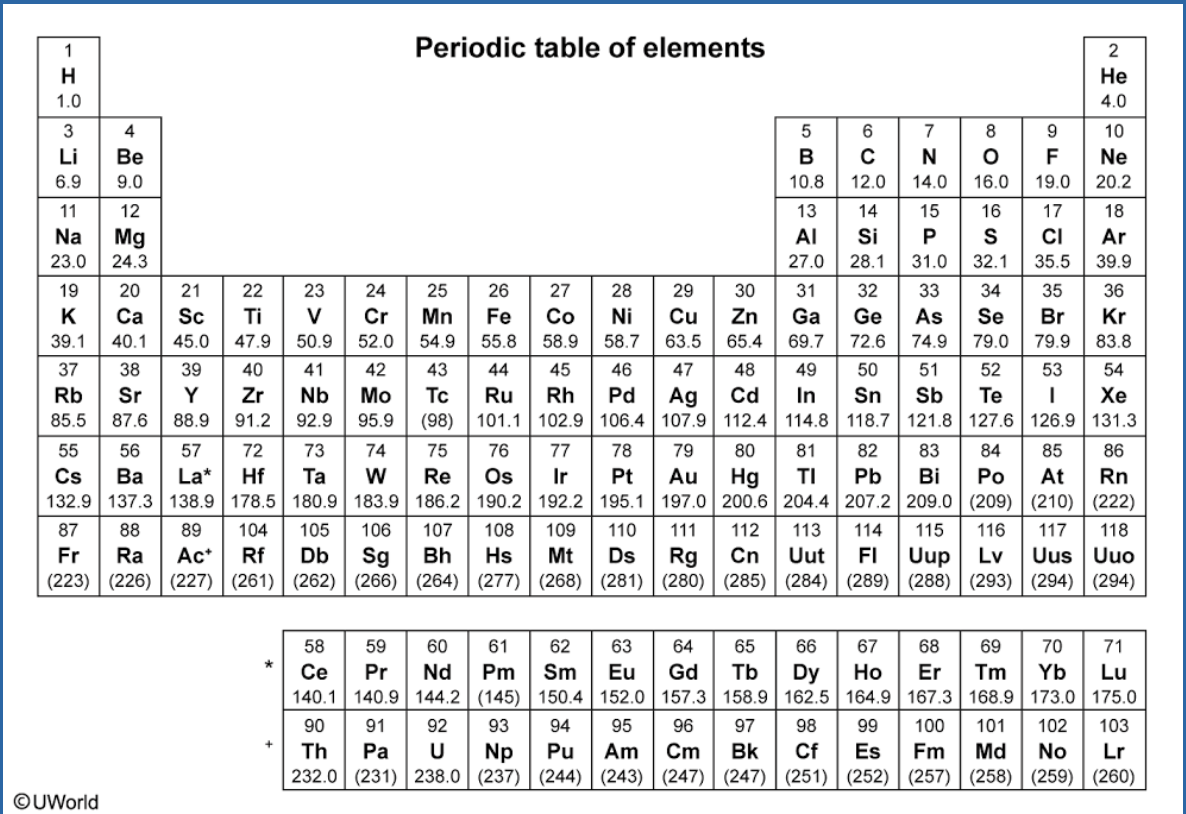
Image Periodic Table:
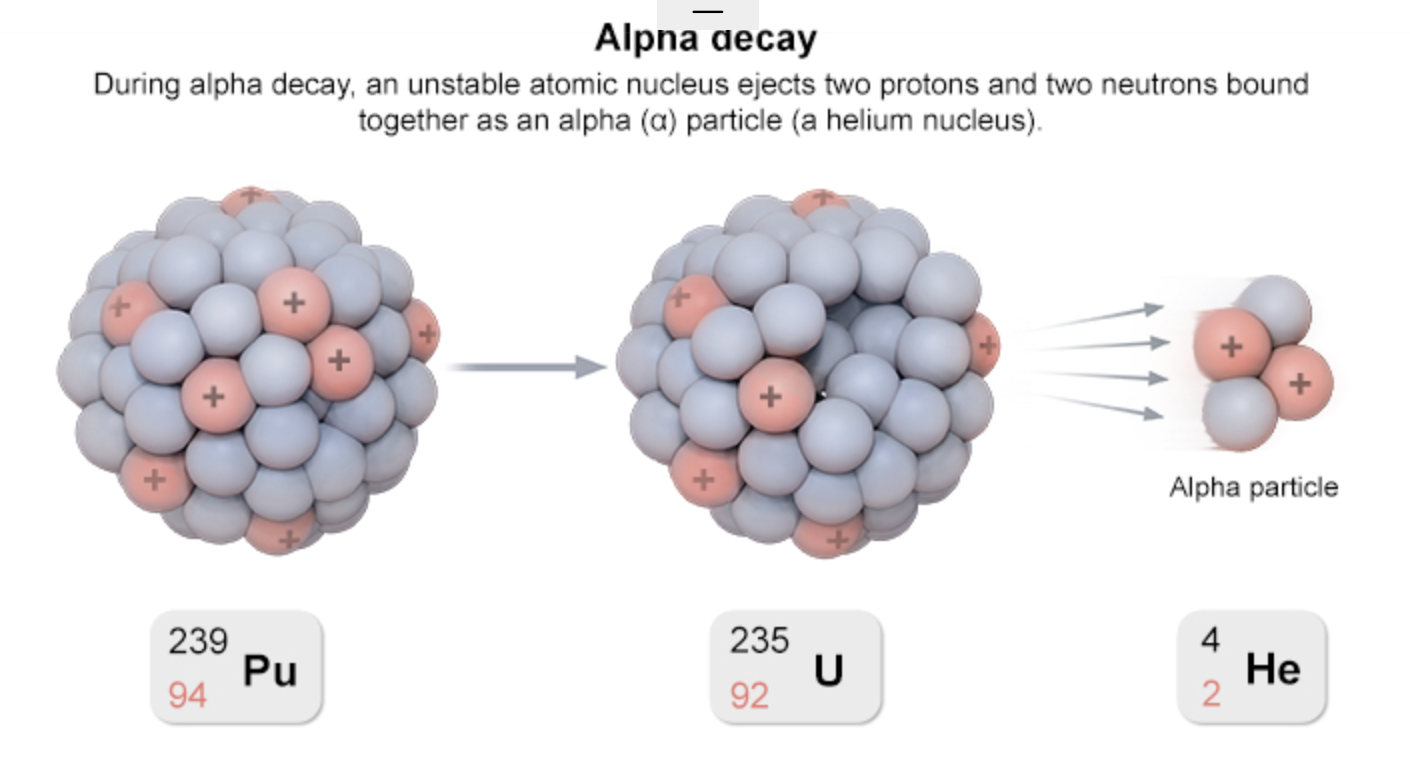
alpha decay
ejects an alpha particle consisting of 2 proteins and 2 neurtrons ( a helium-4 nucleus without its electrons)

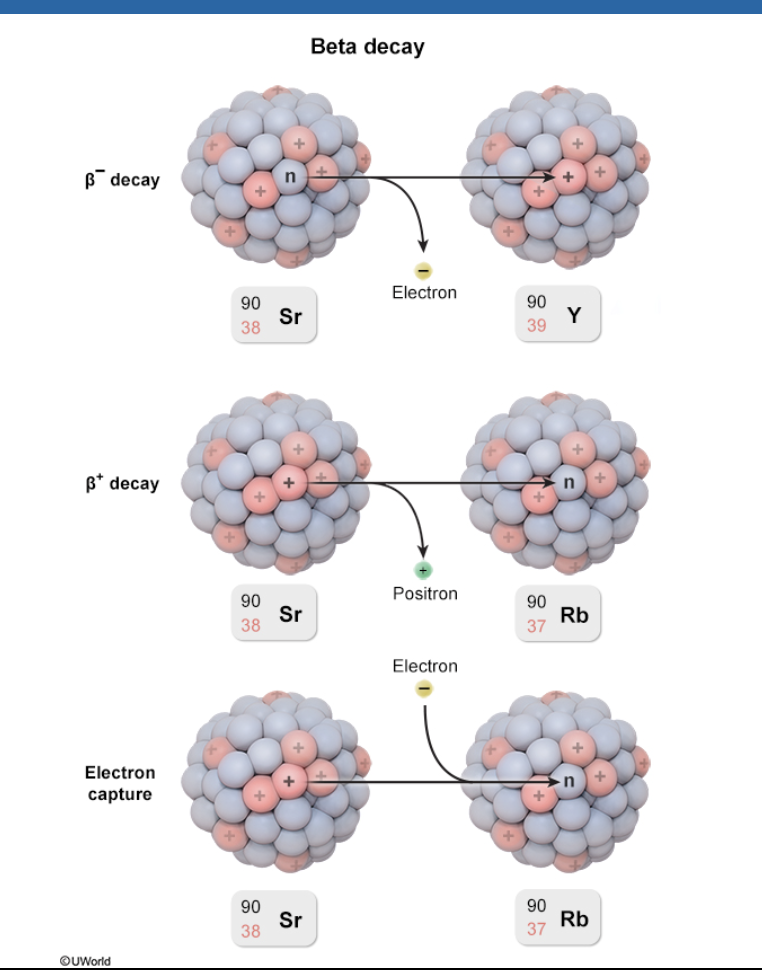
How many forms does Beta decay have?
3
Beta minus decay
emits an electron and an antineutrino

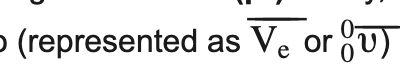
Beta plus decay
emits a positron and a neutrino

Beta decay (electron capture)
Proton captures an electron near the nucleus and converts to a neutron without a positron or electron emission
Gamma emission
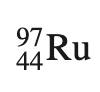
an unstable nucleus in an excited state releases excess energy by emitting a gamma ray (high energy photon) but no particle is emitted and the number of protons and neutrons in the nucleus remains unchanged.

Gamma decay of an atom of ruthenium-97

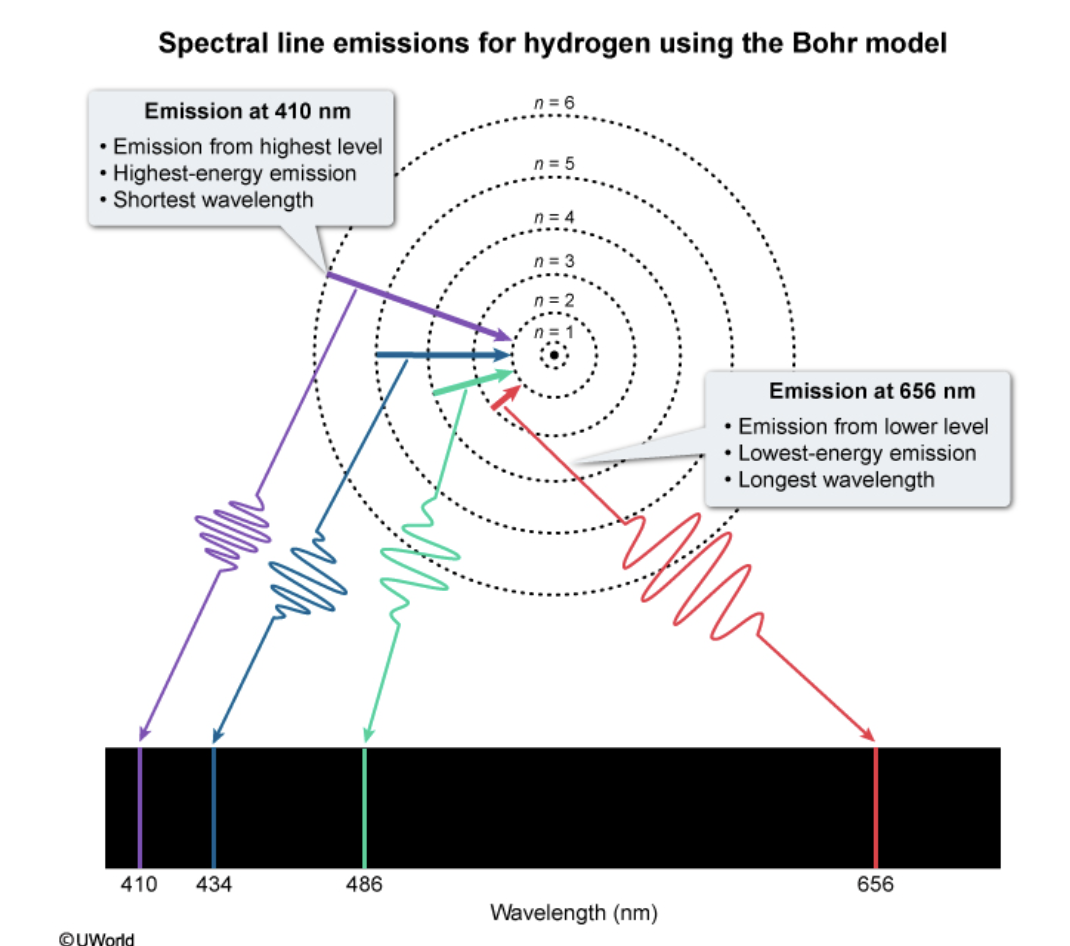
Because each element has a unique the distribution of electrons of an atom or molecule in atomic or molecular orbitals (which is the ________ _________) , excited electrons in a gas phase sample of pure element emit ______ only at specific _______ rather than as a continuous spectrum. This produces a _____ spectrum with emission ____ at particular wavelengths that are characteristic of the given element.
Electron configuration
photons
wavelengths
line
lines
Emission line spectra of hydrogen, lithium, sulfur, and selenium for the visible region of the spectrum are shown below. If a sample contains more than one element, which spectra correspond to a smaple contianing both S and Se?
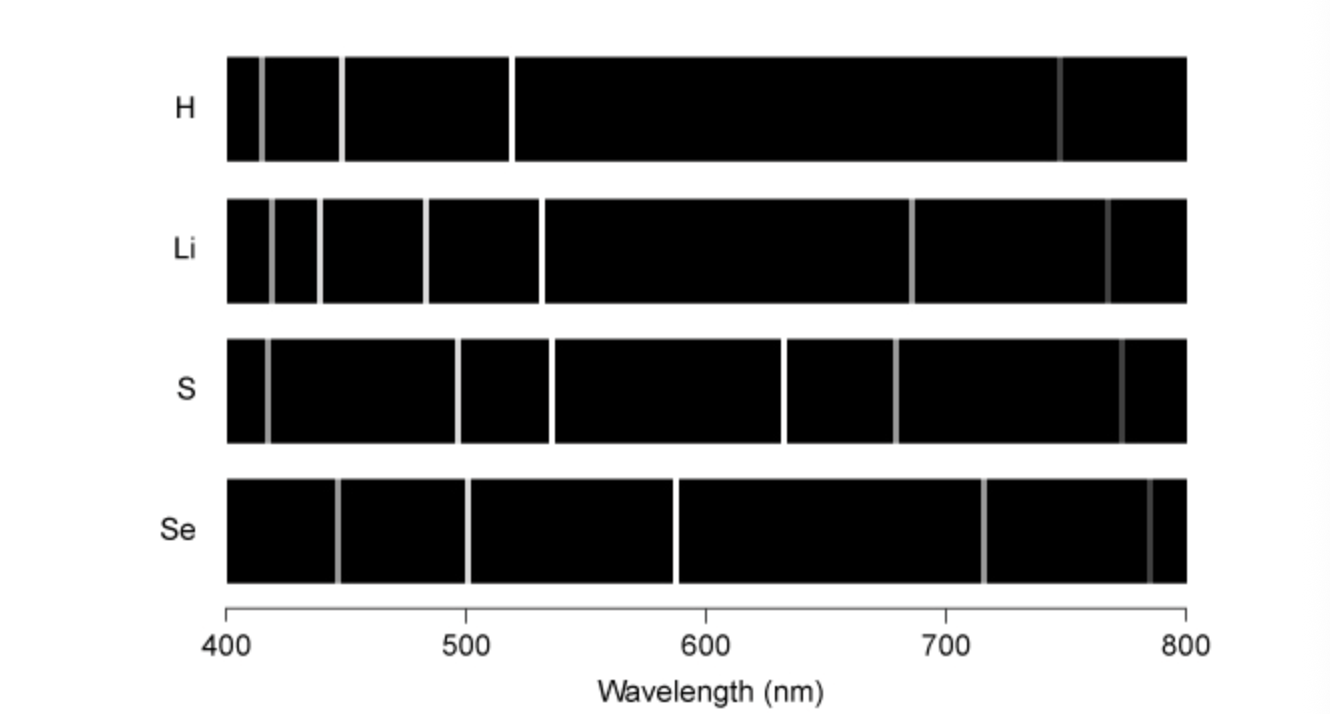
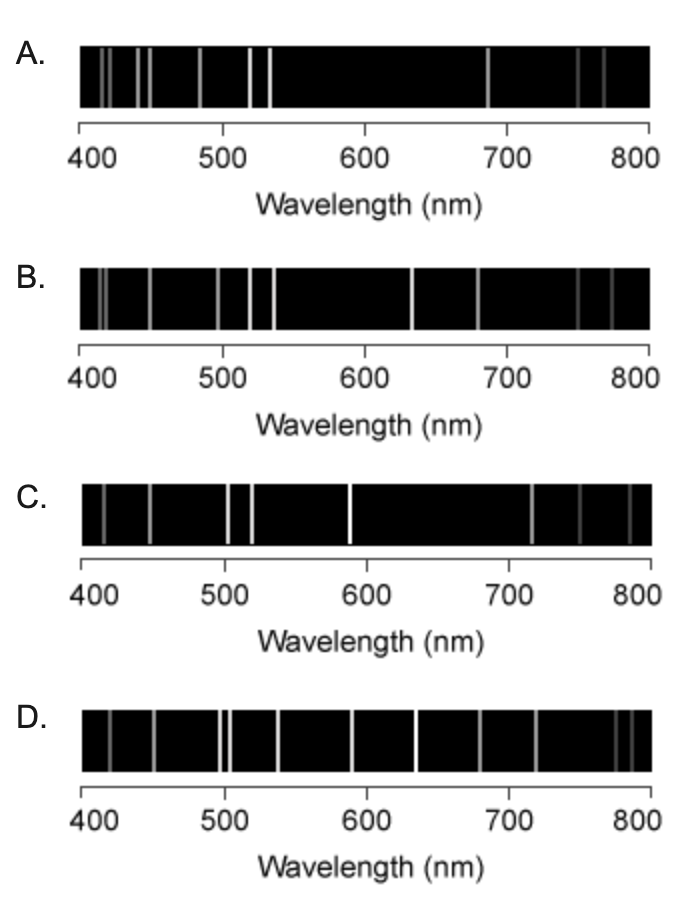
Answer: D
Passage A
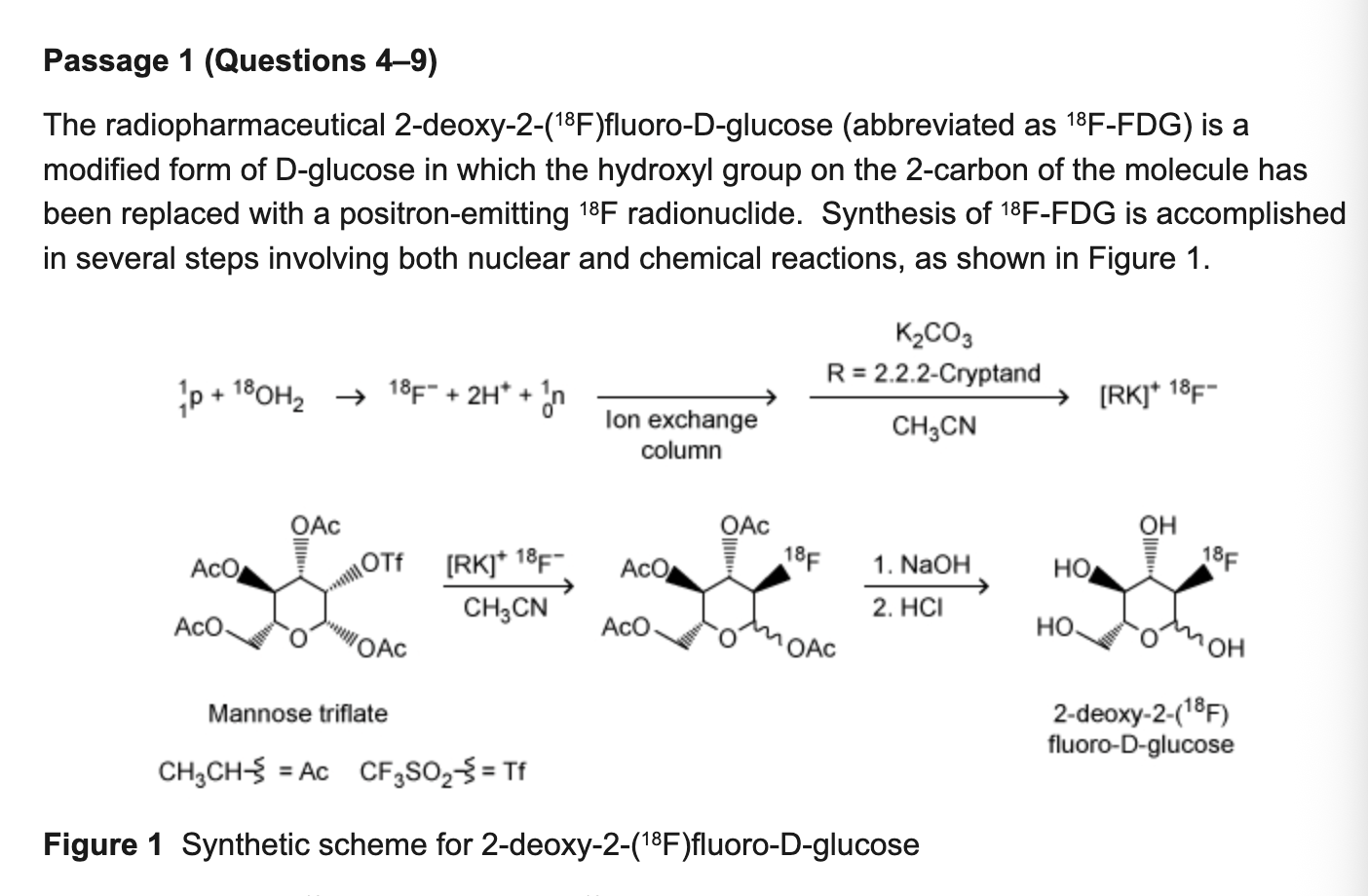
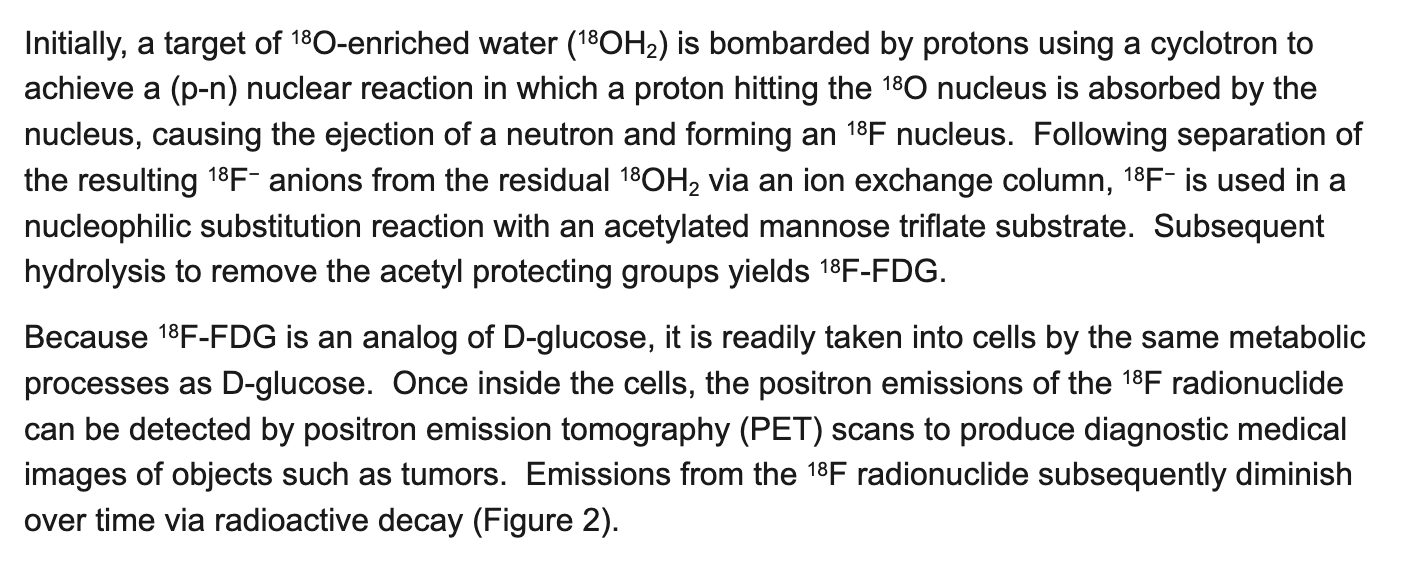
Passage A
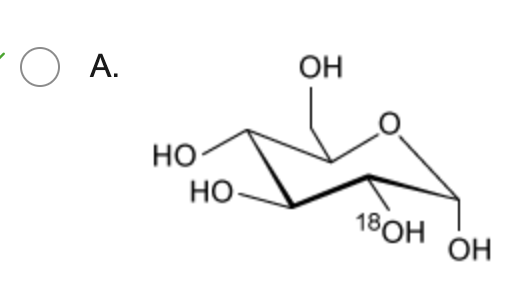
Which of the following products is formed from 18F-FDG following a positron emission? (Note: Assume any anions produced acquire hydrogen ions form the aqueous physiological environment)
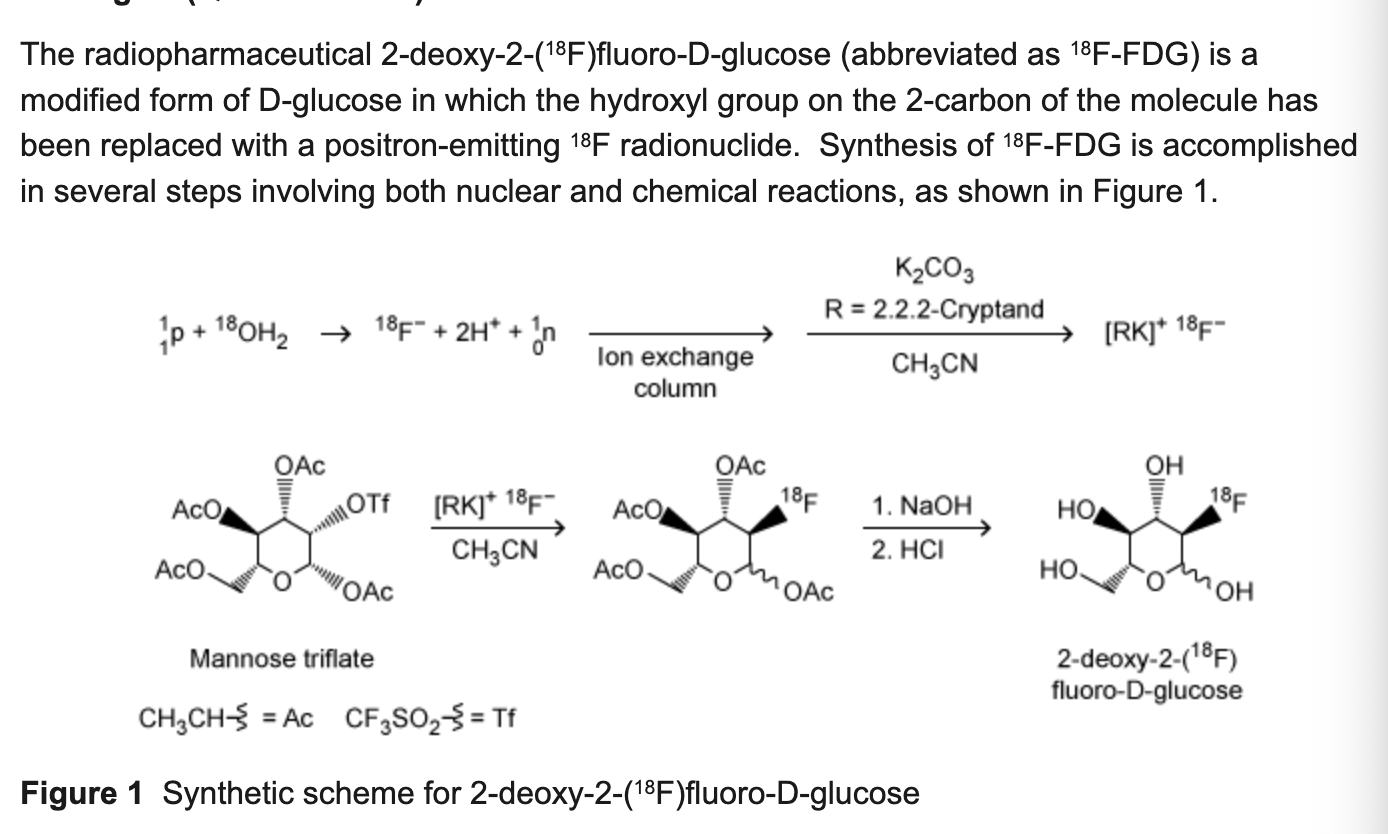
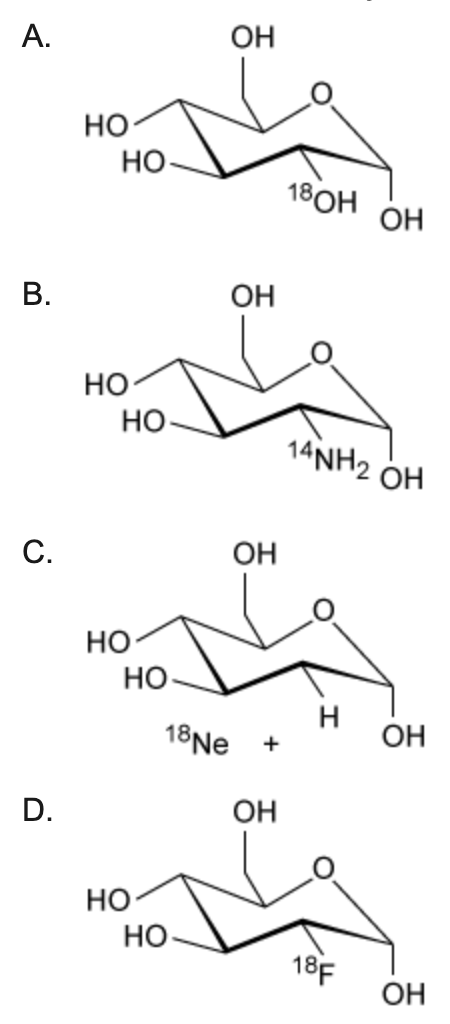
Answer:
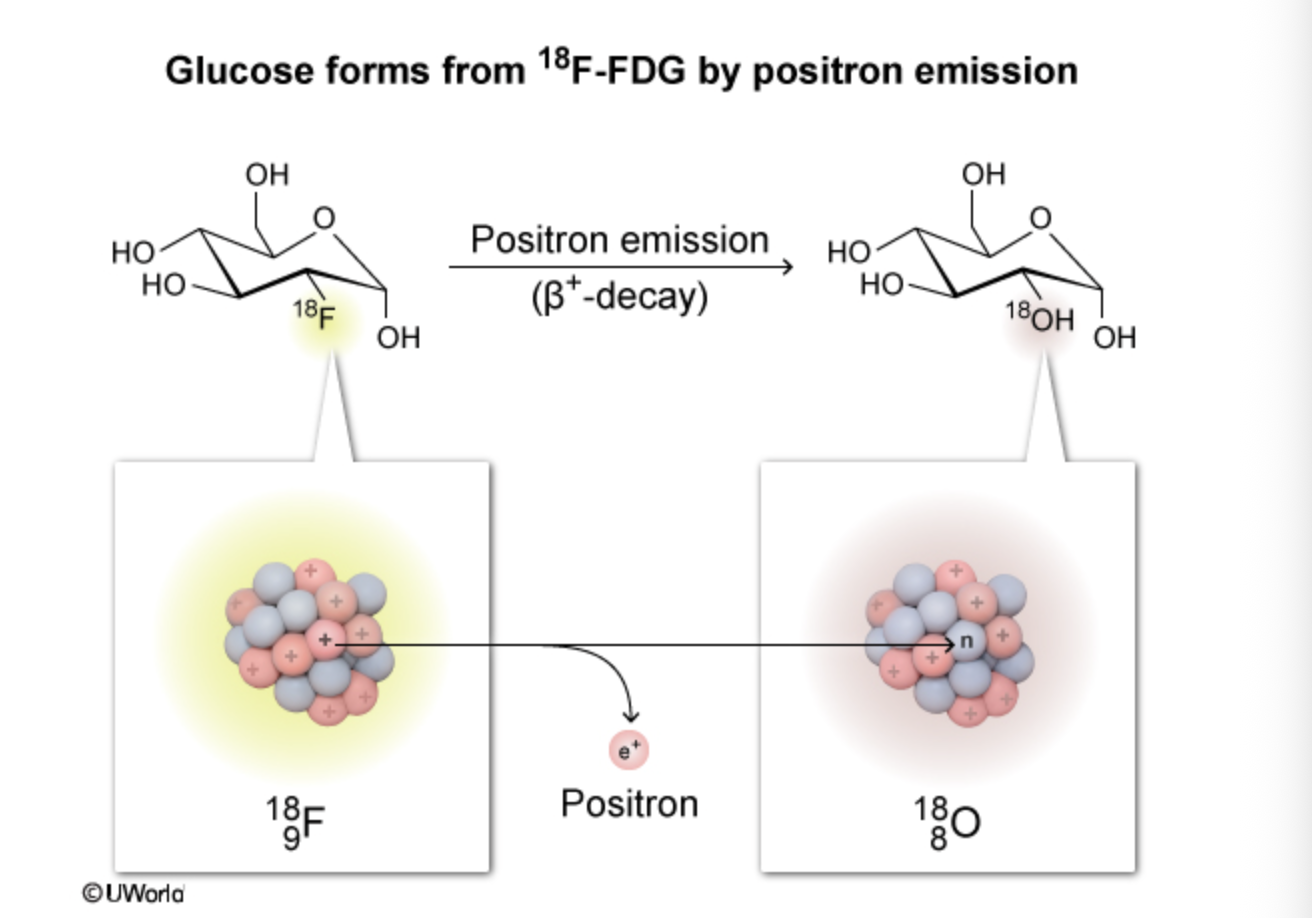
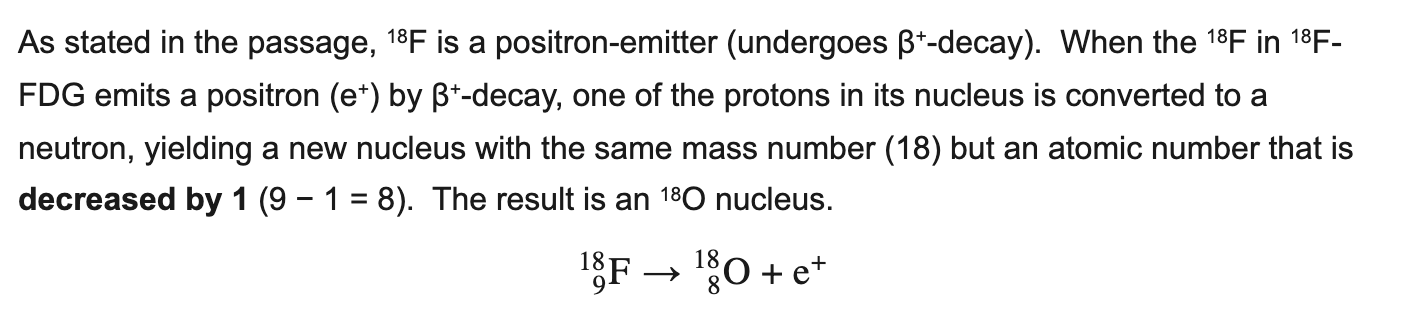
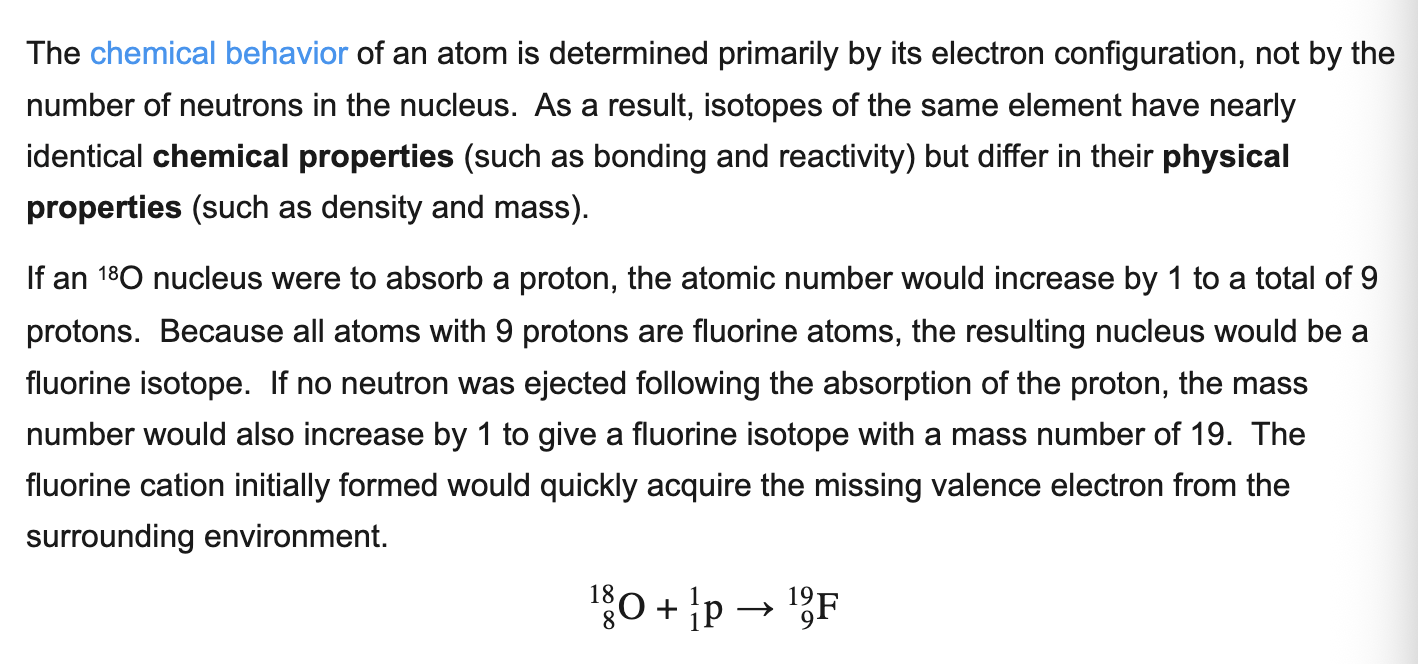
The chemical behavior of an atom is determined primarily by its________, not by the number of ______.
electron configuration,
neutrons
Isotopes of the same element have nearly identical _____ properties (such as bonding and reactivity) but differ in their physical properties.
chemical
Passage A:


A. The process would form an isotope of fluorine with very different chemcial properties than 18F
B. The process would form an isotope of oxygen with neary identical chemcial protperties to 18O
C. The process would form an isotop of fluorine with nearly identical chemcial properties to 18F
D. The process would form an element other than O and F with very different chemcial properties.
Answer: C
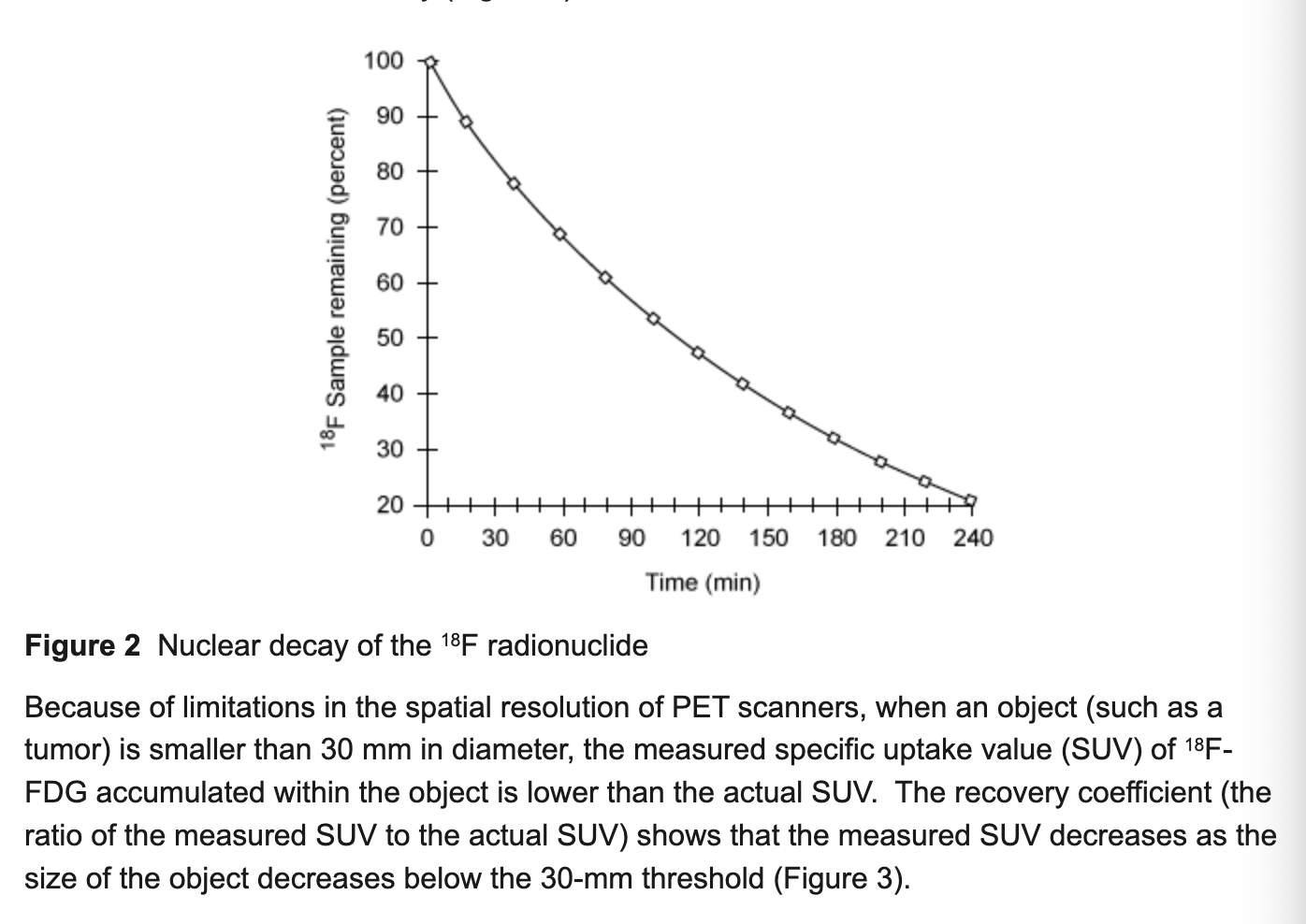
Passage A: Half life

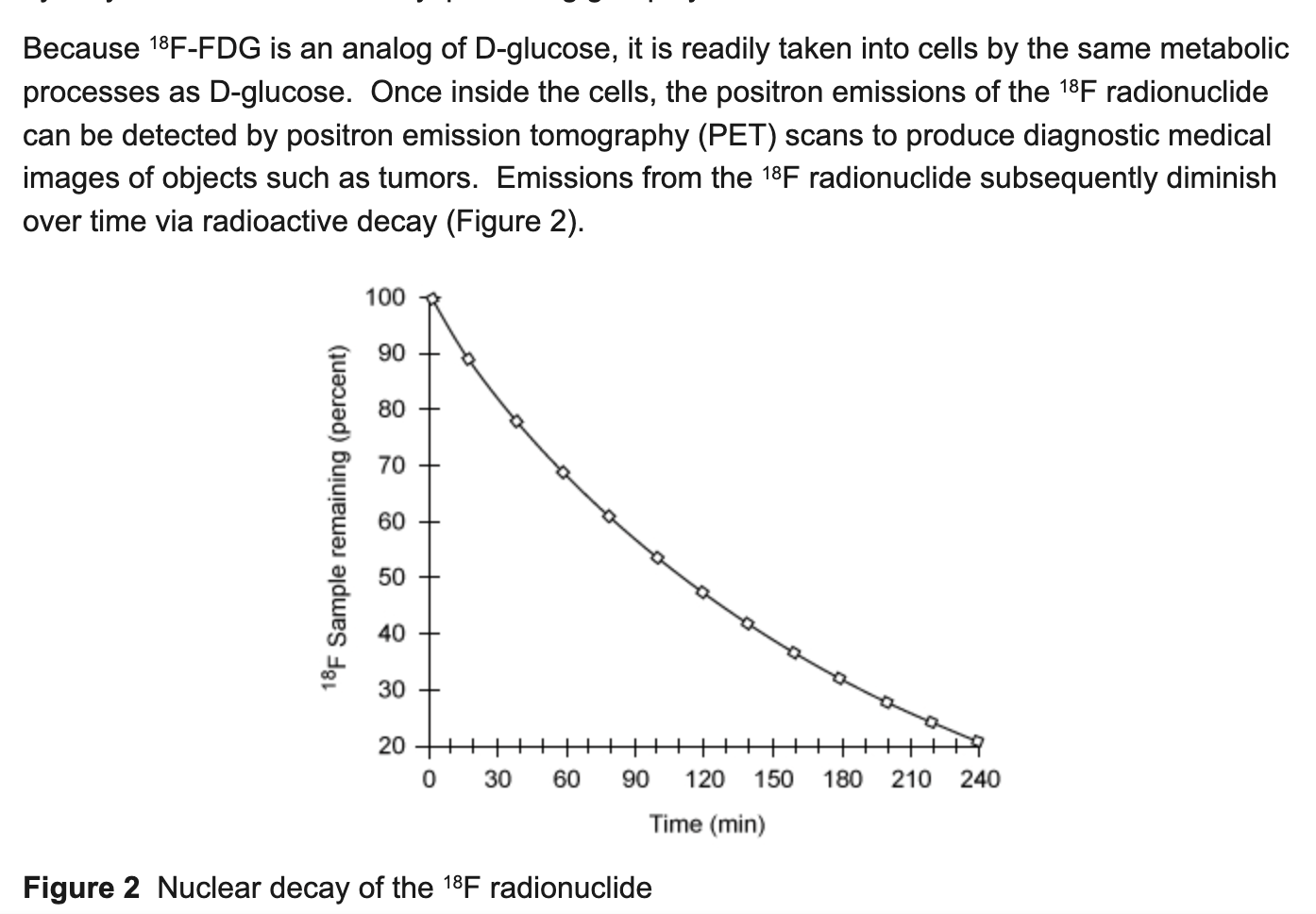
70millicuries
1 Half life of 200 is 100 2 half life of 200 is 50
so the answer is between 50 to 100 (helpful for multiple choice)
or…
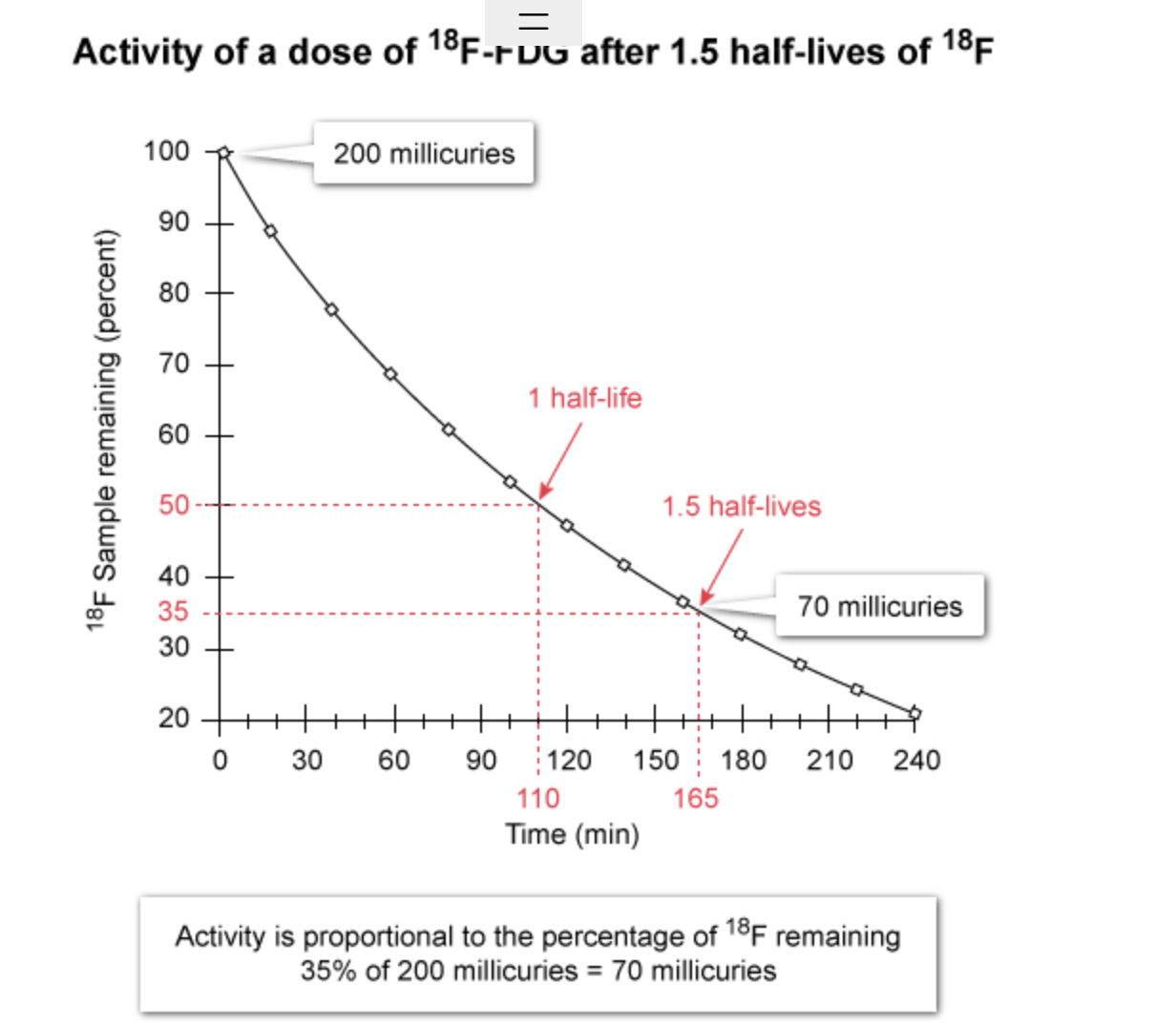
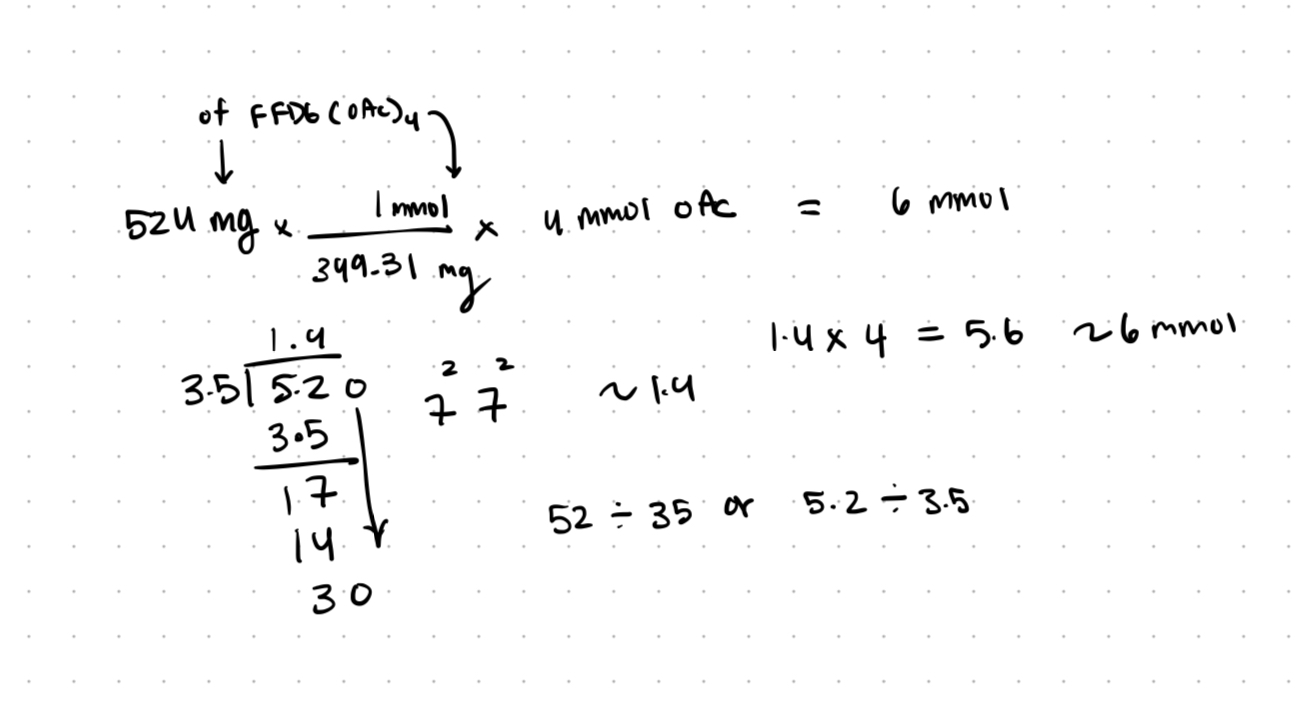
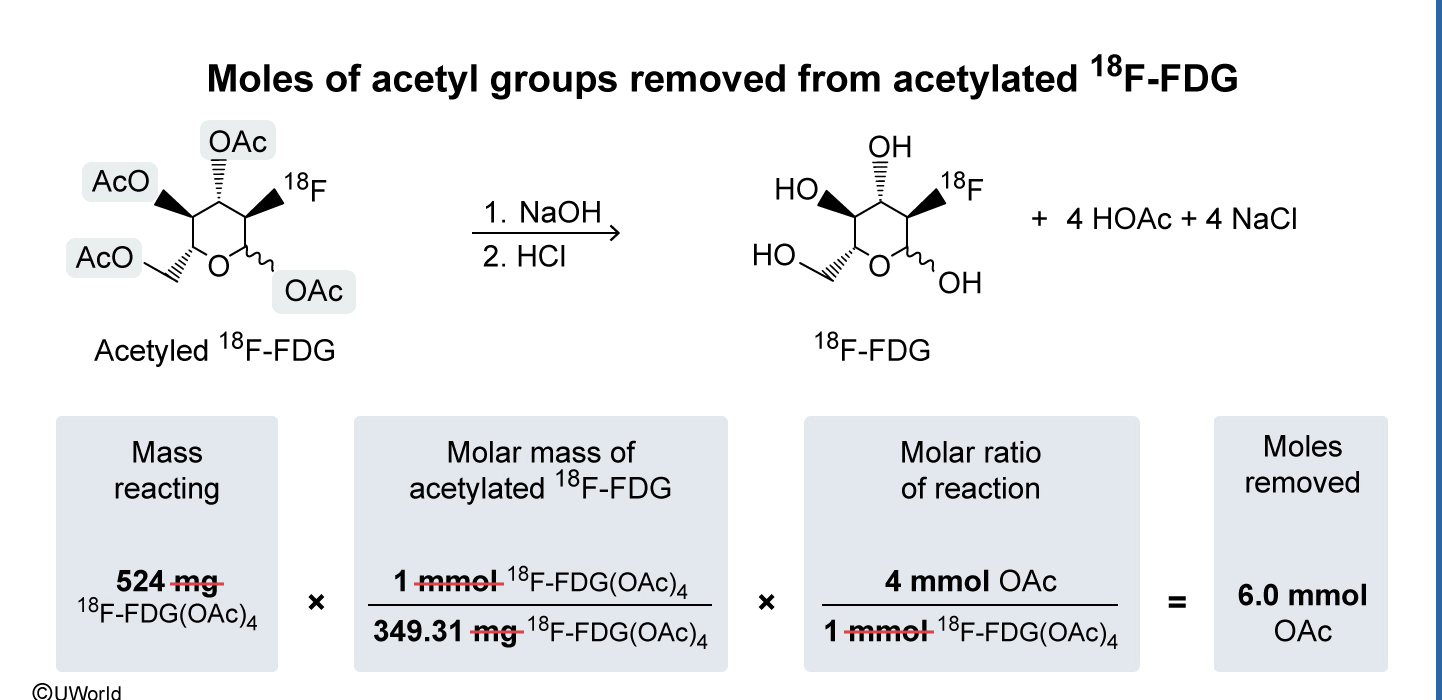
Passage A
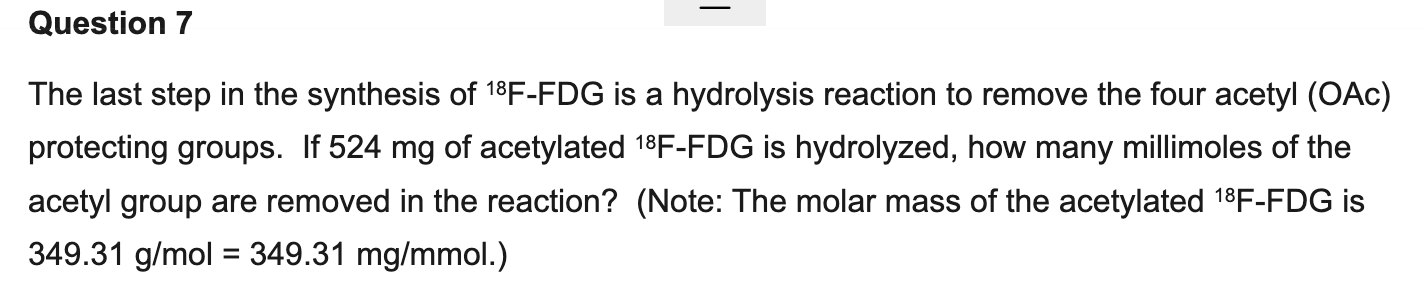
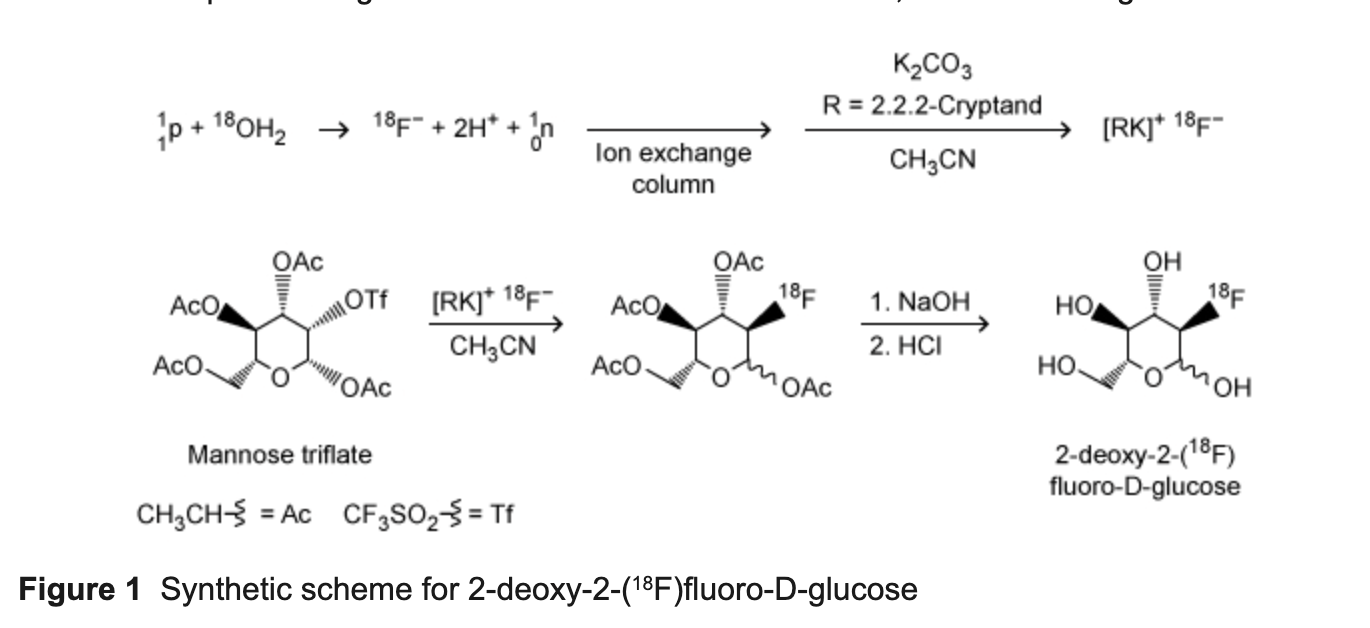
Effective nuclear charge and the clouding effect
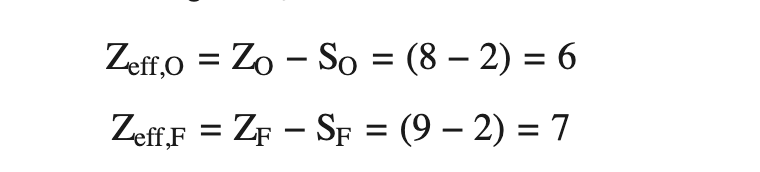
net positive charge experienced by an electron in a multi-electron atom. In atoms with several electrons, the core electrons positioned between the valence electrons and the nucleus provide a shielding constant S that counteracts part of the full nuclear charge Z
Zeff=Z-S
S= core electrons= total electrons -Valence electron
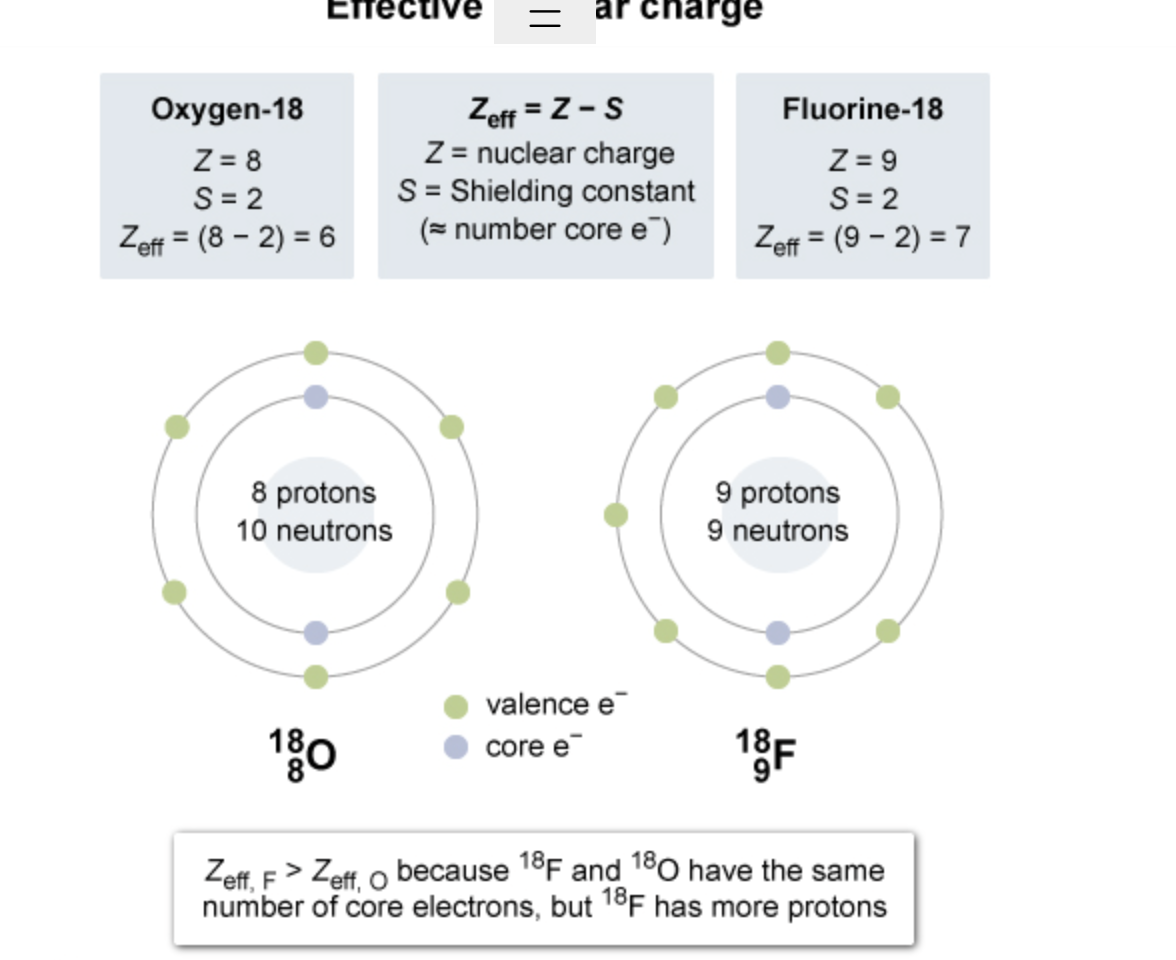
Effective nuclear charge Zeff trend
increase Zeff as the atomic number increases across a period and increases slightly ( or remains relatively constant) from top to bottom down a group
Note: valence electrons can contribute slightly to the shielding constant S, but nuclear protons and core electrons influence Zeff to a much grater extent than valence electrons.
Compared to effective nuclear charge of 18O, the Zeff of 18F is…..
Higher, bc it has the same number of core electrons (2) but one has more protons
Passage A

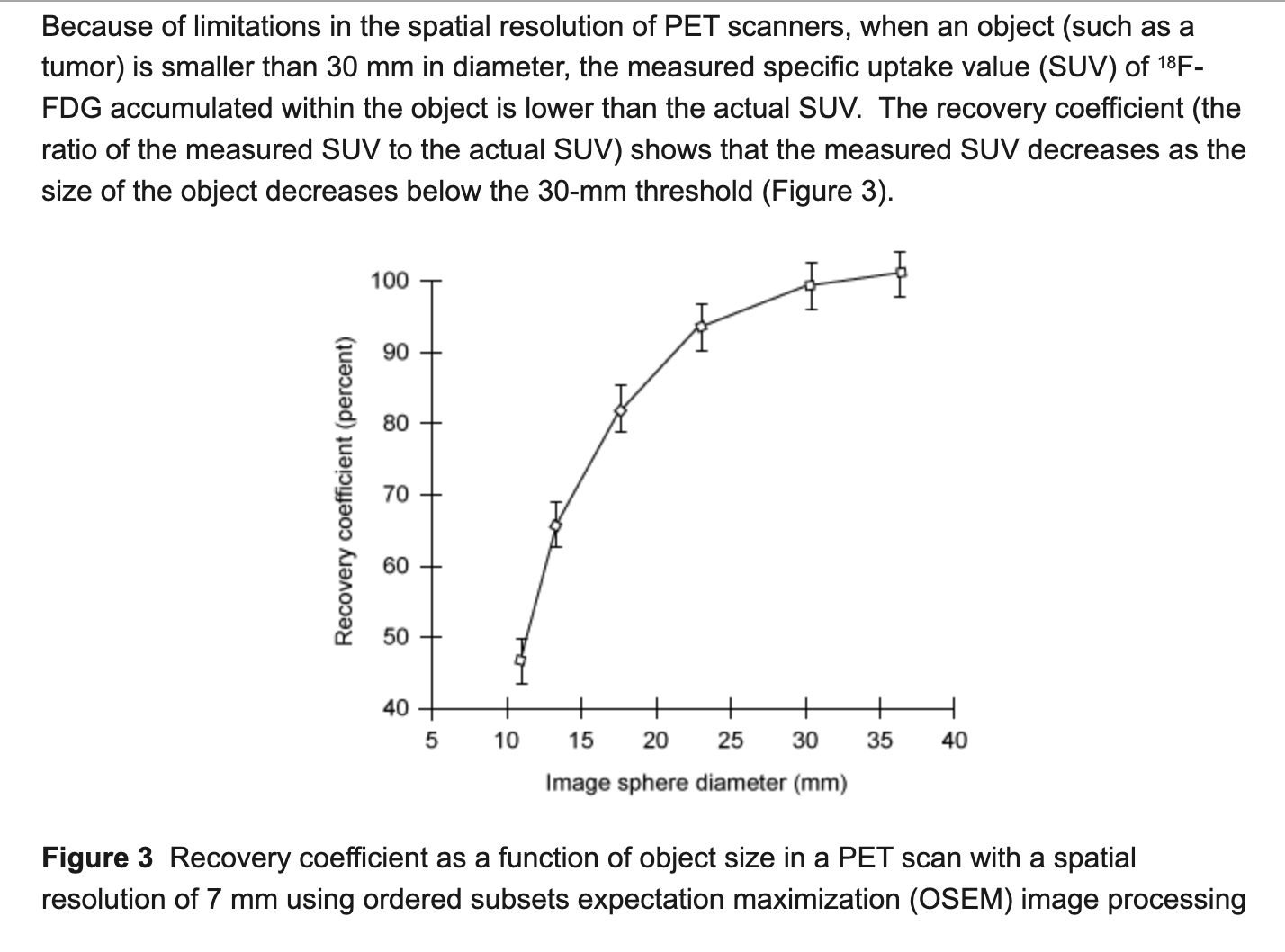
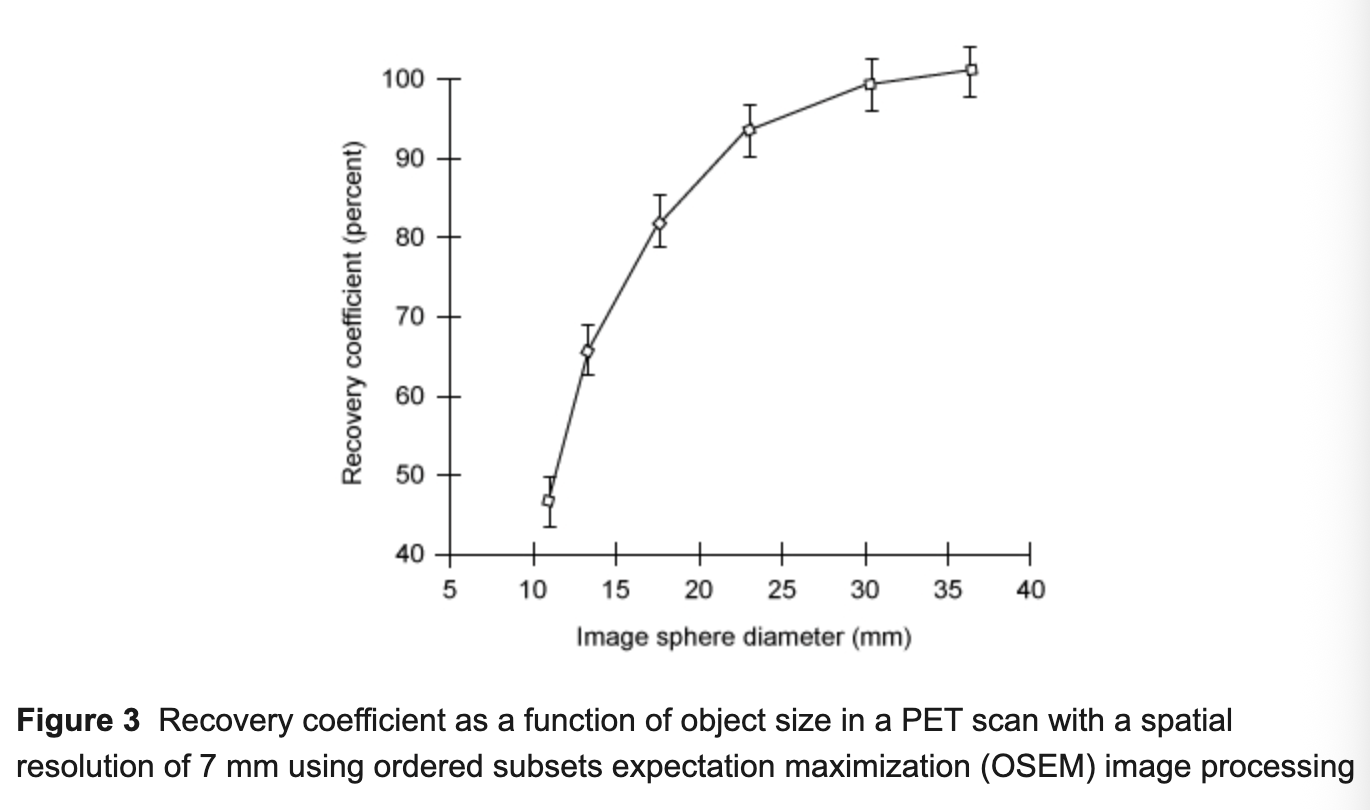
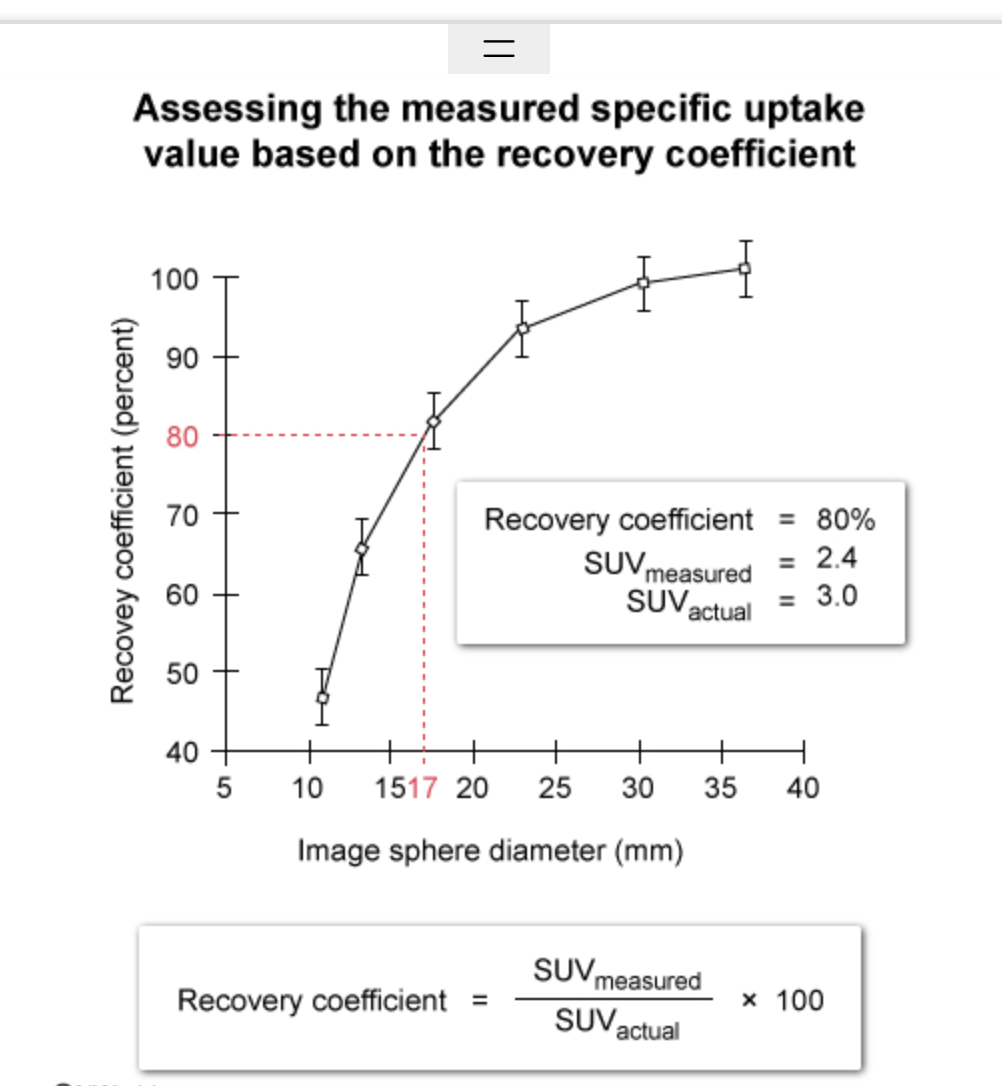
1.7cm—→ 17mm at 17mm Y (recovery) is 80%, 0.8×3SUV=2.4 SUV

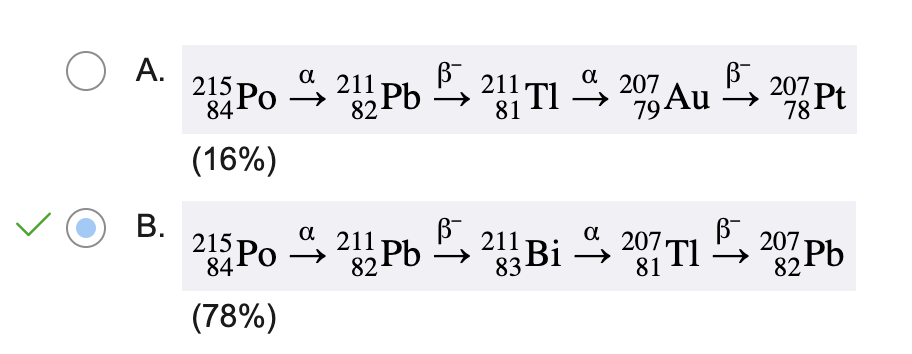
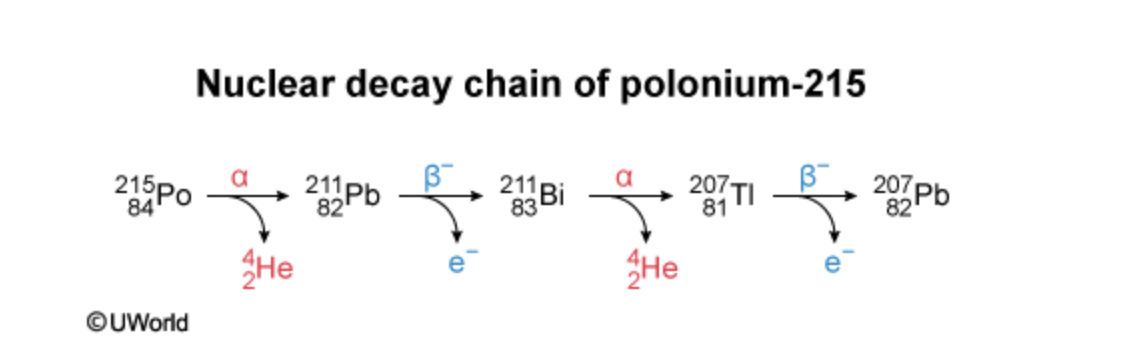
Alpha decay loses 4 mass and 2 protons
Beta minus decay loses one electron which gains a proton
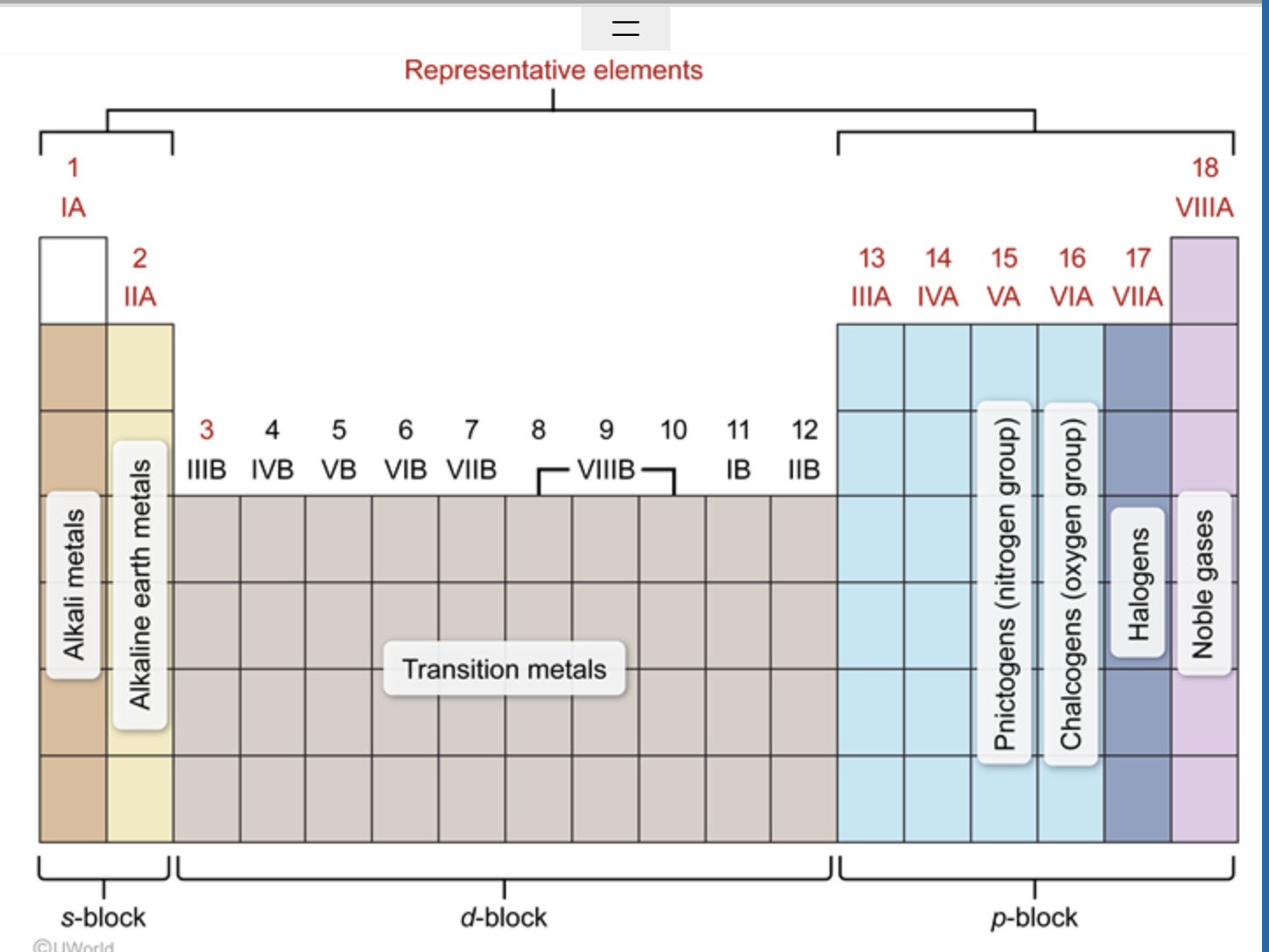
Which element groups is NOT incldued in the representative elements?
Group 3-13
Passage B
Passage B
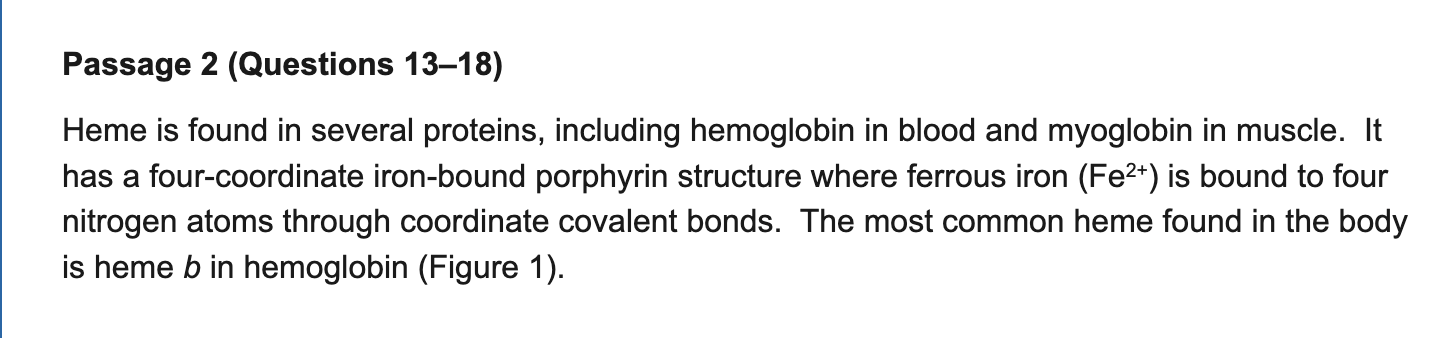
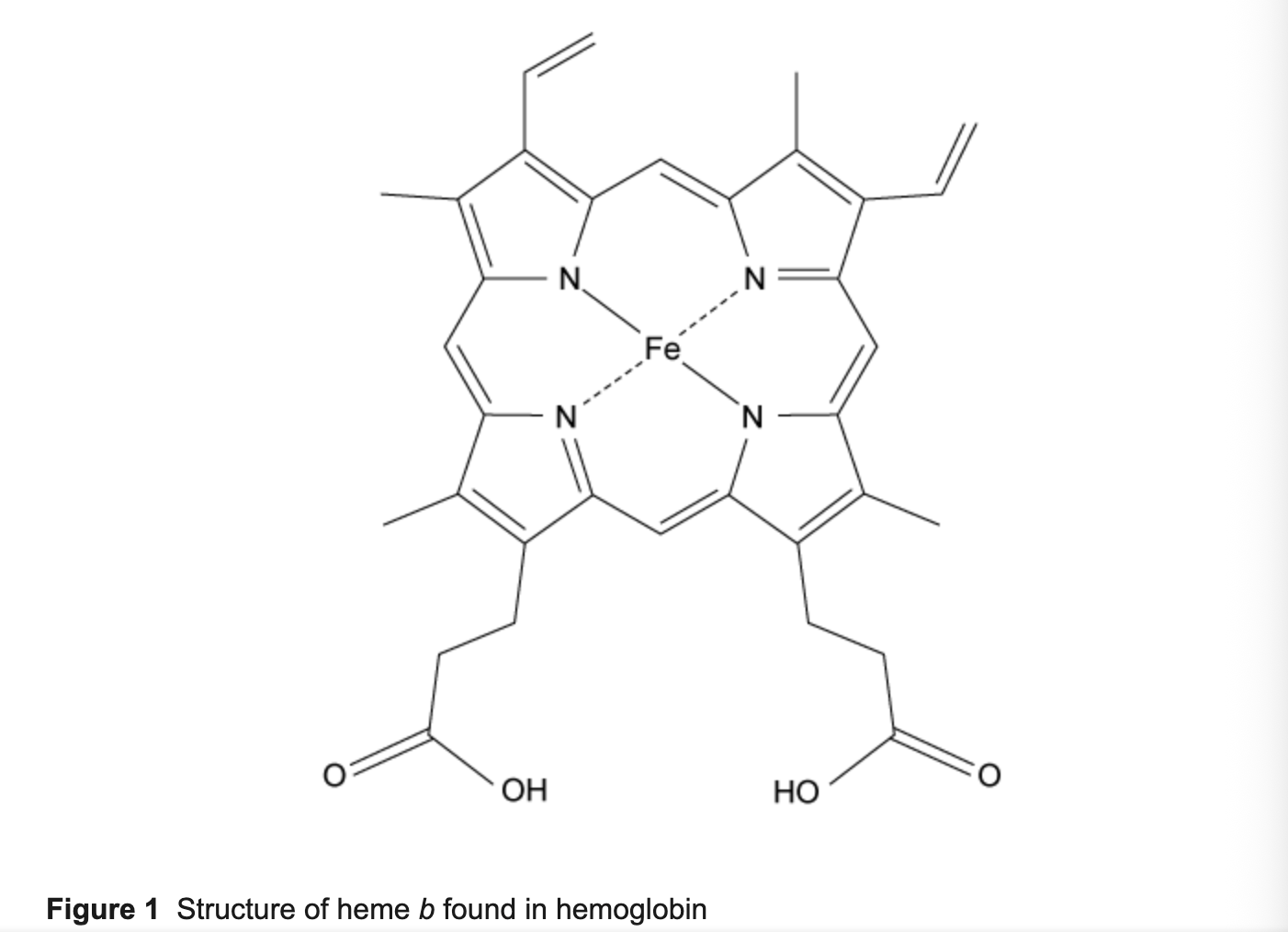
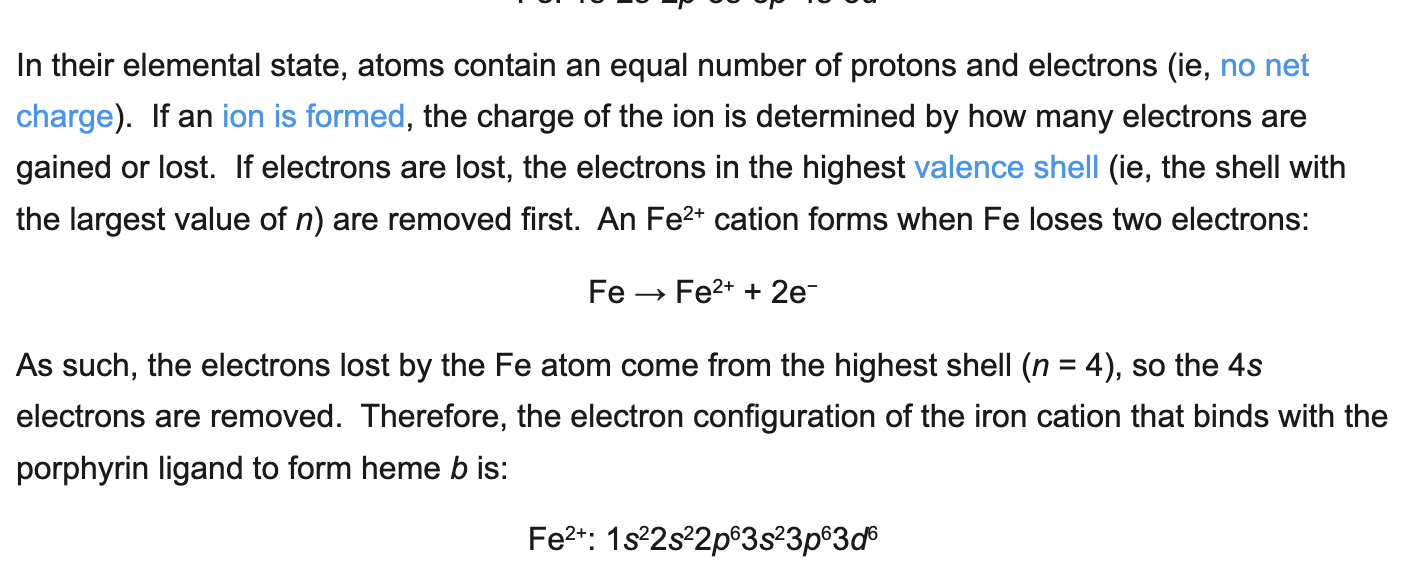
Electron configuration of the iron cation that binds with porphyrin ligand to form heme b?
1s2 2s2 2p6 3s2 3p6 3s6 (for Fe 2+)

Passage B
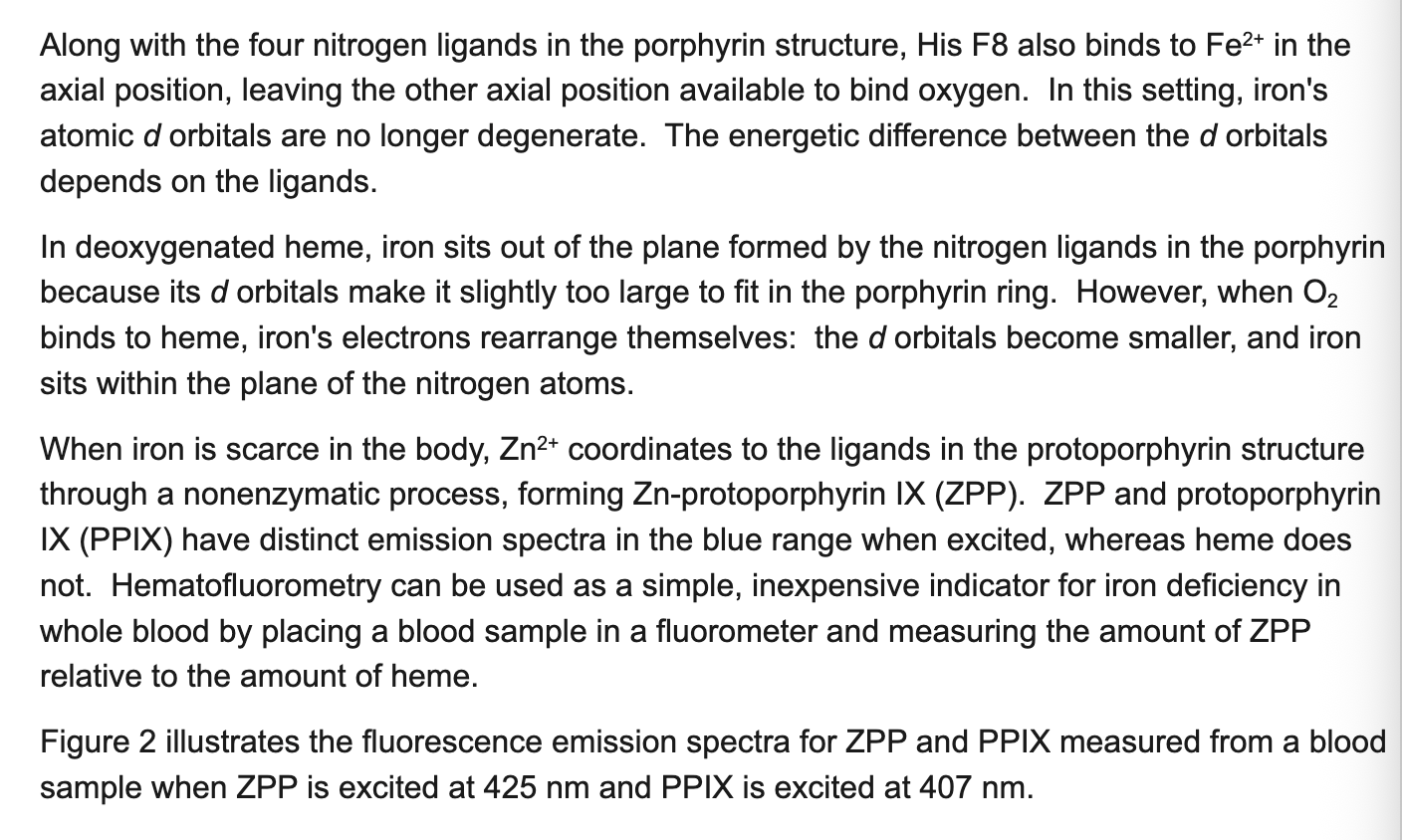
Which of the following statements best explains why hemoglobin is red when it binds to O2?
A. it interacts with iron’s d orbitals
B. its a nonpolar ligand
C. it has lone pairs of electrons
D. it changes the surrounding protein structure.
Answer: A
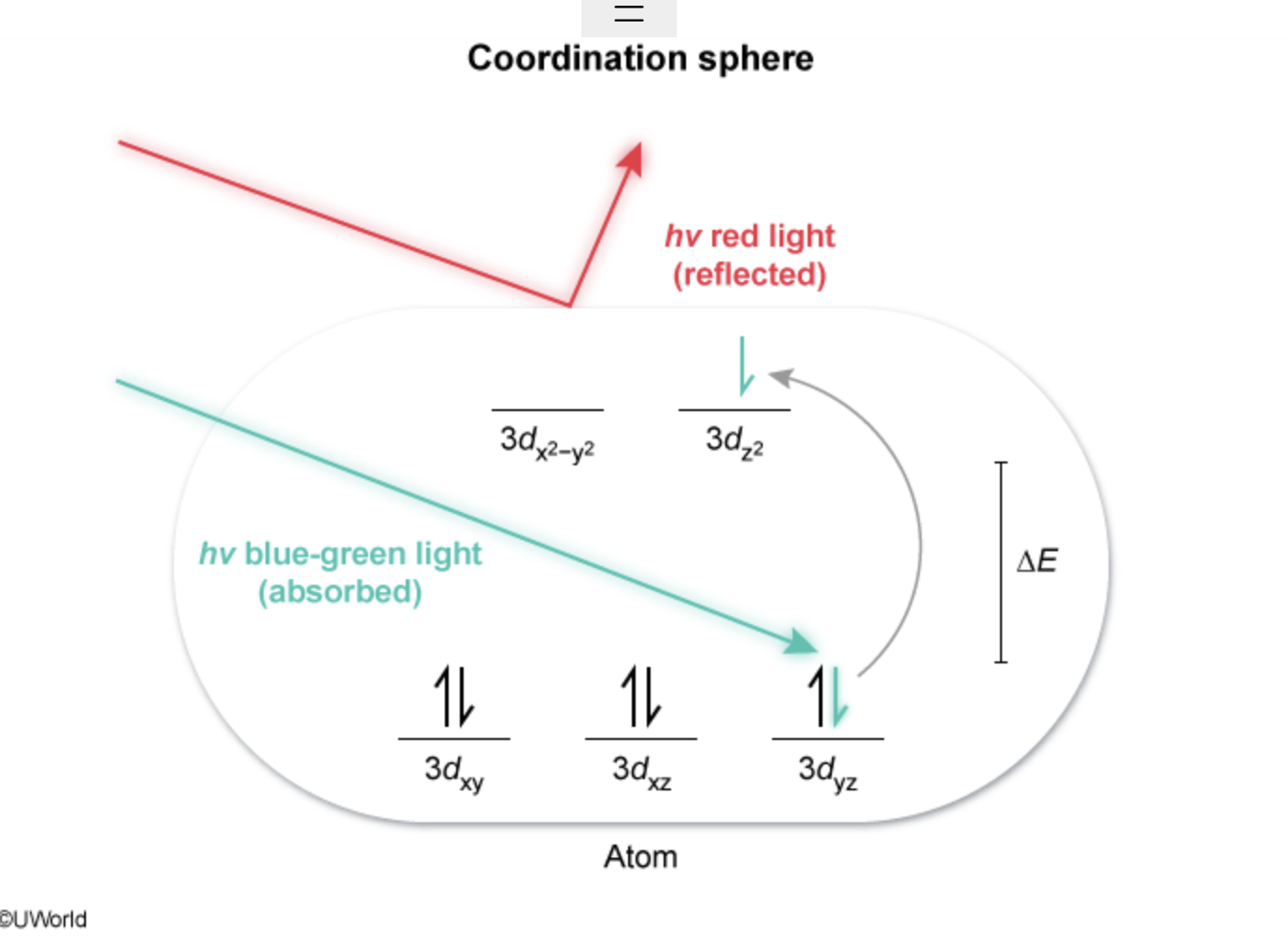
Color arises from electrons jumping between different energy levels of iron’s d orbitals.
When a ligand binds to iron, it changes how much those d orbitals differ in energy.
That energy difference determines which color of light is absorbed. The leftover light (not absorbed) is the color we see.
Heme without O₂ absorbs one color; with O₂, it absorbs blue‑green light instead, so red light is reflected — making blood red.
Why D is incorrect (common confusion)
Yes, the surrounding protein does change shape when O₂ binds.
But that shape change affects how easily O₂ binds to other hemes (cooperativity), not the color.
Even if you remove the protein entirely and just have the heme group with O₂, it still is red because the O₂–iron interaction changes the d‑orbital energies.
So the protein shape change is not the reason for the red color.
In a free iron atom, all five d orbitals have the same energy (degenerate).
When iron is inside a heme group with ligands (like the nitrogen atoms from the porphyrin ring and a histidine below), those ligands create an electric field that raises the energy of d orbitals pointing directly at the ligands and lowers those pointing between them

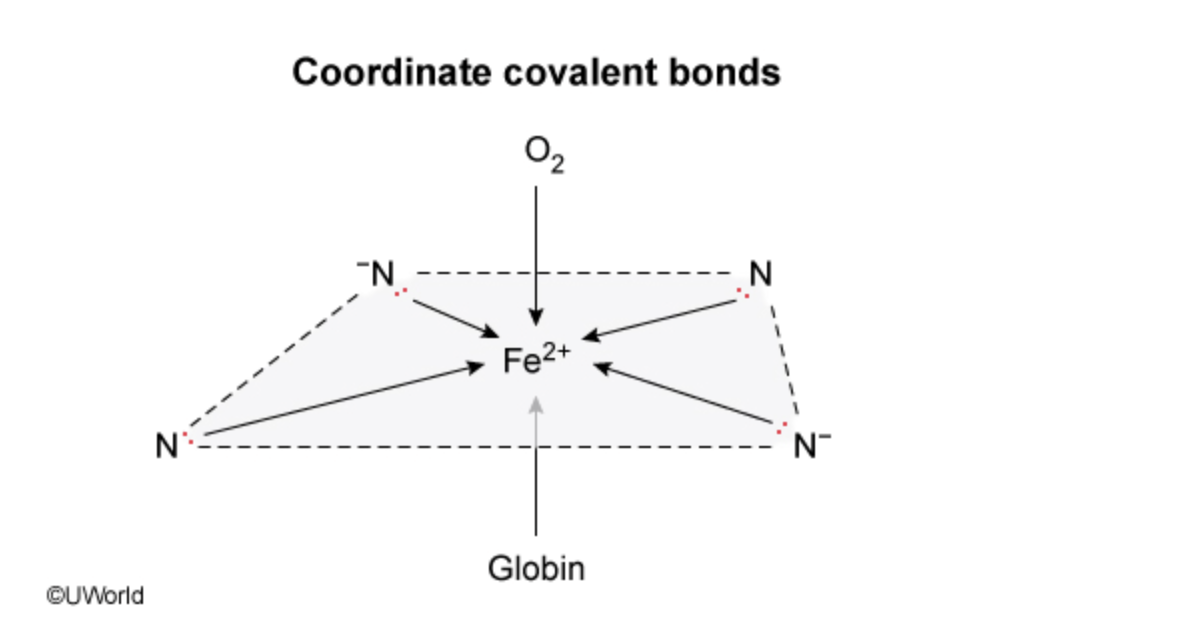
coordinate covalent bond
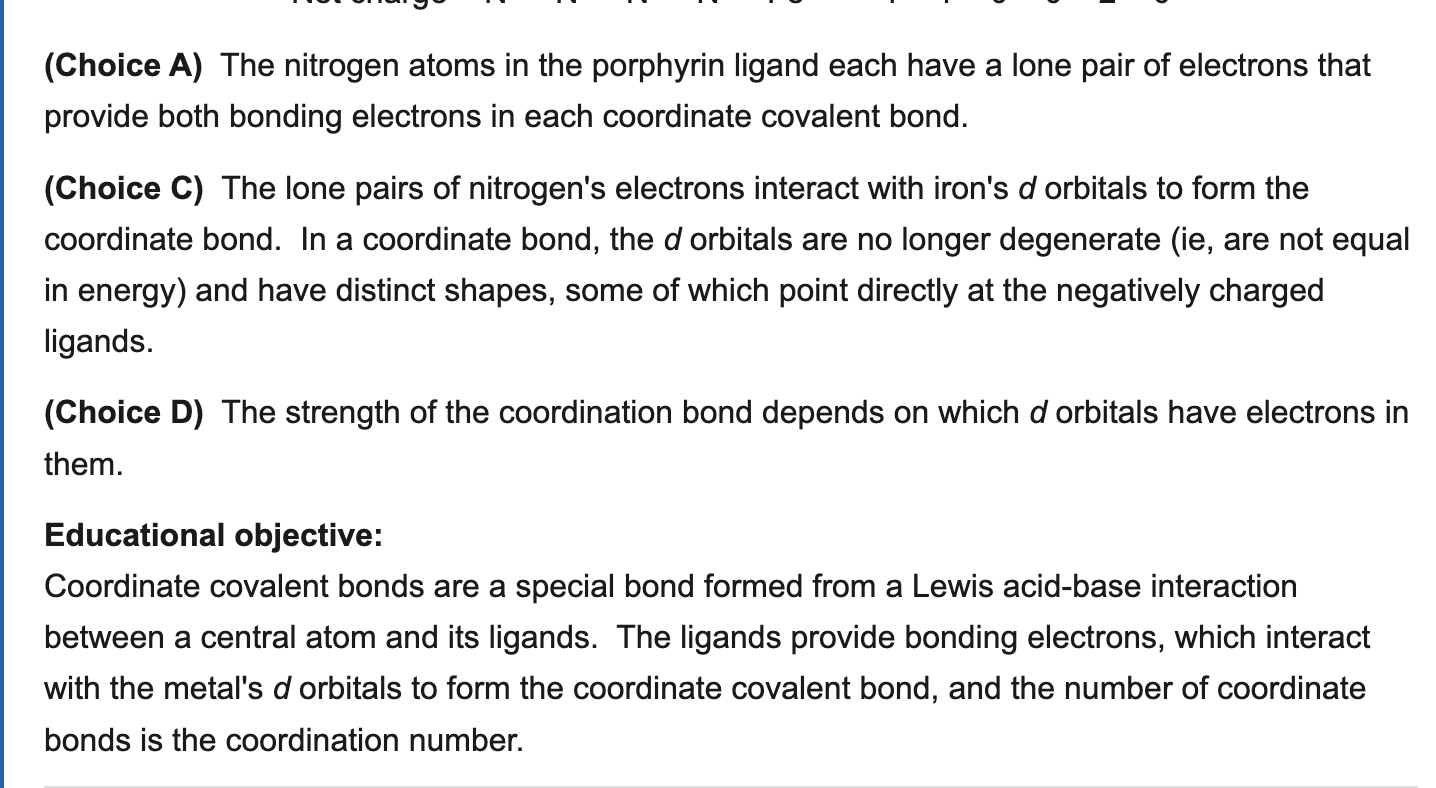
a type of covalent bond where both shared electrons in a pair originate from the same atom, rather than each atom contributing one electron (from the ligand). Esentially, the ligands share their lone paris of electrons with vacnt orbiatals in the metal cation.

A. Each nitorgen atom provides both bondign electrons in each coordinate bond
B. The net charge of the iron porphyrin complex is +2
C. nitrogen’s electrons interact with iron’s d orbitals
D. Iron’s electron configuration determines coordiante bond
Answer: B.
In heme bb, the iron is Fe2+ (charge +2), but two of the four nitrogen atoms in the porphyrin ring carry a −1 formal charge each (they have two bonds and two lone pairs). The other two nitrogens are neutral (three bonds, one lone pair).
When the Fe2+ binds to these four nitrogens, the total charge is:
(−1)+(−1)+(0)+(0)+(+2)=0
So the net charge of the complex is zero, not +2.
Why the other options are correct descriptions:
A – True: each coordinate bond is formed by both electrons coming from the nitrogen’s lone pair.
C – True: the lone pairs on nitrogen interact with iron’s d orbitals to form the bonds.
D – True: the bond strength depends on how iron’s d electrons are arranged (e.g., high spin vs. low spin affects orbital overlap).
Passage B
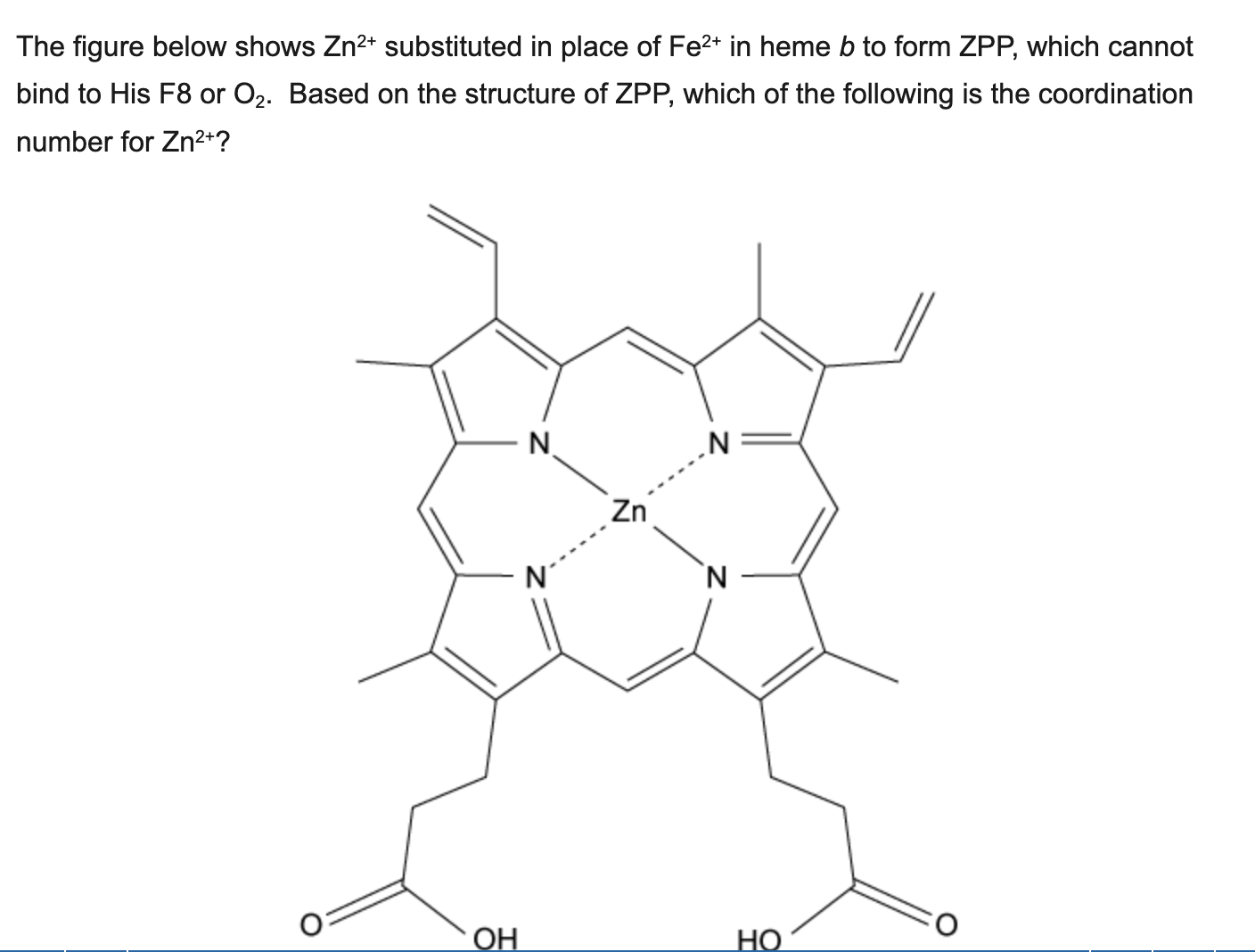
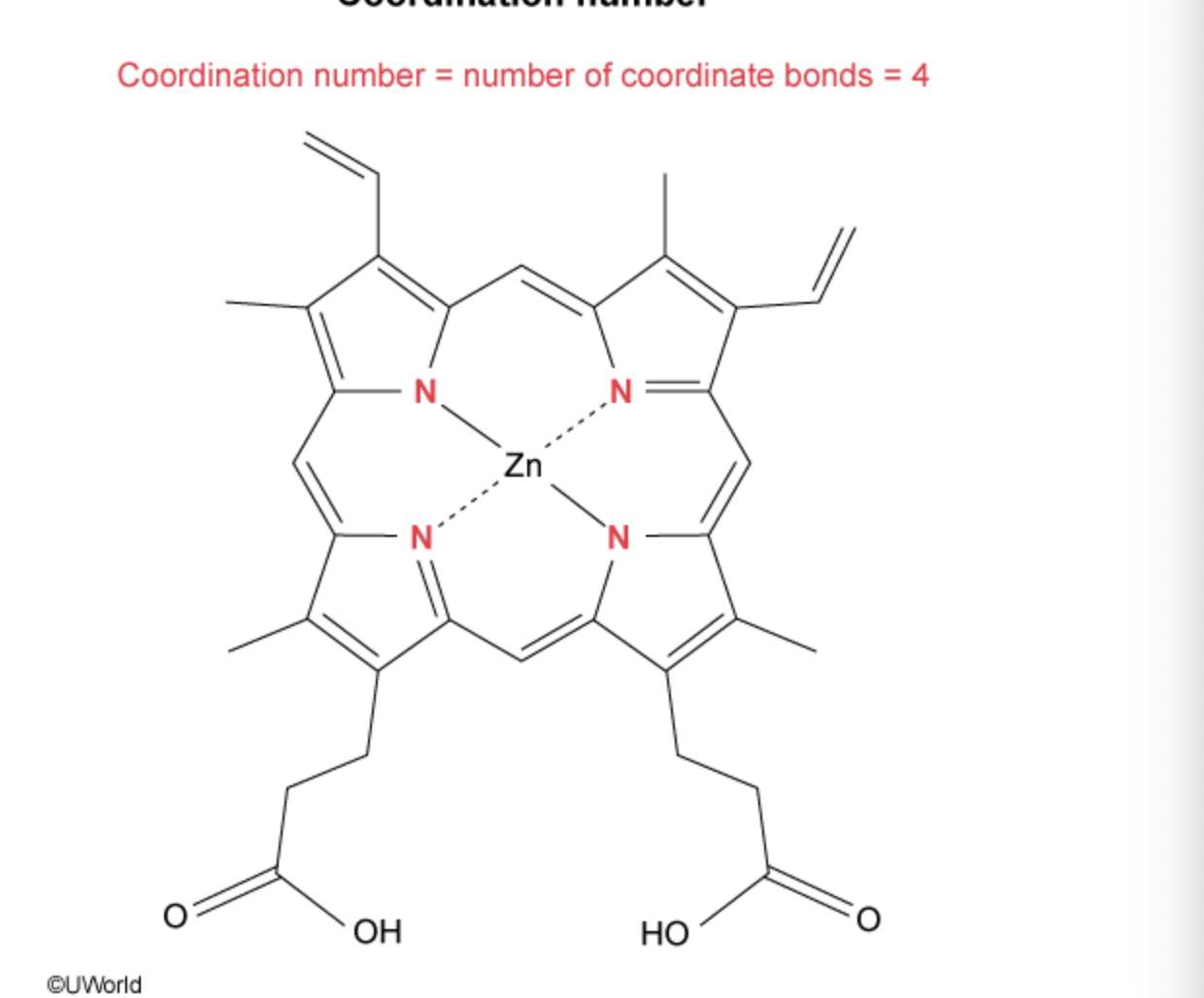
4
Valence Shell Electron Pair Repulsion Theory VSEPR
predicts 3D shape of molecules by assuming valence electron pairs surrounding a central atom repel each other and arrange themselves as far apart as possible to minimize repulsion. I is used to determine molecular geometry, bond angles, and polarity from lewis structures.
Passage B

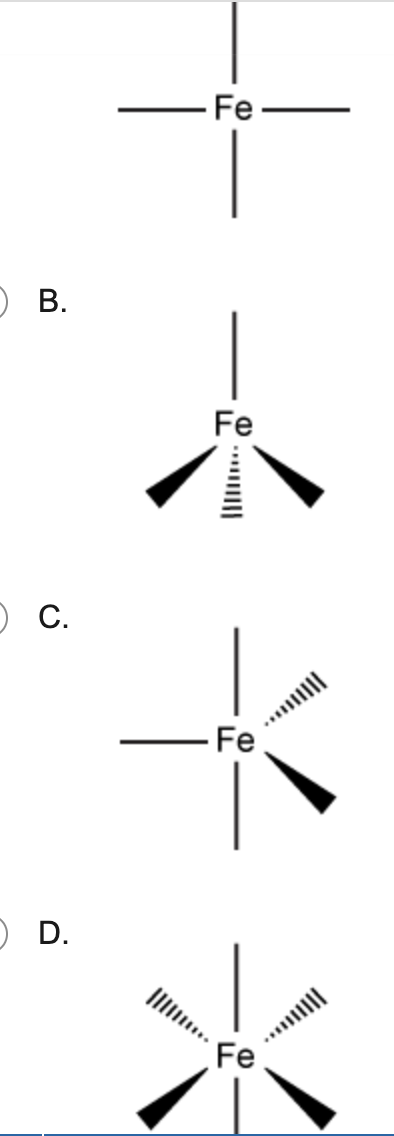
Answer: D
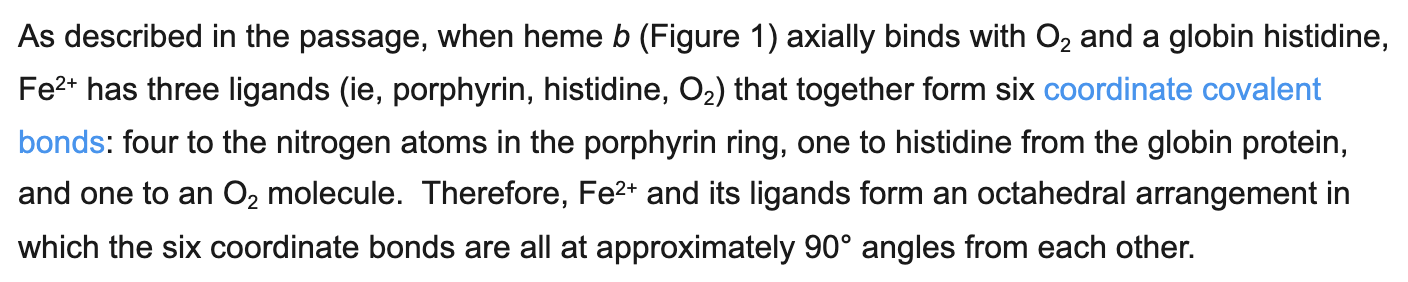
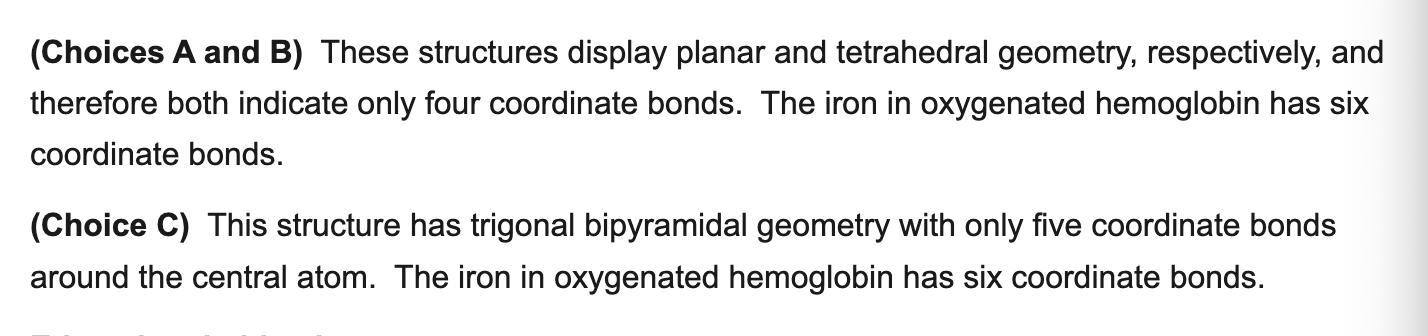
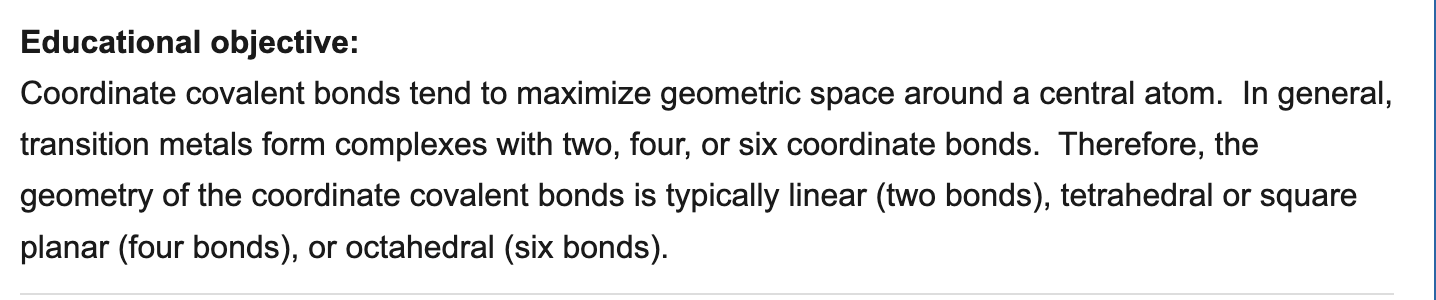
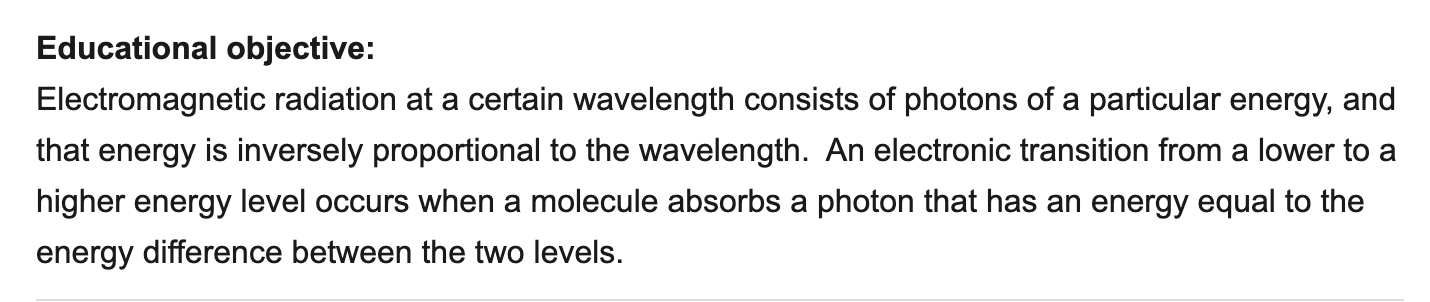
Energy of photon is ________ proportional to its wavelength
inversely
Passage B
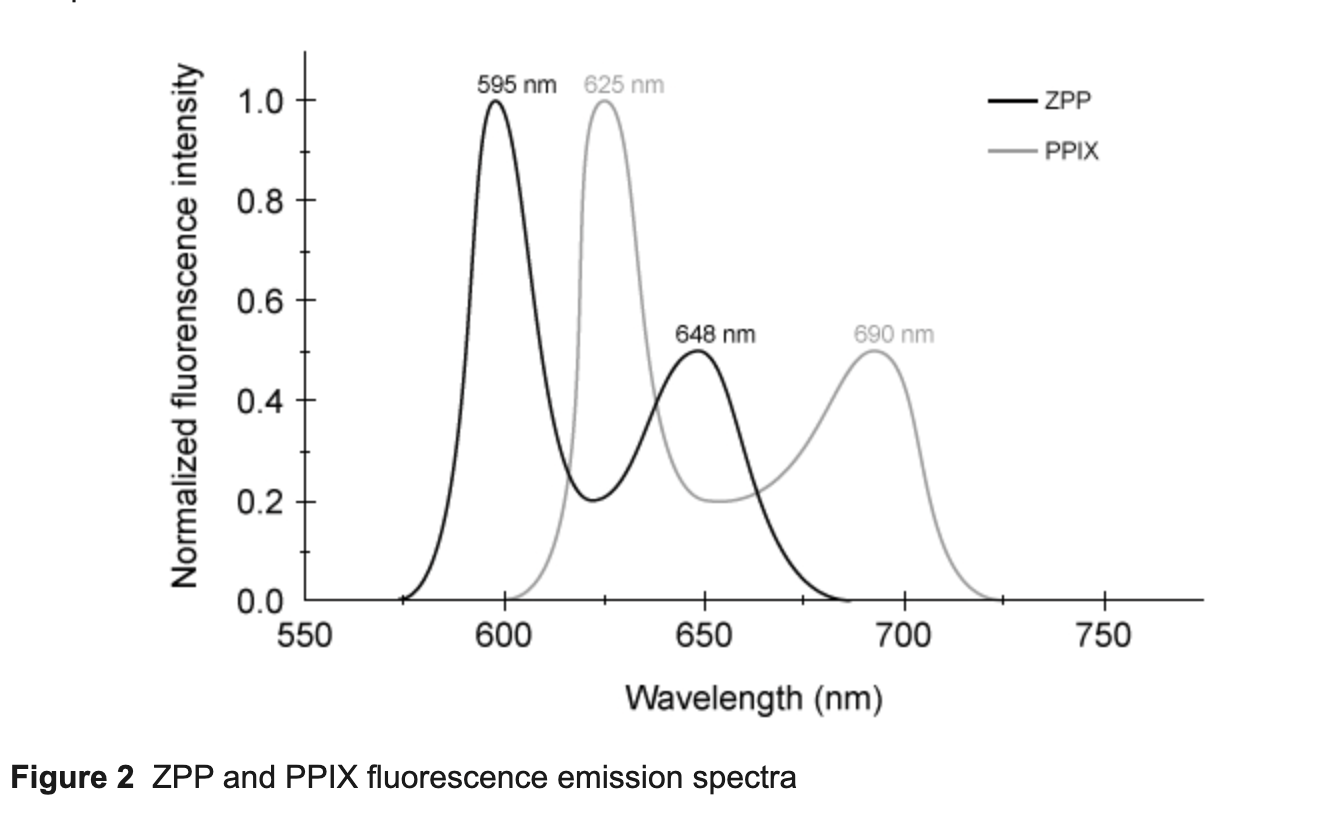
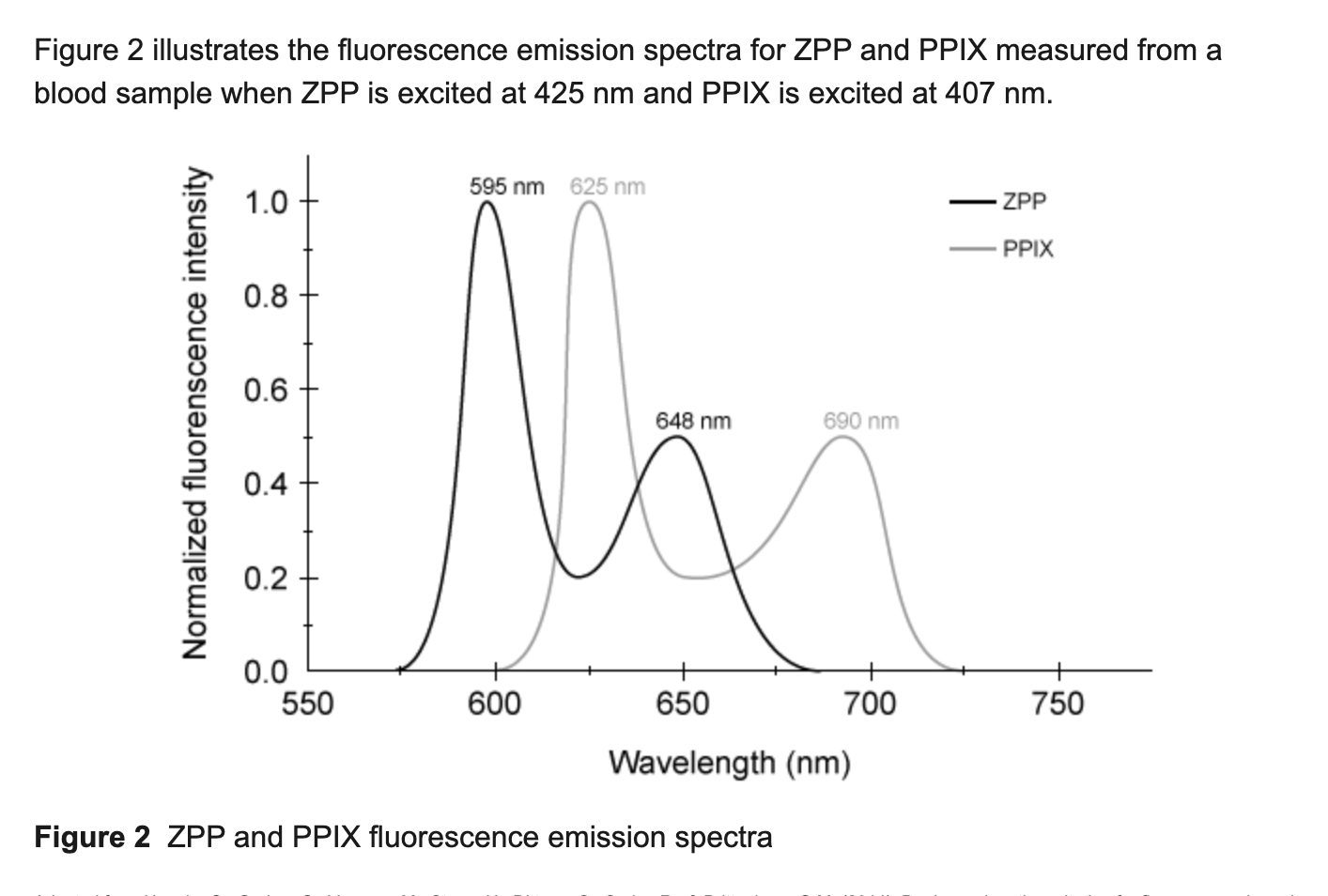
Considering the epak excitation wavelength stated in the passage and the highest intensity fluoresence peak in Fig2, which of the following is true about ZPP detection in blood samples?
A. ZPP and PPIX have peak photon emissions that are equal in energy
B. ZPP requires less energy to excite its electrons form the ground state than does PPIX
C. The energy of the photons used to excite ZPP is less than the energy of the photons emitted by the molecule during fluorescence
D. The energy of the photons absorbed by ZPP during excitation is greater than the energy change of the resulting electronic transition in the molecule.
Answer: B
Why rest are wrong
A. The peaks are at different wavelengths (meaning longer wavelength one inversely has weaker photon emissions energy)
C. Energy used to excite ZPP (at 425nm) higher because its shorter than the wavelength energy used for emission (595)
D. Absorption of photon is equal to energy change of the resulting electronic transition occurring in the molecule
Alkaline earth metals properties?
Forms ions with a +1 charge
Readily oxidized to an oxidation state of 2+
Increasing reactivity with increasing atomic number
Decreasing reactivity with increasing atomic number
Soft group 1 metals that form basic hydroxides in water
Group 2 metals that from hydrogen gas when reacting with water
2,3,6
3 explained:
Alkaline earth metals have low ionization energy (far left of the periodic table and having only two electrons so its ready to give them away).
Lower ionization energy (going down a column)——> easier electron loss—→ higher reactivity
68Ga isotope is generated from 68Ge by:
converting a proton in the nucleus to a neutron by electron cpature
Or
converting a neutron in the nucleus to a proton by beta decay
Answer: converting a proton in the nucleus to a neutron by electron capture
(this decreases atomic number—→ Ga)
(converting a neutron to proton in Ge by beta decay leaves the mass number unchanged, but the atomic number still increases by 1 and change the identity of the isotope to 68As)
If cobalt 59 atom is formed from the beta decay of a radionuclide, what must the original nucleus have been?
Answer: Fe-59
Fe(26) ——> e- + Co(27)
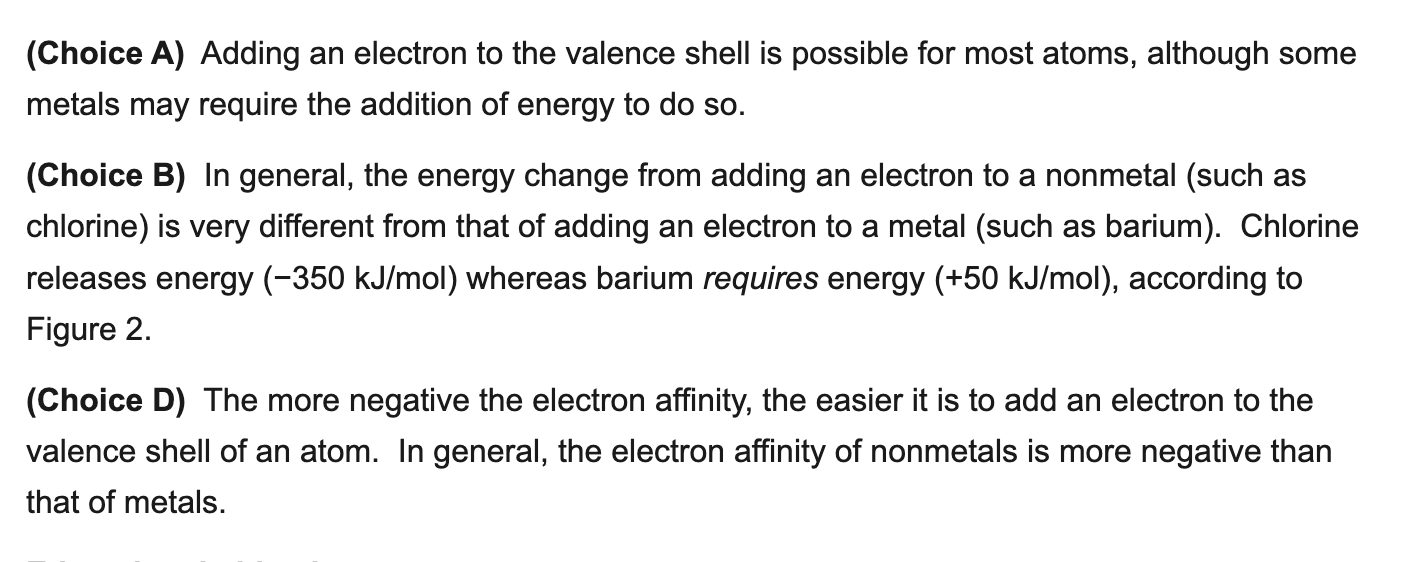
Electron affinity
change in energy resulting from adding an electron to a neutral atom of an element X in the gas state to form an anion with a -1 charge. Energy is released when an anion is formed, which results in a negative value for the change in energy. Therefore, the more negative it is, the more readily it accepts the addition of an electron.
Electron affinity trend
more negative electron affinity as it moves across the period and more positive (lower affinity) as it goes down
Adding electrons to nonmetals is:
A. not possible for most nonmetals
B. energetically similar to adding electrons to metals
C. Easier than adding electrons to metals
D. more difficult than adding electrons to metals
Answer: C
Nonmetals have a higher affinity
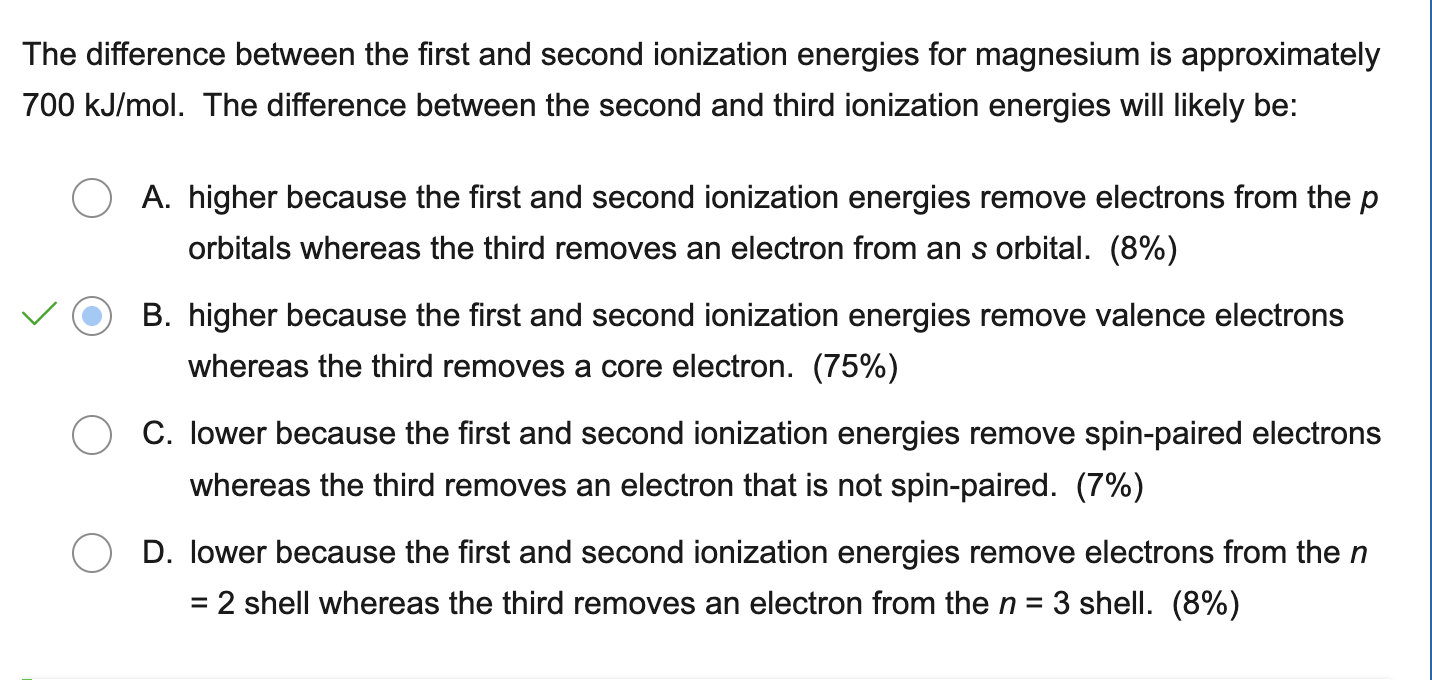
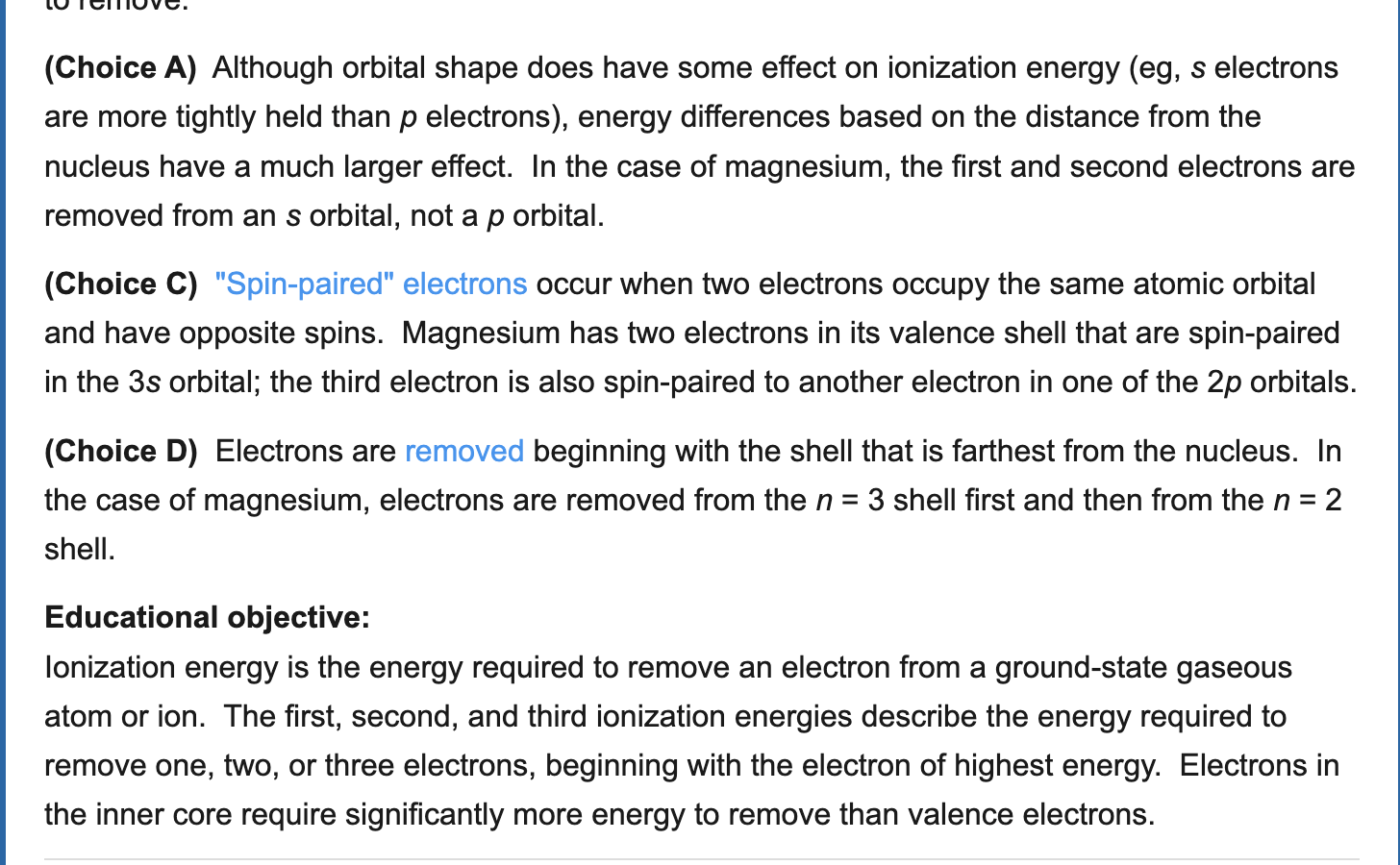
The difference between first and second ionization energy for magnesium is approximately 700kj/mol. The different between the second and third ionization energies will likely be higher or lower and why?
Higher, Magnesium has two valence electrons, losing both is favorable as it would allow a full octet. However, removing another electron requires significantly more energy as it would lose the filled octet.
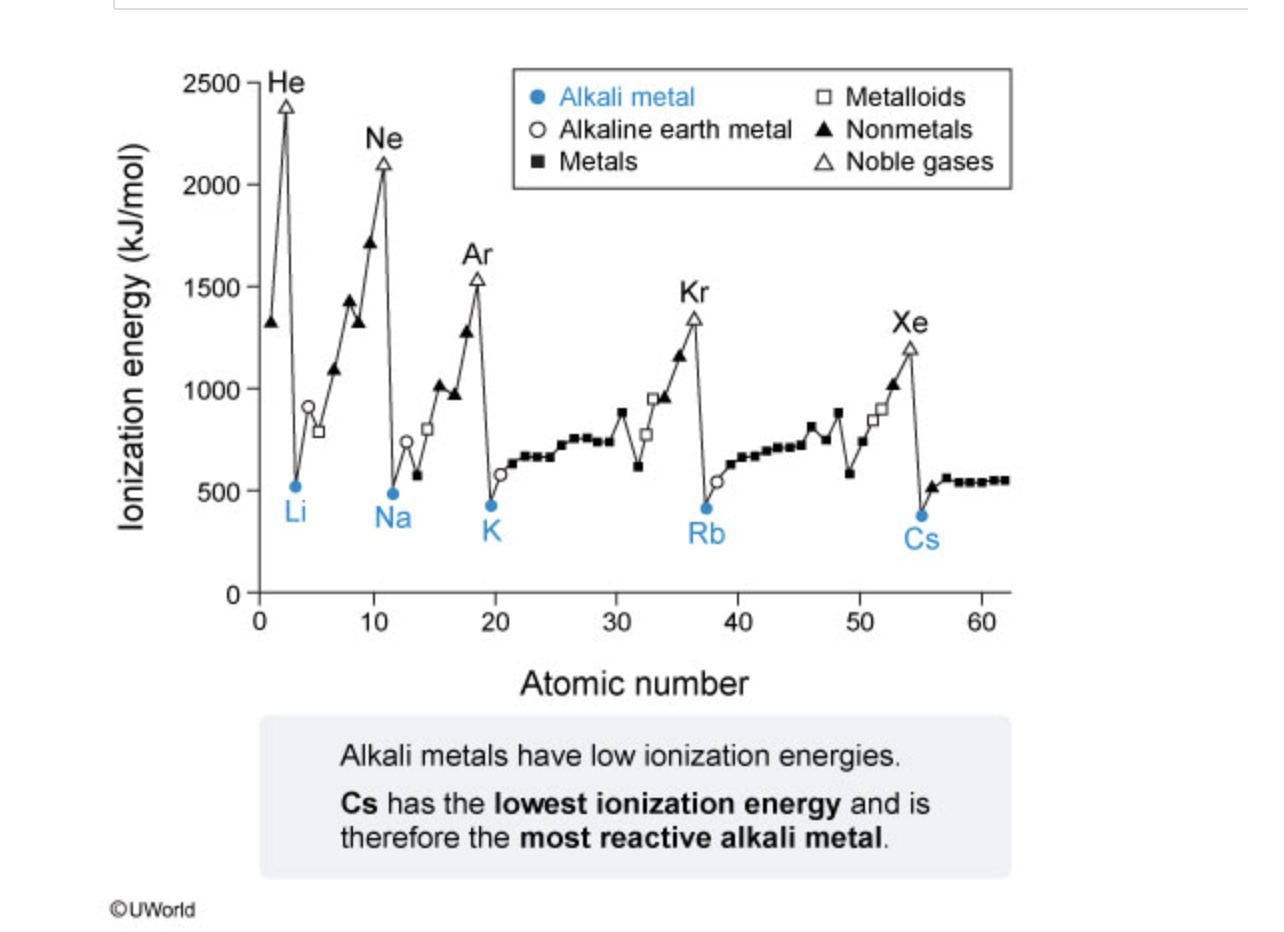
Which metal would be most reactive with Group 6A (group 16) & 7A (group 17)?
Li, Na, K, Cs
Answer: Cs
All from the same group, going down the group decreases ionization energy, making it easier to lose electron and be reactive.

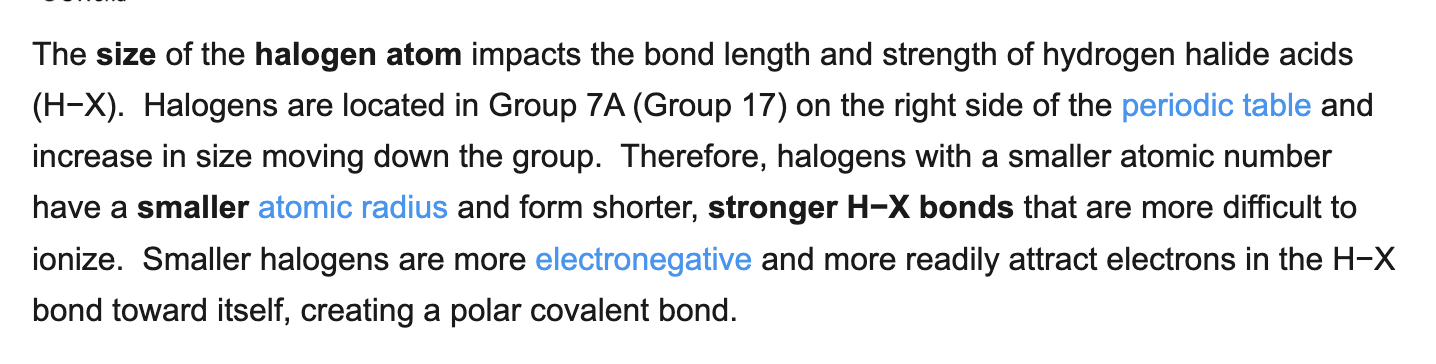
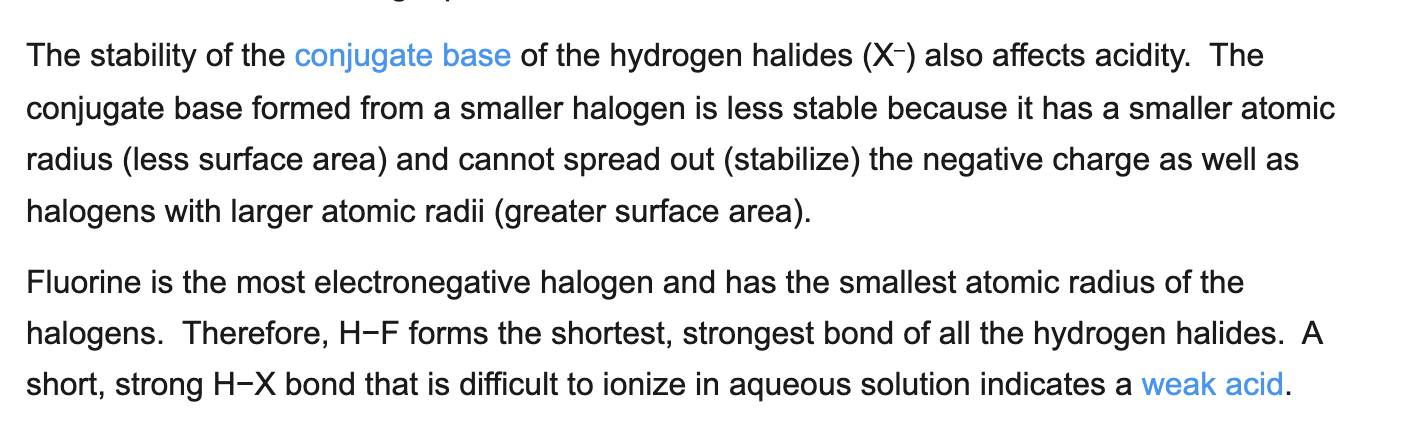
Why is HF not a strong acid?
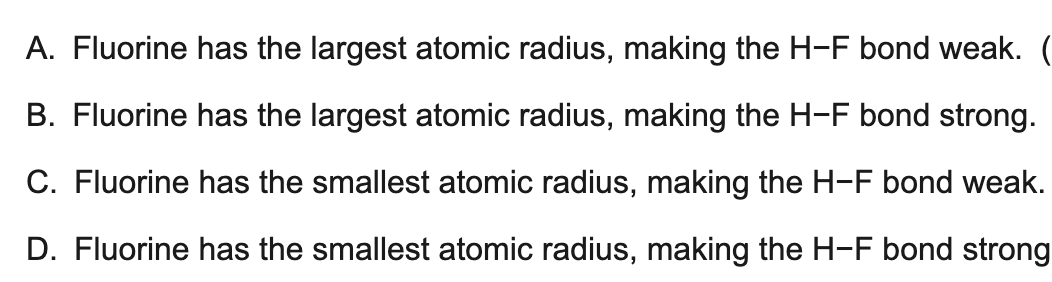
Answer: D
Electronegativity
qualitative measure of how strongly electrons are attracted to an atom within a bond.
Electronegativity trend
increases across period, decreases down a group
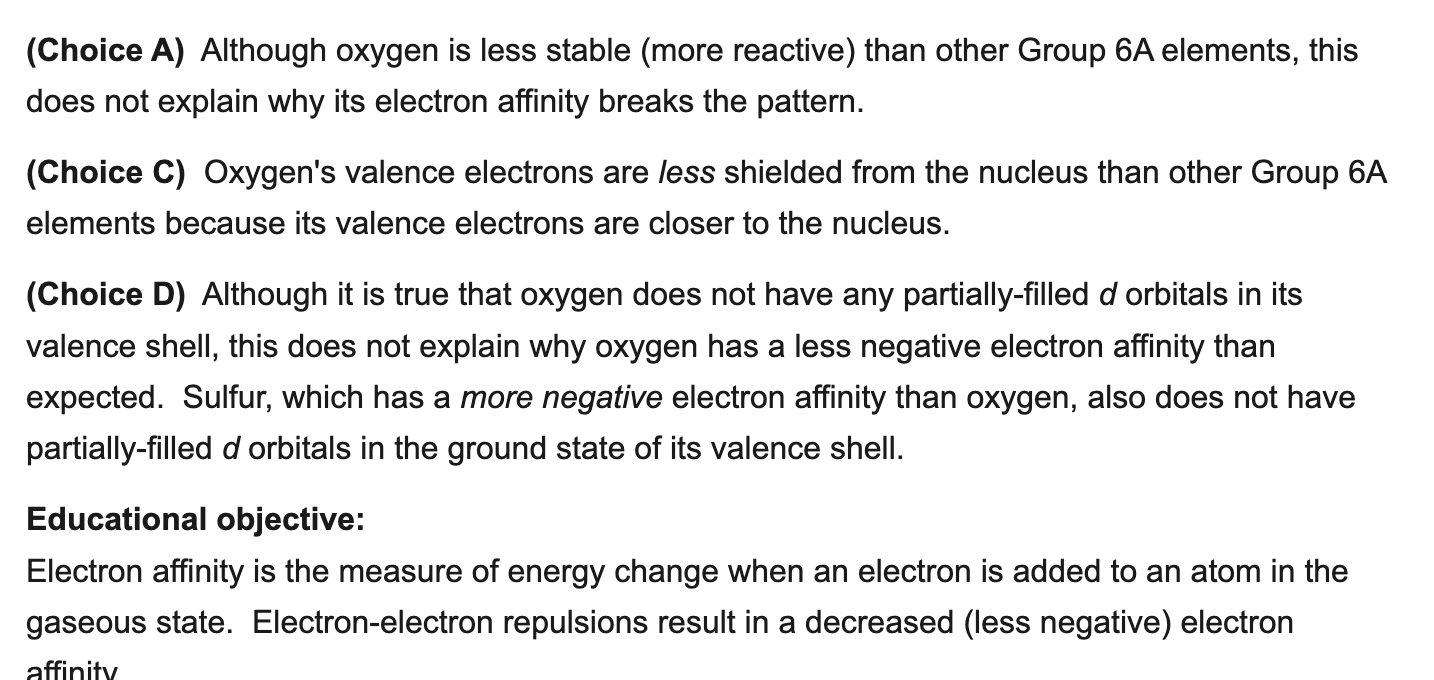
Oxygen is the most electronegative element of Group 6A. However, it also has the least negative electron affinity in the group. What factor can be used to explain this discrepancy?
A. its less stable (more reactive ) than other group 6A elements
B. its valence electrons expreience more electron electron repulsion than other elements
C. its valence electrons are more shielded from the positively charged nucleus than other elements
D. it doesn’t have any partially filled d orbitas in it svlaenc eshell for additional electrons
Answer: B
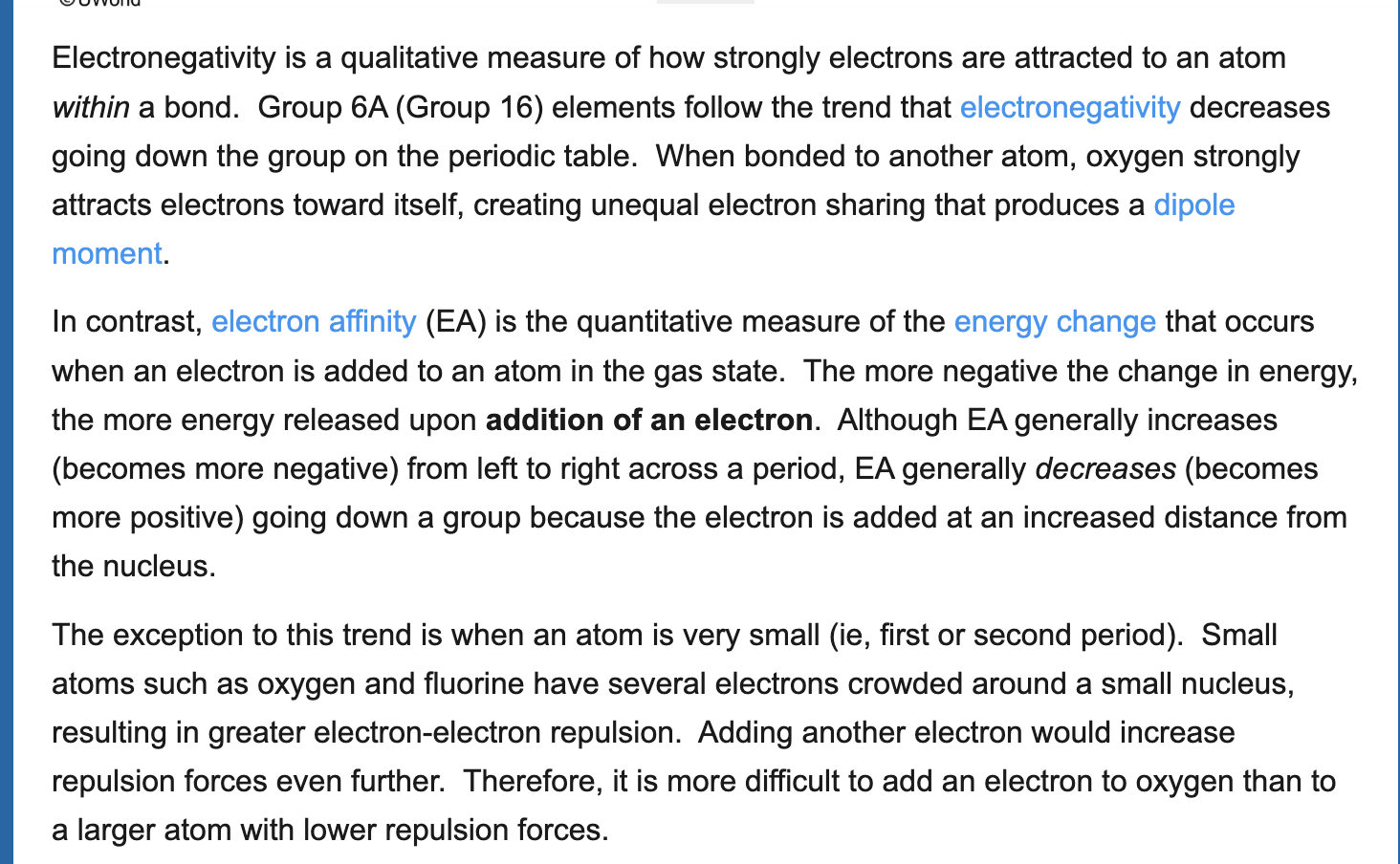
It’s explaining why very small atoms like oxygen and fluorine do not follow the expected EA trend perfectly.
Example:
You might expect fluorine to have the most negative EA because it is the smallest halogen and strongly attracts electrons. But chlorine actually has a more negative EA than fluorine.
Why?
Because fluorine is extremely small, so its electrons are crowded tightly together. Adding another electron causes strong electron-electron repulsion.
So the exception is:
Small atoms in the first/second period can have less negative electron affinities than expected because electron crowding increases repulsion.
This exception applies to electron affinity trends, not electronegativity.
For the subshells of electron configuration:
s p d f
how many orbitals are there in each type of subshell?
s-1 (holds 2)
p-3 (holds 6 total)
d-5 (holds 10 total )
f-7 (hold 14 total)
For the subshells of electron configuration:
s p d f
how many subshells of each type exist?
s- 1s to 7s
p- 2p to 7p (6 total)
d-3d to 6d (3 total)
f- 4f to 5f (2 total)
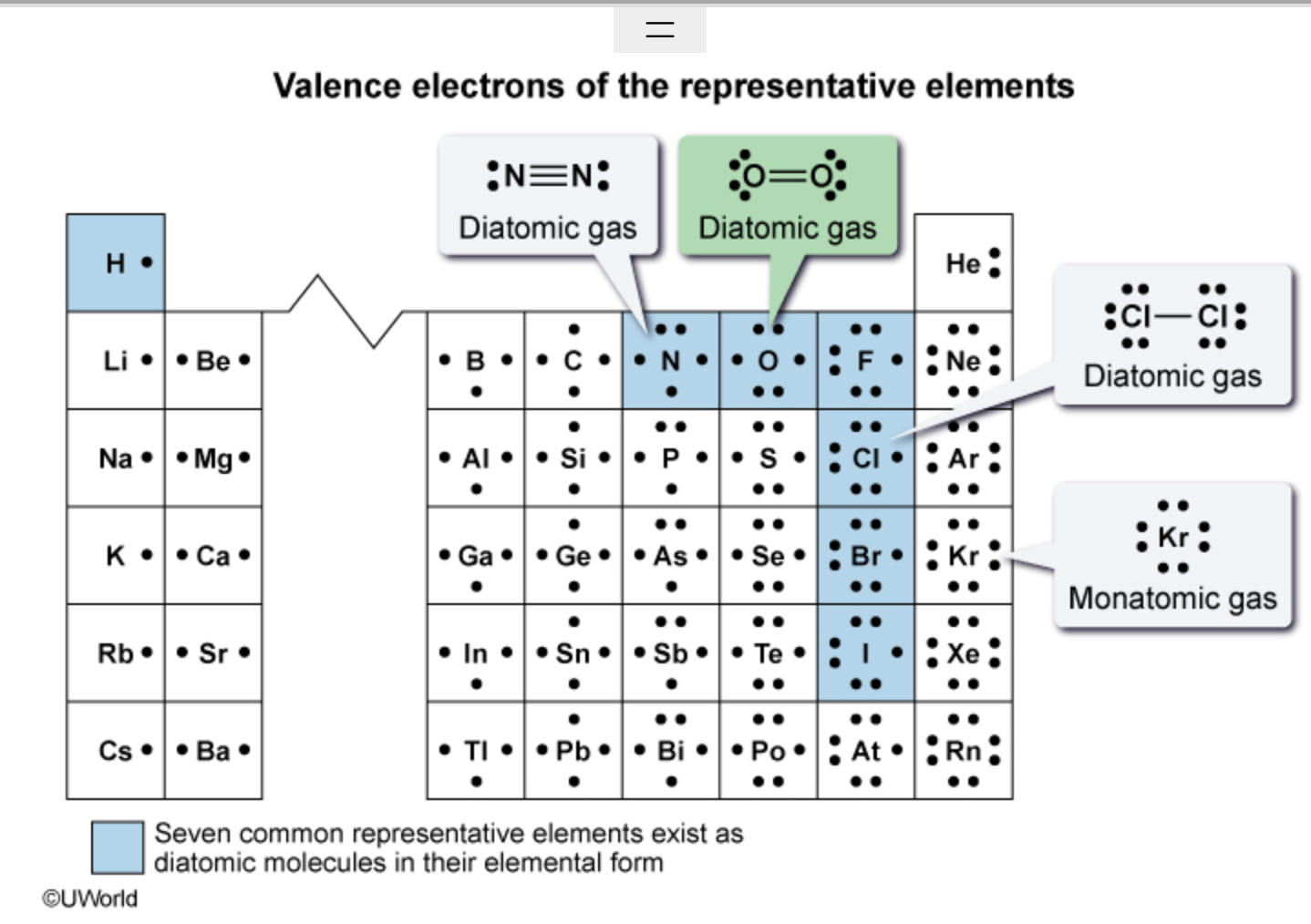
which elements in its standard state are diatomic? Which is double covalent? Which is triple? (rest are single)?
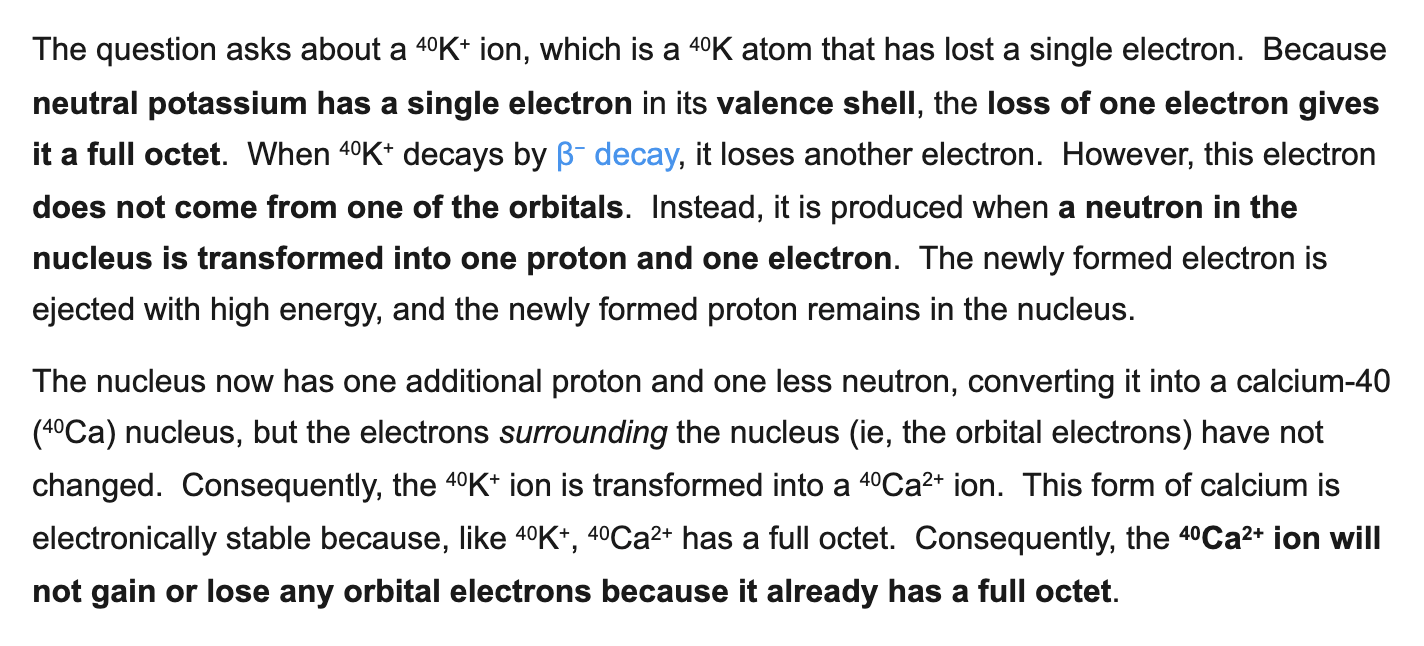
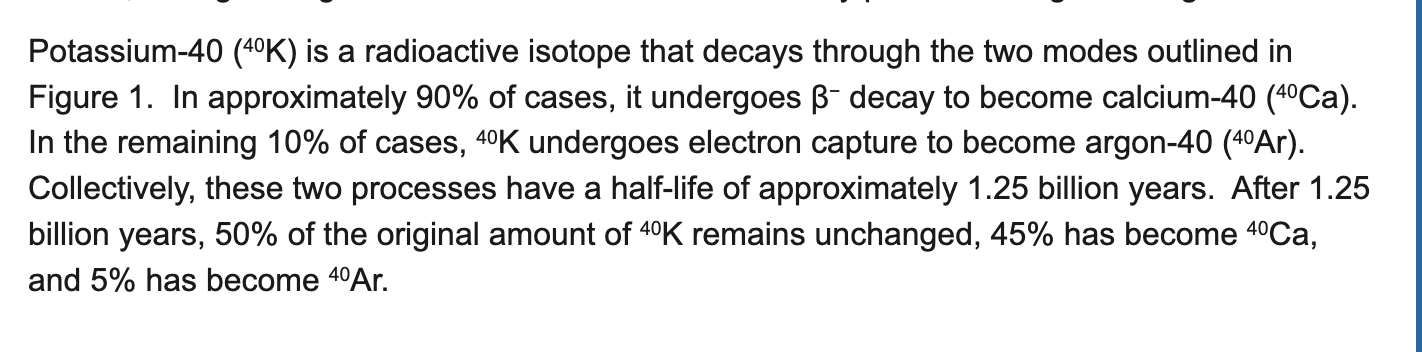
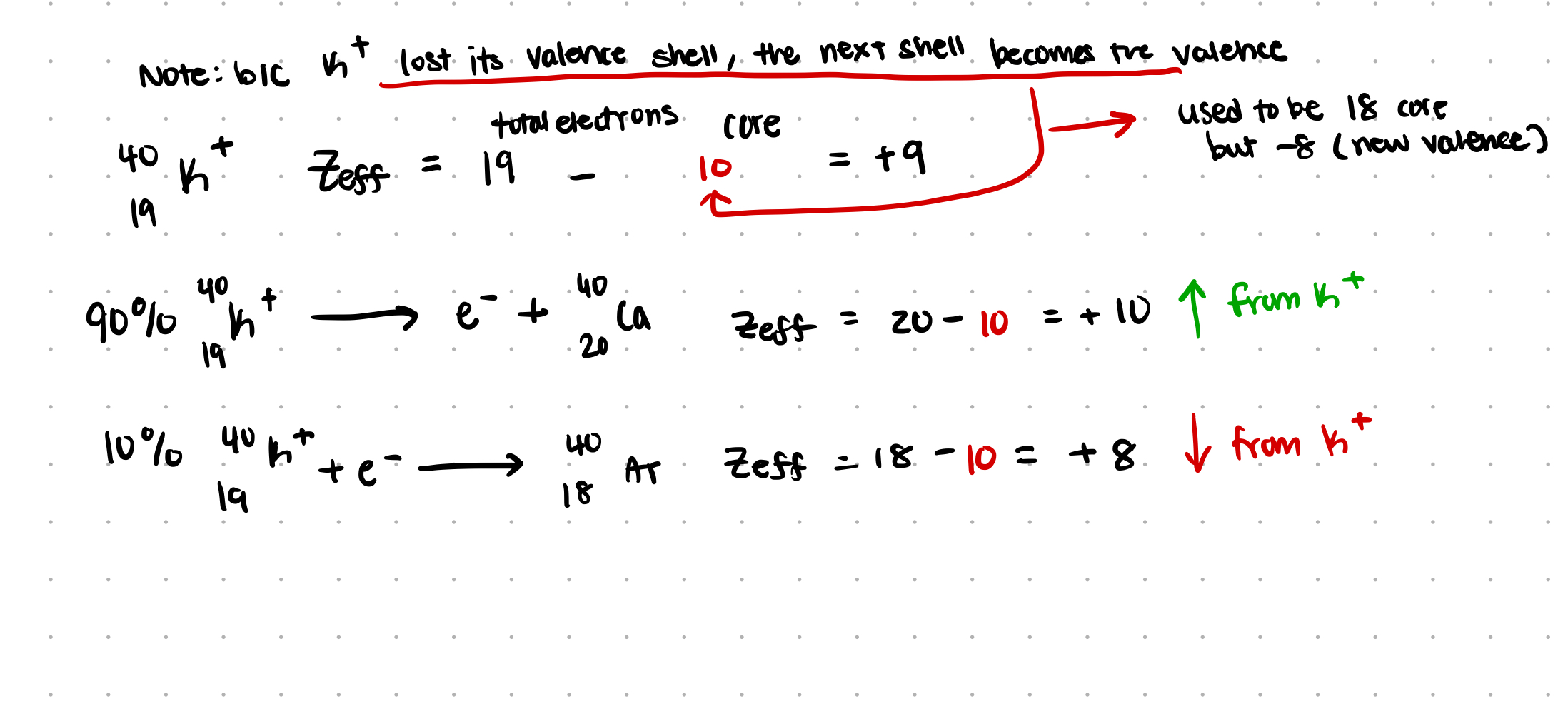
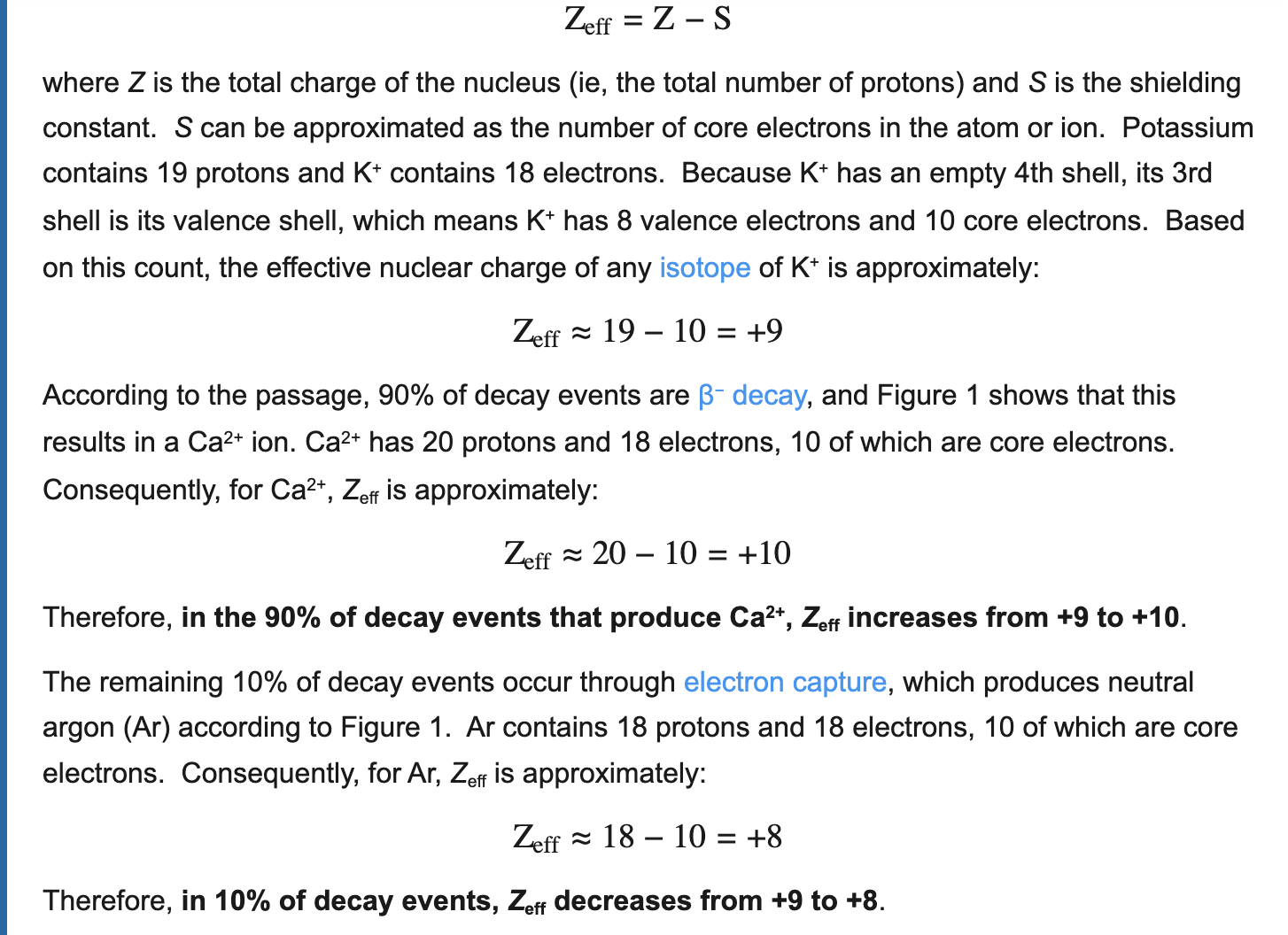
40-K (potassium) nucleus undergoes electron cpature……
alkali metal to noble gas
k (19) + e- —→Ar (18)

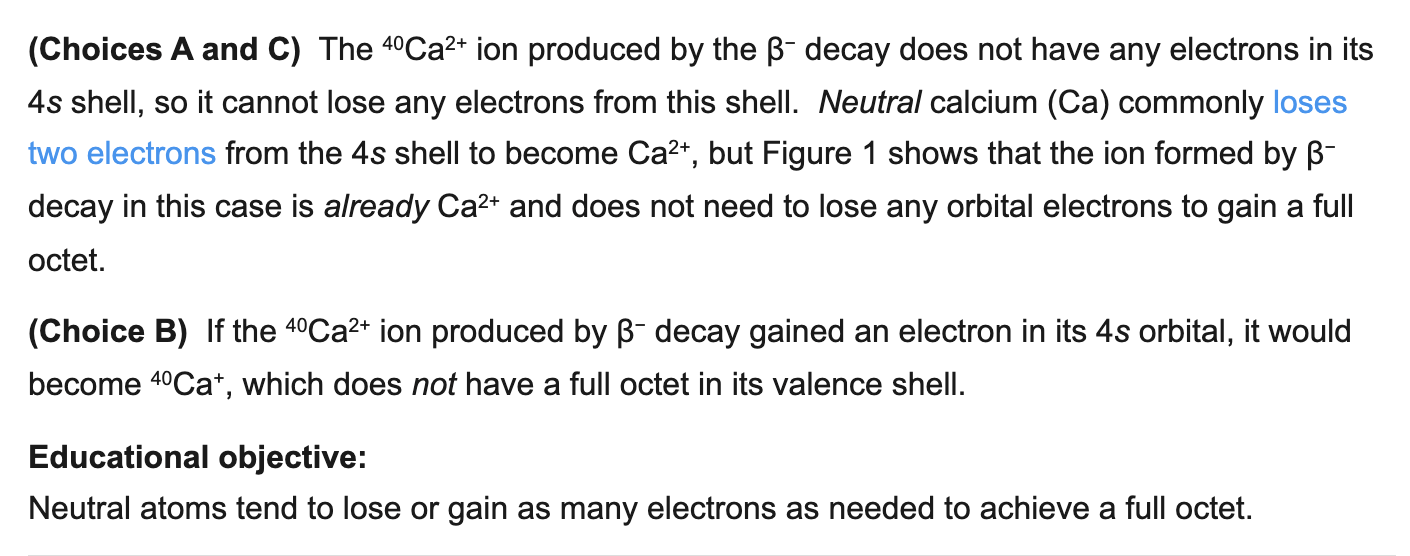
A. it quickly lose an electron from the 4s shell to the environment to resotre a full octet in the valence shell
B. An electron from the environment will quickly enter the 4s shell to restore a full octet in the valence shell
C. it will quickly lose two electrons form the 4s shell to the environment to restore a full octet in the valence shell
D. The electron configuration will not change because the valence shell contains a full octet both before and immediately after the decay
Answer: D



Answer: B
Neutral nitrogen effective nuclear charge is…
Zeff= +5
7 total (e-) - 2 (core) = +5


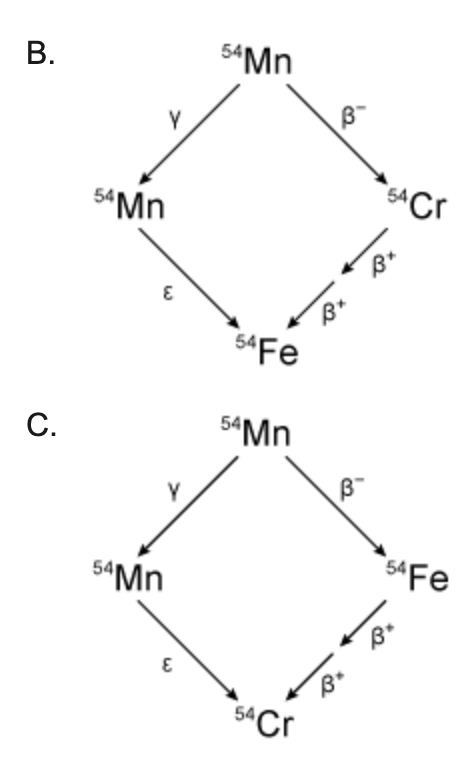
Answer: C
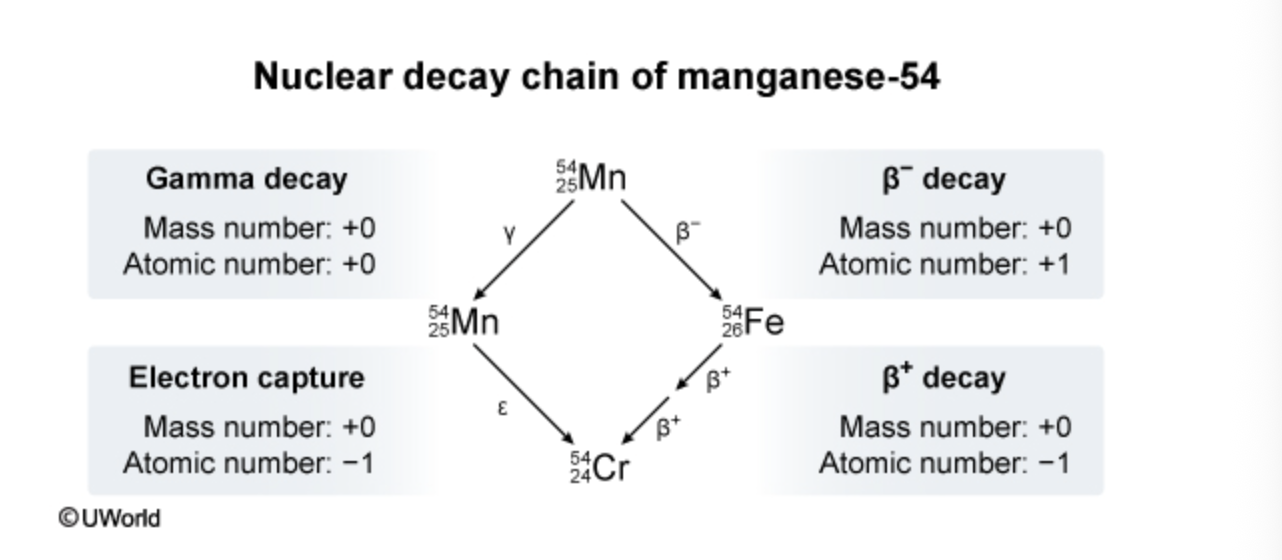
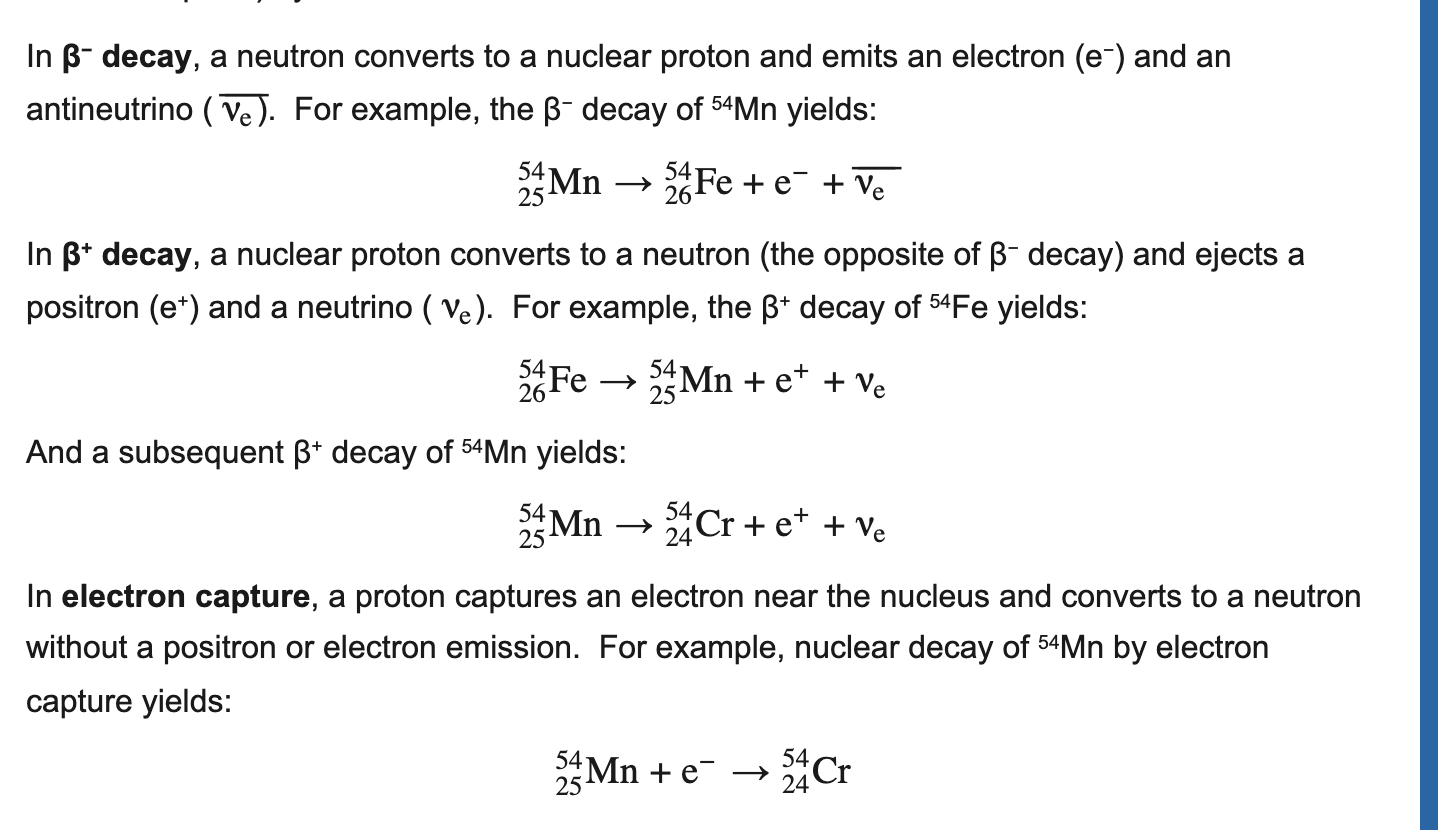

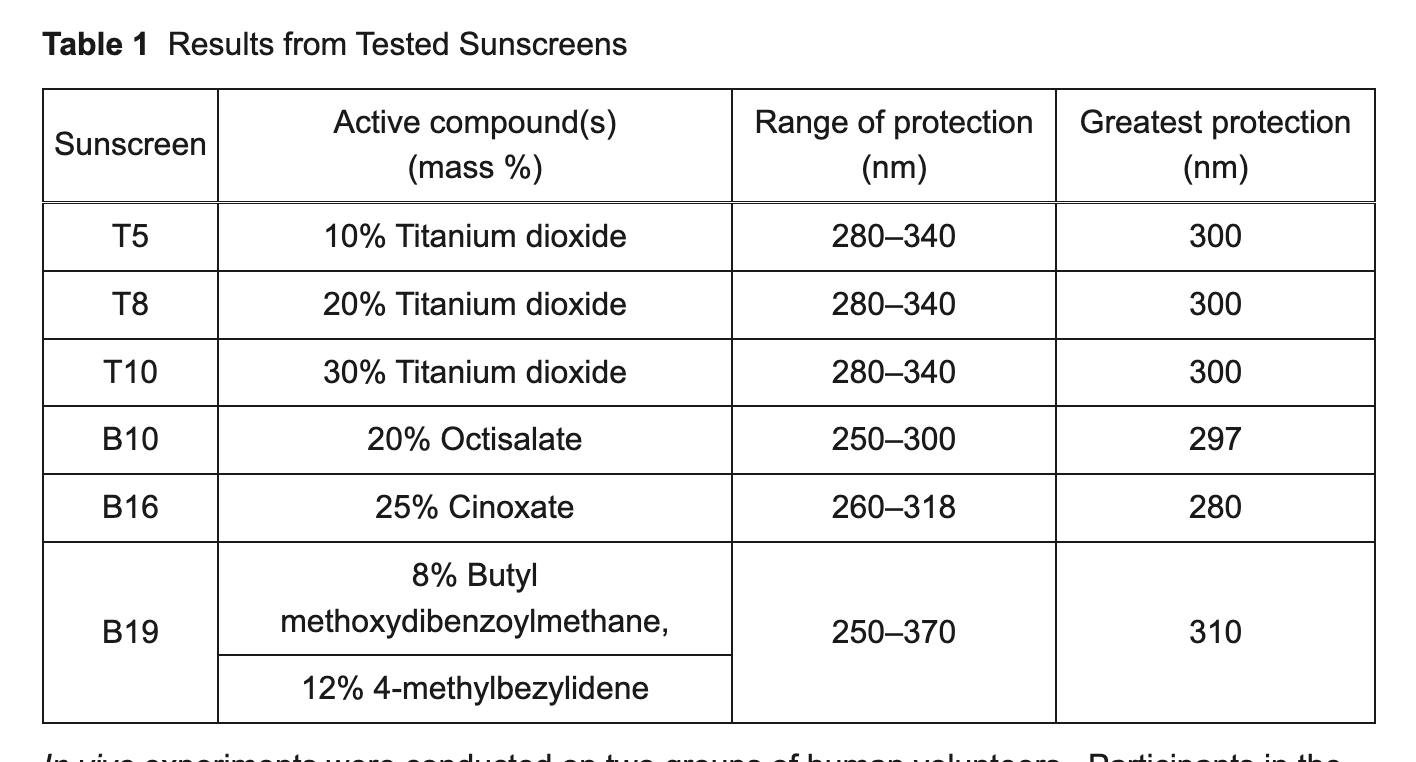


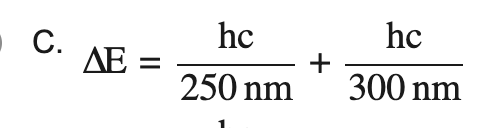
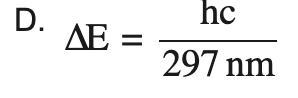
Answer: D

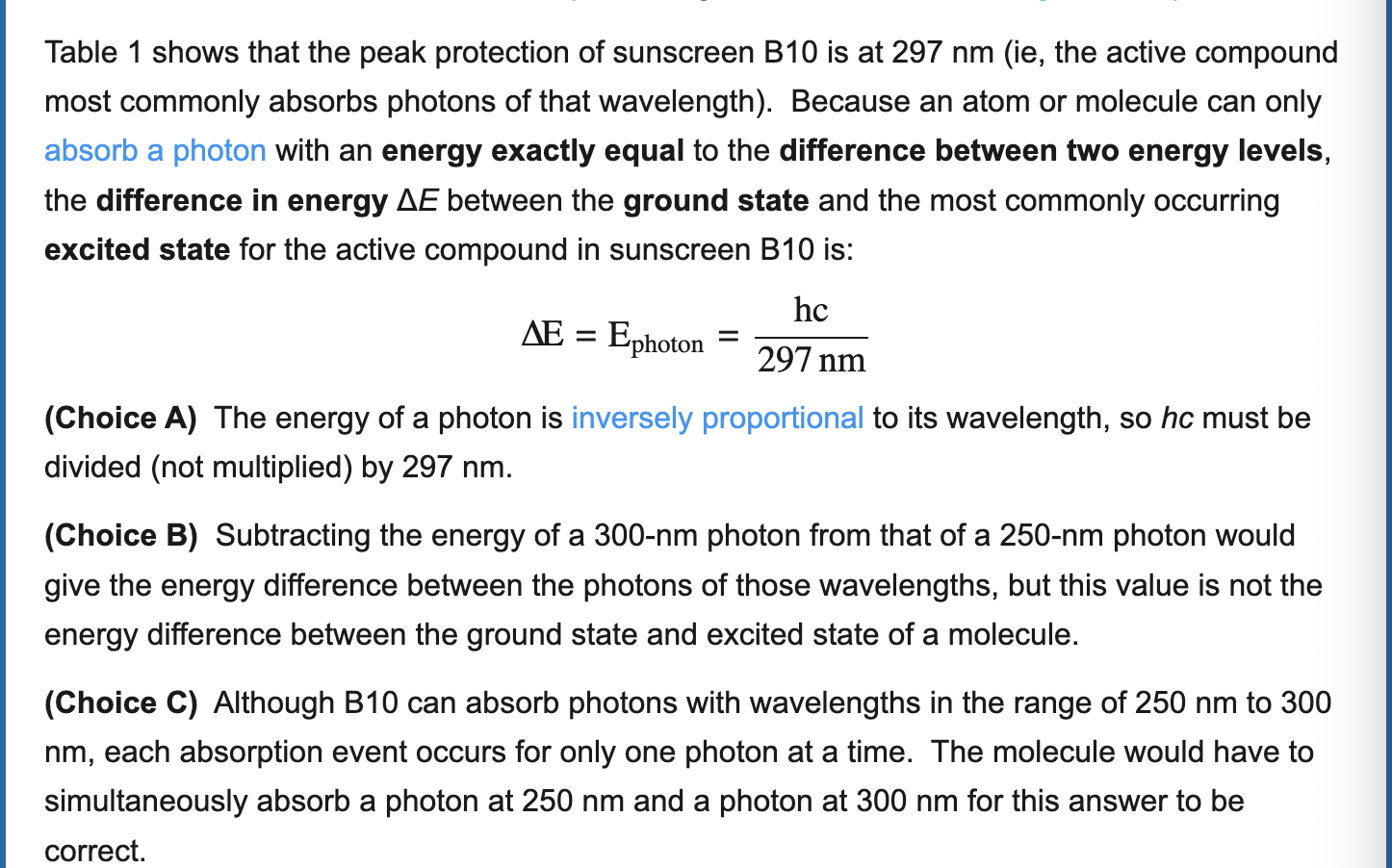
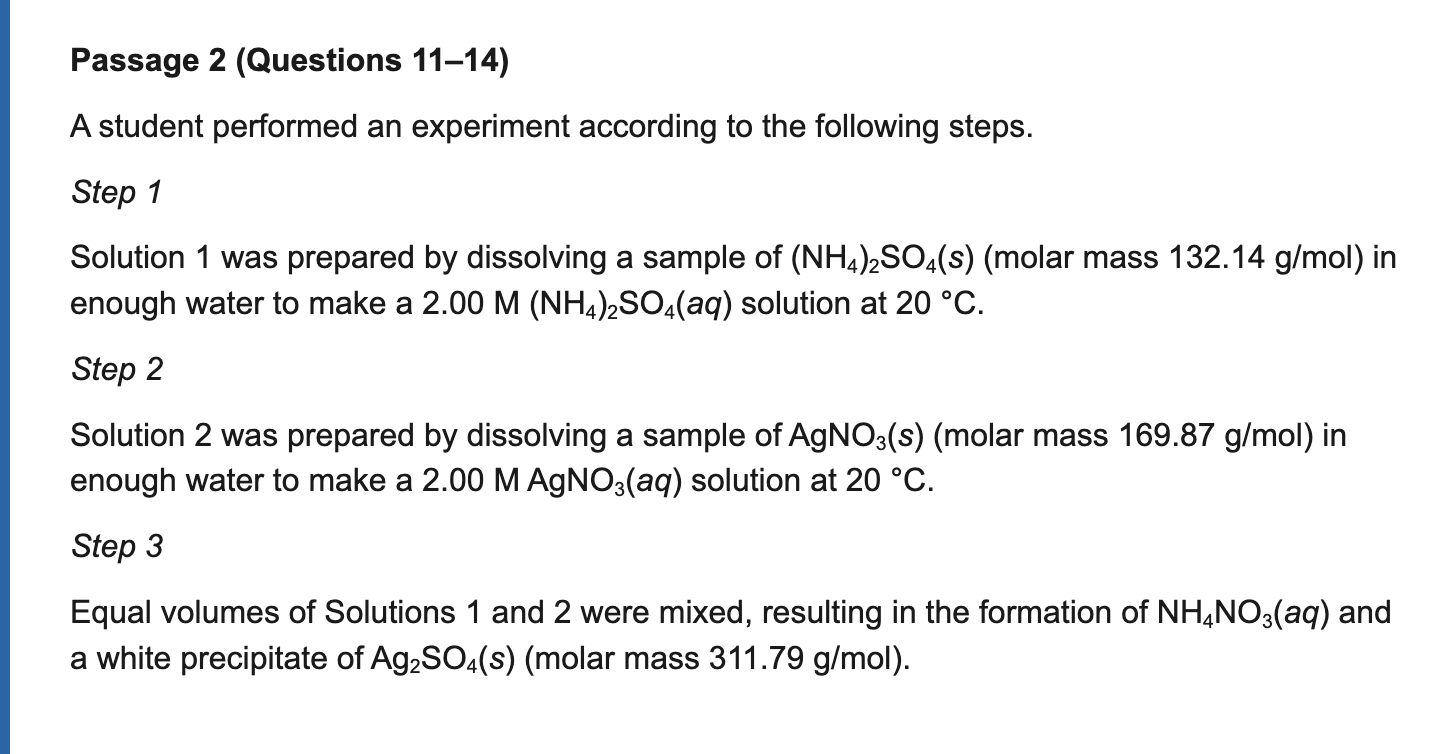
solubility: compare
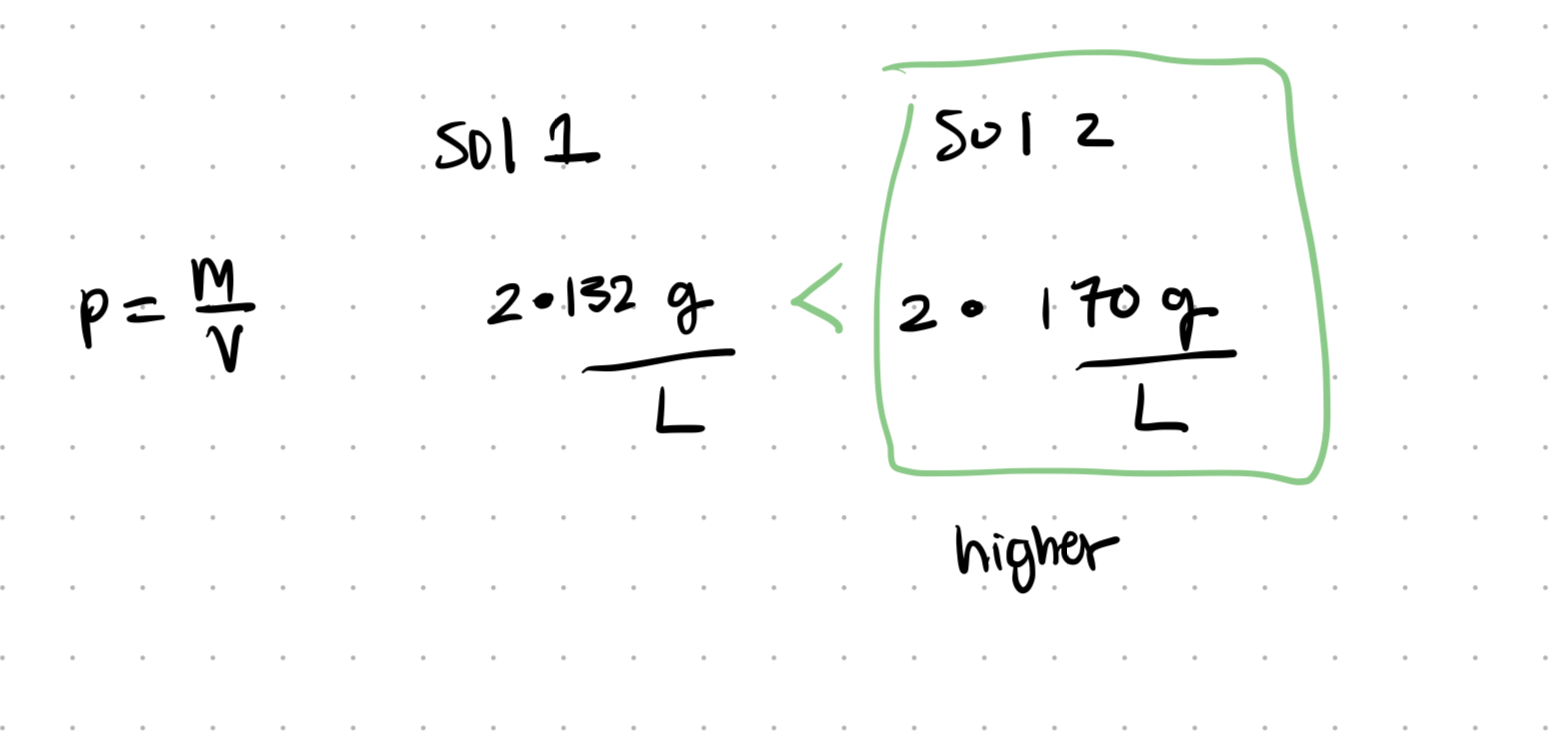
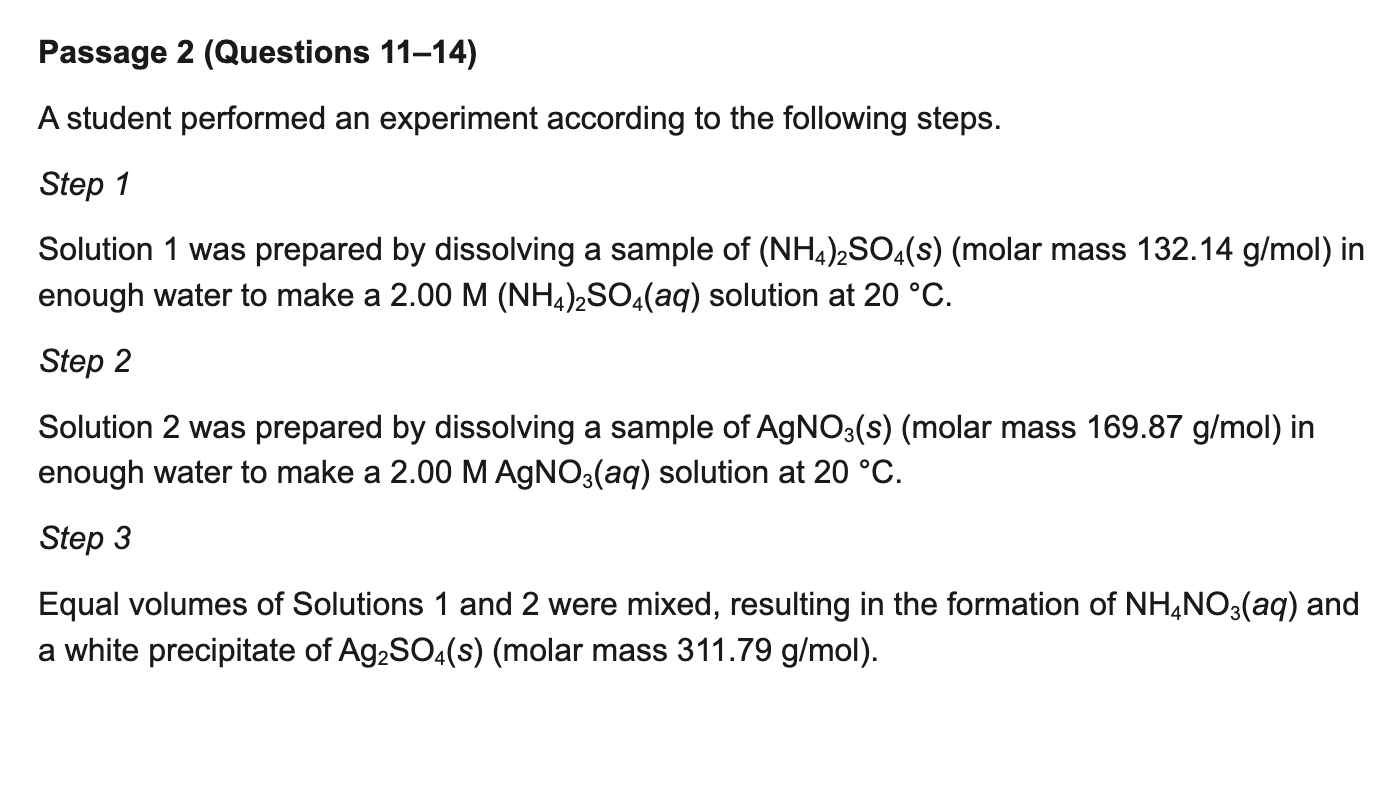

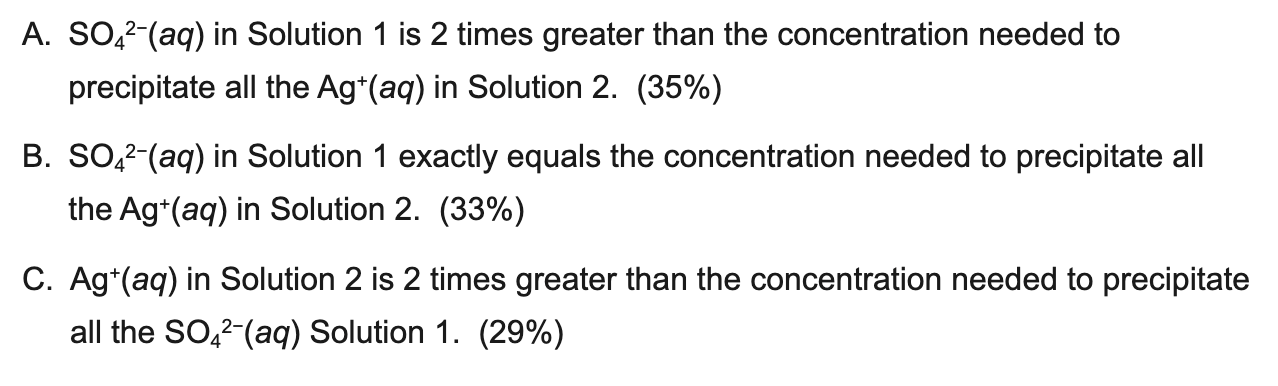

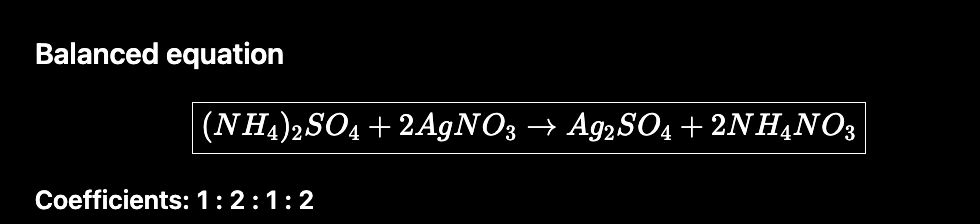
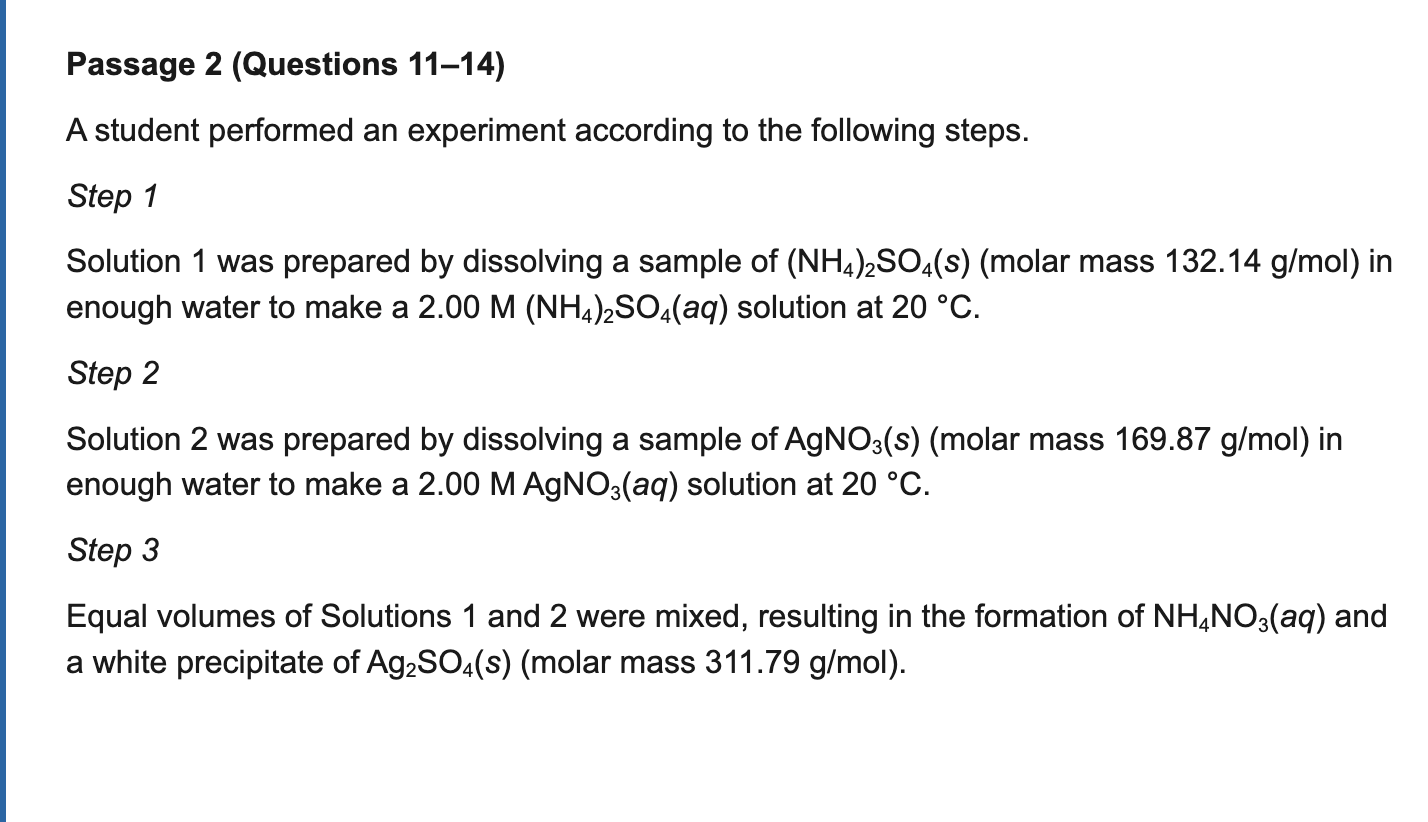
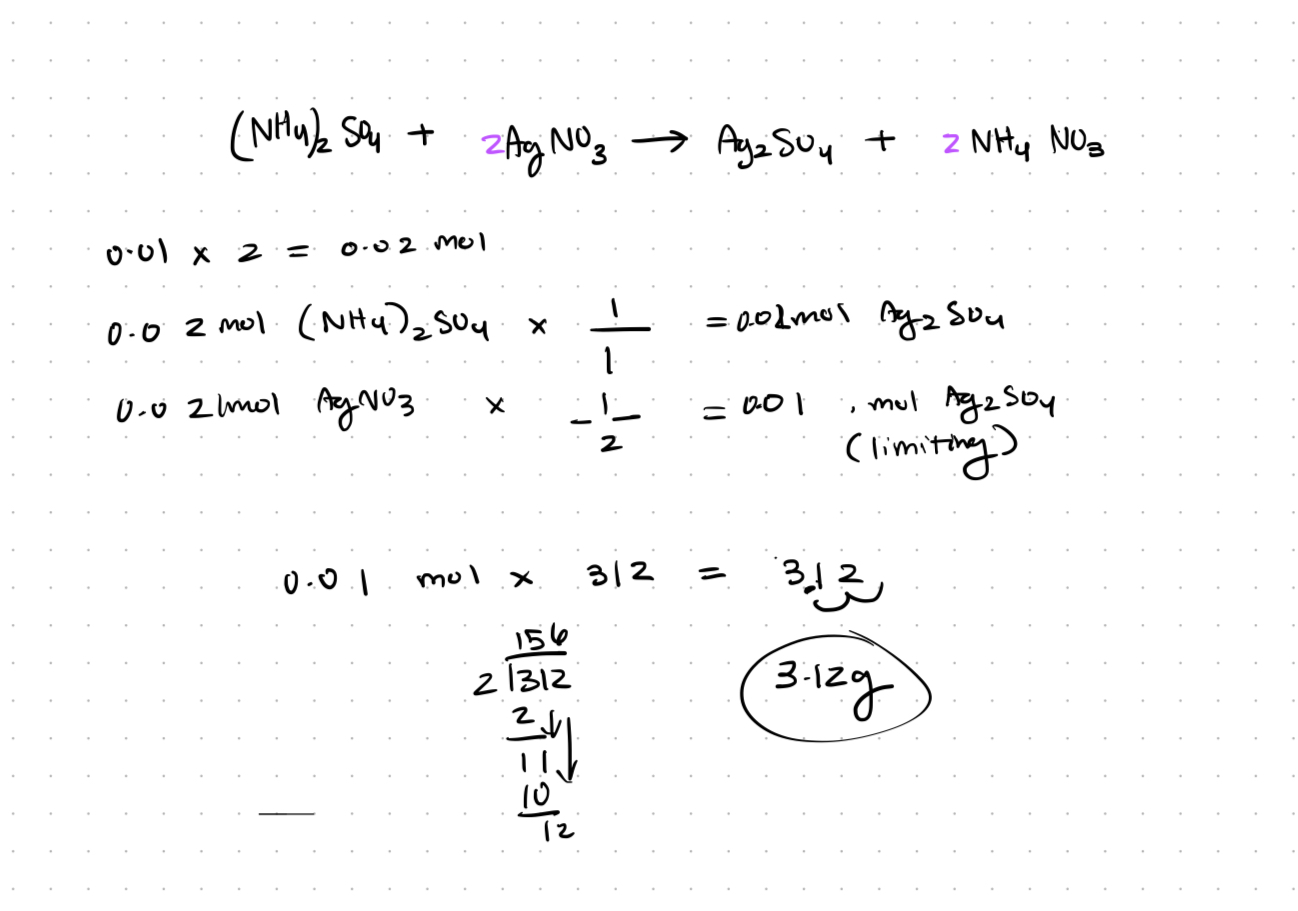
Answer: A (is the correct choice— ignore saying
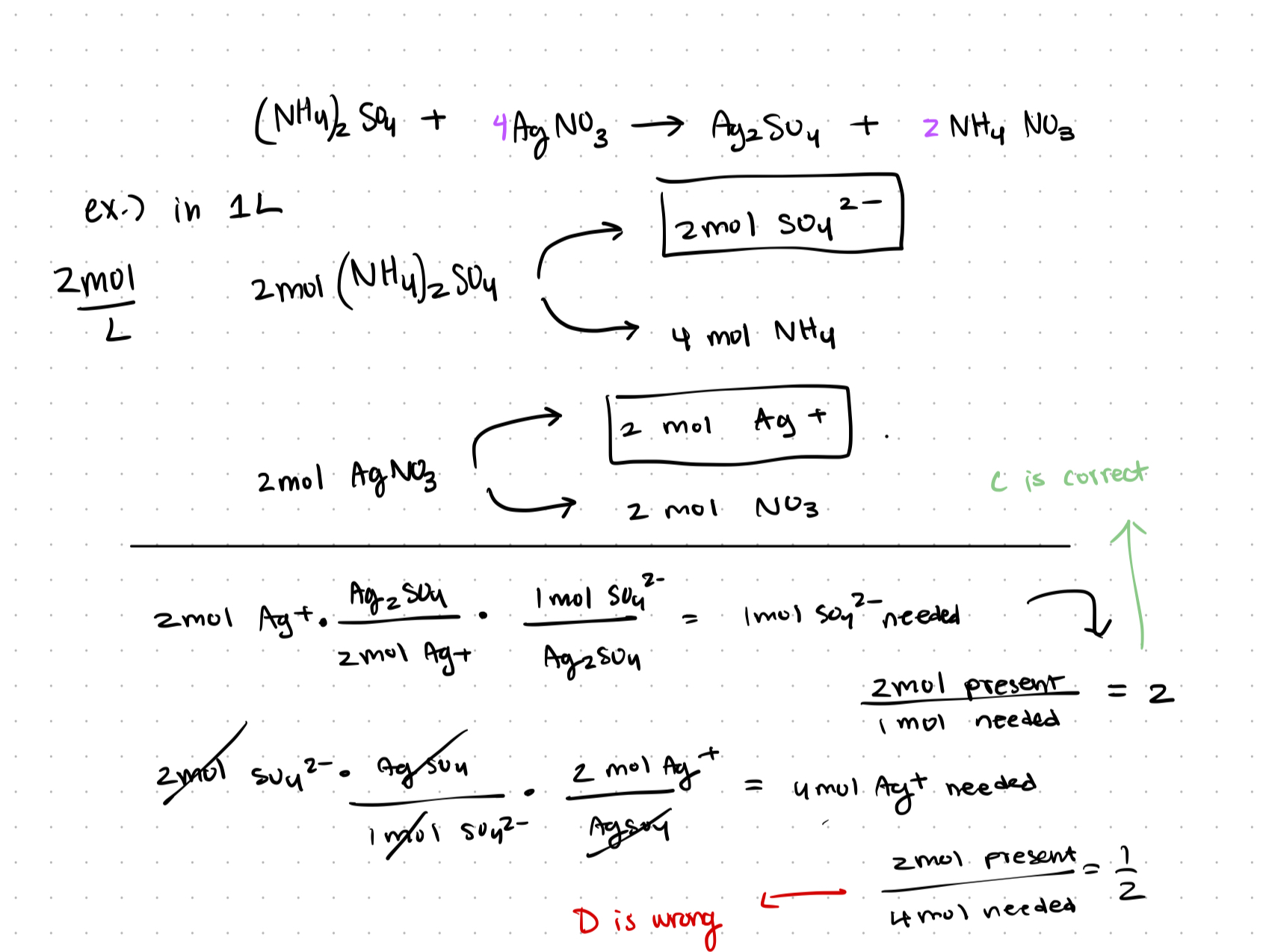
Note: the 4 should be a 2

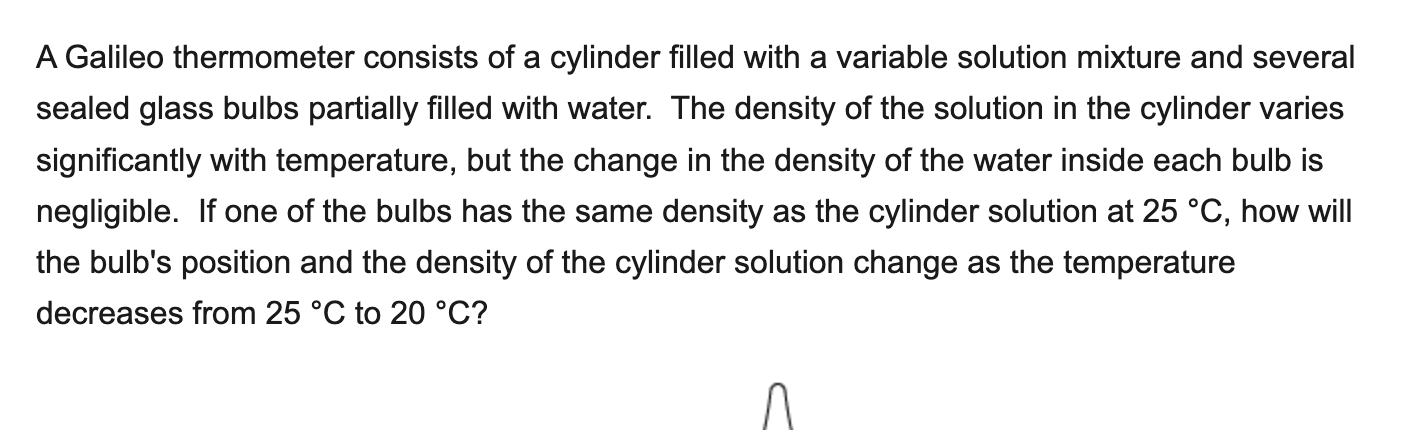
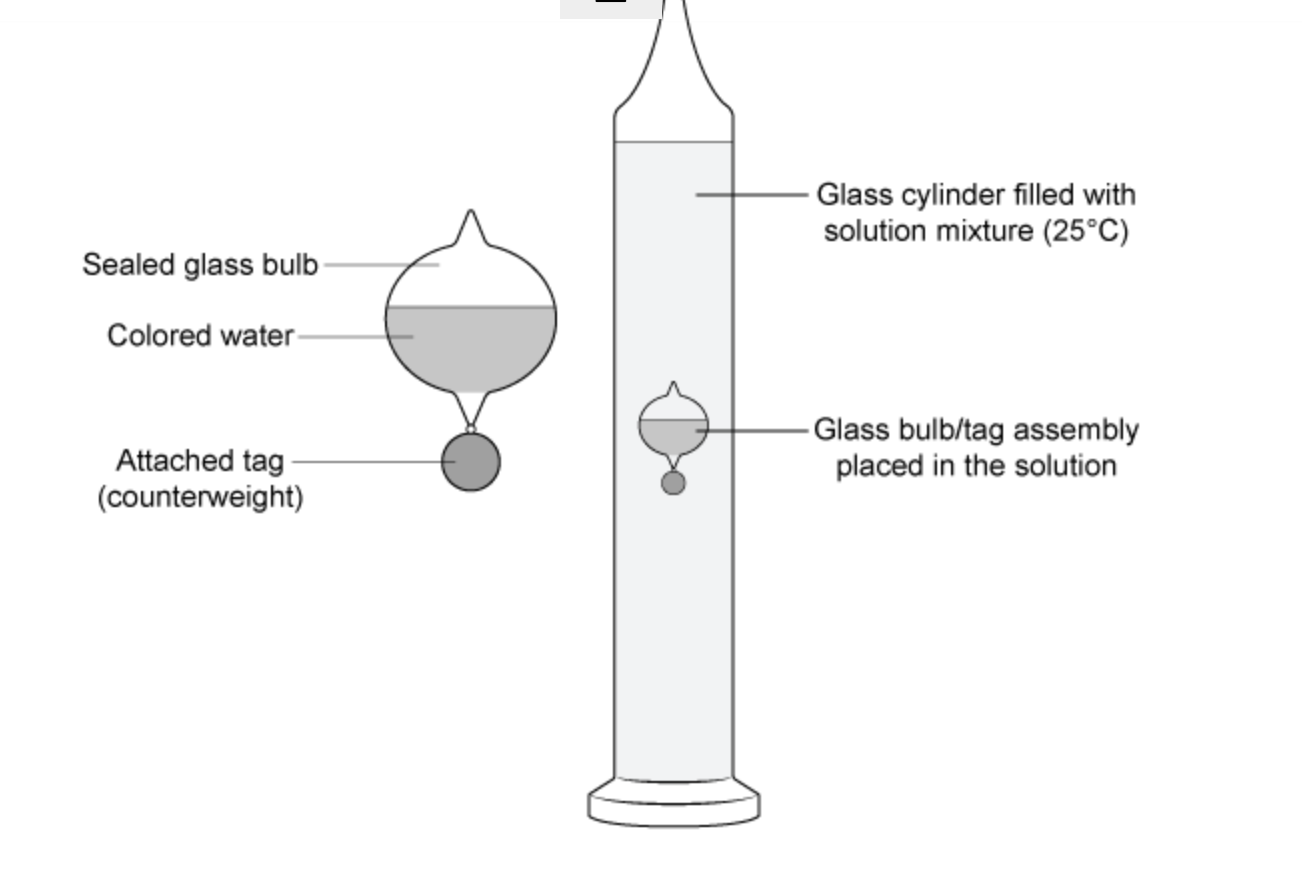
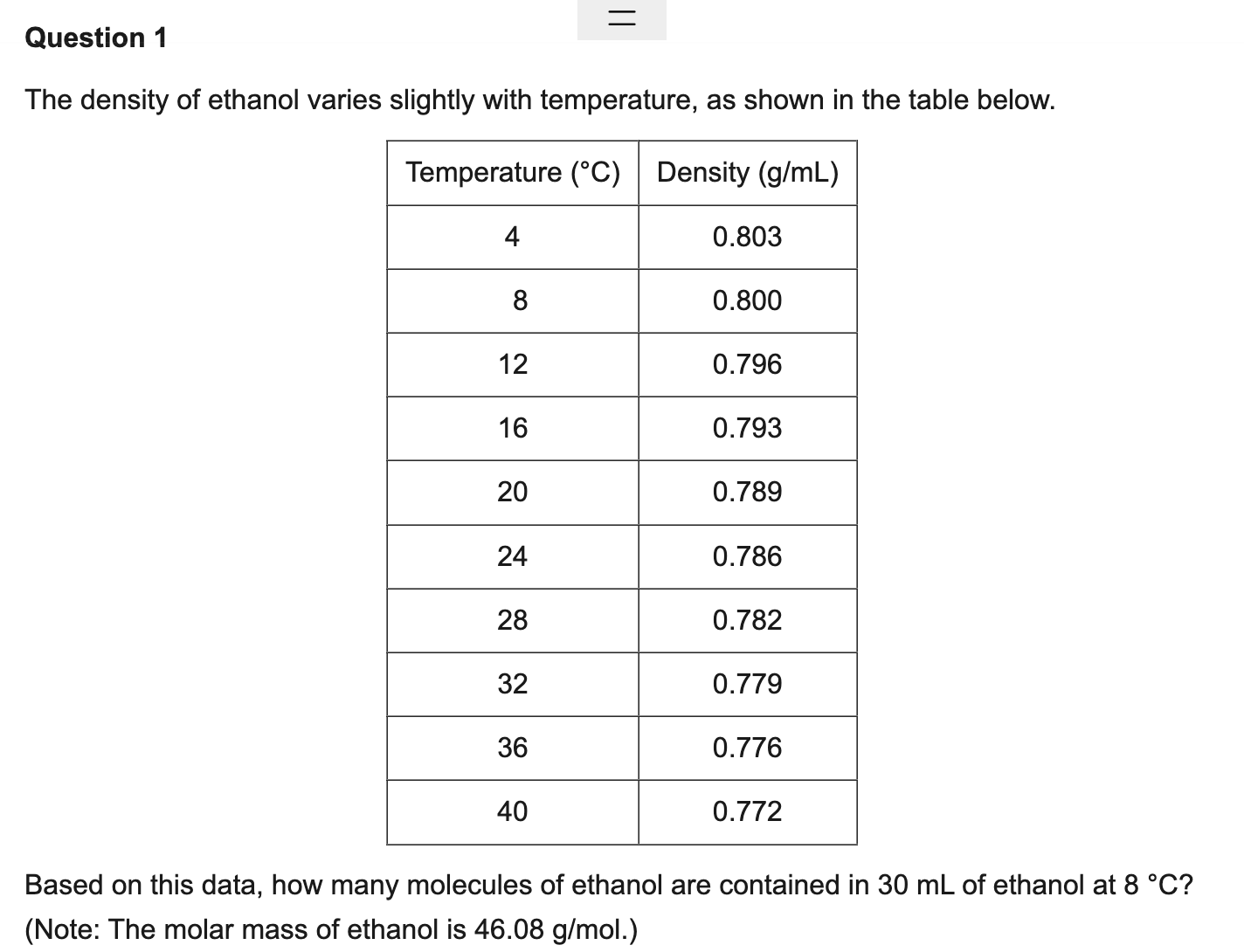
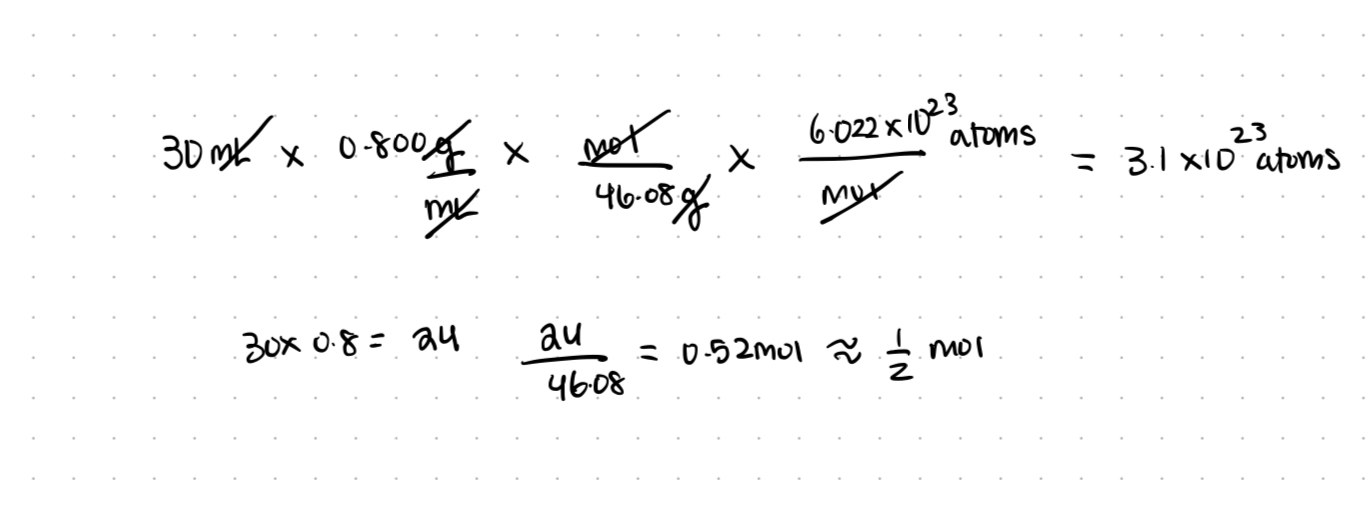
Will cylinder solution density increasse or decrease? Will bulb float or sink?
Decreasing temp increases the density of cylinder solution, making it heavier than the bulb desnity, and so it iwll float.
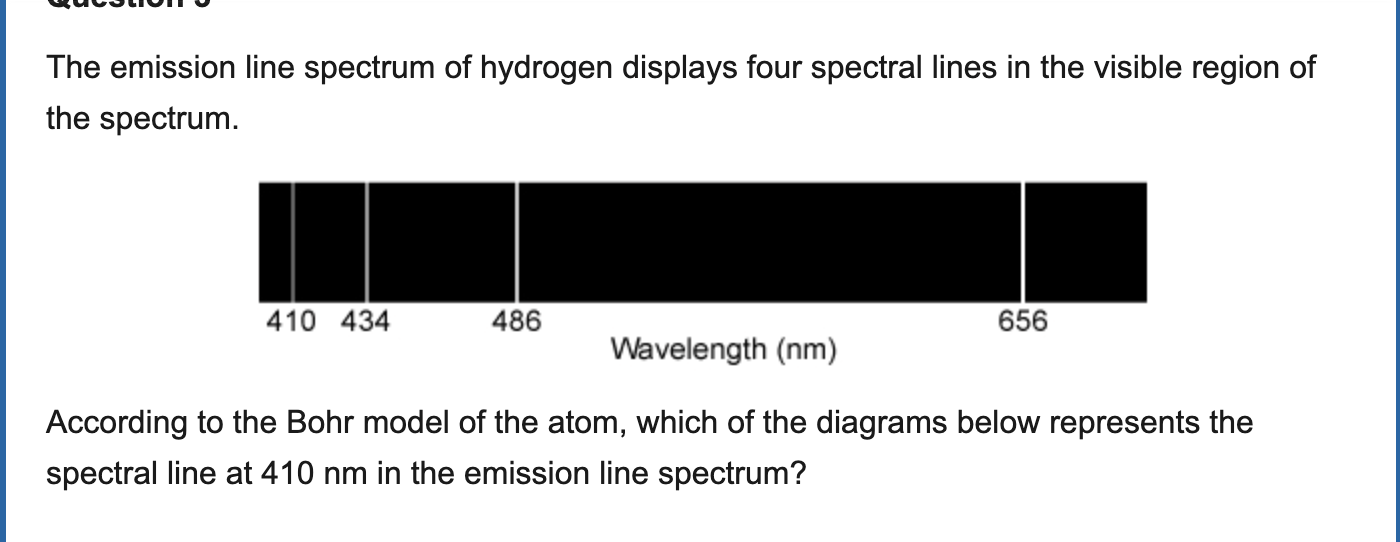
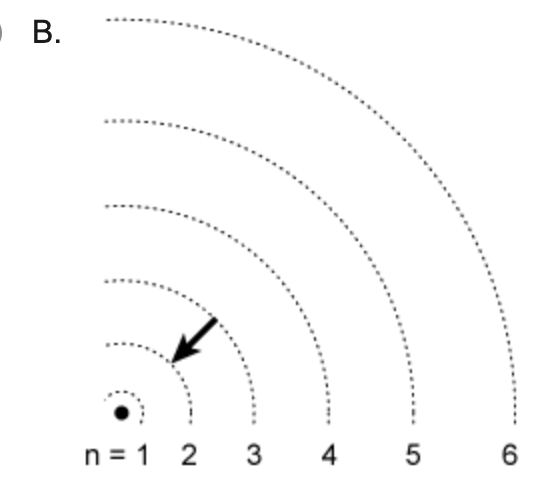
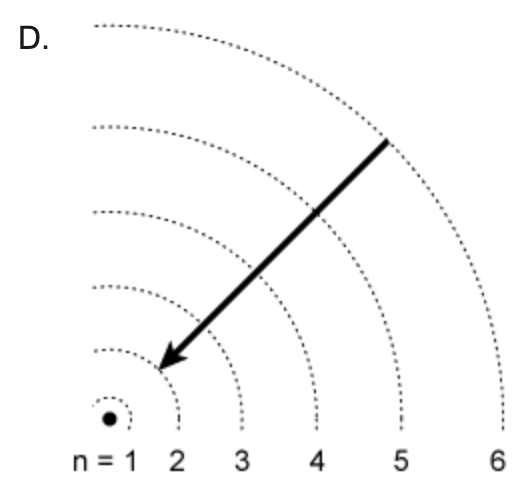

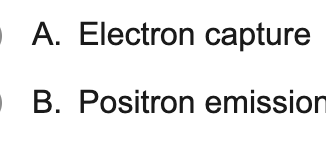
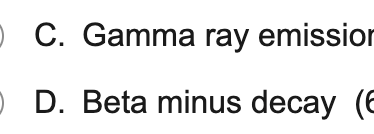
beta minus decay
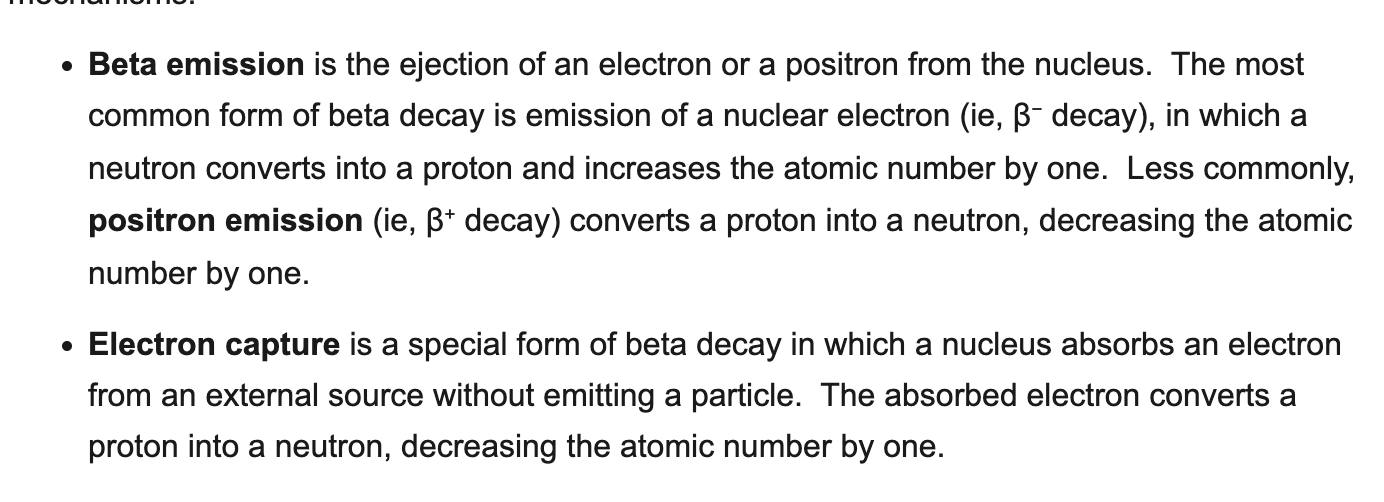

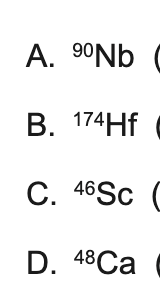
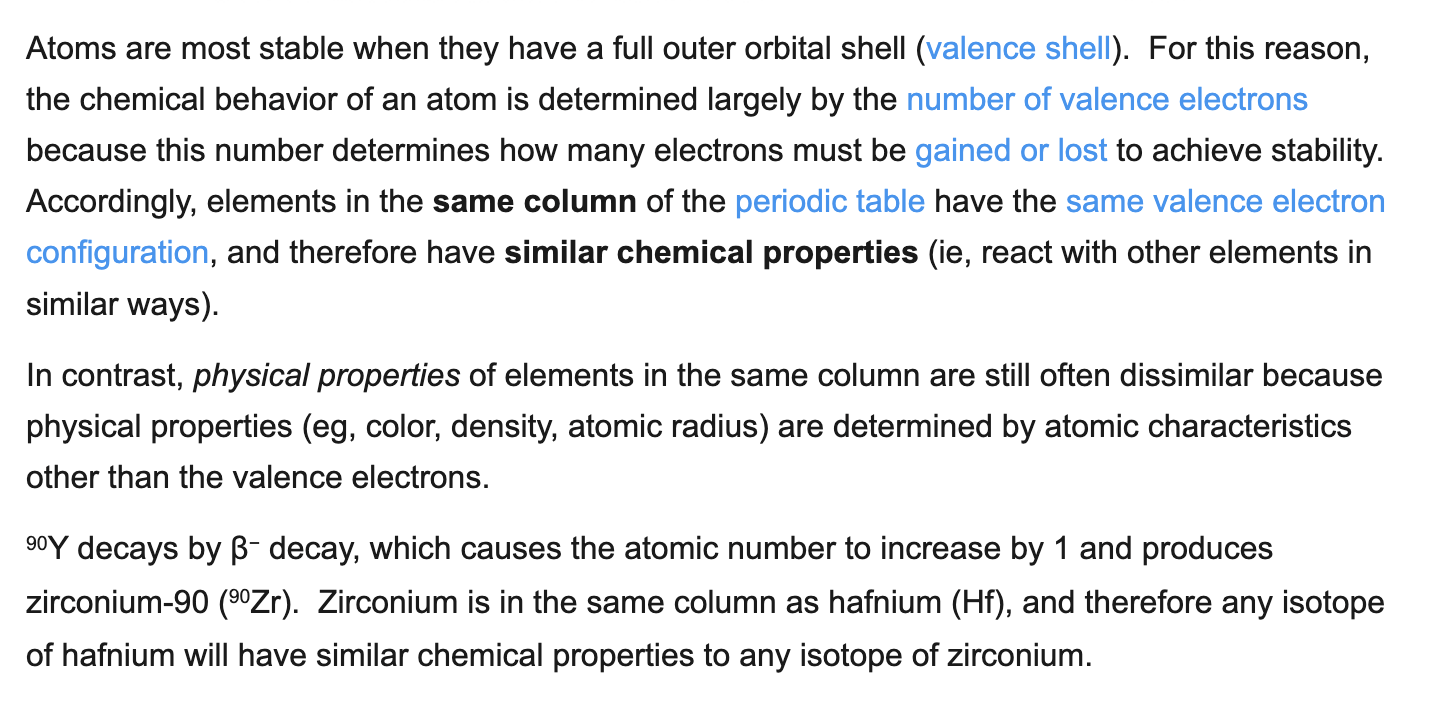
Check periodic table
Answer B
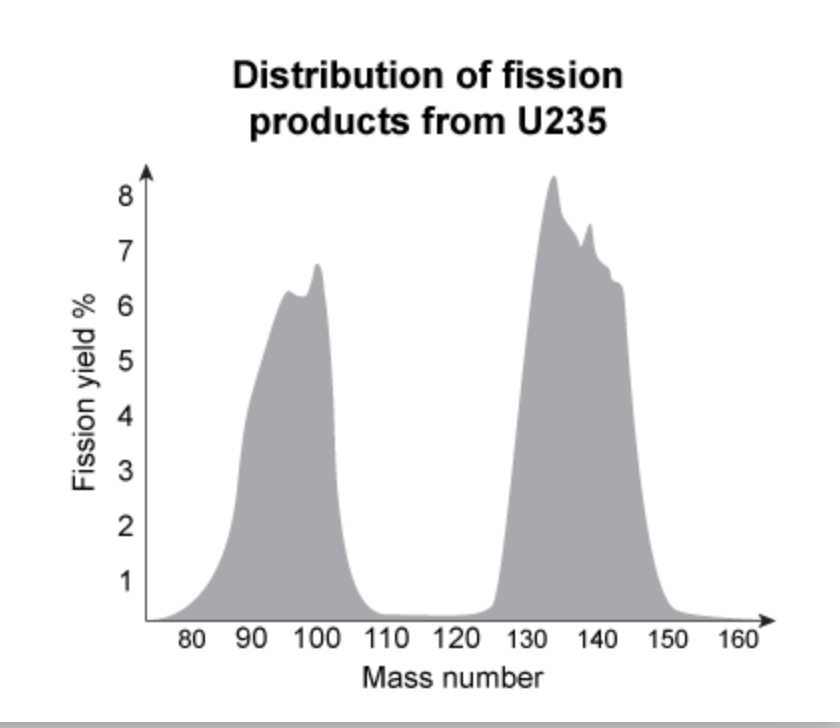

mass is about 133 so an atom with about that mass is (55—cs)

just state what nuclei is used


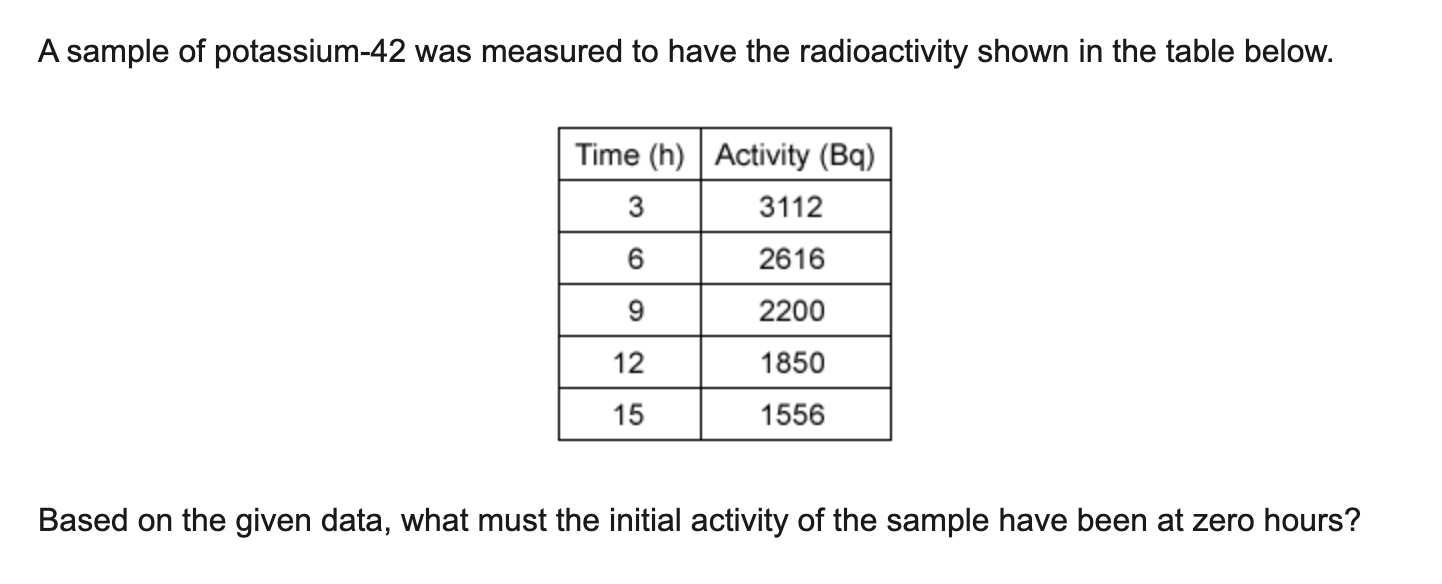
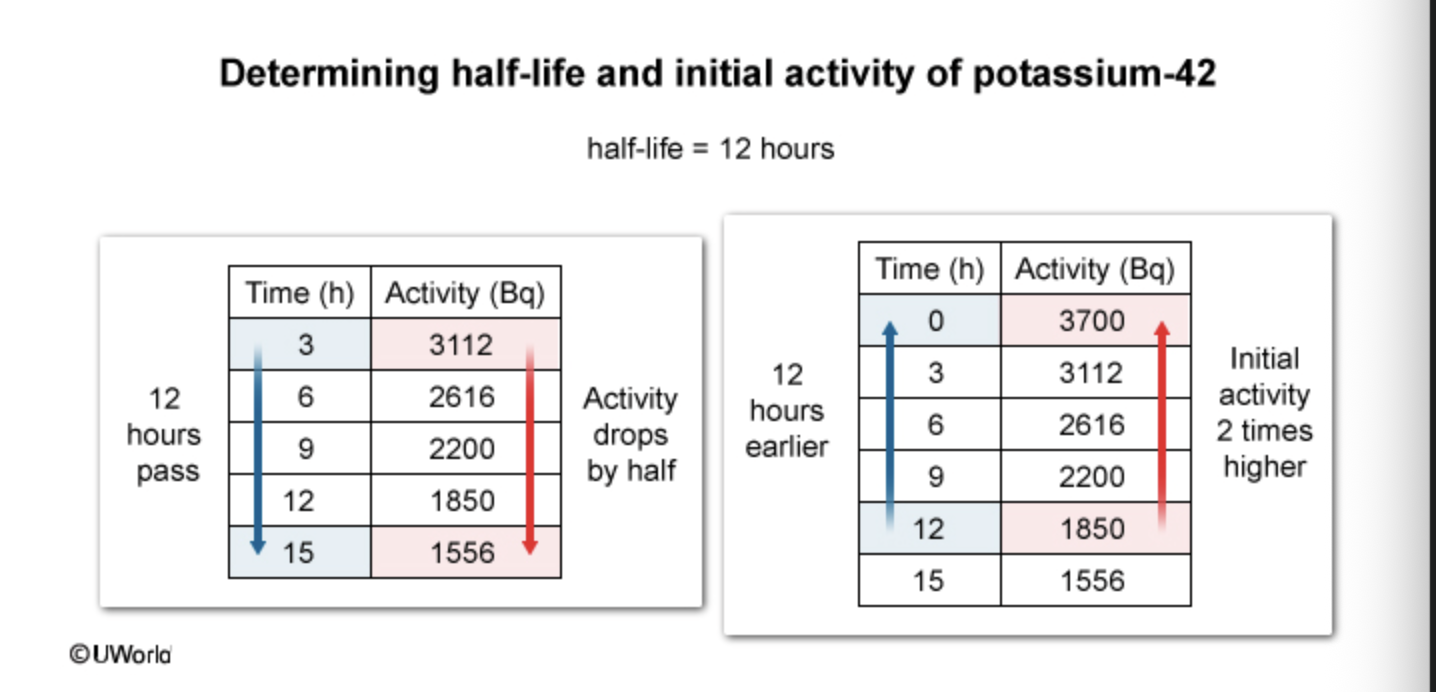
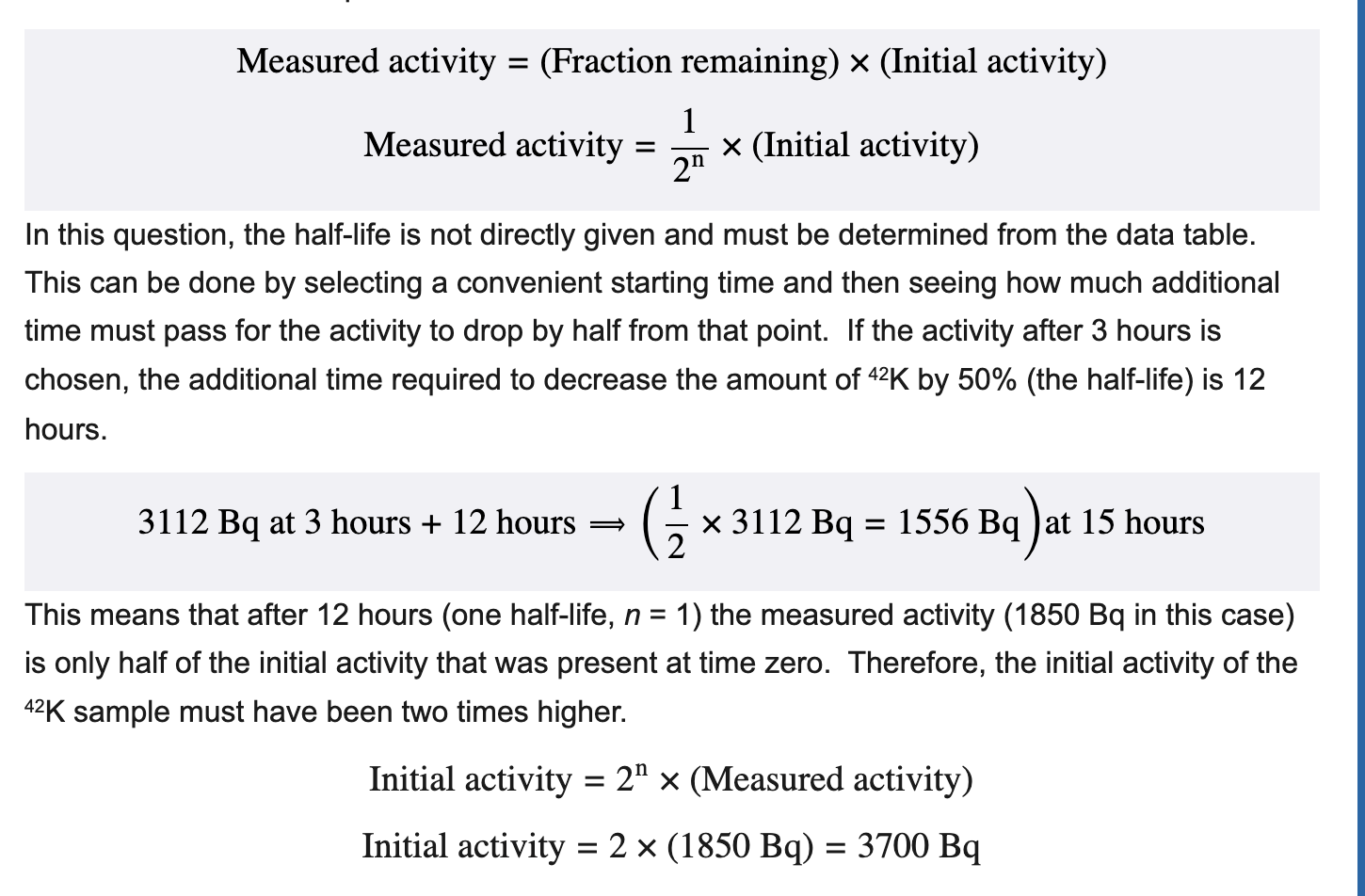
2.5/20= 1/8 ——> 1/2^n n=3 times so 64 hours multiplied by 3 half lives is
answer: 192 hours
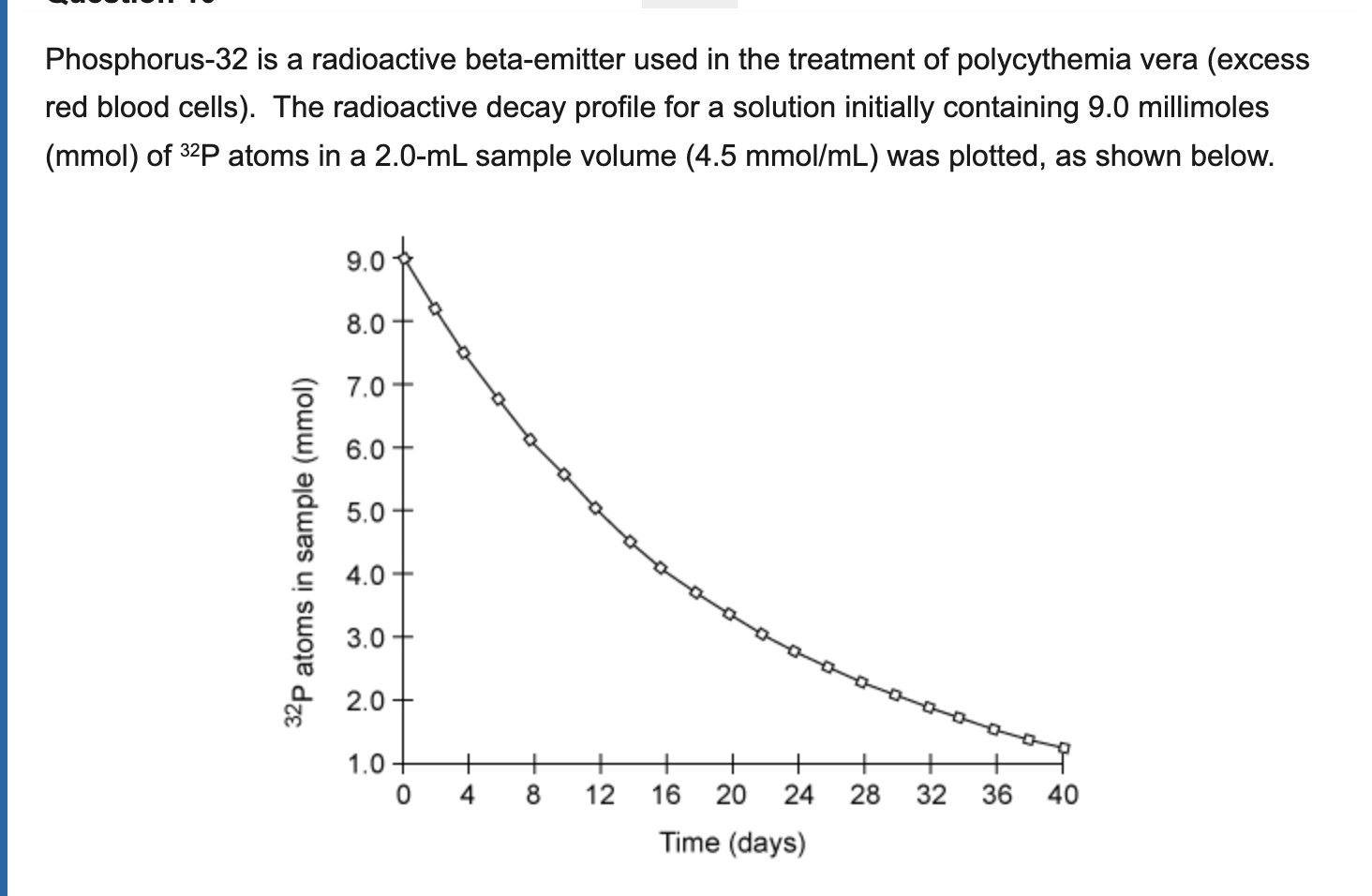

half life based on graph is day 14 (4.5 mmol)
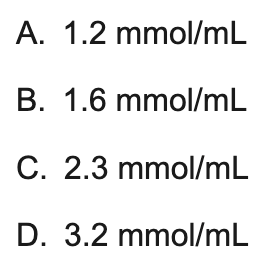
1.5 half lives would be 21 days which is about 3.2 mmol
so the answer is B (3.2mmol/2ml)—→ 1.6mmol/mL

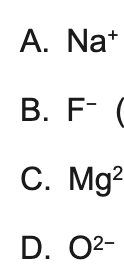
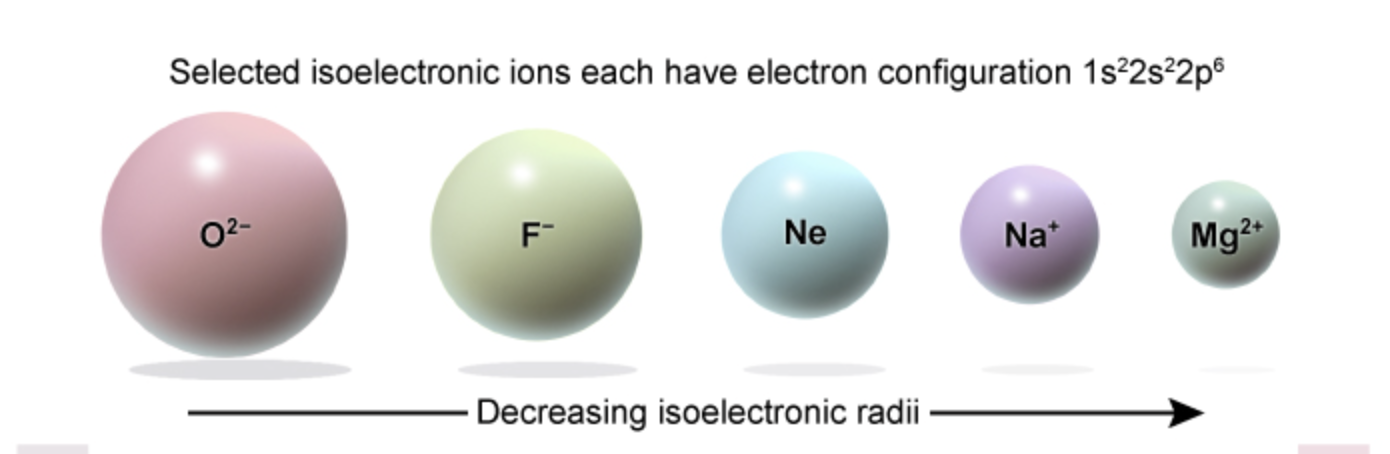
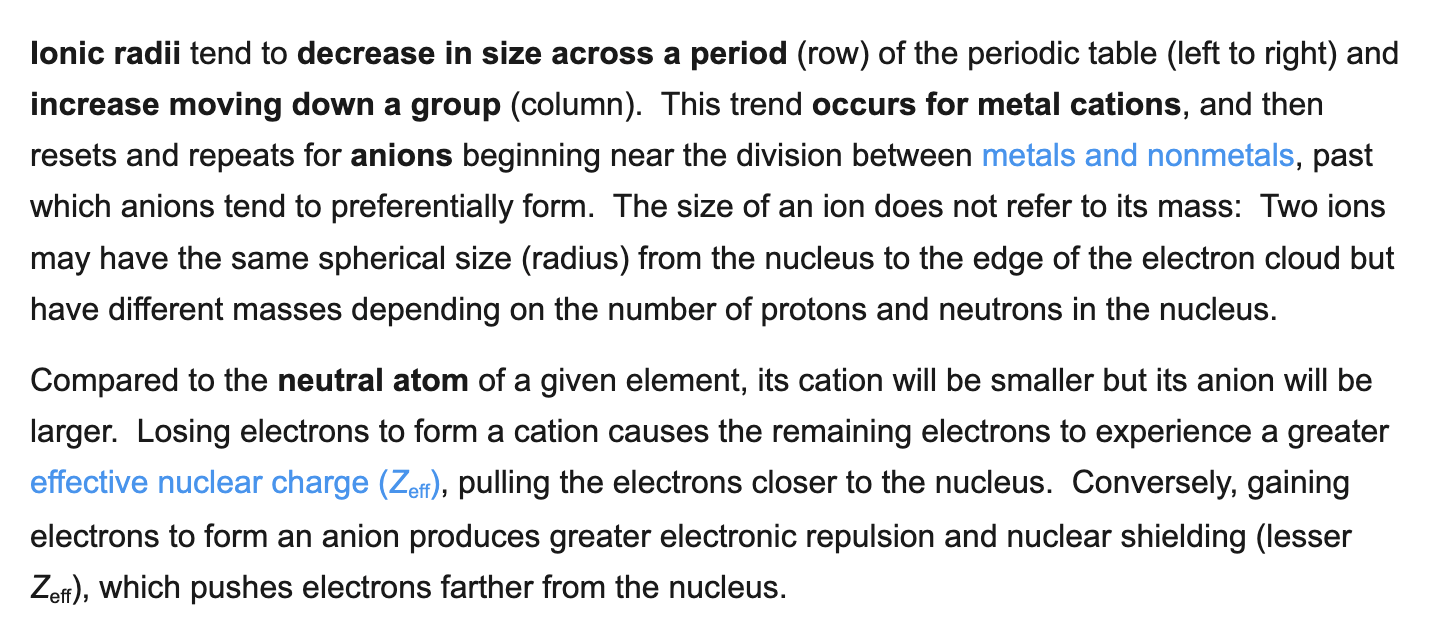
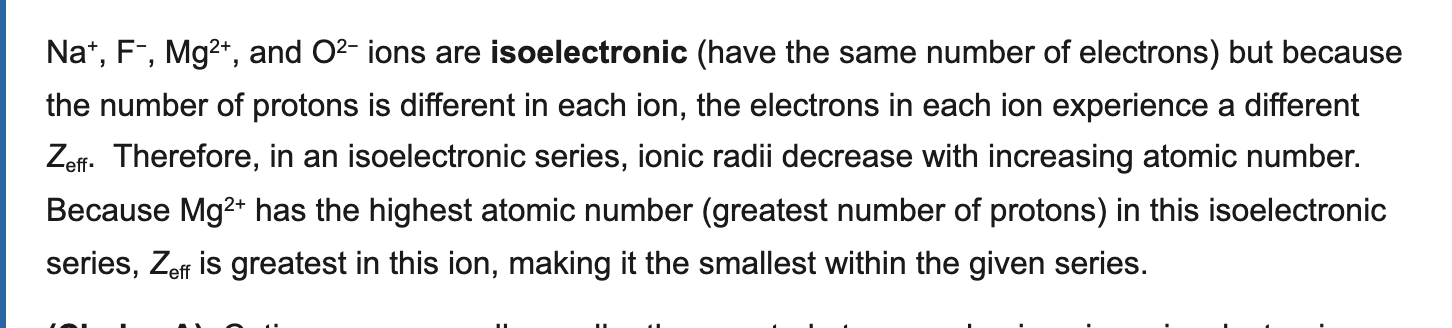
All of then would be similar to a Ne (isoelectiric) atom but because Mg has more protons and less relative electrons—→ it is more deshielded making it smaller
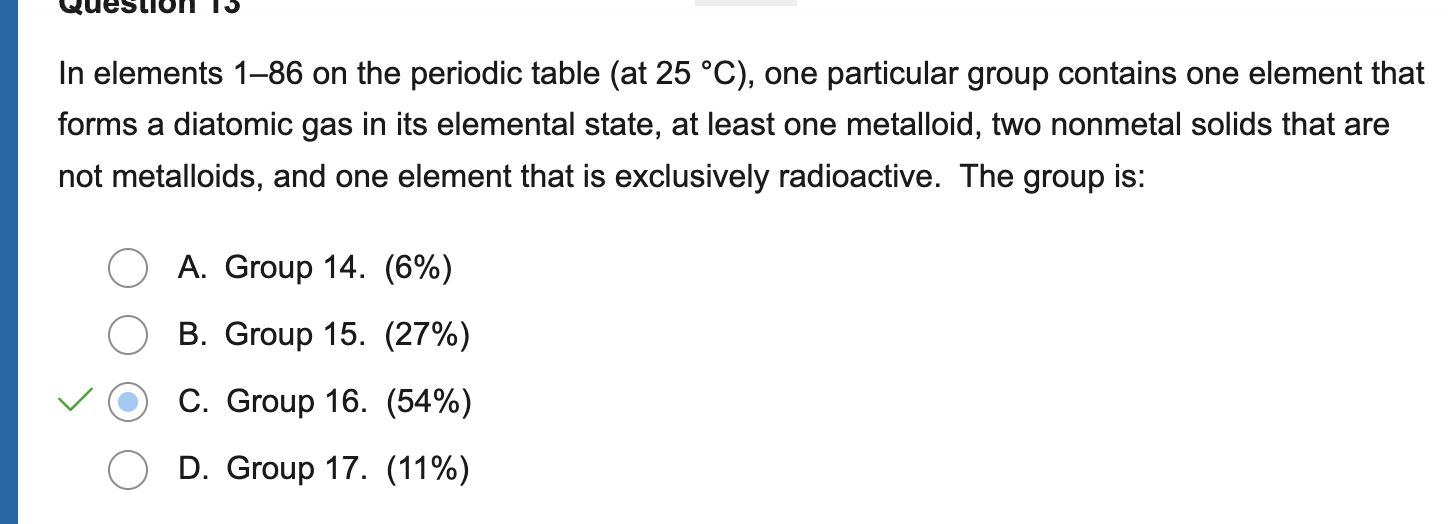
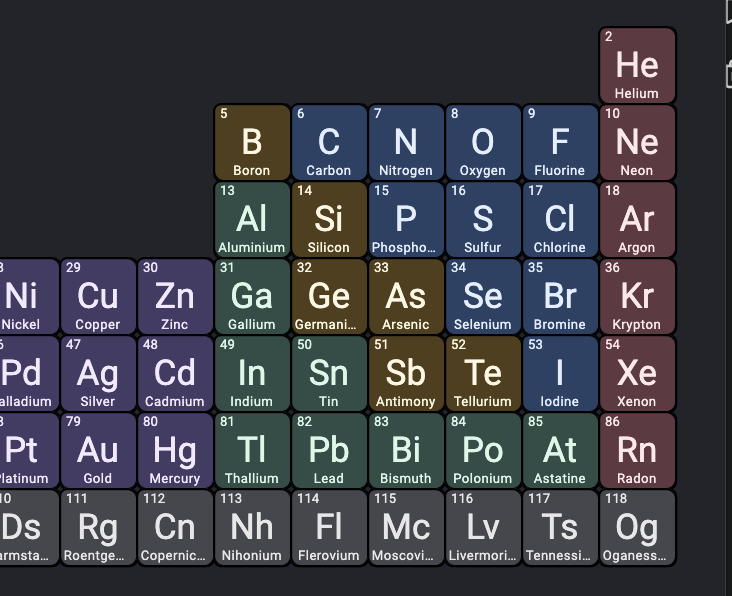
Note: metalloid are yellow, nonmetals are blue
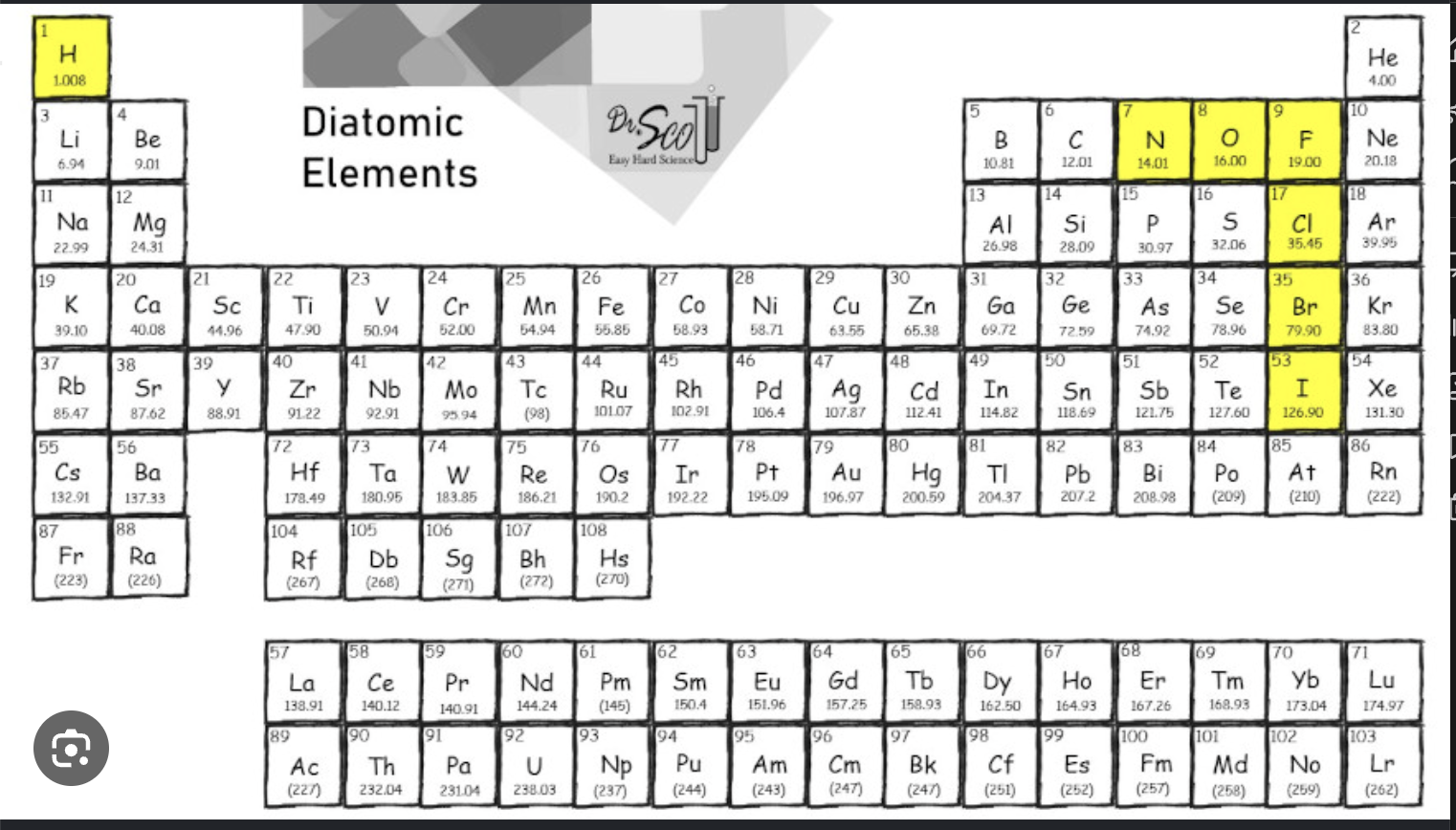
Note: highlighted are diatomic gases
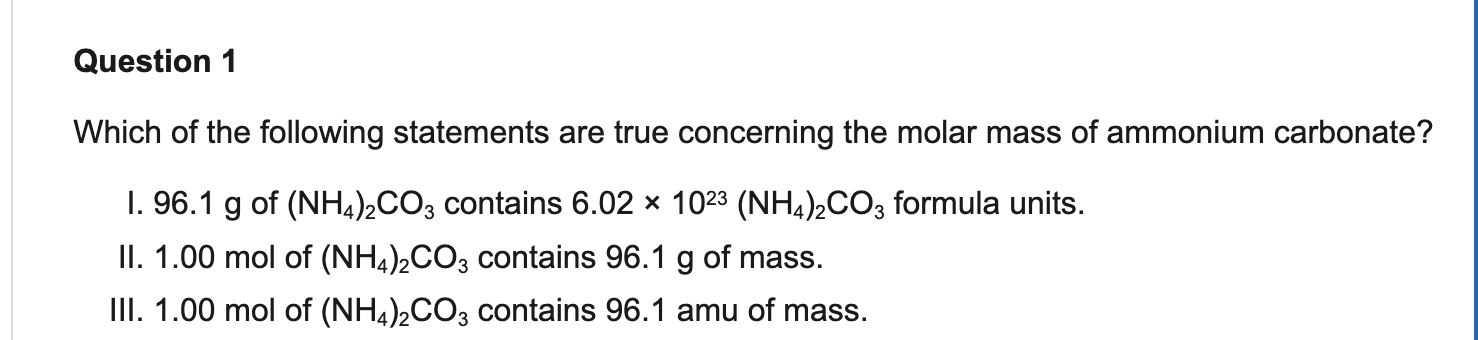
1 and 2 only
1 mol = 96.1 g = 6.02 × 10^(23) atoms
but
1 atom = 96.1 amu
so 3 is wrong
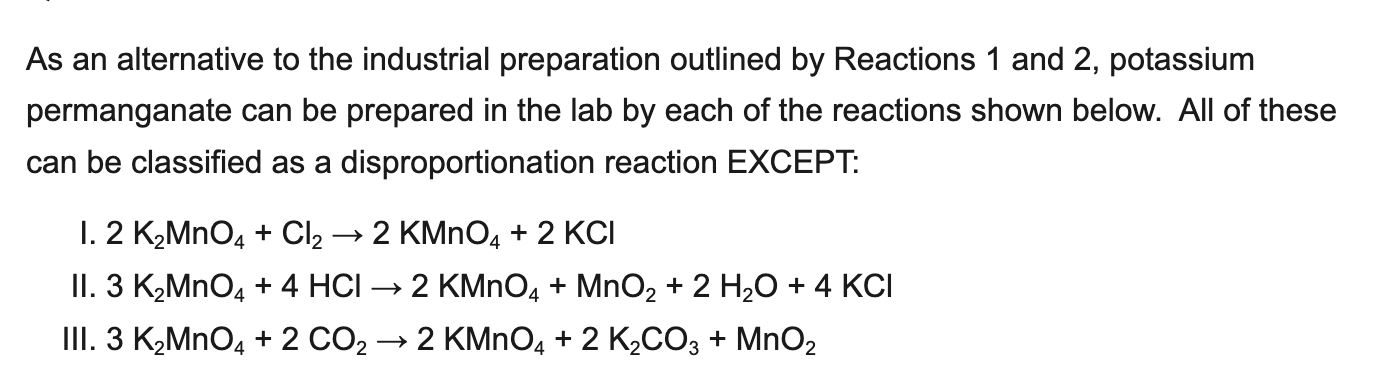
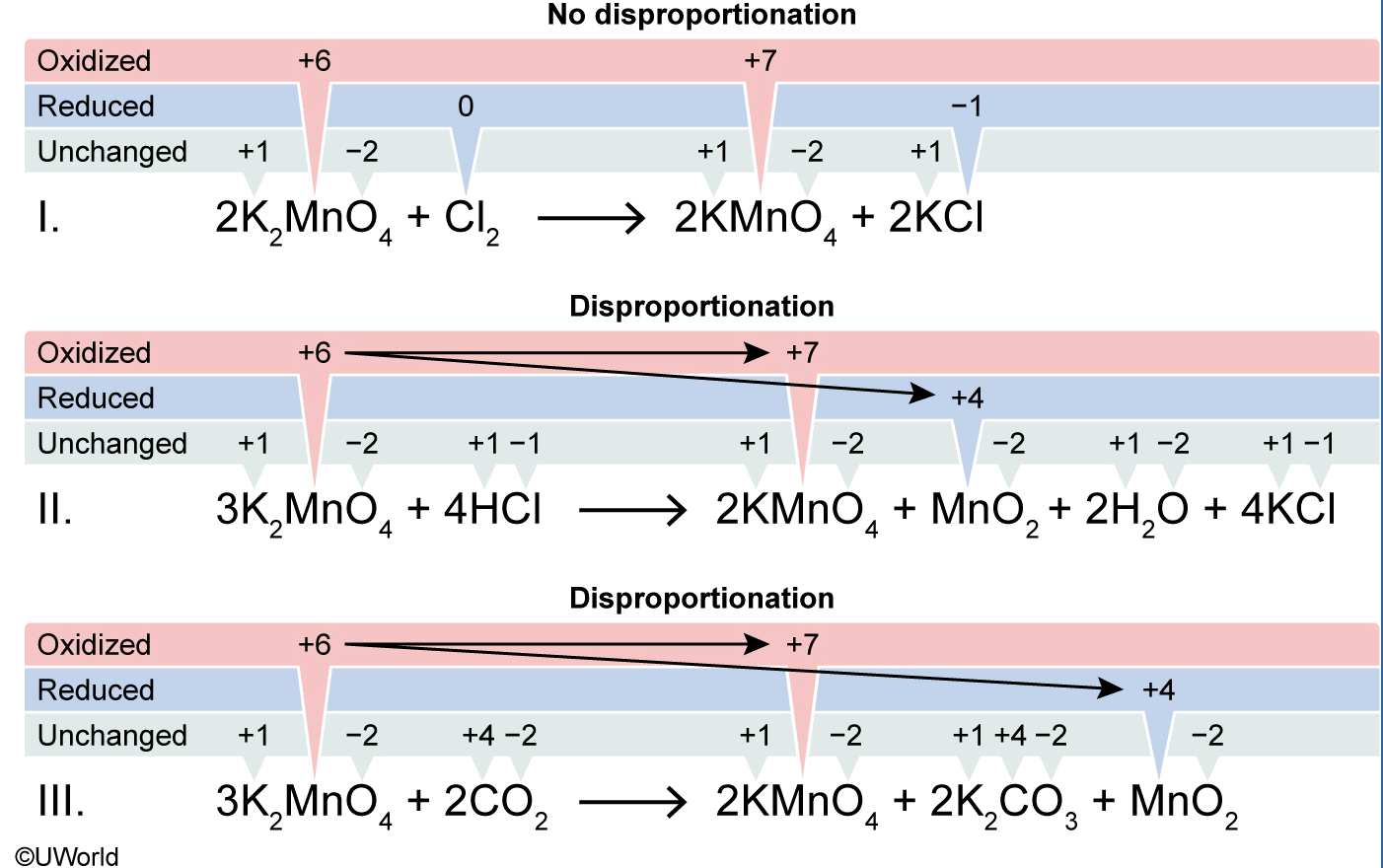
1 only