Back and Vertebral Column
 Call Kai
 Learn
Learn Practice Test
 Spaced Repetition
 Match
Match Flashcards
 Knowt Play
1/83

There's no tags or description
Looks like no tags are added yet.
Name | Mastery | Learn | Test | Matching | Spaced | Call with Kai | Chat |
|---|
No analytics yet
Send a link to your students to track their progress
84 Terms
the vertebral column extends from
the skull to the tip of the coccyx
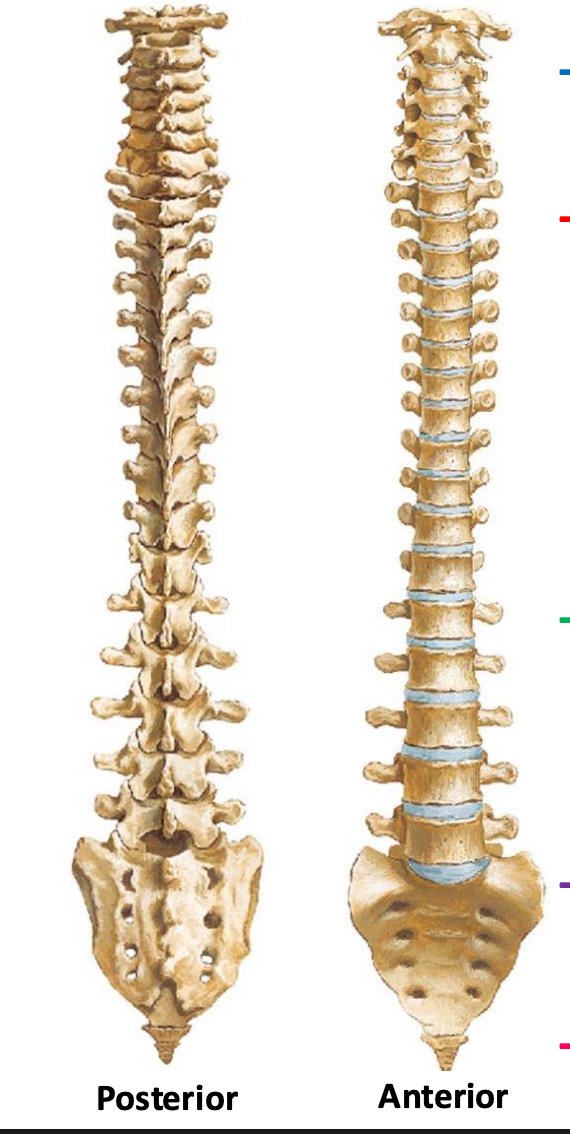
the vertebral columns main functions are (5)
manatins posture
absorbs shock and transmits body weight
assist with locomotion
provides mobile framework
protects spinal cord and spinal nerves
how many cervical vertebrae
7
how man thoracic vertebrae
12
how many lumbar vertebrae
5
how many sacral vertebrae
5 fused
how many coccygeal vertebrae
4 fused
which regions are primary curvature (present before birth)
thoracic and sacral
primary curvatures are called
Kyphotic curves (concave posteriorly)

which regions are secondary curvature (present after birth)
cervical and lumbar
secondary curvatures are called
Lordotic curves (concave anteriorly)

excess curvature of the thoracic vertebrae is called
kyphosis (hunch back)
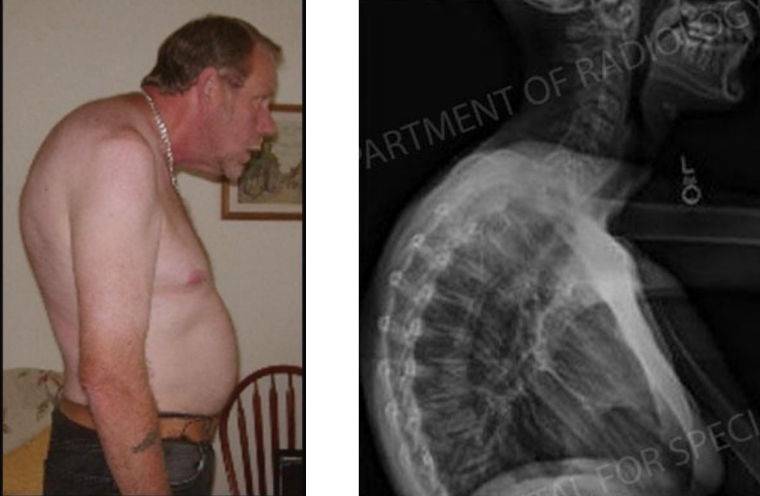
kyphosis is caused by
degenerative disease, developmental problems, erosion or fracture of anterior part of vertebra, posture component
excess curvature of the lumbar vertebrae, with anterior rotation of pelvis is called
lordosis (sway back)

lordosis is caused by
weak trunk muscles, obesity, pregnancy, compression fractures
increased lateral curvature of the spine with vertebrae rotation is called
scoliosis

scoliosis is caused by
weakness of back muscles, poor posture, congenital defects in vertebrae development, inequity of lower limb length
unique/distinctive features of cervical vertebrae (4)
small body
large vertebral foramina
transverse foramina
bifid (split into two) spinous process
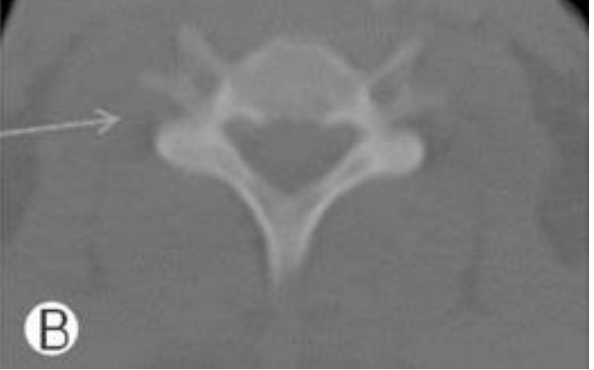
cervical vertebrae motions
flexion, extension, and lateral flexion
unique/distinctive features of thoracic vertebrae (4)
costal facets
long transverse process
long spinous process
small vertebral foramen

thoracic vertebrae motions
rotation and some lateral flexion
unique/distinctive features of lumbar vertebrae (3)
large bodies
large vertebral foramen
no costal facets
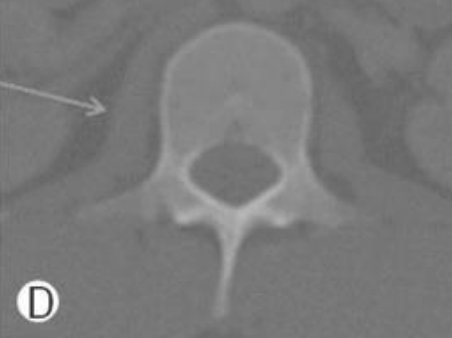
lumbar vertebrae motions
flexion and extension, some lateral bending and limited rotation
what is the name of C1 vertebrae
atlas

what movement does the atlas (C1) provide
flexion and extension of head (“yes” movement)
what joint does C1 form with the skull
atlanto‑occipital joint
what is the name of C2 vertebrae
axis

what movement does the axis (C2) provide
lateral rotation of head (“no” movement")
what is the name of the joint the axis (C2) forms with the atlas (C1)
atlanto‑axial joint
how are intervertebral disc named
named for the two vertebrae that it is between (ex: L1 and L2 → disc is L1/L2)
main function of intervertebral disc
flexible shock absorbers
what is the inner part of the intervertebral disc called
nucleus pulposus (gelatinous material)
what is the outer part of the intervertebral disc called
anulus fibrosus (concentric layers of fibrocartilage)
invertebrate disc have a high content of
water (H2O)
how does a herniated disc happen
the nucleus pulposus protrudes through a weakened or torn annulus fibrosus

what is disc degeneration
gradual deterioration of invertebral disc over time
main cause of disc degeneration is
natural stress & minor injuries
what happens to disc water content in degeneration?
gradually loses water content, causes disc to shrink
which structure weakens during disc degeneration
annulus fibrosus
what are the 5 vertebral ligaments
anterior longitudinal ligament
posterior longitudinal ligament
supraspinous ligament
interspinous ligament
ligamentum flavum


name the ligaments (pink, blue, green)
pink = anterior longitudinal ligament
blue = posterior longitudinal ligament
green = suoraspinous ligament
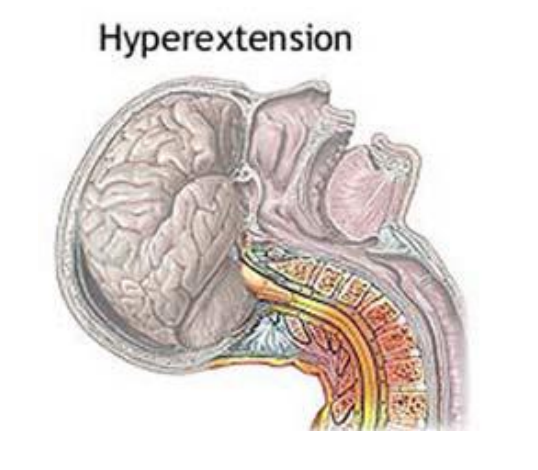
during whiplash which ligament resists hyperextension
anterior longitudinal ligament (would tear if stretched to far)
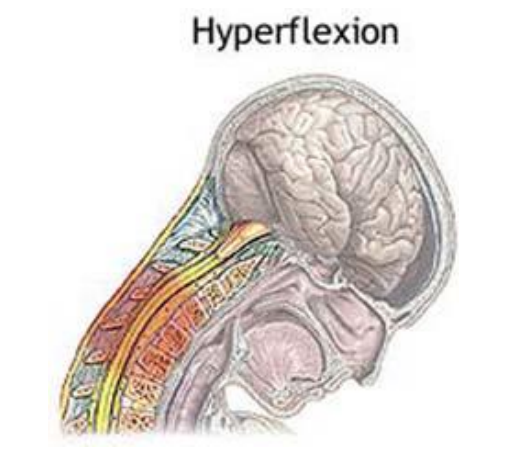
during whiplash which ligament resists hyperflexion
posterior longitudinal ligament (would tear if stretched to far)

name the muscle (green)
Trapezius
trapezius innervation
spinal accessory nerve (CN XI)
trapezius action
elevates, retracts and depresses scapula

name the muscle (purple)
latissimus dorsi
latissimus dorsi innervation
thoracodorsal nerve
latissimus dorsi action
adducts, extends, and medially rotates humerus

what is the arrow pointing to and why is this structure important
triangle of auscultation - spot on back where you can listen to the lungs the best
name the muscle (teal)
levator scapula
levator scapula action
evelates and downward rotation of scapula
name the muscle (pink and purple)
pink = rhomboid minor
purple = rhomboid major
rhomboid major and minor innervation
dorsal scapular nerve
rhomboid major and minor action
retracts and downward rotation of scapula
name the muscle (orange)
serratus posterior superior
serratus posterior superior innervation
2nd-5th intercostal nerves
serratus posterior superior action
elevates ribs (respiration)
name the muscle (red)
serratus posterior inferior
serratus posterior inferior innervation
9th-12th intercostal nerves
serratus posterior inferior action
depresses ribs (respiration)
what muscles are considered accessory respiratory muscles
serratus posterior superior and serratus posterior inferior
name the muscle (purple)
splenius
splenius innervation
posterior rami of cervical spinal nerves
splenius action (unilateral and bilateral)
unilateral - laterally flexes and rotates the head and neck
bilateral - extends the head and neck
name the muscle and its 3 subsections (green, blue, red)
erector spinae
green = spinalis
blue = longissimus
red = illicostalis
erector spinae innervation
posterior rami of spinal nerves
erector spinae action (unilateral and bilateral)
unilateral - laterally flexes the vertebral column
bilateral - extends vertebral column and head
what are the 3 muscle enclosed in the transversospinalis muscle
semispinalis, rotatores, multifidus
transversospinalis muscle action
Cause rotational & lateral bending movements between adjacent vertebrae and stabilize the vertebral column
name the muscle (green)
semispinalis
semispinalis action
extends head and vertebral column. rotates contralaterally head and vertebral column
name the muscle (purple)
multifidus (spans 2-4 vertebral levels)
multifdus action
stabilizes vertebrae during local movements of vertebral column
name the muscle (red)
rotatores (spans 1-2 vertebral levels)
cervical vertebra movement
flexion, extension, lateral flexion
thoracic vertebra movement
rotation
lumbar vertebra movement
flexion, extension, and lateral flexion
sacral vertebra movement
no movement
how does a strain happen
occurs when muscle fibers are abnormally stretched or torn (especially in erector spinae muscles)
most common cause of lower back pain is
due to a strain
how does a sprain happen
occurs when ligaments are torn from their attachments – due to excessive extension or rotation
what is a back spasm
sudden involuntary muscle contraction
what causes back spasms
occurs after injury or in response to inflammation