ch8 immune system + wound healing
 Call Kai
 Learn
Learn Practice Test
 Spaced Repetition
 Match
Match Flashcards
 Knowt Play
1/178

There's no tags or description
Looks like no tags are added yet.
Name | Mastery | Learn | Test | Matching | Spaced | Call with Kai | Chat |
|---|
No analytics yet
Send a link to your students to track their progress
179 Terms
what are the possible sources of disease? (5)
genetic
acquired
multifactorial
idiopathic
latrogenic
what is a genetic disease? (2 types)
congenital (present at birth)
noncongenital (evidence later in life), e.g., cystic fibrosis
what does idiopathic disease mean?
origin of disease is not known
what does latrogenic disease means?
resulting from medical intervention, treatment, procedure or error
define signs
observable phenomena that can be verified
define symptoms
factors verbalized by the patient and frequently noted by the chief complaint in the physician's history and physical examination
define outcome (in terms of disease)
referred to as the sequelae of disease
Possible outcomes: cure, remission, chronic disease, or death
define prognosis
refers to the expected or usual outcome
how do cells become injured (4 main categories)
Physical injury- burns, mechanical trauma
Infection- microbial
Deficiency- hypoxia, nutrients, genetic abnormalities
Excess- toxins, nutrients, genetic abnormalities
what are the main 4 ways cells react to injury and disease?
cellular accumulation
abnormal cell growth or development
cell degeneration or death (necrosis)
inflammatory response
what do we mean by cellular accumulation?
Ex: fat in liver, pooling blood in hematoma, amyloid plaques in brain
what are the 5 different cellular alterations that may occur?
atrophy
hypertrophy
hyperplasia
metaplasia
dysplasia
define atrophy and its common causes (several)
results from a decrease in cell size
Common causes: decreased workload, loss of innervation, diminished blood supply, inadequate/deficient nutrition, loss of hormonal stimulation, aging
define hypertrophy
defined as an increase in cell size
Can be due to increased functional demand or hormonal stimulation
define hyperplasia
overall cell number increases
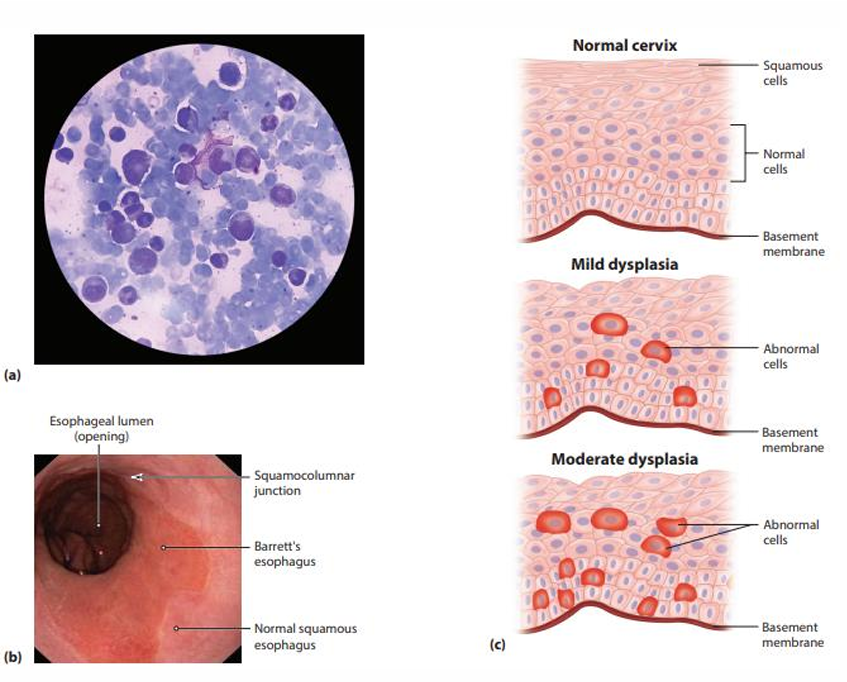
define metaplasia
occurs when disease or injury results in displacement of one cell type by another that may be less mature
examples:
Environmental toxins (e.g., air pollution) --> respiratory epithelial cells
Chronic inflammation - Barrett's esophagus from chronic gastric reflux
Vitamin A deficiency: urinary and respiratory epithelial cells
what 3 things must be true for an infection to be at play?
Pathogen must be present
Host must be susceptible to the infection
Environment must be conducive to proliferation of pathogen
susceptibility to infection is influenced by what factors
age, gender, nutritional status, physical activity, hormones, and stress
what are the stages of infection (4)
incubation
prodomal
acute
recovery/covalescence
what is incubation stage
the time between entry of the microorganism and appearance of any clinical signs or symptoms.
what is prodromal stage
when the individual begins to experience the first, even vague, symptoms of infection
what is acute stage
peak of the infection; clear, strong signs of specific disease appear
what is recovery/convalescence stage
Immune system starts to win, symptoms fade, body returns to normal
what are the 2 types of cell death
necrosis and apoptosis
what is necrosis
refers to the cellular changes that occur during cell death (not normal)
define apoptosis
pattern of cell death genetically programmed, which allows for removal of cells in a systematic, orderly fashion
what things contribute to host resistance (what does you body have that helps resist infections)? (3 main)
Intact skin and mucous membranes form physical and chemical barriers
Body secretions such as saliva, tears, and gastric juices
Effective immune system, inflammatory response, and absence of underlying disease

what are the central organs of the immune system
bone marrow and thymus
what are the peripheral organs of the immune system
spleen and lymphatic system, MALT, GALT, BALT
what are the functions of the immune system (3)
Defends body from pathogens
Actively promotes homeostasis
Provides surveillance
what are the 4 basic requirements of the immune system?
Specificity
Diversity
Adaptivity
Ability to respond to new stimuli
what are the 2 types of immunity?
innate and acquired/adaptive
what is innate immunity
first line of defense --> nonspecific
cellular response is inflammation
what is acquired/adaptive immunity
immune response that results from exposure to an antigen or immunoglobulin
recognize and respond to specific foreign material
what is an antigen
any substance that can bind to immune cell or antibodym
most antigens are ______; some can be ___________-
immunogens ; a piece of bacterium or virus or other cell
what are immunogens
substance that always triggers immune response
immune cells are (main name)
WBC (leukocytes)
what are the type of immune cell categories?
macrophage/monocyte
neutrophils
basophils
eosinophils
lymphocytes
what are macrophages/monocytes? (function)
ingest and destroy bacterial, aged cells, and neoplastic cells in a process called phagocytosis
They can break down antigens into small pieces that they “present” on their cell surface for other cells of the immune system to recognize and respond to—that is, they serve as antigen-presenting cells
what are polymorphonuclear leukocytes?
Neutrophils, eosinophils, and basophils
Act as the body's rapid responders to infection and inflammation
Neutrophils, eosinophils, and basophils are distinguished by
the shape of the nucleus and the stains taken up by the granules
what are other cells that are derived from myeliod stem cells? (3)
Mast cells, dendritic cells, and Langerhans cells
what are mast cells?
release histamine and TNF-alpha when triggered due to innate immunity and allergic reactions
the lymphoid precursor differentiates into cells that make what system?
adaptive immune system
what are the 3 types of lymphocytes?
T cells, B cells, and natural killer cells
what are the type of T cells? (3)
helper T cells (CD4+), cytotoxic T cells (CD8+), and regulatory T cells
what is the function of B cells (main)
make antibodies to fight infection
types of antibodies?
IgG, IgA, IgM, IgD, and IgE
what molecules can detect the difference between our cells and those of antigens and communicate it to other cells? (2 types)
Major histocompatibility complex (MHC) and human leukocyte antigens (HLA)
what do Major histocompatibility complex (MHC) and human leukocyte antigens (HLA) do?
Play a role in susceptibility to some autoimmune and infectious disease
How the detection of antigens (detect a cell different from our own) can be communicated to other cells
these molecules are on APC (antigen-presenting cells) like for example the macrophage that takes the antigen and presents it to helper T cell (macrophage is APC; MCH molecule is what selects the fragment and brings it to cell surface for T cell to read)
what are the 2 types of mediators that assist the immune system’s cells in their function?
cytokines and complement cascade
what is the complement cascade?
“complement immune response”
The complement proteins are a system of proteins that are activated by other elements of the immune response and react in a tightly regulated cascade and are involved in destroying infected cells and some pathogens.
Final product: membrane attack complex (MAC)--> lyses cells by making holes in target cells; triggers inflammation and phagocytosis
what are cytokines?
Small proteins or glycoproteins that are signal molecules that are produced by cells (primarily T cells and macrophages)
they are proteins produced in cells that, in small amounts, affect behavior of other cells
cytokine function?
affect behavior of other cells
The target cell may be activated, stimulated to proliferate, or stimulated to differ entiate into another cell.
ex: interleukin (IL-1, IL-6), tumor necrosis factor (TNF), interferon (INF)
how to cytokines work?
An inducing stimulus causes a cell to make a cytokine which binds to surface receptor on target cell. The result is altered biological activity in the target cell
cytokines work where?
Autocrine and paracrine effects; Cytokines aka "local hormones"
Rarely endocrine effects
what is the complement cascade?
a system of plasma proteins that react in tightly regulated cascades activated by antibodies or specific molecules found on pathogens
how does complementary cascade work?
Plasma proteins that react to antibodies or pathogens in a tightly regulated cascade
Final product: membrane attack complex (MAC)--> lyses cells by making holes in target cells; triggers inflammation and phagocytosis
what innate immunity?
first line of defense--> nonspecific, cellular response in inflammation
which cells are important for innate immune system? (4)
macrophages, monocytes, natural killer cells, and leukocytes (neutrophils)
these cells react how fast and to what?
React immediately with any antigen or in response to injury (nonspecific)
react with any antigen—→ they can thus react immediately
what is the response of innate immunity?
localized or acute systemic inflammation
what are the signs of imflammation?
Signs and symptoms are redness, warmth, swelling, and pain resulting from hyperemia (increased blood flow) and vascular permeability
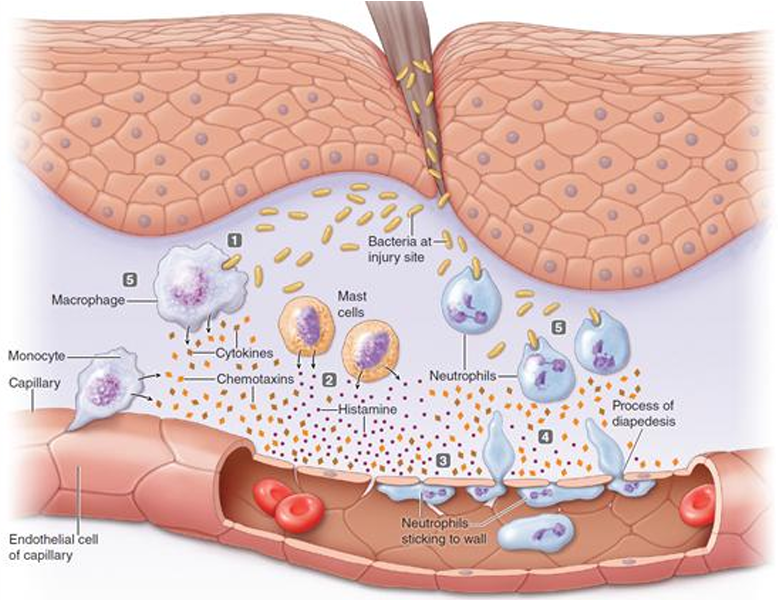
how does inflammation occur (steps)
A break in the skin introduces bacteria, which reproduce at the wound site. Activated resident macrophages engulf the pathogens and secrete cytokines and chemotaxins
Activated mast cells release histamine which dilates local blood vessels and widens the capillary pores
vasodilation increases blood delivery to injury site and increased permeability of pores leads to fluid accumulation —→ redness, heat, swelling, pain
cytokines cause neutrophils and monocytes to stick to vessels and chemotaxins attract neutrophils and monocytes which squeeze between cells (diapedesis) and migrate to the site
Monocytes enlarge into macrophages. Newly arriving macrophages and neutrophils engulf the pathogens and destroy them
what are the 3 types of inflammation?
inflammation
acute inflammatory response
chronic inflammatory response
inflammation
location
response time
responses (bodily)
localized
seconds to minutes
redness, heat, swelling, pain
acute inflammatory response
location
response time
responses (bodily)
systemic
hours to days
fever, neutropenia, anorexia, fatigue; labs: increase WBC, CRP, fibrinogen, ESR
chronic inflammatory response
location
response time
responses (bodily)
systemic
months to years
increased CRP, fibrinogen, ESR, NF, IL-6, TNF-a
mediators of inflammation

nitric oxide function in inflammation
destroys toxic microbes
lactoferrin function in inflammation
secreted by neutrophils; bins to iron and prevents its use by invading bacteria
histamine function in inflammation
increase blood flow and vascular permeability, allowing fluid an proteins to see from blood into interstitial spaces
ROS function in inflammation
toxic for microorganisms but also damage body tissues
interleukins and TNF function in inflammation
pro inflammatory cytokines that help trigger blood clotting and T,B cell activation, lower BP, trigger fever, release of prostaglandins, decrease iron availability, and stimulate CRP release
CRP function in inflammation
acute phase protein that works to enhance phagocytosis by targeting bacterial cells for destruction; used as serum marker for inflammation
PGs function in inflammation
increase vascular permeability and influence platelet aggregation
leukotrienes function in inflammation
prolong the response and has vasoactive properties
what are the 3 classes of drugs often used to combat inflammation?
steroids, NSAIDs, and COX-2 drugs
what are the function of steroid (for inflammation)
Interrupt formation of arachidonic acid, which is the precursor to many lipid mediators of inflammation—> reduce pain and swelling from inflammation
ex: prednisone
what are the function of NSAIDS
they are non-selective COX inhibitors (inhibit both COX-1 and COX-2 pathways) and stop the prostaglandin production from arachidonic acid
ex: ibuprofen, aspirin, naproxen
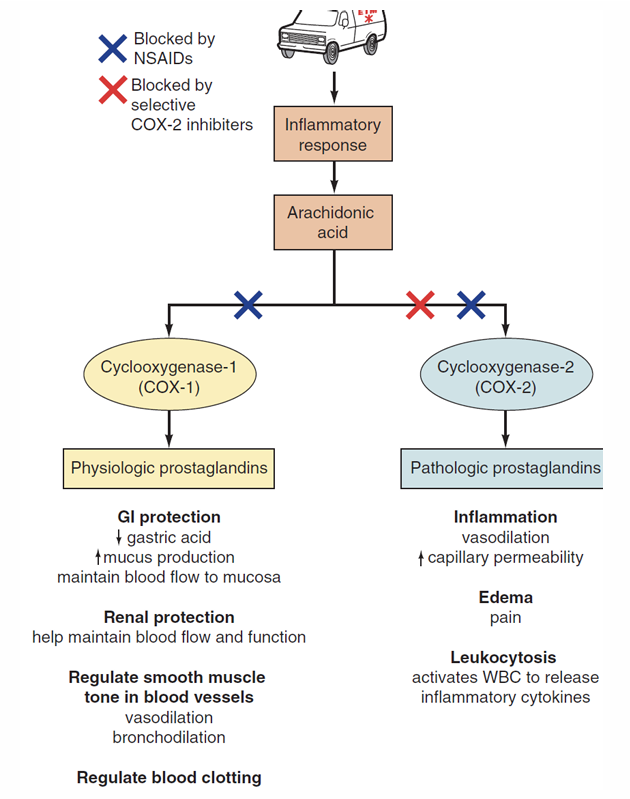
what is the function of COX-2 inhibitor drugs?
Inhibit enzyme pathways for generation of prostaglandins but allow for COX-1 protection
ex: celecoxib (Celebrex)
how have we used nutrition for inflammation prevention
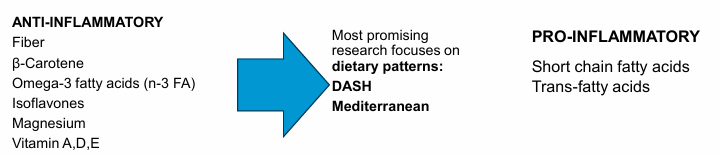
changes in micronutrients during inflammation (table)
Increased:
Copper carrying protein (ceruloplasmin) increases which helps immune cells use copper to kill pathogens
Ferritin and hepcidin increases because iron production increases, and it traps it so that pathogens cannot use it
Thiamin increases because energy needs increase, and B1 is needed for citric acid cycle and ATP production
Decreased:
Iron decreases because hepcidin traps it
Zinc is removed from blood and into liver and tissues to help make new cells
Selenium decreases because protein that makes it decreases in levels
Vit C is a antioxidant so it is used very quickly by WBC
Fat soluble vitamins decrease because liver stops making their carrier proteins

complications to inflammation and wound healing (3)
Dehiscence, adhesions, contractures
what is dehiscence
partial or total separation of previously closed wound edges
aka: wound reopens

what are adhesions
result when two previously unconnected tissues are abnormally joined together
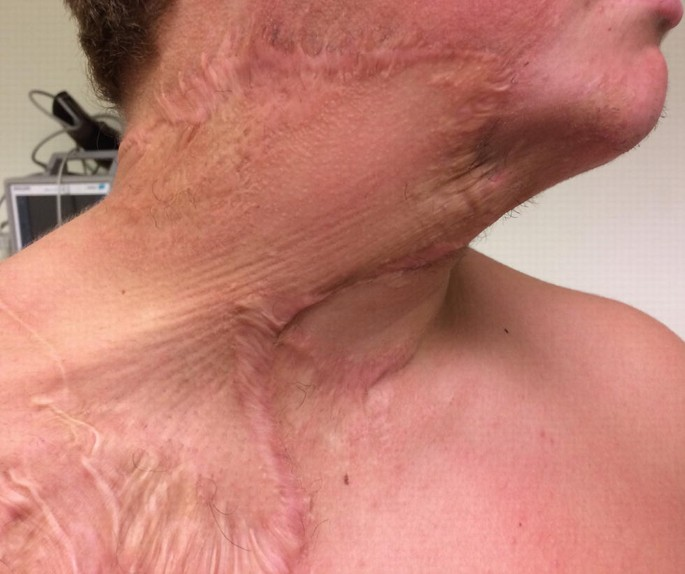
what are contractures
permanent tightening, shortening, or thickening of skin, muscles, tendons, or joint capsules which severely restrict normal range of motion
ex: healed burns
define wound healing
Process by which structure and function are restored
what are the stages to wound healing?
Inflammatory
Proliferation
Remodeling
inflammatory stage of wound healing: how long does this stage last?
begins at the time of injury
continues for about 4-6 days
inflammatory stage of wound healing: what happens in this stage?
Coagulation cascade and fibrin clot formation control bleeding
Vasodilation and increased capillary permeability occur
Neutrophils phagocytize bacteria
Macrophages remove debris and necrotic tissue and secrete growth factors
proliferation stage of wound healing: duration
Begins about the 3rd to 5th day
continues for 2-3 weeks
proliferation stage of wound healing: what occurs?
Epithelial cells form a protective covering and framework over the wound
Angiogenesis produce collagen and matrix protein, forming granulation tissue
Collagen deposition and cross-linking begin to strengthen the wound
Myofibroblasts induce wound contraction and the wound begins to close
remodeling stage of wound healing: duration
Begins about 2-3 weeks after injury and can continue for up to 2 years
remodeling stage of wound healing: what happens?
Collagen maturation and stabilization occur
Fibrous scar tissue matures (decreases in fibroblasts and vascularization) but skin and fascia never regain full strength
MNT for wound healing: kcals
Function:
adequacy required to preserve muscle and maintain weight
Reference intake (general; not for wound healing):
NA
Nutrition assessment reccs:
monitor weight closely for unexplained losses
Recc intake (wound healing/deficiency noted):
goal of 30-35kcal/kg for those who are malnourished or at risk of malnutrition depending on the type of wound
Additional notes:
Monitoring actual kcals received is essential
Kcal goals should be adjusted for ebb and flow phases of the hypermetabolic response, severity of wound, respond to healing, comorbidities, and other factors that affect metabolic rate
for wound healing, what are the nutrition assessment reccomendations to determine kcals
monitor weight closely for unexplained losses
recommended Kcal for wound healing
goal of 30-35kcal/kg for those who are malnourished or at risk of malnutrition depending on the type of wound
what should be monitored (for kcals)
Monitoring actual kcals received is essential