Vital Signs
 Call Kai
 Learn
Learn Practice Test
 Spaced Repetition
 Match
Match Flashcards
 Knowt Play
1/55

There's no tags or description
Looks like no tags are added yet.
Name | Mastery | Learn | Test | Matching | Spaced | Call with Kai | Chat |
|---|
No analytics yet
Send a link to your students to track their progress
56 Terms
Apnea
absence of breathing
Bounding
a pulse that feels full and springlike on palpation as a result of an increased thrust of cardiac contraction or an increased volume of circulating blood within the elastic structures of the vascular system.
Dyspnea
difficult or labored breathing
Essential hypertension
elevated blood pressure of unknown cause that develops for no apparent reason; sometimes called primary hypertension
Febrile
fever
febrile seizures
Seizures that result from sudden high fevers, particularly in children.
hyperpnea
increase in depth of breathing
Hyperventilation
Abnormally prolonged and deep breathing
intermittent pulse
pulse in which beats are occasionally skipped
orthopnea
ability to breathe comfortably only in an upright position
Orthostatic (postural) hypotension
A temporary fall in blood pressure when a person rapidly changes from a recumbent position to a standing position
Pulse deficit
difference between the apical and radial pulse rates
apical pulse
pulse taken with a stethoscope and near the apex of the heart
pulse pressure
the difference between systolic and diastolic blood pressure (30-50 mm Hg normal)
pyrexia
fever
Rales
abnormal crackling sound made during inspiration
Rhonchi
loud rumbling sounds heard on auscultation during expiration of bronchi obstructed by sputum
secondary hypertension
high blood pressure caused by the effects of another disease
Sinus arrhythmia
A sinus rhythm in which the rate varies with respiration, causing an irregular rhythm.
stertorous breathing
breathing that occurs when air travels through secretions in the air passage; snoring
Tachycardia
Abnormally rapid heartbeat
Thready pulse
A pulse with a decreased volume that feels weak and thin
wheezing
High pitched sound heard in the lungs with asthmatics or lung disease
TPR and BP
temperature, pulse, respiration, blood pressure
Continuous fever
A fever that remains constant above the baseline, does not fluctuate.
Intermittent fever
a body temperature that alternates at regular intervals between periods of fever and periods of normal or subnormal temperatures
Remittent fever
Fluctuating, remains elevated and does not return to baseline
antipyretic
Medication used to reduce a fever
axillary
armpit
carotid pulse
the pulse felt along the large carotid artery on either side of the neck

Radial pulse
the pulse felt at the wrist

temporal pulse
Pulse on each side of temple: temporal artery

brachial pulse
beating or throbbing felt over the brachial artery, usually palpated in the antecubital space
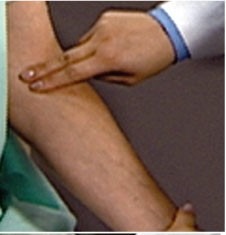
femoral pulse
pulse of the femoral artery felt in the groin

dorsalis pedis pulse
Pulse on the top of the foot lateral to the large tendon of the big toe

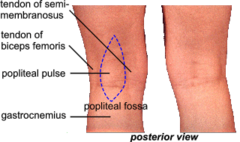
popliteal pulse
Pulse felt at the back of either knee
external respiration
exchange of gases in the lungs
internal respiration
Exchange of gases between cells of the body and the blood
systolic pressure
Blood pressure in the arteries during contraction of the ventricles.
diastolic pressure
occurs when the ventricles are relaxed; the lowest pressure against the walls of an artery
Prehypertension
Systolic: 120-139
Diastolic: 80-89
Korotkoff sounds
series of sounds that correspond to changes in blood flow through an artery as pressure is released
Korotkoff phase I
Sound is a sharper thump or tapping that corresponds with the clients systolic blood pressure, first sound heard
Korotkoff phase II
the period during deflation when the sounds have a muffled, whooshing, or swishing quality
Korotkoff phase III
distinct, sharp tapping sounds return and continue rhythmically
Korotkoff phase IV
muffling and fading (diastolic in children), fading sound
Korotkoff phase V
sounds disappear, diastolic in adults
auscultatory gap
a brief period when Korotkoff sounds disappear during auscultation of blood pressure; common with hypertension
pulse oximetry
noninvasive technique that measures the oxygen saturation of arterial blood
anthropometry
the scientific study of the measurements and proportions of the human body.
FACES pain scale
Child as young as 3 can use. Six cartoon faces range smile- cry
child chooses face that best describes how they feel .

visual analog scale
a pain rating scale using a straight line; the left end of the line represents no pain, the right end represents the worst pain, and patients mark the place on the line that best represents the severity of their pain

Numerical Pain Rating Scale
pain scale with 0 meaning no pain and 10 being the worst pain ever

referred pain
pain that is felt in a location other than where the pain originates
diaphoresis
profuse sweating
Fever of unknown origin (FUO)
temperature over 100.9 F that lasts 3 weeks in adults and 1 week in children without a known diagnosis