Learner's Permit Test Maryland
 Call Kai
 Learn
Learn Practice Test
 Spaced Repetition
 Match
Match Flashcards
 Knowt Play
1/36

There's no tags or description
Looks like no tags are added yet.
Name | Mastery | Learn | Test | Matching | Spaced | Call with Kai | Chat |
|---|
No analytics yet
Send a link to your students to track their progress
37 Terms
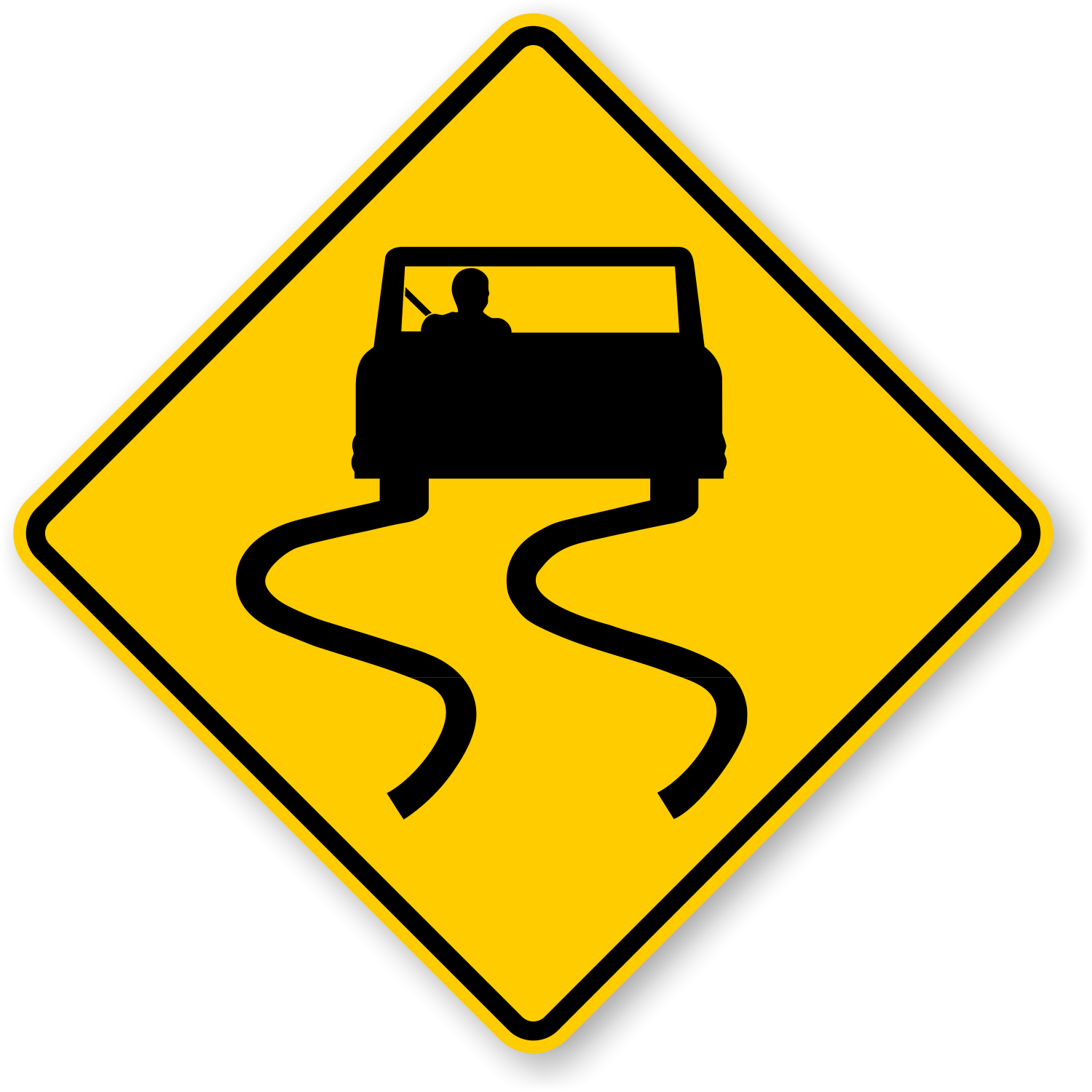
When you see this sign, you must
A. reduce your speed.
B. make a sharp turn.
C. increase your speed.
D. turn left and then right.
A
To avoid drowsiness and highway hypnosis and stay alert while driving, you should
A. exercise your eyes.
B. keep the interior of your vehicle as warm as possible.
C. take stimulants
D. send text messages.
A
On a highway with two or more lanes in your direction, if you are driving more slowly than the other vehicles, you should
A. stay in the right lane.
B. stay in the left lane.
C. keep changing lanes.
D. stay in the center lane.
A
If a tire blows out, you must NOT
A. brake immediately.
B. slowly ease your foot off the accelerator.
C. steer straight ahead.
D. hold the steering wheel tightly.
A
You cannot make a U-turn on a curve or a hill where your vehicle cannot be seen at least __________ away by the driver of another vehicle proceeding in either direction.
A. 700 feet
B. 600 feet
C. 900 feet
D. 500 feet
D
It is illegal to drive in Maryland if your blood alcohol concentration (BAC) is
A. 0.06% or higher
B. 0.05% or higher
C. 0.08% or higher
D. 0.04% or higher
C
Which of the following statements about winter driving is FALSE?
A. At normal speeds, four-wheel drive vehicles can slide on ice and snow.
B. When driving on ice or packed snow, you should leave a much greater following distance.
C. Ramps and bridges tend to freeze before highways and roads.
D. Chains or snow tires make it safe for you to drive on ice or snow-covered roadways at normal speeds.
D
It is against the law to pass a motorcycle
A. in an adjacent lane.
B. in the left lane.
C. in the same lane.
D. in all of the above situations.
C
Which of the following will NOT help prevent road rage and aggressive driving?
A. Yielding the right of way
B. Allowing extra travel time
C. Tailgating
D. Obeying posted speed limits
C
Vertical rectangular signs with black letters on a white background are used as
A. guide signs.
B. regulatory signs.
C. instruction signs.
D. warning signs.
B
On a two-lane road, you may pass another vehicle
A. while crossing or within 100 feet of an intersection.
B. while crossing or within 100 feet of a railroad crossing.
C. if there is a broken yellow line on your side of the center dividing line.
D. near the crest of a hill or on a curve where there is no clear view ahead.
C
You must turn on your headlights whenever you cannot see clearly at least ________ ahead.
A. 200 feet
B. 400 feet
C. 1,000 feet
D. 500 feet
C
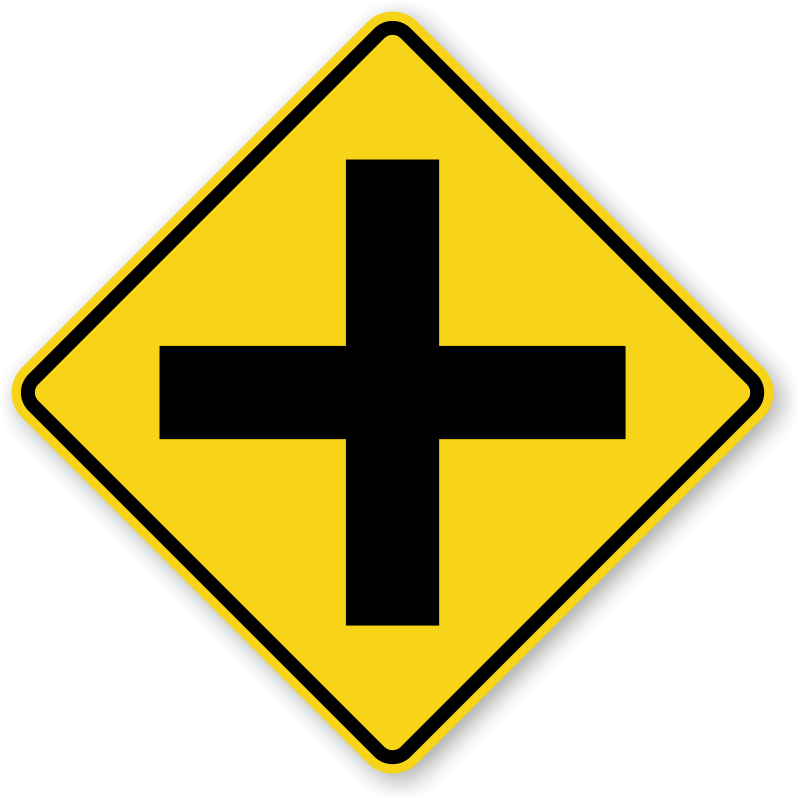
What does this sign mean?
A. A Y-intersection is ahead; you must bear either right or left ahead.
B. Another road crosses your road ahead; be alert for cross traffic.
C. A side road enters from the right; adjust your speed.
D. A T-intersection is ahead; your roadway ends ahead.
B
Maryland motor vehicle law requires that __________ must wear a seat belt or suitable child restraint if the driver is under the age of 18 and holds a provisional license.
A. the driver and all passengers
B. the driver and front-seat passengers
C. only the passengers
D. only the driver
A
The only octagonal (eight-sided) traffic sign is the
A. stop sign.
B. no-entry sign.
C. one-way sign.
D. yield sign
A
Which of the following statements is true?
A. Ramps and bridges freeze first before highways and roads.
B. Plowed roads never refreeze at night.
C. Four-wheel drive vehicles never slide on ice or snow.
D. None of the above
A
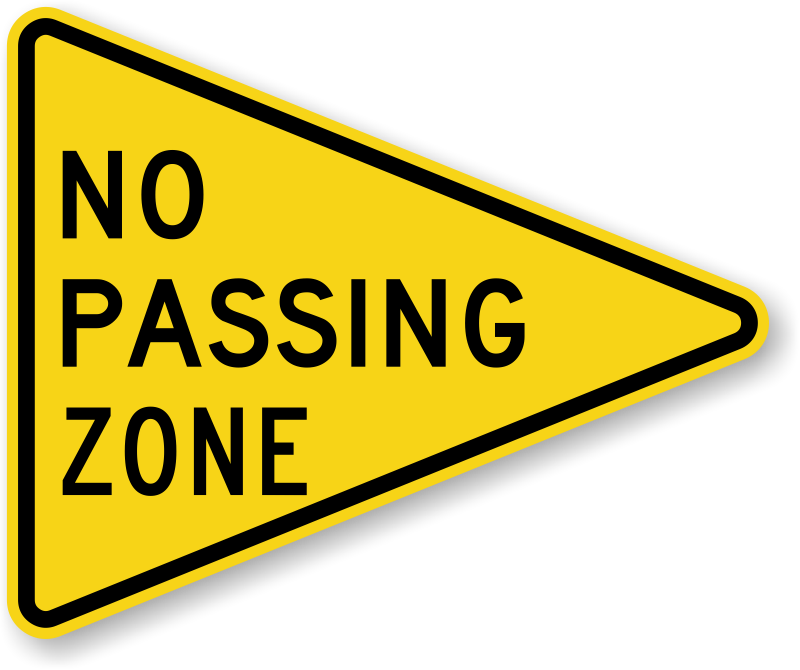
What does this sign indicate?
A. A no-passing zone for all vehicles
B. A no-passing zone for trucks
C. A no-passing zone for school buses
D. A no-passing zone for high-occupancy vehicles
A
If you are found to be driving under the influence of alcohol or any controlled substance, _____ points will be added to your driving record.
A. 2
B. 4
C. 10
D. 12
D
When emerging from an alley, driveway, private road, or building across a sidewalk or onto a street or highway, you must
A. stop and turn right only.
B. stop and yield to vehicles already on the main road.
C. not make a left turn.
D. enter the main road at increased speed.
B
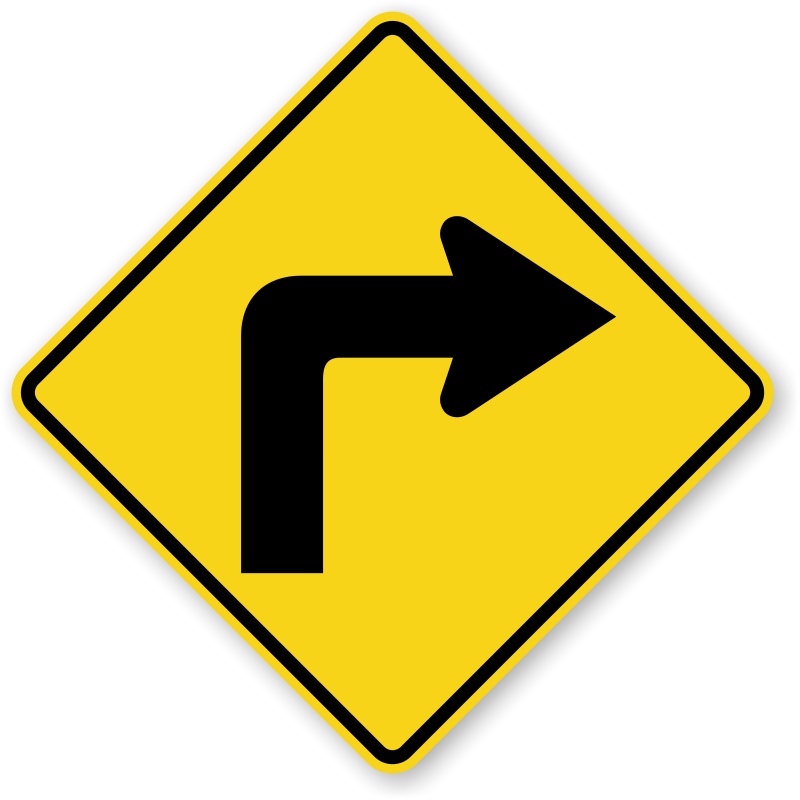
What does this sign indicate?
A. Curve to the right
B. Sharp right turn
C. Keep right
D. No right turn
B
In a roundabout, you should drive in
A. the direction of the oncoming vehicles.
B. a clockwise direction.
C. a counterclockwise direction.
D. none of the above directions.
C
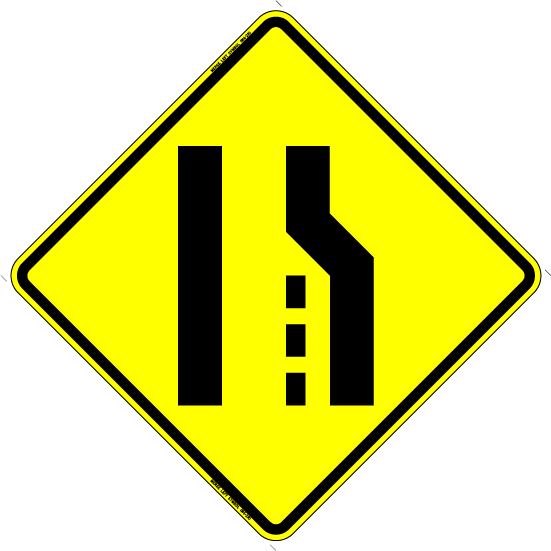
What does this sign mean?
A. The highway splits ahead.
B. Merge left.
C. The divided highway ends ahead.
D. Traffic merges from the right ahead.
D
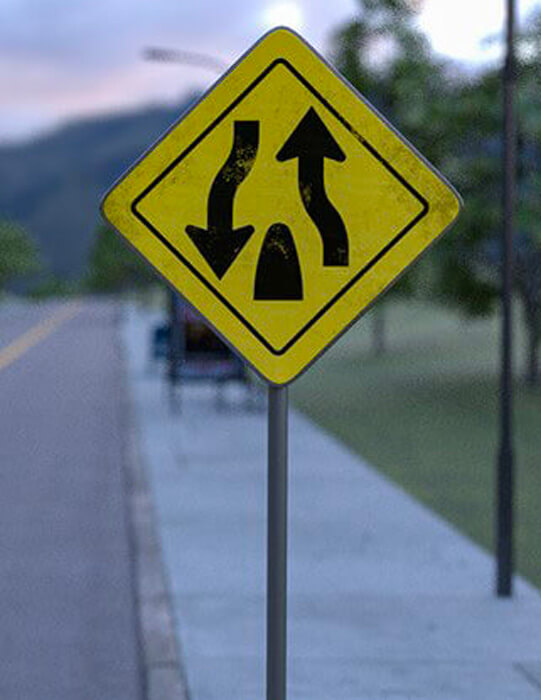
What does this sign mean?
A. There is a roundabout ahead.
B. There is a traffic island or divider ahead.
C. There is a right turn ahead.
D. There is a blind curve ahead.
B
A safe following distance between your vehicle and the one ahead of you is at least
A. 1 to 2 seconds.
B. 5 to 6 seconds.
C. 3 to 4 seconds.
D. 2 to 3 seconds.
C
When following a truck at night, you should always
A. use your bright lights.
B. turn off your headlights for a few seconds.
C. dim your headlights.
D. use your emergency lights.
C
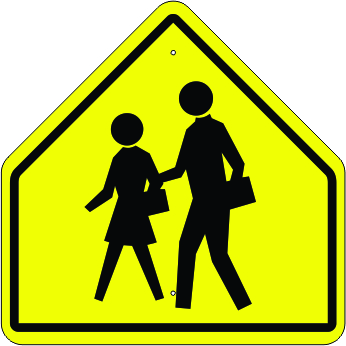
What does this sign mean?
A. A bus bay ahead
B. A school zone ahead
C. A school bus stop ahead
D. A pedestrian crosswalk ahead
B
When you see a double solid yellow line on a two-lane road, you must
A. not make a right turn.
B. change lanes.
C. not brake.
D. not pass.
D
The stopping distance of a car is equal to
A. the sum of its braking distance and following distance.
B. the sum of its reaction distance and following distance.
C. the sum of its reaction distance and braking distance.
D. its braking distance.
C
Which of the following statements about using cell phones on Maryland roads is true?
A. Keep your telephone conversations long to avoid highway hypnosis.
B. If you must make a call, pull safely off the road and stop before making the call.
C. Reduce your speed while talking on the phone.
D. Use a hand-held cell phone while driving.
B
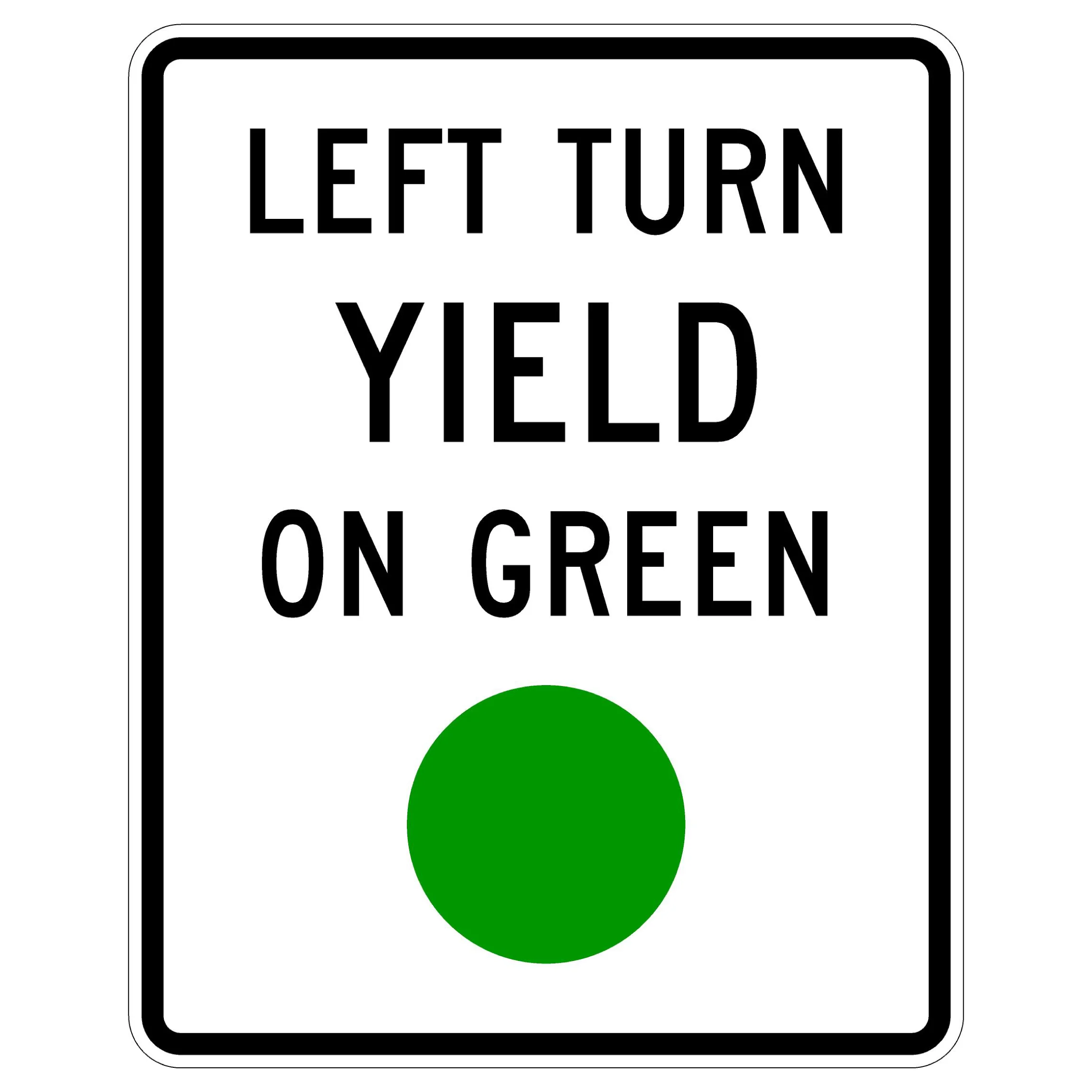
What does this sign indicate?
A. Left turns are allowed only when the circular green signal is not lit.
B. Left turns are allowed when the circular green signal is lit and there are no approaching vehicles.
C. Left turns are allowed when the green arrow is on.
D. Left turns are not allowed when the green arrow goes out.
B
On steep mountain grades, __________ are built to stop runaway vehicles safely without injuring drivers or passengers.
A. weaving zones
B. acceleration ramps
C. escape ramps
D. deceleration ramps
C
When approaching or driving through a work zone, you must not
A. watch for slower speed limits.
B. reduce your speed.
C. keep up with the flow of traffic.
D. weave from lane to lane.
D
You must not park your vehicle within __________ of the nearest rail of a railroad crossing.
A. 30 feet
B. 40 feet
C. 25 feet
D. 50 feet
D
When passing a truck or other large commercial vehicle, you must watch out for
A. the weight of the vehicle.
B. the side, rear, and front No-Zones.
C. the length of the vehicle.
D. the large mirrors of the vehicle.
B
When a school vehicle has stopped on the roadway and is operating its flashing red lights, you must stop _________, regardless of which direction you are traveling in.
A. at least 30 feet from the front or 20 feet from the rear of the school vehicle
B. at least 20 feet from the front or 40 feet from the rear of the school vehicle
C. at least 30 feet from the front or rear of the school vehicle
D. at least 20 feet from the front or rear of the school vehicle
D
You must continuously signal your intention to turn for at least _________ before turning.
A. 100 feet
B. 150 feet
C. 200 feet
D. 250 feet
A
Interstates and other limited-access highways are usually reached by an entrance ramp and
A. a deceleration lane.
B. a slow-moving lane.
C. a quick lane.
D. an acceleration lane.
D