Anatomical Terminology Lab Practical Review: Focus on Cavity and Region Names
 Call Kai
 Learn
Learn Practice Test
 Spaced Repetition
 Match
Match Flashcards
1/107

There's no tags or description
Looks like no tags are added yet.
Name | Mastery | Learn | Test | Matching | Spaced | Call with Kai | Chat |
|---|
No analytics yet
Send a link to your students to track their progress
108 Terms
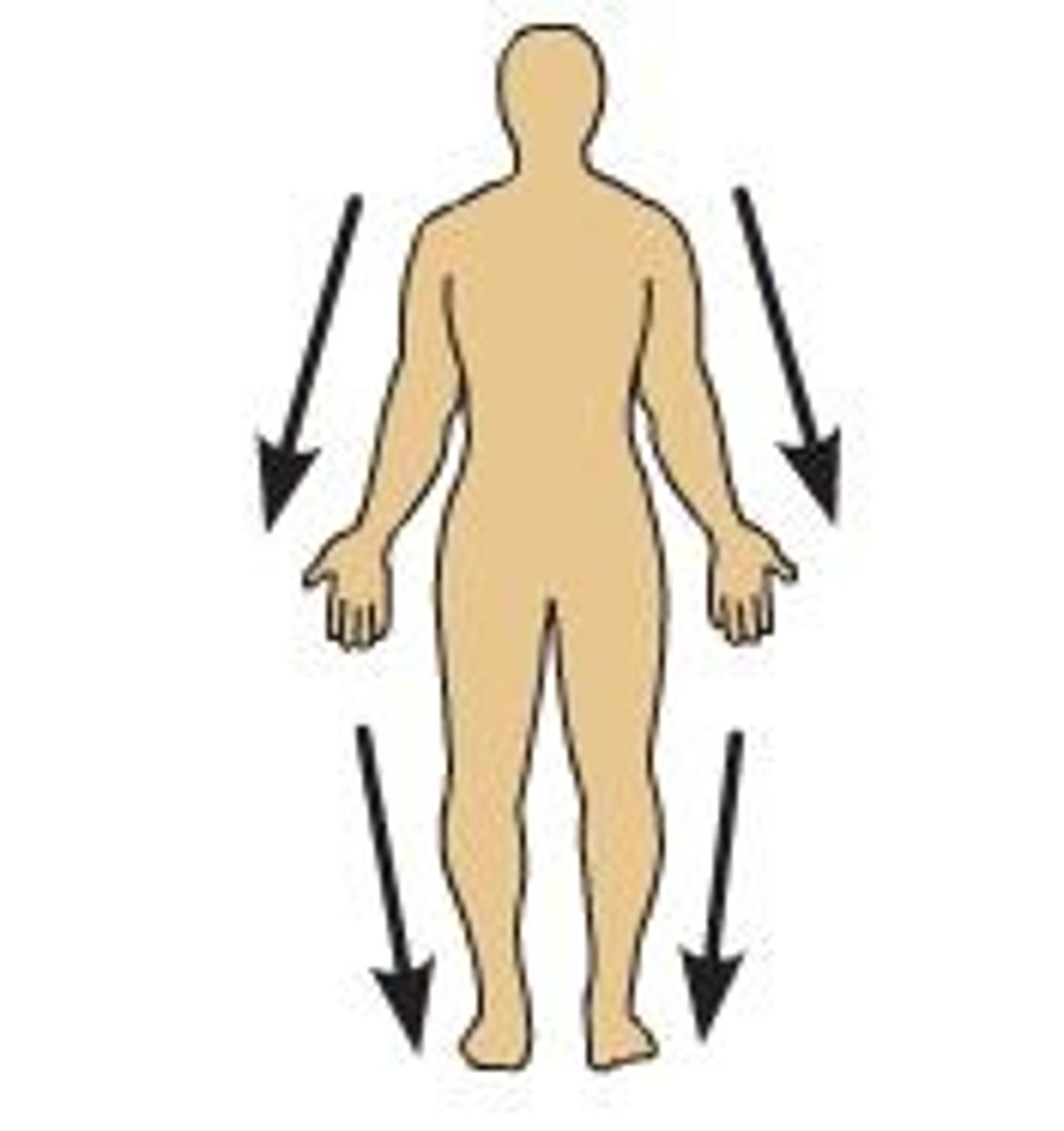
Ventral
toward the front or belly
used in animals mostly
same as anterior
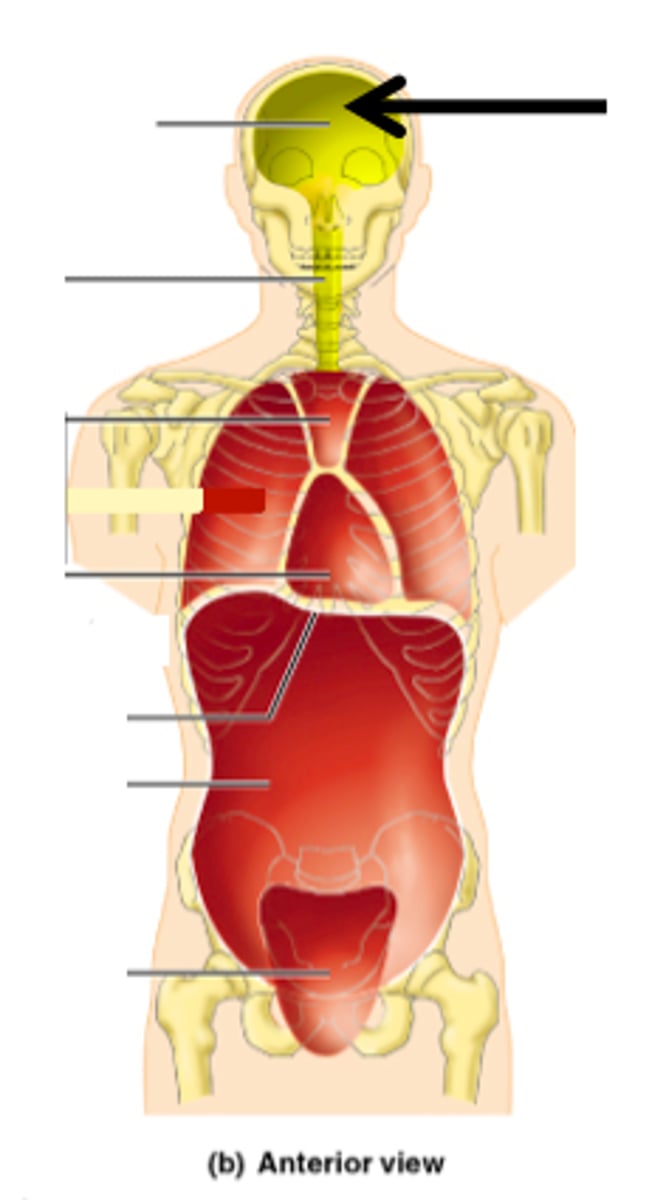
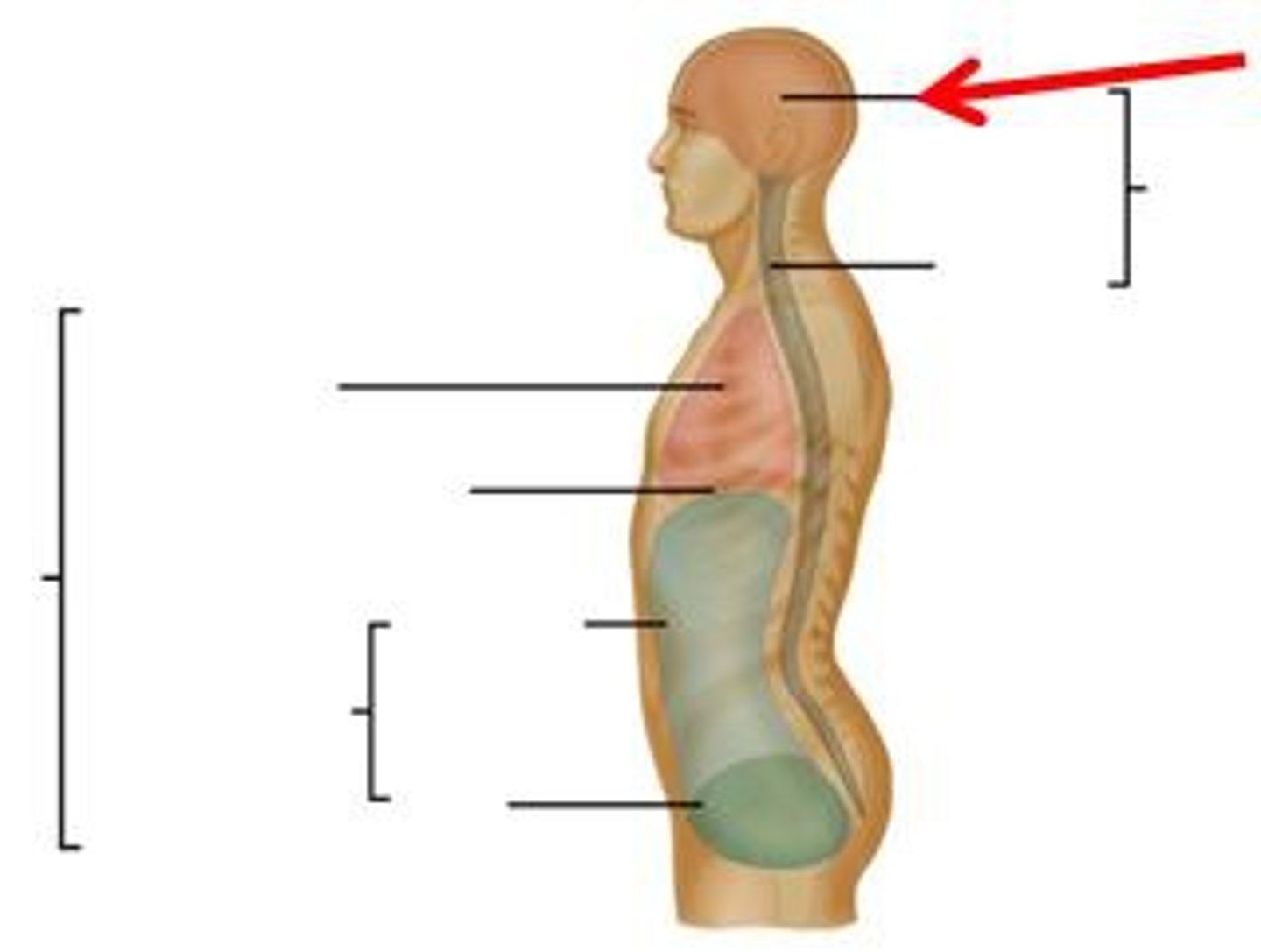
Cranial Cavity
contains the brain and pituitary gland
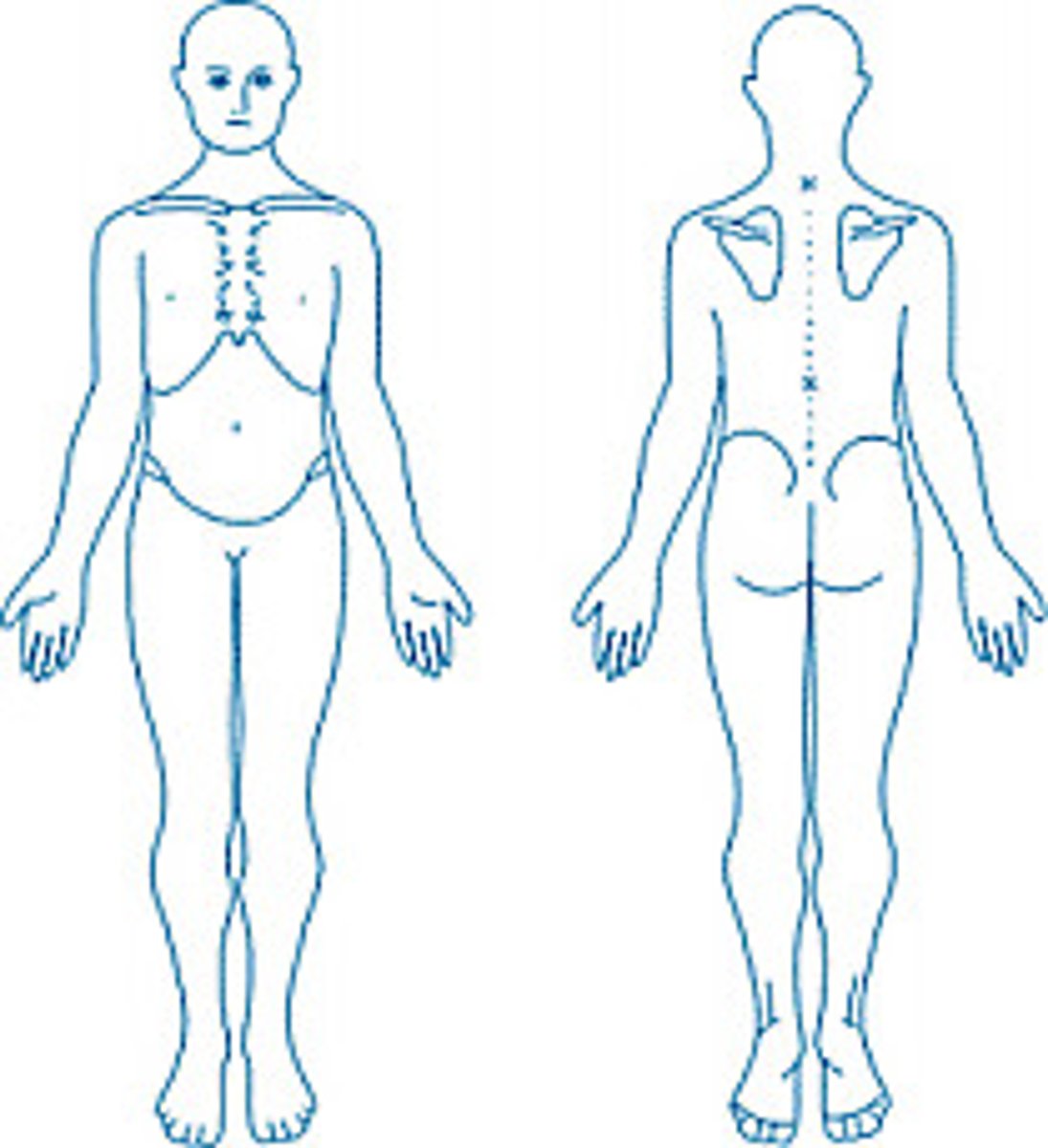
Anatomical Position
Body standing erect with hands to the side and palms facing forward
Sagittal Plane
Vertical plane that passes anterior to posterior, divides that body into left and right halves
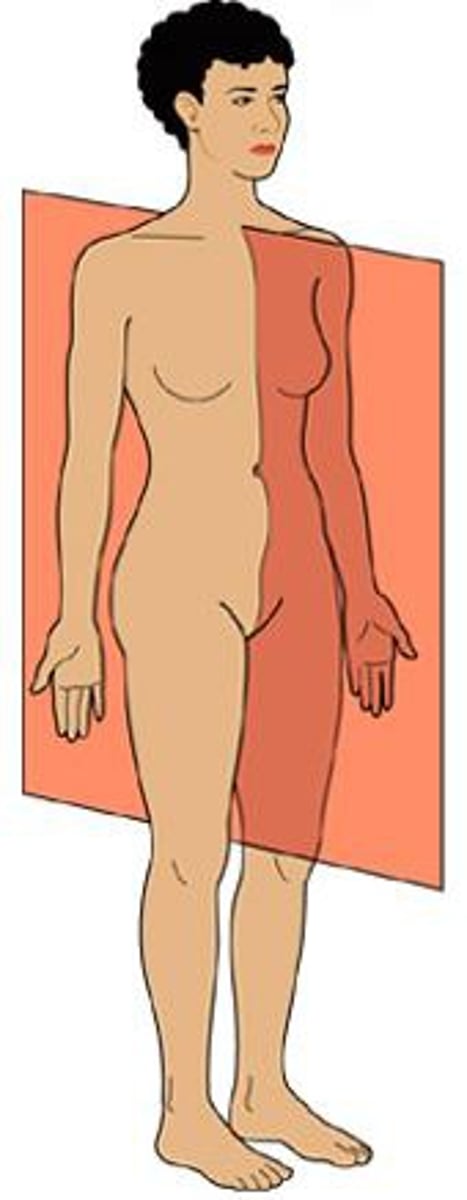
Anterior
Forward, toward the ventral side
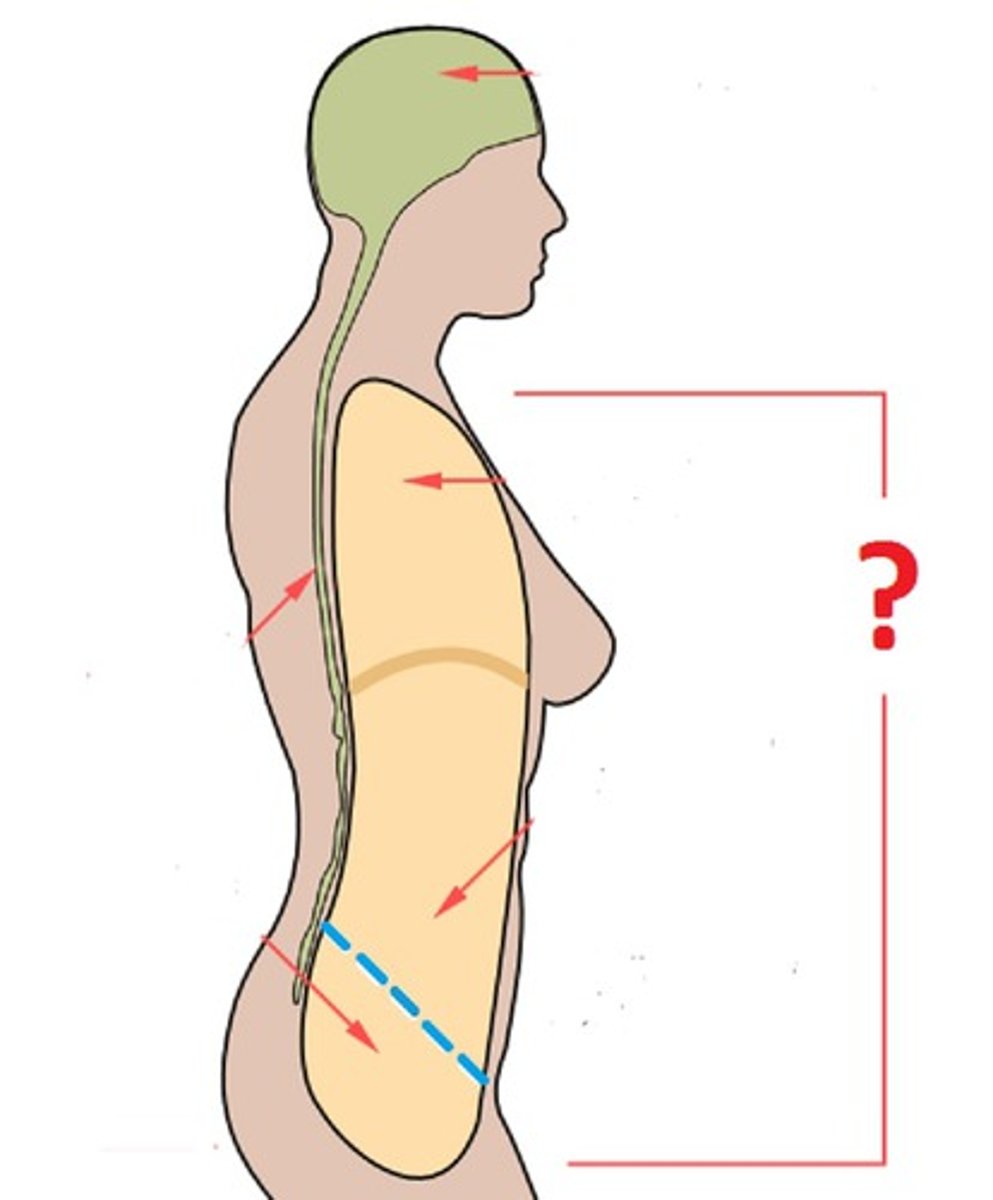
Ventral cavity
from the shoulder to pelvis
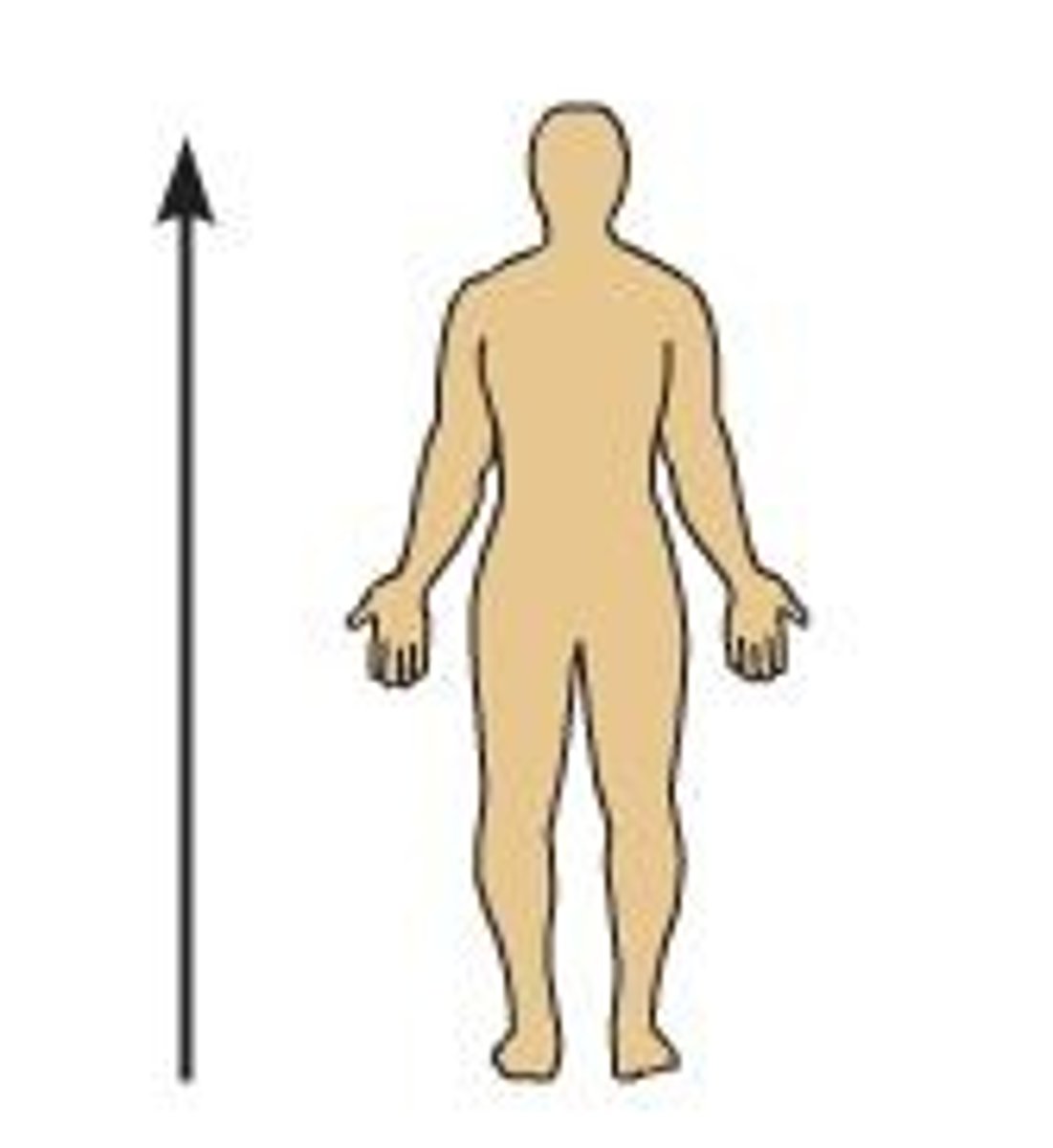
Cranial
Toward the head or superior end
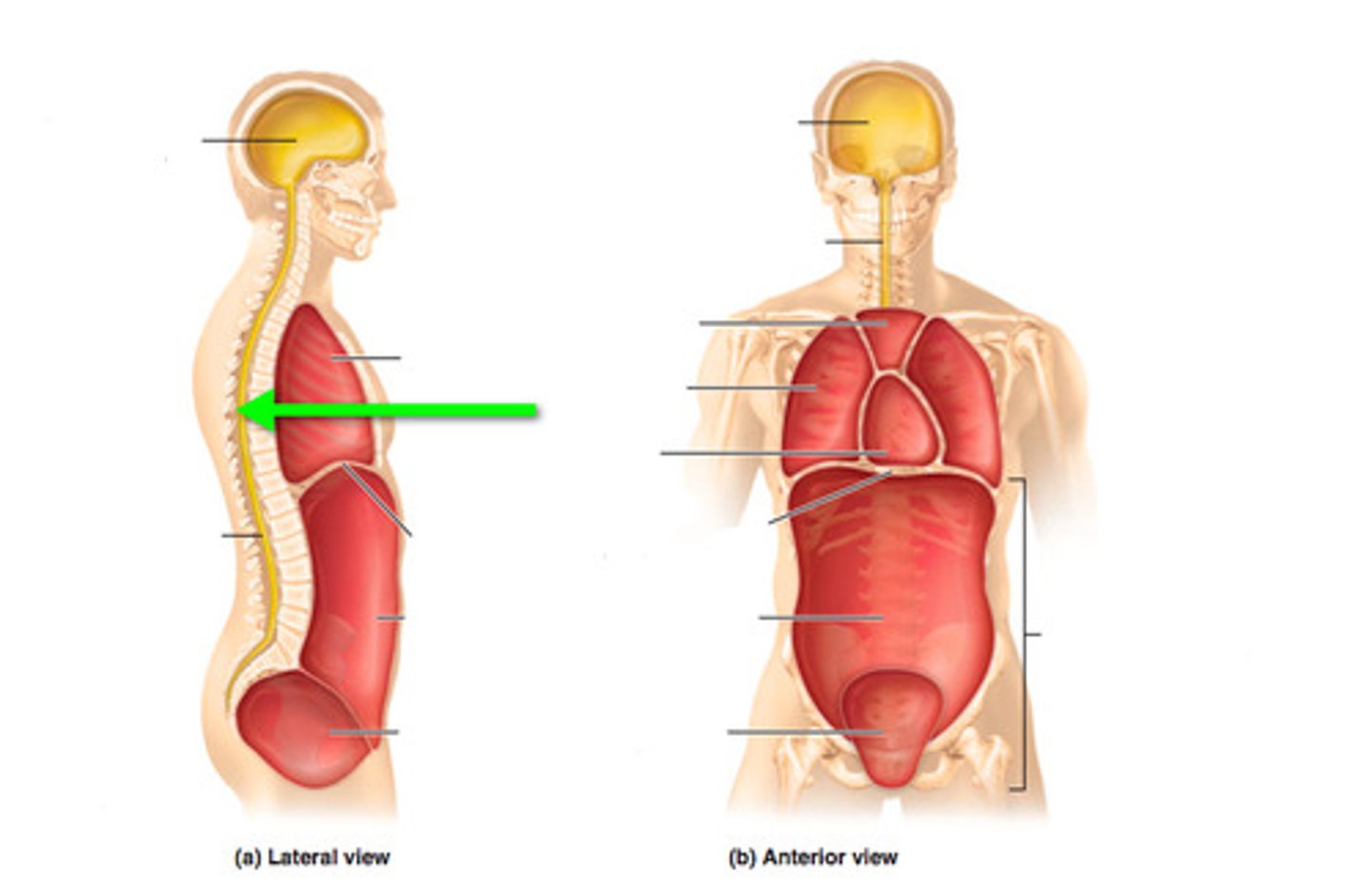
Vertebral Cavity
contains the spinal cord
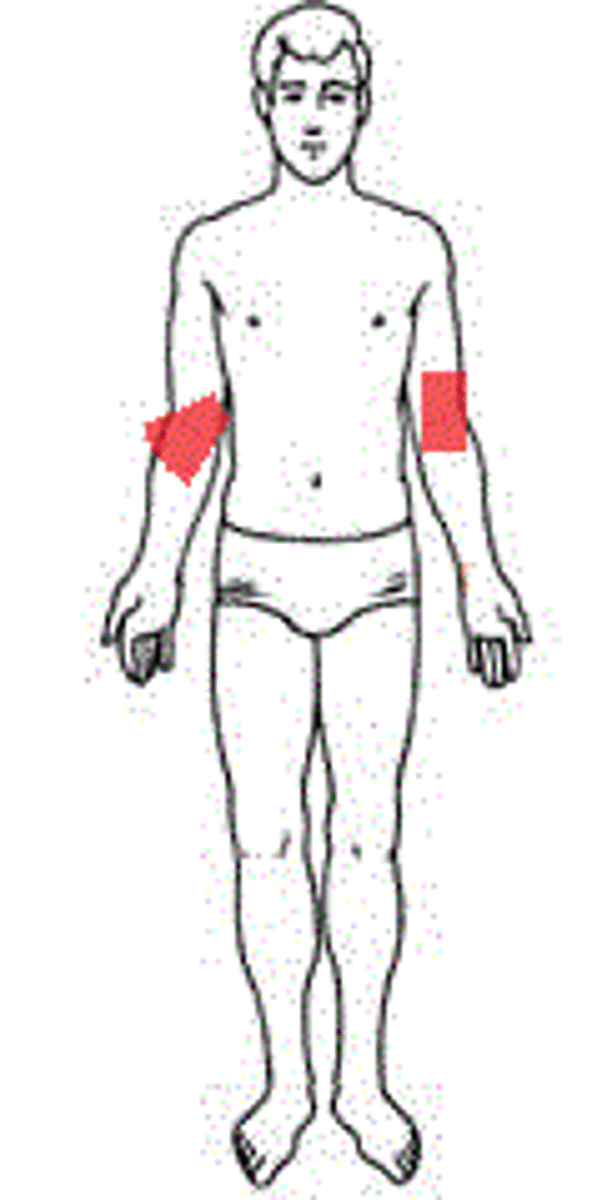
antecubital
Caudal
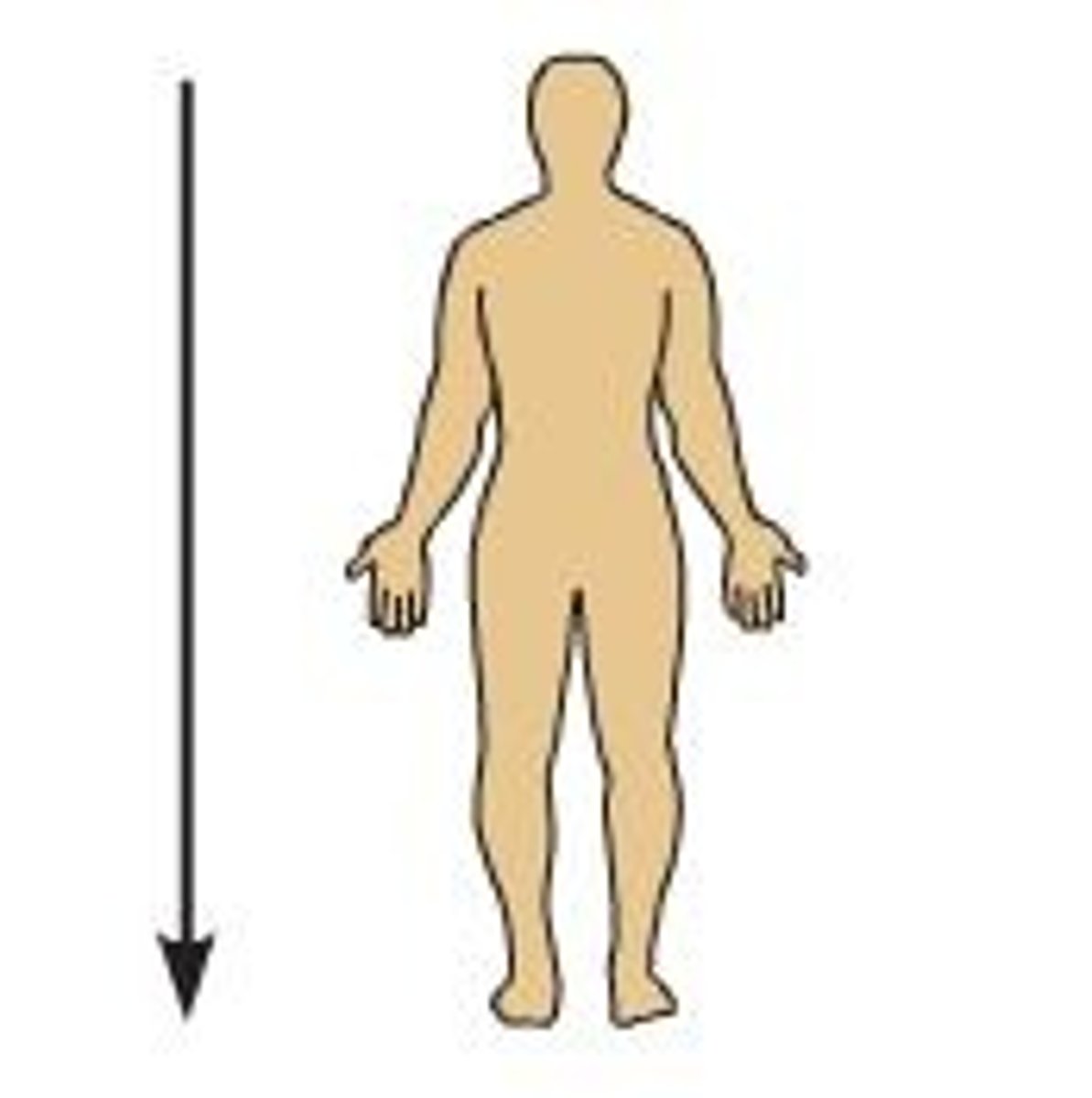
toward the tail or inferior end
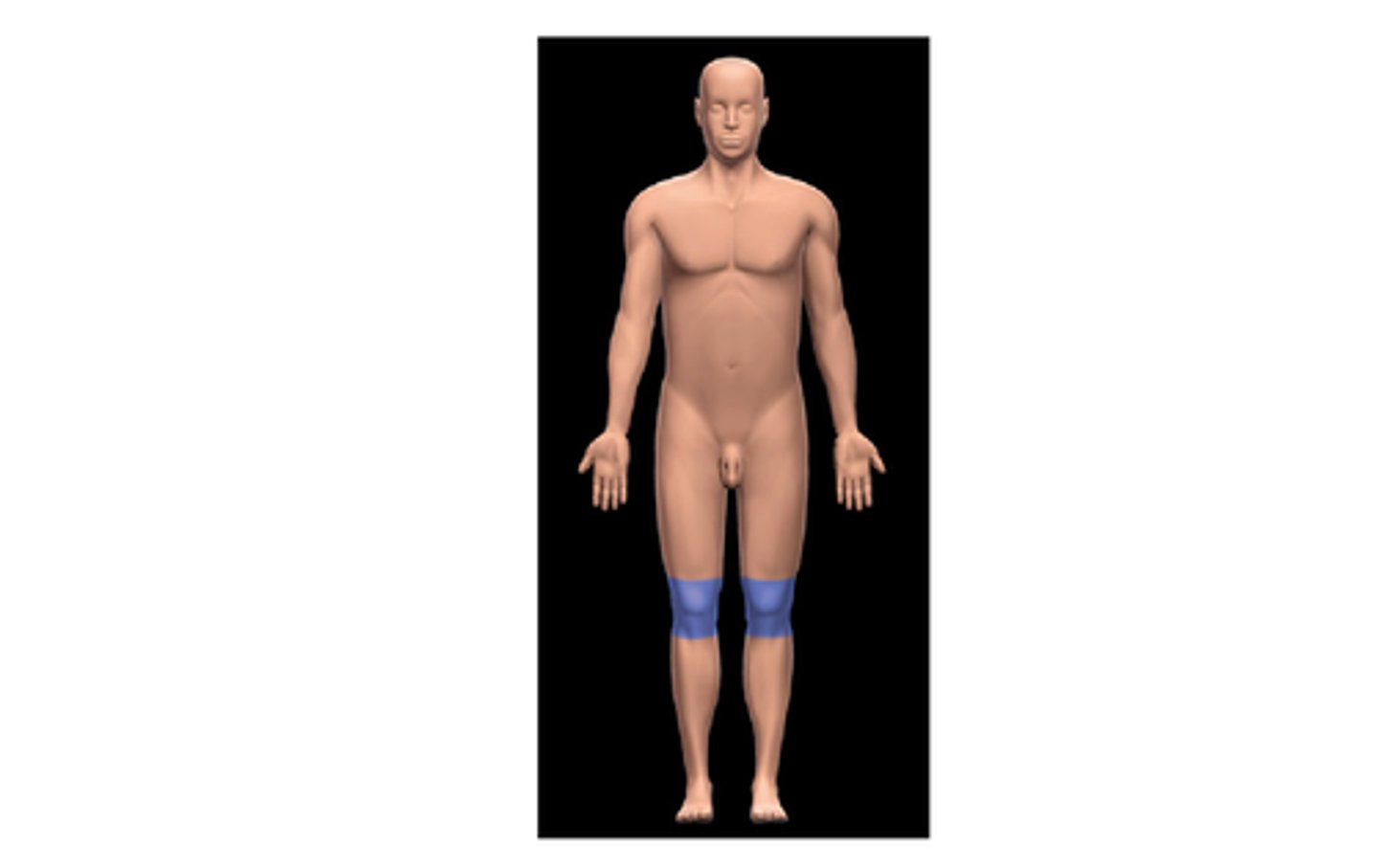
patellar
lungs
Pleura
lines body cavities closed to exterior (serious)
Serous membrane
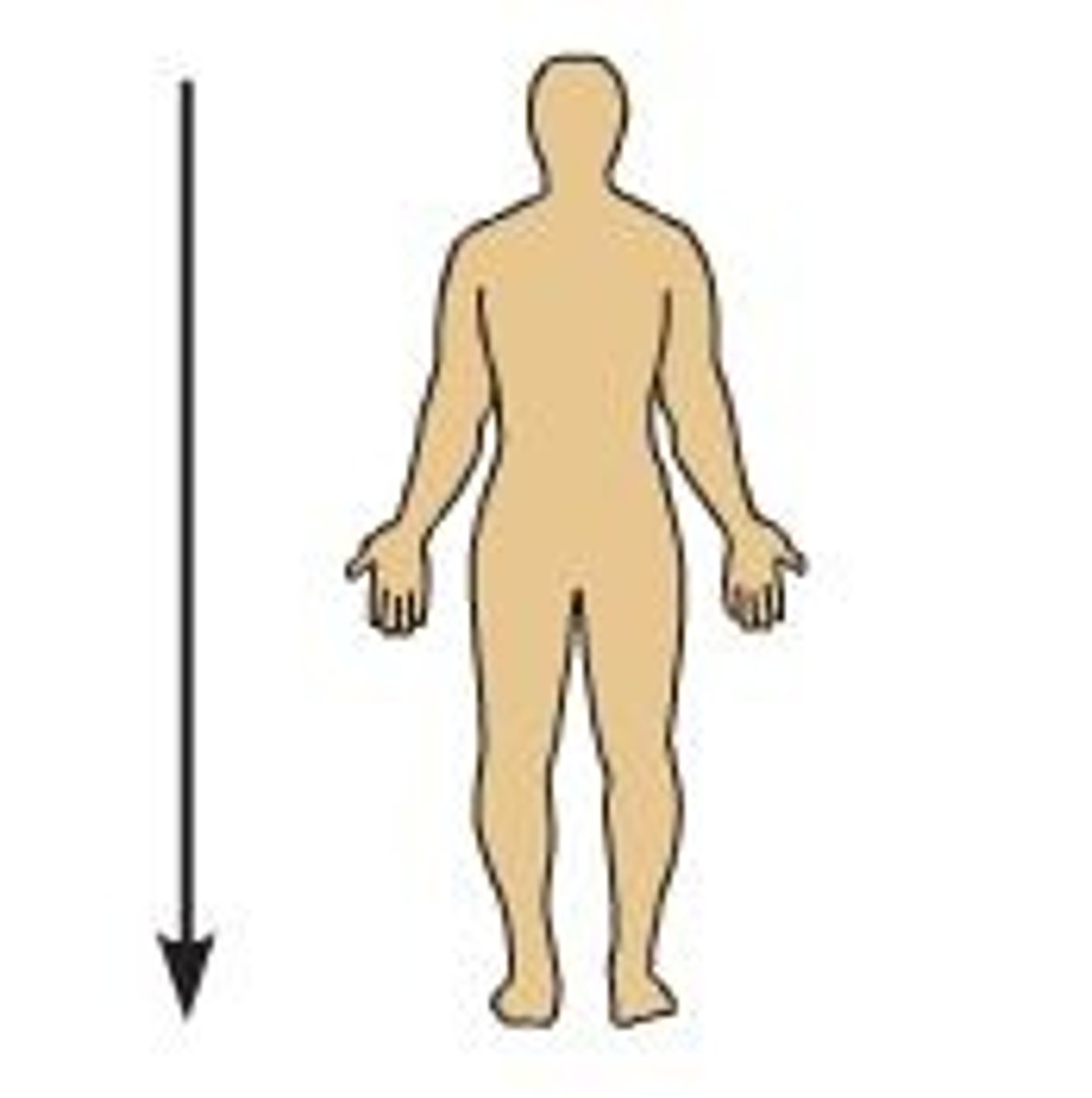
Superior
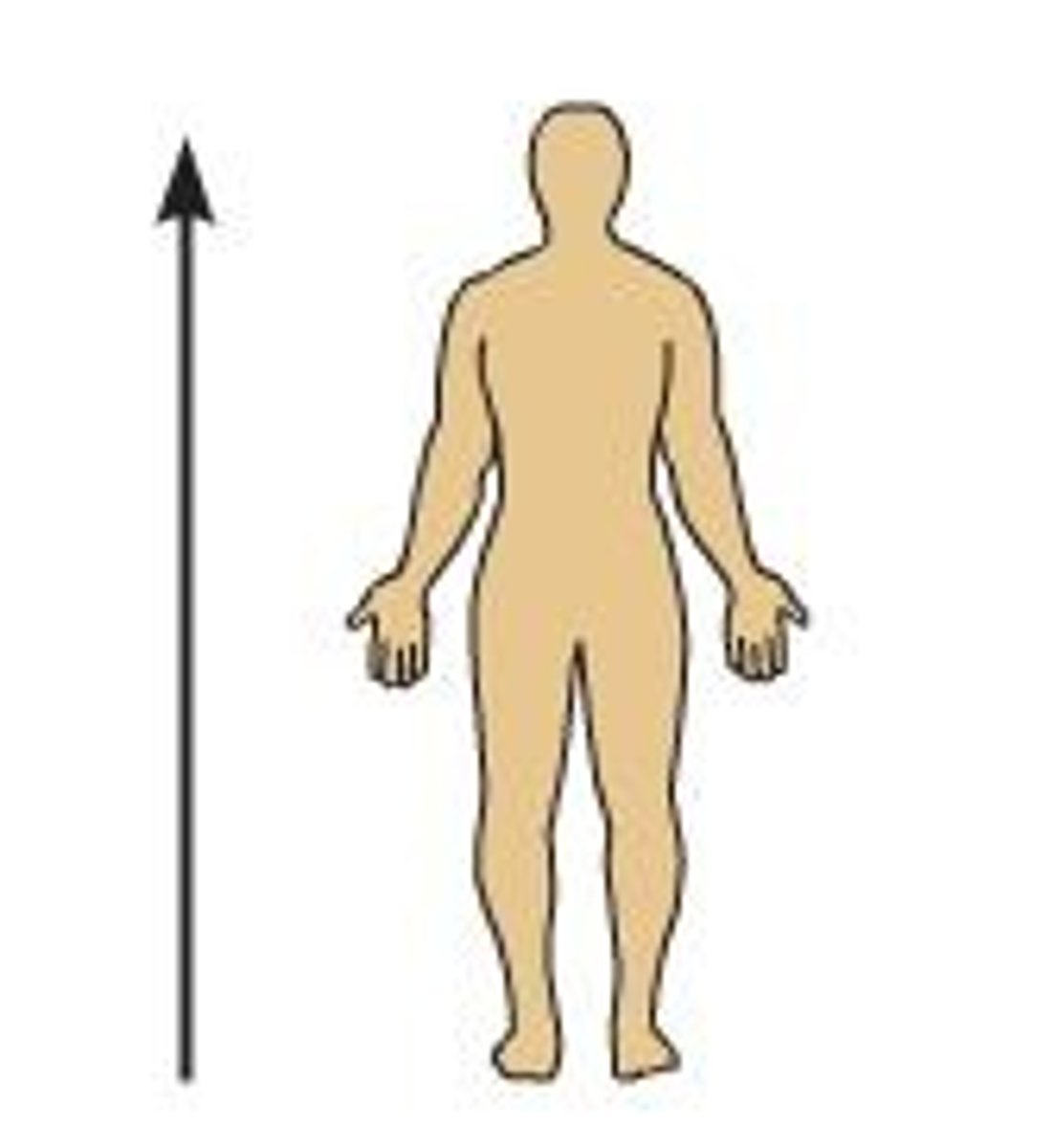
above, towards the top
Head is superior
Inferior
below, towards the bottom
feet are inferior
membrane that lines body cavities
Parietal layer
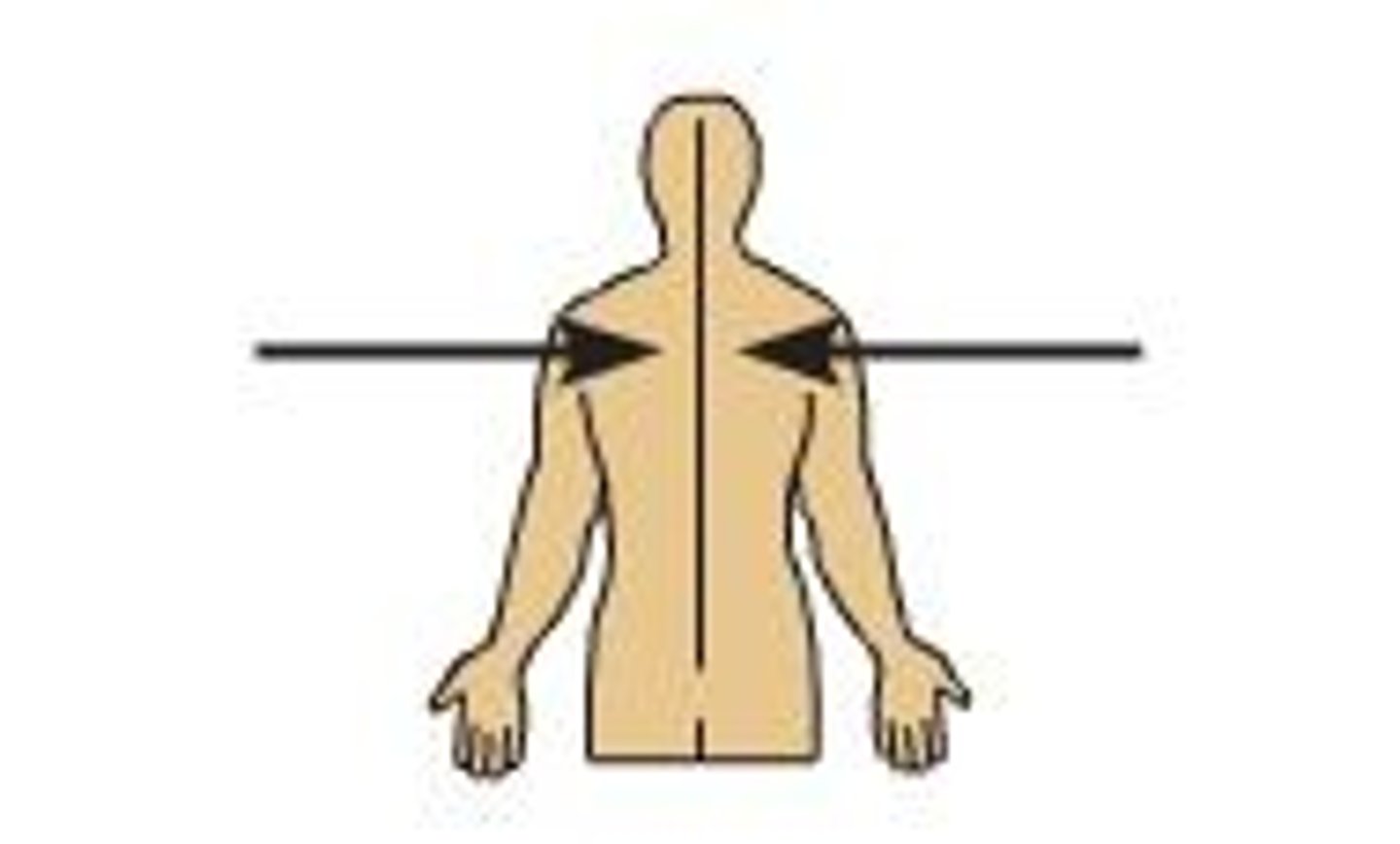
Medial
towards the midline
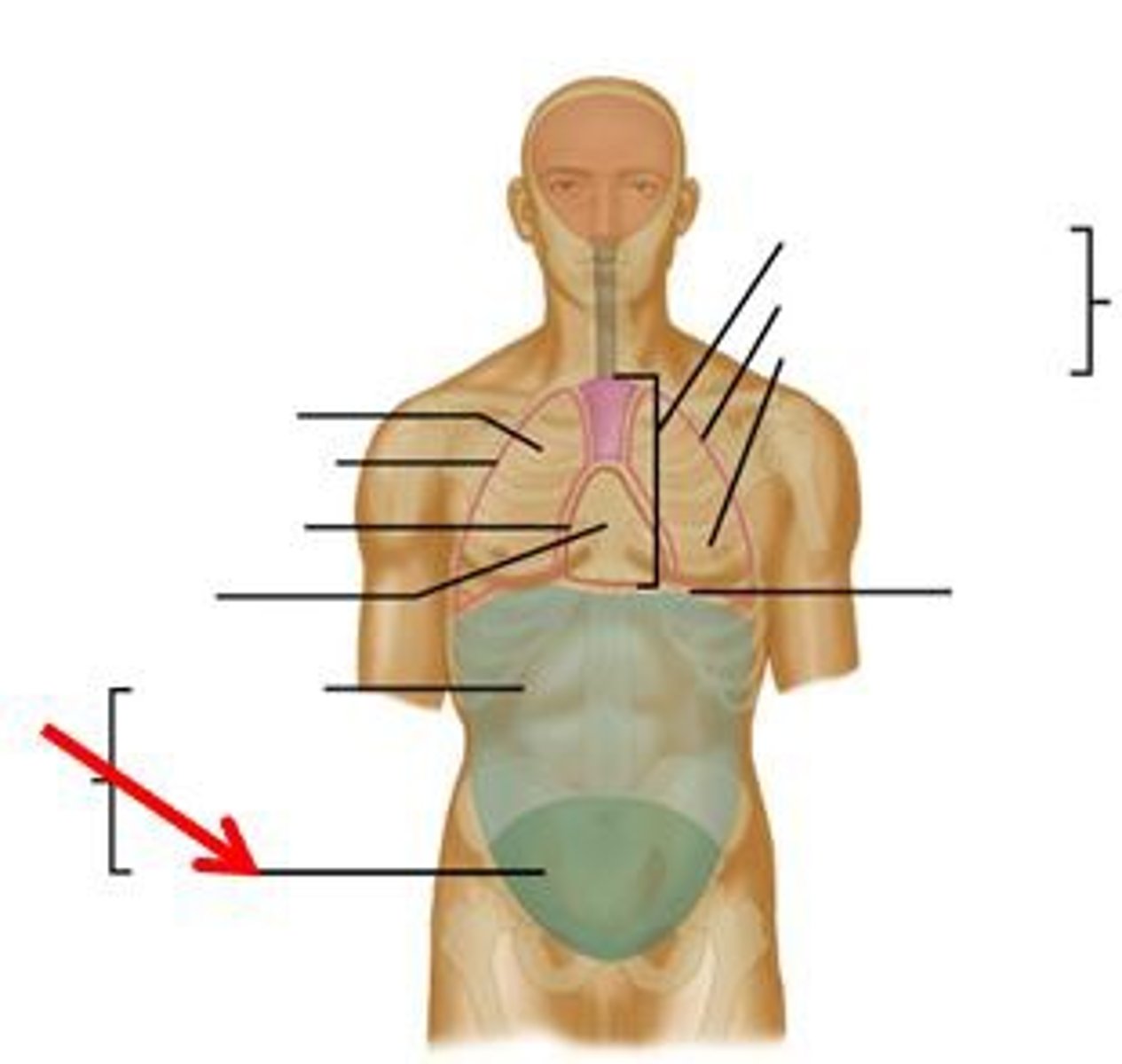
Pelvic Cavity
contains colon, rectum, urinary bladder, uterus
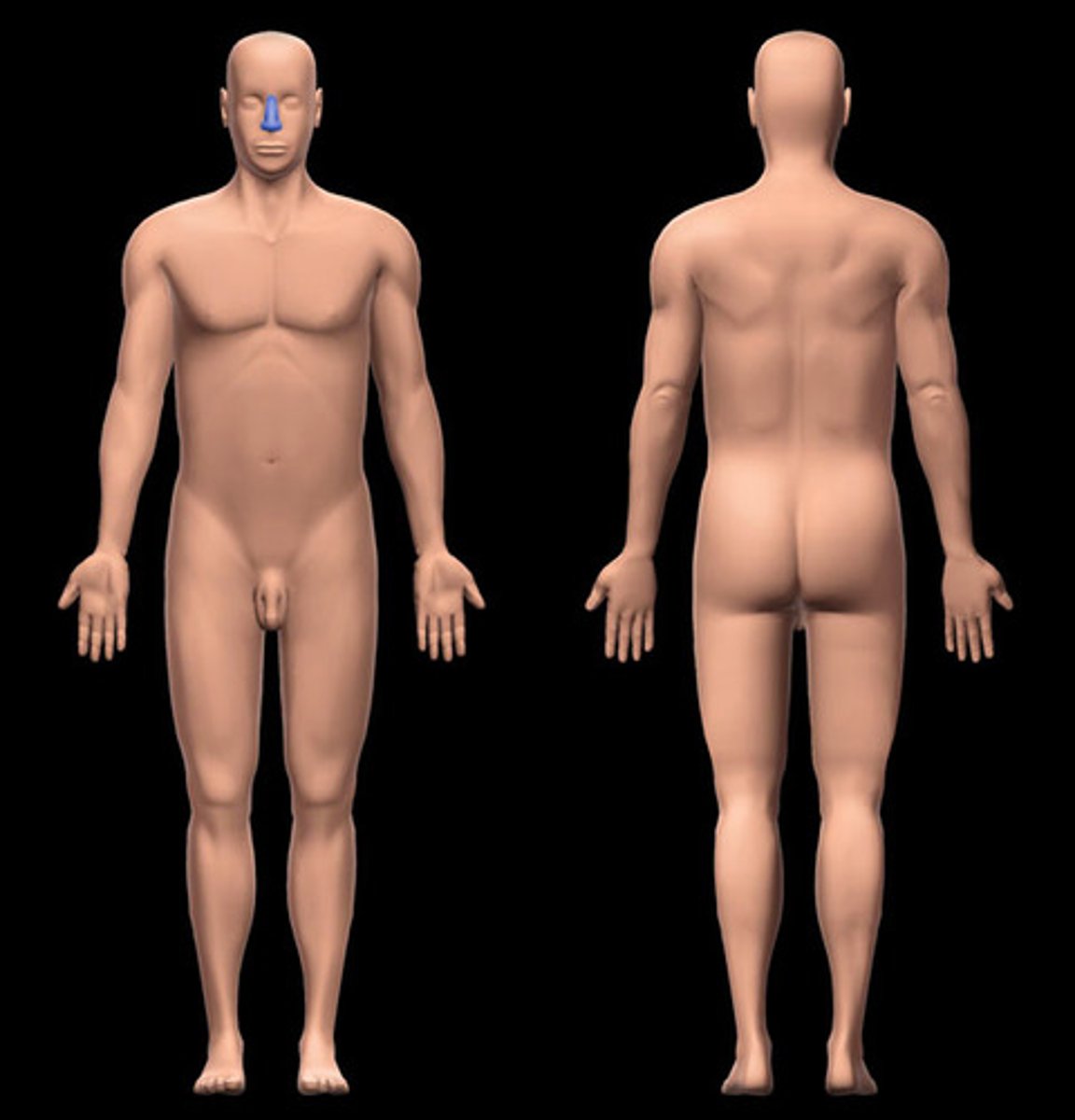
nasal
Posterior
backward, towards the dorsal side
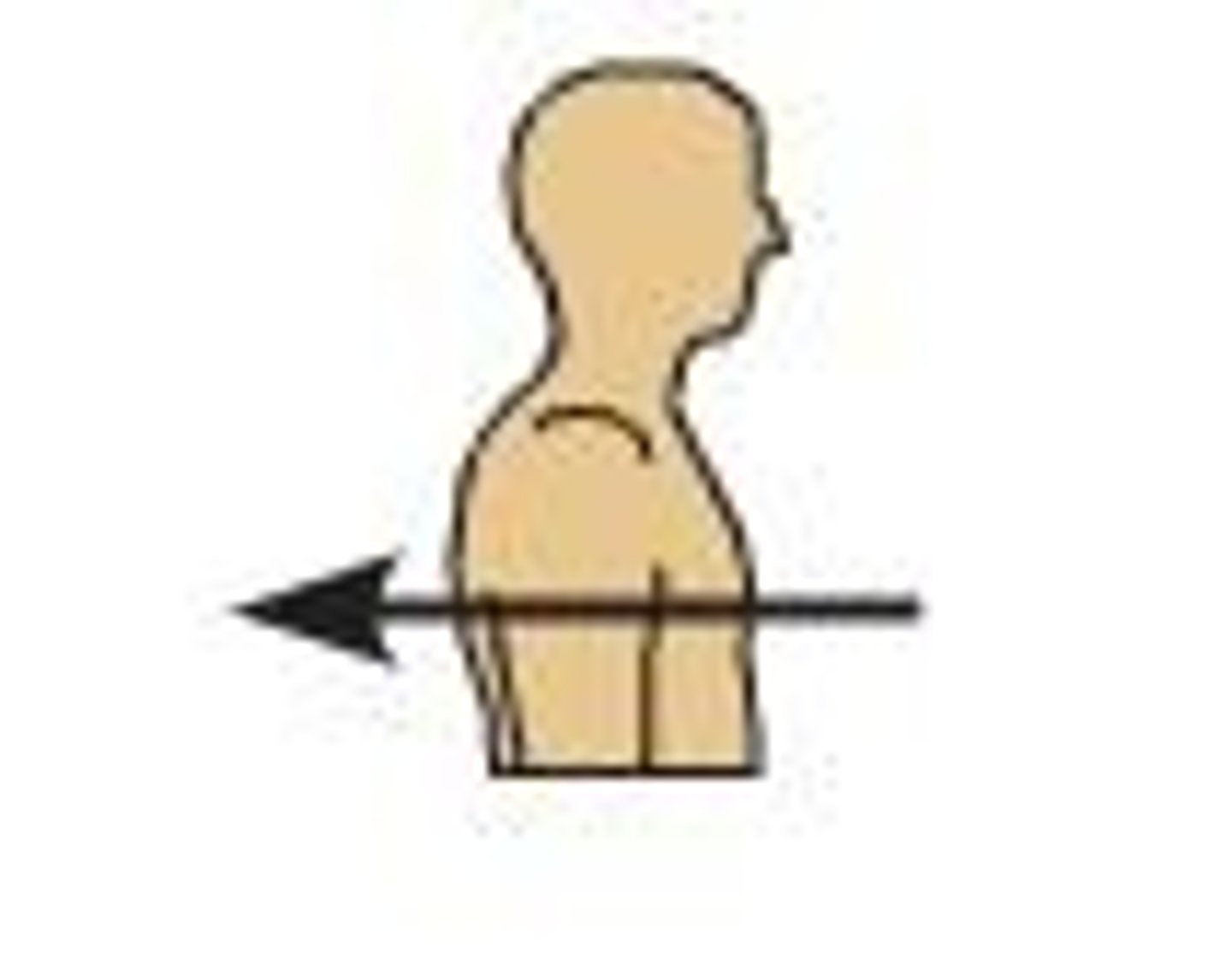
Renal
pertaining to the kidney
covers outside of organs
Visceral layer
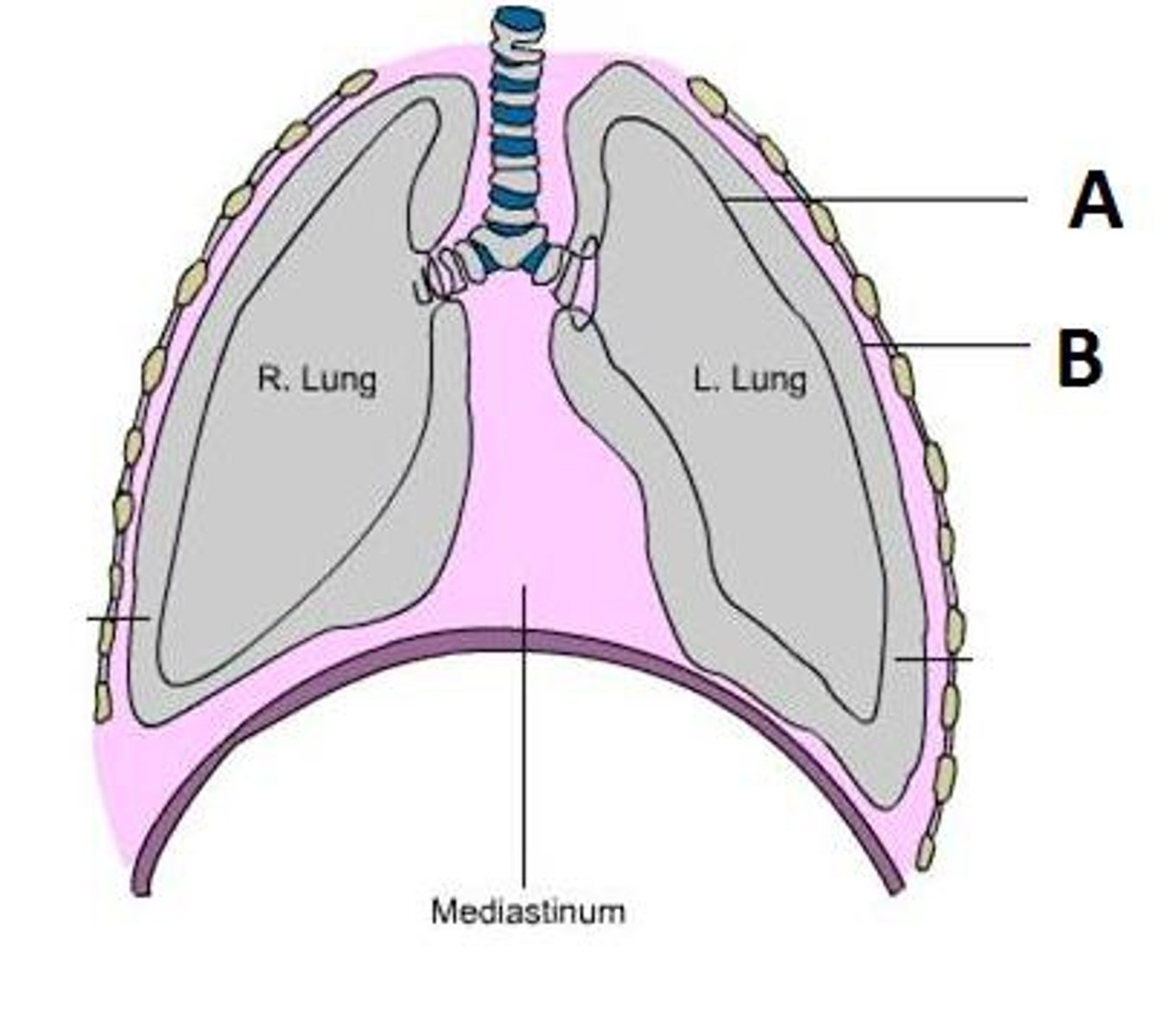
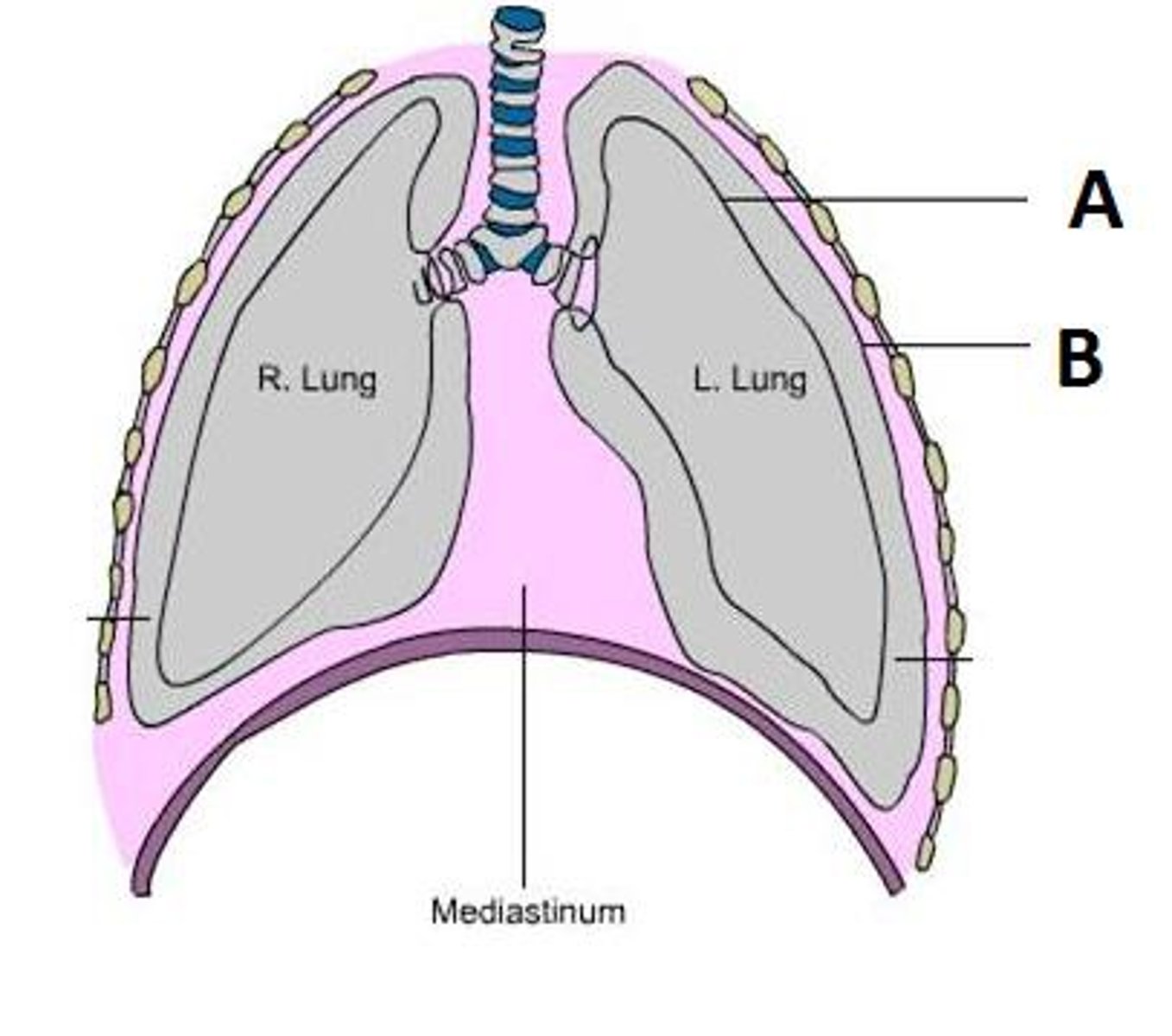
parietal pleura
outer layer of pleura lying closer to the ribs and chest wall
Pulmonary
pertaining to the lungs
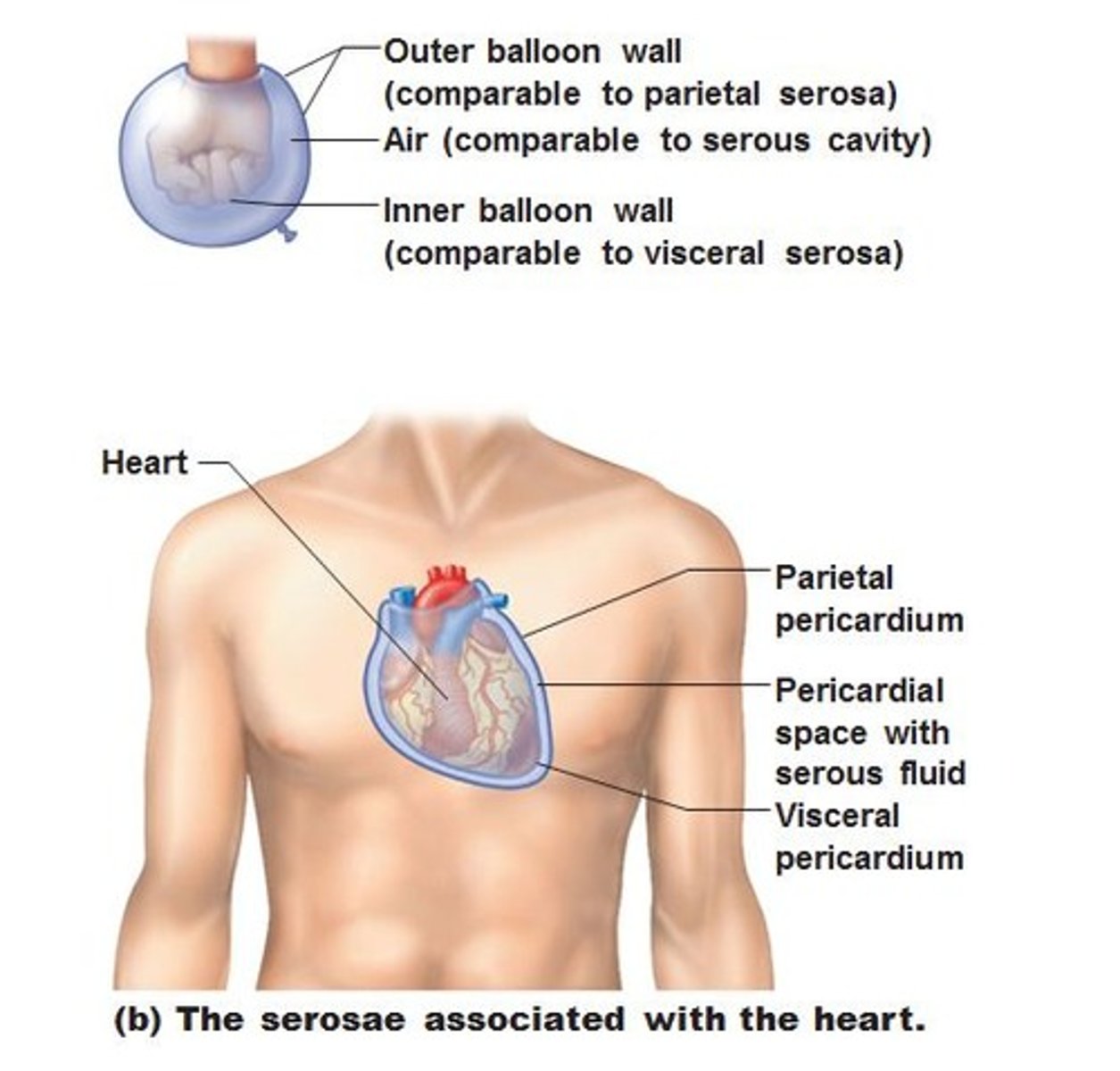
serous membrane
Membrane that lines a cavity without an opening to the outside of the body
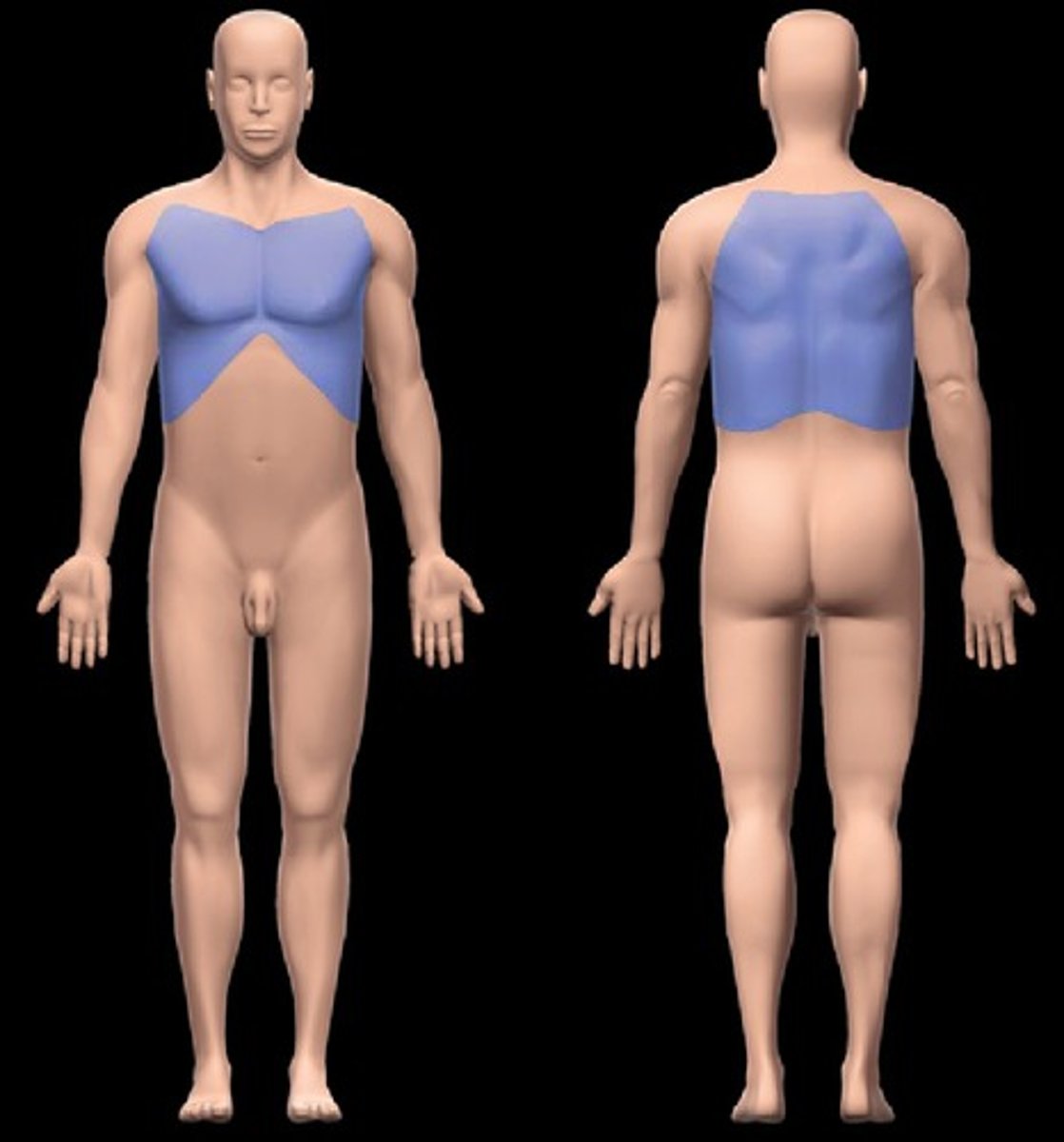
thorax
anterior view
Distal
farther from the point of attachment or origin
Gastric
pertaining to the stomach
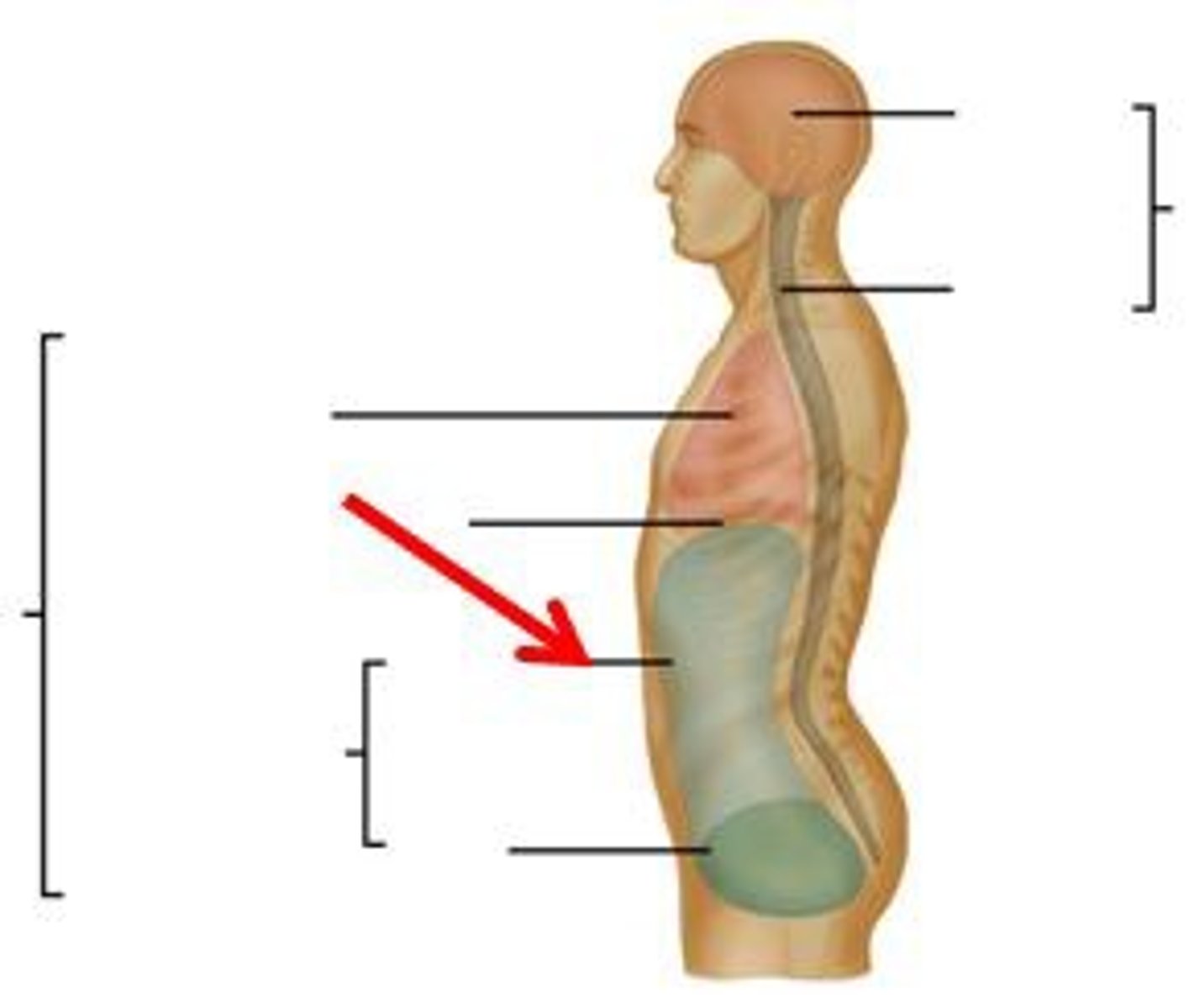
Abdominopelvic cavity
the abdominal and pelvic cavities together
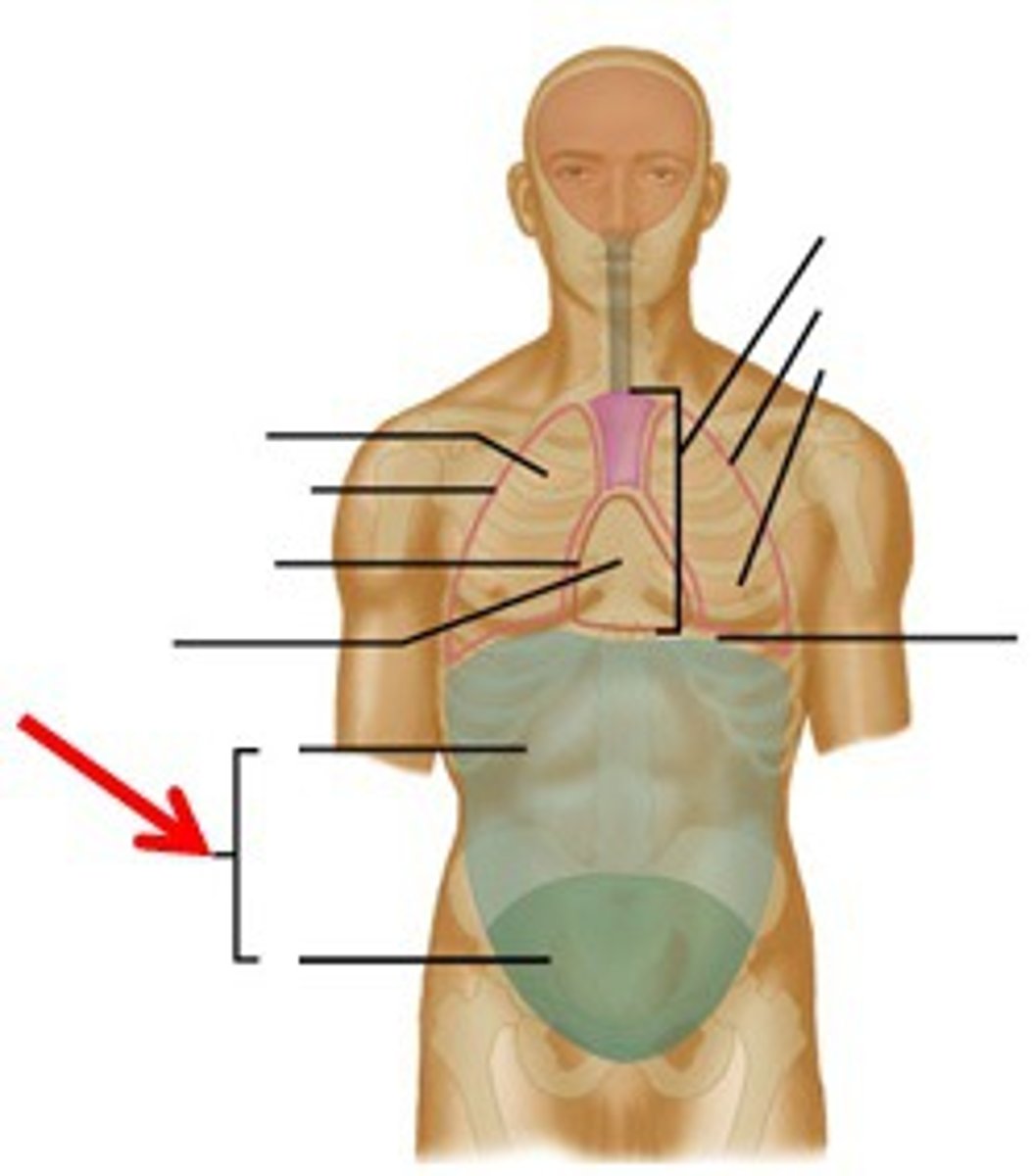
surrounds lungs
Pleura
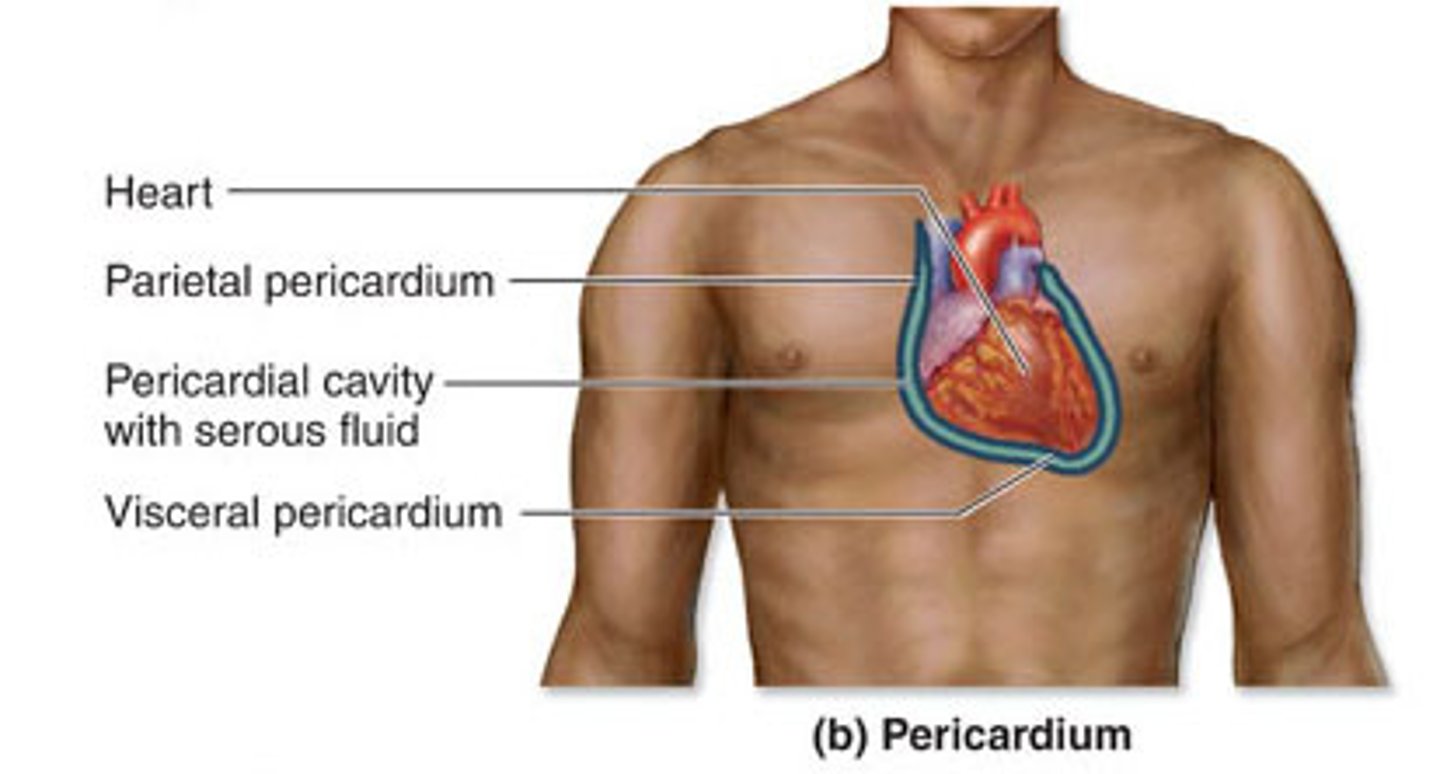
surrounds heart
Pericardium
Protection, heat loss/retention, excretion of urea/uric acid, makes vitamin D
4 functions of skin
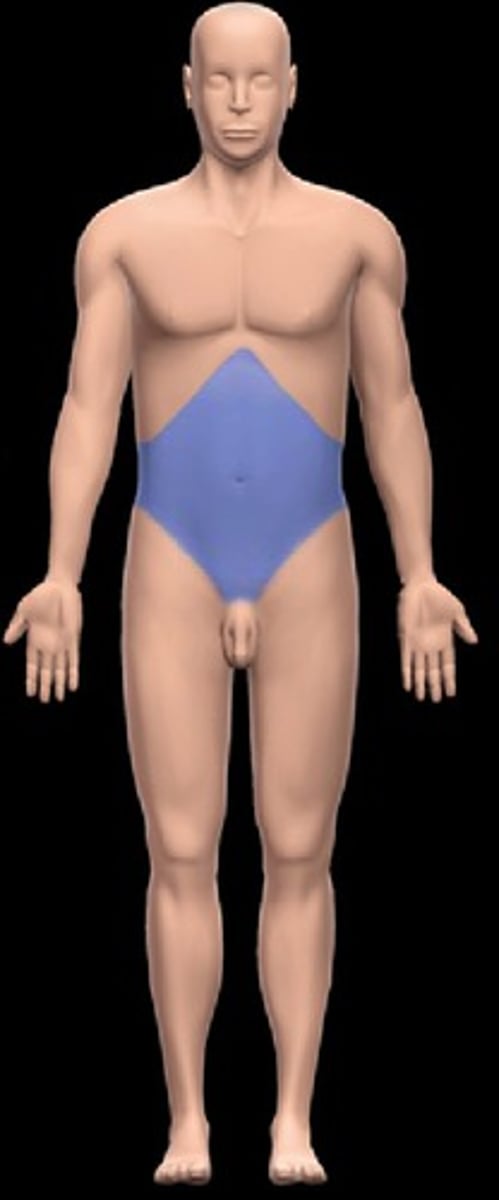
Abdominal Cavity
contains stomach, liver, gallbladder, pancreas, spleen, kidneys, and intestines
abdominal
Dorsal
Upper side or back of plant, animal, or human (sharks have a dorsal fin)
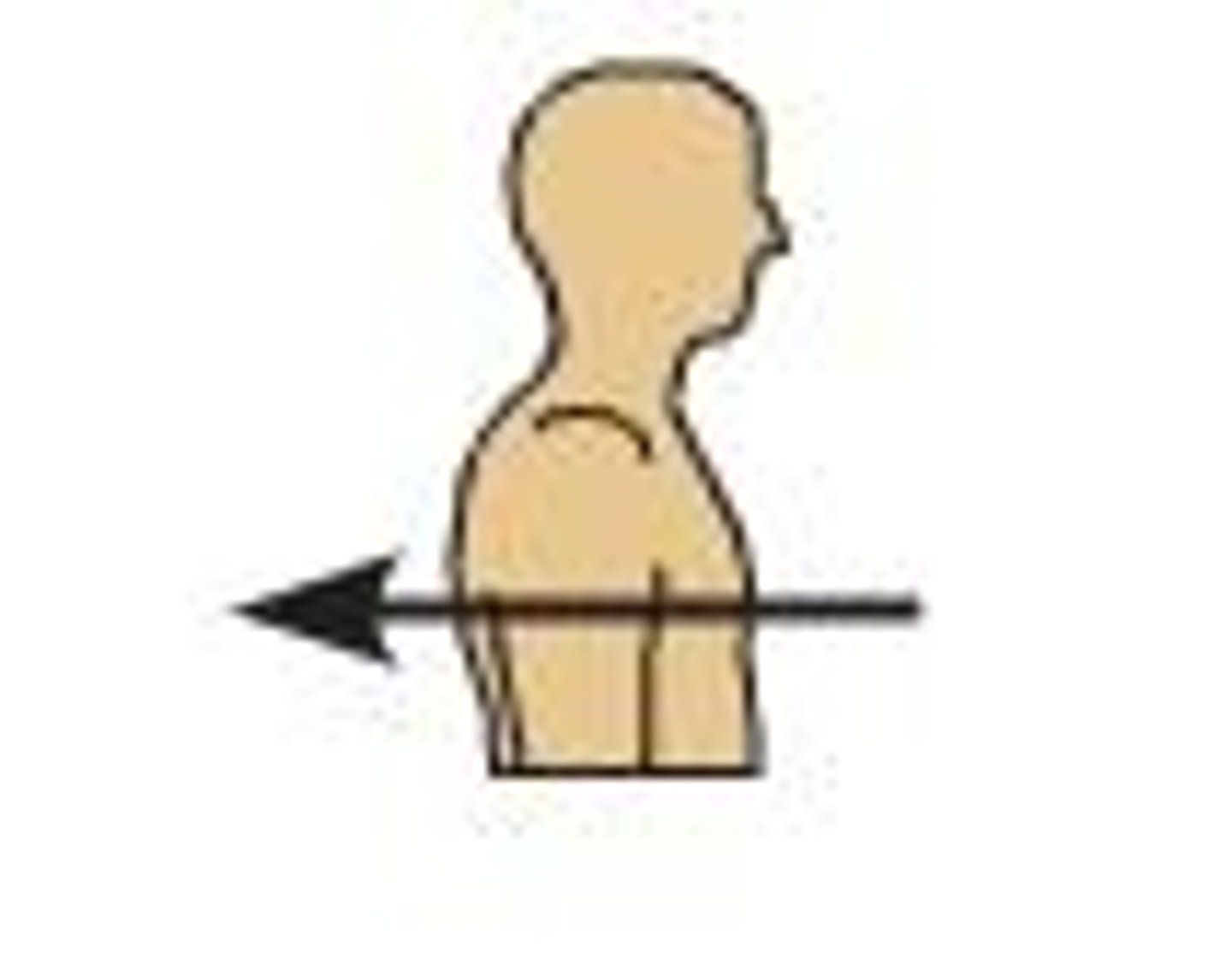
Pericardial cavity
contains the heart
tough skin cells
keratin
visceral pleura
inner layer of pleura lying closer to the lung tissue
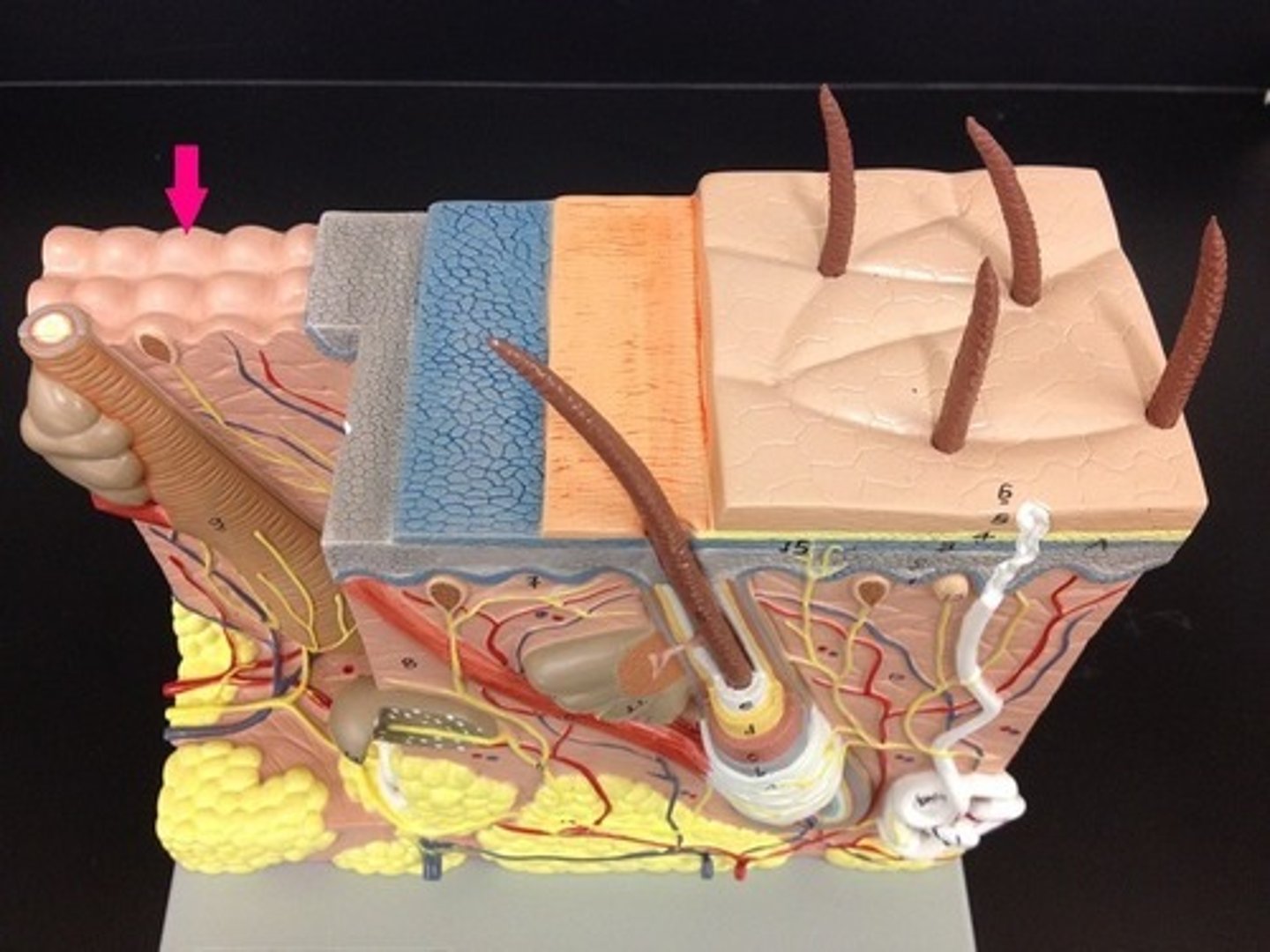
Dermal papilla
Identify the projections.
Cranial
Relating to the skull
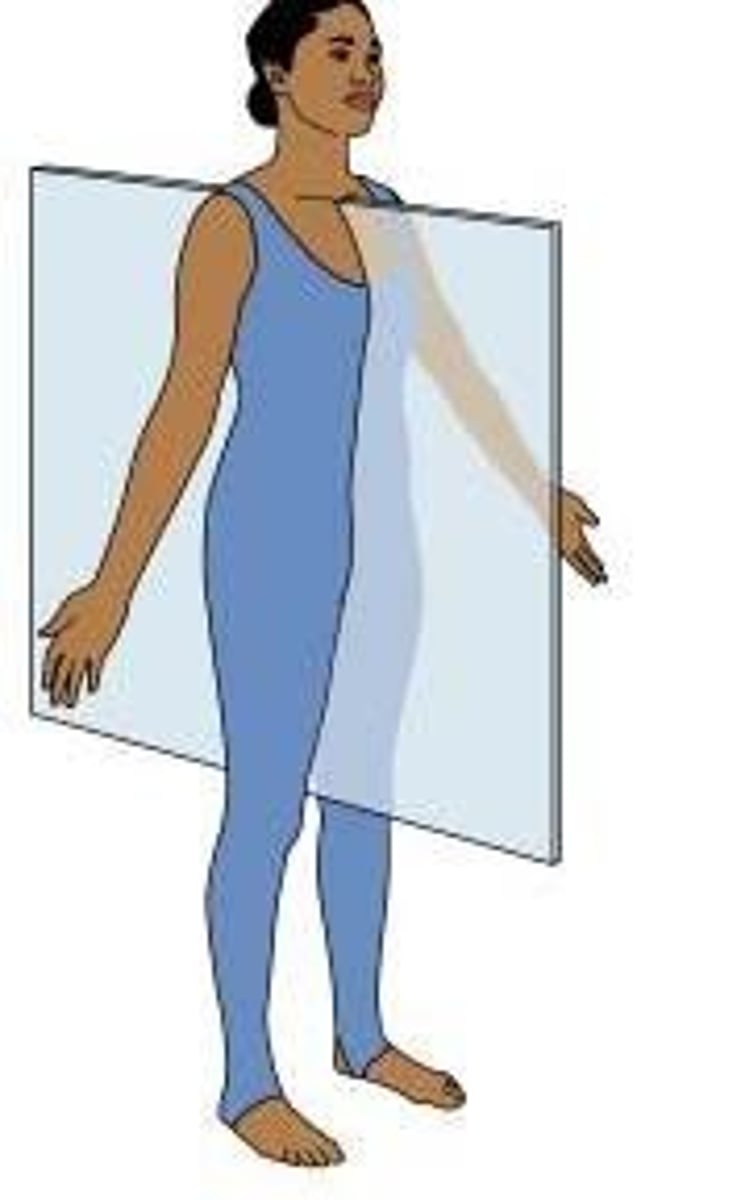
sagittal plane
vertical plane passing through the body from front to back at the midline, dividing the body equally into right and left halves
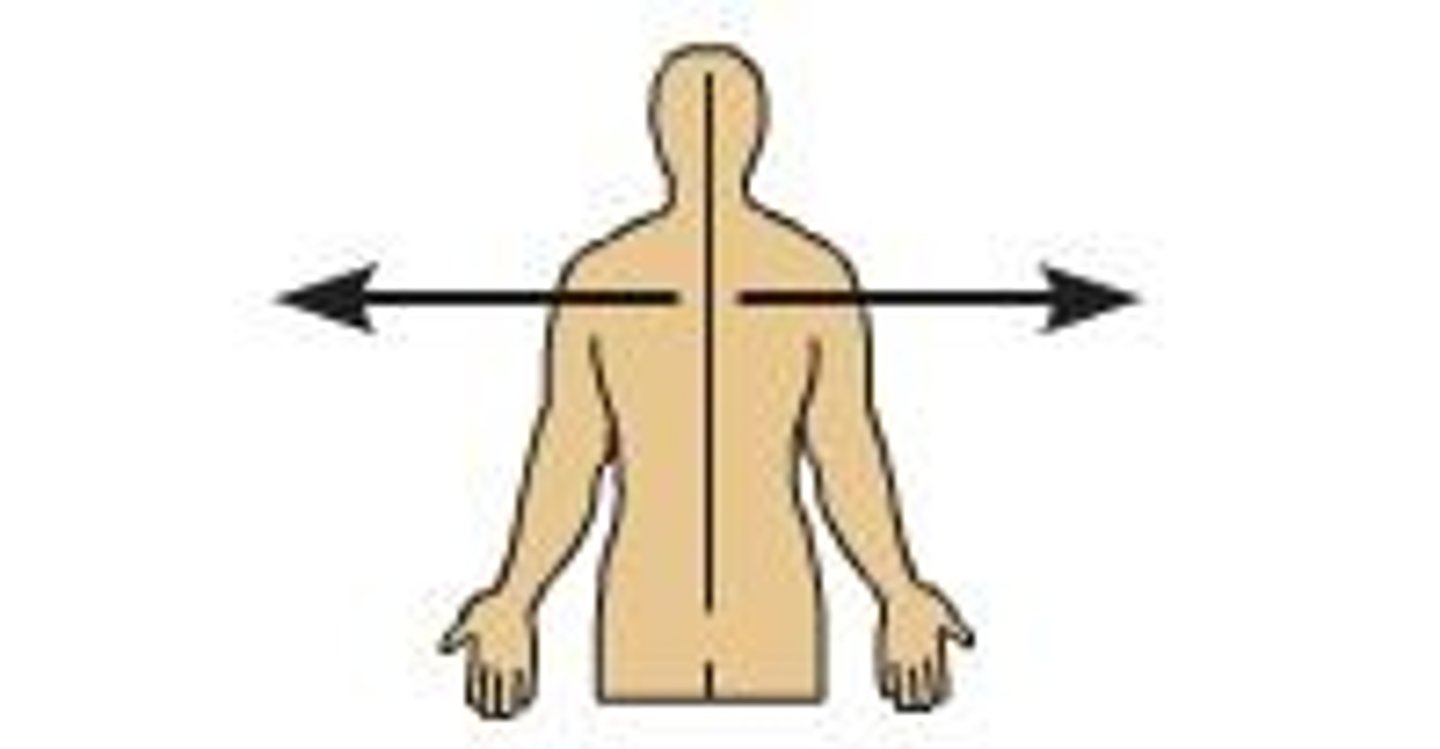
Lateral
toward the side
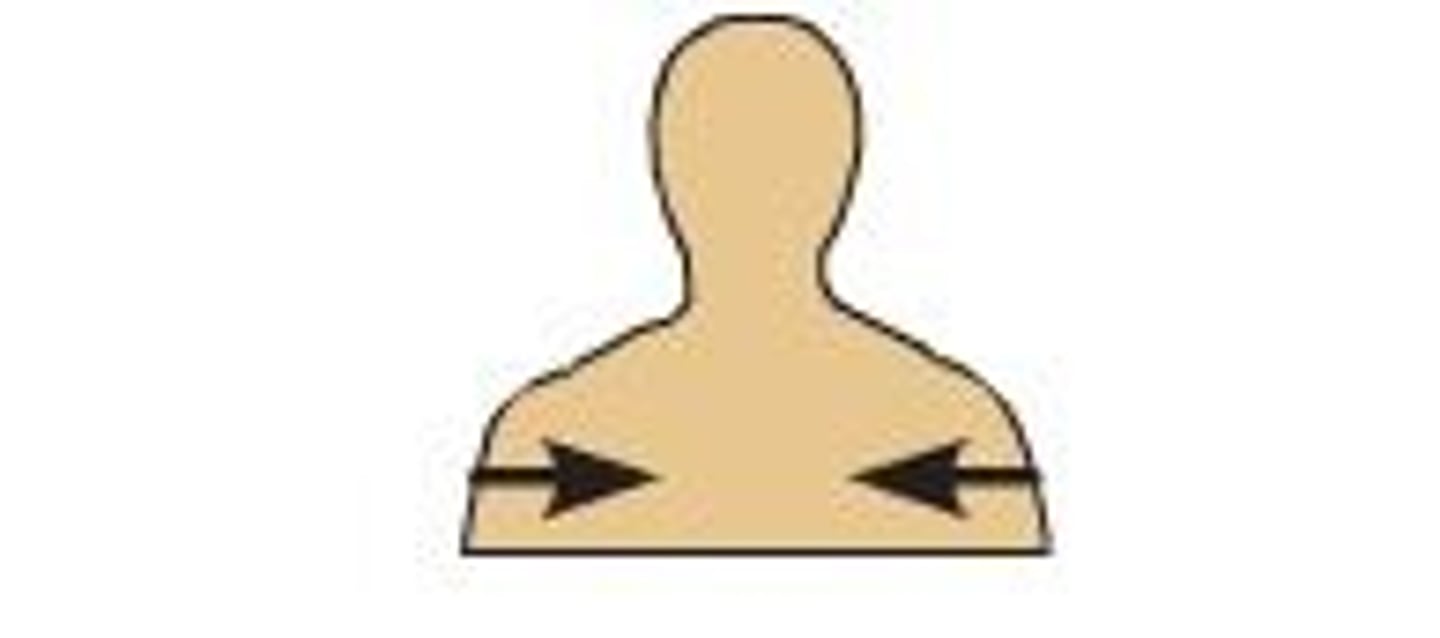
Deep
extending far down from the top or surface
Appendicular
upper and lower limbs
frontal
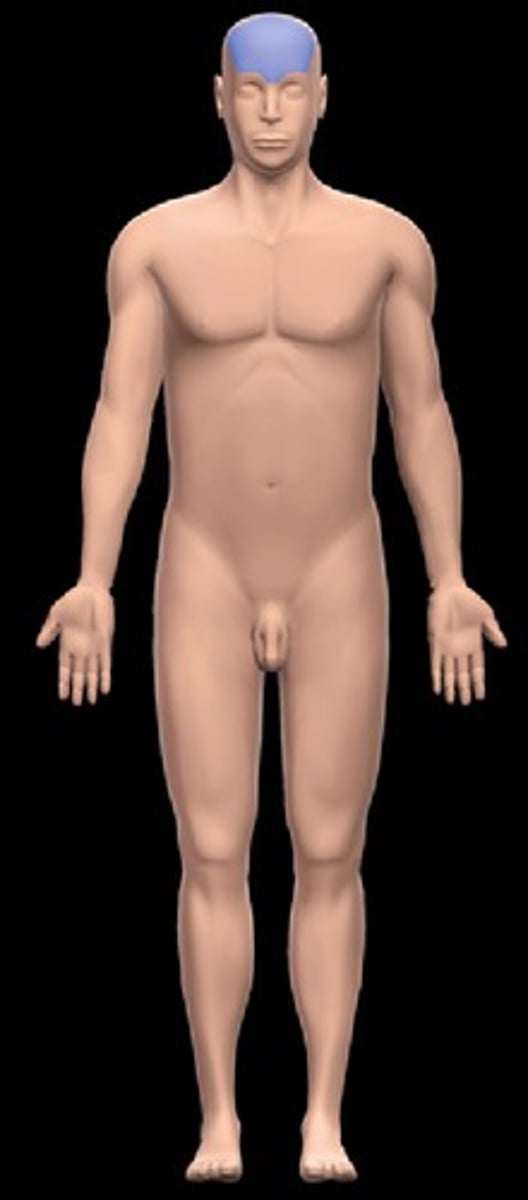
Proximal
closer to the point of attachment or origin
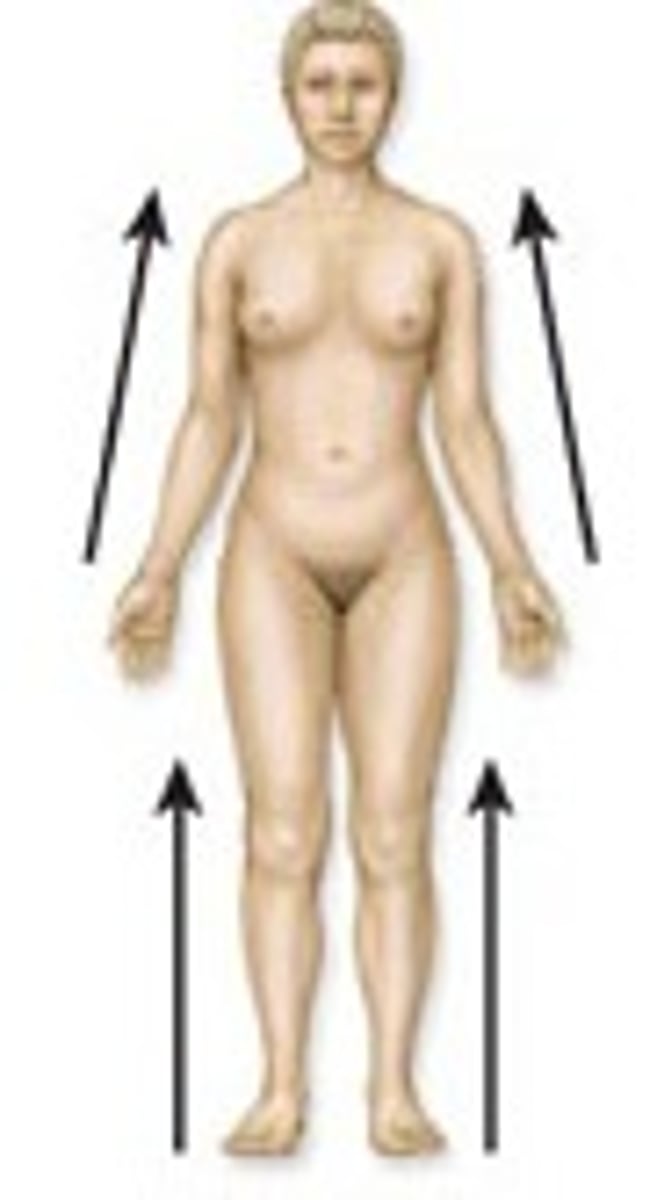
Directional terms
explain precisely where one body structure is in relation to another
serous cavity
potential space between parietal and visceral layer
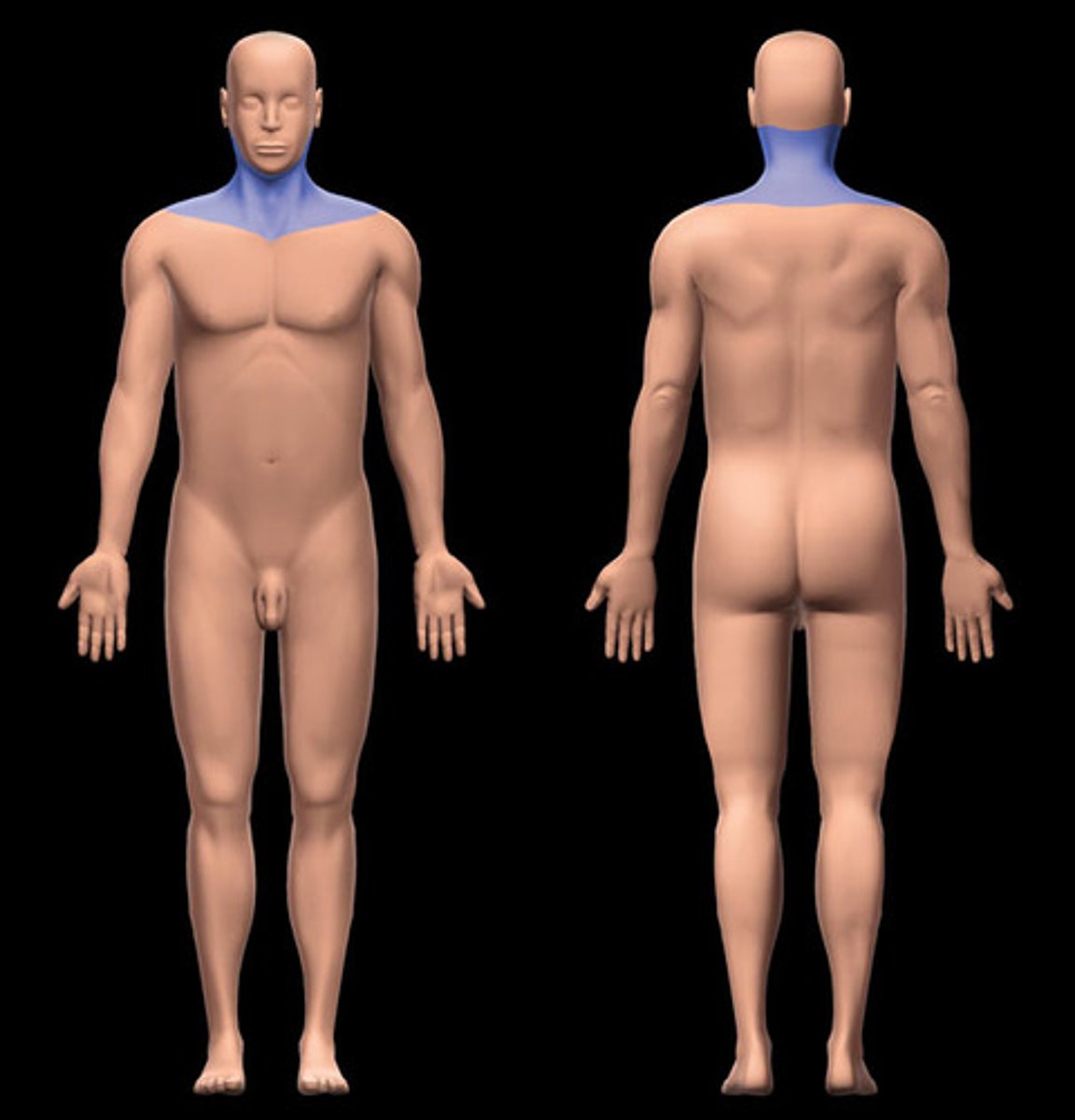
cervical
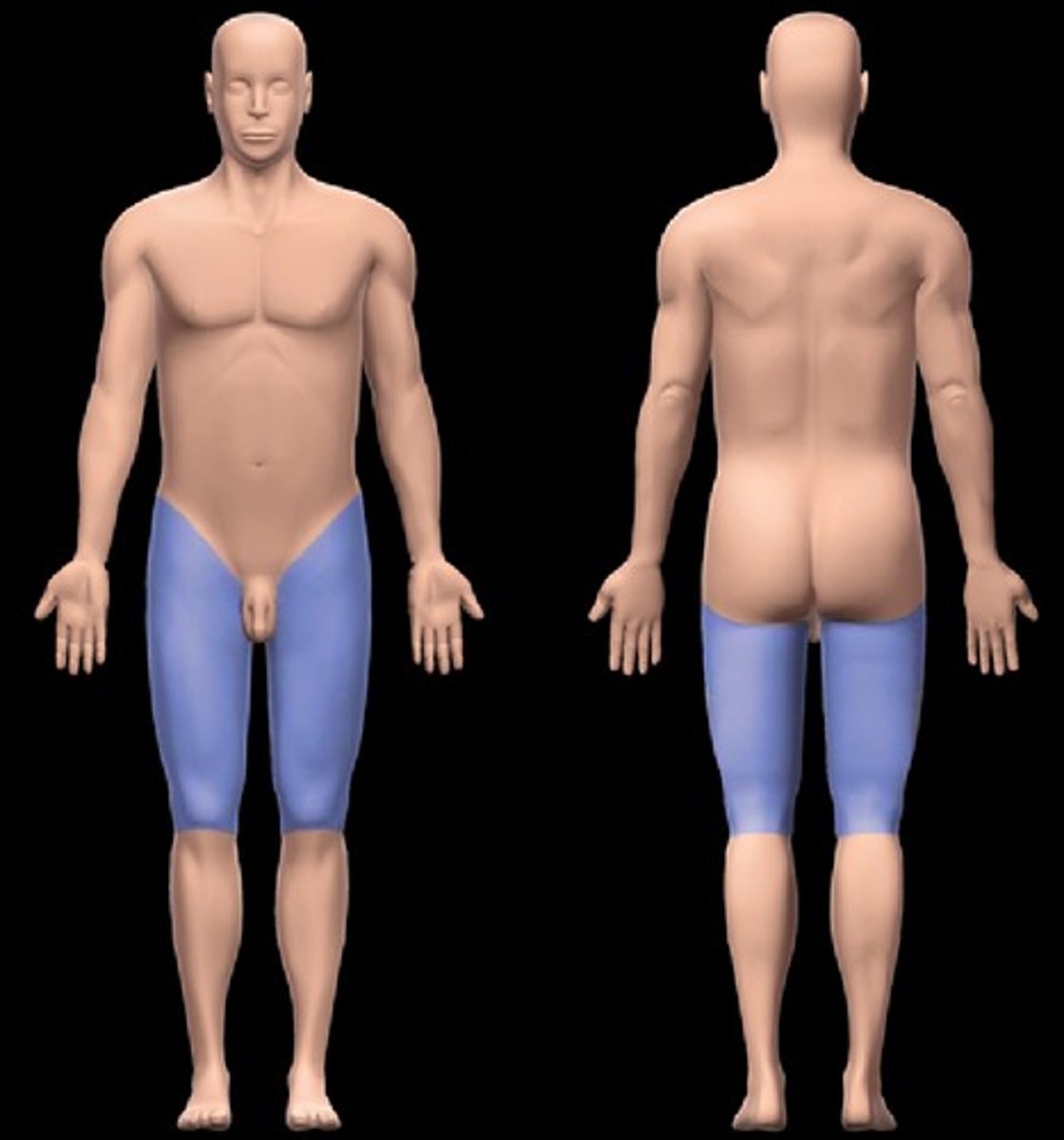
femoral
Hepatic
pertaining to the liver
Superficial
closer to the body surface
dorsal body cavity
contains the cranial cavity and spinal column (CNS)
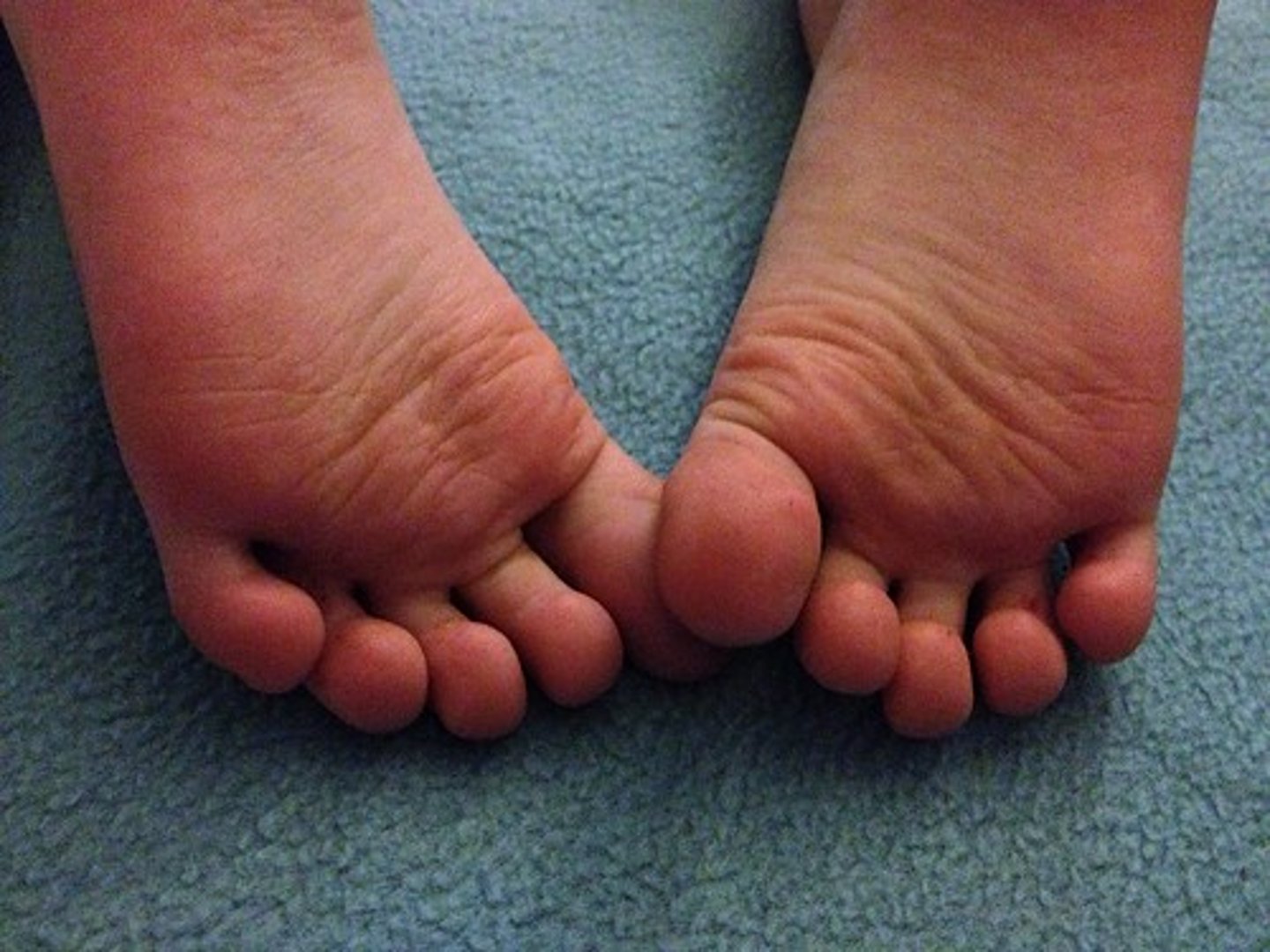
plantar
thoracic cavity
contains heart and lungs; contains the mediastinum and is a component of the ventral body cavity
interpleural cavity
space between lungs that contains heart vessels, esophagus and trachea
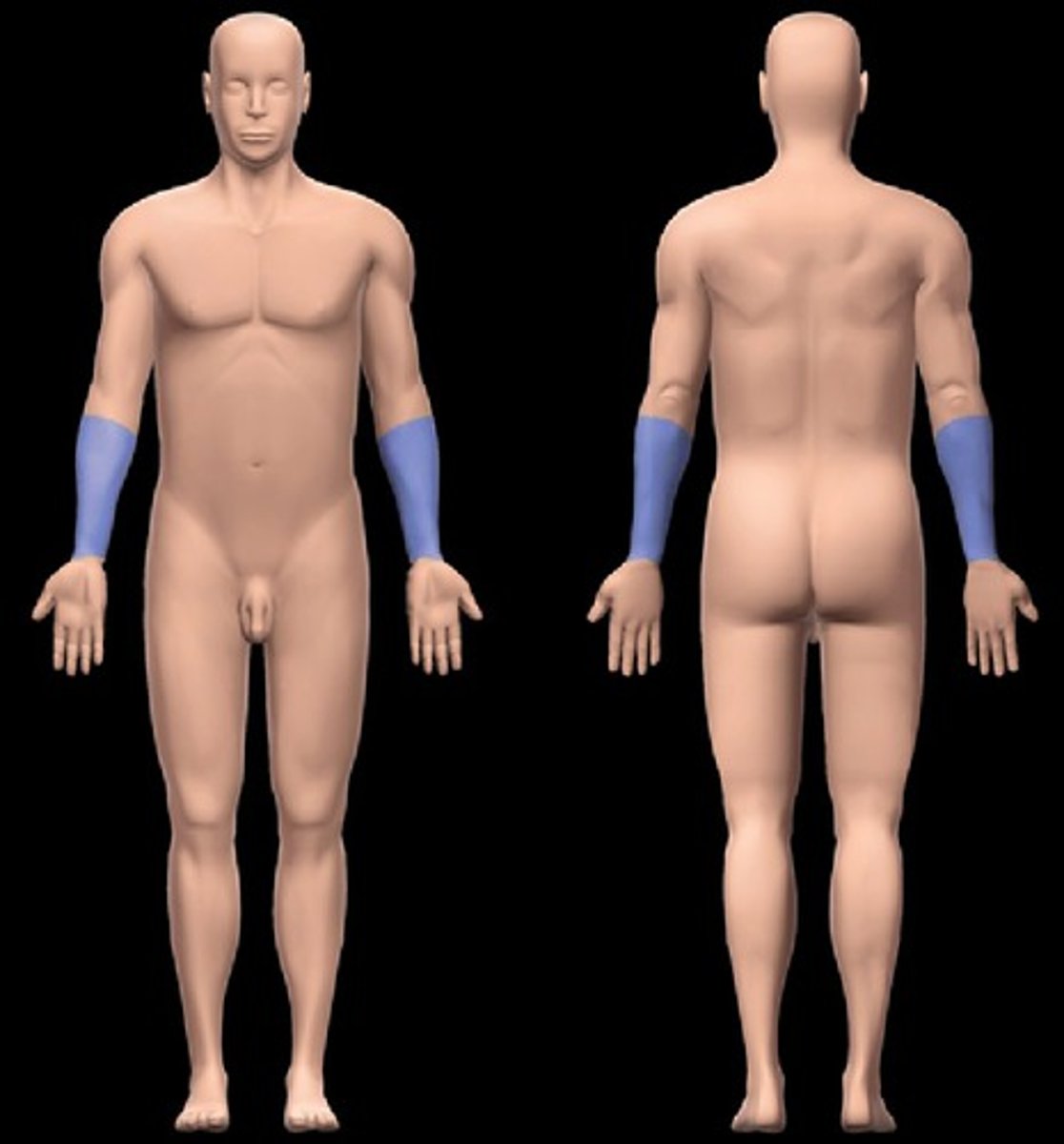
antebrachial
Spinal
pertaining to the spine
pleural
lungs
cardiac
pertaining to the heart
Anatomy
The study of body structure
supine
lying face up
prone
lying face down
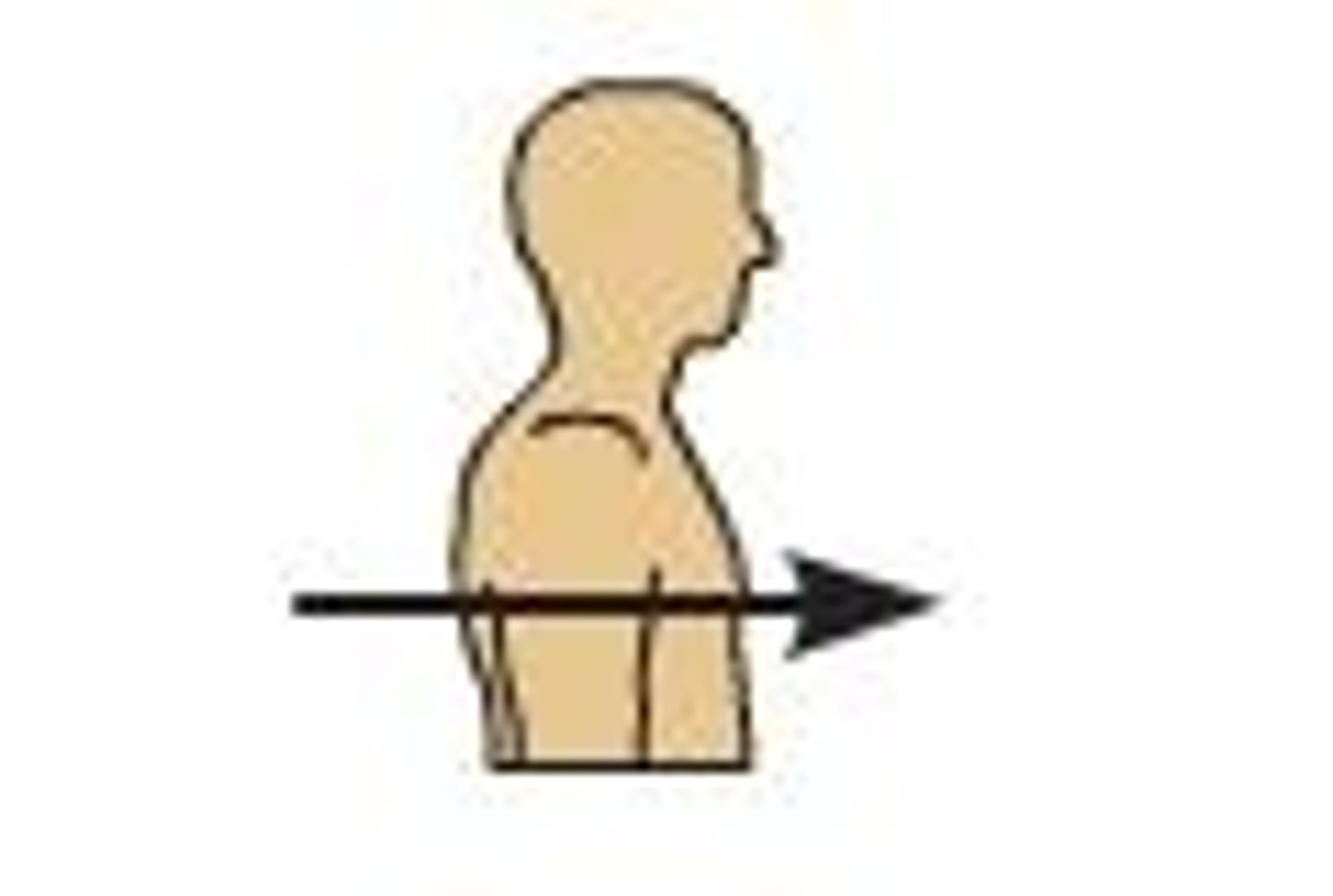
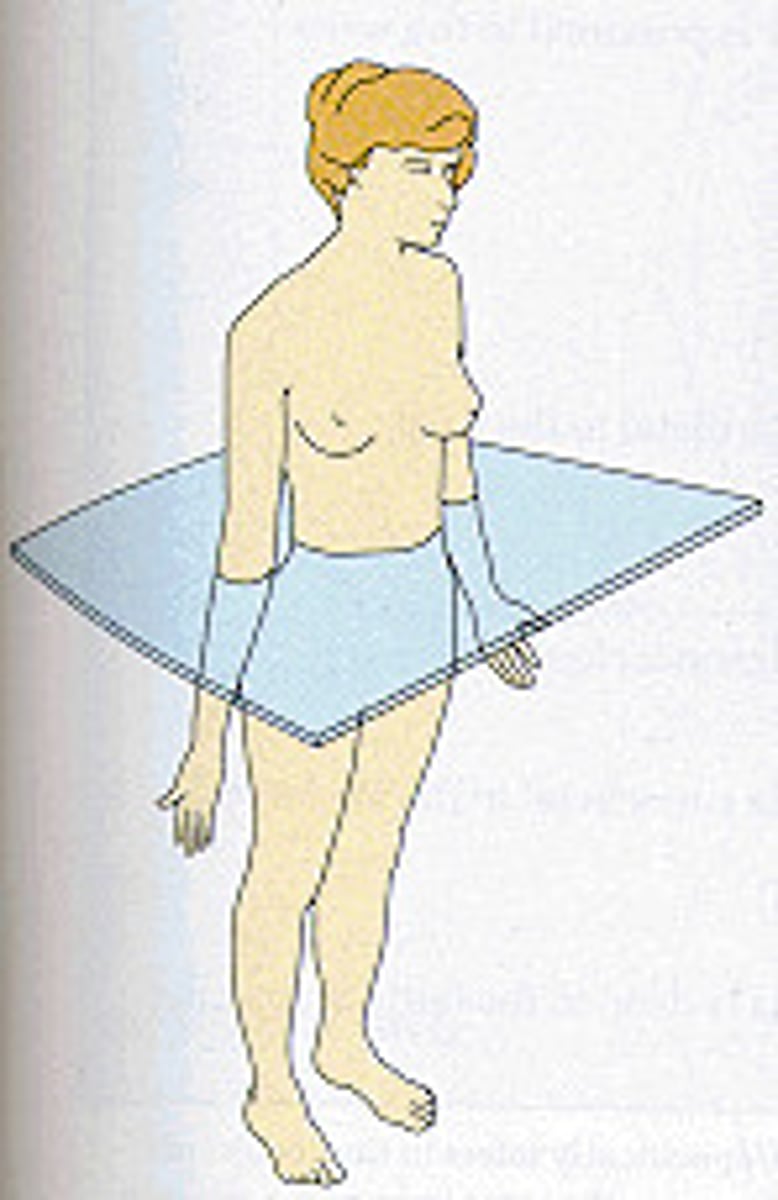
transverse plane (horizontal plane)
divides the body into upper and lower portions
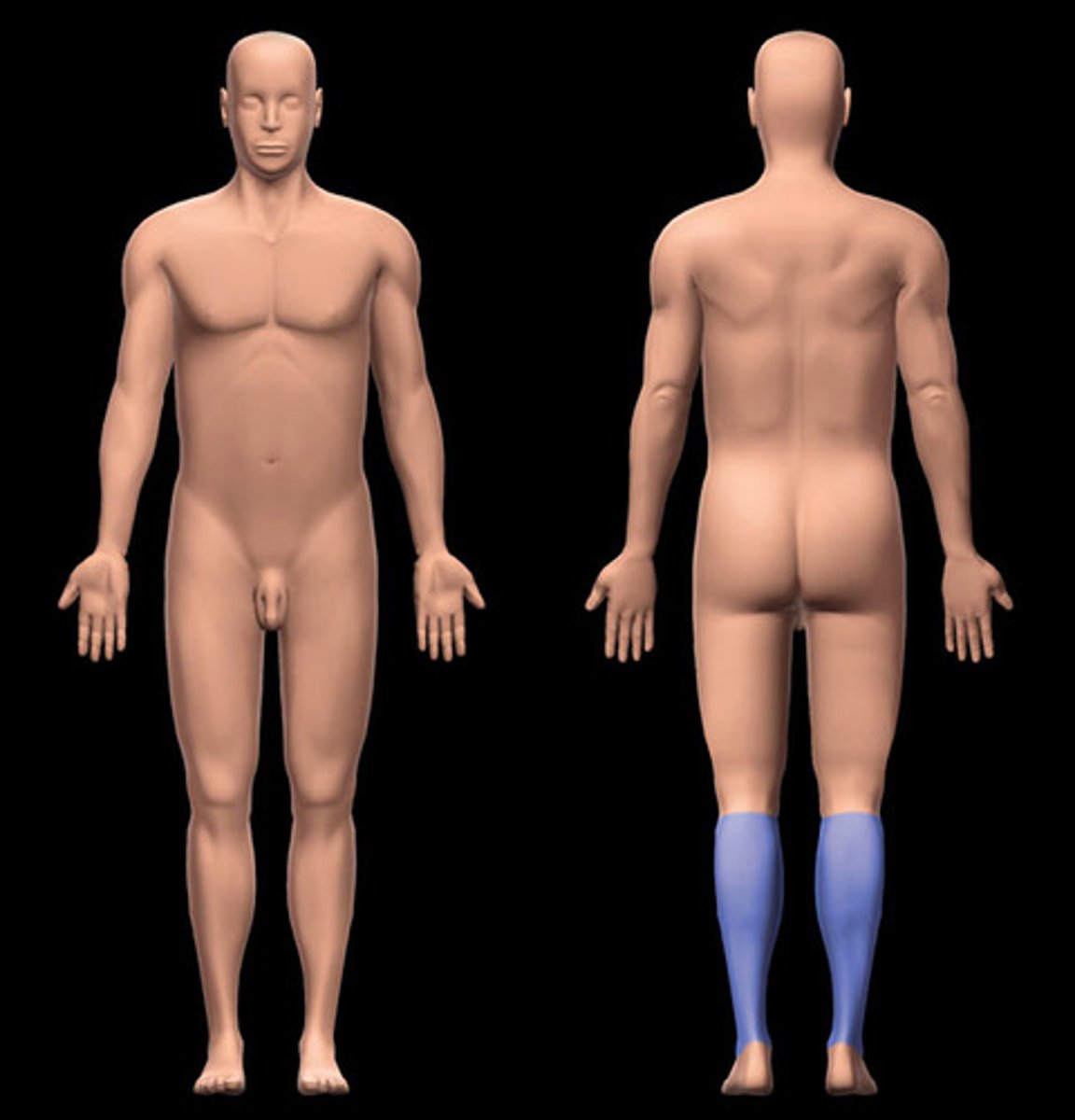
sural
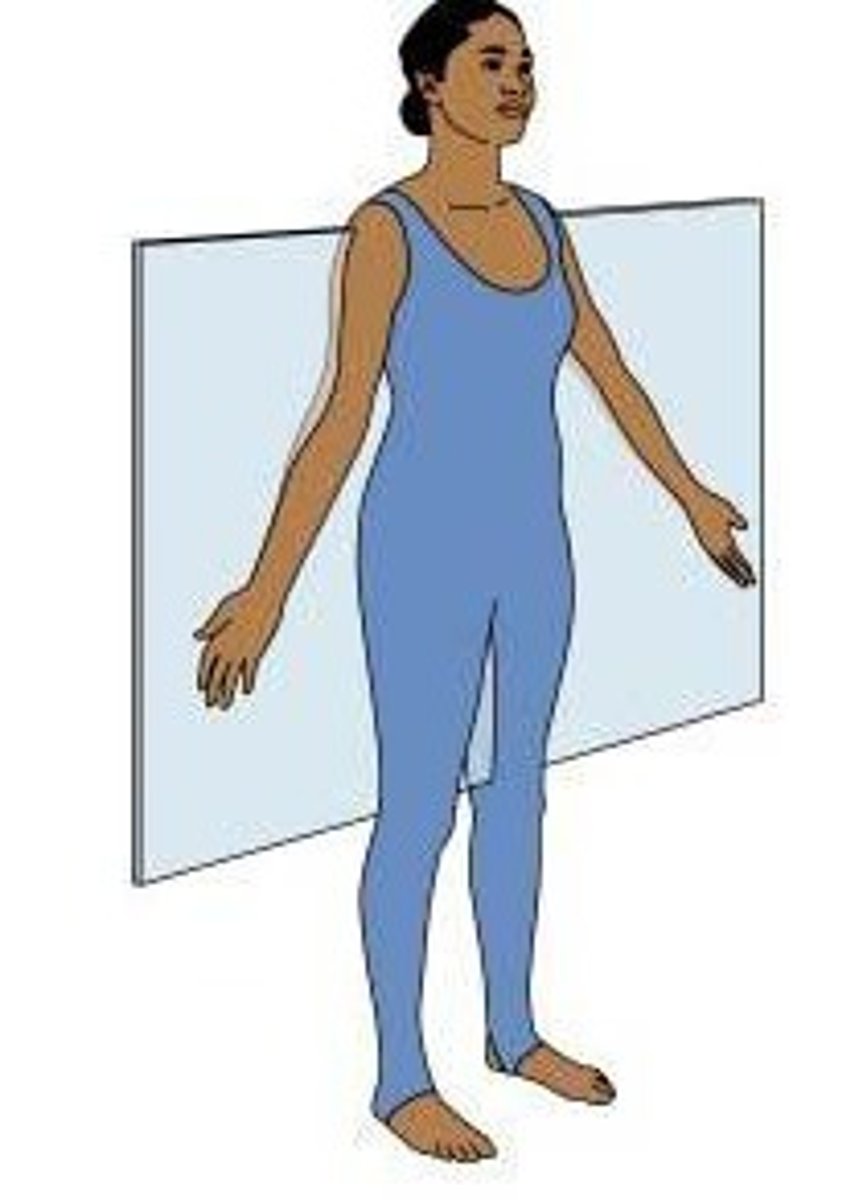
coronal (frontal) plane
vertical division of the body into front (anterior) and back (posterior) portions
Physiology
Study of function
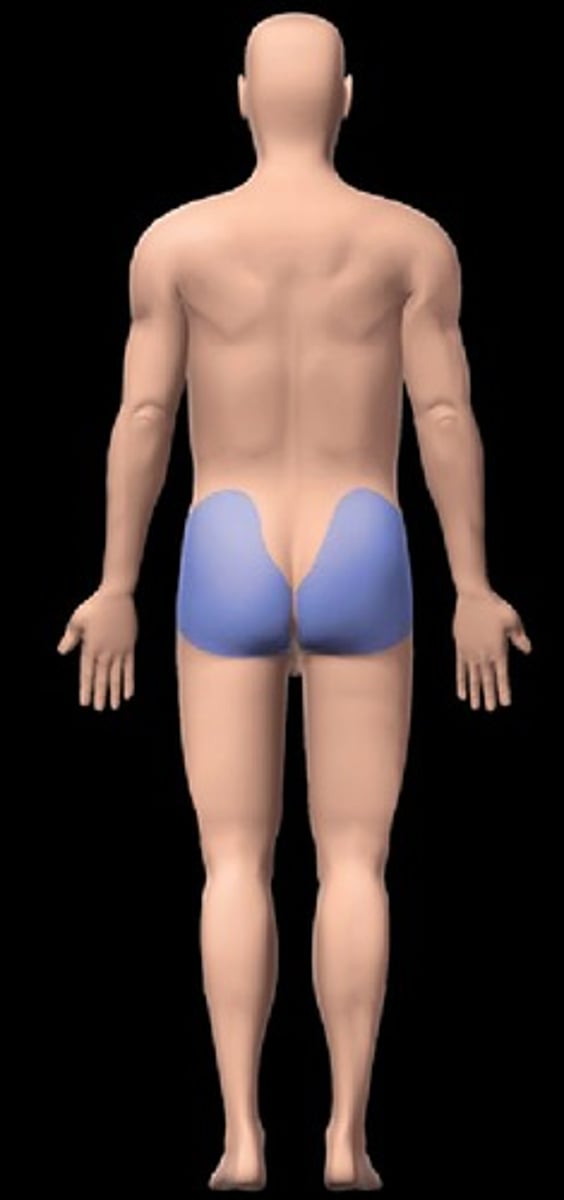
gluteal
axillary
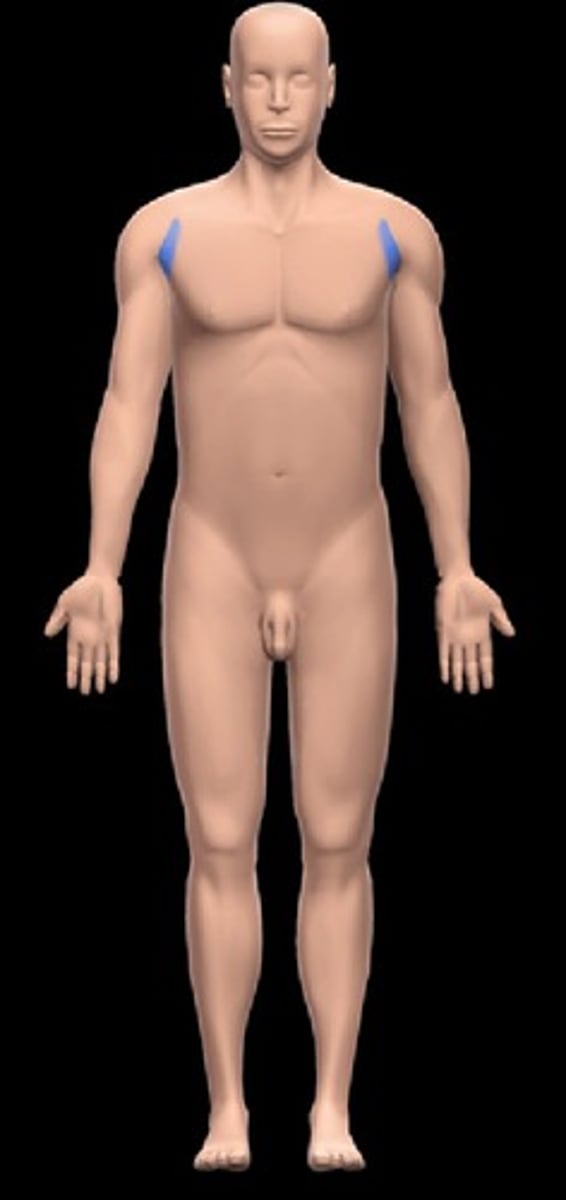
skeletal muscle
found next to bones and covered by fascia; functions in movement
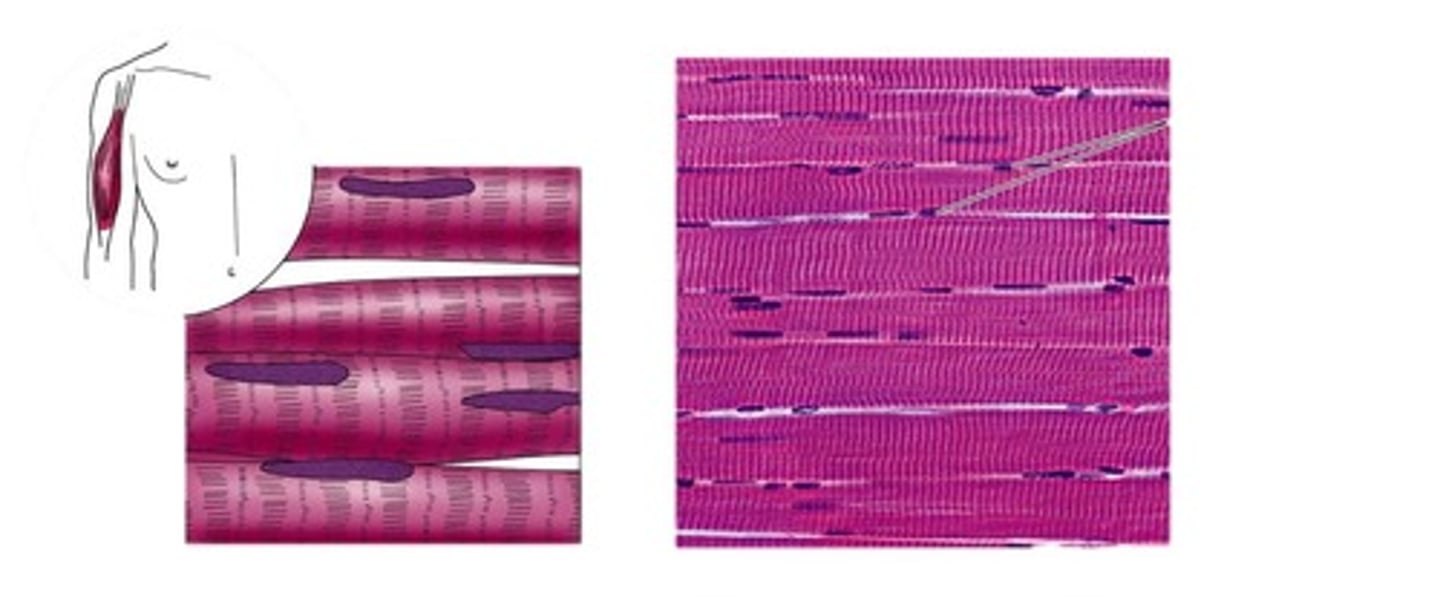
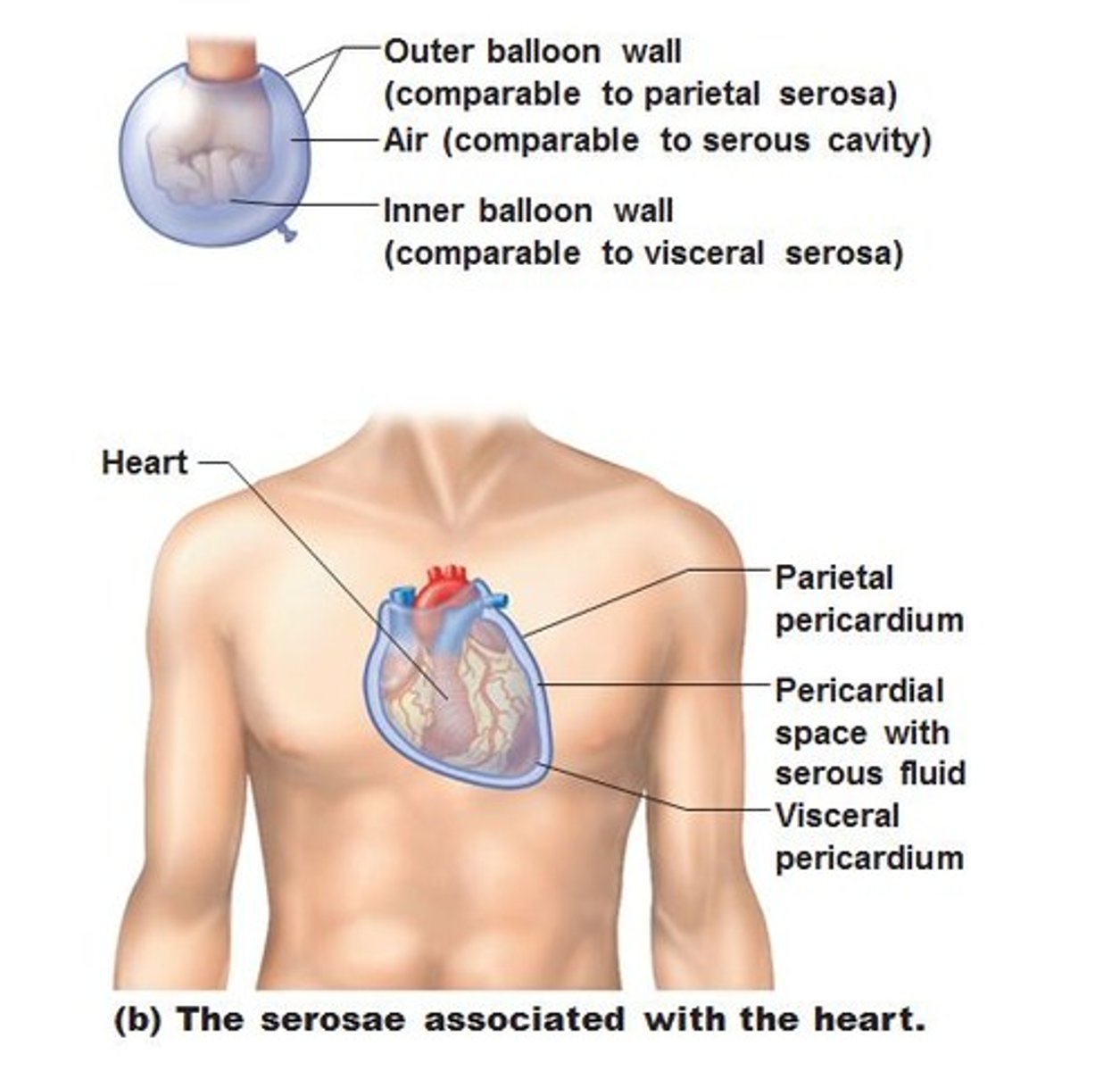
parietal pericardium
lines the pericardial cavity
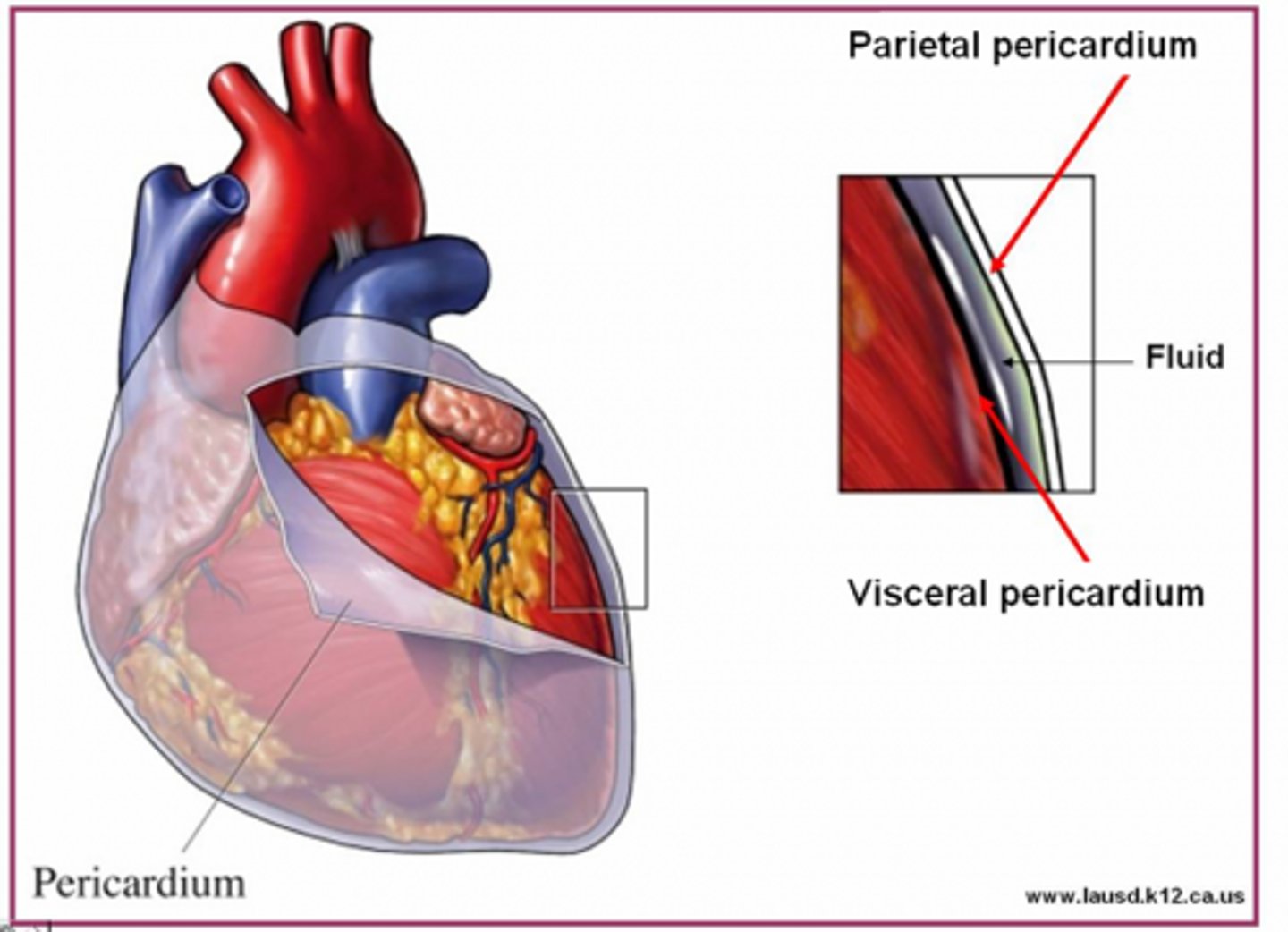
parietal peritoneum
the outer layer of the peritoneum that lines the interior of the abdominal wall
visceral peritoneum
covers abdominal organs
mental
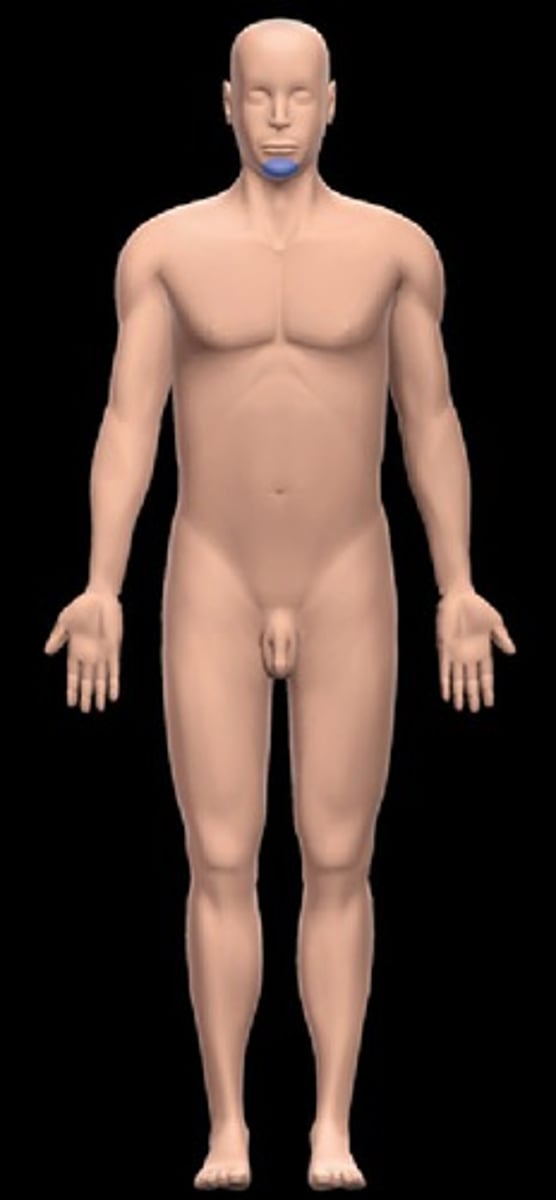
occipital
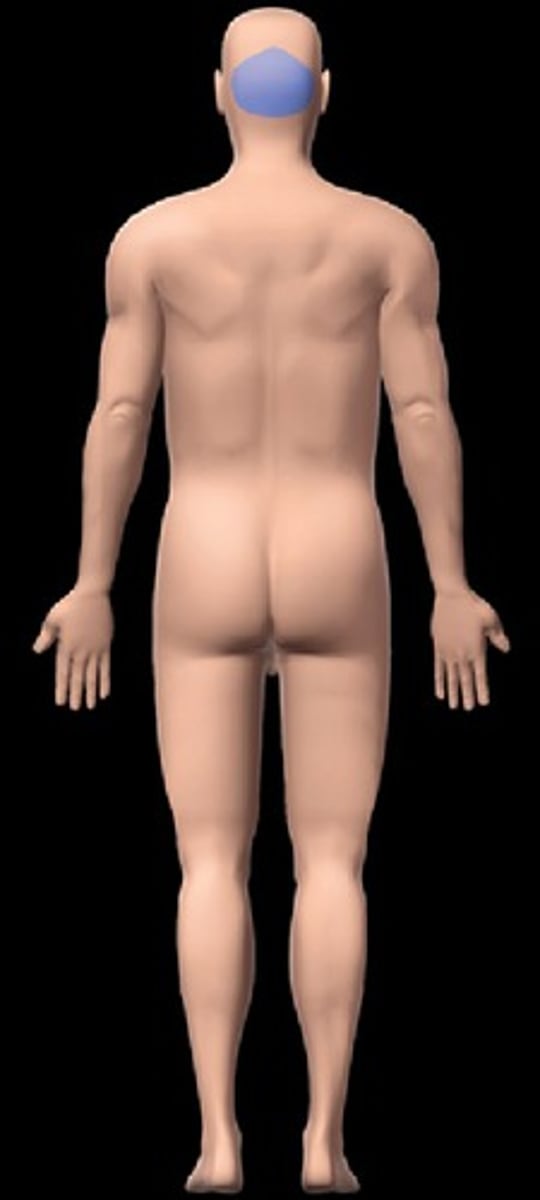
brachial
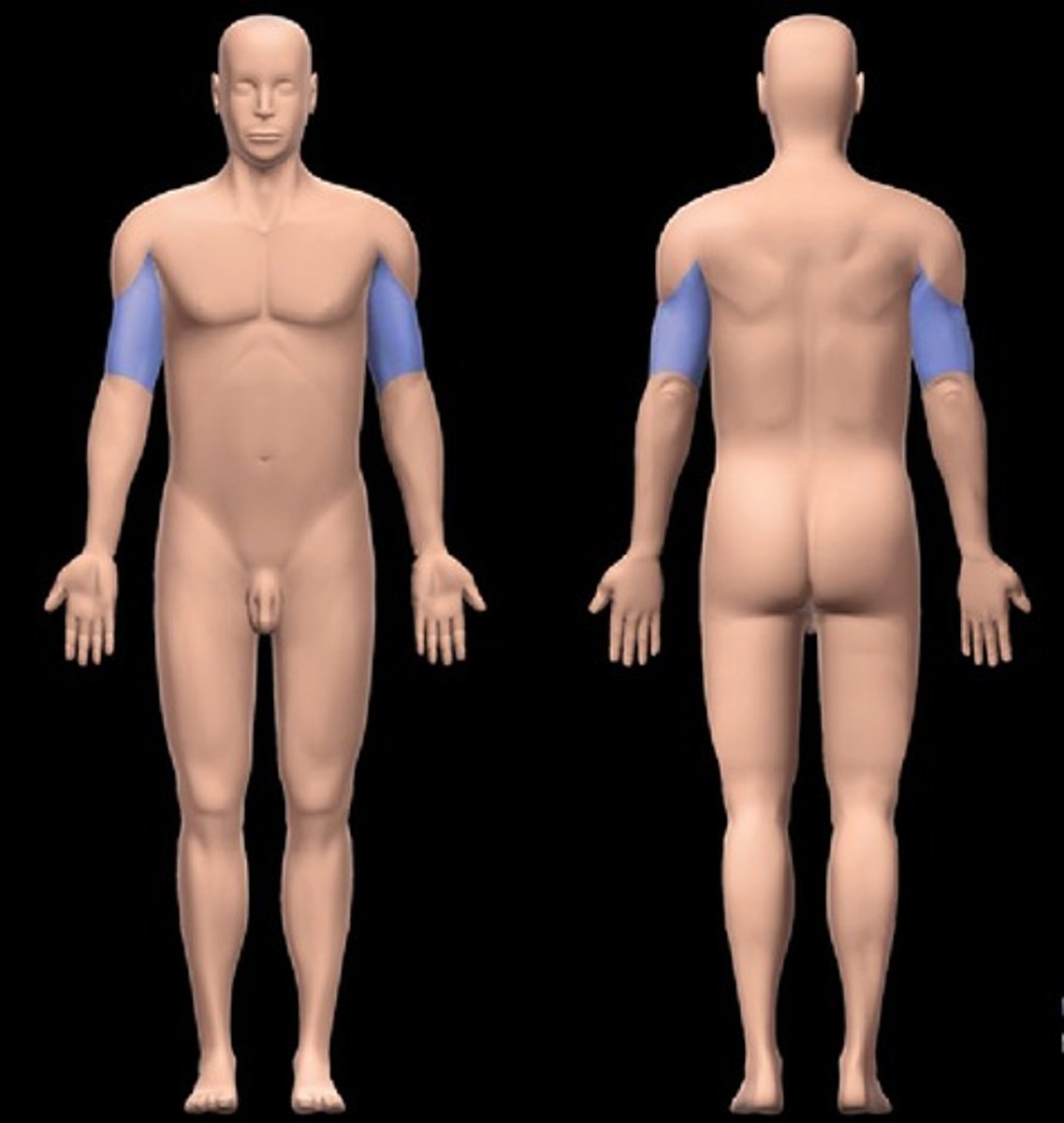
calcanea
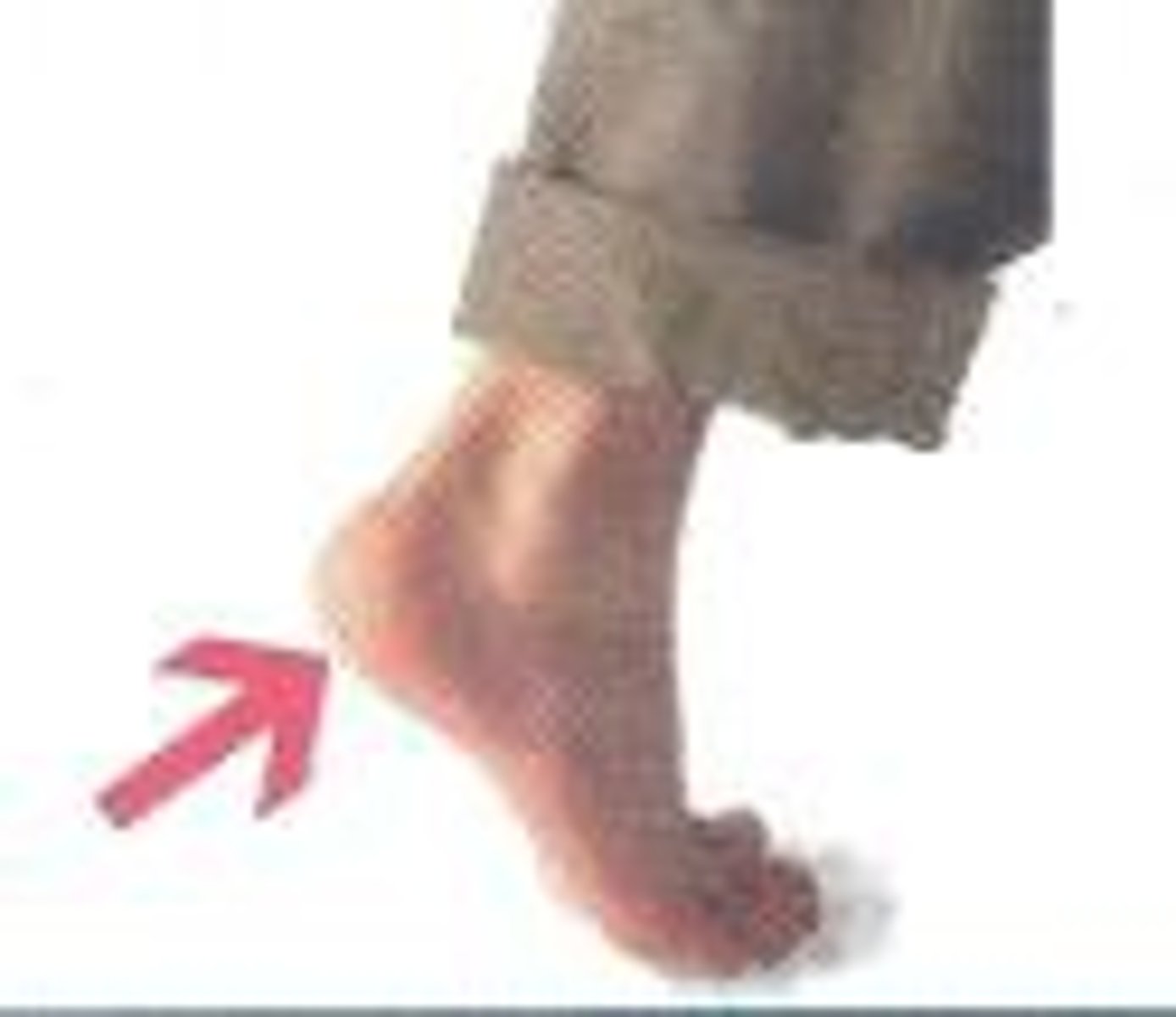
digital
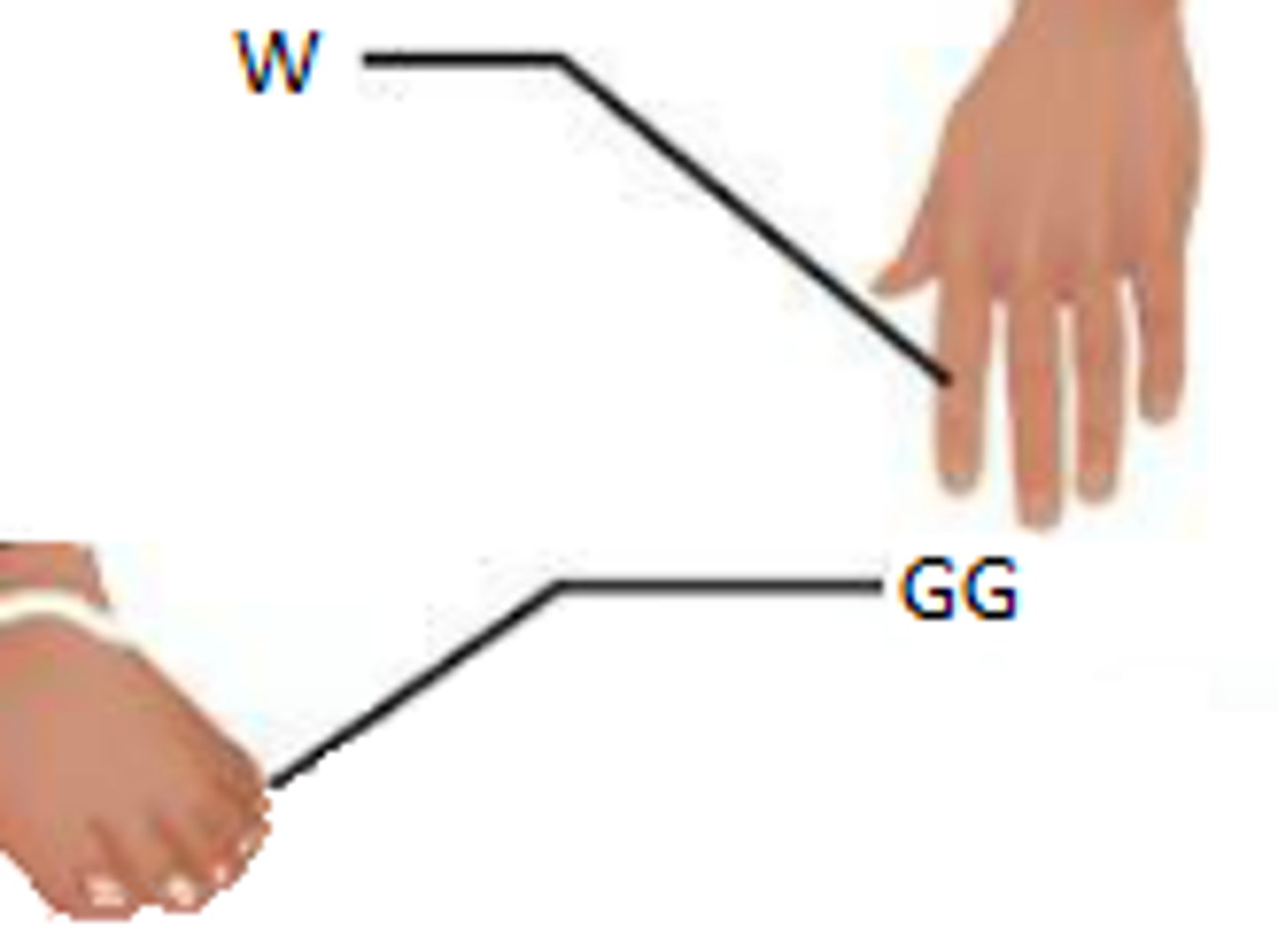
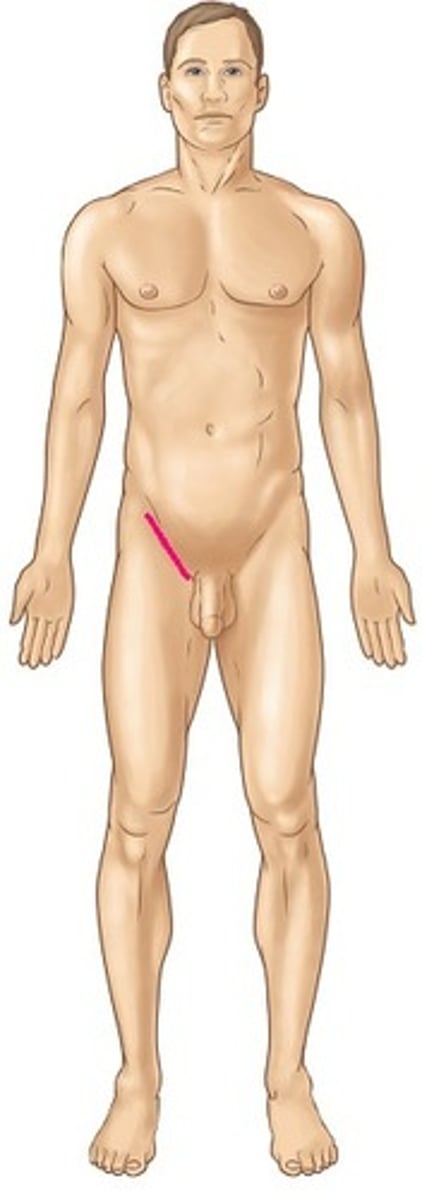
inguinal
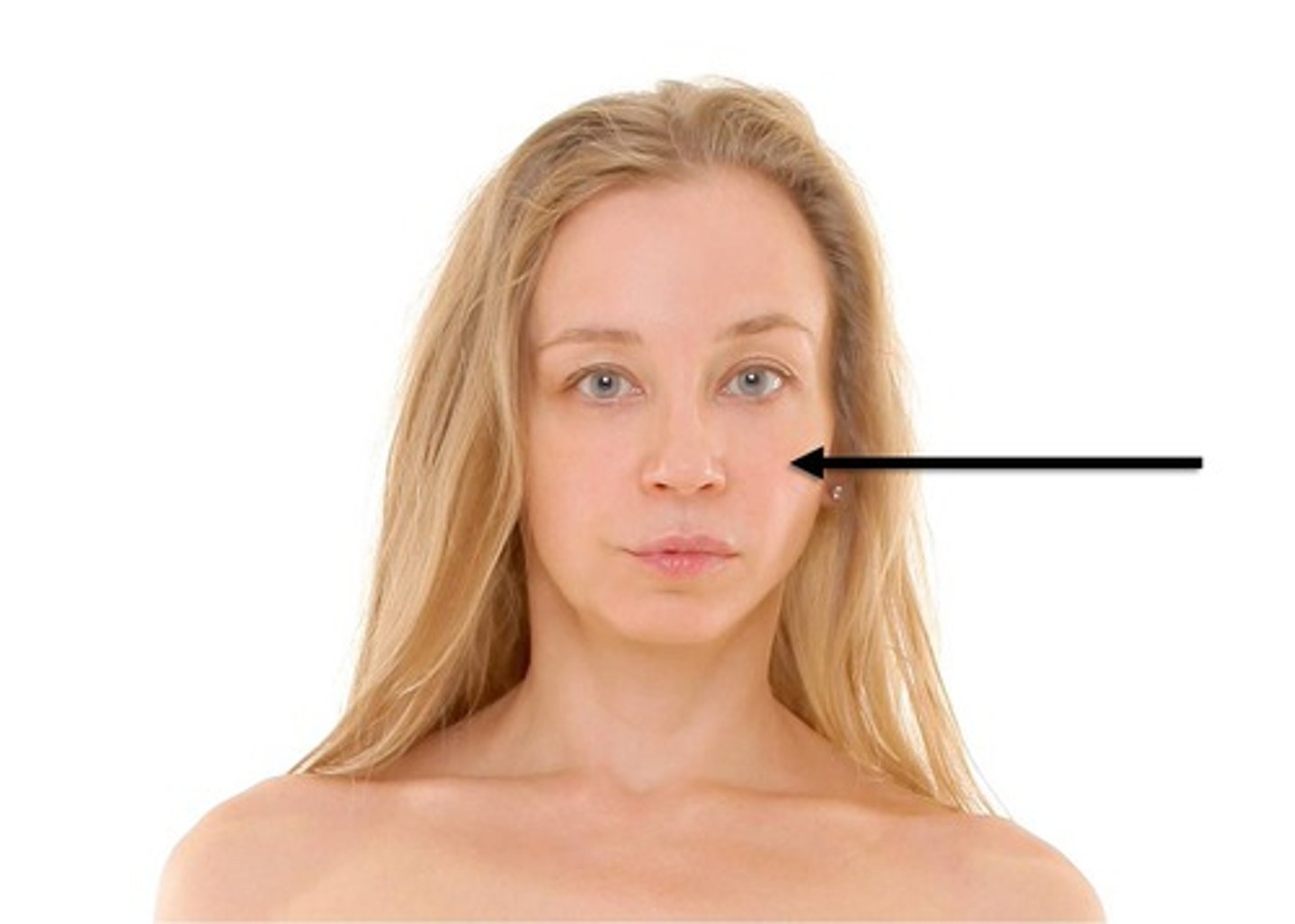
buccal
Midsagittal
vertical plane passing through the body from front to back at the midline, dividing the body equally into right and left halves
pectoral
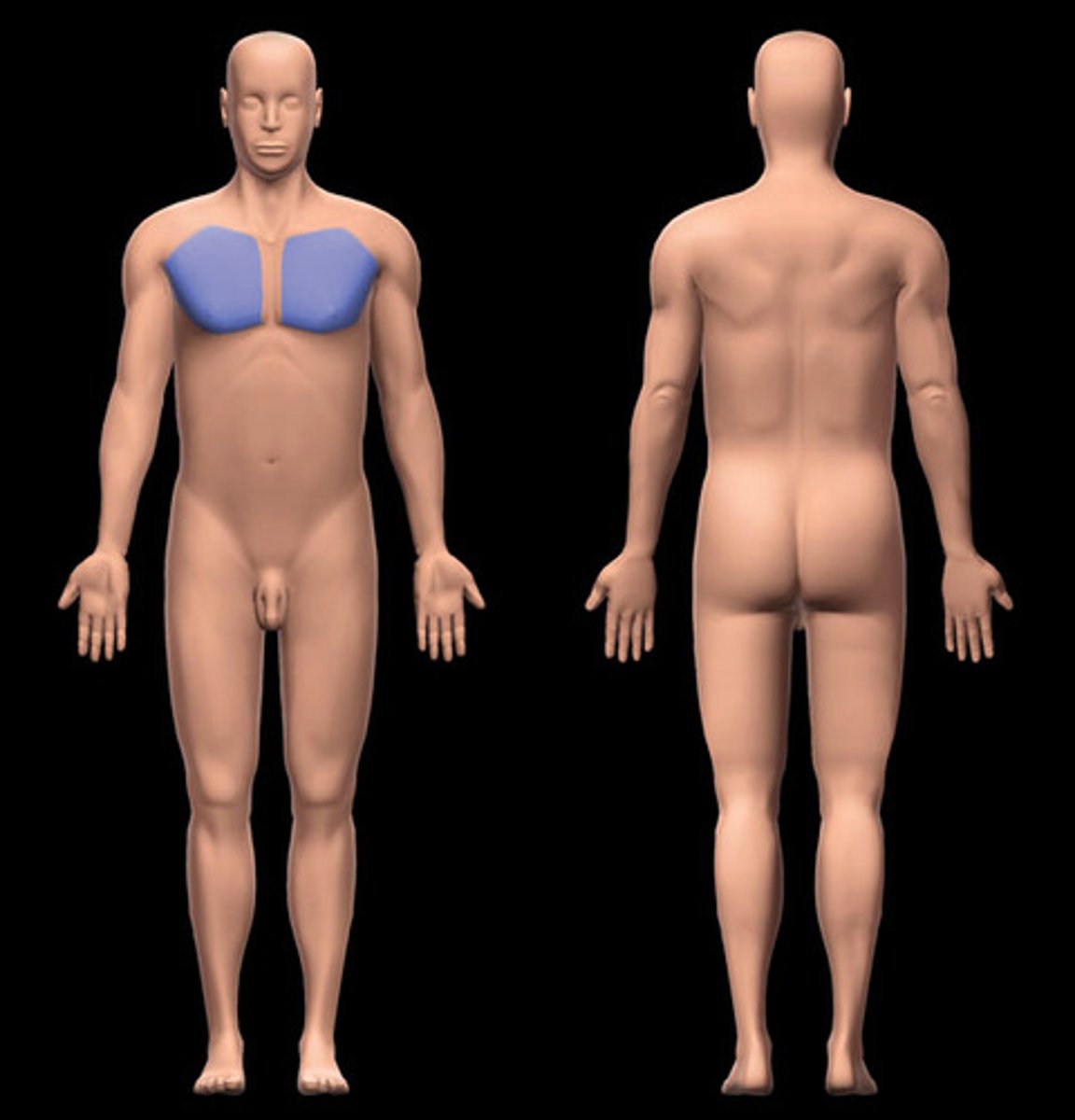
mammary
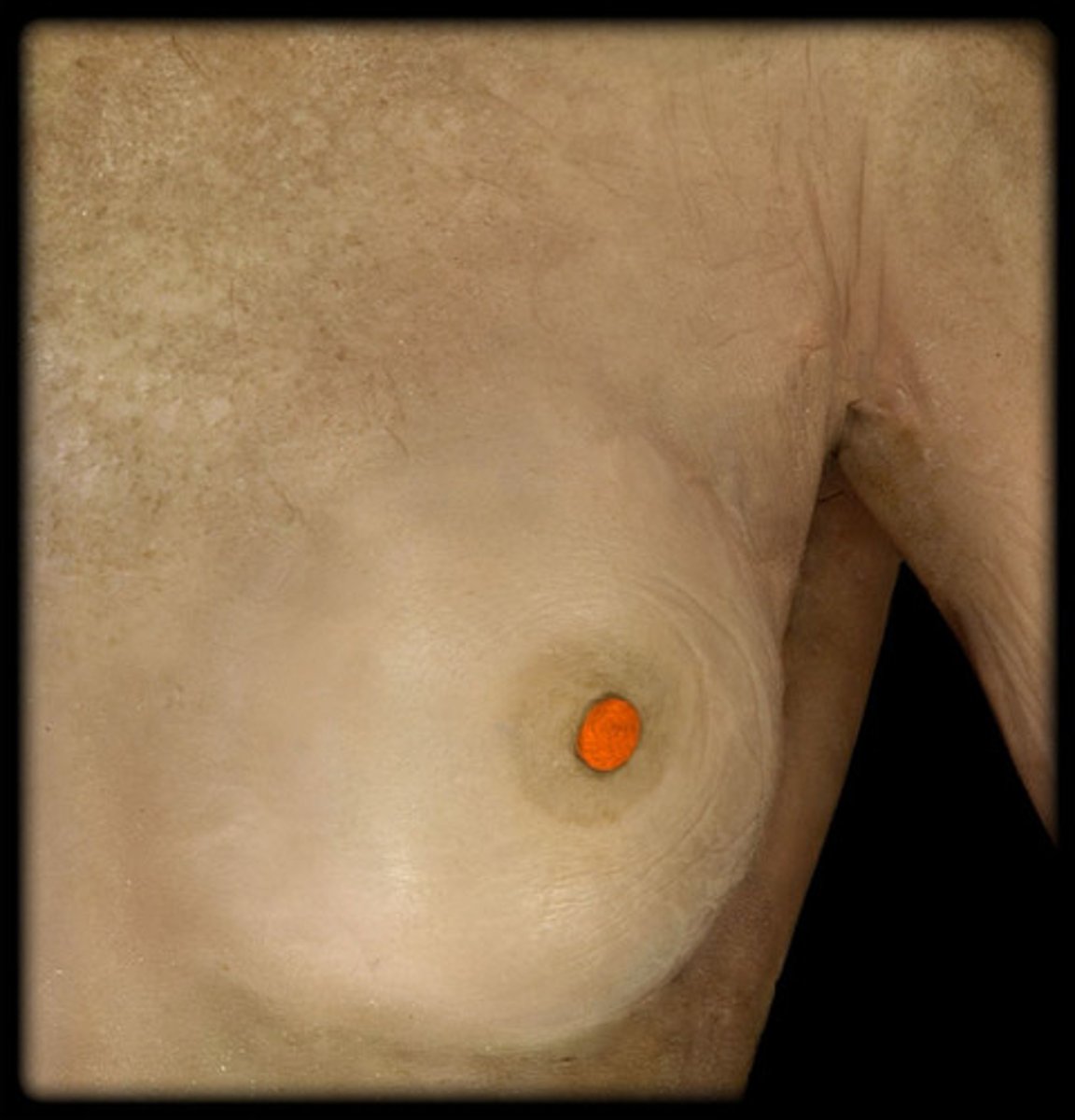
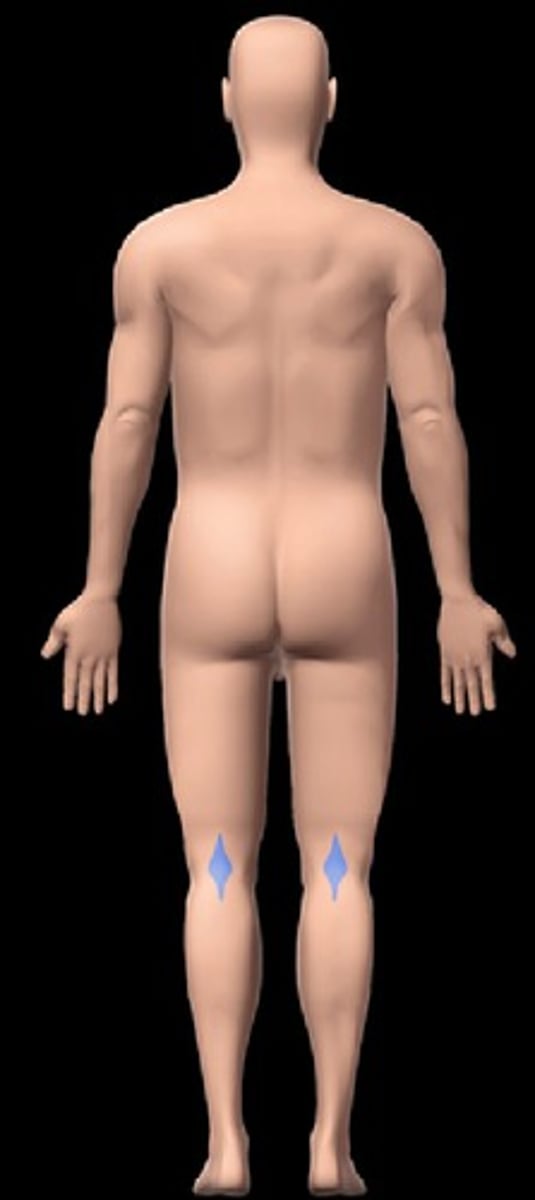
popliteal
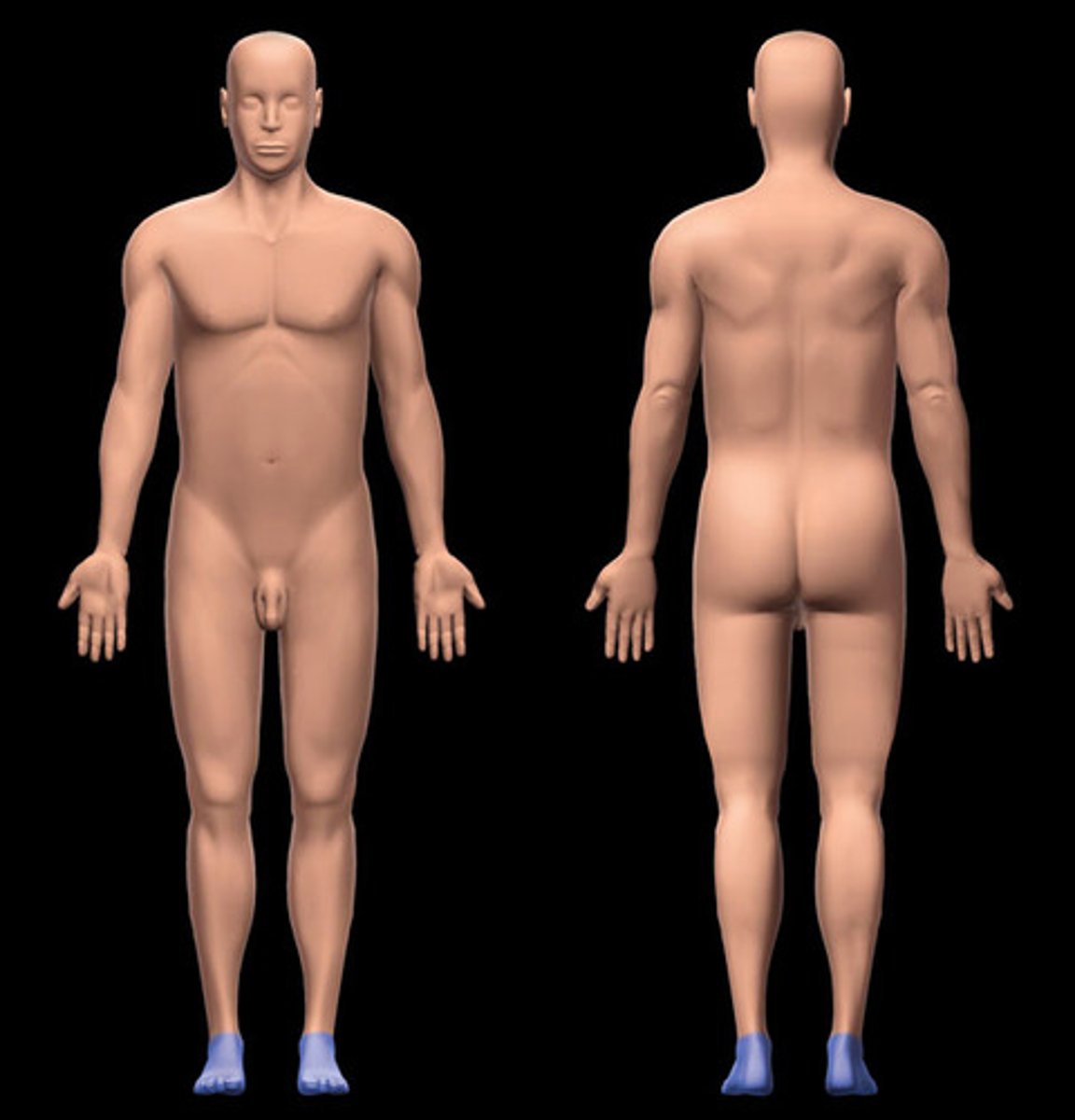
pedal
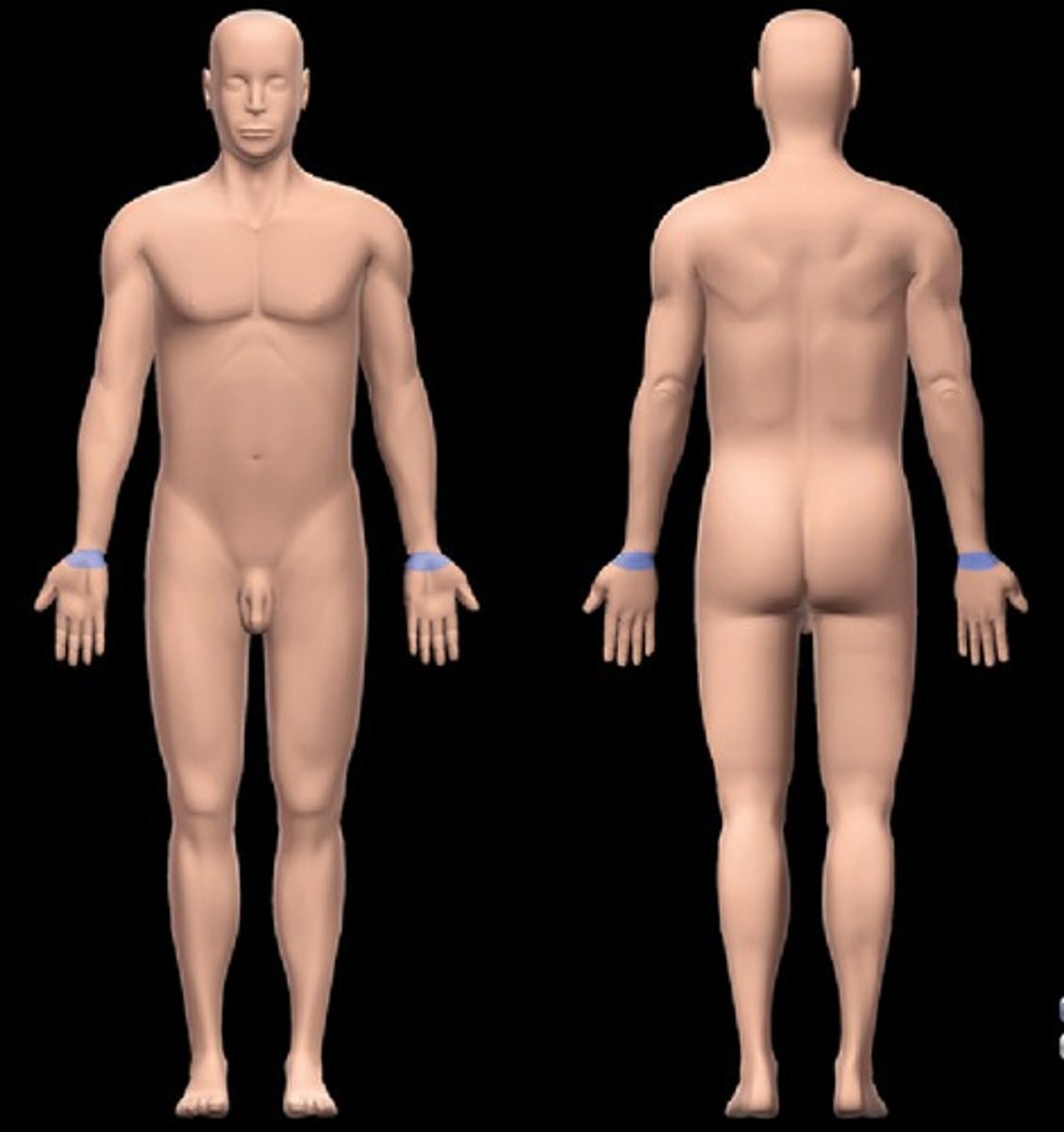
carpal
Axial
head, neck, trunk
otic
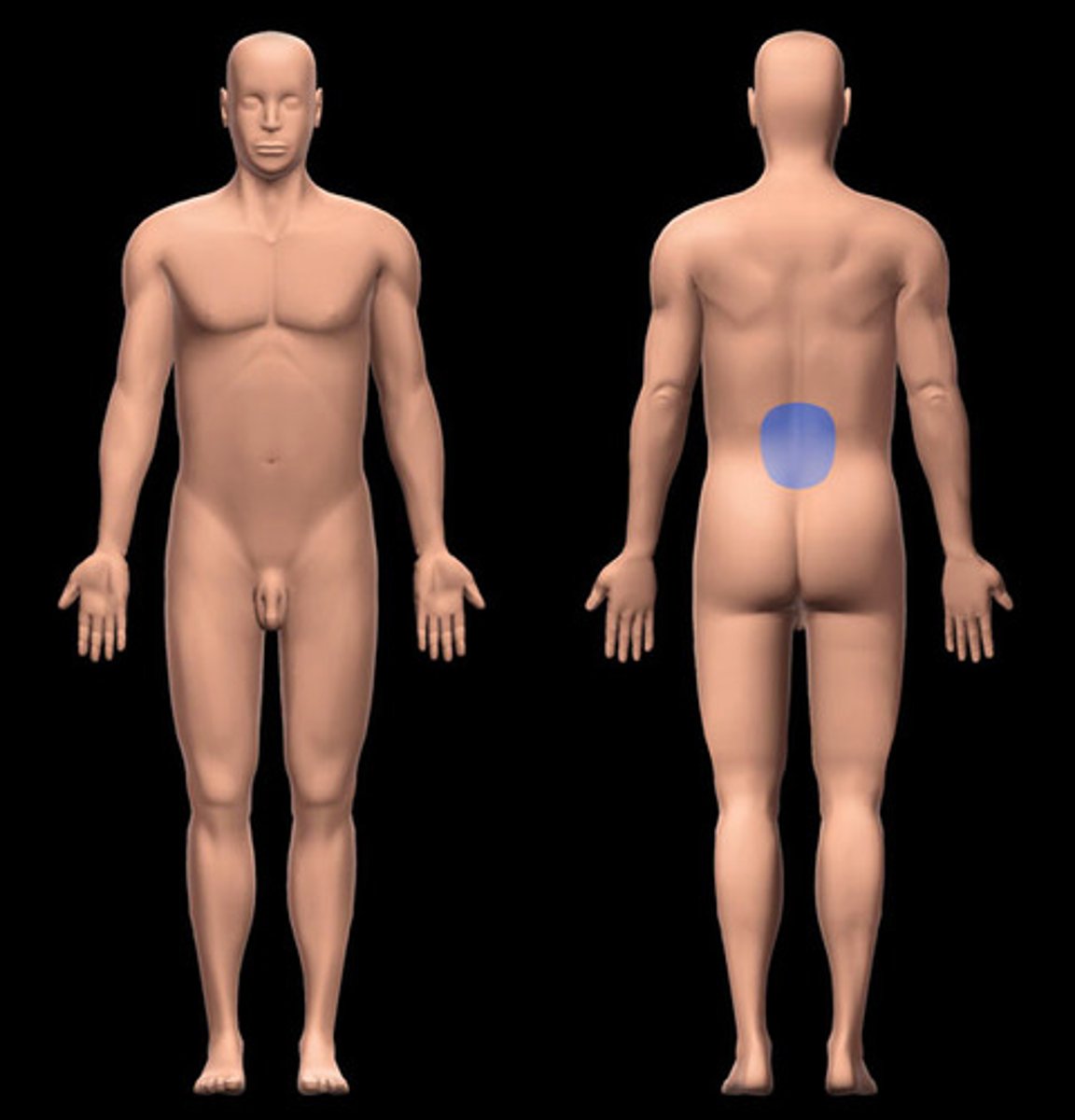
lumbar
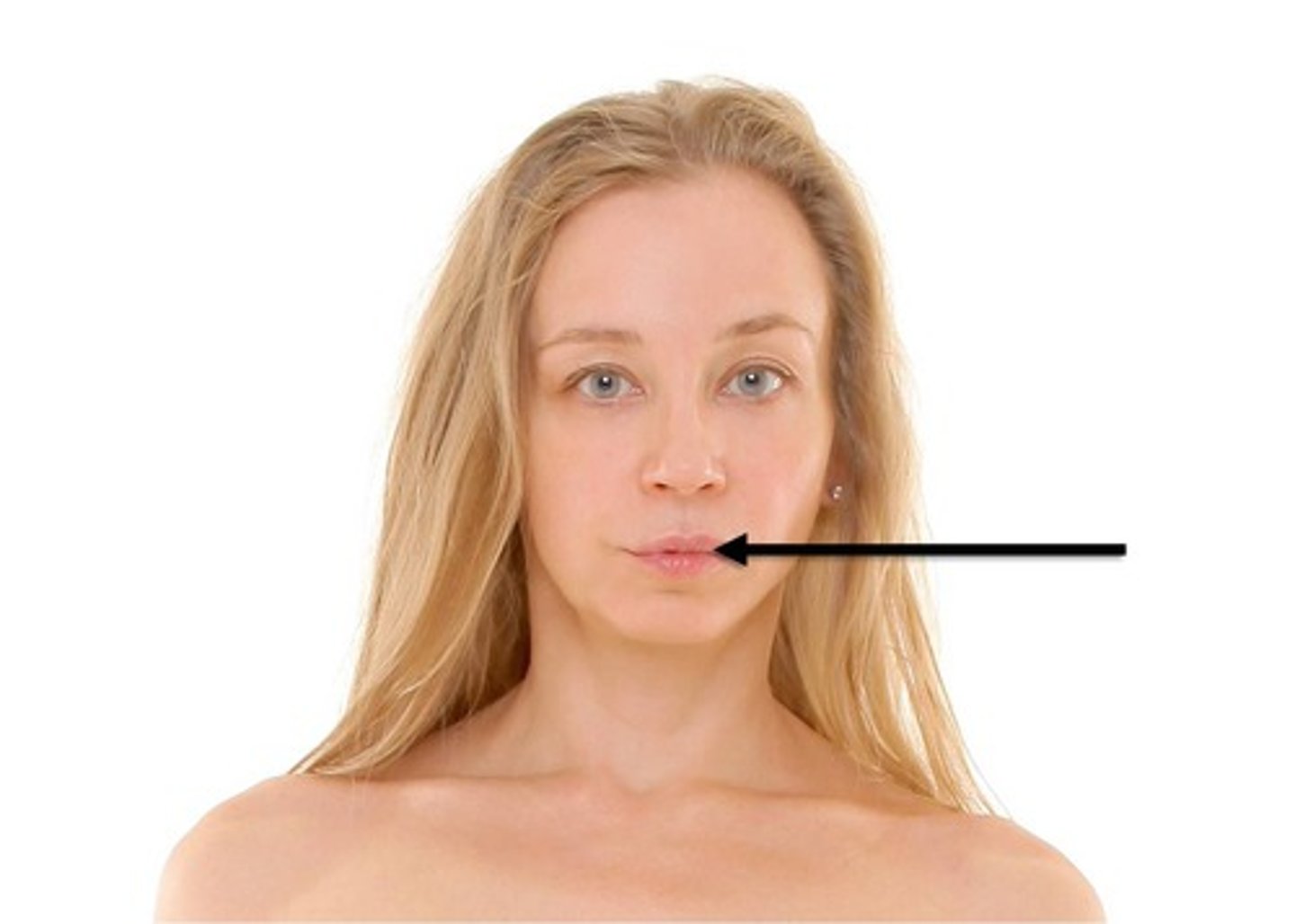
oral
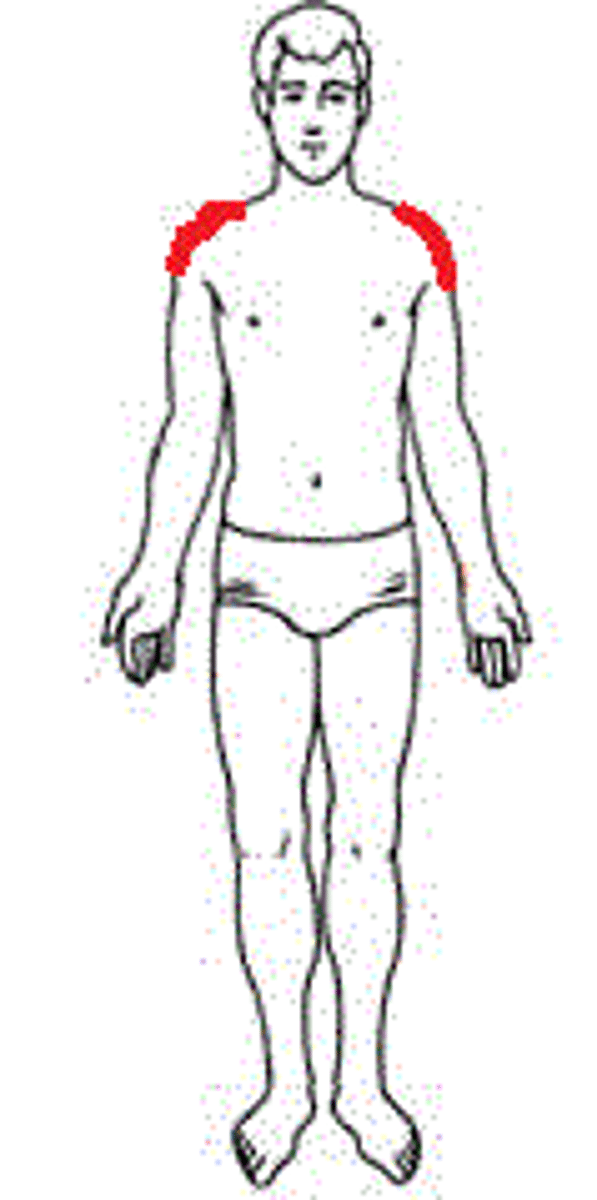
acromial
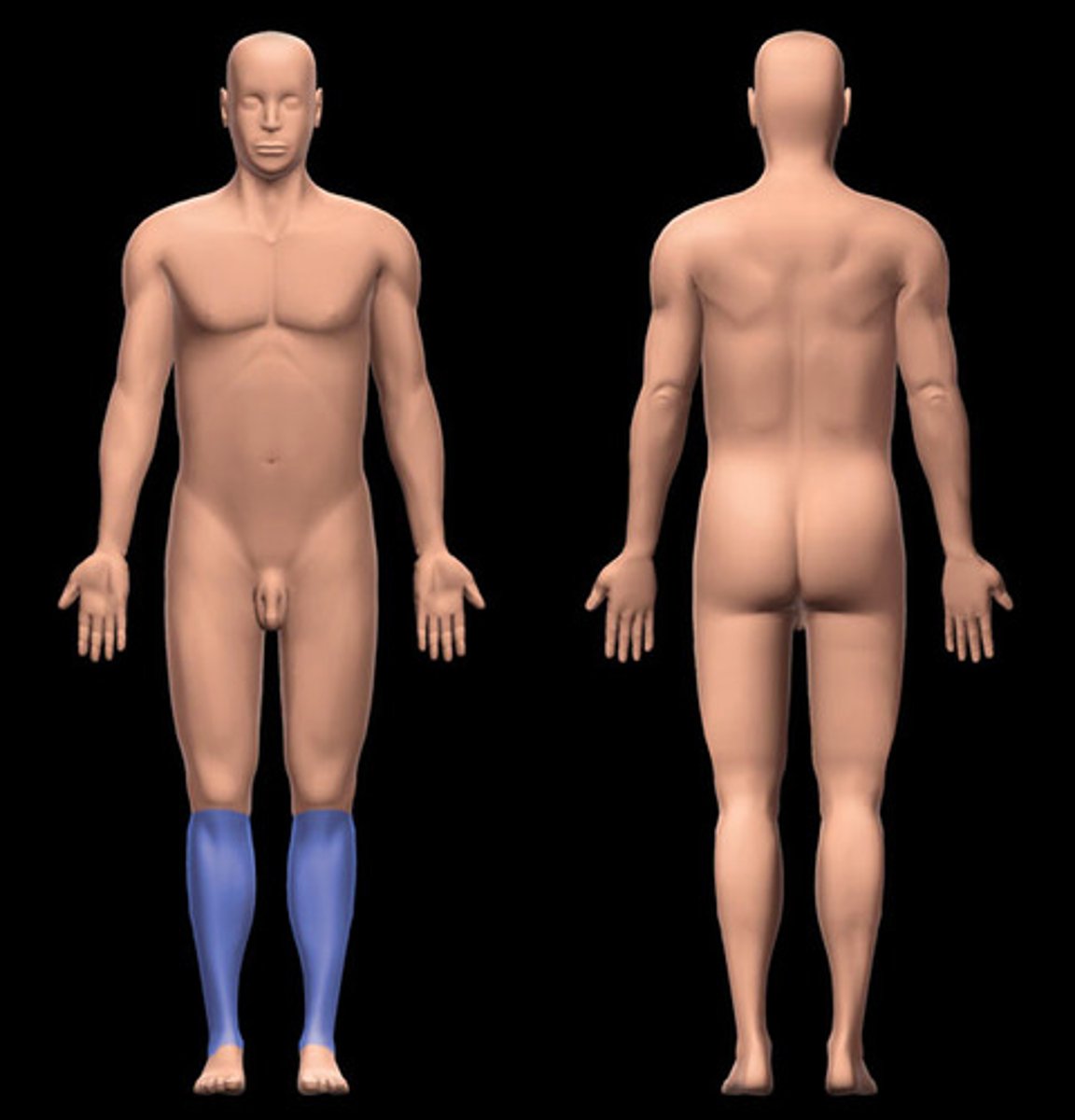
crural
palmar
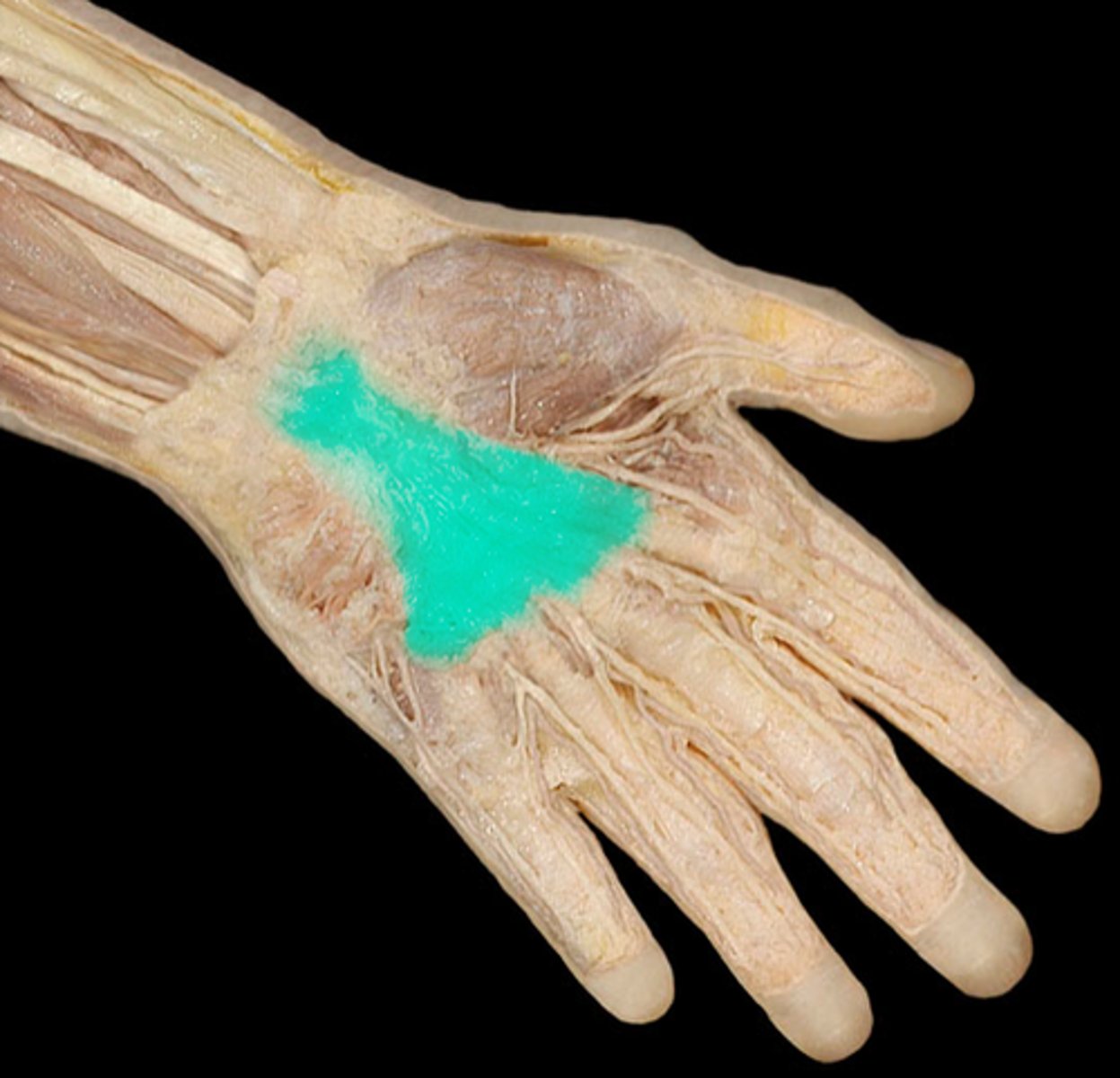
Mediastinum
area between the lungs containing the heart, aorta, venae cavae, esophagus, and trachea
pubic
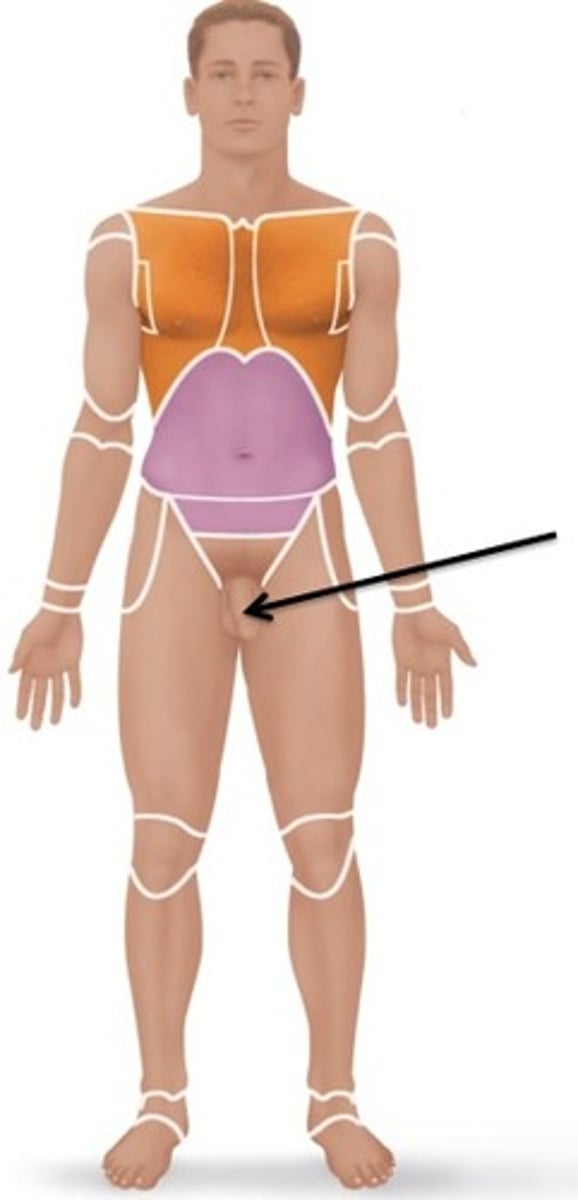
Diaphragm
Muscle that separates the thoracic portion of the ventral body cavity from the abdominopelvic portion
orbital
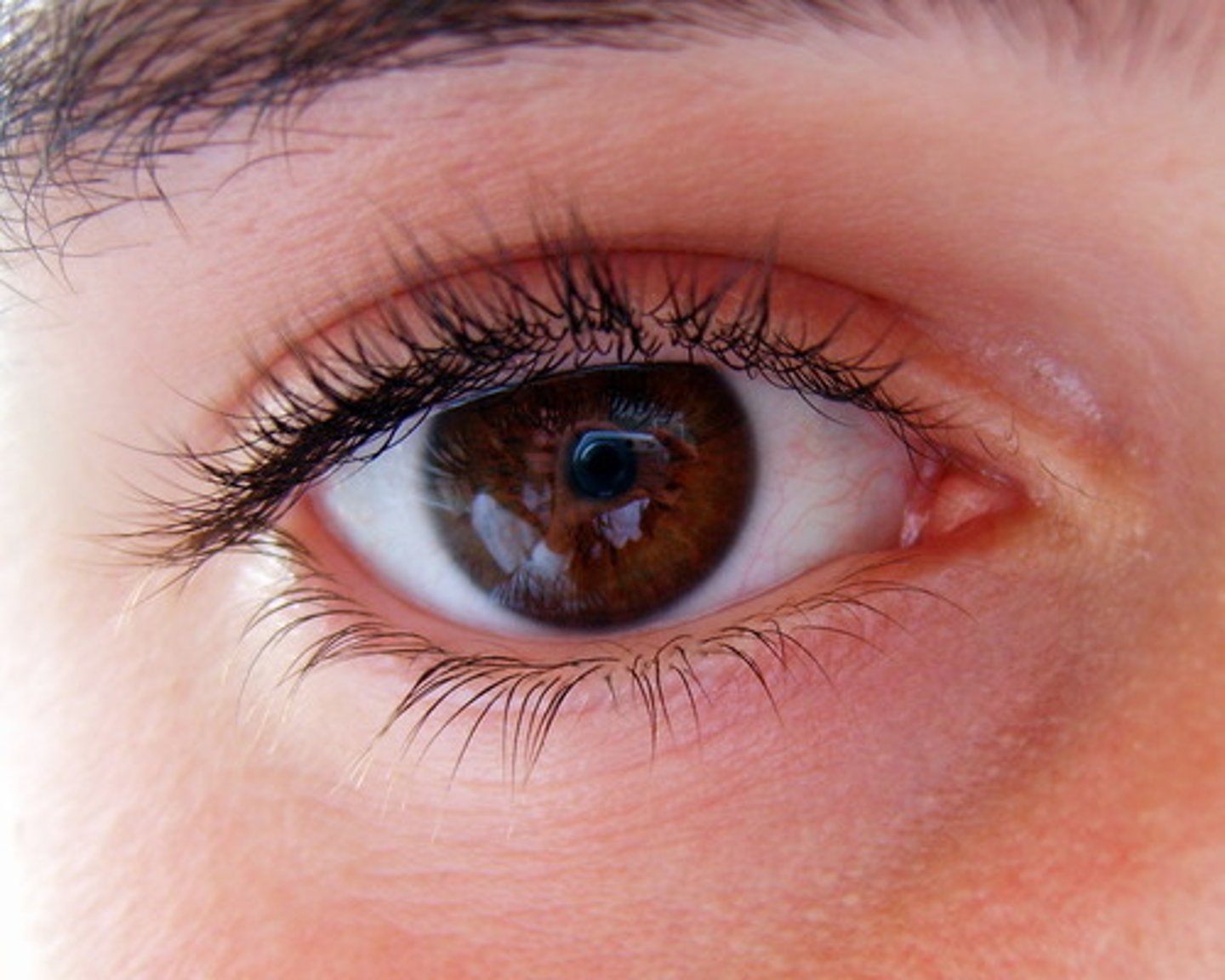
sternal
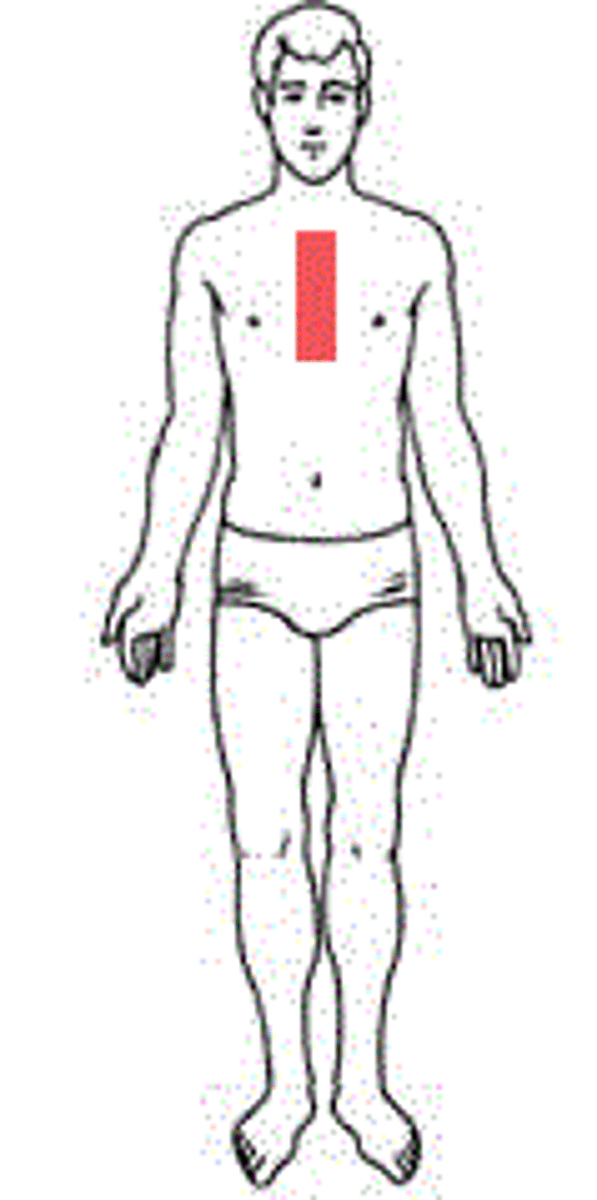
tarsal
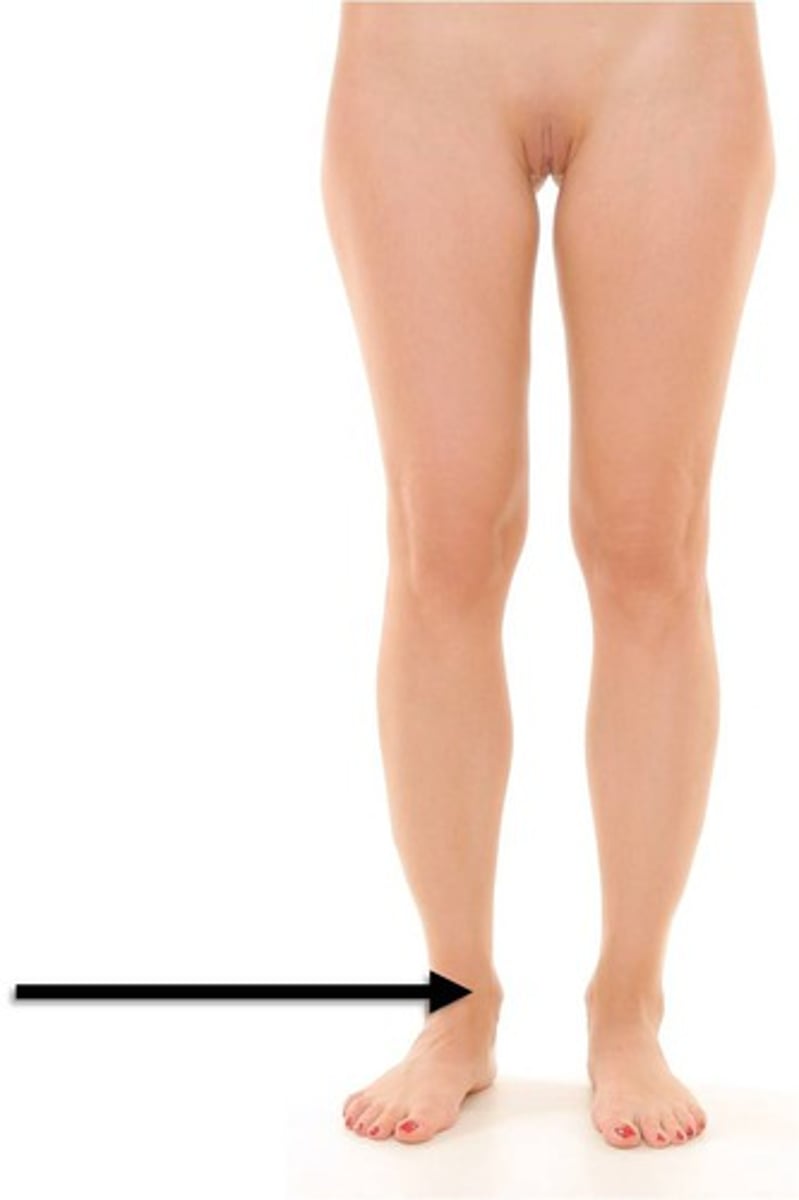
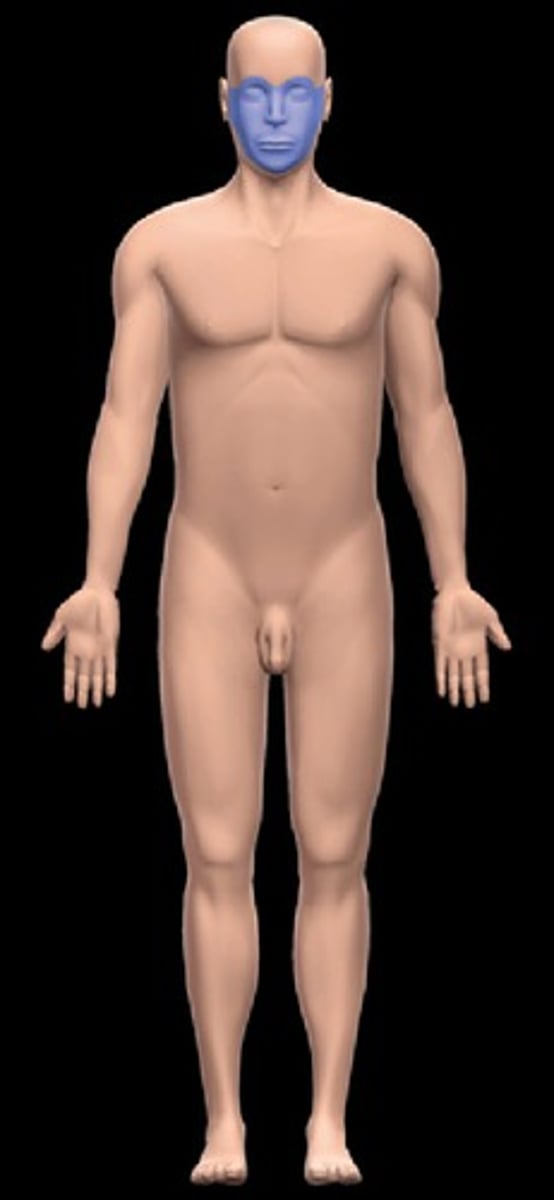
facial