Assessment of Intelligence
 Call Kai
 Learn
Learn Practice Test
 Spaced Repetition
 Match
Match Flashcards
 Knowt Play
1/193

Earn XP
Name | Mastery | Learn | Test | Matching | Spaced | Call with Kai | Chat |
|---|
No analytics yet
Send a link to your students to track their progress
194 Terms
Key components of Intelligence
-Knowledge based thinking
-Apprehending
-Adaptive purposeful striving
-Fluid analytic reasoning
-Mental playfulness
-Idiosyncratic learning
Knowledge-based thinking
-Key component of intelligence
-Purposive thinking that draws on prior intelligence
Apprehending
-Key component of intelligence
-Metacognition often involved with higher intelligence
-Anticipation, self monitoring, mental functioning

Adaptive purposeful striving
-Key component of intelligence
-Being able to adopt or shift strategies

Fluid Analytic Reasoning
-Key component of intelligence
-Ability to think through new problems using analytic methods
Mental playfulness
-Key component of intelligence
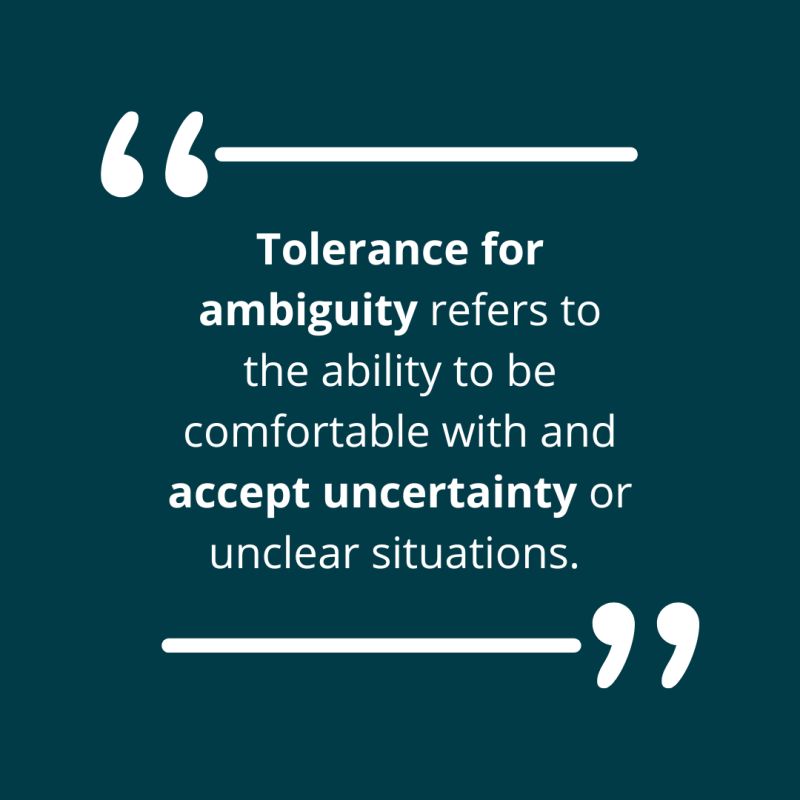
-Tolerance for ambiguity and pursuit of novelty
Idiosyncratic learning
-Key component of intelligence
-Adaptive learning, reorganizing, and shifting of strategies
Central components of intelligence basic scheme
-Basic mental process
-Adaptation
-Higher order thinking
Basic mental process
-Central component of intelligence basic scheme
-Sensation, perception, attention
Adaptation
-Central component of intelligence basic scheme
-Mental flexibility, meeting demands of environment effectively, shifting thinking style
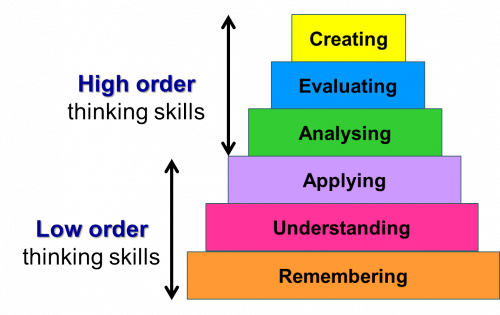
Higher order thinking
-Central component of intelligence basic scheme
-Abstract reasoning, planning, synthesizing, information, making decisions, inferences, noticing patterns
When was the symposium of psychologists who defined intelligence
1986
What happened at the 1986 symposium?
Psychologists placed higher emphasis on metacognition, executive functioning, and bank of knowledge
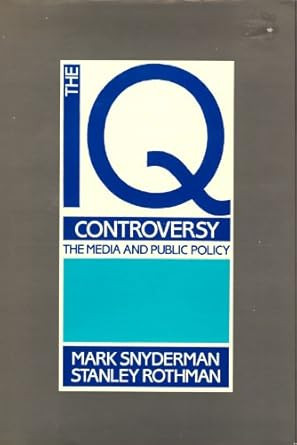
Synderman and Rothman
Psychologists who asked over 1,000 experts to rate the most important components of intelligence
Results of Snyderman and Rothman
-Top: abstract thinking, problem solving, and capacity to acquire knowledge
-Bottom: Sensory acuity, goal directness, and achievement motivation
Defining Intelligence
-General
-Binet
-Wechsler
General: aggregate
-Definition of intelligence
-Ability to use mind to solve and learn from experience
-Reason, plan, think abstractly, learn quickly
Binet
-Definition of intelligence
-Collection of faculties including judgement, practical sense, initiative, ability to adapt
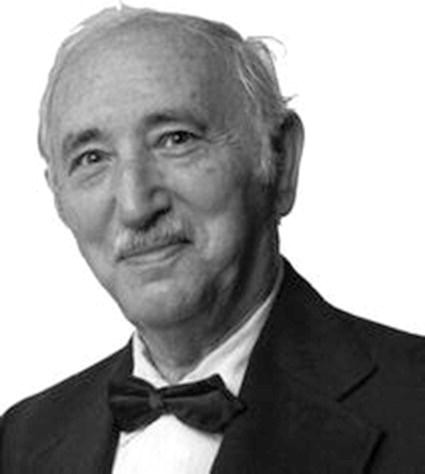
Weschsler
-Definition of intelligence
-aggregate or global capacity to act purposefully, think rationally, and deal effectively with environment
-Author of most widely used intelligence test
-Practical view
What was the focus of intelligence on in the 19th century?
-psychophysiological methods
-stats of mental processes (mind/body connection and reaction time)
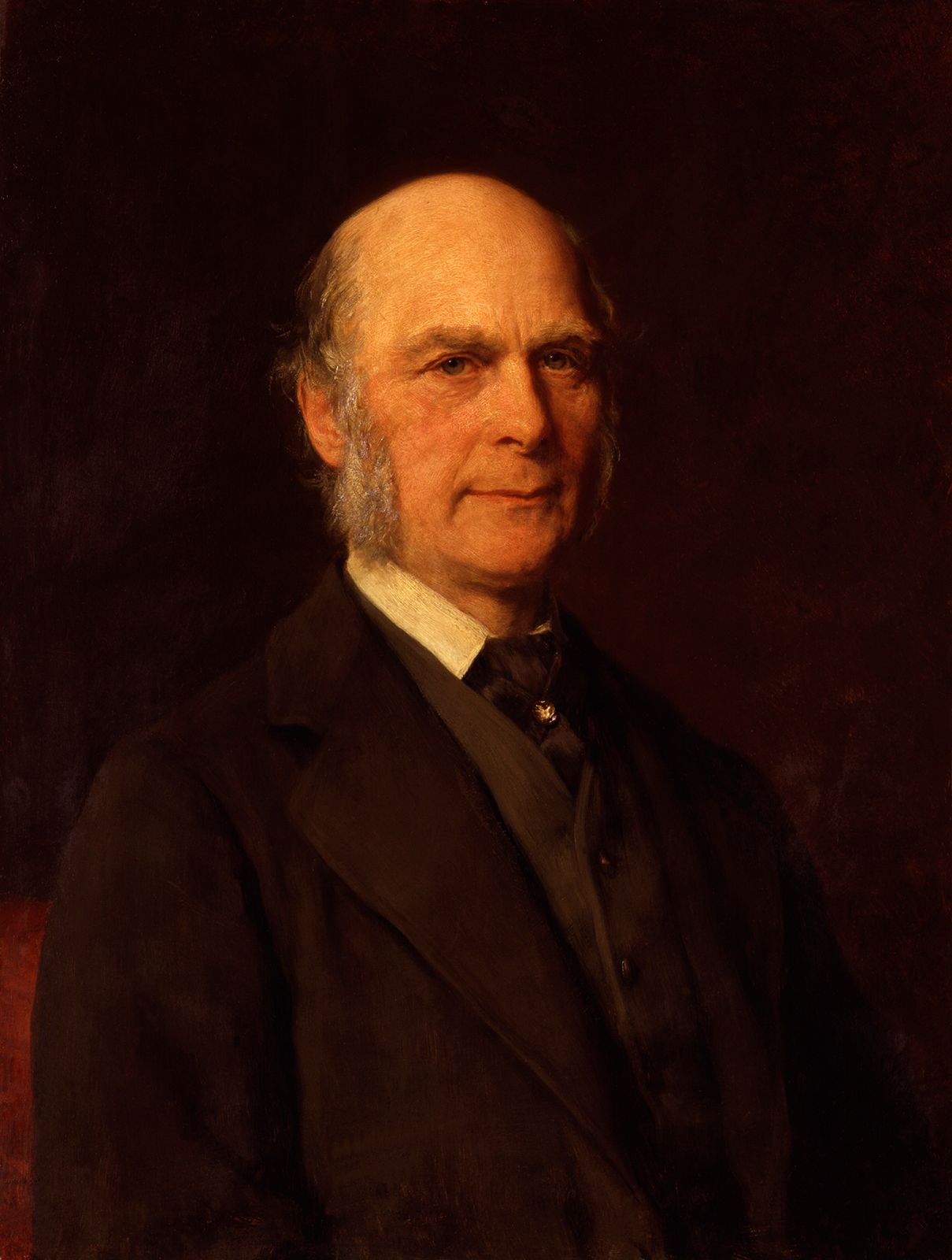
Francis Galton
-England
-Father of testing movement
-Correlation and regression, mental capacities lab, and sensory discrimination and motorcoordination
-Eugenics
-Argued intelligence is inherited
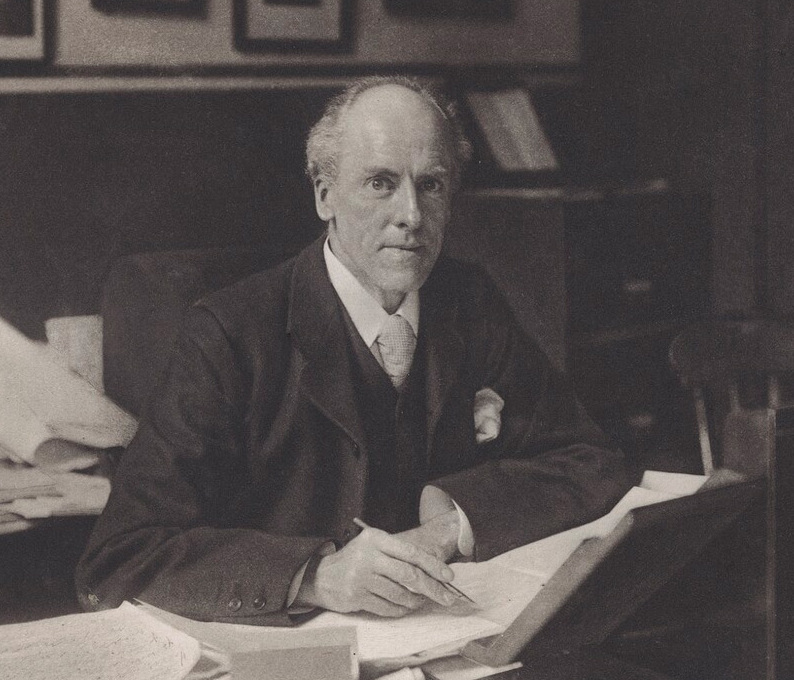
Karl Earson
-England
-Developed product movement correlation, chi square, stats procedures
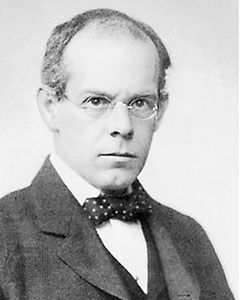
James Cattell
-USA
-Upenn lab and termed “mental test”. He compiled test from a battery of sensory/motor
-Believed psych must rely on experimentation and protocol
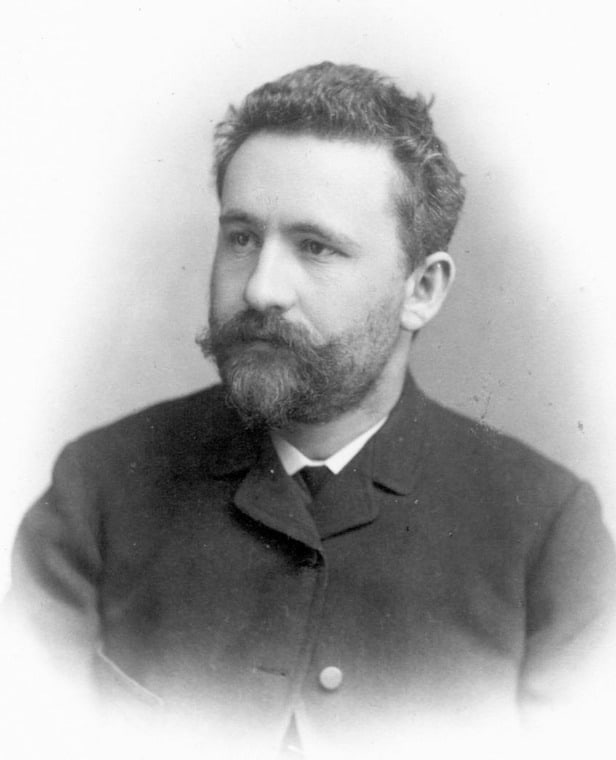
Emil Krapelin, Munsterberg, and Ebbinghaus
-Germany
-Introduced perception, memory, attention, and motor functioning tests
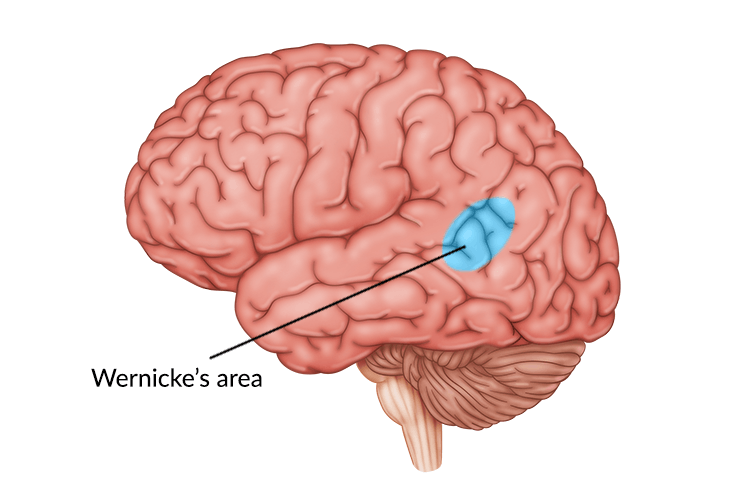
Wernicke
-Germany
-Brain localization
Binet, Henri, and Simon
-France
-Developed methods to study mental functions
Events that influenced intelligence testing
-End of 19th and beginning of 20th, children ages 6-13 had to go to school. They realized they were at different levels
-Efforts to better educate them led to IQ test
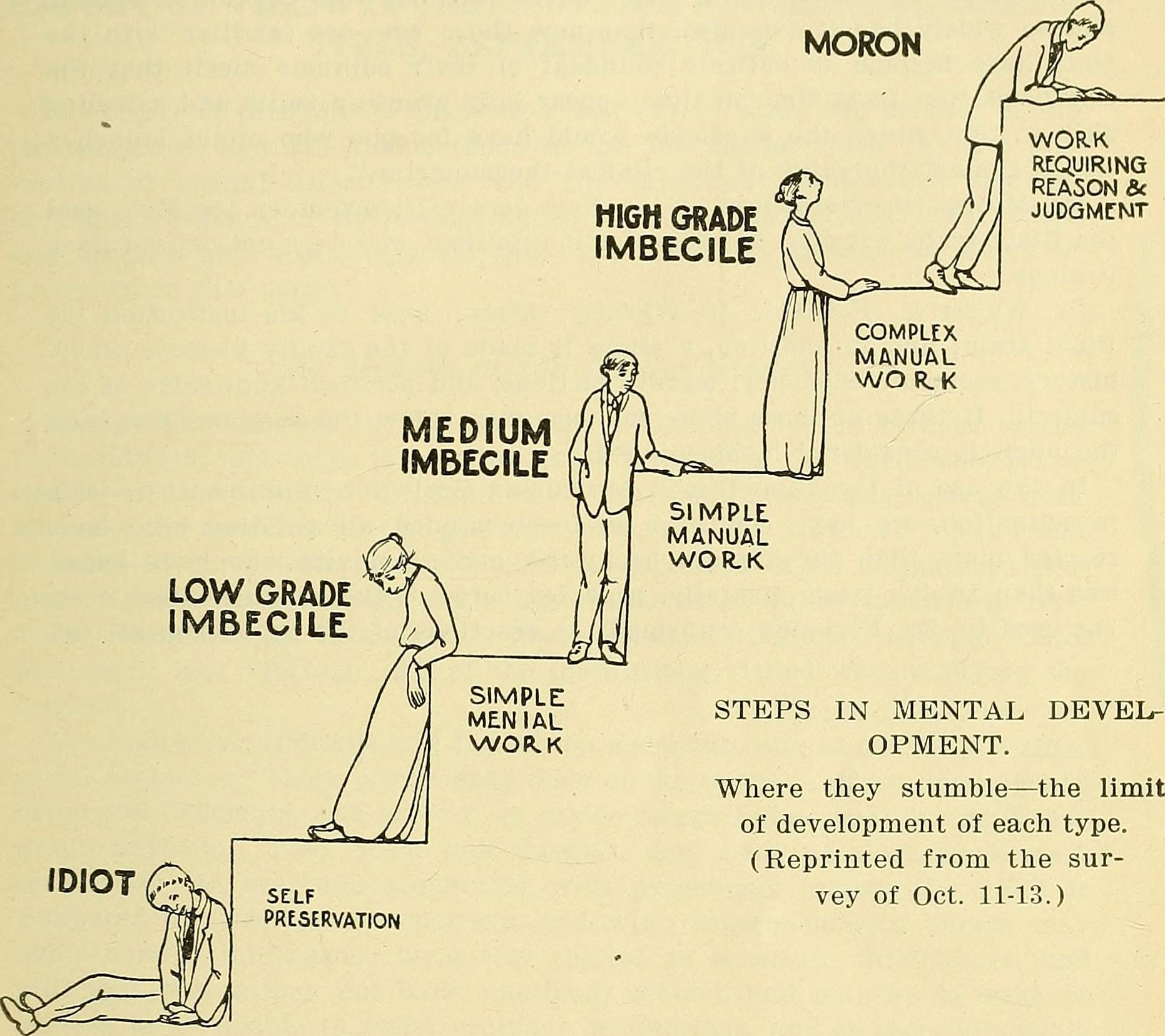
Binet Simon Scales
-First major IQ test
-Items ordered by difficulty level and standard instructions
-Became the objective measure of diagnosing mental retardation (moron, imbecile, idiot)
-Objectively measured
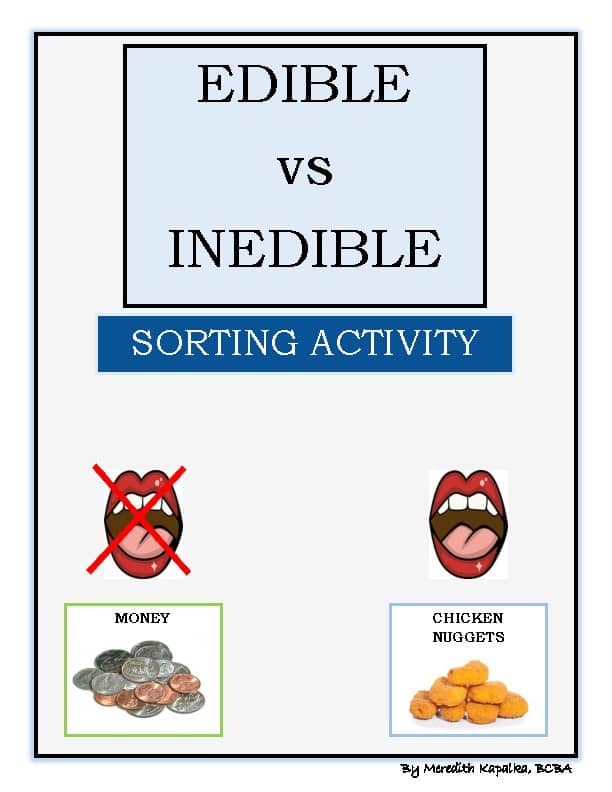
What were some of the tasks in the Binet Simon scale?
-Copying words/drawings, rhymes, edible vs not
Simon Binet Intelligence test
-30 tasks together that could measure child’s natural intelligence (where they should be for their age and what they learned naturally)
When was the first Simon Binet test given?
1905

What happened to the Simon Binet intelligence test in 1908?
First modification to introduce 3-13 year olds

What happened to the Simon Binet intelligence test in 1911
Expanded ages up to 15 and permitted teens and adults but mainly kids
What happened to the Simon Binet test in 1916?
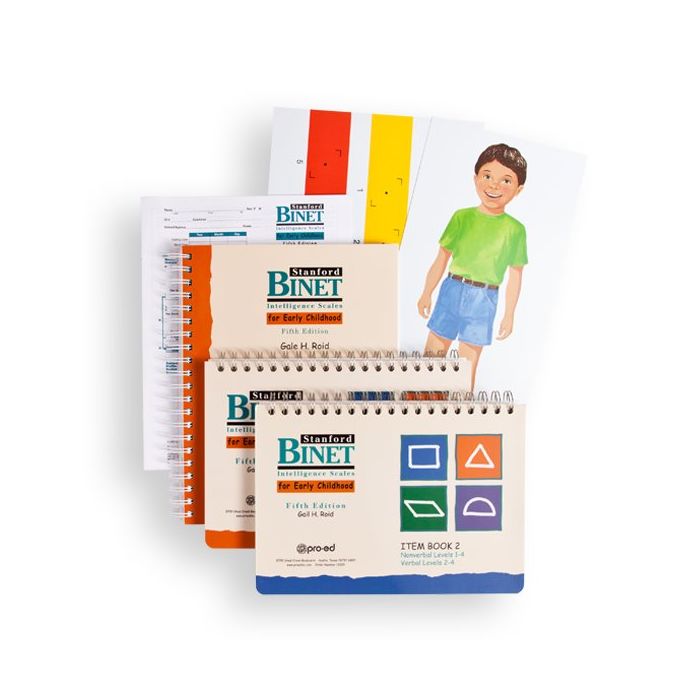
It was adopted by Terman and evolved to Stanford Binet who renamed mental quotient “IQ”
What did the birth of Intelligence Quotient measure?
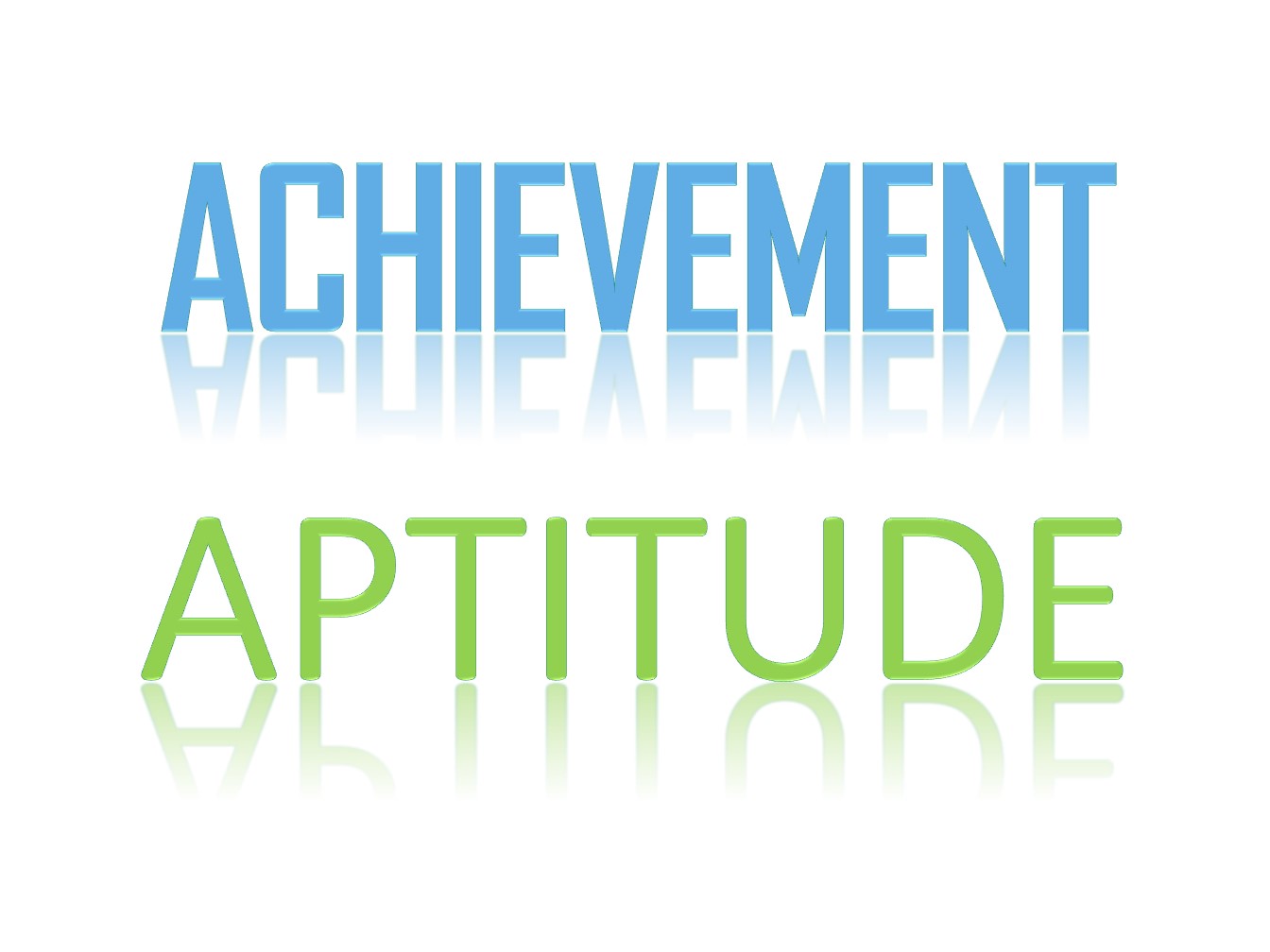
Aptitude apart from achievement
Aptitude
What you’re able to learn

Achievement
What you have already learned
Mental Level
-Compare a child’s score on intelligence test to the averages of other children in various age groups
-Age group of score matches mental level
-AKA Mental age
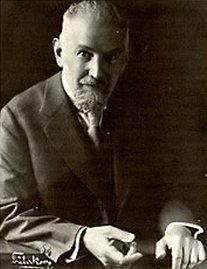
William Stern
Coined “mental age” in 1914
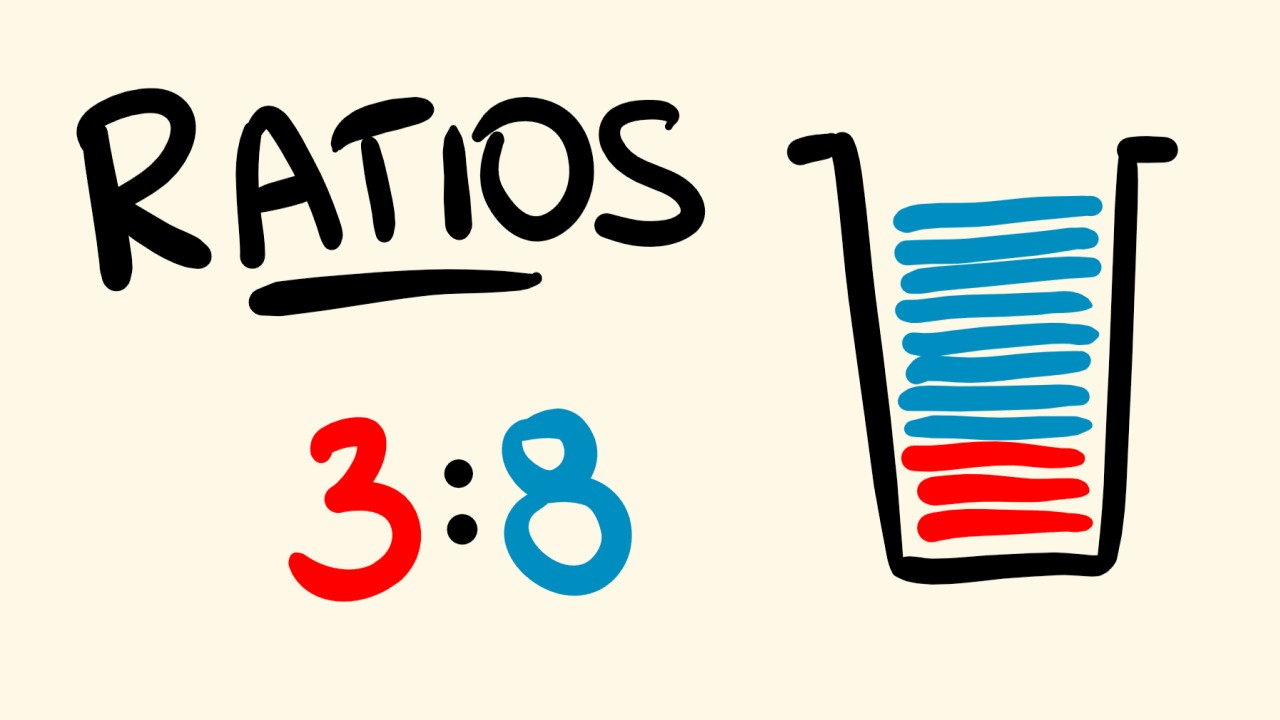
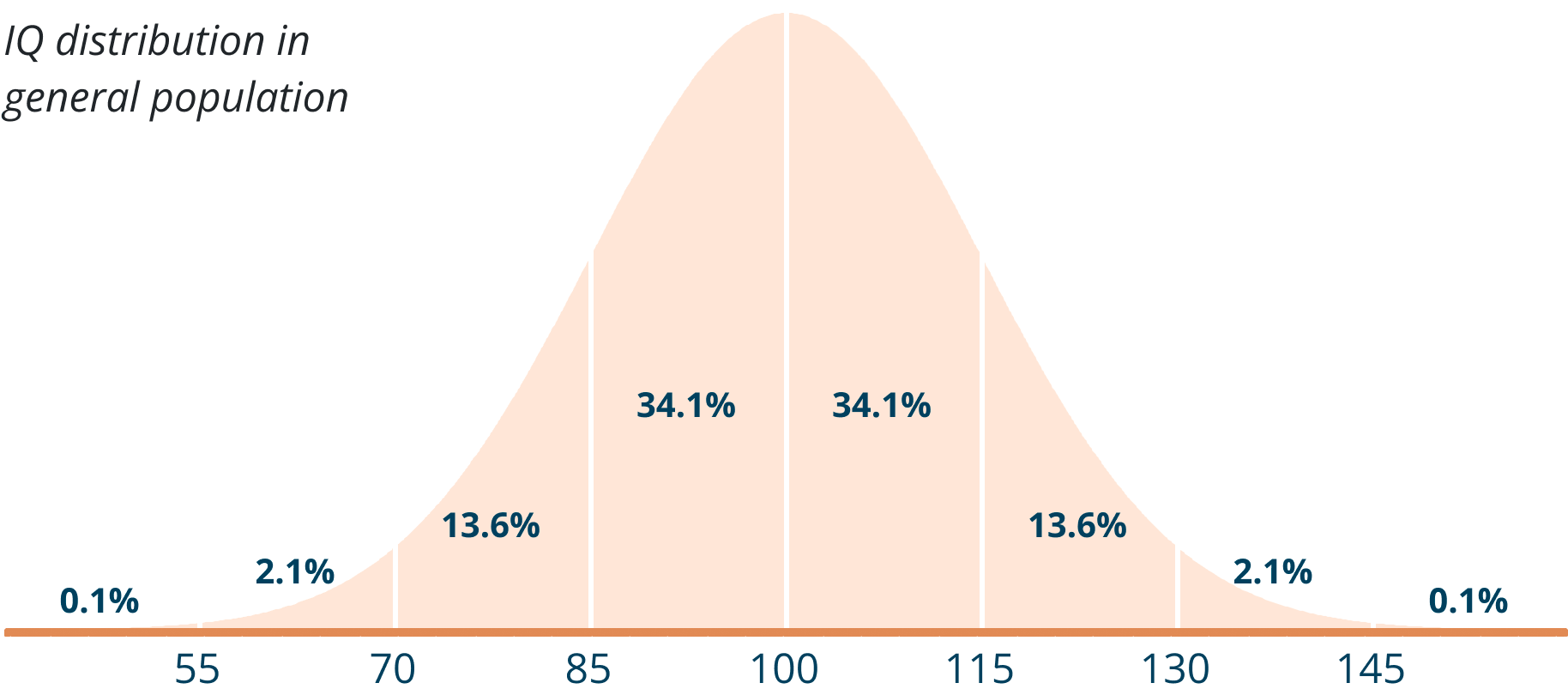
Ratio IQ
(Mental age/physical age) x 100
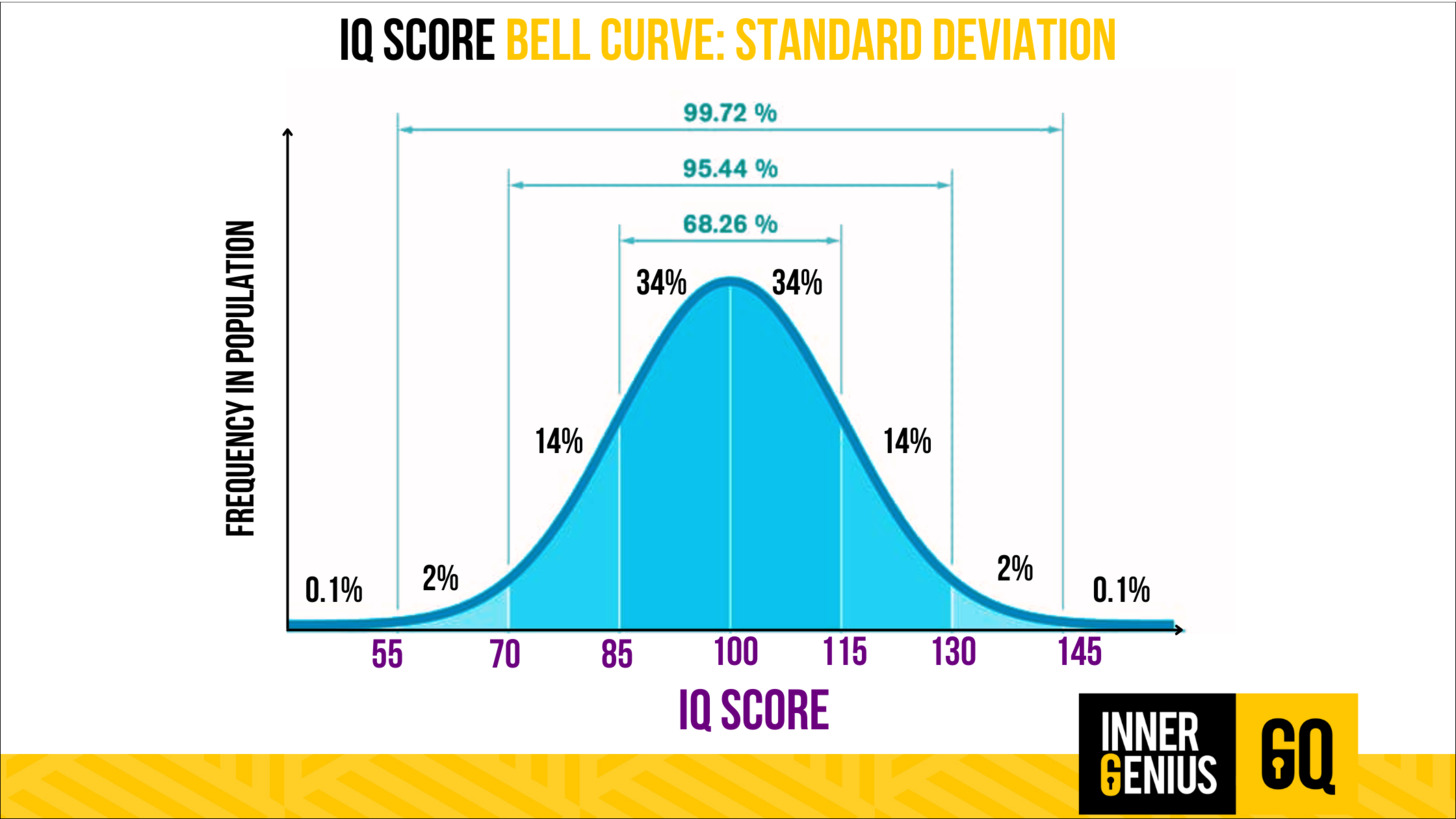
Deviation IQ
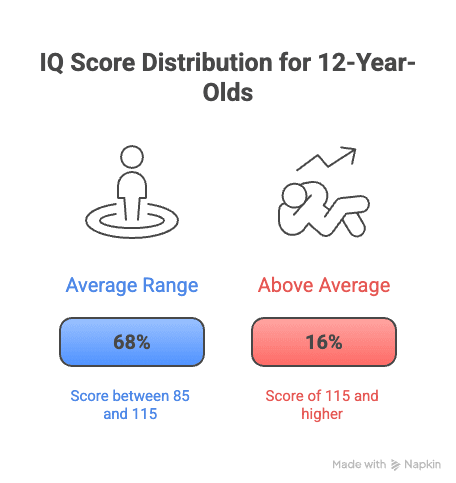
- (Test score/Average test score of same age group) X 100
-Used to solve problem that intelligence dramatically increases first few years then levels off
-IQ in today’s standards
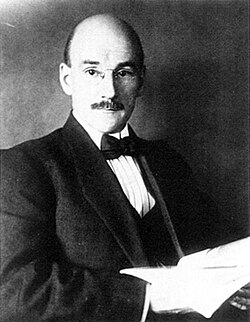
Henry Goddard
-20th century
-Pioneer of intelligence testing brought to USA
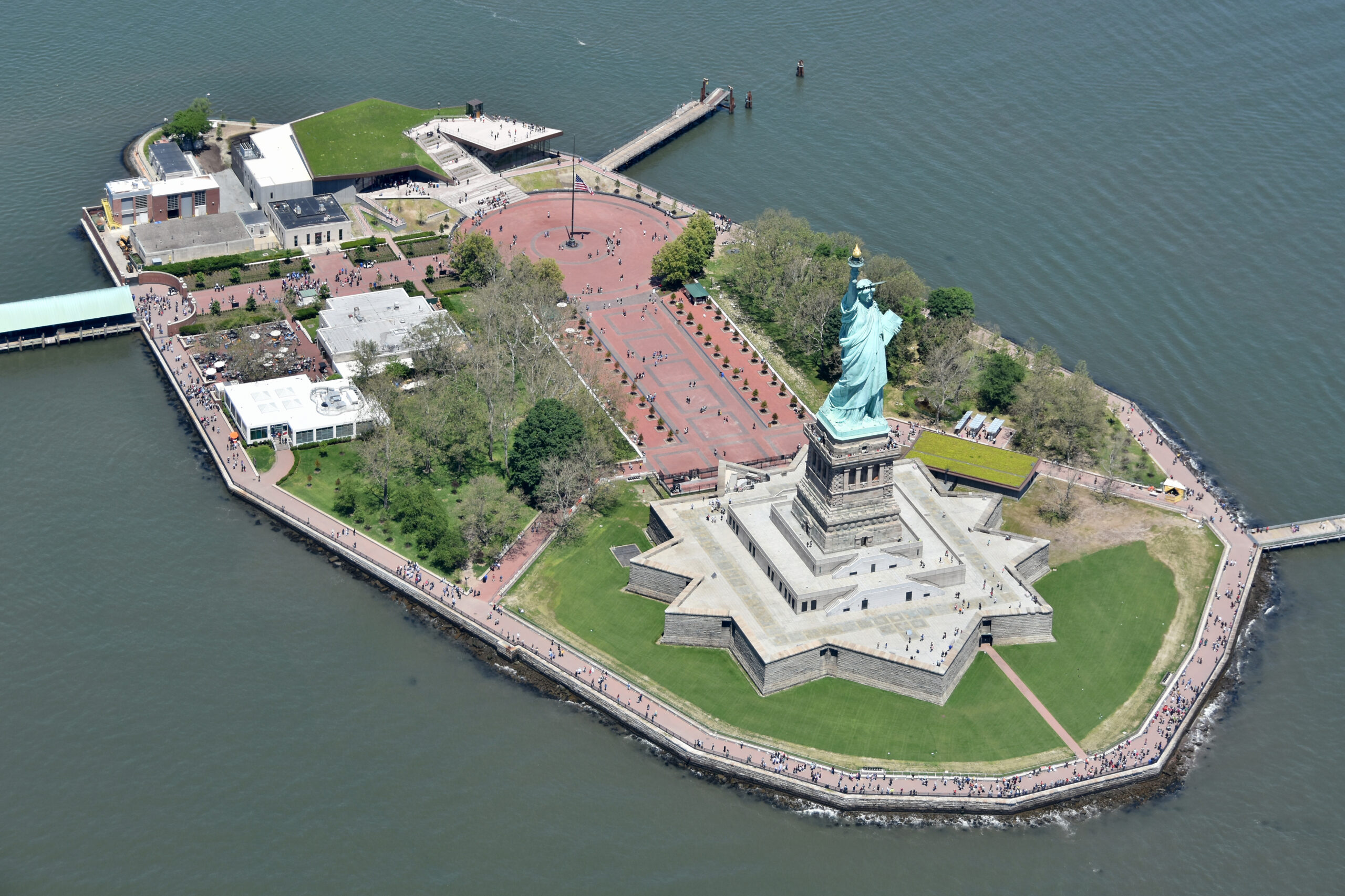
How did Henry Goddard use intelligence testing in 20th century?
Discriminatory towards Ellis Island Immigrants by naming them as “feeble minded” and segregating and sterilizing so they could not reproduce
How was intelligence testing used in WWI?
To select officers and place men into types of service
Yerkes
-Developed intelligence tests to place military men and introduced the point scale method to replace age levels and also introduced group testing
-Also developed Army Alpha and Beta with others
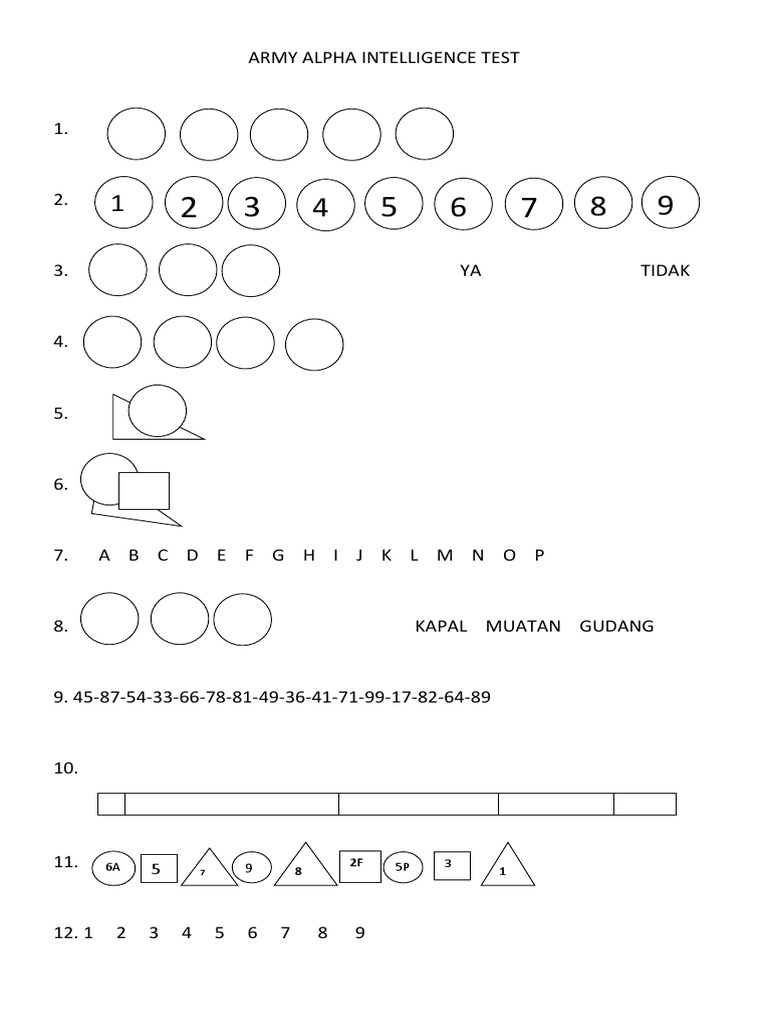
Army Alpha
-Verbal and literate
-Developed by Yerkes and others
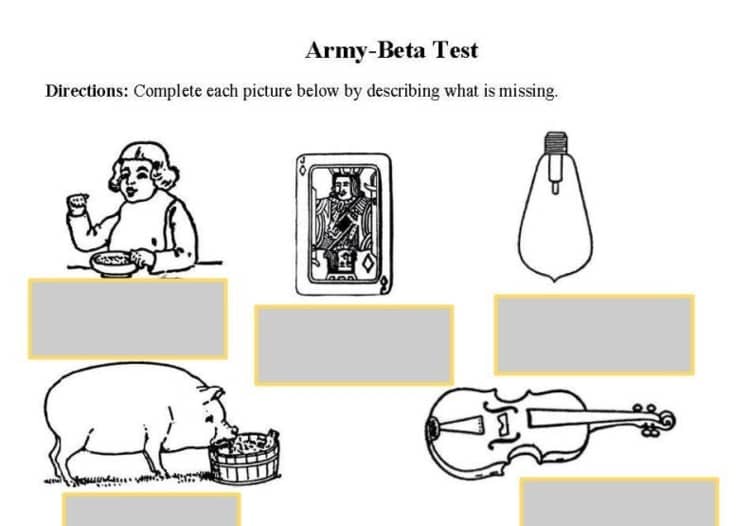
Army Beta
-Non verbal and illiterate
-Developed by Yerkes and others

Weschler
Developed clinical battery test in WWI as well as Bellvue for teens and adults in 1939
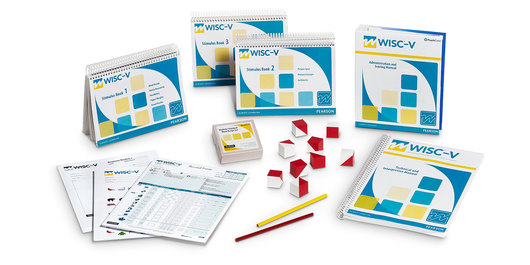
WISC
Extension of the WAIS tests to include children
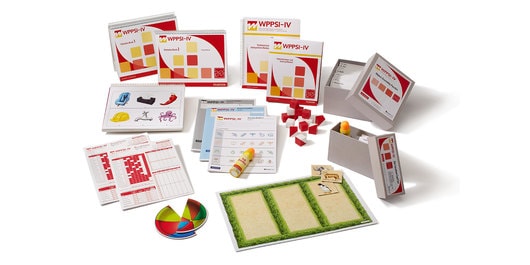
WPPSI
Extension of the WAIS tests to include preschool and younger

WISC-V
-an individual intelligence test that measures intellectual ability and cognitive skills in children aged 6 to 16
-2014

WAIS-5
-the gold-standard, updated psychometric test designed to measure cognitive ability and IQ in adults and older adolescents
-2024

Theories of Intelligence
-g-factor
-2-factor
-multifactor
-multidimensional
-structure of intellect
-fluid vs crystallized
-three-stratum factor analytic
-information processing
-triarchic
-developmental
-multiple intelligences

g-factor theory
-Spearman’s theory of intelligence
-general ability ( pure mental energy)
-Complicated mental activities require the highest amount of g
-Most replicated result in all of psych

2-factor theory
-Spearman
-g + s
-Suggests that performance on tests is based on general ability and specific skills

Multifactor Theory
-Thorndike
-Intelligence is the product of many interconnected but distinct intellectual abilities
-3 clusters

3 clusters of Thorndike’s multifactor theory
-social
-concrete
-abstract

Multidimensional Theory
-Thurstone
-general intelligence is figured out by looking at how different test scores are connected
-7 primary mental abilities with equal weight

Thurstone’s primary mental abilities
-word fluency
-verbal comprehension
-numerical ability
-spatial visualization
-associative memory
-perceptual sped
-inductive reasoning
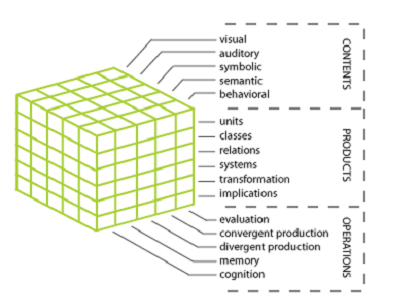
Structure of Intellect Theory
-Guilford
-3 dimensional model involving operations, contents, and products
-120 possible factors

Fluid Intelligence
-an ability to solve relatively novel tasks by forming and recognizing concepts, identifying and perceiving relationships, drawing inferences, and reorganizing and transforming information
-more dependent on cortical structures
-most sensitive to brain injury

Crystallized Intelligence
-The ability to use knowledge gained over time through adapting to a culture

Three-Stratum Factor Analytic Theory
-Combined Cattell-Horn-Carroll CHC
-narrow abilities
-broad abilities
-general ability

Information Processing Theory of Intelligence
-Campione, Brown, and Borkowski
-the ways individuals mentally represent and process information
-architectural system (structural)
-executive system (functional)

Subcomponents of the architectural system
-capacity
-durability
-efficiency of operation

Subcomponents of the executive system
-knowledge base
-schemes
-control processes
-metacognition

Triarchic Theory of Successful Intelligence
-Sternberg
-Intelligence has 3 dimensions
-Successful intelligence involves adapting, personal abilities, discernment

3 Dimensions of Theory of Successful Intelligence
-Componential
-Experiential
-Contextual

Componential Dimension
-Dimension in theory of successful intelligence
-relates intelligence to the individual’s internal information-processing components

Metacomponents
Executive processes used in planning, monitoring, and evaluating cognitive activities

Performance components
Processes useful in carrying out the plans formulated by the metacomponents

Knowledge Acquisition Components
Processes used in obtaining new info

Experiential Dimension
-Dimension in theory of successful intelligence
-Relates intelligence to how well individuals connect their internal world to external reality
-Insights, synthesis, novelty, automatization of mental processes

Contextual Dimension
-Dimension in theory of successful intelligence
-Relates intelligence to how well individuals, adapt to, shape and select their environments
-Street smarts

What does successful intelligence involve?
-The ability to adapt to, shape, and select environments to accomplish one’s goals and those of one’s society and culture
-Three areas associated

Three areas associated with successful intelligence
-Analytical
-Creative
-Practical

Analytical
-Area associated with successful intelligence
-problem solving and computation

Creative
-Area associated with successful intelligence
-Imaginative and innovative problem solving

Practical
-Area associated with successful intelligence
-Applied to real world problems or street smarts/common sense

Developmental Theory of Intelligence
-Piaget
-Biological adaptation to one’s environment
-Organization and adpaptation
-Periods of cognitive development

Organization
-Tendency to combine two or more separate schemas into one higher order integrated scheme
-Piaget’s Developmental Theory of Intelligence

Schemes
-Individual structures that produce changes in cognitive development
-Action based

Adaptation
-Consists of two complimentary processes: assimilation and accommodation
-Piaget’s Developmental Theory of Intelligence

Assimilation
-Complimentary process that makes up adaptation
-Process of taking in information and experiences and fitting them into already established schemes or concepts

Accommodation
-Complimentary process that makes up adaptation
-Process where existing cognitive structures and behaviors are modified to adapt to new information and experiences

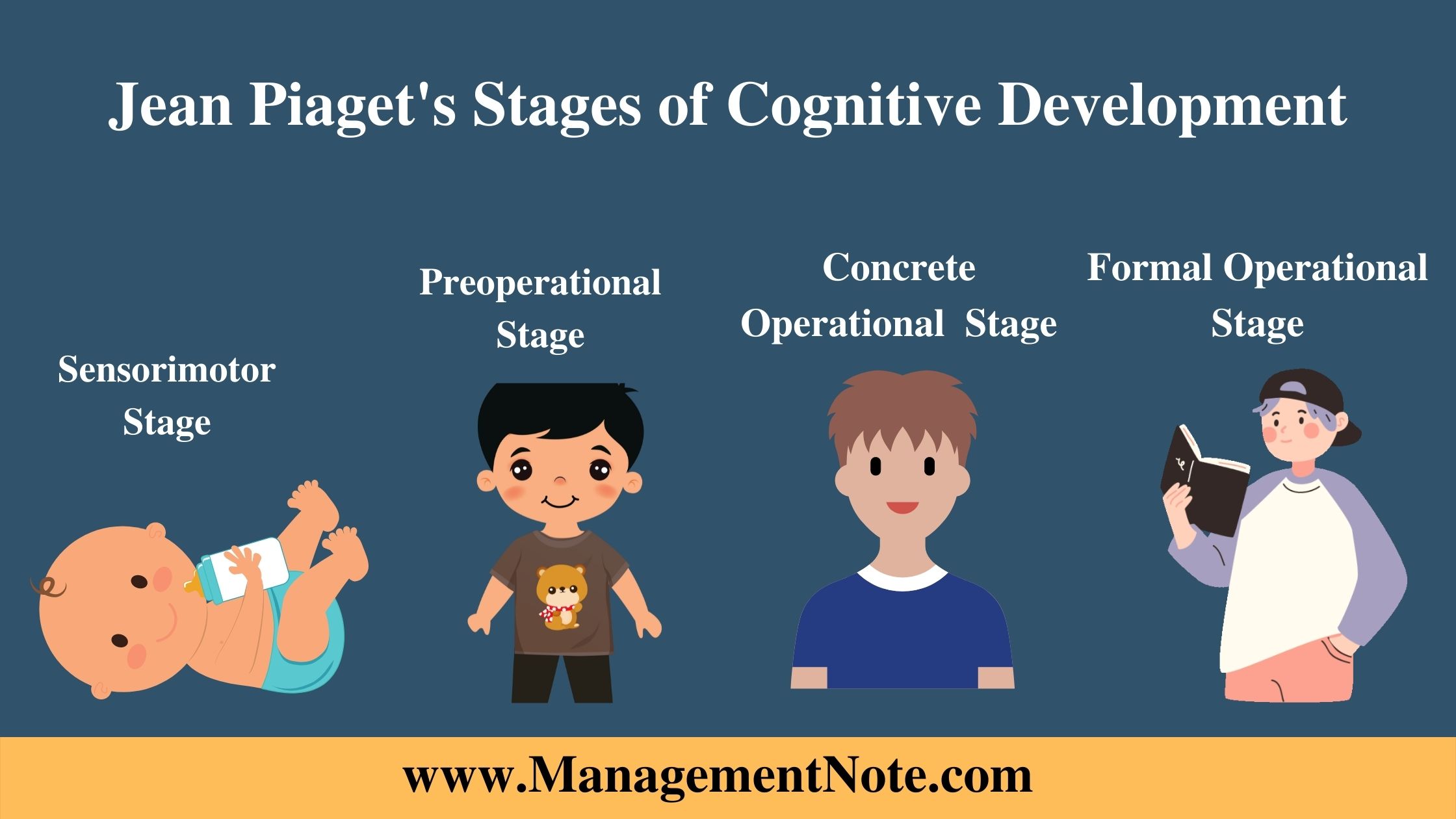
Piaget’s periods of intelligence
-Sensorimotor
-Preoperational
-Concrete operational
-Formal operational
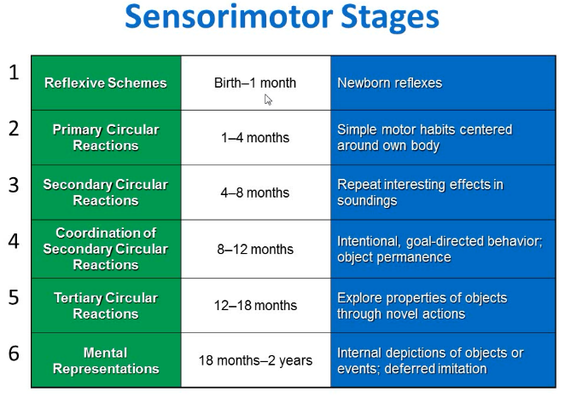
Sensorimotor Period of Intelligence
-Birth to 2 years
-Child passes through 6 stages beginning with exercise of simple reflexes and ending with the first signs of internal, or symbolic representations of others
Preoperational period of Intelligence
-2 to 7 years
-Child acquires language and symbolic functions

Concrete operational period
-7 to 11 years
-Child develops conservation skills; mental operations are applied to real, concrete objects or events

Formal operational period
-11 years and up
-Child can think abstractly, formulate hypotheses, use deductive reasoning, and check solutions
Multiple Intelligences Theory
-Gardner
-Intelligence is composed of several relatively autonomous competencies, or multiple intelligences
-8 competencies and 3 tentative competencies

Competencies of Multiple Intelligences Theory
-Linguistic intelligence
-Musical intelligence
-Logical-mathematical intelligence
-Bodily-kinesthic intelligence
-Intrapersonal intelligence
-Interpersonal intelligence
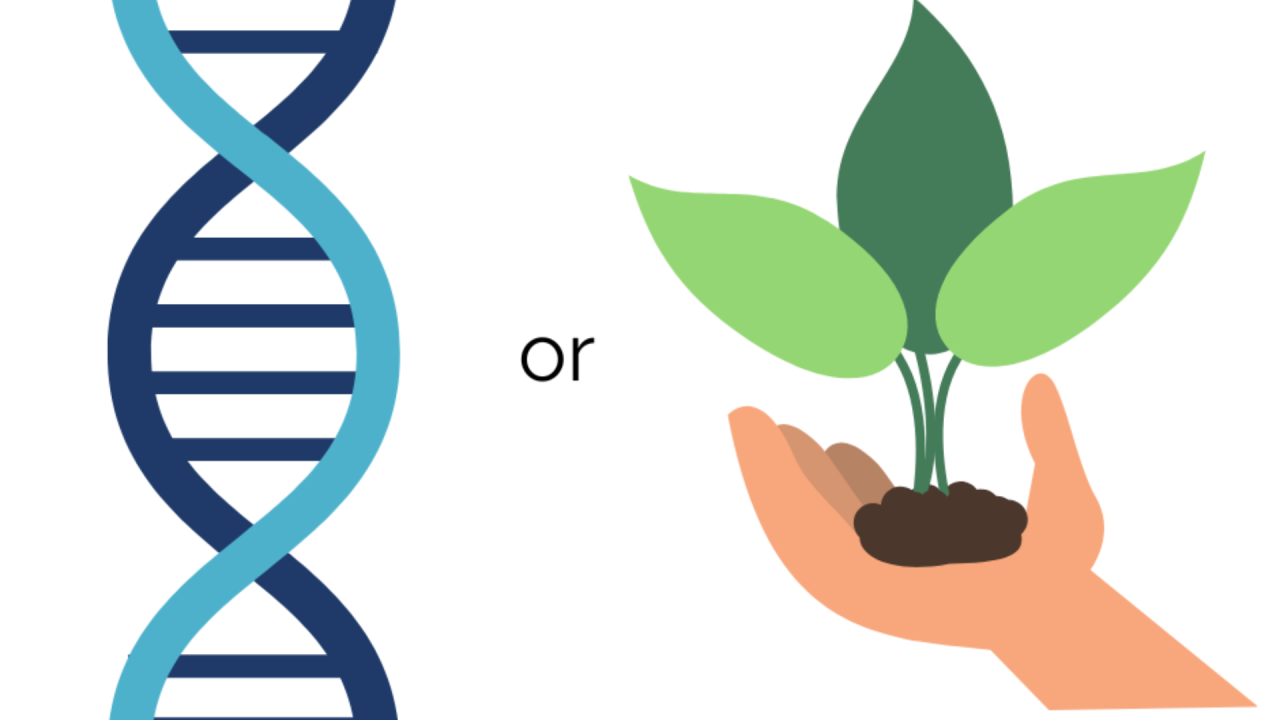
What influences intelligence in terms of heredics?
Nature vs nurture

Plato
Suggested that people are born with innate aptitudes that make them good rulers, soldiers, etc

How much of an influence do genetics play on IQ?
Strong

What does IQ look like in identical twins?
More similar than people who are less closely related genetically

Is there a single environmental factor that has the largest influence on IQ?
No

Does genetics account for observed group differences in IQ?
No

15 Points
Difference in IQ in black and white group heritability

What is one of the most heritable behavioral traits?
Intelligence