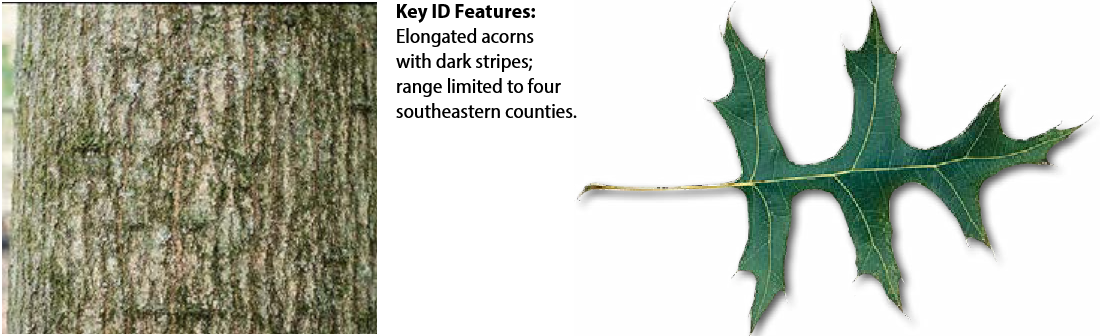
Red Oaks with serrated leaf margins
 Call Kai
 Learn
Learn Practice Test
 Spaced Repetition
 Match
Match Flashcards
 Knowt Play
1/20

There's no tags or description
Looks like no tags are added yet.
Name | Mastery | Learn | Test | Matching | Spaced | Call with Kai | Chat |
|---|
No analytics yet
Send a link to your students to track their progress
21 Terms
Red Oak general characteristics
Acorns mature in the fall of their second season
Leaf lobes are bristle-tipped; if unlobed, the leaf terminates in a bristle
The inside of the acorn cup has fine, silky hairs
The wood is not water- tight, but is used for lumber, flooring, ties and furniture.
The name “red oak” probably refers to the red fall coloration that some red oaks may display in some years.
Bark of most of the red oaks is dark gray, brown or black.
Northern Red Oak/Quercus rubra acorn
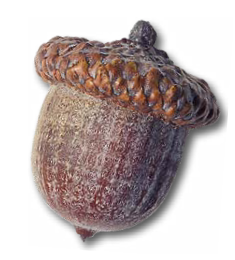
Northern Red Oak/Quercus rubra features
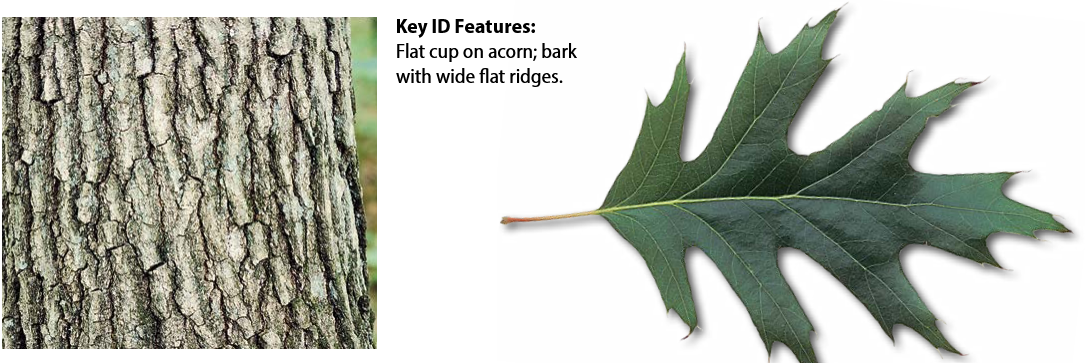
Shumard Oak/Quercus shumardii acorn
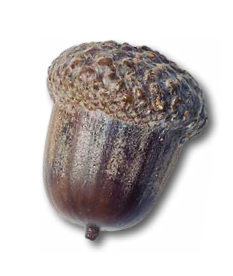
Shumard Oak/Quercus shumardii features
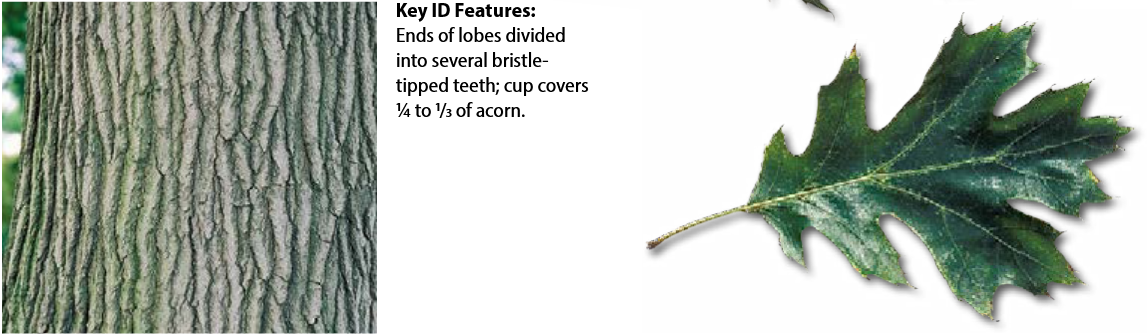
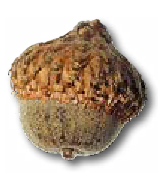
Black Oak/Quercus velutina acorn
Black Oak/Quercus velutina features
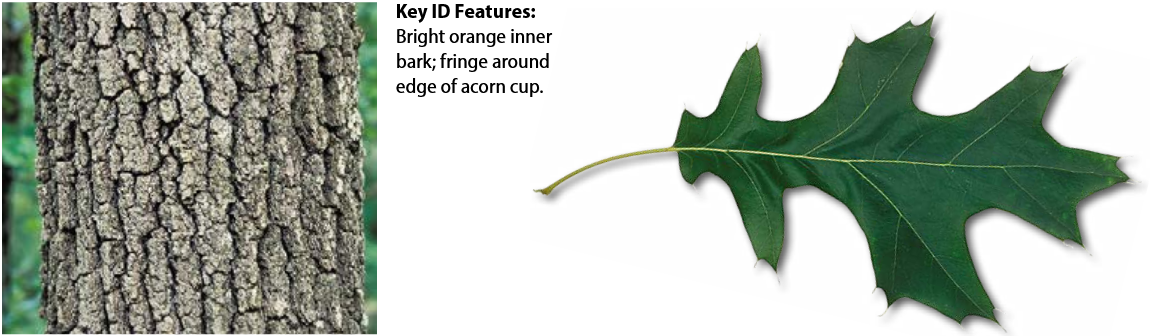
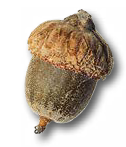
Blackjack Oak/Quercus marilandica acorn
Blackjack Oak/Quercus marilandica features
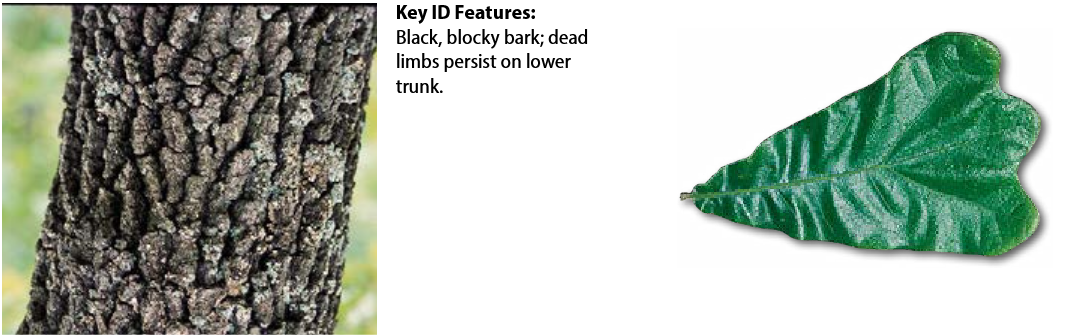
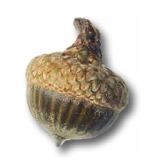
Pin Oak/Quercus palustris acorn
Pin Oak/Quercus palustris features
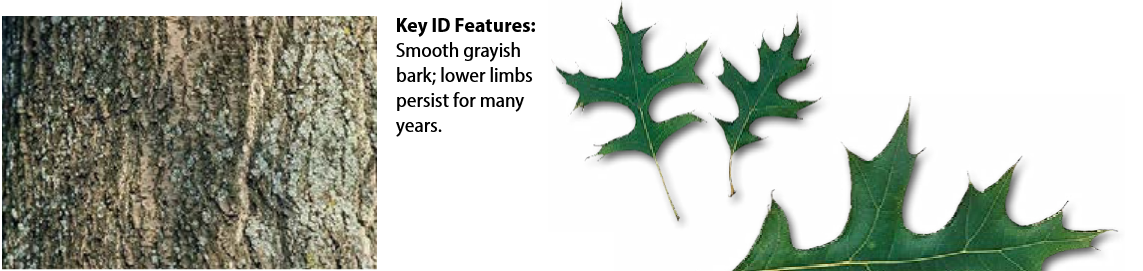
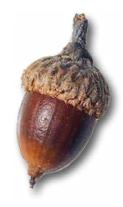
Northern Pin Oak/Quercus ellipsoidalis acorn
Northern Pin Oak/Quercus ellipsoidalis features
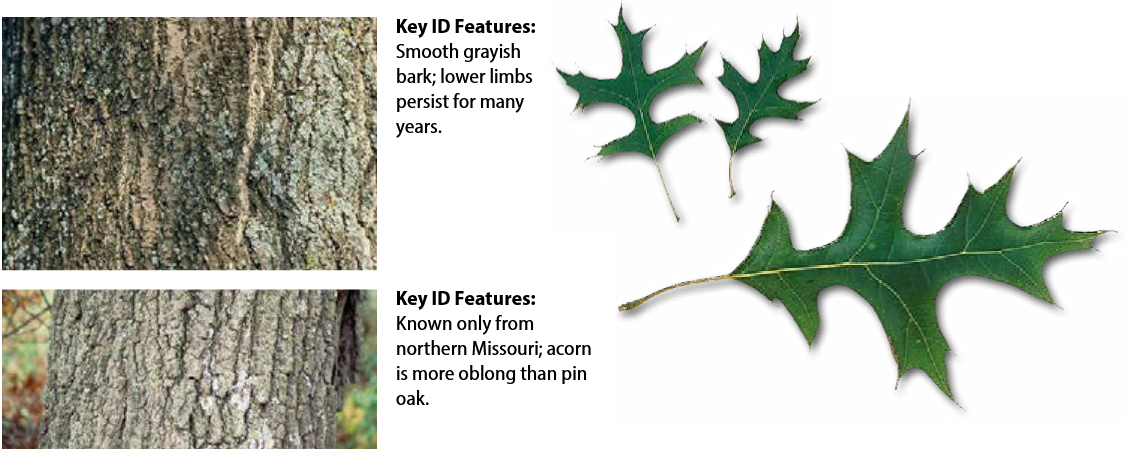
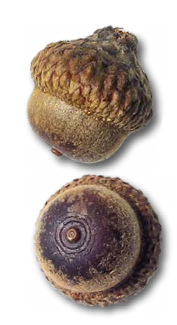
Scarlet Oak/Quercus coccinea acorn
Scarlet Oak/Quercus coccinea features
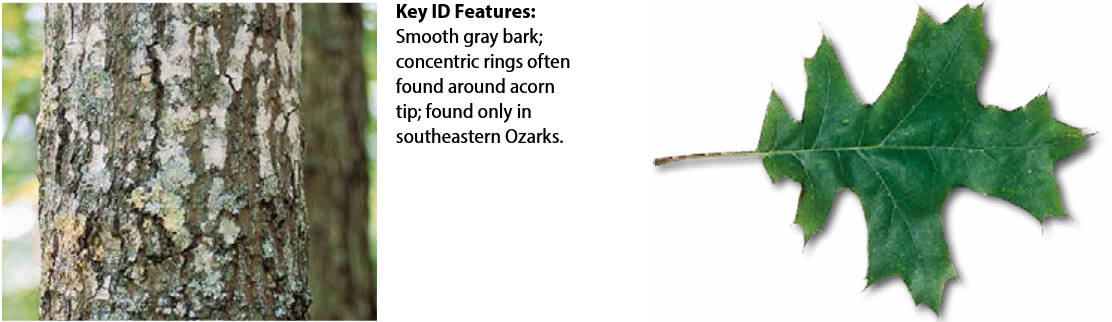
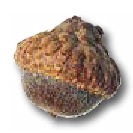
Southern Red Oak/Quercus falcata acorn
Southern Red Oak/Quercus falcata features
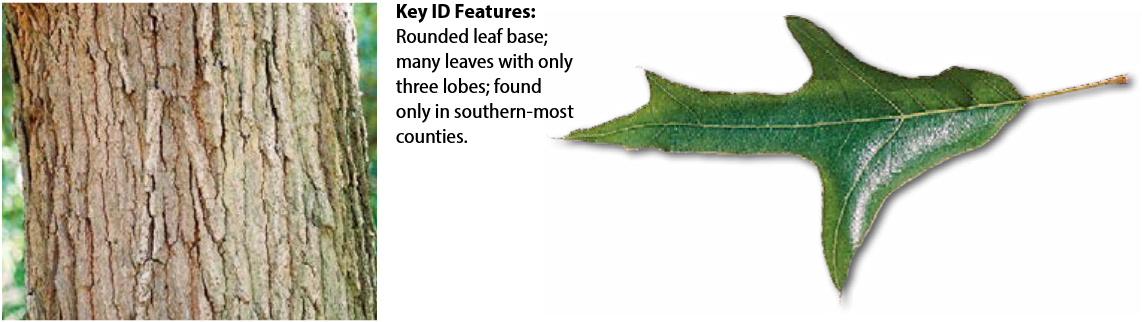
Cherrybark Oak/Quercus falcata var. pagodifolia acorn
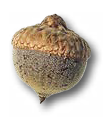
Cherrybark Oak/Quercus falcata var. pagodifolia features
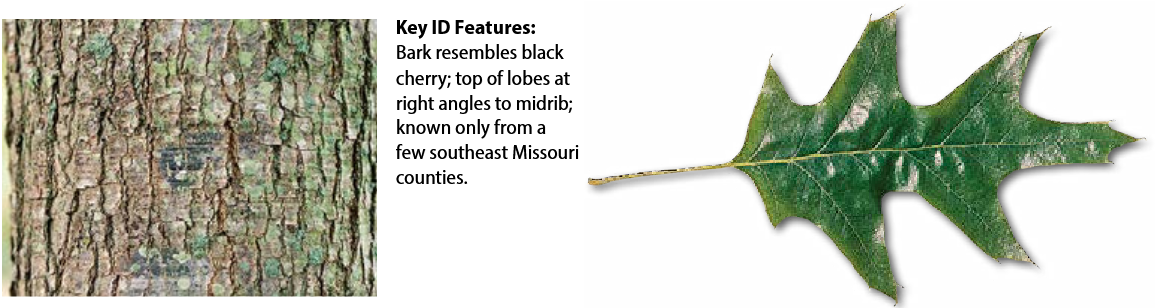
Nuttall Oak/Quercus texana acorn
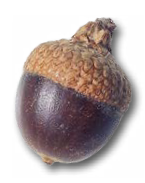
Nuttall Oak/Quercus texana features