Physio review before exam
 Call Kai
 Learn
Learn Practice Test
 Spaced Repetition
 Match
Match Flashcards
 Knowt Play
1/109

There's no tags or description
Looks like no tags are added yet.
Name | Mastery | Learn | Test | Matching | Spaced | Call with Kai | Chat |
|---|
No analytics yet
Send a link to your students to track their progress
110 Terms
What are the excitatory postsynaptic potential that is a major function in the CNS
Glutamate
What are the two categories for Glutamate and what do they do
AMPA- net depolorization effect think AMP amplifies shoots curve up
NMDA- dependent of glutamate binding
What is another excitatory postnynaptic potential, but functions in the NMJ
Acetylcholine
What system(s) does acetylcholine function
PSNS and SNS
What are the inhibitory postsynaptic potentials (2)
GABA and Glycine
Where is GABA and Glycine used in?
CNS and both are chloride channels
They cause Cl- to have increased permeability
GABA is always associated with Ach
What type of receptors are Glutamte acetycholine GABA and glycine?
ionotropic receptors meaning they are also ligand gated
How are metabolic receptors different from ionotropic
They are longer-lasting and have a slow onset. In addition, they have an intracellular conformation regarding the G protein that alters the GPCR. So not channel is directly opened rather a cellular response or an enzyme activation such as Phospholpiase with IP3 + DAG or adenycyclase both leading to protein kinase
In metabotropic which causes a cellular response after confromation change alpha beta or gamma
Beta and Gamma
Which metabotropic receptor causes a activation of enzymes as a secondary response
Alpha
What are the 7 processes of the skeletal muscle contraction
AP
Ca enters presynaptic
Ach diffuses from presynaptic
Ach reaches the nicotinic receptor of the end plate and causes Na to rush in and K to rush out
The motor end plate begins to depolarize from the sodium from -90 to -50
The depolarization eventually leads to an AP
Acetylcholinesterase degrades ACh, causing the end-plate potential to stop. Then sodium and Chlorine fill presynaptuc and Acetate is a product of the Ache degregation
What is the cardiac function mechanism for the sympathetic system on T1- T5
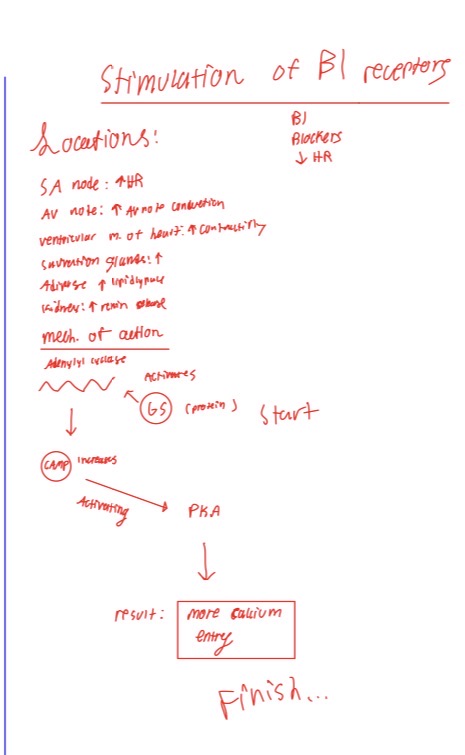
NE and Epi bind to the Beta1 receptor / Gs protein
increase adenyl cyclase, Camp, PKA
Result: L-type Ca 2+ channels increasing Ca influx
Phospholamban- incrased SERCA and Ca reuptake in the SR
Troponin 1 senstitivity of Ca is decreased
Faster and stronger heartbeat
What is the cardiac function mechanism for the parasypathetic system CNX-vagus
ACh release onto M2 receptor
decreases Adenyl cyclase, Camp, and PKA
Net effect: Decreased heart rate, contraction force, relaxation, conduction velocity
What is the mechanism of a smooth muscle contraction?
L-type channel allows Ca to enter, or Ca is provided by the SR
Ca comes into contact with calmodulin, which binds 4 calciums
the calcium and calmodulin binding activates MLCK, which phosphoraltes the myosin light chain using ATP
Cross-bridge formation takes place as activated myosin binds to actin filaments and causing a contraction
to relax Ca decreases MLCP dephosphorylates myosin
Cross bridge cycling then stops
Major distinction is calmodulin instead of troponin
Skeletal muscle contraction
AP goes down the T tubules
Depolorization activates DHPR causing a confromational change that opens ryonidine receptors Ca channels open releasing Ca from the SR
Ca increases
Ca binds troponin C sites 1 and 2 have a low affinity unless their is a high concentration. sites 3 and 4 have a high affinity for Ca and are always occupied
Conformation change moves tropomyosin away from myosin binding site on actin
ATP binds myosin and release actin
ATP hydrolyses and ADP myosin head is energized
Myosin binds a new actin site
phosphate release triggers the power stroke pulling actin towards M line causing a contraction
What makes up myosin tail
One pair of heavy chains
What makes up the two globular heads of myosin
two pairs of light chains
What runs along actin that blocks myosin binding sites
tropomyosin
(troponin C has a pocket for calcium)
Cytoskeletal protein: Dystropin
Anchors myofibrils to cell membrane
Cytoskeletal protein:Titin
Centers thick filaments in the sarcomere
Cytoskeletal protein: Nebulin
sets length of thin filaments
Botulinum toxin
Blocks the release of Ach
Myasthenia gravis (think grave as in dead/ destroyed)
Autoantibody binds and destroys the nicotinic Ach receptor
What compresses to make a contraction (within the muscle cells)
Z lines
Smooth muscle tone: phasic smooth muscle
Rapid contraction and relaxation
Smooth muscle tone: Tonic smooth M
Maintain tensions for long periods (slow and sustained)
Latch state myosis stays attached to actin for longer periods rather than immediately dissociating
MLCP removes phosphate from myosin head while it is still attached to actin, so it detaches extremely slowly and holds tension using less ATP
How does an alpha 1 receptor work

how does an alpha 2 receptor work
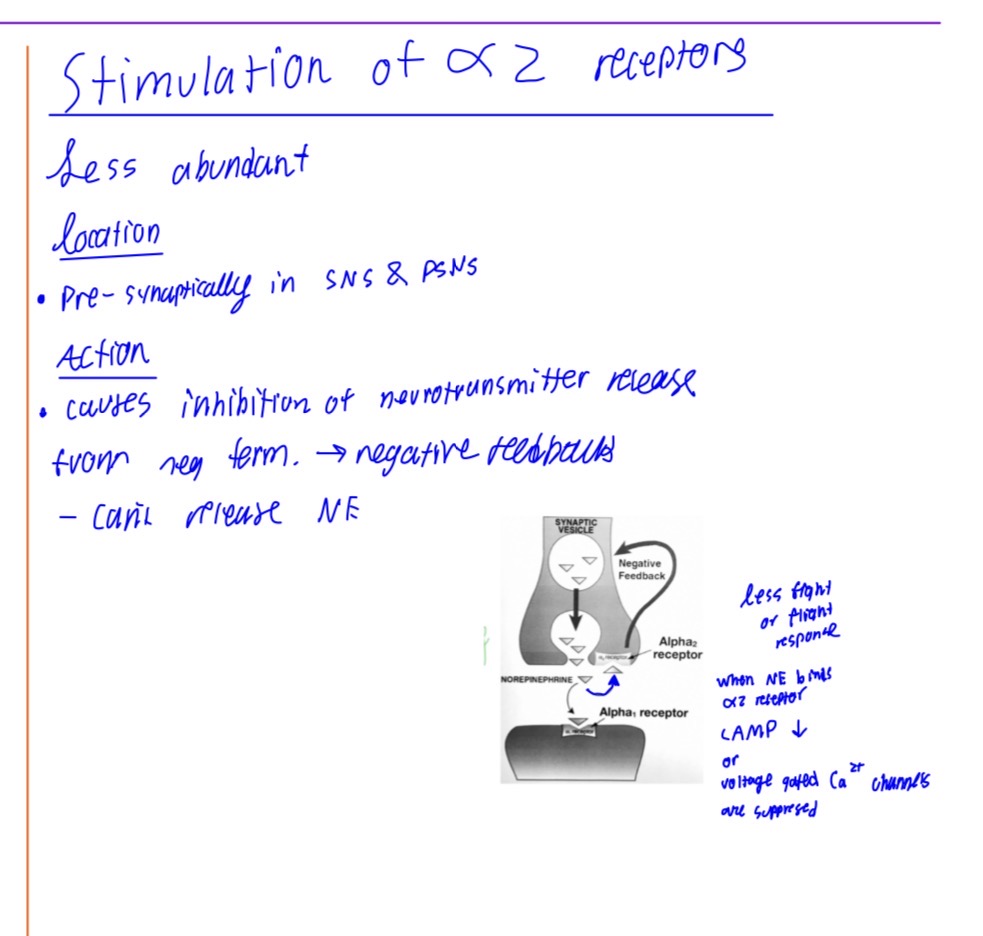
How does beta 1 receptor work
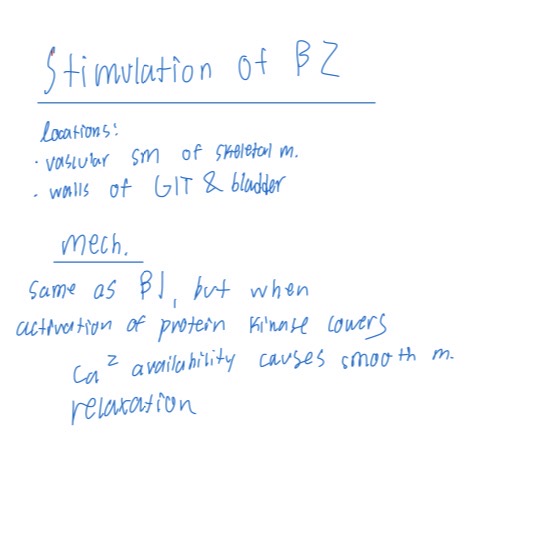
How does beta 2 receptor work
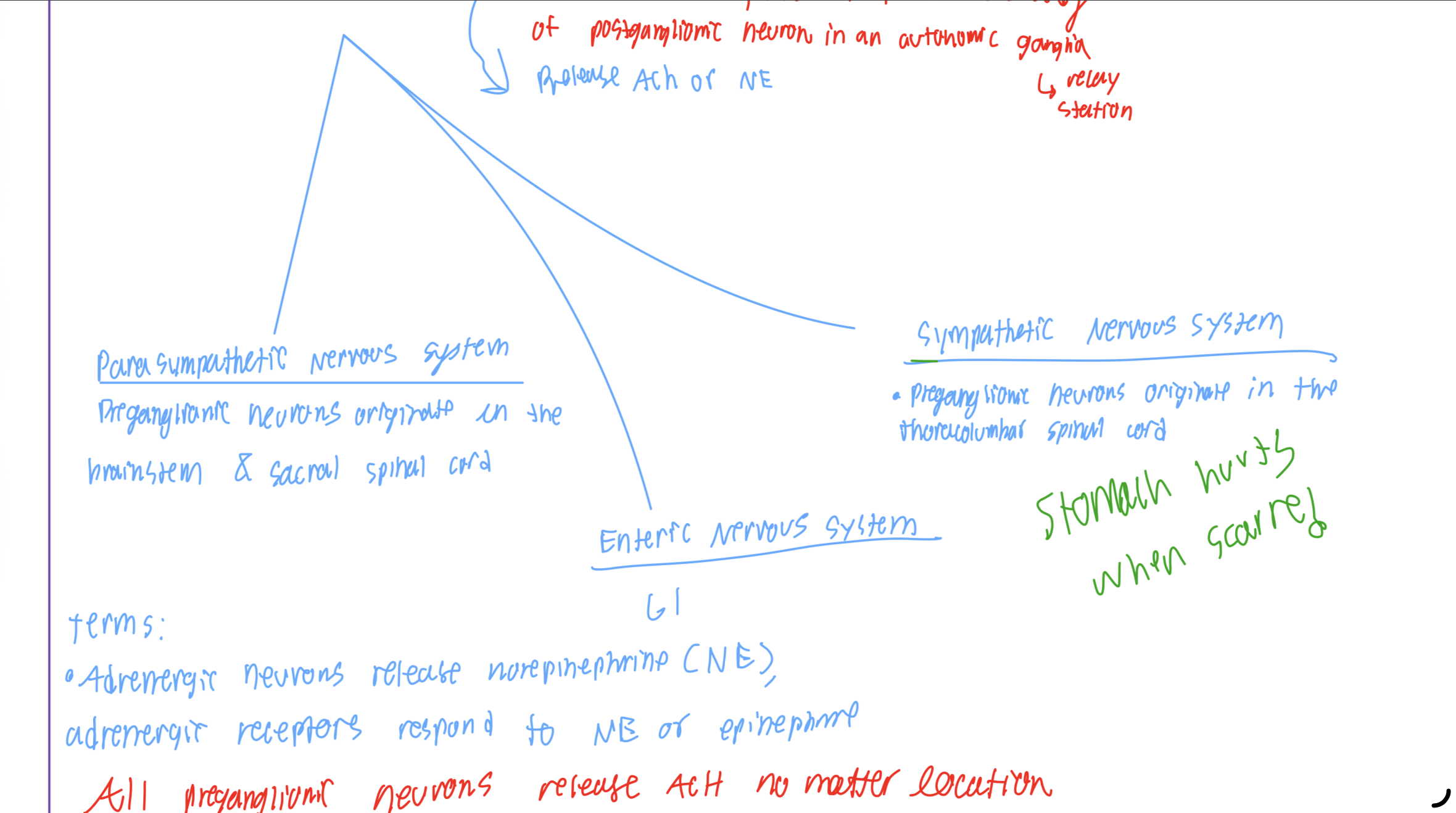
where are the sympathetic and parasympathetic origins in the body
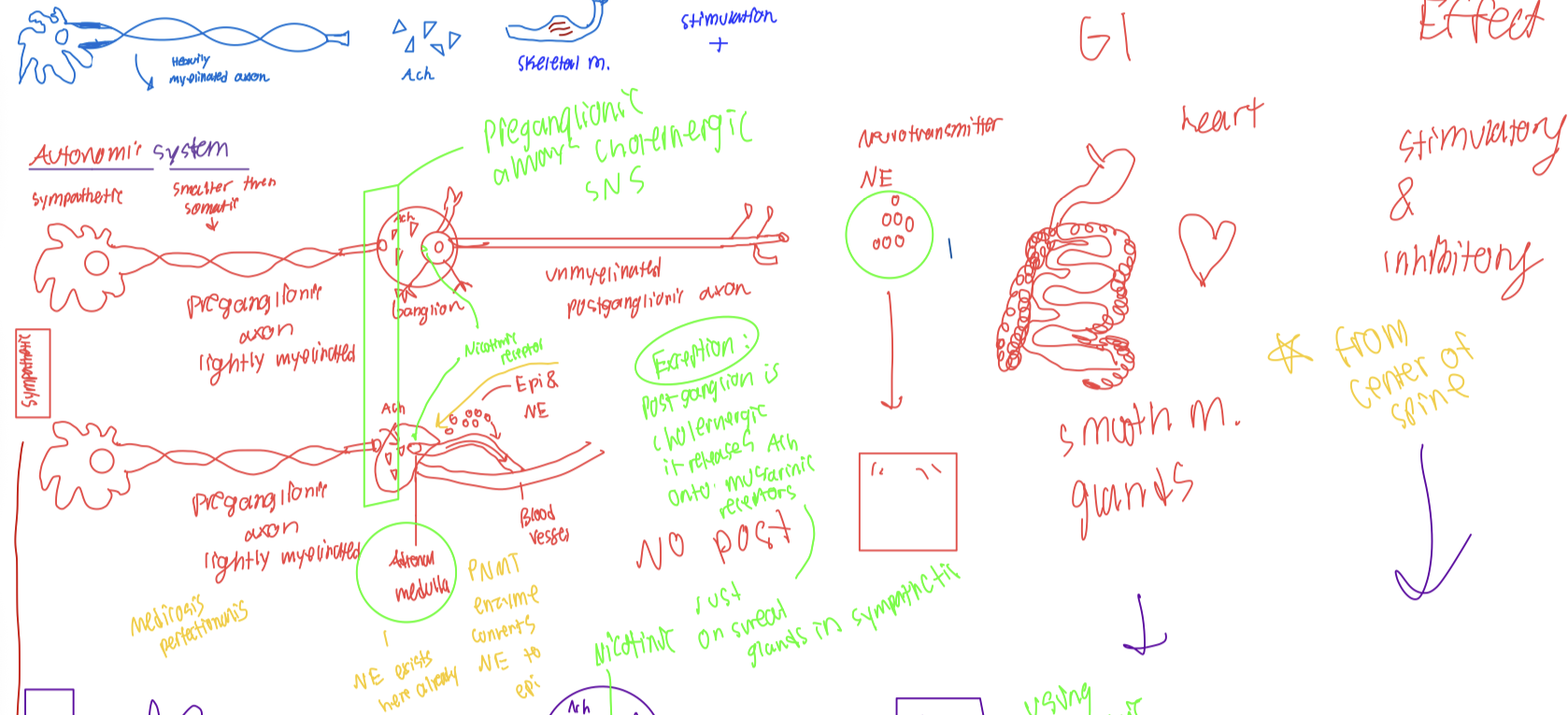
Explain the Somatic nervous system

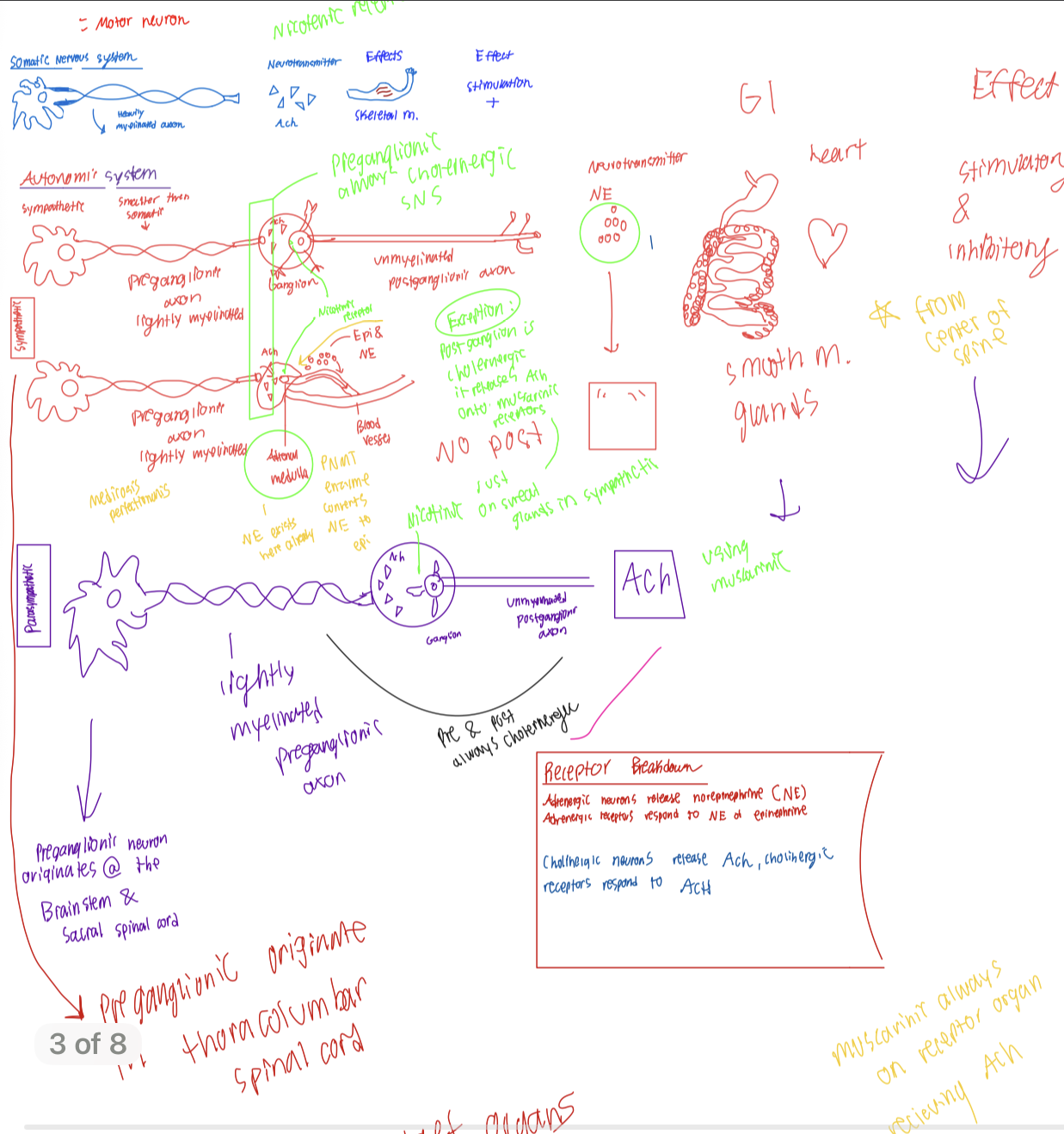
Explain the autonomic system: sympathetic
Explain the autonomic system: parasympathetic
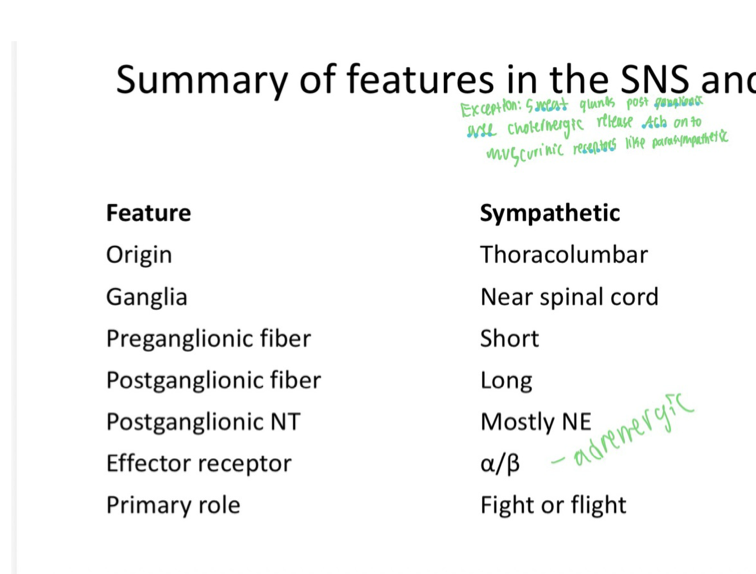
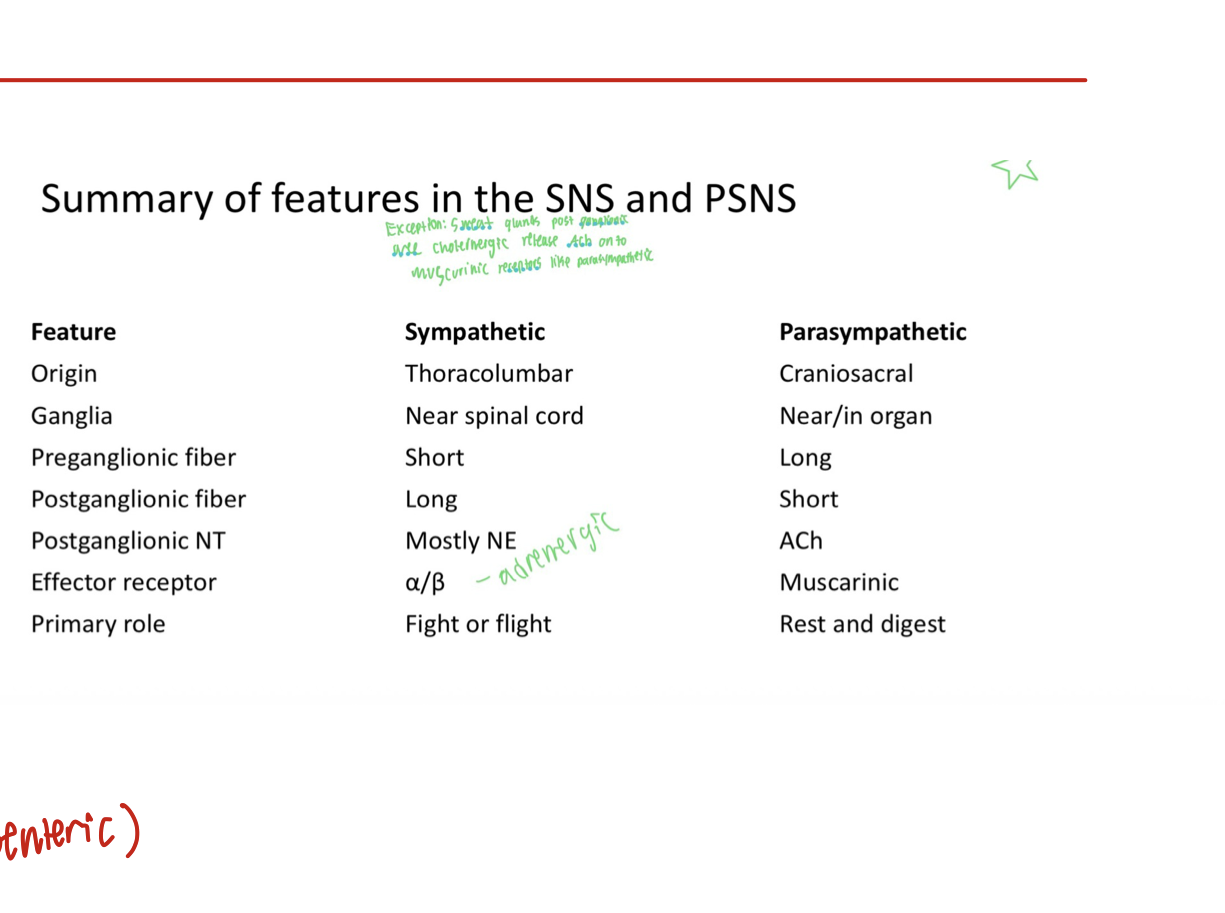
Sympathetic preganglionic fiber is [short/ long] and post ganglionic is [short/ long]
Parasympathetic preganglionic fiber is [short/ long] and post ganglionic is [short/ long]
Explain the reciprocal innervation system used in the bladder
SNS for urine storage
SNS inhibited to relax internal sphincter (keeps it closed)and remove PSNS inhibition
PSNS stimulated to cause contraction of the bladder wall (release of Ach)
External sphincter relaxed by voluntary action using skeletal m.
What are the 6 functions of the CNS regions
So many people may do THC
Spinal cord
medulla
pons
Midbrain
Diencephelon
Thalamus
Hypothalmus
Telencephalon
Cerebral cortex
basal ganglia
hippocampus
What is the spinal cord responsible for
Carry AP originating in the skin, muscles tendons, joints and visceral organs to the spinal cord
Can control muscle stretch reflexes and limb withdrawl from painful stimulis
What are the functions of the Medulla?
Cardiovascular regulation
Resp. regulation
Swallowing
Digestions
Vocalization
what is the function of the pons
facial sensation
mastication
relay to cerebellum w
what is the function of the midbrain
contains superior and inferior colliali
superior= visual
inferior= auditory
what is the function of the diencephalon (2 parts)
thalmus: relay station for modulator of info being passed to cerebral cortex from sensory system
Hypothalmus: regulates the autonomic nervous system and controls hormone secreation
what is the function of the telencephalon (3 parts)
So many people may do TH THCB
Cerbral cortex: vol. mvmnt, sensory integration, sensory perception
Basal Ganglia: modulate motor functions of cerebral cortex
Hippocampus: Memory and spatial learning

review
reviewed
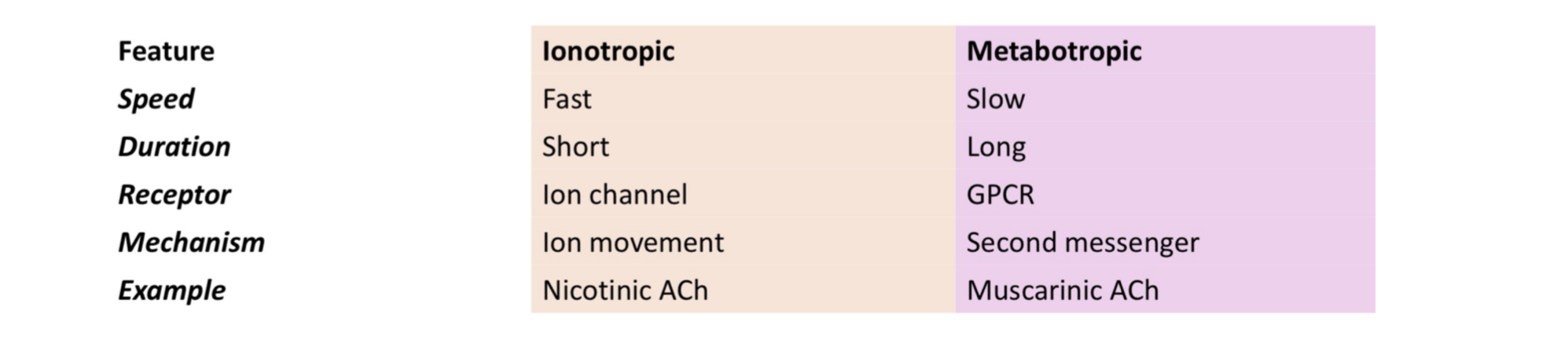
receptor review
reviewed
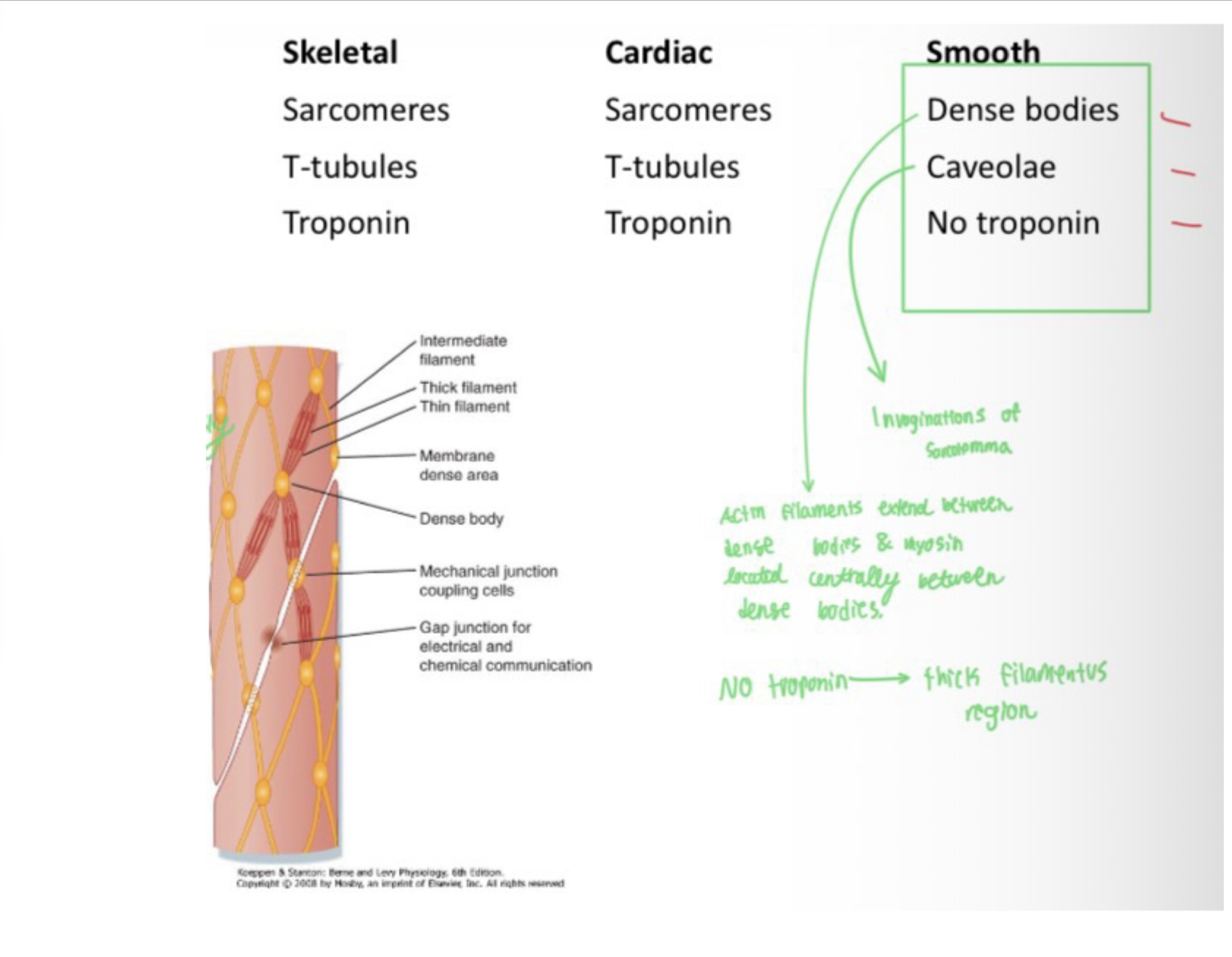
Skeletal and cardiac have ______, ________, _______
while smooth m has _______,______,_______
What are the functions of blood
Transportation of nutrients, gases, waste products and hormones
Regulation: thermoregulation, fluid and electrolyte balance and pH balance
Protection: immunity and hemostasis (blood clotting)
What is hematocrit
Percentage of blood volume occupied by erthrocytes
25-60% depending on species
What is the blood pH range
7.35-7.45
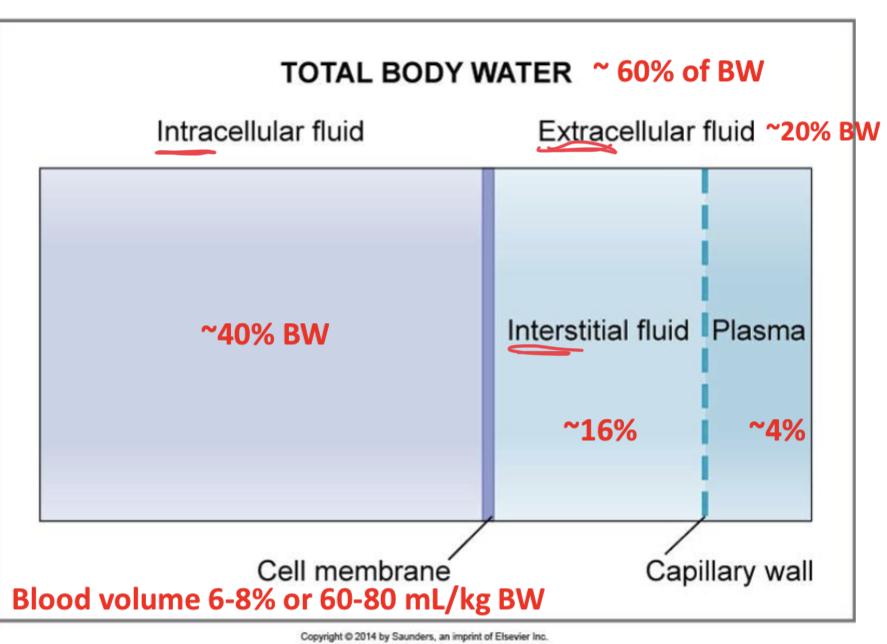
review know all red #s and name of seperating walls
reviewed
What is the ECF volume of a 105 kg pig?
105 kg x .2= 21L or 21,000 mL
What are the 3 granulocytes and where are they located
Neutrophils
basophils
Eosinophils
Cytoplasm
What are two agranulocytes and what is the location
Monocytes- produced in bone marrow
Lymphocytes- produced in lymph nodes, spleen, tonsils, lymphoid clusters in intestines
inflammatory mediators and aid immune function
What 3 species have more neutorpohils compared to lymphocytes
Dog
cat
horse
What 4 species have more lymphocytes compared to neutrophils
cow
sheep
goat
pig
Granulocytes return or do not return to the blood after leaving
do not
Monocytes in blood become fixed _______ in the liver, spleen, bone marrow and lymph nodes
macrophages
life span of T cells
100-200 days
Life span of B cells
2-4 days
Memory B and T cells life span
Years
What is the first leuokocytes to arrive at site of acute inflammation?
Neutrophils
phagocytize= pus
Neutrophil: lactoferrin function
Sequesters iron, which is needed for bacterial growth
What is the cycle of monocytes **
Leave blood→ enter tissue→ transform to macrophages→ kill phagocytized microbes using acidic pH, enzymes, and hydrogen peroxide
monocytes= intravascular or extravascular
macrophages= intravascular or extravascular
Intra (blood)
Extra (tissue)
What are mobile cells
Macrophages (circulating monocytes)
What are fixed cells
Kupffer cells (liver spleen LN)
What are the functions of eosinophils (2)
Parasites→ granules discharged onto opsonized parasites
Limit allergies→ granules contain histaminase→ dampen and terminate inflammatory allergic reactions
dampen allergic reaction
What are the functions of basophils (will have a low # in healthy animals)
Receptors for IgE (antibodies associated with allergies)
Antigen binds IgE on basophil → basophil ruptures→ promote local vascular and tissue allergic reaction
Granules contain histamine and bradykinin, serotonin, and lysosomal enzymes
Promote allergic reaction
Cytotoxin t-cells what are there function, humoral immunity and function
Directly destroys infected abnormal cells
Activated Bcells
Proliferate after recognizing and antigen
Helper t cells what are there function, humoral immunity and function
Coordinate the immune response
memory b cells
cells that arespond rapidly to future exposure
memory T cells what are there function, humoral immunity and function
Long-lived cells that "remember" previous antigens
Plasma cells
Produce and secrete large quantities of antibodies
What makes up hemoglobin molecules
4 globin chains, 4 heme groups (each group has iron→ can carry 4 oxygen molecules
)
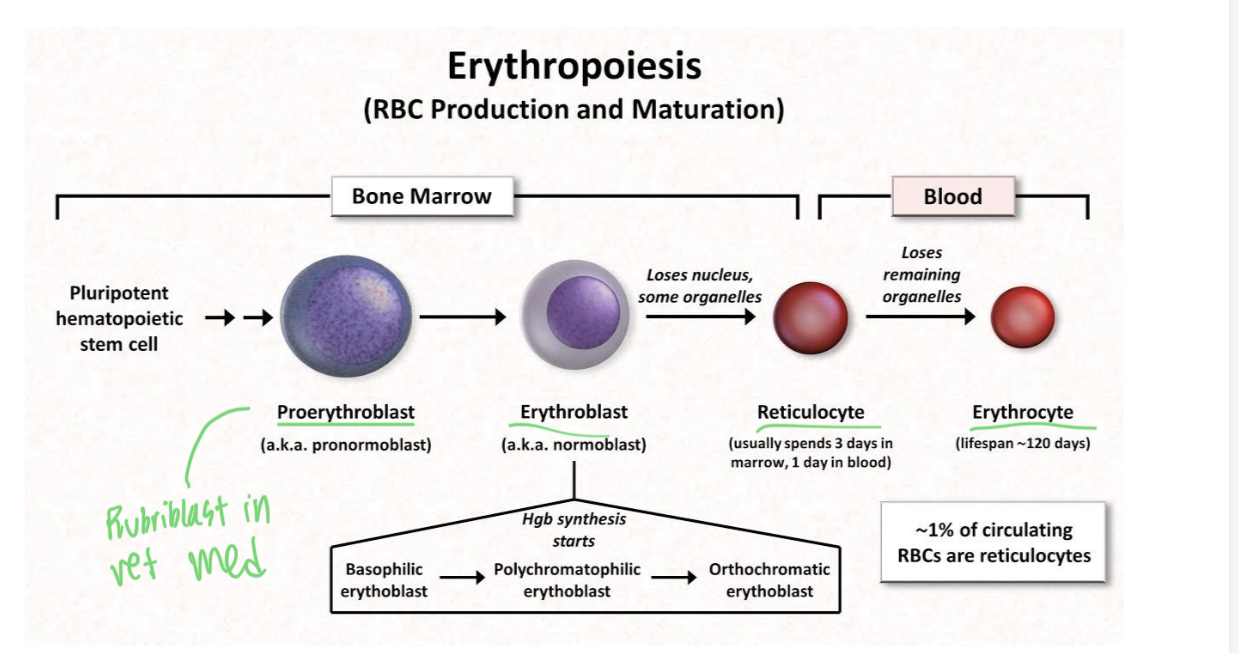
What is erythropoiesis→
production of erthrocytes
erthropoietin from kidneys stimulates production and the rate is controlled by oxygen need
reticulocytes → immature RBC that retain some ribosomes→ mature in blood after a few days
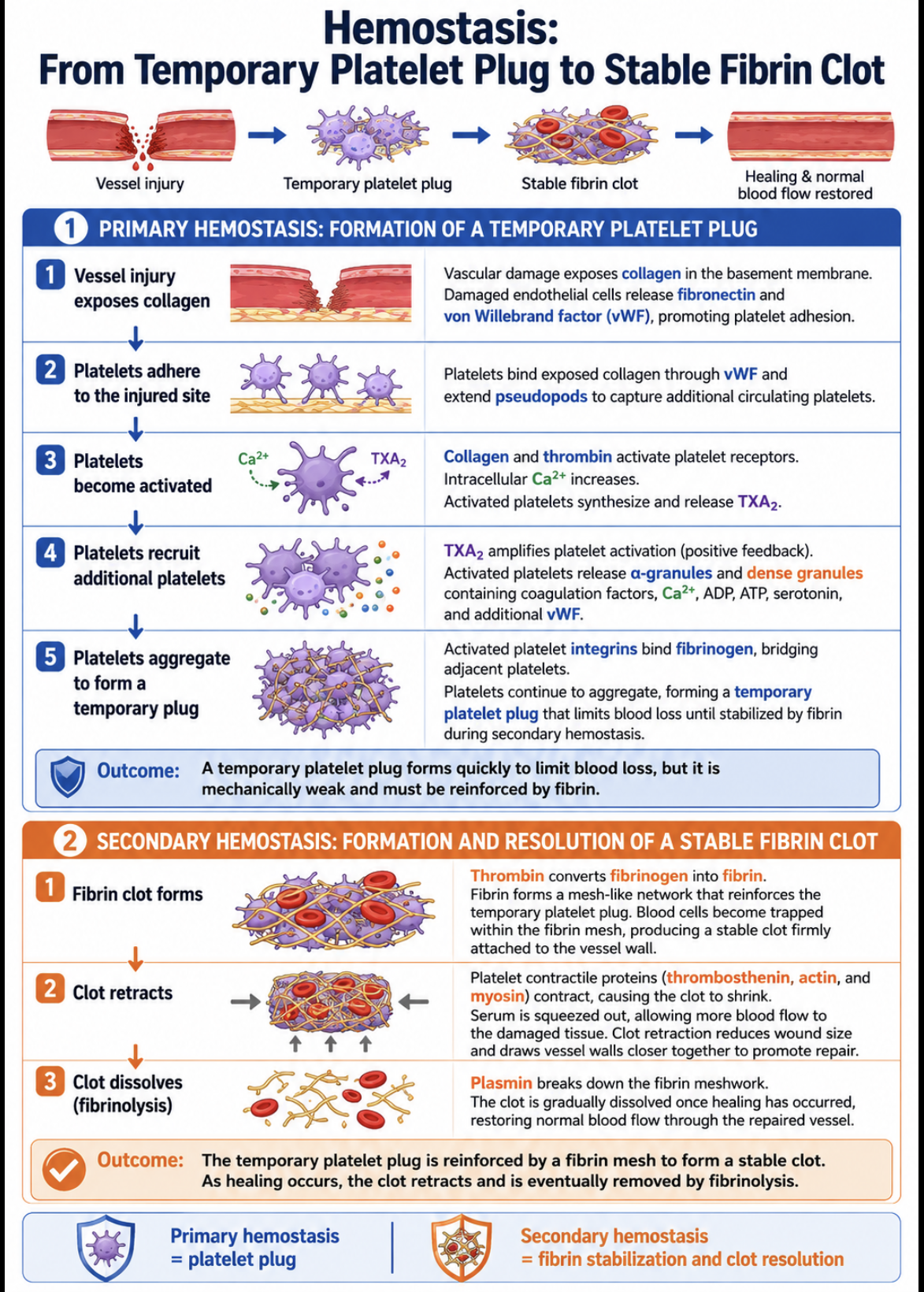
explain primary hemostasis formation of a temporary platelet plug
what are the major differences in plasma vs. serum
Plasma: clotting factors are present; has fibrinogen, SHould be collected with anticoagulant
Serum: No clotting factors, no fibrinogen, Blood should be allowed to clot before collection
How do epidermal structure contribute to barrier function
Protect from desiccation and the environment
What is the epidermis made of
keratinized stratified squamous epithelium
What is the dermis made of
collagen, elastic, reticular fiber
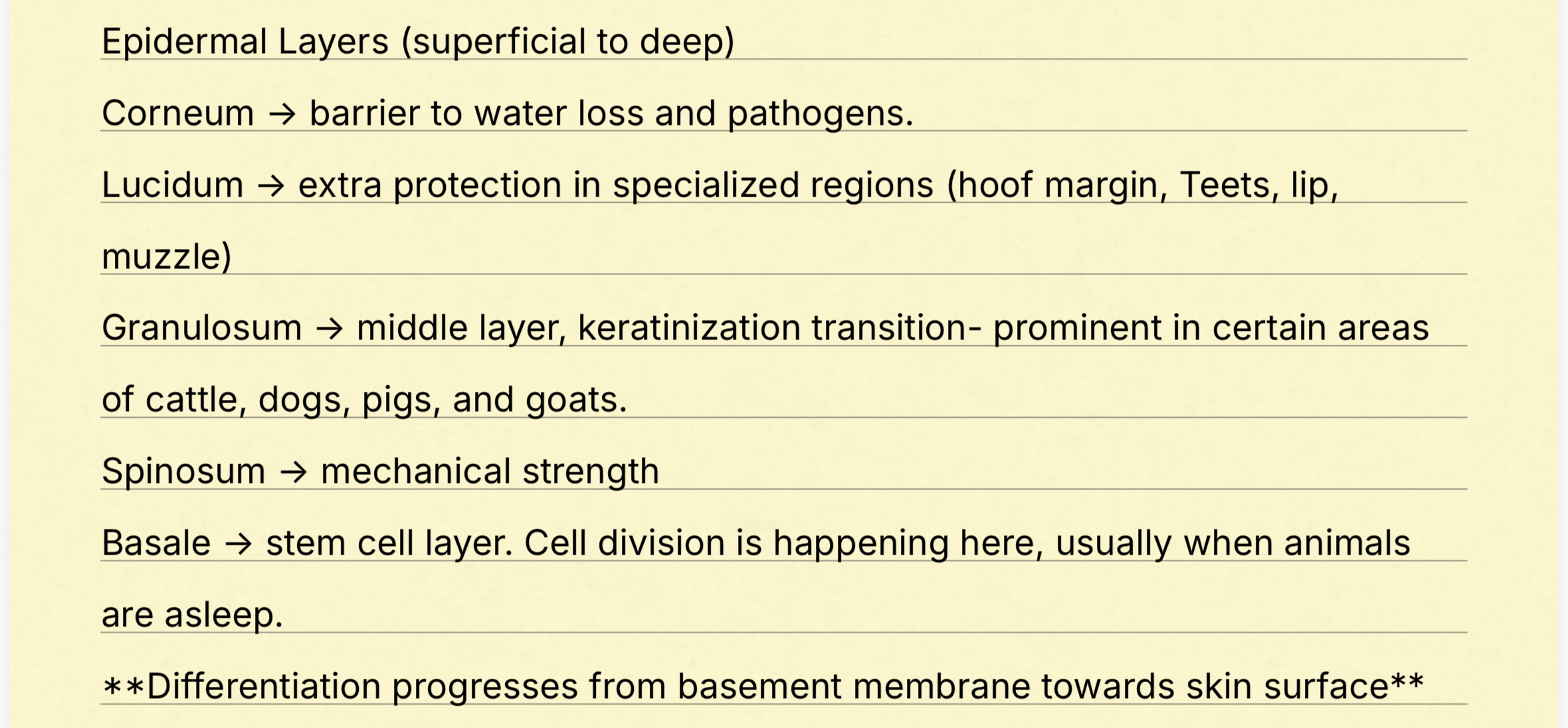
What are the epidermal layers superficial to deep
Function of epidermal cells: keratinocytes
barier formation
Function of epidermal cells: melanocytes
melanin UV protection prevents sunburns and DNA damage
Function of epidermal cells: langerhans cells
antigen presentation, immune tolerance and prevent autoimmune reactions
Function of epidermal cells:mast cells
inflammation, immune suveillance, wound healing and allegic reactions
Function of epidermal cells:Merkel
tough sensation discern fine details and pressure
How does skin contribute to thermoregulation: melanocytes
in epidermis help to prevent sunbirns by providing UV protection
How does skin contribute to thermoregulation: dermis
helps to regulate body temperture via blood vessels and sweat glands
How does skin contribute to thermoregulation:hypodermis
serves as insulation and fat storage
How does skin contribute to thermoregulation:Hair
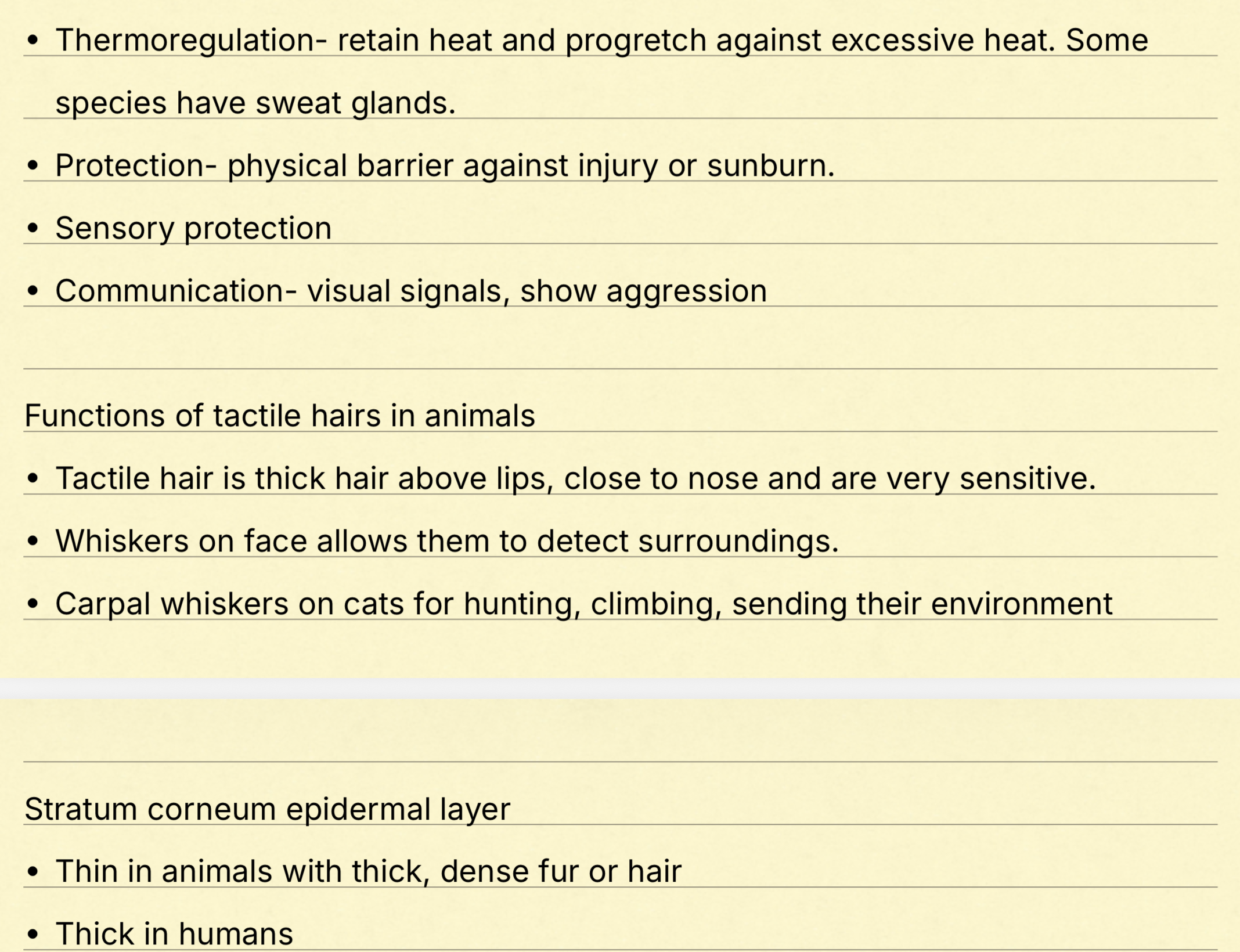
Mechanical protection and thermoregulation by retaining heat and protecting agaisnt excessive heat. some species have sweat glands
Functions of body hair in animals
Major routes of skin penetration: transepidermal
drug patches
transcellular: substance must be able to pass through cells
Intercellular: substance passes through the lipid matrix around cells→ favored by drugs
Transappendageal route
Pilosebaceous route (sebaceous gland, sebaceous gland duct, follicular epithelium
Diffusion via the hair follicle and the sweat gland
Skin factors affecting skin permeability: hydration
hydrated skin is more permeable
Skin factors affecting skin permeability: temperature
increased temp→ increased blood flow and permeability
Skin factors affecting skin permeability: integrity
skin injury or disease→ increased permeable
Skin factors affecting skin permeability: age
younger skin more permeable
skin factors affecting skin permeability: thickness
thicker skin less permeable
factors affecting skin permeability: drug factors size
small molecules penetrate easily
factors affecting skin permeability: drug factors lipid solubility
lipid soluable substance penetrate easily
factors affecting skin permeability: drug factors charge
non-ionized substances penetrate easily