Translations of graphs
Due: Aug 21, 2026, 9:00 PM
 Call Kai
 Learn
Learn Practice Test
 Spaced Repetition
 Match
Match Flashcards
1/21

Earn XP
Description and Tags
Name | Mastery | Learn | Test | Matching | Spaced | Call with Kai | Chat |
|---|

22 Terms
Describe the transformation from f(x) to g(x) for g(x)=−f(x)
A reflection in the x-axis (All the y values change their sign)
Describe the transformation from f(x) to g(x) for g(x)=f(−x)
A reflection in the y-axis (All the x values change their sign)
Describe the transformation from f(x) to g(x) for g(x)=f(x)+4
A translation up the y-axis by 4 units (All the y values increase by 4 )
Describe the transformation from f(x) to g(x) for g(x)=f(x)−4
A translation down the y-axis by 4 units (All the y values decrease by 4 )
Describe the transformation from f(x) to g(x) for g(x)=f(x+4)
A translation left along the x-axis by 4 units (All the x values decrease by 4 )
Describe the transformation from f(x) to g(x) for g(x)=f(x−4)
A translation right along the x-axis by 4 units (All the x values increase by 4 )
P is a point of the function f(x) at (1,4). What are the coordinates of the new position of P when the f(x) is transformed to −f(x)
(1,−4)
P is a point of the function f(x) at (1,4). What are the coordinates of the new position of P when the f(x) is transformed to f(−x)
(−1,4)
P is a point of the function f(x) at (1,4). What are the coordinates of the new position of P when the f(x) is transformed to f(x)+2
(1,6)
P is a point of the function f(x) at (1,4). What are the coordinates of the new position of P when the f(x) is transformed to f(x)−7
(1,−3)
P is a point of the function f(x) at (1,4). What are the coordinates of the new position of P when the f(x) is transformed to f(x+7)
(−6,4)
P is a point of the function f(x) at (1,4). What are the coordinates of the new position of P when the f(x) is transformed to f(x−4)
(5,4)
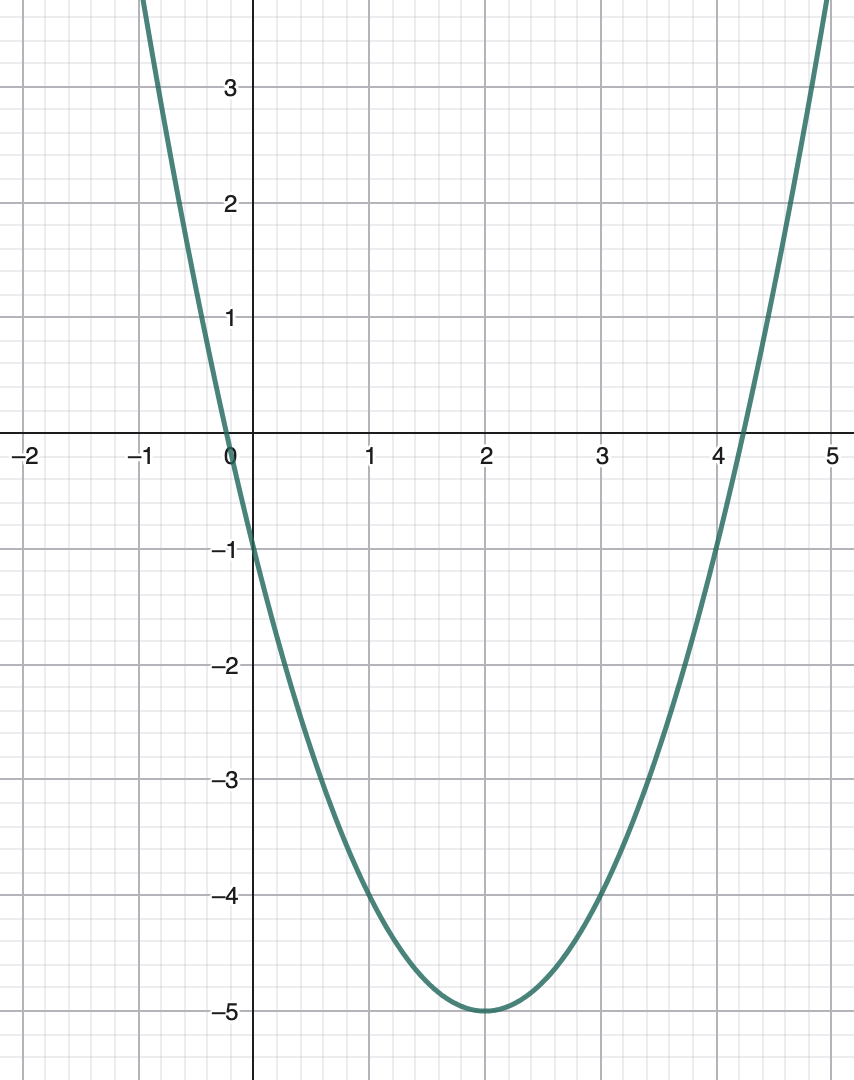
f(x) is a translation of x2. Describe f(x) as a quadratic equation in completed the square form.
f(x)=(x−2)2−5
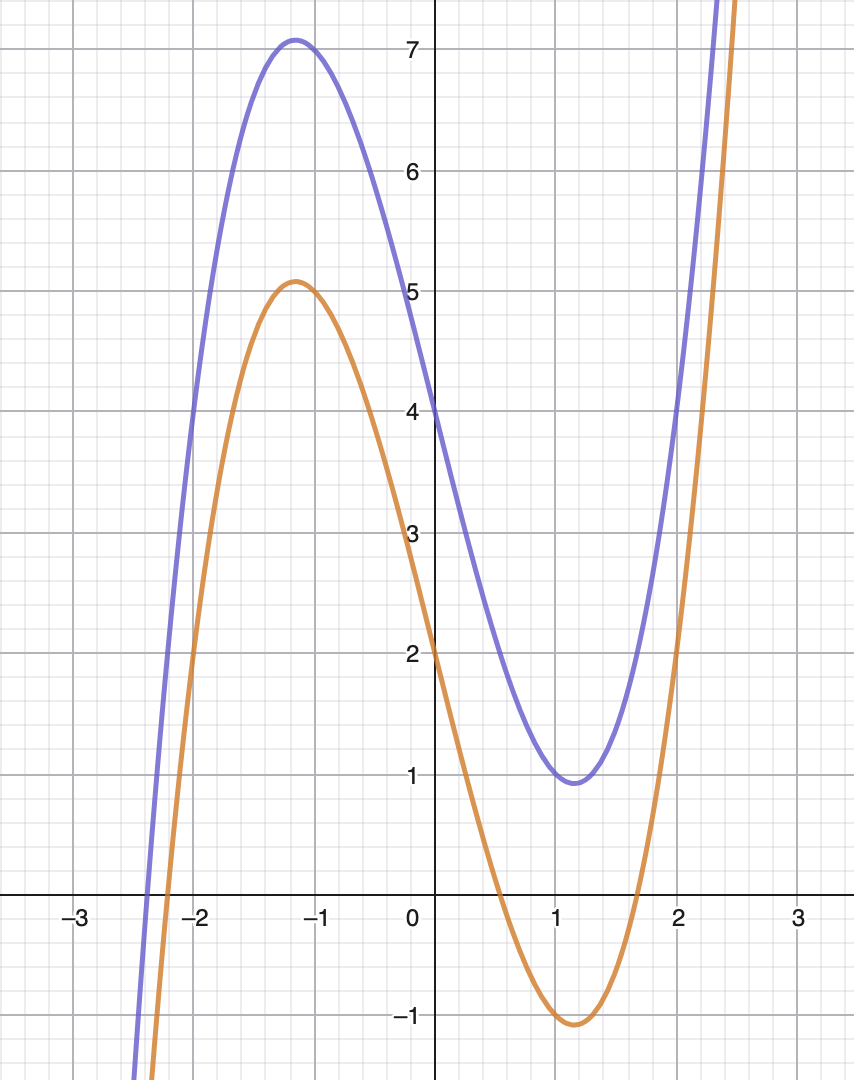
f(x) is the blue curve. Describe the orange curve g(x) in terms of f(x)
g(x)=f(x)−2
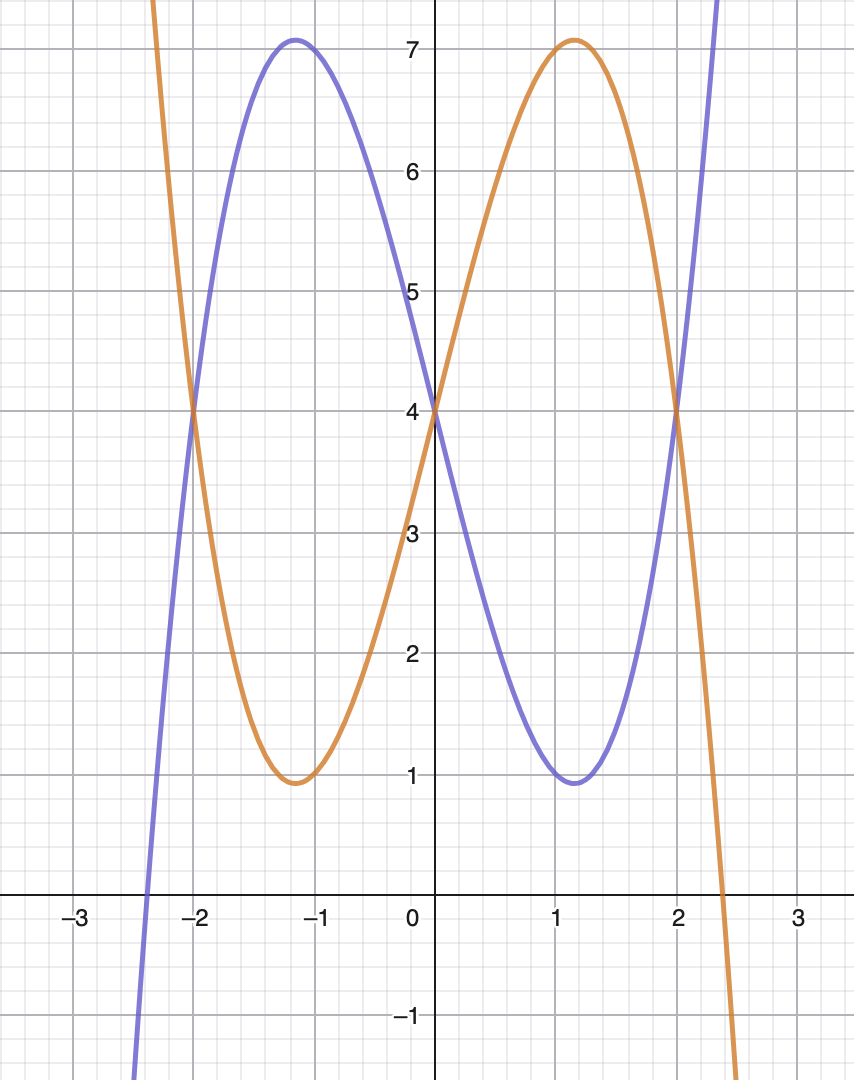
f(x) is the blue curve. Describe the orange curve g(x) in terms of f(x)
g(x)=f(−x)
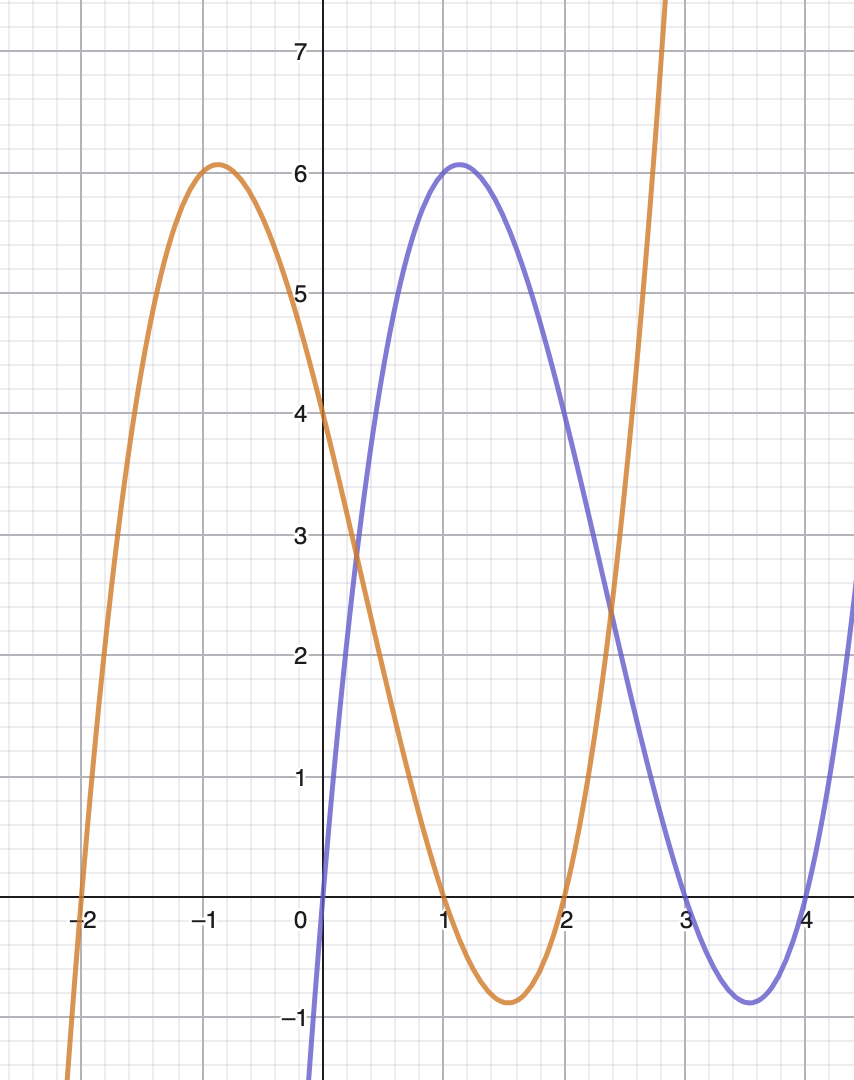
f(x) is the blue curve. Describe the orange curve g(x) in terms of f(x)
g(x)=f(x+2)
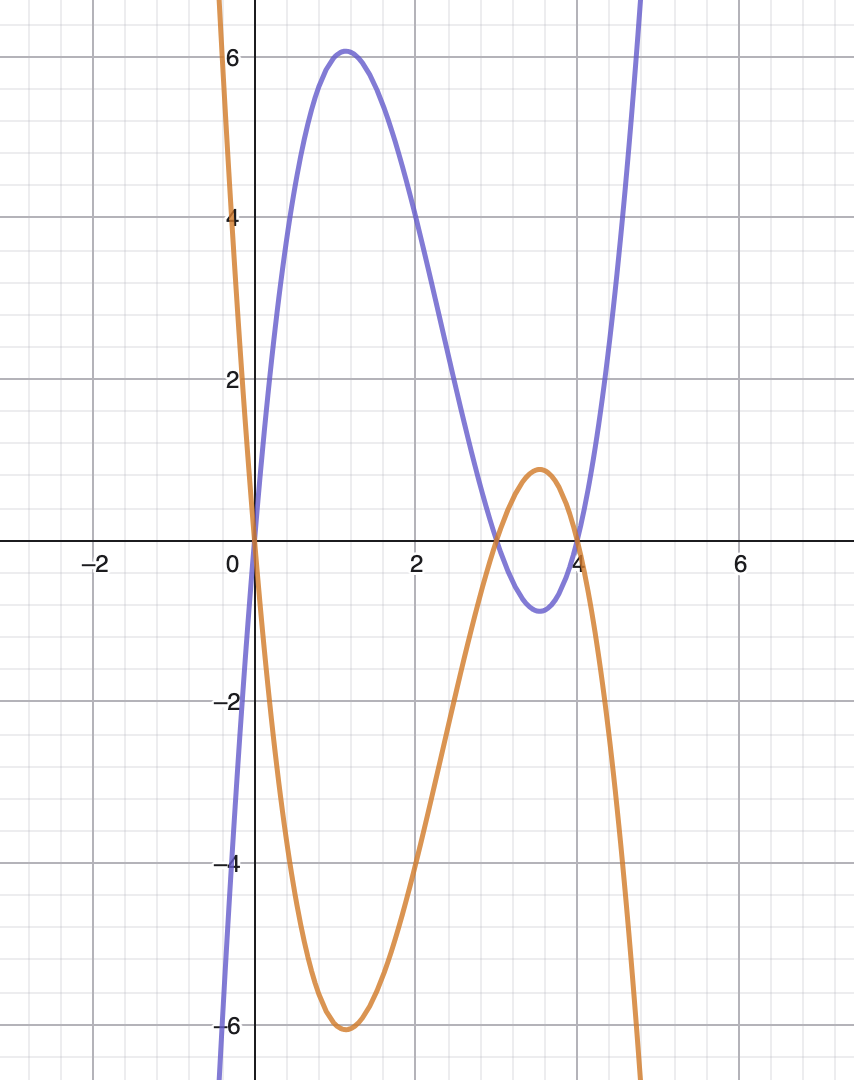
f(x) is the blue curve. Describe the orange curve g(x) in terms of f(x)
g(x)=−f(x)
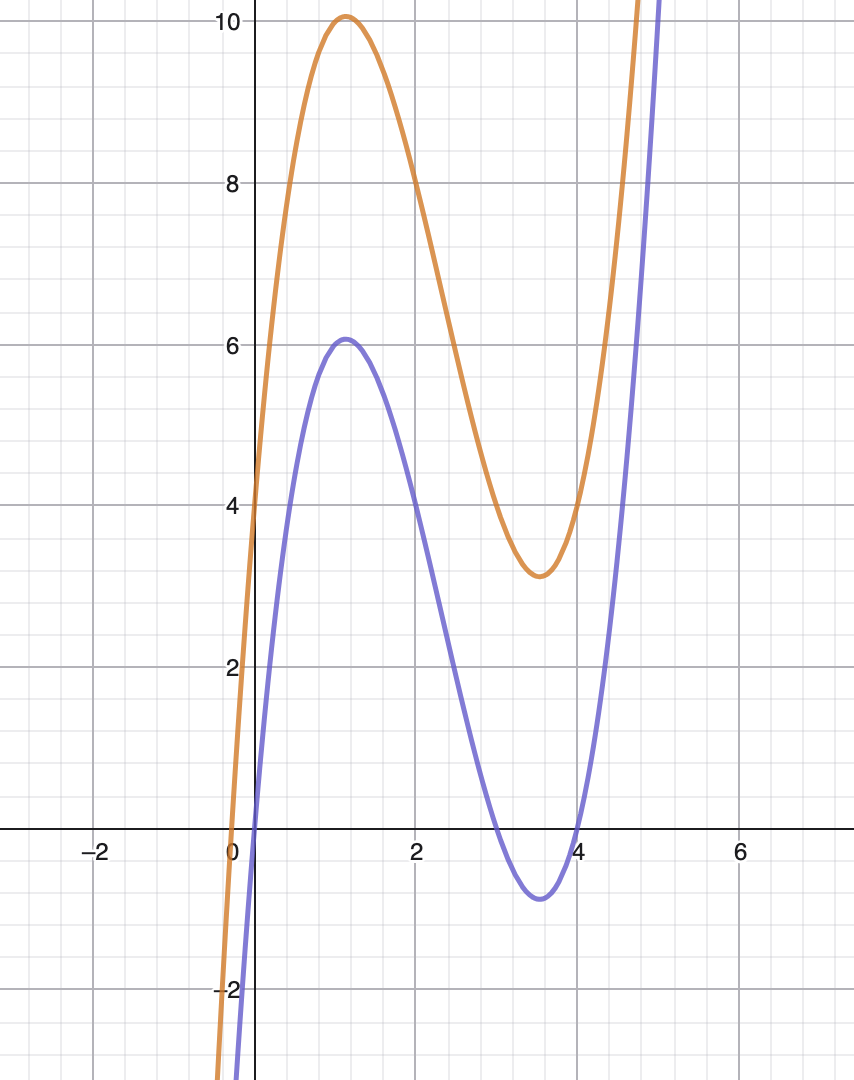
f(x) is the blue curve. Describe the orange curve g(x) in terms of f(x)
g(x)=f(x)+4
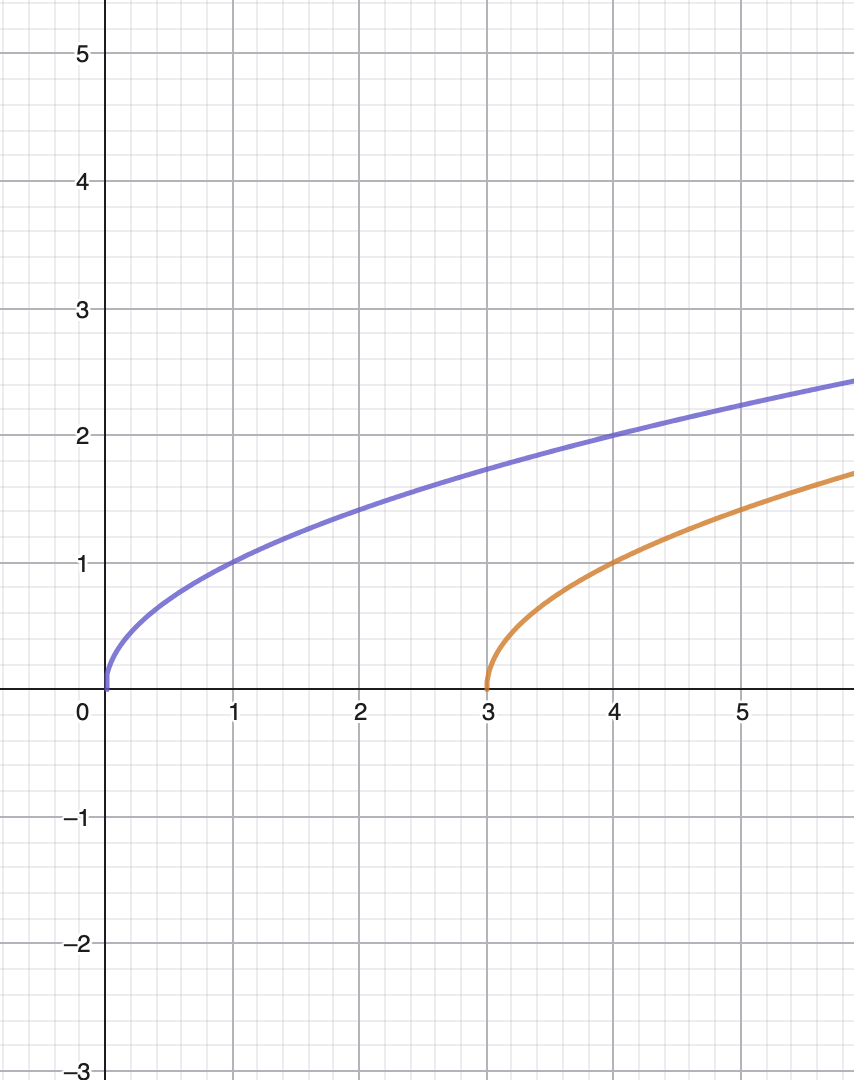
f(x) is the blue curve. Describe the orange curve g(x) in terms of f(x)
g(x)=f(x−3)
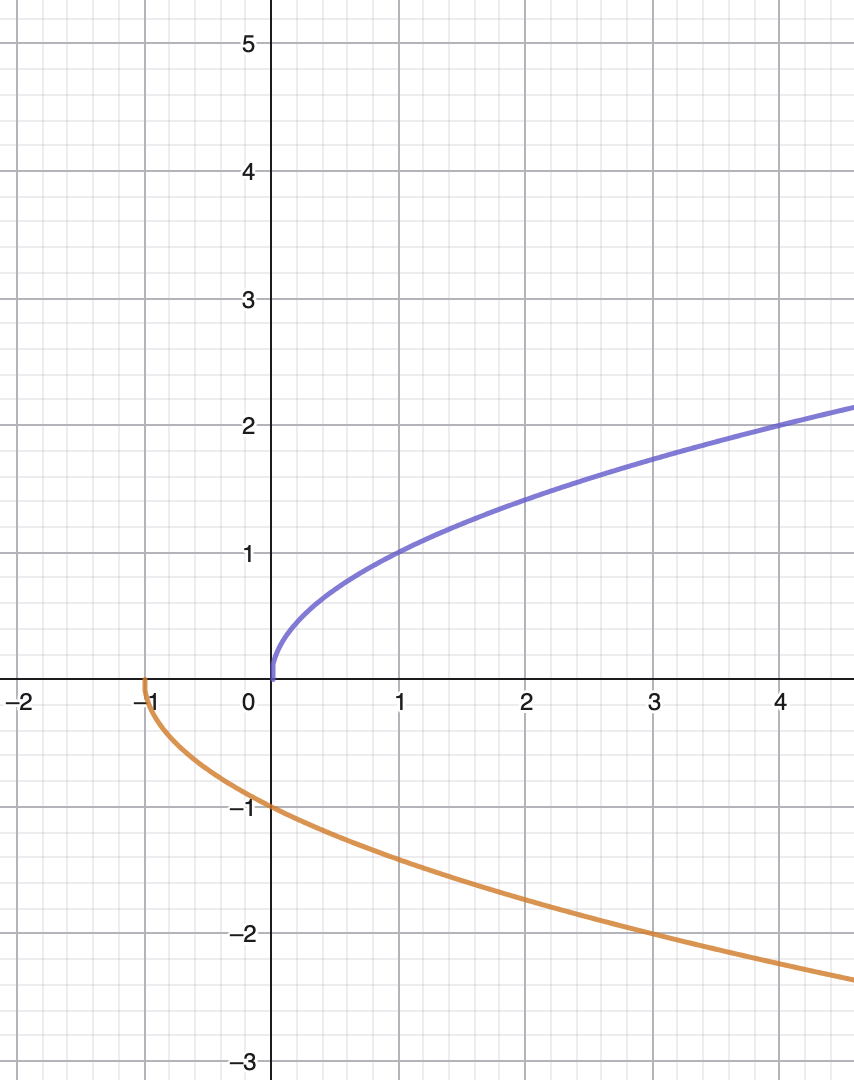
f(x) is the blue curve. Describe the orange curve g(x) in terms of f(x)
g(x)=−f(x+1)
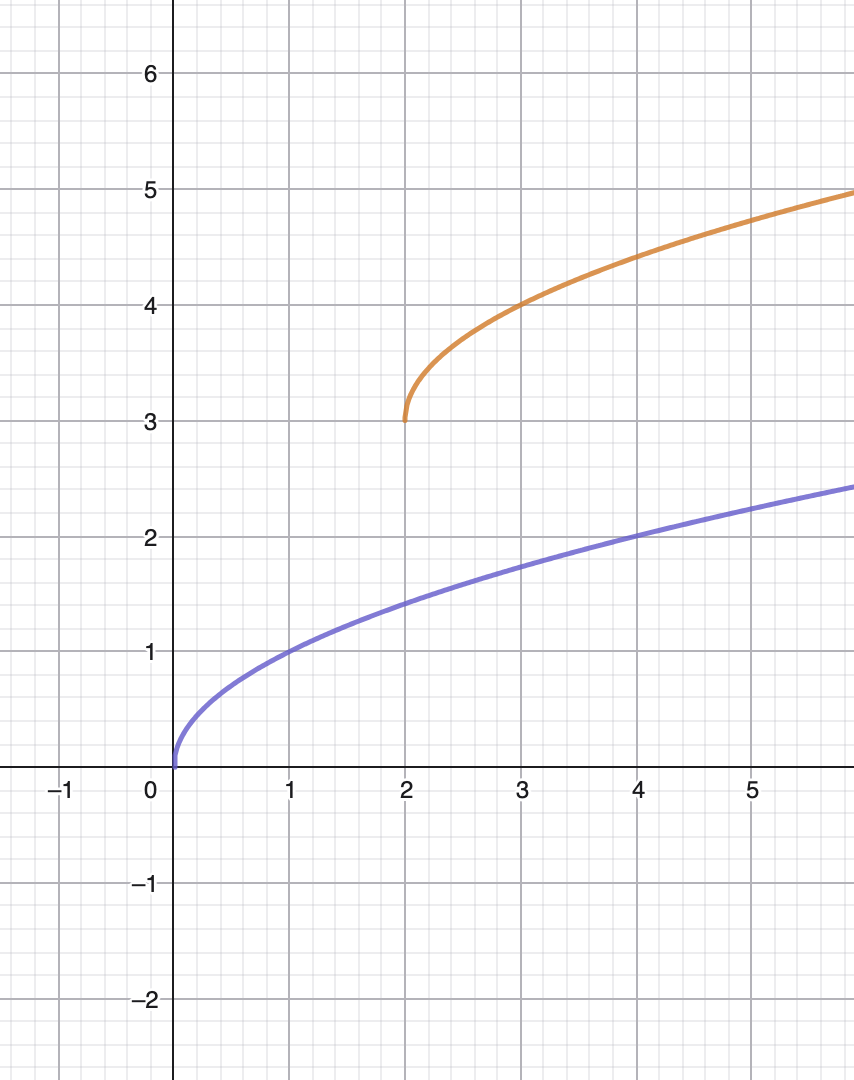
f(x) is the blue curve. Describe the orange curve g(x) in terms of f(x)
g(x)=f(x−2)+3
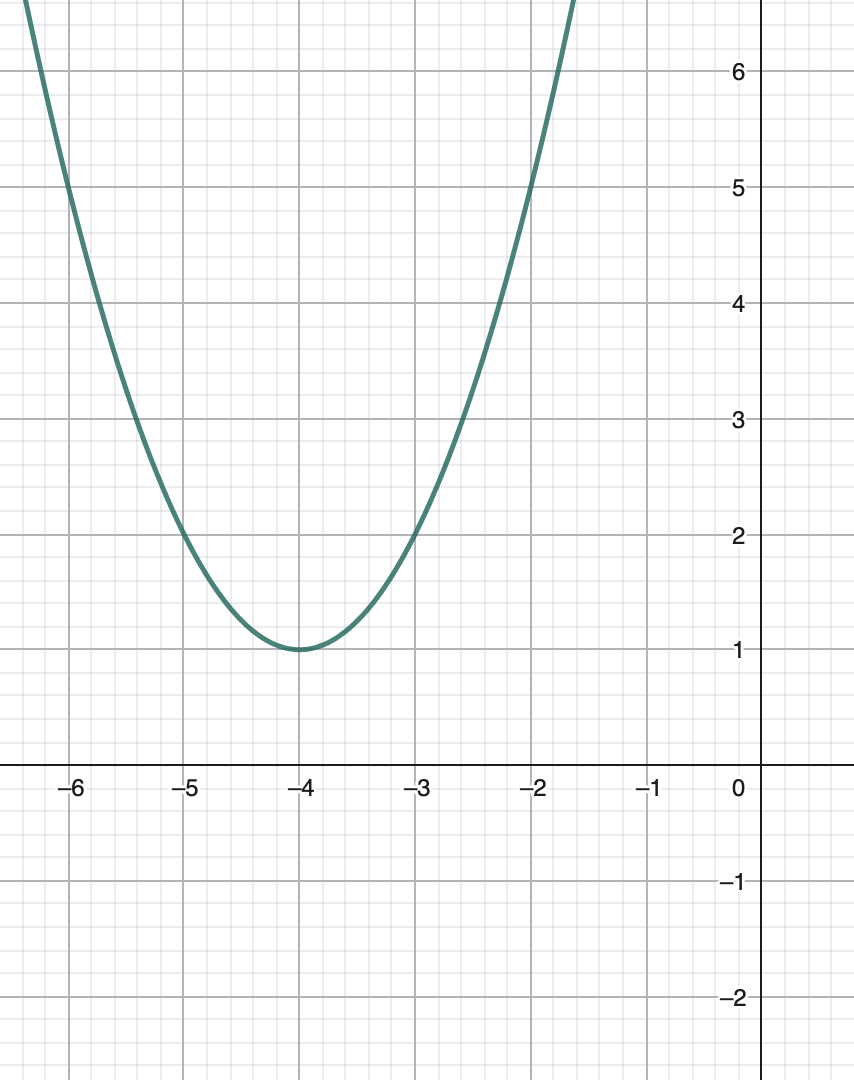
f(x) is a translation of x2. Describe f(x) as a quadratic equation in completed the square form.
f(x)=(x+4)2+1