NSG 202: week 2 (Professionalism, IBS, UC, Crohn's)
 Call Kai
 Learn
Learn Practice Test
 Spaced Repetition
 Match
Match Flashcards
 Knowt Play
1/120

There's no tags or description
Looks like no tags are added yet.
Name | Mastery | Learn | Test | Matching | Spaced | Call with Kai | Chat |
|---|
No analytics yet
Send a link to your students to track their progress
121 Terms
Professionalism
Refers to the attributes and behaviors of a nurse as a representative of the profession and as a health care professional.
you’re representing where you work
Ethics
Refers to considering what is "right or wrong" when using clinical judgement to make ethical decisions.
Ethics = doing the right thing
component of professionalism
in order to be a professional you have to have ethics
Professional Identity
Refers to an individual's comprehension of themselves as a discrete, separate entity.
a sense of oneself in relation to others that’s influenced by characteristics, norms, values or expected values, of the nurse
Attributes of Professional Identity
Doing = the skills
the technical or functional part of professionalism
Being
adopting attitudes & behaviors that reflect our profession
Acting Ethically
doing the right thing from a societal view & from a professional perspective
Flourishing
having transformational growth; when you grow in your profession
Changing Identities
you have multiple identities
you’re you, you represent your school, you represent your workplace, you’re someone’s loved one, etc.
we have lots of identities to ourselves

Attributes of Professional Identity: Doing
Doing = the skills
the technical or functional part of professionalism
Attributes of Professional Identity: Being
Being
adopting attitudes & behaviors that reflect our profession
Attributes of Professional Identity: Acting Ethically
Acting Ethically
doing the right thing from a societal view & from a professional perspective
Attributes of Professional Identity: Flourishing
Flourishing
having transformational growth; when you grow in your profession
Attributes of Professional Identity: Changing Identities
Changing Identities
you have multiple identities
you’re you, you represent your school, you represent your workplace, you’re someone’s loved one, etc.
we have lots of identities to ourselves
Nursing Attributes Involving Ethics: Autonomy
Autonomy = Autonomy refers to freedom from external control. In healthcare, this concept primarily applies to respecting patients' independence and their right to make their own decisions about their care.
Even when patients cant make their own decisions, we are ethically obligated to protect & advocate on their behalf
acting autonomously you’re going to advocate for that patient
Nursing Attributes Involving Ethics: Beneficence
Beneficence = doing good for the patient
Nursing Attributes Involving Ethics: Nonmaleficence
Nonmaleficence = Preventing Harm; making sure that we keep our patients safe
Nursing Attributes Involving Ethics: Fidelity
fidelity = promise that you’ll follow through your care
Nursing Attributes Involving Ethics: Veracity
veracity = being obligated to tell the truth
Nursing Attributes Involving Ethics: Social Justices
social justices = being equal and fair with all patients
Roles of Professional Nurses that Involve Ethics
you want to practice with compassion & respect
you’re committed to your patient
you advocate for the rights & safety of your patient
you’re responsible & accountable for good nursing practice
you’re accountable for your errors; you have to own it
Continue growth & education
you need to collaborate & be a team player

Attributes of a Healthcare Professional
altruism = selfless concern for the well-being of others

Examples in Use of Ethics in Nursing
Advance Directives
make sure that the patient can make informed decisions
we don’t tell patients what to do, it’s their decision
Informed Consent
they know what the risks are; they know what’s going to happen, & they’ve signed them. You need to make sure they understand them
Policy development
Policy development depends on where you work
Withdrawing life support
Withdrawing life support: all we can do is educate the patient & family
Aggressive Treatment Options
Aggressive treatment options: not your decision, you need to advocate for your patient
How Nurses Describe a “Professional Nurse”
The best professional nurses are:
Highly experienced
Well-educated, with a minimum of a
bachelor’s degreeCertified in a specialty area
Innovative
Confident
Passionate about nursing
How Patients Describe a “Professional Nurse”
Patients view a professional nurse as someone who has
Good interpersonal skills
Critical thinking ability
Empathetic, caring practices
Engagement in Profession
Involvement in local committees or organizations related to nursing
Involvement in state and/or national nursing organizations
Mentorship
Maintain Necessary Qualities

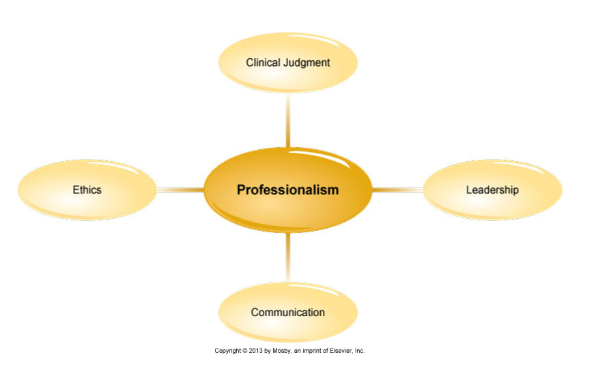
Interrelated Concepts for Professionalism
Interrelated Concepts for Ethics

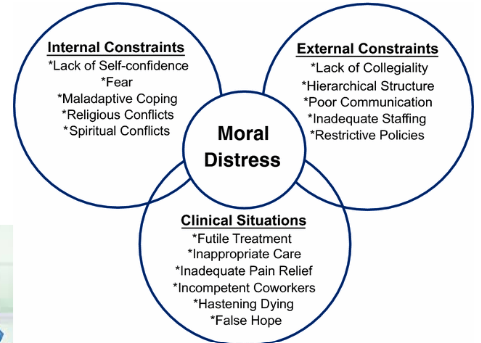
Nurse Well-Being
Elimination Interrelated Concepts

Irritable Bowel Syndrome (IBS)
very common
GI disorder characterized by abdominal pain & changes in bowel habits
it can cause discomfort
it can affect someone’s quality of life, but it doesn’t cause permanent damage internally
can be constipation or diarrhea
it can be chronic
it can reoccur
IBS & IBD are not the same
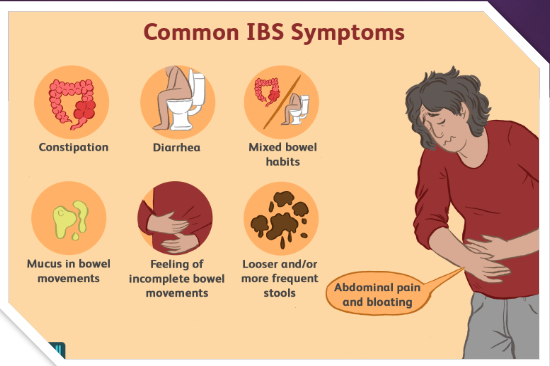
Irritable Bowel Syndrome Facts
Can be chronic or recurrent diarrhea, constipation, abd pain & bloating
Effects 10% - 15% of people in the US
Fried foods, caffeine, carbonation, dairy, ETOH, fake sugars
Common w/ hx of bowel infections
2x more common in women vs men
you always feel like you have the urge to go
IBS is mostly psychosocial
stress is what drives this
it may be genetic or hormonal
it is also intermittent (or could be chronic)
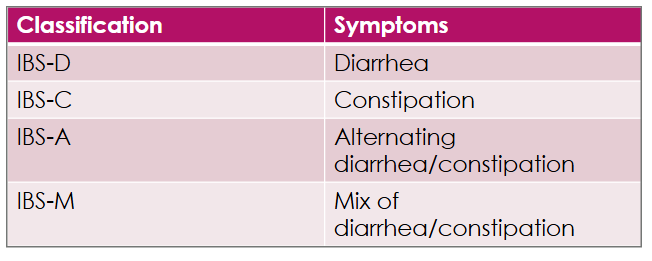
IBS Classifications
Long-term that is managed but not curable
No permanent damage to intestines
Psychosocial Factors in IBS
Psychologic stressors are associated with development and exacerbation of IBS
Anxiety
Stress
Panic disorder
Depression
IBS can lead to additional stress
IBS Labs & Assessments
H & P:
Talk to the patient about their concerns
get them to ask questions
connect patient with a social worker so that they can control their stress
you do not need a doctor to write an order for a social worker, you can write one yourself
stress management may help the symptoms go away or it may lessen symptoms
Questions you would need to ask:
bowel patterns
stool characteristics
pain
diet
diet that may promote IBS
dairy, gluten, alcohol, caffeine, fake sugars
recent travels
medications
Usually IBS doesn’t affect their weight since they don’t have it often enough for it to affect their weight
it may not even affect their nutritional status
You’d want to do an abdominal focus assessment
IAPP
CBC - WBC:
CBC
we want to look at that WBC so that we can rule out any inflammation or infection
Serum albumin:
Serum Albumin
we need to check serum albumin to monitor malabsorption
we need protein for healing and for medication absorption
ESR, CRP
tell us that there is inflammation in our body
Stools for occult blood
we also want to look in the stool for occult blood
this may be from a GI bleed, hemorrhoids, excoriations, etc
you need to take a look at the tissue in that area
MAY ALL BE NORMAL!
we want to do a stool specimen so that we can rule out infections
Hydrogen breath test
npo 12 hrs
tests for malabsorption
if patient has a problem with malabsorption, they will have a high hydrogen breath test
patient ingests a whole bunch of lactulose
they run the test every 20 minutes for every one - two hours
F&E
we need to make sure that they are balanced
Treatment other than meds:
Self care management & stress management
Dietary teaching
we need to teach the patient to avoid irritating foods (lactulose, dairy, gluten, etc.), to rule out that the abdominal issues isn’t caused by their diet.
Complementary therapy (stress reducer)
Dietary fiber (30-40 g each day)
if the patient isn’t getting enough fiber we only recommend that the patient increases it by 20g a day at a time
if you do it too quickly it’ll promote gas, which may be really painful
8-10 glasses of water per day
Probiotics or peppermint oil caps
to help with s/s
Meds Used For IBS-D
Imodium (loperamide)
Rifaximin is an antibiotic that may cause constipation
Alosetron (Lotronex), only for women
Meds Used For IBS-C
Linzess (linaclotide)
Take Linzess once daily about 30 minutes before breakfast on an empty stomach
Linzess is contraindicated in:
Patients with GI obstruction
Children younger than 17 years of age
Why It's Effective for IBS-C
Unlike simple laxatives that only address constipation, Linzess offers a dual benefit—it not only helps with bowel movements but also provides pain relief from the cramping and abdominal discomfort that often accompanies IBS-C . This makes it particularly valuable for IBS patients who experience both constipation and pain.
Lubiprostone (Amitiza)
is a chloride channel activator indicated for treating chronic idiopathic constipation and constipation-predominant IBS (IBS-C) in women 18 years of age and older
Take with food and water
Meds used with any IBS
Metamucil (psyllium hydrophilic mucilloid) is a bulk-forming laxative that can effectively treat both constipation and diarrhea due to its unique hydrophilic (water-retaining) properties.
you can always do metamucil but you need to make sure that you increase your fluids
you can also take imodium, but you need to make sure that the diarrhea isn’t caused by an infectious agent, so we need to do a stool culture first.
How It Works for Both Conditions
Bulk-forming laxatives increase water absorption, which results in greater total volume (bulk) of the intestinal contents. The hydrophilic properties help prevent both dry, hard stools AND liquid stools.
For Constipation (IBS-C):
Psyllium is generally taken at mealtimes with a glass of water
It absorbs water to soften hard stools and add bulk, making them easier to pass
It produces normal, formed stools
For Diarrhea (IBS-D):
Psyllium can be used as a treatment option alongside antidiarrheal agents like loperamide
Natural bran and commercial preparations of psyllium are inexpensive and effective treatments for mild diarrhea
The bulk-forming action absorbs excess water in liquid stools, helping to form more solid stool
Bentyl = helps with cramping
antispasmodic
Levsin (Hyoscyamine Sulfate)
antispasmodic
Levsin is the brand name for hyoscyamine, an anticholinergic medication used to treat various gastrointestinal conditions. It works by reducing muscle spasms in the digestive tract and decreasing stomach acid production.
Inflammatory Bowel Disease
On the basis of clinical manifestations,
IBD is classified as either:
Ulcerative Colitis
Crohn’s
Over 3 million people have IBD
split half-half for which have Crohn’s and UC
Ulcerative Colitis
Inflammation and ulceration of the colon and rectum
inflammation first, usually goes from the rectum all the way up
Crohn’s
Inflammation of any segment of the Gl tract from mouth to anus
any segment can become inflamed
most commonly affects the terminal ileum
Inflammatory Bowel Disease: Pattern of Inflammation
Inflammation patterns differ between Crohn’s disease and ulcerative colitis
we can check the pattern of inflammation by doing a colonoscopy
Chronic disorders
both chronic disorders
Patients suffer mild to severe acute exacerbations that occur at unpredictable intervals over their lifetimes
they can occur regularly or irregularly
Important to get a good history and physical assessment
Ulcerative Colitis only involves the mucosal layer, Crohn’s is transmural (it can go through all of the layers and can occur everywhere).
IBD Clinical Manifestations
Diarrhea
Bloody stools (more common with UC)
Weight loss (more common in Crohn’s)
Crohn’s = nooks and crannies; stuff gets stuck, stuff doesn’t get absorbed, nothing to absorb nutrients
Abdominal pain
Fever
Fatigue
Monitor pt for whatever stools theyre having; diarrhea, bloody, etc
monitor for any weight loss or pain that they may be experiencing
low grade fever because of inflammation
we need to make sure that we’re listening
and we’re doing a good focused abdominal assessment
we won’t hear bowel sounds 24-48 hours after surgery
IBD Complications
Hemorrhage/perforation
Abscess formation
Toxic megacolon
Intestinal malabsorption
Nonmechanical bowel obstruction
Fistulas
Colorectal cancer
IBD Complications: Hemorrhage/Perforations
Lower GI bleed r/t erosion of bowel wall
IBD Complications: Abscess Formation
Pockets of infection develop in the ulcerated bowel lining
Abscess formation seen a little more commonly with crohn’s
IBD Complications: Toxic Megacolon
Massive dilation of the colon
rare but life threatening condition. large intestine dilates & it dilated over 1 - 3 days, so as the colon expands it isn’t able to perform peristalsis, the empty space bloats up with gas. As gas and stool build up, the colon may rupture
this condition may even lead to peritonitis, hemorrhaging, and sepsis
very life threatening
anyone with toxic megacolon is at risk for perforation; patient may even need an emergency colectomy
more commonly seen with ulcerative colitis because that mucosal wall is so weak
if the patient hemorrhages they can become anemic; may even need blood transfusions & iron supplements (iron can be constipating)
IBD Complications: Intestinal Malabsorption
Nutrients cannot be absorbed in diseased bowel – anemia / malnutrition result – mostly in Crohn’s
with IBD you should also be considering extra intestinal issues: Flare up arthritis, liver disease, biliary disease, oral lesions, skin lesions, eye issues, osteoporosis
due to malabsorption
IBD Complications: Nonmechanical Bowel Obstruction
Obstruction from toxic megacolon or cancer
IBD Complications: Fistulas
Crohn’s pts get these r/t transmural bowel
IBD Complications: Colorectal Cancer
Pt with UC > 10 yrs run risk
Anatomy of the small intestines
Duodenum
Jejunum
Ileum
DJI

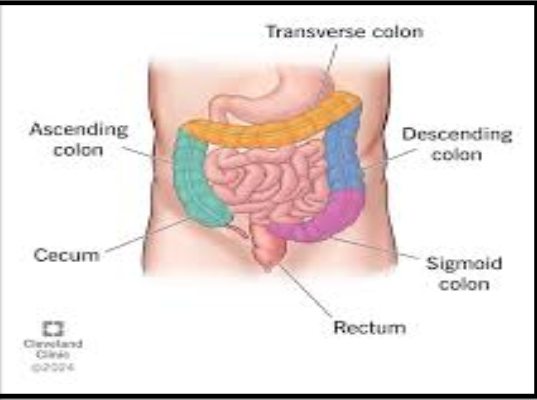
Anatomy of the large intestine
Cecum
Ascending Colon
Transverse Colon
Descending Colon
Sigmoid Colon
Rectum
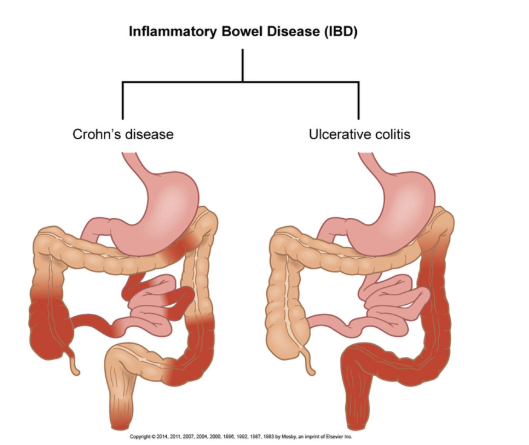
UC vs Crohn’s Intestines
Crohn’s = you still may get some nutrition because you still have some good bowels
UC = starts at the rectum and keeps progressing upward; you don’t absorb anything from a bowel that’s inflamed. The higher that it progresses, the more problems that you’re going to have.
UC mainly affects the large intestines, we have to worry abt Crohn’s more with the small intestines
Ulcerative Colitis Facts
May occur at any age
Cause unknown
Onset peaks usually between ages 20 - 35
due to an increase in stress levels (stress aggravates the disease but doesn’t cause it)
Equally affects both sexes
Remissions and exacerbations
Goal of treatment: keep it in remission & have less frequent exacerbations
Thought to be genetic for some
may be a mix of genetics, autoimmune dysfunction, & environmental factors (like stress)
Ulcerative Colitis Pattern of Inflammation
A disease of the mucosal layer of colon and rectum
mucosal layer is the innermost layer of the bowel
Usually starts in the rectum and moves in a continual manner toward the cecum
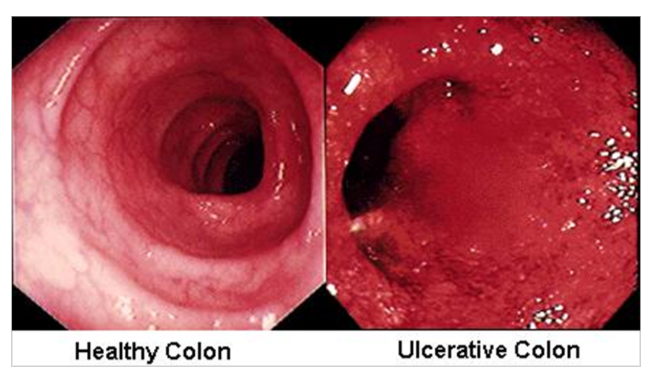
Healthy Colon vs. Ulcerative Colitis
the mucosa becomes hyperemic (a lot of blood flow)
may be the reason why a lot of patients may have blood in their stool
it gets very edematous, red, & irritated
Ulcerative Colitis Clinical Manifestations
Bloody diarrhea with pus
Large fluid and electrolyte losses
Can have small erosions, ulcers, abscesses & tenesmus
tenesmus = really feeling the urge that you need to go; you never feel like you’ve finished going due to feeling all of the swelling in there
Can lead to narrowed colon, possible bowel obstruction
Severity is classified
Breakdown of cells results in protein loss through stool
At risk: diet of high animal fats and sugar and low fruits and vegetables
Ulcerative Colitis Classified Severity: Mild
<4 stools a day, w/ or w/o blood, still asymptomatic, labs still look normal
Ulcerative Colitis Classified Severity: Moderate
>4 stools, w/ or w/o blood, minimally symptomatic, ESR & CRP may be elevated
Ulcerative Colitis Classified Severity: Severe
>6 absolutely bloody stools, tachycardic, fever, could become anemic, probably have pain, Inflammation labs are definitely going to be elevated
Ulcerative Colitis Classified Severity: Fulminant
>10 bloody stools, Patient has for sure bloody stools, worse symptoms, anemia so bad may need transfusion, we need to watch these patients very closely, the cells within that bowel are going to break down, loss of protein,
if they have a diet high in animal fat, high sugar, low fruits & vegetables (low fiber) they are going to be more at risk
Ulcerative Colitis: Severe Clinical Manifestations
Dehydration
Dehydration can occur from having diarrhea or because patient doesn’t want to eat or consume anything
we want to make sure that our patient is getting good food and nutrition
we can also check the urine’s specific gravity and osmolality to check for dehydration
Anemia
we have to check blood count
Fever
Tachycardia
Ulcerative Colitis History Assessment
we need a good history
how long have they had this problem?
have they been treated for it before?
family hx?
look for nutrition history
whats their elimination pattern
if its UC we need to know which level its at
any abdominal pain?
Have they recently used any NSAIDs
can put you at risk for gastric bleeding
any other meds that may cause the problem
Surgery history

Ulcerative Colitis Physical Assessment
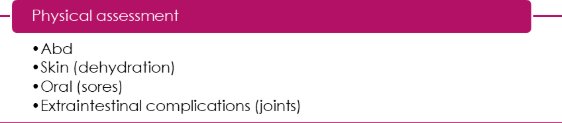
first you need to perform a focused abdominal assessment
you need a good focus assessment on the abdomen
you can also check for dehydration by looking for tenting
look for extraintestinal symptoms like lesions, sores, or fissures in the mouth
arthritis, mouth sores, vision issues, skin issues, pain in the joints, etc.
due to malabsorption
is there any increase in stress that may be causing an exacerbation
patient may have excoriations in the perineal area so we may have to be using barrier cream
Ulcerative Colitis Psychosocial Assessment
What kind of support system do they have?
are they diagnosed with depression or anxiety?
Any recent life events; whether good or bad major life events can become stressful
Ulcerative Colitis Testing
Labs
CBC for Hgb/Hct/WBC
Hemoglobin and Hematocrit would tell us about whether theyre anemic
Albumin for protein loss
Electrolytes (Na, K, chloride)
ESR and CRP
Imaging
MRE
Magnetic resonance enterography
they can look at bowel movements, wall, mesentery, and the surrounding area
patients have to fast 4-6 hours before they get that test & there is a contrast medium that they have to drink, so we need to ask the patient about allergies
EGD and/or Colonoscopy and/or CT
Colonoscopy
usually every 10 years, unless there's another reason why you would be getting it more often (family history, polyps, etc.)
patient has to drink prep beforehand
most people don’t want to drink all of it
Barium enema
also used to diagnose UC vs Crohn’s
this will help see mucosal patterns or alterations
Colonoscopy
Colonoscopy allows for examination of the entire large intestine and it’s lumen all the way up until the most distal part of the ileum
tells us the extent of the inflammation, if there's any ulcerations, polyps, strictures, the doctor can get a biopsy from this as well; can rule out cancer,
you need to drink all of your prep, until you’re passing clear liquid; you can’t have any stool
after the procedure you will be having a lot of gas because they put some in during the procedure to help distend things so that they can get a good look around
remember to tell your patient to pass gas before they go home so that they’re not hurting later on.
EGD goes the other way (upper GI tract)
UC Priority Collaborative Problems
Frequent bloody diarrhea
Leads to fluid/electrolyte imbalances, anemia, and skin breakdown
you wouldn’t want to put a brief onto a patient with excessive stools; that can lead to skin breakdown
if a patient is incontinent you can put pads or a commode for the patient
Abdominal pain and cramping
Often worsens before bowel movements, affecting comfort and mobility
if pt has abdominal pain & cramping we would want to see if we can do anything about that to promote comfort.
Fluid volume deficit
Due to excessive diarrhea and potential bleeding
we need to hydrate our patients
if the patient is unable to drink fluids we may need to get an order for an IV
Electrolyte imbalances
Especially hypokalemia, hyponatremia, from stool loss
look for trends, call the doctor and show them if anything looks off
sometimes we have to call the doctor for them to check those critical values
Nutritional deficiencies
Due to malabsorption, anorexia, and dietary restrictions
Anemia
From chronic blood loss in the stool
Fatigue
Caused by poor nutrition, anemia, and chronic inflammation
pts are going to be tired from diarrhea, fluid volume loss, from potential anemia
Weight loss
Related to inadequate intake and malabsorption
can be from excessive diarrhea or from a fear of intake becoming diarrhea so the pt may not be eating
in the hospital we will be doing daily weights, & when they get home they will be weighing themselves a couple times a week
Risk for impaired skin integrity
Especially in the perianal area from frequent, loose stools
Psychosocial stress / anxiety
Due to chronic disease burden, urgency, and fear of flare-ups
Risk for infection
Related to mucosal breakdown and immunosuppressive therapies
Medication side effects
From corticosteroids 5-ASA’s & immunosuppressants
Risk for bowel perforation or toxic megacolon
In severe or fulminant UC cases
Tell tale assessment of a perforation or peritonitis
rigid-boardlike abdomen
IAPP
Ulcerative Colitis Nutritional Issues
Watch fruits & vegetables, if we have to give them then they have to be in small amounts
Ulcerative Colitis
best diet after being diagnosed with UC is a low residue diet
bc the GI tract is irritated
avoid high fiber, you don't want stool to move through too quickly
watch caffiene

Fruits & Vegetables with high fiber:
Examples of fruits with high fiber: bananas, apples, berries, avocados, etc.
Examples of vegetables with high fiber: most of them: carrots, potatoes, broccoli
broccoli causes a lot of gas that may be irritating to the patient's stomach
Low Residue Diet
very refined grains, well cooked vegetables, very ripe fruit, limited dairy & fats, high protein, high good calories, watch fiber
Refined Grains
Breads and Baked Goods:
White bread
White sandwich buns and rolls
Most crackers
Flour tortillas
Pretzels
Pancakes and waffles made with white flour
Cereals and Grains:
White rice
Enriched pasta (regular pasta made from white flour)
Most cold cereals (unless labeled "whole grain")
Cream of Wheat
Grits (unless whole grain)
Other Products:
White flour (all-purpose flour)
Cornbread made with degermed cornmeal
Biscuits
Muffins made with white flour
Pizza crust made with white flour
Bagels made with white flour
Collaborative Care IBD Drug Therapy
Drugs are chosen based on severity and location of inflammation:
Step-down approach
Step down: this is when the patient’s condition is very severe or fulminate, we start with the heavy hitters to stop over reaction & then take it down as long as they have control, if they lose that control were going to have to go back up.
Uses stronger meds first
Step-up approach
Step up: we gradually increase med dosages until we see that it’s working
Uses less toxic therapies first
More toxic meds are started when initial therapies do not work.

UC Drug Therapy
Goals of drug treatment are to induce and maintain remission
5-Aminosalicylates (5-ASA)
Glucocorticoids
Immunosuppressants
Antibiotics
Biologic response modifiers (BRM’s)
- aka immunomodulators & different strengths
5-Aminosalicylate (5-ASA)
sulfasalazine (Azulfidine)
Need folic acid supplements with sufasalazine
mesalamine (Asacol & Pentasa)
Some 5-ASAs come as a topical; we can apply them rectally right on the area of inflammation
tolerated a little better than the sulfasalazine
may come in an enema form or suppository
fewer side effects
doesn’t go through first-pass effect
works right on the tissue
5-Aminosalicylate (5-ASA) Nursing Considerations
Decreases GI inflammation
- Effective in achieving and maintaining remission
- For mild to moderately severe attacks
- Takes 2-4 weeks to work
Although these meds take a long time to work you can’t stop taking them abruptly you would have to ween off of them
turns skin & urine orange or yellow
can decrease the immune system
we need to do proper teaching to make sure that the patient doesn’t end up with an infection
proper hand hygiene, watch large crowds, teach signs and symptoms of an infection, report fever or signs of infection
Doesn't work for severe or fulminate
you need to check order to see whether or not you may crush a med, if you aren’t sure then call pharmacy and ask!
if the med can’t be crushed & your patient can’t take it then call the physician and ask for the route to be changed
Glucocorticoids
prednisone/Prednisolone
budesonide – works specific in bowel/fewer systemic issues
Used for acute flare up/exacerbation
Must be tapered off
must be tapered off before surgery
we want to give these for the shortest amount of time
we want to avoid side effects associated with long term use
any corticosteroid has to be tapered down when you take it
if the patient is going into surgery they may have to taper off of these
if they have rectal inflammation they can get a rectal enema or suppository with some of these as well
Biologic Response Modifiers (Immunomodulators):
infliximab (Remicade)
infliximab (Remicade) is given IV
adalimumab (Humira)
Alters immune response
To induce and maintain remission
Watch for s/s of infections
Patients on Immunomodulators have to watch for s/s like cough, fever, dyspnea, any signs of infections.
we need to monitor their CBC when they’re on this medication.
this medication may also take a while to work
these medication are used for more long term maintenance of remission rather than acute.
contraindicated with cancer, heart disease, or multiple sclerosis
they can not take this medication
UC Collaborative Care
Nutritional therapy
If pt has severe or fulminante UC we would expect to see the patient to be put in an NPO diet to give their bowels a rest.
we need to stop feeding the patient and call the physician to see how they would like for them to progress
we may have to get an order for TPN
sometimes they may be given elemental nutrition like the protein drinks, (example: ensure) depends on the patient.
Rest
Complimentary and Integrative Health
Surgery
if the patient gets toxic megacolon, hemorrhaging, bowel perforation, cancer
the patient may need to have surgery.
patient may need to be NPO, call physician & ask
give patients pre-op antibiotics for abdominal surgery
if you don’t see an order for antibiotics then you would want to ask
Temp or perm ileostomy
Restorative proctocolectomy with ileo pouch & anal anastomosis (RPC-IPAA)
Chronic Ulcerative Colitis: Surgical Therapy
Gold Standard in UC
Laparoscopic
2 stage procedure
1st surgery
remove the colon, most of the rectum, the anas & the sphincter
they form an internal pouch (called a j pouch sometimes), & that’s connected to the anas,
they have a temporary ileostomy created through the abdominal wall to give the bowels a rest & let the anastomosis heal,
2nd surgery
once the first surgery is all healed they come back for their second one
they take out the ileostomy and close it up, & direct the stool towards the new reservoir.
abt 1-2 months later depending on when the patient heals, age, etc.
usually patient can gain continence after this procedure.
After the second stage, after they’ve reconnected their bowels, at first when they’re having their stools it’s probably going to burn due to all of the gastric acid in it, since its not being absorbed as well by the ileum since it just got redirected.
we want to omit any foods that cause odor or gas
cabbages, broccoli, beans
omit foods that are hard to digest
corn & nuts
patient may also have some body image issues after receiving an ileostomy
Foods that cause blockage
nuts, corn, popcorn, coconuts, mushrooms, stringy vegetables, and foods with skins and casings
Foods that may help thicken stool
bananas, cheese, pasta, rice, yogurt, applesauce, potatoes
Constipating Foods
Cheese, lean meat, eggs, pasta
Foods with Laxitative affects
fruits and vegetables, bran, chocolate, alcohol, coffee
Gas Producing Foods
onions, cabbage, beans, cauliflower, broccoli
Total proctocolectomy with permanent ileostomy
Chronic Ulcerative Colitis: Surgical Therapy
this can be considered curative for UC
a total colectomy may be curative
this will be done for patients who may not be a candidate for Restorative proctocolectomy with ileo pouch & anal anastomosis (RPC-IPAA)
they remove the colon, the rectum, the anas, they surgically close the anas
bile salts & a lot of enzymes are in stool, so if they have a stoma you have to watch the skin around the stoma site very carefully
you dont want the stoma site to break down because of those bile salts & enzymes
this is very life changing for a patient, so we need to listen to the patient
this surgery may cause a lot of body image issues
we need to make sure that the physician answers all of our pts questions.
stoma bags have to be changed frequently
about 1-4 days will be spent at the hospital, depending on whether or not it’s done laparoscopically or opened.


Ileostomy
if the stoma looks pale or dark bluish then that would be concerning
we need to watch the pts stoma and make sure it’s nice & healthy
Opening from ileum thru abdominal wall
--TX ulcerative colitis & crohn's disease
they have to empty this every two hours while they’re awake, right before bed, & right when they wake up.

Ileostomy Post Operative Care
Output may be as high as 1500-2000 mL per 24 hours
it may take 24 hrs for it to start draining once its put on
once it’s draining we need to make sure we replace that fluid
at least 500 mls of fluid daily if it’s not contraindicated
may be contraindicated in patients with kidney or heart failure.
watch your patient for dehydration
a lot of output initially comes out
Observe for hemorrhage, abdominal abscess, small bowel obstruction, dehydration
Initial drainage will be liquid
At first the liquid that’s going to be coming out will be dark green (bc of bile) w/wo blood, but as time goes on and the body becomes more assimilated to the change it’ll get pastier, yellowish green or yellowish brown.
initially the fluid will come out smelling sweet, if it smells nasty there’s a problem.
there could be an infection
It takes about a week for waste to get to the point to where it’s not just clear liquid coming out and for it to start forming
during that time the patient may need some antidiarrheals
watch diet
foods that aren’t easily as digested
Stoma care imperative
Patient is also at risk for infection so you have to watch out for that.
May have temporary NGT (not with MIS)
Make sure NGT is patent & working
Monitoring of stoma viability and peristomal skin integrity
remember to watch their skin
apply their skin barrier
keep their skin clean
clean it very gently with a mild cleanser, rinse well, pat dry, dry thoroughly, moisture barrier ointment may be used & you might need a perineal pad at first
ileostomy drains frequently so the patient needs to wear their pouch 24/7 even when theyre going to bed
Crohn’s Diet before vs after diagnosis
high fiber, fruits, & vegetables intake are associated with a decreased risk in getting crohn’s
good diet before being diagnosed with crohn’s
decrease the risk
Once you’re diagnosed with Crohn’s you would want to switch to a low fiber diet, because we don’t want stool to be coming out too fast
Vitamin B12
Crohn’s Disease Facts
Transmural
goes through multiple layers of the bowel
Can occur anywhere in the GI tract
Skip Lesions
Occurs most commonly in the small intestine, terminal ileum and colon
Progressive
Remissions and exacerbations
Often exacerbated by bacterial infection
Skip Lesions
Skip lesions
Seen in Crohn’s
Segments of normal bowel that are present between diseased portions
Results in a cobblestone appearance
Regular Bowel vs Bowel with Crohn’s Disease
stuff may get stuck between the “nooks & crannies”
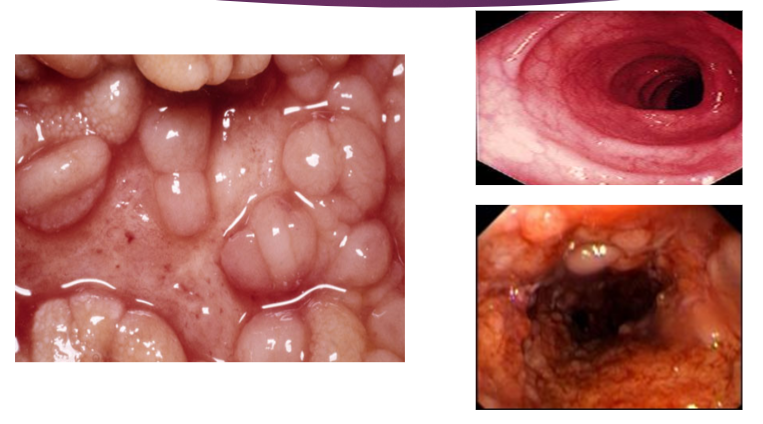
Crohn’s Disease Pattern of Inflammation
Inflammation through entire wall
Microscopic leaks
this can allow bowel content to go to places where it’s not supposed to be in
Bowel contents into peritoneal cavity
Abscesses
things get stuck in the nooks & crannies, which leads to an infection and to another problem
Peritonitis

Crohn’s Disease: Fistulas
Fistulas = opening or tract between two structures
not supposed to be there
occur due to those “nooks & crannies” & erosion
Fistulas can develop:
Between adjacent areas of bowel
Between bowel and bladder
you may see stool in their urine
if a patient has a diagnosis of Crohn’s and is coming in with a UTI, you would assume that they have a fistula between their bowel and their bladder
Between bowel and vagina
you may see stool coming out in discharge
Can form a tract through the skin to the outside of the body
stool can leak through the skin
Because these patients are at a high risk for fistulas, they are at a high risk for abscesses and sepsis
we need to watch WBCs
Crohn’s Disease Clinical Manifestations
Diarrhea w/wo blood
Steatorrhea
grey-fatty stools usually due to a gallbladder issue
Nutrition & hydration issues
F & E Imbalance
Anemia ( iron deficient and/or B-12 deficient)
Patients with Crohn’s are more prone to having a vitamin B12 deficiency because Crohn’s targets the terminal ileum, which is where we process our B12
Crohn’s Assessment
Same assessment as UC
you need to get a good history
bowel patterns, nutrition history, pain history, infection history
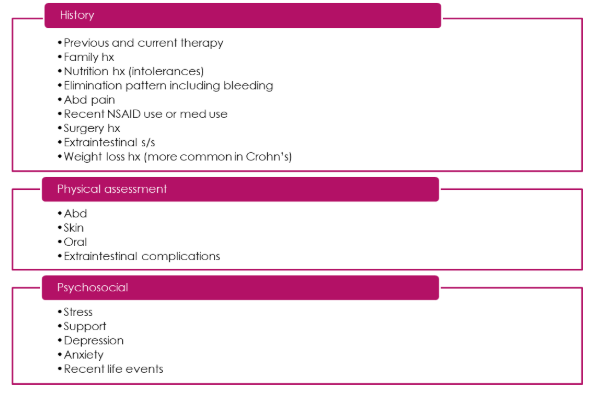
Crohn’s Disease Complications
Nutritional problems
Cobalamin are absorbed exclusively in terminal ileum
Poor nutrition = delayed healing
TPN
Low iron absorption if blood loss
Iron Deficient Anemia – What does it look like?
Iron deficient anemia
Common with UC
you can have it with crohn’s but it’s more common with UC
R/T GI bleeding
they can’t absorb iron because of the inflammation & they also can’t absorb iron because they’re bleeding
patients may have very small immature red blood cells
could also affect their oxygenation
Signs & Symptoms
Weakness
Pallor
Fatigue
Reduced activity intolerance
Fissures at corner of mouth
Labs
CBC for Hgb/Hct
Serum iron
Ferritin
Total iron-binding capacity (TIBC)
Megaloblastic Anemia
Vitamin B12 deficiency or malabsorption issue due to the terminal ileum being inflamed. Could also be a problem with bone marrow; unusually large abnormal immature red blood cells, so they can’t do their job.
We usually give B12 by injections because of the malabsorption
Diagnostic Studies for Crohn’s
Labs:
CBC for Hgb/Hct/WBC
Albumin for protein loss
Electrolytes (Na, K, chloride)
ESR and CRP
Folic Acid
Vitamin B-12
WBC in urine r/t fistula
Imaging:
X-ray
MRE
Colonoscopy
same thing as UC, but we just added folic acid and vitamin B12
in early Crohn’s it is very similar to IBS, which is why you have to go through a lot of testing
Crohn’s Priority Collaborative Problems
Abdominal pain and cramping
Often in the right lower quadrant, worsens after meals.
Chronic diarrhea
May be non-bloody or bloody, often accompanied by urgency.
Weight loss and malnutrition
Due to decreased intake, malabsorption, and increased metabolic demands.
Fatigue
Linked to anemia, chronic inflammation, and poor nutrition.
Anemia
From chronic blood loss, iron deficiency, and vitamin B12 malabsorption (especially with terminal ileum involvement).
Fluid and electrolyte imbalances
From persistent diarrhea and reduced oral intake.
Fever and low-grade systemic inflammation
From ongoing immune activation.
Perianal disease
Fissures, fistulas, abscesses, and skin tags.
Fistulas and strictures
Due to transmural inflammation—can lead to bowel obstruction or infections.
Risk for bowel obstruction
Caused by strictures or scar tissue from chronic inflammation.
Skin breakdown / impaired skin integrity
Especially in perianal or fistula areas
Psychosocial issues
Depression, anxiety, and social isolation due to unpredictable symptoms.
Medication side effects
From steroids (Cushingoid effects), immunosuppressants, and biologics (risk of infection).
Risk for colon cancer (long-term)
Especially with disease duration >10 years, though risk is lower than UC.
Collaborative Care for Crohn’s
Goals of treatment
Rest the bowel
Control inflammation
Combat infection
Correct malnutrition
Alleviate stress
Relieve symptoms
Improve quality of life
we don’t know what causes crohn’s so we treat the inflammation
we want to keep the patient in remission with less exacerbation
Surgery isn’t recommended to treat Crohn’s, since it will eventually just form again
then you get short bowel syndrome
Collaborative Crohn’s Drug Therapy
Goals of drug treatment are to induce and maintain remission
5-Aminosalicylates (5-ASA)
6-mercaptopurines
Antimicrobials
Glucocorticoids
Immunosuppressants
Biologic response modifiers (BRM’s)
- aka immunomodulators & different strengths
6-mercaptopurines & Antimicrobials are specific to Crohn’s and not UC

Crohn’s: Biologic response modifiers (BRM) (immunomodulators)
Biologic response modifiers (BRM) (immunomodulators)
infliximab (Remicade) (IV)
adalimumab (Humira)
natalizumab (Tysabri)
certolizumab pegol (Cimzia)
Alters immune response
To induce and maintain remission
Watch for s/s of infections
These are very heavy hitters and only used when other therapies don’t work
got to watch CBC with all of these
usually we don’t start with these