General concepts
 Call Kai
 Learn
Learn Practice Test
 Spaced Repetition
 Match
Match Flashcards
 Knowt Play
1/19

There's no tags or description
Looks like no tags are added yet.
Name | Mastery | Learn | Test | Matching | Spaced | Call with Kai | Chat |
|---|
No analytics yet
Send a link to your students to track their progress
20 Terms
Which compound condense first
Stronger IMF (e.g. H bond)
Long vs Compact/Branched Alkane
Long-Chain > Branches-Chain IMF(id-id)
Long-Chain have tighter and more effective packing
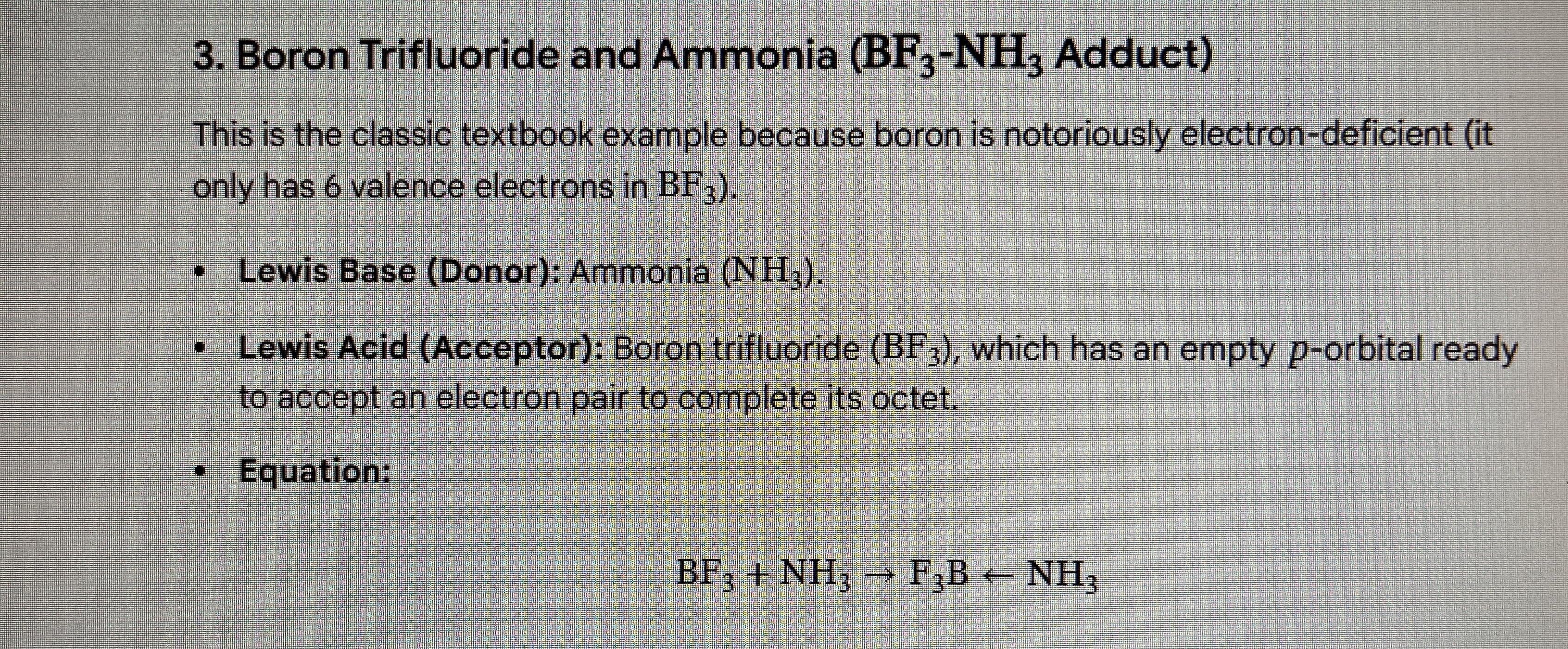
Lewis
DATIVE BOND
Acid → lp acceptor
Base → lp donator
e.g. eqn
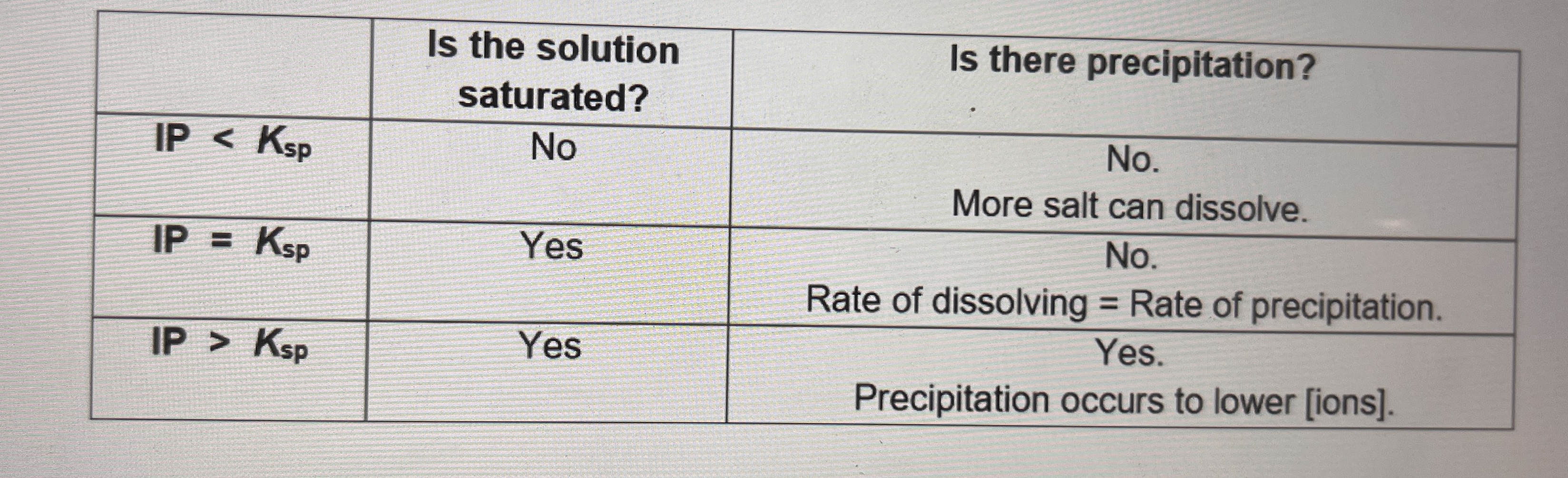
Ksp vs IP
Ksp → solubility product
IP → product of concentration of products
**MUST ADD POWER OF COEFFICIENT**
Purification of Cu
Alloy at Anode:[O] of Cu
Pure Cu at Cathode:[R] of Cu
(Cu²+/Cu) E = +0.34V
At anode
Metals w E>0.34→ not [O], fall off electrode as anodic sludge
Metals w E<0.34→ oxidised into soln
At cathode
Compare Cu E and ion oxidised into soln at the anode’s E
Boltzmann
Particles w Energy, E AGAINST Energy, E
Temp increase → KE of gas particles increase, frequency of effective collision increases, no. of particles w energy >=Ea increase → Rate Increase
Curve shift right
Catalyst
Catalysed Ea shift left, curve dont shift
More particles w energy >= Ea
Frequency of effective collisions increase → Rate increase
C=C-X and benzene-X
RESISTANT TO NS
lp of X delocalised into C=C or benzene
imparting partial double bond on C-X
Hydrolysis of protein to amino acid
add back the H2 and OH at the ends
G
-ve = feasible
+ve = not feasible
0 = equilibirum
G
-nFE
n→no. e- E→Cell Voltage
H - ST
S - Entropy Change
Change of disorderness
+ve = more disordered
-ve = less disordered
0 = no change in disorder
Dative bond counts as a bond pair
For determining shape and angle
VESPR

Solubility (IMF)
e.g. methanol good solvent to remove H2S
Refer to image to identify interactions
Energy released from pd-pd interactions between H2S and methanol molecules is sufficient to overcome
H-Bond between methanol molecules and
Pd-Pd interactions between H2S molecules
VESPR explanation
State no. of lp and bp
The e- pairs(lp&bp) are arranged as far apart as possible to minimise electrostatic repulsion and maximise stability
Balancing Eqn
E - element
O - O using H2O
H - H using H+
C - e-
Dot and Cross
containing cations and anions
Draw each cation and ion in separate brackets
Cation no valence e-
Why reduction of alkene → alkane
CANNOT use LiAlH4, must use H2, Ni
Alkene functional grp will repel nucleophile, H- from LiAlH4
1 Faraday → amnt of charge per mol of e-
Charge(Q) required given mol of e-
mol of e- x F (96500)
Ideal Gas ideal conditions
High temp
Gas particles have higher KE to overcome imf between particles
Low pressure
Pressure low, Volume Increase → negligible volume of gas particles to volume they occupy
When dk what reaction happens check
Isit TE?
Can form complex