Low Countries: Notable Artists and their Art
 Call Kai
 Learn
Learn Practice Test
 Spaced Repetition
 Match
Match Flashcards
 Knowt Play
1/32

There's no tags or description
Looks like no tags are added yet.
Name | Mastery | Learn | Test | Matching | Spaced | Call with Kai | Chat |
|---|
No analytics yet
Send a link to your students to track their progress
33 Terms
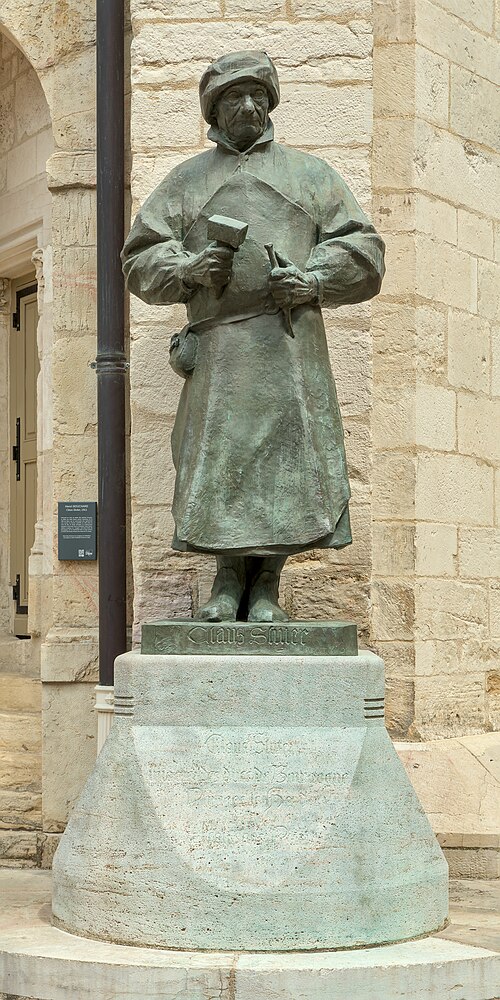
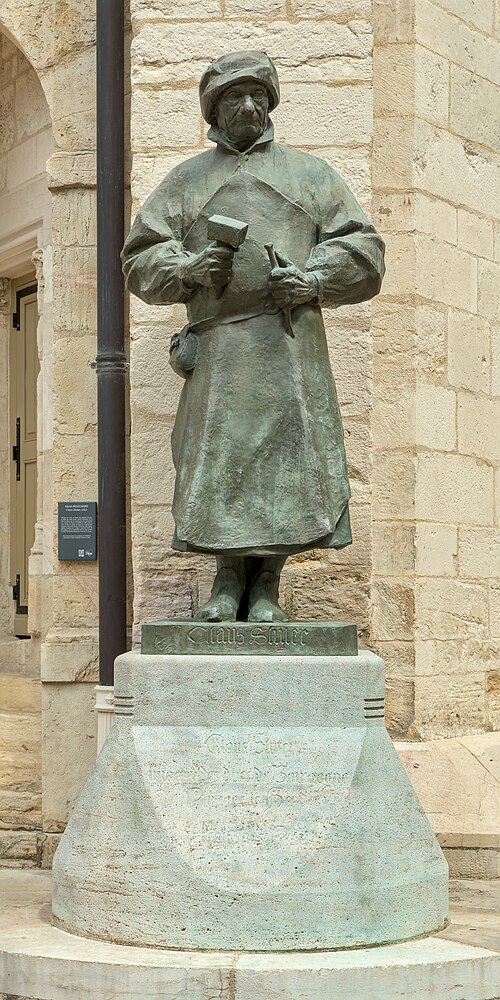
1340s - 1406 - Claus Sluter (All Facts)
Dutch Sculptor
He worked and lived in the Duchy of Burgundy, however
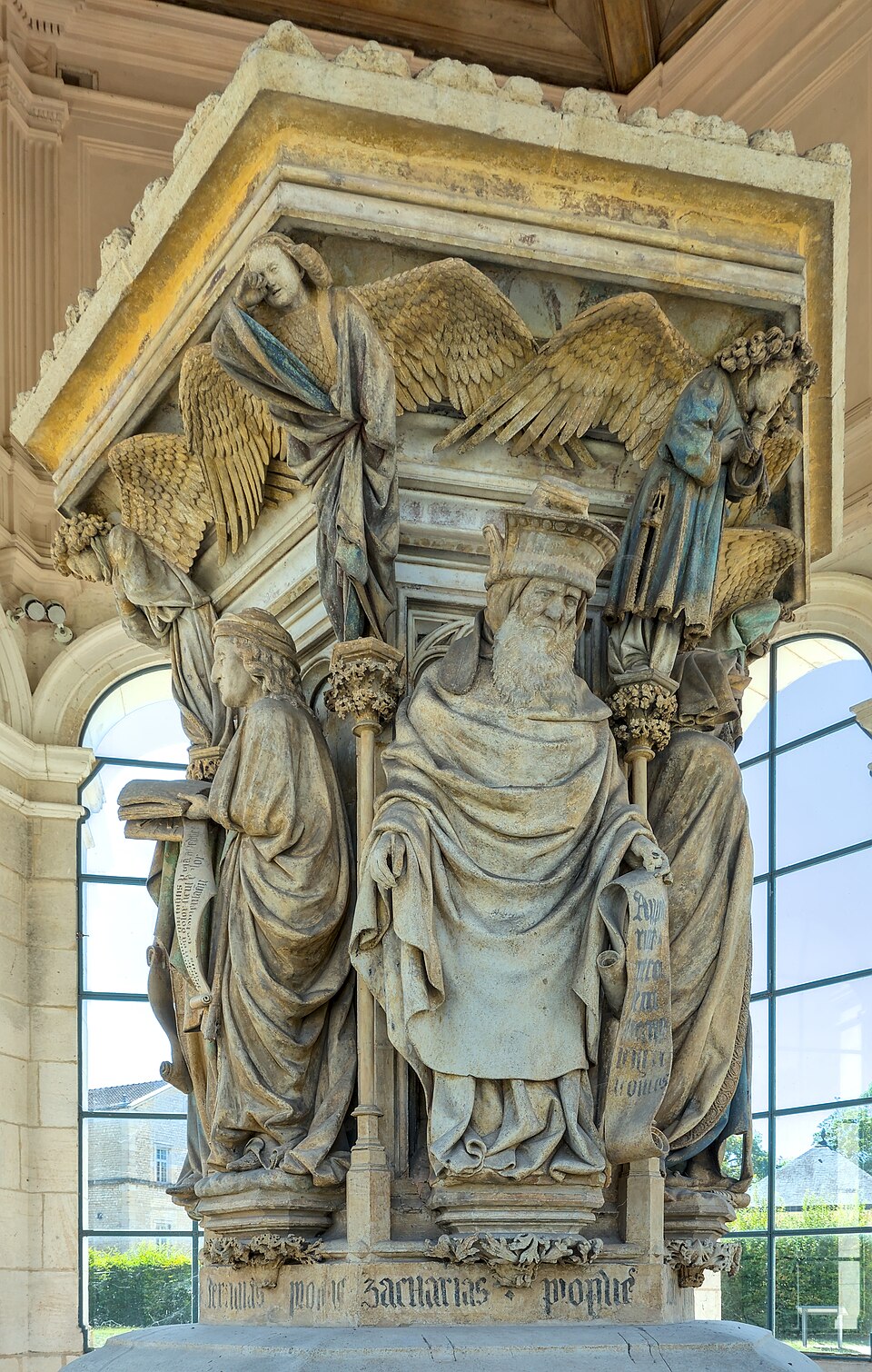
1401 - Claus Sluter: Well of Moses (All Facts)
1350 - 1409 - Melchior Broederlam (All Facts)
Early Netherlandish (Flemish) Painter
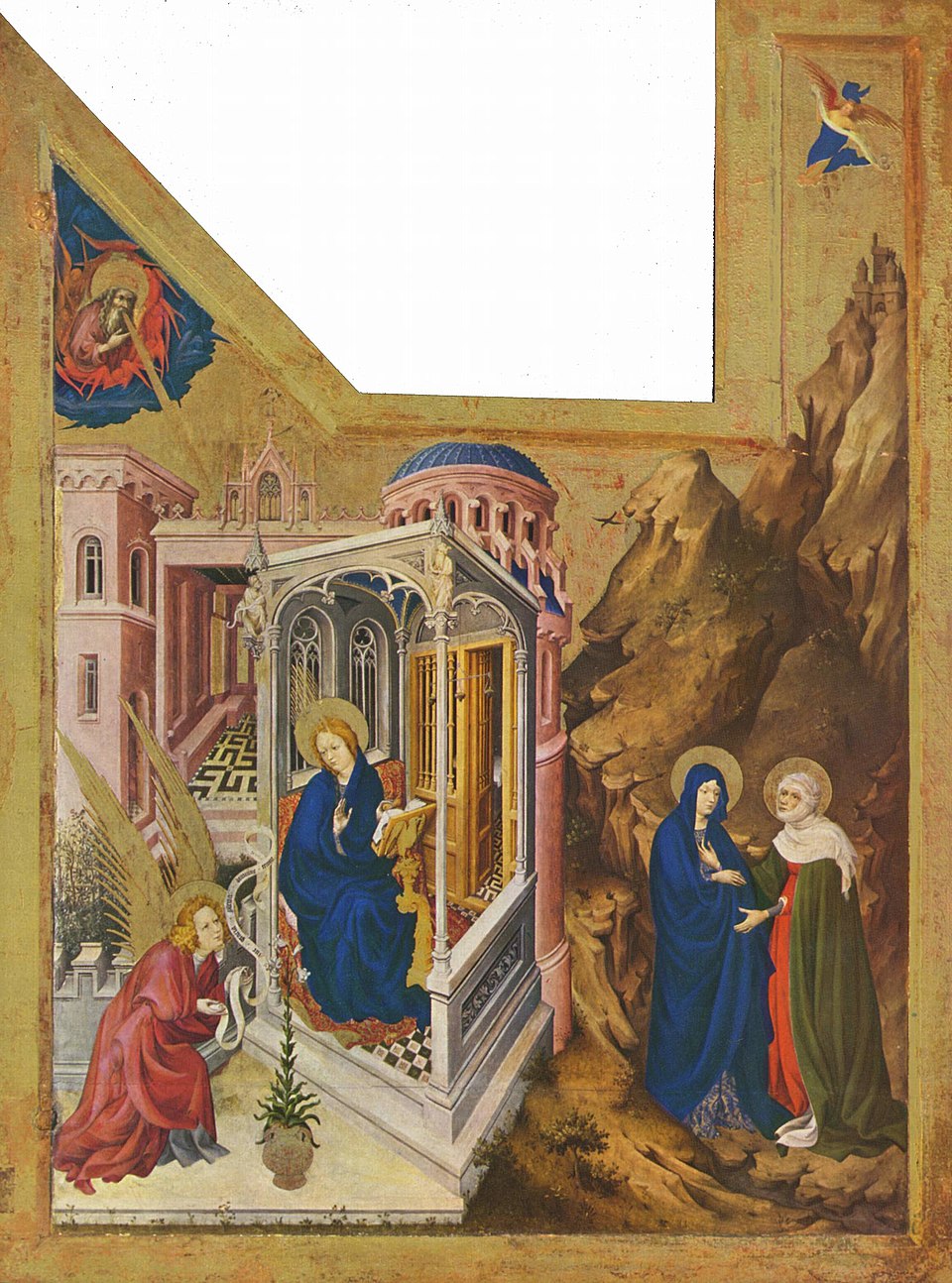
1390s - Melchior Broederlam: Dijon Altarpiece (All Facts)
Exemplified the International Gothic Style, which introduced a new realism into the painting of lanscape, costume, and animals
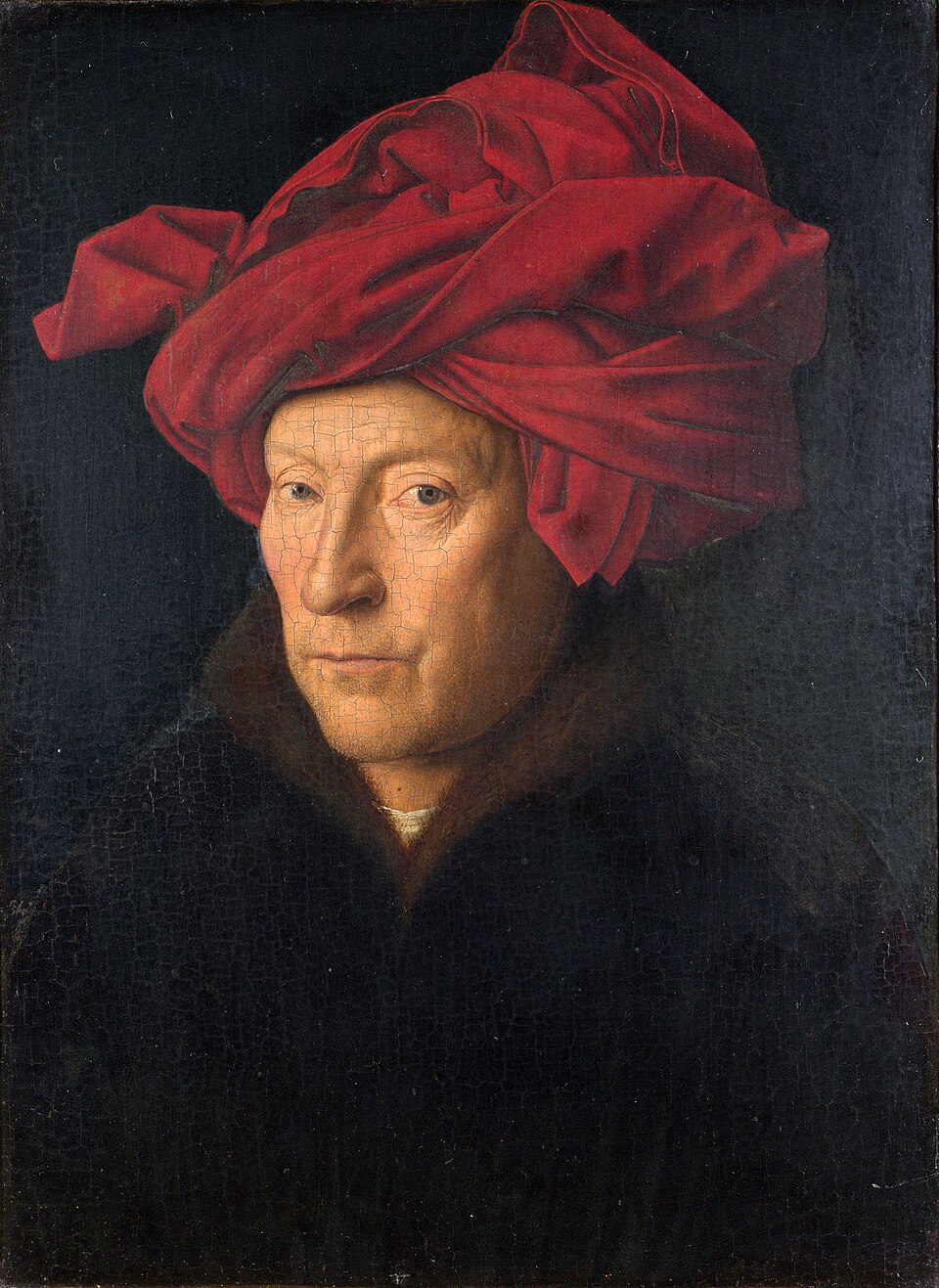
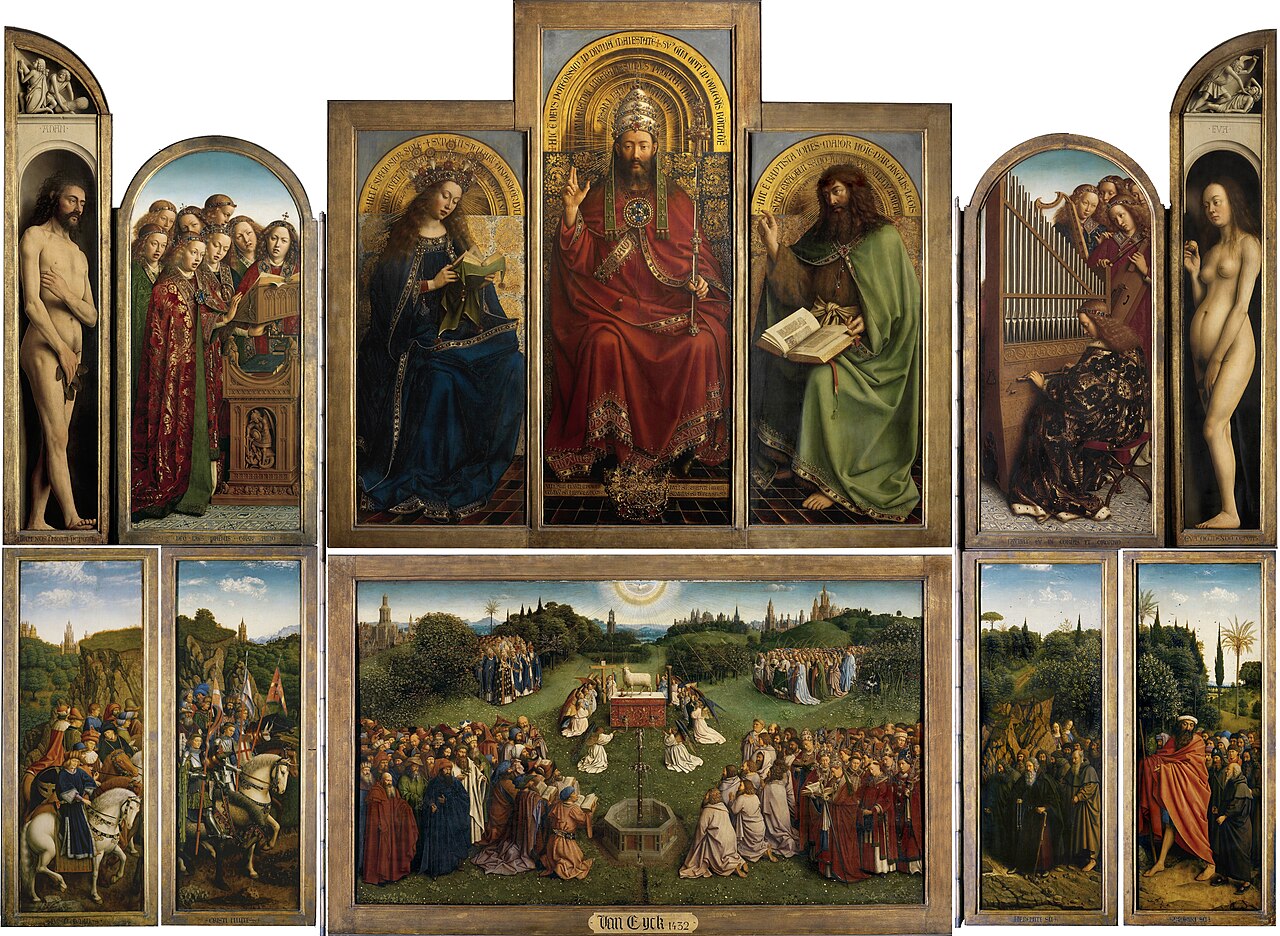
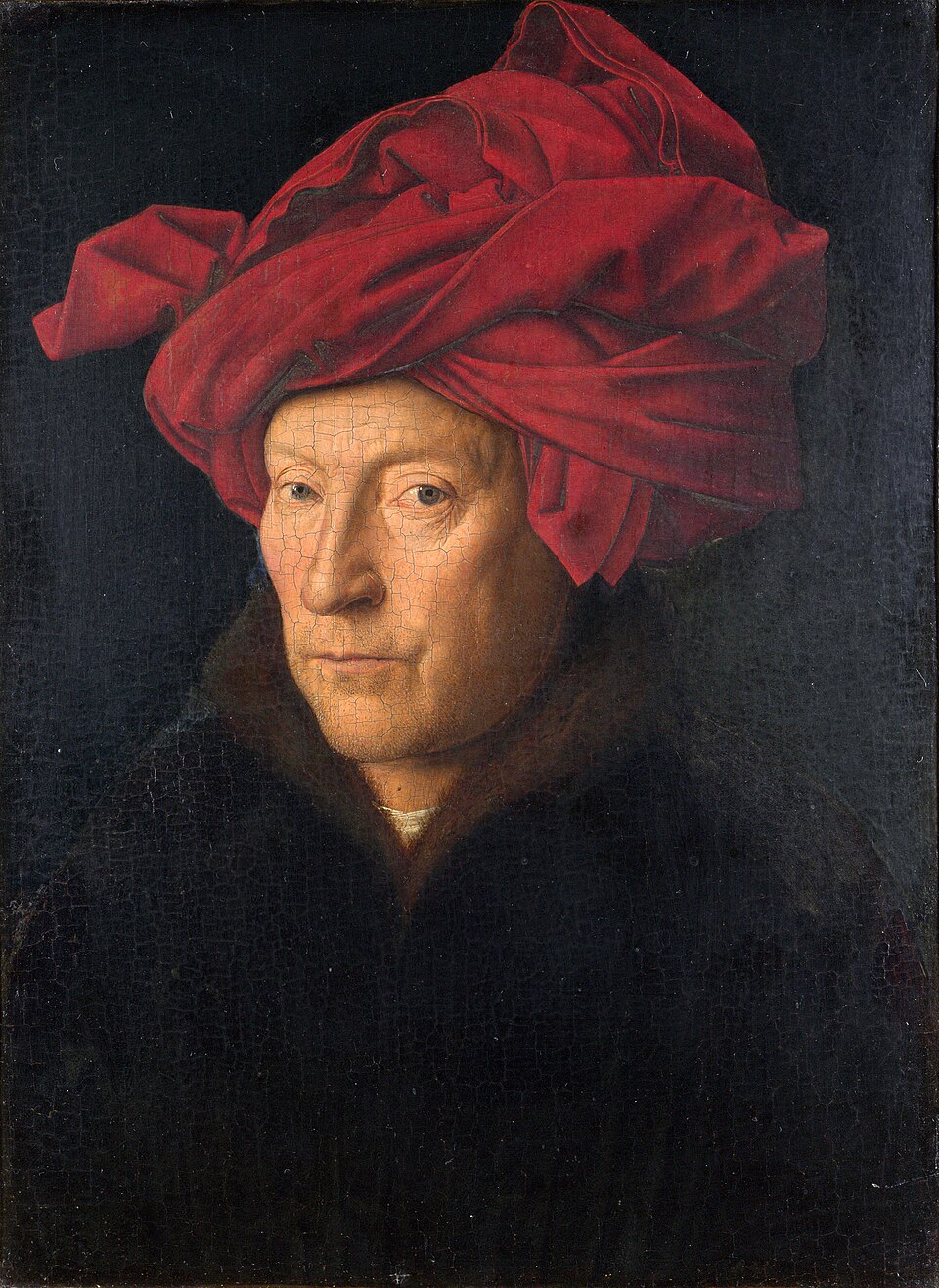
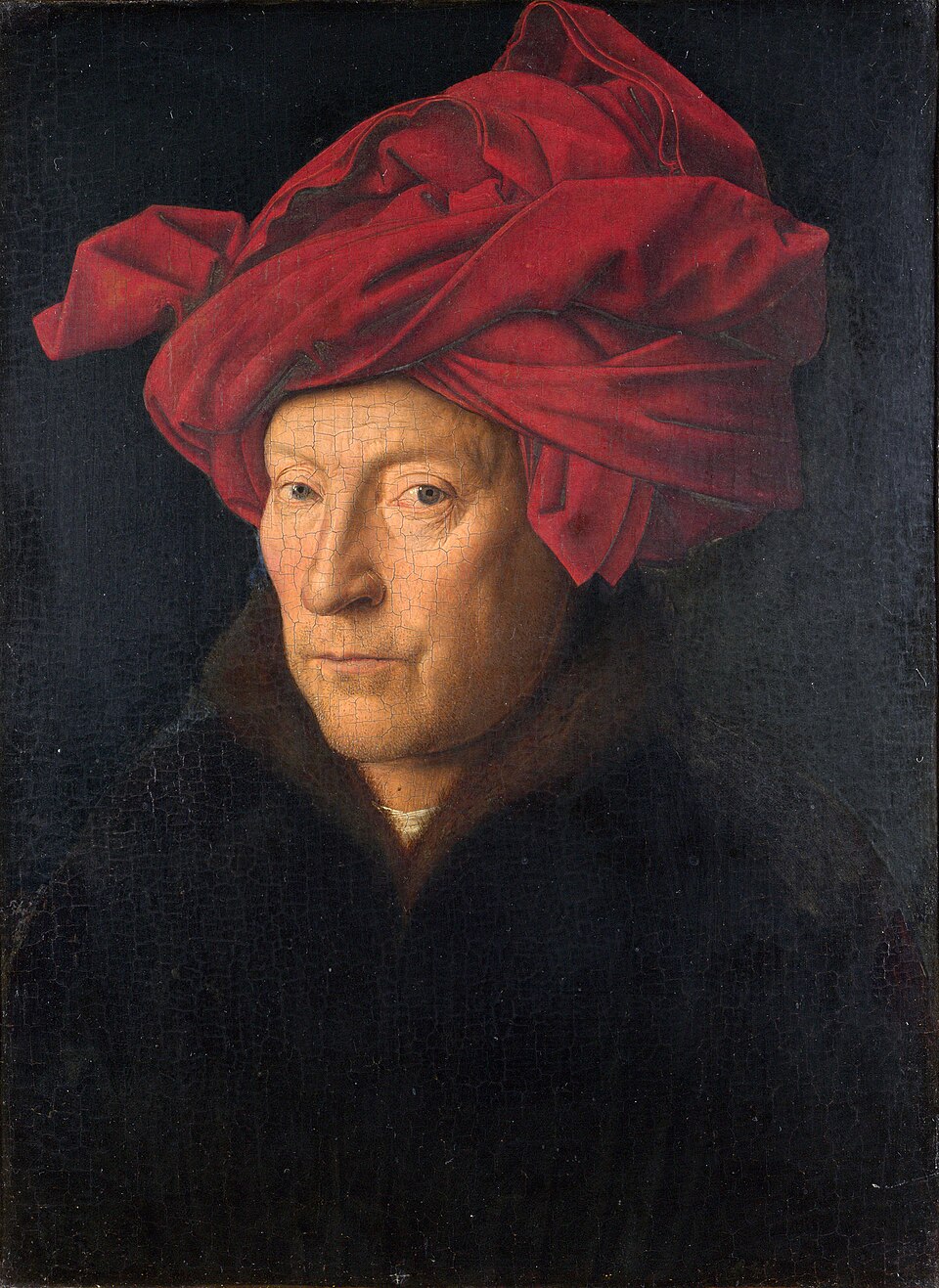
1380 - 1441 - Jan Van Eyck (All Facts)
Flemish Painter
He revolutionized Flemish painting, having perfect not only the oil painting technique using brilliant color and subtle light effects but also brought an everyday realism to his works
He is considered to be the first oil-painter
He took painting forward with an enormous stride when he experimented with oil as the medium for his colors
Up until that point, painters had mixed paint with water for frescoes or egg-yolk for tempera
He and his older brother Hubert, however, painted with oil on wooden panels, which were prepared with plaster and glue
The technique gave off a glowing effect not achieved before in painting
He was known for his secular portrait paintings he made while was settled in Bruges
He was also known for his realism in portraiture, in which all the wrinkles and warts of his sitters were rendered so faithfully that his subjects seemed ready to speak
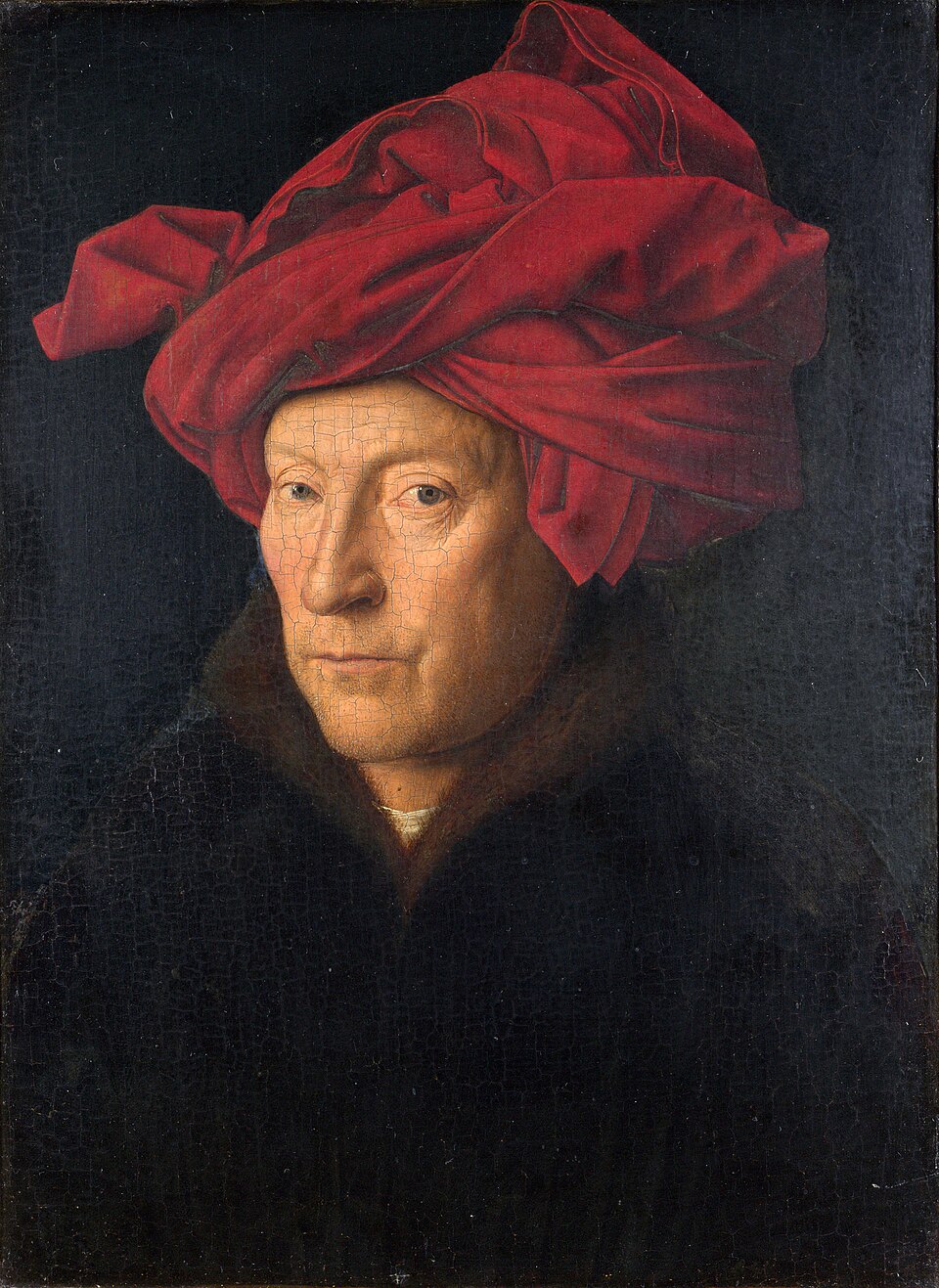
1432 - Jan Van Eyck and Hubert van Eyck: Ghent Altarpiece (All Facts)
Consists of a landscape and 16 portrait panels, covering over 1,000 square feet, the first oil painting on such a scale
He completed the work after the latter namesake’s death
Includes “The Adoration of the Lamb”
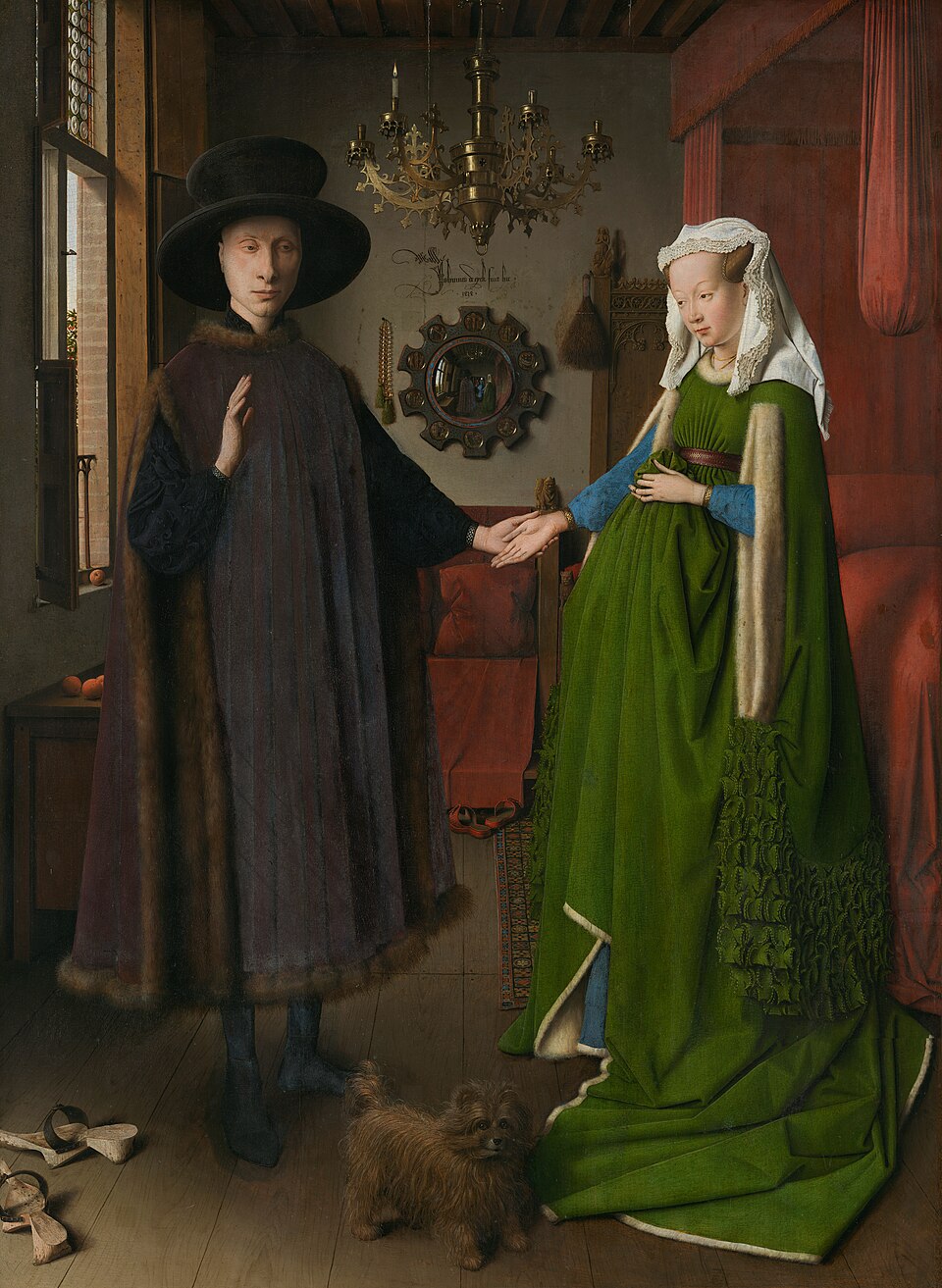
1434 - Jan Van Eyck: The Arnolfini Wedding (All Facts)
7/Double Portrait
Shows the namesake artist’s delight in his ability to render domestic interiors in gleaming detail
Shows the couple in their best robes holding hands
The lady’s little terrier stands at her feet and there are oranges scattered by the windowsill
The scene is reflected in miniature in a convex mirror behind the couple
The namesake *painter signed himself as the namesake “was here”
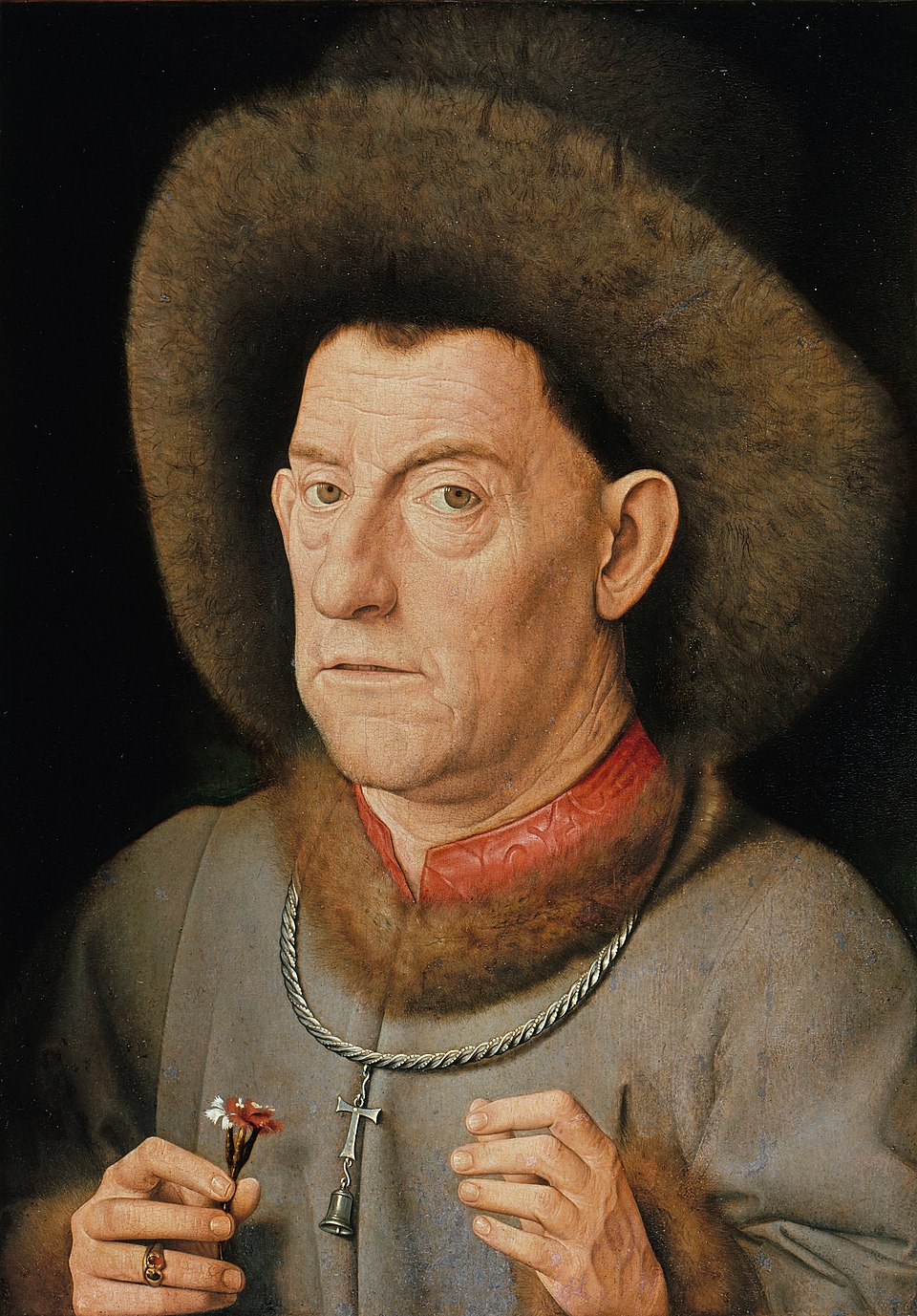
1436 - Jan Van Eyck: Portrait of a Man with a Carnation (All Facts)
1400 - 1464 - Rogier van Der Weyden (All Facts)
Flemish Painter
He produced a more emotional style compared to his artistic predecessor
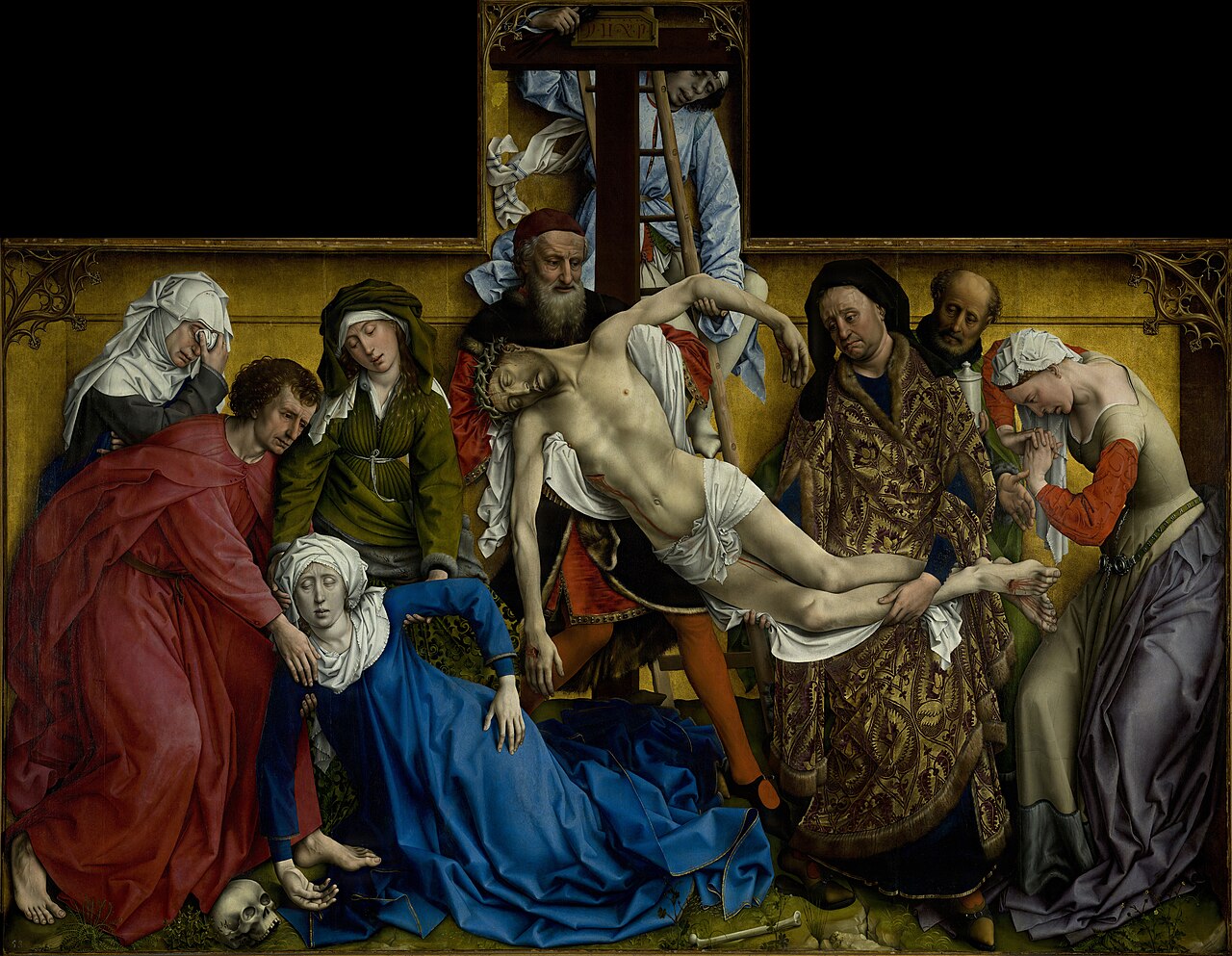
1435 - Rogier van Der Weyden: Deposition / Descent from the Cross (All Facts)
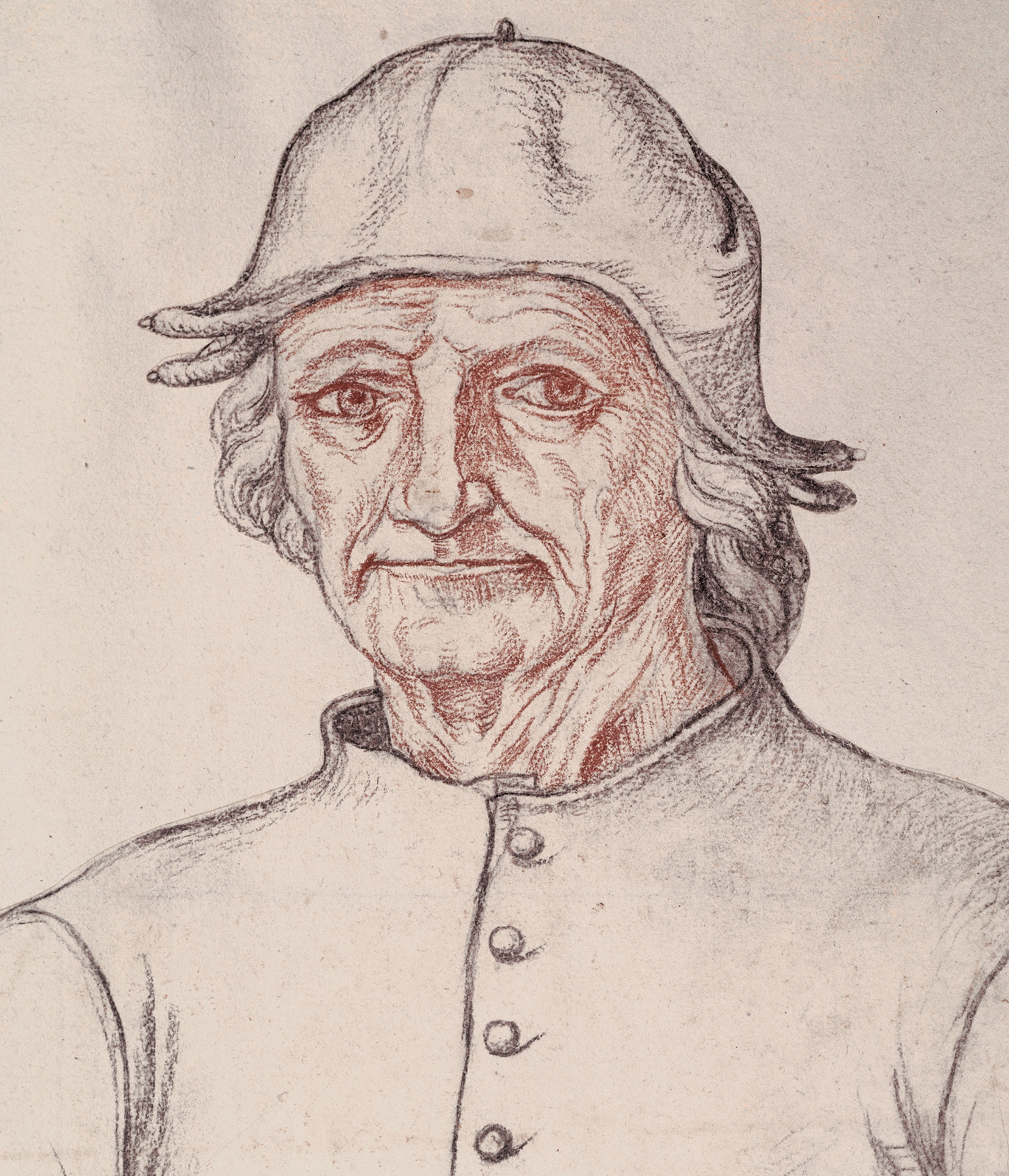
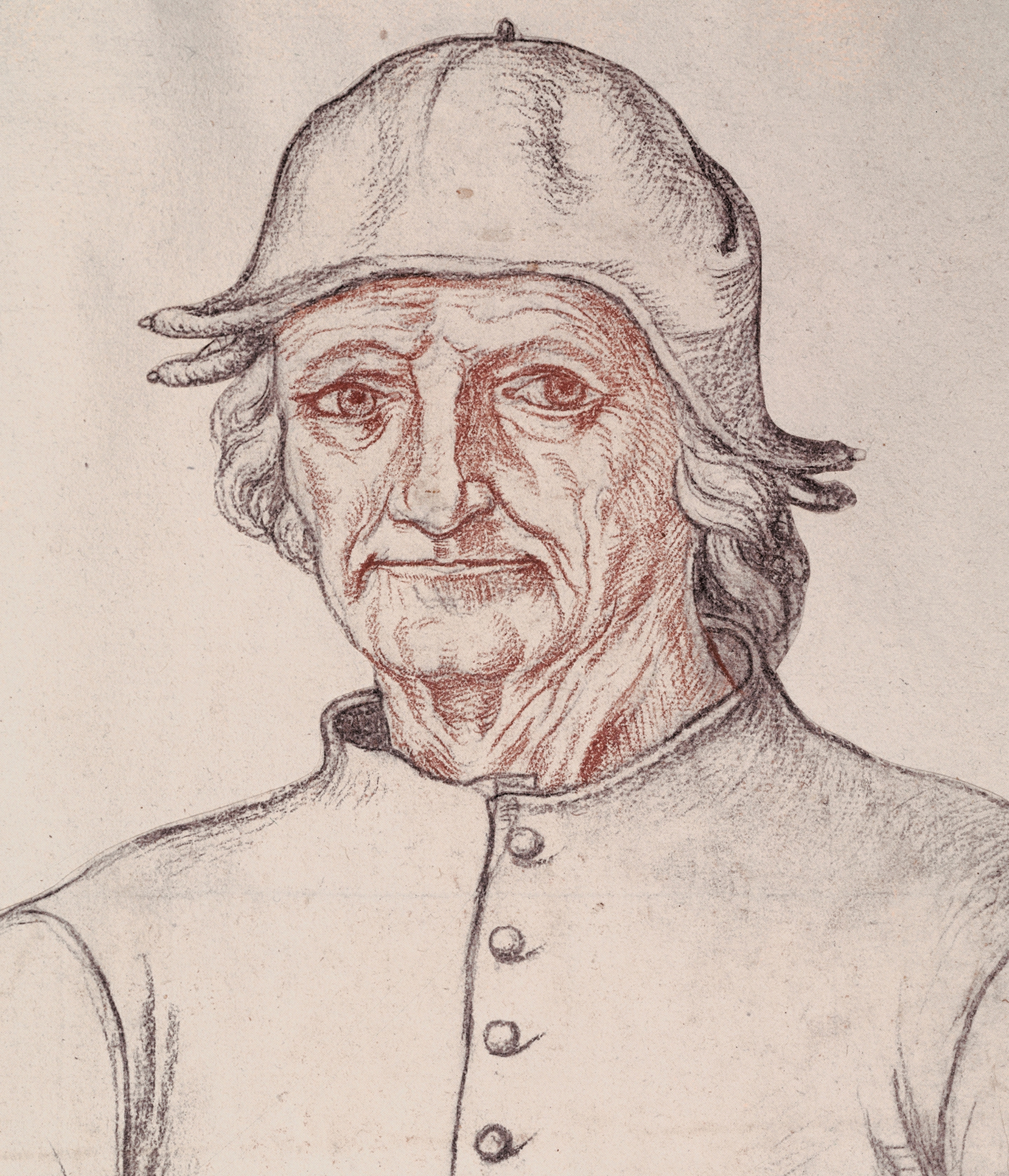
1450 - 1516 - Hieronymus Bosch (All Facts)
Dutch Renaissance Painter
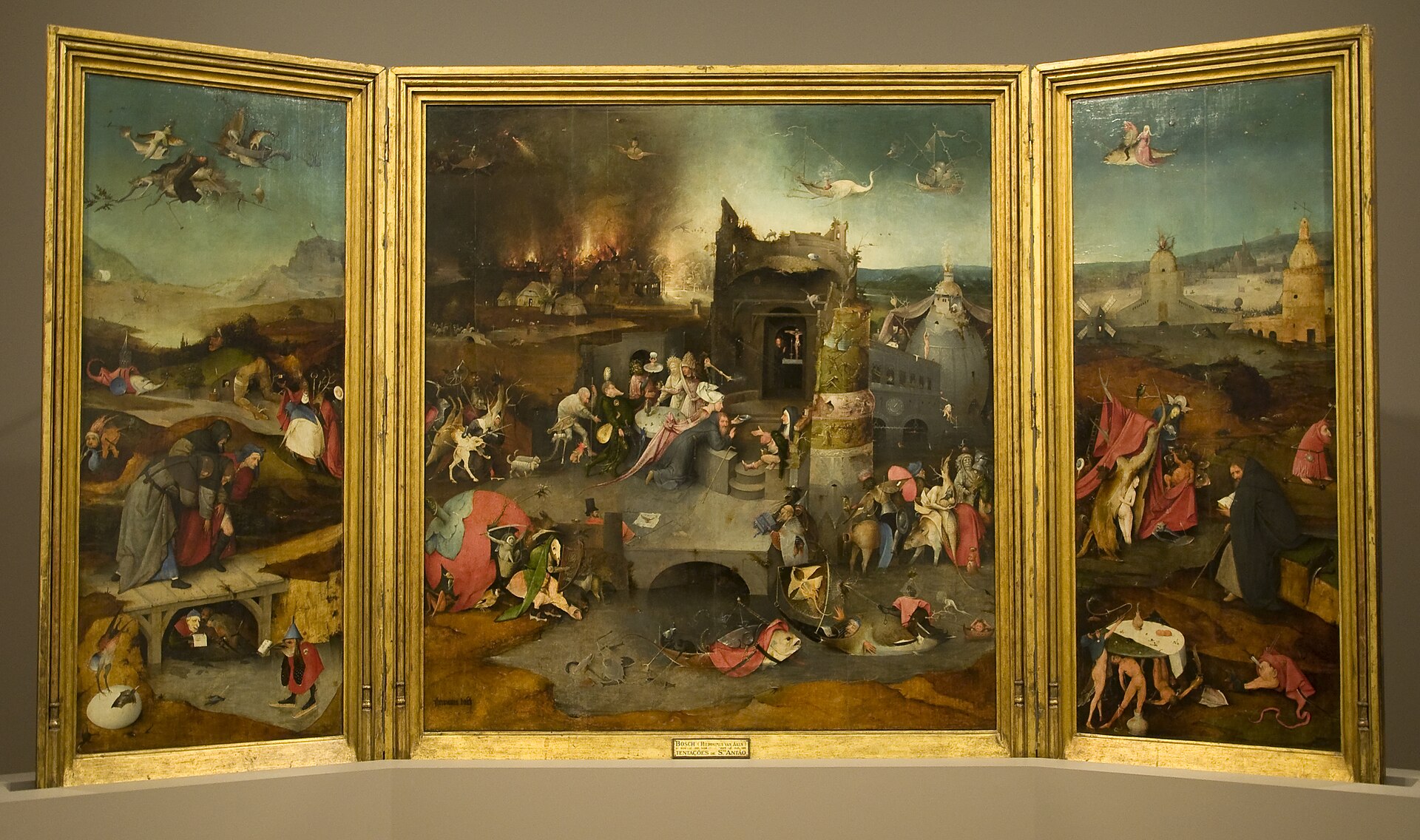
1501 - Hieronymus Bosch: Triptych of the Temptation of St. Anthony (All Facts)
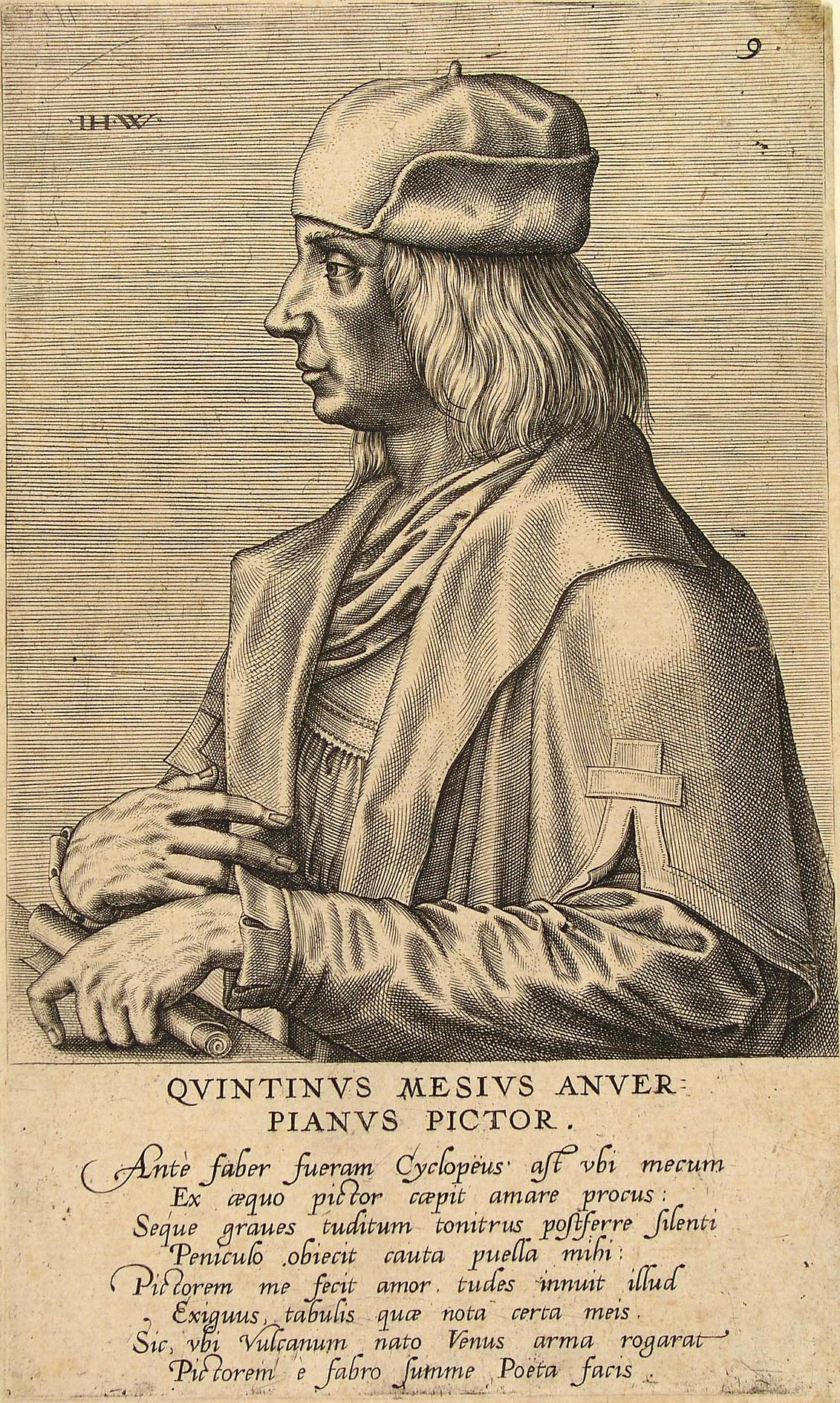
1466 - 1530 - Quentin Massys (All Facts)
Flemish Renaissance Painter
He worked in the early Netherlandish tradition
His religious works were in the Flemish tradition
His portraits reveal the influence of Humanist idealism
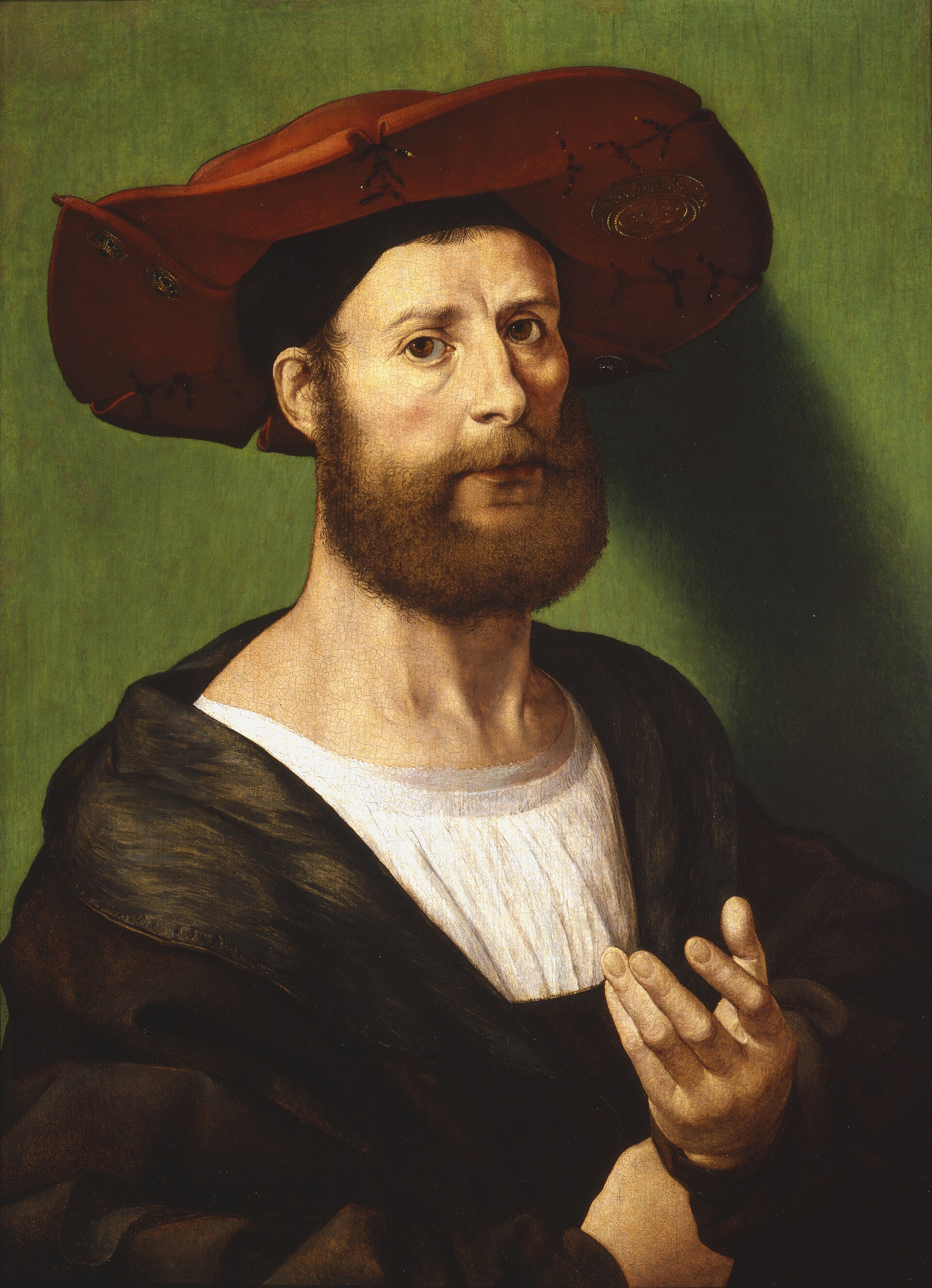
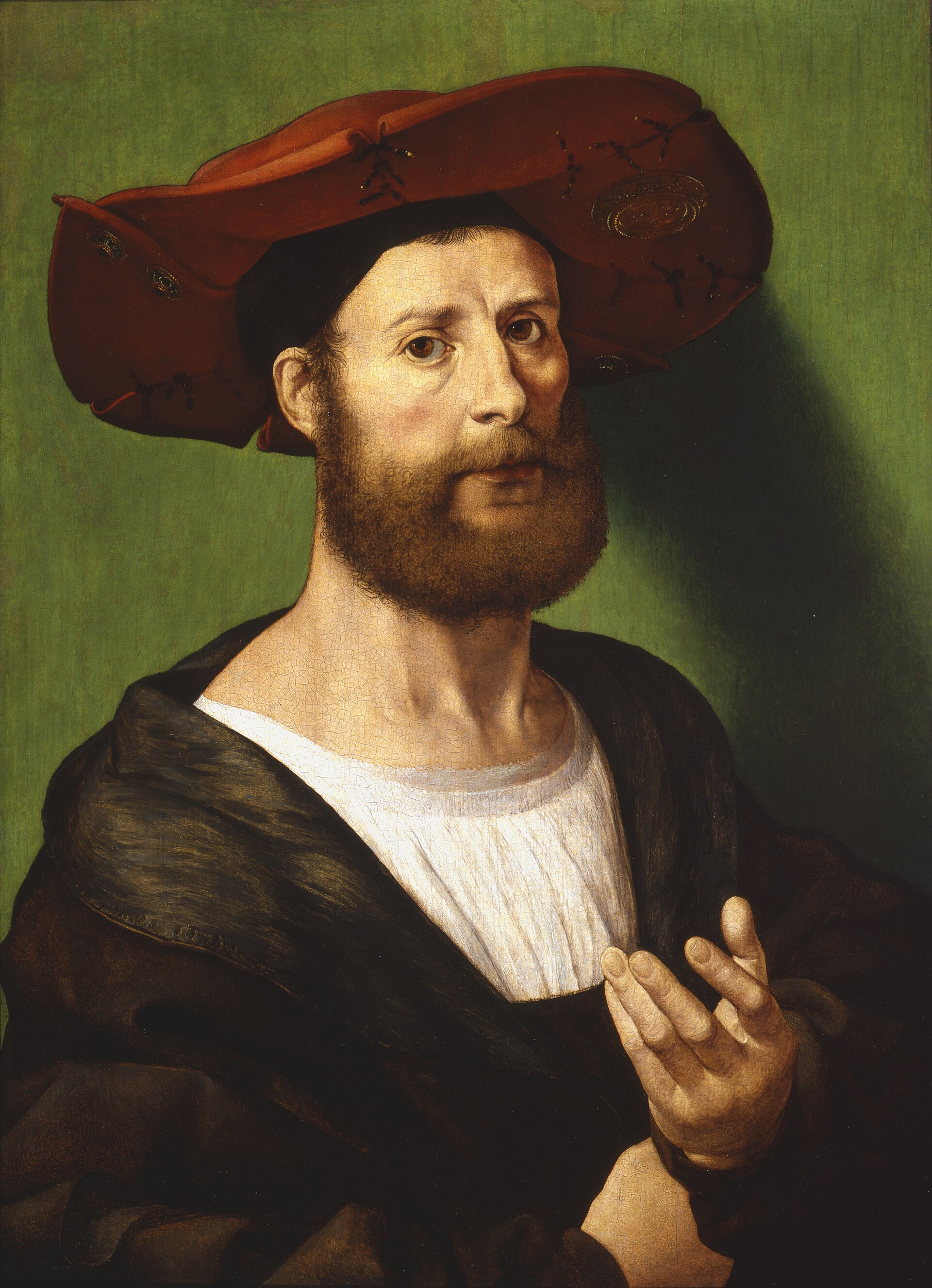
1478 - 1532 - Jan Gossaert / Jan Mabuse (All Facts)
Flemish Renaissance Painter
He developed a passion for Italian art and developed its formal innovations following his visits to Florence, Rome, and Venice in the early 1500s
He died at Breda
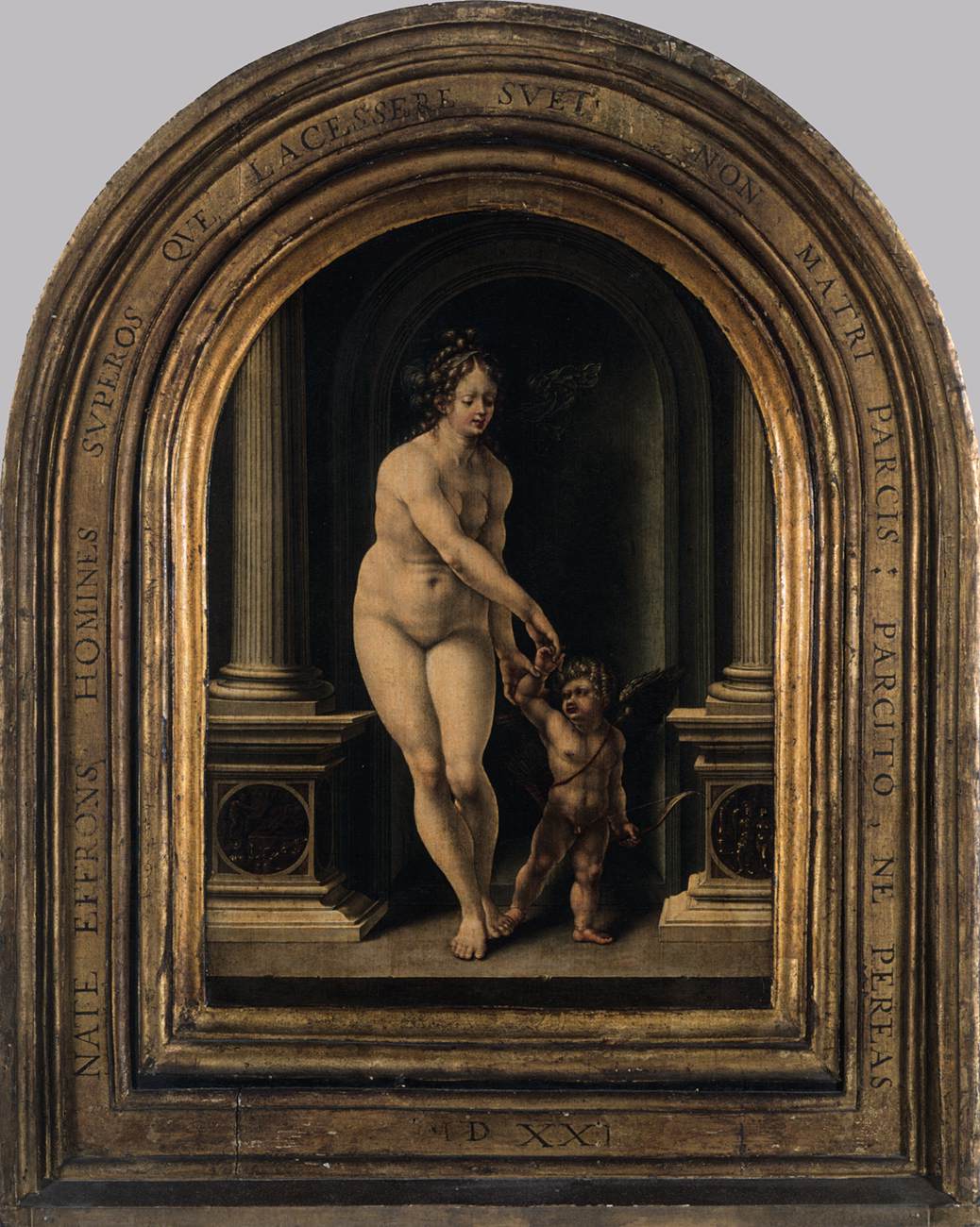
1521 - Jan Gossaert: Venus and Cupid (All Facts)
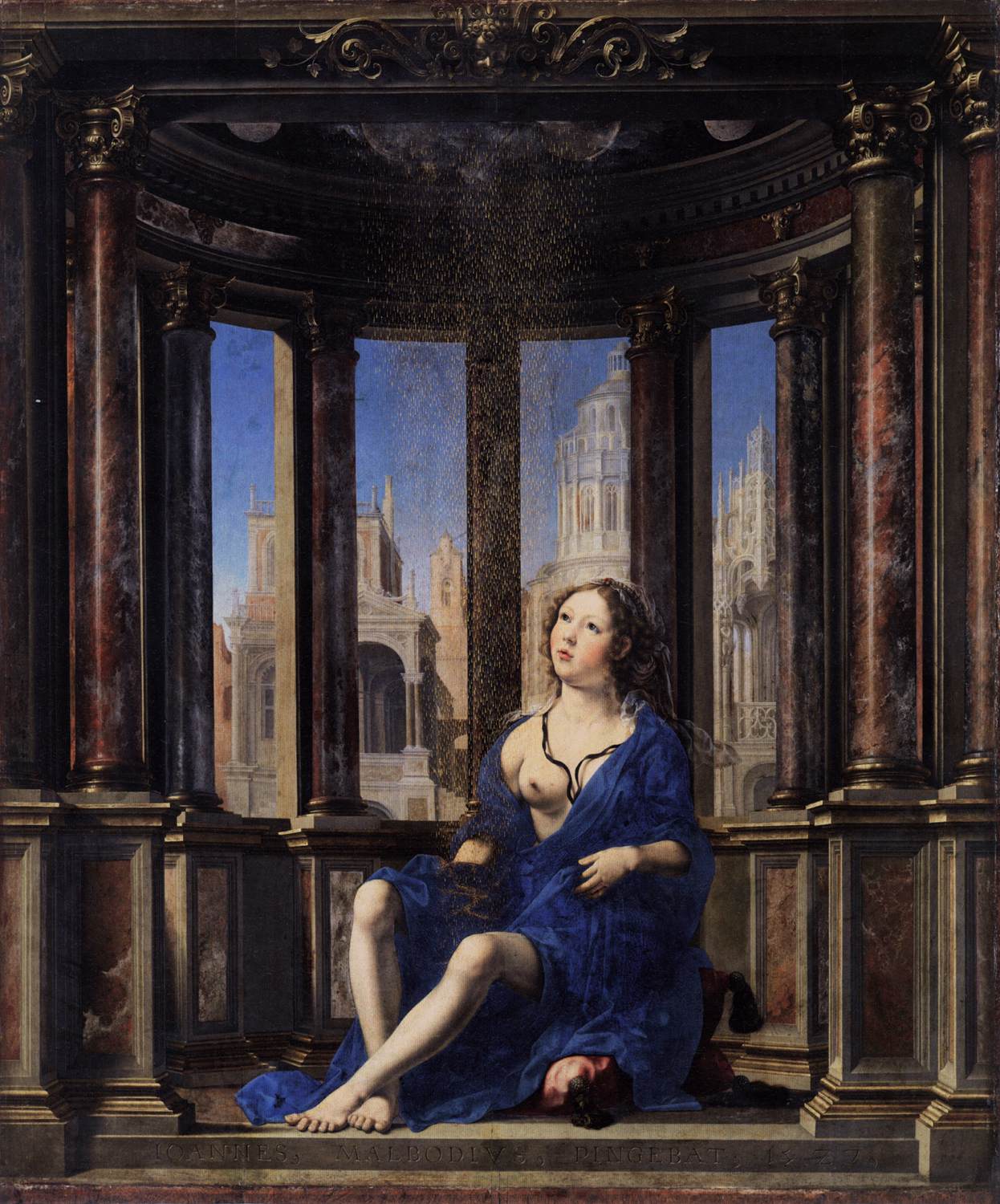
1527 - Jan Gossaert: Danae (All Facts)
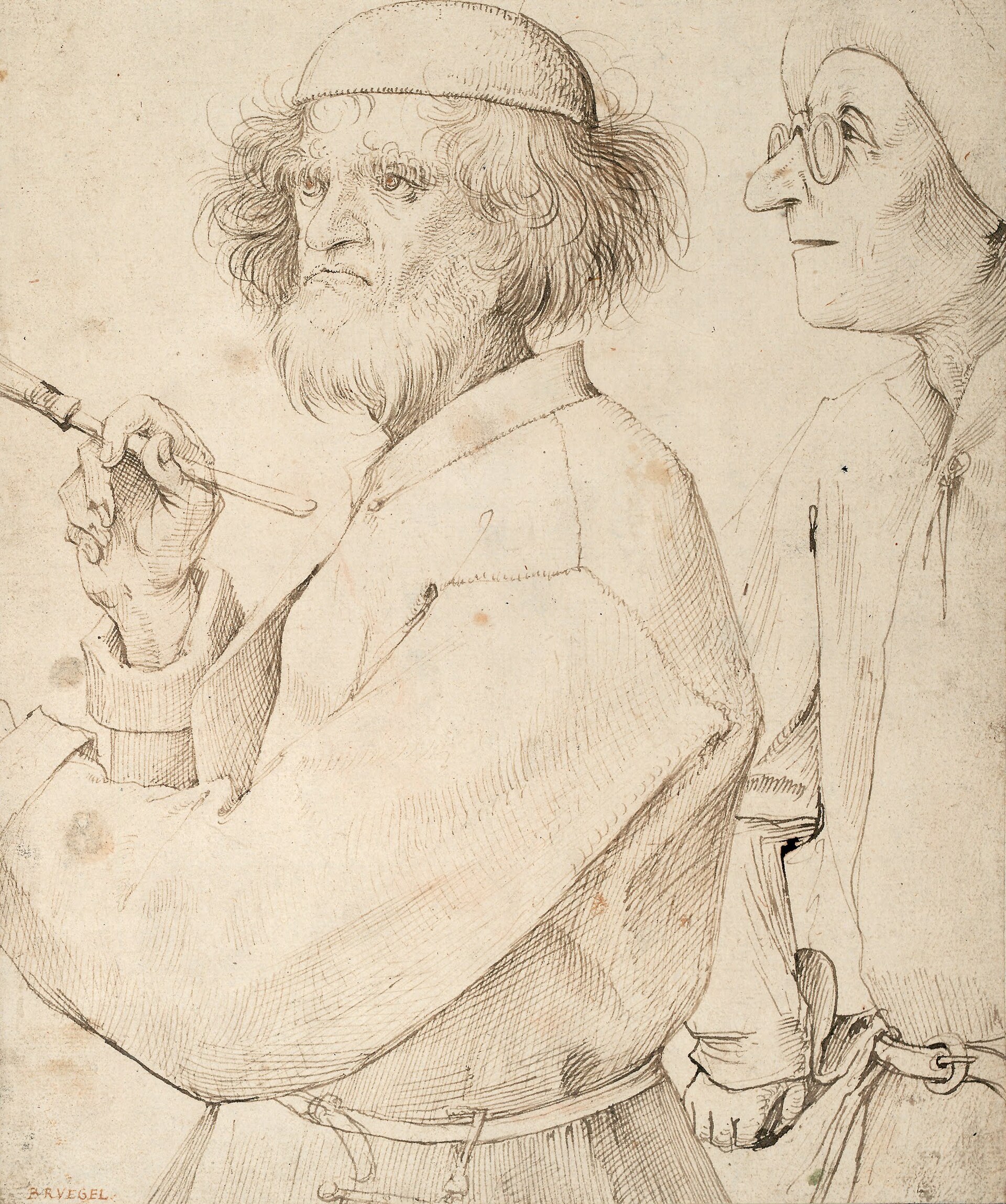
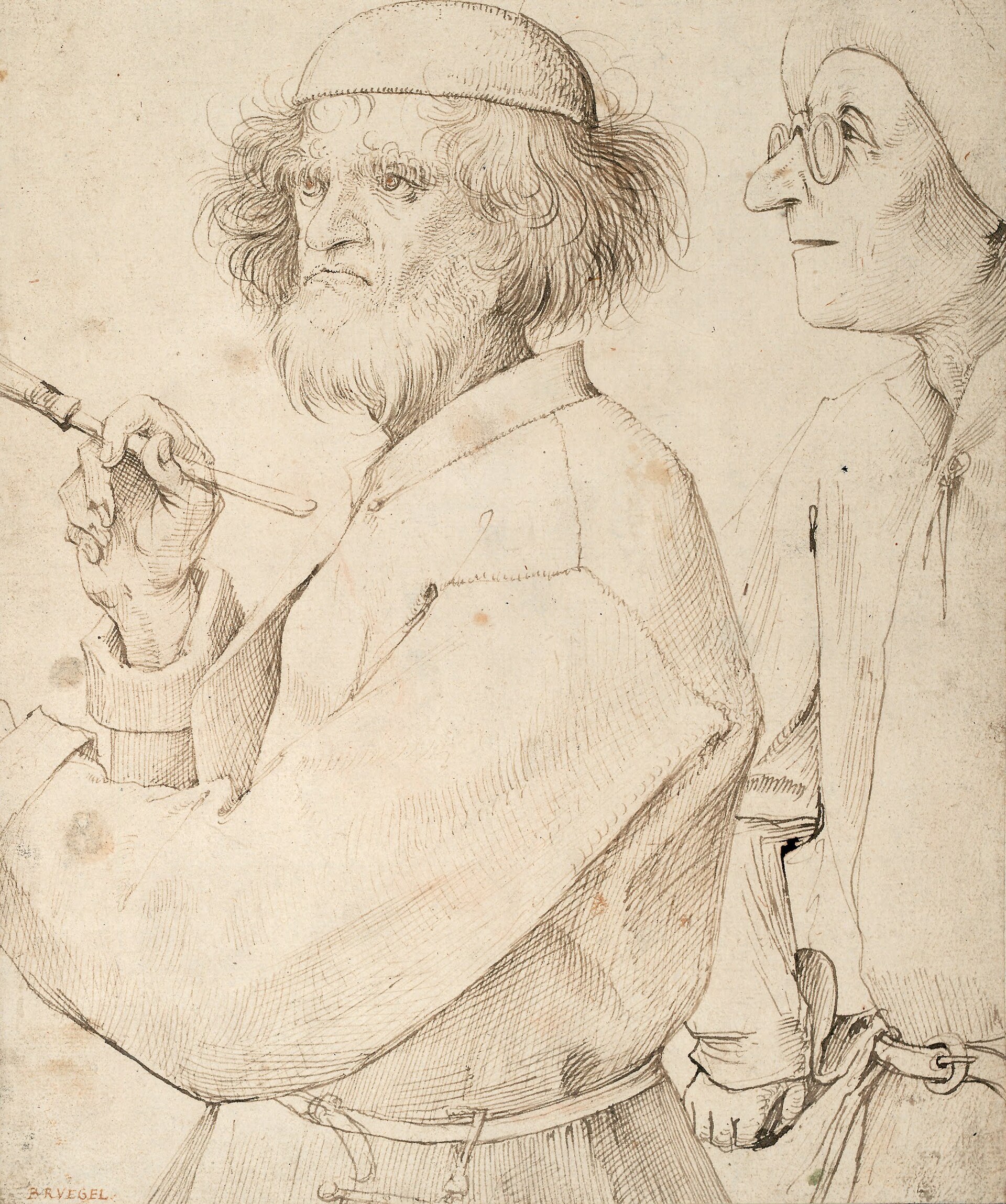
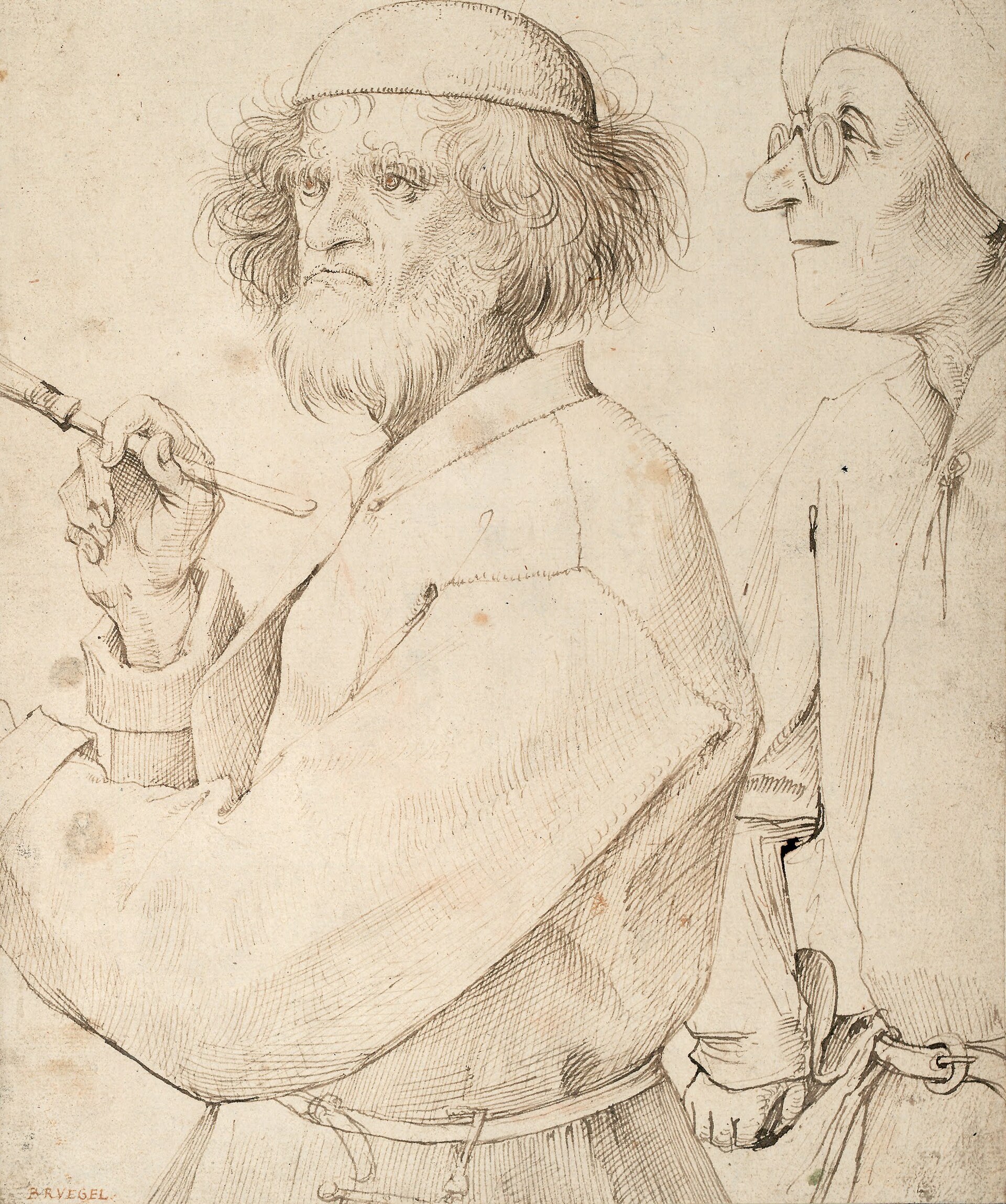
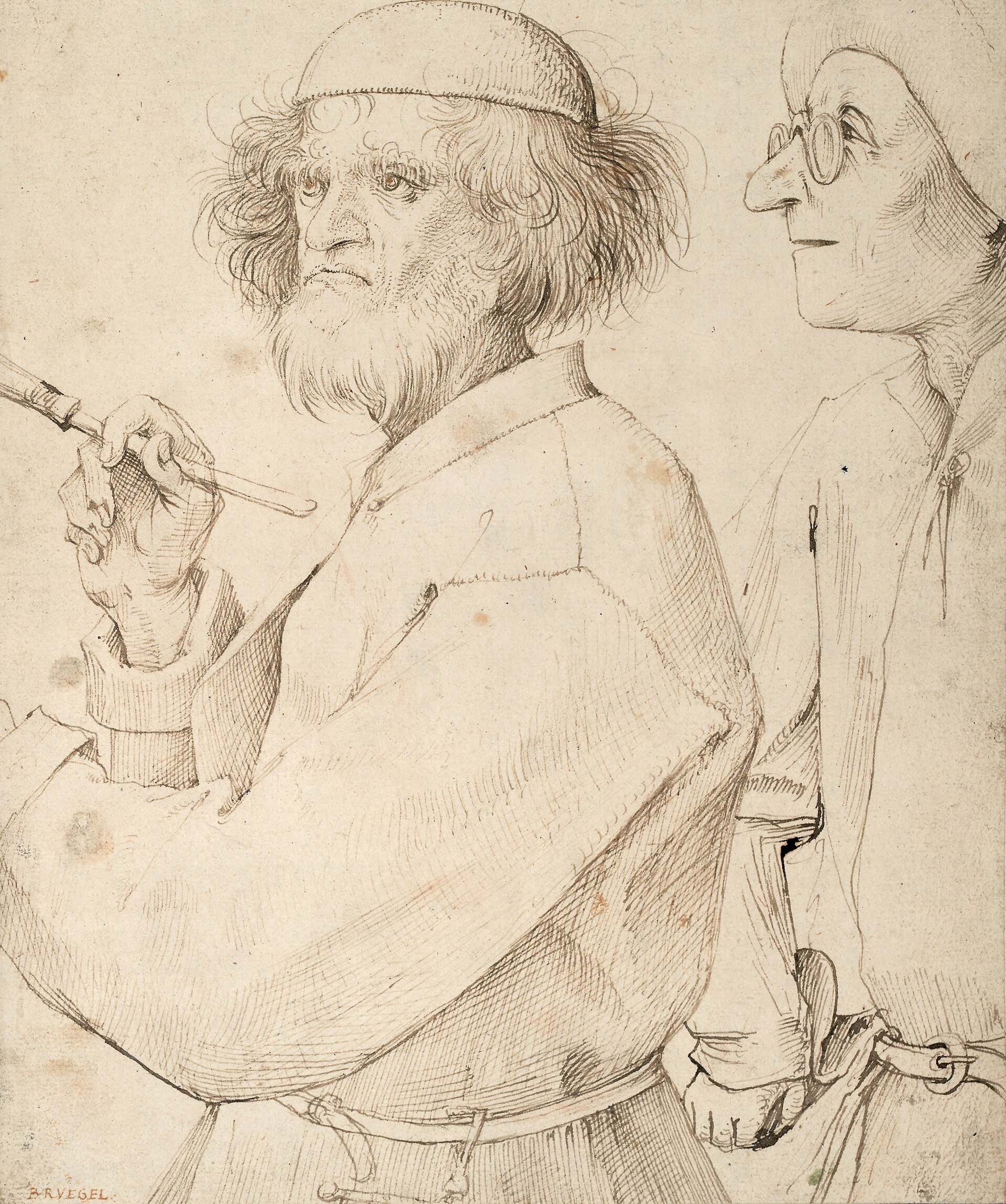
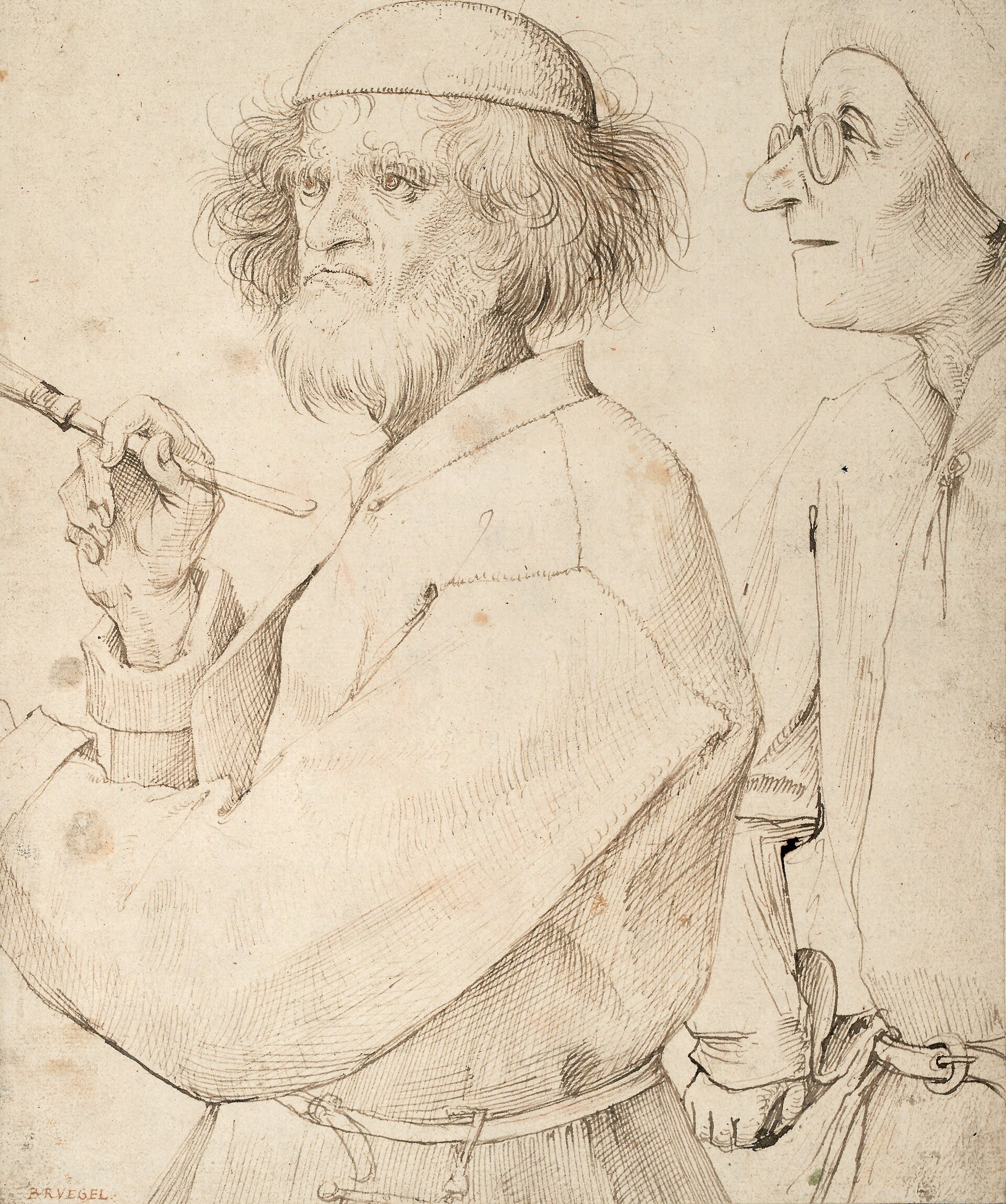
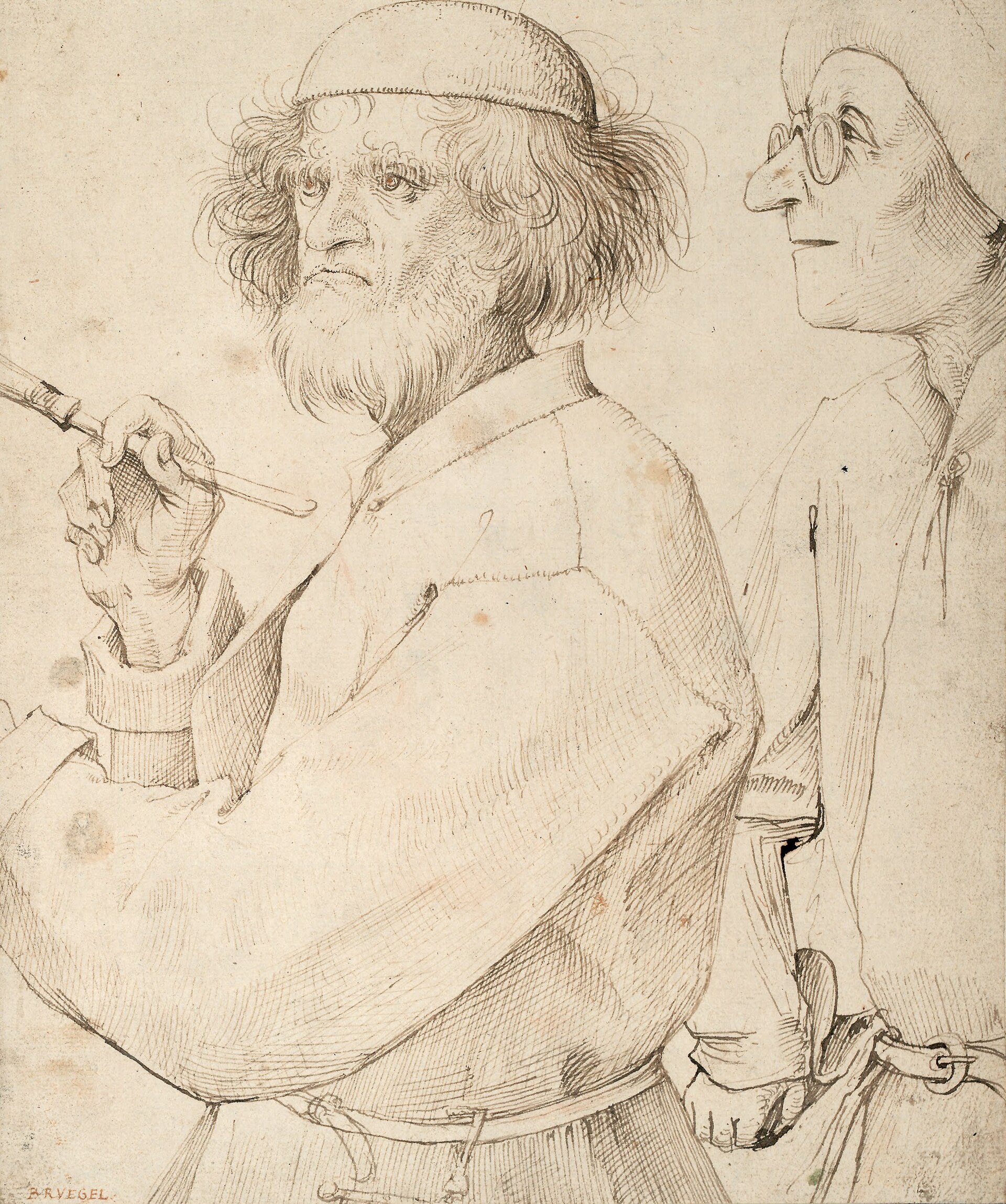
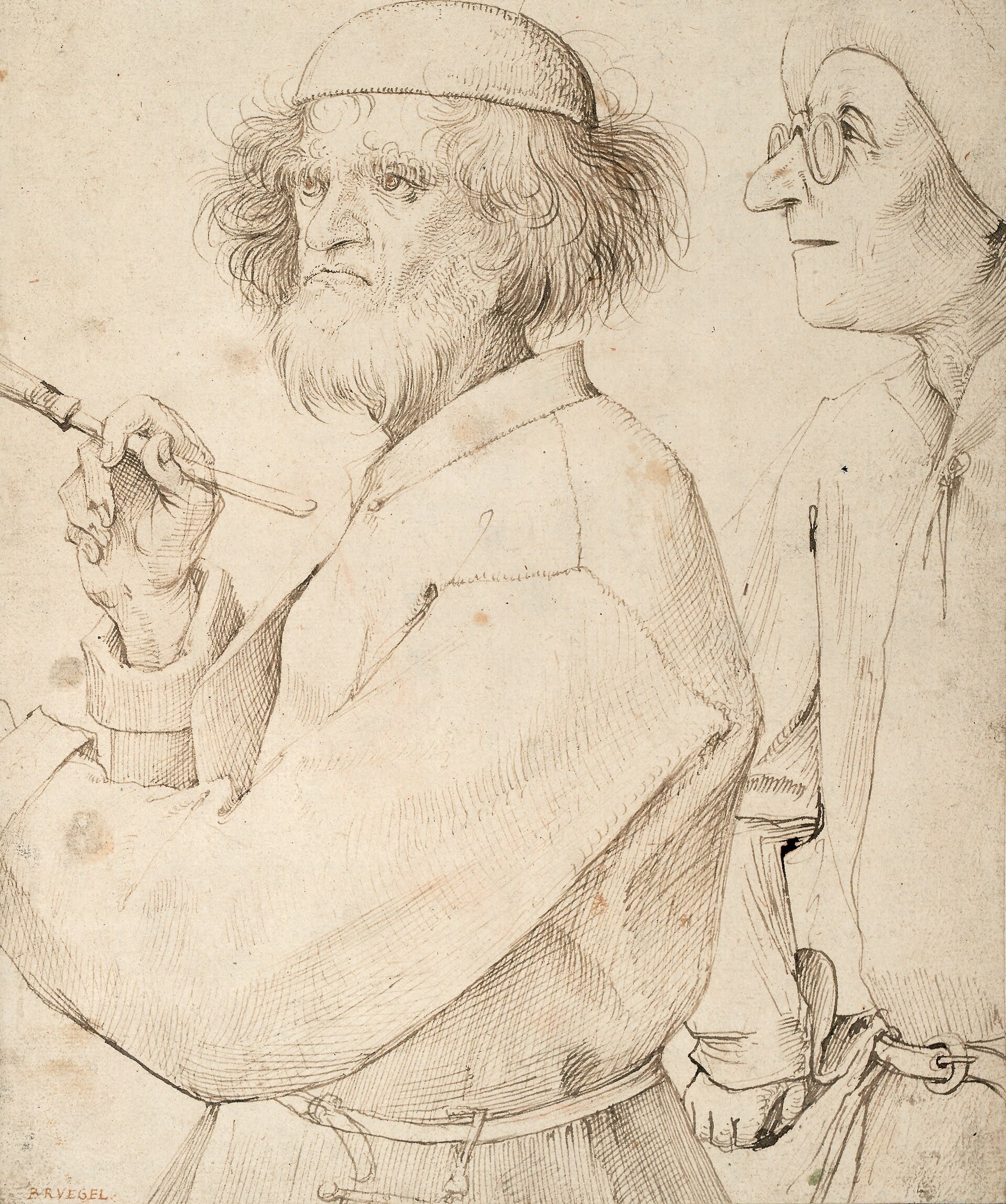
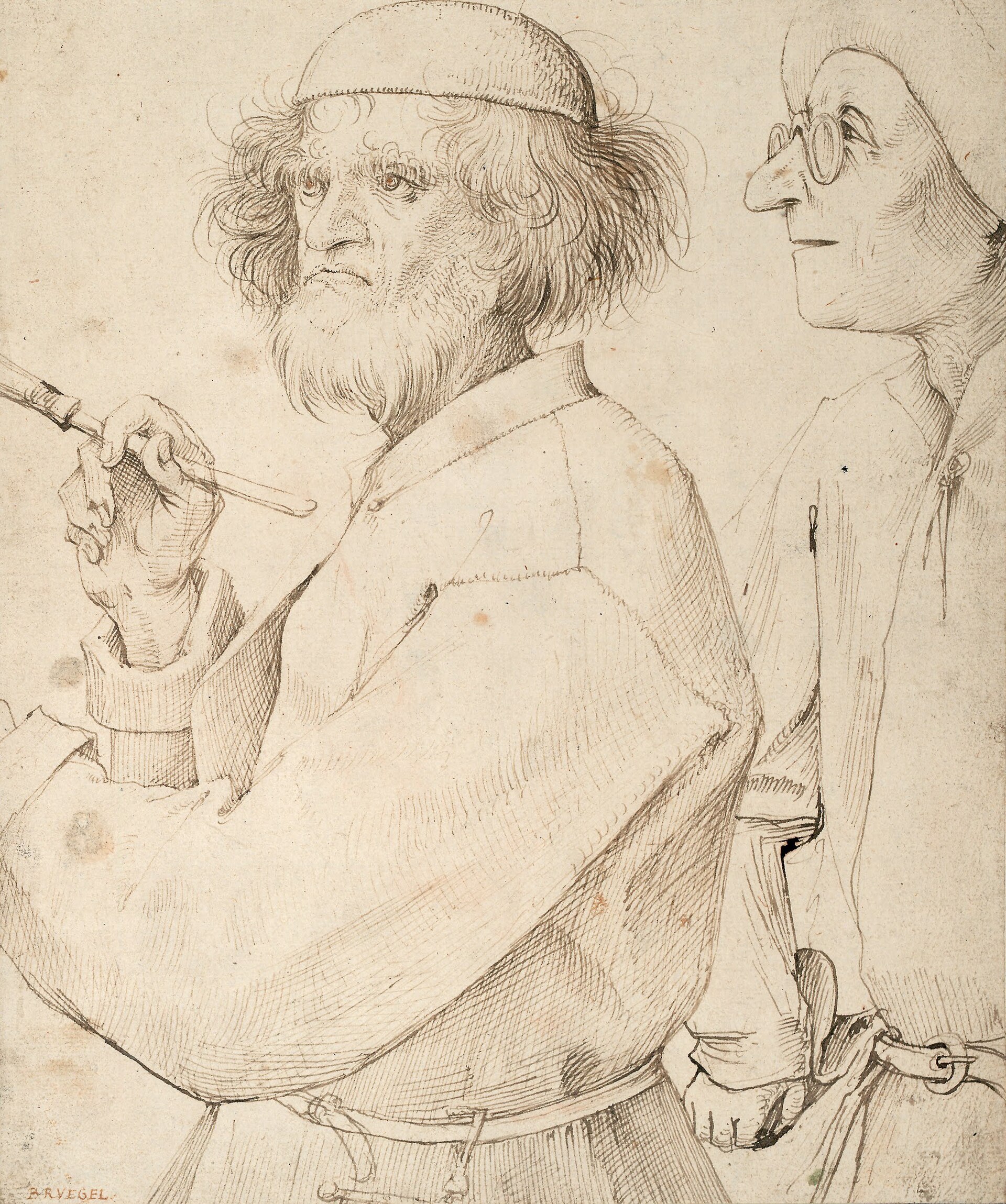
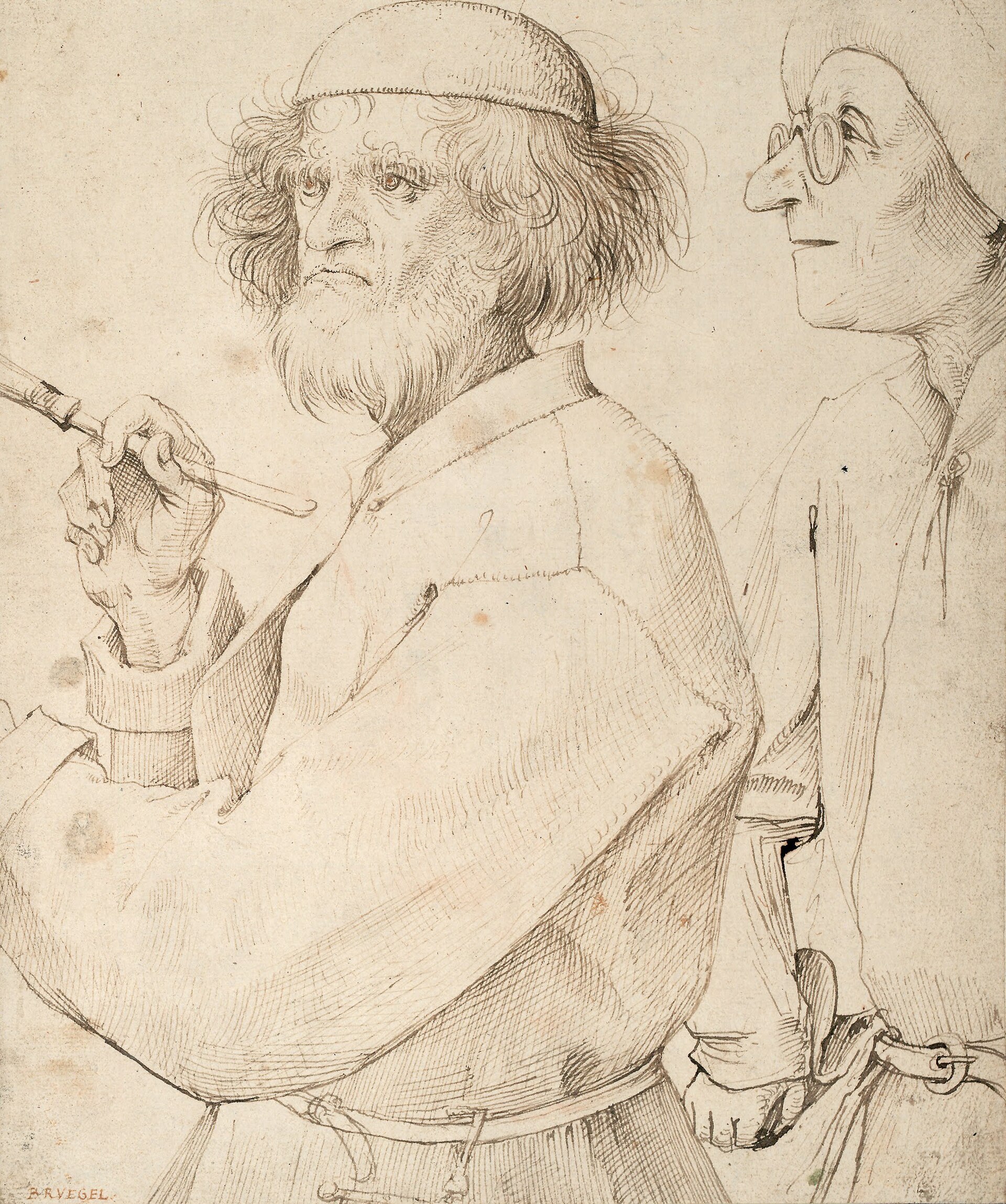
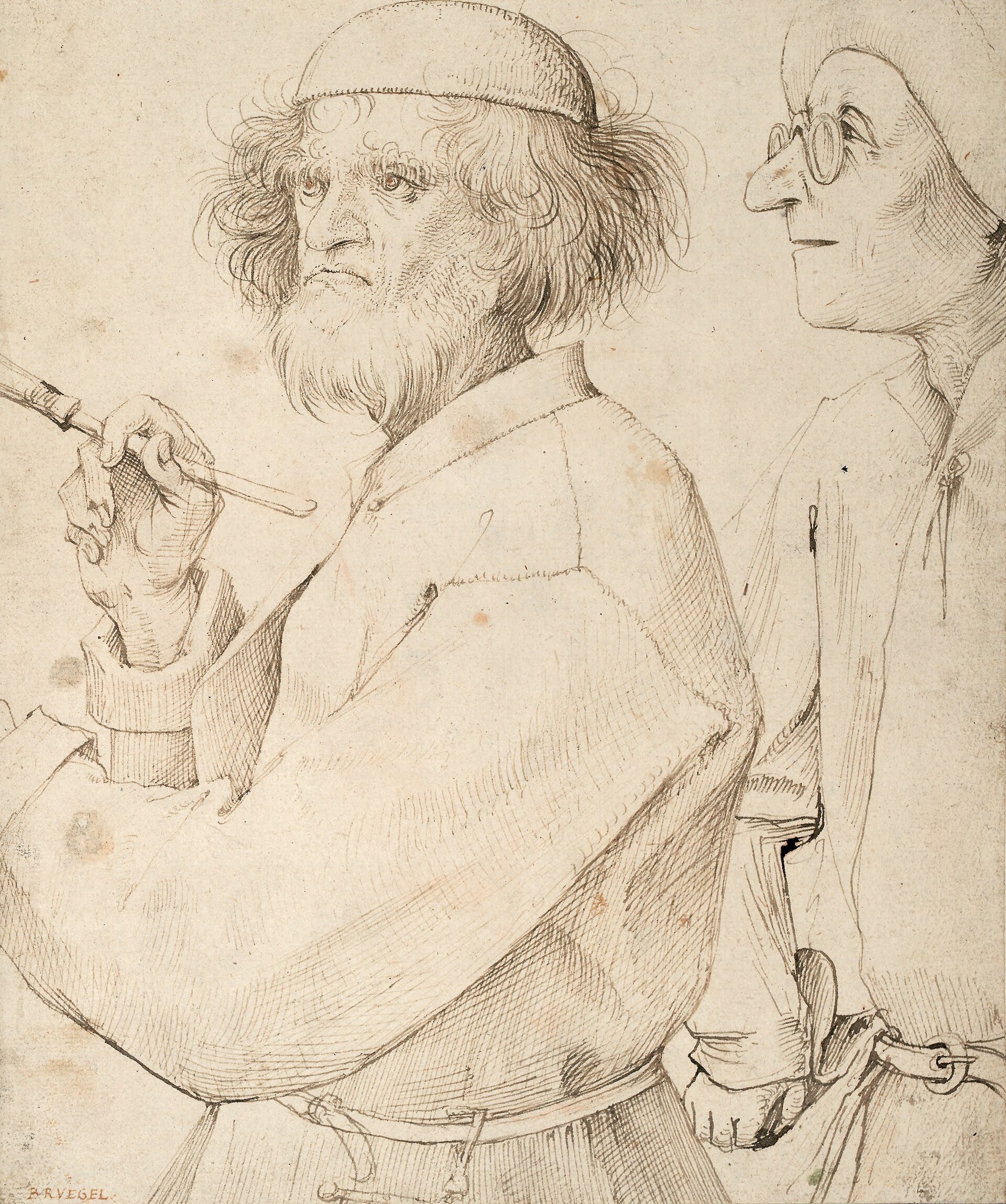
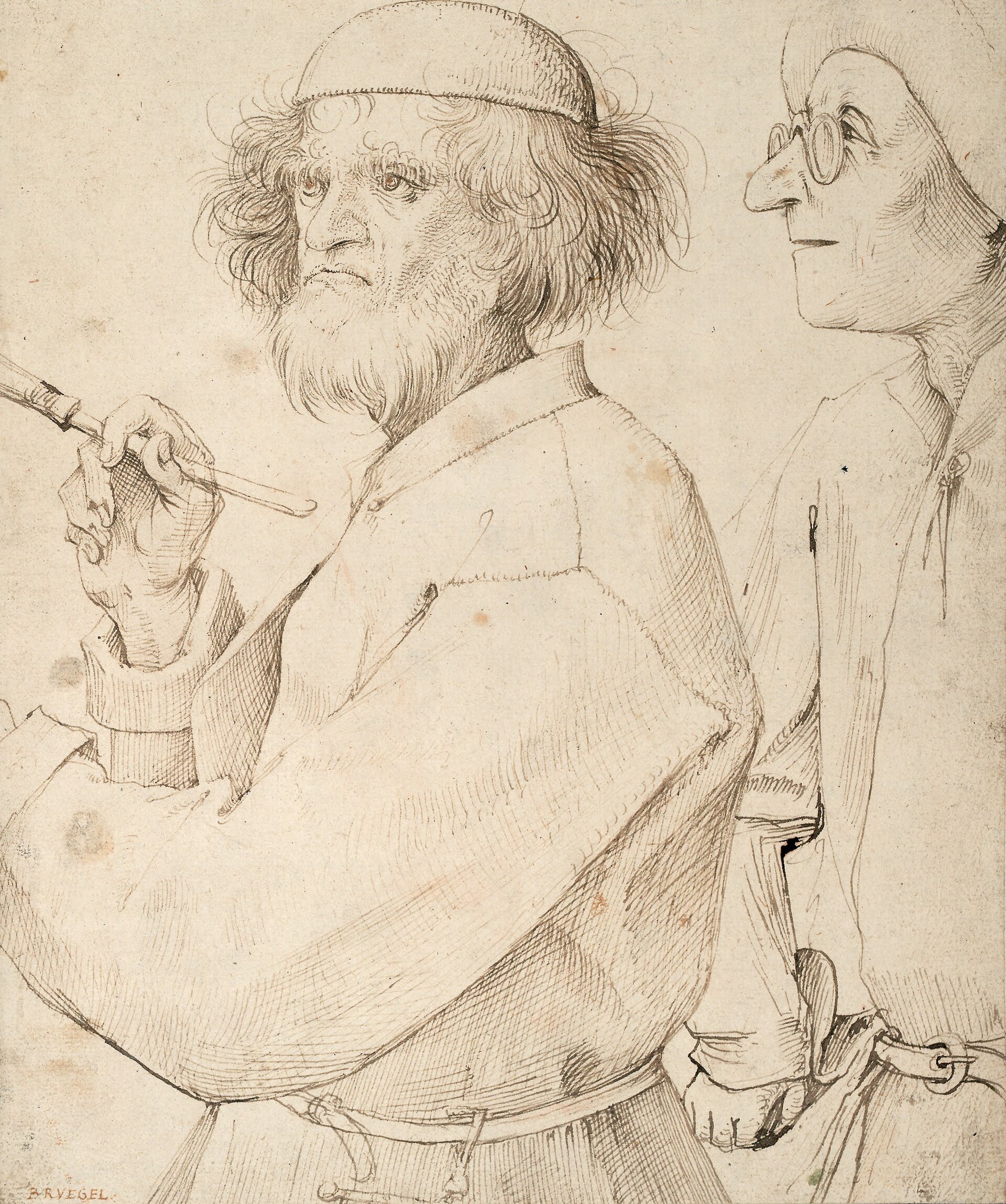
1525 - 1569 - Pieter Bruegel the Elder (All Facts)
Flemish Renaissance Painter
He was considered the genius of Flemish painting
He had two sons who also liked to paint, the junior of the namesake, and Jan
He was a brilliant draughtsman
He became master painter in the guild at Antwerp
He moved from Antwerp to Brussels
There he began a series of detailed paintings of peasant life
He then studied in Italy
Despite this, he portrayed people in a much earthier way than the Italians did
He liked to illustrate country proverbs and show man in harmony with nature
He liked to paint his subjects in the simple routines of haymaking, harvesting, children’s games, birds-nesting, or even hunting in the snow
He was a painter of often grotesque and carnivalesque scenes of country life
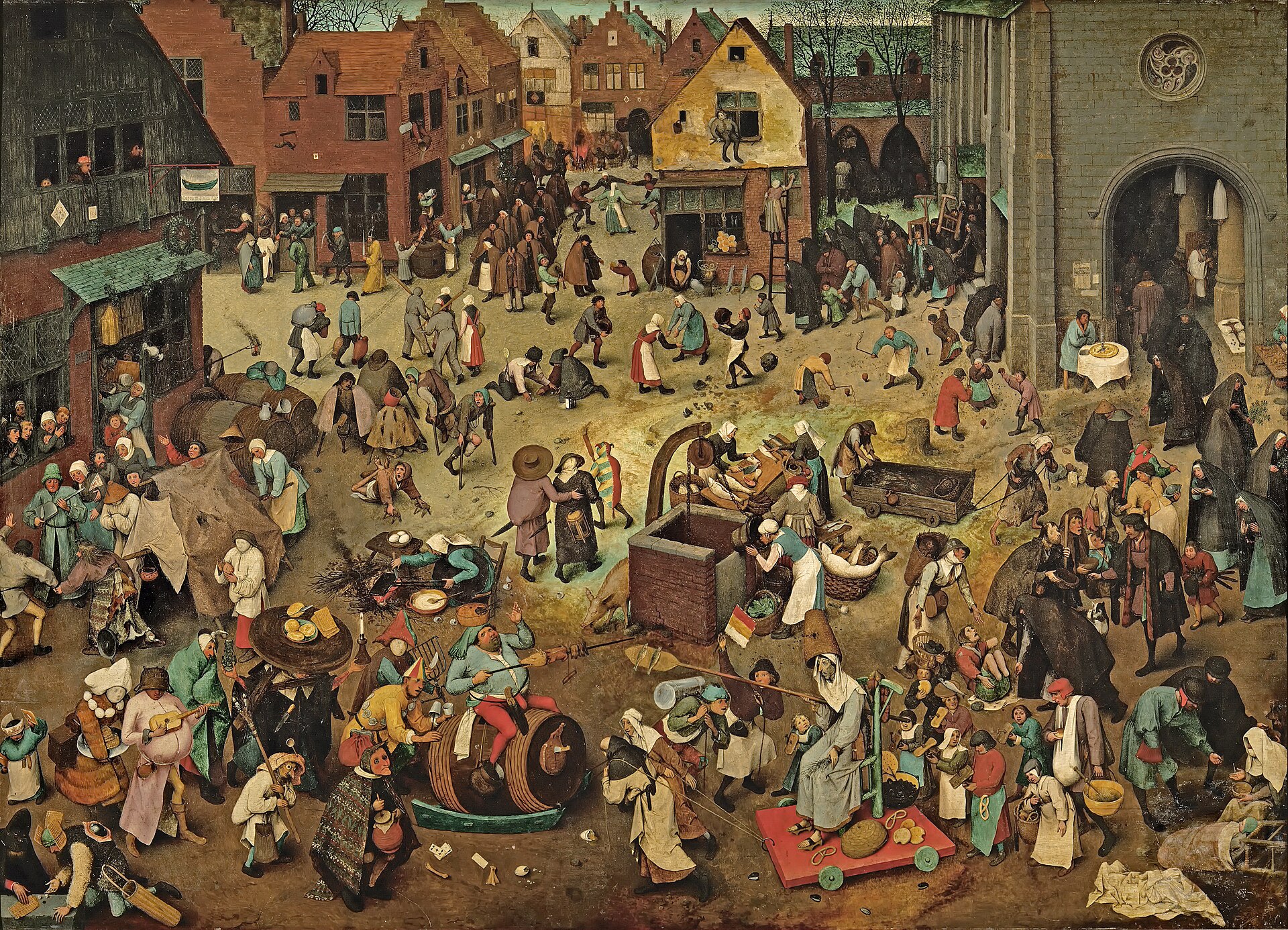
1559 - Pieter Bruegel the Elder: The Fight Between Carnival and Lent (All Facts)
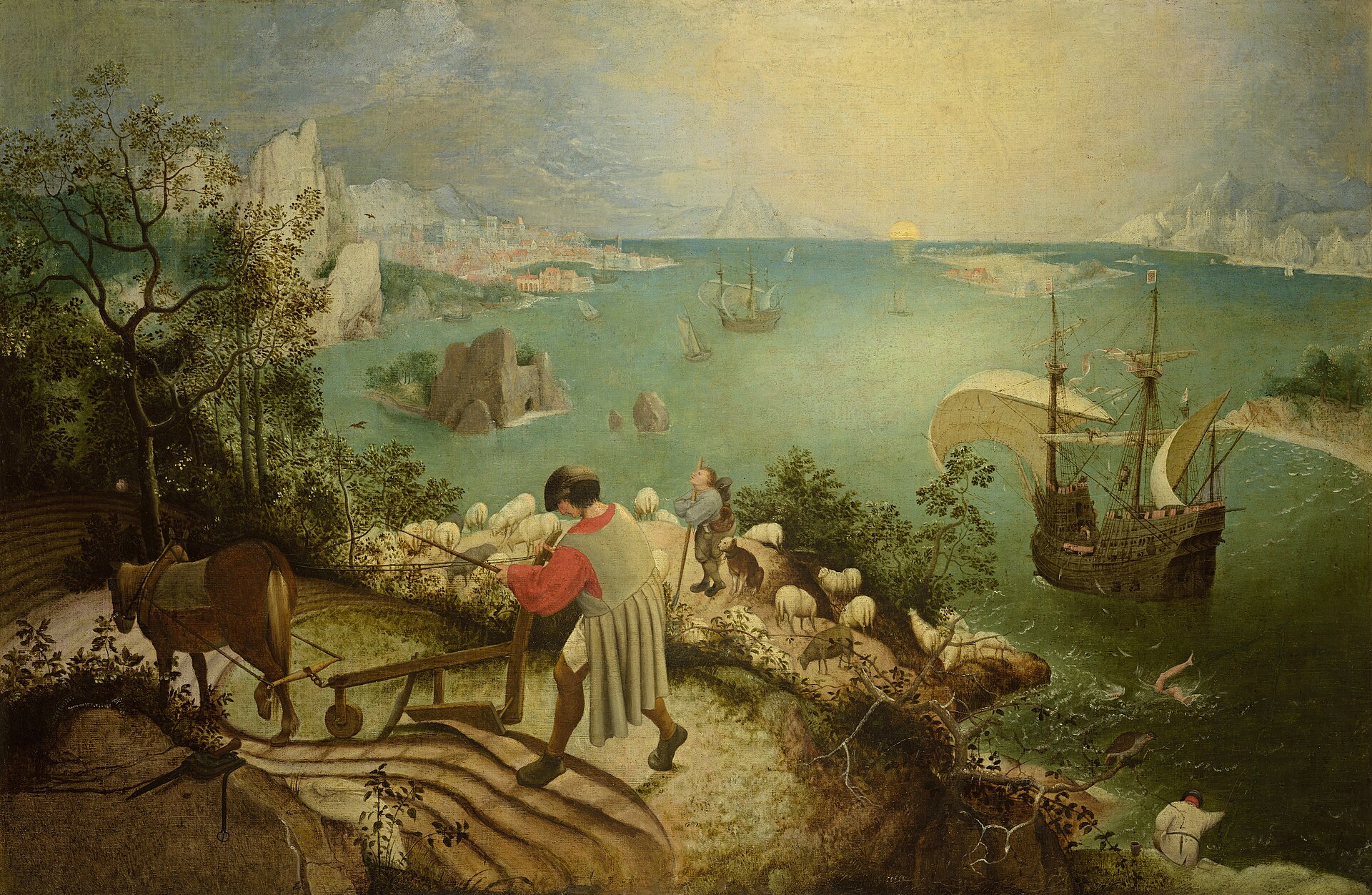
1560 - Pieter Bruegel the Elder: Landscape with the Fall of Icarus (All Facts)
Painting in which the namesake painter depicted a ploughman and a shepherd quite unaware of the drowning man who had the presumption to fly, characteristic of the namesake myth
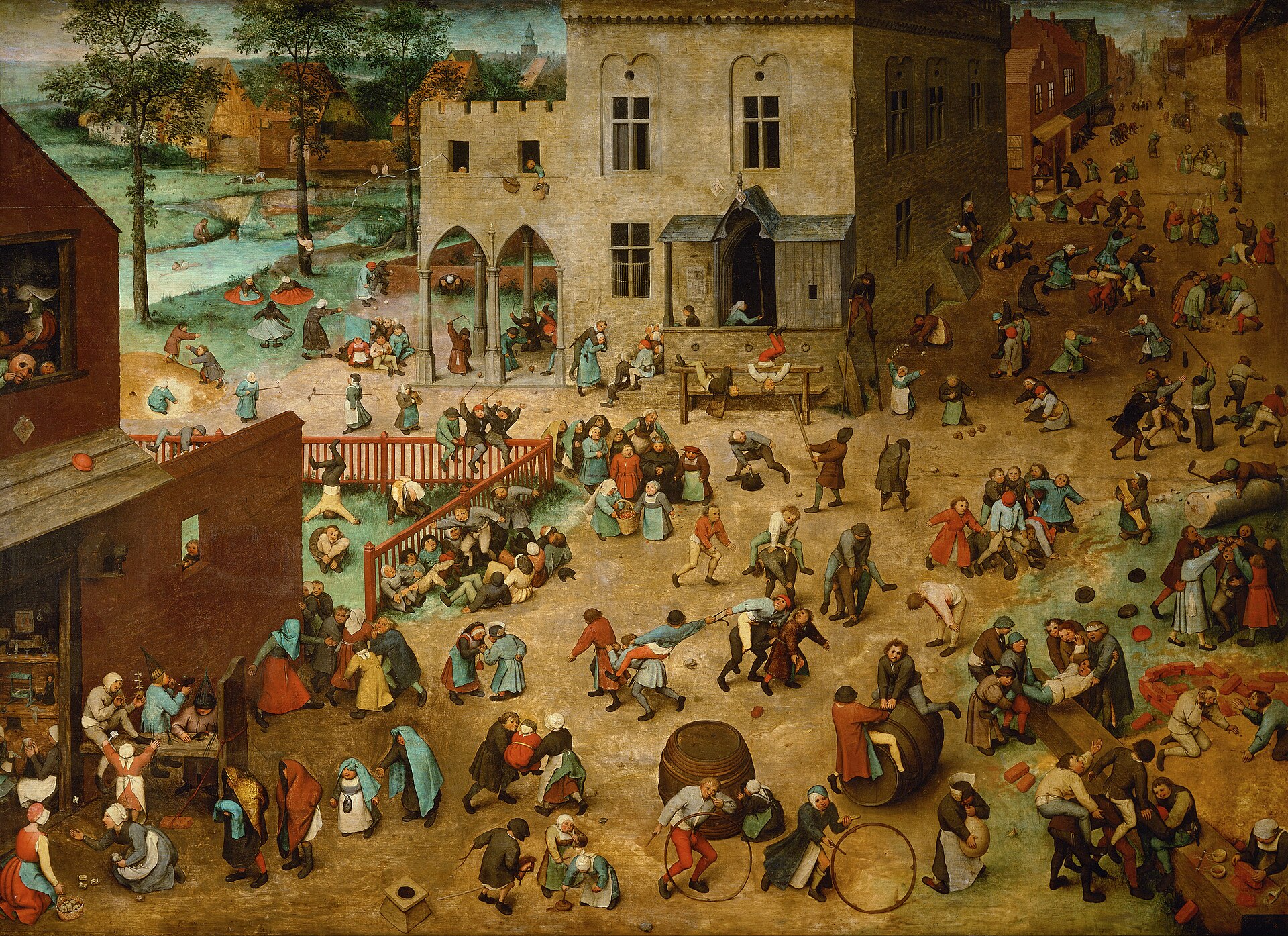
1560 - Pieter Bruegel the Elder: Children’s Games (All Facts)
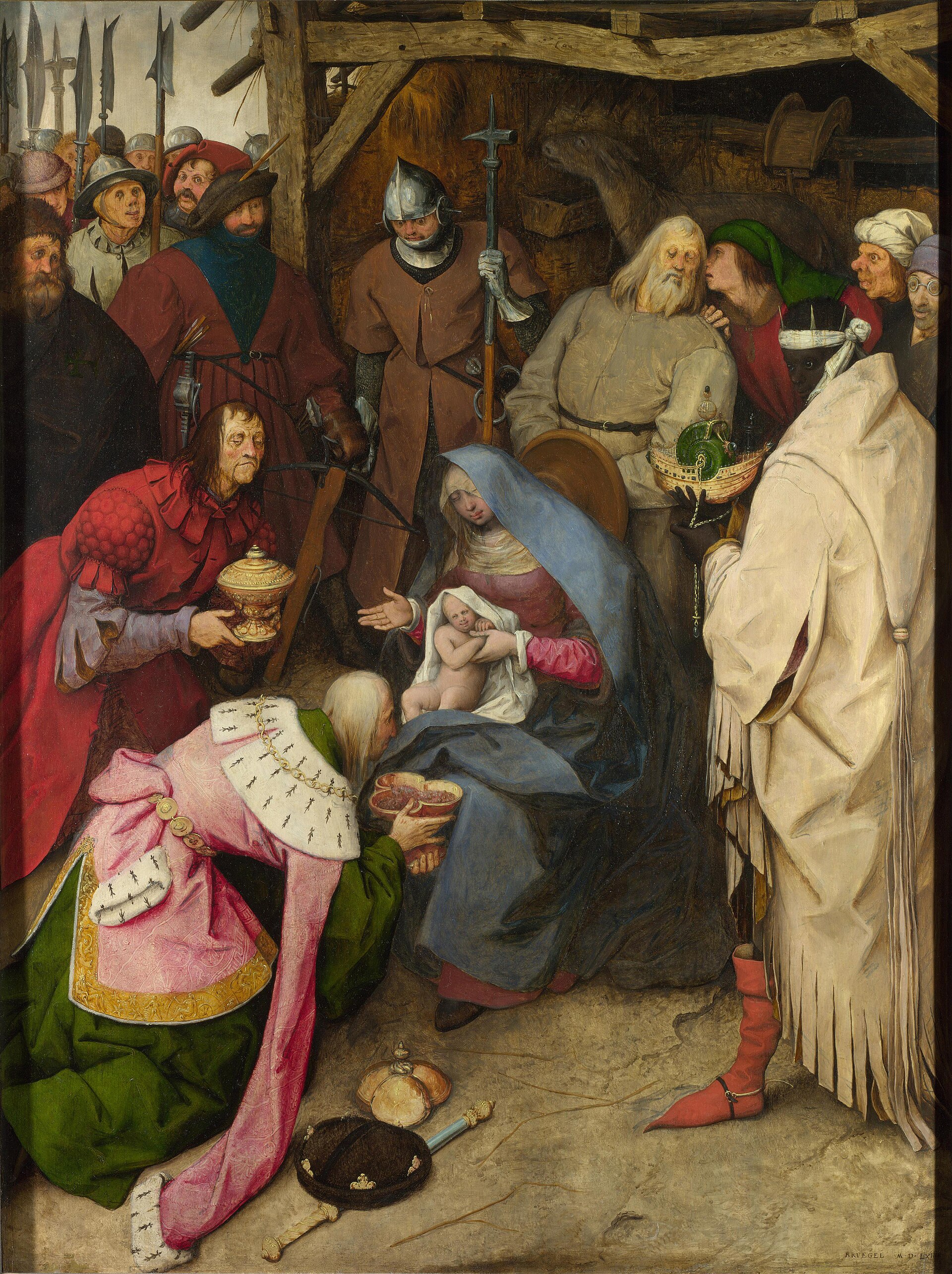
1564 - Pieter Bruegel the Elder: Adoration of the Kings (All Facts)
Painting in which the namesake painter shows a rough stable crowded with peasant faces and a homely Joseph, listening to a peasant whispering in his ear
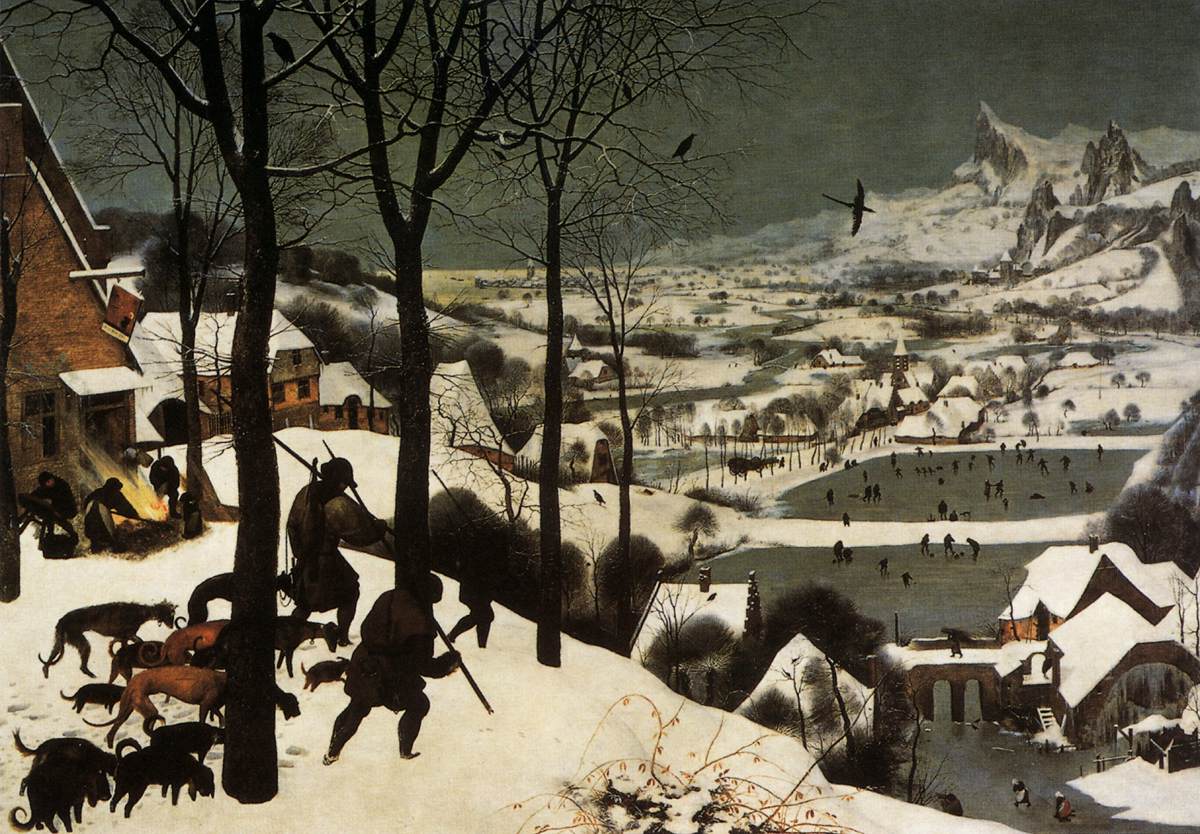
1565 - Pieter Bruegel the Elder: The Hunters in the Snow, January (All Facts)
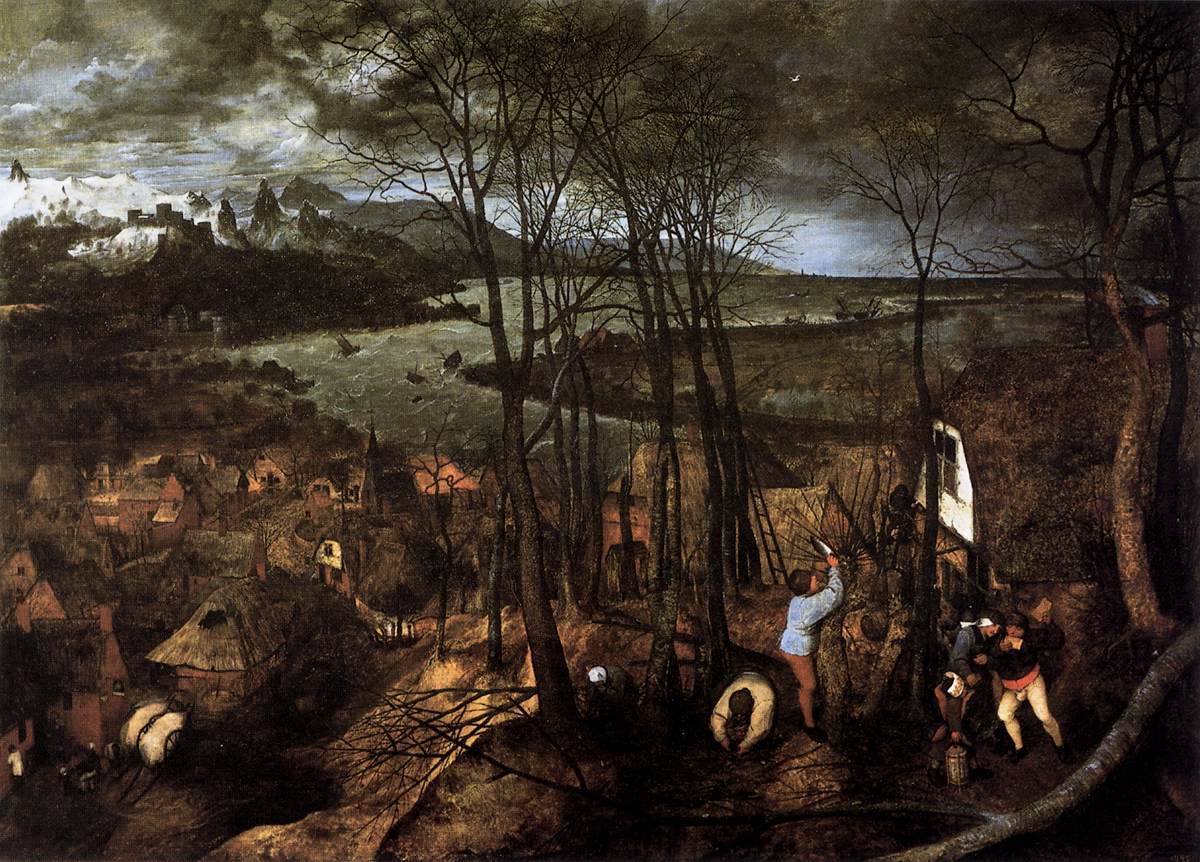
1565 - Pieter Bruegel the Elder: Gloomy Day, February (All Facts)
1565 - Pieter Bruegel the Elder: Haymaking, July (All Facts)
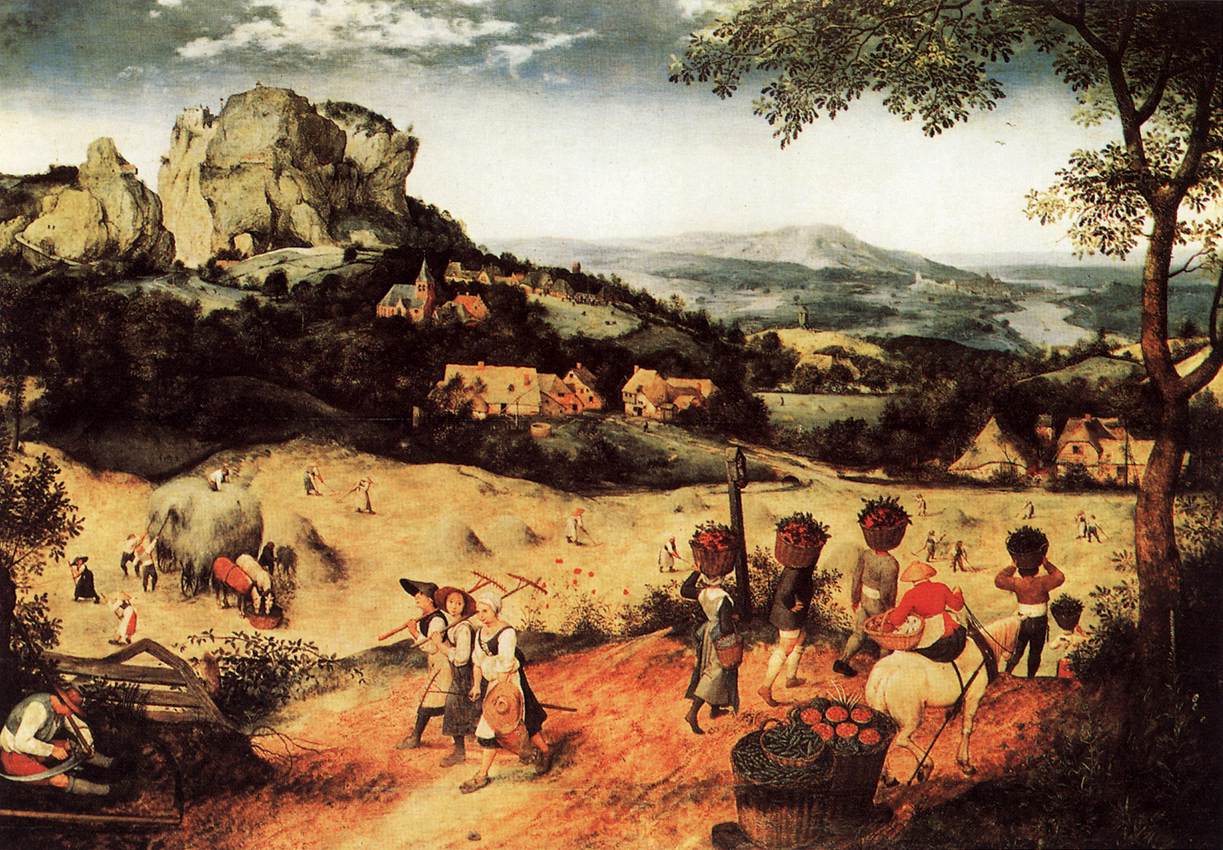
1565 - Pieter Bruegel the Elder: The Corn Harvest, August (All Facts)
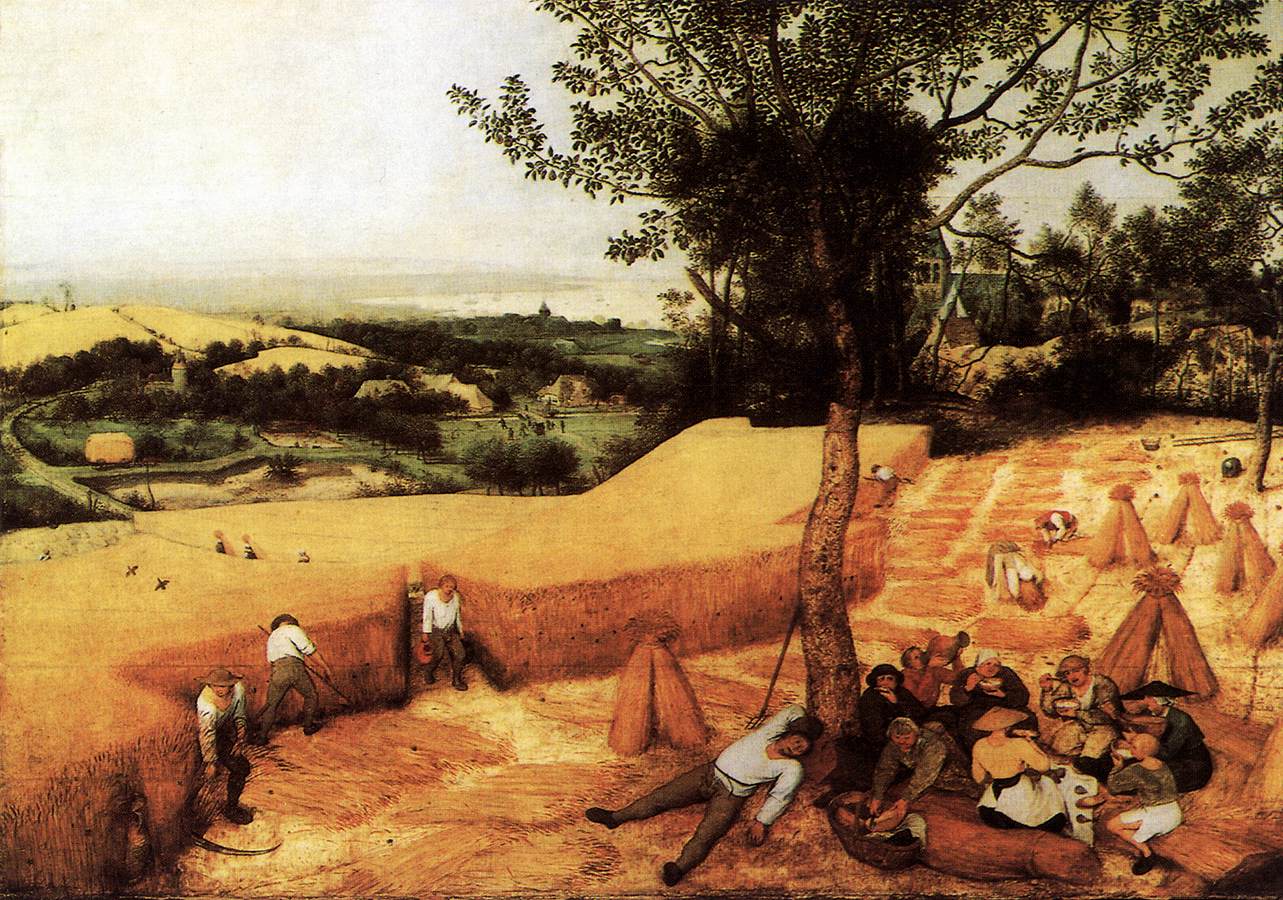
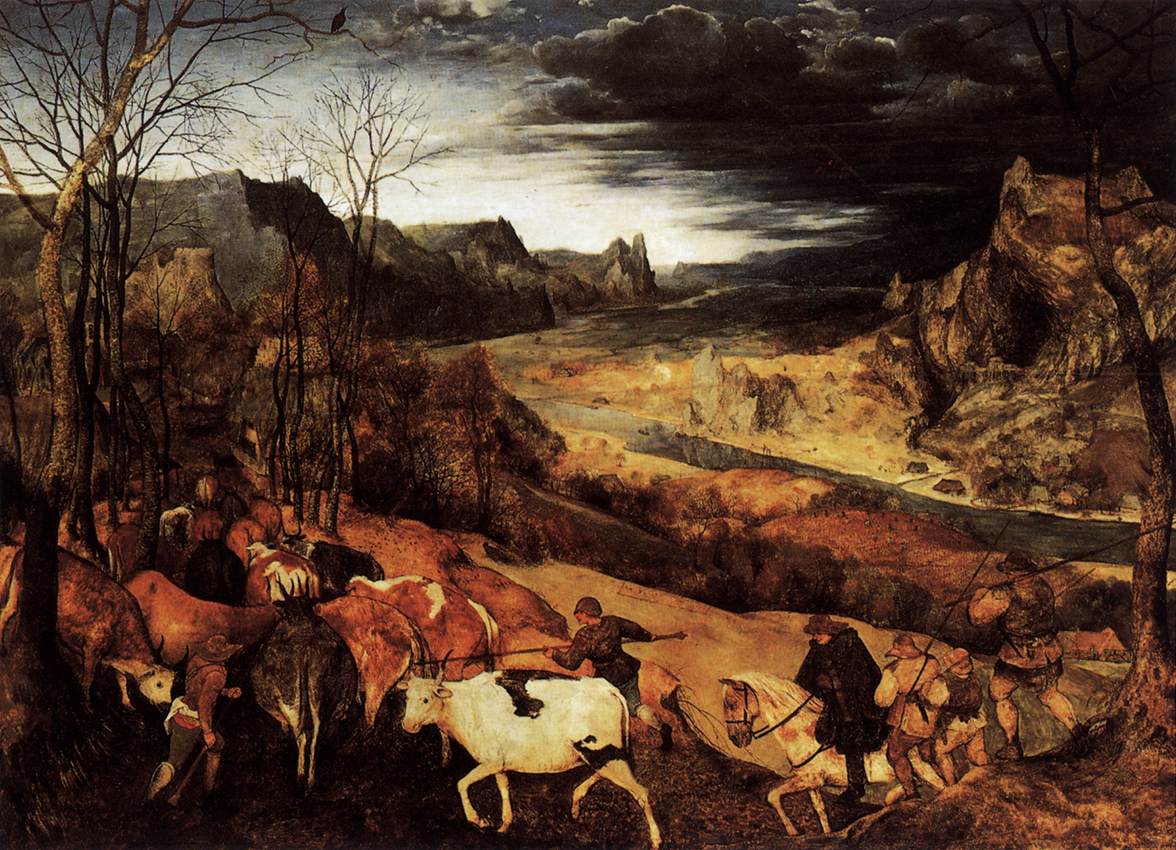
1565 - Pieter Bruegel the Elder: The Return of the Herd, November (All Facts)
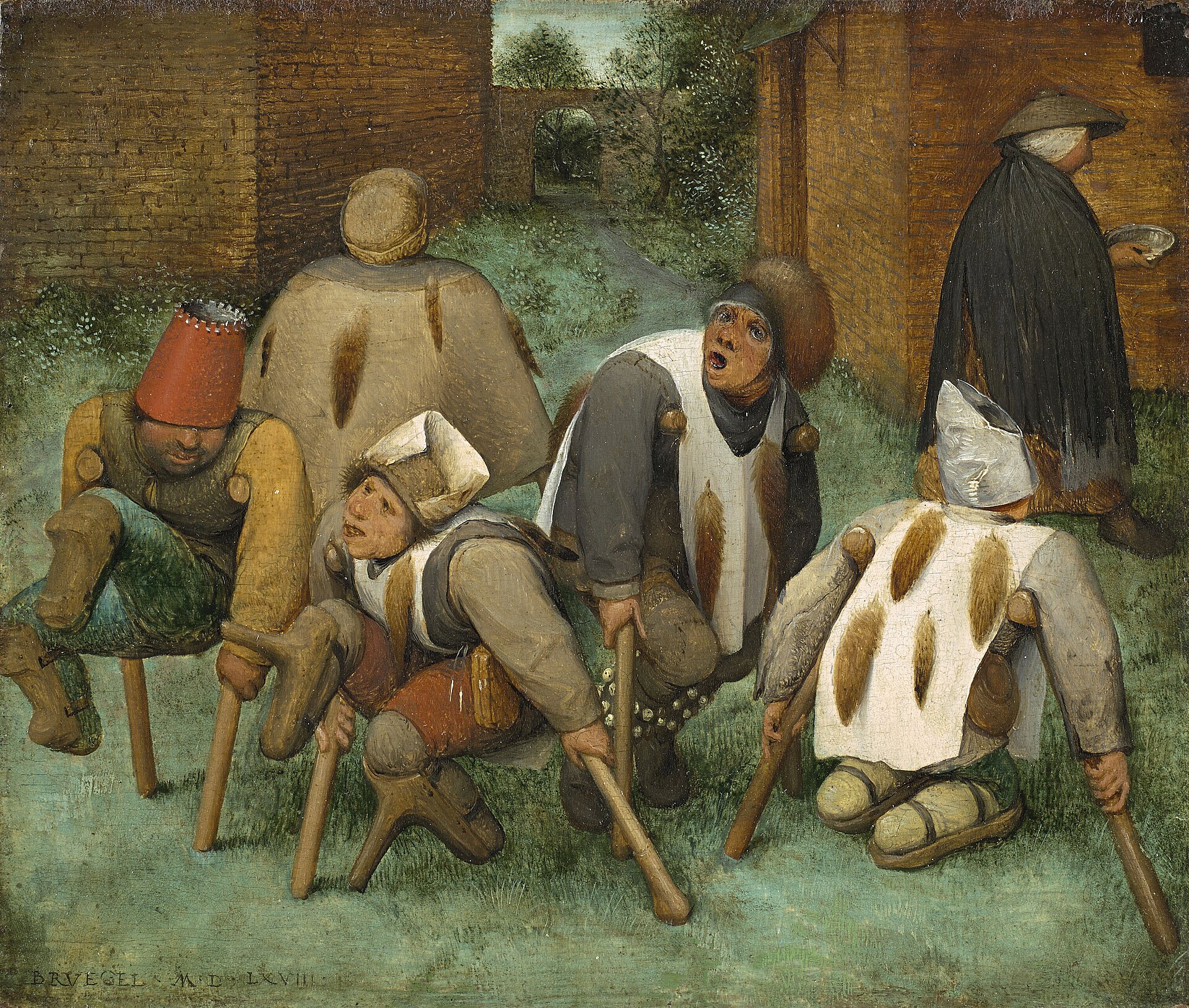
1567 / 1568 - Pieter Bruegel the Elder: The Beggars / The Cripples (All Facts)
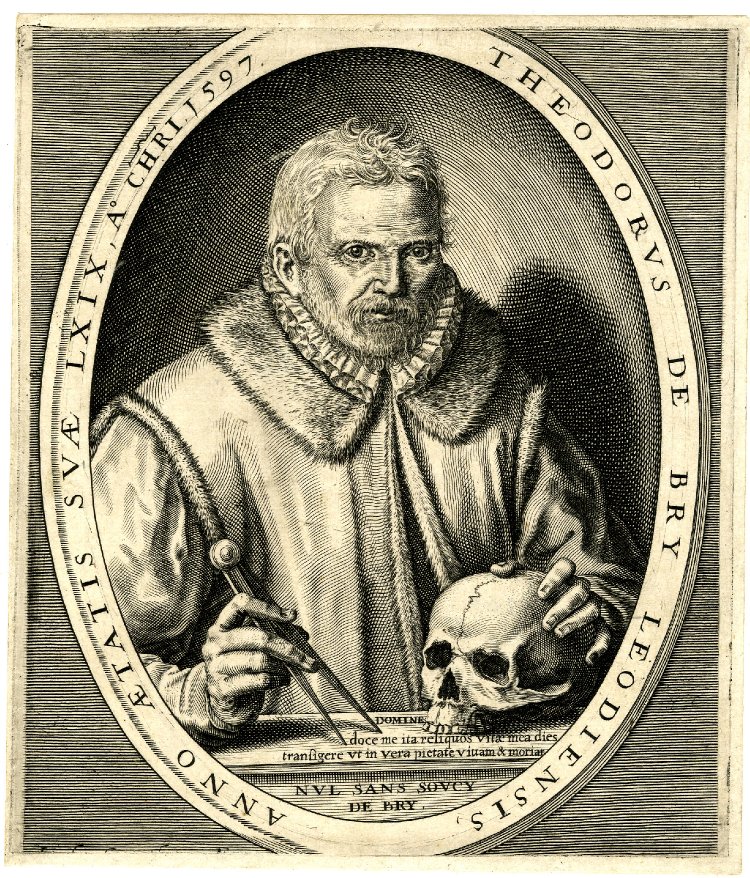
1527 - 1598 - Theodore de Bry (All Facts)
Walloon Engraver
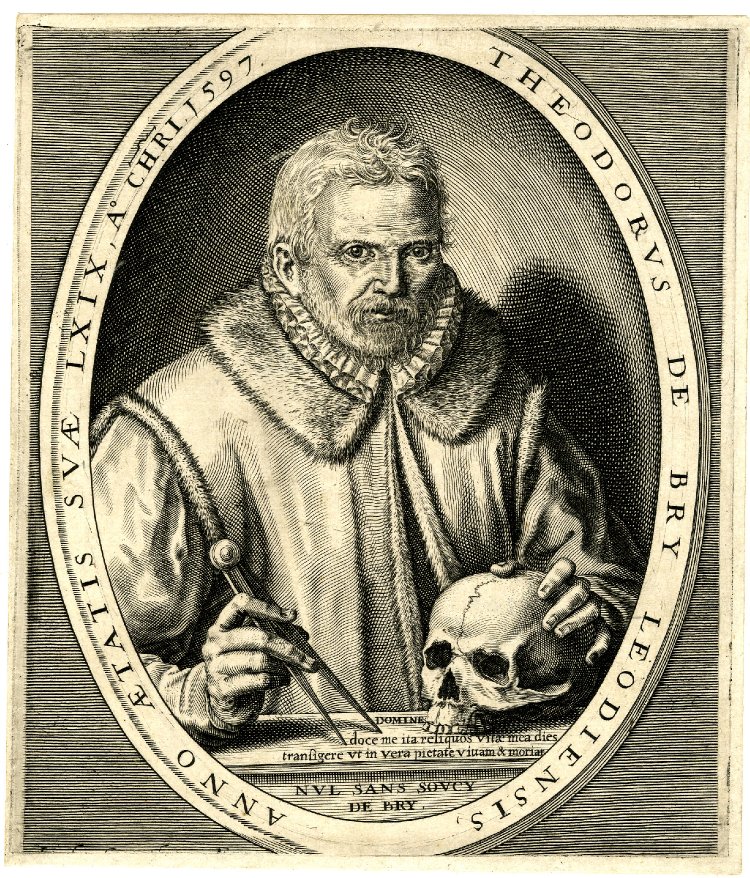
1591 - Theodore de Bry: Voyages (All Facts)
Series of books that feature engravings of (Spanish) Florida natives based on paintings by one “Jacques de Magne de Morgues” who lived with the Huguenots at Fort Caroline until it was destroyed by Pedro Menendez de Aviles and the Spanish
Series of books that feature engravings which depict
monstrous reptiles, called alligators
savages with tattoos all over their bodies
scenes of terrible executions and barbarous rites
1576 - 1621 - Cornelius Boel (All Facts)
Flemish Engraver and Draughtsman
He engraved and signed the title page of the first edition of the King James Bible (KJV)
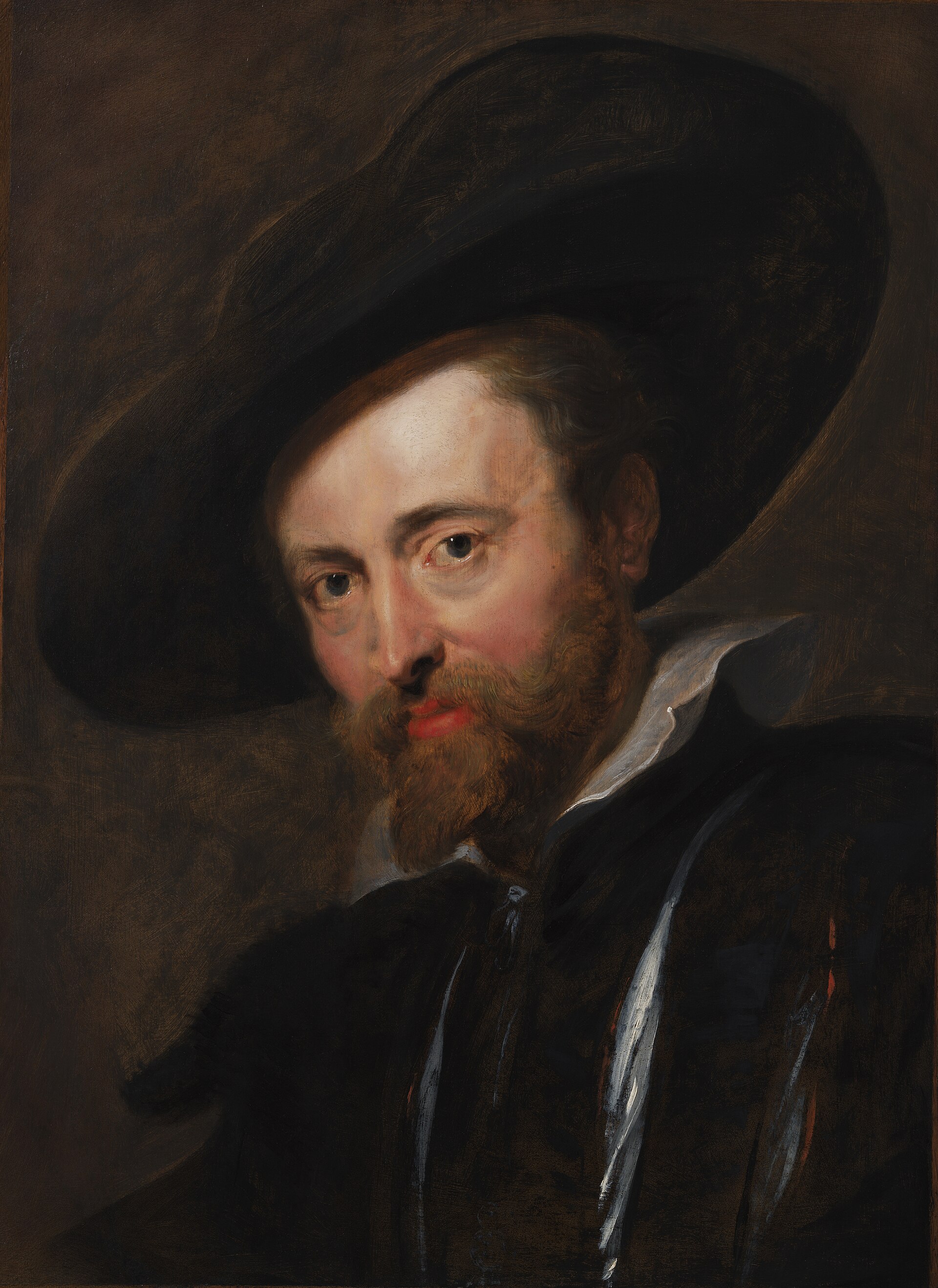
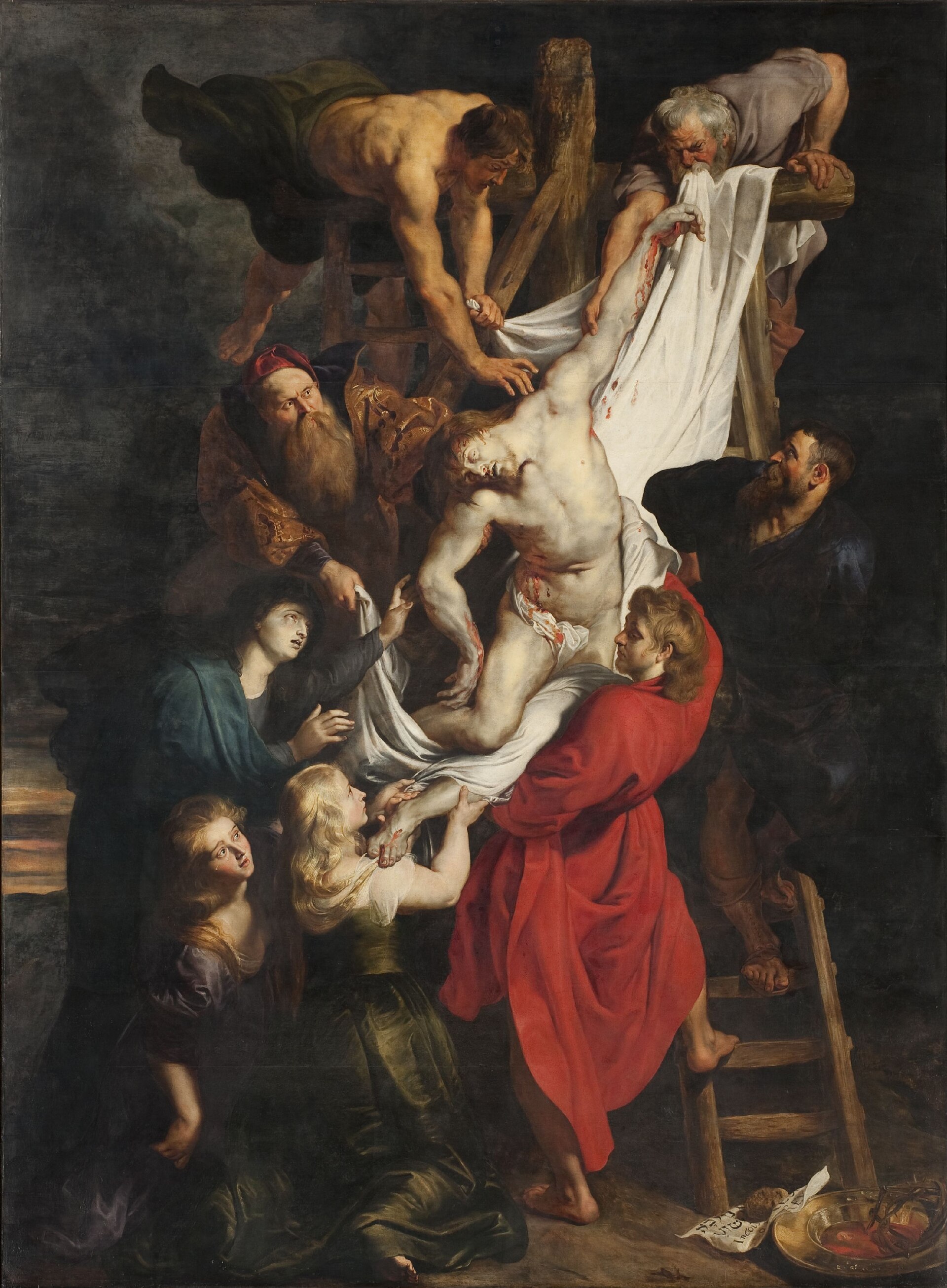
1577 - 1640 - Peter Paul Rubens (All Facts)
Flemish Baroque Painter
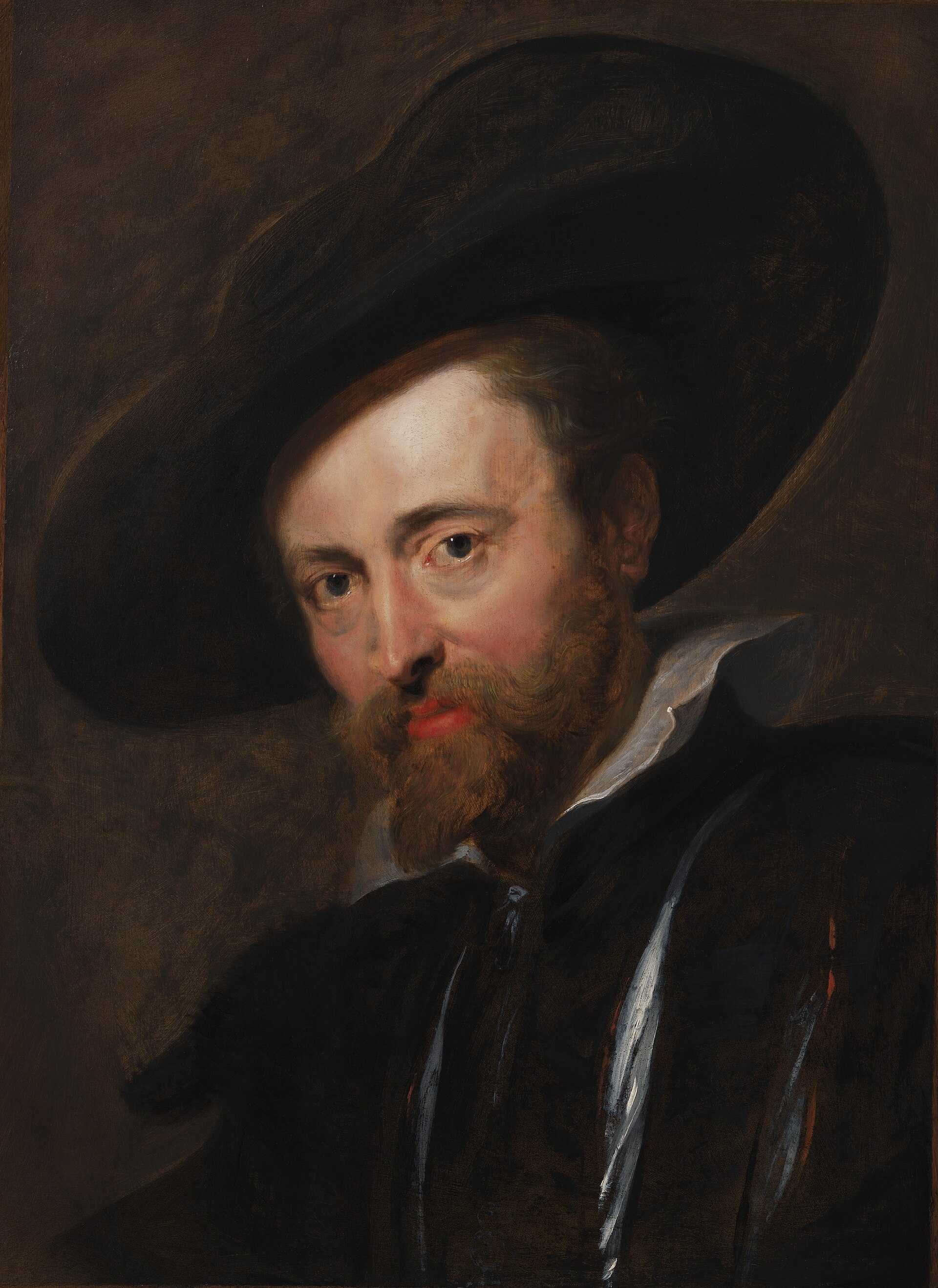
1612 - Peter Paul Rubens: Descent from the Cross (All Facts)