Low Countries: Military History and Notable Events
 Call Kai
 Learn
Learn Practice Test
 Spaced Repetition
 Match
Match Flashcards
 Knowt Play
1/31

There's no tags or description
Looks like no tags are added yet.
Name | Mastery | Learn | Test | Matching | Spaced | Call with Kai | Chat |
|---|
No analytics yet
Send a link to your students to track their progress
32 Terms
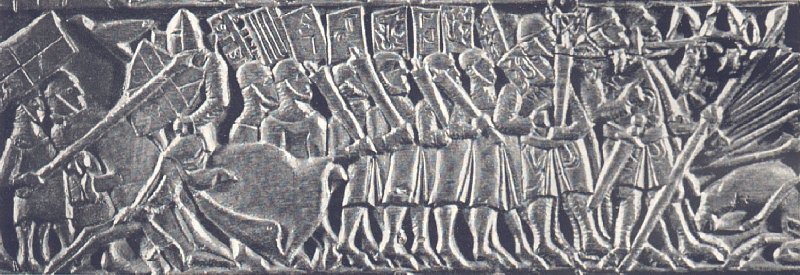
1297 - 1305 - Franco-Flemish War (All Facts)
Series of conflicts between the Kingdom of France and the County of Flanders prompted by King Edward of England’s rallying up of Flemish peoples to rebel against their French overlords

1302 - Battle of the Golden Spurs (All Facts)
Battle in which Pieter de Conninck and his rebellious forces of Flemish pikemen defeated and routed Robert II, the Count of Artois, and his French forces during the Franco-Flemish War
Battle which kept Flanders from being controlled entirely by France

1323 - 1328 - Flemish Revolt (All Facts)
Revolt led by Jacob van Artevelde of both urban and rural Flemish against the pro-French Counts of Flanders
Revolt against Count Louis of Flanders and his
pro-French policies
excessive taxation

1328 - Battle of Cassel (All Facts)
Battle in which an army of Flemish peasants and artisans revolted against but were defeated by King Philip VI of France and his forces during the Flemish Revolt
Battle which erupted over taxation and punitive edicts of the French over the Flemish
Battle after which France had direct military control over Flanders (and the Low Countries) until they were controlled by the Duchy of Burgundy (Burgundian Netherlands)
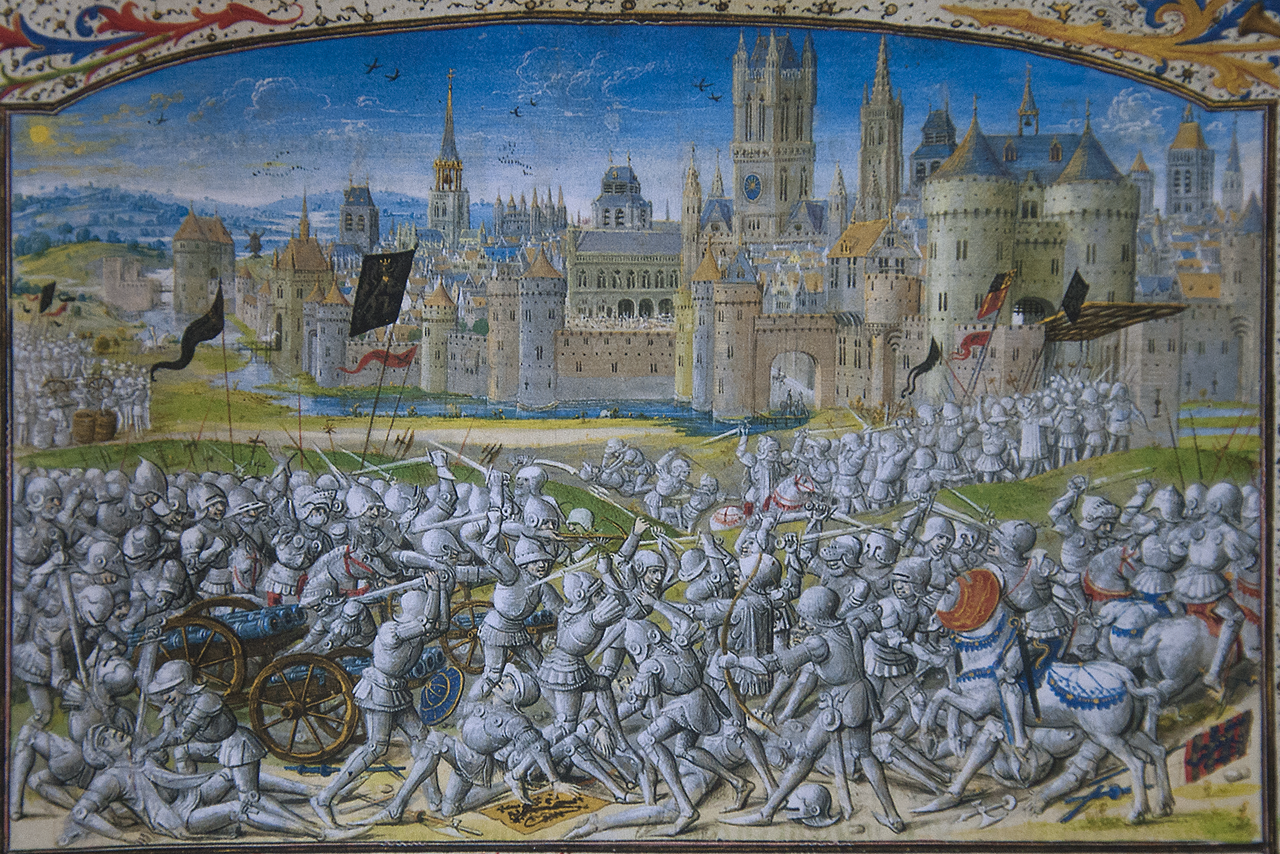
1379 - 1385 - Revolt of Ghent (All Facts)
Revolt in which wage earners in the namesake city rebelled
Revolt in which wage earners in Bruges and Ypres were brutally suppressed

1382 - Battle of Roosebeke (All Facts)
Battle in which Philip van Artevelde and his Flemish rebels were defeated by King Charles VI of France, Louis II of Flanders, and Olivier de Clisson during the Revolt of Ghent
Battle after which Flemish Ghent still held out against the French

1535 - Conquest of Tunis (All Facts)
Conflict in which King and Holy Roman Emperor Charles and his forces defeated Hayreddin Barbarossa and his Ottoman forces and takes the namesake city from him
Conflict in which 60K allied troops took the namesake city, along with the port of La Goleta and the bulk of Barbarossa’s fleet of 80 galleys
Conflict in which King and Holy Roman Emperor Charles allowed his soldiers five days of pillaging and 30K inhabitants were reported to have been killed
Conflict which began when King and Holy Roman Emperor Charles chose to invade after Barbarossa’s fleet had ravaged southern Italy at the behest of the Turkish sultan
As a result, King and Holy Roman Emperor Charles believed that Spanish possession of the namesake would effectively cut off Barbarossa from Constantinople
Conflict in which a combined fleet of Spanish and Genoan galleys sailed from Barcelona to Sardinia, where more ships joined their fleet with 22K German and Italian troops
Conflict in which King and Holy Roman Emperor Charles’ shock troops, the formidable “tercio” were the first to land at La Goleta, followed by artillery and a detachment of cavalry
Conflict in which Barbarossa chose to remain behind the walls, trusting the extreme heat to wear down the enemy
War in which many of King and Holy Roman Emperor Charles’s forces dying of dysentery
Conflict in which Barbarossa had not reckoned with the firepower of the fleet and land-artillery who pounded the walls for five hours before the infantry broke through, causing the namesake to fall more easily
1539 - 1540 - Revolt of Ghent (All Facts)
Revolt in which the namesake city’s inhabitants rose up against the reign of King and Holy Roman Emperor Charles
Revolt against the excessive taxation used to fund the Seventh Italian War
The townspeople had refused to pay taxes to finance the war with King Francis of France and had called in vain on King Francis of France for help against King and Holy Roman Emperor Charles
Revolt which was suppressed by King and Holy Roman Emperor Charles, after which he stripped the town of its privileges
Revolt after which King and Holy Roman Emperor Charles demanded that the leaders (and aldermen) of the guilds in the namesake town come to beg his pardon with nooses around their necks
20 of them were executed
1544 - Treaty of Speyer (All Facts)
Treaty in which Denmark granted the Netherlands full rights of trade and passage in the Baltic

1566 - 1648 - Dutch Revolt / Eighty Years’ War (All Facts)
War between Spain and the Habsburg (Spanish) Netherlands
War which began
when King Philip II of Spain
decided to curb the Netherlands’ autonomy
bring the Spanish Inquisition into the Netherlands
when popular revolts against Spanish rule were
triggered by
bad harvests
increase in the price of bread
famine
mass unemployment
floods
resentment against the implementation of the Spanish Inquisition into the Netherlands
oppressive taxes (especially the “tenth penny” tax of Fernando Álvarez de Toledo, the Duke of Alba)
encouraged by
anti-Catholic Dutch Calvinists
other anti-Spanish / anti-Catholic “heretics”
the Dutch Protestant Reformation
War which began when
the three leaders King Philip II of Spain had appointed to rule the Habsburg (Spanish) Netherlands began to challenge him and Spain for these anti-Netherlandish measures, making them symbols of Dutch resistance
churches were ransacked
monasteries were sacked
gold and silver ornaments were looted in villages throughout the Low Countries, as magistrates looked on helplessly
Catholic nobles were removed from their town councils
Margaret of Parma used newly-arrived funds from Spain to build up an army
War which began when Fernando Álvarez de Toledo, the Duke of Alba, acting on the orders of King Philip II of Spain had
pledged himself to bring back the Spanish Inquisition into the Netherlands
pledged himself to establish a new order for King Philip II
turned his regime over the Netherlands into a dictatorship by which he
imposed the hated “tenth penny” tax on the (Spanish) Netherlands to help a bankrupted Spain and pay his army in the Low Countries
humiliated Margaret of Parma, the civil governor, by
forcing her to demobilize her army she raised
assuming many of her powers until she was forced to leave for Italy
established the “Council of Troubles,” a newer and more sinister form of the Spanish Inquisition within the Netherlands, in which he
organized the arrests of thousands just in one spring
oversaw the execution of 1,000 alleged heretics
oversaw the stripping of property of 8,000 alleged heretics
oversaw the seizing and burning of 500 alleged heretical books in the Calvinist city of Tournai
imposed the “tenth penny” tax to help a nearly-bankrupted Spain pay its armies in the Low Countries (Netherlands)
War which began when Fernando Álvarez de Toledo, the Duke of Alba, acting on the orders of King Philip II of Spain had
ordered the arrest of Counts Egmont and Hoorne, the leaders of the nobility there
ensured that William of Orange was deprived of his office of stadtholder of Holland, Zeeland, and Utrecht
set up a new court in the Netherlands that tried suspected rebels
ordered the execution in Brussels of 20 noble leaders, including Counts Egmont and Hoorne
imposed crippling taxation on the rebel province of Groningen
oversaw the Count of Egmont’s execution via order of the repressive “Court of Unrest,” the so-called “Council of Blood”
suppressed the initial anti-Catholic, anti-Spanish Calvinist insurrection
came with 10K elite Spanish troops and marched through the streets of Ghent, organizing the troops into ranks of five, following them up with prostitutes in frilly dresses riding donkeys and bringing with a host of camp followers
made sure the behavior of his troops underlined the ferocity with which he approached his task
had the Dutch population, even the good Catholics there, insulted in the streets as “traitors” and “heretics”
had merchants beaten up
War in which the “Sea Beggars” fled from Fernando Alvarez de Toledo’s repression in their native Netherlands to England
They harried shipping between Spain and the Netherlands for three years
They chanted the Lord’s Prayer addressed to Fernando Alvarez de Toledo saying, “cursed father who in Brussels doth dwell, cursed be thy name in Heaven and in Hell”
When they tried using Dover in England as the base for their operations, Queen Elizabeth of England expelled them from the port
They eventually controlled Brill, Enkhuisen, Flushing, Arnemuide, Veere, Holland, and Zeeland when Luis de Requenses y Zyniga assumed the governorship
War in which the Dutch
raised their own revenue from their trade in the East and West Indies
captured an entire (Spanish) treasure fleet in the Caribbean one year, the proceeds of which enabled them to launch a major assault against Spain within the Netherlands
(from the Seven United Provinces) occupied the mouth of the Scheldt, halting any seaborne trade with Antwerp
War in which Francis, Duke of Anjou tried to regain Antwerp for the Dutch Calvinists
War in which Piet Heyn and his forces seized 80 tons of silver from (Spanish) Cuba, whom carried the namesake war across the Atlantic to colonies and shipping in the New World of the Americas
War which saw the Pacification of Ghent
War in which the Hague of the Netherlands deposed Philip II of Spain as ruler of the seven provinces which formed the Union of Utrecht, thus declaring war against and independence from Spain
War in which Alexander Farnese of the Netherlands secured the submissions of the southern Netherlands, Flanders, and Brabant to the Spanish crown
War in which Robert Dudley returned to England after failing to aid the Dutch in their revolt against Spain
War in which a Twelve Year Truce was declared
However, this did not last because of a renewal of hostilities occurred because of Dutch ships having grown in numbers and trading throughout much of the world and threatening Spain’s trade monopoly with its colonial possessions
Apart from their success in trading, the Dutch waged war with Spanish shipping and settlements on the Pacific Ocean; which provoked their hostilities amongst one another
War in which the Spanish court ended the Twelve Year Truce once
the Dutch established “Fort Orange” on Hudson’s River in North America
established their Dutch West India Company, which was formed to promote trade and war in Spanish South America
War in which the Dutch were so desperate for military aid against Spain that they
appealed to Cardinal Richelieu and France for assistance, who gave them a subsidy of a million livres on the condition that Dutch ships join in a blockade of the Huguenot fortress in the Battle of La Rochelle
The Dutch leaders’ willingness to support a war against their fellow Huguenots (French Calvinists) angered the Dutch Calvinists of the Netherlands
struck at other American possessions of King Philip IV and Spain in order to inflict maximum damage on the king’s lucrative trade with the colonies
They ignored the claims of Spain (and Portugal) and dealt directly with the colonies to raise revenues
This trade became so large that
King Philip IV had to continue fighting because of what he would lose
The Dutch had to continue fighting because of what they had gained
They seized the Spanish (formerly Portuguese) capital of Brazil, the port of Bahia
War during which the Dutch and the Spanish traded with each other despite the conflict in which
The Dutch levied port charges on ships sailing to Spanish territories, using the money to build warships
The Spanish needed the grain and naval stores brought by the Dutch from northern Europe for their own use
War which dragged on for so long because the Spanish crown, despite being much more powerful
became bankrupt and could not pay its troops fighting for them in the Netherlands
Thus, mercenaries working for Spain frequently mutinied, walking out of forts and letting the Dutch take them over
Thus, Spanish military gains in the Netherlands were frequently lost
depended on a steady flow of precious metal from New Spain (the New World) to pay its troops; its entire empire existing solely to fund the war
had to pay heavily to move her troops across Europe from Italy
had a depleted navy which had to be deployed in protecting treasure ships in the Atlantic and escorting troop-ships to Genoa, leaving the North Sea and Baltic ports open for Dutch shipping
had leaders who were busy patronizing artists (whom some of their money went to)
had a gradual but demoralizing effect on Spain, it being an intolerable strain on Spain’s resources in manpower and money
War which saw
The Capture of Brielle in which
monasteries were sacked there
Catholic nobles were removed from its town council
it provided the first foothold on land for the rebels at a time when the rebellion was all but crushed, which offered the sign for a new revolt throughout the Netherlands which led to the formation of the Dutch Republic
The Siege of Haarlem
The Battle of Mookerheyde
The Sack of Antwerp
The Battle of Gembloux
The Fall of Antwerp
The Battle of Nieuwpoort
The Siege of Ostend
The Siege of Bergen op Zoom
The Capture of Bahia
The Battle of San Juan
The Portuguese-Dutch War
The Dutch Invasions of Brazil
The Siege of Recife
The Siege of Malacca
War which ended with the Peace of Munster, in which the Netherlands gained their independence from Spain and were no more the Habsburg (Spanish) Netherlands but were known as the Dutch Republic

1570 - All Saints’ Flood (All Facts)
Tidal wave in the North Sea which destroyed sea walls from Holland to Jutland
It killed over 1,000 people

1572 - Capture of Brielle (All Facts)
Incident in which the namesake port town was captured by William II de la Marck and his “Sea Beggars” forces
Incident which marked a turning point in the uprising of the Low Countries against Spain in the Eighty Years' War
The namesake port provided the first foothold on land for the rebels at a time when the rebellion was all but crushed
Incident which offered the sign for a new revolt throughout the Netherlands which led to the formation of the Dutch Republic

1572 - 1573 - Siege of Haarlem (All Facts)
Battle in which the Spanish took the namesake city from the Dutch during the Dutch Revolt / Eighty Years’ War

1574 - Battle of Mookerheyde (All Facts)
Battle in which Luis de Requesens y Zúñiga and his Spanish forces defeated the Dutch Protestant / Calvinist rebels during the Dutch Revolt / Eighty Years’ War

1576 - Sack of Antwerp (All Facts)
Incident which became known as the “Spanish Fury”
During the Dutch Revolt / Eighty Years’ War, the Spanish soldiers took and destroyed the namesake city in which they
mutinied yet indulged in extortion and robbery
rampaged through the city; burning, killing, and looting
killed 8,000 people
destroyed 1,000 houses
“spared neither age nor sex, time nor place, person nor country, profession nor religion, young nor old, rich nor poor, strong nor feeble, but, without any mercy, did tyrannously triumph”
killed hundreds of children
It was prompted by a mutiny four years ago, by Spanish soldiers, that brought the hatred to the boiling point in the namesake conflict
This occurred as thousands of hardened veteran troops expelled their officers and formed their own revolutionary committees, with brutal excesses following
It led to the negotiations which led to the Pacification of Ghent

1578 - Battle of Gembloux (All Facts)
Battle in which John of Austria and his Spanish forces defeated the Estates-General of Dutch Rebels during the Dutch Revolt / Eighty Years’ War
1579 - Union of Arras (All Facts)
Alliance between the County of Artois, the County of Hainaut and the city of Douai in the Habsburg (Spanish) Netherlands during the Eighty Years' War
It finalized the division of the former Netherlands, forming the United Provinces
1579 - Union of Utrecht (All Facts)
Alliance based on an agreement concluded between a number of Dutch provinces and cities, to reach a joint commitment against the King Philip II of Spain with the hope of forcing him to stop his harsh administrative measures
Agreement upon which deputies from the six provinces of the (Spanish) Habsburg Netherlands pledged to
act together as allies in the event of war
allow each province to govern itself in its own way
Agreement which failed to mention
the Spanish King’s name
any question of reconciliation with Spain
the maintenance of Catholicism
It finalized the division of the former Netherlands, the effect of the agreement being separate from its subsequent agreement meant only to split a people / nation already deeply divided by religious beliefs even further, at a time when Spain was facing new threats from the Ottoman Turks
It formed the United Provinces
It also served as the basis for the Constitution of the Seven United Provinces of the Netherlands
In 1594, the province of Groningen joined the union

1584 - 1585 - Fall of Antwerp (All Facts)
Battle in which Alexander Farnese and his Spanish forces defeated the States General and took the namesake city to be submitted to the Spanish crown during the Dutch Revolt / Eighty Years
1585 - Treaty of Nonsuch (All Facts)
Treaty signed between Queen Elizabeth of England and the United Provinces (Dutch rebels) against Spain
Treaty which effectively allowed England to assist the Netherlands in their revolt against Spain / Eighty Years’ War
It was the first international treaty signed by what would become the Dutch Republic
Per its terms, Queen Elizabeth of England sent Robert Dudley, the earl of Leicester, at the head of an army to support the Dutch rebels against their Spanish overlords
Treaty which essentially initiated England’s war with Spain via the Netherlands
1596 - Triple Alliance (All Facts)
Pact established between England, France, and the Netherlands against Spain

1600 - Battle of Nieuwpoort (All Facts)
Battle in which Maurice of Nassau and his Dutch forces defeated Albert VII of Austria and his Spanish forces during the Eighty Years’ War / Dutch Revolt
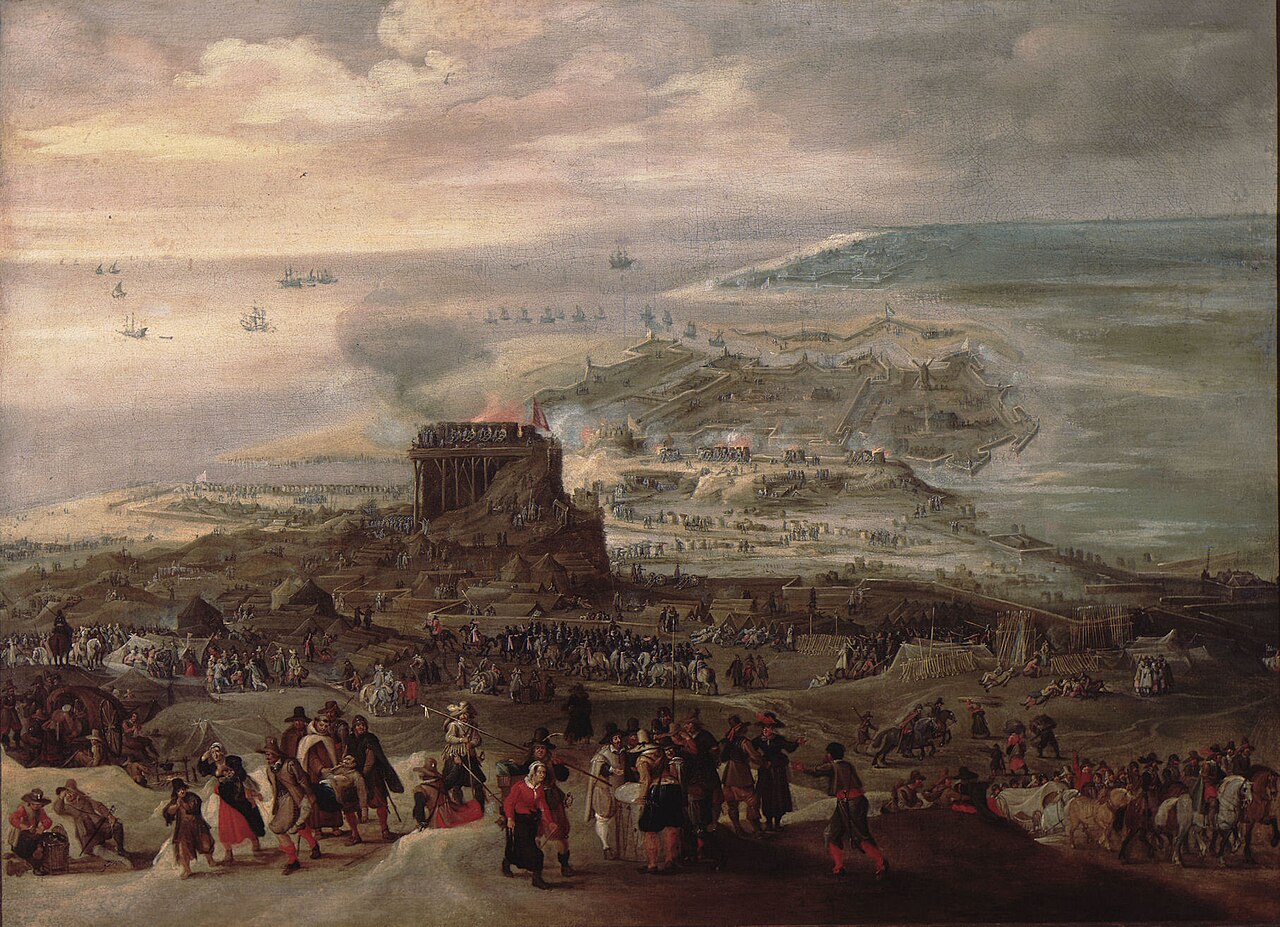
1601 - 1604 - Siege of Ostend (All Facts)
Three-year siege in which the Spanish took the namesake city from the Dutch during the Eighty Years’ War
1609 - 1621 - Twelve Years’ Truce (All Facts)
Ceasefire during the Eighty Years War between Archduke Albert VII of Austria and Spain and Maurice Nassau and the Netherlands
Truce that was formally agreed upon after months of negotiation, with envoys from England and (King Henry IV of) France acting as mediators
Lasting for the namesake amount of time, it took effect universally a year into its implementation because of the need to inform troops and ships outside Europe
Truce in which the Archduke tried desperately to secure a guarantee of improvement in conditions for Catholics in the north of the Netherlands
Truce in which the Dutch, pressed for the right to trade with Spain’s colonies
Truce that included a clause that allowed travel and trade between Spain and the Netherlands, but “as for the places, cities, ports, and harbors which King Philip III of Spain holds outside these limits, the States and their subjects cannot engage in any business in them without the permission of King Philip III”
1622 - Siege of Bergen op Zoom (All Facts)
Battle in which Ambrogio Spinola and his Spanish forces defeated Maurice of Nassau and his Dutch forces and seized the namesake fortress town during the Dutch Revolt / Eighty Years’ War
1624 - Capture of Bahia (All Facts)
Battle in which Dutch forces defeated the Spanish (and Portuguese) forces and took the namesake town from the Spanish (and Portuguese) in (Spanish / Portuguese) Brazil during the Dutch Invasions of Brazil during the Dutch-Portuguese War during the Dutch Revolt / Eighty Years’ War

1625 - Battle of San Juan (All Facts)
Battle in which the Spanish forces defeated the Dutch forces despite a two month siege of the namesake Spanish town in (Spanish) Puerto Rico, preventing the Dutch from taking the Spanish colony during the Dutch Revolt / Eighty Years’ War

1630 - Siege of Recife (All Facts)
Battle in which the Dutch captured the namesake sugar capital of Brazil from the Portuguese during the Dutch-Portuguese War and Eighty Years War
After their capture, the Dutch developed the namesake Brazilian city along the lines of Amsterdam,
with canals and tall town houses
in which architects, engineers, and artists all came from Holland to develop it
in which a policy of religious toleration was introduced, allowing Calvinists, Catholics, and Jews to practice their religion without interference

1648 - Peace of Munster (All Facts)
Peace Treaty signed between King Philip IV of Spain and the remaining leaders of the Dutch Revolt of the Netherlands, ending the Eighty Years War / Dutch Revolt
Peace Treaty in which Spain
recognized the Seven United Dutch Provinces as an independent nation, the Dutch Republic (despite their having already declared independence from Spain nearly a century prior)
surrendered its rights to the “generality lands” (of “Northern” Netherlands)
agreed that the Netherlands had the right to trade freely via its companies in the West and East Indies
confirmed Dutch conquests in Flanders and Brabant
closed the port of Antwerp
Peace Treaty which was drawn up
despite strong opposition from the Dutch Calvinists of “Northern” Netherlands
due to Spain’s anxiety to relieve itself of the Netherlands in order to deal with the ongoing Franco-Spanish War with France
due to a carefully planted rumor by Spanish agents that the Dutch’s French allies were going to negotiate a separate peace and were planning on exchanging Catalonia for the Netherlands

1667 - 1668 - War of Devolution (All Facts)
War in which Turenne and his French forces defeated the Spanish forces and took (some of) the Spanish Netherlands (Flanders)
War in which Turenne and his 70K French forces, the largest army seen in Europe since Roman times, invaded and defeated the Spanish Netherlands (and Flanders), having taken dozen of fortresses with hardly any resistance from the dispirited and outnumbered Spanish army
War which began when King Louis XIV claimed the right to lands belonging to Habsburg Spain and the Holy Roman Empire based on his wife Maria Theresa’s “infanta” rights
War in which England, the Netherlands, and Sweden formed the Triple Alliance to check such pursuits
War in which France gained most of these territories in the Spanish Netherlands and Flanders
War during which Jean-Baptiste Colbert placed aggressive tariffs on England and the Spanish / Southern Netherlands in order to affect their ability to trade with France to bolster the French economy during the war
War which ended with the Treaty of Aix-la-Chapelle

1695 - Bombardment of Brussels (All Facts)
Incident in which François de Neufville and his French forces bombard the namesake city during the Nine Years’ War, forcing it out of the control of the Grand Alliance