Missouri Crayfish
 Call Kai
 Learn
Learn Practice Test
 Spaced Repetition
 Match
Match Flashcards
 Knowt Play
1/20

Earn XP
Description and Tags
These flashcards are to help learn field identification of Missouri's Crayfish. Made in May 2026 by Missouri Department of Conservation Crayfish Field Technician
Name | Mastery | Learn | Test | Matching | Spaced | Call with Kai | Chat |
|---|
No analytics yet
Send a link to your students to track their progress
21 Terms
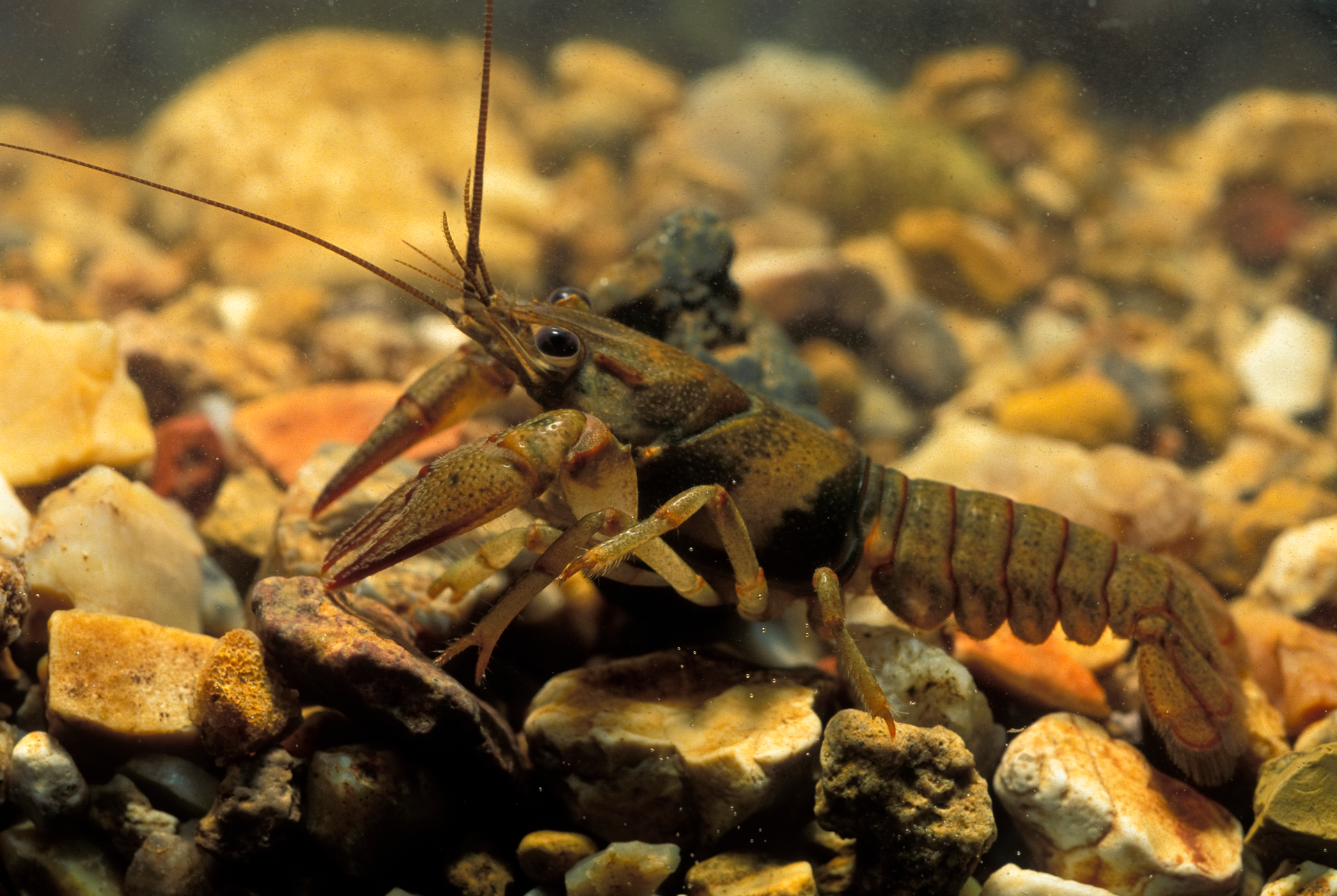
St. Francis River Crayfish
Scientific Name: Faxonius quadruncus
Conservation Status: SOCC, State Endangered, Federally threatened, MO endemic
Burrowing Type: Tertiary
Ecoregion: Ozarks
Key characteristics:
On gonopods, primary process length= length of secondary process
gonopods don’t reach the base of pincers when abdomen is flexed
Hooks present on 2nd and 3rd pair of walking legs
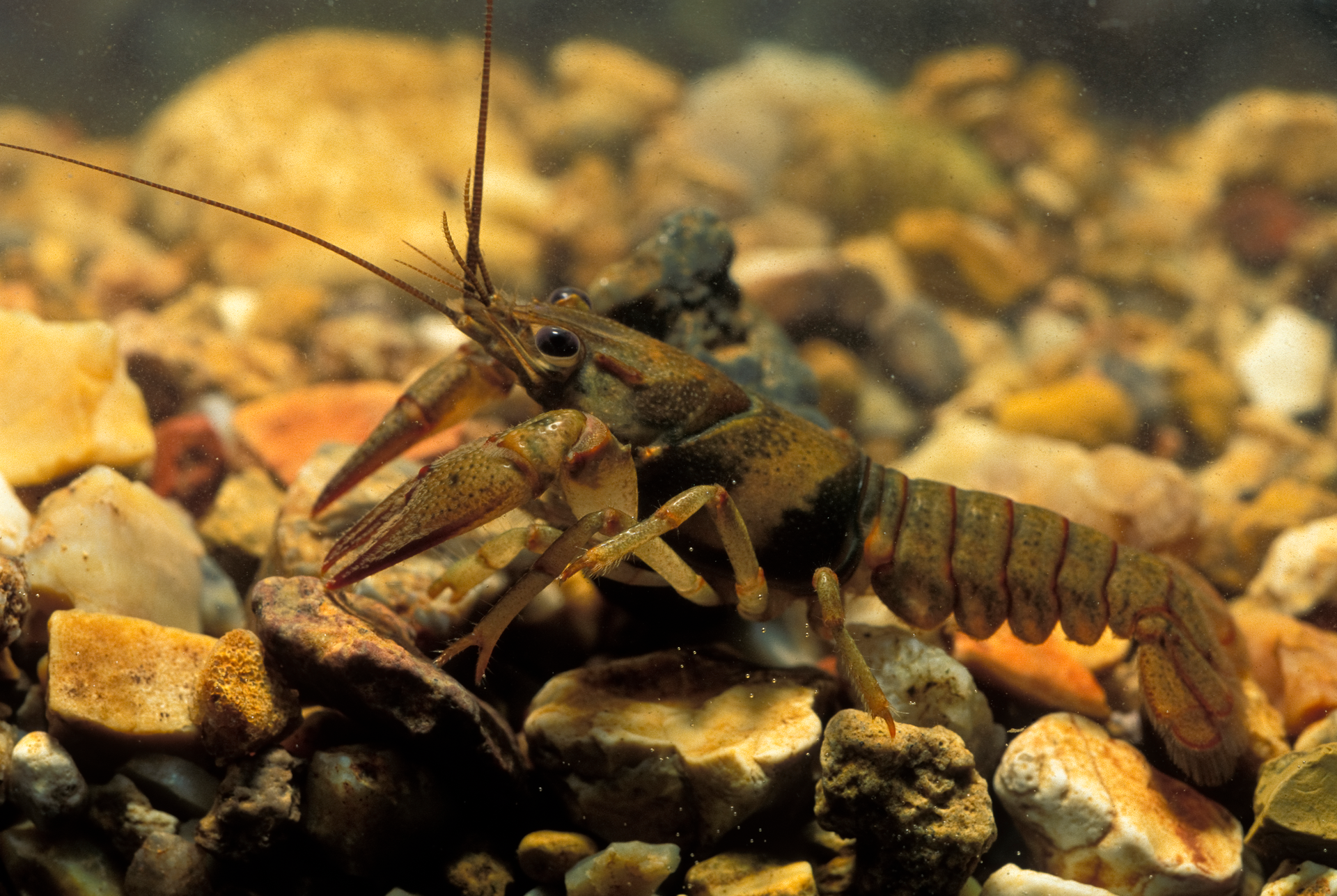
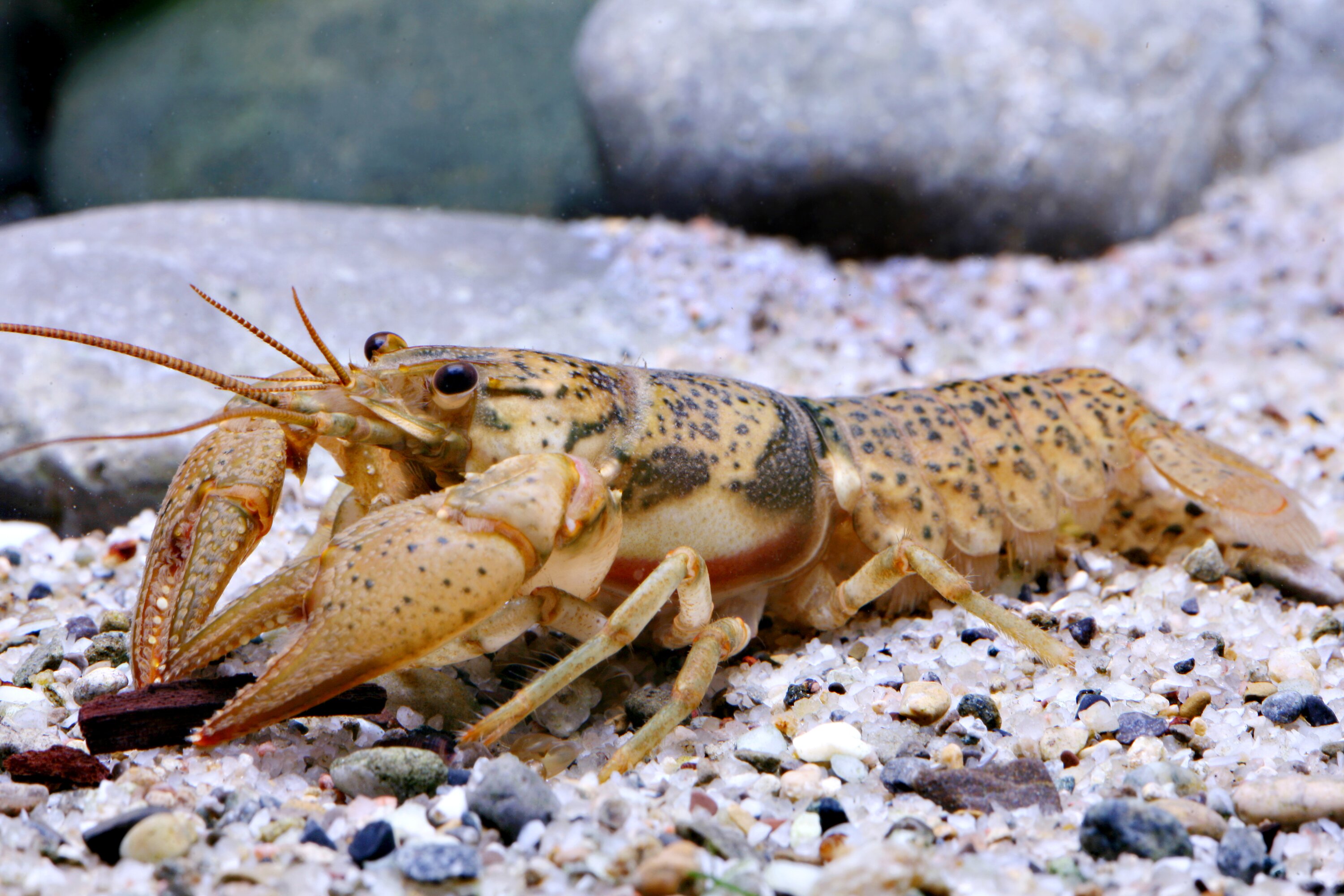
Big Creek Crayfish
Scientific Name: Faxonius peruncus
Conservation Status: SOCC, State Endangered, Federally Threatened, MO endemic
Burrowing Type: Tertiary
Ecoregion: Ozarks
Drainages: Upper St. Francis
Key characteristics:
On gonopods, primary process length > length of secondary process
Secondary process thicker than primary process and is broad and flared
Processes separated by a definite space
Hooks present on 2nd and 3rd pair of walking legs in Form 1 males
Has areola
in females, annulus ventralis is more elongated vertically
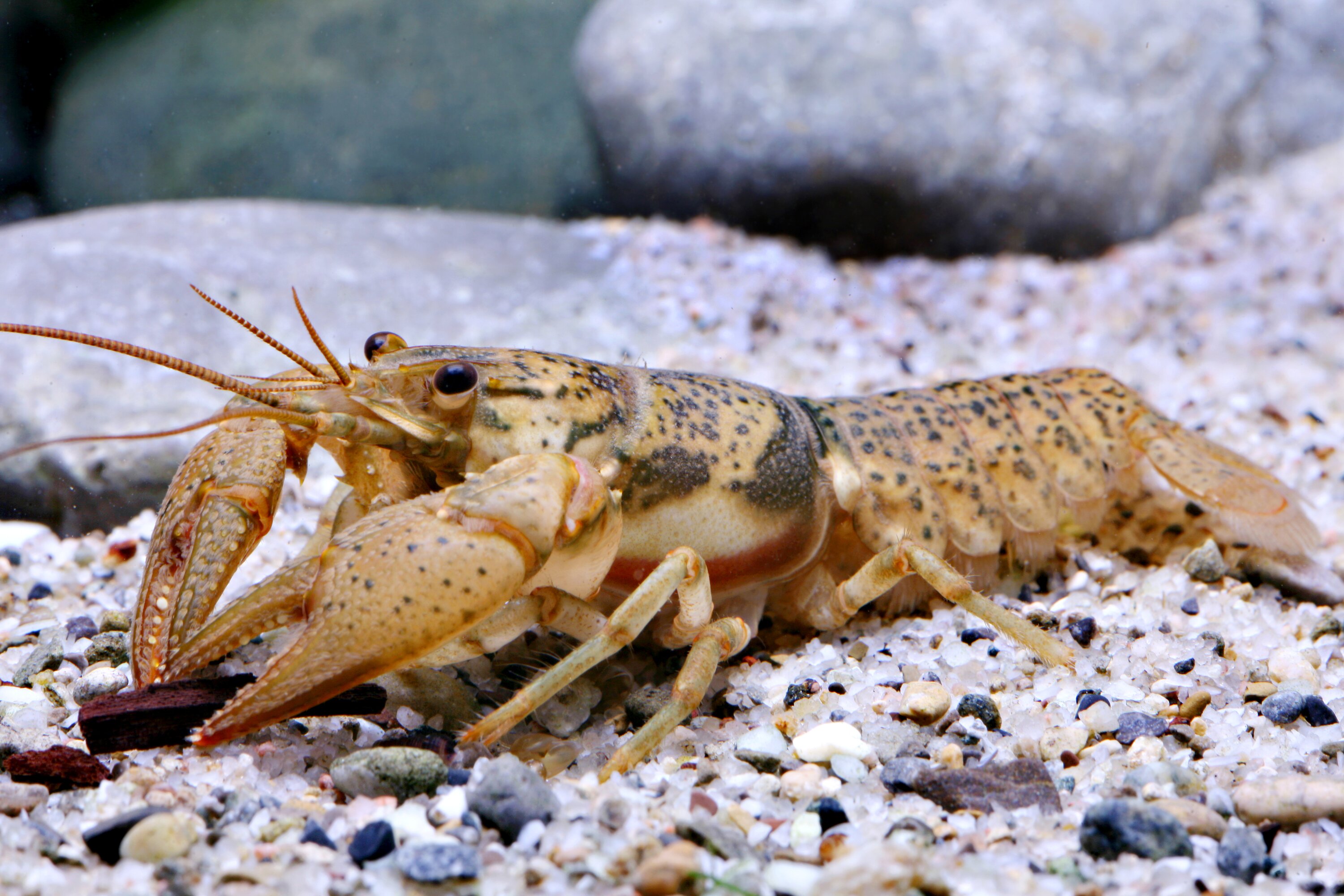
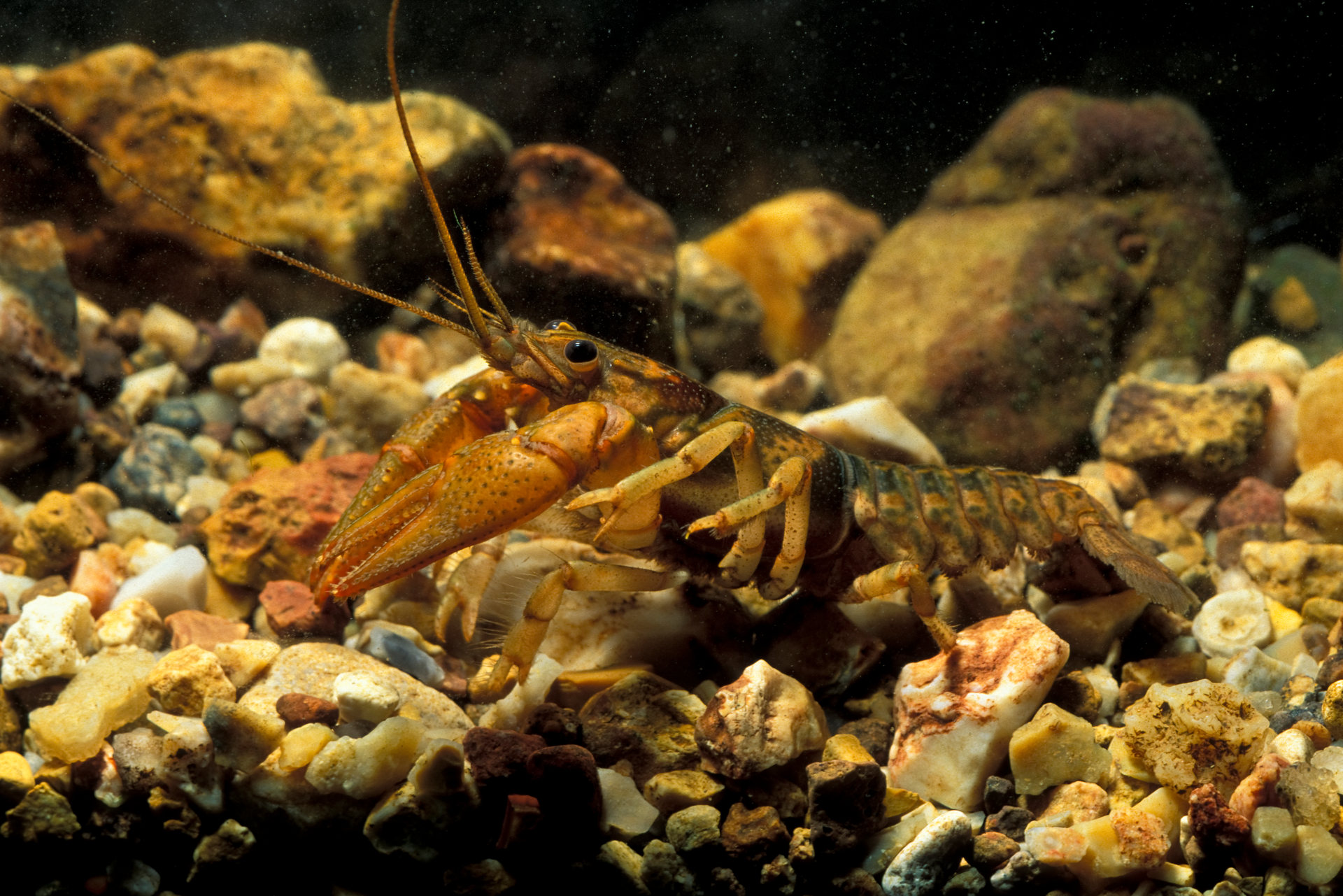
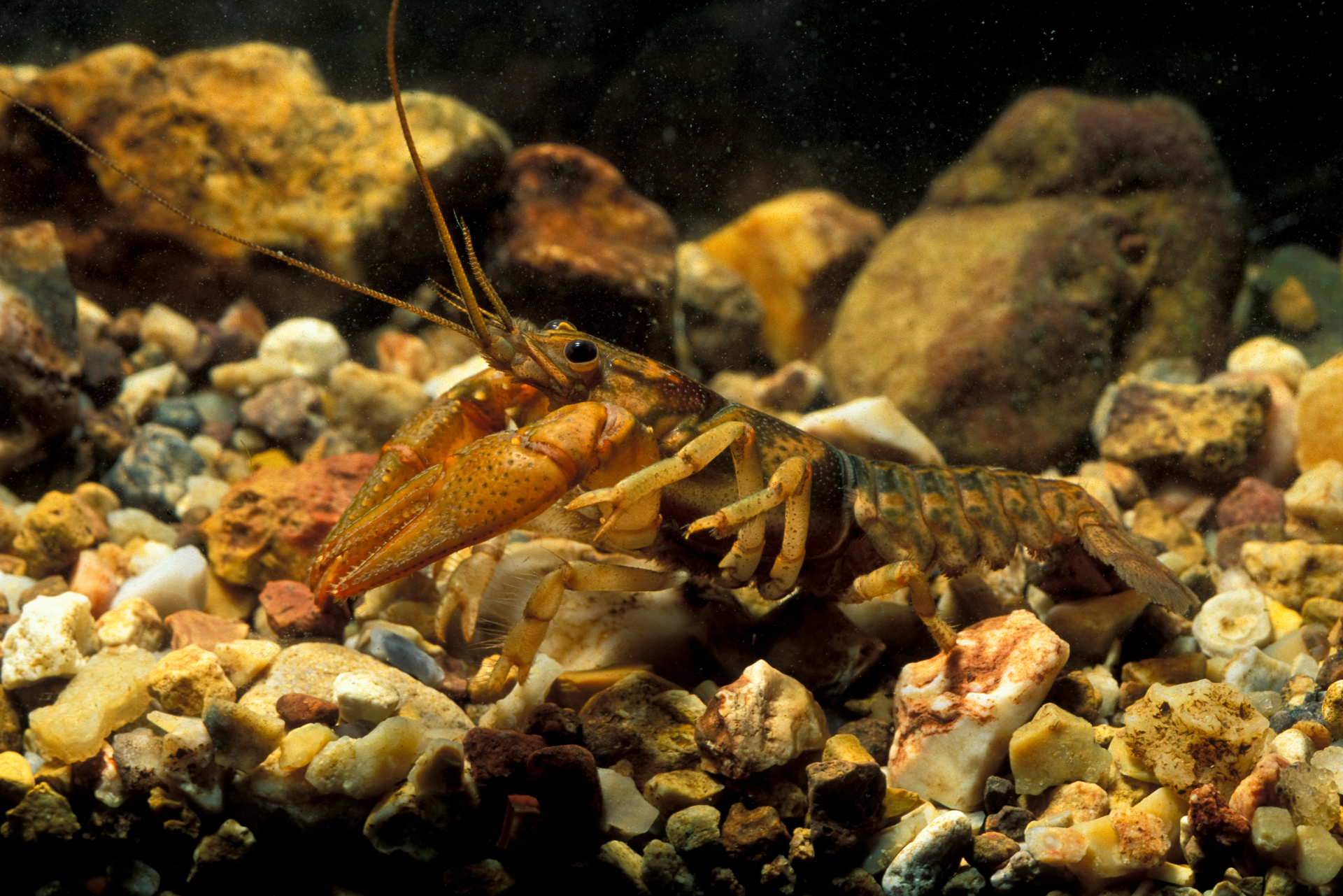
Woodland Crayfish
Scientific Name: Faxonius hylas
Conservation Status: Secure, Missouri Endemic, Invasive
Burrowing Type: Tertiary
Ecoregion: Ozarks
Native Drainages: Big Meramec, Upper Black
Introduced Drainages: Upper St. Francis
Key characteristics:
On gonopods, primary process thickness = thickness of secondary process
Hooks only on bases of 2nd pair of walking legs
Long slender processes which touch and reach past base of walking legs
Has areola
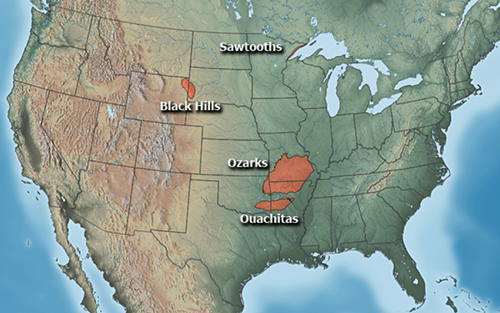
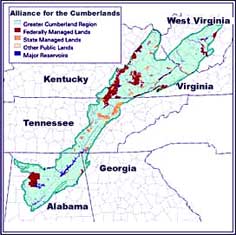
Where are the two hotspots for crayfish diversity in North America?
The Cumberland Plateau: Kentucky, Tennessee, Alabama, and Georgia
The Ozark and Ouachita Plateaus: Missouri, Arkansas, and Oklahoma
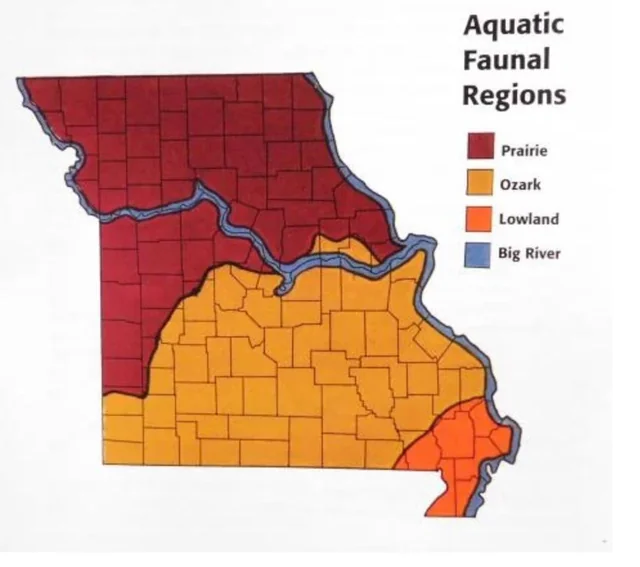
What are the 4 principal aquatic faunal regions in Missouri?
Ozarks
Praire
Lowland
Big River
What phylum are crayfish in?
Arthropoda-characterized by jointed legs, segmented bodies, and external skeletons made of chitin
Includes insects, spiders, and crustaceans
How many species of crayfish are there globally?
How many in North America?
How many in U.S.?
more than 750 spp.
more than 470
about 400 in U.S
What region are the state’s 3 cave crayfish in?
The Ozark region
Why should people care about crayfish?
Keystone/ecological dominant species: they restructure plant and invertebrate assemblages and influence the availability of resources for other species through their diet.
Main diet for many fish; including popular game fish like small and large mouth bass
They create a healthy flow of energy in streams by acting as decomposers of leaf litter, razing on macrophytes, and disturbing sediments.
What Class are crayfish in?
Class Crustacea: primarily aquatic arthropods, two pair of antennae and branched appendages.
Class includes crabs, lobsters, isopods, and amphipods (scuds).
What order are crayfish in?
Order Decapoda: means “ten-footed”;first pair ending in terminal claws, gills enclosed in the carapace.
Includes crabs, lobsters, and shrimp
Globally, crayfish are divided into 2 major lineages. What are they?
Superfamily Astacoidea (northern Hemisphere; North America, Europe, and Asia)
Superfamily Parastacoidea (southern hemisphere; South America, Madagascar, Australia, and New Zealand).
What is the dominate crayfish family in North America?
Family Cambaridae
About how many crayfish species are in Missouri?
~40 species
How many genera (genus) of crayfish are there in MO? What are they?
8 genera.
Cambarellus (2)
Cambarus (4)
Creaserinus (1)
Faxonella (1)
Faxonius(22)
Lacunicambarus (5)
Orconectes (1)
Procambarus (5)
What are characteristics of Cambarellus genus?
small; usually less than 1 inch long
occur in swamps, sloughs, and roadside ditches of the southern US and Mexico.
Two species in MO: Swamp Dwarf Crayfish (C. puer) and Shufeldt’s Dwarf Crayfish (C. shufeldtii)
Big Creek Crayfish vs St. Francis River Crayfish (F. quadruncus)
Range- Both in St. Francis River Watershed but they’re distribution within it does not overlap in many places
Gonopods look very different. F. peruncus (Big creek) primary process is longer than secondary and there is a space between them. In St. Francis River crayfish the two processes are about equal in length and are not separated by a space
Big Creek Crayfish vs. Woodland Crayfish
In gonopods, Big Creek Crayfish have a broader secondary process compared to their primary process whereas Woodland Crayfish processes are more similar in thickness
Secondary process of Big Creek Crayfish is just thicker compared to secondary process of Woodland.
Woodland Crayfish Form 1 males only have hooks on 2nd pair of walking legs whereas Big Creek crayfish have them on 2nd AND 3rd
In females, fossa of female sperm receptacles is deeper.
St. Francis River Crayfish vs Woodland Crayfish
Gonopods of St. River Crayfish have nearly equal length processes whereas woodland crayfish have a longer primary process
Does not reach base of pincers when abdomen is flexed.
In females, fossa of female sperm receptacles is deeper in woodland crayfish.
How many crayfish are Species of Conservation Concern in MO? How many are state endangered? How many are federally listed?
26/40 SOCC; Over half!
5 species are state endangered
2 Species are federally threatedned ( Big Creek and St. Francis)