Quantum model, Bonds, Arranging Atoms in Molecules, Electronegativity, Molecule Polarity and Intermolecular forces
 Call Kai
 Learn
Learn Practice Test
 Spaced Repetition
 Match
Match Flashcards
 Knowt Play
1/17

There's no tags or description
Looks like no tags are added yet.
Name | Mastery | Learn | Test | Matching | Spaced | Call with Kai | Chat |
|---|
No analytics yet
Send a link to your students to track their progress
18 Terms
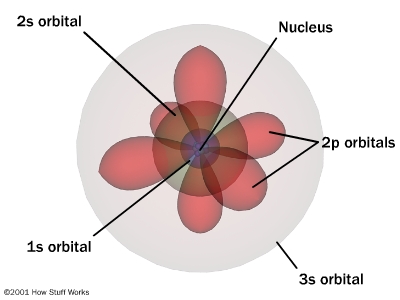
What is the Quantum Model?
-3d model of atoms
-Electrons are arranged in areas of probability 95% of time
-Electrons behave like waves
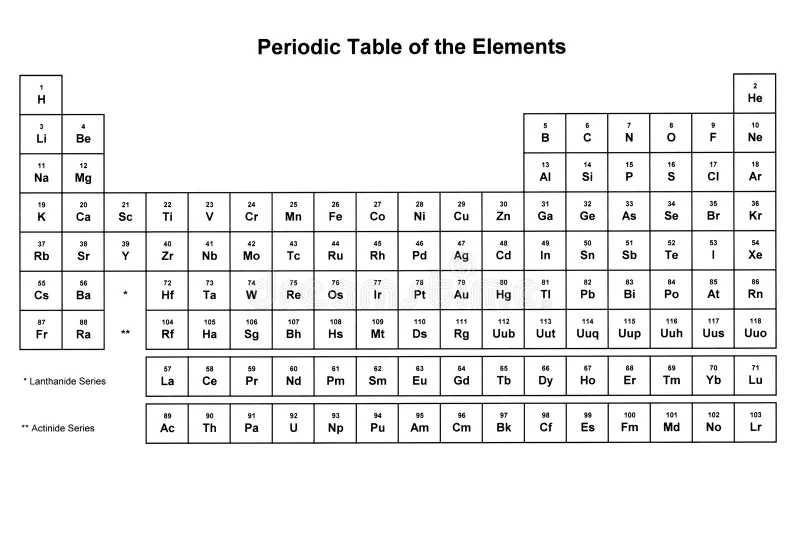
What is the Electron Configuration of Br- ?
1s2 2s2 2p6 3s2 3p6 4s2 3d10 4p6
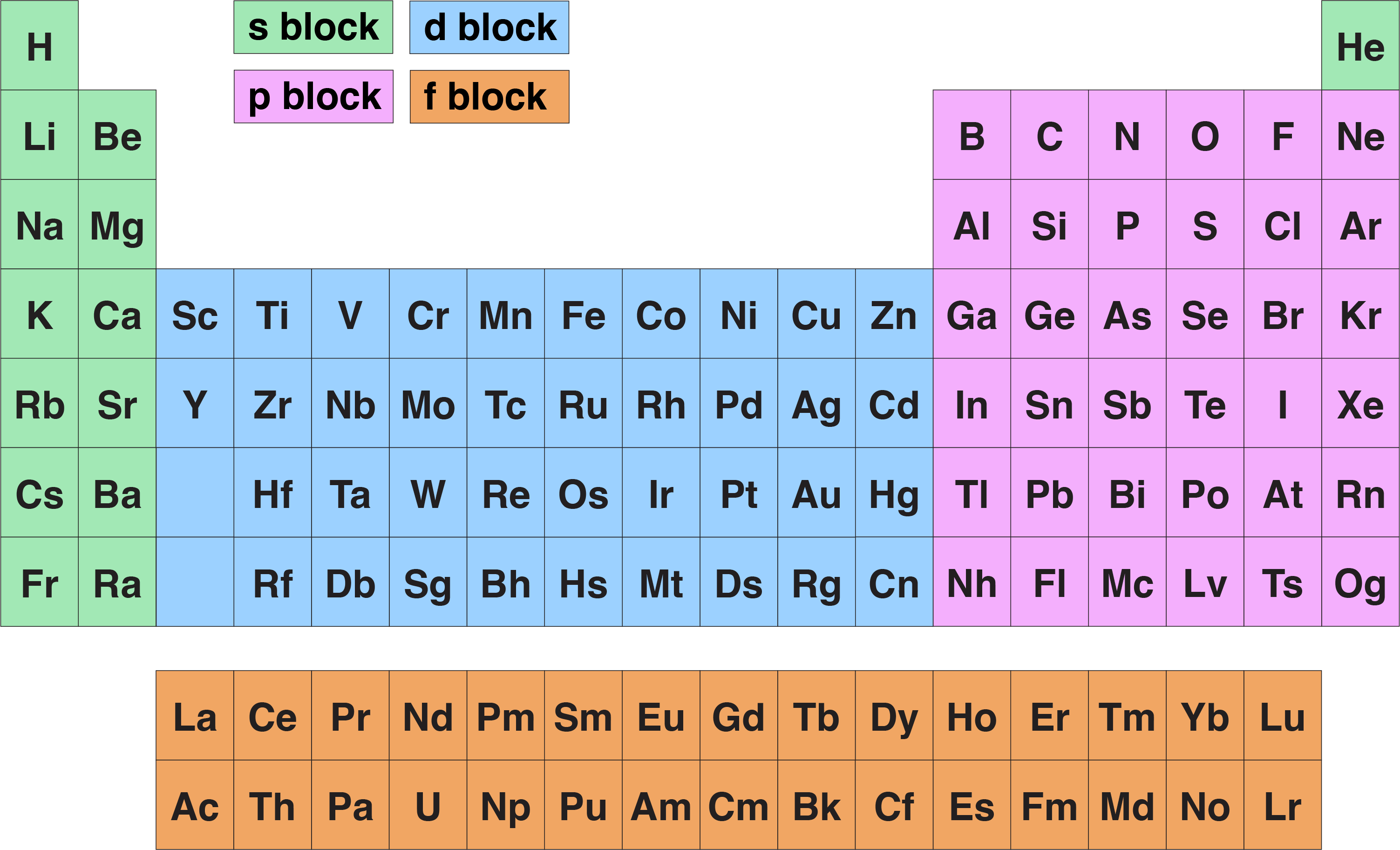
How is the first full orbit of each type represented in the Quantum Model?
1s²
2p6
3d10
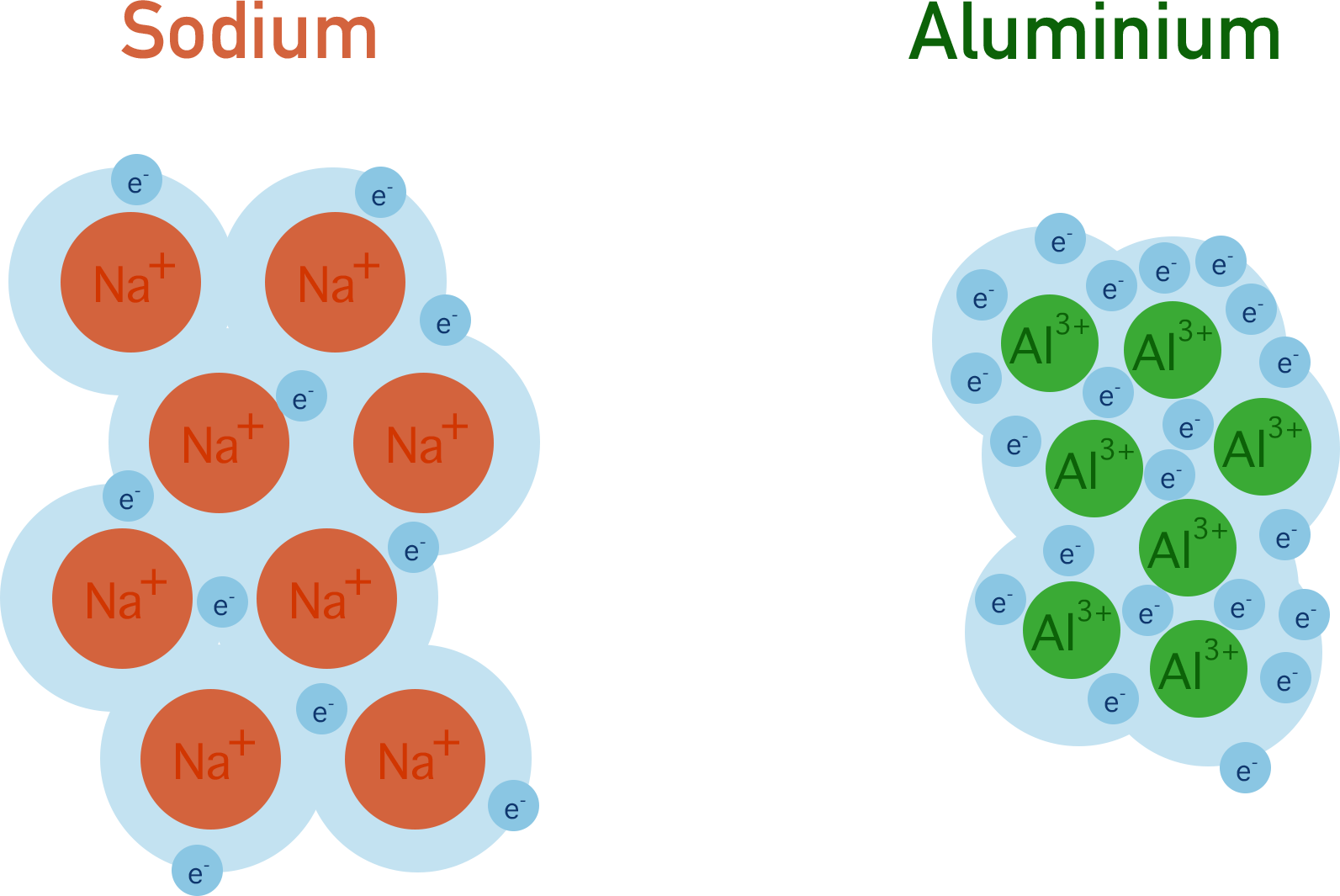
What is Metallic Bonding?
in pure metals, the protons in atoms attract electrons in nearby atoms
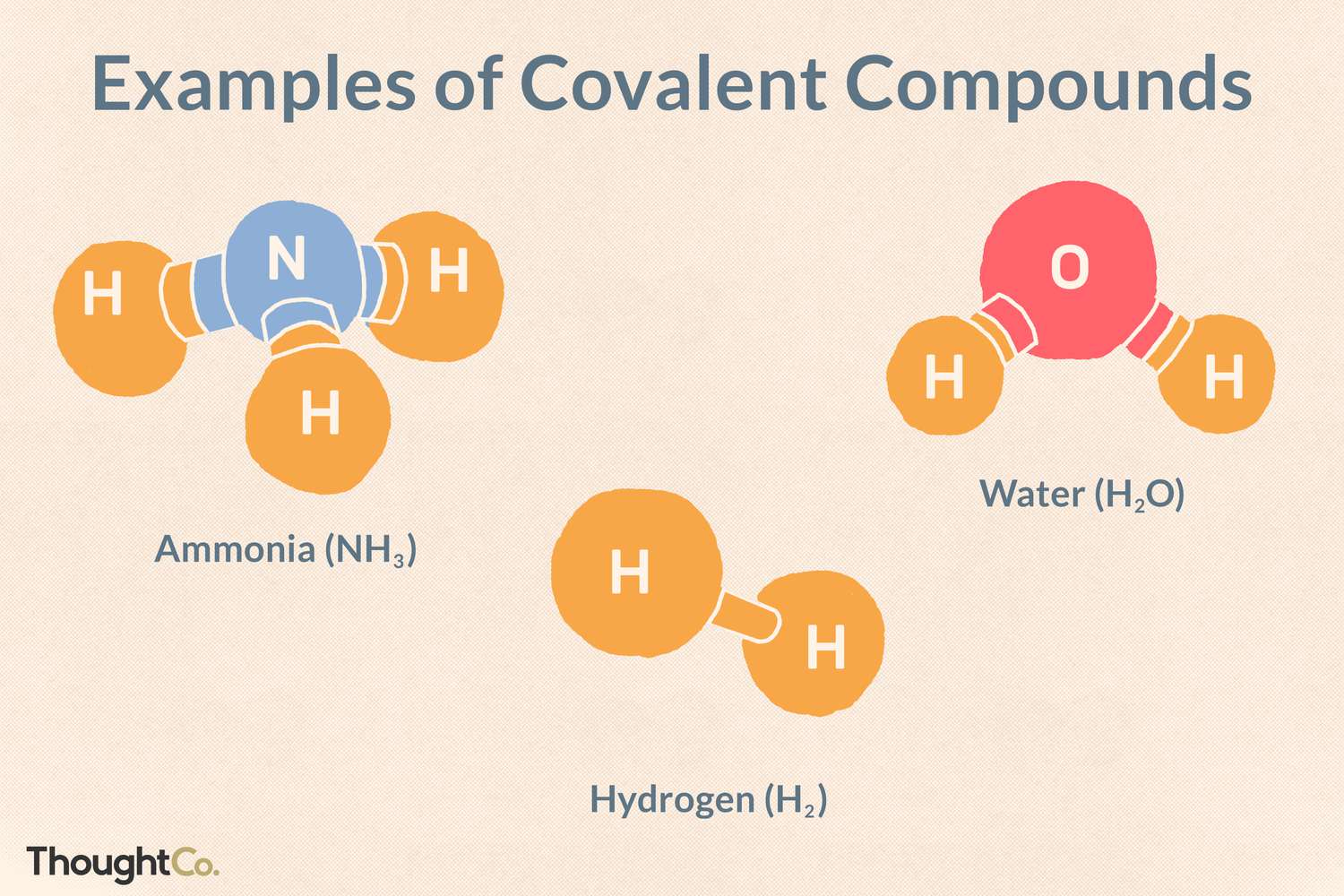
What is Covalent Bonding?
-Non metal + Non metal
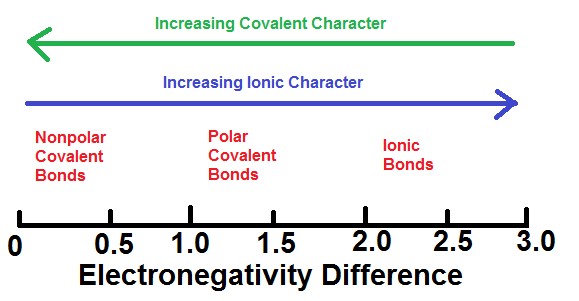
-Electronegativity difference < 1.7
-Shared electrons
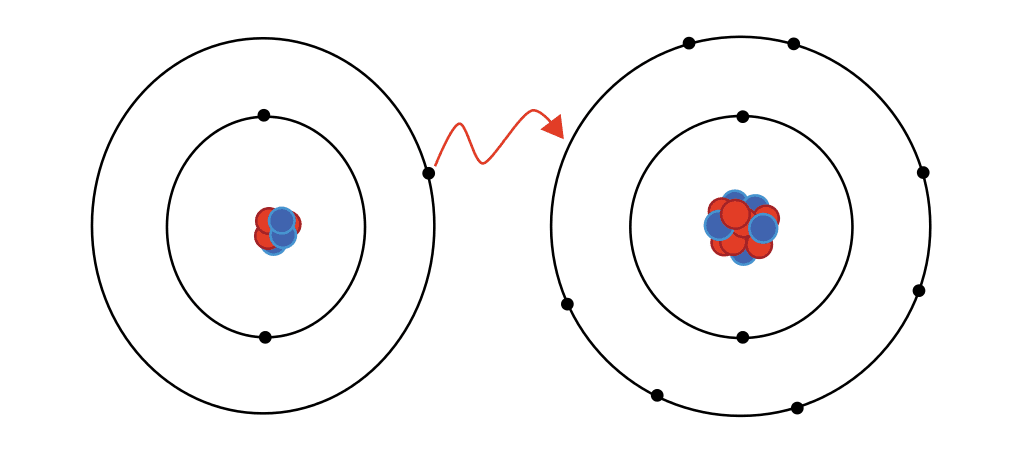
What is Ionic Bonding?
-Metal+non metal
-Occurs if Electronegativity is > 1.7
-Transfer electrons
What is the Octet Rule?
All atoms want a full outer shell of 8 electrons (except H wants 2)
What is Electronegativity(E.N)?
An atom’s ability to attract outer electrons
*Electrons shared if small difference
*Electrons transfer if big difference
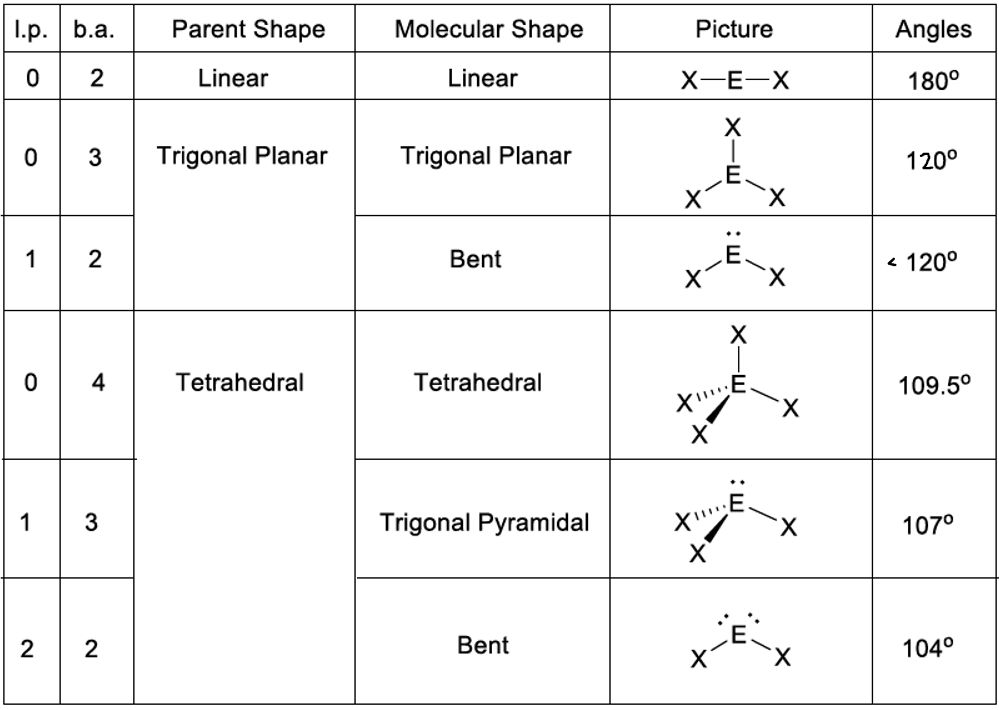
VSEPR theory
Valence Shell Electron Pair Repulsion
-Electrons repel and determine molecule shape
What is Molecular Polarity?
Uneven distribution of electrical charge across a molecule, creating a positive and a negative "pole."
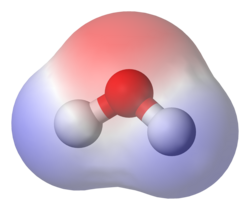
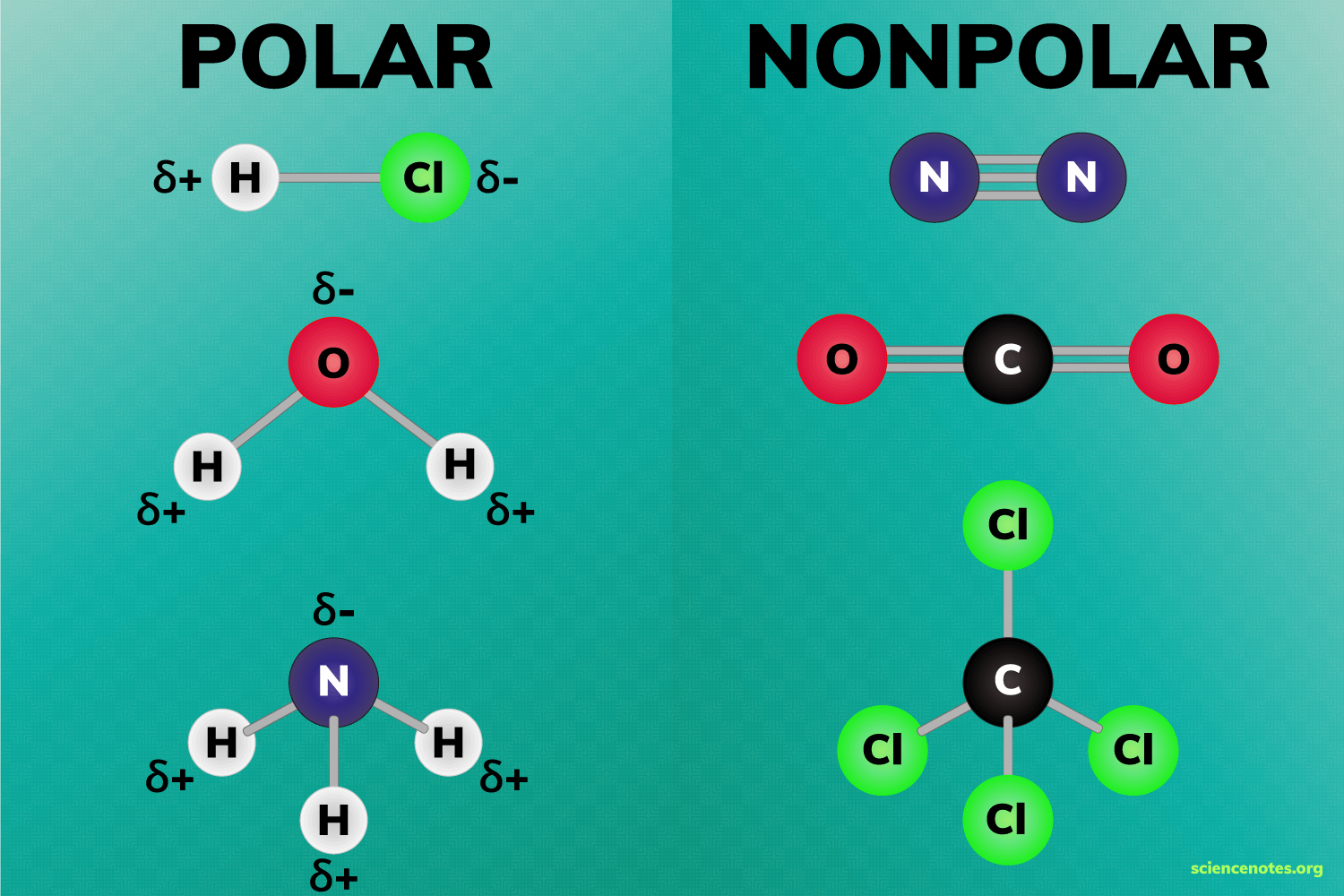
What does Molecular Polarity depend on?
-Molecule shape
-Electronegativity(E.N) difference(δ) between bonds
If δ > 0.4 AND δ ≤ 1.8 = Polar
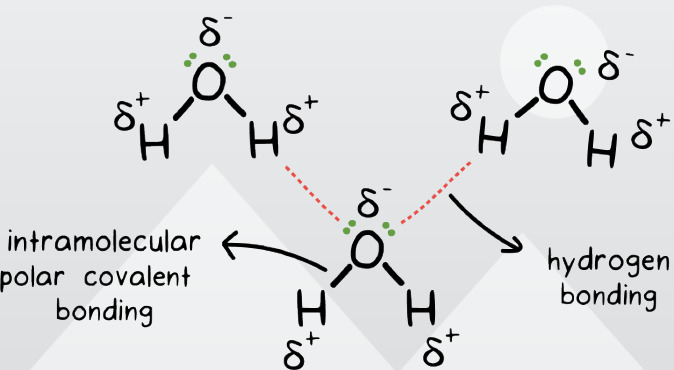
What are Intermolecular Forces?
-Forces of attraction between molecules
-Evidence shown in boiling point, melting point and surface tension
-Strength increases with Molecule Size
What are the types of Intermolecular Forces in order of descending strength?
| Hydrogen Bonds
| Dipole Force
| London Force
*
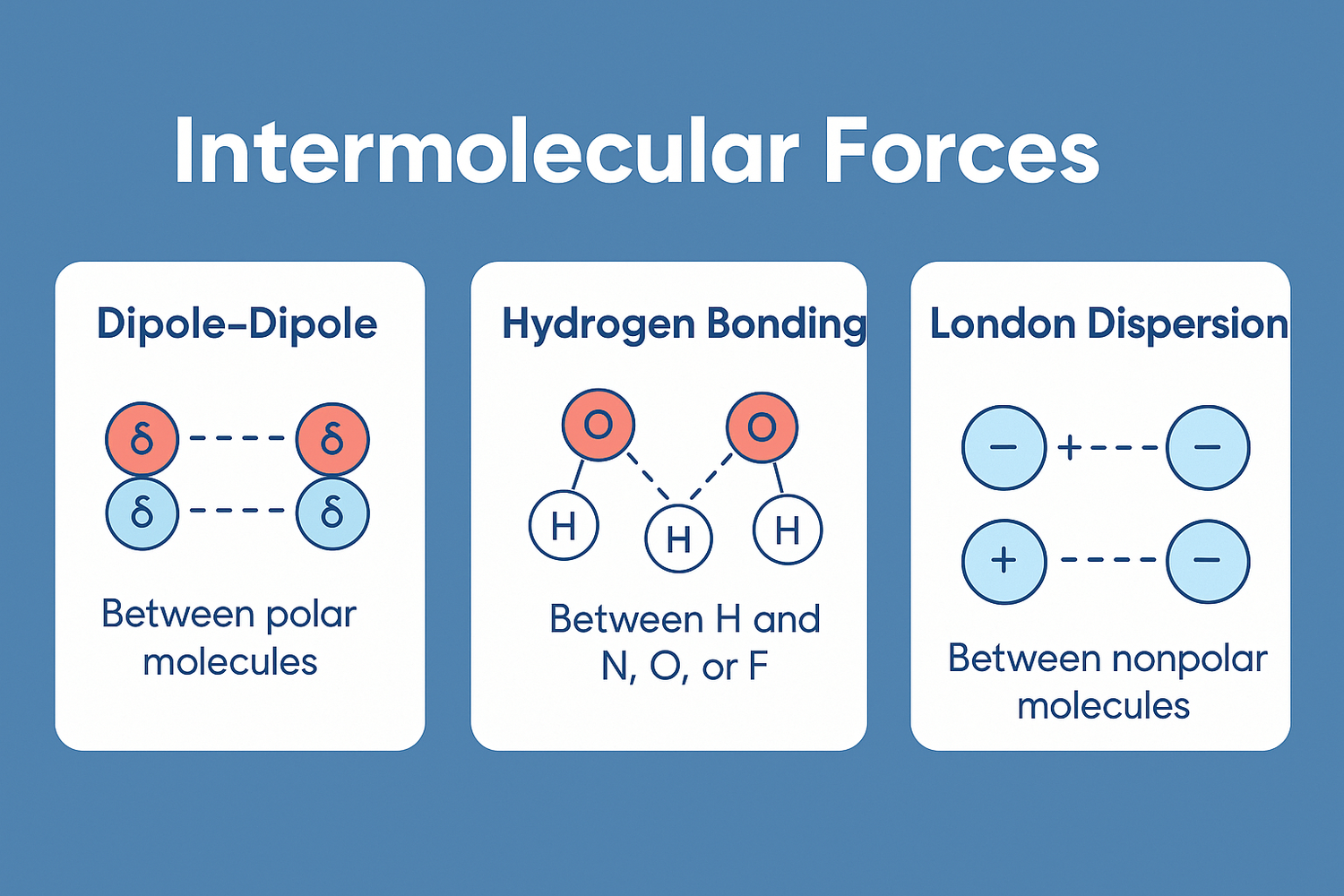
Characteristics of London Force
-Caused by a temporary uneven distribution of elements
-Weakest intermolecular force
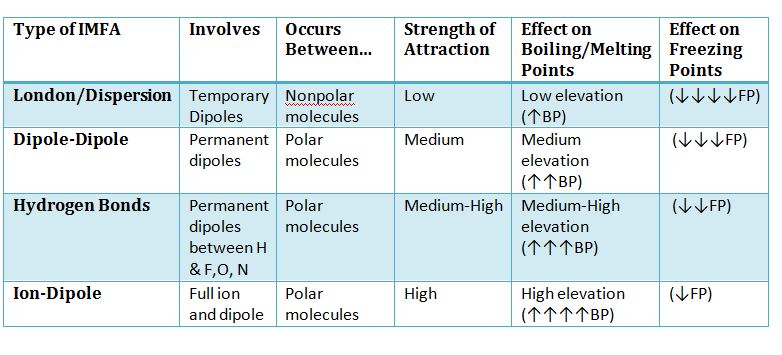
What Intermolecular Forces would require the highest temperature to break apart?
Hydrogen bonds
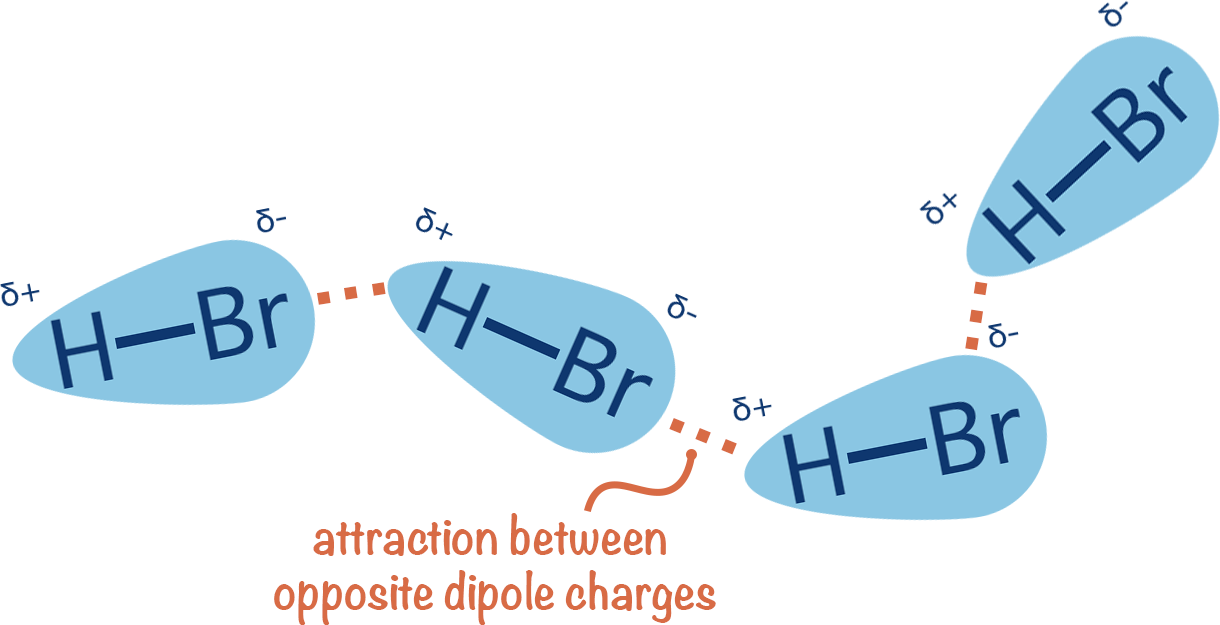
Characteristics of Dipole Force
-Attractive forces between polar molecules
-Stronger than London Force
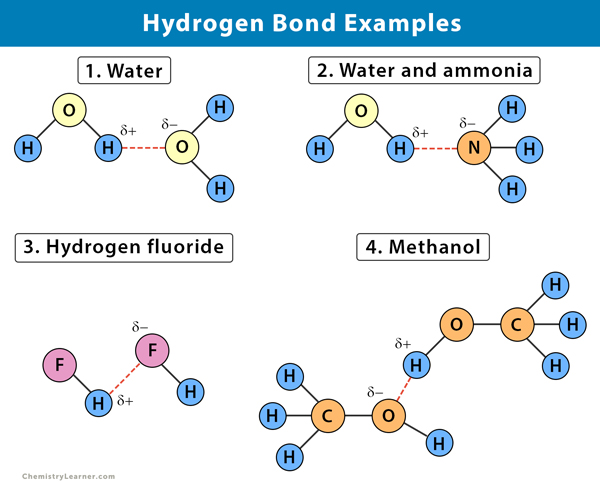
Characteristics of Hydrogen Bonds
-Occur in molecules with H and either N, O or F
-Strongest intermolecular force
*Responsible for water’s high boiling point and shape of snowflakes
Why are Hydrogen Bonds the strongest type of Intermolecular Force?
Because, N, O, F have only 2 shells so H gets the closer to the nucleus making it harder to break the bonds.