BMD 310 - Tissues
 Call Kai
 Learn
Learn Practice Test
 Spaced Repetition
 Match
Match Flashcards
 Knowt Play
1/51

There's no tags or description
Looks like no tags are added yet.
Name | Mastery | Learn | Test | Matching | Spaced | Call with Kai | Chat |
|---|
No analytics yet
Send a link to your students to track their progress
52 Terms
4 Basic Tissue Types
Epithelial
Connective
Muscular
Nervous
Functions of Epithelial Tissue
Selective Barrier (allows/limits substances that travel in and out of the body)
Releases products onto free surfaces
Protection against abrasive influences
Structure of Epithelial Tissue
Single or Multiple Layers
Continuous sheets
Covers + Lines the body
What are the Surfaces of Epithelial Tissue?
Apical
Lateral
Basal
Basement Membrane
Describe the Apical Surface
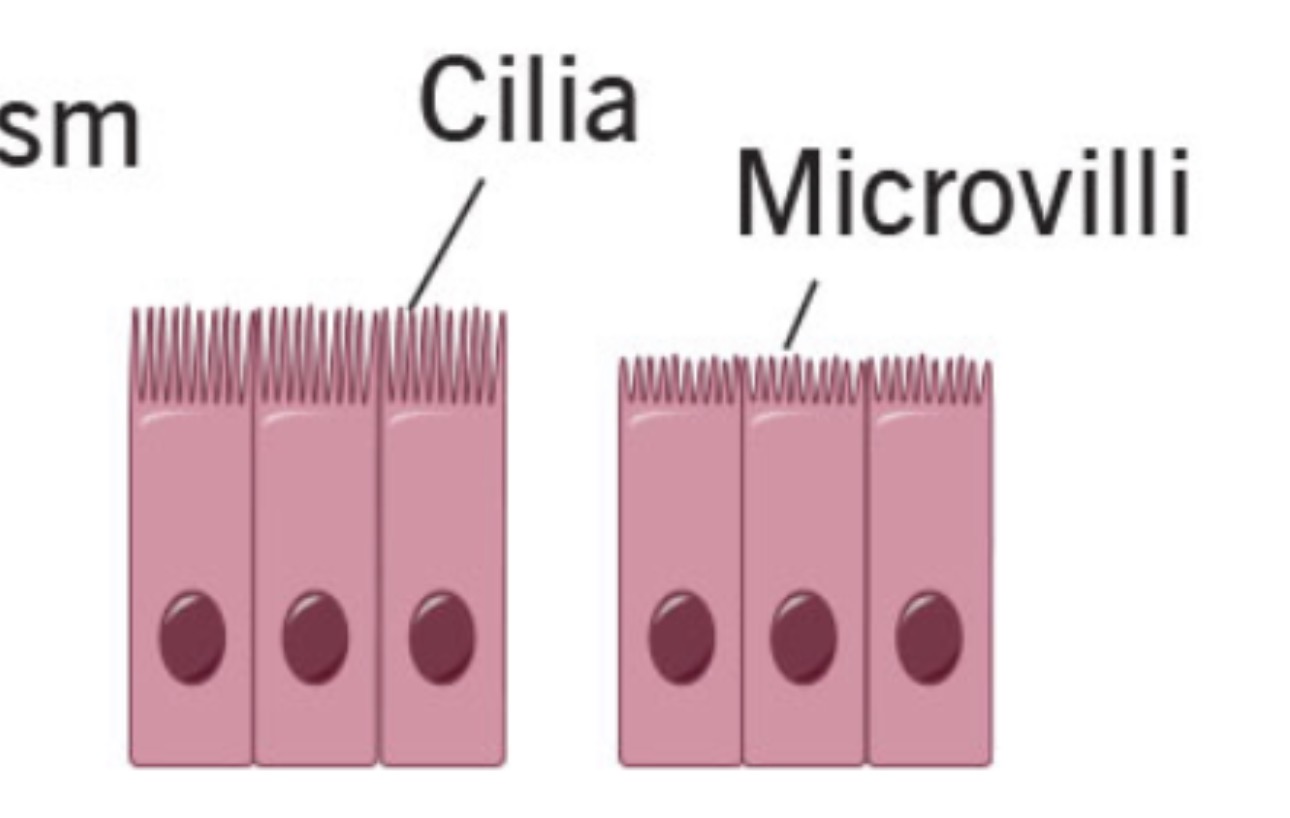
May contain cilli or micro villi
Faces body surface/cavity/lumen
Free Space
Describe the Lateral Surface of Epithelial Tissue
Faces adjacent cell
Cell to cell junctions
Describe the Basal Surface of Epithelial Tissue
Opposite apical
Deepest layer
Anchors to the basement membrane
Describe the Basement Membrane of Epithelial Tissue
Secreted by epithelium
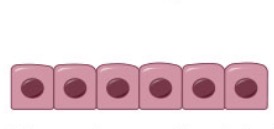
Simple Cuboidal
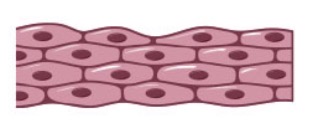
Stratified Squamous
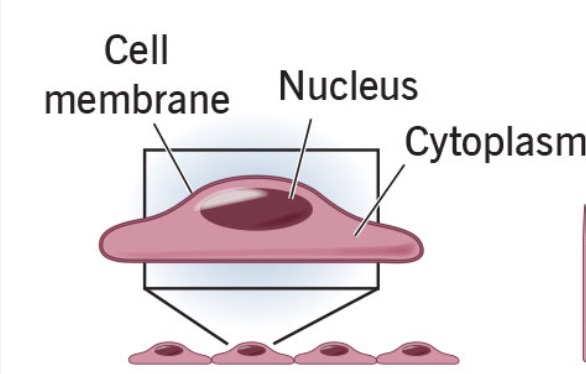
Simple Squamous

Stratified Cuboidal
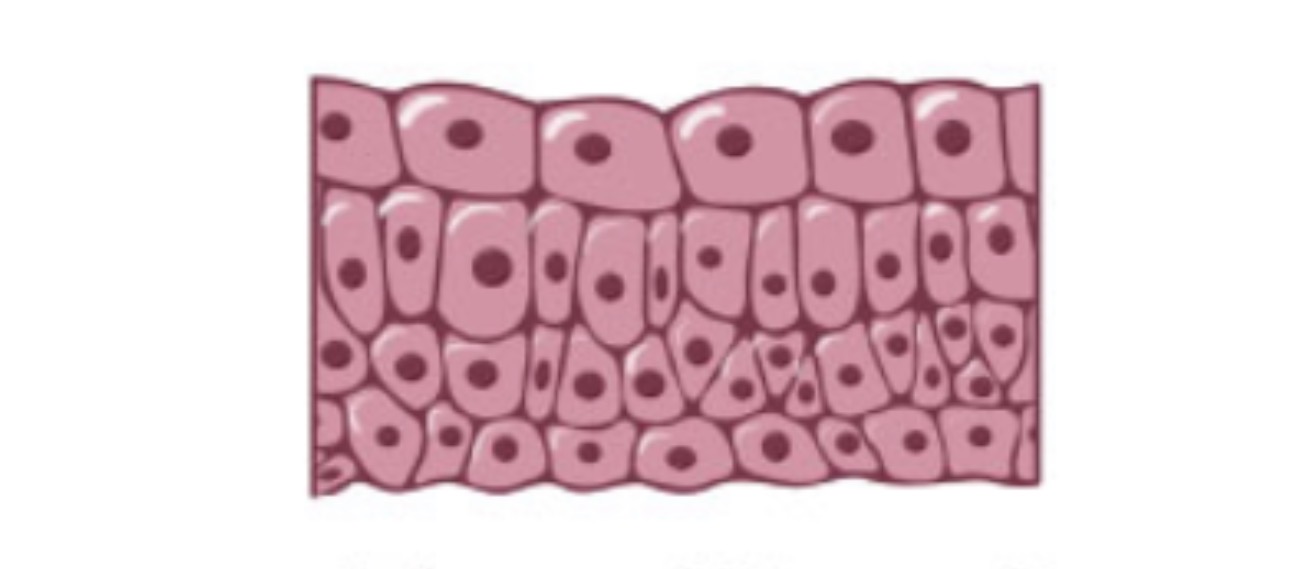
Transitional
Simple Columnar

Pseudostratified Columnar
Functions of Simple Epithelium
Diffusion
Osmosis
Secretion
Absorption
Filtration
Functions of Pseudostratified Epithelium
May contain cilia
May contain goblet cells (secret mucus)
Functions of Stratifed Epithelium
Protects underlying tissue from wear and tear
Functions of Transitional Epithelium
Cells change from squamous to cuboidal
example: bladder
What do Exocrine Glands do?
Secrete into ducts »»» ducts empty onto skin or hollow organs
Types of Secretions
Saliva
Sweat
Sebum
Cerumen
Digestive enzymes
Describe Unicellular Exocrine Glands
single celled
Goblet cells
Secrete mucous directly onto apical surface
Functions of Connective Tissue
Binds, Supports, and Strengthens
Protects and insulates organs
Main source of immune response
Blood serves as the main transport system in
Connective Tissue
What are the 2 elements of Connective Tissue?
Extracellular Matrix and Cells
What is the source of connective tissue?
Embryonic tissue (mesenchyme)
List the 5 Connective Tissue Cells
Fibroblast
Adipocytes
Plasma Cells
Mast Cells
Macrophages
Describe Fibroblasts
Large, flat, branching
Typically MOST abundant
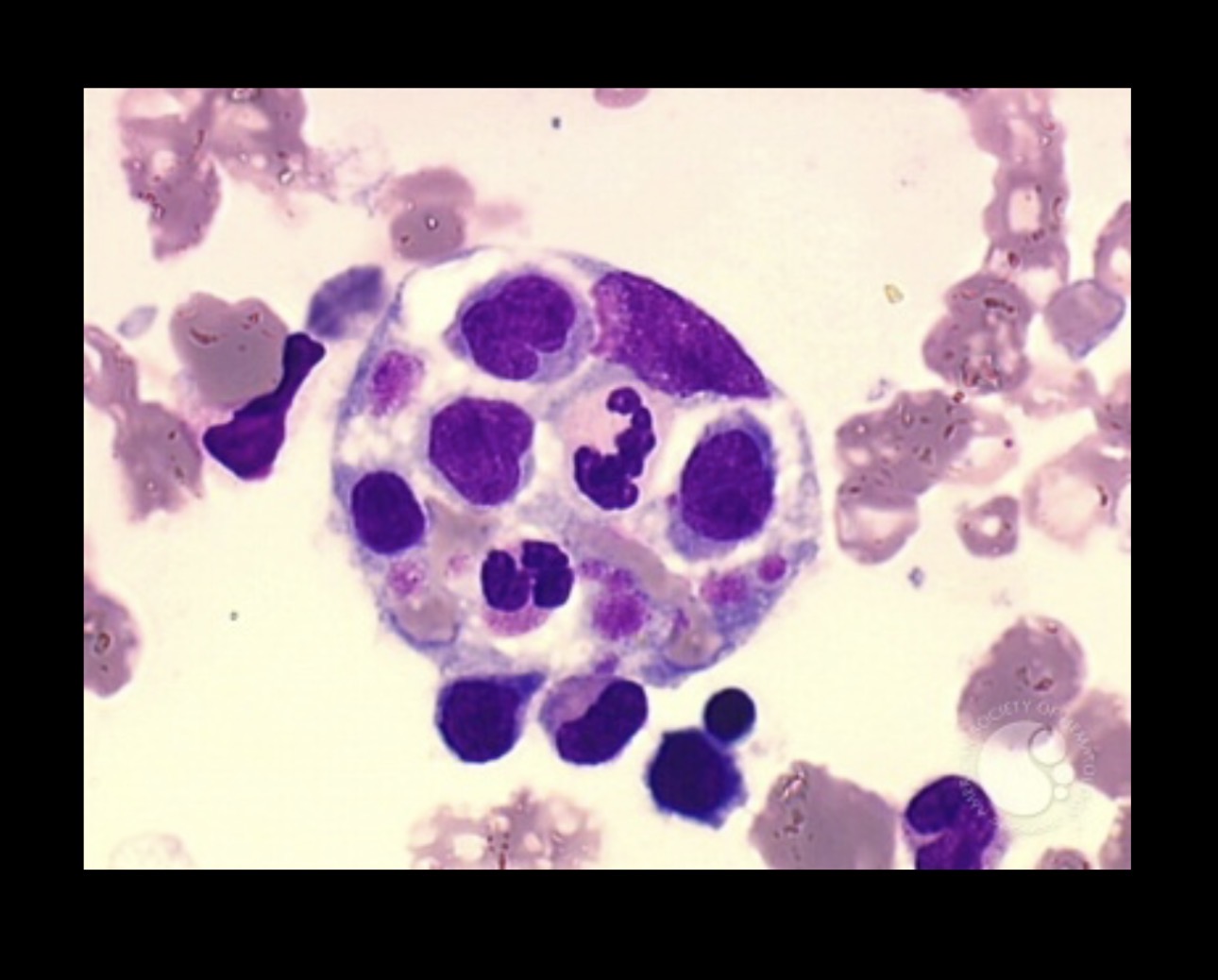
Describe Macrophages
developed from monocytes (WBC)
Irregular shape
Can be fixed or wandering
Phagocytize bacteria and cell debris
Describe Adipocytes
Fat cells
Store triglycerides
Around organs + deep beneath skin
Describe Plasma Cells
IMPORTANT for immunity
Describe Mast Cells
Produce histamine after infection or injury

Fibroblast
Macrophages

Adipocyte
What are the 2 components of the Extracellular Matrix?
Ground Substance and Fibers
Describe Ground Substance
Supports and binds cells
Store Water
Allows for exchange of substances b/w blood and cells
What are the 3 Fibers within the Extracellular Matrix?
Collagen, Elastic, and Reticular
What fiber is strong and flexible?
Collagen
What fiber can stretch up to 150% and return to its shape?
Elastic
What fiber has a collagen and glycoprotein coating and supports blood vessel walls and tissue networks?
Reticular
What are the 5 types of Mature Connective Tissue?
Loose
Dense
Cartilage
Bone
Liquid
3 Types of Loose Connective Tissue
Areolar, Adipose, Reticular
Describe Areolar Loose Connective Tissue
Located: skin, mucous membrane, around blood vessels/nerves/organs
Function: strength, elasticity, and support
Describe Adipose Loose Connective Tissue
Located: deep in skin, around heart/kidneys, behind the eye ball, bone marrow
Function: Reduce heat loss, energy reserve, and support/protect organs
Describe Reticular Loose Connective Tissue
Located: liver, spleen, lymph nodes, red bone marrow, portion of basement membrane, around vessels + muscles
Function: stroma of organs, binds and smooths muscle, filters old RBC
What are the 3 types of Dense Connective Tissue?
Regular, Irregular, and Elastic
Describe Regular Dense Connective Tissue
It’s a strong attachment located in tendons, most ligaments, and aponeuroses
Describe Irregular Dense Connective Tissue
Provides pulling or tensile strength to fasciae, dermis, periosteum, pericardium, capsules, surrounding organs, heart valves.
Describe Elastic Dense Connective Tissue
Allows stretching in lung tissue, walls of elastic arteries, trachea, bronchial tubes, vocal cords, and ligaments.
What are the 3 types of cartilage?
Hyaline, Fibrocartilage, and Elastic