Anatomy and Physiology of the Muscular System: Types, Functions, and Movements
 Call Kai
 Learn
Learn Practice Test
 Spaced Repetition
 Match
Match Flashcards
 Knowt Play
1/23

There's no tags or description
Looks like no tags are added yet.
Name | Mastery | Learn | Test | Matching | Spaced | Call with Kai | Chat |
|---|
No analytics yet
Send a link to your students to track their progress
24 Terms
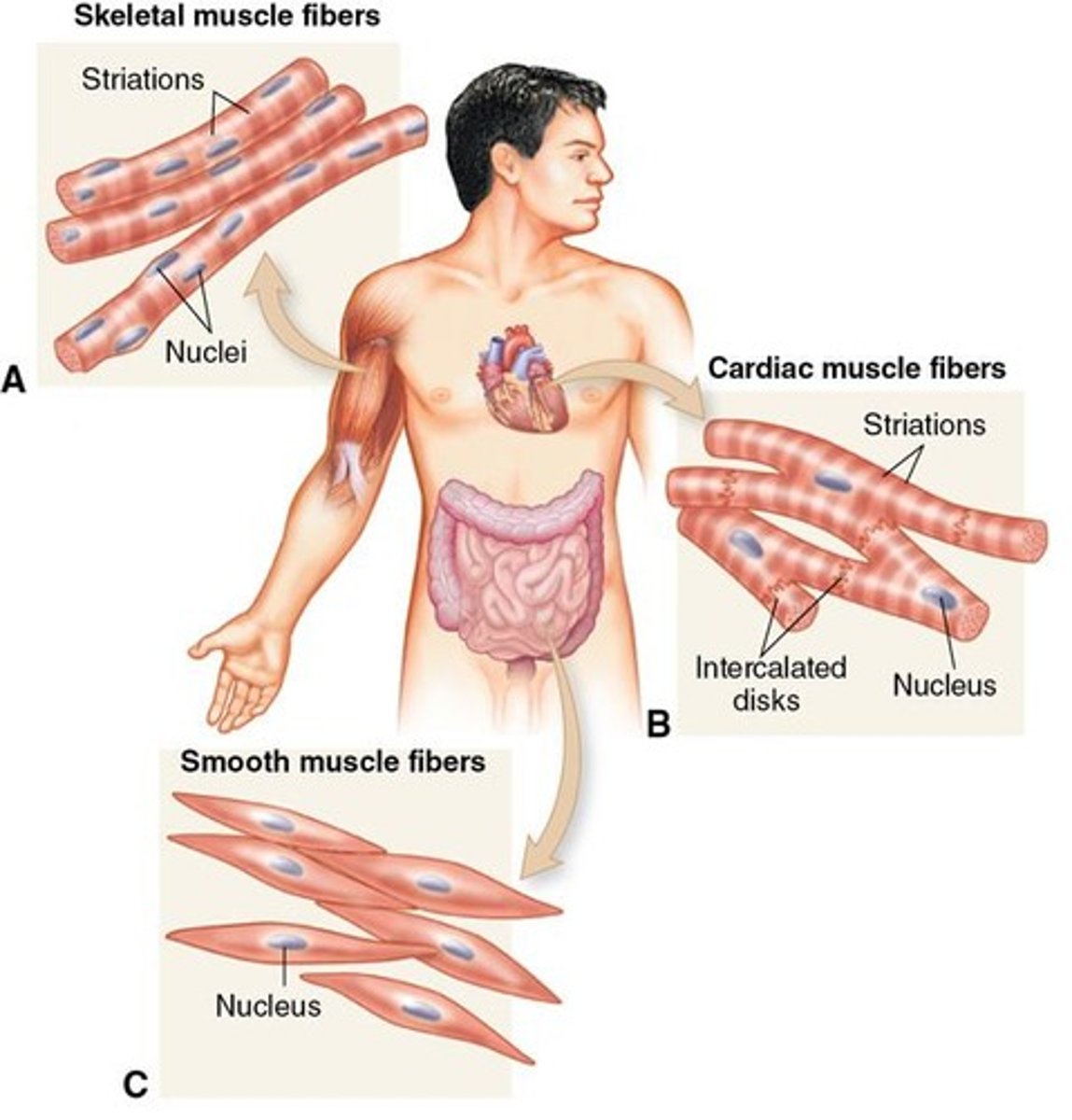
What is the location of cardiac muscle tissue?
Only in the walls of the heart (myocardium)
How is cardiac muscle tissue controlled?
Involuntary, regulated by the autonomic nervous system and hormones
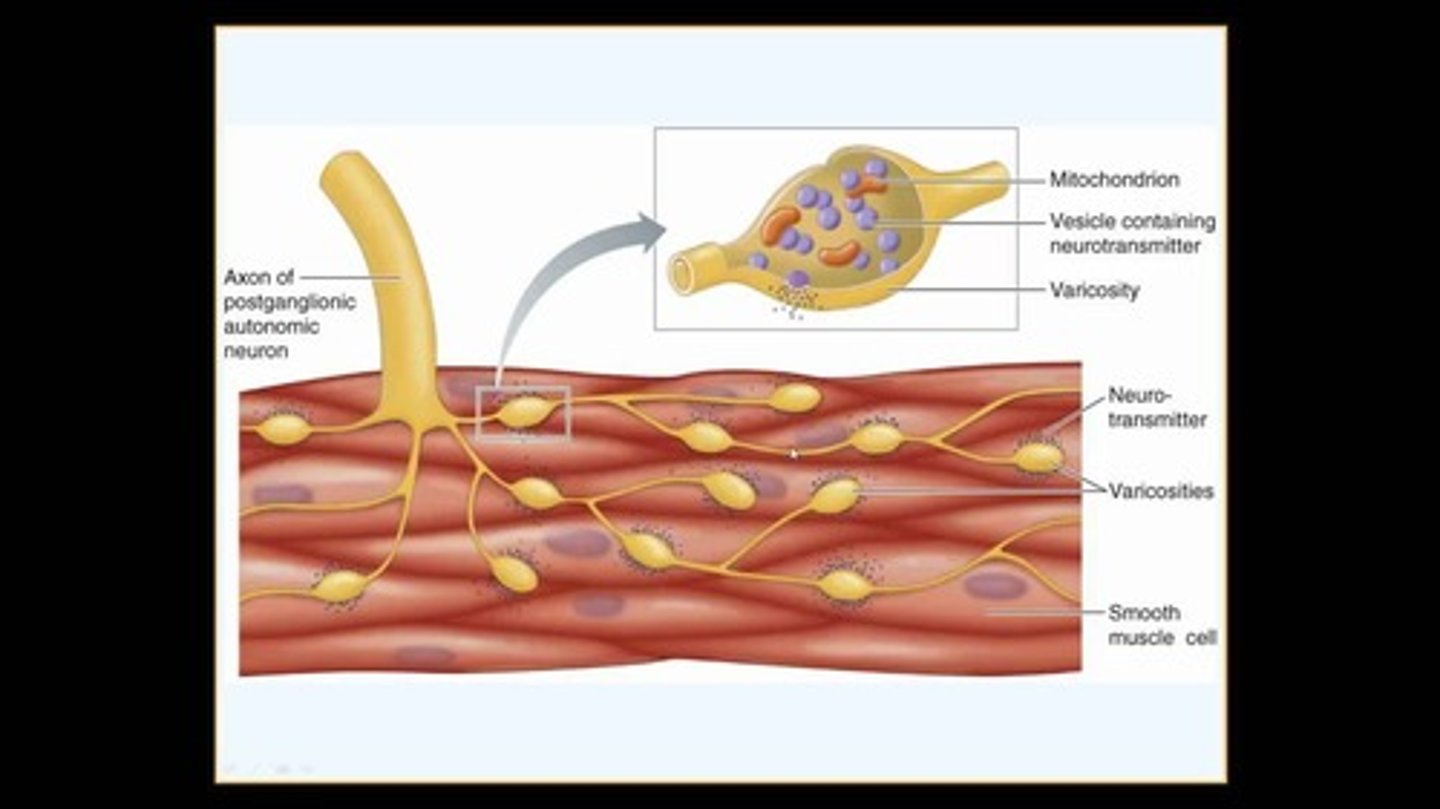
Where is smooth muscle tissue found?
Walls of hollow organs (stomach, intestines, bladder, uterus), walls of blood vessels, respiratory airways, and iris of the eye
How is smooth muscle tissue controlled?
Involuntary by the autonomic nervous system, hormones, and local factors
What is the structure of skeletal muscle?
An organ consisting of skeletal muscle fibers wrapped by connective tissue
What are the three primary functions of the muscular system?
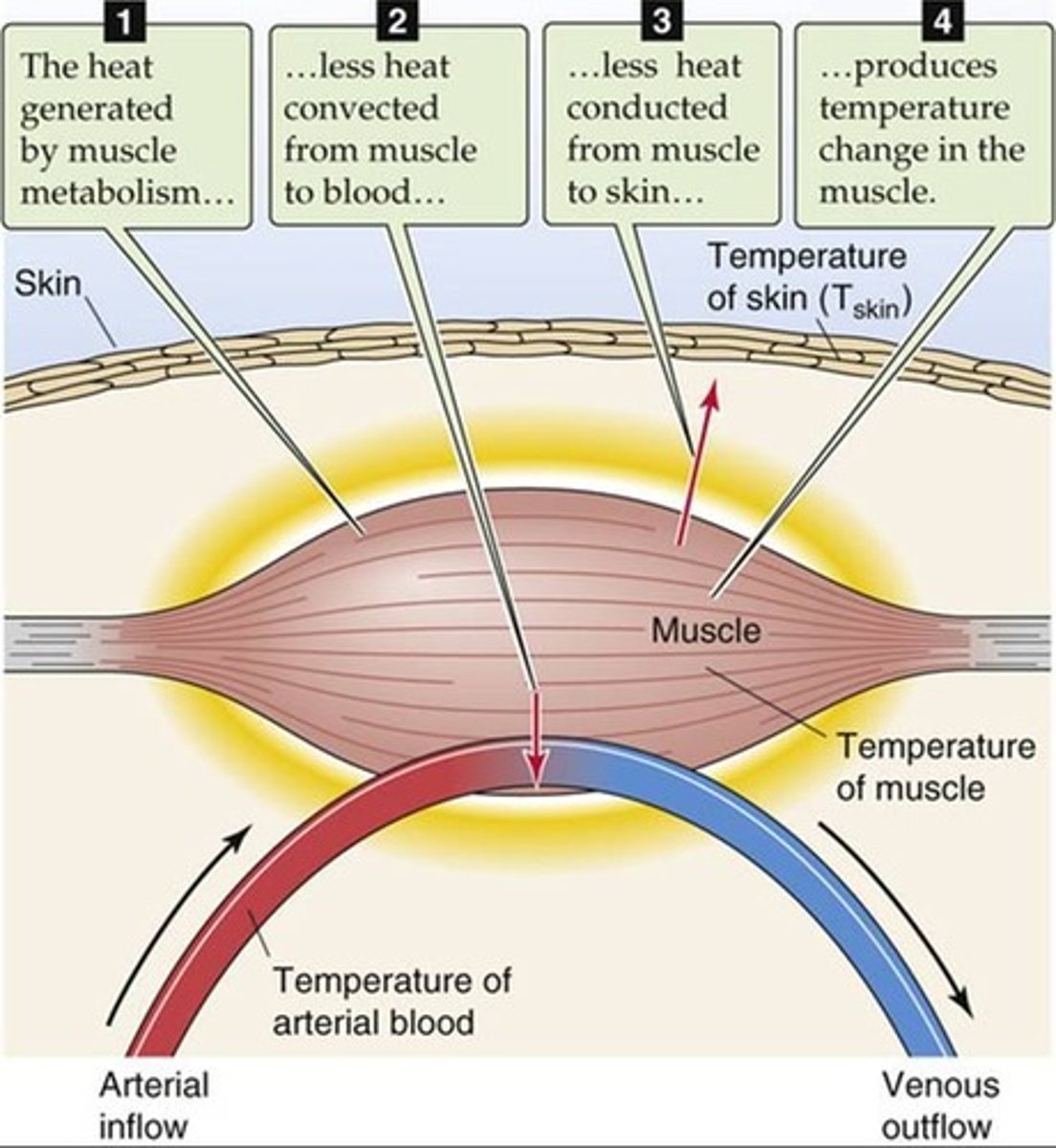
Movement, posture, and heat production
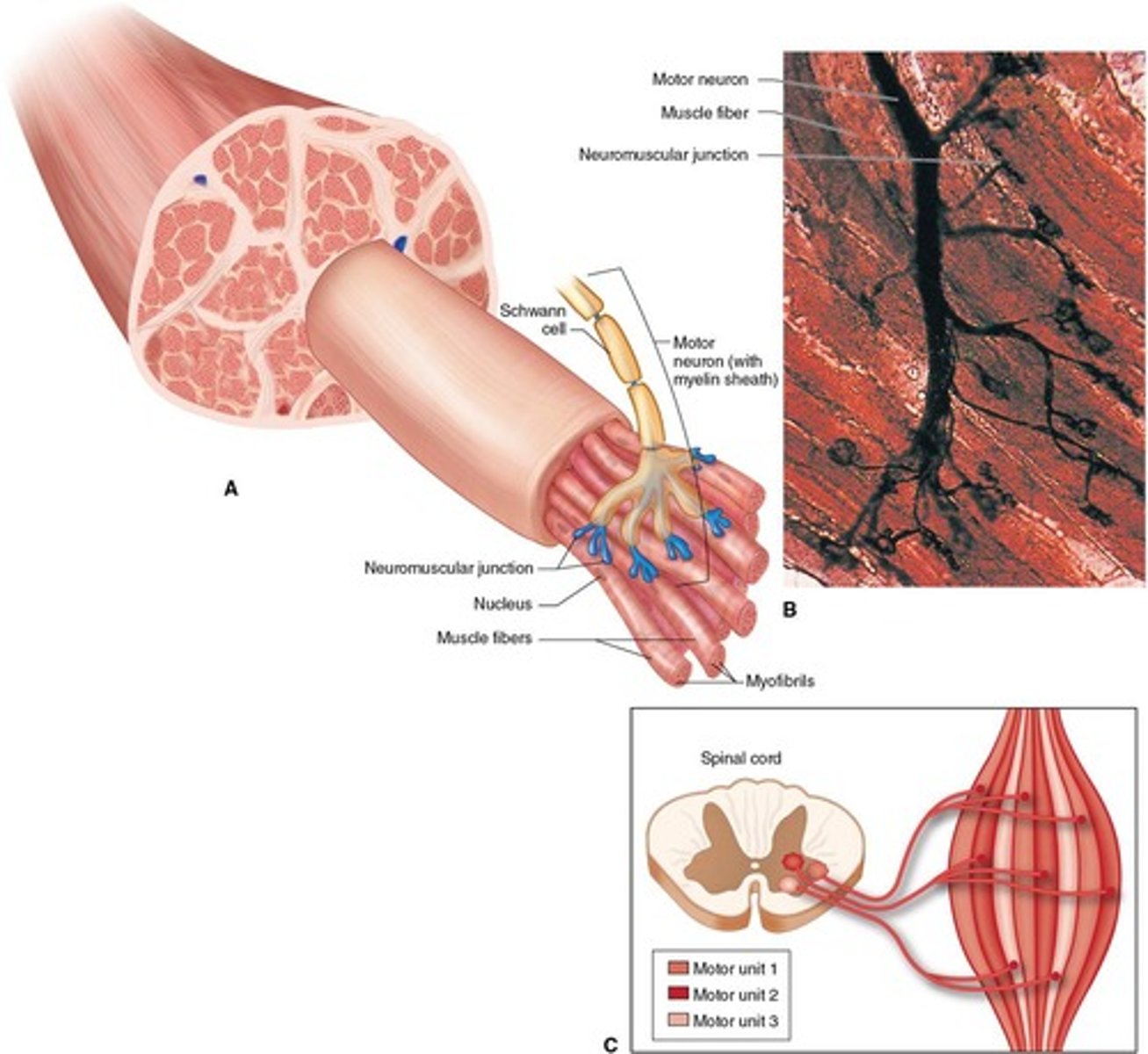
What is a motor unit?
A motor neuron and the muscle fibers it innervates
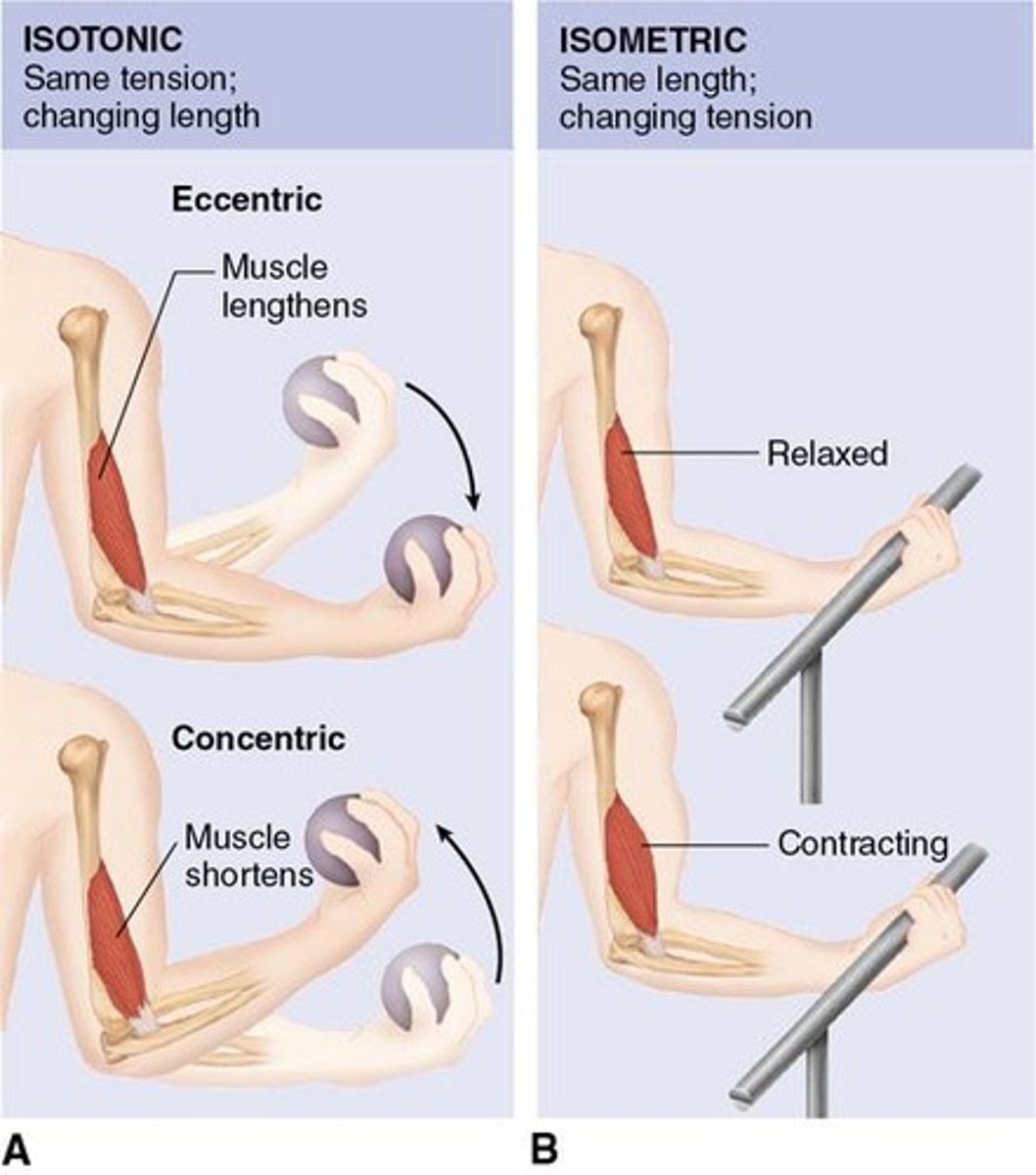
What is the difference between isotonic and isometric muscle contractions?
Isotonic contractions involve muscle shortening with movement, while isometric contractions involve muscle tension without shortening.
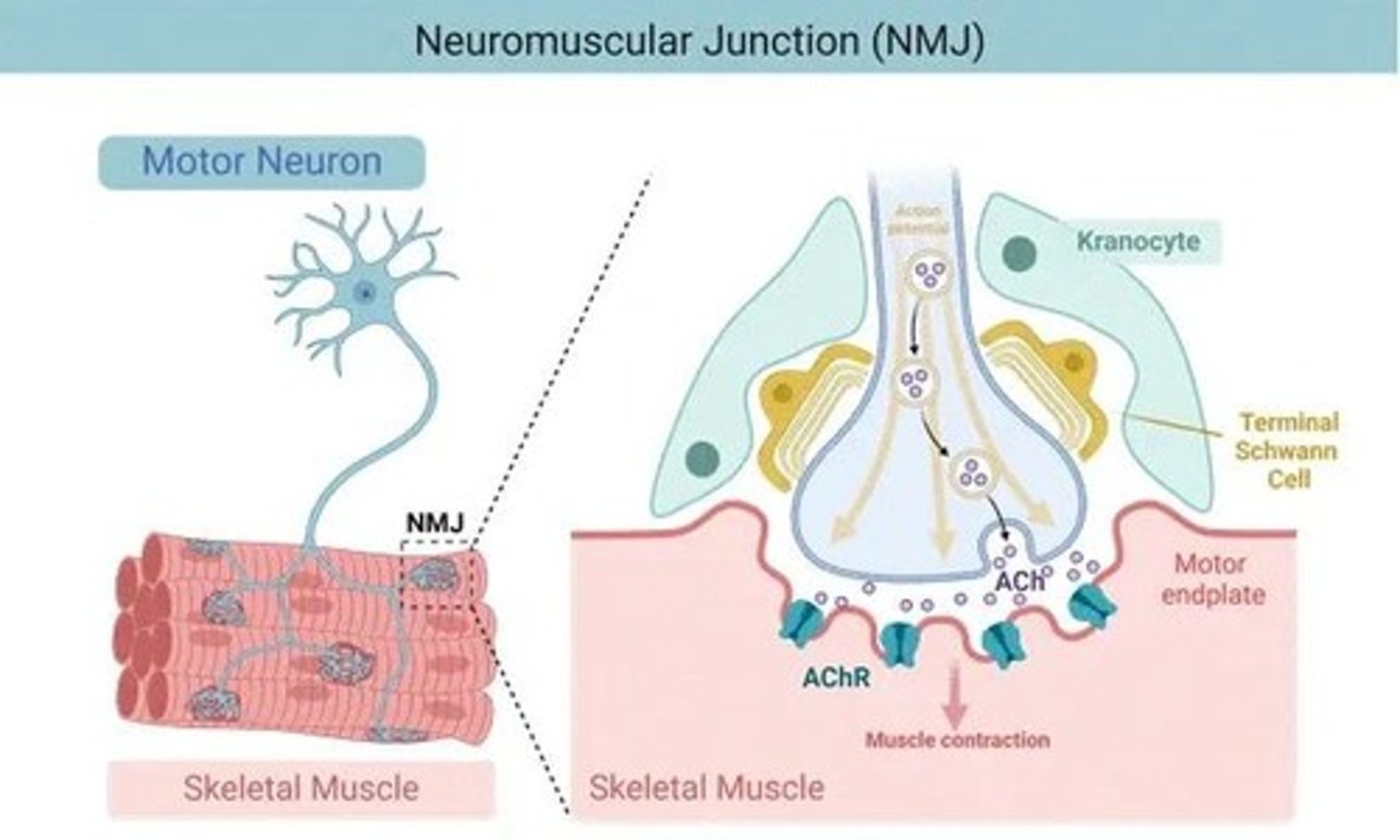
What is the role of acetylcholine at the neuromuscular junction?
It acts as a neurotransmitter that stimulates muscle contraction.
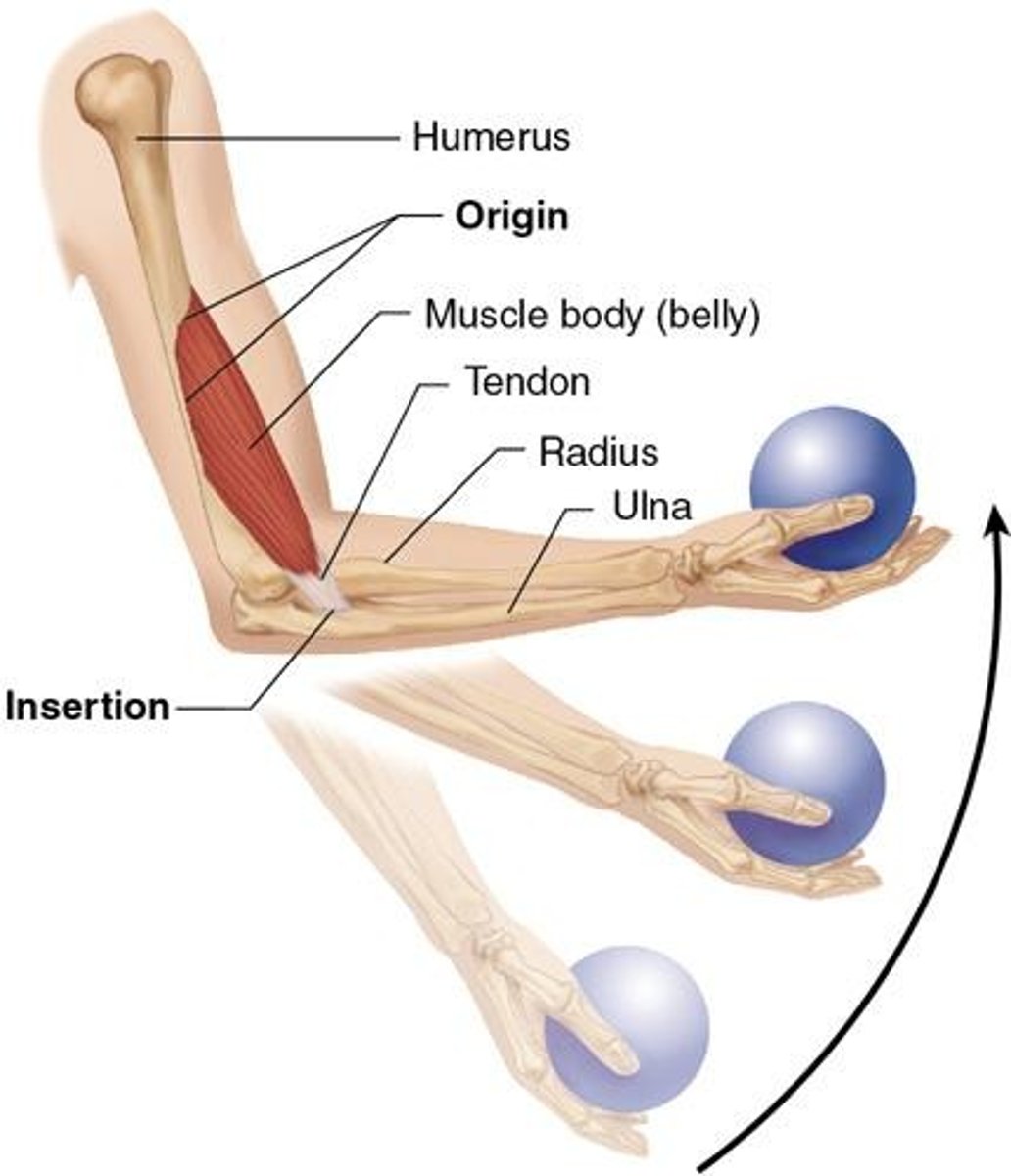
What is the origin of a muscle?
The attachment to the stationary bone
What is the insertion of a muscle?
The attachment to the movable bone
What is a prime mover (agonist)?
The main muscle that contracts to create movement
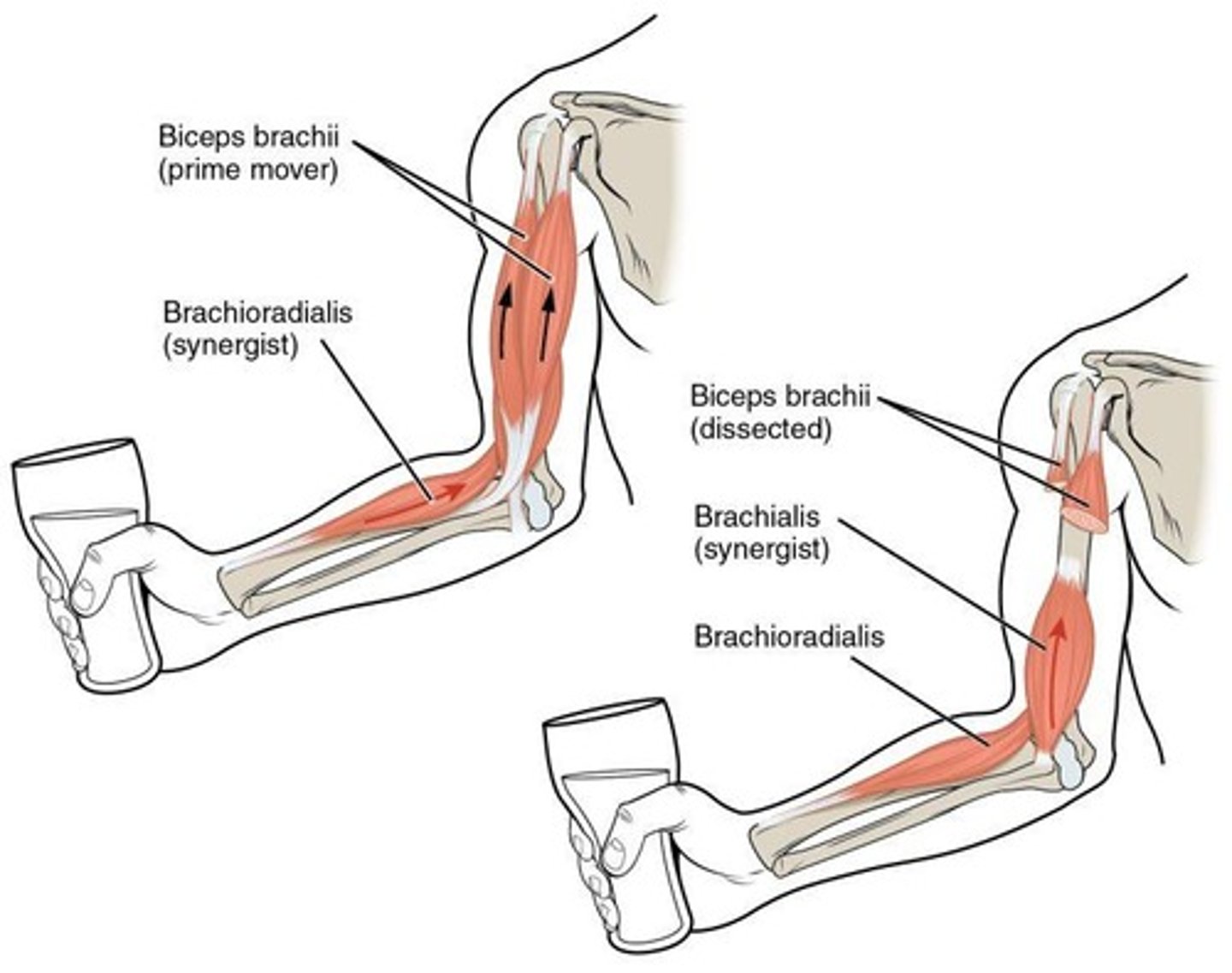
What is the function of synergist muscles?
They assist the prime mover in performing a movement.
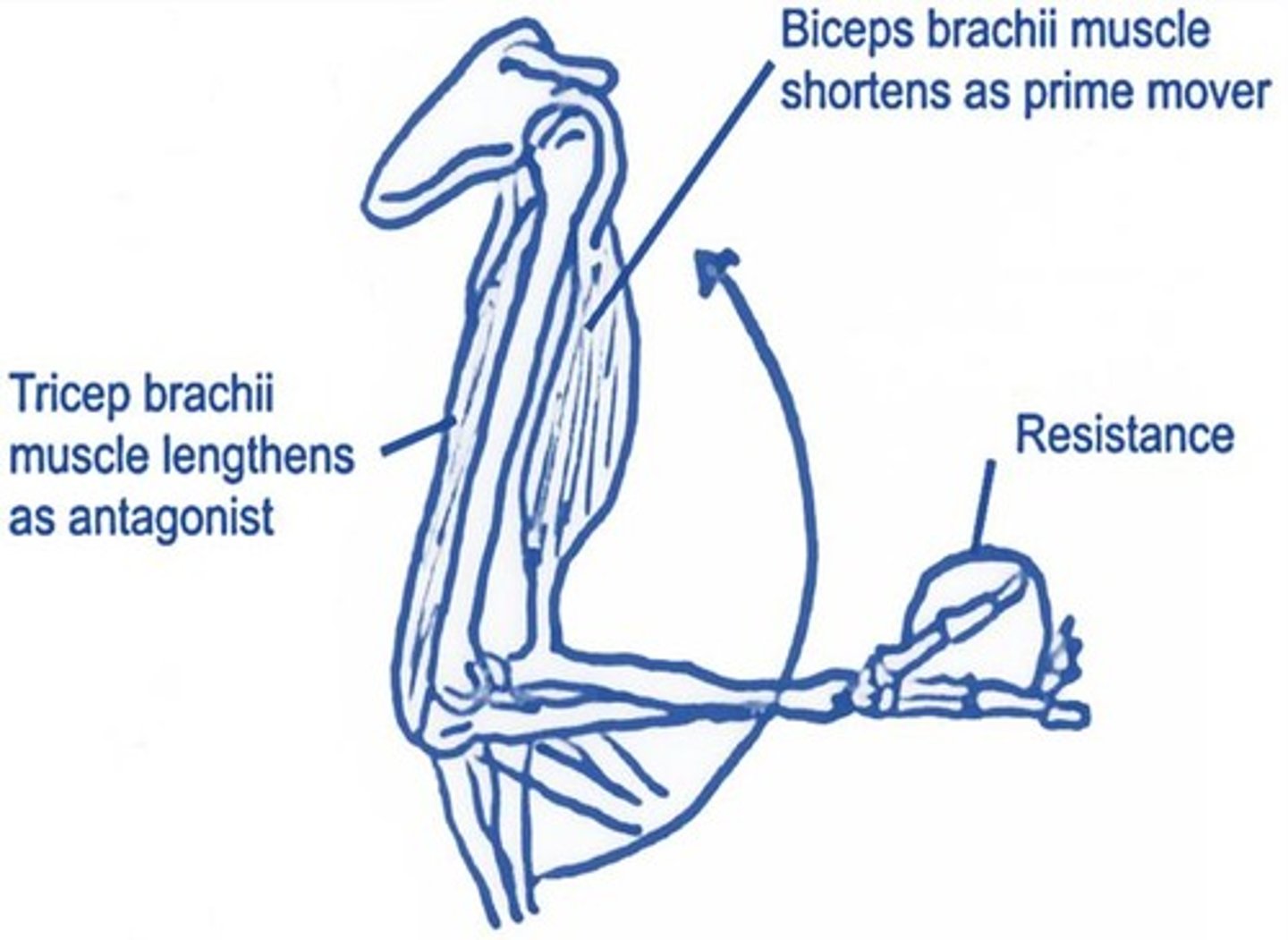
What do antagonist muscles do?
They oppose the action of the prime mover and relax to allow movement.
What is muscle fatigue?
A decline in the ability of a muscle to generate force.
What causes disuse atrophy?
Muscle shrinkage from prolonged inactivity
What is hypertrophy?
Muscle enlargement from increased workload
How do skeletal muscles produce movement?
By contracting and pulling on tendons to move bones or tissues.
What are the major muscle groups of the upper extremities?
Muscles that move the arms and shoulders
What are the major muscles of the trunk?
Layers of back muscles and abdominal muscles
What is the function of fixator muscles?
They stabilize a joint or bone during movement.
What is the body of a muscle?
The middle portion between the origin and insertion.
What determines the type of movement produced by skeletal muscle?
Muscle action, origin/insertion points, bone shapes, and joint type.
What are the effects of exercise on skeletal muscle?
Increased strength, endurance, and muscle mass.