Spain: Political History and Notable Figures
 Call Kai
 Learn
Learn Practice Test
 Spaced Repetition
 Match
Match Flashcards
 Knowt Play
1/34

There's no tags or description
Looks like no tags are added yet.
Name | Mastery | Learn | Test | Matching | Spaced | Call with Kai | Chat |
|---|
No analytics yet
Send a link to your students to track their progress
35 Terms
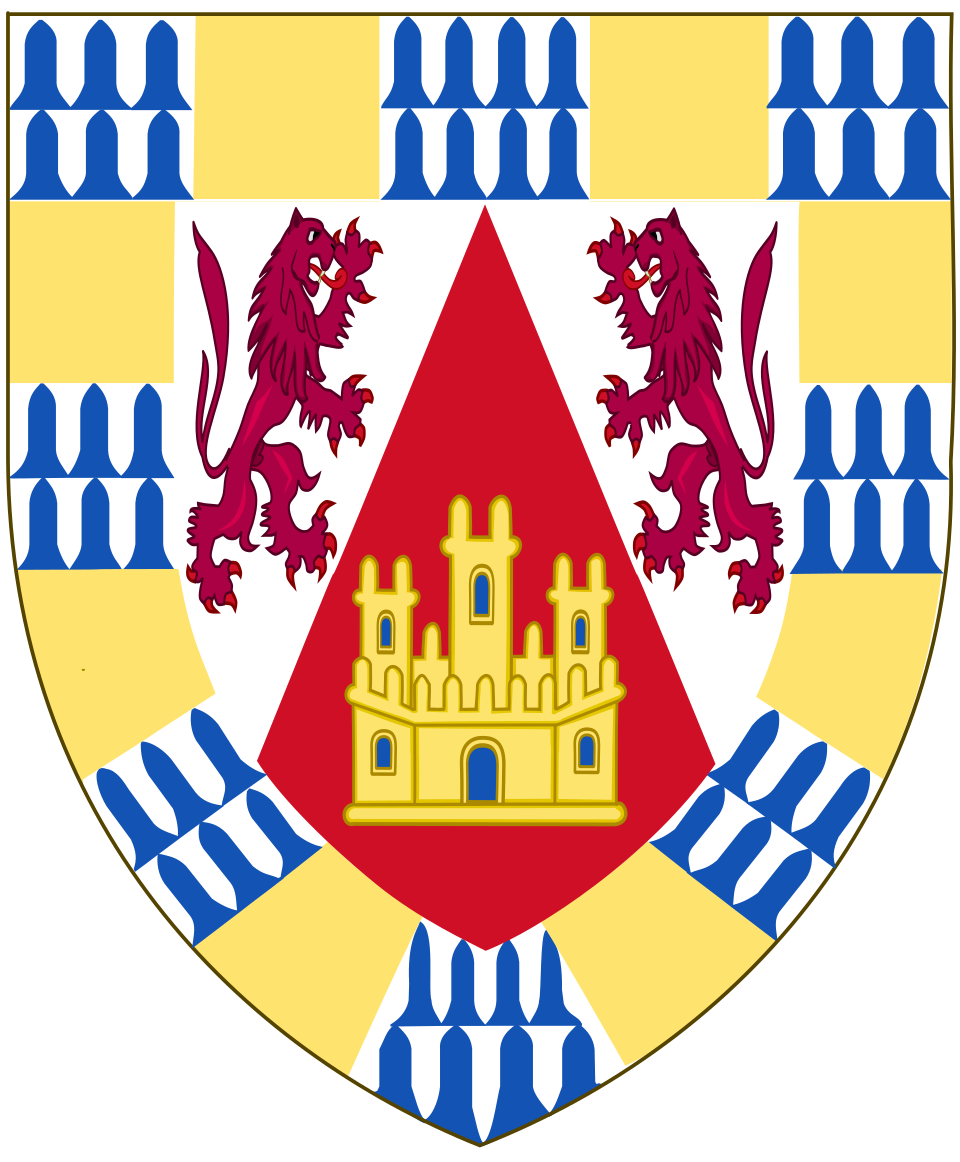
1479 - 1555 - House of Tratsamara (All Facts)
House which founded the unified Kingdom of Spain and laid the foundations for the Spanish Empire
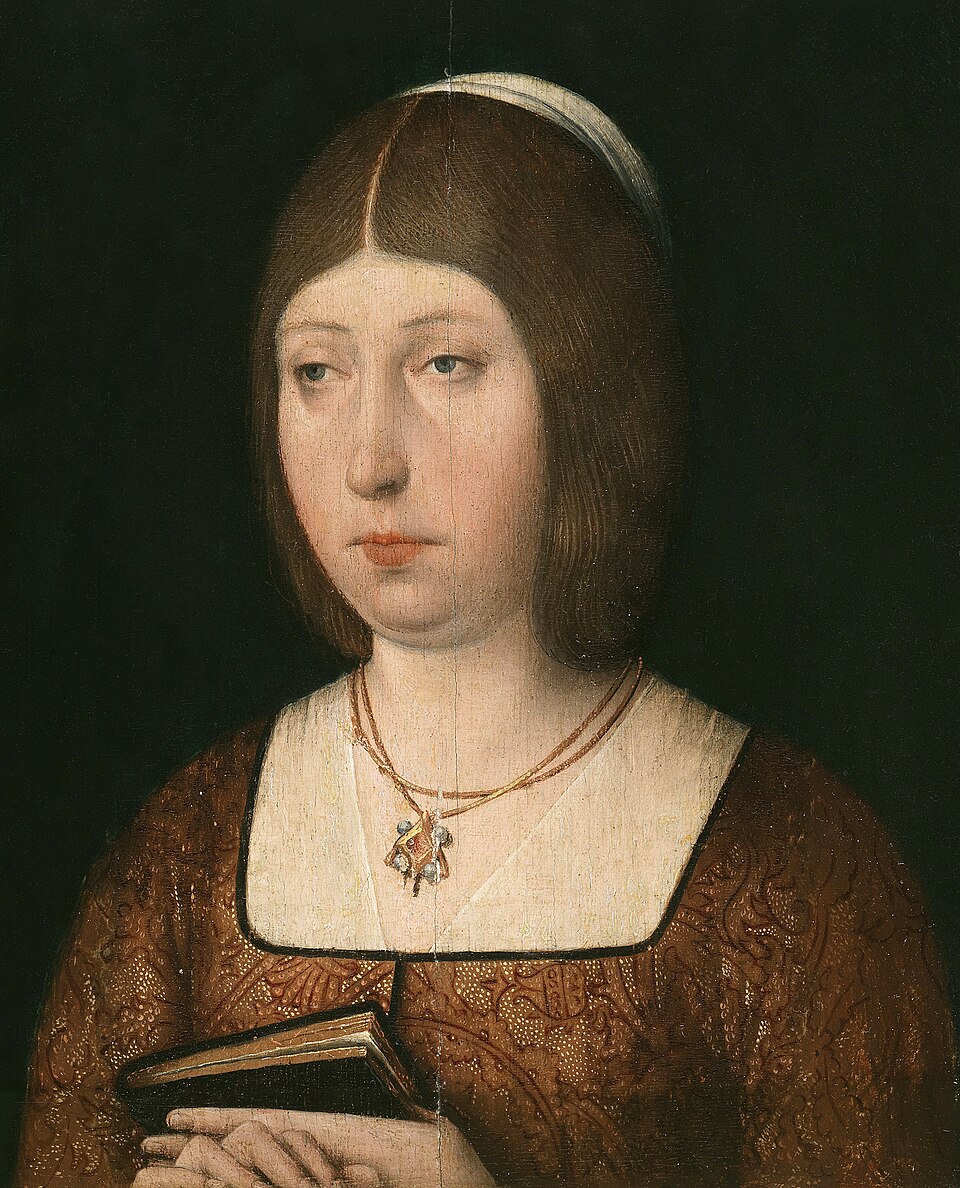
1479 - 1504 - Isabella of Castile (All Facts)
First Queen (Ruler) and Founder of the Kingdom of Spain of the House of Tratsamara
She was initially the Queen of Castile, succeeding to the throne after her brother Henry IV died
She married Ferdinand of Aragon in order to unify the multiple kingdoms of Spain
This was effectively a federation, creating a powerful force via their alliance of thrones
She was intelligent, pious, and possessed a great sense of royal dignity
She and Ferdinand
established the Spanish Inquisition
This denounced the Jews as blasphemers and usurers, and encouraged every form of intolerance towards them
established the Encomienda System
This sanctioned the system of levying tribute payments from the inhabitants in America and using them as forced labor
set out a series of measures intended to encourage the inhabitants in the New World to
adopt a settled way of life
spread the gospel amongst themselves
defeated the Afonso V and the Portuguese during and after the War of the Castilian Succession
sponsored Christopher Columbus’s expedition to the West Indies (Americas) after being persuaded by him
took possession of Malaga, which up until their rule had been an independent Muslim principality
took possession of Granada, the last Muslim kingdom in Spain, thus ending the Reconquista
allowed Andalusian (Spanish) Muslims
to emigrate freely
to keep all arms except firearms
to continue to maintain their religion free from interference
to continue to enjoy their own communal life
to continue to be able to maintain their own judicial system and local officials
issued the Alhambra Decree
This was a royal edict decreeing the expulsion of all Jews from Spain
150,000-200,000 Jews had just four months to leave Spain after years of growing anti-Jewish feelings
Some historians say that expelling the Jews and Conversos from Spain seriously depleted Spain’s merchant class, contributing to its later bankruptcy under their later successors
issued an edict ordering the expulsion from the Kingdom of Castile of all Moors who had not yet been baptized as Christians
signed the “Treaty of Barcelona” with King Charles VIII of France
This allowed Spain to regain Cerdagne and Roussillon, which were previously pledged to King Louis XI of France by King John of Aragon
signed the “Treaty of Tordesillas” with King John II of Portugal
This treaty drew an imaginary demarcation line down the Western Atlantic, which (in hindsight) slightly favored Spain since the treaty allowed Spain to retain discovered land west of the demarcation line
have a son named John who they had married to Margaret, the daughter of Maximilian of the Holy Roman Empire
He later died while they were still ruling
established the House of Trade / Casa de Contratación
Under her and Ferdinand’s reign,
Hispaniola / Santo Domingo was claimed and founded
However, she was the dominant partner in their co-rulership
Ferdinand had to live in Castile and was not able to leave without his namesake wife’s permission
Ferdinand could not wage war without his namesake wife’s advice and consent
Only Castilians were appointed to the council, not Aragonese
When she died, effective power remained in the hands of her husband who continued to rule without her, rather than her daughter and successor
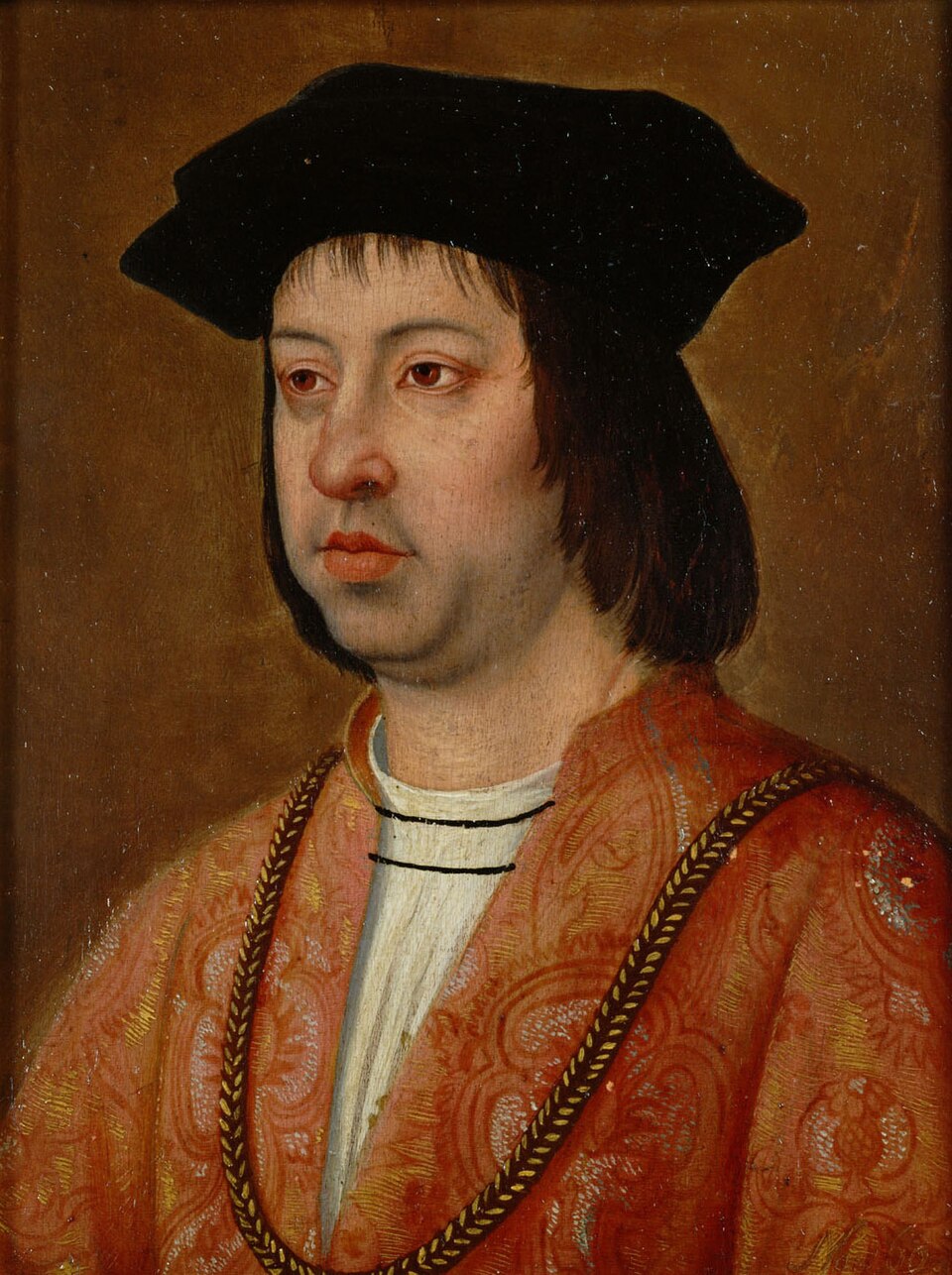
1479 - 1516 - Ferdinand of Aragon (All Facts)
First King (Ruler) and Founder of the Kingdom of Spain of the House of Tratsamara
He was initially the King of Aragon, succeeding to the throne after his father John II died
He married Isabella of Castile in order to unify the multiple kingdoms of Spain
This was effectively a federation, creating a powerful force via their alliance of thrones
He was fond of women, and of gold and jewels which he not only wore but with which he adorned the trappings of his horses
He showed great personal courage and endurance in recent civil war struggles in Spain
He and Isabella
established the Spanish Inquisition
This denounced the Jews as blasphemers and usurers, and encouraged every form of intolerance towards them
established the Encomienda System
This sanctioned the system of levying tribute payments from the inhabitants in America and using them as forced labor
set out a series of measures intended to encourage the inhabitants in the New World to
adopt a settled way of life
spread the gospel amongst themselves
defeated the Afonso V and the Portuguese during and after the War of the Castilian Succession
sponsored Christopher Columbus’s expedition to the West Indies (Americas) after being persuaded by him
took possession of Malaga, which up until their rule had been an independent Muslim principality
took possession of Granada, the last Muslim kingdom in Spain, thus ending the Reconquista
allowed Andalusian (Spanish) Muslims
to emigrate freely
to keep all arms except firearms
to continue to maintain their religion free from interference
to continue to enjoy their own communal life
to continue to be able to maintain their own judicial system and local officials
issued the Alhambra Decree
This was a royal edict decreeing the expulsion of all Jews from Spain
150,000-200,000 Jews had just four months to leave Spain after years of growing anti-Jewish feelings
Some historians say that expelling the Jews and Conversos from Spain seriously depleted Spain’s merchant class, contributing to its later bankruptcy under their later successors
issued an edict ordering the expulsion from the Kingdom of Castile of all Moors who had not yet been baptized as Christians
signed the “Treaty of Barcelona” with King Charles VIII of France
This allowed Spain to regain Cerdagne and Roussillon, which were previously pledged to King Louis XI of France by King John of Aragon, the namesake’s father and predecessor
signed the “Treaty of Tordesillas” with King John II of Portugal
This treaty drew an imaginary demarcation line down the Western Atlantic, which (in hindsight) slightly favored Spain since the treaty allowed Spain to retain discovered land west of the demarcation line
have a son named John who they had married to Margaret, the daughter of Maximilian of the Holy Roman Empire
He later died while they were still ruling
established the House of Trade / Casa de Contratación
During his reign,
He led Spain against France in the Third Italian War
He led Spain against France in the Fourth Italian War
Under he and Isabella’s reign,
Hispaniola / Santo Domingo was claimed and founded
Under his reign,
Puerto Rico was claimed and founded
Santiago / (Spanish) Jamaica was claimed and founded
Cuba was claimed and founded
Florida was claimed
After Isabella’s death, he continued to rule alongside his namesake female successor, but in which he had effective power; he
was granted rights by Pope Julius II to establish and build churches, especially in the Americas (New World / New Spain)
founded the Council of the Indies (although his successor may have founded it instead)
gave official authorization for Spanish settlers / colonists to import African slaves into America (New World / New Spain), which began in Hispaniola via directives issued by the namesake to Nicholas de Ovando and Cuba
and his forces occupied the entire kingdom of Navarre; having seized Pamplona and St. Jean Pied de Port
After Isabella’s death, under his reign,
Spain occupied the island of Penon, in the bay of Algiers
The Laws of Burgos were issued
However, he was the weaker partner in their co-rulership
He had to live in Castile and was not able to leave without Isabella’s permission
He could not wage war without Isabella’s advice and consent
Aragonese could not be appointed to the council, only Castilians
He died and was succeeded by the Habsburgs, which up to that point had fused with the House of Tratsamara
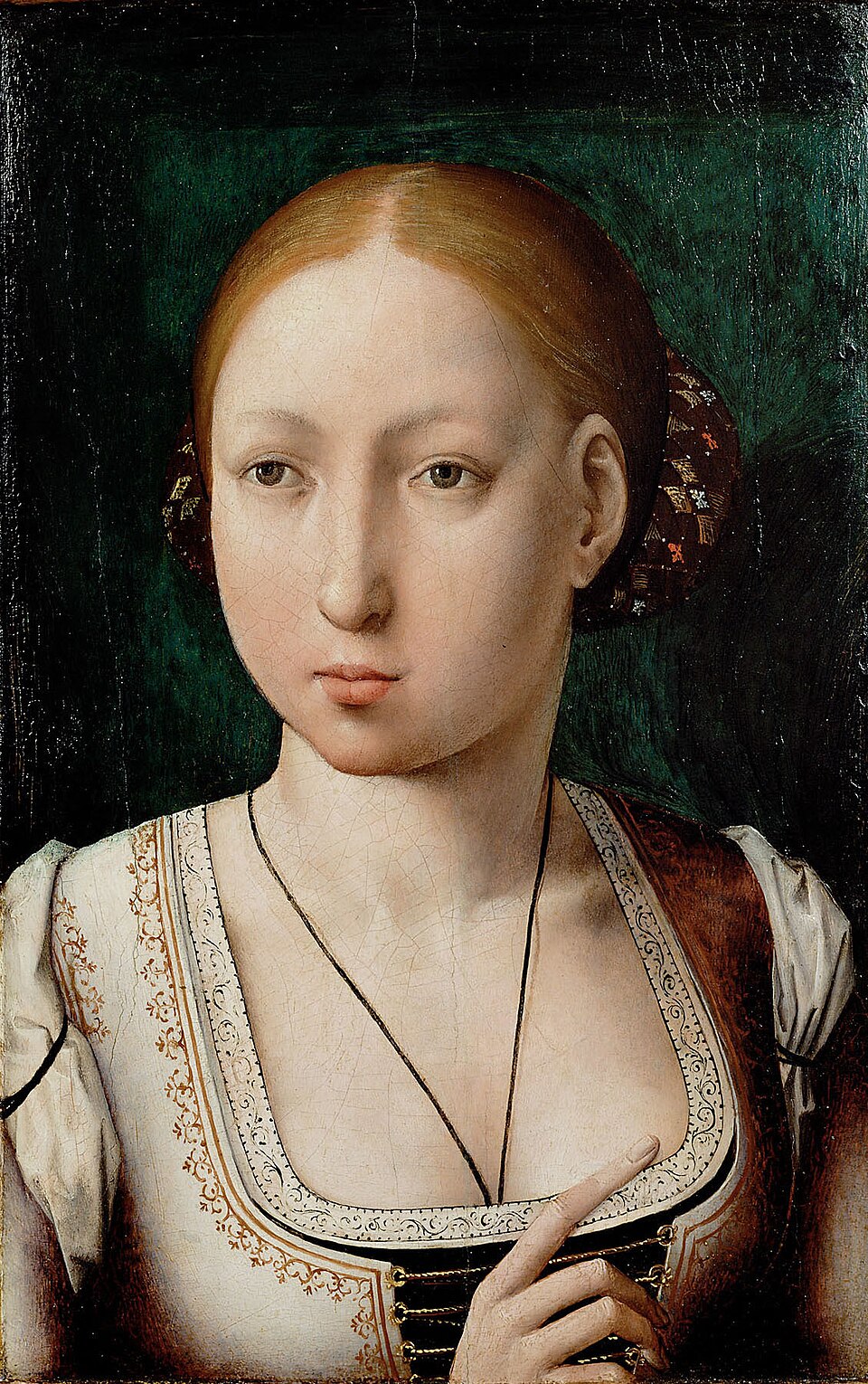
1504 - 1555 - Joanna (All Facts)
2nd Queen and Co-Ruler of Spain
She was nicknamed “The Mad”
She was the daughter of her predecessors
She married Philip IV in order to strengthen ties between the House of Habsburg and the House of Tratsamara, laying the foundations for Habsburg rule of Spain
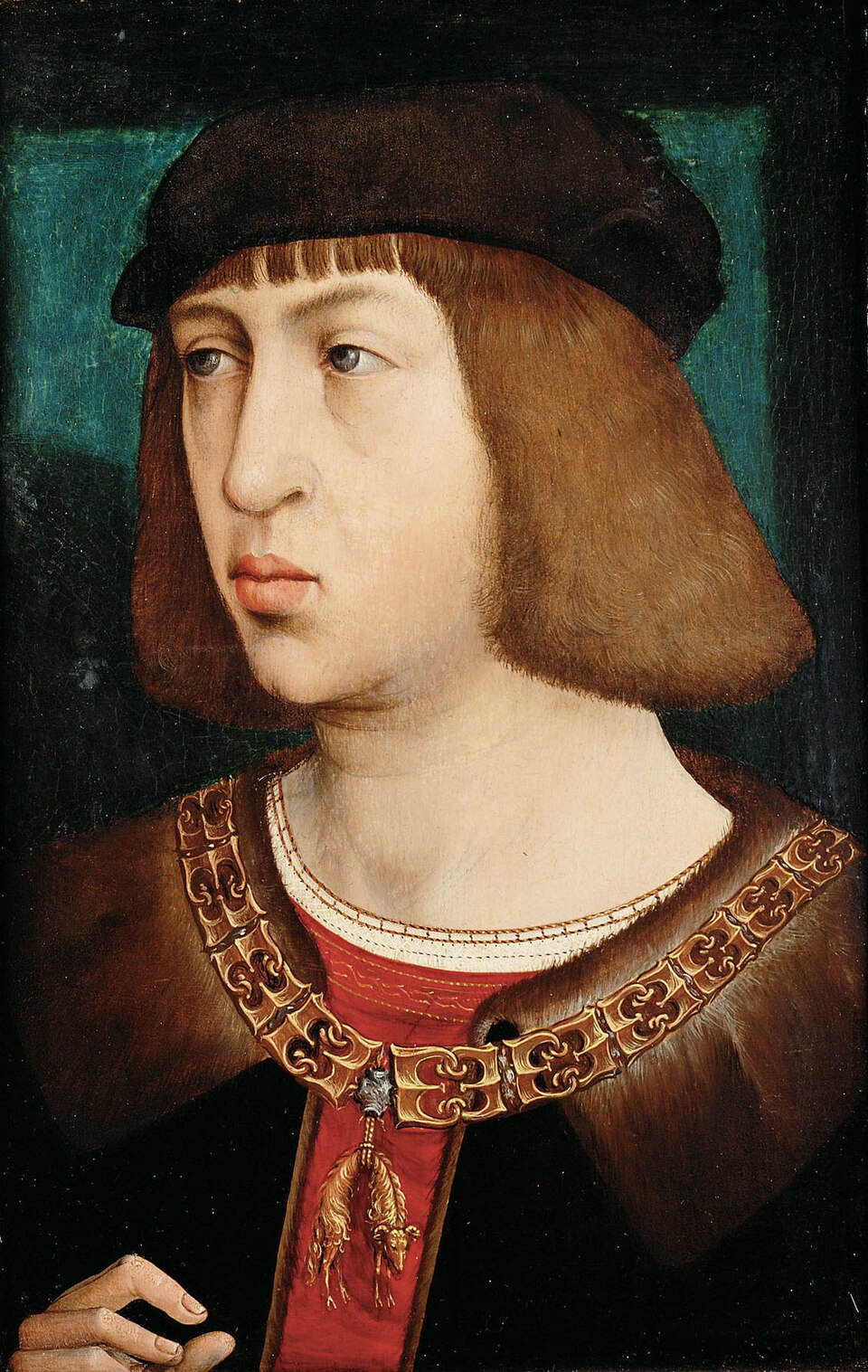
1506 - Philip IV (All Facts)
2nd Co-Ruler of Spain
He was nicknamed “The Fair” / “The Handsome”
He was the son of Emperor Maximilian (and inherited the Netherlands from his mother, Mary of Burgundy)
He was the husband of Joanna, daughter of King Ferdinand and Queen Isabela of Spain
His marriage to Joanna strengthened ties between the House of Habsburg and the House of Tratsamara, laying the foundations for his successor to rule over Spain
He died at Burgos
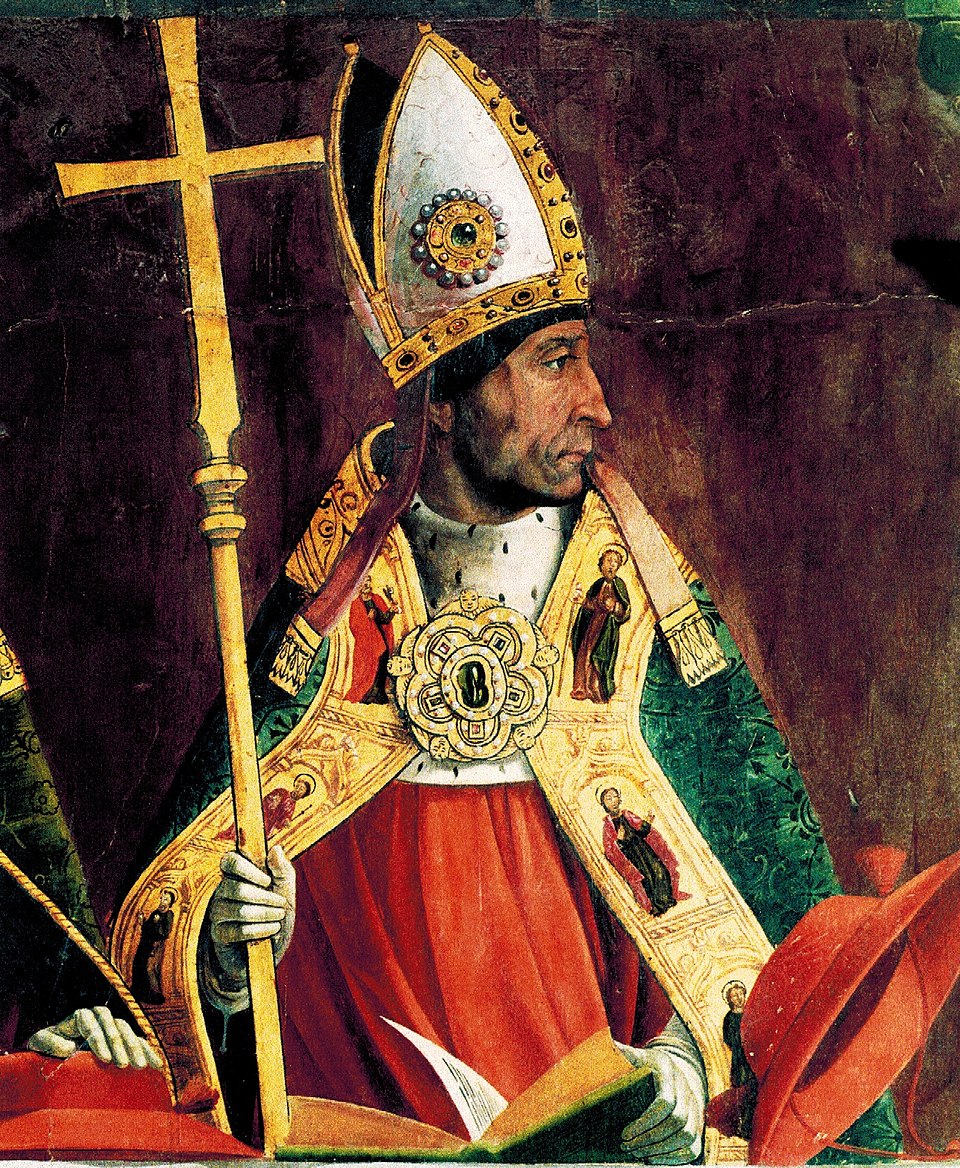
1507 - 1517 - Francisco Jiménez de Cisneros / Cardinal Cisneros (All Facts)
Cardinal and Statesman of Spain
He served as regent of Spain for a time
He banned the importation of African slaves into the Americas
1490 - 1521 - Juan de Padilla (All Facts)
Leader of the Revolt of the Comuneros against King Charles
He and his forces were defeated by the royalist forces in the Battle of Villalar and he was executed as a result
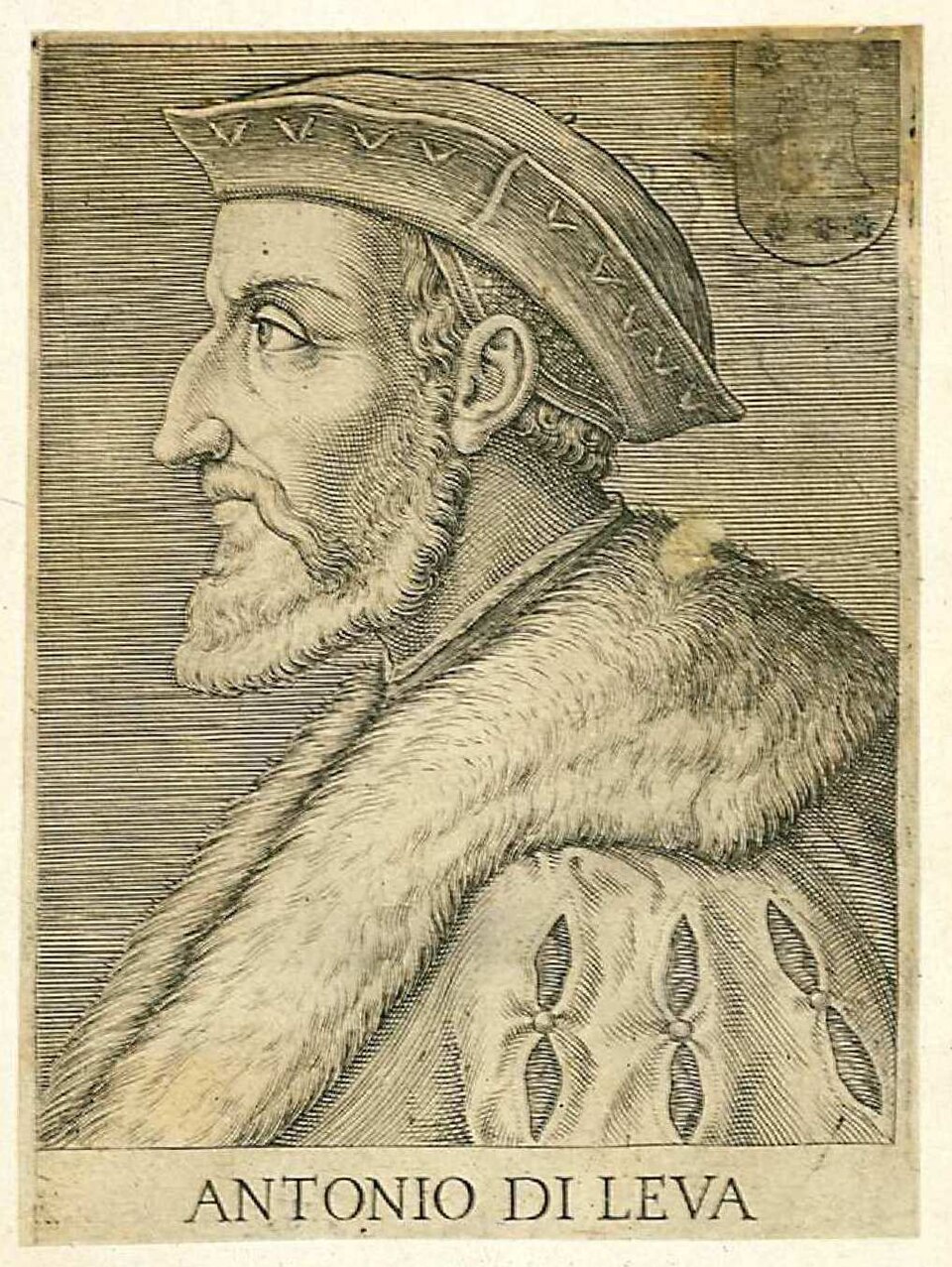
1480 - 1536 - Antonio de Leyva (All Facts)
Spanish Governor of Pavia and Commander of the Spanish forces in the Battle of Pavia
He had built new fortifications inside Pavia’s walls, enabling French troops to be routed by the city’s defenders
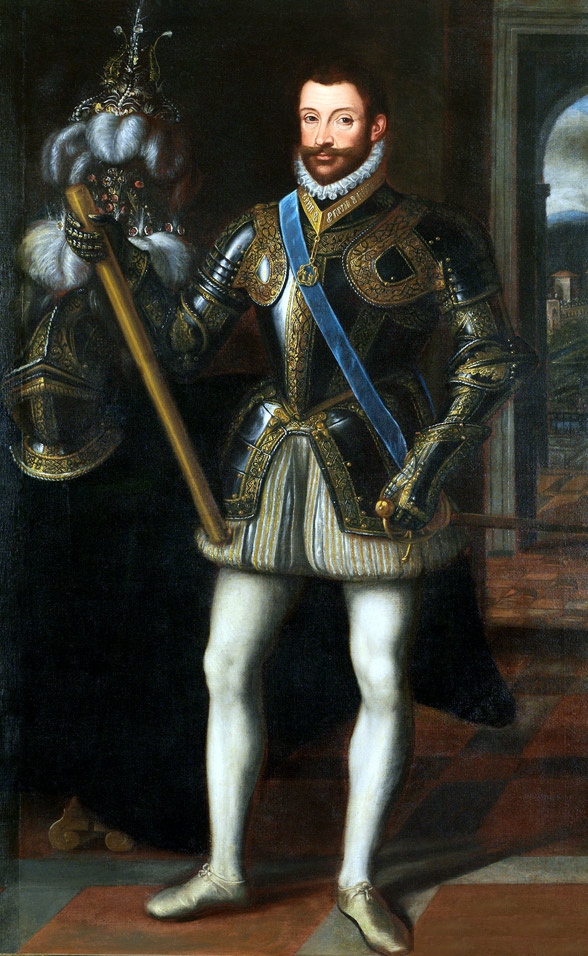
1553 - 1580 - Emmanuel Philibert (All Facts)
Duke of Savoy
(Savoyard) General of Spanish Forces
He and his Spanish forces defeated Anne de Montmorency and his French forces in the Battle of St. Quentin during the Ninth Italian War
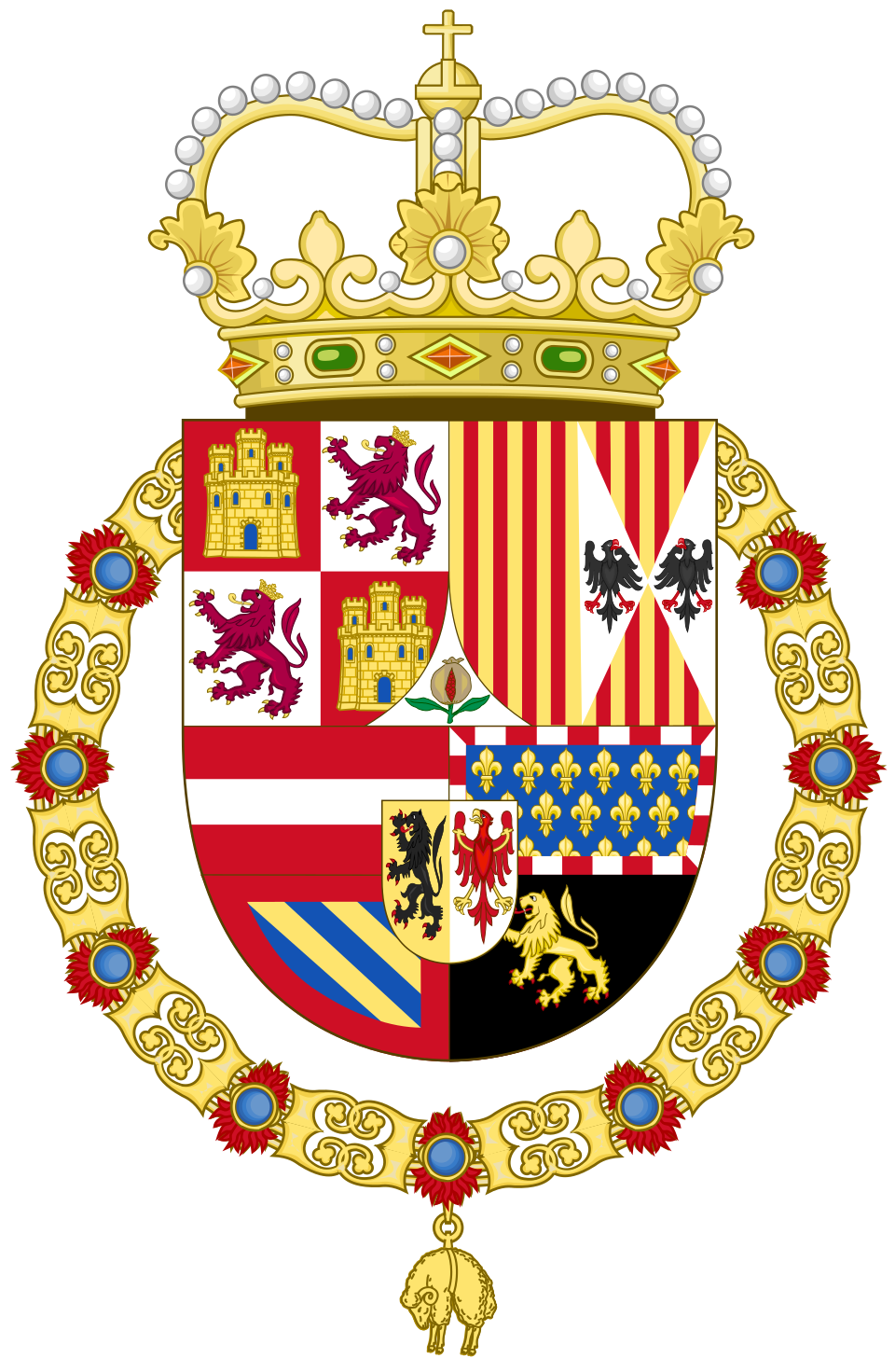
1516 - 1700 - House of Habsburg (All Facts)
House which founded the Spanish Empire
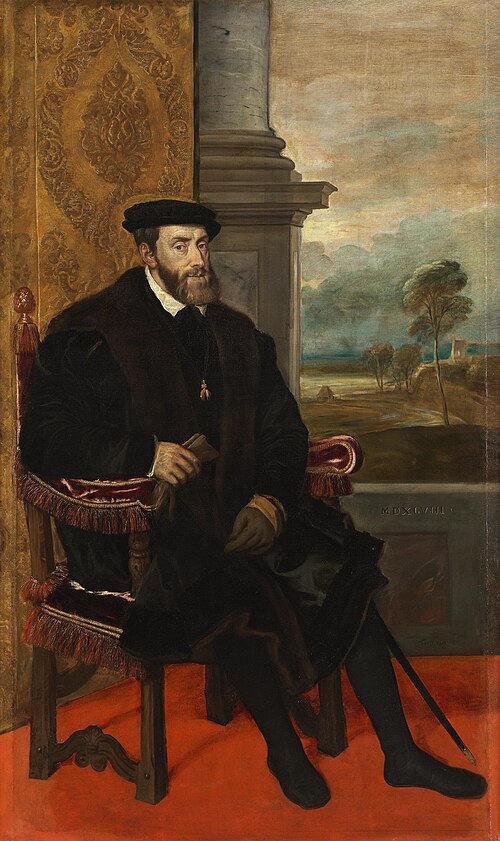
1516 - 1556 - Charles (Before Reign and Consolidation of Power)
3rd King of Spain and First King and Founder of the House of Habsburg of Spain
His reign marked the beginning of Habsburg Spain
He was the son of his predecessors Philip and Joanna
He was crowned King of Spain after making a sea voyage around the coast from Brussels
He succeeded to the throne on the death of his namesake predecessor and grandfather
He inherited a troubled throne as rival noblemen sought rebellion and Spain’s North African colonies were lost to Spain due to insurrection
He came to the Spanish throne with much experience, having
already ruled the Netherlands by the age of seven
learned Spanish language and customs from his Spanish tutor Luis de Vaca and Dutch teacher Adrian of Utrecht
He consolidated his power upon the death of his predecessor and father Philip by locking Joanna away under close watch and assuming the regency of Spain
Upon assumption to the throne, he showed much confidence, telling the Spanish people to “be good and loyal subjects” and that he will “be a good prince to you”
Upon his reign, he also became Holy Roman Emperor as the V, out-electing King Henry VIII of England and King Francis of France from the position
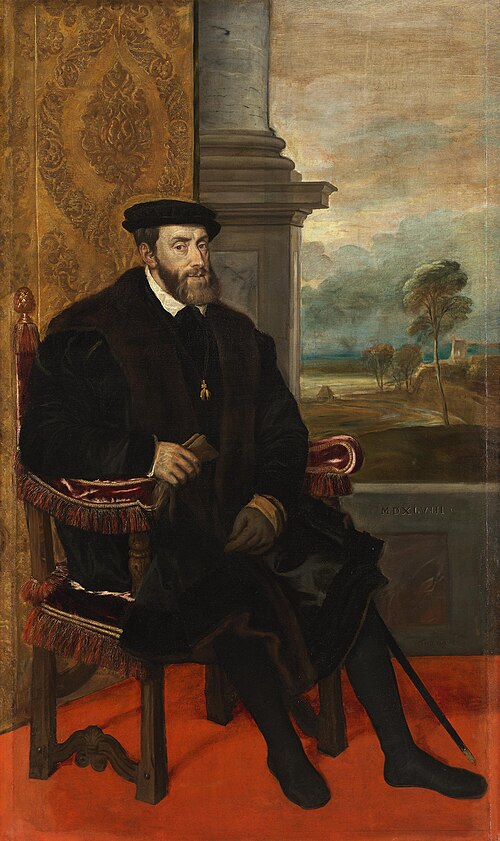
1516 - 1556 - Charles (All Facts)
3rd King of Spain and First King and Founder of the House of Habsburg of Spain
During his reign,
He sponsored Ferdinand Magellan’s Spanish Expedition, where Magellan ended up crossing the Pacific Ocean and landing in the Philippines
He appointed Hernan Cortes as First Governor of New Spain (Mexico)
He returned to Spain after three years of civil unrest, somewhat marked by the Revolt of the Comuneros against him and his administration, in order to provide political stability again
He was pardoned and he decided not to withdraw privileges from cities that joined the rebels’ “santa junta,” all of which contributed to the ease of tensions between him and the Spanish people
He had Spain send a new expedition against the Maya into the isthmus of Tehuantepec in response to an appeal to Spain by the Cakchiquel natives there
He and his forces defeated Hayreddin Barbarossa and his Ottoman forces in the Conquest of Tunis during the Ottoman-Habsburg Wars
He had a defense fleet organized for the Indies
He granted Francisco Pizzaro the titles of Governor and “captain-general” of Peru in order to secure his own support for Pizzaro and made him governor of “New Castile” (Peru)
He ordered the University of Salamanca to suspend all debates and to forbid the publication of all books that discussed the right of conquest
He appointed Blasco Nunez de Vela as First Viceroy of (Spanish) Peru
He issued a law banning African slaves from taking native American mistresses and from carrying firearms
The law stipulated that African slaves who violated the law could be whipped, imprisoned, or had their ears cut off as punishment
During his reign,
He nearly bankrupted Spain
He was able to rely on Italy and the Netherlands to contribute to the fight against heresy in northern Europe and in his campaigns against the Ottoman Turks; however
Ghent (in Netherlands) revolted against his administration
Naples (in Italy) was so heavily taxed that it virtually bled dry
He turned to for new sources of revenue
Castile
Aragon
The Church
The South American colonies
sale of indulgences by which noblemen became exempt from direct tax
German and Italian bankers, at increasingly exorbitant interest rates
During his reign, he signed
The Treaty of Madrid (with King Francis of France)
The Treaty of Zaragoza (with King John III of Portugal)
The Treaty of Barcelona (with Pope Clement VII of the Papacy)
Under his reign,
Mexico (New Spain) and Mexico City were claimed and founded
Peru was claimed and founded
Florida was claimed
Panama was founded
Colombia was founded
Ecuador was founded
Argentina was founded
Chile was founded
Under his reign,
the last of Spain’s Moors were expelled
they had been working on the great estates of the Valencian plains
chocolate was introduced to Spain from Mexico
Spain took Tlemcen and killed the Barbary pirate Aruj al-Din Barbarossa
Barbary pirate Khayr al-Din Barbarossa repulsed a Spanish offensive on Algiers from the island of Penon
A group of Spanish settlers in Cumana (modern-day Venezuela) were massacred by the natives there
A new / revised set of the Burgos Laws were passed, giving further protections against enslavement of the native inhabitants of the Americas
Spanish explorers described great wooden temple mounds built by natives in southeastern North America
He resigned from the kingship of Spain and handed it to his son and successor
He retired to a remote Spanish monastery in Yuste
He lived out the last three years of his life in solitude there
He rejected a grand funeral, having been buried in the chapel there under the high altar as “half his body was to be placed underneath, the other half outside so that the priest will stand over his head and chest”
His last years were spent peacefully enough at Yuste, living in a small villa designed so that he could see the high altar in the monastery from his bed
After the last rites had been administered, he asked for the crucifix which his wife had held on her deathbed and he died to the sound of Psalms
From there, he died
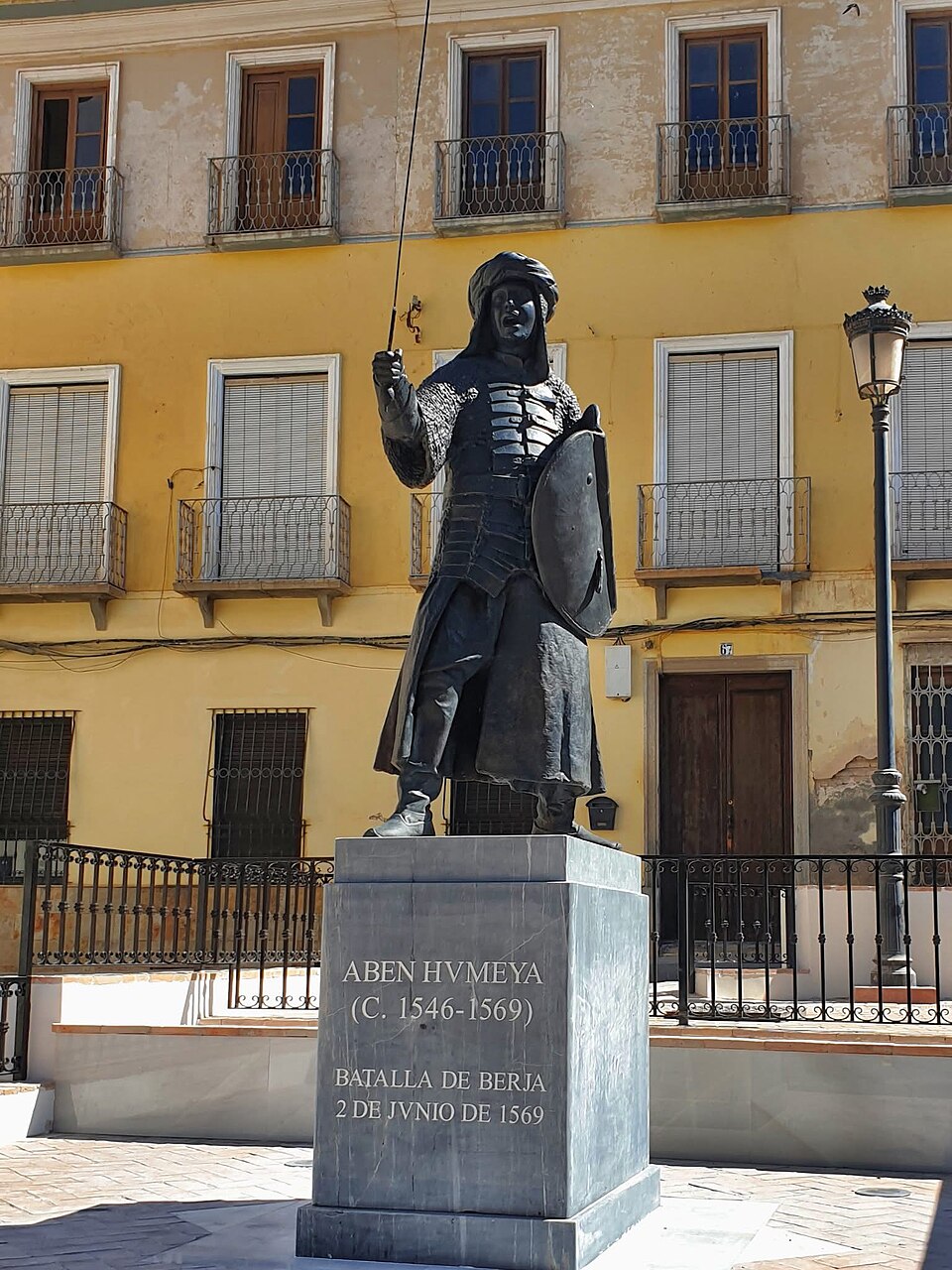
1546 - 1569 - Aben Humeya (All Facts)
Muslim Leader of the Morisco Revolt against King Philip II
He and the Moriscos rose up against the campaign of intolerance towards them
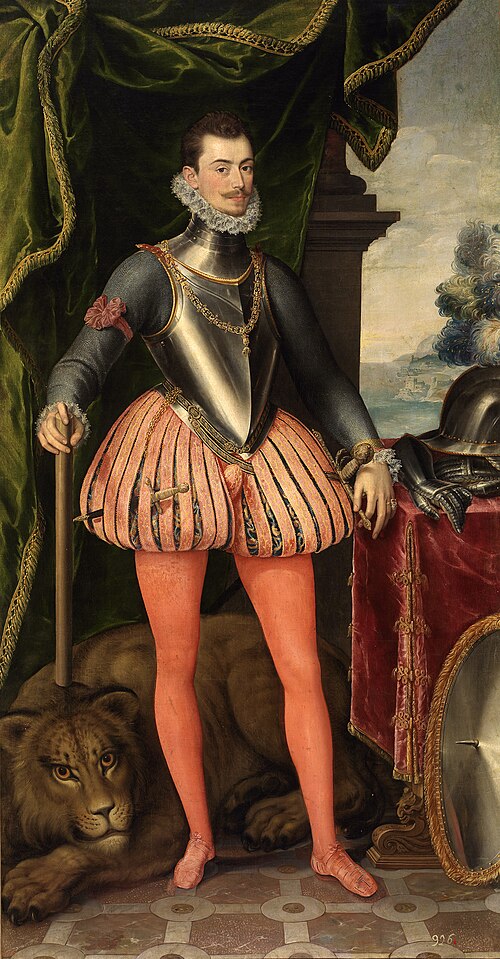
1547 - 1578 - Don John of Austria (All Facts)
He was the illegitimate son of King and Holy Roman Emperor Charles
He harshly suppressed the Morisco Revolt
He and his Holy League forces defeated Ali Pasha and the Ottoman Turks in the Battle of Lepanto
He and his Spanish forces seized Tunis and Bizerta from the Berbers
He and his 20K forces took Tunis, only for it to be retaken by the Ottoman Turks away from him and his forces a year later
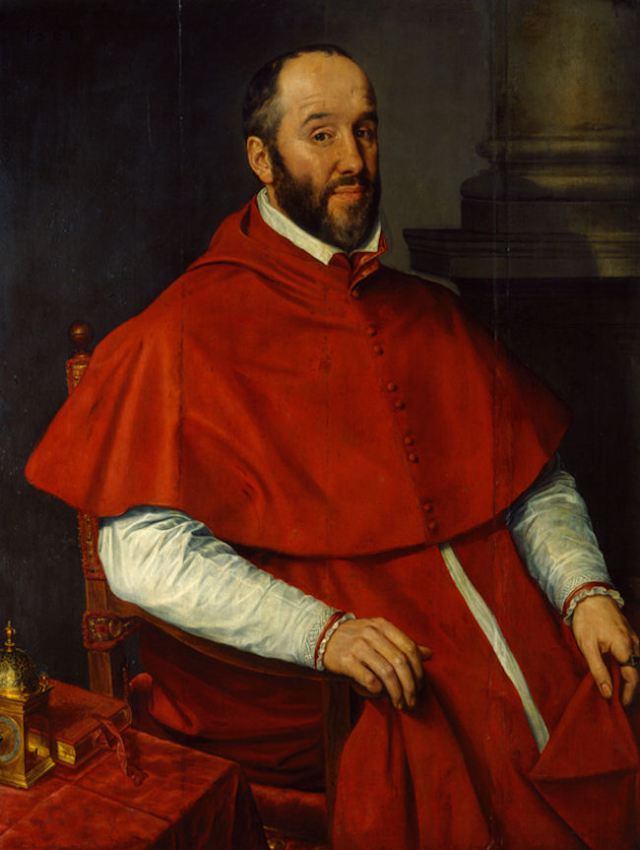
1517 - 1586 - Cardinal Antoine Perrenot de Granvelle (All Facts)
Advisor to King Philip II
He was also effective governor of the Netherlands at the time
He was recalled to Spain on account of growing unrest against Spanish domination in the Netherlands
There was also fierce lobbying against him in Madrid
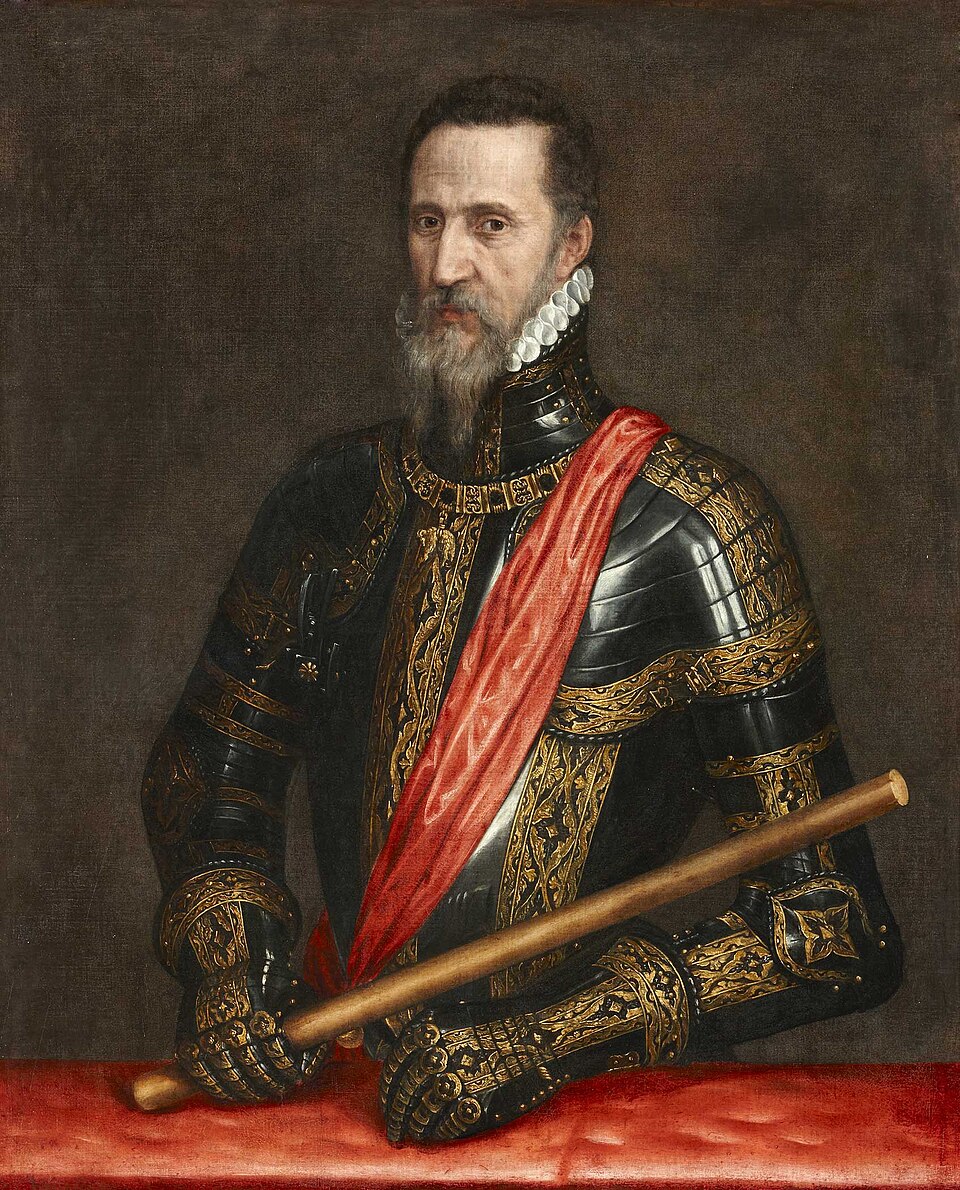
1567 - 1573 - Fernando Álvarez de Toledo (All Facts)
He was the 3rd Duke of Alba
He was King Philip II of Spain’s Commander-in-Chief of the Habsburg (Spanish) Netherlands
He was sent to the Netherlands to crush the Calvinist revolt there
He ordered the arrest of Counts Egmont and Hoorne, the leaders of the nobility there
He ensured that William of Orange was deprived of his office of stadtholder of Holland, Zeeland, and Utrecht
He set up a new court in the Netherlands that tried suspected rebels
He ordered the execution in Brussels of 20 noble leaders, including Counts Egmont and Hoorne
He imposed crippling taxation on the rebel province of Groningen
He oversaw the Count of Egmont’s execution via order of the repressive “Court of Unrest,” the so-called “Council of Blood”
He suppressed the initial anti-Catholic, anti-Spanish Calvinist insurrection that had initiated the Eighty Years War between Spain and the Netherlands
He pledged himself to bring back the Spanish Inquisition into the Netherlands
He pledged himself to establish a new order for King Philip II
When he arrived in the Netherlands,
He came with 10K elite Spanish troops and marched through the streets of Ghent, organizing the troops into ranks of five, following them up with prostitutes in frilly dresses riding donkeys and bringing with a host of camp followers; making it clear that the Dutch Calvinist insurrection was over
He made sure the behavior of his troops underlined the ferocity with which he approached his task
He had the Dutch population, even the good Catholics there, insulted in the streets as “traitors” and “heretics”
He had merchants beaten up
He turned his regime in the Netherlands into a dictatorship
He imposed the hated “tenth penny” tax on the (Spanish) Netherlands to help a bankrupted Spain and pay his army in the Low Countries
He humiliated Margaret of Parma, the civil governor, by
forcing her to demobilize her army she raised
assuming many of her powers until she was forced to leave for Italy
He established the “Council of Troubles,” a newer and more sinister form of the Spanish Inquisition within the Netherlands, in which he
organized the arrests of thousands just in one spring
oversaw the execution of 1,000 alleged heretics
oversaw the stripping of property of 8,000 alleged heretics
oversaw the seizing and burning of 500 alleged heretical books in the Calvinist city of Tournai
He was recalled to Spain and succeeded as viceroy of the Netherlands
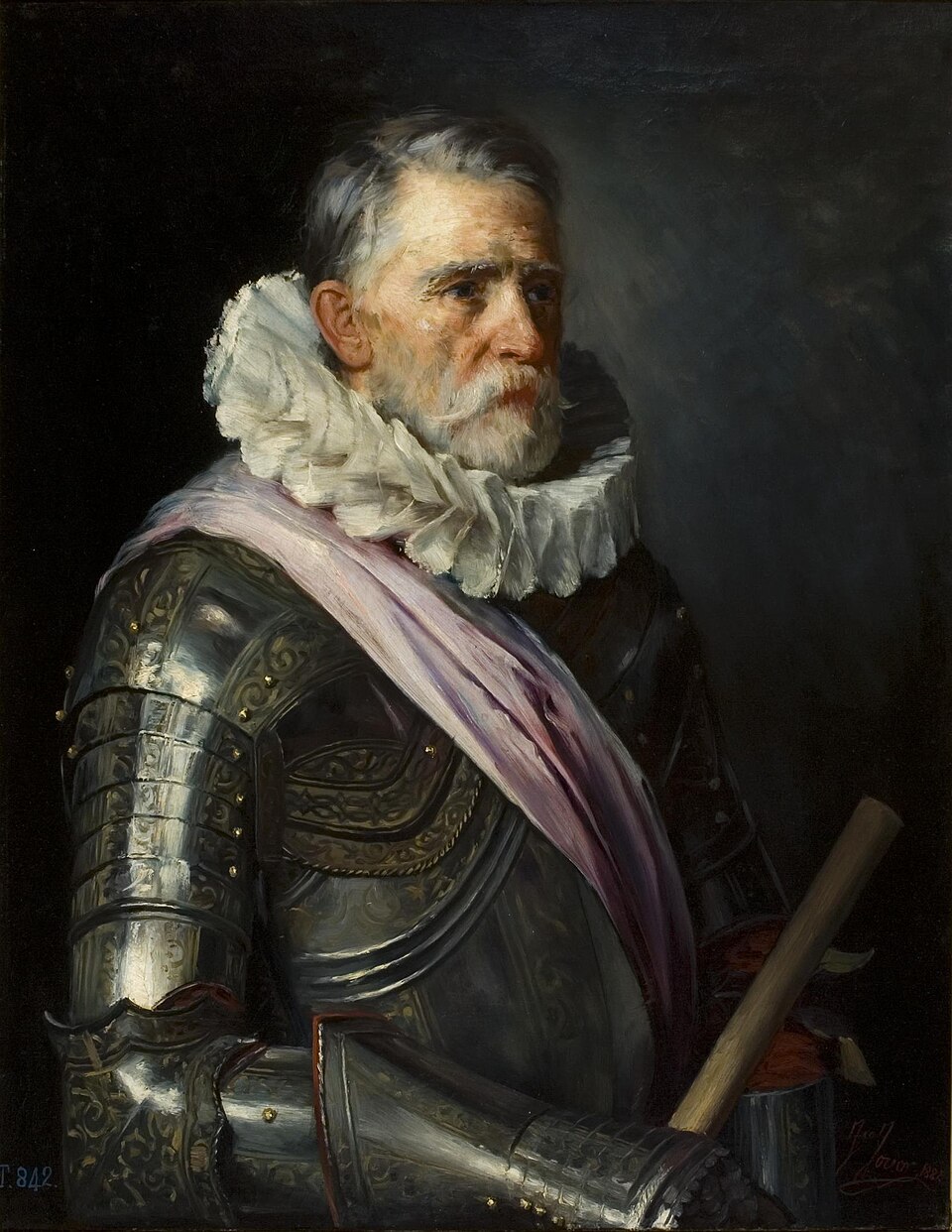
1528 - 1576 - Luis de Requesens y Zúñiga (All Facts)
Spanish General and Governor of the Habsburg (Spanish) Netherlands during the Eighty Years’ War
He succeeded Fernando Álvarez de Toledo, the 3rd Duke of Alba
He assumed the throne when Brill, Enkhuisen, Flushing, Arnemuide, Veere, Holland, and Zeeland were all controlled by the “Sea Beggars”
He and his Spanish forces defeated the Dutch Protestant / Calvinist rebels in the Battle of Mookerheyde during the Dutch Revolt / Eighty Years’ War
This occurred after he had arrived in Brussels at the end of the prior year to replace his predecessor as Governor of the Habsburg (Spanish) Netherlands
He advised King Philip II to
grant a general pardon to the Dutch Protestant rebels
abolish the “tenth penny” tax imposed onto the Netherlands by Fernando Álvarez de Toledo, the 3rd Duke of Alba
He agreed with Holy Roman Emperor Maximilian II to withdraw Spanish troops and officials from the Netherlands
1530 - 1578 - Juan de Escobedo (All Facts)
Spanish Politician and Secretary and Councilor of Don John of Austria
He had threatened Antonio Perez that he would reveal Perez’ involvement in political intrigue against King Philip II
Perez had him murdered as a result, which in turn led to the arrest and imprisonment of Perez by the Spanish authorities
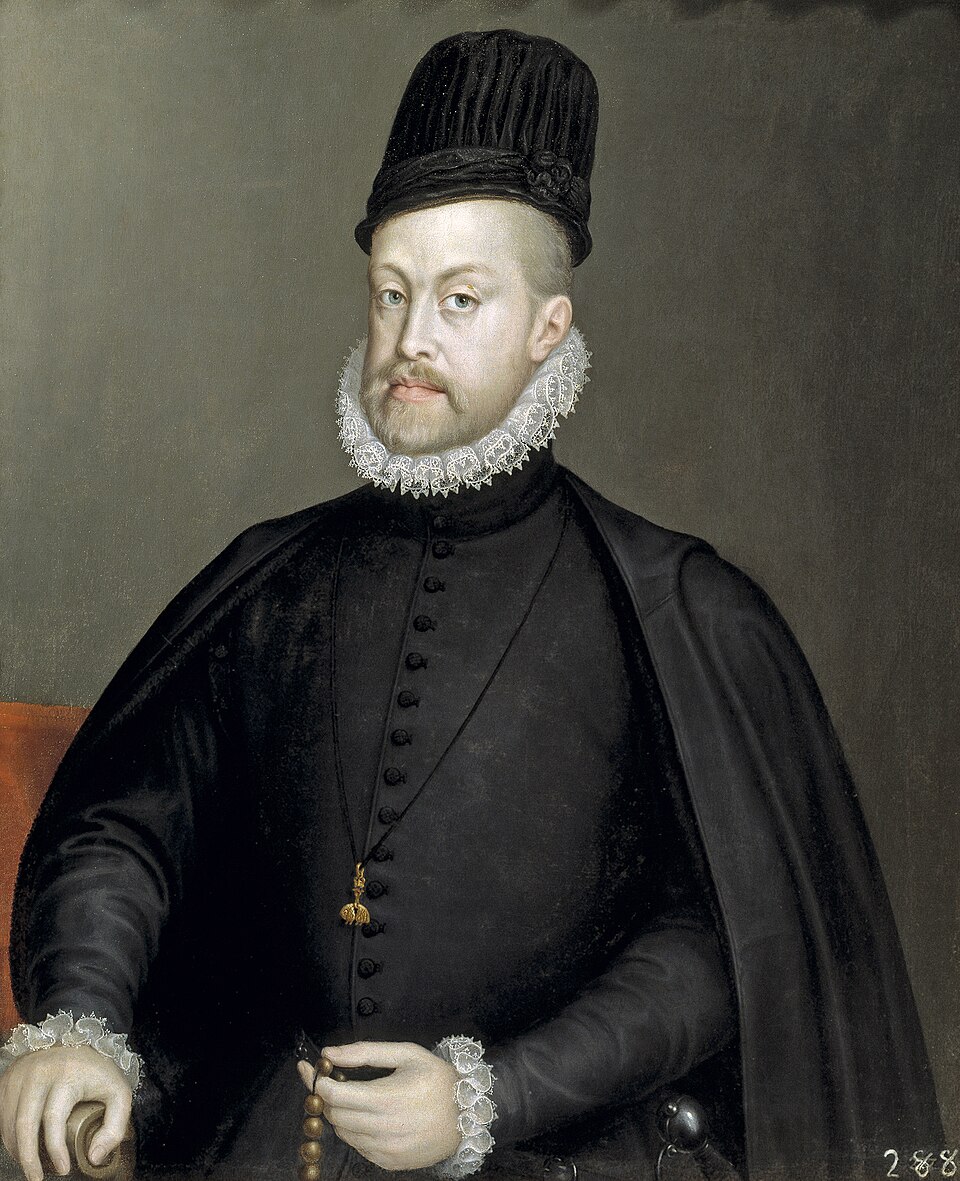
1556 - 1598 - Philip II (All Other Facts)
4th King of Spain and 2nd King of the House of Habsburg of Spain
He was the brother of Margaret of Parma (regent of the Netherlands)
He regarded himself as a great champion of Roman Catholicism
Prior to his reign, he
was married to (Queen) Mary (Tudor) of England
He deserted her shortly before he died
received the Kingdoms of Naples and Sicily and Duchy of Milan from his father and predecessor
received the remaining Spanish dominions in the Old and New World from his father and predecessor
he renounced his claim to the German / Holy Roman throne in favor of Maximilian (the son of Frederick of Habsburg)
During his reign, he
established the capital of Spain at Madrid
promised to construct a magnificent building to commemorate the victory of Emmanuel Philibert and his forces over Anne de Montmorency and his forces in the Battle of St. Quentin
During his reign, he
oversaw the suppression of the Morisco people and the Morisco Revolt against him and his reign
He took repressive measures against the Moriscos, forbidding them from
speaking Arabic
wearing their traditional dress
He crushed the Morisco community of Granada with help from his half-brother Don John of Austria and his forces
He refused to turn a blind eye to the Moriscos’ Moorish customs and oversaw the slow process of their assimilation into Spain
supported the harsh measures of the Spanish Inquisition
passed a law integrating the Incan Empire’s feudal system in Peru into the Spanish system of rule
This effectively made him and the Viceroy of Peru become successors of the Inca rulers
entered Aragon with an army and abolished the province’s constitutional privileges in response to a rebellion over the affair of his advisor Antonio Perez that occurred there when Perez was freed by a rioting mob in Saragossa after he had been prosecuted for heresy on the namesake’s instigation via the Spanish Inquisition
appointed Francisco Suarez to the First Chair of Theology at the University of Coimbra in Portugal
Under his reign,
The Theater of the Cross in Madrid was founded
He died and was succeeded by his son
He spent the last few months preparing for his death, ordering black cloth for his mourning draperies and rehearsing the ritual of extreme unction in which ceaseless prayers were cast in the huge basilica of El Escorial Palace
He died in ulcerous agony in his grim and gloomy El Escorial Palace outside Madrid
He was 71 years old
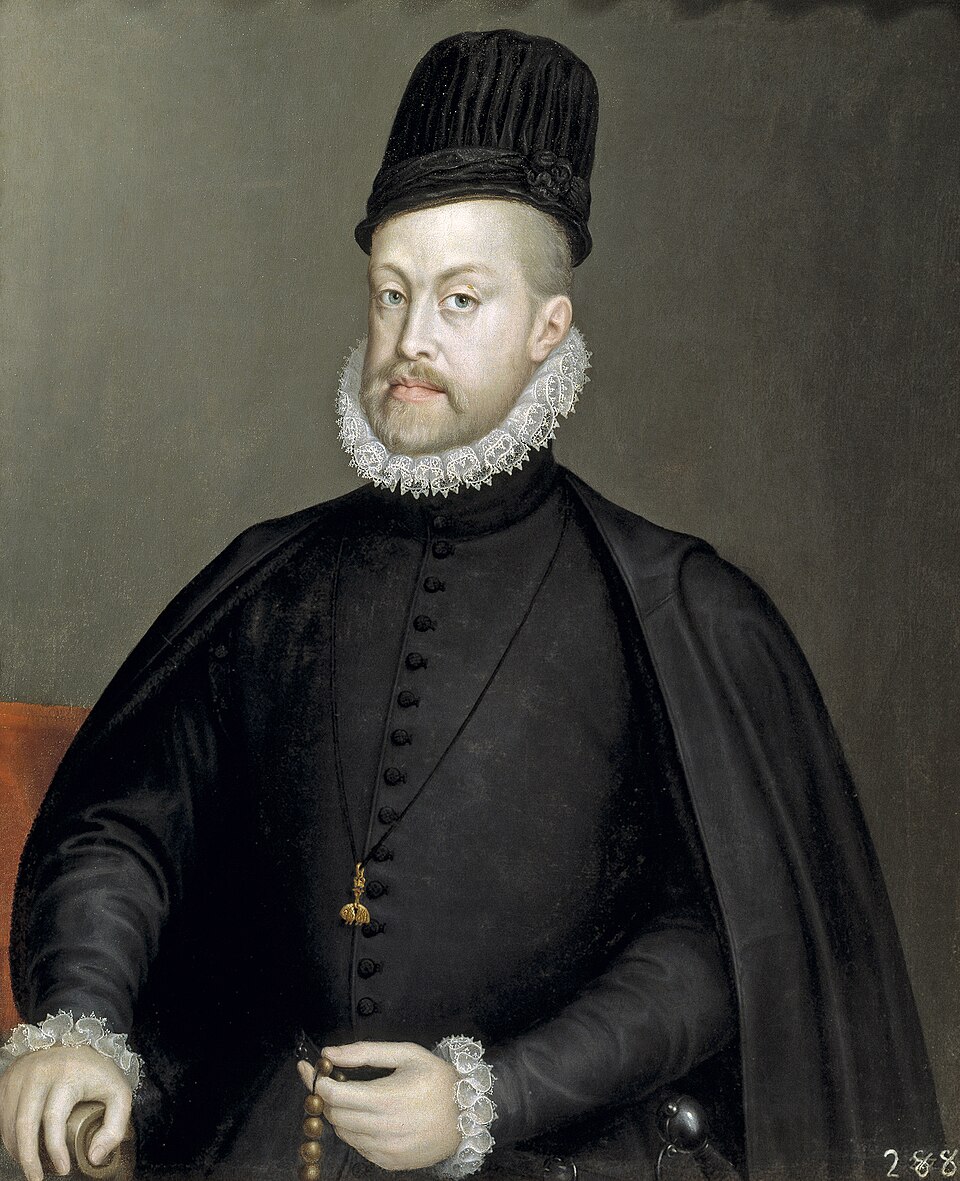
1556 - 1598 - Philip II (Foreign Policy)
During his reign, he
precipitated and led Spain in the Eighty Years War with the (Habsburg / Spanish) Netherlands by
deciding to curb the Netherlands’ autonomy
bring the Spanish Inquisition into the Netherlands
order the execution of its leaders including Counts Egmont and Hoorne
having had one of his (French) agents, Balthazar Gerard, assassinate William of Orange to try and put down the Dutch Revolt against Spain and Eighty Years’ War
annexed Portugal, unifying the Iberian Peninsula
which gave Spain
a new Atlantic seaboard
a naval fleet to help further protect it and its holdings
a second empire stretching from Mozambique to Brazil and from Calicut to the Moluccas; thus taking control of all of Portugal’s colonial holdings
which gave Portugal
relief following the many problems that arose from the disastrous reign of King Sebastian of Portugal
a new king, who succeeded King Sebastian after his throne had become vacant
a much needed political connection with Spain for economic reasons, and which brought economic benefits
which he did after
two years of political and diplomatic maneuvering
announcing his claim to the vacant Portuguese throne, having outbid his rival claimants by making available the liberal supplies of Spanish silver, taking advantage of Portugal’s own bankruptcy
dispatching an army to Portugal after Portugal had ignored his ultimatum sent to them as they were traditionally anti-Spanish
convening the Cortes at Tomar and taking the oath to observe all the laws and customs of Portugal
being recognized as the lawful king of Portugal following these ceremonies
which effectively made him King of Portugal, succeeding Cardinal Henry (who succeeded King Sebastien)
He was declared king after his troops overran the country
led Spain in the Anglo-Spanish War with England
He wanted to teach England a lesson after Queen Elizabeth and the explorers and privateers under her such as Francis Drake and John Hawkins, had thoroughly raided and were unimpeded / encouraged by the Queen to continue the raids on various Spanish ships
Queen Elizabeth was prompted to do all this after she had received intelligence that the namesake was building up a fleet of ships
However, Spain was defeated by England and thereafter began to decline in its power
This bid to punish England for its support of the Dutch Revolt against Spain and for plundering Spanish, and for its plundering of Spanish possessions in Mexico (New Spain) and South America came badly unstuck
Although Spain remained a major power after its defeat, its prestige had been seriously damaged and its naval supremacy definitively lost
During his reign, he
signed the Treaty of Cateau-Cambresis with King Henry II of France
He married Elizabeth of Valois as per the Treaty of Cateau-Cambresis
signed the Peace of Vervins with King Henry IV of France
During his reign, he
ordered for the halting of the colonization of Florida
appointed the count of Egmont to rule over the Habsburg (Spanish) Netherlands jointly with William of Orange and Count Philip of Hoorne
had Spain support the Ridolfi Plot to overthrow Queen Elizabeth of England
established the Mexican Inquisition / “Holy Office of the Inquisition” in Mexico (New Spain)
initially refused to help King Sebastien of Portugal in his crusade against the Moors, but he eventually gave in when King Sebastien had asked for the namesake’s daughter’s hand in marriage
agreed to give financial support to Henry of Guise of France’s “Catholic League” in order to help defend the (French) Roman Catholics against the Huguenots
authorized half-castes in America to become priests, provided that they were legitimate, which was rarely the case
had Spain divide southeastern North America into mission provinces; his administration having decided that conversion of native Americans was preferable to conquest over them
Under his reign,
Florida was founded
the Philippines were conquered, claimed and founded (and clearly named after him)
Under his reign,
Don John of Austria and the Spanish forces defeated Ali Pasha and the Ottoman Turks in the Battle of Lepanto, permanently breaking their power
The French recovered St. John’s Fishery that was captured by a Basque fleet two years prior to their retaking of the port in Newfoundland that they had done with the help of an armed escort
Spanish troops left the Netherlands in compliance with an undertaking given to his sister and regent of the Netherlands at the time, Margaret of Parma
Spanish reinforcements (a relief fleet) raised the Siege of Malta by the Ottoman Turks as the Knights of St. John had withstood the Ottoman Turkish assaults up to that point
The Spanish made an unsuccessful attempt to land in Ireland to support the rebels there protesting English and Protestant domination
Pope Pius X instructed the apostolic “nuncio” of Spain to set up a commission to deal with the problems of missionaries in the Americas (New World)
Laws were passed barring territorial conquest in the Indies without royal sanction
A Black Code was published, or series of laws concerning the slavery of Africans in the Americas
the Spanish destroyed a French vessel under Gilberto Gil while he was inquiring about Nicolas Strozzi at the mouth of St. John’s River in (Spanish) Florida
He was deposed by the Estates General (Parliament) of the Hague in the Netherlands as ruler of the seven provinces which formed the Union of Utrecht, and thus by doing so, the Netherlands declared both independence of and war against Spain
Alonso de Guzmán y Sotomayor and his Spanish forces were defeated by Lord Charles Howard of Nottingham and his English forces in the Spanish Armada during the Anglo-Spanish War
the Spaniards defeated Antonio of Crato of Portugal when he marched on Lisbon a second time with English support
The Mercedarian fathers and members of the Order of Mercy arrived in Mexico
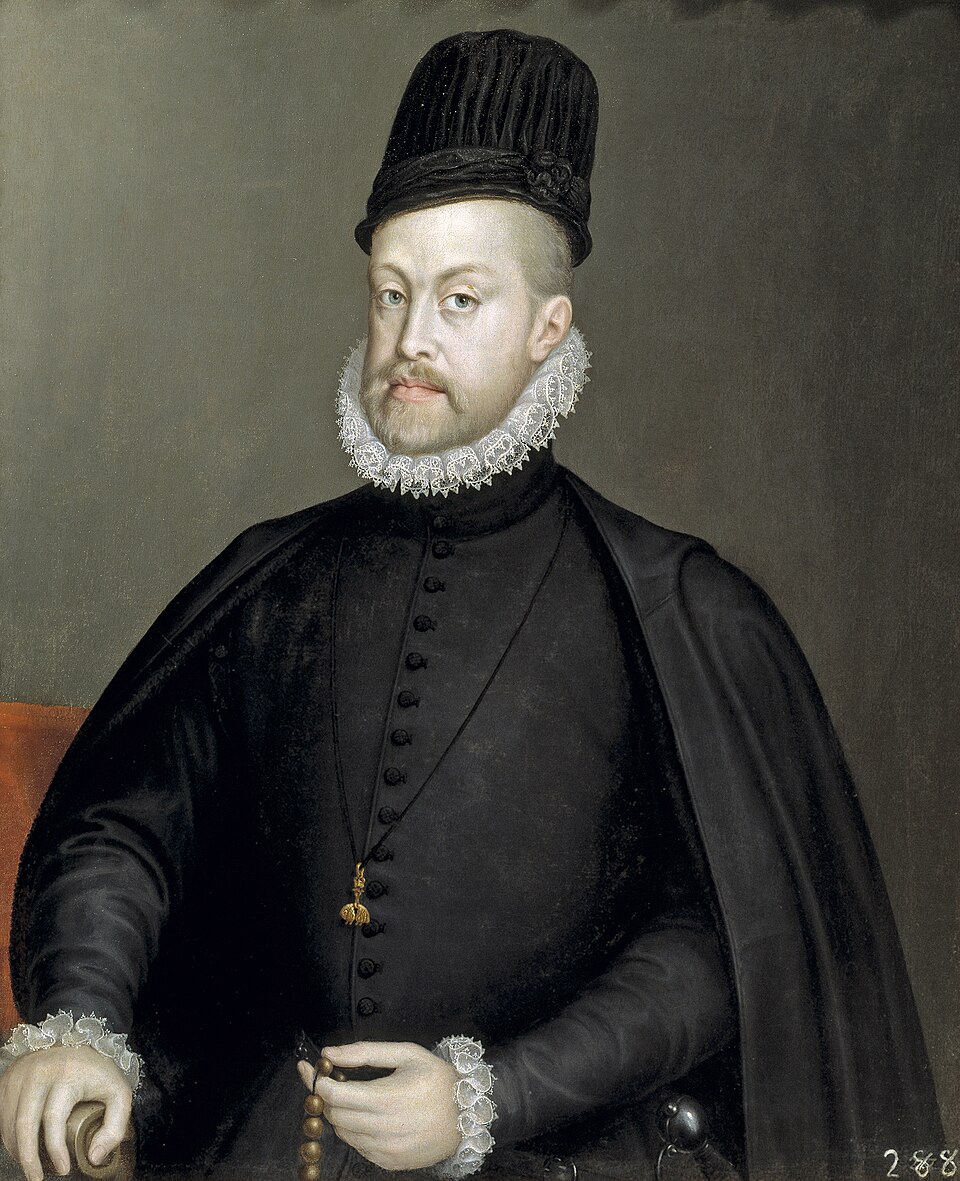
1556 - 1598 - Philip II (Economic Policy)
During his reign,
Spain went officially bankrupt, which occurred
due to years of costly wars, which drained what had already become a flimsy royal treasury,
in the Netherlands
against England
due to Spain’s never having properly invested in the riches of the Americas
despite all its power, prestige, and wealth generated from all its colonies and military victories in Europe
Spain went officially bankrupt a second time, which occurred, as he eventually admitted publicly, due to
the Eighty Years War with the Netherlands, which also weakened the Spanish armed forces
the Anglo-Spanish War with England (specifically, the disaster that was the Spanish Armada)
the Franco-Spanish War with France
revolts against the Spanish Empire in the New World
heavy domestic spending
poor financial management
bad weather
During his reign,
He let imperial interests override economic interests, the main consequence being that the Spanish crown could not pay its troops in the Eighty Years’ War in the Netherlands, so mercenaries frequently mutinied and military gains in the region were lost
He found it impossible to pay the interest on their debt or repay any borrowed money to the bankers of Antwerp
He issued a decree suspending all payments from the Castilian treasury, with all outstanding debts to be consolidated into “juros” or annuities repaying loans out of revenue at 5% interest
This move reflected the magnitude of the debts left in the Spanish treasury by his father and predecessor
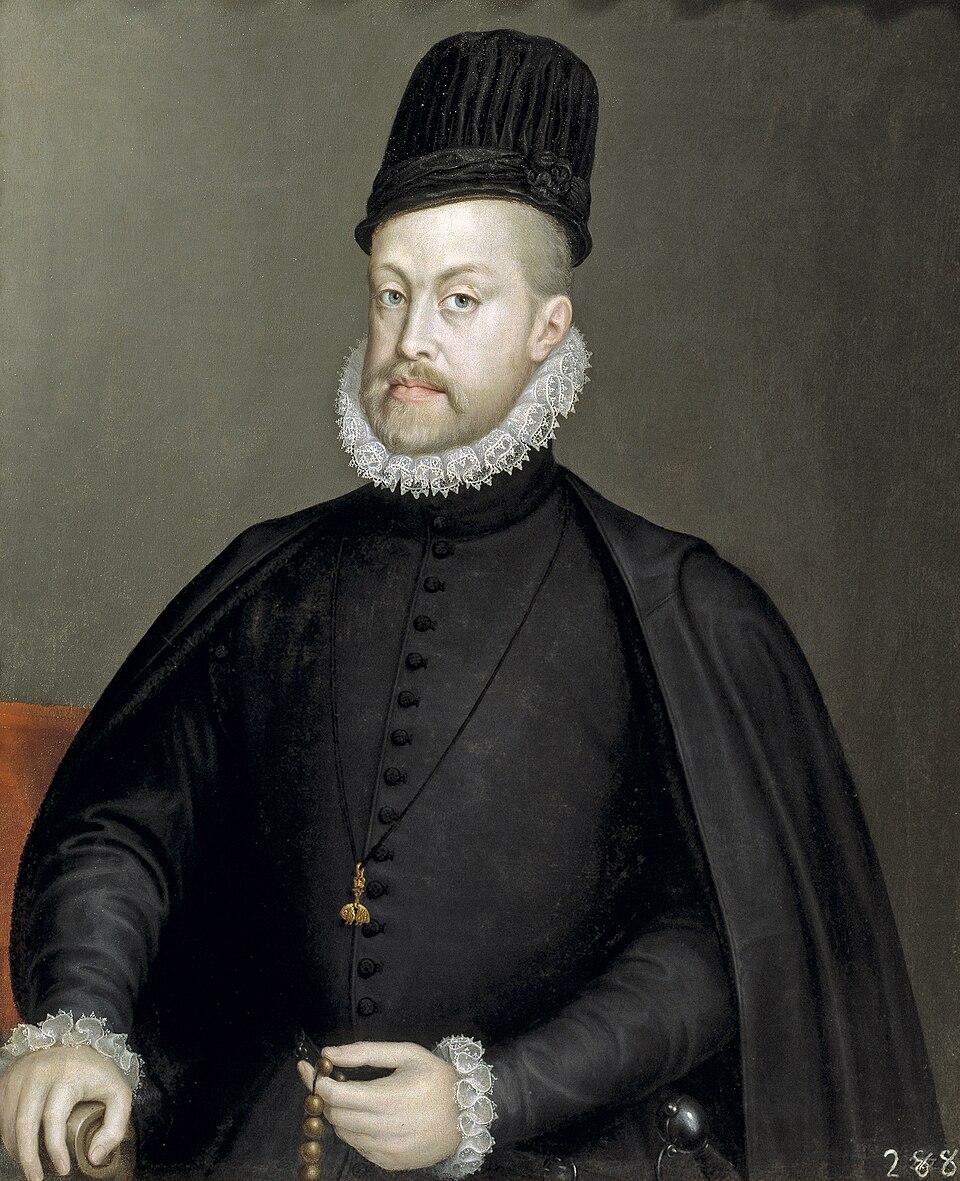
1556 - 1598 - Philip II (Legacy)
He ruled for more than 40 years
Under his reign, Spain became the richest and most formidable nation on earth
During his reign, he boasted of ruling the world from the El Escorial Palace with pen and paper
However, Spain was in trouble ever since he sent his “invincible” Spanish Armada to invade England
Although Spain remained a major power after its defeat, its prestige had been seriously damaged and its naval supremacy definitively lost
He regarded himself as a great champion of Roman Catholicism
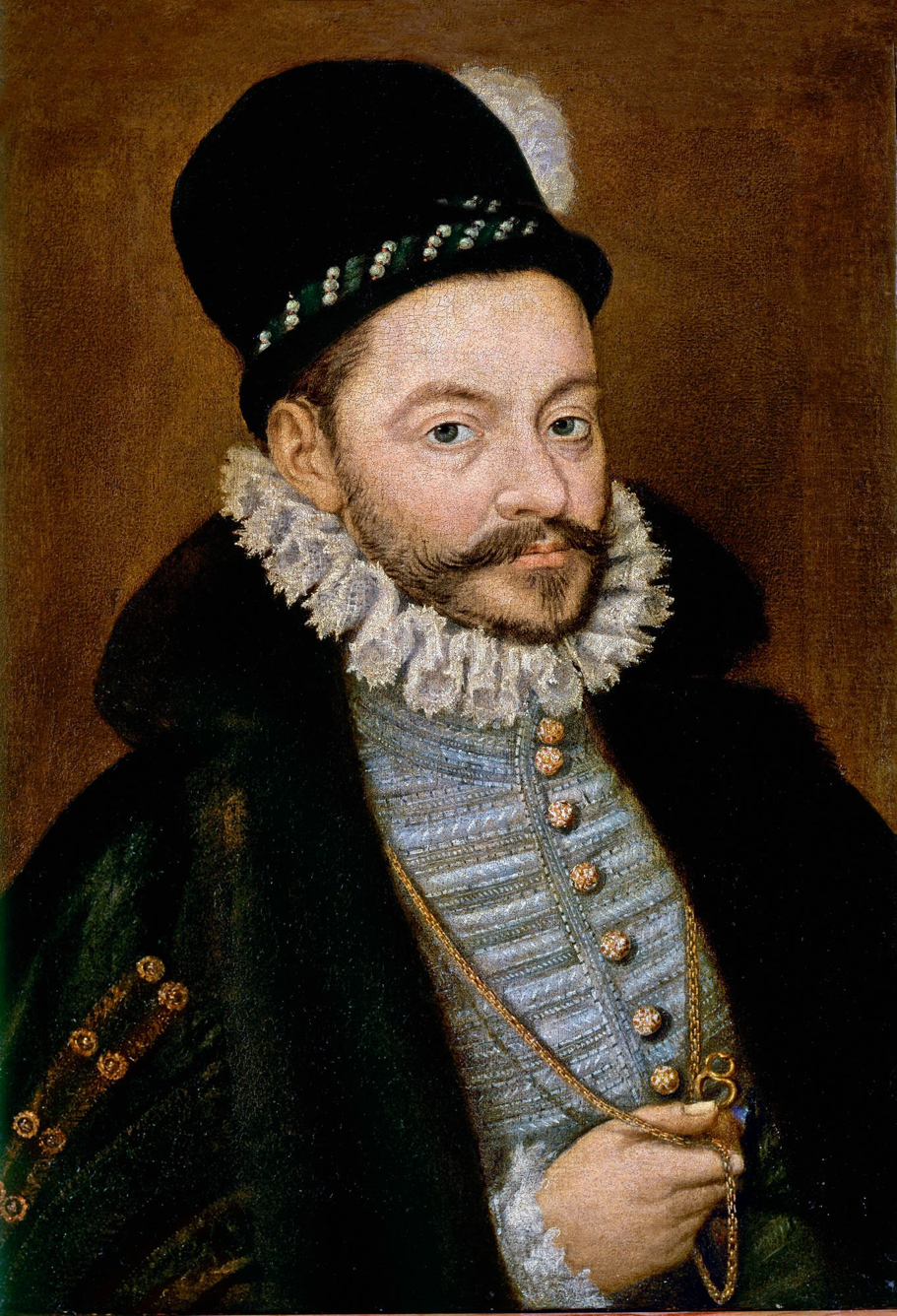
1540 - 1611 - Antonio Perez (All Facts)
Secretary of State and Advisor to King Philip II
He was arrested and imprisoned in Madrid after organizing the murder of Juan de Escobedo due to Escobedo’s threatening him to reveal his involvement in political intrigue against King Philip II
He escaped from Madrid and found refuge in Aragon
He was prosecuted for heresy at the instigation of King Philip II via the Spanish Inquisition
He was freed, however, by a rioting mob in Saragossa
He fled Spain as a result
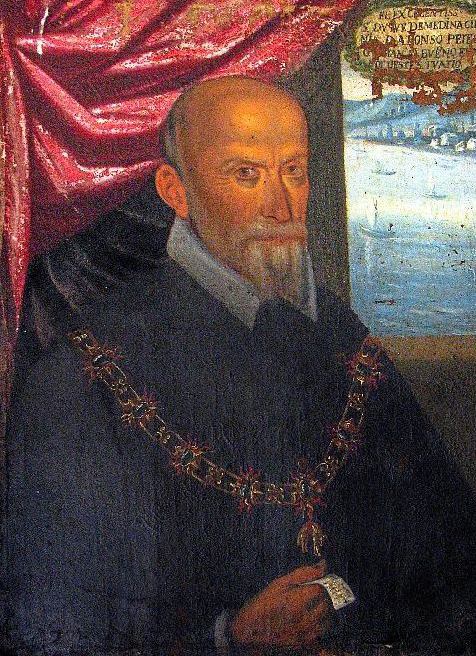
1550 - 1615 - Alonso de Guzmán y Sotomayor (All Facts)
He was the 7th Duke of Medinia Sidonia
He and his Spanish forces were defeated by Lord Charles Howard of Nottingham and his English forces in the Spanish Armada during the Anglo-Spanish War
When he expected to rendezvous with reinforcements and landing craft from the Netherlands, they never made it, due to the ongoing anti-Spanish Eighty Years’ War
After a week of running fights, he anchored off Calais
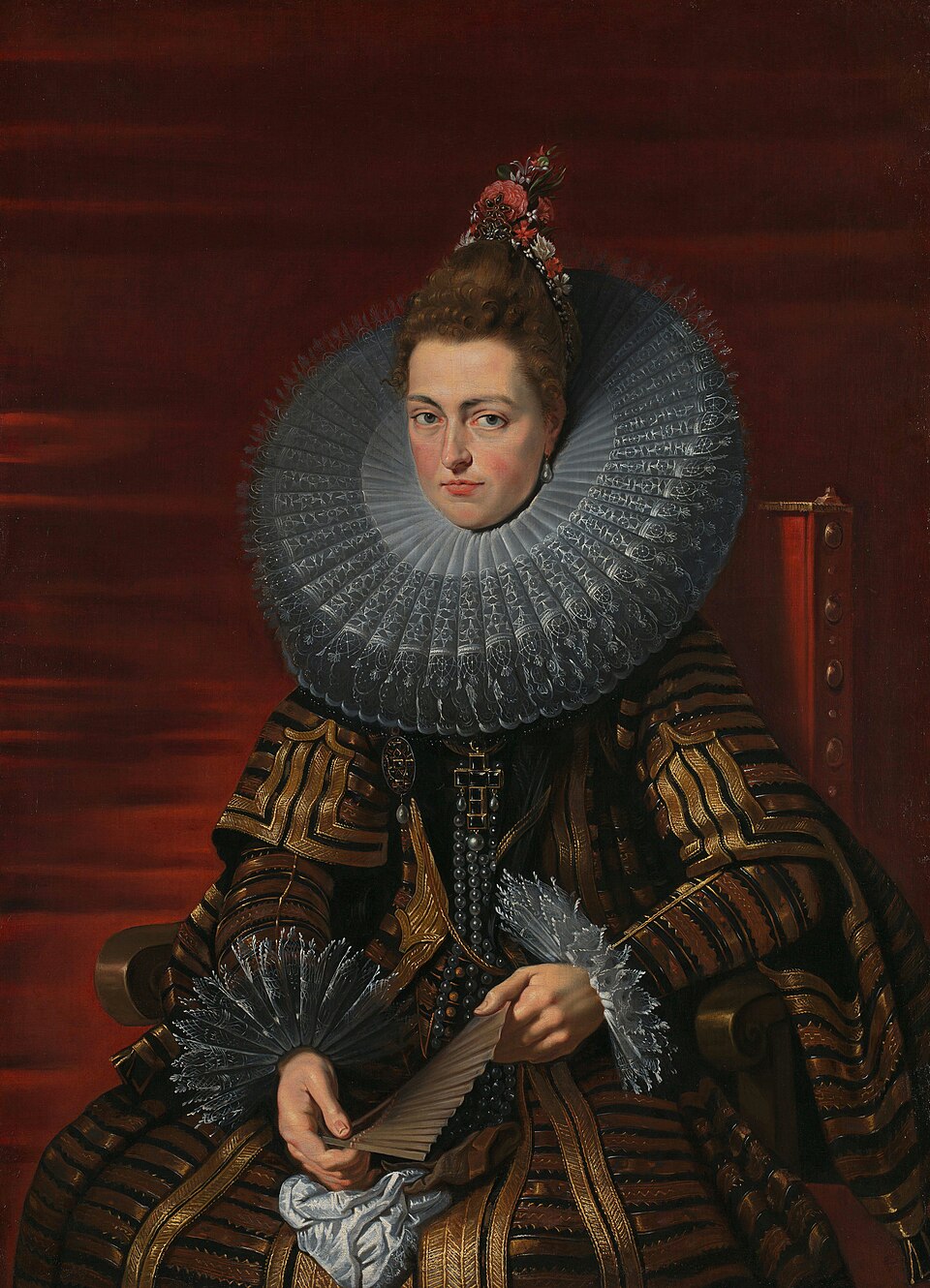
1598 - 1621 - Isabella Clara Eugenia (All Facts)
Spanish Archduchess of the Netherlands
She famously vowed that she would change her blouse until Ostend fell, imitating a chivalric tradition
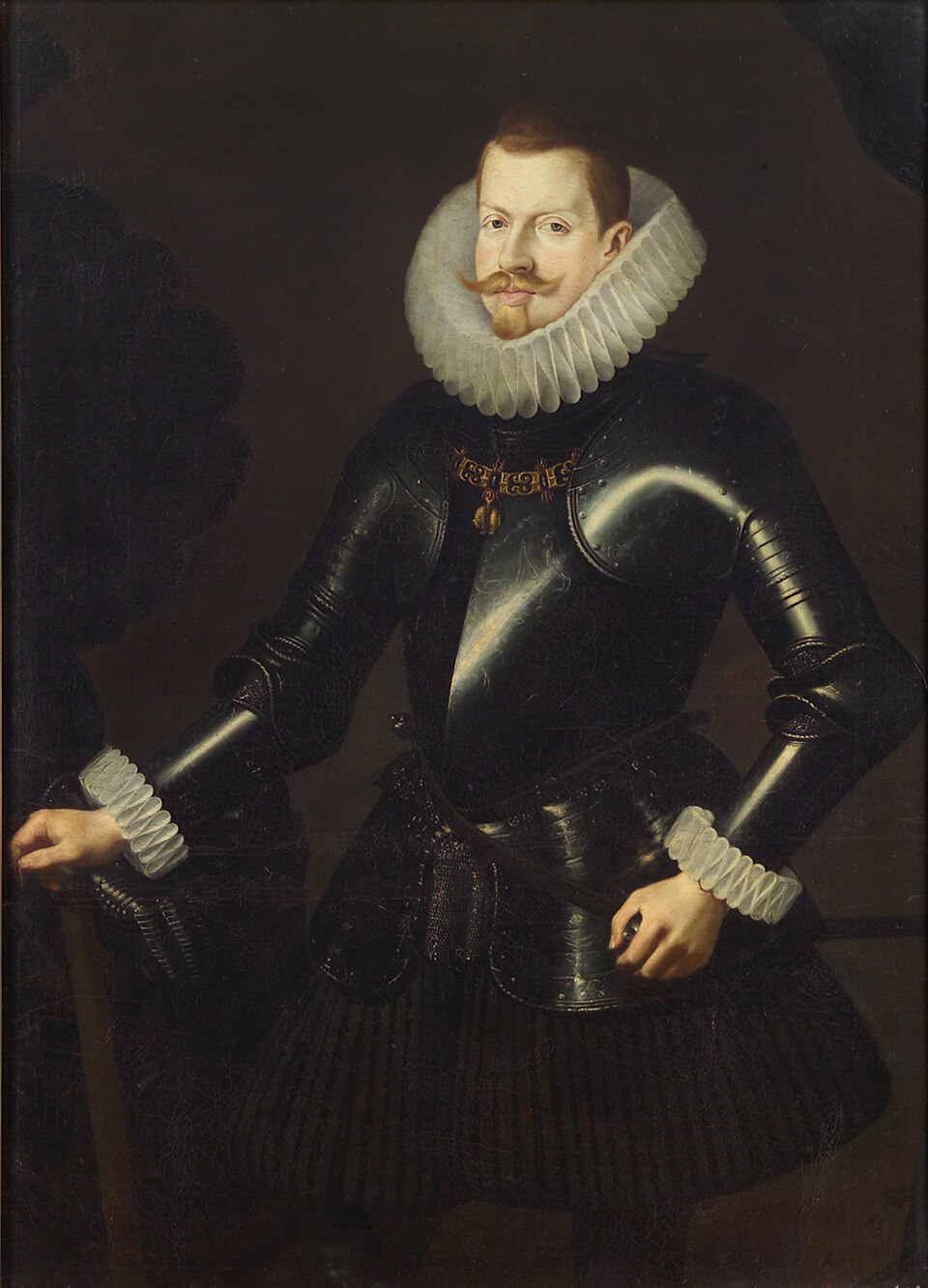
1598 - 1621 - Philip III (All Facts)
5th King of Spain and 3rd King of the House of Habsburg of Spain
During his reign,
He led Spain in the Eighty Years War with the (Habsburg / Spanish) Netherlands
He notified Pedro de Valdes, governor of (Spanish) Cuba, about his reservations about missionary and military efforts in (Spanish) Florida
He withdrew practical support for Pope Paul V
a royal decree was passed ordering for all Moriscos to be expelled from Spain, as he bowed to pressure from his hostile subjects
He initially tried a policy of forced conversion, but this failed, so he decided to drive them out to be sent to northwestern Africa
Under his reign,
a law was passed in Spain’s colonies that forbade whites to enter native villages without permission
a royal decree was passed legalizing the slavery of natives Chileans in (Spanish) Chile
The Treaty of Pavia was signed between Spain and the Duchy of Savoy, which further strengthened Spain’s alliances against France
the Plaza Mayor was constructed in Madrid
He died and was succeeded by his son
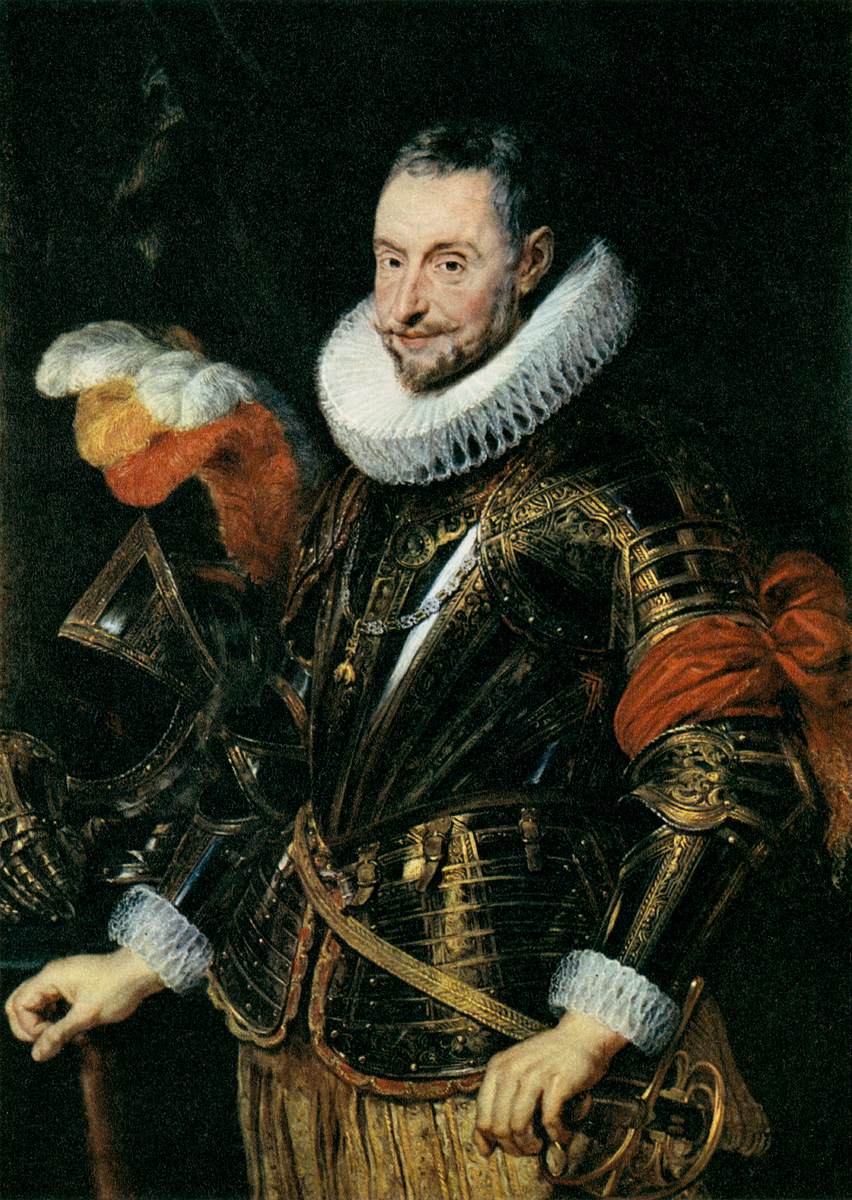
1569 - 1630 - Ambrogio Spinola (All Facts)
Spanish General
He and his Spanish forces defeated Maurice of Nassau and his Dutch forces in the Siege of Bergen op Zoom during the Eighty Years War
He and his Spanish forces defeated Maurice of Nassau and his Dutch forces in the Siege of Breda during the Eighty Years War
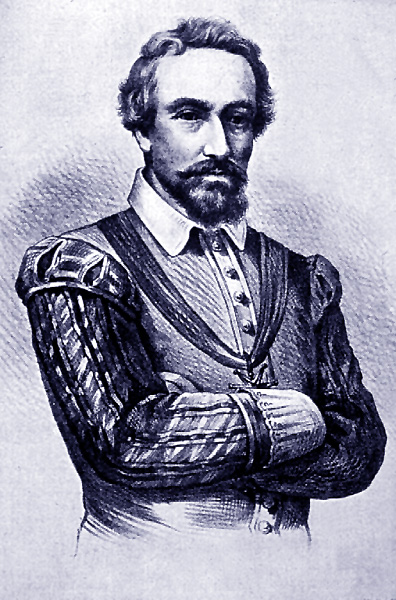
1638 - 1640 - Dalmau de Queralt (All Facts)
Viceroy of Catalonia during the reign of King Philip IV
He was the Count of Santa Coloma
He failed to keep order of the Catalans after the royal decree of the Union of Arms was issued
He was caught and struck down trying to escape from a mob where he was murdered
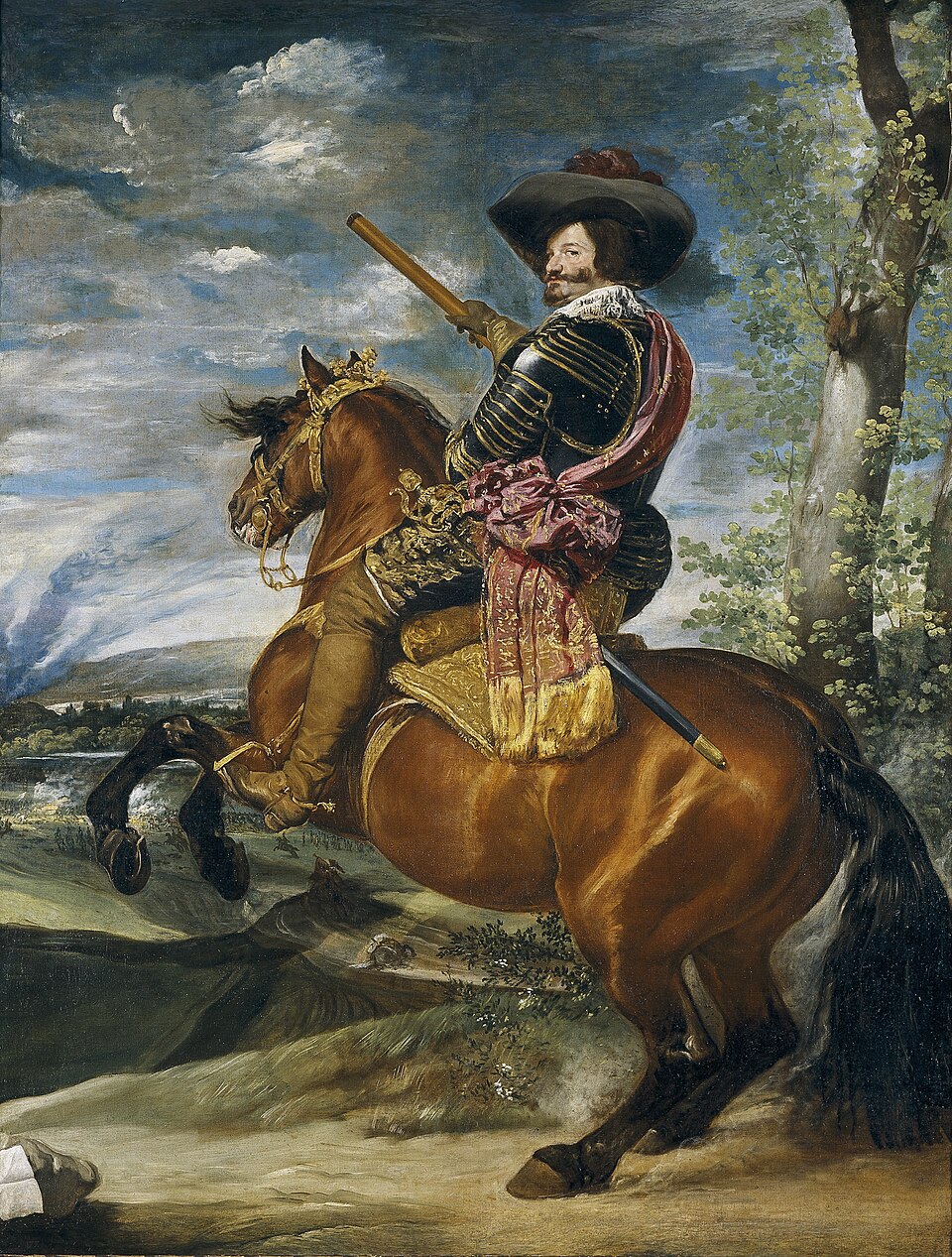
1622 - 1643 - Gaspar de Guzmán (All Facts)
Chief Minister and Favorite of King Philip IV
He was the Count-Duke of Olivares
He watched every move on Europe’s diplomatic chessboard with Cardinal Richelieu of France
In other words, he was King Philip IV’s equivalent of King Louis XIII’s Cardinal Richelieu
He led Spain in the Franco-Spanish War during and after the Thirty Years War
He and his forces defeated the French forces in the First / Second Siege of Corbie and occupied the town
He and his forces were stiffly resisted by the French in The Siege of St. Jean de Losne, a notably little village
He signed the Treaty of Monzon
Despite this, Spain lost a bid to control the vital route through the Alps, as a French task force saw off Spanish troops in a military standoff
He was anxious to revert to King Philip II’s policy of establishing Spanish rule and Catholic supremacy in Europe
However, the Eighty Years’ War / invasion of the Netherlands, was causing considerable strategic problems for him
It was Spain that had to pay heavily to move her troops across Europe from Italy
It was Spain whose depleted navy had to be deployed in protecting treasure ships in the Atlantic and escorting troop-ships to Genoa, leaving the North Sea and Baltic ports open for Dutch shipping
He oversaw patronage of Spanish artists
This contributed to Spain’s penury
However, he developed schemes to raise further income
He issued the Union of Arms in attempt to finance Spain’s wars
He pressed Catalonia constantly to provide more men and money for the Franco-Spanish War, their hatred of him and Madrid steadily mounting
However, there was defiance from the Catalans and limited cooperation from the rest of the provinces of Spain
His failure to leave the Catalans alone after the passing of the Union of Arms led to their unrest and culminated in the Catalan Revolt
His only hope was a counter-revolution by an alliance of nobles and Conversos who had been refused concessions by King John IV of Portugal for fear of offending the papacy
However, this plot was discovered and its conspirators were arrested
He once said “God is Spanish and fights for our nation these days”
He was dismissed by King Philip IV, the victim of intrigued by a handful of disgruntled grandees
His hectic routine killed off four of his secretaries
His mistake lay in committing Spain to
foreign ventures that were far beyond Spain’s powers, such as the extension of the Eighty Years War
domestic ventures that were beyond Spain’s powers, such as the Catalan Revolt and Portuguese independence
His mismanagement thus led to his dismissal
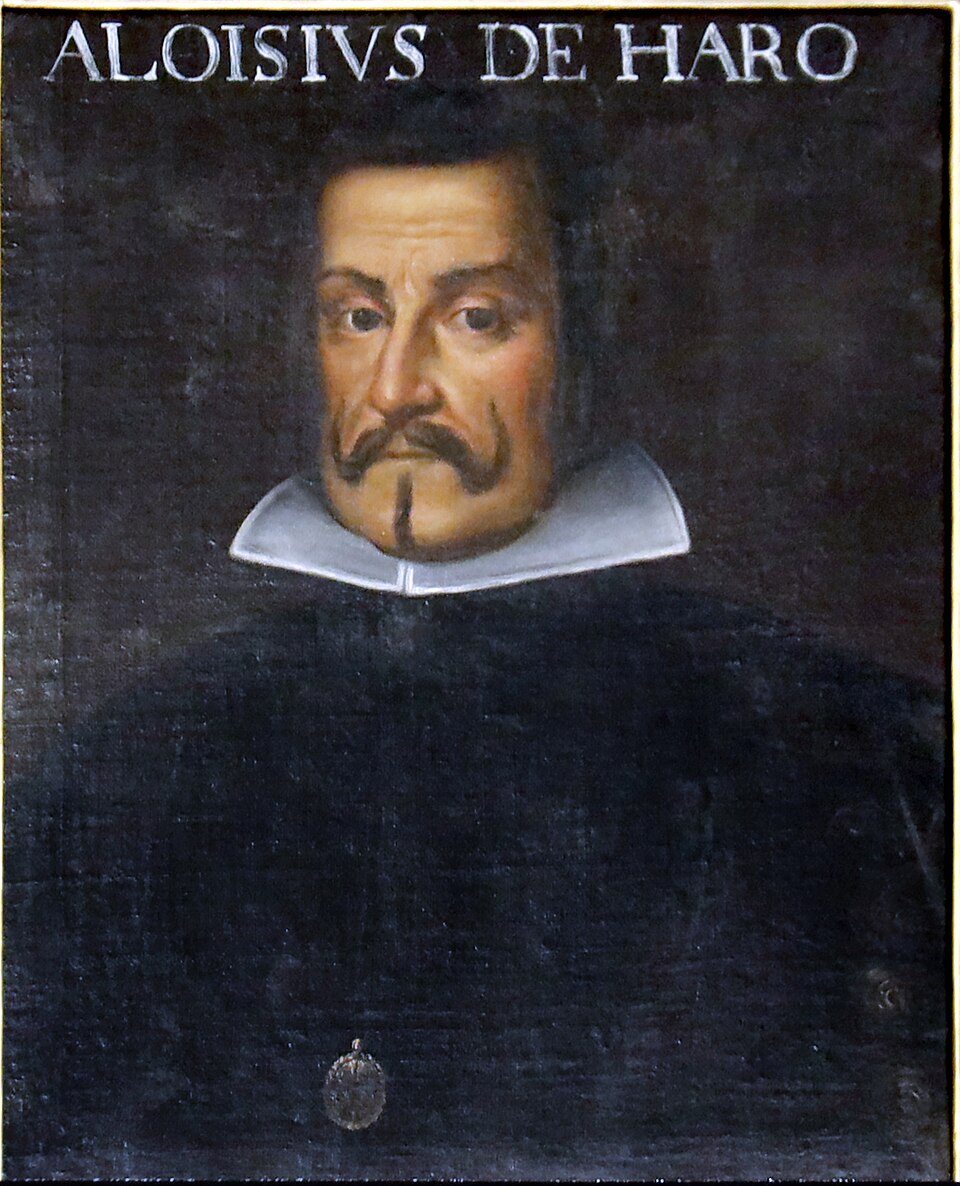
1643 - 1661 - Luis Méndez de Haro (All Facts)
Chief Minister and Favorite of King Philip IV
He was the 2nd Duke of Olivares
He was the nephew of his ministerial predecessor
He was appointed to succeed his predecessor by King Philip IV
He signed the Treaty of Pyrenees with Cardinal Jules Mazarin of France
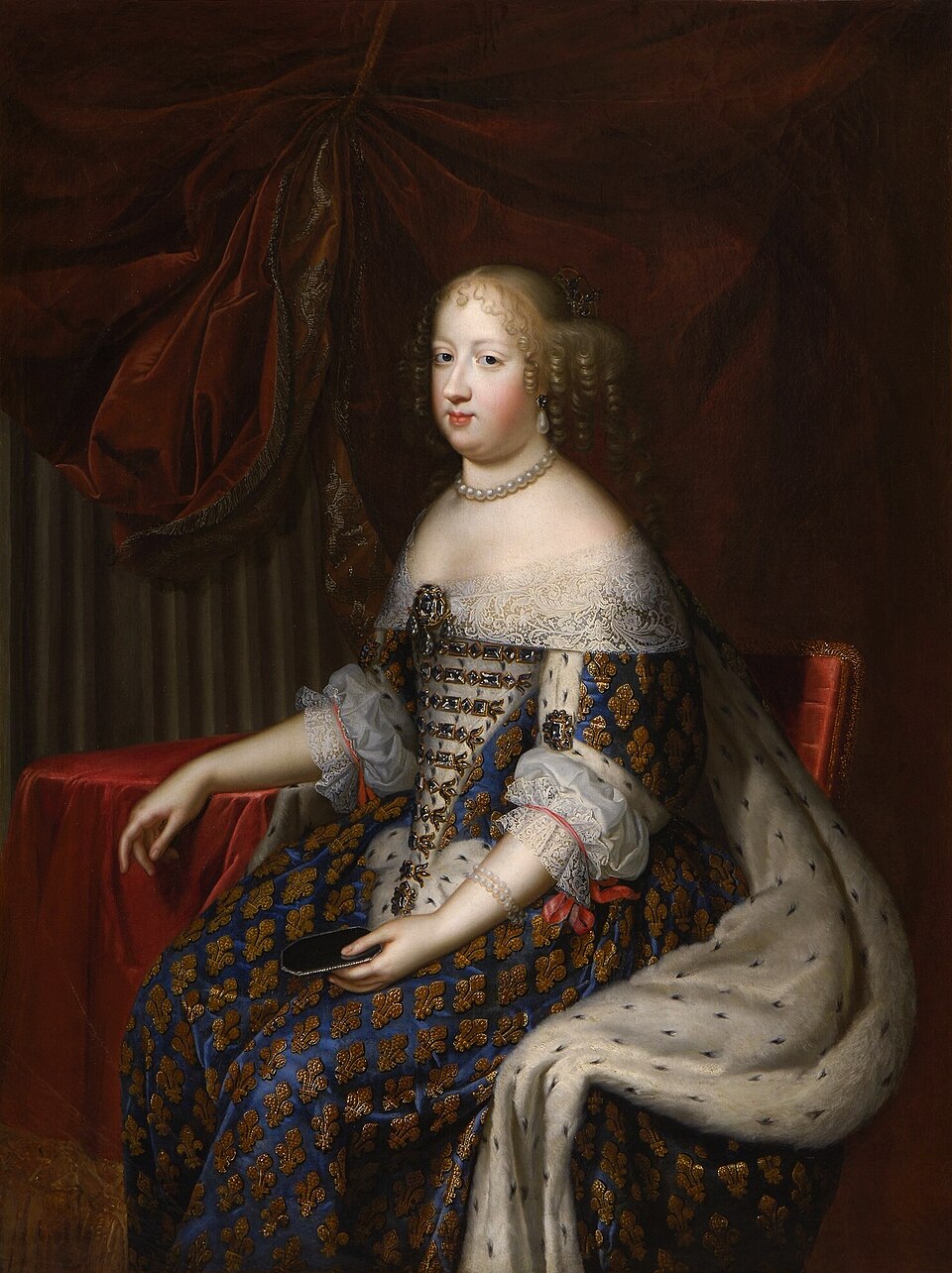
1638 - 1683 - Maria Theresa (All Facts)
(Spanish) Queen of France, Wife of King Louis XIV
She married him as per the Treaty of the Pyrenees
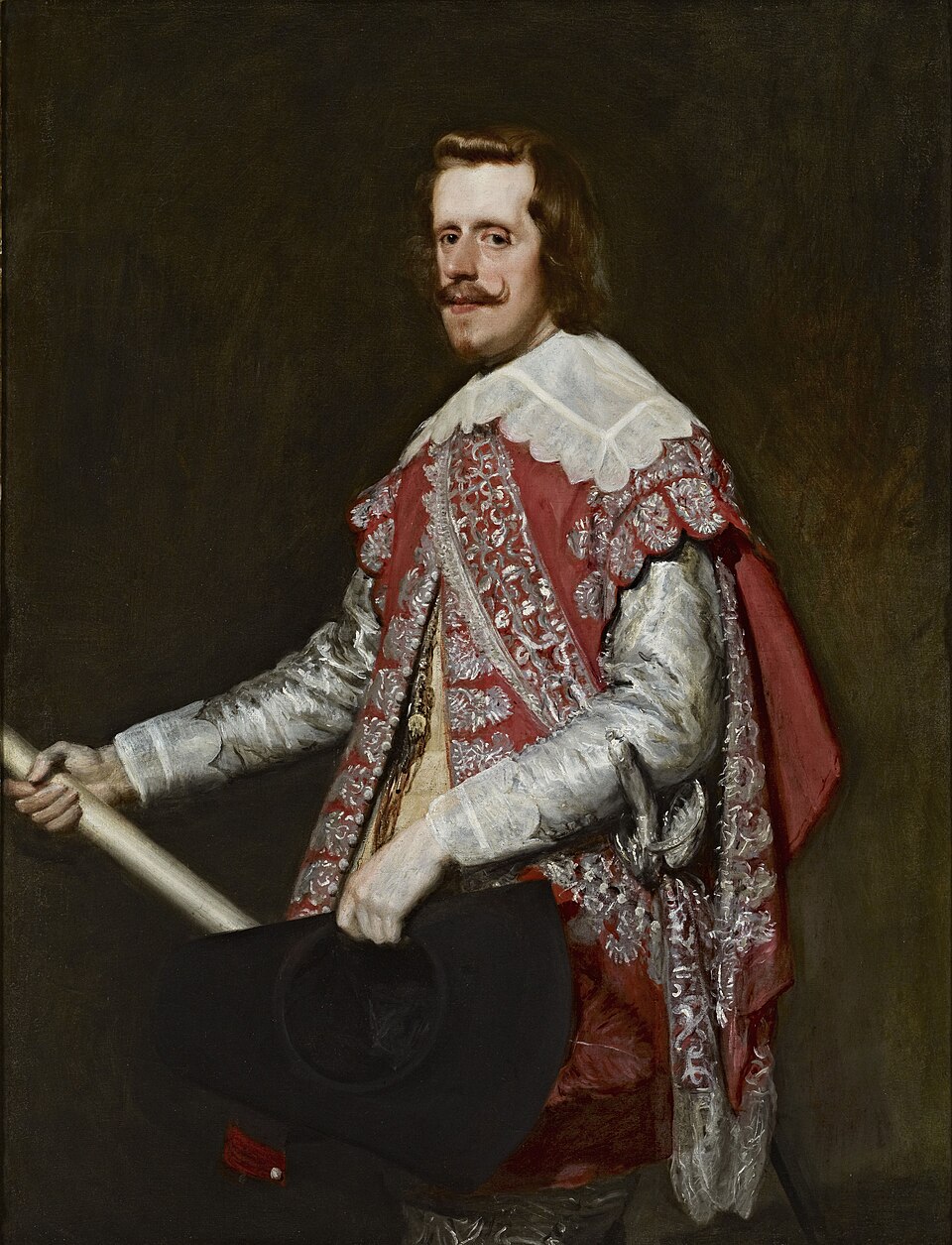
1621 - 1665 - Philip IV (All Facts)
6th King of Spain and 4th King of the House of Habsburg of Spain
He was considered the best horseman in Spain
He preferred the Theater of Madrid to the theater that was international politics, preferring to spend his time in the company of actresses selected as companions by his agents
He had numerous mistresses and over 30 bastard children, but only one legitimate son to succeed him
Despite his many mistresses and playboy reputation, it was said that he laughed only three times in his life
Diego Velazquez was his only friend
He relegated foreign affairs to Gaspar de Guzman and Luis Mendez de Haro, his Chief Ministers and Court Favorites
During his reign,
Spain gradually declined due to
The Eighty Years War
The Valtellina War
The Franco-Spanish War
The Catalan Revolt
The Portuguese Restoration War
The Great Plague and Revolt of Seville
The Tumult of Mexico City
He led Spain in the Eighty Years War with the (Habsburg / Spanish) Netherlands
He then deferred much of the policy of this war to Gaspar de Guzman
He led Spain in the Franco-Spanish War with France
He then deferred much of the policy of this war to Gaspar de Guzman and Luis Mendez de Haro
He then dismissed Gaspar de Guzman and appointed Guzman’s nephew Luis Mendez de Haro to replace him
He oversaw patronage of Spanish artists
This contributed to Spain’s penury
Under his reign,
Spanish forces took Breda
The Treaty of Monzon was signed
Spain backed the Duke of Guastalla, who was expected to leave his strongholds in Montferrat
France took Martinique from Spain
Spanish forces, along with Bavarian forces, invaded France, but were driven back
the Catalan Revolt occurred against him, Gaspar de Guzman, and Madrid
Portugal regained its independence from Spain; thus Spain lost Portugal and Portugal’s colonial empire
The Great Plague of Seville occurred
The Revolt of Seville occurred
The Treaty of the Pyrenees was signed, ending the Franco-Spanish War
He died and was succeeded by his only legitimate but sickly son who reigned under the regency of Mariana of Austria
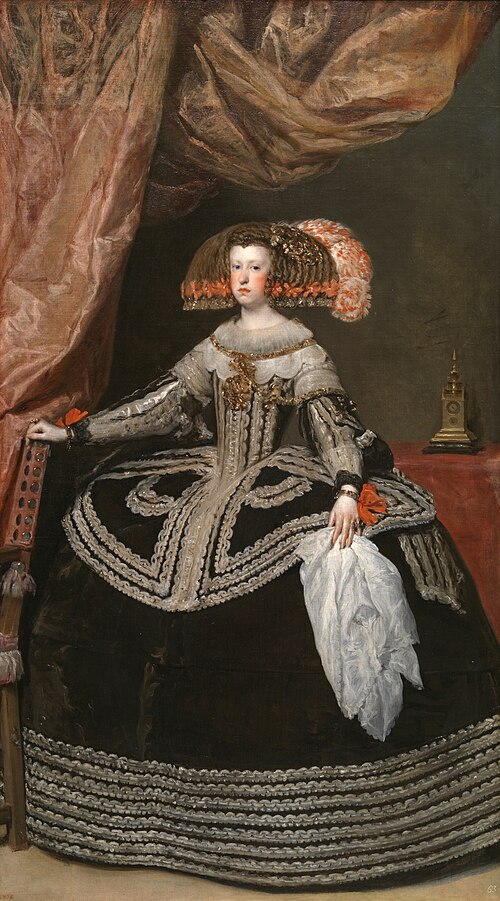
1649 - 1696 - Mariana of Austria (All Facts)
Queen of Spain, Wife of King Philip IV
She served as regent of Spain during the youthful years of King Charles II
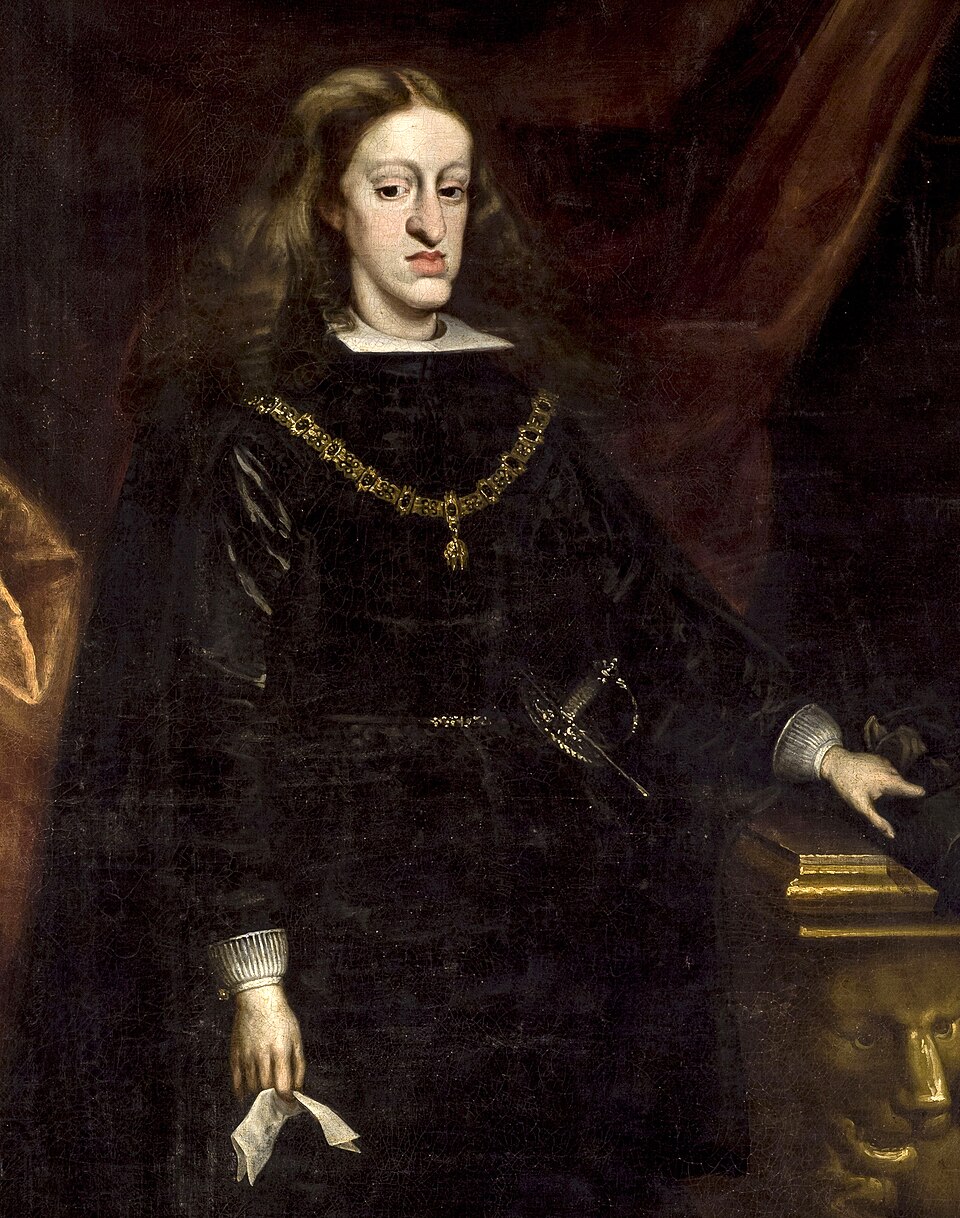
1665 - 1700 - Charles II (All Facts)
7th King of Spain and 5th and Final King of the House of Habsburg of Spain
Upon reaching adulthood, he was sickly and uninterested in affairs of state
Thus, the regent, Marianna of Austria continued to dominate Spanish politics, but other figures also contributed
Under his reign,
The Portuguese War of Restoration occurred
The War of Devolution occurred
The Treaty of Aix-La-Chappelle was signed
The Treaty of Lisbon was signed
The Treaty of Madrid was signed
The Messina Revolt occurred
He died childless, thus triggering the War of the Spanish Succession
In his will, he favored Duke Philip of Anjou of the (French) House of Bourbon and the grandson of King Louis XIV, to succeed him