Cell membrane
 Call Kai
 Learn
Learn Practice Test
 Spaced Repetition
 Match
Match Flashcards
 Knowt Play
1/11

There's no tags or description
Looks like no tags are added yet.
Name | Mastery | Learn | Test | Matching | Spaced | Call with Kai | Chat |
|---|
No analytics yet
Send a link to your students to track their progress
12 Terms
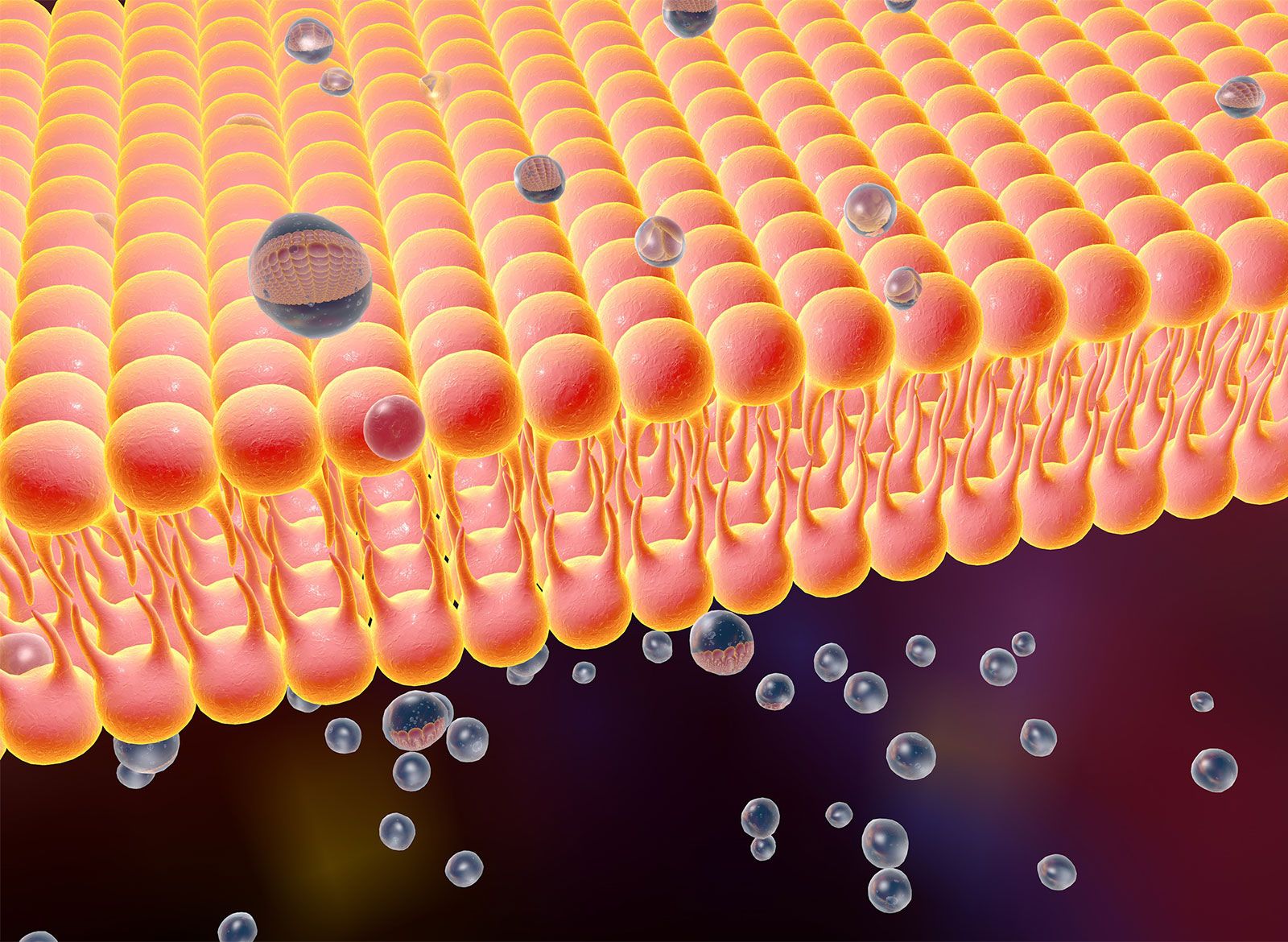
Cell/Plasma Membrane
The skin of a cell that allows certain molecules/substance to go in and out of a cell. Also, it serves as a barrier between the foreign substances and the internal parts of a cell.
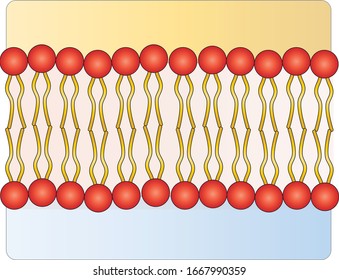
phospholipid bilayer
A core part of the gateway of the cell that is composed of main double-layered sheet of lipids.
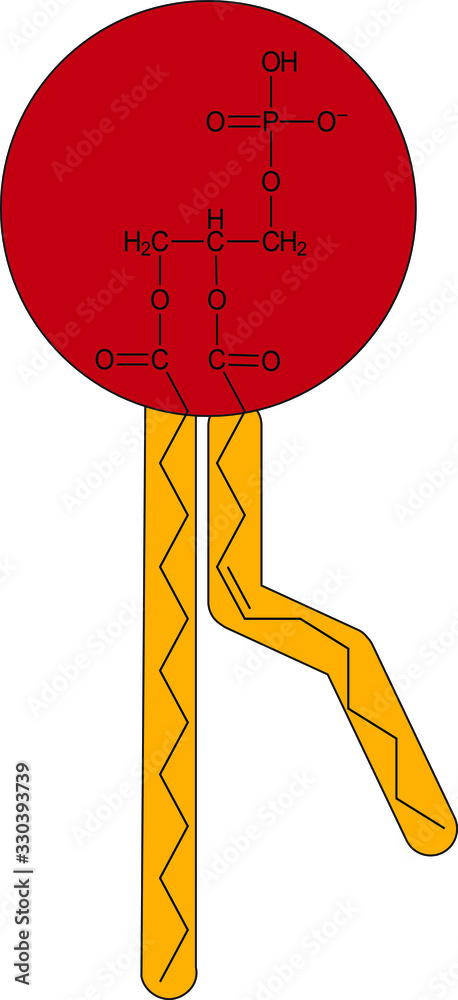
phospholipid
A type of lipid that makes up the phospholipid bilayer.
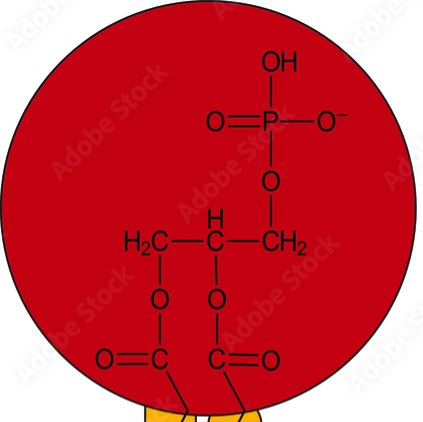
hydrophilic head
A polar phosphate group that readily interacts with water.
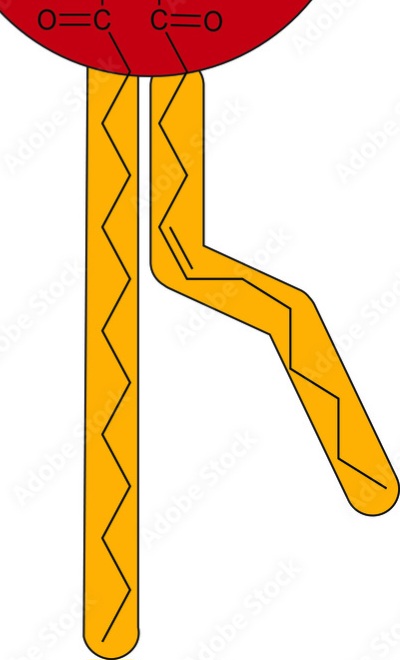
hydrophobic tail
Non-polar fatty acid chains that repel water.
Phosphoglycerides
One of the major lipid components of the cell membrane. They form most of the phospholipid bilayer, providing the membrane with its basic structure and contributing to its selectively permeable nature.
Sphingolipids
Helps strengthen and stabilize the cell membrane. They also participate in cell recognition, communication, and signal transmission between neighboring cells.
cholesterol
This regulates the fluidity of the cell membrane in animal cells. Also, it fits between phospholipids in the membrane. It prevents the membrane from becoming too rigid in cold temperatures and too fluid in warm temperatures, thereby maintaining membrane stability.
membrane fluidity
The flexibility of the phospholipid bilayer. Proper flexibility allows the cell membrane to function efficiently and enables it hape during processes such as endocytosis and exocytosis.
Growth Regulation
By controlling the intake and release of materials, the membrane helps regulate processes involved in cell growth and maintenance.
integral membrane protein
They are embedded within the membrane, and can interact inside and outside of the cell. Many function as channels, carriers, or receptors that regulate the movement of substances and cellular communication.