Art History final (combined)
 Studied by 0 people
 Call Kai
 Learn
Learn Practice Test
 Spaced Repetition
 Match
Match Flashcards
 Knowt Play
1/43

There's no tags or description
Looks like no tags are added yet.
Name | Mastery | Learn | Test | Matching | Spaced |
|---|
No study sessions yet.
44 Terms
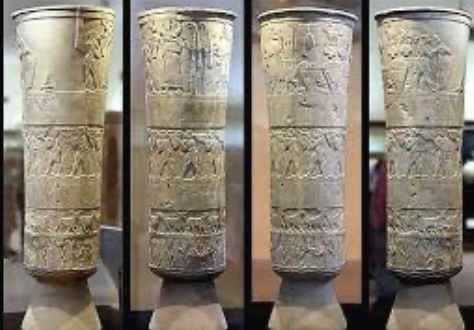
Warka Vase
Iraq
Uruk Period (4000-3000 BCE)
two points of significance:
depicts a fertility festival for the goddess Inanna, culminating in a possible ritual marriage between the king and the goddess, which ensured the city's prosperity
read it from bottom to top

Lion-Hunt Stele
Iraq
Uruk Period (4000-3000 BCE)
two points of significance:
symbolize the king's power, courage, and responsibility to control nature and protect his people from chaos and threats
The king's hunt symbolized his responsibility to protect his people from chaos and destruction, just as he controlled the wild lions that represented these forces
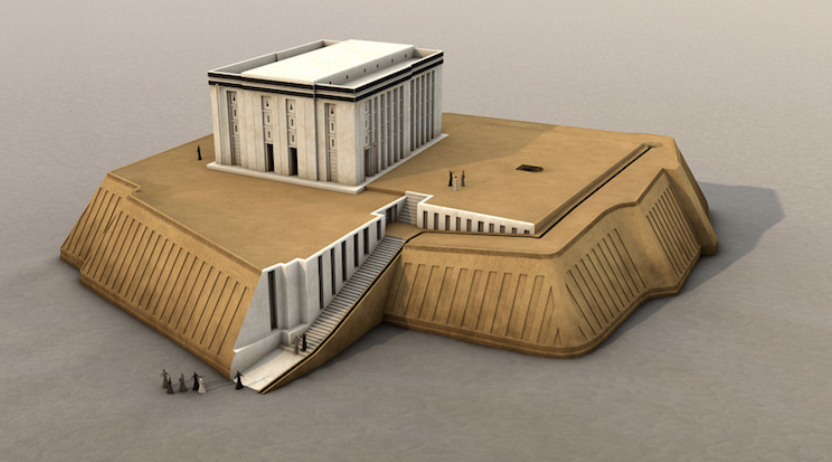
White Temple of Anu
Iraq
Uruk Period (4000-3000 BCE)
two points of significance:
Its white-washed exterior was designed for great visibility, making it the brightest thing you’d see in the village
The White Temple's elevated position on the ziggurat served as a way to bring the city of Uruk's sky god Anu closer to Earth.
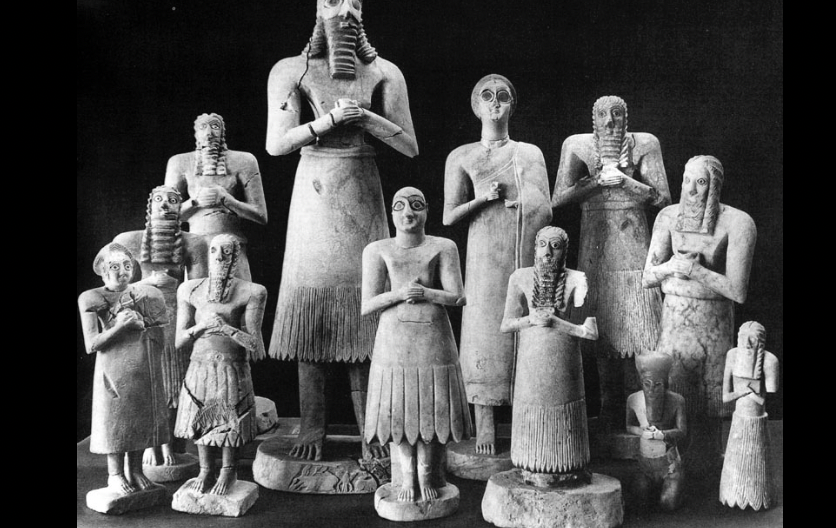
Votive Statues of Worshippers Hoard
Iraq
Early Dynastic period (3000-2300 BCE)
two points of significance:
The large, open eyes symbolized a state of eternal vigilance and attentiveness to the gods.
serves as a physical representation of the worshipper, allowing for continuous prayer and devotion to the gods day and night.
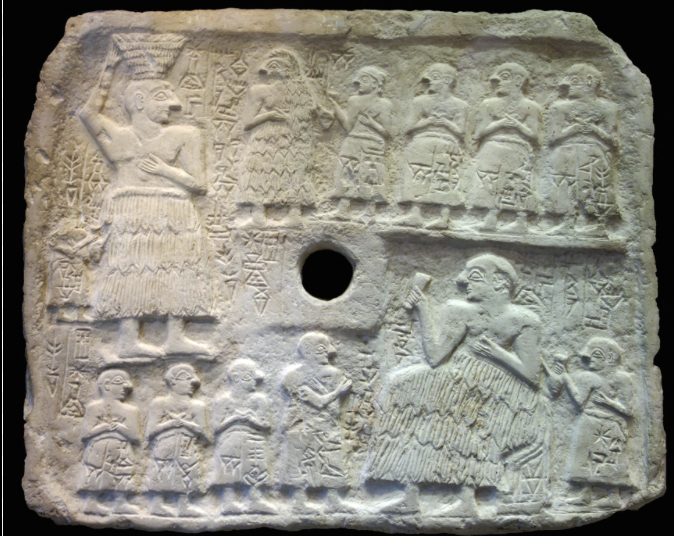
Plaque of Ur-Nanshe
Iraq
Early Dynastic (3000-2300 BCE)
two points of significance:
hierarchical scale suggests Ur-Nanshe was an important figure and highlights his status as king
exhibits image-text dialectic—in which both text and image construct the meaning of the work.
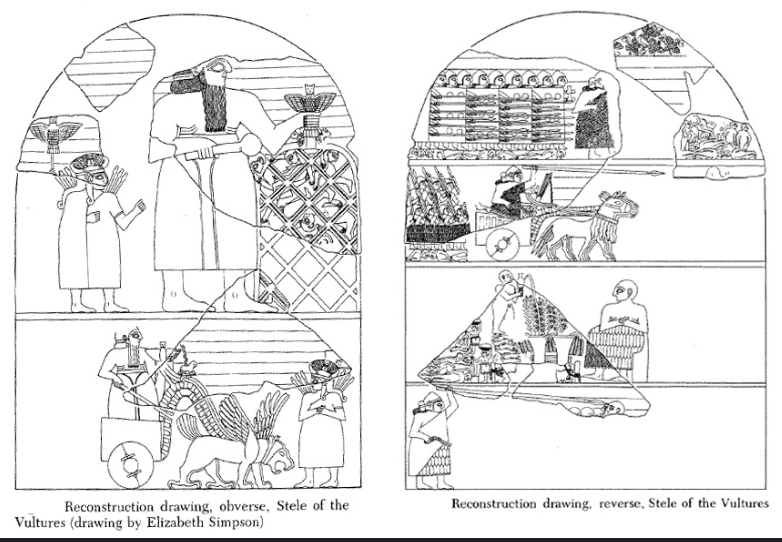
Stele of the Vultures
Iraq
Early Dynastic (3000-2300 BCE)
two points of significance:
Sumerian king Eannatum of Lagash's victory over the rival city-state of Umma: key example of propaganda, since we don’t know if this actually happened bc we don’t have the other side’s account
The depiction of the defeated enemies as nude bodies, even in a cage, serves to degrade them and make them appear subhuman
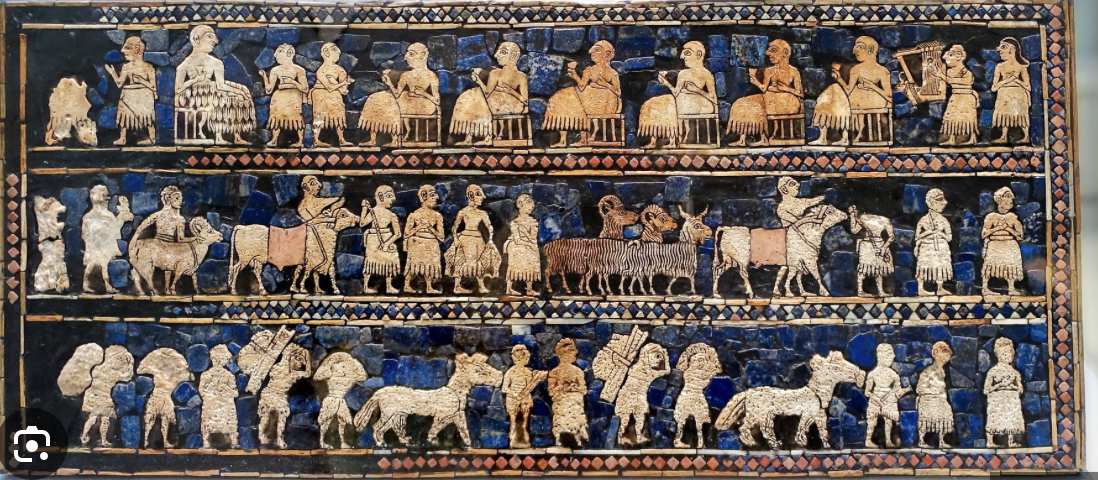
Standard of Ur
Iraq
Early Dynastic (3000-2300 BCE)
two points of significance:
The artifact shows two main sides, often referred to as the "War" side and the "Peace" side.
The scenes of war and peace are interpreted as representing the dual responsibilities of a Sumerian ruler: to lead in battle and to ensure peace and prosperity within the city-state
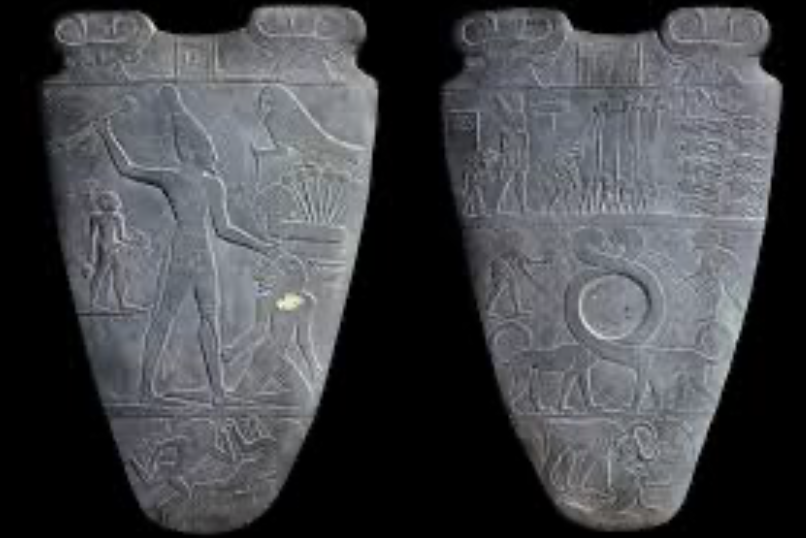
Palette of King Narmer
Egypt
Early dynasty (3100-2700 BCE)
two points of significance:
Carved around 3100 BCE, it depicts King Narmer wearing the crowns of both Upper and Lower Egypt, symbolizing the creation of a unified kingdom and the beginning of the pharaonic era
It was used in ceremonies and rituals, possibly for grinding and mixing cosmetics to be ritually applied
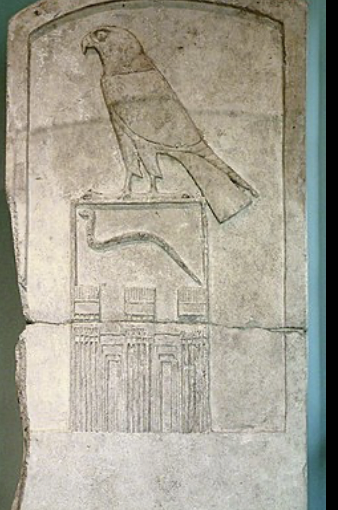
Serekh of King Wajd
Egypt
Early dynasty (3100-2700 BCE)
two points of significance:
the king's name is inscribed inside and surmounted by the Horus falcon
iconography identifies the living king as the earthly manifestation of the god Horus, cementing his divine authority over the state

Funerary/Sed Complex and Pyramid of King Djoser
Egypt
Old Kingdom (2700-2200 BCE)
two points of significance:
Designed by Imhotep
The imposing structure and massive scale demonstrated the centralization of power and the king's ability to command enormous resources
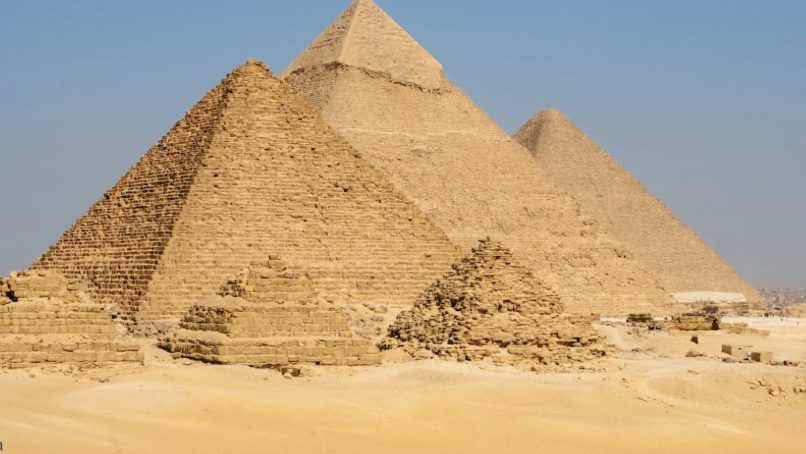
Great Pyramid of Khufu
Egypt, Giza
Old Kingdom (2700-2200 BCE)
two points of significance:
the laborers of this building were free peasants, drafted by the king for the great construction projects
within the pyramid, some oxen are carved into the wall. Perhaps they represented khufu’s economic entities; that he had designated to provide meat for him in the afterlife.
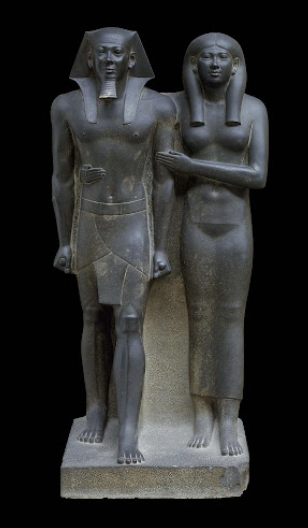
Menkaure and Queen Satue
Egypt
Old Kingdom (2700-2200 BCE)
two points of significance:
such posture resembles their king and queenship, to highlight their presence of authority
the queen’s arm around her husband’s waist symbolizes a humanizing attitude given to the couple in order to serve as a private statuary.
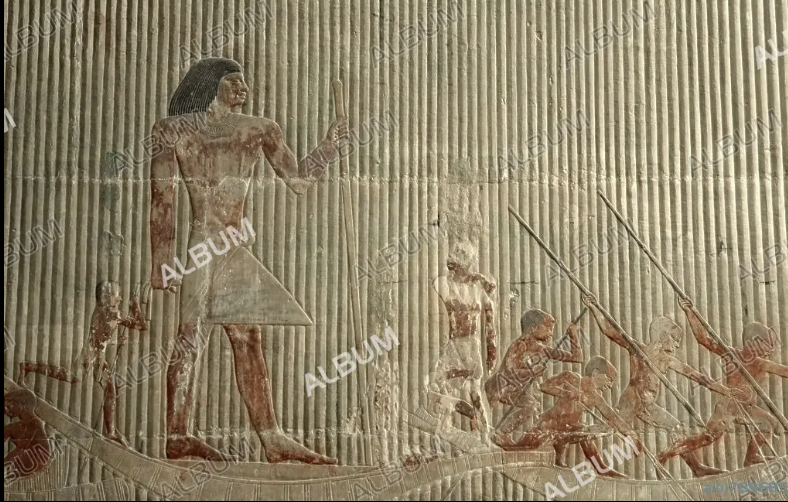
Hippopotamus Hunt Reliefs, Mastaba of Ti
Egypt
Old Kingdom (2700-2200 BCE)
two points of significance:
Ti stands at the back with a hierarchical scale in order to represent his power and status.
his workers kill the hippos, nude and in more natural positions to ensure they are represented as workers.
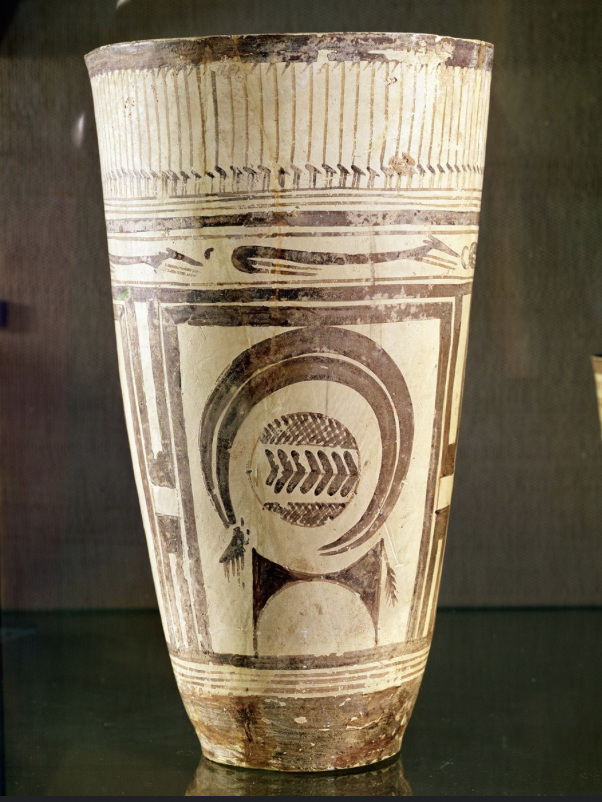
Susa 1 Pottery
Iran
Susa period (4000-3100 BCE)
two points of significance:
represents a new, abstract art form never seen before until it was seen in susa
The vessels were primarily used in burials, indicating they were not for everyday life but for a purpose related to the afterlife.
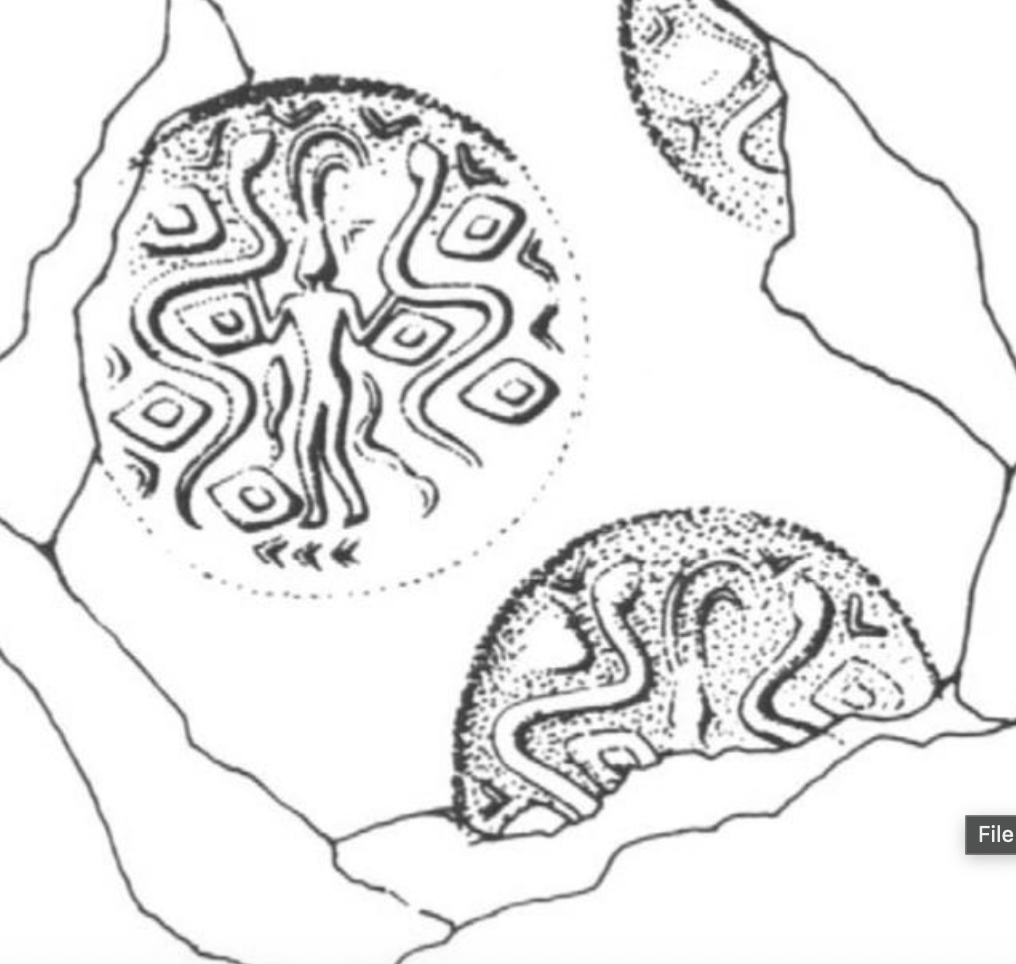
“Shaman” Seal
Iran
Susa (4000-3100 BCE)
two points of significance:
nude human figures performing rituals, suggesting a state of sacred vulnerability or connection to a mythical realm
he seals were rolled over wet clay to secure goods in containers, storerooms, and doorways. In this way, they marked ownership, tracked transactions, and documented the redistribution of resources in Susa's increasingly complex economy
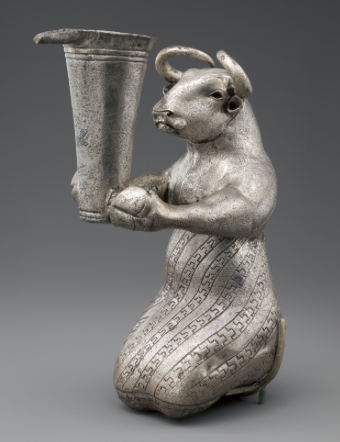
Silver Cow Vessel
Iran
Proto-Elamite (3100-2600 BCE)
two points of significance:
the figure's hollow interior contains limestone pebbles, which create a rattling sound when shaken, indicating it may have been used as a rattle during ceremonies
Traces of cloth that were found affixed to the figure suggest that it was intentionally buried, perhaps as part of a ritual or ceremony
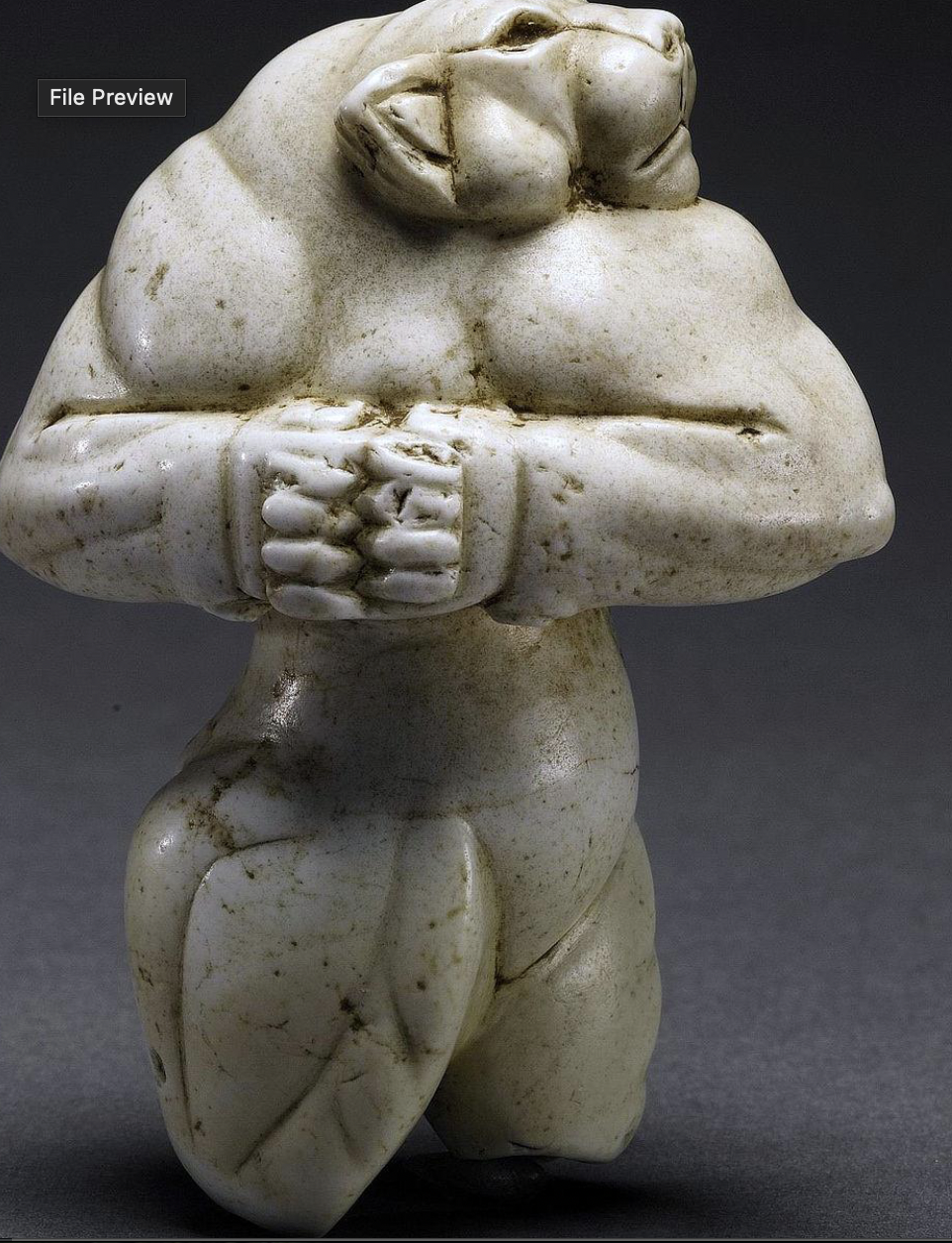
Lion-Demon Figurine
Iran
Proto-Elamite (3100-2600 BCE)
two points of significance:
Its engaged clenched claws compressing its massive upper torso suggest a protective aspect of the composition.
Anthropomorphism to symbolize the power in the natural and human world
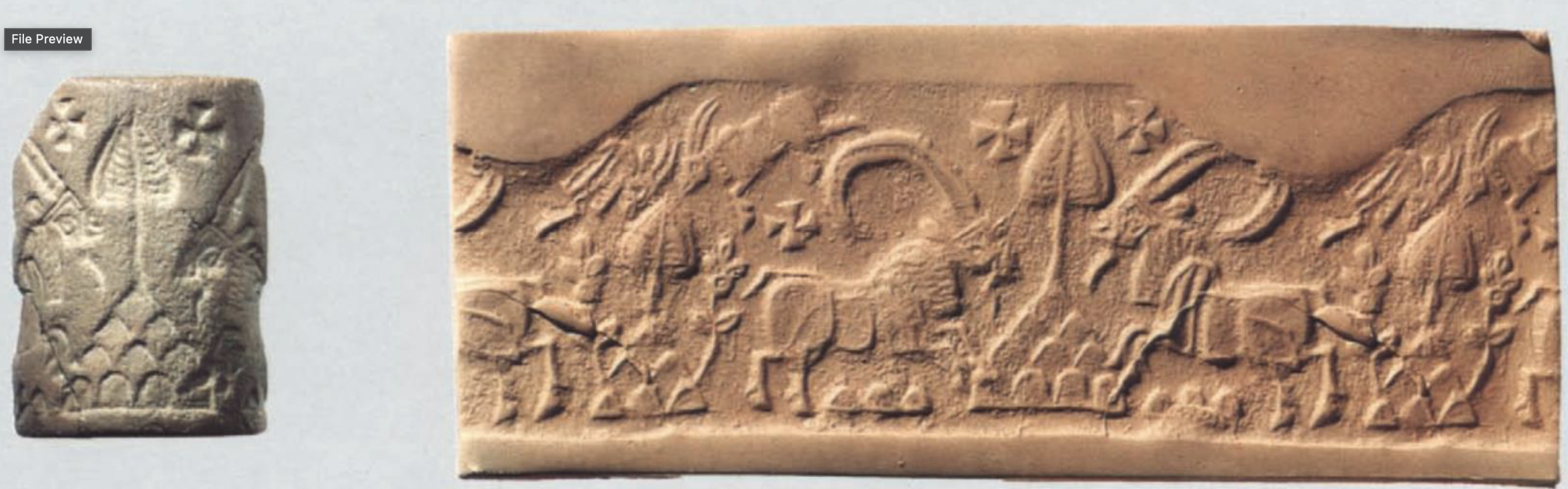
Cylinder Seal with Caprids and Trees
Iran
Proto-Elamite (3100-2600 BCE)
two points of significance:
they really liked the mountains and such because they were in the plateau
the scales represent mountains in many proto-elamite artifacts
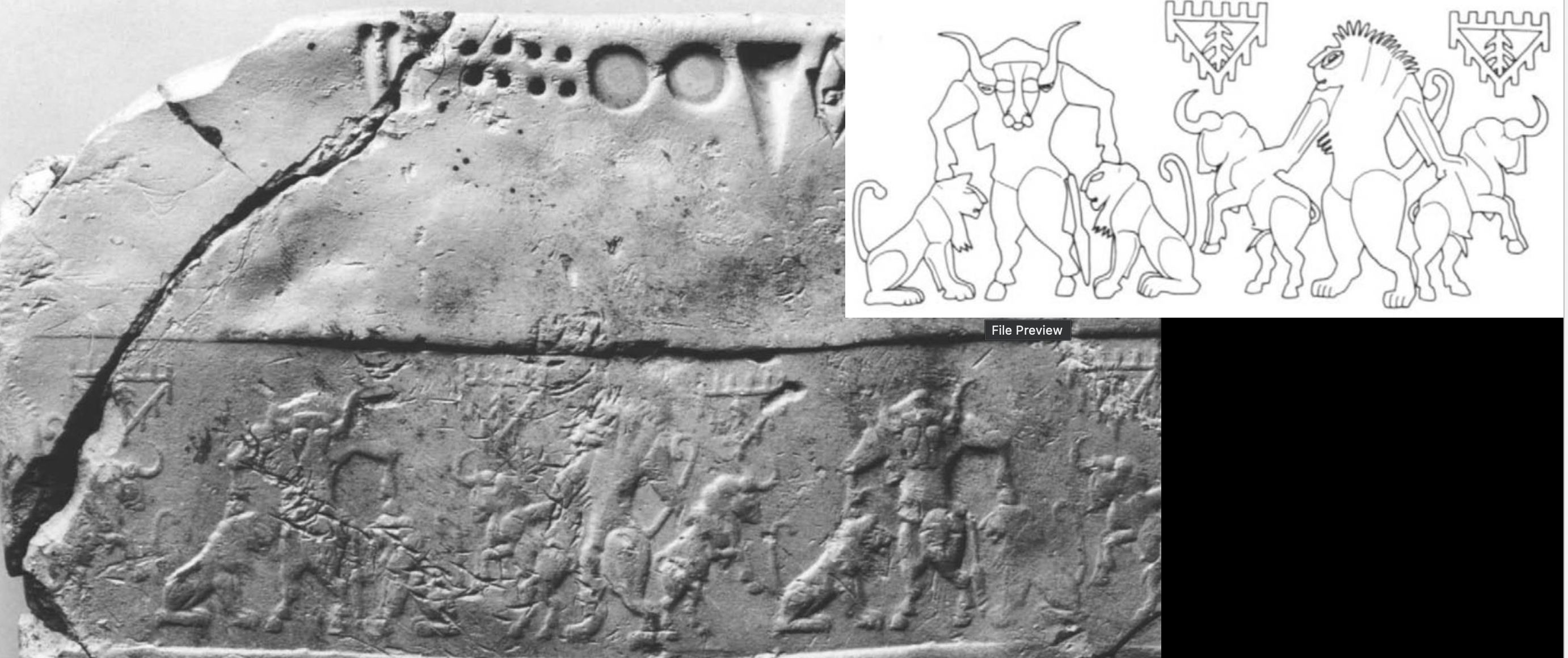
Seal Impression of Dominating Animals
Iran
Proto-Elamite (3100-2600 BCE)
two points of significance:
“hairy triangle” could have been a symbol used in the occult; although, we are unsure
the two bulls represent some type of supernatural creatures, or authority either earthly or cosmically.
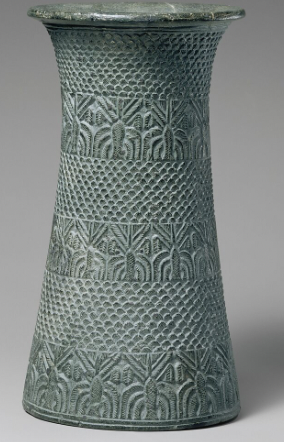
Chlorite Khafajeh Vase
Iran
Jiroft Culture (2500-2200 BCE)
two points of significance:
scales represent mountains
this probably held dates or date syrup, considering it has it carved outside. these were used for transport.

Chlorite “Handbag” with Palms and Guilloches
Iran
Jiroft Culture (2500-2200 BCE)
two points of significance:
not sure what it was used for but it could have been used to exercise or tent weights
found in burials so they were important funerary offerings meant to honor the dead
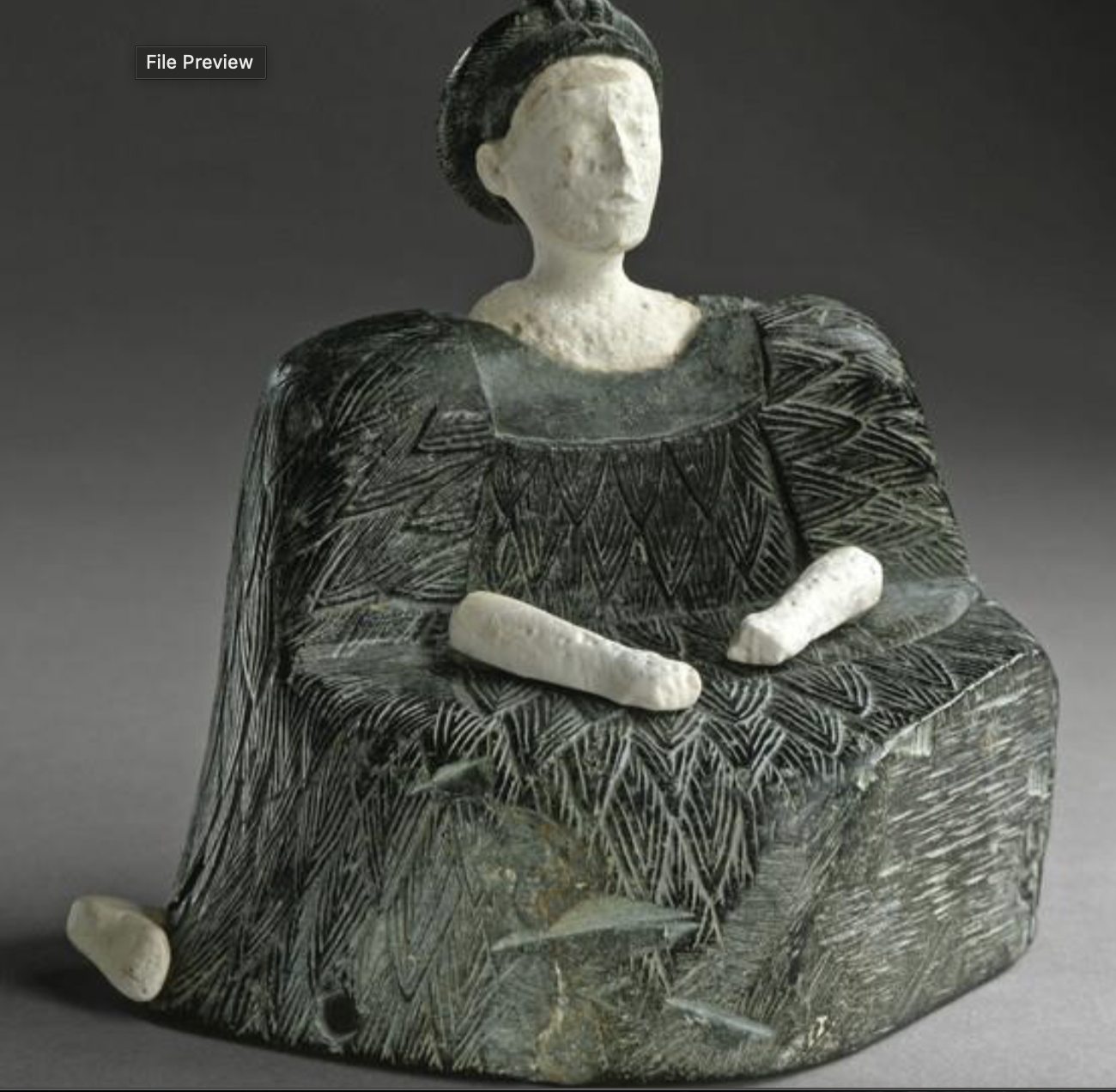
Composite Seated Female Figures
Central Asia
BMAC/Oxus Civilization (2300-1700 BCE)
two points of significance:
could have been a deity or an important authority figure in society
all of the figures were found in either tombs or nonfunerary contexts
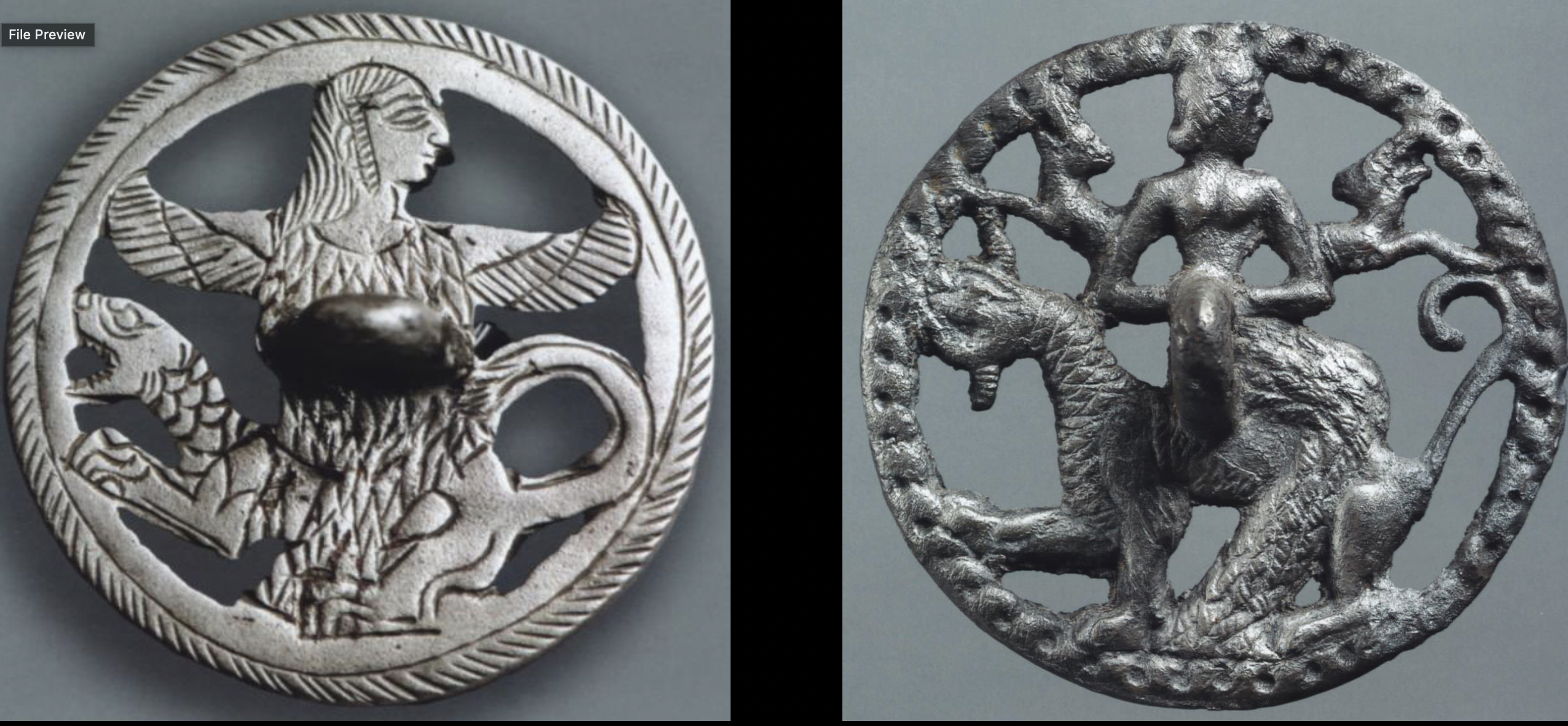
Compartmented Seal with Winged Goddess and Dragon
Central Asia
BMAC/Oxus Civilization (2300-1700 BCE)
two points of significance:
perhaps related to Ishtar because of the similarly outstretched wings
animals emerging from her shoulders also indicates she may be a goddess
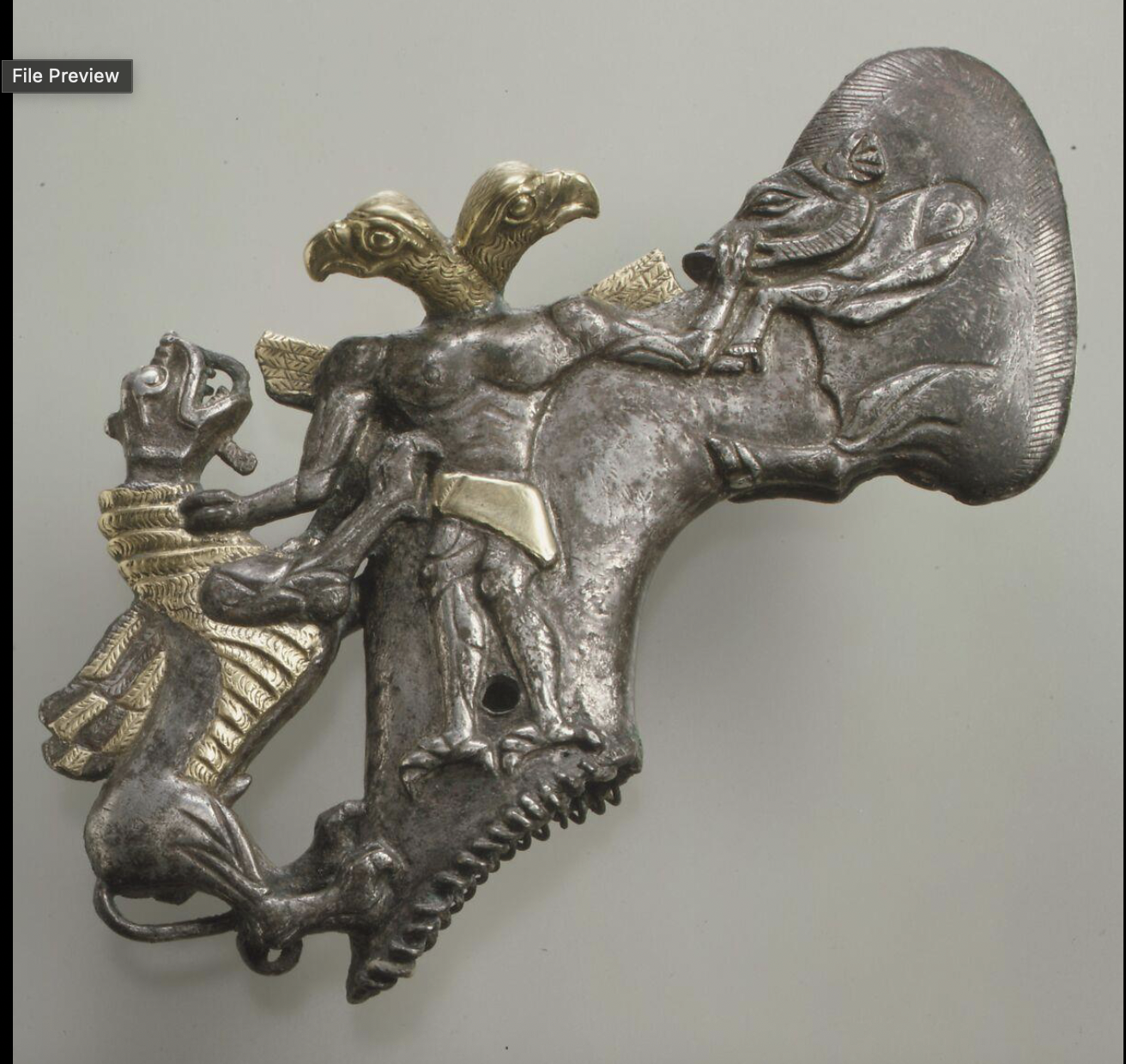
Shaft-Hole Axe with Bird Demon, Boar, and Winged Dragon.
Central Asia
BMAC/Oxus Civilization (2300-1700 BCE)
two points of significance:
used for ceremonial functions of which we are unsure
the griffin-demon, the only part-human, part-animal upright creature in the art of western asia, is depicted on both sides of the blade
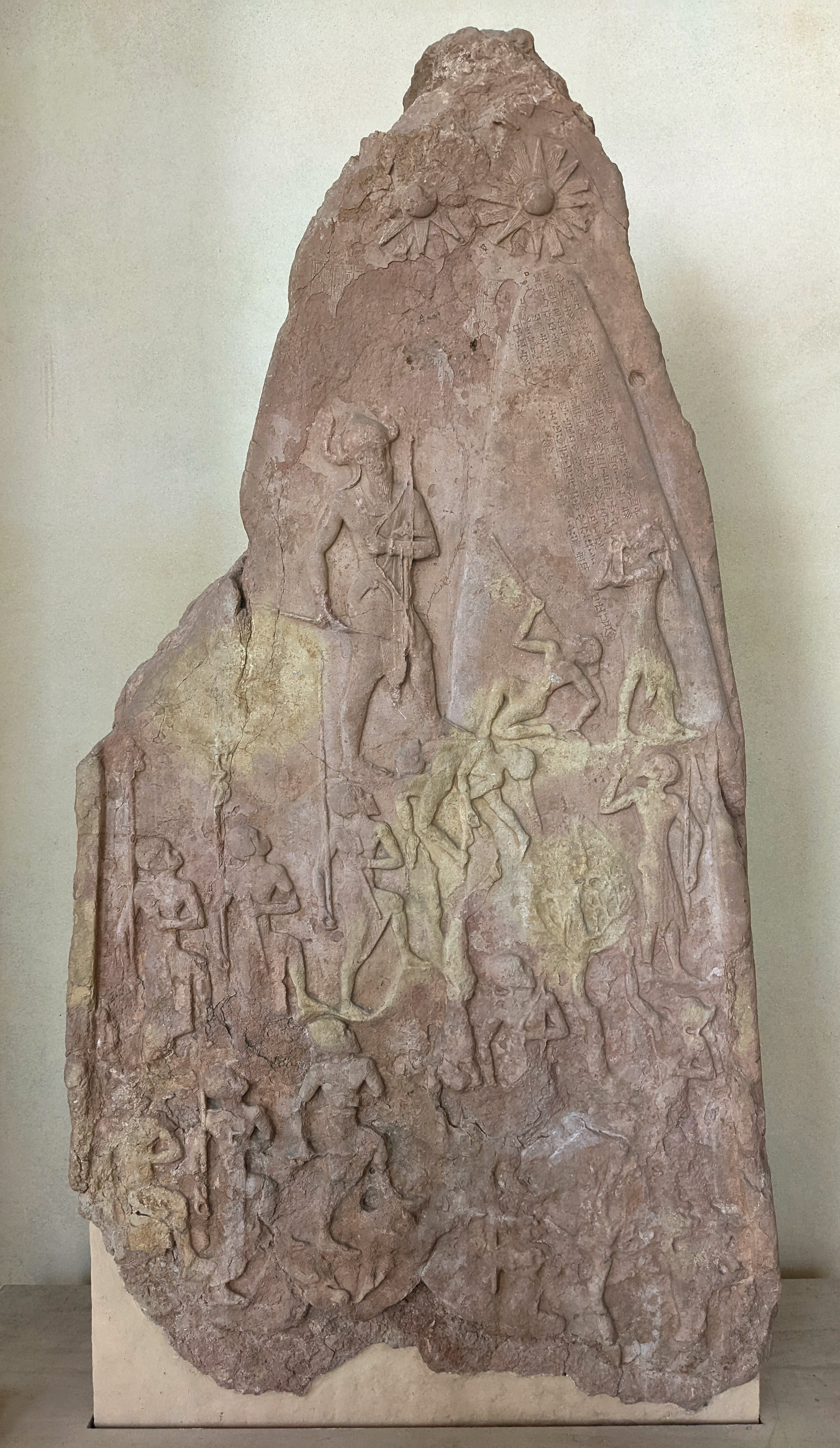
Victory Stele of Naram-Sin
example of how mesopotamian kings put themselves in high positions than the gods; horned helmet, which means he made himself divine (Old Akkadian- 2300-2250 BCE; Iraq)
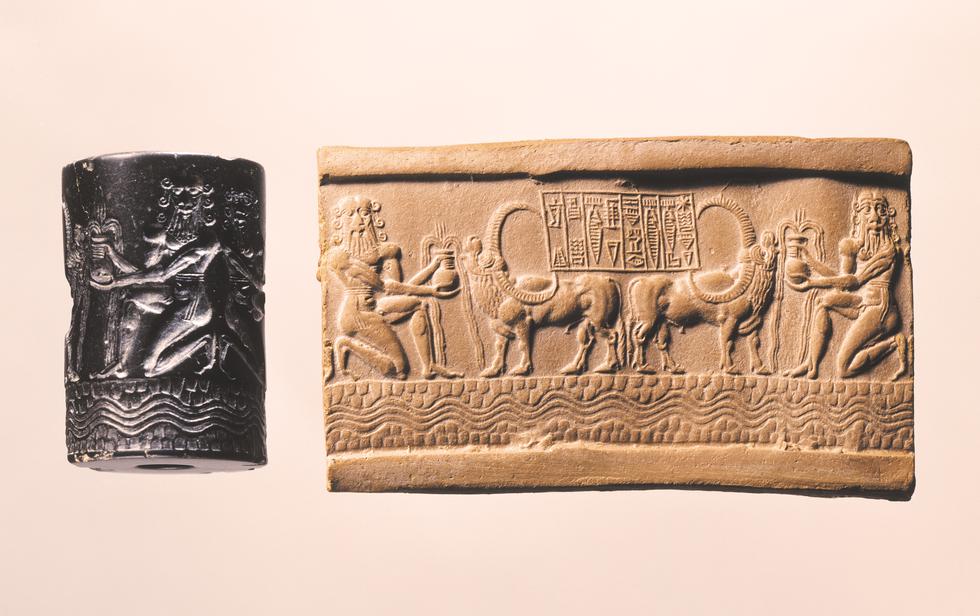
Seal of Ibni-Sharrum, scribe of Sharkalisharri
relationships tied to the domestication of animals became better (they seem to be improved); water fertility (Old Akkadian- 2300-2250 BCE; Iraq)
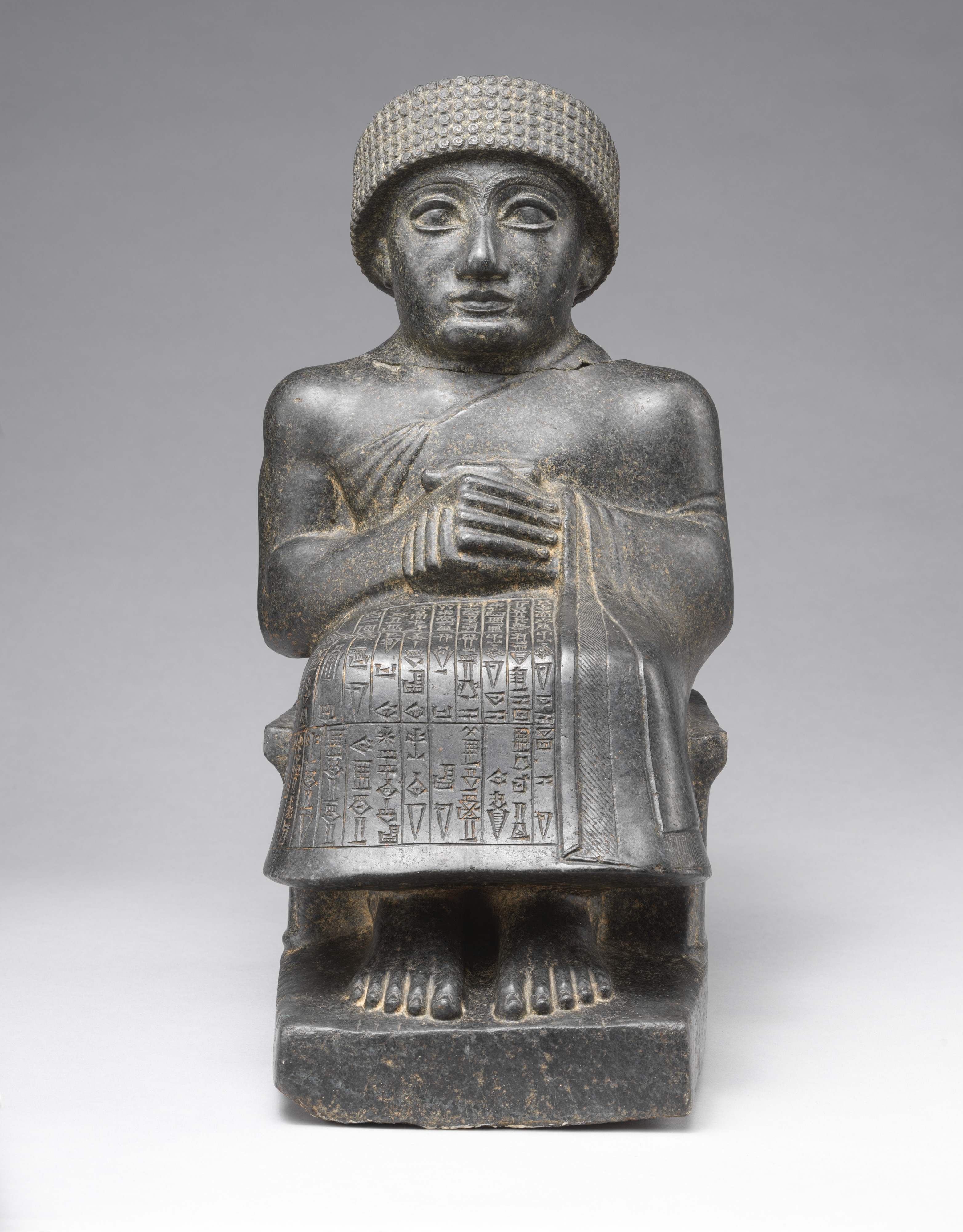
Statue of Gudea as builder (Gudea B)
most statues are votive so he is known to be pious; plaque of floor plans for his palace (Lagash II/Ur III- 2175-2050 BCE; Iraq)
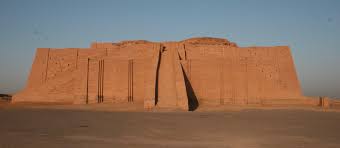
Ziggurat of Ur-Namma
massive complex meant to be for the moon god Nanna; shrine to deity of Ur (Lagash II/Ur III- 2175-2050 BCE; Iraq)
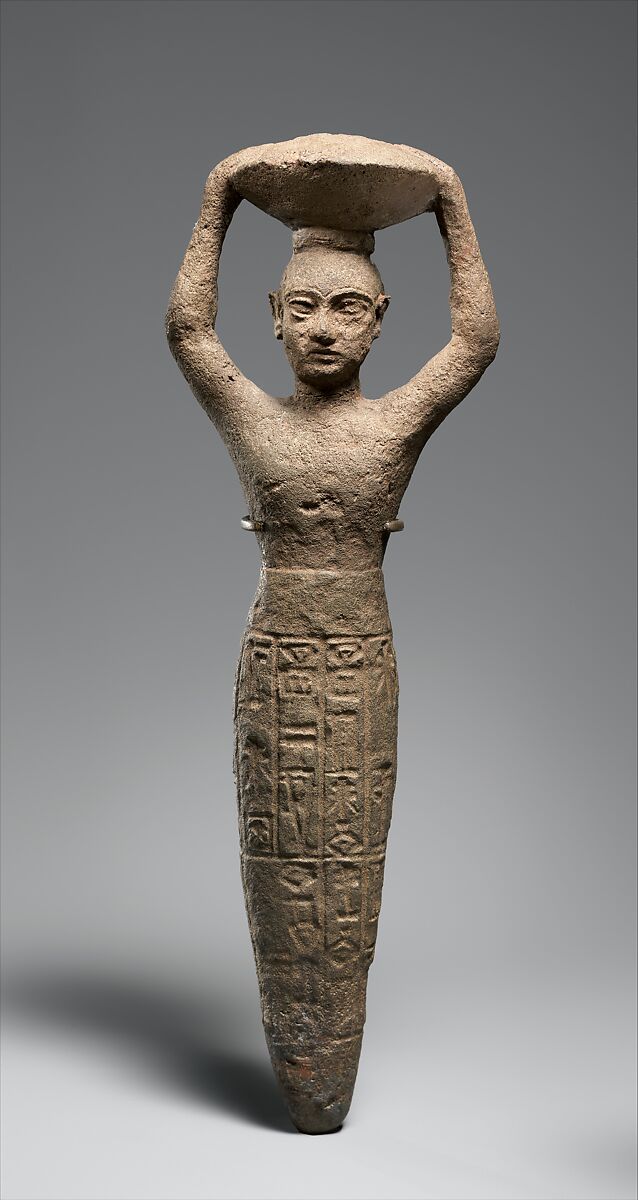
Foundation figure and deposit of Ur-Namma
represents the king at the start of the building project; ppl put a lot of effort into the building before they were made (Lagash II/Ur III- 2175-2050 BCE; Iraq)
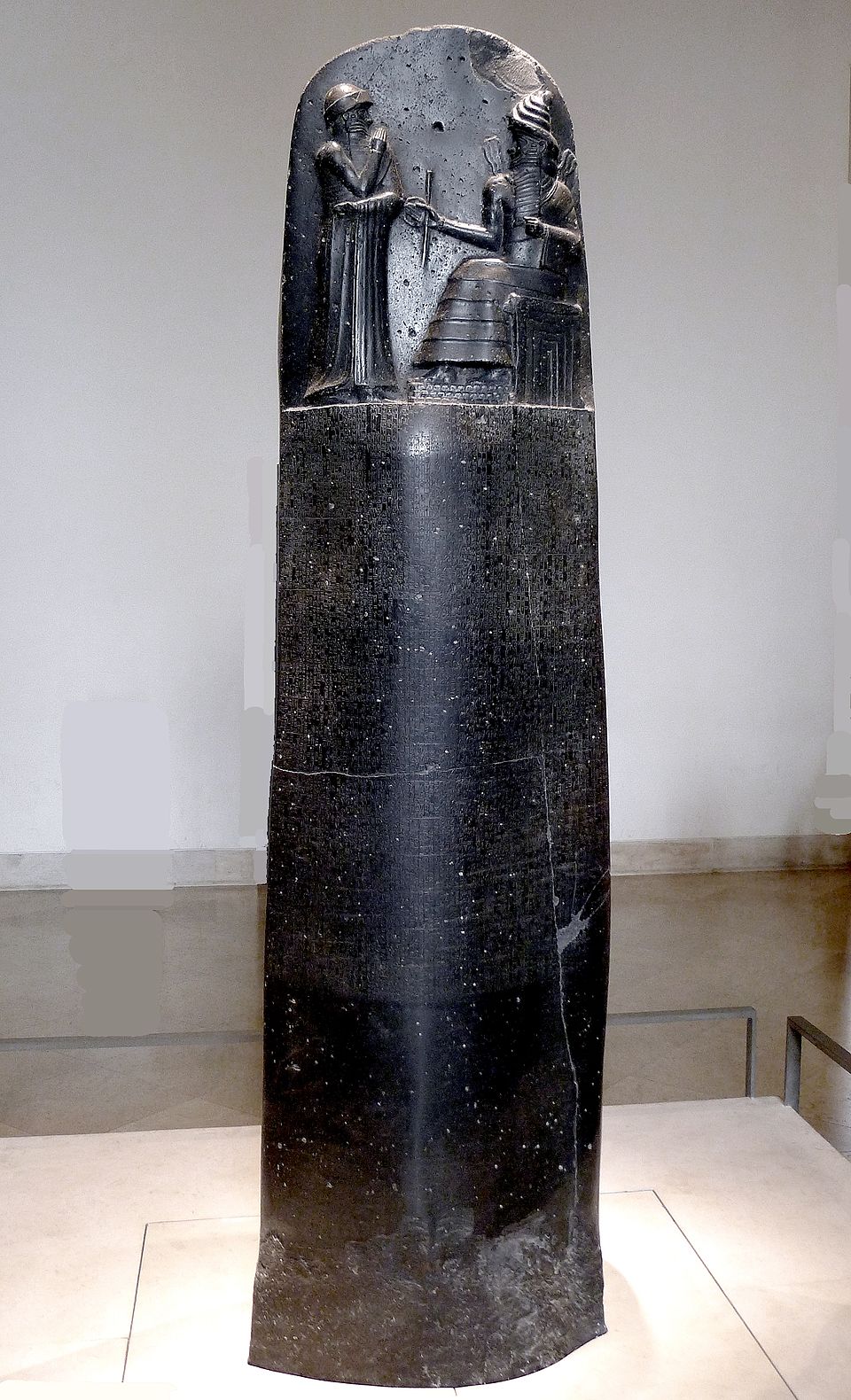
Codex Hammurabi
the first written laws; establishes justice system (what's fair and not); provided structured punishments (fines, death, physical retribution) for various offenses; series of cases (Neo-Babylonian- 626-539 BCE; Iraq)
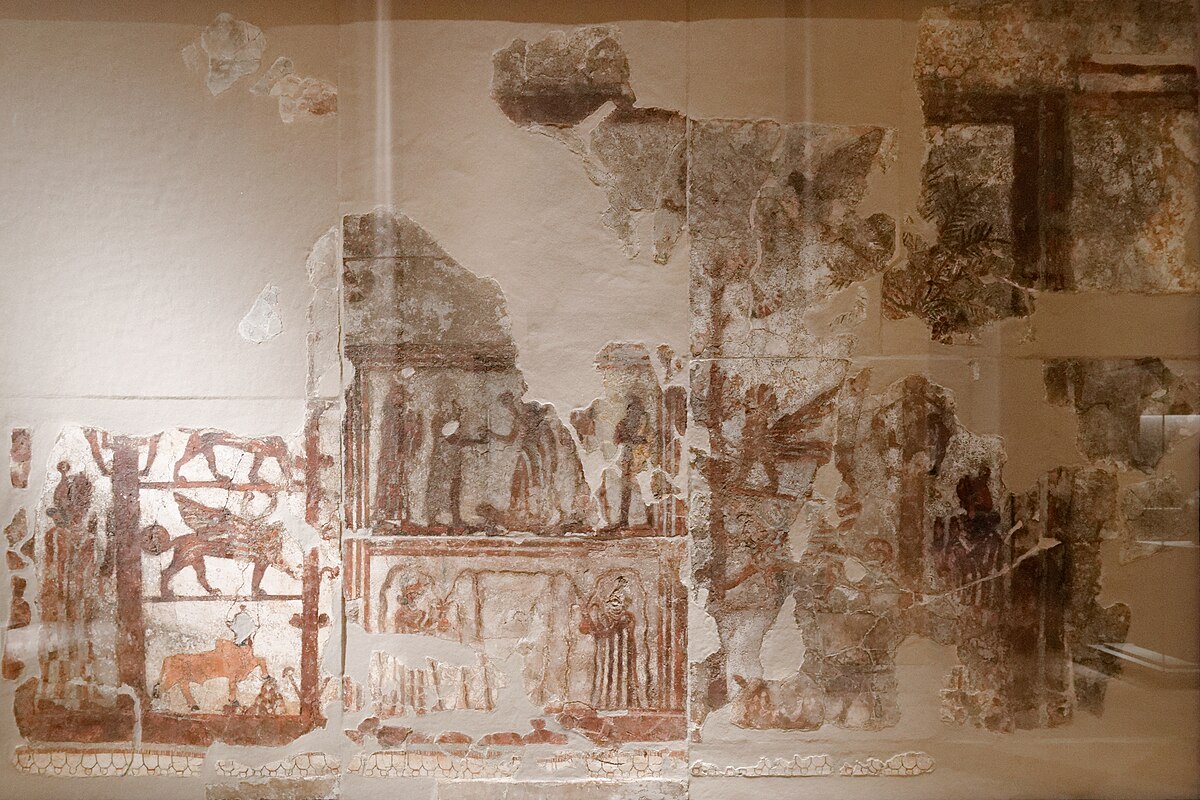
Investiture of Zimri-Lim
offers insights into religious and social constructs; emphasizes divine approval and strengthens his claim to the throne; symbols of rod and ring to symbolize Ishtar; authority from the gods (Neo-Babylonian- 626-539 BCE; Iraq)

Lamassus, palace of Ashurnasirpal at Kalhu/Nimrud
anthropomorphic statue; royal protectors placed at entrances of palaces; looking at it from the side, shows 6 legs, but it's 4 (Neo-Assyrian- 900-612 BCE; Mesopotamia)
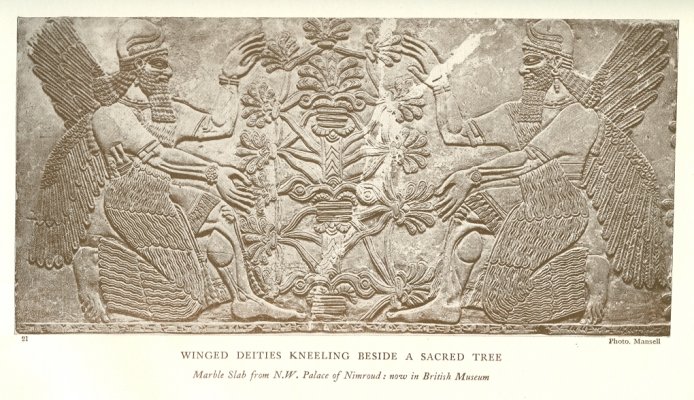
"Sacred Tree" relief, palace of Ashurnasirpal at Kalhu/Nimrud
symbol of agriculture and fertility and abundance; could be rotating around the tree or could be different kings, we don't know (Neo-Assyrian- 900-612 BCE; Mesopotamia)
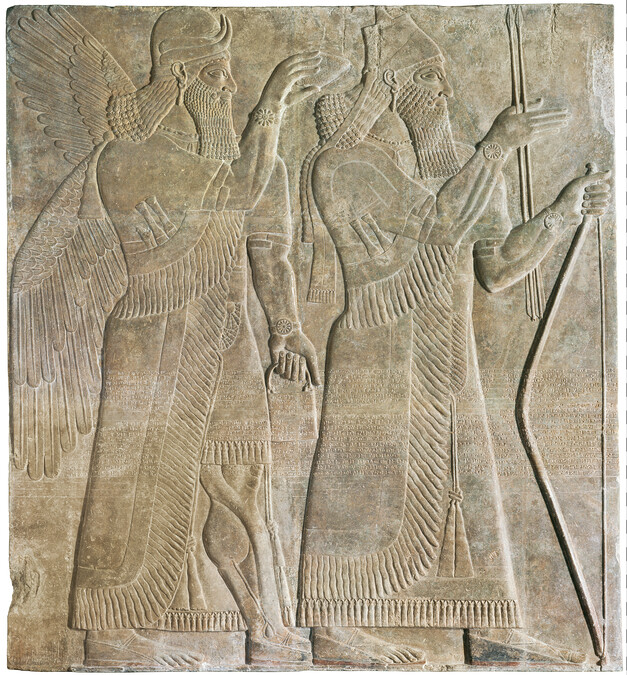
Narrative reliefs, palace of Ashurnasirpal at Kalhu/Nimrud
wings mean that it is a god; promoted their king as a strong figure who fought alongside his people to defeat lions; lionhunting was dangerous, masculine, etc., so the king would have his men with him to help (Neo-Assyrian- 900-612 BCE; Mesopotamia)
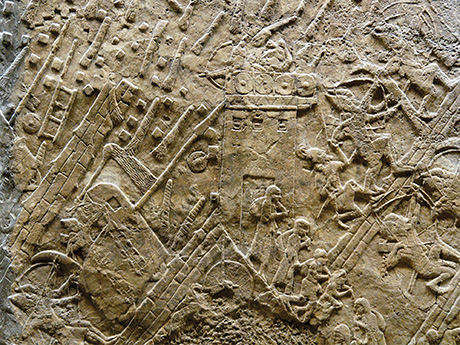
Battle of Lachish, "Palace Without Rival" of Sennacherib at Nineveh
water coming down the wall to put out the fires; used different angles to see where people were attacking from; more perspective (Neo-Assyrian- 900-612 BCE; Mesopotamia)
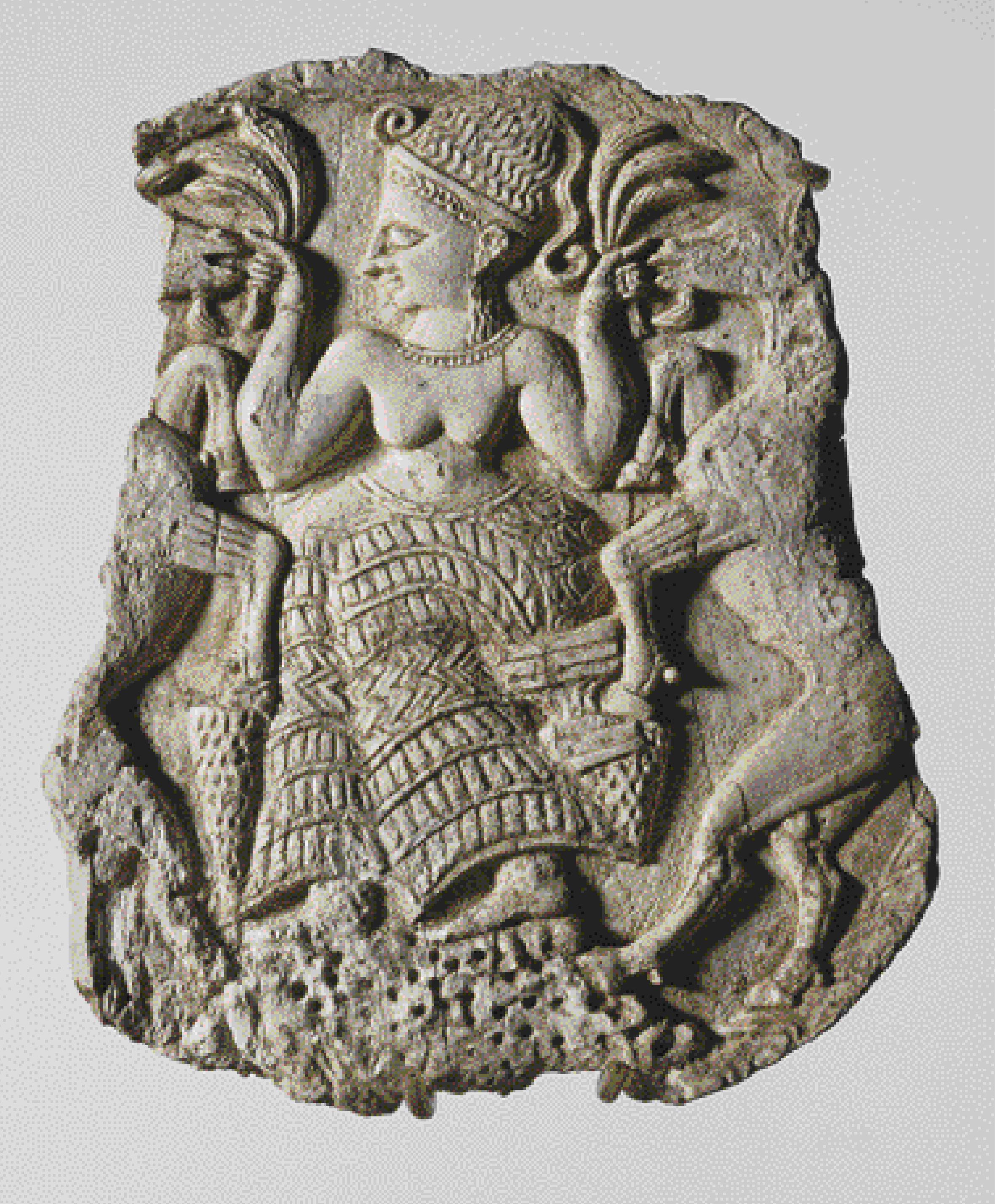
Royal Ancestor statues, Qatna
grain goddess; feeding animals; patterns resemble that of Jiroft culture (Old Syrian- 1800-1750 BCE; Syria)
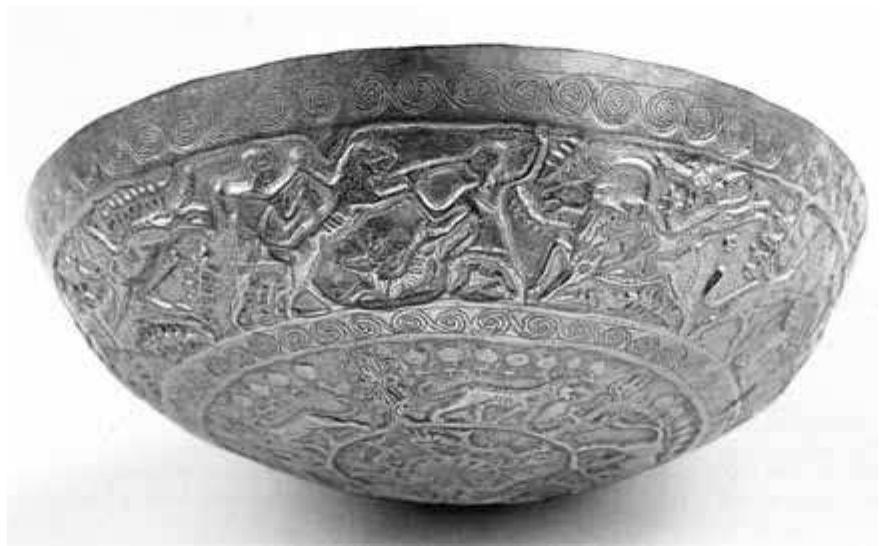
Bowl with Hunting Scenes, Ugarit
ugarit was a major Mediterranean trading hub; influences from Egypt and mesopotamian art; order vs. chaos; mastering wild animals (strength and chaos) (Middle Syrian- 1400-900 BCE; Syria)
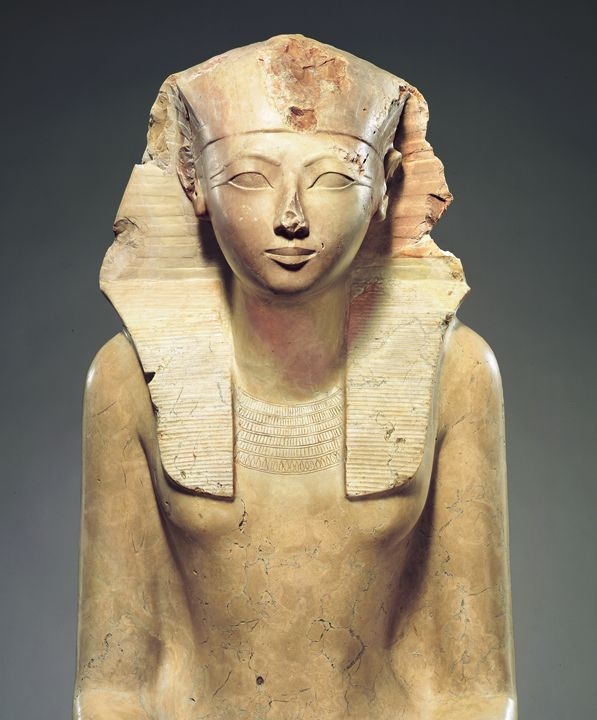
Statues of Hatshepsut
Depicted as a more masculine figure to gain more strength/power; most statues were destroyed to erase her memory as pharaoh (New Kingdom- 1550-1070 BCE; Egypt)
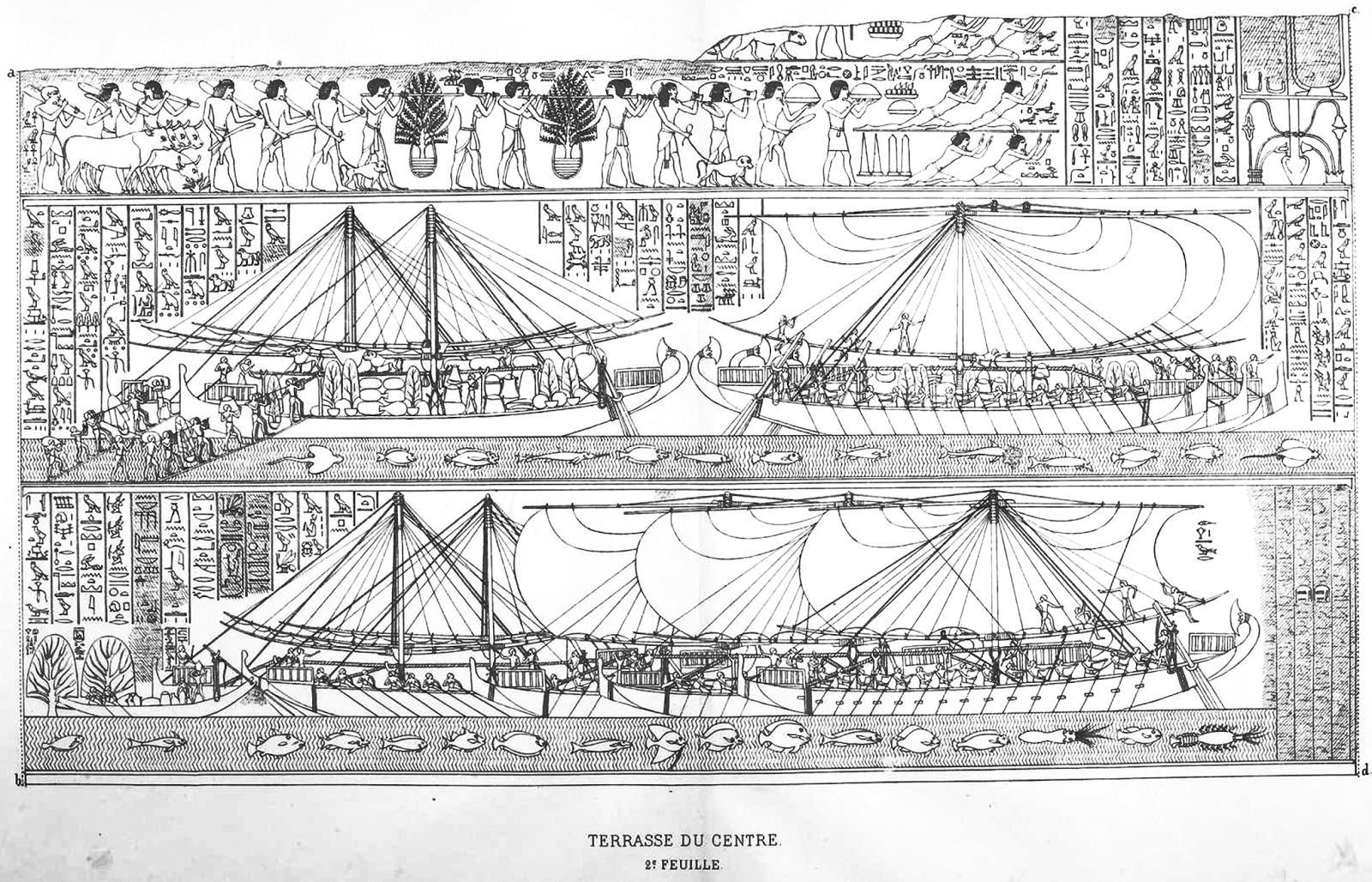
Expedition to Punt reliefs, Deir el-Bahri
showed intl. relations b/w two diff societies; showed their naval assets; hatshepsut who brought prosperity to egypt; showed the outside isn't an evil place; depicted the trade of mirth and frankincense (New Kingdom- 1550-1070 BCE; Egypt)
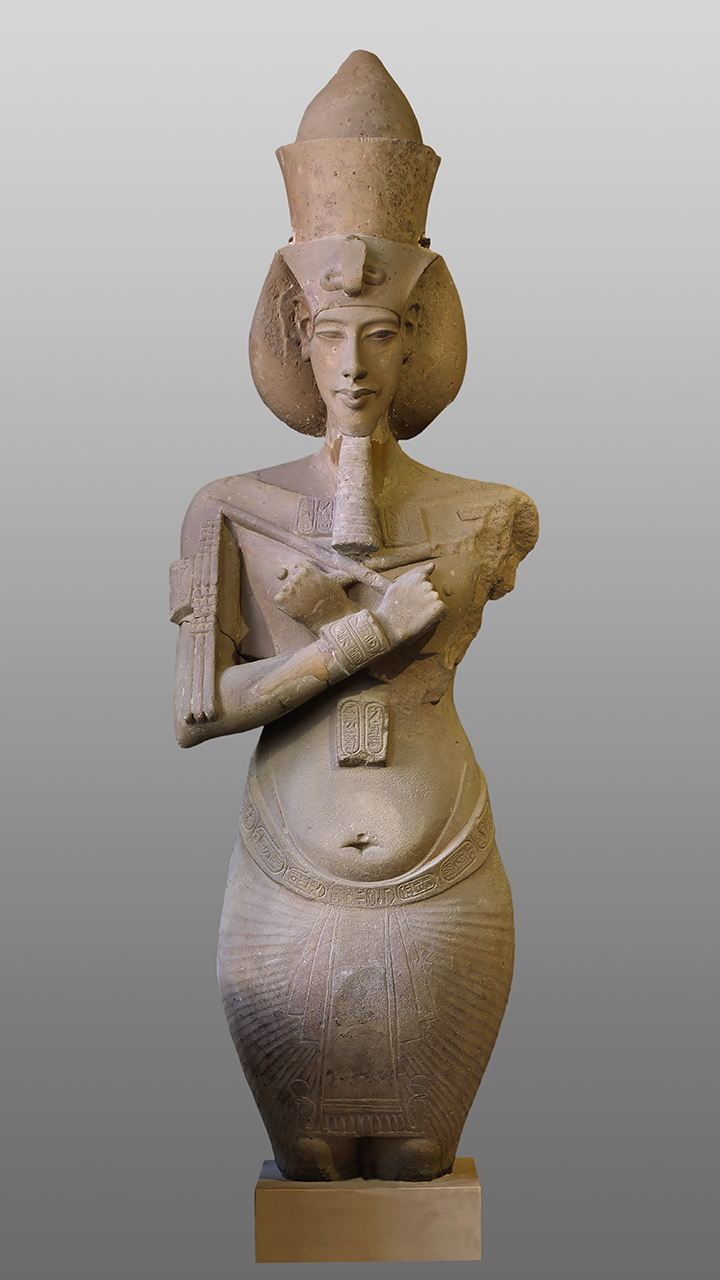
Colossal Statue of Akhenaten
androgynous; slendering of the male form; different to the ones before him since this one was meant to be in peak physique; more feminine (New Kingdom- 1550-1070 BCE; Egypt)
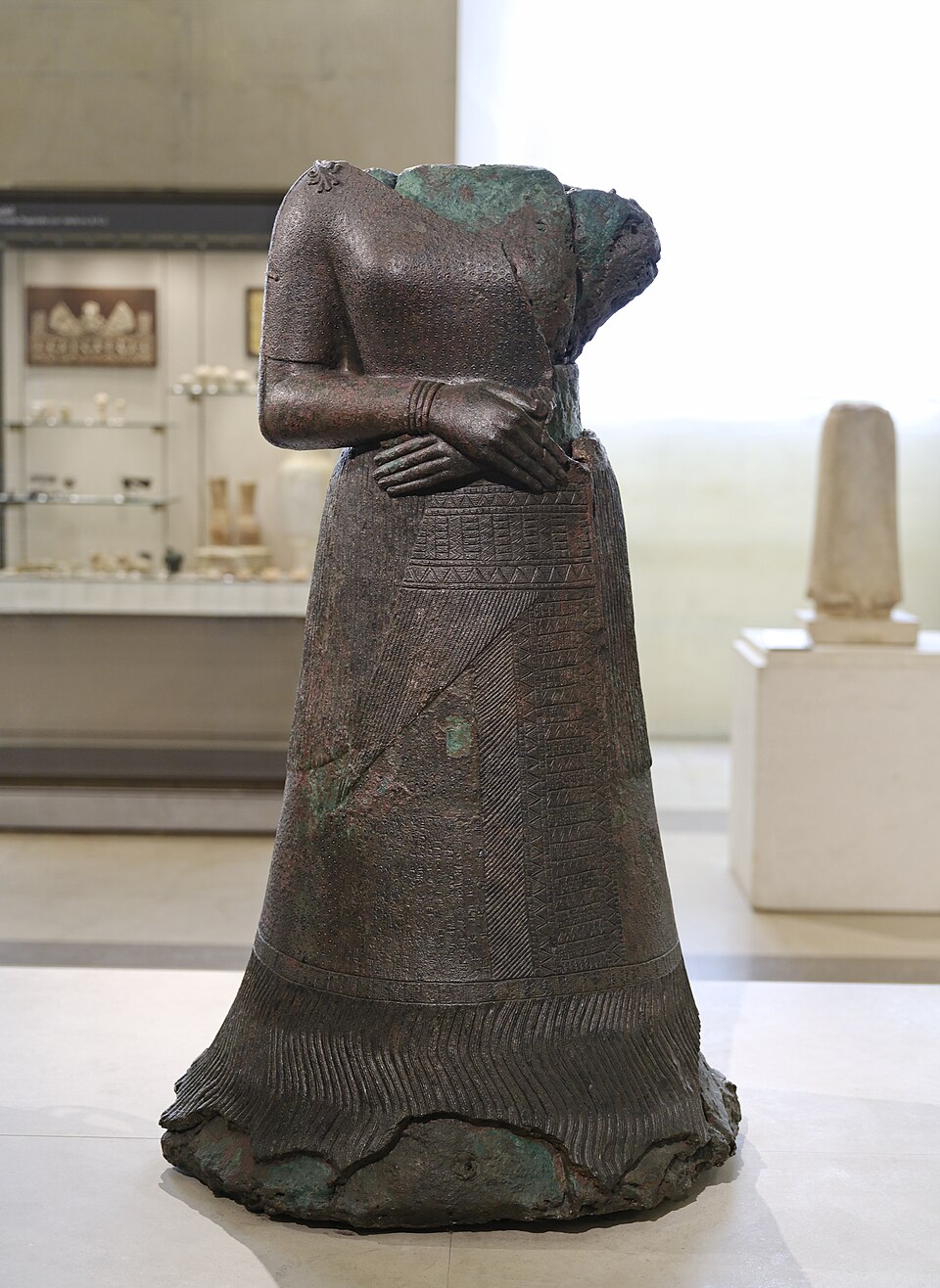
Statue of Queen Napir-Asu
female political power; Elam allowed for queens to be represented; queens had real power (Elamite- 2000-1200 BCE; Iran)
Rock Relief at Kurangun
Elamite gods sitting on thrones; political authority is subordinate to divine will; life, fertility, and abundance; permanent sacred space (Elamite- 2000-1200 BCE; Iran)
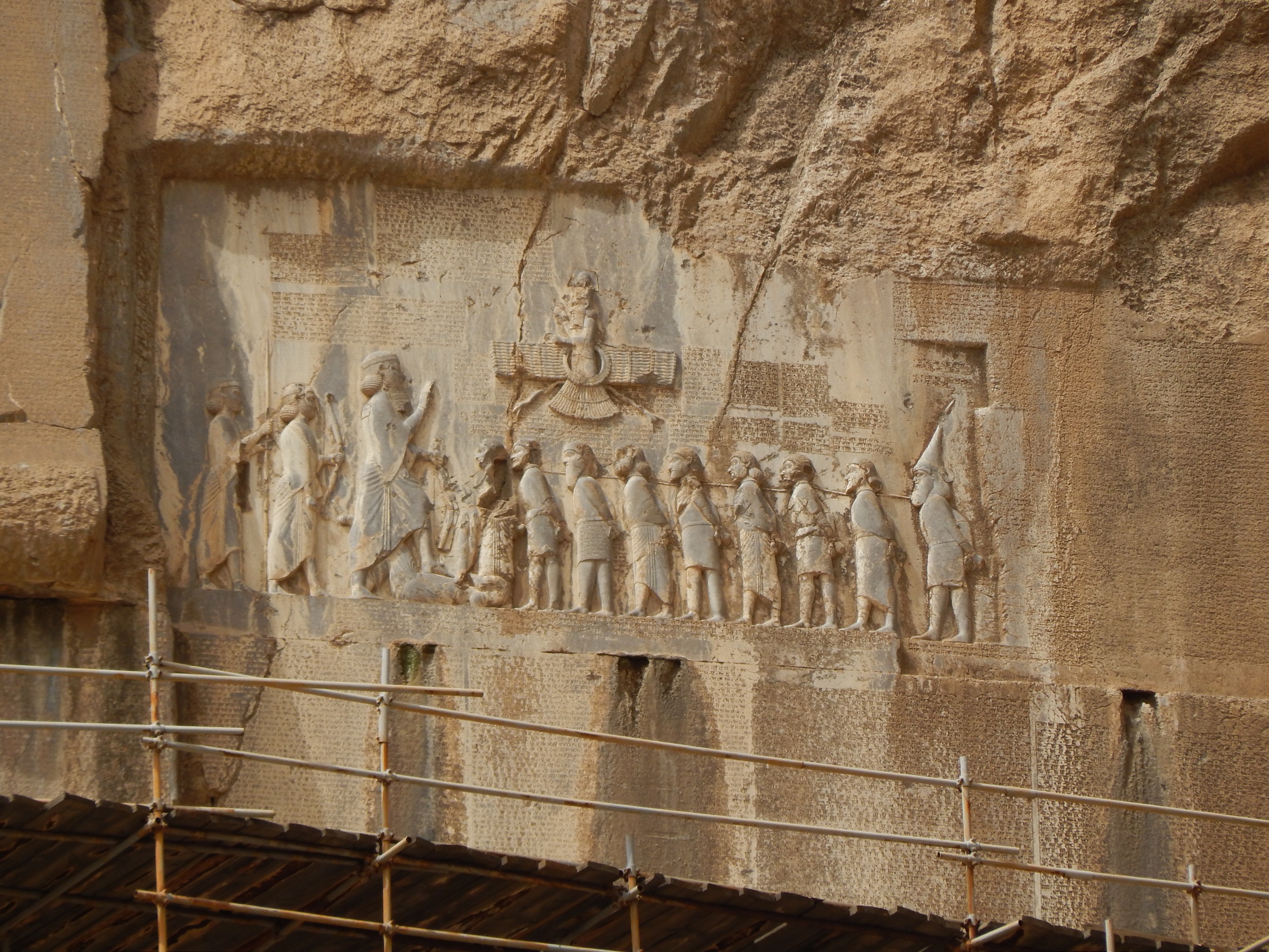
Bisotun Inscription
placed next to a major trading highway; showed dominance over different cultures; returns gods as an actual figure rather than just a symbol; king is stepping on a leader from a diff culture (Achaemenid- 559-331 BCE; Iran)
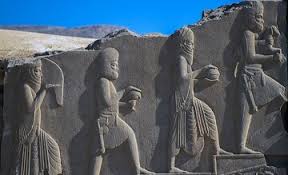
Tributary reliefs, Persepolis
shows all nations contributing to the whole of the persian empire; mimicking the movements of the action you would have to do if they were in that culture; seem to be conversing with each other (Achaemenid- 559-331 BCE; Iran)