End of Sem Exam PSYC1302
 Call Kai
 Learn
Learn Practice Test
 Spaced Repetition
 Match
Match Flashcards
 Knowt Play
1/348

There's no tags or description
Looks like no tags are added yet.
Name | Mastery | Learn | Test | Matching | Spaced | Call with Kai | Chat |
|---|
No analytics yet
Send a link to your students to track their progress
349 Terms
What are externalising disorders?
Disorders that create problems for the external world, characterized by breaking age-appropriate social rules, anger, aggression, and impulsivity.
What are internalising disorders?
Disorders that create problems for the internal world, primarily characterized by anxiety and sadness.
What is the first criterion for ADHD according to DSM-5-TR?
A persistent pattern of inattention and/or hyperactivity-impulsivity that interferes with functioning or development.
How many symptoms of inattention are required for an ADHD diagnosis?
6 or more symptoms for at least 6 months.
What is the age requirement for ADHD symptom onset?
Several symptoms must be present before 12 years old.
What settings must ADHD symptoms be present in for a diagnosis?
Symptoms must be present in two or more settings, such as home, school, or work.
What is one of the criteria for ADHD regarding symptom impact?
Symptoms must interfere with or reduce the quality of social, academic, or occupational functioning.
What is the minimum number of inattentive symptoms required for adolescents and adults with ADHD?
5 or more symptoms for at least 6 months.
What are some symptoms of inattention in ADHD?
Examples include difficulty sustaining attention, careless mistakes, and forgetfulness in daily activities.
What are some symptoms of hyperactivity/impulsivity in ADHD?
Examples include fidgeting, difficulty remaining seated, and excessive talking.
What are the three presentations of ADHD as per DSM-5-TR?
Combined presentation (ADHD-C), predominantly inattentive presentation (ADHD-PI), and predominantly hyperactive-impulsive presentation (ADHD-HI).
What is the first criterion for Oppositional Defiant Disorder (ODD)?
A pattern of angry/irritable mood, argumentative/defiant behavior, or vindictiveness lasting at least 6 months.
What are some symptoms of angry/irritable mood in ODD?
Examples include often losing temper, being easily annoyed, and feeling resentful.
What is a key behavior characteristic of ODD?
Often argues with authority figures and actively defies or refuses to comply with requests or rules.
What is the first criterion for Conduct Disorder (CD)?
A repetitive and persistent pattern of behavior violating the basic rights of others or major societal norms.
What are some examples of aggression to people and animals in CD?
Bullying, initiating physical fights, and being physically cruel to people or animals.
What constitutes destruction of property in CD?
Deliberately engaging in fire setting or destroying others' property.
What is a criterion for deceitfulness or theft in CD?
Breaking into someone else's property or lying to obtain goods or favors.
What are serious violations of rules in CD?
Staying out at night despite parental prohibitions, running away from home, and truancy from school.
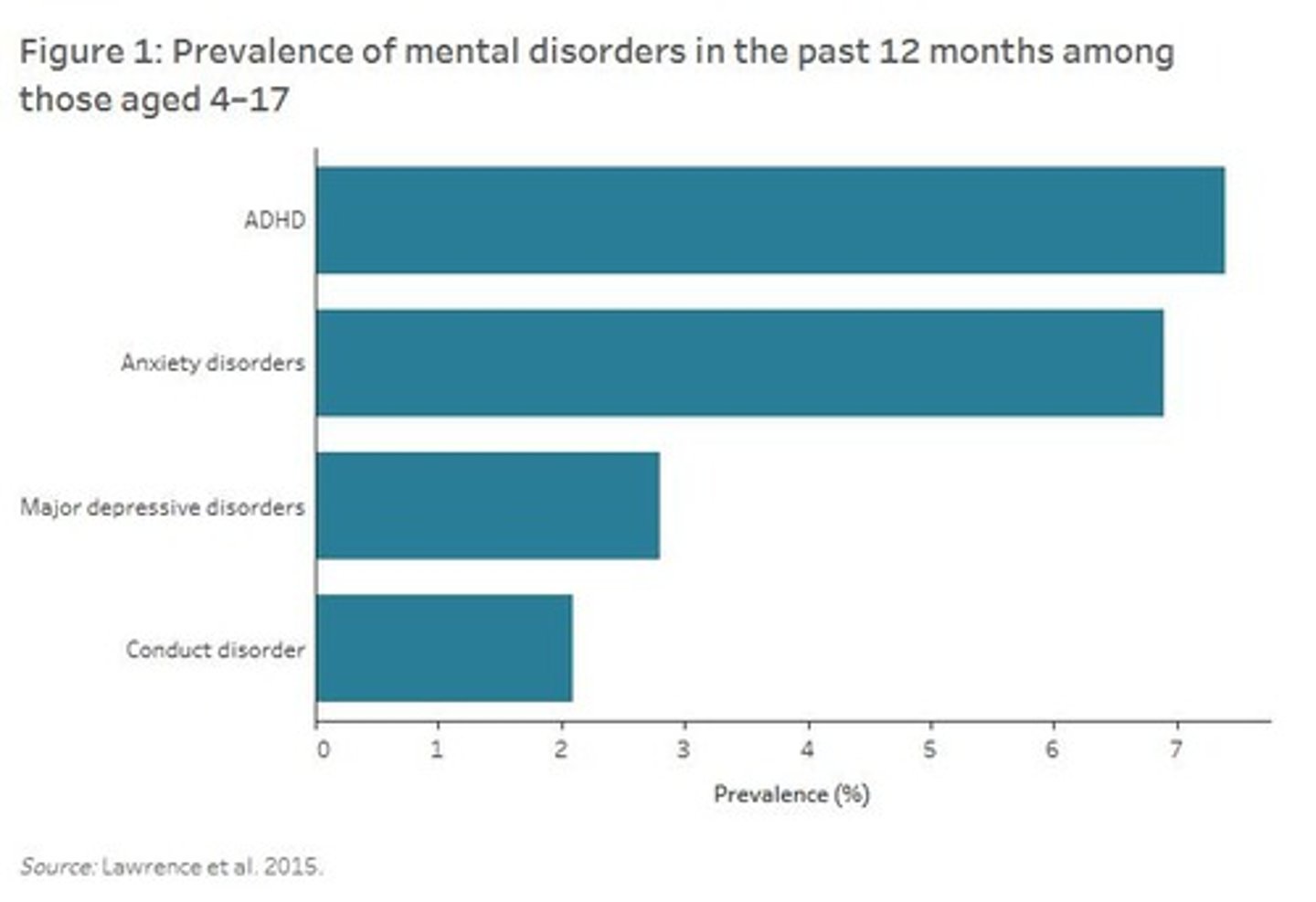
What is the prevalence of ADHD in children and adolescents in Australia?
ADHD affects 7.4% of all children and adolescents.
Which gender is more commonly diagnosed with ADHD?
Boys are diagnosed more frequently, with a ratio of 12.9% for boys compared to 5.6% for girls.
What is the prevalence of ADHD in children and adolescents?
4:1 ratio in children and adolescents.
What is the prevalence of ADHD in adults?
1.6:1 ratio in adults.
Why might there be a disparity in ADHD diagnosis between genders?
Girls may be less diagnosed not because they are less susceptible, but because symptoms present differently.
What percentage of children are diagnosed with Oppositional Defiant Disorder (ODD) in Australia?
5.1% diagnosed with ODD.
What percentage of children are diagnosed with Conduct Disorder (CD) in Australia?
2.1% diagnosed with CD.
What is the typical course of ADHD from childhood to adulthood?
ADHD persists from childhood to adulthood in approximately 50-65% of individuals.
When does ODD typically onset?
ODD usually has an onset of 2-3 years.
When does Conduct Disorder (CD) typically onset?
CD typically has an onset in late childhood or early adolescence.
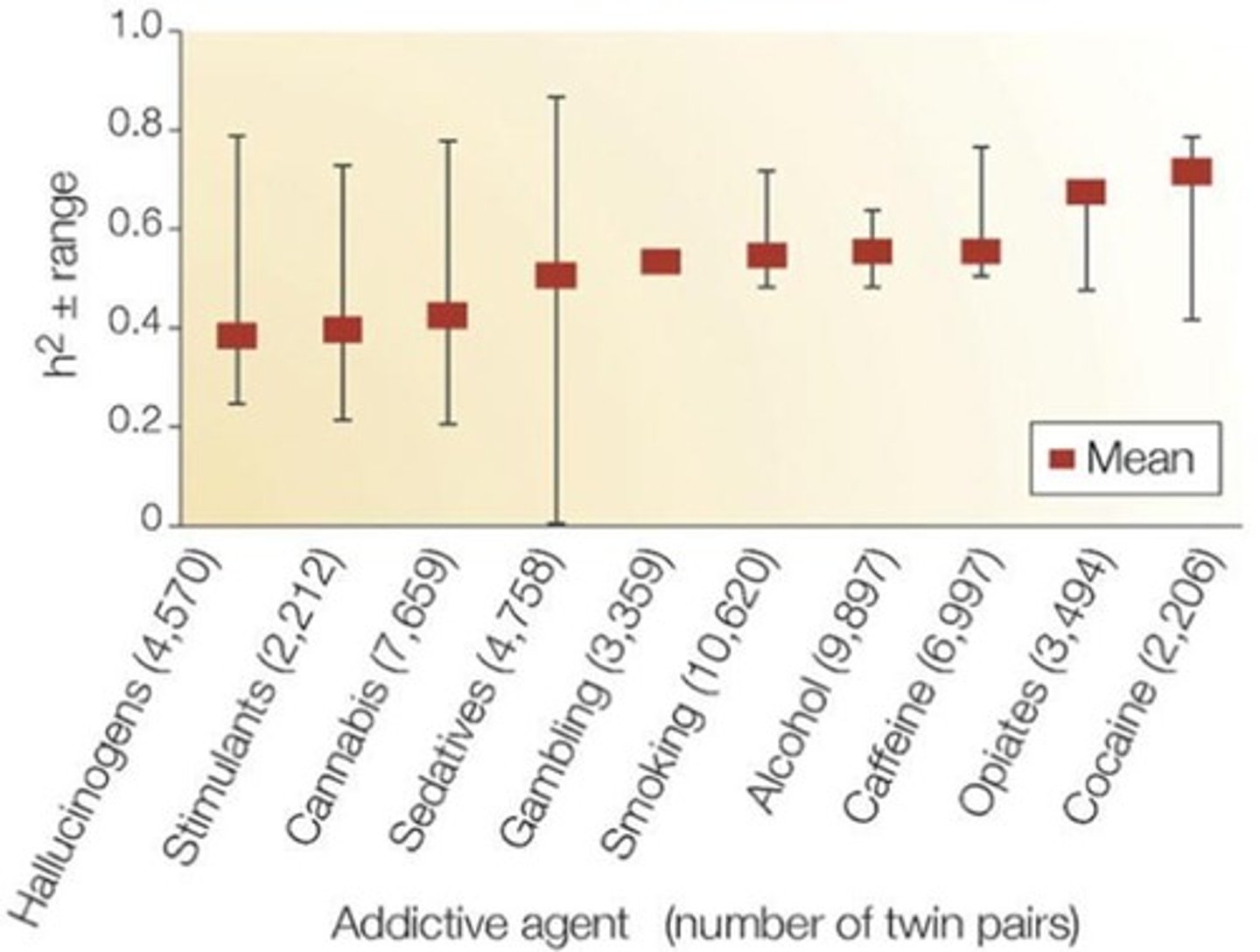
What are some genetic factors contributing to ADHD?
Genetic factors strongly contribute to ADHD, indicating high heritability.
What are some parenting factors associated with ADHD?
Smoking, neurotoxin or alcohol exposure in utero, and low birthweight.
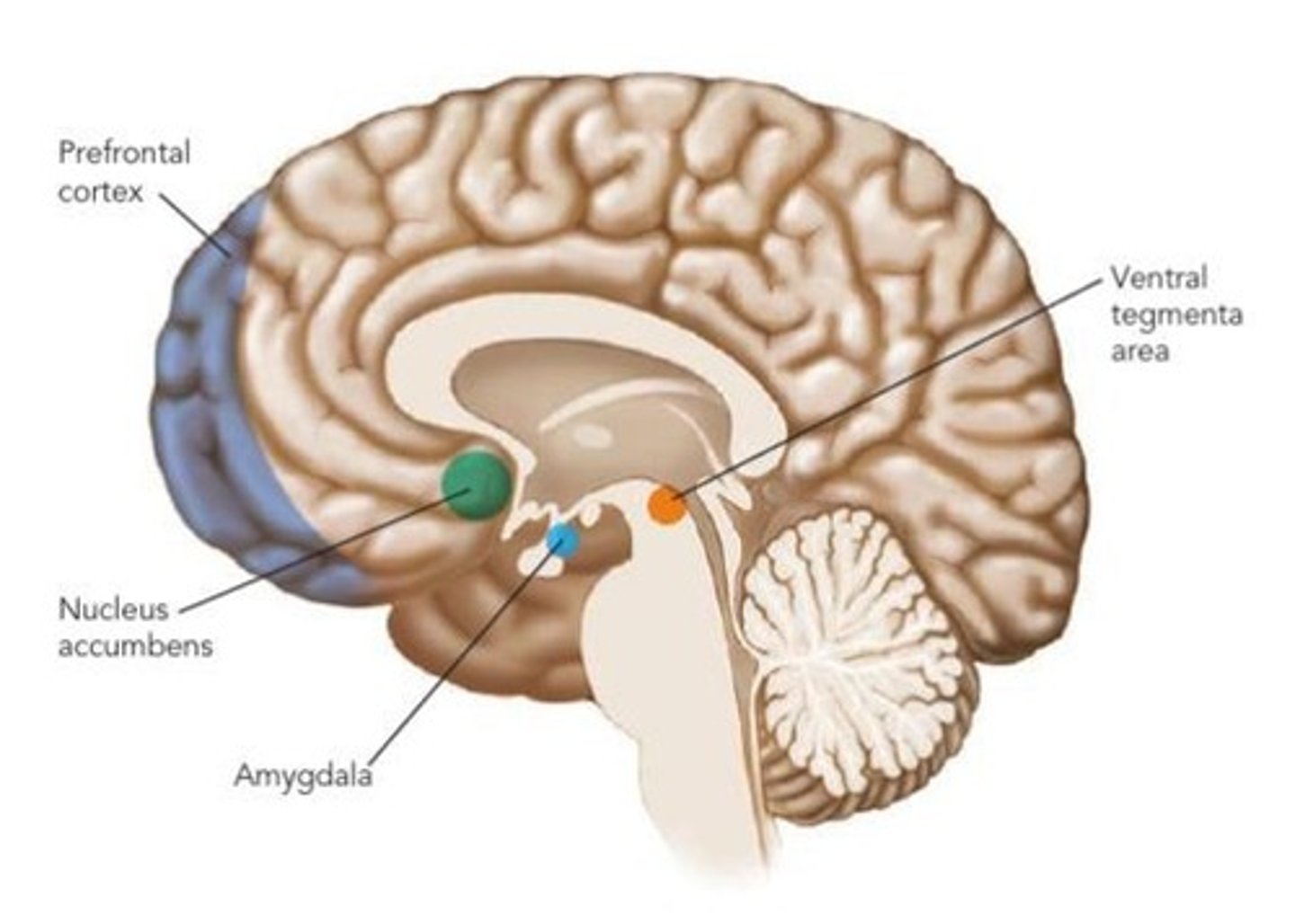
What are some neurobiological risks associated with ADHD?
Delayed brain maturation and less activity in areas like the prefrontal cortex.
What is the first-line treatment for preschool children with ADHD?
Behavioral interventions.
What is the first-line treatment for primary school children with ADHD?
Approved medication and/or behavioral interventions, preferably both.
What type of medication is commonly used to treat ADHD?
Psychostimulants like Ritalin that increase norepinephrine and dopamine levels.
What are some side effects of psychostimulants used for ADHD?
Decreased appetite, increased heart rate, and sleeping difficulties.
What are non-stimulant medications used for ADHD?
SSRIs, SNRIs, and alpha-agonists.
What is the goal of behavioral interventions for ADHD?
To manage ADHD symptoms through parent education, training, and support.
What is the Triple P System?
A parenting program that provides evidence-based support and strategies.
What are some personal coping skills for individuals with ADHD?
Using cues, reminders, breaking tasks into smaller steps, and external motivation.
What are some psychological factors associated with externalising disorders?
Lack of self-control and delay of gratification.
What defines depressive symptoms in children according to DSM-5-TR?
Five or more symptoms including depressed mood, diminished interest, and fatigue.
How do children's fears and anxiety differ from adults?
Children often have trouble identifying their anxiety but are more aware of their fears.
What is the significance of parental inconsistency in child behavior?
It can lead to increased disruptive behaviors and is a focus in parenting interventions.
What is the effect of parenting programs on parental self-efficacy?
Significant increases in parent self-efficacy have been observed post-intervention.
What is the relationship between ADHD and externalising problems?
Depressive symptoms in children are often comorbid with externalising problems.
What is the role of media in the context of externalising disorders?
Media can influence behaviors and perceptions related to externalising disorders.
What is the importance of classroom accommodations for ADHD?
They help support children with ADHD in their learning environment.
What is a common outcome of effective parenting interventions?
A significant decrease in the frequency of disruptive behaviors.
What are common symptoms of fatigue in mental health disorders?
Feelings of worthlessness or excessive/inappropriate guilt, diminished ability to concentrate, and recurrent thoughts of death or suicidality.
What is Separation Anxiety Disorder?
A developmentally inappropriate and excessive fear or anxiety concerning separation from home or attachment figures lasting 4+ weeks.
What are some symptoms of Separation Anxiety Disorder?
Distress during separations, worry about losing attachment figures, refusal to sleep away from home, and nightmares with separation themes.
What is Selective Mutism?
A consistent failure to speak in certain social situations despite the expectation to speak.
What percentage of 6-17 year-olds in Australia are diagnosed with major depressive disorder?
3.2%, with higher rates of 5% among 12-17 year-olds.
What is the most common anxiety disorder among children?
Separation anxiety disorder, affecting 4.3% of children.
What are some social factors contributing to internalising disorders?
Life stress, loss or trauma, attachment issues, parental overprotectiveness, and maltreatment.
What psychological factor predicts future depression in adolescents?
Rumination, or repeatedly focusing on distress.
What is the gold standard treatment for anxiety in children?
Child-focused Cognitive Behavioral Therapy (CBT).
What are common treatments for depression in children?
Individual psychotherapy, CBT, family therapy, and SSRIs.
What are the key characteristics of neurodevelopmental disorders?
Onset during the developmental period, manifesting early, and characterized by developmental deficits affecting personal, social, academic, or occupational functioning.
What is the difference between the social model and medical model of disability?
The social model views disability as a result of environmental barriers, while the medical model sees it as an individual problem needing a cure.
What are the DSM-5-TR criteria for Autism?
Persistent deficits in social communication and interaction, and restrictive, repetitive patterns of behavior.
What must be present in the early developmental period for an autism diagnosis?
Symptoms must be present early but may not fully manifest until social demands exceed capacities.
What is the prevalence of ADHD among children?
ADHD is one of the most common neurodevelopmental disorders.
What are some common neurodevelopmental disorders listed in DSM-5-TR?
ADHD, Autism, Intellectual Disabilities, and Tic Disorders.
What is a significant risk factor for suicide in young adults?
Childhood depression predicts a six-fold increase in the risk for suicide.
What role does parental mental health play in children's internalising disorders?
Children of depressed parents may feel guilty and responsible for their parents' happiness, impacting their mental health.
What are the symptoms of conduct disorder?
Behavioral issues that violate societal norms and the rights of others.
What is the prevalence of selective mutism among children?
It is considered rare, affecting less than 1% of children.
What is the significance of attachment issues in children with internalising disorders?
They can contribute to the development of anxiety and depression.
What is the impact of maltreatment on children's mental health?
It can lead to increased risk of internalising disorders.
What are some coping skills for children with ADHD?
Using memory aids, breaking tasks into smaller steps, and self-regulation techniques.
What is the relationship between internalising disorders and functional impairment?
Internalising disorders can lead to significant impairment in social and personal life.
What is the role of family therapy in treating anxiety disorders?
It involves interventions that include both the child and parents to address anxiety.
What are SSRIs and their role in treating anxiety in children?
Selective serotonin reuptake inhibitors are the most common medication used for anxiety disorders.
What is the significance of early intervention in neurodevelopmental disorders?
Early recognition and support can improve outcomes across various life domains.
What is the DSM-5 TR used for?
It is used for accessing supports and funding, estimating prevalence, and research.
What are the levels of support specified in the DSM-5 TR for autism?
Requiring very substantial support, substantial support, or support.
What are common co-occurring conditions with autism?
Anxiety disorders, mood disorders, epilepsy, sleep difficulties, and GI issues.
What is the prevalence of autism according to the U.S. CDC in 2022?
1 in 31 children aged 8 years are autistic.
How has the prevalence of autism in Australia changed from 2015 to 2022 for the 0-4 age group?
It more than doubled from 0.4% in 2015 to 0.9% in 2022.
Why are autistic women often diagnosed later than men?
Due to greater understanding of autism among males and differences in autism presentation.
What is the age of onset for Intellectual Disability according to DSM-5 TR?
Before age 22.
What are the three domains used to specify severity in Intellectual Disability?
Conceptual, social, and practical.
What is the IQ threshold for diagnosing Intellectual Disability?
Approximately 2 standard deviations below the mean, around 70 or below.
What does the term 'neurodiversity-affirming practices' refer to?
Practices that support autistic identity and adapt environments to suit individual needs.
What are the five essential assumptions of Intellectual Disability?
1. Significant limitations in intellectual functioning. 2. Adaptive behavior challenges. 3. Onset before age 22. 4. Assessment using standardized tools. 5. Acknowledgment of health inequities.
What is the aim of the National Roadmap for Improving the Health of People with Intellectual Disability in Australia?
To address health inequities and ensure access to high-quality healthcare.
What is the significance of the Australian Federal Government National Autism Strategy 2025-2031?
It focuses on social inclusion, economic inclusion, and support services for autistic individuals.
What are some examples of sensory and interoception difficulties in autism?
Auditory processing difficulties and interoception difficulties.
What is the role of clinicians in explaining a diagnosis of autism?
They can use the social model to reframe language and advocate for accommodations.
What is the prevalence of autism among different racial and ethnic groups?
Autism is reported to occur in all racial, ethnic, and socioeconomic groups.
What are some common physical health issues associated with autism?
Immune dysfunction, endocrine disorders, and food allergies.
What does the term 'camouflaging' refer to in the context of autism?
The practice of masking autistic traits to fit in socially.
What are the three pillars of the National Autism Strategy?
Social inclusion, economic inclusion, and support services.
What is the significance of understanding neurodiversity for psychologists?
It informs strengths-based, trauma-informed approaches to support individuals with developmental disabilities.
What is the purpose of the diagnostic assessment process in neurodiversity-affirming practices?
To facilitate knowledge and self-acceptance among autistic individuals.
What are the common mental health conditions that co-occur with autism?
Anxiety disorders and mood disorders.
What is the significance of the 20-24 age group in autism prevalence in Australia?
The prevalence more than doubled from 1.2% in 2015 to 2.7% in 2022.
What are the key components of adaptive functioning required for Intellectual Disability classification?
Conceptual, social, and practical skills.