ch 9 pt 2 - knee ankle and foot ppt

0.0(0)
Studied by 0 people
call kaiCall Kai
Locked
learnLearn
examPractice Test
spaced repetitionSpaced Repetition
heart puzzleMatch
flashcardsFlashcards
GameKnowt Play
Card Sorting

1/28

encourage image

There's no tags or description

Looks like no tags are added yet.

Last updated 12:16 AM on 7/30/26
Name
Mastery
Learn
Test
Matching
Spaced
Call with Kai
Chat

No analytics yet

Send a link to your students to track their progress

29 Terms

1
New cards

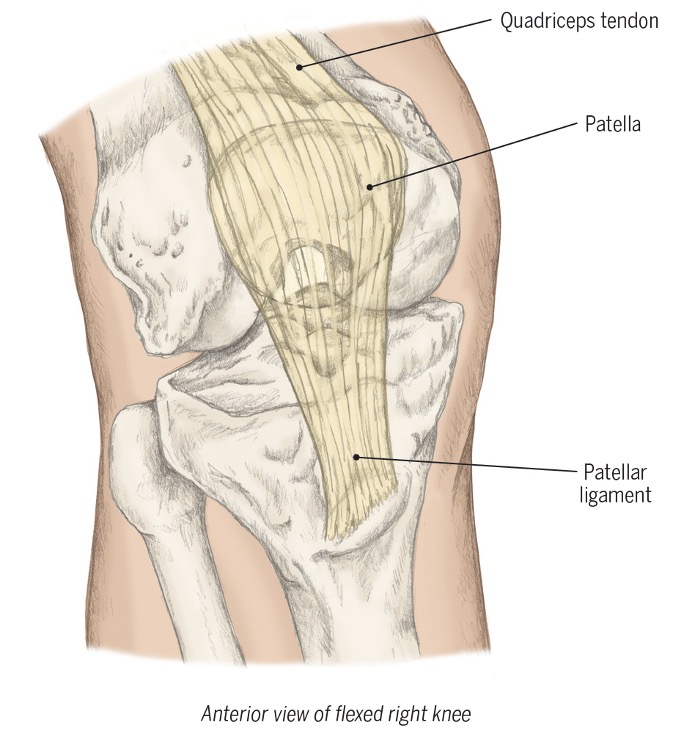
describe the patellofemoral joint

  • holds patella in place ( onto of tibia and femur)

  • Knee flexion causes patella to glide distally and laterally

  • Knee extension causes patella to glide superiorly and medially

(Gliding articulation betweenĀ trochlearĀ grove ofĀ theĀ femur and posterior patellaĀ )

<ul><li><p>holds patella in place ( onto of tibia and femur)</p></li><li><p>Knee flexion causes patella to glide distally and laterally</p></li><li><p>Knee extension causes patella to glide superiorly and medially</p></li></ul><p> </p><p><span>(Gliding articulation between&nbsp;trochlear&nbsp;grove of&nbsp;the&nbsp;femur and posterior patella&nbsp;)</span></p>
2
New cards

Proximal and distal tibiofibular joints description nd location

Two articulations between tibia and fibula

  • Slight movement

  • Interosseous membraneĀ 

  • distal end contributes to ankle stability
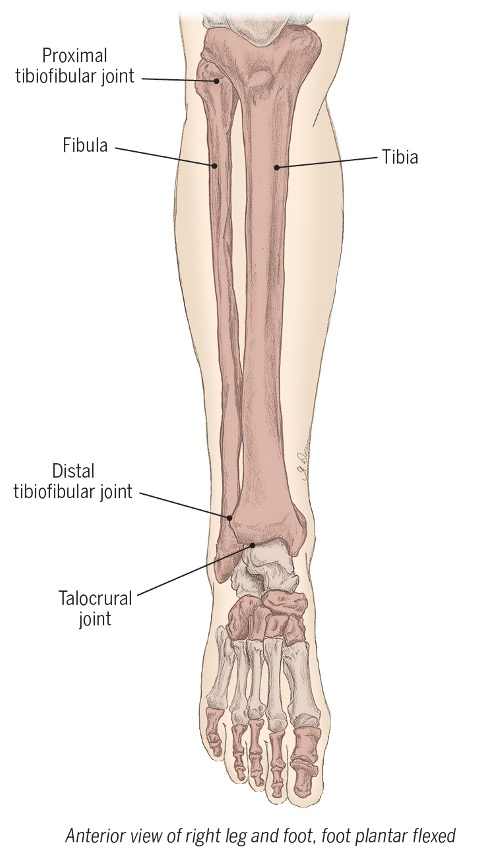
<p><span>Two articulations between tibia and fibula</span></p><ul><li><p><span>Slight movement</span></p></li><li><p><span>Interosseous membrane&nbsp;</span></p></li><li><p><span>distal end contributes to ankle stability</span></p></li></ul><p></p>
3
New cards

talocrural joint movement and description

Structural classification: hinge- uniaxial

Movements: dorsiflexion and plantar flexion
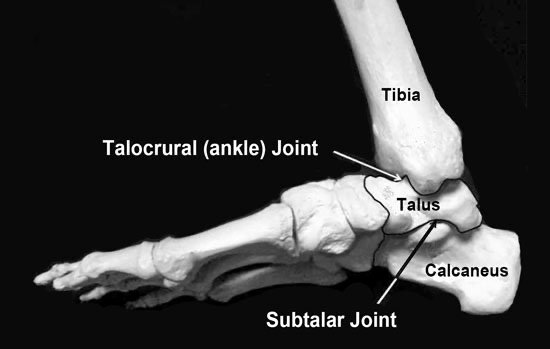
<p><span>Structural classification: hinge-  uniaxial</span></p><p style="text-align: left;"><span>Movements: dorsiflexion and plantar flexion</span></p>
4
New cards

what movement is the close pack position of the talocrural joint

maximal dorsiflexion
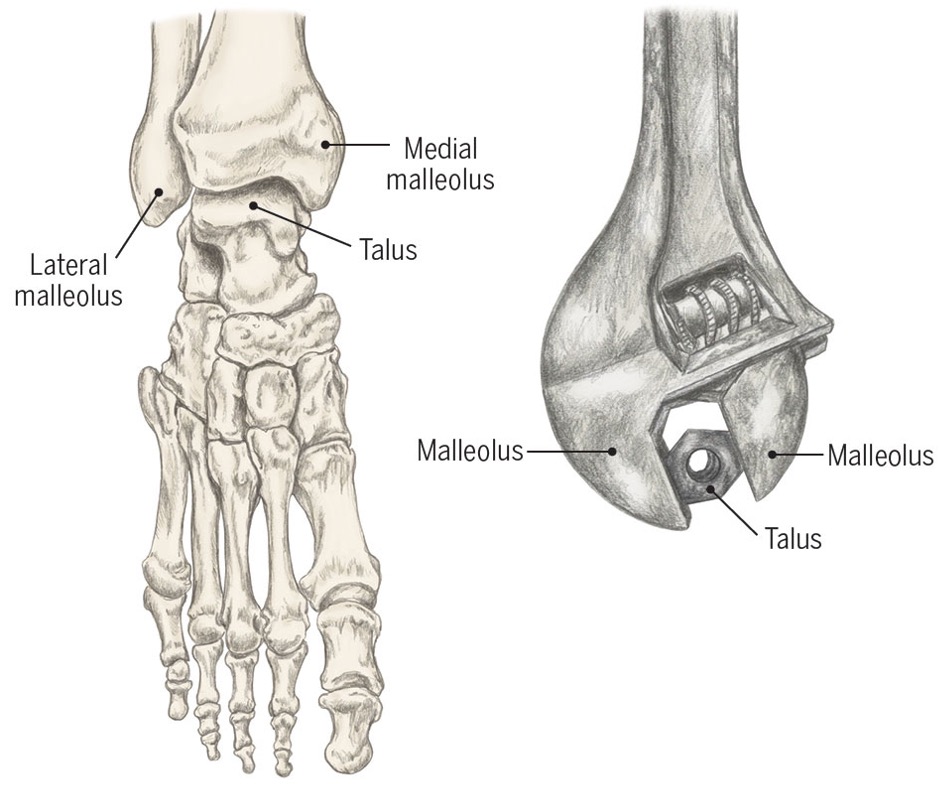
<p>maximal dorsiflexion </p>
5
New cards
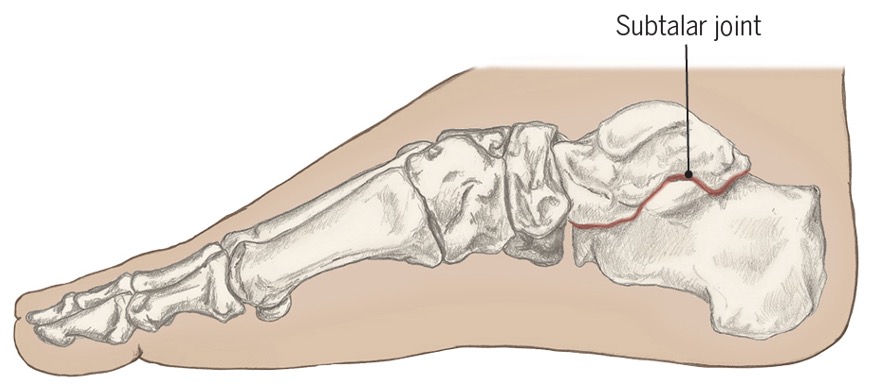
<p>«subtler joints cause inversion and eversion of the ankle</p>

«subtler joints cause inversion and eversion of the ankle

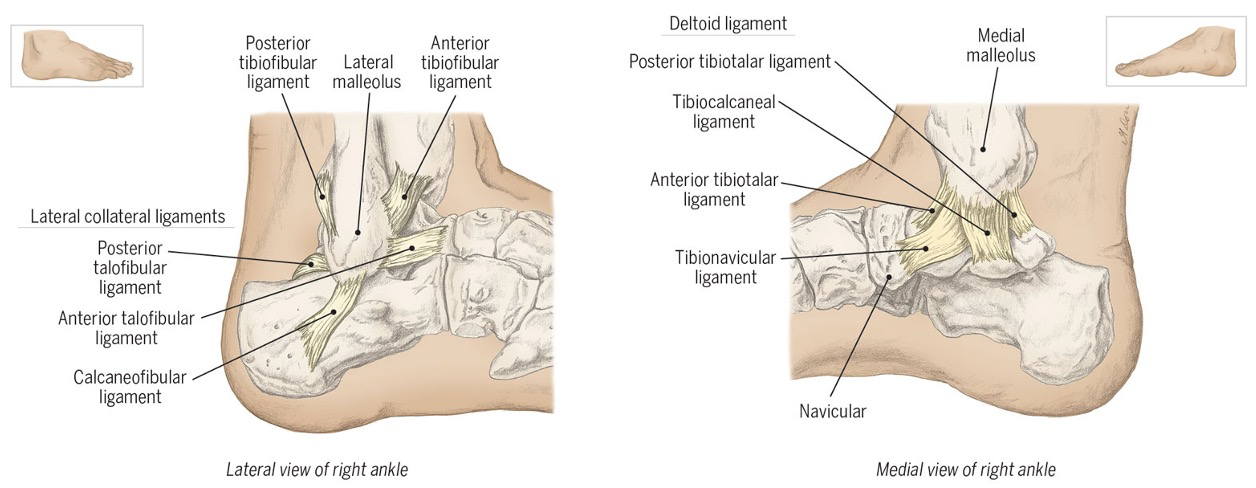
Ā« ligaments

<p>Ā« ligaments</p>
6
New cards
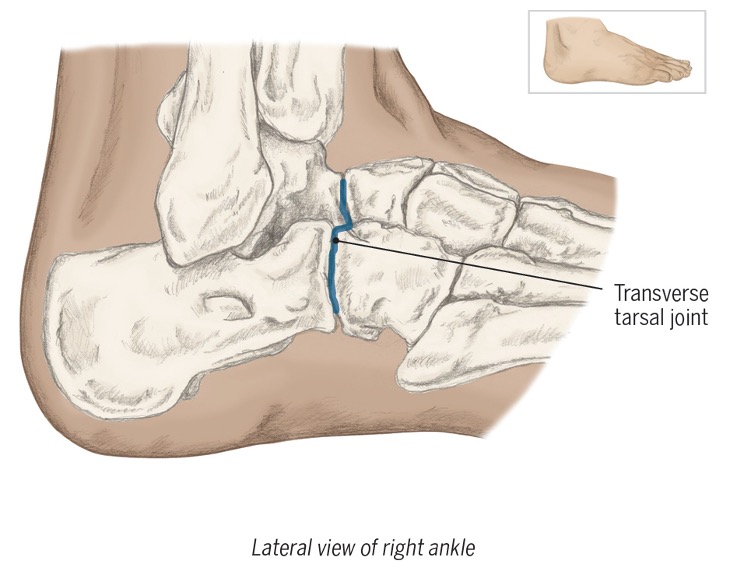
<p>transverse tarsal joint also help with inversion and eversion (don’t worry abt) </p>

transverse tarsal joint also help with inversion and eversion (don’t worry abt)

7
New cards

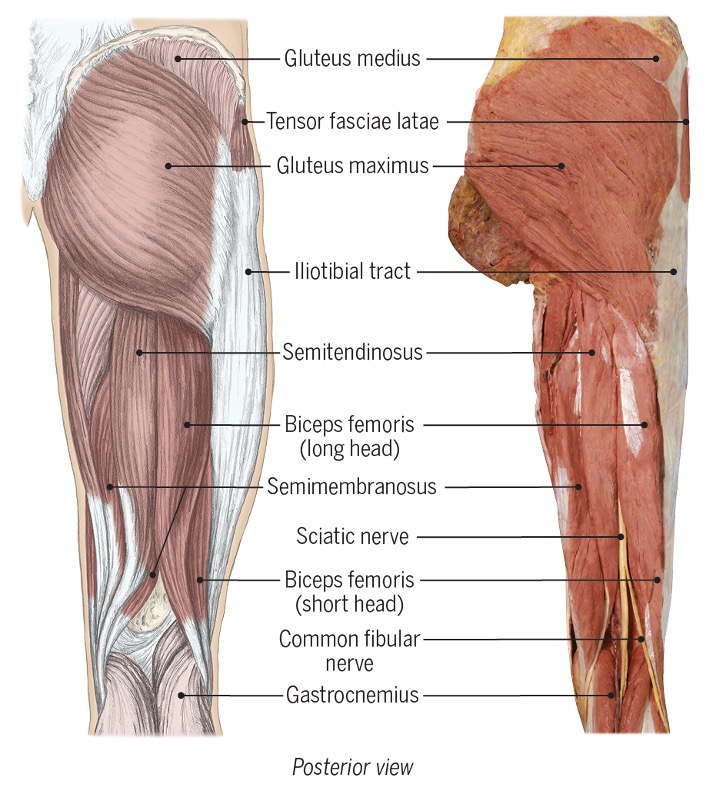
what muscles flex the knee

hamstrings and popliteus
<p>hamstrings and popliteus </p>
8
New cards

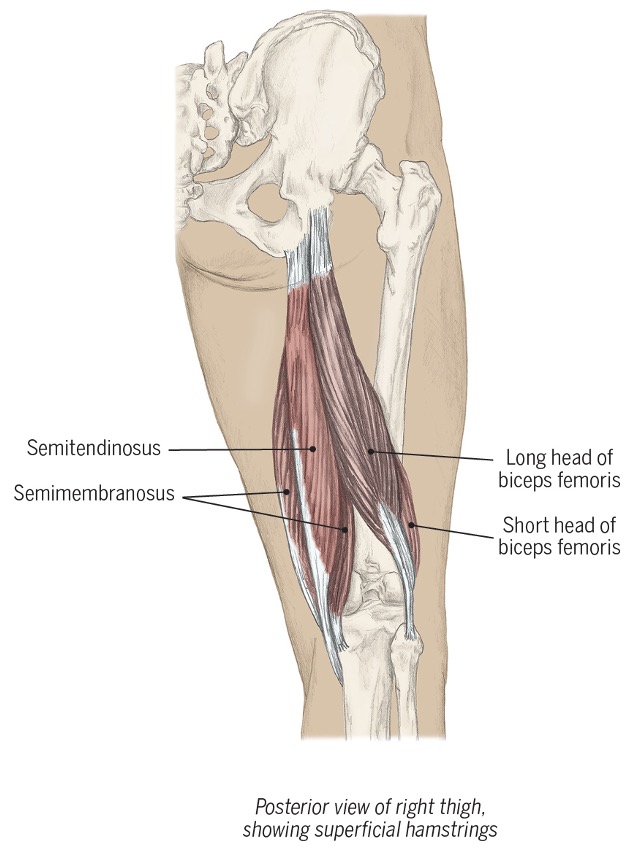
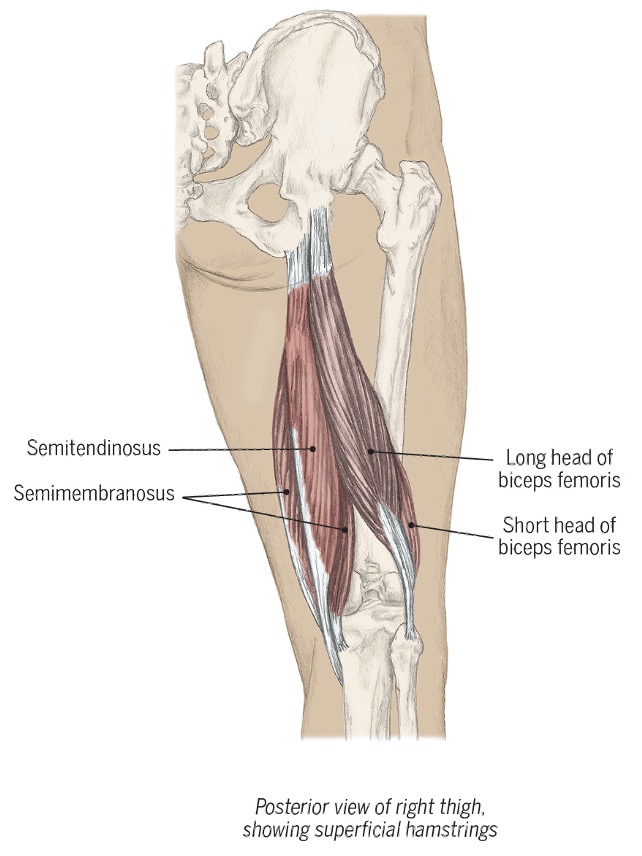
describe the hamstrings

  • Semimembranosus

  • Semitendinosus

  • Biceps femoris

<ul><li><p><span>Semimembranosus</span></p></li><li><p><span>Semitendinosus</span></p></li><li><p><span>Biceps femoris</span></p></li></ul><p></p>
9
New cards

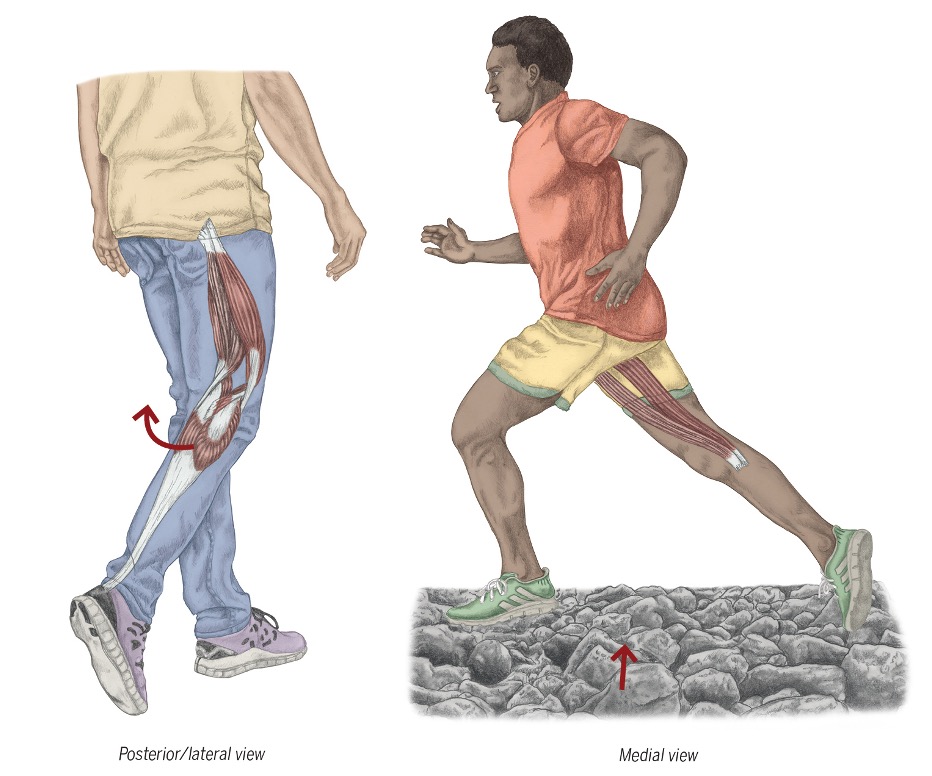
what do the hamstrings do

  • Extend the hip

  • Flex knee

  • Tilt pelvis posteriorly

The hamstring muscles provide acceleration when walking to contribute to functional mobility.
<p></p><ul><li><p><span>Extend the hip</span></p></li><li><p><span>Flex knee</span></p></li><li><p><span>Tilt pelvis posteriorly</span></p></li></ul><p style="text-align: left;"><span>The hamstring muscles provide acceleration when walking to contribute to functional mobility.</span></p>
10
New cards

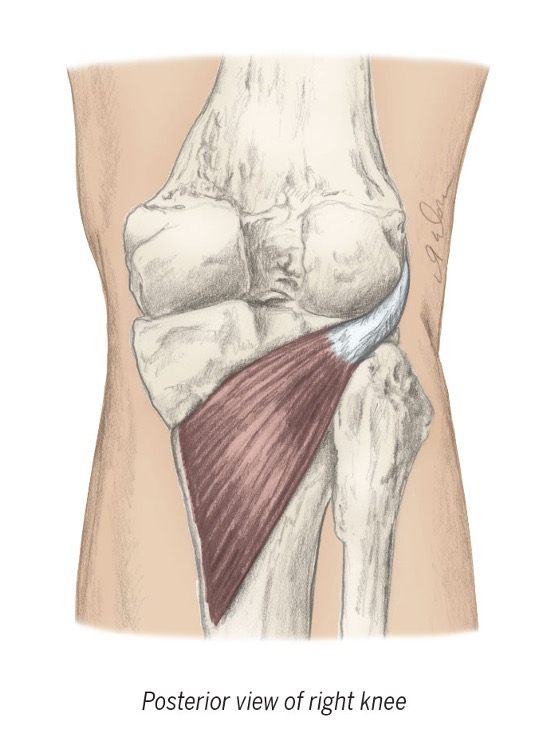
description of popliteus

  • Medially rotates tibia

  • Unlocks knee prior to flexion

(ā€œThe key that unlocks the kneeā€)

<ul><li><p><span>Medially rotates tibia</span></p></li><li><p><span>Unlocks knee prior to flexion</span></p></li></ul><p><span>(ā€œThe key that unlocks the kneeā€) </span></p>
11
New cards

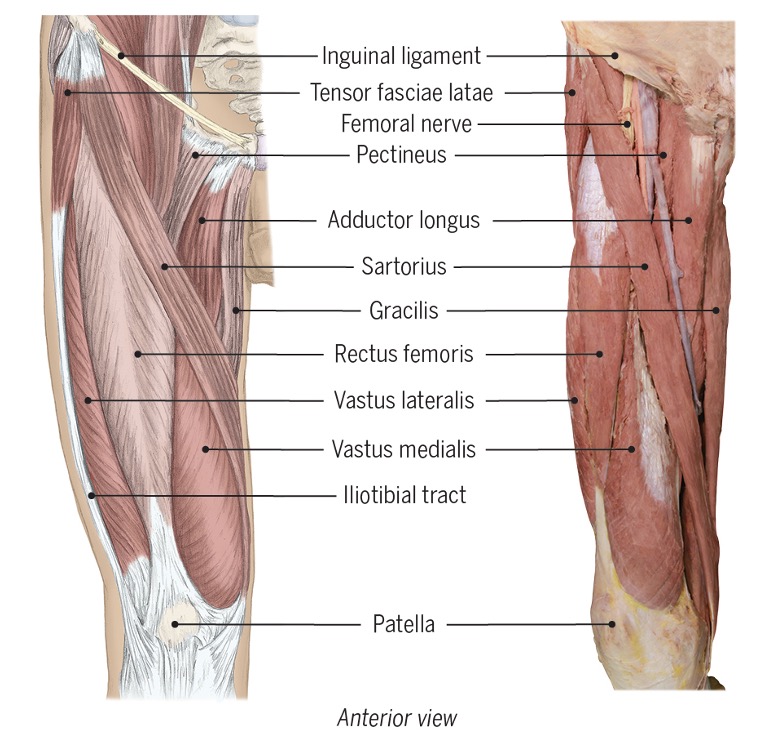
describe the quadriceps and its movement

  • Rectus femoris: 2 jointĀ 

  • Vastus lateralis

  • Vastus medialis

  • Vastus intermedius

The quadriceps are powerful knee extensors and are active during transfers.
<ul><li><p><span>Rectus femoris: 2 joint&nbsp;</span></p></li><li><p><span>Vastus lateralis</span></p></li><li><p><span>Vastus medialis</span></p></li><li><p><span>Vastus intermedius</span></p></li></ul><p style="text-align: left;"><span>The quadriceps are powerful knee extensors and are active during transfers.</span></p>
12
New cards

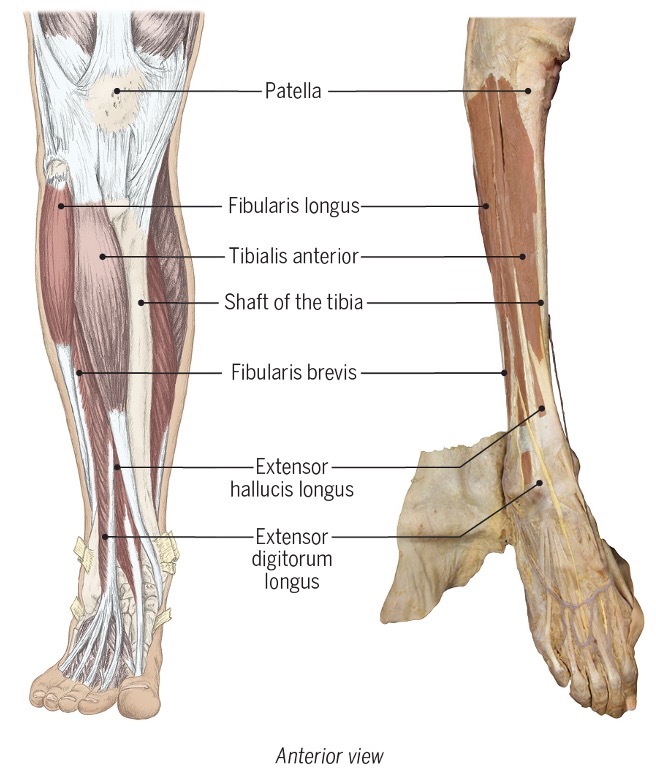
what are the dorsiflexors of the ankle and foot ( toe to sky)

  • Tibialis anterior

  • Extensor hallucis longus

  • Extensor digitorum longus

active during swing phase of walking
<ul><li><p><span>Tibialis anterior</span></p></li><li><p><span>Extensor hallucis longus</span></p></li><li><p><span>Extensor digitorum longus</span></p></li></ul><p>active during swing phase of walking</p>
13
New cards

what are the superficial plantar flexors of the ankle and foot

  • Gastrocnemius

  • Soleus

  • Plantaris

( flex knee and ankle for acceleration activities ex: running)
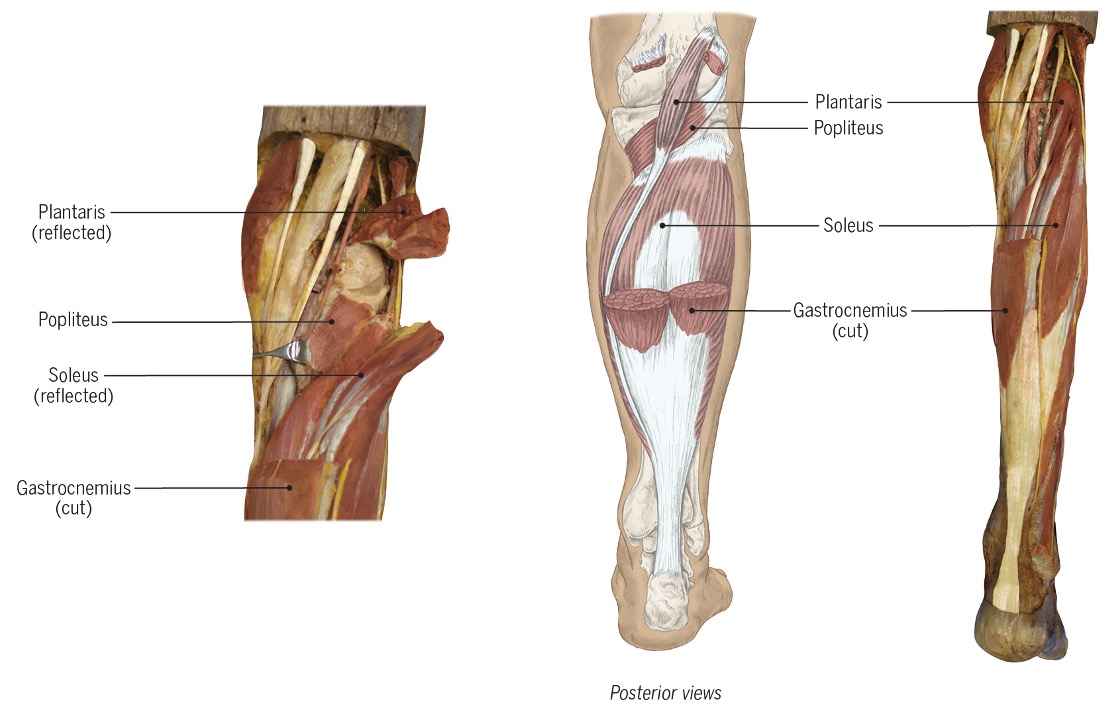
<ul><li><p><span>Gastrocnemius</span></p></li><li><p><span>Soleus</span></p></li><li><p><span>Plantaris</span></p></li></ul><p>( flex knee and ankle for acceleration activities ex: running) </p>
14
New cards

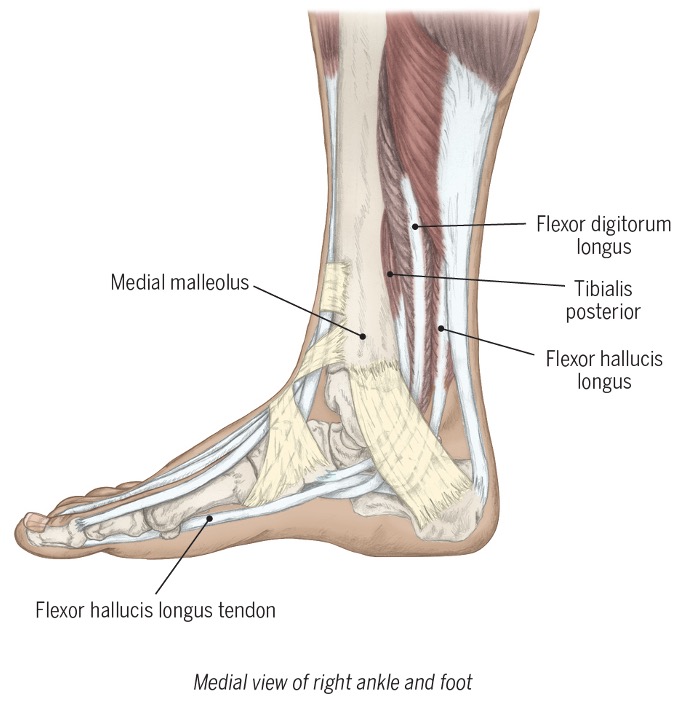
deep plantar flexors of the ankle and foot

  • Tibialis posterior

  • Flexor digitorum longus

  • Flexor hallucis longus

Ā» invert foot

Ā» plantar flex ankle

Ā» active when on tippy toes

<ul><li><p><span>Tibialis posterior</span></p></li><li><p><span>Flexor digitorum longus</span></p></li><li><p><span>Flexor hallucis longus</span></p></li></ul><p></p><p></p><p>Ā» invert foot</p><p>Ā» plantar flex ankle </p><p>Ā» active when on tippy toes </p>
15
New cards

Lateral Compartment: Plantar Flexors of the Ankle and Foot

  • Fibularis longus

  • Fibularis brevis

act to evert the foot and plantar flex the ankle and are active when walking on uneven surfaces
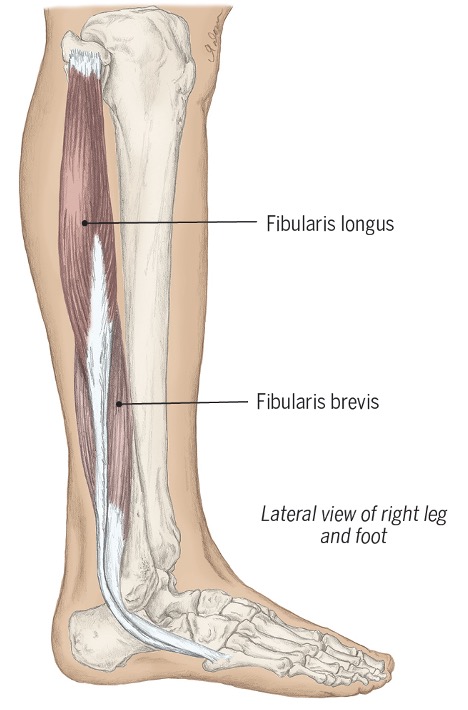
<ul><li><p><span>Fibularis longus</span></p></li><li><p><span>Fibularis brevis</span></p></li></ul><p><span>act to evert the foot and plantar flex the ankle and are active when walking on uneven surfaces</span></p>
16
New cards

what muscles are involved in knee flexion

biceps femoris

Semitendinosus

Semimembranosus

-

gracilis

sartoriusĀ 

<p>biceps femoris</p><p style="text-align: left;">Semitendinosus</p><p style="text-align: left;">Semimembranosus</p><p style="text-align: left;">-</p><p style="text-align: left;">gracilis</p><p>sartorius&nbsp;</p>
17
New cards

knee extension muscles

rectus femoris

vastus lateralis

vastus medialis

vastus intermedius
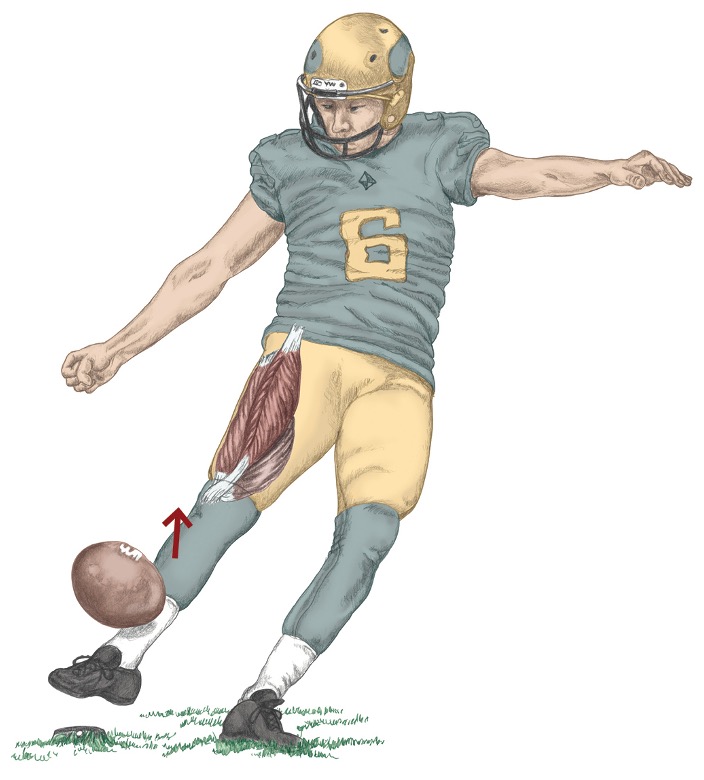
<p><span>rectus femoris</span></p><p style="text-align: left;"><span>vastus lateralis</span></p><p style="text-align: left;"><span>vastus medialis</span></p><p style="text-align: left;"><span>vastus intermedius</span></p>
18
New cards

internal rotation of knee muscles

hamstrings (Semitendinosus, Semimembranosus)

gracilis

sartoriusĀ 

19
New cards

external rotation of knee muscles

biceps femoris / hammy

20
New cards

plantar flexion muscles

Gastrocnemius

Soleus

tibialis posterior

fibularis longus

fibularis brevis
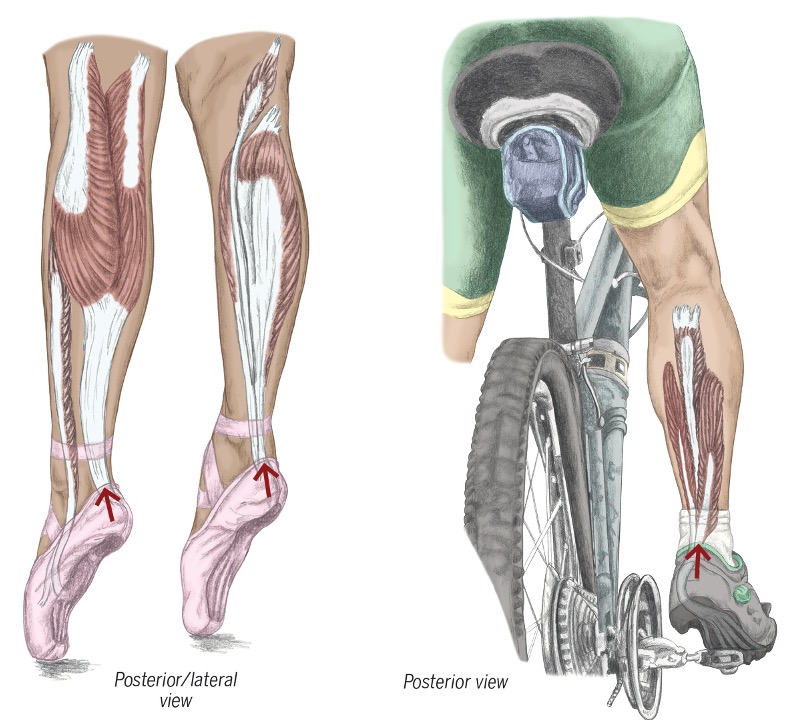
<p><span>Gastrocnemius</span></p><p style="text-align: left;"><span>Soleus</span></p><p style="text-align: left;"><span>tibialis posterior</span></p><p style="text-align: left;"><span>fibularis longus</span></p><p><span>fibularis brevis</span></p>
21
New cards

dorsiflexion muscles

tibialis anterior

extensor digitorum longus

extensor hallucis longus
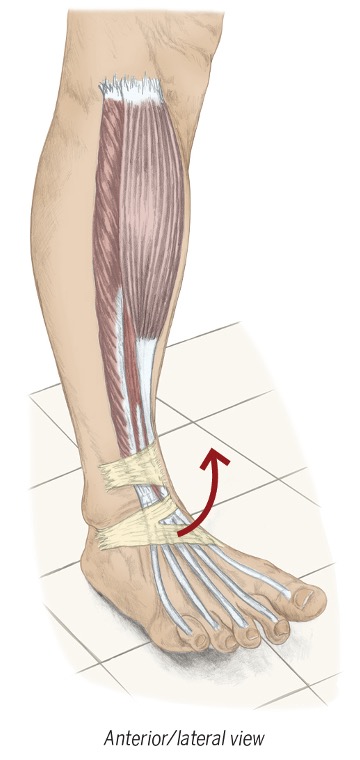
<p><span>tibialis anterior</span></p><p style="text-align: left;"><span>extensor digitorum longus</span></p><p style="text-align: left;"><span>extensor hallucis longus</span></p>
22
New cards

which muscle is essential for safe transfers

quadriceps

23
New cards

what causes the body to be propelled forward

repetitive knee flexion

24
New cards

what is a foot drop and what is used to help it

  • Inability to actively dorsiflex the ankle and footĀ - injury toĀ fibulatĀ nerve

  • Ankle-foot orthosis (AFO) holds foot in passive, neutral position
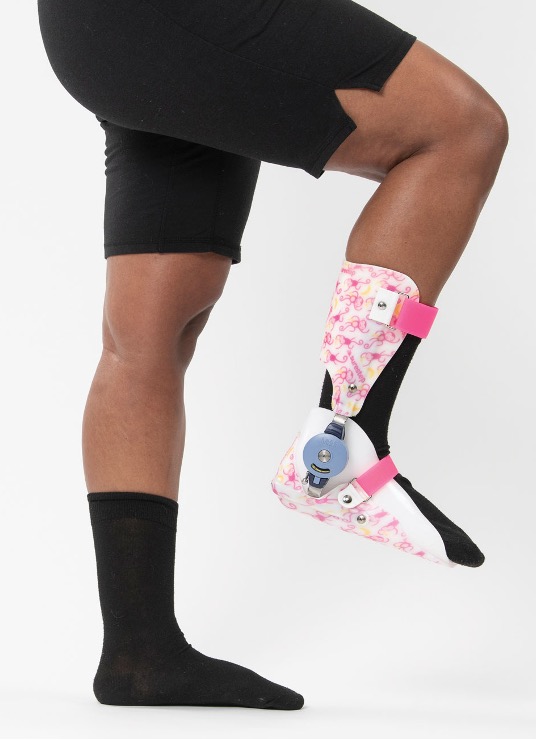
<ul><li><p><span>Inability to actively dorsiflex the ankle and foot&nbsp;- injury to&nbsp;fibulat&nbsp;nerve</span></p></li><li><p><span>Ankle-foot orthosis (AFO) holds foot in passive, neutral position</span></p></li></ul><p></p>
25
New cards

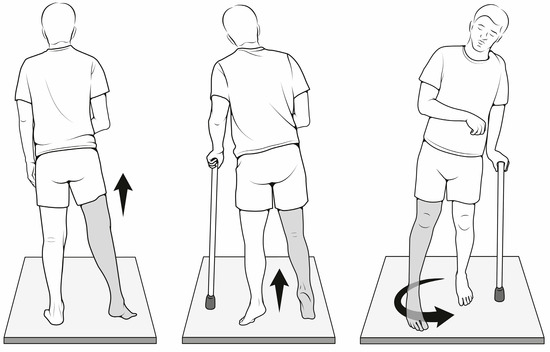
circumduction gait

  • Due to global weakness of the leg

  • Leg swings forward

<ul><li><p><span>Due to global weakness of the leg</span></p></li><li><p><span>Leg swings forward</span></p></li></ul><p></p>
26
New cards

rolled ankle injury

  • Inversion of ankle

  • Elongating or rupturing lateral collateral ligaments

27
New cards

osteoarthirits

  • Degeneration of joint surfaces due to wear and tear
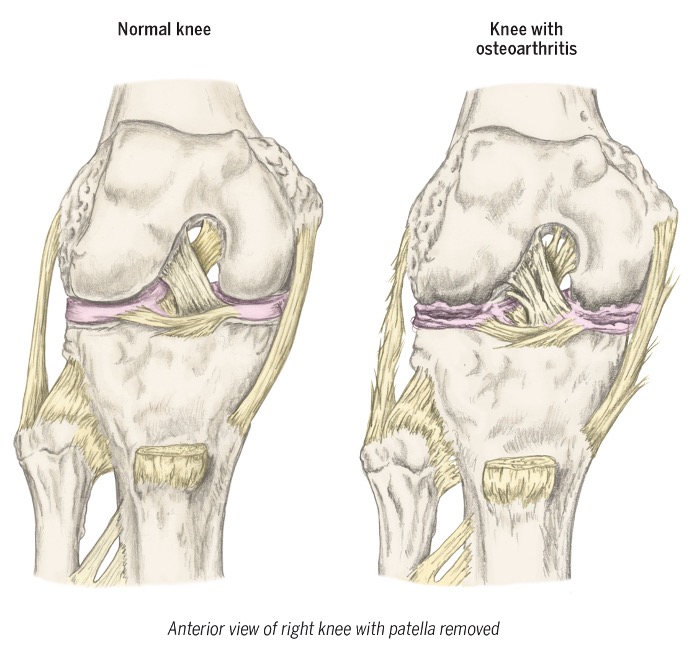
<ul><li><p><span>Degeneration of joint surfaces due to wear and tear</span></p></li></ul><p></p>
28
New cards

injury with lateral or medial force would effect which ligaments

collateral ligaments
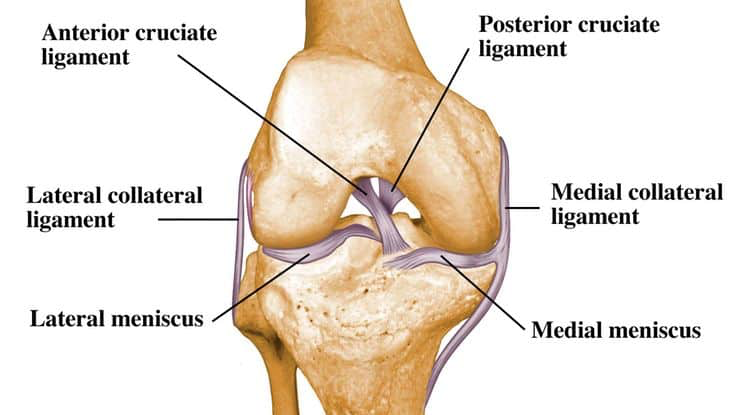
<p>collateral ligaments</p>
29
New cards

anterior, posterior, and torsional forces would effect which ligaments

cruciate ligaments