Horse Production and Management Exam 1
 Call Kai
 Learn
Learn Practice Test
 Spaced Repetition
 Match
Match Flashcards
 Knowt Play
1/94

There's no tags or description
Looks like no tags are added yet.
Name | Mastery | Learn | Test | Matching | Spaced | Call with Kai | Chat |
|---|
No analytics yet
Send a link to your students to track their progress
95 Terms
horse habitat evolution
marshy land with tree cover to wide open grassland
horse physical evolution
grew taller
multiple toes to a single toe
legs, head, neck got longer; legs longer to gain momentum when running
jaw got deeper
feral horses
horses that were once domesticated but now live in the wild
wild horses
horses that were born in the wild, no human interference with genetics
Przewalski’s horses
last truly wild horse in the world
native to Mongolia, rage throughout Europe and Asia
mitochondrial DNA indicated their divergence from the horse about 500,000 years ago
feral horse challenges
invasive, no natural predators, so population is increasing while natural food supply is diminishing
gov’t uses tax money to feed, current political controversy
main component of equine diet
60lbs of plant matter/20lbs dry plant matter per day
equine teeth
incisors and molars
root is deep within the gumline, which is why jaw evolved to be deeper
as horses chew, they get worn down, which is why so much tooth is deep in gumline
equine gastrointestinal tract
bigger, heavier because they consume a lot more food compared to carnivores
rigid spine to support the weight
domestication of horses
earliest - around 5500 years ago - culture died and horses were wild again
4000-3000 BC (recent evidence around 2000 BC) - modern horse domestication in Eurasia
early domestication - meat and milk production, maybe riding or harness
later domestication - pack animals, plows, warfare
horse breeds
over 300 of them
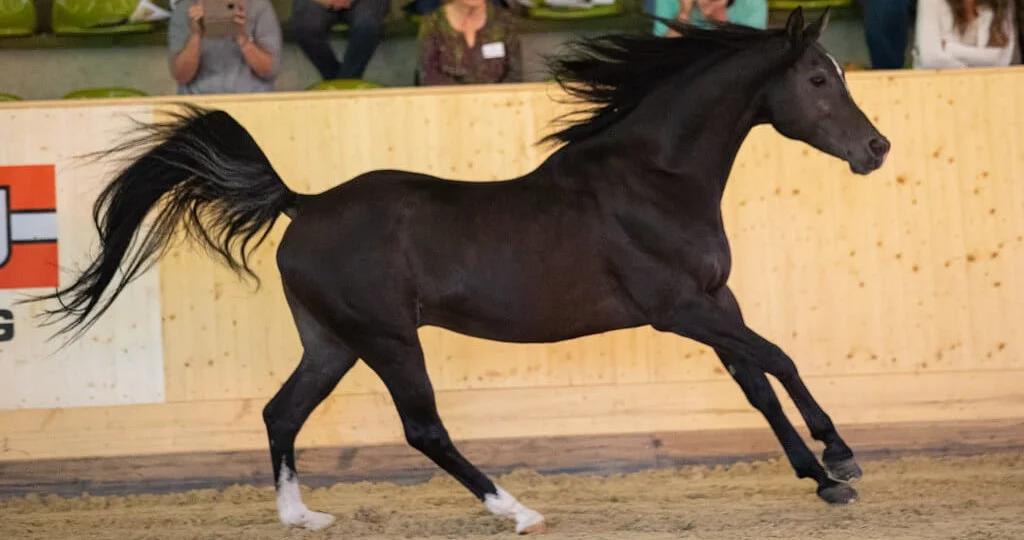
hot bloods
thoroughbreds, riding horses
built for speed, leaner horses w less muscle
excitable, faster metabolism
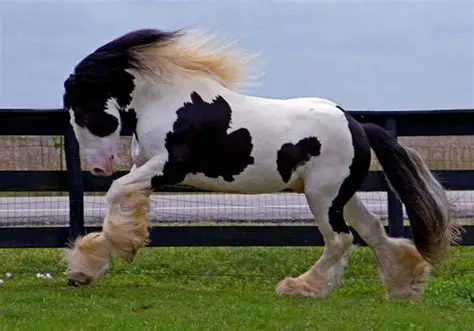
cold bloods
draft horses
bred for power, heavy horse breeds with lots of muscle
slower metabolism, docile/quiet
Belgian, Clydesdales, Percheron
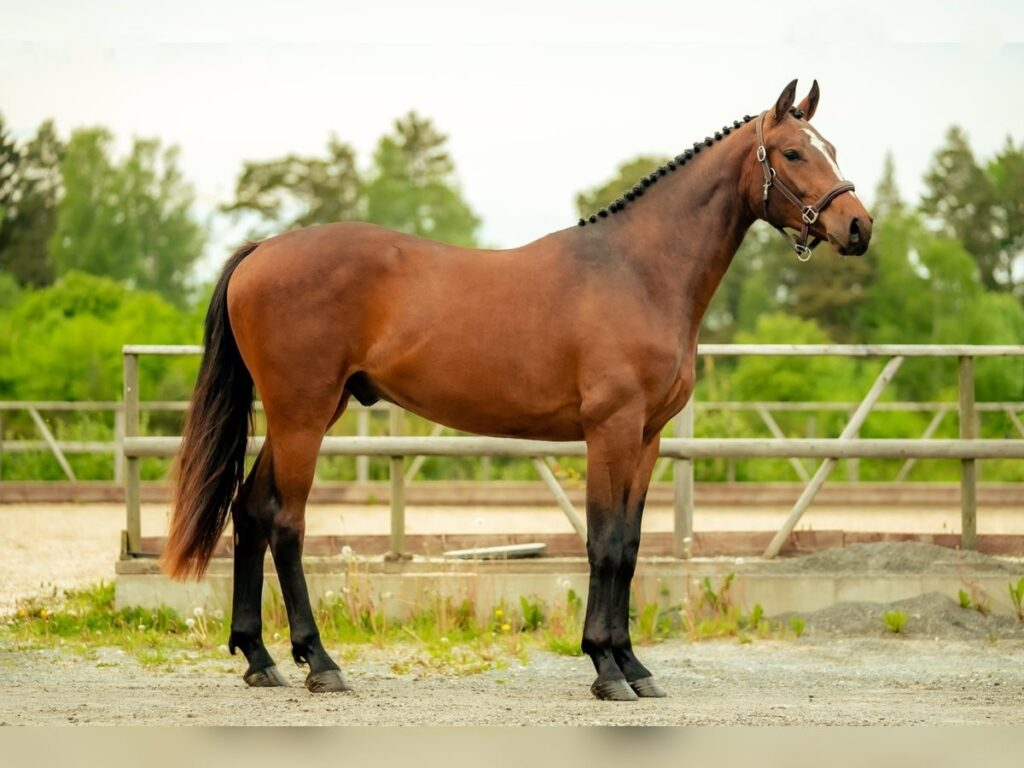
warm bloods
usually a cross between draft + thoroughbred
mix of speed and power, good for jumping and dressage
Holsteiner, Dutch Warmblood, Hanoverian, Trakehner

pony breeds
metabolically different from horses
easy keepers, do not need to feed a lot
<14.2 hands (not always a pony but generally)
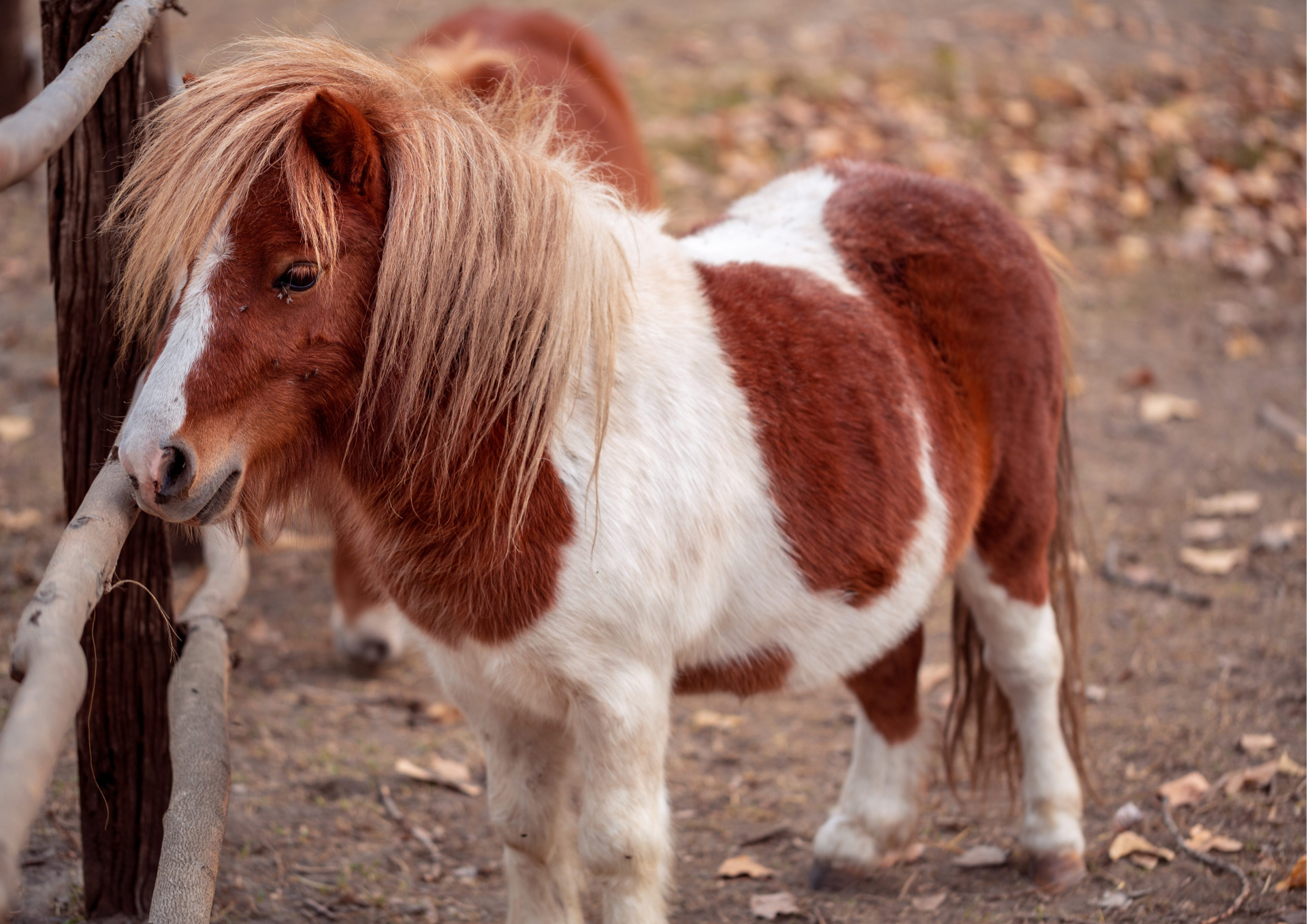
miniature horses
no more than 38” tall (or 34” depending on breed)
genetically more similar to ponies
hardy, prone to dental and mouth issues
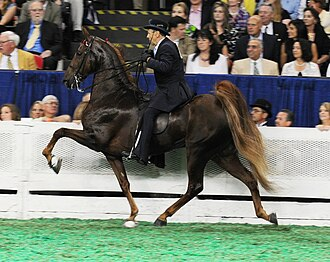
gaited horse breeds
Tennessee Walking Horse
Missouri Fox Trotter
Paso Fino
Saddlebreds
Standardbreds
measuring horses
at the withers, which is the highest fixed point on the horse
1 hand = 4 inches
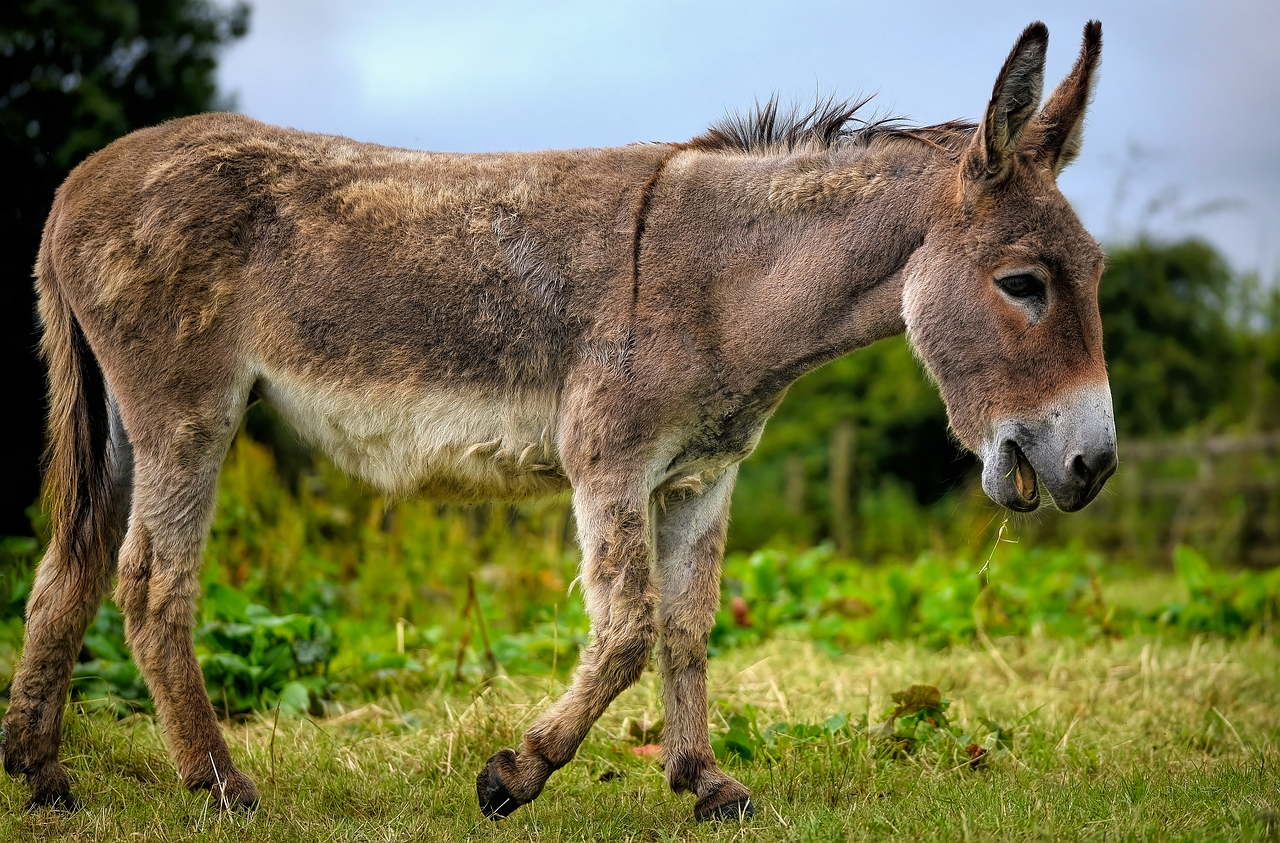
donkey/burro
member of Equus family
different species than horse!!
62 instead of 64 chromosomes

mules
offspring of male donkey crossed with female horse
sterile
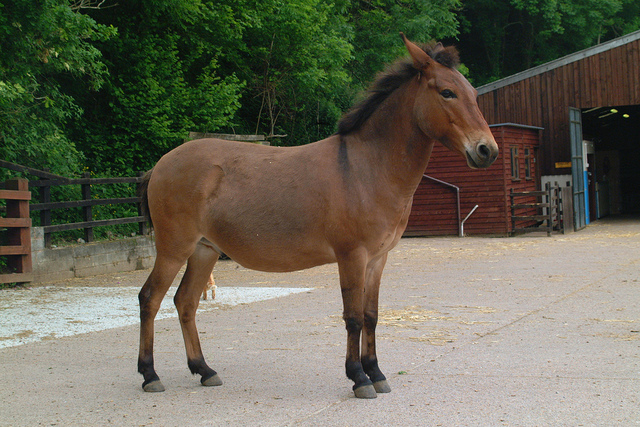
hinny
offspring of female donkey crossed with male horse
sterile
donkeys, mules, hinnys
generally hardy and tough, less prone to some illnesses
metabolically efficient, obesity is an issue
less likely to run from danger compared to horses, preferred in warfare for this reason
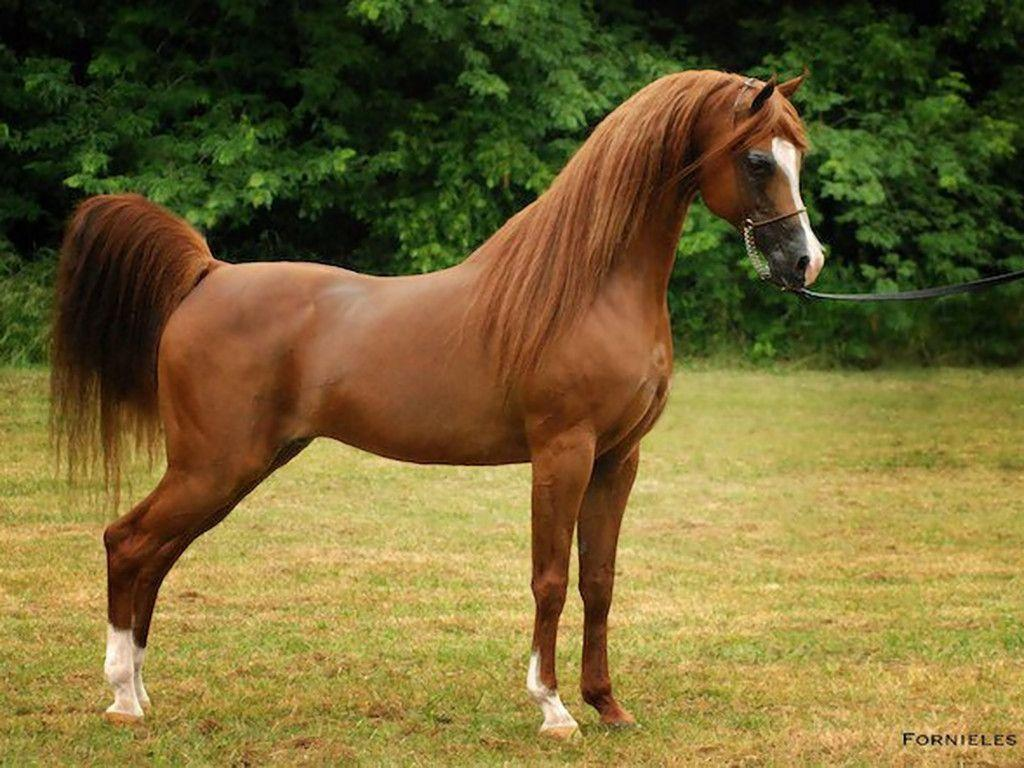
Arabian
oldest modern horse breed, dates back over 5000 years to the Middle East
light horse breed, hot blooded
refined, triangular head with long, arched neck
dished forehead
known for endurance; lighter muscle mass dissipates heat faster
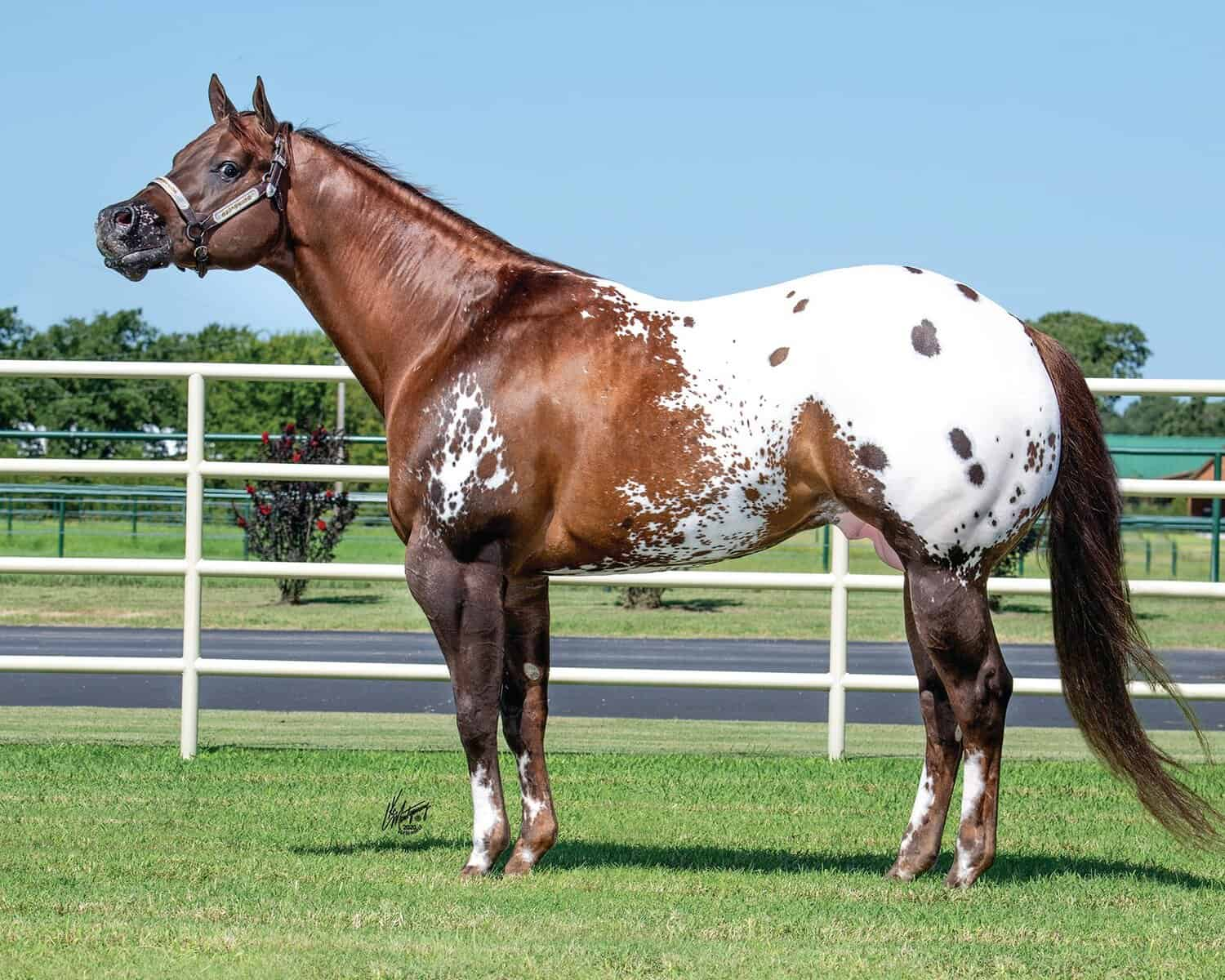
Appaloosa
thought of as being from Native American origins, ancient cave drawings depict spotted horses
were introduced to America by the Spanish
hearty performance horse
Nez Perce tribe in Palouse River region selectively bred for color and other traits
LP (leopard complex) gene must be present for spotting to occur - incomplete dominant gene and it must interact with other genes to produce spotting
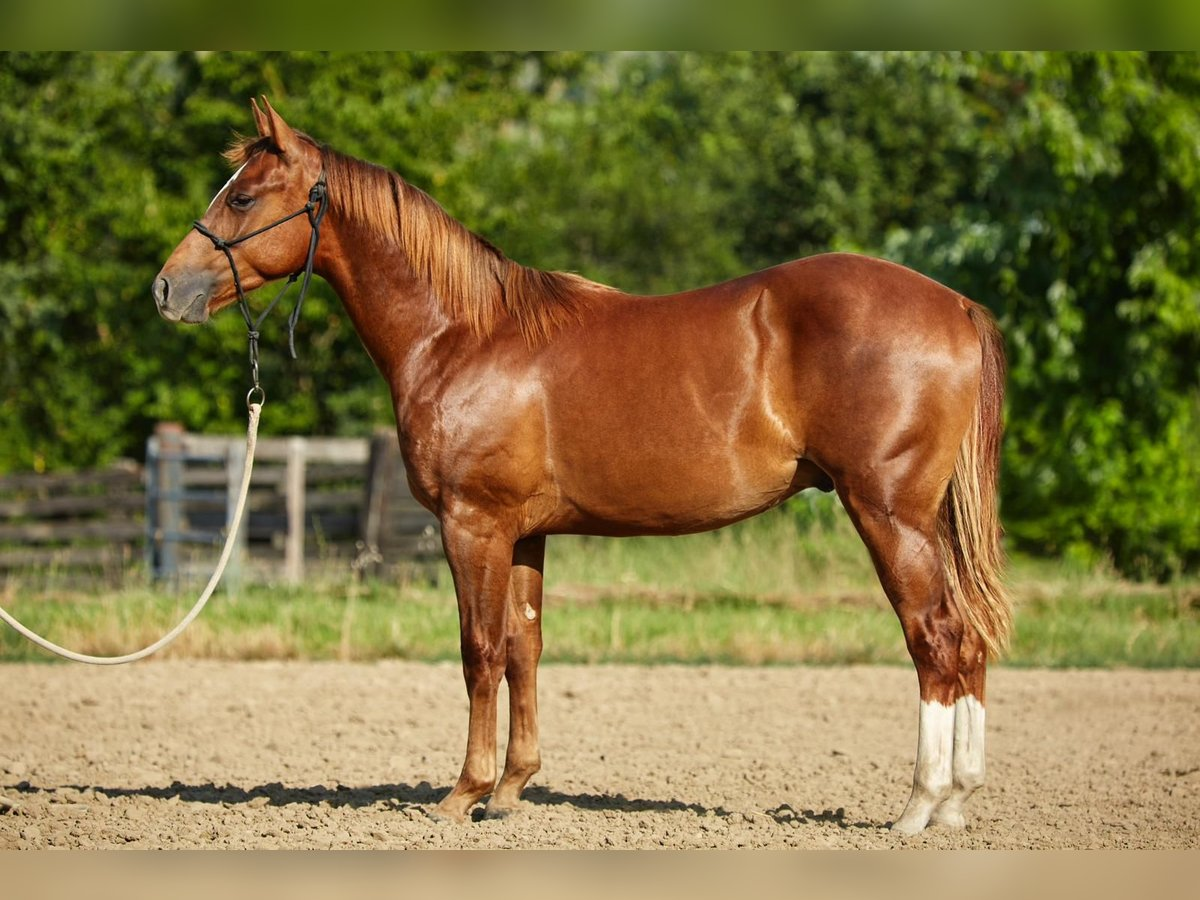
American Quarter Horse
one of the oldest breeds in the US, also one of the largest breed registries
breeding heavy in southwestern US rangeland (ranch work)
known for versatility and temperament
sprinters - fasted over ¼ mile - very muscular
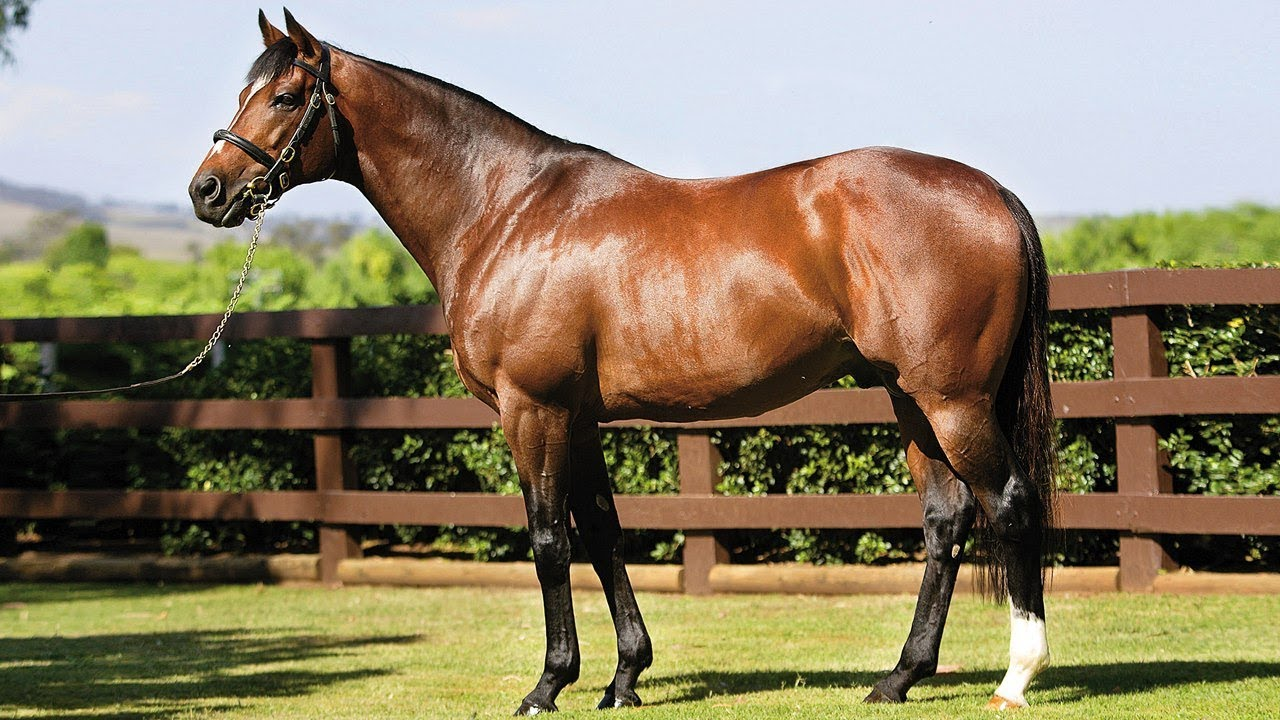
Thoroughbred
ancestry traces back to 3 sires
sustained speeds - brought about the modern sport of horse racing
lighter athletic build, long legs, lighter muscles compared to QH
distance runners instead of sprinters
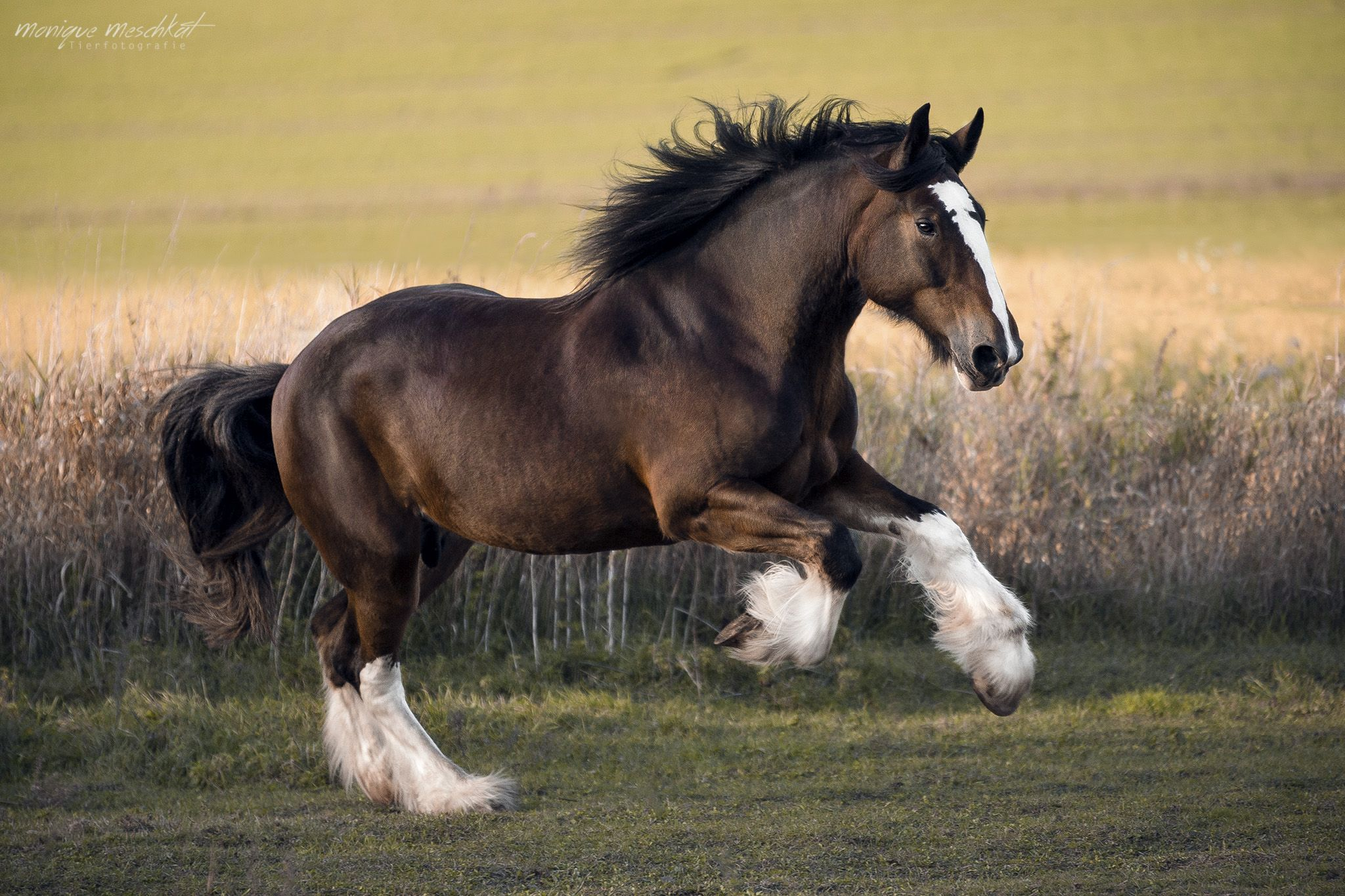
Shire
can be over 2000lbs
tallest horse in history was this breed named Sampson, he was 21.2 (avg is 15.2), also heaviest in history weighing 3360
the walk
flat foot, 4-beat gait
each foot hits the ground and is supported by another foot both diagonally and laterally
~4 mph

the trot/jog
natural 2 beat diagonal gait with moment of suspension between beats
~9 mph (record ~30 mph by Standardbred)

the pace
2 beat gait that is lateral instead of diagonal
the canter/lope
natural 3 beat gait with moment of suspension between each series of 3 beats
~12-15 mph

the gallop/run
natural 4 beat gait, the extension of a canter/lope with 1 beat of suspension between each series of 4 beats
~15-18 mph (record ~38 mph by Thoroughbred, ~40 mph short distance record by Quarterhorse)

the back/reinback
2 beat diagonal gait in which the legs are moved backward
similar to a trot, done very slowly
DMRT3 Gene
transcription factor (protein) expressed in certain spinal cord neurons and is important in controlling limb coordination and movement
research suggests gaited horses have this type of mutation
how to identify horse
sex, color, markings, age
colt
young male <5 years old
filly
young female <5 years old
stallion
male (5+ years old)
mare
female (5+ years old)
gelding
castrated male
when and why castration
6mo-2yrs
reduces aggression
spaying mares
not common at all
much more invasive than castration, vets aren’t really trained on it, very expensive
foal
birth to 6mo
weanling
5-6mo old (age at weaning) to 1 year
yearlings
most show animals are considered 1 year old on Jan 1 of the year after they are born
riding age
2 years old
horse lifespan
20+ years
older age leads to arthritis and PPID
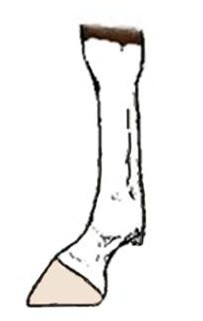
snip

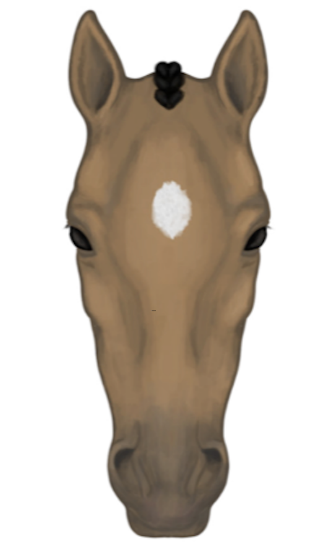
star
stripe/strip
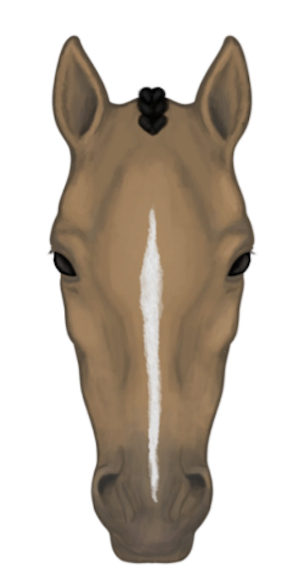
blaze

bald face

coronet
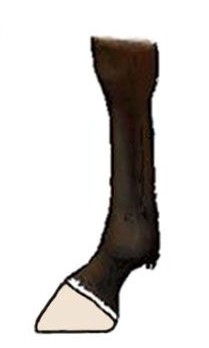
pastern
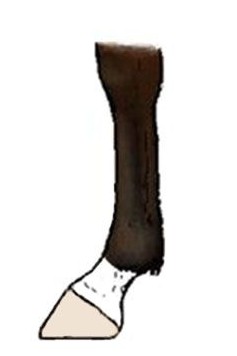
sock

stocking
3 base colors
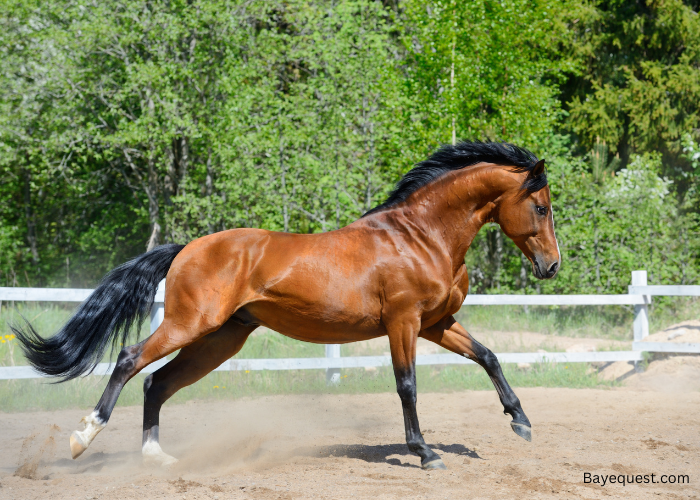
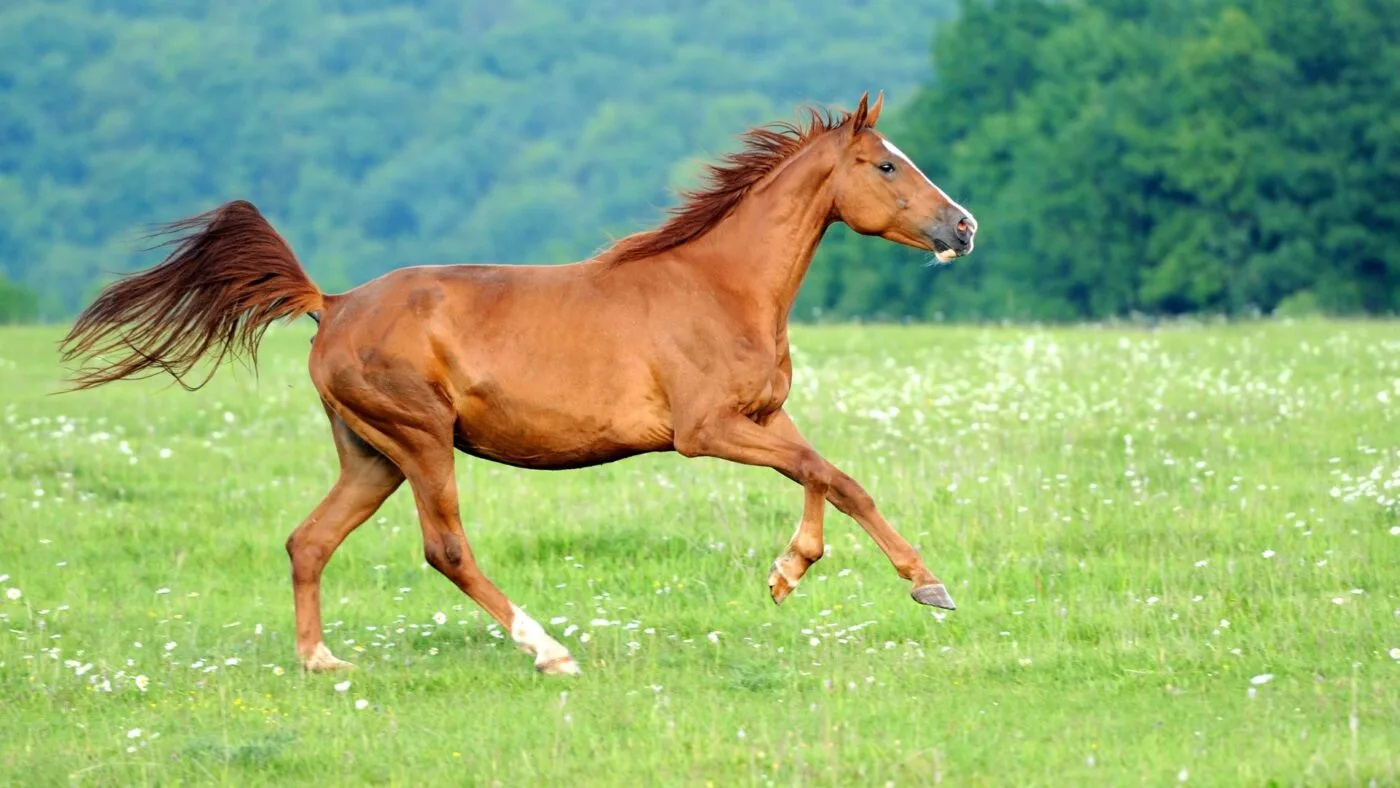
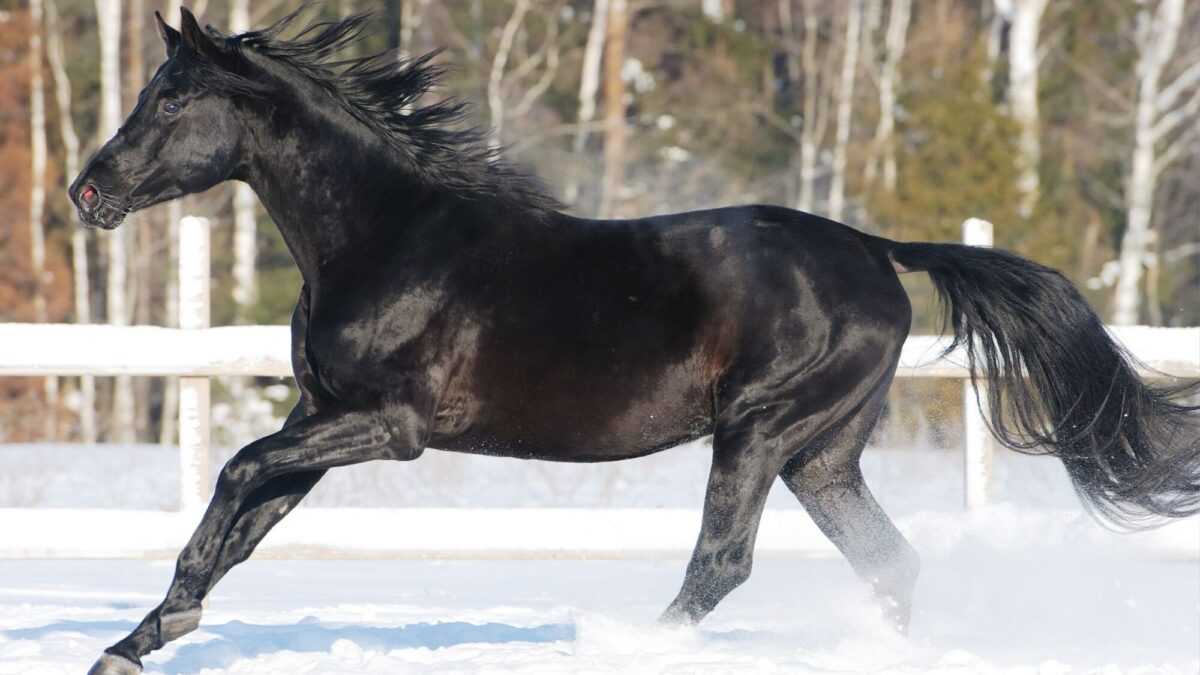
bay, black, chestnut
bay
chestnut
black
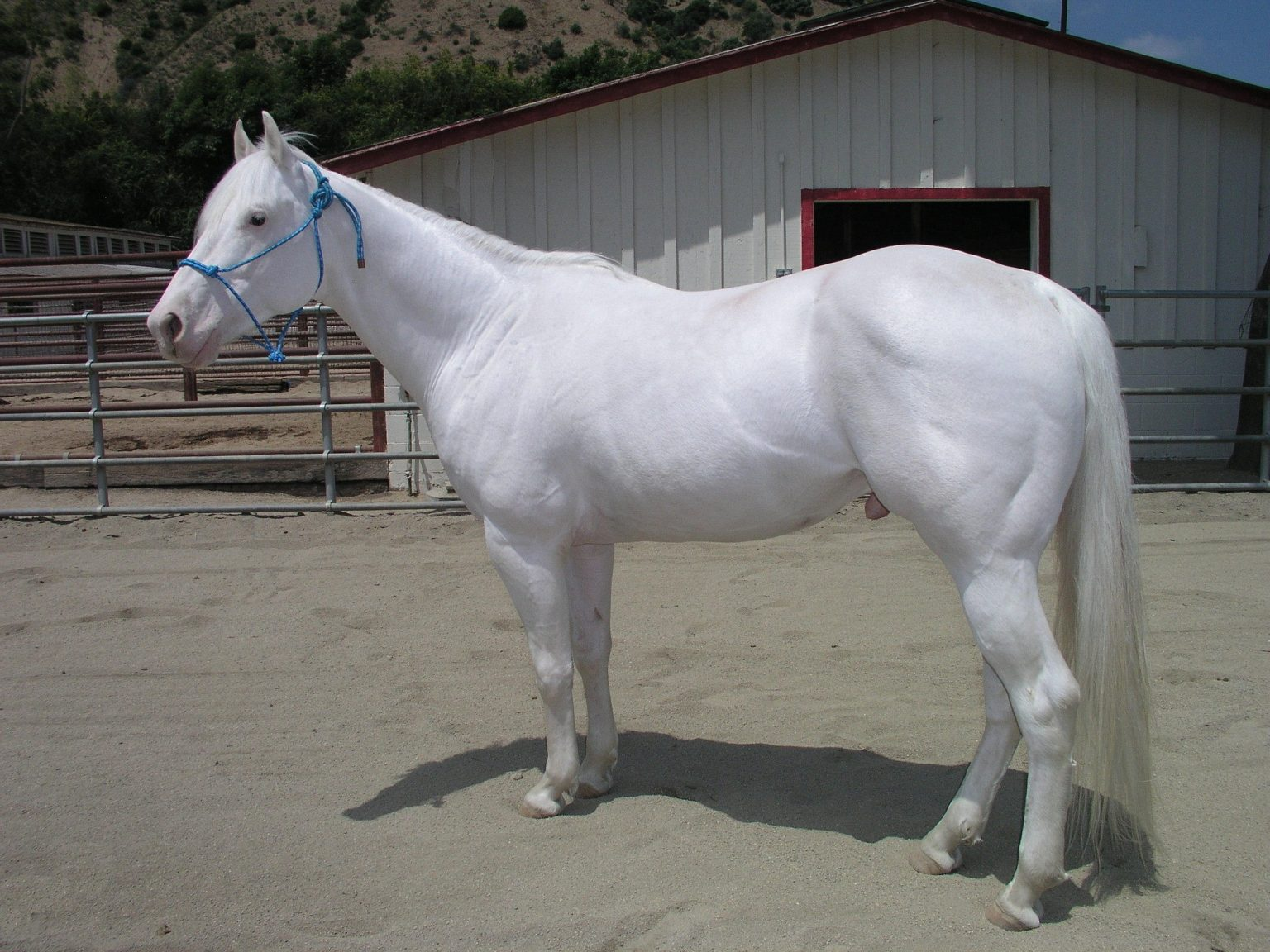
white
they have pink skin but are not true albinos, only have pigment loss in hair and skin
produced by dominant white genetics rather than albinism
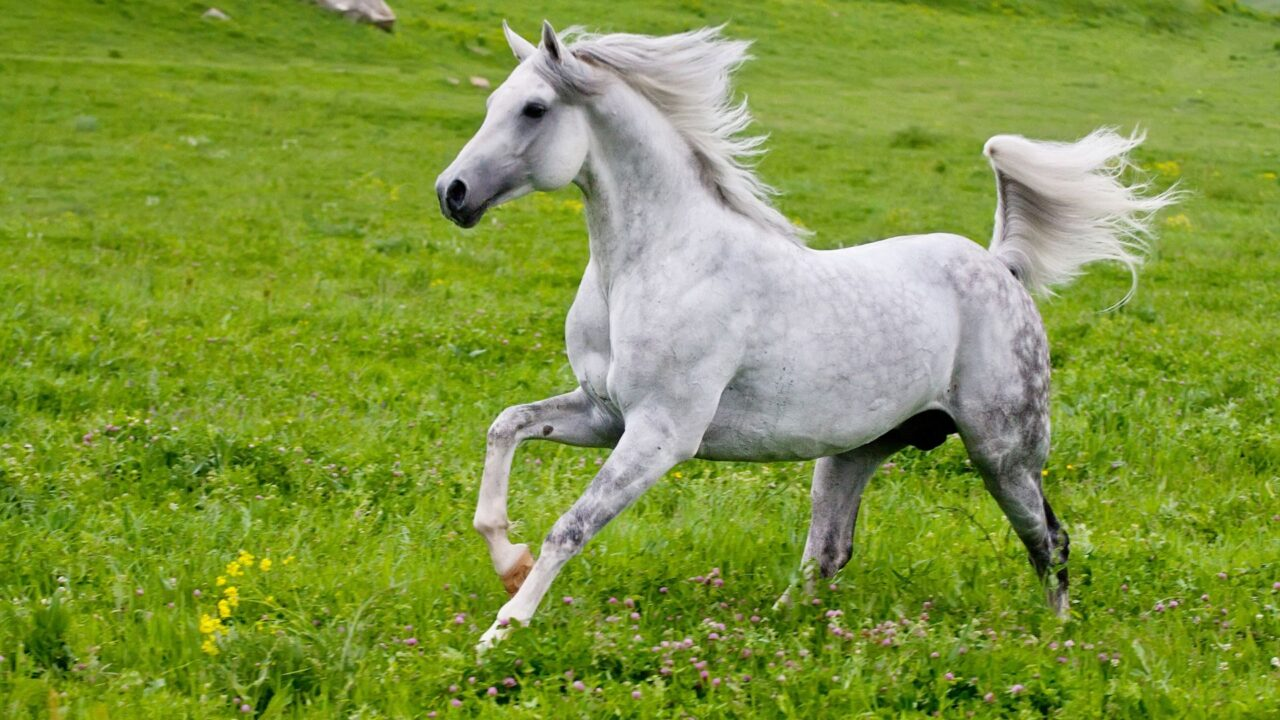
grey
may appear white but have dark skin
are born dark, have a loss of pigmentation as they age
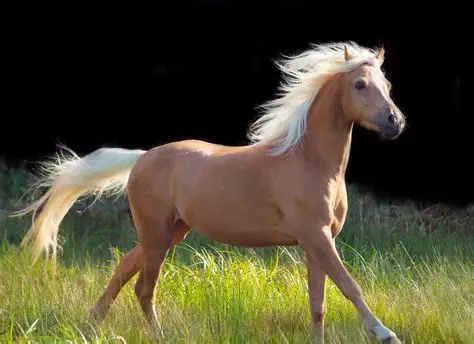
palomino
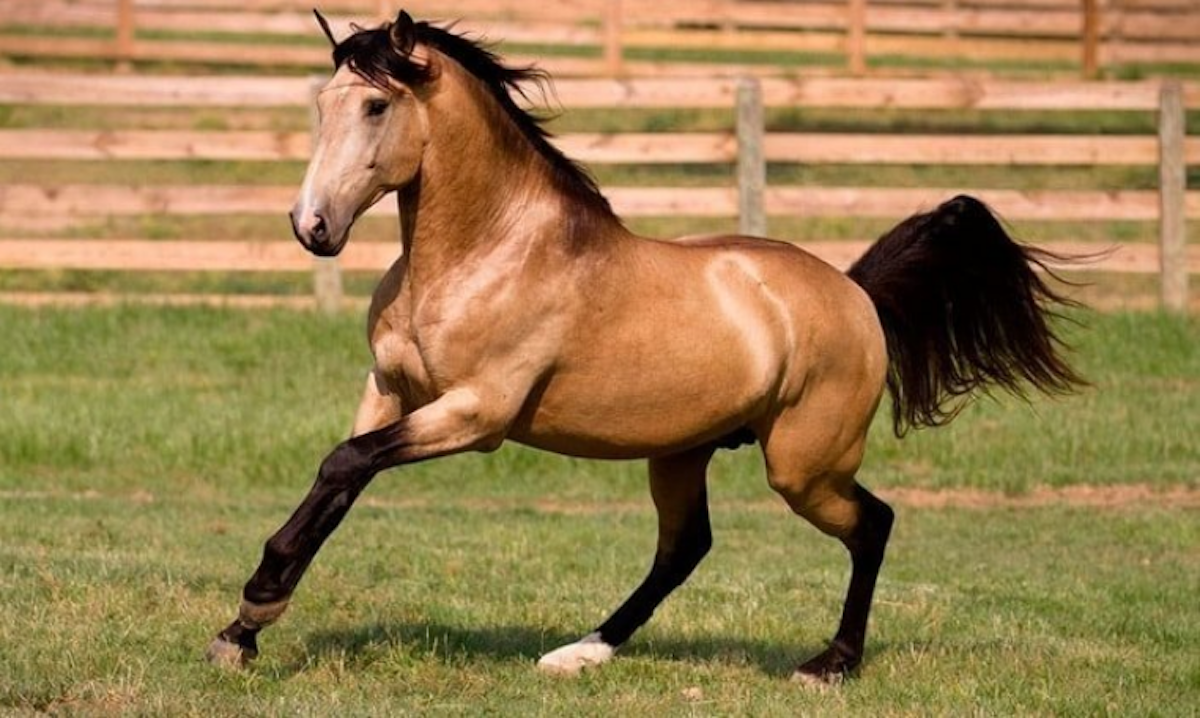
buckskin
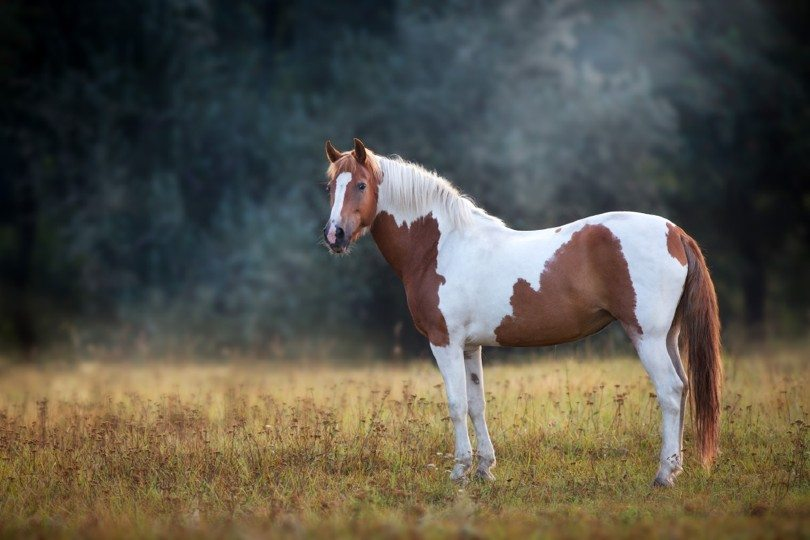
pinto
basic coat color genes
melancortin-1 receptor (MC1R)
agouti signaling protein (ASIP)
MC1R
controls production of red and black pigment
3 known alleles: E, e, and e^a
e and e^a are recessive, considered “loss of function”; double e and double e^a produce red pigment
if there is E allele horse will show black pigment
ASIP
distribution of black pigment, A/a
A restricts black to points, recessive a distributes black evenly over body
EA
bay (chestnut with black points)
Eaa
fully black
eeA and ea
chestnut
dilution genes
one of several genes that reduce the amount of pigment produced and/or reduce pigment transferred from pigment cell to hair follicle
some affect one type of pigment, others affect both
some dilute both coat and points, others dilute just points or coat
the cream gene
N/Cr - dilutes body color and points (only 1 dilution)
Cr/Cr - dilutes any color to pale cream (2 dilutions)
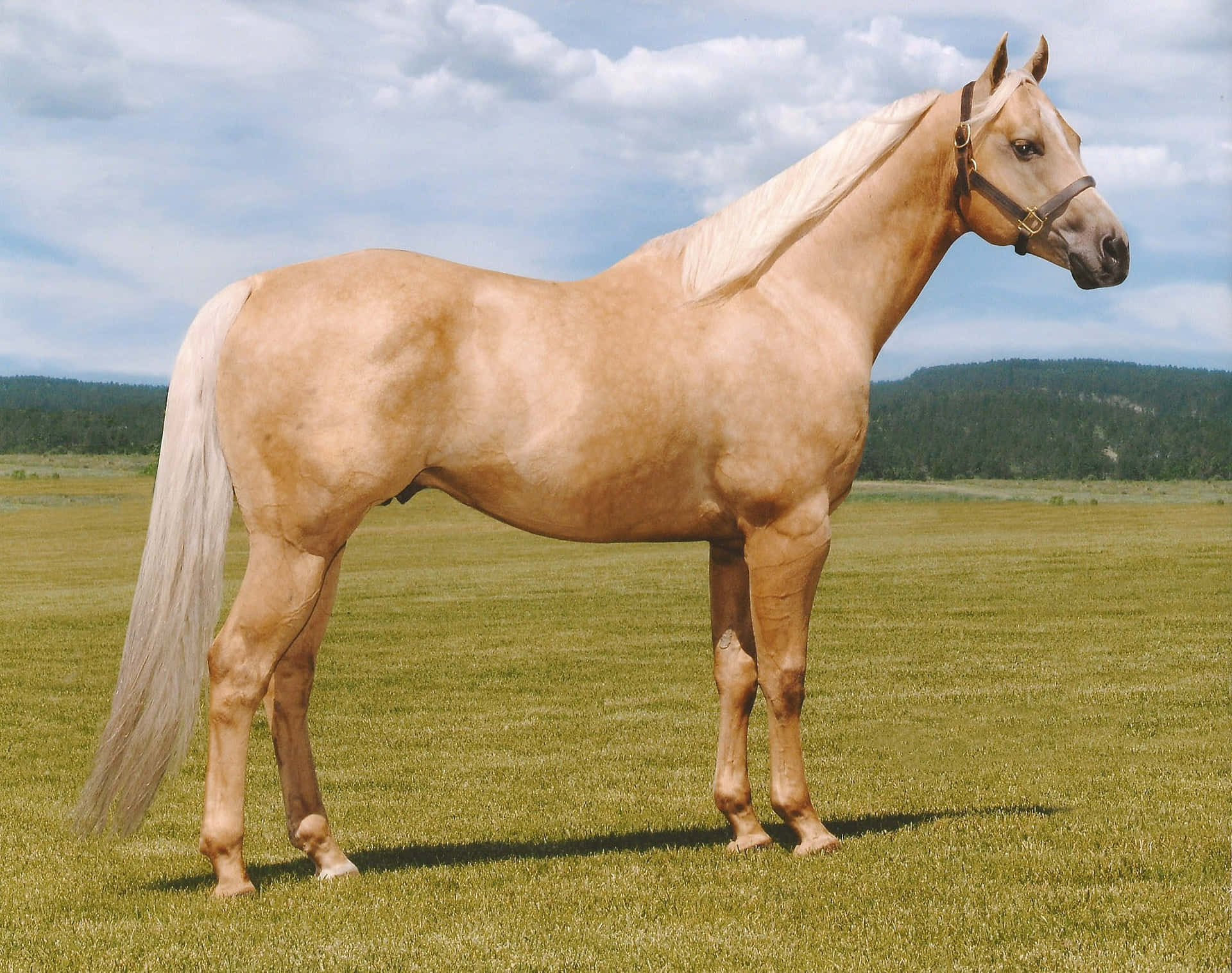
chestnut N/Cr
palomino
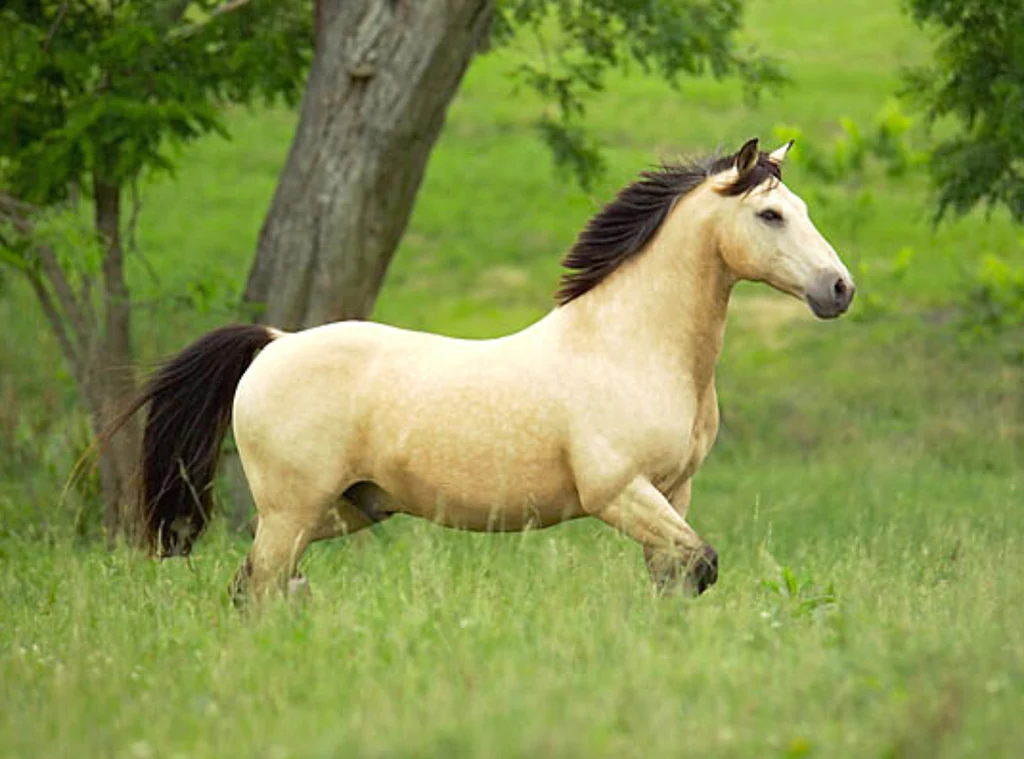
bay N/Cr
buckskin
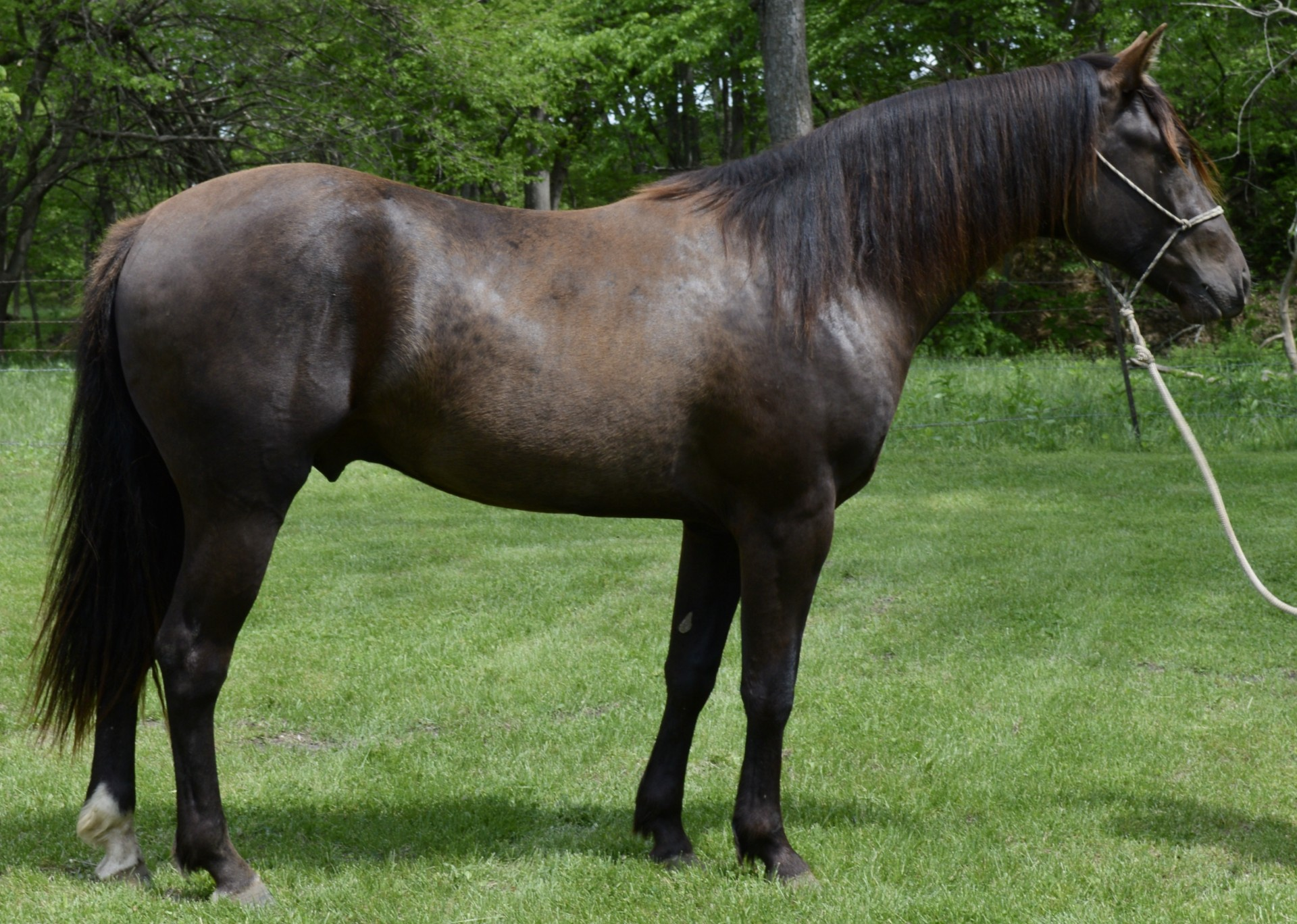
black N/Cr
smoky black
chestnut Cr/Cr
cremello
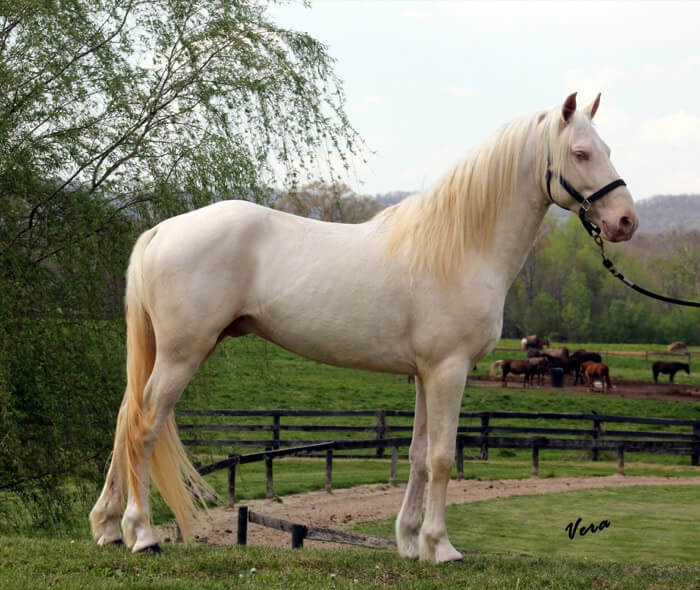
bay Cr/Cr
perlino
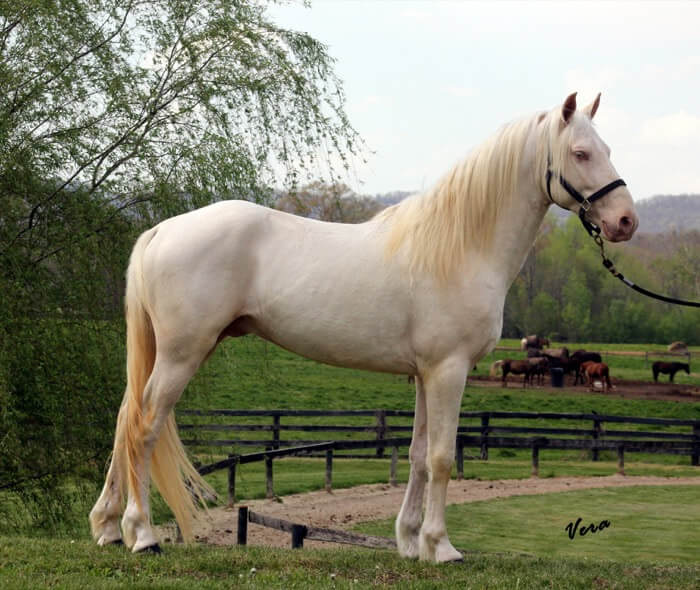
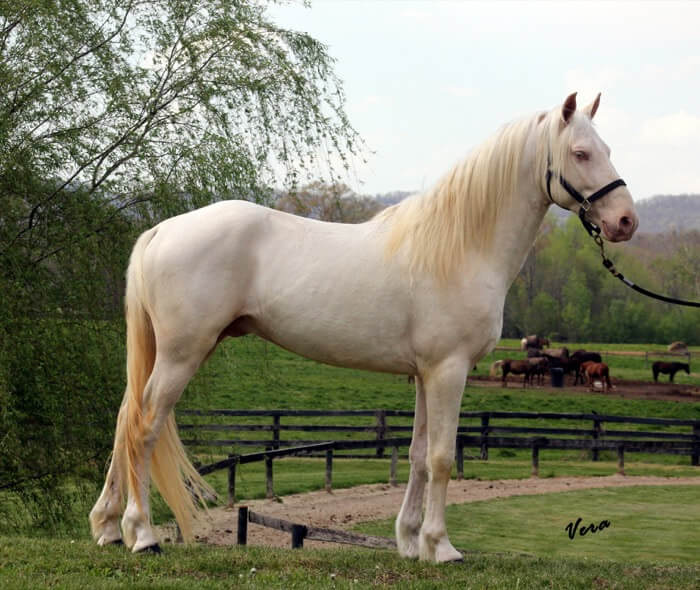
black Cr/Cr
smoky cream
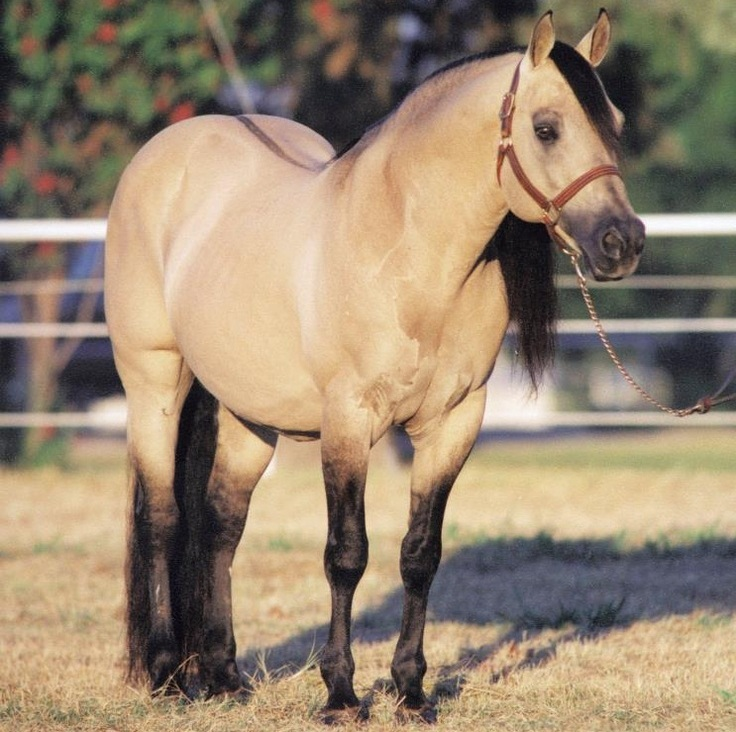
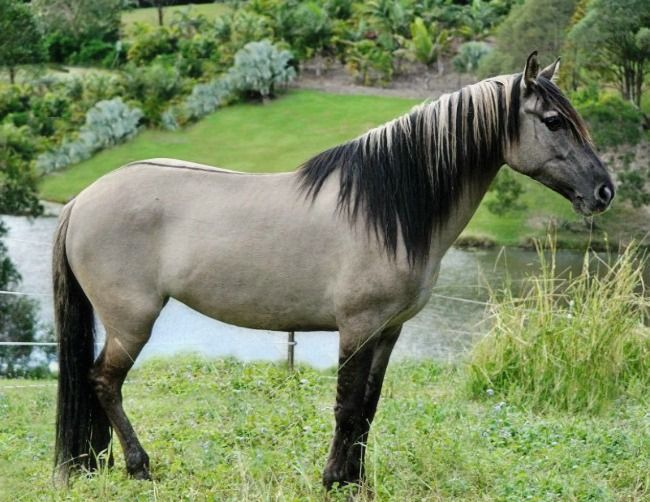
dun gene
dominant trait
dilutes black and red but does not dilute points
homozygosity doesn’t produce extreme dilution
dd = no color dilution
red DD/Dd
red dun
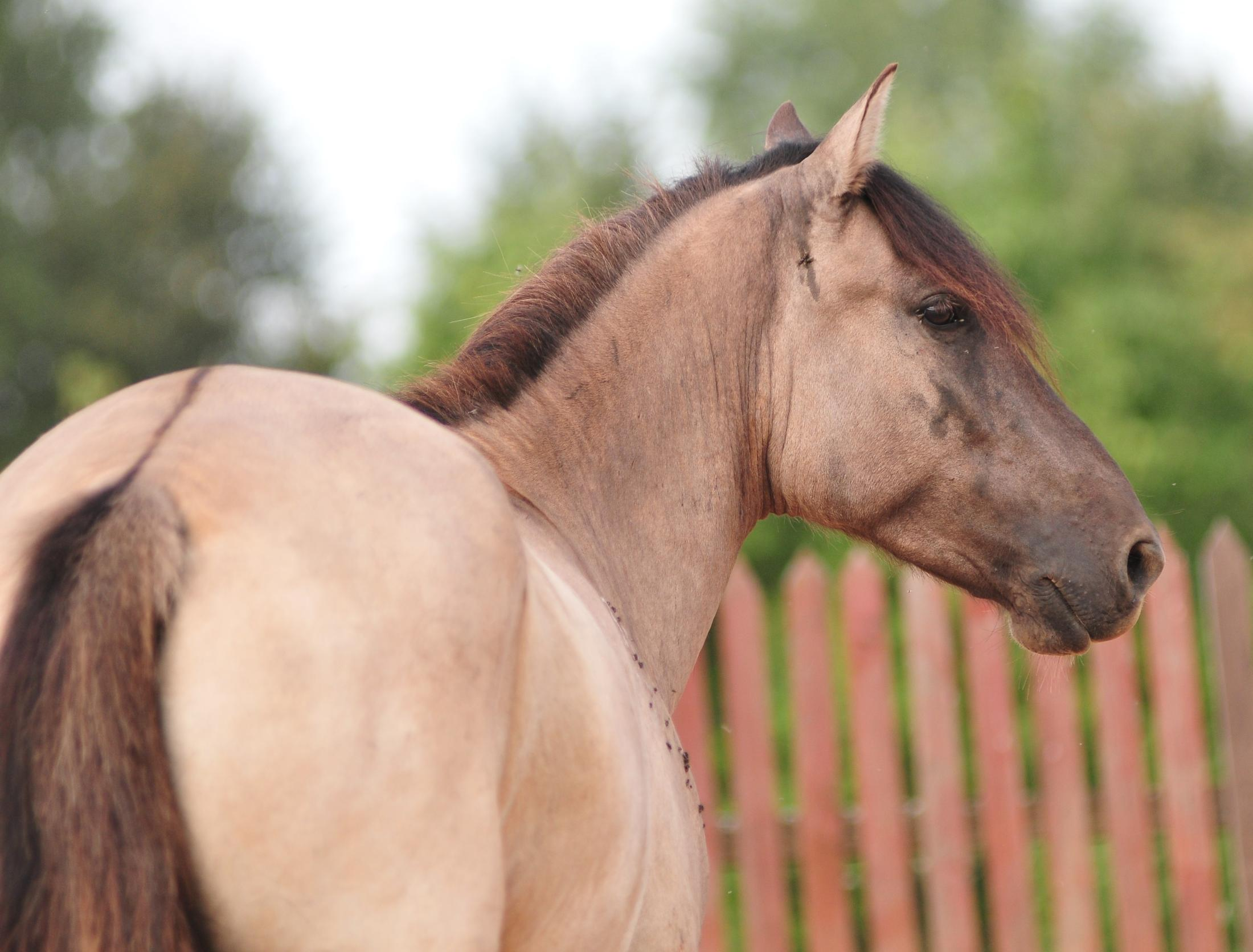
bay DD/Dd
bay/yellow dun
black DD/Dd
grulla
white patterns
distributed white - white hairs dispersed in coat
roan and grey
patch white - white patches
appaloosa
dominant white
sabino 1
splashed white
tobiano
overo
gene G
causes progressive depigmentation of hair
N - not grey, G - grey
NN - not grey
NG - grey (50% transmission)
GG - grey (100% transmission)
completely obscures action of other coat color genes
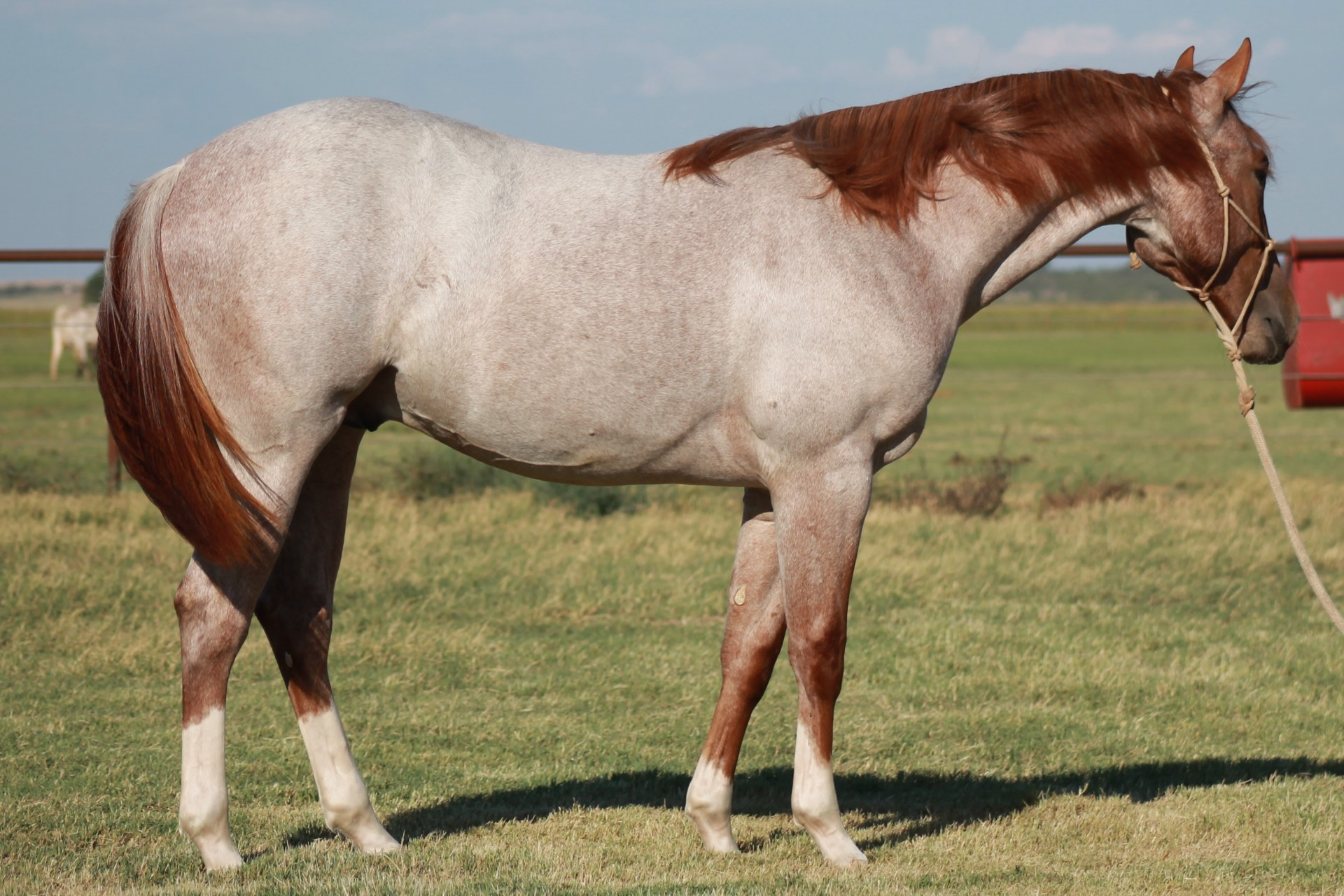
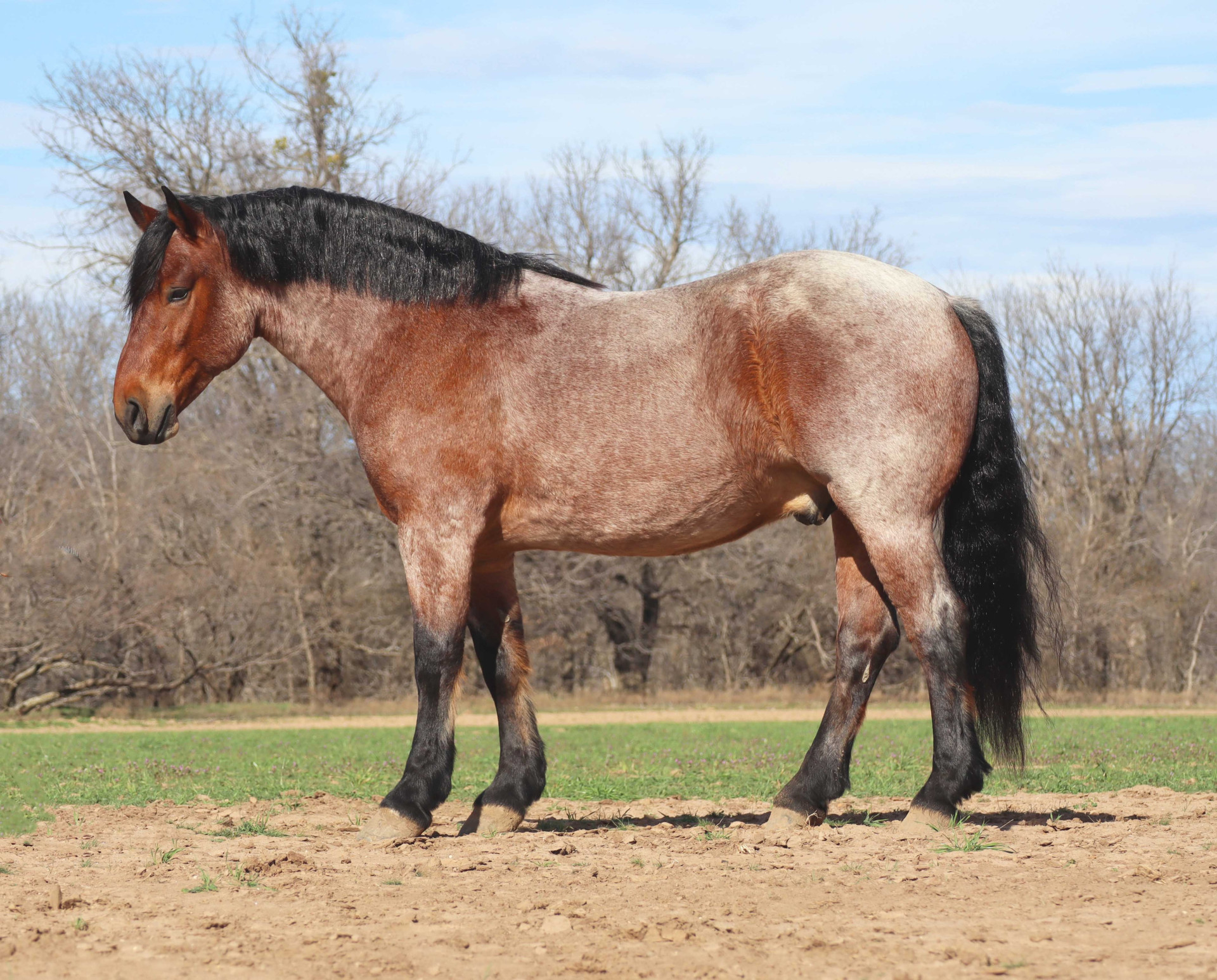
gene R
roan pattern, causing interspersed white hairs that are present at birth
NN - not roan
NR - roan (50% transmission)
RR - roan (100% transmission)
chestnut RR
red roan
bay RR
bay roan
black RR
blue roan
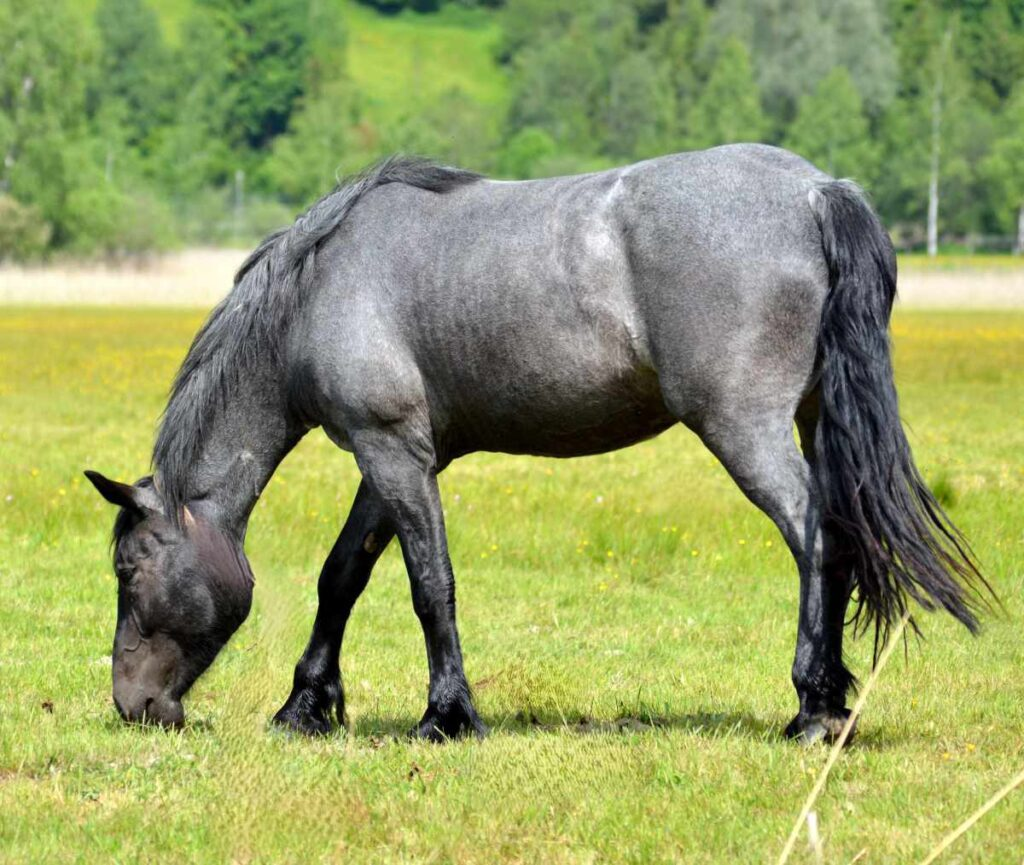
gene W
dominant white gene - causes white or white spotting
obscures action of other coat color genes
having 2 copies of this gene leads to embryonic death

gene TO
tobiano spotting
white crosses back between ears and tail
legs are white, dark covers flank and head
N - normal, TO - tobiano
NN - normal
NTO - tobiano (50% transmission)
TOTO - tobiano (100% transmission)
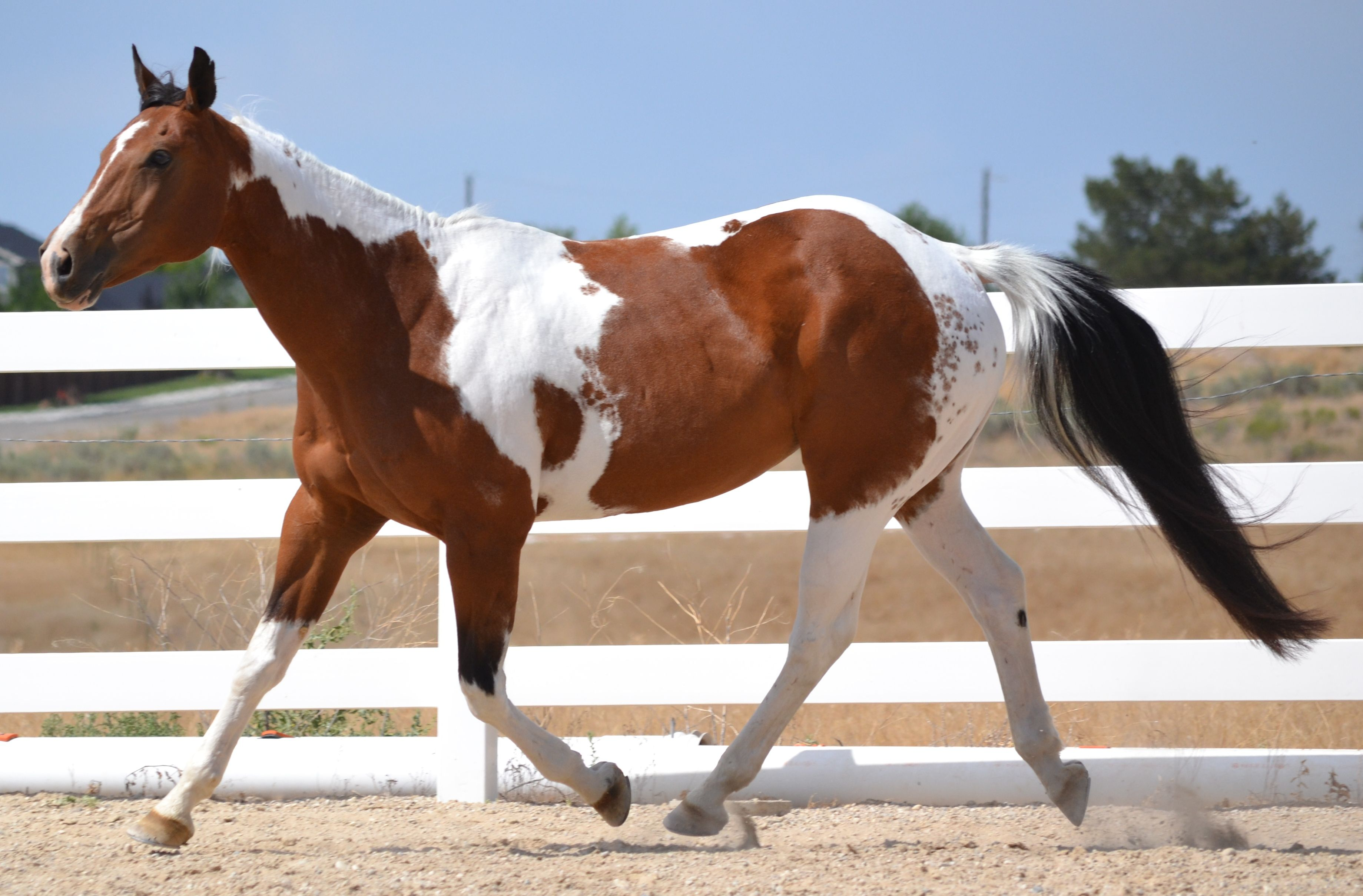
gene O
overo spotting
white does not cross back, legs are dark, splashy white patches
caused by O allele
NN - not overo
NO - overo
OO - white foal, lethal white syndrome
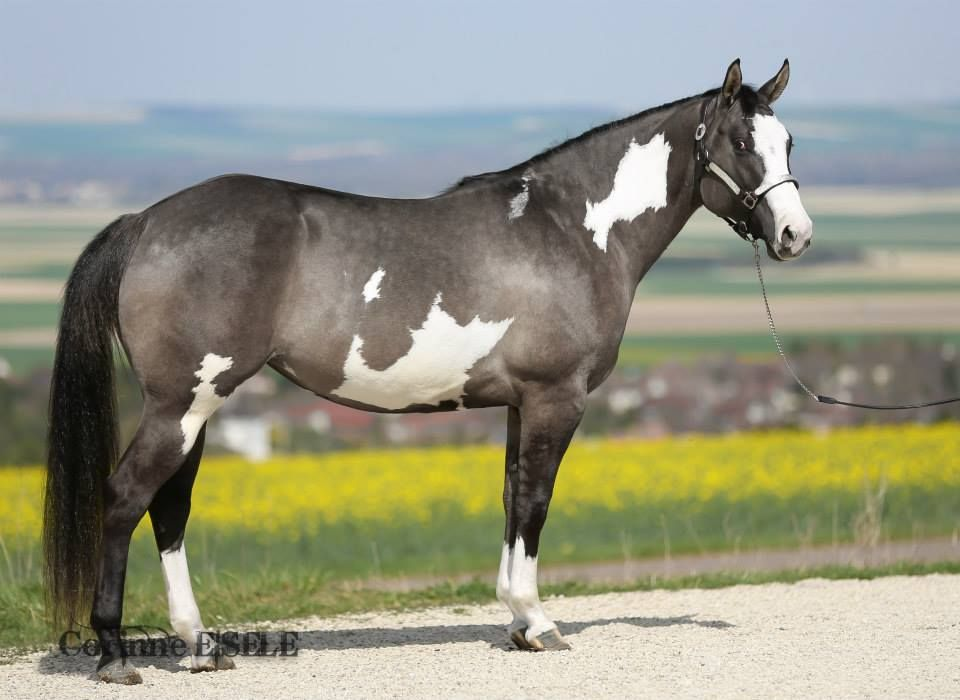
lethal white syndrome
foals have underdeveloped intestinal system
colic within first few hours of life, dies within first few days of life
no treatment, prevention comes from careful breeding

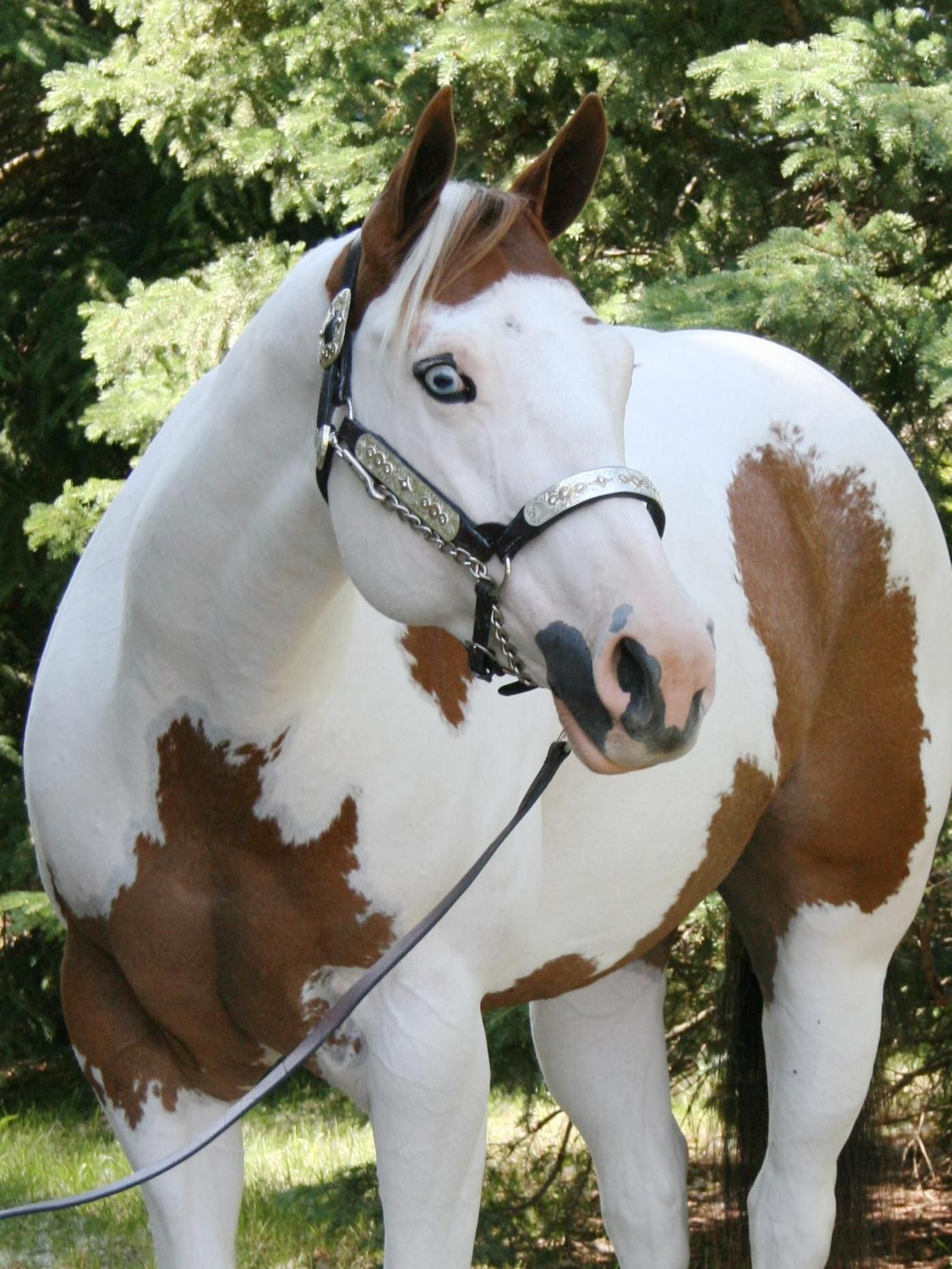
tovero spotting
both tobiano and overo gene
dark pigmentation around ears, mouth, and parts of face
one or both eyes blue
chest spots of varying sizes that may extend up neck
flank spots ranging in size
coat color by genetics
1 - G or W? then animal is grey or white.
2 - E or A? if ee, A is irrelevant. if E, look at A and do 3 first
3 - if A is present, base color is bay. if aa, base color is black
4 - D or C? if so, dilution occurs
5 - R, TO, O? then white spotting