muscular diseases lec 7
 Call Kai
 Learn
Learn Practice Test
 Spaced Repetition
 Match
Match Flashcards
 Knowt Play
1/26

There's no tags or description
Looks like no tags are added yet.
Name | Mastery | Learn | Test | Matching | Spaced | Call with Kai |
|---|
No analytics yet
Send a link to your students to track their progress
27 Terms
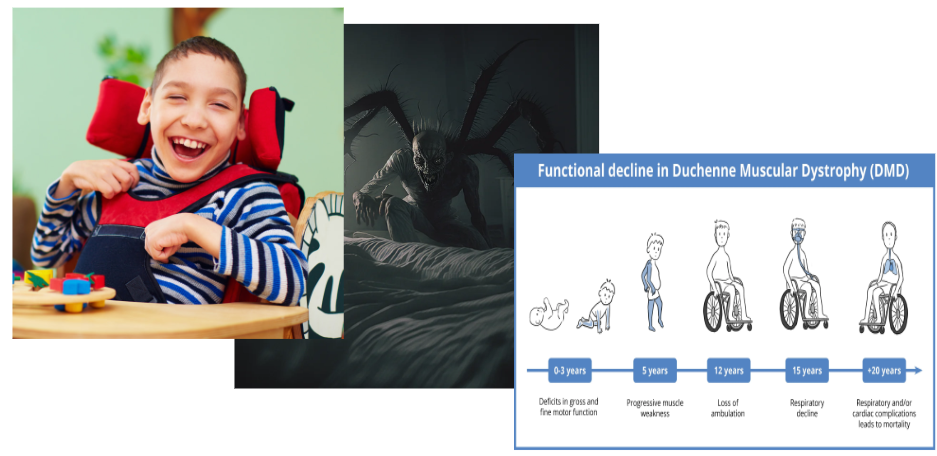
What is lacking in muscular
dystrophy?
The protein, dystrophin, which causes muscles
to harden.
What types of patients get muscle
contractures?
paralysis, muscular dystrophy, cerebral palsy
What are causes muscle contractures?
They are caused by elastic fibers becoming
inelastic fibers, and flexibility is reduced.
What is the most common cause of
Hyporeflexia?
Lower motor neuron disease
Does alcohol cause muscle fasciculations?
NO, it relaxes muscle
What generally causes muscle fasciculations?
Diarrhea
Dehydration
Fatigue
Benadryl
What is the most common cause of
hyper-reflexia?
Spinal cord injury involving upper motor
neurons
How can you test for the difference
between an upper and lower motor
neuron disorder?
LMN disease will present with flaccidly
(hypotonia), and UMN disease presents with
spasticity (hypertonia)
The presence of clonus indicates what
type of disorder?
Upper motor neuron disorder (Cerebral palsy,
spinal cord injury, and stroke)
How do you test for clonus?
rapidly dorsiflexing the foot. If the foot then
jerks 5 times or more, clonus is present.
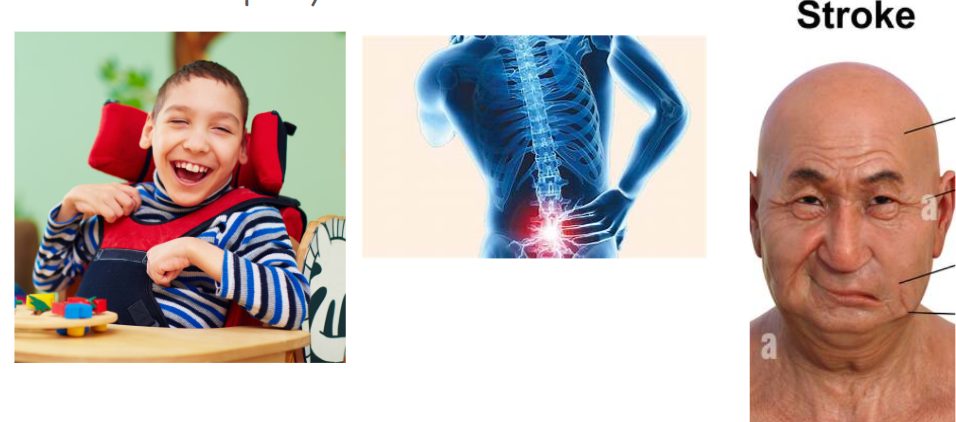
What other three disorders often
present with spasticity?
Cerebral palsy, certain spinal cord injuries
and lesions, and stroke (upper motor neuron
disorders)
What autoimmune disorder often
presents with spasticity?
Multiple sclerosis
How do you test for the presence of
spasticity?
Passively move their elbow quickly, and their
muscle will tighten up
What is hypertonia?
Excess muscle tone
What two types of
HYPERtonia are there?
Spasticity and Rigidity
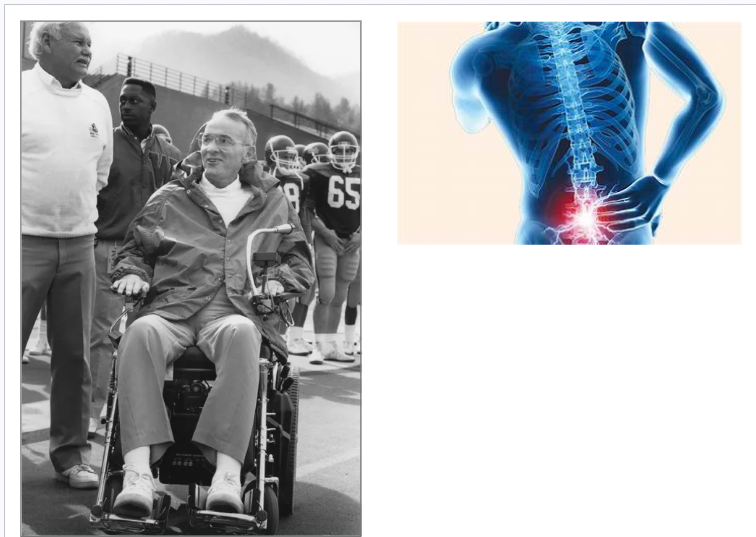
What group of disorders often present
with HYPOtonia?
Lower motor neuron diseases (certain spinal
cord injuries and lesions, ALS/Lou Gehrig’s
Disease)
What is HYPOtonia?
Not enough muscle tone
type of hypotonia
Flaccidity
Name 4 physiological benefits of
exercise:
improved muscular strength, endurance,
flexibility
improved cardio-respiratory endurance
increased bone density and strength
relief from depression and increased HDLs
What is OXYGEN DEBT?
The amount of oxygen needed to replenish the
supply following anaerobic demand
How do you know when you have OXYGEN DEBT?
you continue to breathe heavily after exercising
What are MUSCLE SPASMS
Sudden and involuntary muscle contractions.
Usually caused from overexertion. Needs
heat and massage to increase circulation.
How can you avoid MUSCLE SPASMS?
stretching before and after activities.
What is MUSCULAR DYSTROPHY
caused from?
This is a genetic lack of a protein called
DISTROPHIN
What is the main symptom of MUSCULAR DYSTROPHY?
The muscle cell won’t contract = paralysis.
characteristics of muscle atrophy
a) causes:
lack of use
damaged nerve and immobilization in a cast
b) myofilaments get smaller
c) severe atrophy involves replacing muscle
fibers with connective tissue
you usually DONT lose muscle cells
What happens to muscles after lack of
use
ATROPHY.