MSK III Pain Science
 Call Kai
 Learn
Learn Practice Test
 Spaced Repetition
 Match
Match Flashcards
 Knowt Play
1/11

There's no tags or description
Looks like no tags are added yet.
Name | Mastery | Learn | Test | Matching | Spaced | Call with Kai | Chat |
|---|
No analytics yet
Send a link to your students to track their progress
12 Terms
Objectives
Understand the basic physiology of pain science.
Explain how current literature on pain science differs from the paingate theory.
Understand the role of language and trauma informed care alongside PNE.
Implement appropriate pain neuroscience education within a case simulation.
Understand and interpret the findings of the CSI
Pain
“An unpleasant sensory and emotional experience associated with, or resembling that associated with, actual or potential tissue damage.”
which theory are we moving away from?
the pain gate theory
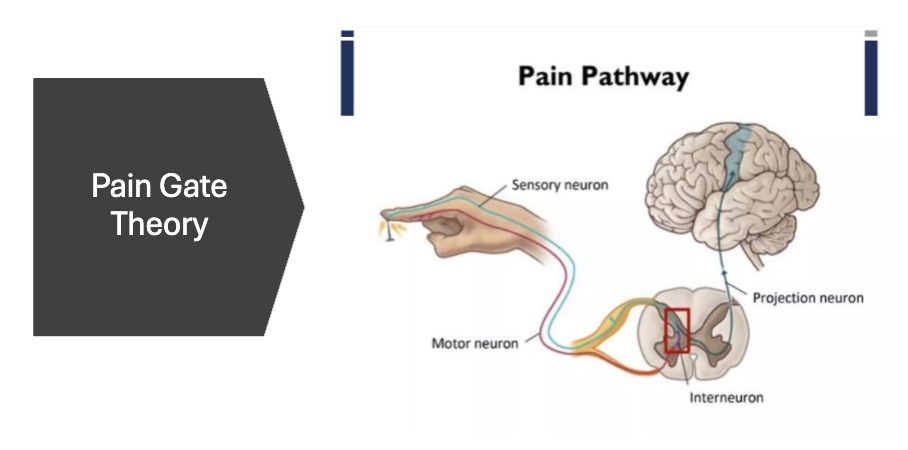
100% of the time pain comes from the ______ as a response to actual or _________ tissue ________
100% of the time pain comes from the brain as a response to actual or perceived tissue damage
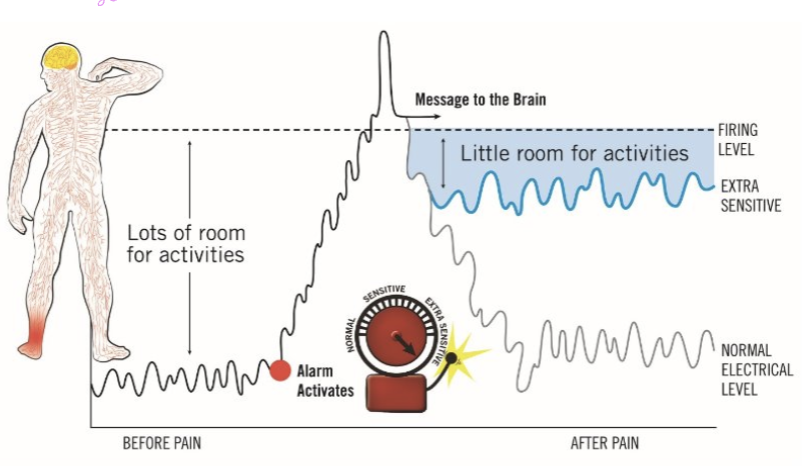
analogy
pain is like an
during healing, the alarm system becomes more
ex:
this is normal
however, it is not normal when the nervous system is still super
like at 6
pain is worse when
the threshold for signaling pain has
analogy
pain is like an alarm system on a house
like for a burglar breaking in
during healing, the alarm system becomes more sensitive because it doesn’t want more damage —> might go off for potential damage
ex: the mailman
this is normal
however, it is not normal when the nervous system is still super sensitive way past the tissue healing time.
like at 6 months, when tissue healing has occurred
pain is worse when stressed out
the threshold for signaling pain has decreased and is easier to trigger
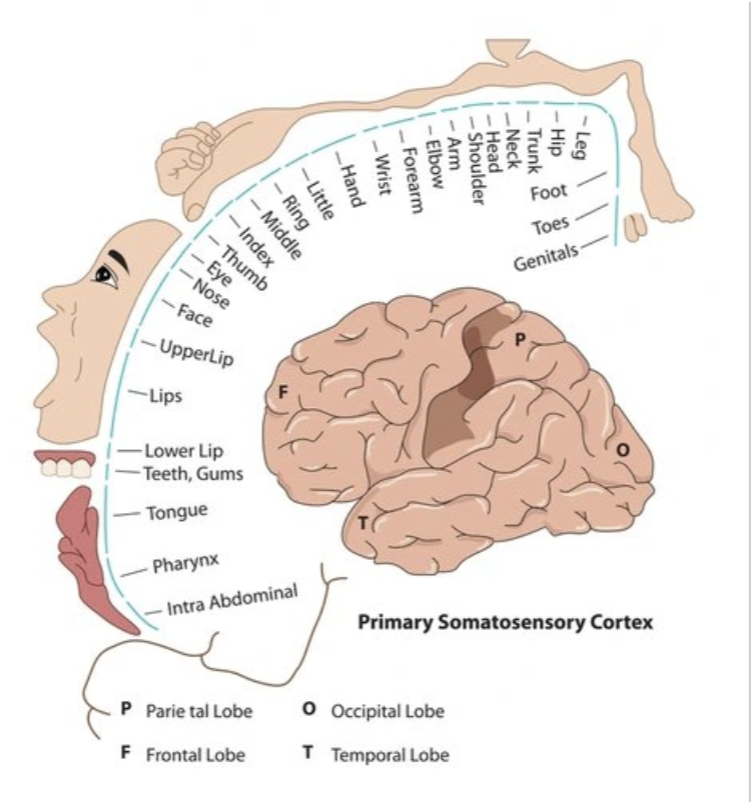
what can occur with chronic pain?
“smudging”
areas close together can blur or smudge due to chronic pain
difficulty with differentiation of pain, especially with areas closer together
pain becomes more diffuse
Fundamental shift
Pain is 100% produced in the brain
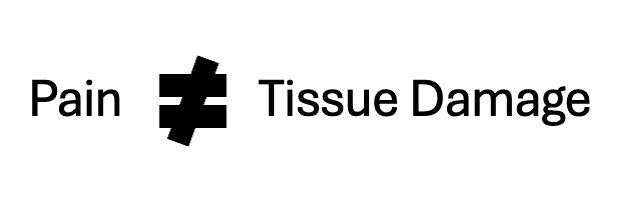
Injury and pain are two different things
Pain is meant to be protective
Preemptive pain in response to perceived threat
The pain neuromatrix
there are 11 areas of the brain that are illuminated every time you’re in pain
Central Sensitization
diagnosis of exclusion
someone’s NS is so chronically revved up that their pain does not seem to make much sense to us
CSI ≥ 40
measurable biological AND physiological change
metaphors:
house alarm system
sunburn

The impact of language in musculoskeletal rehabilitation
Words to avoid
Alternatives
Words to avoid
chronic degenerative changes
instability
this should only be used to describe red flags like sublux/dislocation or conditions like spondylolisthesis
wear and tear
bulge/herniation
Alternatives
normal age related changes
needs more strength and control
normal age changes
bump/swelling
*using the wrong language during pt education could actually cause more stress and pain
Common negative & faulty pain beliefs
Unstable= fragile= risk of falling apart
Pain = tissue damage
Negative MRI = Crazy
Positive MRI= pain forever
“I know I have pain, it’s there, I just can’t feel it right now.”
Me: “So, your pain is a 0/10 at the moment?”
Them: “I wouldn’t say that, let’s call it a5/10”
Pain Science Treatment
Laterality training
helps them localize
Tactile discrimination
draw on their back, hand them image of spots on a person’s back and ask them to identify location
bring spots closer together over time
Imagined movements/graded motor imagery
retraining nervous system
can be part of HEP
not actually happening, show them it is safe
Mirror Therapy
Language!
Trauma informed care
Motivational Interviewing
Education