Session 2 & 3
 Call Kai
 Learn
Learn Practice Test
 Spaced Repetition
 Match
Match Flashcards
 Knowt Play
1/219

There's no tags or description
Looks like no tags are added yet.
Name | Mastery | Learn | Test | Matching | Spaced | Call with Kai | Chat |
|---|
No analytics yet
Send a link to your students to track their progress
220 Terms
growth is an
inc in the size of a whole and any of its parts
development is an
orderly series of conditons that lead to activities and patterns of behaviors
most age ranges for milestones are
plus or minus months for less than 2 years of age
these milestones are only ____ ranges
estimated
neurodevelopment proceeds from
cephalic to caudal
proximal to distal
dependence to independence
neurodevelopment - cephalocaudal
babies are able to use their upper limbs first before lower libs
neurodevelopment - proximodistal
babies are able to use their arms first before their fingers

when does this reflex occur? - tracking
3 months
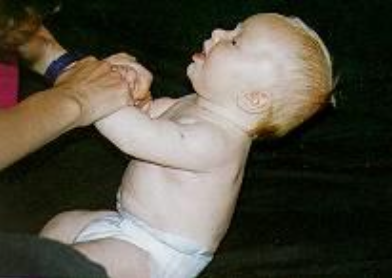
when does this reflex occur? - pulls to sit
4-6 months
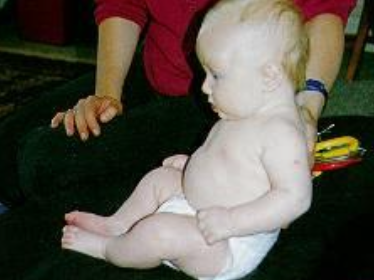
when does this reflex occur? - sits only with support
6 months

when does this reflex occur? - holds head up when prone
2 months
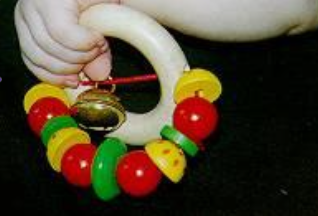
when does this reflex occur? - grasp
4 months
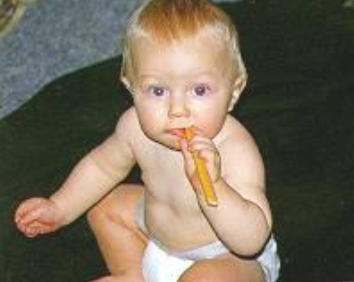
when does this reflex occur? - finger foods
15 months

when does this reflex occur? - crawling or scooting over
9 months

when does this reflex occur? - sit unassisted and plays w toys
8 months

when does this reflex occur? - pincer grasps
7-9 months

when does this reflex occur? - reaches for objects
4 months

when does this reflex occur? - pulls to stand
1 yr

when does this reflex occur? - stands well assisted
1 yr
developmental stages - infancy neonate
birth to 28 days
developmental stages - infancy infant
1-12 months
developmental stages - early childhood toddler
1-3 yrs
developmental stages - early childhood preschooler
3-6 yrs
developmental stages - middle childhood school age
6-12 yrs
developmental stages - later childhood prepubertal
10-13 yrs
developmental stages - later childhood adolescent
13-18 yrs
infancy ranges from
birth to 12 months
neonate and infant
early childhood ranges from
1 to 6 yrs
toddler and preschooler
middle school age ranges from
6 to 12 yrs
school age
later childhood ranges from
10 to 18 yrs
prepubertal and adolescent
fine motor milestones- 4 months (2)
Grasps rattle
opens hands and holds hands
fine motor milestones - 6 months (2)
grasps and mouths objects
transfer cubes from one hand to the next
fine motor milestones - 9 months (2)
pokes w finger
shakes, bangs, throws, and drops objects
fine motor milestones - 1 year (3)
Points
bangs blocks together
feeds self
fine motor milestones - 15 months (2)
Stack 2 blocks
feeds self with fingers
fine motor milestones - 18 months (2)
Stacks 3 blocks
uses spoon and cup
fine motor milestones - 2 years (1)
stack 5 blocks
gross motor milestones - 2 months (2)
Some head control
lifts head, neck, upper chest with support on forearms
gross motor milestones - 4 months (2)
Reaches for and bats objects
rolls over stomach to back
gross motor milestones- 6 months (3)
No head lag when pulled to sit
sits with support
stands when placed
gross motor milestones- 9 months (1)
Plays peek-a-boo or pat-a-cake
gross motor milestones - 1 year (3)
Pulls to stand
cruises
take few steps
gross motor milestones- 15 months (3)
Walks well
stoops
climbs stairs
gross motor milestones - 18 months (3)
Walks backwards
throws ball
pulls toy along ground
gross motor milestones - 2 years (2)
Goes up and down stairs one step at a time
kicks ball
language milestones - 2 months (1)
coos and vocalizes
language milestones - 4 months (4)
Babbles, smiles, laughs, and squeals
language milestones - 6 months (1)
says “dada” or “baba”
language milestones - 9 months (3)
Responds to name
understands few words
babbles
language milestones - 1 year (2)
2-4 words
imitates vocalizations
language milestones - 15 months (2)
3-6 words
understands simple commands
language milestones - 18 months (3)
15-20 words
may use 2 word phrases
imitates words
language milestones - 2 years (2)
Uses at least 20 words
2 word phrases
social/adaptive milestones - 2 months (3)
Smiles responsively
pays attention to voices
shows pleasure with parents
social/adaptive milestones - 4 months (1)
Recognizes parents voice and touch
social/adaptive milestones - 6 months (3)
Self-comforts
smiles, laughs, squeals
shows differential recognition of parents
social/adaptive milestones - 9 months (2)
Feeds self with fingers
may show stranger anxiety
social/adaptive milestones - 1 year (2)
Looks for dropped or hidden objects
waves “bye-bye”
social/adaptive milestones - 15 months (2)
Tells what they want by pulling, pointing, or grunting
listens to story
social/adaptive milestones - 18 months (5)
Follows simple directions
kisses
looks at and names objects
points to body parts
scribbles
social/adaptive milestones - 2 years (2)
Follows 2-step commands
imitates adults
if a child doesn’t speak yet, it means their
fine and gross motor skills are more heightened

This is an example of a 3 month old with - - (3)
normal development
pushes up on arms
hold head up

This is an example of a 3 month old with - - (3)
developmental problems
unable to lift head or push up on arms
stiff legs

This is an example of a 3 month old with - - (4)
developmental problems
pushing back with head
constantly fisted hand and stiff leg on one side
difficult to move out of this position

why are these 3 month developments a safety issue?
bby should begin to roll back to stomach
no side rails
tire out facedown
normal infancy weight
3.5-5.5 kg
how much does a 4-7 month old gain weight?
their weight doubles
how much does a 12 month old gain weight?
their weight triples
height at 12 months will
inc by 50% birth height
neonate’s head circumference compared to chest
head circum is 2 cm larger than chest
= by 12 months
when should an infant’s chest and head circum be =?
1 to 2 yrs
when does the anterior fontanel open?
birth
when does the anterior fontanel close?
12 to 18 months
when does the posterior fontanel open?
birth
when does the posterior fontanel close?
2 to 3 months
nutrition - early infancy (birth to 6 months) (3)
How often = freq
How long = time it takes to breast or formula feed
20 kcal/oz
nutrition - infancy (1 year of age)
liquid to most solid foods
nutrition - infancy (1 year of age)
what are the caloric ranges needed?
100-120 kcal/kg/day
nutrition - infancy (1 year of age)
how much should a one yr old gain in first few months?
20-30 grams a day
why must new foods be introduced slowly?
if bby gets hives, we can know what they’re allergic to
when should solids be introduced?
6 months of age
nutrition and diet management for a 6 month old
Gi tract immaturity
iron-fortified infant cereal and strained fruits, veggies, pureed meats
what to do when breast milk does not provide enough iron and zinc for a 6-9 month old
give fortified cereals and meats
when can juices be introduced? (2)
roughly at 7 months
not recommended bc of sugar, so rinse mouth afterwards
no store bought milk until the age of
1 yrs old
once you start adding foods, do not go
LOW-FAT CRAZY
do not restrict fats under 2 y/o bc a healthy amt of fat is important for brain and nerve development
normal weight for toddler (2)
quadruples from birth weight at 2.5 y/o
growth slows considerably
head circumference for toddler
19.5-20 inches or 49-50 cm
when does a toddler achieve 90% of adult size brain?
2 yrs
anterior fontanelles close at
12-18 months
how much teeth for toddlers
approx 20 deciduous teeth
visual acuity for toddlers
20/40
INFANT - erikson’s theory of psychosocial development (4)
“healthy personality” = self-esteem
infants trust v mistrust
birth - 2 yrs
favorable and unfavorable aspects and progressions
TODDLER - piaget’s theory of cognitive development
“how a child thinks” = intelligence
interaction and adaptation to enviro
infant sensorimotor stage
what is object permanence
obj and ppl cont to exist even when not seen or heard
infants and object permanence
infants do not have obj permanence
obj and ppl do not exist if infants do not see them
what is animism?
toddler cannot tell fake doll from real bby
chair is real when they bump into it
egocentrism in toddlers
me and mine
TODDLER - erikson’s (3)
autonomy v shame and doubt
“increased ability”
ex: picking up own clothes