BIOL 221 - Exam 1 Prep
 Call Kai
 Learn
Learn Practice Test
 Spaced Repetition
 Match
Match Flashcards
 Knowt Play
1/118

There's no tags or description
Looks like no tags are added yet.
Name | Mastery | Learn | Test | Matching | Spaced | Call with Kai | Chat |
|---|
No analytics yet
Send a link to your students to track their progress
119 Terms
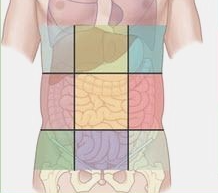
Top Blues
Hypochondriac region - spleen, parts of diaphragm, liver, kidney, pancreas
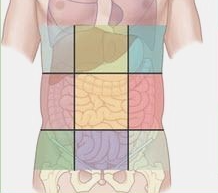
Top Yellow
Epigastric region - most of pancreas, parts of stomach, liver, abdominal aorta
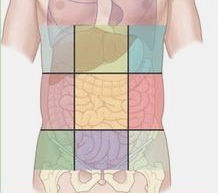
Middle Pinks/Red
Flank/Lateral Region - colon
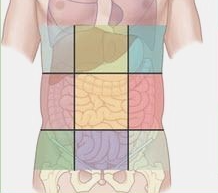
Middle Yellow
Umbilical region - small intestine
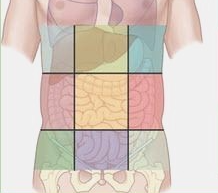
Bottom Greens
Inguinal regions - appendix
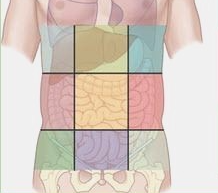
Middle Purple
Hypogastric/pubic region - urinary bladder, prostate
Meninges - line what?
cranial and spinal(vertebral) cavity
Serous Membranes (serosae) - line what?
body cavity and organ surfaces
Abdominal Cavity - list the organs
spleen, liver, pancreas, stomach, kidneys, small and large intestines, gallbladderPe
Pelvic Cavity - list the orgrans
urinary bladder, rectum, ovaries, adrenal glands
Receptor
detects changes
Control Center
sends command to effector to fix problem detected by receptor
Effector
responds to the change and fixes problem, may overshoot it
Positive Feedback Loop - what does it do?
amplifies what is needed, like sending wbc to fight bacteria
Define Anatomy
the study of the structure and organization of the body
Define Physiology
study of the function of the body
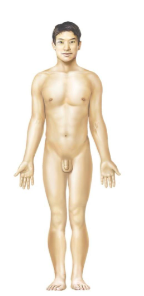
Name this organ system
Integumentary (Skin)
has: nails, hair skin
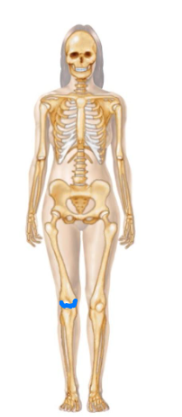
Name this system
Skeletal System
has: bones, ligaments, associated cartilages
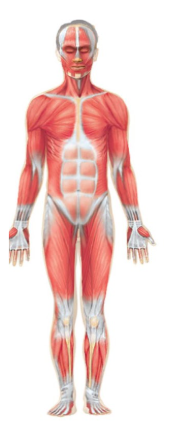
Name this system
muscular system
has: skeletal muscles and tendons
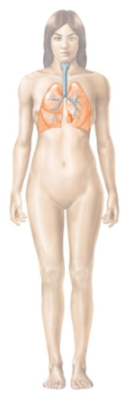
name this system
Respiratory System
has: nose, lungs, trachea, larynx, bronchi
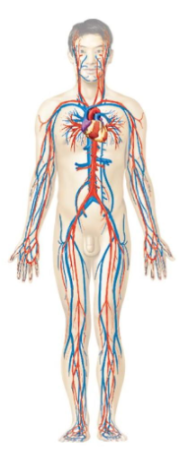
name of system
cardiovascular system
has: heart, blood, arteries, veins
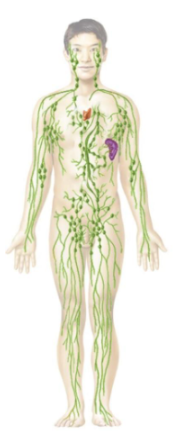
name of system
Lymphatic system
has: lymphatic vessels, lymphs, lymphoid organs
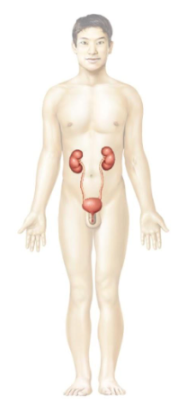
name of system
Urinary System
has: urinary bladder, kidneys, uretha, ureters
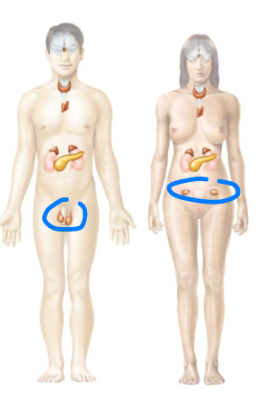
name of system
Endocrine System
has: hormone producing glands
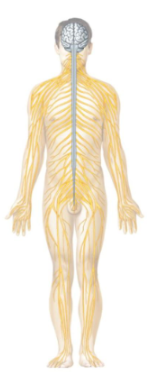
name of system
Nervous System
has: brain, spinal cord, nerves, sensory receptors
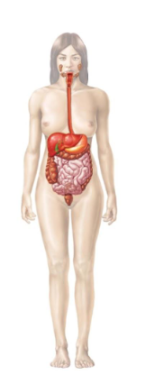
name of system
Digestive System
has: mouth, pharynx, esophagus, stomach, intestines, liver, pancreas, gallbladder
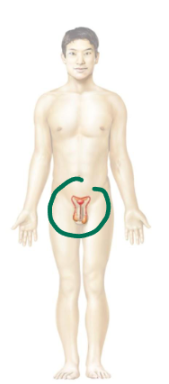
Name of system
Male Reproductive System
has: testes, prostate, vesicles
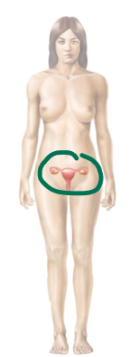
Name of system
Female Reproductive System
has: ovaries, fallopian tubes, vagina, vulva, uterus
Cephalic
head
Frontal
forehead
buccal
cheek
mental
chin
cervical
neck
acromial
point of shoulder
axillary
armpit
brachial
arm
antebrachial
forearm
antecubital
front of elbow
olecranal
back of elbow
carpal
wrist
palmar
hand
digital/phalangeal (upper limb)
fingers
coxal
hip
femoral
thigh
patellar
anterior knee (front knee)
popliteal
posterior (back of) knee
fibular / peroneal
lateral leg
tarsal
ankle
calcaneal
heel
plantar
sole of foot
digital/phalanges (lower limb)
toes
What 4 elements make up 96% of the body?
Carbon
Nitrogen
Hydrogen
Carbon
Define Matter
anything that occupies space and has a mass
Define Chemistry
scientific study of matter and their interactions
What is all matter made up of?
Elements (substances which can not be further broken down into simpler substances)
What are the building blocks of Elements?
Atoms
Sodium (Na)
Atomic Number: 11
Atomic Mass: 23
How many protons, electrons, neutrons?
11 - Protons
11 - Electrons
12 - Neutrons
Molecule
2 or more atoms that are covalently bonded
can be just 1 element, like O2 oxygen
Compounds
substance formed by atoms from two or more elements
like NaCl, CO2H
How many electrons can the 1st shell hold?
2 electrons
How many electrons in shell 2?
8 electrons
Name of the outermost electron shell?
Valence Shell
Rank the 3 types of bonds by strength
Weak - Hydrogen
Middle - Ionic
Strong - Covalent
Ionic bonds
transfer of valence shell electrons, results in ions like Na+ or Cl-
Combine the cation of Na+
and Anion of Cl-
gets you an Ionic bond between NaCl
Covalent Bonds
formed by sharing of two or more valence shell electrons
Non-polar covalent bonds
electrons shared equally between atoms, are hydrophobic
Polar Covalent Bonds
electrons shared unequally between atoms, are hydrophilic
Hydrogen bond
weak force between slightly + / - areas
not really a bond, more of an attraction
Define Biochemistry
study of chemical composition and reactions of living matter
Organic substances
CONTAIN CARBON (c bond to h), usually large and covalently bonded
Examples: carbs, lipids, proteins
Exceptions: CO2 and CO
Inorganic substances
Do not contain carbon
ex: water, salts, acids, bases
What gets dissolved in the body’s water?
organic molecules
inorganic molecules
ions
Electrolytes
ionic compounds that dissolve in water, releasing ions
More Acidic - What happens to H concentration?
More H
More Basic - What happens to H concentration?
Less H
14 on pH Scale
Very Basic
1 on pH Scale
Very Acidic
Buffers
exist to keep balance of pH.
Buffers contain both a weak acid and a weak base.
Bicarbonate ion HCO3-
Weak base to neutralize acid
Carbonic Acid H2CO3
Weak acid to neutralize base
Monosaccharides: one single sugar
Glucose - major fuel for cells
Fructose / Galactose - isomers of glucose
Pentose sugars - found in DNA/RNA
Disaccharides: two sugars
Formed by dehydration synthesis of two monosaccharides
Maltose – malt sugar (glucose + glucose)
Sucrose – table sugar (glucose + fructose)
Lactose – dairy sugar (glucose + galactose)
Polysaccharides: many sugars
Formed by dehydration synthesis of many
monosaccharides
Starch: carbohydrate storage form used by plants
Glycogen: carbohydrate storage form used by animals, stored in skeletal muscle and liver
Dehydration synthesis
removes water to join molecules together
Hydrolysis
adds water to break apart molecules
Triglycerides - from dehydration synthesis
hydrophobic
3 fatty acids
1 glycerol
Phospholipids - amphiphilic
(1 head like water, 1 dont)
2 fatty acids
1 glycerol
1 phosphate group
Steroids - 4 interlocking rings
Nonpolar and insoluble in water
Proteins
chains of amino acids formed by peptide bonds, often called polypeptide if unorganized
Amino acid - groups?
amino group
carboxyl group (C-O-OH)
functional r group
Protein Primary Level
Polypeptides, linear sequence of amino acids
Secondary Protein Lvl
hydrogen bonds may form
alpha helix
beta pleated sheets
Tertiary Protein Lvl
attraction to amino acids further away,
bends on folds on itself
Quaternary Protein Lvl
2 or more polypeptides interacting with each other
Fibrous Proteins
structural
insoluble
ex. collagen fibers, elastic fibers, keratin
Globular Proteins
functional
compact and spherical
ex. antibodies, enzymes, hormones
Enzyme
protein that catalyzes (speeds up) reactions
Denaturation
proteins unfold, and lose their 3d shape
caused by change in H concentration
or increased in temp
Nucleic acids
chains of nucleotides
Pyrimidine - 1 carbon ring + 1 nitrogen
C
T
U
(DNA/RNA)