GenChem Exam 1 Memorize
 Call Kai
 Learn
Learn Practice Test
 Spaced Repetition
 Match
Match Flashcards
 Knowt Play
1/70

There's no tags or description
Looks like no tags are added yet.
Name | Mastery | Learn | Test | Matching | Spaced | Call with Kai | Chat |
|---|
No analytics yet
Send a link to your students to track their progress
71 Terms
1 in = _____
2.54 cm
1 mL =
1 cm3
C + 273.15 =
Kelvin
density of water
1.0 g/mL
NH3
Ammonia
H2S
Hydrogen Sulfide
atomic number
number of protons
alkali metals
a

alkaline earth metals
b

pnictogens
c

chalcogens
d
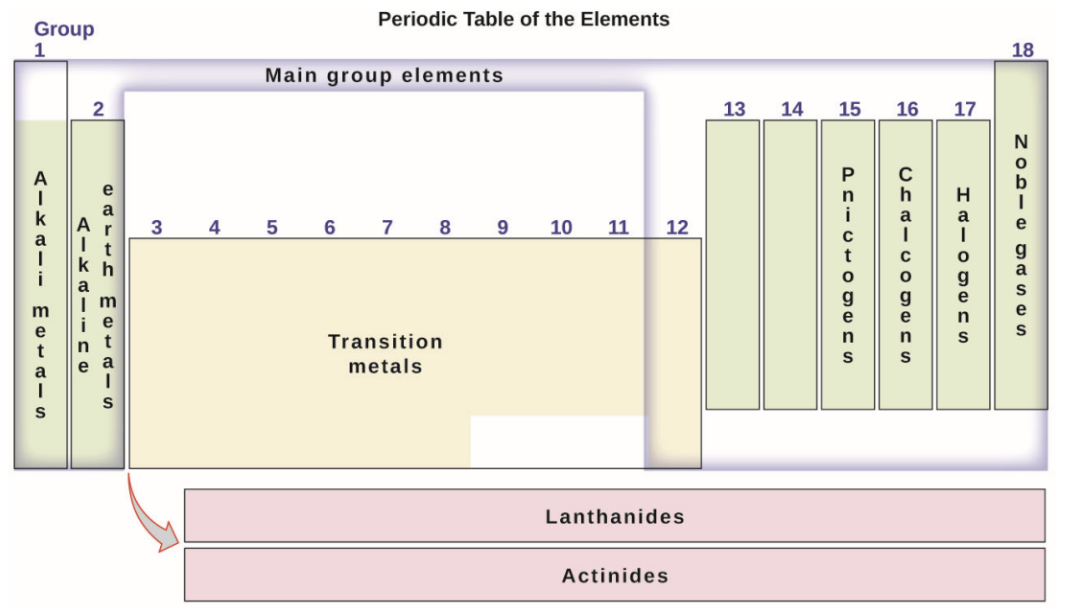
halogens
e

noble gases
f

transition metals
g
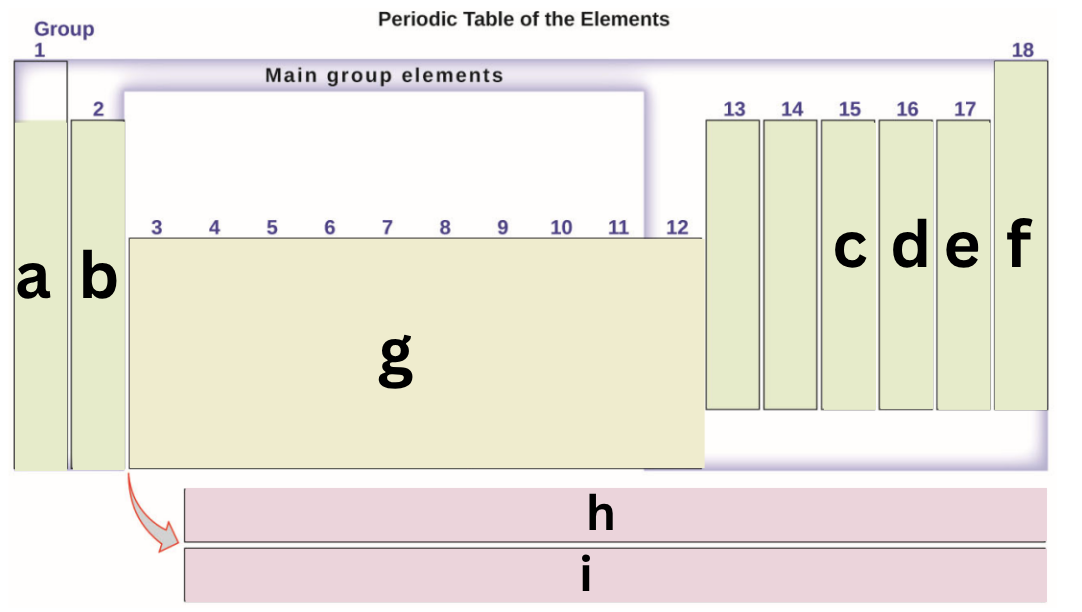
lanthanides
h
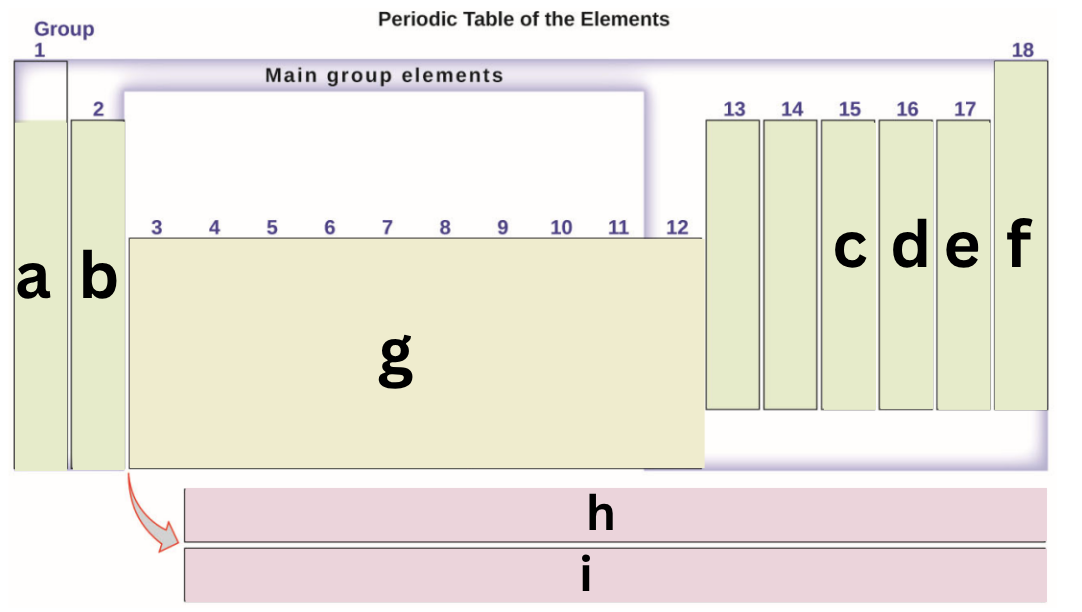
actinides
i

empirical formula
smallest ratio of atoms
molecular formula
gives the exact number of different atoms of an element in a molecule
Hydrogen
H
Helium
He
Lithium
Li
Beryllium
Be
Boron
B
Carbon
C
Magnesium
Mg
Sodium
Na
Neon
Ne
Fluorine
F
Oxygen
O
Nitrogen
N
Argon
Ar
Chlorine
Cl
Sulfur
S
Phosphorus
P
Silicon
Si
Aluminum
Al
Potassium
K
Calcium
Ca
Scandium
Sc
Titanium
Ti
Vanadium
V
Chromium
Cr
Manganese
Mn
Iron
Fe
Cobalt
Co
Nickel
Ni
Copper
Cu
Zinc
Zn
Gallium
Ga
Germanium
Ge
Arsenic
As
Selenium
Se
Bromine
Br
Krypton
Kr
Nitrate
NO3-
Hydroxide
OH-
Ammonium
NH4+
Sulfite
SO32-
Sulfate
SO42-
Cyanide
CN-
Phosphate
PO43-
Carbonate
CO32-
Hydrogen Carbonate (Bicarbonate)
HCO3-
Acetate
C3H3O2- (CH3COO-)
Nitrite
NO2-
Law of Multiple Proportions
When two elements form more than one compound → the masses for one element in these compounds for a fixed mass of the other element are in small, whole-number ratios. Basically, there are different ratios for the different compounds.
period
7 horizontal periods
groups
18 vertical groups, similar properties
metal
luster or shine, good conductor of heat and electricity, malleable, ductile (yellow). Typically generous and lose electrons easily
nonmetal
elements that do not exhibit the characteristics of a metal
metalloid
an element that has characteristics of both metals and non-metals