W1 - Ancient civilizations and indigenous landscapes
 Call Kai
 Learn
Learn Practice Test
 Spaced Repetition
 Match
Match Flashcards
 Knowt Play
1/32

Earn XP
Description and Tags
think of what it is, where it is, when it is from, and one significant thing
Name | Mastery | Learn | Test | Matching | Spaced | Call with Kai | Chat |
|---|
No analytics yet
Send a link to your students to track their progress
33 Terms
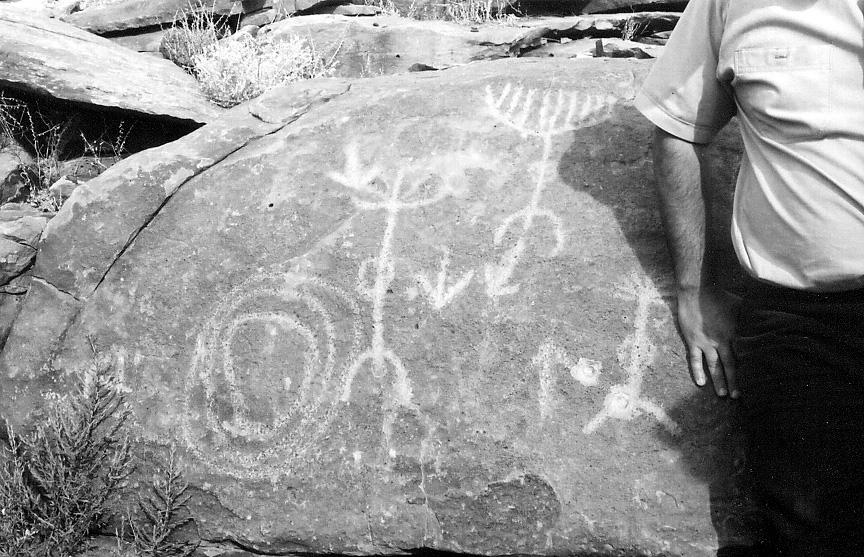
engraving site, Eucolo Creek, Pliestocene and Paleolithic era, evidence of early civilisation
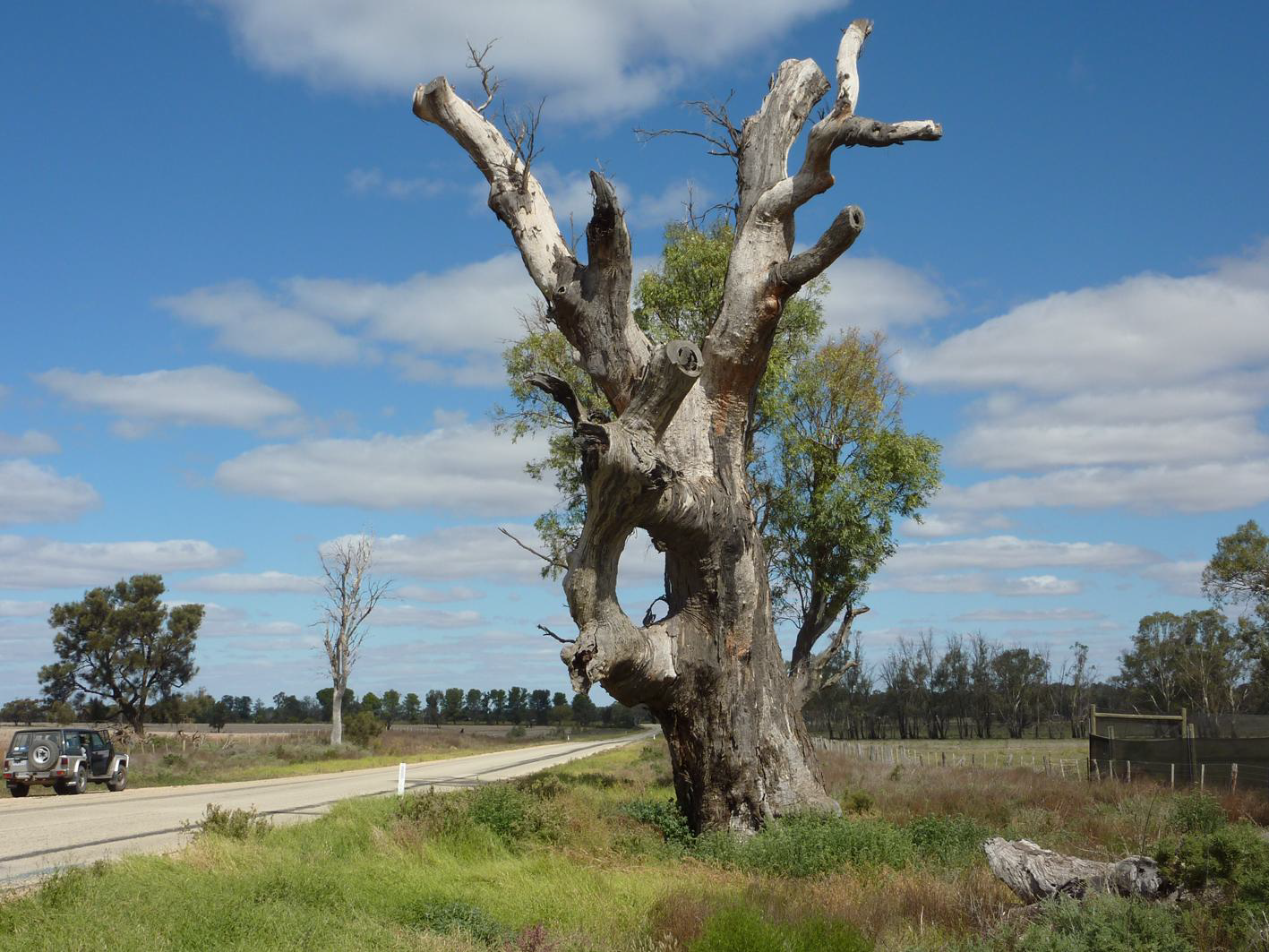
ring tree, Northern Victoria, Pliestocene and Paleolithic era, evidence of pleaching: art of survival
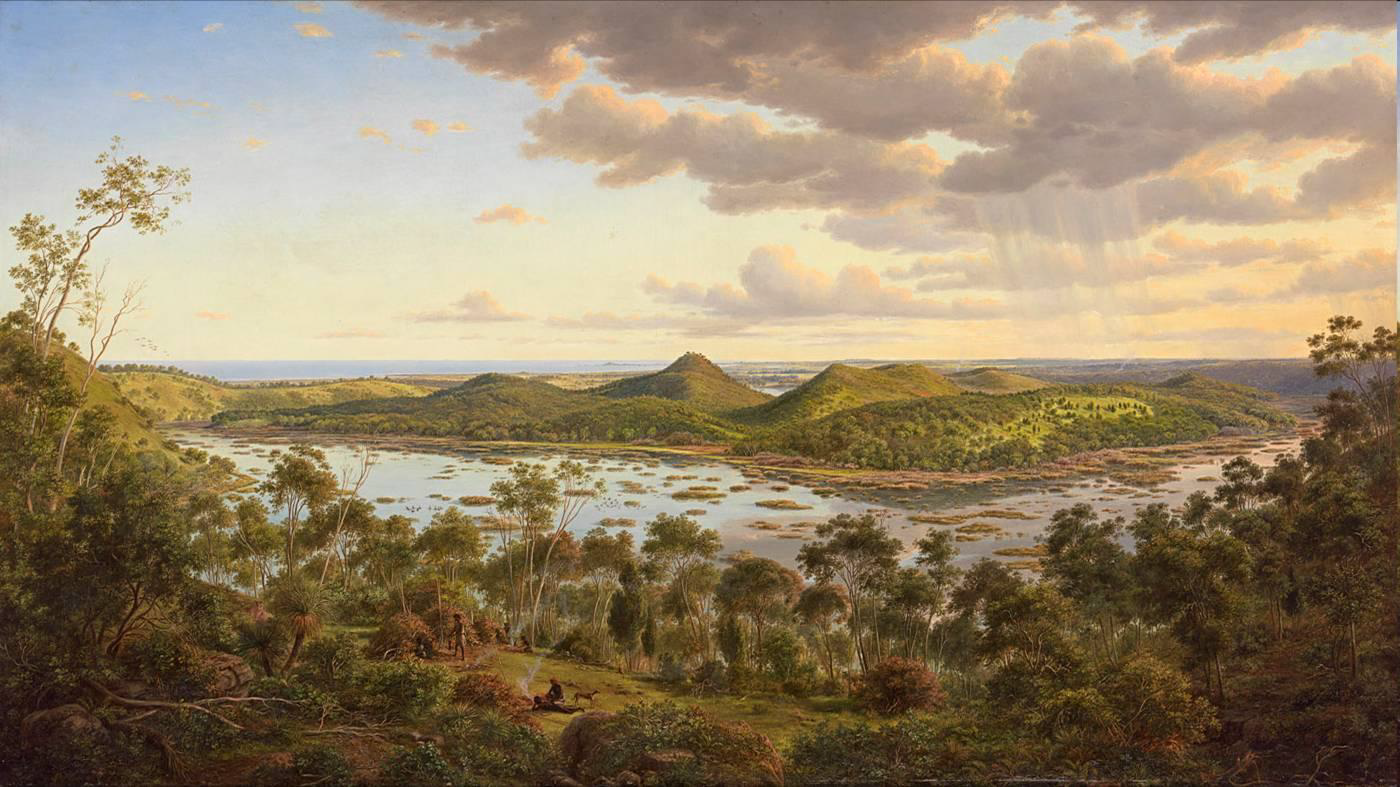
painting of Tower Hill by Eugene Von Gerard, Victoria, 1855, colonial painting that captured evidence of land management
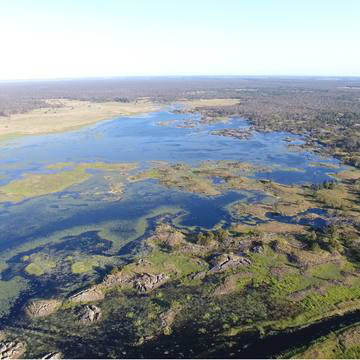
Budj Bim cultural landscape, Victoria, Pliestocene and Paleolithic era, evidence of complex permanent settlement and systems
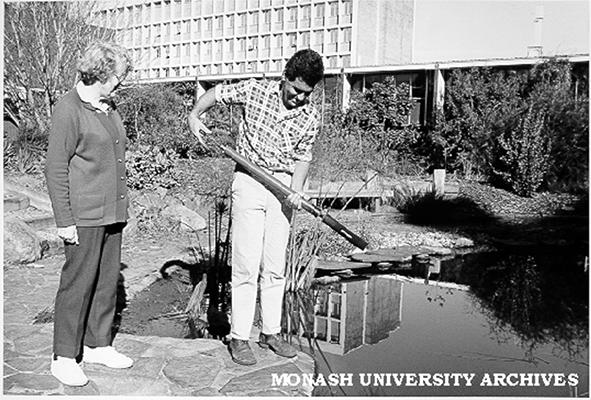
Ethno-botanical Garden, Monash Clayton Campus, 1985, exhibits the ethnobotanical use of plants beyond food
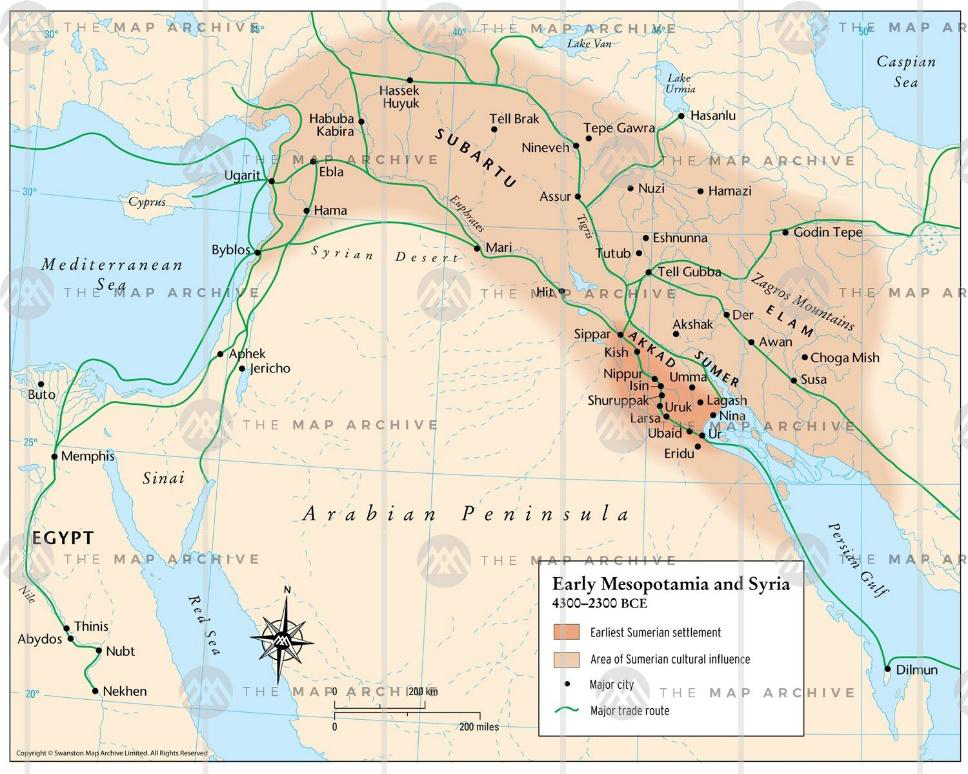
the ‘fertile crescent’, Southern Mesopotamia, Neolithic period, home to Sumer the ‘cradle of civilisation’ where important spatial forms such as walled parks and gardens, places of worship, and internal courtyards were developed
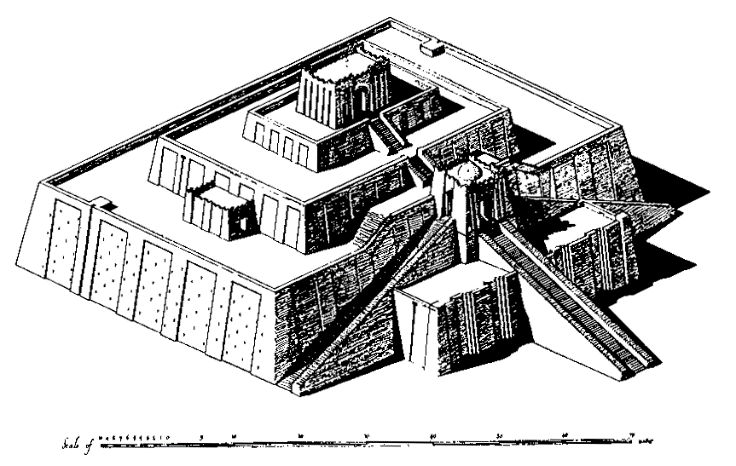
Ziggurat of Ur, Sumer/Iraq, Neolithic era, the manmade ‘hill of heaven’ for trade and expressing religious power in the landscape
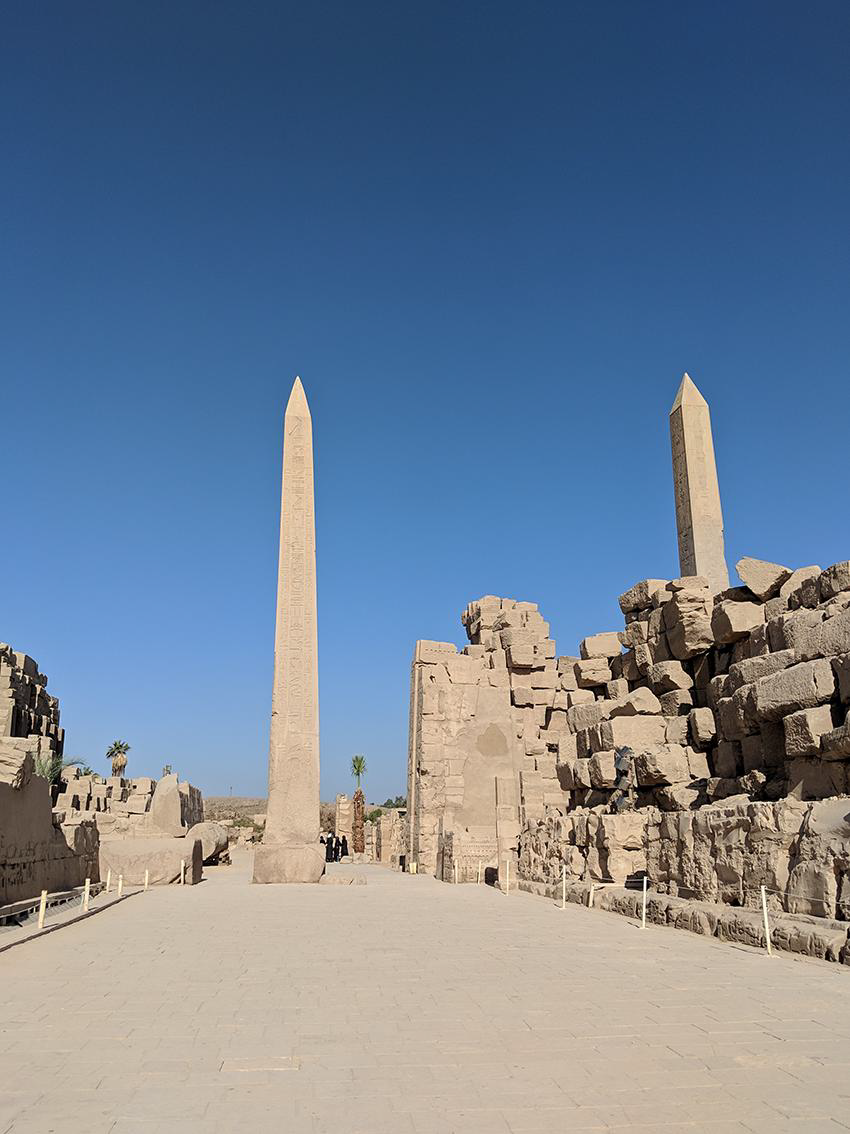
ancient egyptian obelisk, Egypt, 2000 BCE, spatial connection between heaven and earth
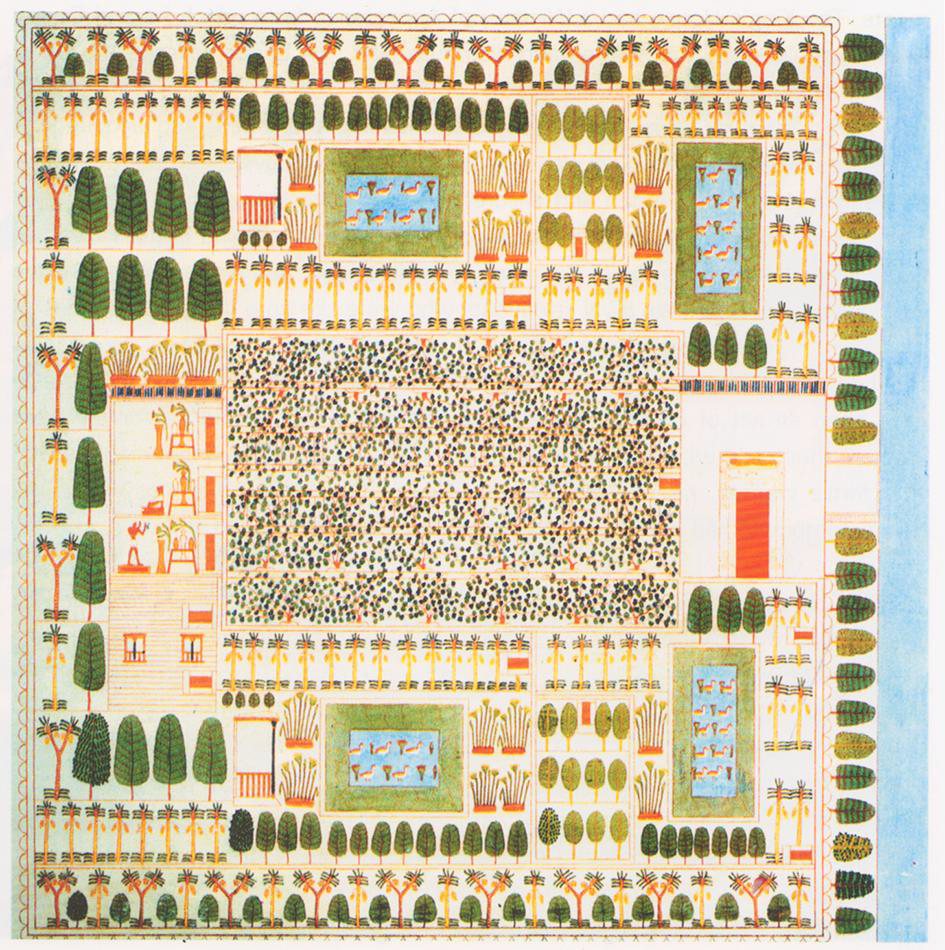
copy of Senefer Garden Plan, Egypt, 1400 BCE, displays a fresco that was early example of landscape design for a temple garden
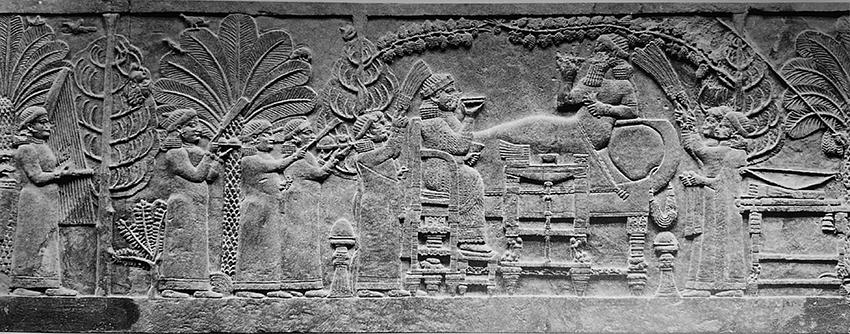
Assyrian garden party, Northern Mesopotamia, 1250 BCE, a relief that is useful for seeing symbols of time and place such as the trees, the people and the garden
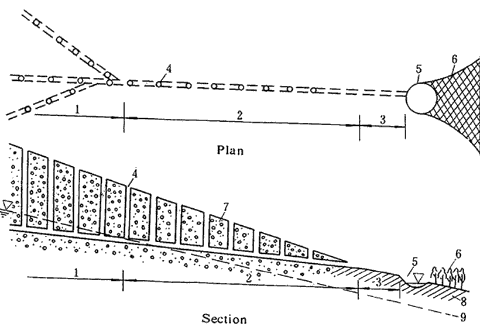
schematic of a Qanat, Northern Mesopotamia, 1250 BCE, a horizontal well used for moving water through gardens and then to crops whilst minimising evaporation
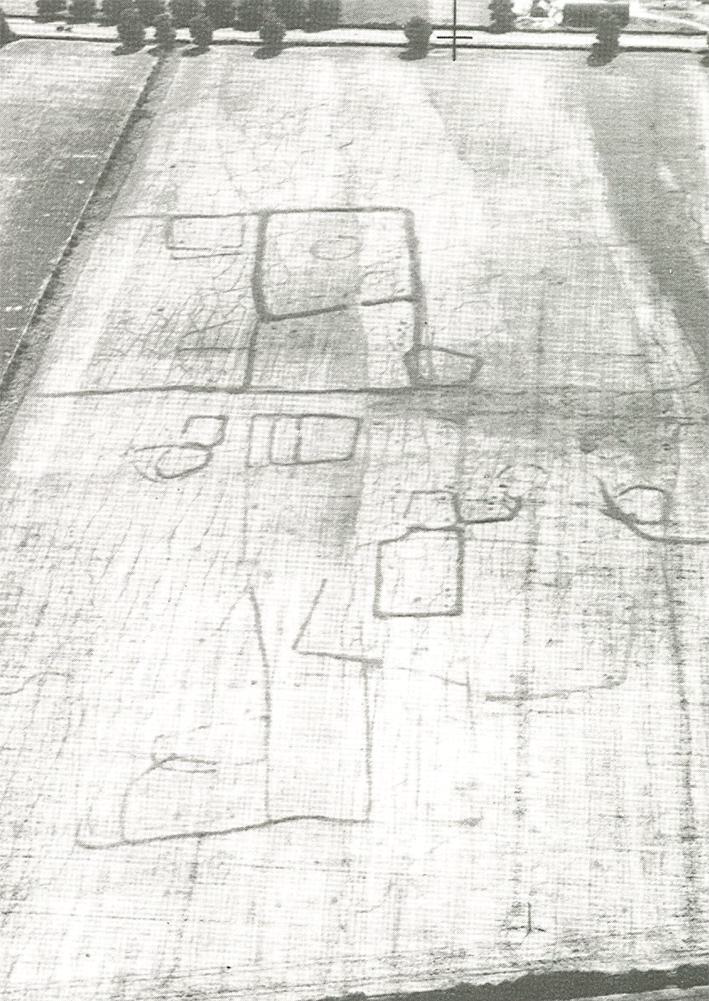
subterranean archaeological remains, England, 1983, aerial photography that reveals buried soil marks from early settlement in Europe
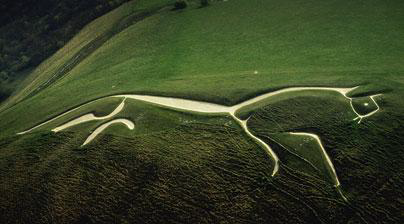
The White Horse of Uffington, England, Bronze age, subterranean carving of hill into chalk, likely related to worship
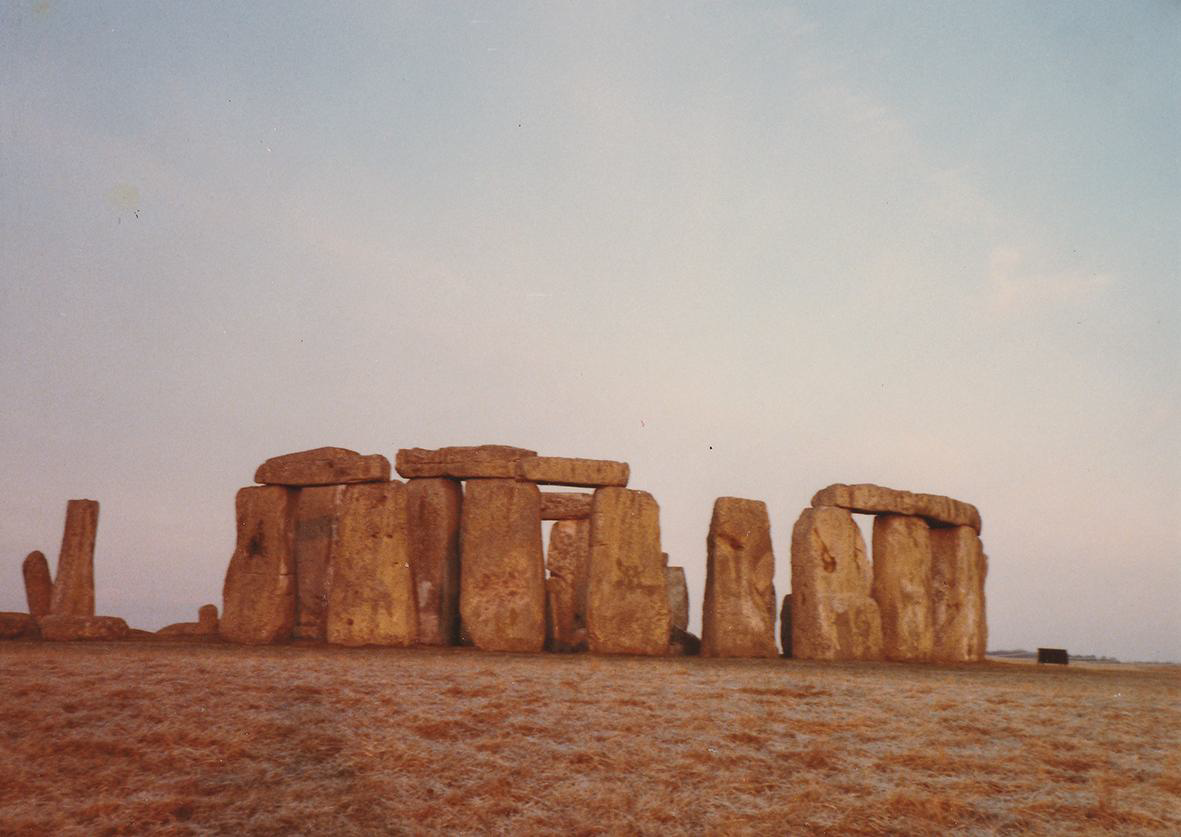
stonehenge, England, Bronze age, megaliths deliberately placed with site lines and circulation considered, early evidence of landscape architecture
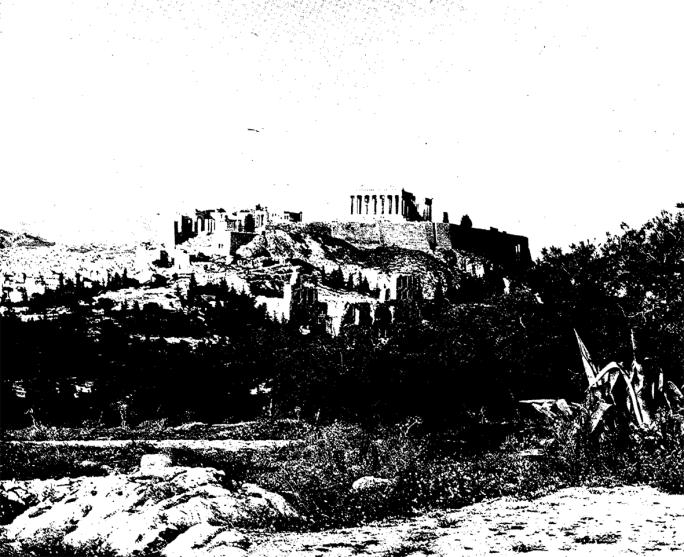
Acropolis of Athens, Greece, 1400 BCE, example of a sacred sanctuary where religion was symbolised in nature, delineated by the landscape’s features - cliffs, boulders, tree canopy
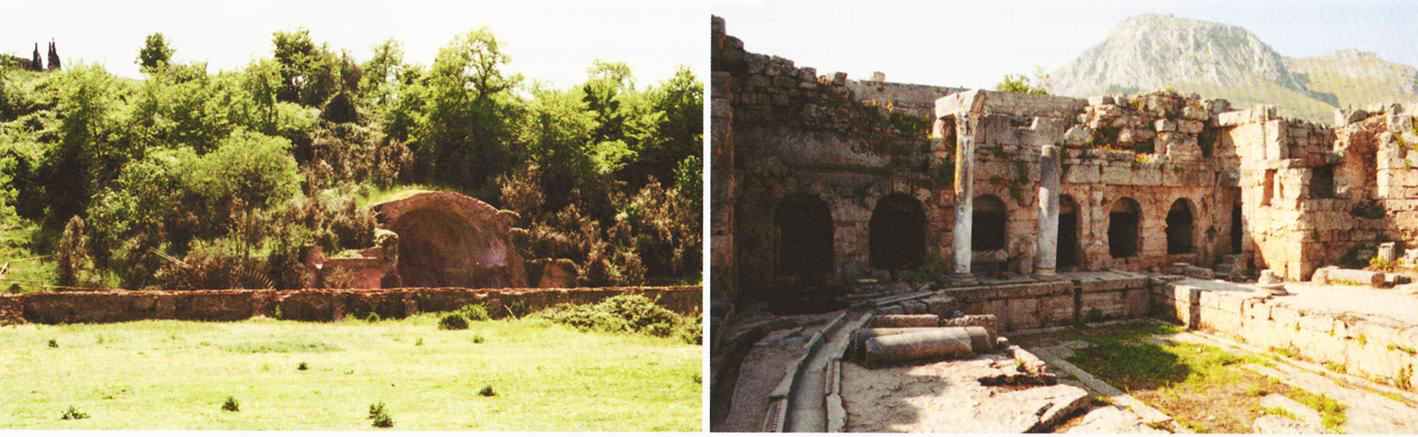
grottos, Greece, 1400 BCE, example of special place for spiritual connection between earth and sky
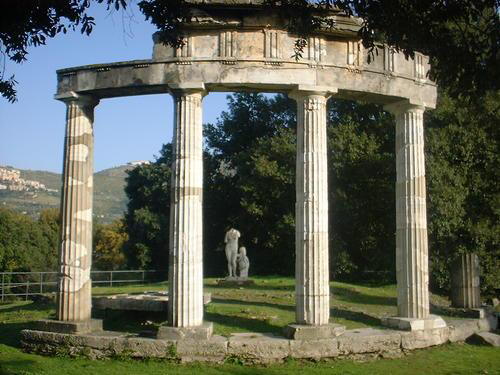
Hadrian’s Villa, Italy, Renaissance, example of how this period say classical garden elements relocated and reproduced, an early humanist idea as well as the idea of genius loci
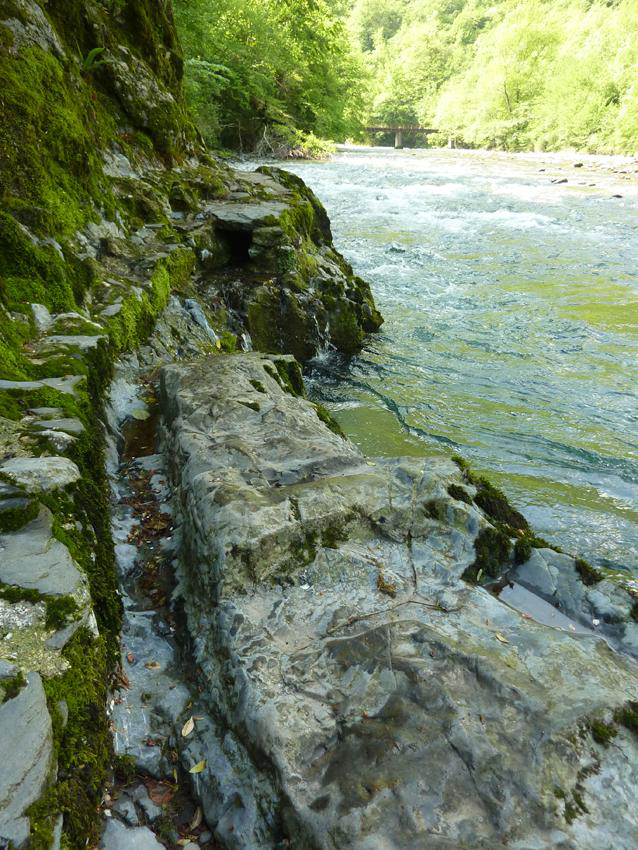
Fontaines de Escot, France, 188-134 BCE, Romans were designing with water, as seen by well and rivulets that were used to channel water between rivers and hotsprings
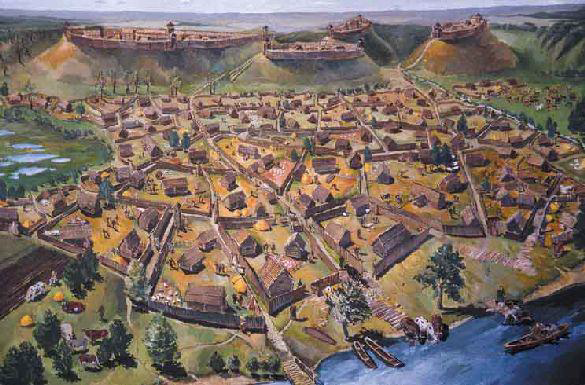
castle hills, Lithuania, Middle ages, examples of how a flat landscape can be altered by humans to create a functional landscape of subsistence, one of fortification over time
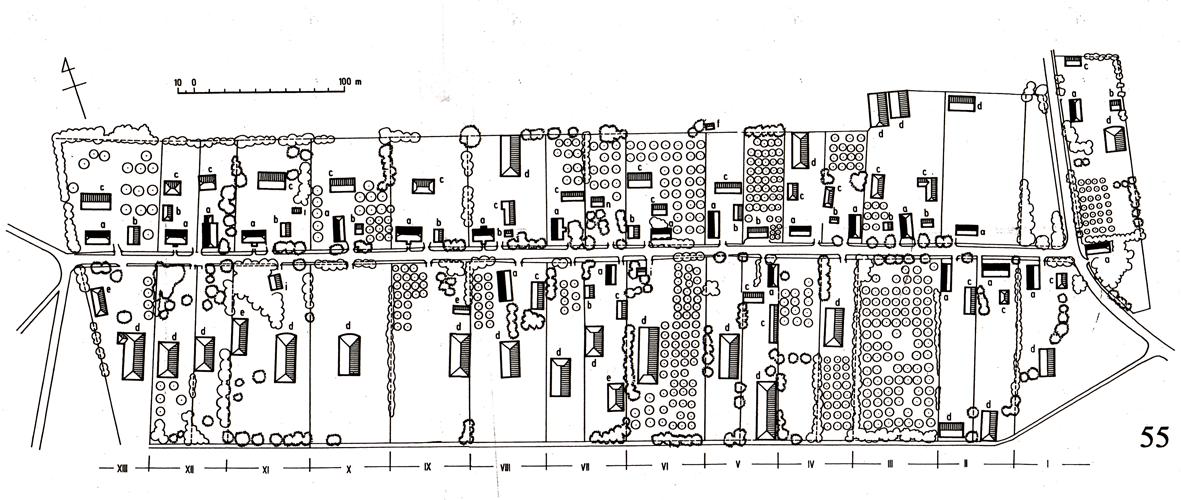
one street village, Lithuania, Middle ages, everyday functions were efficient in a one street village, where resources were contained within the community, e.g., kitchens next to gardens
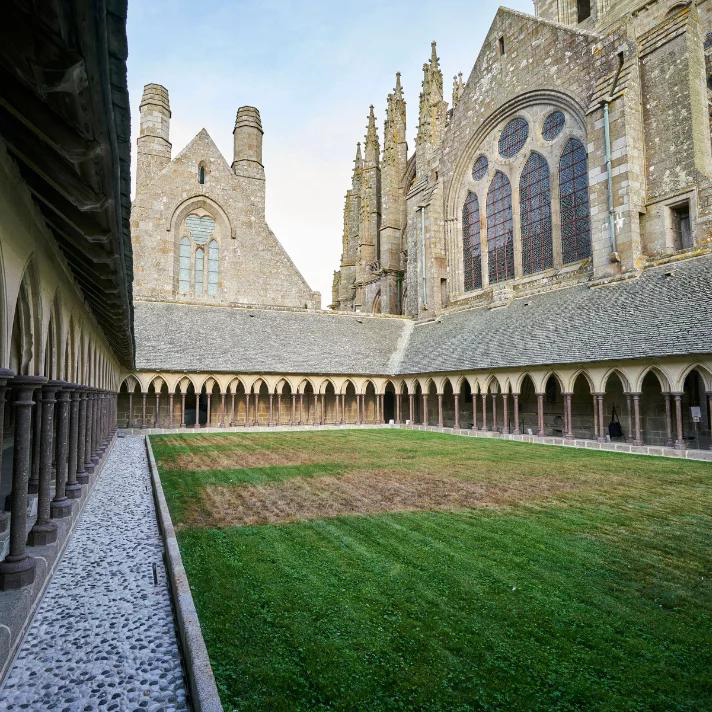
a cloister at Mt St Michel, France, Middle ages, influence of monasticism created fortified gardens for monks to perambulate, a process of walking around and reflecting in a serene space
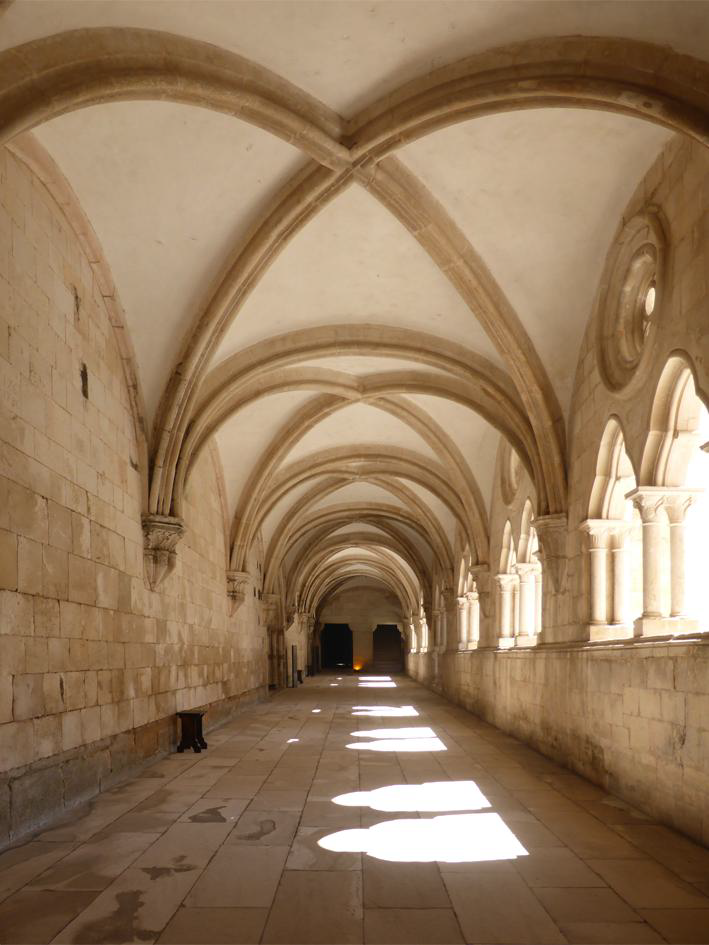
cloister pathway for perambulation, Portugal, Middle ages, area for monks to walk around the cloister, and sometimes includes a stoop for them to stop and ponder
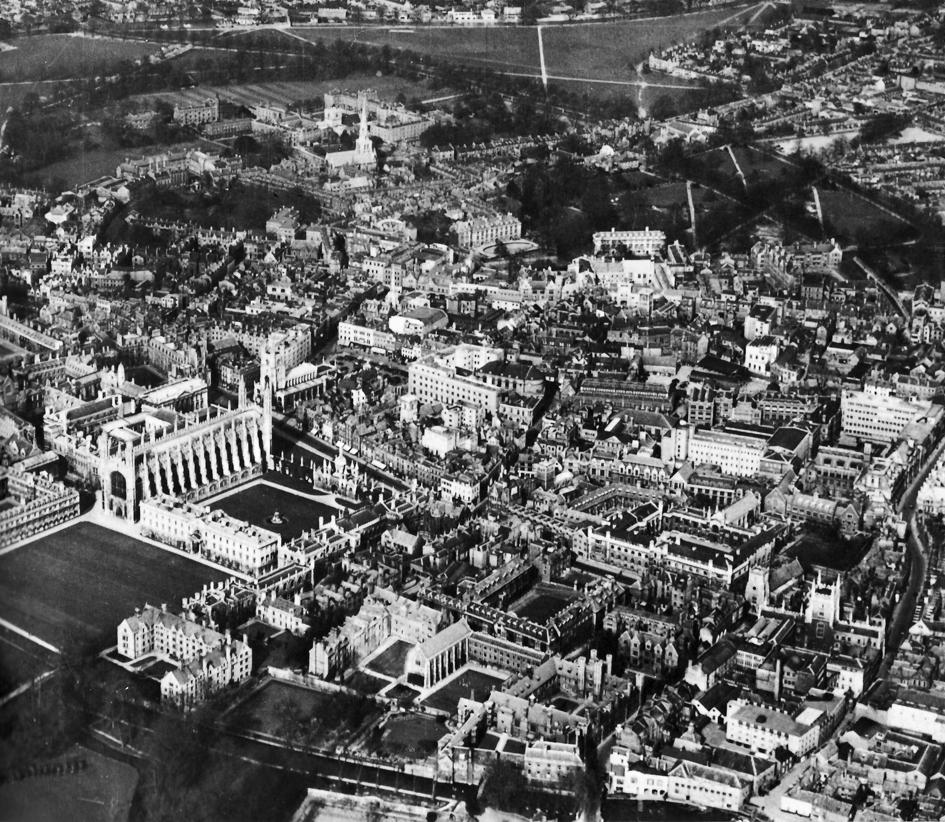
Cambridge quadrangle, England, Middle ages, example of how the cloister would evolve into a quadrangle
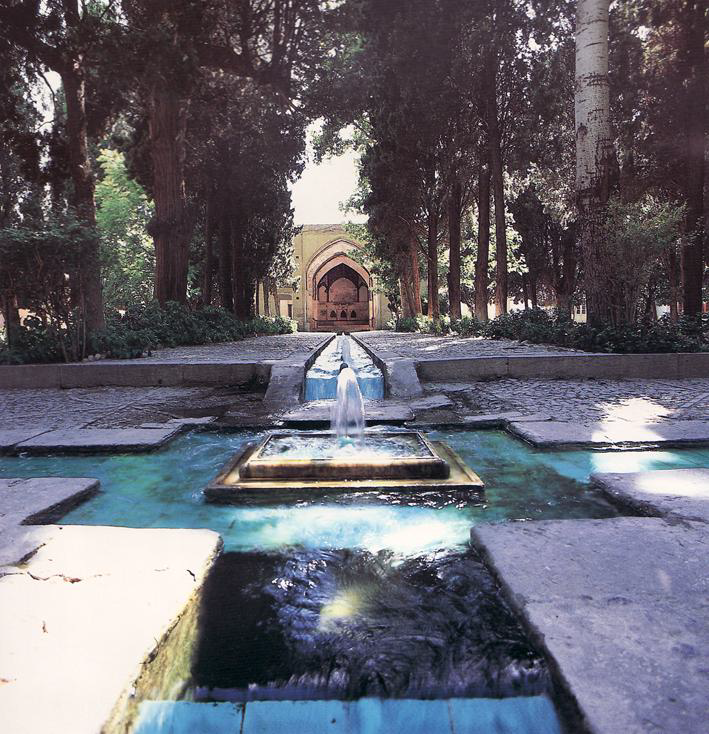
Bagh-I-Fin, Iran, Safavid dynasty, Islamic garden that represents Islamic expansion, using water, horticulture, enclosures and courtyards adjacent to Mosques to create paradise aka pairidaeza
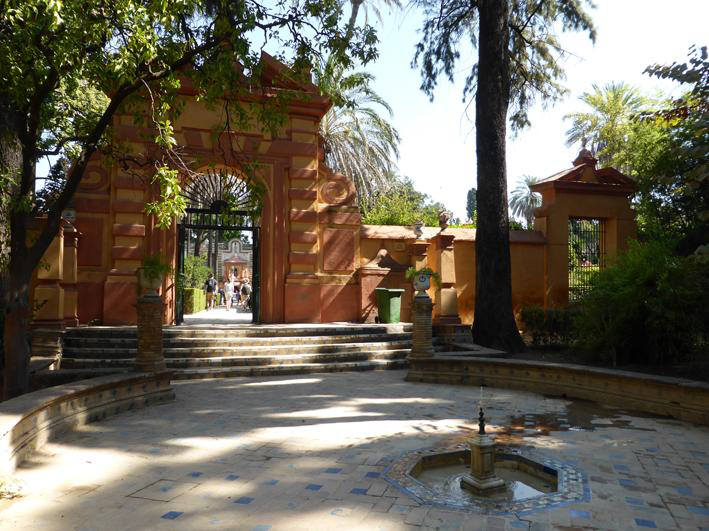
Gardens of Alcazar, Spain, 12th century, compartmental garden built in medieval islamic style with polychromatic tiling and geometric forms
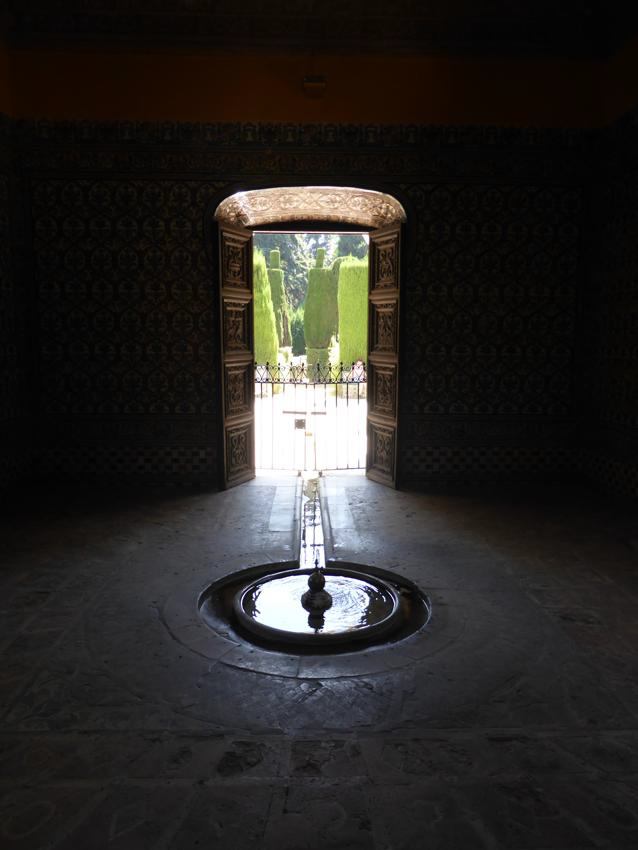
fountain at the Gardens of Alcazar, Spain, 12th century, water is used as a gateway to connect the inside to the outside, regulating the climate of the courtyard
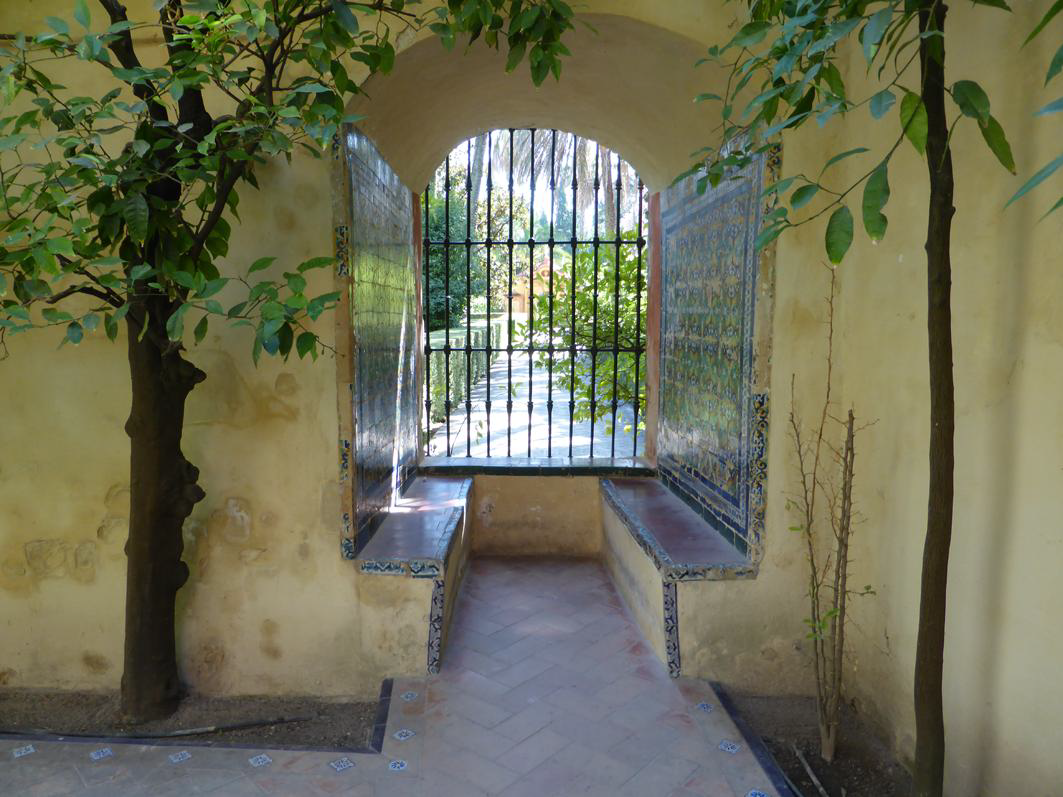
grills at the Gardens of Alcazar, Spain, 12th century, used to allow ventilation of the courtyard
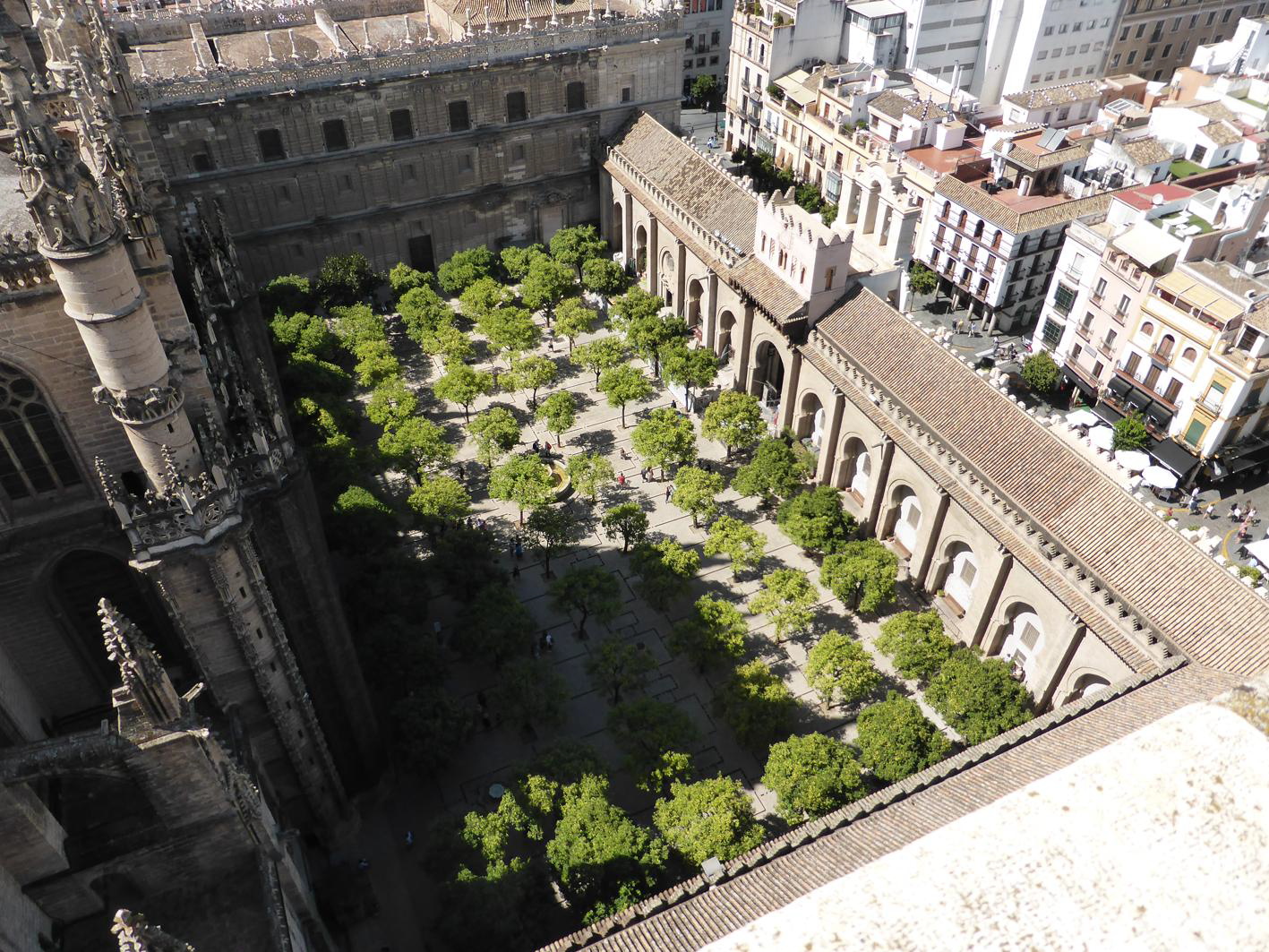
Court of Oranges, Spain, Middle ages, an example of complex irrigation and symmetric tree canopy within a built environment
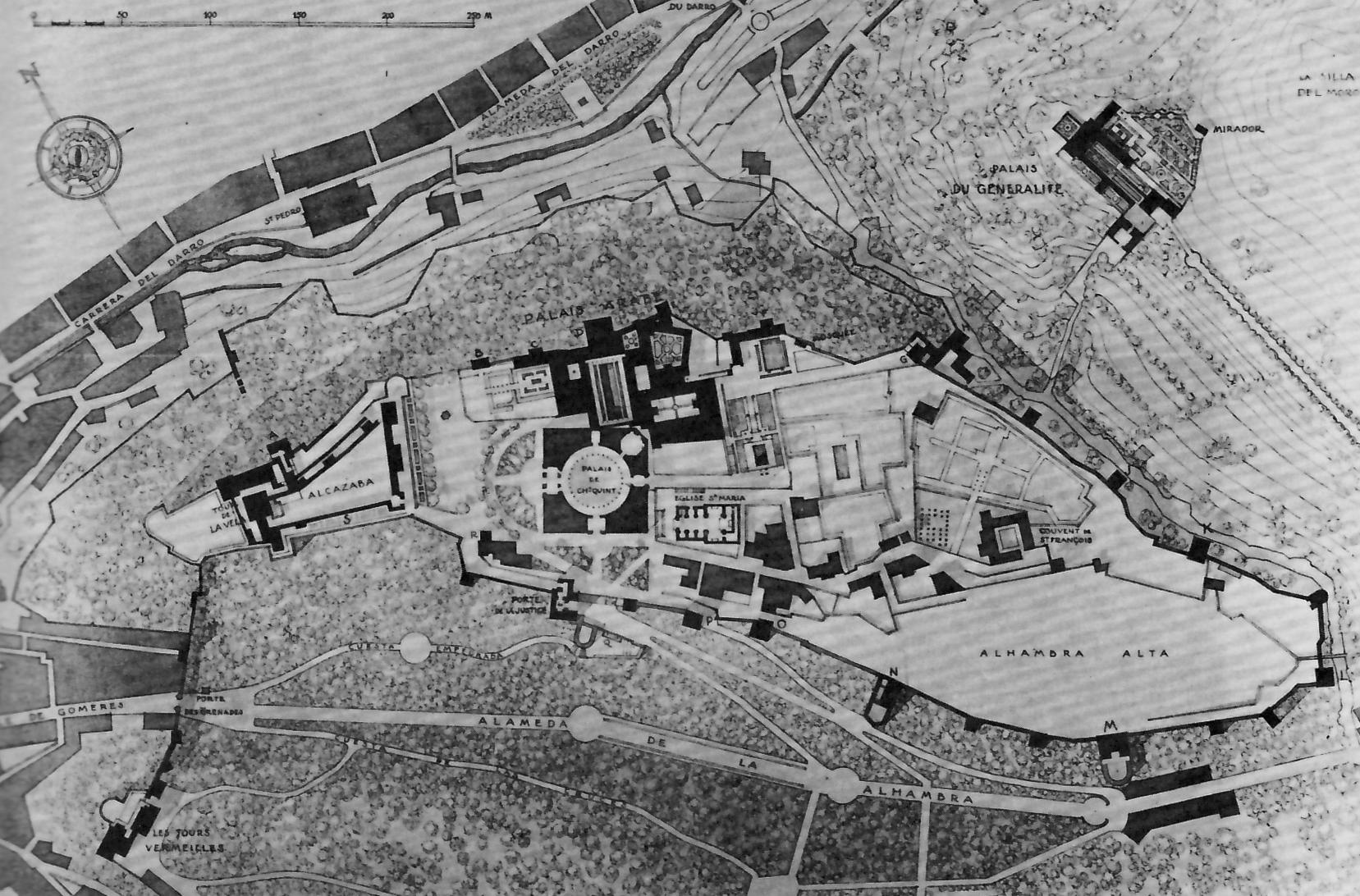
Alhambra and Generalife, Spain, Nasrid Dynasty, a fortress with towers and a garden positioned high above the town of Grenada
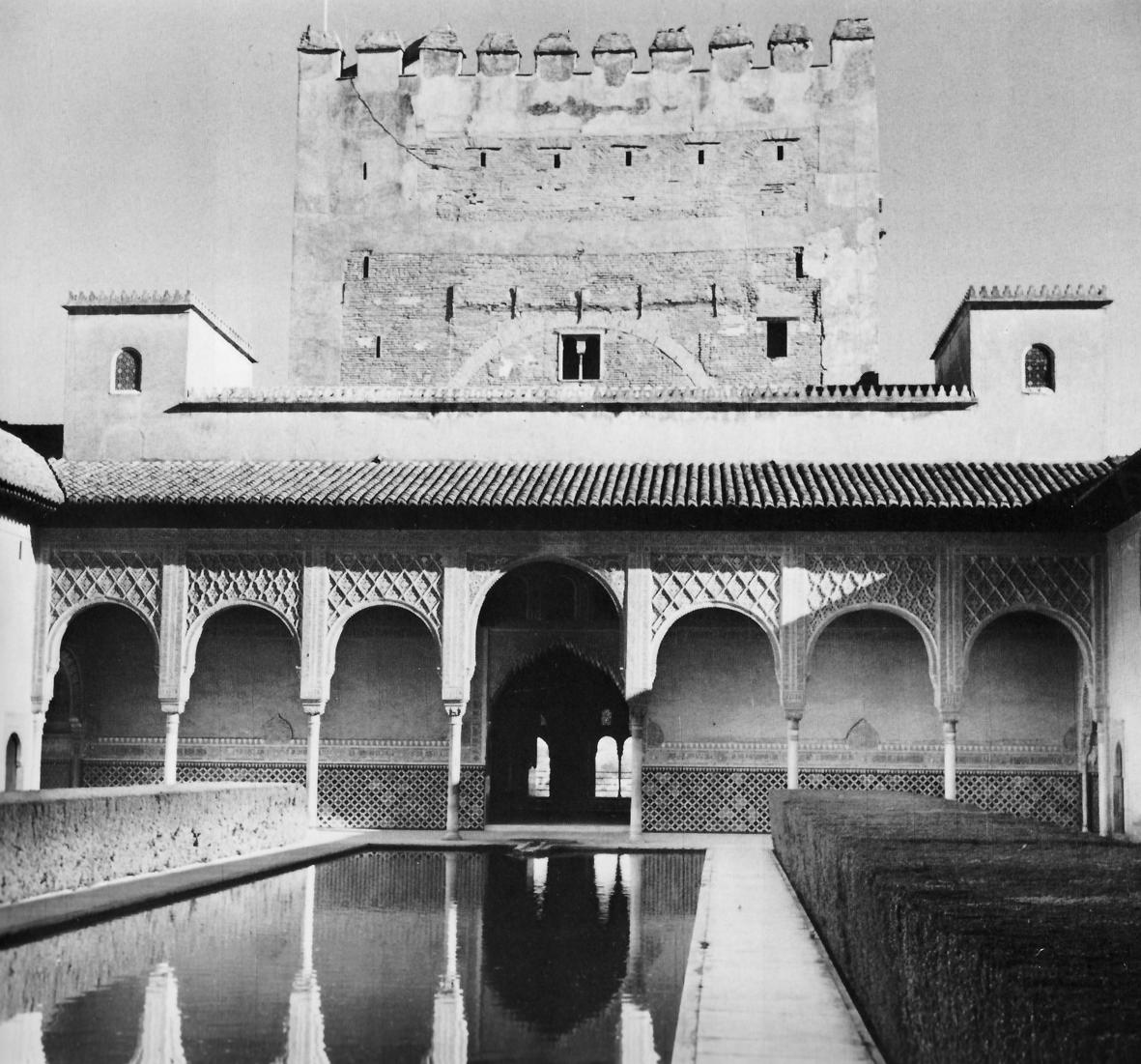
Court of the Myrtles, Spain, Nasrid Dynasty, within the Alhambra, this court is an example of dynamism and climatic control
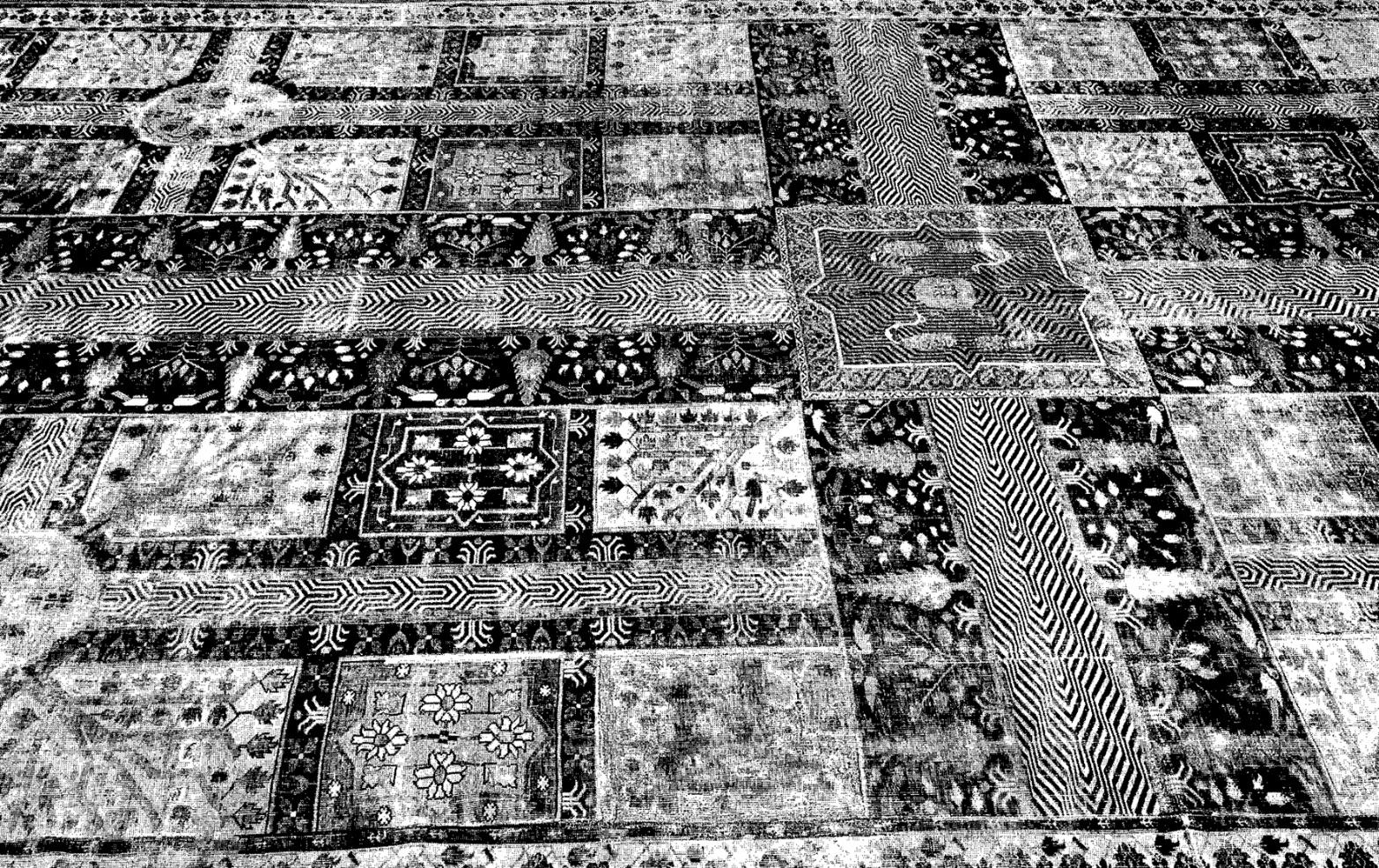
Persian garden carpet, Iran, 1600s, an example of the geometric structure of a Persian garden as recorded in tapestry, using canals, circular intersections or oriental trees
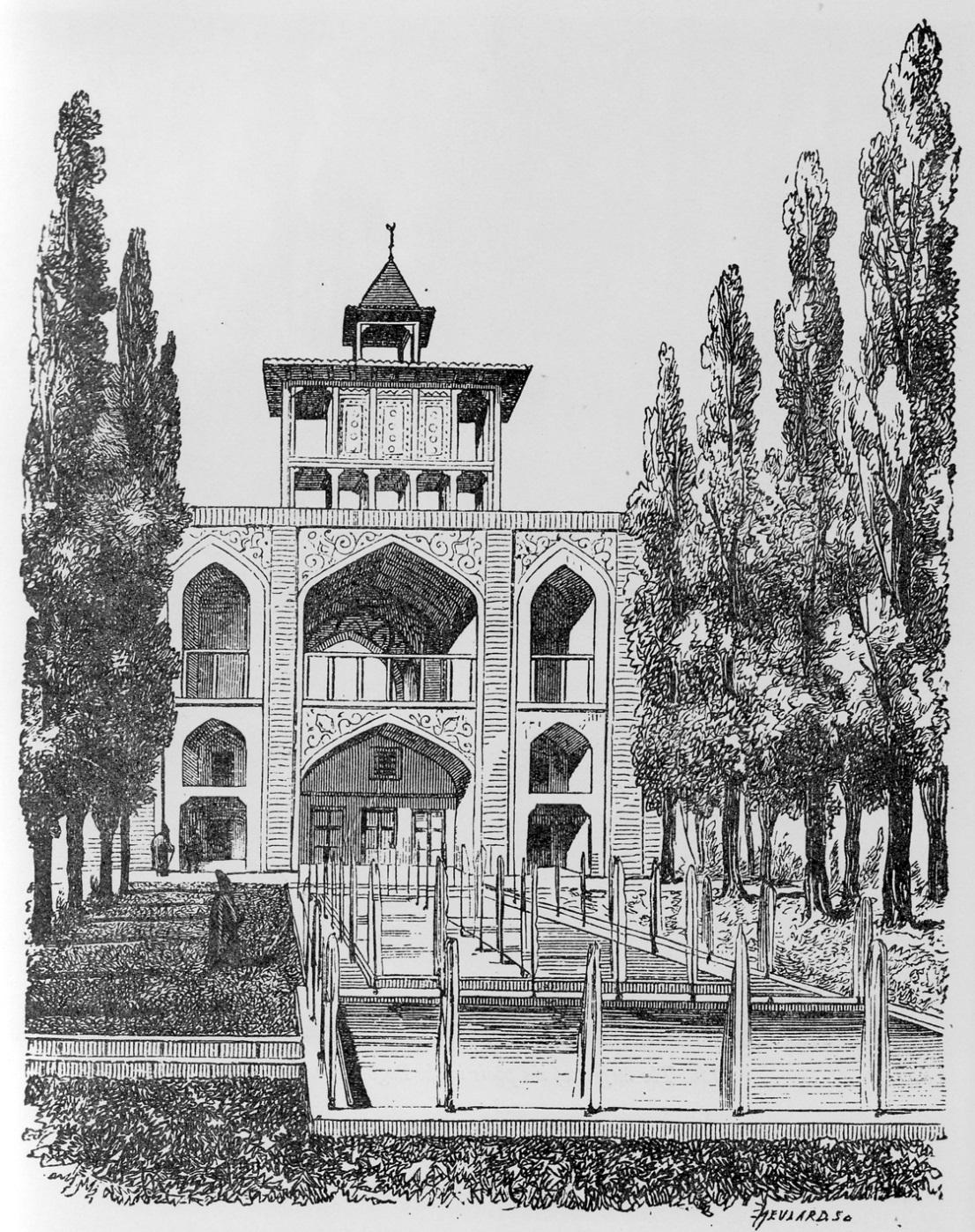
Bagh-I-Fin, Iran, Safavid dynasty, represented Persian royal gardens with abundant water, contrast between the arid surrounds and the interior, as well as axial symmetry