Principles of Biomedical Science 2.1.5 Study Guide
 Call Kai
 Learn
Learn Practice Test
 Spaced Repetition
 Match
Match Flashcards
 Knowt Play
1/16

Name | Mastery | Learn | Test | Matching | Spaced | Call with Kai | Chat |
|---|
No analytics yet
Send a link to your students to track their progress
17 Terms
Hormone
a product of living cells that circulates in blood and produces a specific, often stimulatory, effect on the activity of cells that are often far from the source of it
Insulin
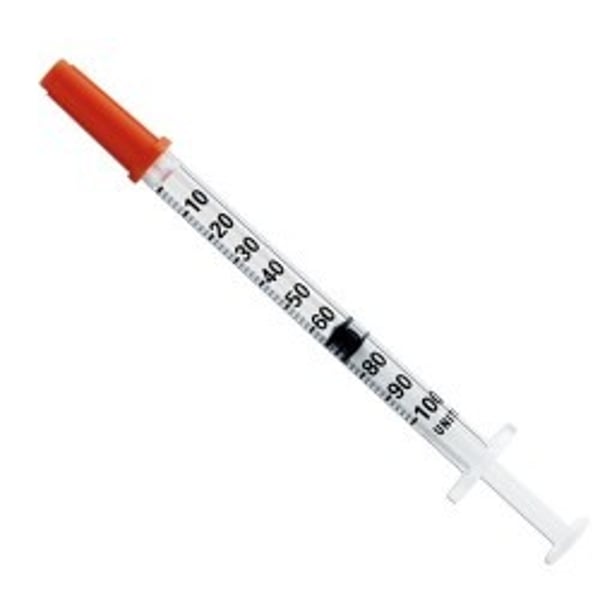
a hormone released by the pancreas that helps regulate the metabolism of glucose and disgust carbs
Type 1 Diabetes
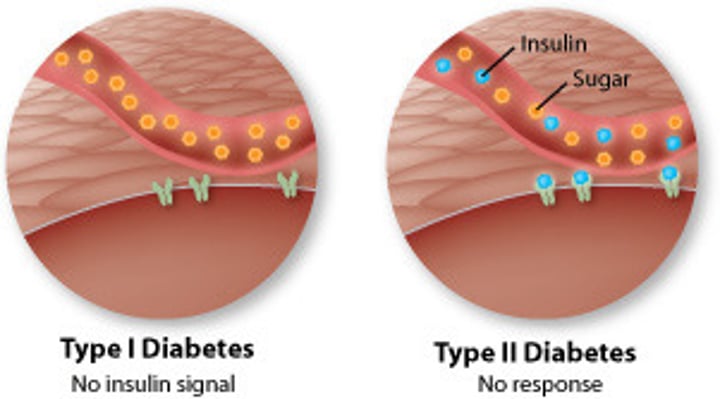
the type of diabetes that's genetically inherited and normally appears at an early age

Type 2 Diabetes
the type of diabetes that occurs due to lifestyle choices such as diet and exercise
Compound
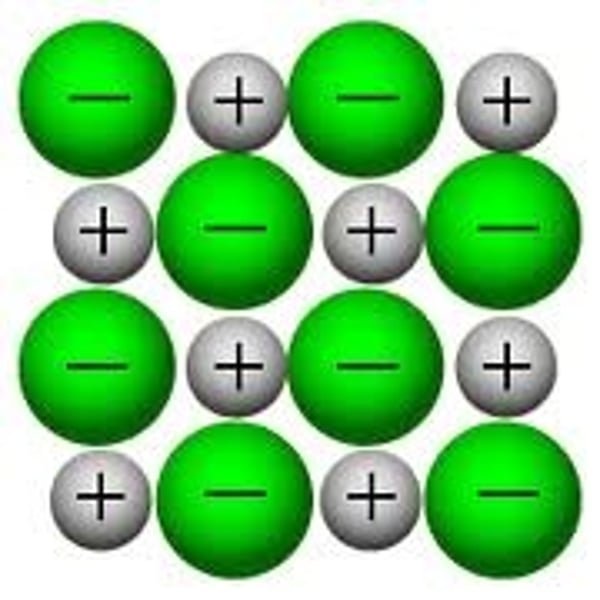
substance consisting of two or more elements in a fixed ratio
Macromolecule/Biomolecule
A type of giant molecule formed by joining smaller molecules which includes proteins, polysaccharides, lipids, and nucleic acids.
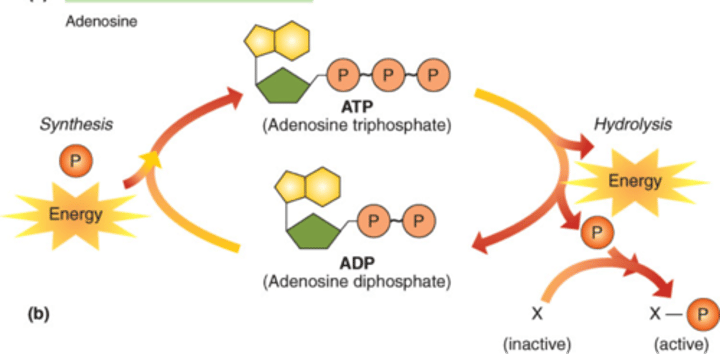
Adenosine Tri-phosphate (ATP)
A compound composed of adenosine and three phosphate groups that supplies energy for many biochemical cellular processes by undergoing enzymatic hydrolysis.
Glucagon
A protein hormone secreted by pancreatic endocrine cells that raises blood glucose levels; an antagonistic hormone to insulin
Homeostasis
The maintenance of relatively stable internal physiological conditions (as body temperature or the pH of blood) in higher animals under fluctuating environmental conditions
Hyperglycemia
High blood glucose level
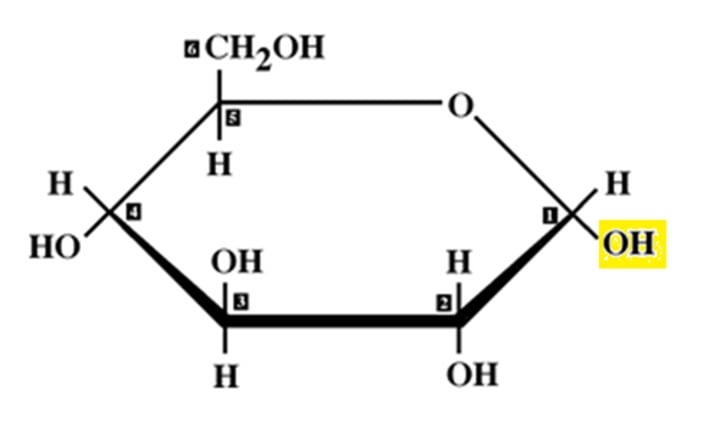
Glucose
A monomer of carbohydrate, simple sugar
Nutrient
A substance that is needed by the body to maintain life and health

Carbohydrates
sugar in the form of a monosaccharide, disaccharide or polysaccharide

Lipid
One of a family of compounds including fats, phospholipids, and steroids that is insoluble in water (it is non-polar)

Protein
A three dimensional polymer made of monomers of amino acids.
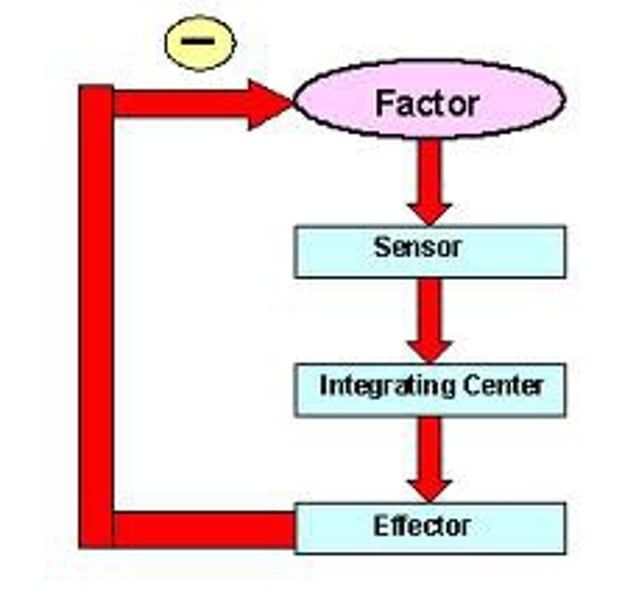
Negative Feedback
(or balancing feedback) occurs when some function of the output of a system, process, or mechanism is fed back in a manner that tends to reduce the fluctuations in the output, whether caused by changes in the input or by other disturbances.
Positive Feedback
enhance or amplify changes; this tends to move a system away from its equilibrium state and make it more unstable. Negative feedbacks tend to dampen or buffer changes; this tends to hold a system to some equilibrium state making it more stable.