Dendrology - Broadleaves
 Call Kai
 Learn
Learn Practice Test
 Spaced Repetition
 Match
Match Flashcards
 Knowt Play
1/31

There's no tags or description
Looks like no tags are added yet.
Name | Mastery | Learn | Test | Matching | Spaced | Call with Kai | Chat |
|---|
No analytics yet
Send a link to your students to track their progress
32 Terms

Red Alder (Alnus rubra)
Leaves: simple, alternate, deciduous, egg shaped margins are doubly serrated and rolled over
Fruit: small woody cones
Bark: smooth gray and blotchy

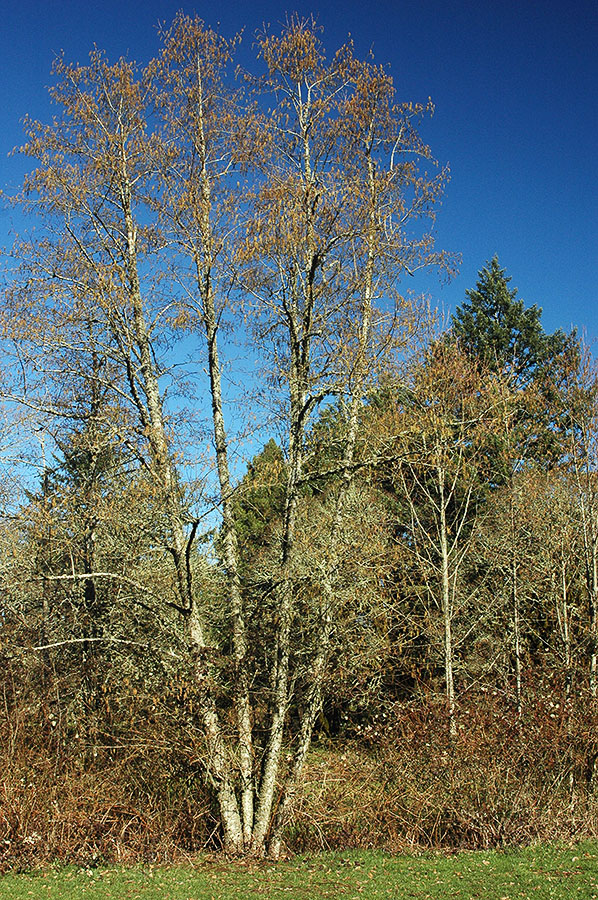
white alder (Alnus rhombifolia)
Leaves have single row of teeth and may appear wavy, edges not revolute
Bark near ground is platy, scaly, breaks into ridges
found along streams


Big Leaf Maple (Acer macrophyllum)
Leaves, simple, opposite, deciduous. Very large (6-12”), palmately lobed
fruit is double samara in long closures, hairy seeds

Vine Maple (Acer circinatum)
Under 20’ tall
leaves: simple, opposite deciduous with 5-7 lobes, circular outline, bark smooth with greenish tinge
fruit is double samara that is about opposite resembling an airple propeller


Pacific madrone (Arbuus menziesii)
Leaves simple, alternate and evergreen. Oblong 3-5”, thick and leathery. Dark green above and light green below. Edges are smooth or finely serrated
Fruit: small (pea sized) round, orange-red berry like fruit with pebbly texture
bark flakes off in sales or strips, outer bark is orange or reddish brown, inner bark may be bright green
usually curved form
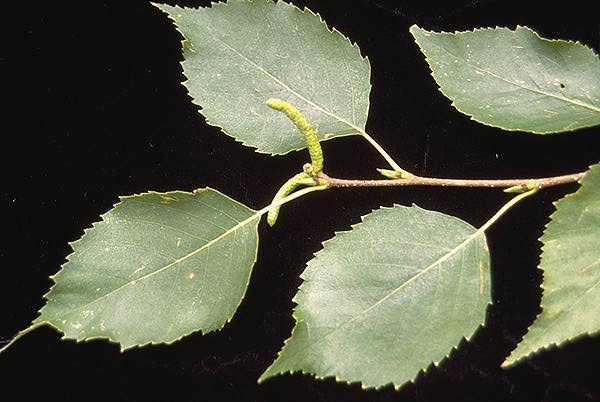
Birch (Betula); paper birch (Betula papyrifera)
Bark: paper like and distinctive horizontal markings called lenticels, whitish
Leaves: Simple, alternate, deciduous, egg shaped 4-6” long with doubly serrated margins
Fruit: tiny, winged nuts borne in disintegrating cone about 1” long
Growth: fast, but short lived
cherry/ plum (prunus); bitter cherry (Prunus emarginata)
leaves, glands on base of leaf, simple, alternate, decidious
shape elliptical about 1-3”
bark : thin, reddish brown with large horizontal lenticels tenss to break and curl horizontally
fruit small, bright red “juicy”
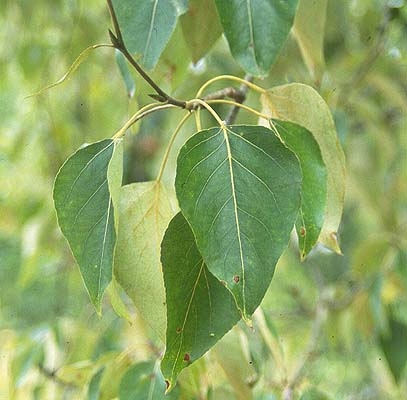
black cottonwood (populous trichocarpa)
leaves : 5-6” long, ovate to ovate Lancelot
fruit 1/3”-1/2”, 3 valved pubescent
things exhale a fragrant odor when crushed
bark: tawny yellow to gray and smooth on young stems
Quaking Aspen (Populous tremuloides)
leaves: simple, alternate, and deciduous. Ovate to round 2-3” in diameter. Green above and paler below with rounded teeth, a flat flexible leaf stem allows the leaf to move in slightest wind
Bark: greenish white sheen young and more furrowed and darker with age
Willow (Salix); Scouler willow (Salix scouleriana)
90 diff types that interbreed
grow mostly as shrubs
leaves tend to be narrow
fruit seeds are very tiny
sprout from twigs buried in soil

Oregon Myrtle (Umbellularia California)
leaves: simple, alternate, evergreen, pungent odor when crushed. Dark green above paler green below
fruit: size and shape of a large olive, purple with yellow stalk when ripe
bark: smooth and gray brown when young

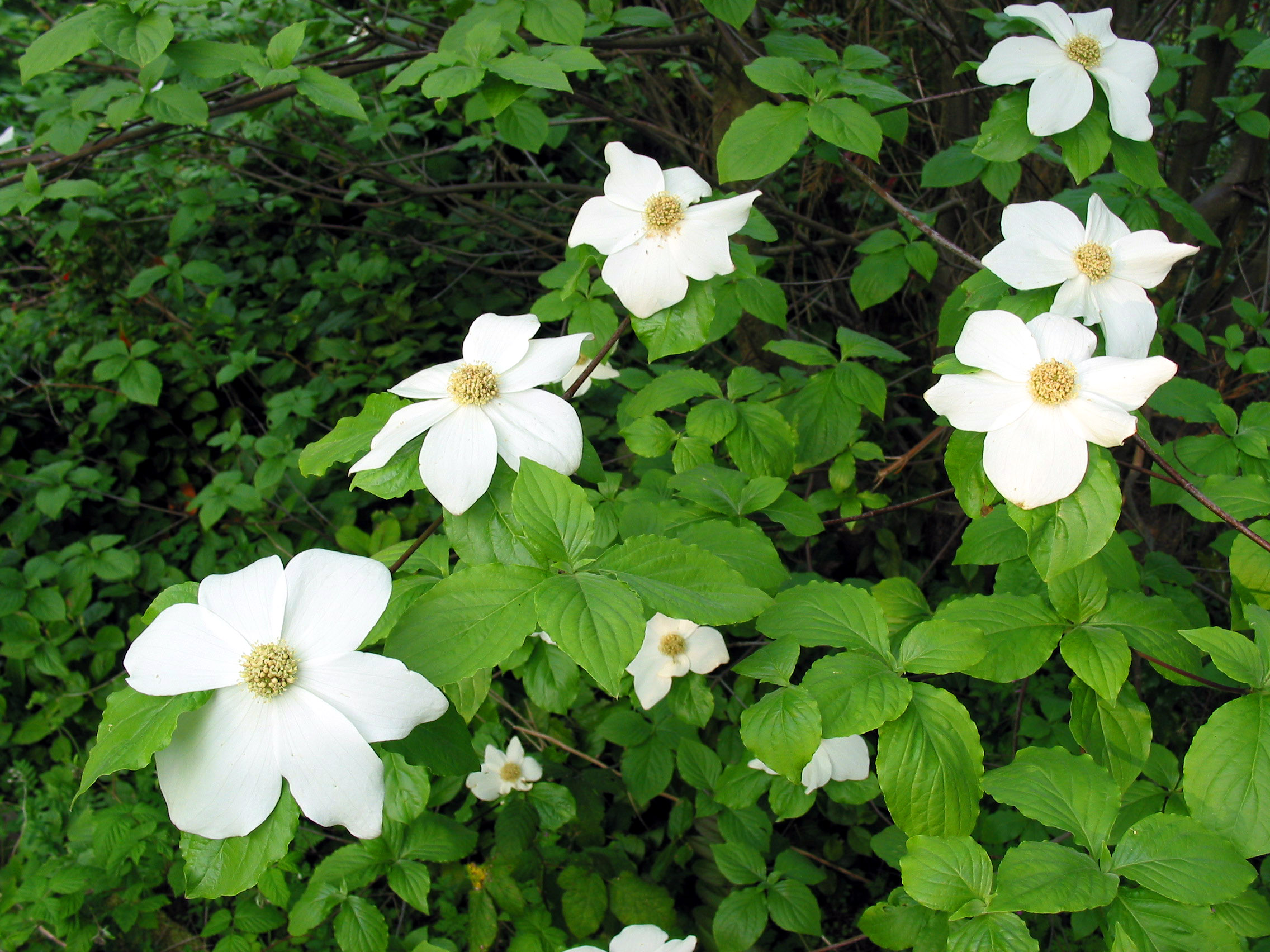
Pacific Dogwood (cornus nutalli)
leaves: simple, opposite, deciduous ovate, veins curve down toward tip
flowers tiny whitish flower
fruits: flattened reddish berries in dense clusters
bark is thin gray and smooth

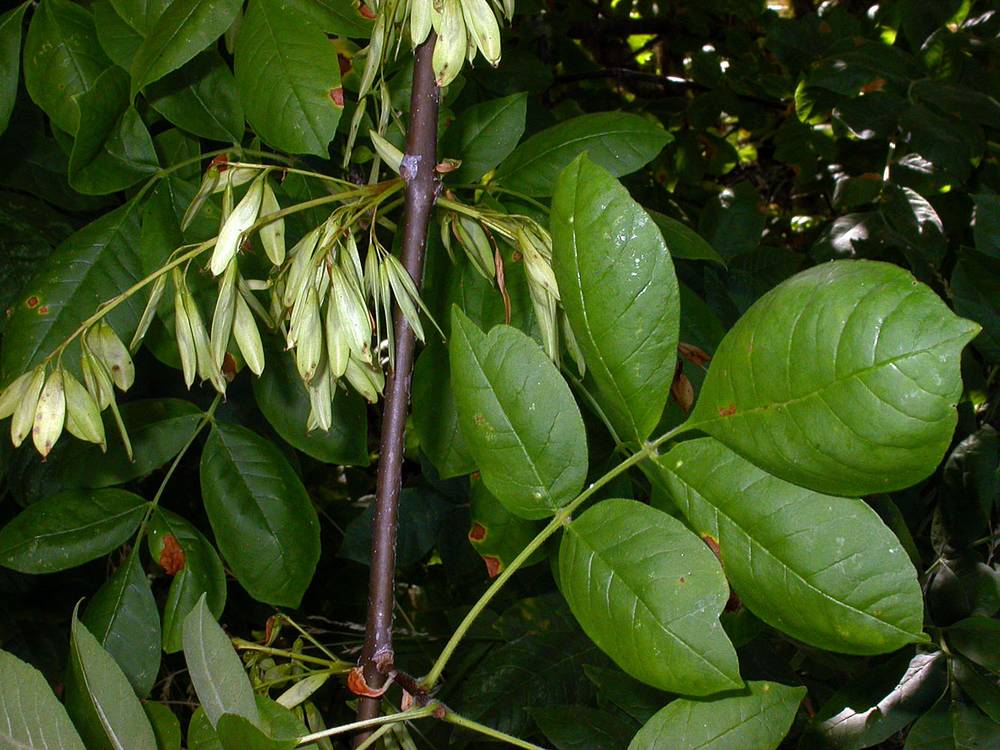
Oregon Ash (Fraxinus latifolia)
leaf pinnately compound: opposite, deciduous. Leaflets are roughly elliptical with smooth or slightly serrated margins
fruit is a single samurai that may hang in clusters. Shaped like a cnaoe
Bark moderately thick, grayish brown

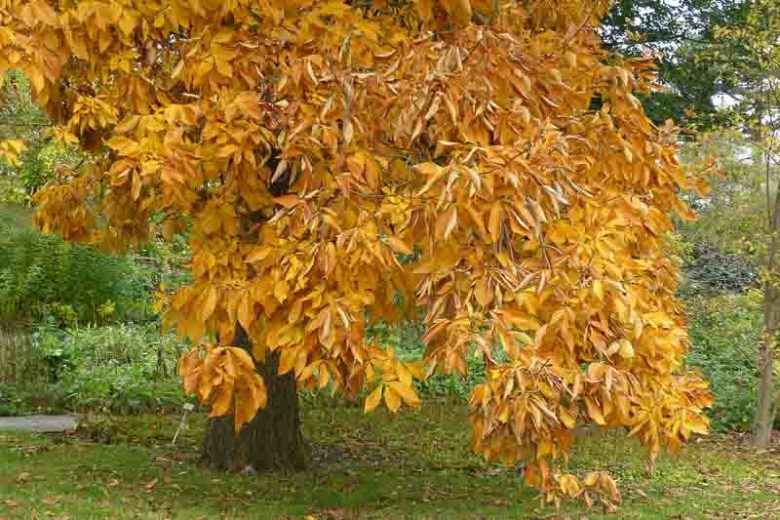
Hickory (Carya); shagbark hickory (Carya ovata)
leaves compound, 10-14” long, usually 5 ovate lanceolate to obovate leaflets
margin finely serrated, dark yellow green
fruit 1-2.5” with reddish brown to nearly black husk
bark peely and gray

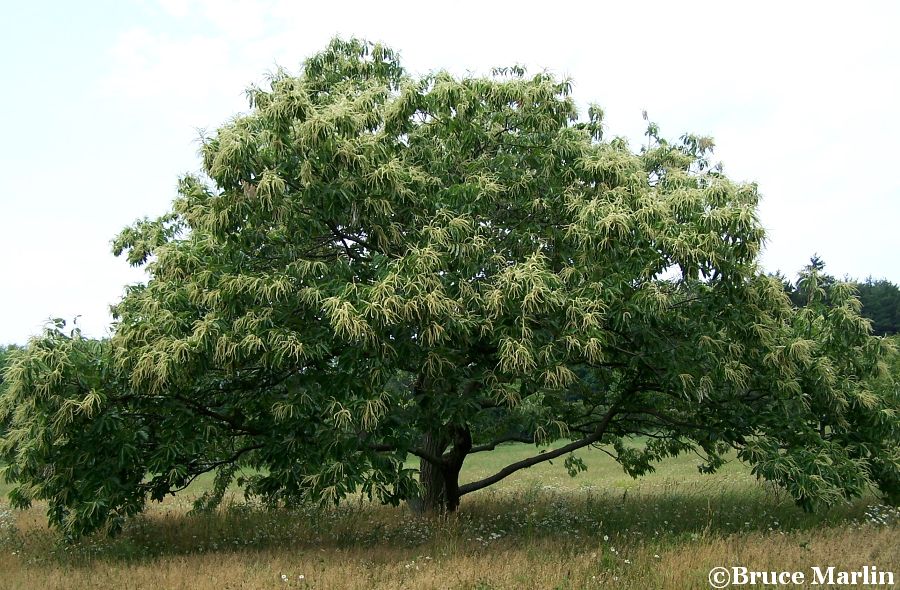
Chestnut (Castanea); American Chestnut (Castanea dentata)
leaves 5.5-8” long about 2” wide, oblong lancolate, margin coarsely and sharply serrated, dull yellow green glaborous
frut: 2-2.5” in diameter covered in harp branched spines, nut
bark is dark brown and shallowly fissured into broad flat ridges
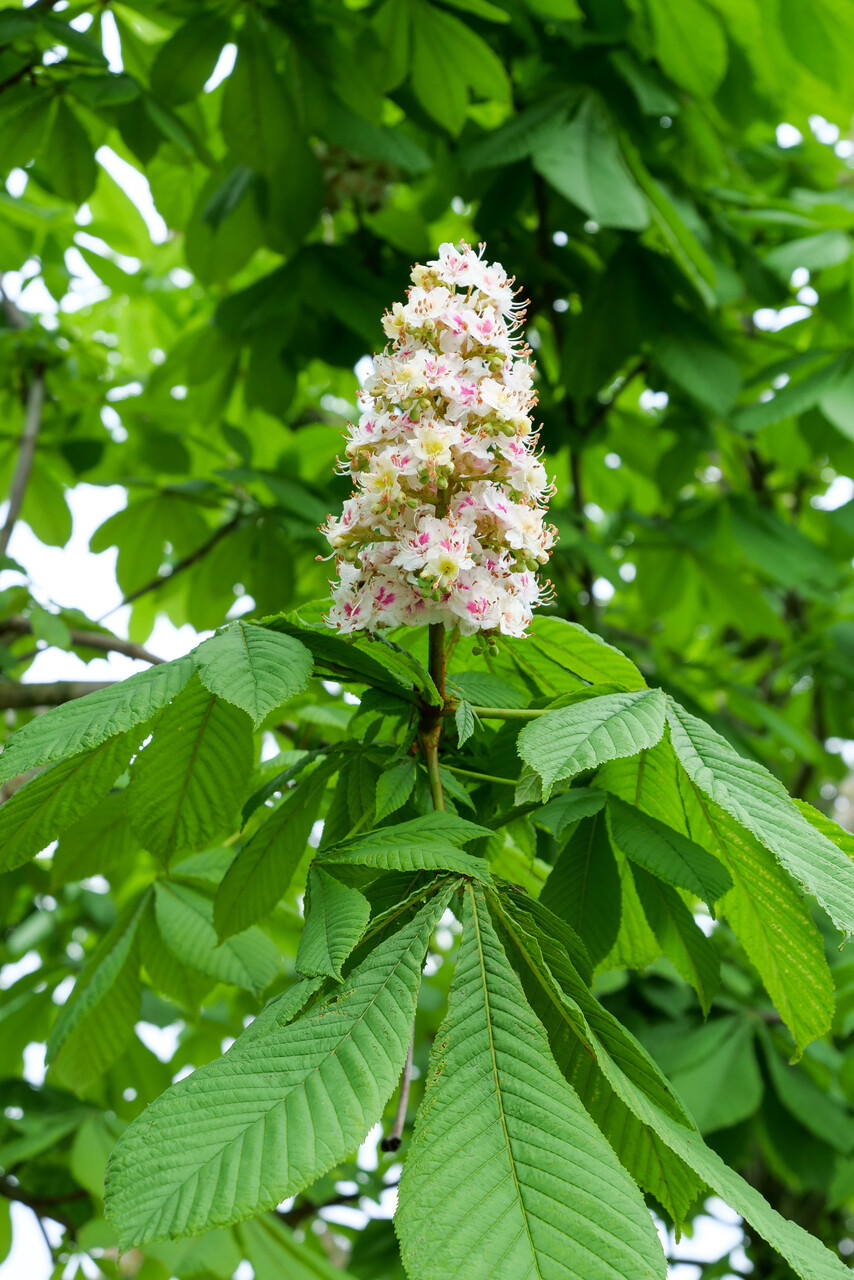

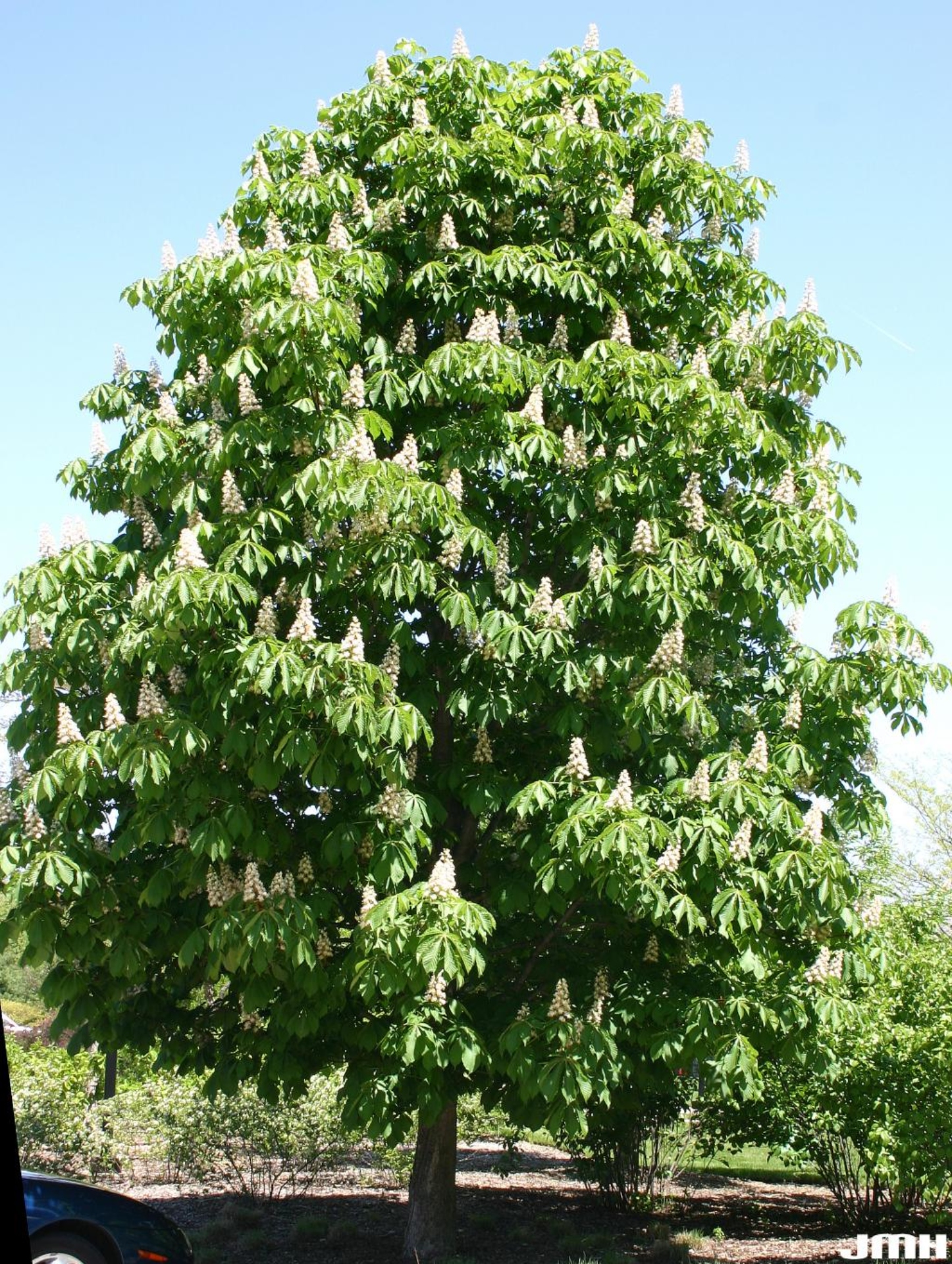
horse chestnut (Aeschylus hippocastanum)
leaves palmately compound, 7 obovate leaflets
fruit: spiny capsular

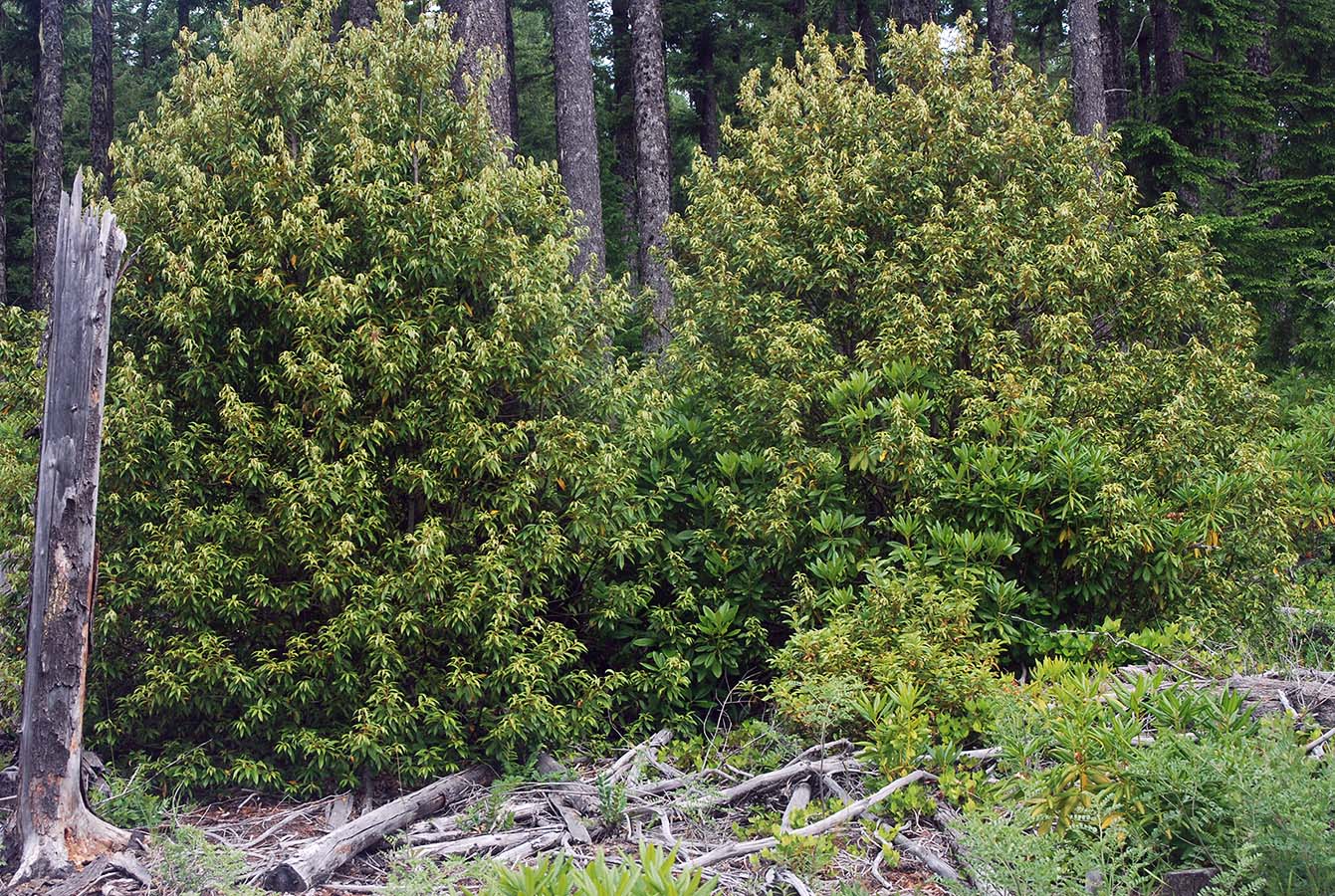
Golden Chinquapin (Chyrsolepsis chrysophylla)
leaves: simple, alternate, evergreen. Lancolate 2-5” long stiff and leathery. Green above and golden below. Smooth margins
fruit: sharp, spiny burr with 1 or 2 triangular nuts that are edible
flowers are puffy white and stick out like spikes that hav ea musky odor
bark is deeply furrowed and ridged
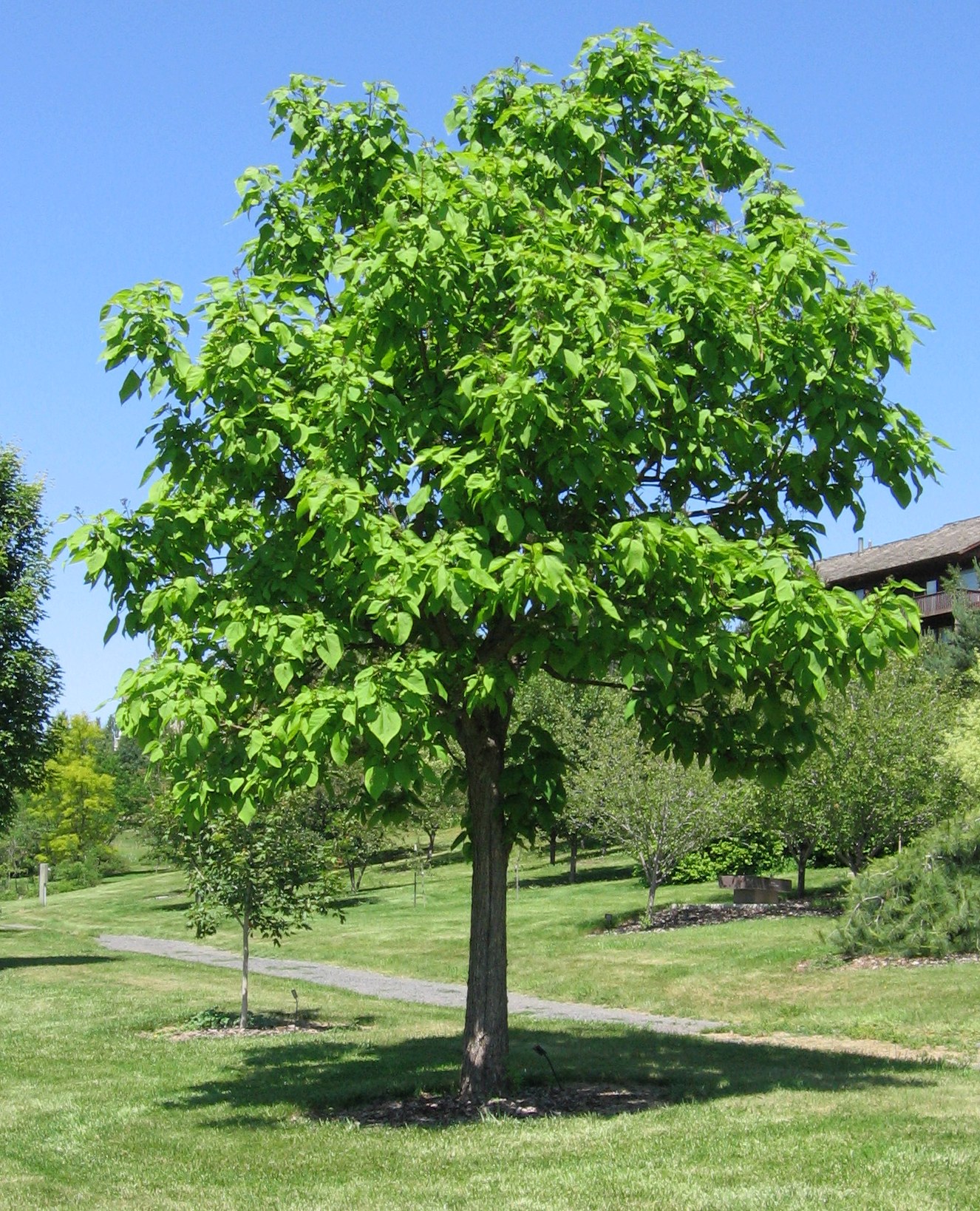
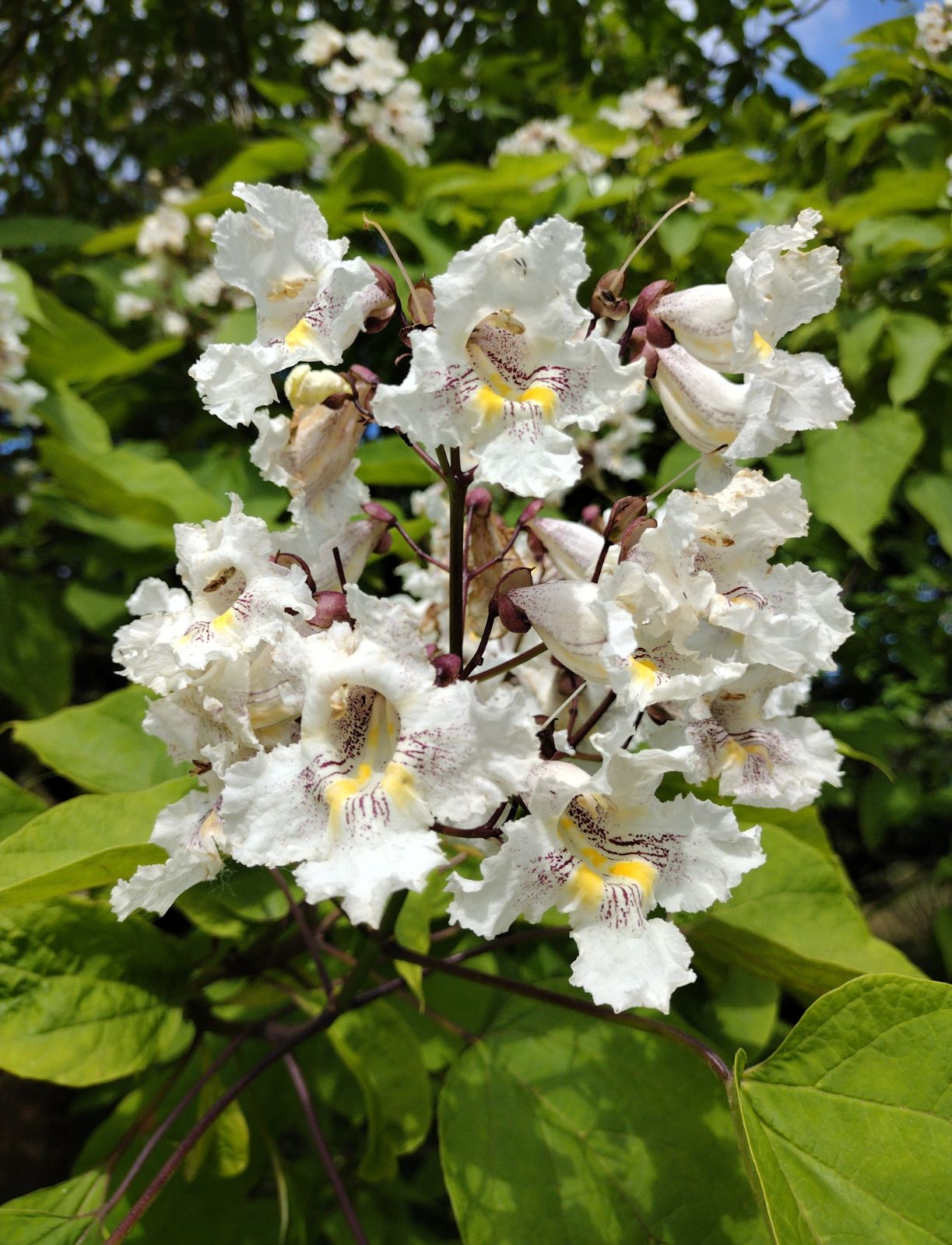
Catalpa (Catalpa); northern Catalpa (Catalpa speciosa)
Leaves: large, ovate to oval, mostly entire
flowers: big white and showy
max height of about 120’


beech (Fagus); American Beech (Fagus grandifoia)
leaves: deciduous 2.5-6”long, 1-2.5” wide, elliptical to oblong ovate. Margin is remotely serrate with sharp incurred teeth. Glabrous above and below. Veins parallel. papery texture
Flowers appear after leaf unfolding in the spring
Fruit is edible nut
Bark thin, smooth, light blue gray in color
tree is one of the most common trees in earster hardwood forest
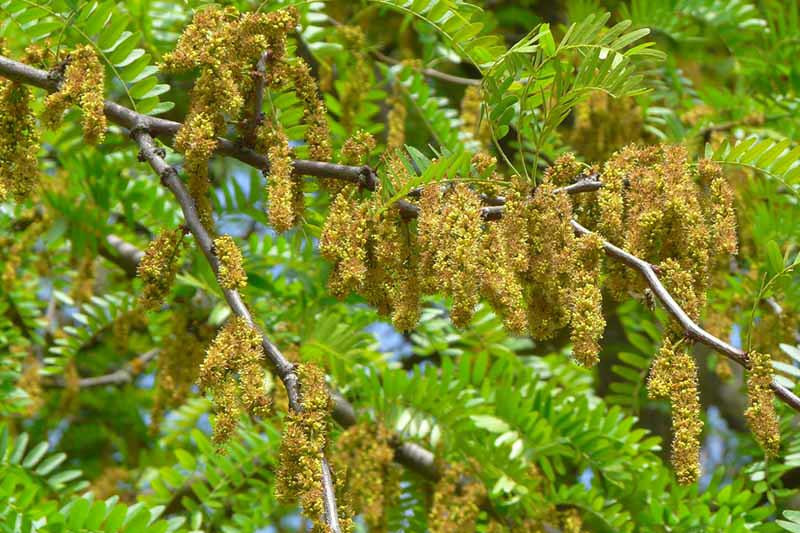

honeylocust (Gleditsia tricanthos)
leaves: pinnate and bipinnately compound with 15-30 newly sessile leaflets. Leaflets are 1-2” long and .5-.75” wide with ovate shape. Glabrous dark green lustrous above, dull yellow green belwo
twigs with thorns 2-3” long
fruit is reddish brown
Walnut (Juglans); black walnut (jugulars nigra)
leaves: compound with 15-23 leaflets, sessile attachment
fruit : solitary or in cluster. Thick semi fleshy, yellow green pubescent husk
bark is brown to grayish forming roughly diamond shaped patttern


basswood (Tillia); American Basswood (Tillia Americana)
leaves: simple, alternate, deciduous, 5-6” long broadly ovate, coarsely serrate, dark green paler green below
unequal base
flowers: regular, in a loose cymes, fragrant, 5 petals, 5 sepals
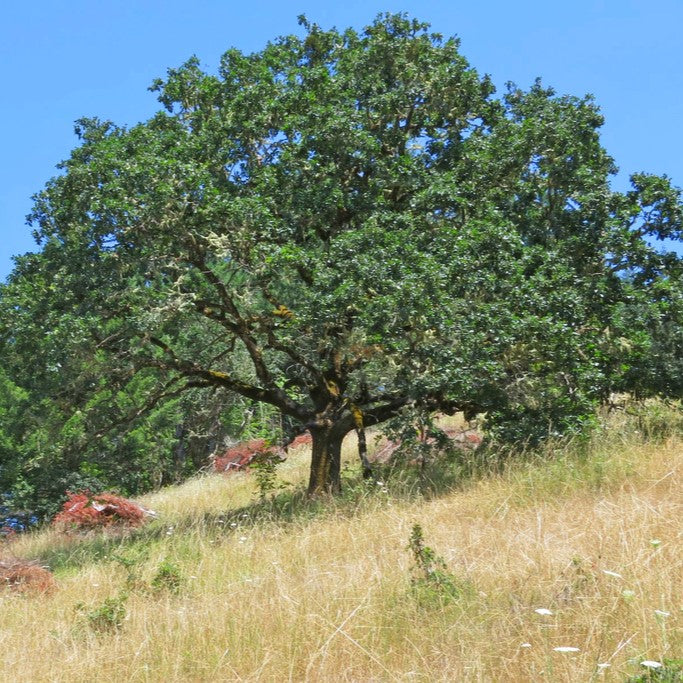
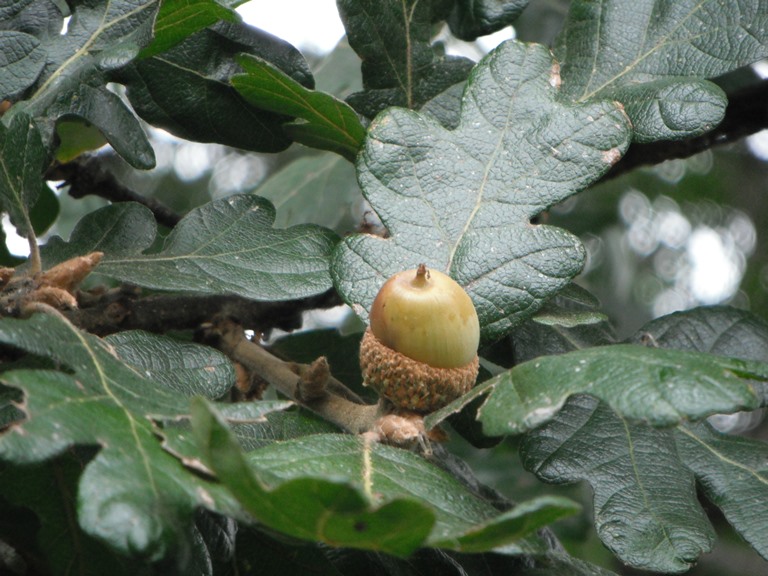
Oregon white oak (Quercus garryana)
leaves: simple, alternate, deciduous, pinnately lobed with 7-9 rounded lobes, leaves 3-6” long and 2-5 wide
shiny on top, light green on the bottom
fruit is an acorn with shallow cap about 1” long
twigs, pith is star shaped
bark: Grayish that may be shaggy or have shallow ridges and fissures
short petiole
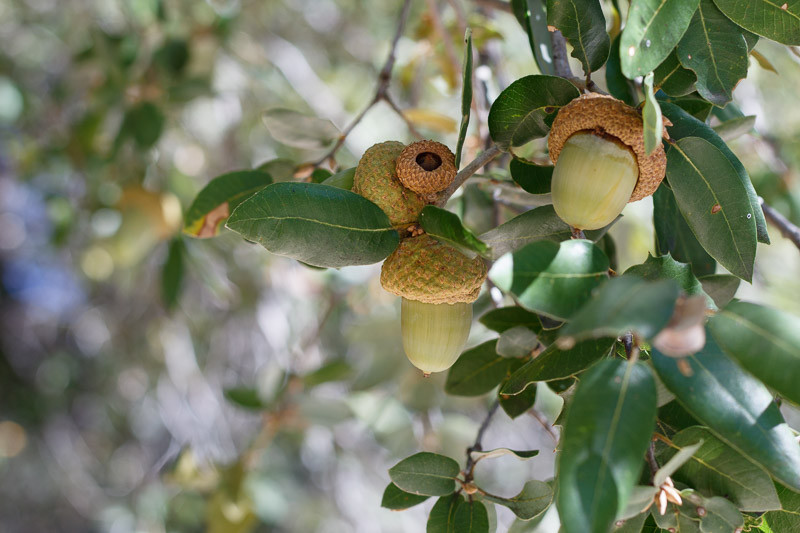
Canyon live oak (Quercus chrysolepis)
leaves: 2 distinct types on the same tree; all are simple, alternate, evergreen, about 1-4” long. some have smooth edges and some are spiked like holly
fruit is acorn .5-2” long with a variable cap
twigs are slender, pith is star shaped

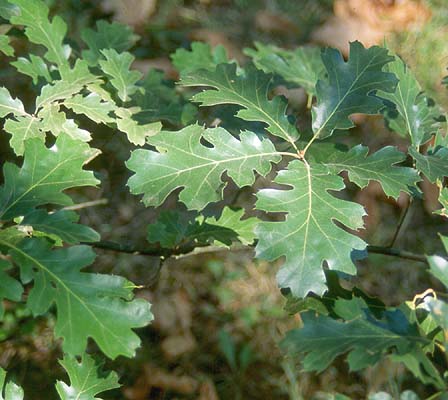
California black oak (Quercus kelloggii)
leaves: simple, alternate, deciduous. Pinnately lobed with 7 pointed and bristle tipped lobes
fruit acorn with a deep cap 1-2” long
bark is dark with irregular plats about 1”thick
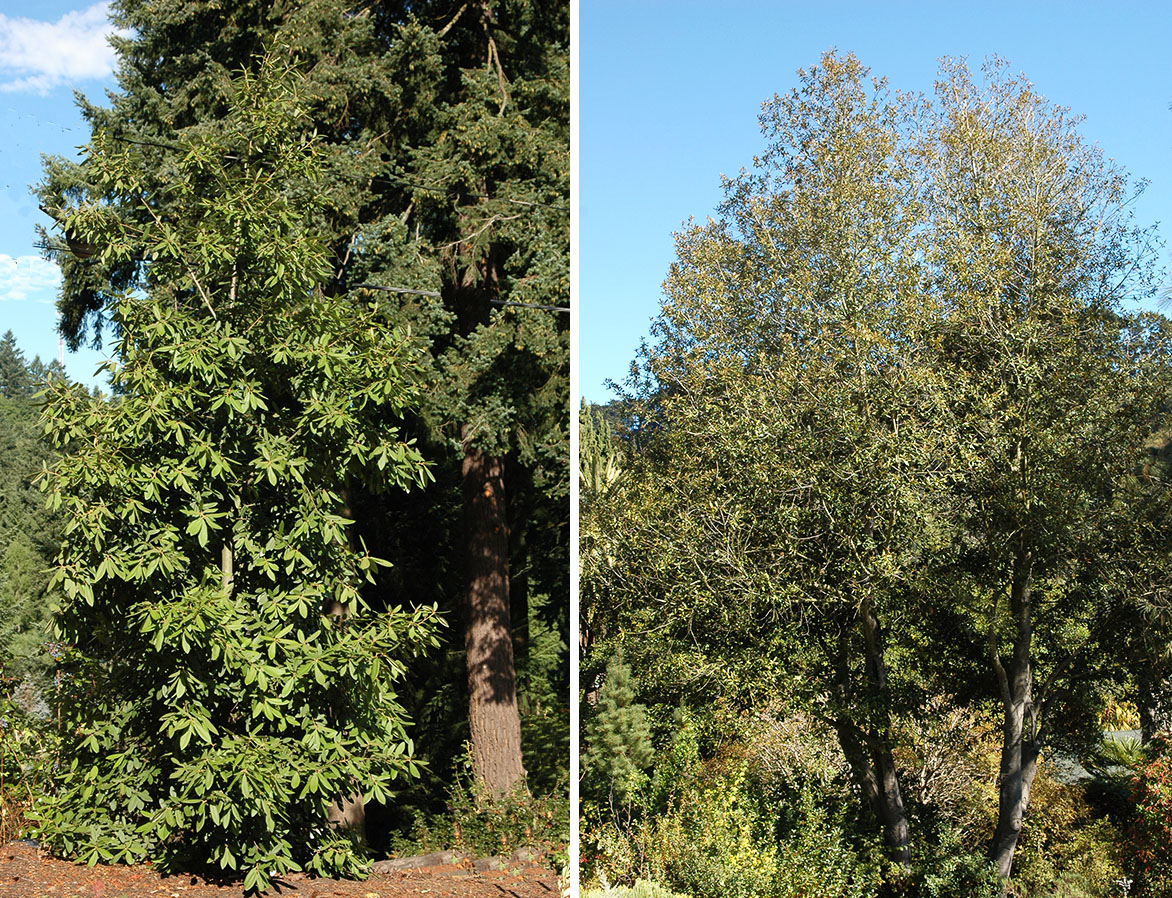
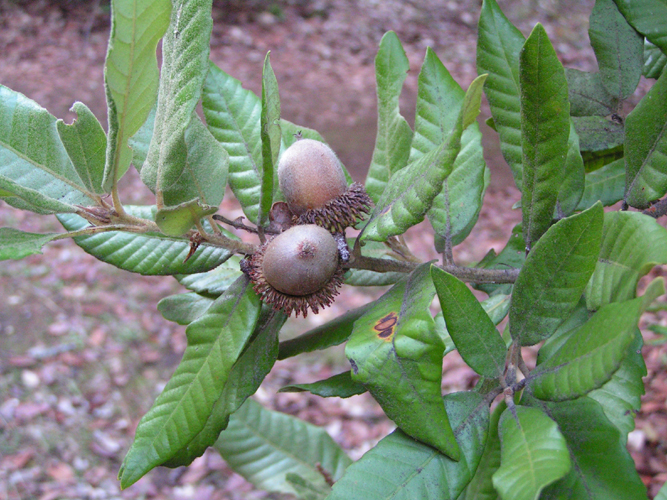
Tanoak (Notholithocarpus densiflorus)
not a real oak, but has some characteristics
leaves: simple, alternate, evergreen. Thick and leathery 3-5” long with bluish white fuzz underneath, margins are smooth or toothed
Fruit: acorns with spiked caps
bark is thin with flattened ridges or plates
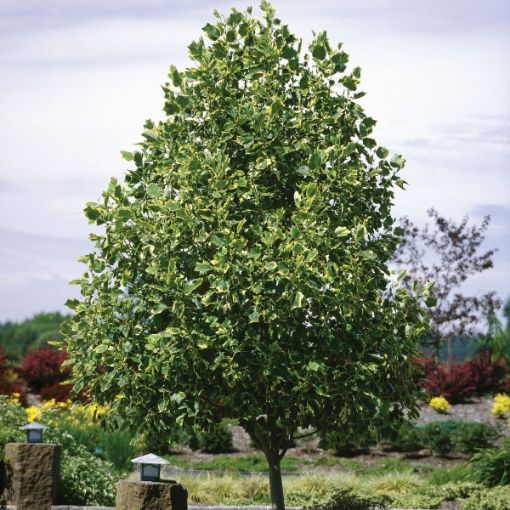

Yellow poplar (Liriodendron tulipifera)
also known as tulip tree
leaves: simple, alternate, deciduous, 4-6” long, 4 lobes
flowers: perfect, yellow-green cup shaped 1.24-2” long
fruit: large erect cone
bark: smooth and dark green on young seems, becoming thick ash gray and furrowed on older trees
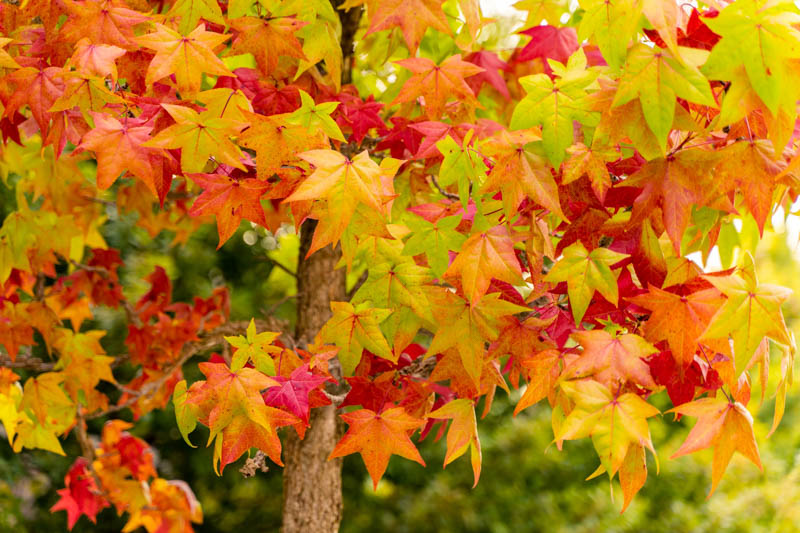

Sweetgum (Liquidambar styraciflua)
leaves: alternate, simple, deciduous, star shaped with 5-7 palmate lobes, 4-7” long, bright green above and paler below
fruit about 1.5 in diameter with globose shape with little spikes
bark is thick, gray brown and deeply furrowed
Sycamore (Platanus); American sycamore (Platanus occidentalis)
In eastern US one of the largest hardwood trees
leaves: alternate, simple, deciduous, broadly ovate with 3-5 lobes, 4-7” long, coarsely toothed, bright green above and paler and hairy along the veins below
fruit: multiple blobs fruit 1-1.25” in diameter
bark: red brown
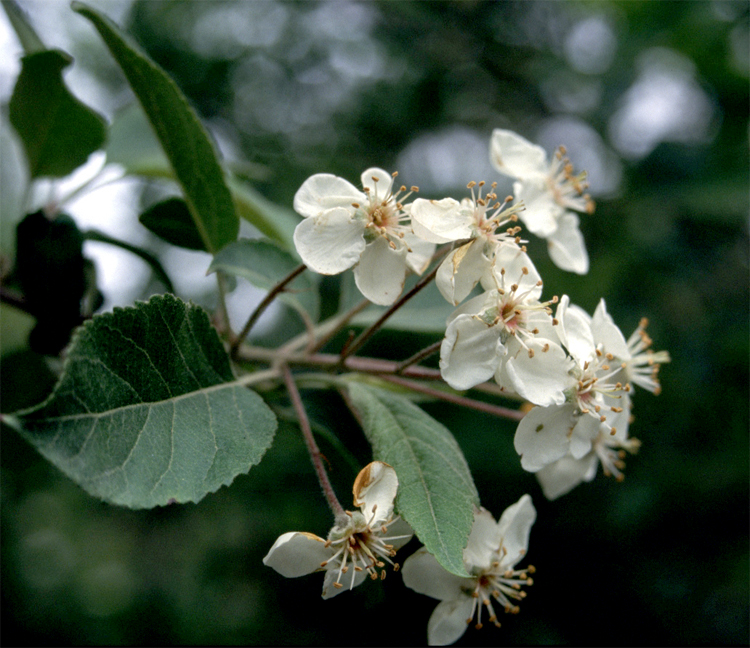
Apple (Malus); Oregon crab apple (malus fusca)
leaves: simple, alternate, deciduous, egg shaped, 1-4” long, margins serrated or lobed and serrated
fruit: small apples .25-.75” diameter, yellow to red
twigs: no thorns but branch ends sharp
flowers: look like apple blossoms, white flowers in clusters
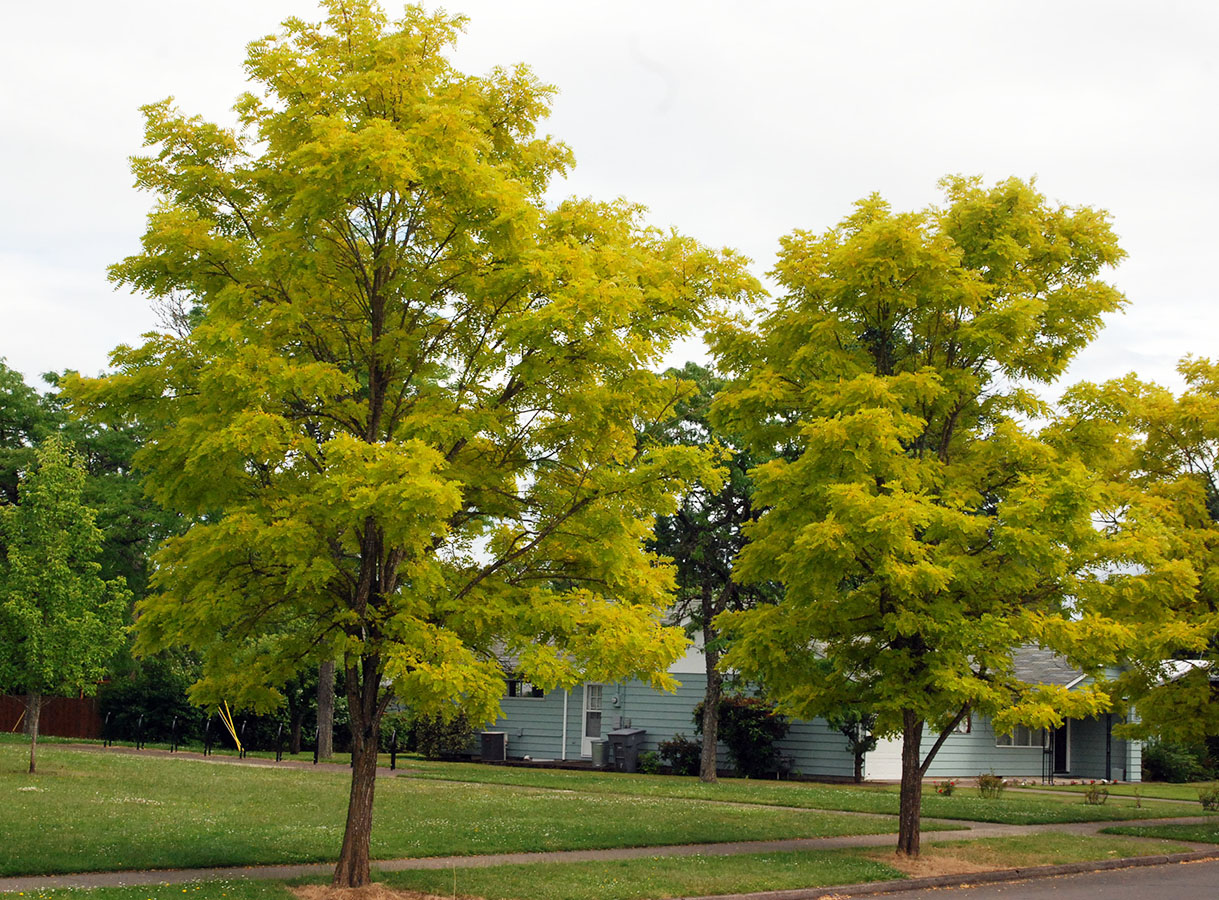
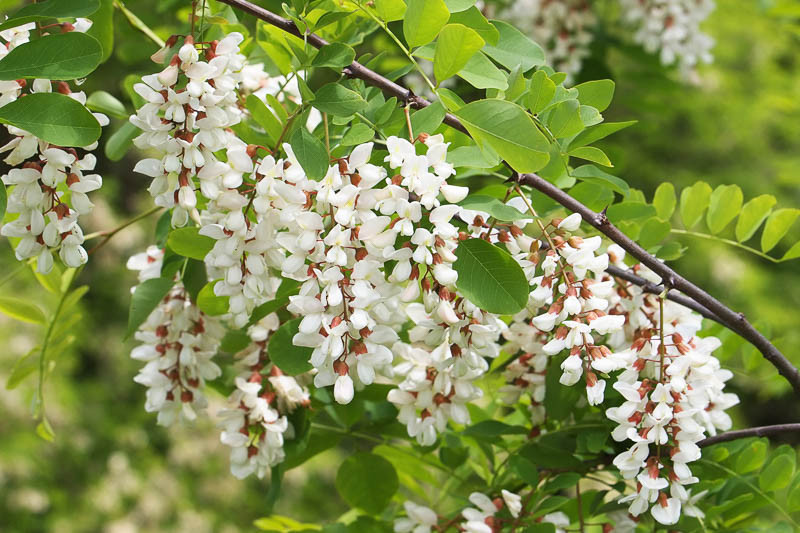
Black locust (Robinia pseudoacacia)
Leaves: deciduous, alternate, pinnately compound, 8-14” long with 7-21 leaflets. Leaflets 1.5-2” long, dark blue green above and paler below, entire
twigs: Armed with spines about .5” long. Red brown in color
fruit: smooth dark brown legume 2-4” long
bark is red brown to nearly black, deeply fissured into rounded scaly ridges
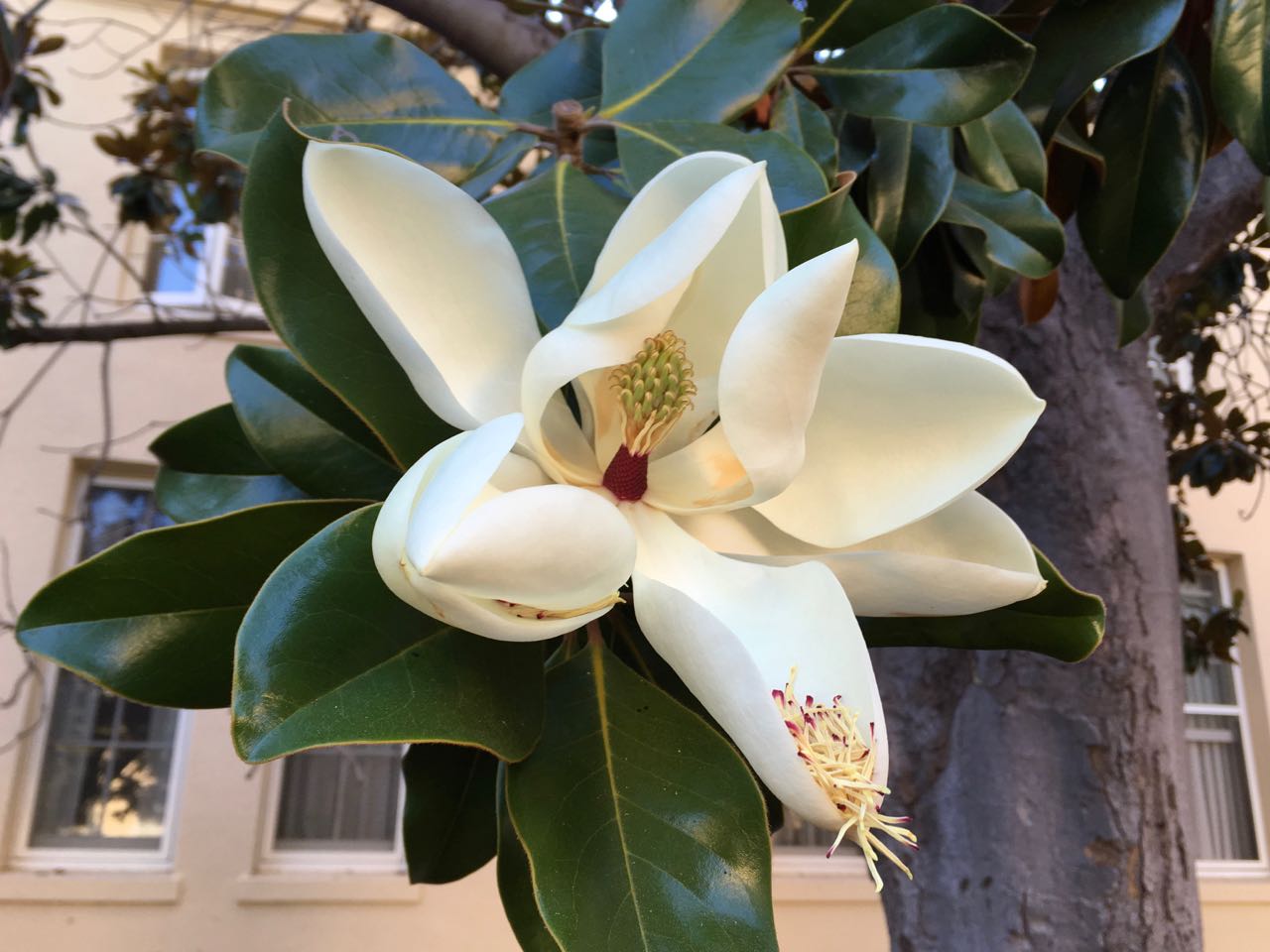
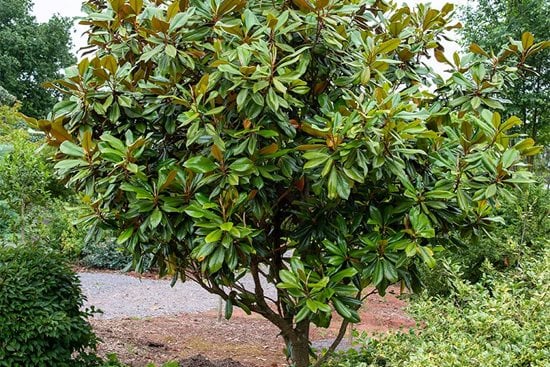
Magnolia (Magnolia) ; southern magnolia (Magnolia grandiflora)
leaves: persistent 2 years, narrowly oval to ovate 5-8” long, margin entire, thick nd leathery, bright green above and at maturity red - wooly below
flowers: white, showy and fragrant 6-8” in diameter with 6-12 large petals
fruit: cone like aggregate of follicles